A Funny Chemo Moment
In 2018, I was being treated for stage 3B testicular cancer that had spread to lymph nodes and my lung. My doctor connected a bag of ice-cold cisplatin to my chest port, but a single drop spilled. She panicked, checking her gloves frantically, while I was about to have the whole bag flow directly into my heart. The absurdity: a substance so toxic that one drop terrified her, yet it was my medicine.
The Accidental Discovery of Cisplatin
Barnett Rosenberg's Spaghetti Bacteria
- 1960s: Physicist Barnett Rosenberg wanted to test if electricity could manipulate bacteria
- Electricity did nothing, but platinum electrodes turned bacteria into spaghetti-like strands 300x longer
- More importantly: the bacteria stopped multiplying
From Mice to Humans
- Rosenberg injected cisplatin into mice with cancer
- High doses killed the mice; lower doses shrank tumors completely
- Experts were skeptical, heavy metals are notoriously toxic
- Rosenberg called drug developers weekly until human trials began
Early Disaster
- Early human trials were a mess: cisplatin barely worked on most cancers
- Up to 75% of patients suffered severe kidney damage
- Some patients were killed by the drug itself
The Breakthrough
- 11 patients with advanced testicular cancer received cisplatin
- 6 showed some response; 3 went into complete remission, a cure
- Before this, metastatic testicular cancer had a 95% mortality rate
- A new protocol of massive overhydration (flooding the body with fluids) protected the kidneys
Today, testicular cancer has a 95% survival rate, even when widely spread. Platinum drugs are a backbone of many chemo regimens. For a broader look at how we understand and fight this disease, see Understanding Cancer: Causes, Treatments, and Integrative Care Approaches.
What Cisplatin Actually Does Inside Your Body
Delivery
- Injected into a central venous access (tube straight to the heart)
- Served ice cold, you feel it spread through your body, cooling you from inside
The Poison Cascade
- First hours: ~90% of cisplatin binds to blood plasma, temporarily inactive
- Next few days: Slowly released from plasma, constantly poisoning your body
- Kidneys work overtime to flush it out, you pee all day and night
- 10% of cisplatin enters your cells by diffusing through cell membranes
Inside the Cell
- Cisplatin sheds chloride ions and attaches to water molecules, "like a grenade ejecting its safety"
- It passes into the nucleus where it attacks DNA
- Acts like chewing gum in a zipper: clumps up DNA strands, preventing reading and copying
Why Normal Cells Mostly Survive
- Non-dividing cells (muscle, etc.): slow metabolism, stop replicating, repair damage → mostly fine
- Quickly dividing cells (hair follicles, gut lining, taste buds, bone marrow): can't slow down → trigger programmed cell death (apoptosis) → side effects
Why Cancer Cells Die
- Cancer cells have broken self-destruction buttons, poor DNA repair, and can't slow down
- Testicular cancer cells are special: they originate from germ cells (reproductive cells)
- Germ cells are programmed to protect genetic integrity at all costs, they destroy themselves rather than pass on damaged DNA
- When cisplatin destroys their DNA, testicular cancer cells still remember their original purpose and self-destruct
My Experience
- 6 weeks of chemo completely eliminated cancer that would have been a death sentence decades ago
- Lymph nodes full of cancer dissolved; only scar tissue remains in my lung
- Anti-nausea drugs worked so well I never vomited once
"Cancer never wins because it can't live without you. Either you both die, or you live."
Eight years later, I'm grateful for how cancer changed my outlook on life. The best way to process the emotional whiplash was learning about my body and medicine. You can also explore complementary strategies in Effective Plant-Based Diet Strategies for Cancer Prevention.
Thanks, cisplatin. I hope we never meet again.
This is not a sad story! Going through chemotherapy was one of the most interesting experiences of my life and my most vivid memory is very funny.
In 2018 I was being treated for stage 3 B testicular cancer that had metastasized into a few lymph nodes and my lung. Very serious business unfortunately.
Boys and men, check your testicles tonight. One day my doctor was about to punish my body with a fresh dose of Cisplatin. A cytotoxic hazardous chemotherapy agent.
One of the absolutely worst ones. Controlled medical violence. The villain and hero of this story.
My buddy Cisplatin came in a green, opaque two liter bag directly from the fridge. The doctor connected the infusion to the central venous access in my chest, a tube that led directly to my heart.
But then… A short moment of inattention and disaster struck: A single drop of the icy liquid escaped.
She panicked for a second, checking frantically if the liquid had landed on her doubly gloved hands or her skin. But luckily it had missed.
I had to laugh at the scene. My doctor, who I trusted deeply, was terrified of a single drop of Cisplatin. And I was about to have a whole bag flush directly into my heart so it
would spread to every last nook and cranny of my body. And then again tomorrow. Yeah sure, let’s go!
But seriously, how absurd is it that this stuff is medicine? So let me tell you the story of a revolutionary chemical that was almost discarded as a failure because it was too brutal, too toxic, too dangerous.
A molecule that punched me in the face and wrecked my body. And then saved my life and millions more. Cisplatin - The Super Toxic Wonder Drug
Cisplatin is a heavy metal compound. A tiny molecule with a platinum atom at its center that looks like a quadcopter. Its success story, like many medical breakthroughs, began with an accident.
In the 1960s physicist Barnett Rosenberg wanted to see if he could manipulate living beings with electricity and learn interesting things because why not. Well it turns out electricity did nothing but instead he found something huge:
The bacteria in a solution with platinum electrodes turned into spaghetti, 300 times longer – but way more important: They stopped multiplying. It turned out platinum molecules did that.
At the time chemotherapy was gaining popularity as a treatment for cancer – any chemical that stopped cell division was a potential candidate. Rosenberg felt like he should inject Cisplatin
into mice with cancer to see what happened because why not. And oh boy, did things happen! While high doses turned out to be deadly to the poor rodents,
on lower doses their tumors shrank, did not come back and the mice survived! Until they were cut open to make sure of course! But it would be a pretty rocky path from mice to human medical trials.
Many experts were sceptical: Heavy metals are notoriously toxic and not worth the risk. But Rosenberg kept pushing and lobbying – at one point calling drug developers weekly until Cisplatin was finally tested in humans. And well, things went horribly.
Cisplatin was used on a wide variety of patients with different cancer types. Not only did the heavy metal not really slow down most cancers, it kind of killed some patients. In early studies, up to 75% of patients got severe kidney damage.
It’s hard to prove if that’s what killed them though, as they were already dying of cancer. And then an astonishing study rocked the medical world: 11 patients with advanced testicular cancer, the most common cancer among young men, received Cisplatin.
6 responded somewhat, and three… went into complete remission. In more human words: they were cured. This was unheard of.
Until this moment, metastatic testicular cancer was super deadly, 95% of all men who got it died. 3 out of 11 recoveries, from the very late stage no less, was a medical breakthrough. Another one made cisplatin finally bearable: A new protocol of massive overhydration – basically the
patient would be flooded with liters and liters of fluid to flush the Cisplatin out of the kidneys. If you are wondering, yes, this means that you pee all day and night. The game for testicular cancer flipped.
Today it has a 95% survival rate, even when it has spread widely across the body already. And platinum drugs are a backbone of a large fraction of chemo therapies of all kinds. Ok, but what does Cisplatin actually do that
makes it so effective against testicular cancer in particular? What Cisplatin Actually Does Inside Your Body Cisplatin can be injected into a central venous access, a sort
of hub that can be inserted easily and leads straight into the heart. Which means that it is immediately and rapidly distributed. Because Cisplatin is served ice cold,
you feel it spread all over your body, cooling you from the inside. Pretty weird sensation. The immediate effect is… nothing much.
In the first few hours about 90% of the Cisplatin molecule binds to the plasma of your blood and is, for now, inactive. Over the next few days it is slowly being released
from the plasma and showers your body with a constant barrage of poison. All while your kidneys are working at maximum capacity to remove it from your body as quickly as they can so you can pee it out. The 10% Cisplatin that doesn't bind
to plasma passes from your blood into your tissue and organs. Where it finally enters your cells. The membranes of cells are well protected fortresses that
carefully monitor who is allowed in but they can’t stop Cisplatin. It simply diffuses into the cell, with some of it even actively hauled in. Inside the cell, it sheds its chloride ions
and connects to water molecules – like a grenade ejecting its safety. Cisplatin is now chemically active. Again, this should trigger emergency protocols – but thanks to its tinyness
the poison escapes detection and passes through another line of defense: the nucleus, home of your DNA – here it finally causes catastrophic damage. Your DNA is a two meter long zipper, bundled up neatly and orderly.
Cisplatin is like chewing gum that gets inside zipper teeth and hardens, clumping up parts that don’t belong together. This is an emergency,
because it critically interrupts the cell's ability to read and copy DNA. Your cell is now on an urgent timer: Fix this or die. Repair molecules spring into action but the chaos and damage is severe and very hard to fix.
Cells that don’t need to divide quickly, say in your muscles, can slow down their metabolism, stop replicating and start repairing. Bit by bit they fix the genetic damage, removing the cisplatin.
They will mostly be fine. But there are cells that need to replicate quickly. The cells that make your hair grow, the lining of your gut,
the tastebuds of your tongue, your bone marrow that makes red and white blood cells. All of them are factories producing new cells constantly and they now have a fundamental problem: Their internal replication clock doesn’t stop,
their DNA needs to be copied and right now this is not possible. So if the damage is too heavy, apoptosis is triggered: programmed cell death. If a cell thinks it is damaged too much and destroys itself,
this means it is working as intended. It sacrifices itself to protect the larger whole. And now this is happening all over your body. Billions of cells start dying, creating all the side effects of chemotherapy.
Which is the point, because your cancer cells are extremely not ready for any of this. As we’ve explained in detail before, cancer cells are broken cells. In a nutshell, their self destruction button is broken, they are really bad
at fixing their own genetic damage and they literally can’t slow down. The reason Cisplatin is so incredibly effective against testicular cancer is because it has an unusual vulnerability that other cancer types don’t have:
Most testicular cancer cells are born from germ cells. Specialists made for the reproduction of the whole, gigantic organism. Reproduction is the whole point for all living things, so the responsibility is huge.
For germ cells the integrity of their DNA is a critical priority – even small mistakes could introduce genetic damage into the bloodline and weaken it. So they constantly scan themselves and tolerate almost no errors.
When Cisplatin wrecks their DNA, testicular cancer cells still remember their original purpose of protecting genetic integrity and destroy themselves. Thinking they are preventing damaged material being passed on to the next generation.
Your tumors collapse, no matter where in the body cancer cells have escaped to. And this is what happened inside my body. Over the span of just 6 weeks, the chemo completely eliminated a cancer that would
have been a death sentence a few decades earlier. The lymph nodes full of cancer were completely dissolved. A bit of scar tissue remains in my lung.
The side effects were not fun and I’ll spare you the details. But I want you to know that just in the last few years drugs against chemo side effects have improved massively.
They made the experience bearable. The anti nausea drugs worked so well I didn’t have to vomit once. If you ever have to go through the same treatment for testicular cancer,
please know that you can do it. Just take it day by day. My cancer has not returned since.
Final Thoughts At no point of this entire ordeal did I hate my cancer cells. It was not their fault that they were broken and they didn't know better.
But it also didn’t matter. Cancer never wins because it can’t live without you. Either you both die – or you live.
8 years have passed since my meeting with Cisplatin. Human brains determine your happiness by comparing your life to your past. I remember one specific day in early fall, sitting in a cafe in Munich.
My hair was coming back and my sense of taste had finally fully returned. Feeling the sun while having the most delicious croissant and cappuccino of my life, waiting for a close friend to join me.
A sensation of immense gratitude filled my body and has remained with me ever since. I’m not grateful for having had cancer. Not even a little.
But I’m grateful for how it changed my outlook on life. For me the best way to process this extreme emotional whiplash was to learn more about my body.
This is why kurzgesagt is obsessed with disease videos, why I wrote a book about the immune system. To make disease and medicine less mysterious.
To learn how we are inching relentlessly towards a world where we will be able to cure all diseases. Cisplatin did cure me – it would have been nice if it could have done so without kicking me in the face repeatedly.
But oh well. It did save my life. This strange, wonderful, horrible substance.
Thanks Cisplatin! I hope we never meet again. kurzgesagt isn’t just a YouTube channel.
It's a complex company, with multiple departments, an online shop, accounting, logistics, dozens of employees and a whole lot of unsexy paperwork. Even in less… "eventful" times, that’s a lot to juggle.
That’s why we recommend Odoo to anyone trying to turn their dream into a business. Odoo is an all-in-one management software that helps you run your business day to day. We know how crazy things can get when you’re just trying to make something.
And with over 70 user-friendly apps, Odoo lets you handle everything from accounting and inventory to website and human resources – all on a single platform. For example, you can build a website in just a few minutes: simply choose
your business type and positioning, pick your colors, and choose a theme. And you’re live! Plus, all apps are fully integrated.
Let’s take a concrete example: if you add e-commerce to your site, every sale automatically generates an invoice and updates your inventory in real time. You can use one app for free – because your first Odoo app is free forever,
with unlimited support and hosting included. And when your business grows, Odoo grows with you. Just add more apps as you need them.
Access to all applications starts at just $24.90 a month. Spend less time on the tedious stuff and more time on what you love. Try it today!
Every year we celebrate innovation, ingenuity and life itself with our Human Era Calendar. This time we honor the dark tales and legends that helped our ancestors make sense of the world before science.
12 breathtaking artworks of humanity's most curious legends will inspire you throughout the year and take you on a journey through forgotten worlds and human imagination. It’s an eye-catcher for any room and a conversation-starter,
but also a statement for science and human craft. The Calendar is our most cherished release every year. By buying it and other products from our shop you
fund our independent channels and help us release videos for free for everyone. Thank you so much! Get your Human Era Calendar from the kurzgesagt shop.
Cisplatin is a platinum-based chemotherapy drug discovered accidentally in the 1960s by physicist Barnett Rosenberg. While testing the effects of electricity on bacteria, he noticed platinum electrodes caused bacteria to stop multiplying. Further research showed cisplatin could shrink tumors in mice, leading to its use in cancer treatment after overcoming initial toxicity challenges.
Cisplatin is extremely toxic because it disrupts DNA replication, particularly damaging rapidly dividing cells. Early trials caused severe side effects like kidney failure in up to 75% of patients, and some died from the drug itself. Even a single drop spilled on a healthcare worker’s glove can cause alarm, highlighting its potency despite its life-saving benefits.
Cisplatin targets DNA by binding to it, preventing replication. Normal cells that divide slowly (e.g., muscle cells) can repair damage, but rapidly dividing cells (e.g., hair follicles, gut lining) are vulnerable, causing side effects like hair loss. Cancer cells, with faulty DNA repair, struggle to survive. Testicular cancer cells retain a germ cell program to self-destruct when DNA is damaged, making them especially sensitive.
Before cisplatin, metastatic testicular cancer had a 95% mortality rate. In early trials, 3 of 11 patients achieved complete remission, marking a breakthrough. Today, with cisplatin combined with aggressive hydration to protect kidneys, survival rates exceed 95% even for advanced cases, as the drug exploits the self-destruct mechanism of germ cell-derived cancers.
Side effects include hair loss, nausea, vomiting, fatigue, and kidney damage (mitigated by overhydration). The drug targets fast-dividing cells like hair follicles and gut lining. Modern anti-nausea medications are highly effective; in the video, the author never vomited once during six weeks of chemo for testicular cancer.
Cisplatin is injected via a central venous access (tube to the heart). It is often infused ice-cold to reduce discomfort. Patients describe a spreading cold sensation through their body as the drug enters. Most of it binds to blood plasma temporarily, then is slowly released over days, peaking in toxicity during the first week.
Keep this summary
Save it to LunaNotes and it becomes a real note in your library — editable, searchable, and ready to turn into flashcards or a diagram. Free to start.
Save to LunaNotesOr summarise for another video.


32K+ people have turned 65K+ videos into notes
“Very useful tool. I'm using it for the last couple weeks and I'm loving it so far. Makes learning on YouTube a great experience.”
 Bhai Chrome Web Store review
This summary and transcript were automatically generated using AI with the Free YouTube transcript summary tool by LunaNotes.
Related summaries
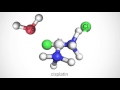
Cisplatin: The Platinum Anti-Cancer Drug Revolutionizing Treatment
Discover how a serendipitous discovery in the 1960s led to cisplatin, a powerful platinum-based drug that transformed cancer treatment. Learn about its mechanism of action against cancer cells and its remarkable impact on survival rates for testicular and ovarian cancers.
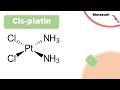
Cisplatin Chemotherapy: How Platinum Drugs Kill Cancer Cells & Resistance Mechanisms
This video explains how cisplatin damages cancer cell DNA to trigger cell death, explores resistance mechanisms like DNA repair upregulation, and covers platinum-based drug variants, side effects, and molecular pathways. A structured breakdown with targeted search keywords.
45 Years of Hope: Why a Cancer Cure Is Still Possible
Dr. David Williams reflects on his 45-year career, expressing his deep, enduring hope that a cure for cancer will be discovered in his lifetime. This powerful, concise testimony highlights a leading figure's unwavering commitment and optimism for the future of oncology.
Understanding Cancer: Causes, Treatments, and Integrative Care Approaches
Cancer affects millions worldwide, yet many misunderstand its complexity and treatment options. This summary explains what cancer is, highlights common types, and explores traditional and integrative therapies, including advances in precision medicine that offer personalized treatment plans.
Revolutionizing Recovery: The Power of Magnetic Field Therapy
Discover how magnetic field therapy aids recovery and enhances healing processes for serious injuries and conditions.
Most viewed summaries

A Comprehensive Guide to Using Stable Diffusion Forge UI
Explore the Stable Diffusion Forge UI, customizable settings, models, and more to enhance your image generation experience.

Kolonyalismo at Imperyalismo: Ang Kasaysayan ng Pagsakop sa Pilipinas
Tuklasin ang kasaysayan ng kolonyalismo at imperyalismo sa Pilipinas sa pamamagitan ni Ferdinand Magellan.

Mastering Inpainting with Stable Diffusion: Fix Mistakes and Enhance Your Images
Learn to fix mistakes and enhance images with Stable Diffusion's inpainting features effectively.

Pamamaraan at Patakarang Kolonyal ng mga Espanyol sa Pilipinas
Tuklasin ang mga pamamaraan at patakaran ng mga Espanyol sa Pilipinas, at ang epekto nito sa mga Pilipino.

How to Install and Configure Forge: A New Stable Diffusion Web UI
Learn to install and configure the new Forge web UI for Stable Diffusion, with tips on models and settings.
Found this summary useful?
Take it with you. One click puts it in your own LunaNotes library.
Save to LunaNotes