Cisplatin Mechanism of Action: A Three-Phase Deep Dive
This summary covers how cisplatin kills cancer cells, why resistance develops, and key clinical insights. The video is structured in three levels of difficulty: light, intermediate, and expert.
Phase 1: The Basics
Cisplatin is a simple chemotherapy drug with a central platinum atom, two chloride groups, and two amino groups. It is a cornerstone of Cisplatin: The Platinum Anti-Cancer Drug Revolutionizing Treatment.
- Key Action: After injection, cisplatin enters cancer cells and damages their DNA.
- Outcome: Accumulated DNA damage causes cells to malfunction and die.
- Resistance Insight: Cancer cells resist by boosting production of special enzymes that repair the DNA damage cisplatin causes.
- Clinical Fact: Cisplatin is especially effective against testicular cancers because those cells have fewer repair enzymes.
Phase 2: Deeper Molecular Understanding
Why the Cis Structure Matters
- Cisplatin means both chloride groups are on the same side of the platinum atom.
- Transplatin has chloride groups on opposite sides and is not used as chemotherapy.
- Why? High chloride ion concentration in the blood keeps cisplatin unreactive until it enters the cell.
Cellular Entry and Activation
- Cisplatin enters cancer cells via the CTR1 transporter.
- Inside the cell, the low chloride concentration makes cisplatin reactive.
- It then binds to cytosolic proteins and heads to the nucleus. This process is part of the broader Understanding DNA Replication: The Science Behind Cell Division pathway.
DNA Damage Types
Cisplatin primarily targets guanine bases. It forms three DNA lesions:
- Monoadduct: Binds to a single purine base.
- Intrastrand Cross-link: Connects two nucleotides on the same DNA strand.
- Interstrand Cross-link: Connects two nucleotides on opposite DNA strands.
Cellular Response to Damage
These lesions trigger:
- Double-strand breaks
- Inhibition of RNA transcriptional activity
- Interruption of DNA replication
The cell's DNA damage recognition proteins can then:
- Arrest cell division (to repair damage)
- Induce apoptosis (programmed cell suicide)
Resistance Mechanisms
- Glutathione reductase is upregulated to scavenge cisplatin in the cytosol.
- Nucleotide Excision Repair (NER) fixes single-nucleotide adducts.
- Homologous Recombination (HR) or Non-Homologous End Joining (NHEJ) repairs double-strand breaks.
Phase 3: Expert-Level Insights
Platinum Drug Family
Cisplatin belongs to the alkylating agents family. Its main side effects include kidney damage and hearing loss, especially in children. These effects are detailed in Cisplatin: The Super Toxic Chemo Drug That Saved My Life.
Second-Generation Drugs
- Carboplatin and Oxaliplatin are less reactive than cisplatin.
- They have fewer side effects but also show different resistance profiles.
Detailed Resistance Pathways
Cancer cells develop resistance through multiple strategies:
| Strategy | Mechanism | | :--- | :--- | | Decreased influx | Lower expression of CTR1, OCT2 transporters | | Increased efflux | Higher expression of ATP7A or ATP7B | | Enhanced DNA repair | Upregulate NER, HR, NHEJ pathways | | Disabled mismatch repair (MMR) | MMR system fails to detect platinated nucleotides and mistakenly removes the opposite, healthy nucleotides | | Apoptotic pathway defects | Mutations or silencing of genes needed for apoptosis activation | | Overactive arrest & repair | Cells strongly activate G2/M cell cycle checkpoint and repair enzymes |
Open Question: It remains unknown what controls p53's decision between triggering apoptosis versus arrest-and-repair. This process is directly tied to The Regulation of the Cell Cycle: Understanding Key Processes and Checkpoints.
Summary of Key Takeaways
- Cisplatin works by cross-linking DNA, blocking replication and transcription.
- Resistance arises from changes in drug transport, DNA repair, and apoptosis pathways.
- Newer platinum drugs (carboplatin, oxaliplatin) offer better safety profiles.
- Understanding resistance mechanisms is critical for improving cancer treatment outcomes, as highlighted in Understanding Cancer: Causes, Treatments, and Integrative Care Approaches.
these scientists in this video you'll find a well-prepared comprehensive and hopefully entertaining explanation
forces platin first we'll keep it light next we'll add some inside but for the final round you have to be an expert to
understand the profound so what is this platin so splatin is one of the chemotherapeutics that can
effectively kill cancer cells its chemical structure is simple it has a central Platinum element and it has two
chloral groups on one side and two amino groups on the other one so how can splatting kill cancer cells after being
injected into the blood this platin enters the cancer cells and damages their DNA as the damage accumulates over
time the cells will not be able to function properly and this will eventually lead to its death so the
intermingling question is why do some patients exhibit only an initial short-term response before their
tumors become resistant and continue their growth the researchers found that cancer cells
can resist the splatum by increasing the production of special enzymes that can repair the DNA and fix the damage caused
by cisplatin and for the same reason so splatin is highly effective with the testicular cancers because testicular
cancers have less repair enzymes than the rest of the body if you are entering the second phase please and take care
please press the like button and take care you will find it entertaining so what is the meaning of systems
splatances means that the two chloral groups are on the same side unlike transplantin which has two chloral
groups on opposite sides and for your knowledge transplanting is not used as a chemotherapy
due to the high concentration of chloride ions in the blood this platin is unreactive there
this is platinum manages to enter the cancer cell via transporter named ctr1 and because of the low cytoplasmic
concentration of chloride ions since Platinum becomes reactive and binds to the encountered cytosolic proteins all
the idea inside the nucleus so splata mostly targets the guanine bases and it forms one of the three following
interactions so splitting can form a monoaduct resulting from its binding with a purine base can form a cross-link
connecting two nucleotides together and this linkage can be intra in The Sims Trend or enter between two opposite
strands the previously mentioned DNA lesions can lead to double strand breaks the inhibition of RNA transcriptional
activity and the interruption of the DNA replication the cell has DNA damage recognition proteins that can lead to
either arresting the cell division or committing suicide via the induction of the apoptotic pathway
glutathione reductase is upregulated in resistant cancer cells to counter and scavenge this is splatin and protect the
cytosolic proteins from it in addition existing cancer cells can fix the single nucleotides adducts via the upper
regulation of nucleotide excision repair pathway or fixed the subsequent double strand breaks where the upregulation of
homologous recombination or non-homologous in joining pathways now let's end with the search cycle take
a deep breath and subscribe if you found what you needed this button is one of the Platinum family which is one of the
branches of the alkylating Asians 3. so splatan showed kidney damage and hearing loss especially in children accordingly
two plating compounds were used carboplatin and oxaliplatin with less reactivity but also with less side
effects cancer cells can decrease the influx or the entry of splatin by decreasing the
expression of ctr1 oc2 or increase the efflux by increasing the ATP 7A or B cancer cells can increase the DNA repair
enzymes ner HR and hej or decrease the mismatch repair pathway as the MMR system is ineffective in detecting the
platinated nucleotides and instead it removes the opposite non-platinated nucleotides
resistant cancer cells may have mutated or silenced one or multiple genes contributing to the apoptotic pathway
activation and they can over activate the arrest and repair enzymes to our date it's not known what controls p50c
to choose between apoptosis or arrest and repair congratulations you have completed the three phases and your
dedication is deeply appreciated if you are interested in cancer research subscribe to this Channel and always
check in the description for premium courses that will be available on August 2023 to know more about alkylating
agents in general click on this video
Cisplatin enters cancer cells via the CTR1 transporter and becomes activated in the low-chloride environment inside the cell. It targets guanine bases in DNA, forming cross-links (intrastrand and interstrand) that block replication and transcription. This damage triggers cell cycle arrest or apoptosis (programmed cell death), ultimately killing the cancer cell.
Testicular cancer cells have lower levels of DNA repair enzymes, making them less capable of fixing cisplatin-induced damage. This vulnerability leads to the accumulation of lethal DNA lesions, explaining cisplatin's high cure rates in testicular cancers.
Resistance develops through several mechanisms: reduced drug influx (lower CTR1 transporters), increased efflux (ATP7A/B), enhanced DNA repair pathways (NER, HR, NHEJ), disabled mismatch repair, defective apoptosis pathways, and overactive cell cycle arrest. Some cells also upregulate glutathione to scavenge cisplatin in the cytosol.
Cisplatin has both chloride groups on the same side of the platinum atom, allowing it to form cross-links with DNA. Transplatin has them on opposite sides, making it geometrically unable to create effective DNA cross-links, so it is not used as chemotherapy.
Carboplatin and oxaliplatin are second-generation platinum drugs designed to be less reactive than cisplatin. They cause fewer side effects like kidney damage and hearing loss but have different resistance profiles due to structural differences, offering alternative treatment options.
Cisplatin accumulates in kidney cells and hair cells of the inner ear, causing oxidative stress and DNA damage in these non-cancerous tissues. This leads to nephrotoxicity (kidney damage) and ototoxicity (hearing loss), particularly with higher doses or in children.
A key open question is what determines whether the p53 protein triggers apoptosis or cell cycle arrest after cisplatin damage. Understanding this decision point could help overcome resistance and improve treatment strategies.
Keep this summary
Save it to LunaNotes and it becomes a real note in your library — editable, searchable, and ready to turn into flashcards or a diagram. Free to start.
Save to LunaNotesOr summarise for another video.


32K+ people have turned 65K+ videos into notes
“Very useful tool. I'm using it for the last couple weeks and I'm loving it so far. Makes learning on YouTube a great experience.”
 Bhai Chrome Web Store review
This summary and transcript were automatically generated using AI with the Free YouTube transcript summary tool by LunaNotes.
Related summaries
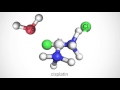
Cisplatin: The Platinum Anti-Cancer Drug Revolutionizing Treatment
Discover how a serendipitous discovery in the 1960s led to cisplatin, a powerful platinum-based drug that transformed cancer treatment. Learn about its mechanism of action against cancer cells and its remarkable impact on survival rates for testicular and ovarian cancers.
Cisplatin: The Super Toxic Chemo Drug That Saved My Life
A cancer survivor shares a surprisingly funny chemo story and explains how cisplatin, a brutal platinum-based drug, revolutionized testicular cancer treatment. Discover the science behind this toxic wonder drug that cured him and millions of others.

The Regulation of the Cell Cycle: Understanding Key Processes and Checkpoints
Discover how the cell cycle is regulated, focusing on checkpoints, genes, and the impact of growth factors.
Understanding the Structure of DNA: Key Components and Functions
Dive into the fascinating structure of DNA, exploring its components and their vital roles in genetics.
Understanding DNA Replication: The Science Behind Cell Division
Learn the fundamentals of DNA replication, its phases, and its significance in cell division.
Most viewed summaries

A Comprehensive Guide to Using Stable Diffusion Forge UI
Explore the Stable Diffusion Forge UI, customizable settings, models, and more to enhance your image generation experience.

Kolonyalismo at Imperyalismo: Ang Kasaysayan ng Pagsakop sa Pilipinas
Tuklasin ang kasaysayan ng kolonyalismo at imperyalismo sa Pilipinas sa pamamagitan ni Ferdinand Magellan.

Mastering Inpainting with Stable Diffusion: Fix Mistakes and Enhance Your Images
Learn to fix mistakes and enhance images with Stable Diffusion's inpainting features effectively.

Pamamaraan at Patakarang Kolonyal ng mga Espanyol sa Pilipinas
Tuklasin ang mga pamamaraan at patakaran ng mga Espanyol sa Pilipinas, at ang epekto nito sa mga Pilipino.

How to Install and Configure Forge: A New Stable Diffusion Web UI
Learn to install and configure the new Forge web UI for Stable Diffusion, with tips on models and settings.
Found this summary useful?
Take it with you. One click puts it in your own LunaNotes library.
Save to LunaNotes