What is Cancer?
Cancer occurs when certain cells lose the body's normal control mechanisms, allowing them to grow uncontrollably and potentially spread to other tissues. These malignant cells form tumors that can invade nearby organs and become life-threatening.
Common Types of Cancer
- Women: Breast cancer is among the most prevalent.
- Men: Prostate cancer is common.
- Both sexes: Lung and colon cancers are frequent.
Each cancer is unique, so tumors in the same organ can differ significantly between individuals. For a deeper understanding of specific cancer experiences, see Experiencia real con cáncer de colon etapa cuatro: diagnóstico y tratamiento.
Diagnosis and Staging
Once cancer is diagnosed, determining its stage is crucial. This involves assessing:
- Location of cancer
- Extent and size of the tumor
- Spread to lymph nodes or other organs
Why Cancer Treatment is Complex
Cancer encompasses over 200 diseases with varying characteristics. Even within one tumor, multiple cell subtypes can exist, explaining why some parts of the cancer respond differently to treatment.
Primary Cancer Treatments
- Surgery: Physically removes tumors.
- Radiation Therapy: Uses targeted x-rays to kill cancer cells.
- Chemotherapy: Employs chemical agents to destroy cancer cells.
Each treatment aims to maximize tumor destruction while minimizing harm to healthy cells, though side effects are common.
Integrative Oncology at Cancer Treatment Centers of America
Their approach combines conventional methods with complementary therapies such as:
- Acupuncture
- Naturopathic medicine
- Chiropractic care
- Nutritional support
This personalized blend ensures comprehensive care tailored to each patient's needs. For insights into immune system roles in complementary approaches, consult Understanding Immunity in Homeopathy: A Comprehensive Overview.
Managing Side Effects
Beyond eradicating cancer, treating associated symptoms like pain, fatigue, depression, and anxiety is vital to improving quality of life. Guidance can also be found in How to Comfort and Care for a Partner When They're Sick.
Advances in Precision Medicine
Genomic profiling of tumors allows doctors to understand the unique "fingerprint" of a patient's cancer, enabling tailored treatments that may improve effectiveness. This evolving field holds promise for many cancer types.
Hope and Patient Empowerment
Though a cancer diagnosis can be daunting, ongoing innovations offer hopeful options. Awareness and access to the latest therapies empower patients to pursue effective, individualized care. Also, consider exploring Understanding Lobular Breast Cancer: Detection, Treatment, and Research Advances for more on specific cancer types.
One out of every two men and one out of every three women will be diagnosed with cancer. But despite those huge numbers most individuals don't know what that really means. At the simplest level, cancer or cancer cells are cells that have lost the ability to follow
the normal control that the body exerts on all cells. In our body we have billions and billions of cells and they have different functions. It's a very complicated process under incredibly phenomenal control and if something goes wrong and that control is lost
and particular cells escape the normal control mechanisms and they continue to grow and they may spread. That's what we call cancer. Those cells together, we would call that a tumor. Specifically cancer is a malignant
tumor and we call it malignant because not only can it invade into adjacent organs, but unfortunately cancer can spread to other tissues and that can be life threatening. Cancer can actually occur anywhere in the body because there are cells everywhere in
the body. In women one of the most common cancers of course is breast cancer and men prostate cancer. And in both men and women lung cancer and colon cancer are common cancers. It's important to understand that the cancer that occurs in one individual is very different
than the cancer that occurs in another, just like those individuals are different. So a lung tumor in one person will be very different from a lung tumor in another person. Once the diagnosis of cancer is made of course the next obvious question is what do you do.
There are several things that are really relevant. The stage of the cancer, which is information about where is the cancer. You say it's a particular kind of cancer. How much cancer is present? Has it spread? Is it in lymphnodes? Has it spread to other organs of the body?
Cancer treatment actually is very complex and part of the reason is because cancer is this constellation of over two hundred different diseases. They have common characteristics but they're all very different from each other. In addition to that, the cancer itself is
not homogeneous. There may be three or four or five or six different slight variations in the cancer cells that are there. People ask why? Why does my cancer not go away? It shrunk by seventy percent. What's wrong with the other thirty percent? Well it's probably
a different subtype of that cancer which is going to require a different kind of treatment. There are three primary therapies for cancer. Surgery, radiation, and chemotherapy. Surgery works by directly removing the tumor. Radiation therapy provides x-rays to kill individual
cells and the chemotherapy provides chemicals that can kill those individual cells. But they have side effects. The best therapies that we can produce really are the result of optimizing the amount of
tumor that we can kill by any treatment and minimizing the amount of damage that we cause to the normal cells that would be affected by that treatment. At Cancer Treatment Centers of America, we have a very robust integrative oncology program.
Integrative oncology is taking those conventional oncology treatments and integrating those with therapies like acupuncture, naturopathic medicine, chiropractic, nutrition. To blend those together and to create the most appropriate treatment plan for that individual patient
at that moment in time. Cancer Treatment Centers of America has invested in a model in which all of the effects of cancer and its therapy are aggressively treated and managed. It's not just enough to kill
the cancer, if we don't treat the pain, the fatigue, the depression, or the anxiety that comes with a diagnosis of cancer. Receiving a diagnosis of cancer can be a frightening thing. The good news is that today is probably
the most exciting time in history in terms of the treatment of cancer. Options that didn't exist a few months ago certainly didn't exist a few years ago, like the ability to genomically profile a tumor, and to take that individualized fingerprint of that cancer may direct us to
tailor treatment in very specific ways. We believe that in the future, many more patients with a number of different tumor types will potentially be able to benefit from the advances in precision medicine.
There are very hopeful options that are available to us as clinicians to make a difference in patients lives and it's therefore just as important for patients to know that, so they have those hopeful options and they take advantage of them.
Cancer is caused when certain cells lose the body's normal regulatory controls, allowing them to grow and divide uncontrollably. These malignant cells can form tumors that invade nearby organs and spread to other tissues, disrupting normal bodily functions.
Breast cancer is among the most prevalent cancers in women, while prostate cancer is common in men. Both sexes frequently experience lung and colon cancers. Each cancer type varies between individuals, emphasizing the importance of personalized diagnosis and treatment.
Diagnosis involves confirming the presence of cancer, followed by staging which assesses the tumor's location, size, and whether it has spread to lymph nodes or other organs. This information is crucial for selecting the most effective treatment plan.
The main cancer treatments include surgery to remove tumors physically, radiation therapy which uses targeted x-rays to destroy cancer cells, and chemotherapy that employs chemical agents to kill cancer cells. Each aims to eliminate cancer while minimizing damage to healthy tissue, though side effects are common.
Integrative oncology combines conventional treatments with complementary therapies like acupuncture, naturopathic medicine, chiropractic care, and nutritional support. This personalized approach addresses the whole patient, helping manage symptoms, improve quality of life, and support overall wellness during treatment.
Precision medicine uses genomic profiling to analyze a tumor's unique genetic fingerprint, enabling doctors to tailor therapies specifically to the patient's cancer characteristics. This can enhance treatment effectiveness and reduce unnecessary side effects, representing a significant advancement in personalized cancer care.
Managing symptoms such as pain, fatigue, depression, and anxiety is vital alongside cancer treatment. Integrative therapies and supportive care strategies, including counseling and symptom-specific interventions, help improve patients' quality of life and emotional well-being throughout their cancer journey.
Keep this summary
Save it to LunaNotes and it becomes a real note in your library — editable, searchable, and ready to turn into flashcards or a diagram. Free to start.
Save to LunaNotesOr summarise for another video.
This summary and transcript were automatically generated using AI with the Free YouTube transcript summary tool by LunaNotes.
Related summaries
Effective Plant-Based Diet Strategies for Cancer Prevention
Discover practical meal ideas and nutritional guidelines to adopt a plant-based diet aimed at reducing cancer risk. This summary highlights balanced breakfast, lunch, and dinner options rich in fruits, vegetables, whole grains, and legumes, alongside tips for limiting red meat and alcohol consumption.
Understanding Lobular Breast Cancer: Detection, Treatment, and Research Advances
Discover vital information about lobular breast cancer, its unique traits, and latest treatment advances. Empower yourself with knowledge!
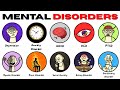
Understanding Major Mental Health Disorders: Symptoms and Realities
This comprehensive summary explores key mental health disorders including depression, anxiety, ADHD, OCD, PTSD, bipolar disorder, panic disorder, social anxiety, eating disorders, borderline personality disorder, schizophrenia, and dissociative identity disorder. It highlights their symptoms, effects on daily life, and the emotional and neurological challenges faced by individuals.
Healing and Health: The Biblical and Scientific Power of Thought
Dr. Michelle integrates biblical teachings with cutting-edge medical science to explain why Christians get sick, the role of thought patterns in disease, and how renewing the mind can lead to healing and divine health. This comprehensive overview explores the mind-body connection, neuroplasticity, epigenetics, and the spiritual mandate for healing within the church.
Experiencia real con cáncer de colon etapa cuatro: diagnóstico y tratamiento
En este video, una mujer comparte su experiencia personal tras ser diagnosticada con cáncer de colon en etapa cuatro. Detalla síntomas iniciales, visitas médicas, diagnóstico, tratamientos y cómo ha enfrentado los desafíos con fe y esperanza.
Most viewed summaries

A Comprehensive Guide to Using Stable Diffusion Forge UI
Explore the Stable Diffusion Forge UI, customizable settings, models, and more to enhance your image generation experience.

Kolonyalismo at Imperyalismo: Ang Kasaysayan ng Pagsakop sa Pilipinas
Tuklasin ang kasaysayan ng kolonyalismo at imperyalismo sa Pilipinas sa pamamagitan ni Ferdinand Magellan.

Mastering Inpainting with Stable Diffusion: Fix Mistakes and Enhance Your Images
Learn to fix mistakes and enhance images with Stable Diffusion's inpainting features effectively.

Pamamaraan at Patakarang Kolonyal ng mga Espanyol sa Pilipinas
Tuklasin ang mga pamamaraan at patakaran ng mga Espanyol sa Pilipinas, at ang epekto nito sa mga Pilipino.

How to Install and Configure Forge: A New Stable Diffusion Web UI
Learn to install and configure the new Forge web UI for Stable Diffusion, with tips on models and settings.
Found this summary useful?
Take it with you. One click puts it in your own LunaNotes library.
Save to LunaNotes