The Birth of a Cancer-Fighting Compound: From Laboratory Curiosity to Medical Breakthrough
Historical Timeline
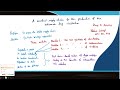
- 1840s: Italian chemist Michele Peyrone first synthesizes a bright yellow platinum compound (Peyrone's chloride)
- 1893: Alfred Werner deduces its structure: a square planar arrangement with a central platinum atom, two ammonia ligands and two chloride ligands in a cis configuration
- 1960s: American researchers accidentally discover a different platinum compound (with four chloride and two ammonia ligands in cis arrangement) prevents E. coli from multiplying. The trans isomer shows no effect
- 1978/1979: Cisplatin approved for human treatment (testicular and ovarian cancer) in the US and UK
Key structural insight: The cis arrangement of ammonia ligands is critical to cisplatin's cancer-killing properties, the trans isomer is ineffective.
How Cisplatin Attacks Cancer Cells
The Mechanism (Simplified)
- Entry: After injection into the bloodstream, cisplatin enters a cancer cell
- Activation: A water molecule displaces one chloride ligand, forming a reactive cis-aquochloro species
- DNA Binding: The water ligand is displaced by a nitrogen atom from guanine or adenine in DNA, binding platinum to the DNA
- Cross-linking: Platinum creates cross-links within the cancer cell's DNA
- Cell Death: Cross-linking interferes with mitosis (cell division). Damaged DNA cannot repair itself → the cell dies
"The crosslinking of cancer cell DNA by Platinum interferes with the process of cell division by mitosis."
Real-World Impact: Transforming Survival Rates
| Cancer Type | Before Cisplatin | With Cisplatin (early detection) | |---|---|---| | Testicular cancer | 10% cure rate | 100% cure rate |
As a patient who directly experienced this treatment's profound impact, I can attest that Cisplatin: The Super Toxic Chemo Drug That Saved My Life is a perfect companion piece, detailing the human story behind these statistics. For a deeper dive into broader Understanding Cancer: Causes, Treatments, and Integrative Care Approaches, including how cisplatin fits into modern regimens, I recommend exploring that resource.
Modern Developments
While several other platinum-based drugs have been developed, cisplatin remains the most effective platinum anti-cancer drug. It has completely changed how some cancers are treated, offering effective help to sufferers now and in the future. Innovations in production continue, such as the creation of Engineered Yeast for Sustainable Production of Anti-Cancer Drug Vinblastine Precursors, which hint at more sustainable methods for manufacturing complex cancer treatments.
Key Takeaways
- Cisplatin is a platinum-based chemotherapy drug discovered by accident
- Its cis configuration is essential for biological activity
- It kills cancer cells by cross-linking DNA and preventing cell division
- It raised testicular cancer survival from 10% to nearly 100% with early detection
If you wish to understand the genetic tools reshaping cancer research, see Understanding CRISPR-Cas9: The Future of DNA Editing for context on targeted therapies. Additionally, the field of Transplastomic Plants and Molecular Farming: High-Yield Pharmaceutical Production explores novel ways to produce the complex molecules that fight diseases like cancer.
according to the world cancer report cancer has emerged as the major public health problem in both developing and
industrialized nations it is predicted that in the year 2020 there could be 15 million new cancer cases worldwide and
many thousands of new cases in Australia despite these tragic stat statistics help is available to cancer sufferers
through the use of powerful Platinum anti-cancer drugs especially cisplatin to appreciate the origins of these drugs
we need to go back in time to the mid 1840s when the Italian chemist Michelle pona made a bright yellow compound
containing Platinum ammonia and chlorine in 1893 its structure was deduced by Alfred verer a central platinum atom
with two ammonia and and two chloride ligans in a square planer Arrangement each pair of lians in a CIS
configuration CIS platin CIS Platinum was largely forgotten until the mid 1960s when researchers in the US
accidentally made another Platinum compound containing ammonia and chlorine this one had four chloride ligans and
two ammonia lians in a CIS configuration by chance they discovered that the compound prevented ecoli bacteria from
growing and multiplying they tried the trans isomer but it was not effective the disarrangement of ammonia ligans is
key to this amazing property because of the similarity in structures cisplatin was tested and ultimately found to be
very effective in killing cancer cells in rats however the trans Isa again was not effective cisplatin was approved for
human testicular and ovarian cancer treatment in the US in 1978 and in the UK in
1979 how it kills cancer cell cells is still not fully understood after injection into the bloodstream It is
believed to enter a cancer cell where a water molecule displaces a chloride liand to form a reactive CIS aquo chloro
species the water liand is displaced Often by a nitrogen atom of guanine or adenine of DNA to bind Platinum to the
DNA leading to cross-linking by Platinum crosslinking of cancer cell DNA by Platinum interferes with the process of
cell Vision by mitosis the damaged DNA cannot repair itself and the cell dies several other Platinum drugs have been
developed but CIS plattin Remains the most effective they have completely changed how some cancers are treated
before CIS platin The Cure rate from testicular cancer was just 10% but now with early detection The Cure rate
approaches 100% through the power of cisplatin and other Platinum anti-cancer drugs an effective cancer treatment is
available for sufferers now and in the future [Music]
[Music]
In the 1960s, American researchers were studying the effects of electric fields on bacteria and used a platinum electrode in the process. They accidentally discovered that a platinum compound formed in the experiment prevented E. coli from multiplying, while the related trans isomer showed no effect. This accidental finding led to the realization that platinum compounds could inhibit cell division and ultimately to cisplatin's development as a chemotherapy drug.
Cisplatin is a platinum-based chemotherapy drug whose history began in the 1840s. It was first synthesized by Italian chemist Michele Peyrone as a bright yellow compound called Peyrone's chloride. Its structure—a square planar arrangement with a cis configuration—was later deduced by Alfred Werner in 1893. The key breakthrough came in the 1960s when researchers accidentally discovered that a related platinum compound prevented E. coli from multiplying, leading to the identification of its cancer-fighting potential.
The cis arrangement of the two ammonia ligands on the platinum atom is critical to cisplatin's biological effectiveness. While the cis isomer can bind to DNA and create cross-links that kill cancer cells, the trans isomer is completely ineffective. This structural specificity means that only the cis form can properly interact with guanine or adenine in DNA, making it the active and life-saving compound used in cancer treatment.
After entering a cancer cell, cisplatin is activated when a water molecule replaces one chloride ligand, forming a reactive species. This compound then binds to guanine or adenine in the DNA by displacing the water ligand, creating strong cross-links within the DNA strand. These cross-links interfere with mitosis (cell division), and because cancer cells cannot repair the extensive DNA damage, they ultimately die.
Cisplatin revolutionized testicular cancer treatment: before its approval, the cure rate for testicular cancer was only about 10%. With cisplatin-based therapy and early detection, the cure rate now approaches 100%. This dramatic improvement makes it one of the most successful anti-cancer drugs in history.
Several other platinum-based drugs have been developed over the years, but cisplatin remains the most effective platinum anti-cancer drug available. Its superior efficacy, especially in cancers like testicular and ovarian cancer, continues to make it the standard of care despite the development of alternatives.
Cisplatin is a cornerstone of modern chemotherapy, particularly for testicular, ovarian, bladder, and some lung cancers. Its ability to create DNA cross-links that prevent cell division has transformed treatment outcomes, and it remains widely used today as both a first-line therapy and in combination regimens. The drug's accidental discovery and structural specificity serve as a powerful example of how fundamental chemistry can lead to life-saving medical breakthroughs.
Keep this summary
Save it to LunaNotes and it becomes a real note in your library — editable, searchable, and ready to turn into flashcards or a diagram. Free to start.
Save to LunaNotesOr summarise for another video.


32K+ people have turned 65K+ videos into notes
“Very useful tool. I'm using it for the last couple weeks and I'm loving it so far. Makes learning on YouTube a great experience.”
 Bhai Chrome Web Store review
This summary and transcript were automatically generated using AI with the Free YouTube transcript summary tool by LunaNotes.
Related summaries
Cisplatin Chemotherapy: How Platinum Drugs Kill Cancer Cells & Resistance Mechanisms
This video explains how cisplatin damages cancer cell DNA to trigger cell death, explores resistance mechanisms like DNA repair upregulation, and covers platinum-based drug variants, side effects, and molecular pathways. A structured breakdown with targeted search keywords.
Cisplatin: The Super Toxic Chemo Drug That Saved My Life
A cancer survivor shares a surprisingly funny chemo story and explains how cisplatin, a brutal platinum-based drug, revolutionized testicular cancer treatment. Discover the science behind this toxic wonder drug that cured him and millions of others.
Understanding Cancer: Causes, Treatments, and Integrative Care Approaches
Cancer affects millions worldwide, yet many misunderstand its complexity and treatment options. This summary explains what cancer is, highlights common types, and explores traditional and integrative therapies, including advances in precision medicine that offer personalized treatment plans.
Understanding CRISPR-Cas9: The Future of DNA Editing
Explore how CRISPR-Cas9 works and its potential to revolutionize genetic medicine.
Engineered Yeast for Sustainable Production of Anti-Cancer Drug Vinblastine Precursors
This lecture explores the innovative use of engineered yeast cells to biosynthesize precursors of the anti-cancer drug vinblastine. It highlights the challenges of plant-based production, outlines modular synthetic biology strategies to produce catharanthine and vindoline in yeast, and discusses future directions for achieving complete vinblastine synthesis.
Most viewed summaries

A Comprehensive Guide to Using Stable Diffusion Forge UI
Explore the Stable Diffusion Forge UI, customizable settings, models, and more to enhance your image generation experience.

Kolonyalismo at Imperyalismo: Ang Kasaysayan ng Pagsakop sa Pilipinas
Tuklasin ang kasaysayan ng kolonyalismo at imperyalismo sa Pilipinas sa pamamagitan ni Ferdinand Magellan.

Mastering Inpainting with Stable Diffusion: Fix Mistakes and Enhance Your Images
Learn to fix mistakes and enhance images with Stable Diffusion's inpainting features effectively.

Pamamaraan at Patakarang Kolonyal ng mga Espanyol sa Pilipinas
Tuklasin ang mga pamamaraan at patakaran ng mga Espanyol sa Pilipinas, at ang epekto nito sa mga Pilipino.

How to Install and Configure Forge: A New Stable Diffusion Web UI
Learn to install and configure the new Forge web UI for Stable Diffusion, with tips on models and settings.
Found this summary useful?
Take it with you. One click puts it in your own LunaNotes library.
Save to LunaNotes