
Understanding Transplastomic Plants in Molecular Farming
Transplastomic plants are genetically engineered plants where genes of interest are inserted into the plastid (chloroplast) genome, enabling high-level production of pharmaceutically important proteins such as antibodies and hormones.
Why Target Plastids Instead of Nuclear Genome?
- Specific Site Integration: Genes are integrated via homologous recombination at specific plastid genome sites, avoiding random insertion.
- Multiple Gene Expression: Plastid genomes are prokaryotic in nature, allowing operon structures where a single promoter can drive expression of several genes.
- High Gene Copy Number: Each plastid contains 20–100 copies of circular DNA, and cells may have multiple plastids, resulting in thousands of gene copies and extremely high protein expression.
- Predictable Expression: Plastid integration avoids position effect variability common in nuclear transformations.
- No Gene Silencing: Gene silencing phenomena typical in nuclear genome engineering are absent.
- Maternal Inheritance: Plastid DNA is maternally inherited, preventing pollen-mediated gene flow and limiting transgene escape.
Challenges: Achieving Homoplasmy
- Heteroplasmy vs. Homoplasmy: Initially, only a subset of plastid DNA copies carry the transgene (heteroplasmy). Homoplasmy occurs when all plastid DNA copies contain the gene.
- Selectable Marker Genes: Aminoglycoside 3'-adenylyltransferase (aadA) confers resistance to spectinomycin, allowing selection of transformed plastids.
- Selection Process: Through rounds of culturing on spectinomycin media, only plastids with the aadA gene survive and multiply, gradually achieving homoplasmy.
Gene Delivery Methods
- Biolistic Particle Bombardment: Due to the cell wall and plastid membranes barrier, DNA coated on gold or tungsten particles is physically shot into plant cells.
- Construct Design: Gene constructs include promoters, selectable marker genes, ribosome binding sites, and terminator sequences designed to optimize expression.
Advantages over Nuclear Transformation
| Feature | Plastid Transformation | Nuclear Transformation | |-------------------------|------------------------------------|-----------------------------------| | Gene Insertion | Targeted via homologous recombination | Random insertion | | Expression Control | Operon/polycistronic transcripts | Individual promoters per gene | | Gene Copy Number | High (thousands per cell) | Typically low | | Gene Silencing | Not observed | Common | | Inheritance | Maternal (no pollen transmission) | Biparental | | Position Effect | Minimal | Significant |
Molecular Farming Applications
- Production of human therapeutic proteins, including:
- Antibodies
- Hormones such as human somatotropin
- Enhanced protein stability and folding due to plastid environment
- Reduced risk of gene escape and improved biosafety
For a deeper understanding of the broader scope of plant-based biopharmaceutical production and other advanced biotechnological approaches, consider exploring Biotechnological Advances in Artemisinin, Hyperforin, and Taxol Production which highlights similar molecular farming strategies for complex pharmaceuticals.
Moreover, insights into metabolic engineering in plants, such as alkaloid production enhancements, can be found in Metabolic Engineering Enhances Alkaloid Production in Catharanthus Roseus Hairy Roots, providing useful parallels for optimizing secondary metabolite yields.
For complementary methodologies, Engineered Yeast for Sustainable Production of Anti-Cancer Drug Vinblastine Precursors offers a perspective on microbial platforms in pharmaceutical biosynthesis.
Conclusion
Transplastomic plants represent a powerful platform for molecular farming, providing high yields of valuable pharmaceutical compounds due to targeted gene insertion, high copy number, and controlled expression. Advances in gene delivery and selection facilitate the creation of homoplasmic lines with consistent trait expression. The maternal inheritance of plastid DNA presents additional biosafety advantages over traditional nuclear transformed plants. This innovative approach is paving the way for efficient plant-based production of biopharmaceuticals.
[Music] [Music] welcome to nptl online certification
course on pharmacognosy and metabolic engineering we have come to WS the end of this course so this lecture number 62
and 63 basically I have Focus to tell you something about molecular farming so lecture 62 is basically the uh creation
of or generation of transplastomic plants and molecular farming means you want to produce some pharmaceutically
important products in plants so normally I have mentioned all these things but here particularly Focus will be
either antibody or some hormones so in the next class we are going to talk about that but first I in this class we
will see that why transplastomic plants first of all what is transplastomic plants is basically when you transfer a
gene of Interest into plastid and if the gene is integrated with the plastid genome then uh it will be possible for
you to raise the transplastomic plants so Gene transfer to plastid and obviously what is the advantage why
should we transfer the gene into plastid then we'll see Gene construct selectable marker genes plasy transformation
vectors and then expression cassets so these are the concepts we will discuss in this course and in this Le in this
class and the next class we'll talk about the application of this knowledge okay so what we what you need
to do now is that nuclear genome and plastic genome will will compare so uh nuclear genome one important point is
that multiple insertions are common whereas in the plastic gor specific site by homologous
recombination this may have some advantage over the other and another point is that in case of transcription
it is basically each gene usually expressed individually so that means for each gene you have to put a separate
promoter and Terminator whereas the plastic genome is basically procaryotic type so it's it's
it's follows more or less opon concept so therefore a single promoter uh can control the expression
of multiple genes in the form of a operon so that is the advantage that means that multiple genes can be
expressed relatively easier way in the Plastics and uh the current limitation with the nuclear genome is that the
level of expression is unpredictable because where it will integrate it's a random integration whether you do um
Vector lless transfer or agrobacterium mediated transfer so if it integrated in transcriptional active size then the Gen
will Express if it is integrated in the heterochromatin region so it will not express so these problems will be there
and then there are other problems like gene silencing so that can also happen whereas the difficulty in the plastid uh
transformation is that obtaining homoplasmic so homoplasmic term I will explain little bit later homoplasmic
means in a brief that a plastid contains circular DNA so the number may vary from 20 to 100 so and ideally each and every
plastic circular DNA should contain your Gene of interest and if that is happen then homoplasmic will be achieved so
that is difficult to obtain and that that is the challenge okay uh and uh other there are some other advantages
with the plastic transformation which is basically maternal inheritance and all other
things now we compared the chloroplast and nuclear genetic engineering okay uh in in case of level of gene expression
the when you see about the level of gene expression so uh it's poly flid results in abundant trans gen transcripts and
high accumulation of foreign proteins why it is so because as I said that uh single plastid May contains from
2200 uh circular DNA and if each circular DNA receive the gene so then mean that means each plasted contains if
there is 100 circular DNA 100 copies of the genes and then a cell contains say around 50 plastid so 50 into 100 that
means uh 5,000 copies of genes so that means the level of expression will be so high and you cannot compare with that of
the nuclear transformation and other import interesting points I have mentioned that it is basically the genes
are arranged in operons so it is possible that polyconic RNA can be produced and multiple trans gen can be
expressed in a single event whereas in case of uh nuclear transformation it's basically monocistronic mRNA that mean
each individual genes to be controlled under individual promoter and Terminator and other important point is this that
position effect that means the plastid does usually the de combination happens through homologous recombination so and
that eliminates posit uh position effects so whereas in case of uh nuclear genome that is the problem now gene
silencing is not at all found in case of plastic transformation but whereas in case of nuclear transformation there is
a possibility of gene silencing another most important point is the maternal inheritance that means the the
plastic transformation is the transplastomic plants are maternal that means the poen a poen does not contain
the transgen so and that means that is a problem with the transgenic plants the
Poland Escape leading to the formation of super weeds so such problem can be alleviated if the transplastomic
approach can be used uh so that means in nuclear genome it is paternal inheritance other important point is
this when you transfer a gene into plastid and if the genes expressed in plastid then it will produce the target
protein and it has been found that Target protein once it produced it it it it will undergo post transational
modification uh such as D suide Bond formation and other folding leading to the formation of car bioactive proteins
so uh that is possible whereas in case of nuclear transformation you have to
Target that particular protein towards endoplasmic reticulum so that means a signal peptide sequence to be added and
you have to make sure that the protein one goes inside it should not come out so therefore uh a certain modification
needs to be made in the construct itself and uh and so so the trans Gene lines are
uniform gene expression so these are the lot of advantages of the nuclear Genome of the
chloroplast genetic engineering if you compare with the nuclear genetic engineering but there is one important
point to mention here that uh when you transfer a gene into the chloroplast so chloroplast lies within
the cell so it has a double membrane structure and then is there in the plant cell so
uh and then outside the plant cell is basically you have the cell wall the light portion is this
is this is the plasma membrane and uh this is Bayer chloroplast membrane and this is
cell wall so when you transfer a gene into plastid the gene
should be able to enter through the cell wall and then it will also pass through the membrane then
it will pass through the cytosol and eventually it will enter into the plastid so that means a lot of energy is
required and therefore the particle bombardment method is usually used to transfer the Gen of Interest into
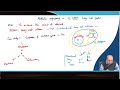
plastid now point is this that as I said that this plastid contains uh circular DNA for the shake of
Simplicity I put only one and this circular DNA will receive the gene so here is basically the gene so it is
coming so maybe here and here it will get it but so but in this case this is basically the case
of heteroplasmy this is the case of heteroplasmy now homoplasmy will be
achieved when all the
circular DNA of the plastid contains your Gene of Interest
so then this will be homoplasmic so achieving homoplasmy will be a challenge and if homoplasmy is
achieved then the level of expression will be very high so uh so next question is that how homoplasmy is a achieved so
how hoplas me is achieved so this is basically achieved through the use of selectable marker Gene so what is the
selectable marker gen so the selectable marker Gene mostly used is a
a so a a stands for uh Amino glycosite three
prime adino adile adile sorry adile
transfer is so so this is basically the uh
[Music] adile specto
mine so normally this pomy is active but this spyine is basically
inactive that means if you grow the tissue in presence of spectrom so spectrom myin is basically will bleach
the cells so that means it musically bleach all the plastic So eventually the tissue will die
whereas uh if you uh use the plant which contains the a gene so a gene upon expression
will make a which is amino adoy 3 uh uh adile transfar so that upon expression will inactivate spectrom by
transferring into Adin and spectrom and that is how the plant Will Survive so uh so the transplastomic plant should show
resistance to this aminoglycoside type of antibiotics so how it is being done so I will show it in a uh another
schematic diagram but say for example this is the plastid which contains uh several uh
circular DNA and uh it receives the gene one or two so this is of course in a tissue and that that tissue is will be
incubated in a medium and that Medium contains uh a AA as antib IC so the selection
medium containing then what will happen here in the next case
that only these two Will Survive whereas this all will
degrade so in the next phase what will happen we'll continue to do this selection so I'll put it
here so you'll be able to achieve a condition where these two these two pled when the
cells started dividing so these two circular DNA also replicates so as a result of
that it makes two so now this survived and it contains
sorry so this contains this Gene of Interest so
this and the next round what is going to happen so you continue to give a a selection so a a selection means you
have to give the uh you have to grow with the spectrom so better we write spectrom here so
spcy spcy spectrom myin So eventually what will happen
you'll be able to achieve a plased where all this
six circular dnas will be produced by the subsequent cell division and all
this will have the Gen of Interest here so this
is so this condition first this condition is called
heteroplasmy p a s m y p l a s sorry p l a s m y
[Music] p l a s m y so this is heteroplasmy this
is partial homoplasmy okay and then this
is full homoplasmic when it is full homoplasmic
then you will have your desired genes also if you if you made the construct in such a way so the construct contains the
antibiotic resistance Gene along with the gene of Interest so all the circular DNA of a single plased contains the gene
of Interest along with the antibiotic selectable marker and in that case all the plased within the cells will get the
Gene and all the tissue will get all the plastids present in all the cells will get the gene so you you think that the
level of expression will be very high so this is how the uh homop plasm is achieved now here what is what I'm
showing here that's basically telling that is a maternal inheritance and and uh so therefore the the trait will be
restricted with the seeds so poen will uh will not contain any uh Gene of interest because the
disintegrated paternal plastids so only the maternal plasters will contain the gene of interest and uh and here what is
showing here that the multiple gene expression it is possible using the transplastomic plants and that leading
to the formation of biopharmaceuticals apart from the transgenic plant stress resistance so
now uh what we are going to see that uh this is the method of Gene delivery so as I said that it is biolistic Gene
transfer so the it requires high energy so that the the DNA that which contains the gene of Interest along with the
antibiotic resistance marker gen should be able to uh go through the cell wall cell membrane and ultimately it enters
into the chloroplast by piercing the chloroplast double membrane and then so it is again it will be coated with
either gold or stung Sten and that will enter into the plastid and eventually uh depends on the homologous regions which
is there in the construct and the similar homologous region there in the plastid so there will be homologous
recombination so now uh let us consider here this point that is the single Gene so single Gene normally what is to be
done that promoter is there and then you have the marker Mar marker means it is the Atri distance marker and the
Terminator then you have again the promoter and X is of gen of interest and then the Terminator so this is how the
single genes are transferred but multiple Gene can be transferred under the control of a single promoter
uh but then and the genes can stack together but in between you have to put a ribosome binding site and then the
construct is to be made in this way and uh then the whole construct can be transferred successfully into the plased
genome and the single promoter here can take care of the expression of the entire
operon okay uh now uh uh what I have mentioned the aada a is basically antibiotic so but there is a so it's a
negative selection marker but there is a positive selection marker where Bain alide dehydrogen is can be used so where
the if the betan alide dehydrogen is used so that will basically uh degrade the toxic betan alide normally ban alide
is toxic to the plant tissue but if bettin alide dehydrogen is is there so that will convert ban alide dehydrogen
will convert toxic ban alide to to a non-toxic
product which is glycin Bain and that is utilized by the plant so point is this so here this is a
positive selection marker so the glycin Bain is utilized by the plant for its own nutrition and balide diogenous can
be used as a positive selection marker whereas a is basically a negative selection marker now what is showing
here is uh this one is the heteroplasmic deployed Okay so so uh what you see that uh when
the genes are transferred if you notice out of these there are two different colors so this this this this so
This four or five so these Plastics are different from the other that means this has received the gene so now what has
happened that through this uh selection of antibiotic resistance marker eventually when you notice here all
these contains these genes so this is a homoplasmic achieved so how it is achieved I have explained in the
previous slide and next is this is uh this is another pictorial diagram so this is how the uh
foreign the tungsten or gold particle containing the gene of interest is inserted and here you see that it is
only one plastid one DNA of one plastid receive the gene so that is primary plased
transformation event then through round of selection round of antibiotic selection what you
see that this is a heteroplasmy why heteroplasmy if you notice carefully that out of four circular DNA only two
have the here out of four three have the things here out of four four achieved but here out of four only one here out
of four only two so it is definitely not a homoplasmy but heteroplasmy then further antibiotic selection eventually
if you see all these contents uh G so this is full homoplasmy
achieved okay so this is the beauty of plastic transformation and now we'll talk about
the vectors so normally what happens that I said is a homologous recombination so there is a region
homology here uh uh so this is the plastic DNA which is this uh left and right targeting regions so these are
sometimes this inverted repeats are also there so and when the vector has to be constructed one has to take care that
there should be a similar sequence to be put here in the vector and another similar sequence of the other to be put
here so the left targeting region and right targeting region the similar sequence to be put in the vector where
you have the marker and the gene of Interest so that means where you have the marker and the gene of Interest so
which is clearly showing here and then uh so this so this is basically the DNA which is coated with t strin or gold
particle and this will be bombarded into the cell and eventually it enters into the pl it and then a situation will come
these two will meet and as a result of that there will be homologous Rec combination so as a result of homologous
recombination what you will see that these two will fuse and form a single circular DNA where Gene of interest and
marker both are there okay so uh and then uh transform plastic DNA Mark Gene can be removed by uh subsequent
selection there are different techniques for removal so that I am not going to discuss okay now so this is what I have
said is the process so first you bombard and then
selections selection finally regeneration then additional round of selection make sure you have it achieved
homoplasmy and then you check for the traits or the products so this is basically a plastic transformation
Vector so where these are the regions of homology A and B so are the flanking regions and here it
contains a is the marker gen along with a promoter and the Terminator so uh untranslated region uh so it contains a
Genus to the plasmid promoter and sign dardo sequence this is sign dardo sequence and uh and a
plased unrated region UT which is red okay uh and then homologous recombination and this is the plastic
DNA and this is the vector DNA so upon homologous recombination so this aadaa will will be inserted or integrated
within the plastic DNA and so basically it happens by physical linking to the ad gen by by the flanking region and then
eventually you will be able to have this a in all the circular DNA of the single plastid and eventually in all the uh
plastic DNA present in the cell so the transgenic casset which need to be constructed should consist of a promoter
sign alard sequence one then you should have the coding region one then again sign
algo sequence two and then you have the coding region to UT like that way the
Gen to be constructed so here what is what I'm showing this is typically a vector so here the r
[Music] [Music] so a PL casset includs a
promoter uh five Prime unrated region five Prime UT and or B a five Prime translation
control Region 5 Prime TC which means P Prime UT plus a segment of the coding region so that is the difference so
there are basically way uh the constructs can be made so that you can get a better expression so that is just
for your information and then these are the different ways transformation can be done okay one is that suppose if you
want to uh do a insertional mutagenesis so that can be done where will what will happen the existing Gene will be
disrupted okay in this way and the other one is that if you want to put the gene of
interest in the plastid a new Gene by by replacing the existing Gene that is also possible uh or yeah okay and so or a
point mutation can be introduced or simply you put the gene which is not there in the plastid so
that can also be uh integrated and so that the plast pled Gene DNA will receive this so this will be more clear
here so here what you see that left flanking region right flanking region and this is the plastic DNA this is the
vector so Gene of interest is here under the control of a promoter Terminator and a is here and
then that is inserted and eventually you'll get the whole thing here so and then what happen now the
difference between the left and right part is that here uh the one single plased is here and then one single
Terminator is here but both the genes are joined with the sign dardo sequence and interpal element so that this
plastid will do the this promoter will basically transcribe both the genes so that leads to polyconic mRNA uh and then
eventually there will be cage and that makes two separate mRNA and this is uh at the last that if you
want to have optimize if you want to optimize plastic transgen expression in non-rain tissue so that is possible by
doing certain Fusion so one is that that if the RNA extracted from the uh green tissue as well as from the
ripen tissue and then what will happen that this transcriptor miix leads to the giving the transcriptional
signals so which promoters and on which promoters which is active in the chromoplast so that promoter to be
inserted here and along with that the polysome can be isolated and then that can be translated so translatomics can
be added from there translation P Prim utria signals can be isolated and that can be fused here so as a result of that
chimic expression element one coming from the unripened tissue one coming from the ripen tissue and that to be
fused and and that will be put in the Upstream of the gene of interest and that leads to eventually more efficient
expression of the genes into the plastid because of the shortage of time and because uh I am not supposed to discuss
about these techniques in this class because our image basically look on the pharmacognosy and met and the molecular
farming so with briefly uh by introducing this I will end this class so by this uh you have develop some
understanding that how genes are transferred into the plastid and what are the advantages if genes are
transferred into the plastid so that means that there will be huge level of expression and there are lot of
advantages that is maternal inheritance know no chances of poen escape the level of expression will be high and there
will be no gene silencing you can and we have the predicted expression so this this all speaks positive uh or or
advantageous over the nuclear transformation techniques so in the next class which will be the last class of
this course we will talk about molecular farming where uh human somatotropin gene will be expressed in tobacco using this
transplastomic techniques with this I end this class thank you
Transplastomic plants are genetically engineered plants with foreign genes inserted into the plastid genome, specifically the chloroplast DNA. This enables the high-level production of pharmaceutically important proteins like antibodies and hormones, making them valuable in molecular farming for producing biopharmaceuticals efficiently and safely.
Plastid transformation offers targeted gene insertion via homologous recombination, high gene copy number due to multiple plastids per cell, and stable gene expression without silencing or position effect variability. Additionally, plastid DNA is maternally inherited, eliminating pollen-mediated gene flow and increasing biosafety compared to nuclear transformation which involves random insertion and often shows gene silencing.
Homoplasmy is achieved through selective cultivation of transformed plastids using selectable markers like the aadA gene, which confers resistance to spectinomycin. Repeated culturing on selective media ensures all plastid DNA copies contain the transgene, resulting in uniform expression. Achieving homoplasmy is crucial for stable, consistent production of the desired pharmaceutical protein in the plant.
The primary method used is biolistic particle bombardment, where DNA-coated gold or tungsten particles are physically shot into plant cells, overcoming the barriers posed by cell walls and plastid membranes. This technique allows direct transfer of gene constructs, including promoters, selectable markers, and terminators designed to optimize transgene expression in plastids.
Transplastomic plants can produce a variety of human therapeutic proteins such as antibodies and hormones, including human somatotropin. The plastid environment also enhances protein stability and folding, making it an effective platform for producing complex biopharmaceuticals with improved yields and biosafety profiles.
Since plastid DNA is inherited maternally and not through pollen, transgenes inserted into plastids are unlikely to spread to other plants via pollen-mediated gene flow. This reduces the risk of transgene escape into wild or non-transgenic populations, enhancing the environmental biosafety of transplastomic crops used in pharmaceutical production.
Key advantages include targeted gene insertion through homologous recombination, high gene copy number resulting in elevated protein expression, absence of gene silencing and position effects, ability to express multiple genes as operons under a single promoter, and maternal inheritance preventing transgene spread. These benefits collectively lead to more predictable, stable, and safe transgene expression suitable for high-yield pharmaceutical production.
Heads up!
This summary and transcript were automatically generated using AI with the Free YouTube Transcript Summary Tool by LunaNotes.
Generate a summary for freeRelated Summaries
Molecular Farming: Producing Human Somatotropin in Transplastomic Tobacco Plants
This lecture explores the innovative production of biologically active human somatotropin hormone (HST) in transplastomic tobacco plants. Key topics include gene modification for proper protein synthesis, promoter selection for enhanced expression, verification of protein activity, and biological containment strategies ensuring safe cultivation.
Biotechnological Advances in Artemisinin, Hyperforin, and Taxol Production
This lecture provides an insightful overview of the biosynthesis and biotechnological exploitation of three vital pharmaceutical compounds: artemisinin, hyperforin, and taxol. It highlights their biosynthetic pathways, molecular biology advances, and innovative approaches such as genetic engineering and in vitro cultures to enhance production of these valuable drugs.
Engineered Yeast for Sustainable Production of Anti-Cancer Drug Vinblastine Precursors
This lecture explores the innovative use of engineered yeast cells to biosynthesize precursors of the anti-cancer drug vinblastine. It highlights the challenges of plant-based production, outlines modular synthetic biology strategies to produce catharanthine and vindoline in yeast, and discusses future directions for achieving complete vinblastine synthesis.
Comprehensive Overview of Biotechnology Types and Applications
Explore the four main types of biotechnology—red, white, green, and blue—and their significant applications in medicine, industry, agriculture, and marine science. This summary covers microbial biotechnology, genetic engineering in plants and animals, forensic DNA techniques, bioremediation, aquaculture advancements, and cutting-edge medical biotechnologies including gene therapy and stem cell research.
Metabolic Engineering Enhances Alkaloid Production in Catharanthus Roseus Hairy Roots
This summary explores five key case studies on metabolic engineering in Catharanthus roseus hairy root cultures aimed at boosting valuable indole alkaloid production. Techniques include transcription factor overexpression and multi-gene constructs under specific promoters, demonstrating significant increases in alkaloid contents such as ajmalicine, catharanthine, and vindoline intermediates.
Most Viewed Summaries

Kolonyalismo at Imperyalismo: Ang Kasaysayan ng Pagsakop sa Pilipinas
Tuklasin ang kasaysayan ng kolonyalismo at imperyalismo sa Pilipinas sa pamamagitan ni Ferdinand Magellan.

A Comprehensive Guide to Using Stable Diffusion Forge UI
Explore the Stable Diffusion Forge UI, customizable settings, models, and more to enhance your image generation experience.

Mastering Inpainting with Stable Diffusion: Fix Mistakes and Enhance Your Images
Learn to fix mistakes and enhance images with Stable Diffusion's inpainting features effectively.

Pamamaraan at Patakarang Kolonyal ng mga Espanyol sa Pilipinas
Tuklasin ang mga pamamaraan at patakaran ng mga Espanyol sa Pilipinas, at ang epekto nito sa mga Pilipino.

How to Install and Configure Forge: A New Stable Diffusion Web UI
Learn to install and configure the new Forge web UI for Stable Diffusion, with tips on models and settings.

If you found this summary useful, consider buying us a coffee. It would help us a lot!