Overview of Key Pharmaceutical Compounds
The lecture focuses on three important plant-derived molecules with significant medicinal applications:
- Artemisinin: A potent antimalarial compound derived from Artemisia annua.
- Hyperforin: A bicyclic polyprenylated acylphloroglucinol known for its safe and effective antidepressant properties, found in Hypericum perforatum.
- Taxol (Paclitaxel): A complex diterpenoid used as a frontline anticancer drug for ovarian and breast cancers, originally sourced from Taxus species.
Biosynthesis and Key Enzymes
Artemisinin
- Biosynthesis begins with farnesyl pyrophosphate (FPP) converted by amorpha-4,11-diene synthase (ADS) into amorpha-4,11-diene.
- Several cytochrome P450 enzymes and reductases modify the structure to produce dihydroartemisinic acid.
- Subsequent oxidation leads to artemisinin formation.
- Most enzymes are localized in the cytosol, and final accumulation occurs in glandular trichomes.
Hyperforin
- Synthesis involves polyketide synthase (PKS) enzymes that create the acylphloroglucinol core.
- Prenyl transferases add isoprenoid side chains using substrates like dimethylallyl pyrophosphate (DMAPP) and geranyl pyrophosphate (GPP).
- Biosynthesis is largely characterized biochemically, with molecular details still emerging.
- Hyperforin concentrates in reddish and translucent glands on Hypericum leaves.
Taxol
- Starts from geranylgeranyl pyrophosphate (GGPP) converted by taxadiene synthase to taxa-4(5),11(12)-diene.
- Multiple hydroxylations, acetylations, and oxidations via membrane-bound cytochrome P450 enzymes elaborate the structure.
- The key intermediate baccatin III is modified to produce paclitaxel.
- Chemical synthesis is challenging; thus biotechnological production is vital.
Biotechnological Applications and Engineering Strategies
Artemisinin Pathway Engineering
- Tobacco plants genetically engineered with key artemisinin biosynthetic genes successfully produced artemisinin.
- Yeast expression systems producing dihydroartemisinic acid enable semi-synthetic artemisinin manufacture.
Hyperforin Production In Vitro
- Root and shoot cultures of Hypericum perforatum show variable hyperforin and hyperin accumulation.
- Elicitation with methyl jasmonate enhances specific metabolite production.
- Tissue culture methods offer year-round production independent of climatic limitations.
Taxol Production Approaches
- Harvesting from old Taxus trees is unsustainable due to low yield and ecological concerns.
- Cell and root cultures induced with elicitors like coronatine improve taxol biosynthesis.
- Efforts continue to express the full taxol pathway in microbial hosts such as yeast.
Significance and Future Prospects
- These compounds address critical health challenges: malaria, depression, and cancer.
- Metabolic engineering coupled with in vitro culture technologies offers scalable, sustainable production methods.
- Ongoing research aims to elucidate complete biosynthetic pathways at the molecular level to enable synthetic biology approaches such as Metabolic Engineering of Indole Alkaloid Biosynthesis: Case Studies in Plants and Yeast and Metabolic Reprogramming in Catharanthus Roseus for Non-Natural Indole Alkaloids.
Conclusion
Artemisinin, hyperforin, and taxol exemplify the power of combining traditional phytochemistry with modern biotechnology. Advances in genetic engineering, enzyme characterization, and cell culture are paving the way for improved drug accessibility and new therapeutic developments, paralleling progress seen in Metabolic Engineering Enhances Alkaloid Production in Catharanthus Roseus Hairy Roots and the use of Engineered Yeast for Sustainable Production of Anti-Cancer Drug Vinblastine Precursors.
[Music] [Music] welcome to nptl online certification
course on pharmacognosy and metabolic engineering so this is lecture 47 so where I will briefly cover timinin hyper
forine and taxol the three promising candidates for biotechnological exploitation so Concepts covered will be
arimin hyperforin and taxol these are the molecules of pharmaceutical interest uh so rine is basically a TR
tarpine so we have studied the tarpo biosynthesis so there I have mentioned about about this
uh monot tarpine sarpin dipine tarpine so with timin what happens that two c typin unit joins together and
finally form this structure and this is found in the plant of asteres family which is called warud or the scientific
name is timia anua and artim is a very important compound because it is now used as an antimalarial drug so so
biosyn so the purpose of this whole class is just to give you an overview so here I'm not going to do a detailed
board work or explanation uh so that you can get an idea that's is the only thing so don't get afraid about the structures
and all these things so this is just uh to give you the concept so as you see that parile d phospate uh so the fpp and
which is the first enzyme is basically the the tarpine synthes so it is also called this
amorion synthes as well and that leads to the formation of this Amor 411 D and then by several cytochrome p450 enzymes
uh the structure underg goes different transformation and eventually double bond reductors and it forms the dihydro
arimic acid dihydro timic acid got converted into timinin this is basically a non- entic
conversion so uh it is you're showing here dihydro arenic acid then this is basically Auto
oxidation uh which makes toine so what we see here the ads ads is basically the uh what I have shown the tarpine synthes
so amorodian synthes so that is why it is called ads ads is an important enzyme so this enzyme has been characterized at
the molecular level and several attempts were made to ere Express this and as a result of this what happens to the final
product so amorpha 411 Dian by subsequently by cytochrome p450 and then reduct is it forms arenic alcohol that
will be converted into an alide by a dehydrogen and then in one way it goes to timic acid another de hydrogenous or
there will be another reduct which makes dihydro arimic alide and then another dehydrogen makes this dihydro arimic
acid and then finally it makes timinin so from the arimic acid it makes art artinun uh and but from this one dihydro
arimic acid it makes timinin so this is in general brief the biosynthetic pathway and uh this is
basically the same same thing only uh it's more clearly showing the product formation so I can skip this one and
other important Point as you know that csar pins are basically localized in the cytool as this is a tripin originated
from cpin scon so most of the pathway is basically operating in the cytool and one important Point here I have written
is is the triome so basically the leaf contains this fine ha like structure what I have mentioned in one of the
previous classes when I talked about the biosynthesis of Menthol and there I said that Menthol and other products
accumulate in the triome so here also this products finally it accumulated in the triome of this asy plant which is
Aria Ana so as you see the most of the steps are all basically occurring inside the
cytool so that is the con concept you should know and you should know what role Tricom plays okay now uh the
pathway and construction for engineering of artim in production in tobacco so tobacco was chosen as a model to
engineer the pathway and the pathway what is for the formation of arching is shown here on the top as you see here
this is the one written in red so these are the genes which were basically transferred into the tobacco and um that
finally leads to the formation of arine so the gene construct is shown here and uh the other one is the pathway
which is shown here so the work published in nature biotechnology in the year of
2011 that means the take-home message is that yes it is possible to produce timinin in tobacco provided you transfer
the whole cassets into it and the this is basically the experimental result that uh indeed
arimin is produced or not so they have checked the formation of arine by using this uhpc based methods so where you see
that where it is this ads trans gen here the detection of arimin is there so another trans gen detection of R whereas
in the control or or the or the transform plant lacking the gene only the empty Vector so their atan content
is very less and here is the same thing they have checked it with the standards so
okay uh next important point is that attempts were made to express this pathway in the East system so in the
East system this this gits that is the reductase and cytochrome p450 gen SE to
or three so these genes were transferred into East and as a result of that what
we see that the formation of timic acid so timic acid was detected so timinin was not but timic acid was detected so
that serve as the precursor and then subsequently using a semisynthetic approach timinin can be made so here is
basically the gcms chromatogram which is showing the product formation from the uh transic East as well as only the
control and as well as the uh artim found in the timia Ana plant so this is also published in nature so that means
take home message is this yes it is possible to produce the ultimate precursor for timin in
East so from here I mov to hyper forine so hyper forine again it is a part this is it is basically you can group it
under Tarpin because there are a lot of penile chains attached to it and it involves uh this DM p as well as gpp you
will see okay so what is basically hyperpin hyperpin is uh bicyclic poly
prated SI flool so this I can write it for you so it is
basically bicyclic poly prated asile
Flor pH p h l o p l o l o l
floro gluc null
derivative so this is what is called hyperin so hyper Forin is a very very important molecule because it is a
proven anti-depressant and and is safe to use therefore in the European market this is in the harbal shops it is sold
at as St John's oat so St John's oat is available it's available over the counter so anyone can buy it and use it
and this is the plant in the pistil uh the the hyper Forin accumulates but apart from that in the p
there are tiny dots which are Reddish in color so they are hyperin accumulates so I'll show you some of the nice pictures
now the pharmacological activity is basically one most important point is anti-depressant that is why the molecule
is so important but apart from that it has anti-inflammatory antibacterial neuroprotective anti-
tumoral antimalarial and so many so we are not going to discuss these things only to tell you that how important is
this molecule now because of its importance so scientists they wanted to produce
this product in in cell and tissue culture approach so there so that all around the year the plants can be grown
otherwise and moreover this is specific to tempered region only so in the tropical area these plants cannot grow
so if you have a culture system then it is possible uh to use biotechnological intervention to produce this now these
are the leaves with this dots and this is so and here a mature Leaf it's basically red in color and this red
color is because of the hyperin accumulation so and the translucent dots are also there where the hyper forine
accumulates so structurally these are different as you see there are lot of phenolic Rings joints and form hyp
but that also form by polyte synthes activity hyperin is also by polyte synthes activity so that way there is a
relationship between the between these things so dark nodules accumulate hyperin where
do translucent gland accumulate hyperin what I said so this is for the hyperin and this is for the
hyperin uh so root cultures of hypericum perforatum was established and these root cultures were
shown to accumulate hyperforin so this is the plant and this is the root
culture very interesting and then cell supension cultures of related species was also used to study the biosynthetic
pathway and their cell suspension cultures was treated with mythy jasmonate I have mentioned in the
elicitation class and then what happened that upon elicitation it accumulates hyper zenthon not specifically hyper
porin but that itself was appeared to be of pharmaceutical interest and um that is why I mentioned here that cell
cultures can also upon elicitation produce different interesting compounds now the proposed biosynthetic
pathway is basically like this so here what happens that three molecules M malony KO this is malony KO joins with
isoil KO so this is basically isoil qu b u t y r y l is qu this is Alon qu and it forms this
Flor Flor is a big name this one I write it here pH l o r i s Flor Flor
ISO buty Ro phenon
flu isoo phenon so which is the product and this is by the enzyme again it is a polyketide synthes so
PKS but subsequently this is PKS means polyketide synthes when we talk about phenolic
compounds we'll mention about this in little bit more details and here specific polyte synthes has been
identified and this was term as B so bu stands for isoy phenon
synthes so this was reported in the famous Journal phytochemistry by professor ludgar vus and his team and
the paper published probably in 2005 okay I have uh yeah okay sorry I have not put the reference here but reference
can be provided later on and next step is basically the the pration so this is you see the penile chain one
two then three so uh and here and you see here DM is required first one second one again a third one is again a gpp and
the fourth one again DM so basically these are all pren transfer ises so these tips are all catalyzed by pts or
PT you can say penile transfer so which transfer the penile side chain into it so uh and uh the first pration step is
catalyzed by a soluble dimethy alile transfer so here basically this appears to
be a soluble enzyme normally penal transfer is are membran BR enzyme but the first one what
they found to be a soluble enzyme okay and the major constituents accumulating in hyper parum which includes hyper
forine hyperin along with several janon which are all the polyte derivatives so this is in brief the biosynthetic
pathway which has been characterized only at the biochemical level okay not at the molecular level
yet it's very complex and then hypericum perum invitro root cultures were established this is invitro grown plant
and this is the root cultures and then root cultures are grown and and a fully grown root cultures here and these are
basically the freeze dried root cultures which are used for subsequent extraction and
Analysis okay so hyperin H parisin production was also checked uh from this uh root cultures established so this is
the normal plant and uh in vitro grown plant from their cising and then from root formation then Roots started
growing and this is a fully grown roots and then this is basically the dried Roots frz dried Roots like stack
coins okay and then what they have done they have compared the uh hyperm production in shot cultures and root
cultures so the shot cultures basically shown in the red red is from the shoot cultures and the blue is from the
uh root cultures what you see here is the SEO hyper forine which is number two I have marked
uh and then hyper Forin number six so here you see that the production of hypop porin is
higher in root okay
whereas uh say hyperin is more in the shoot okay and number eight is basically the add
hyperin which is uh almost undetectable in the root apart from that there are other compounds like number five which
is more in the root uh okay also number one which is also more in the root so this indicates
that root cultures are indeed very promising for the production of these compounds and for subsequent study
uh with this now I move into the taxol so taxel is a very important anti-cancer drug particularly for treatment of uh
ovarian and breast cancer so this is the figure of the bark of Texas brav Folia
the original uh U Pacific U tree so these barks are harvested and what is important that 5 to 600 year old trees
are required to treat one patient so the amount of this taxo is so low that you record so many trees subsequently they
found that actually Taxas brav f is restricted to certain areas so uh but another species which is more widely
available is txas Bata so and scientist also found txas Bata also accumulating taxol not only that much later they
found that the tax uh needles are also accumulating taxol although in low amount and of course much later they
found certain endide txom misis uh which are basically living in the soil or where tax are growing that species are
also uh capable of producing taxil although the content is less and then lot of efforts are being made to make uh
tax from the micrell sources now one important point is this the taxol as you see here the registered trademark is
there so the drug is called taxol but the original chemical compound is basically ply
taxel so the Bly taxel is the chemical compound taxol is the drug similarly the dosy taxel is the generic name and the
drug is called taxer so that I will come yeah it is written here you see the register trademark is
there so this is basically produced by ro poen so the the product is taxo but the original molecule is Dos taxel
similarly taxel is produced by Bristol May and the product is ply taxel so this you must know so when you say tax ta
taxel it is not correct either we should tell Backle taxel or tax or tax or dosy taxel yeah but we are more uh familiar
with taxel rather than back taxel that is our problem okay and so this is basically the structure
of taxol you see how complex the molecule is so it is basically again this tarpine derivatives and this is the
taxo okay and what is showing here in the left side is a three-dimensional
structure of taxol and this is basically the taxol
the the txin ring is here and the St side chain uh which are basically important
for imparting the cytotoxicity and unique effect of microt tubules okay this will
t t okay I and and and uh as uh as harvesting trees are not
very feasible so the scientist they look for alternative sources for uh tax all taxor production so one is the cell
cultures and cell cultures particularly using this coronatine as elicitor that showed promising effect in
producing uh back taxel so I'll will not go into details of it and little bit of
biosynthesis so why I because it is basically starting with the ggpp general General py hospit then
there is where taxin synthes and then it produces this taxa 411 D similarly what we found this
amorpha something D in case of timn acid then several intermediates and then it finally forms betin so betin is an
important precursor and from betin pexel is formed by the joining of this from philein the phyan coil be formed and
that it joins and ultimately it makes the pxel so and de atile betin from betin
deetle betin is formed and that is used as the source for semisynthetic different d derivatives of taxol
production so this is taxol this is taxo this is the atile betin so betin is important and uh and the biosynthesis is
very complex although biosynthesis has been or the has been resolved mostly uh chemical synthesis was also but uh
producing ply txell chemically is not visible okay and that is why scientists are looking for biotechnological
approach uh first with the empirical approach by sell and root cultures to produce that and later to uh still yet
years to come and when there will be a time when maybe the pathway can be expressed in East and then what we have
seen in case of other alcoh that maybe another 10 years or so that the no production of uh taxol in the East may
become a reality but still now it is not we have to wait and you see there are uh multiple so enzymes like synthes then
hydroxy then acle transfer then again hydroxy so many hydroxy lases there and these hydroxy lases are mostly membrane
bound okay then oxidase and then again atile transfer so this forms the betin then from okay and then uh it forms
other products and eventually the dexol so this indicates how complex is the
biosynthetic pathway but it is very interesting and lot of work has been going on so years to come we'll see some
more uh outstanding achievements so with this I end this class and with this I have
given you a brief overview of timinin which is very important antimaterial drug hyperin which is
basically basically a anti very strong anti-depressant and safe anti-depressant and third one is the taxol or or or or
pxel uh so which is basically a proven anti-cancer drug against ovarian and breast cancers so with this more or less
I finish the uh tpid group and the remaining classes I'll concentrate on the phenolic compounds
thank you very much
Artemisinin is primarily used as a potent antimalarial drug to combat malaria. Hyperforin, found in Hypericum perforatum, serves as an effective and safe antidepressant compound. Taxol (paclitaxel) is widely used as an anticancer drug, especially for ovarian and breast cancers. Each compound addresses significant global health challenges through their specific therapeutic roles.
Artemisinin biosynthesis starts with farnesyl pyrophosphate (FPP), which is converted to amorpha-4,11-diene by the enzyme amorpha-4,11-diene synthase (ADS). Subsequent modifications by cytochrome P450 enzymes produce dihydroartemisinic acid, which is then oxidized to artemisinin, mainly accumulating in glandular trichomes. Biotechnological production includes genetically engineered tobacco plants expressing key biosynthetic genes and yeast systems producing dihydroartemisinic acid for semi-synthetic manufacture, enabling scalable and sustainable artemisinin supply.
Taxol production is challenging due to its complex diterpenoid structure and low yield from Taxus trees, which makes harvesting unsustainable and ecologically harmful. Biotechnological approaches include using Taxus cell and root cultures stimulated with elicitors like coronatine to enhance taxol biosynthesis and ongoing efforts to fully express the taxol pathway in microbial hosts such as yeast. These strategies aim to create environmentally friendly and scalable production systems for taxol.
Hyperforin biosynthesis involves polyketide synthase enzymes constructing the acylphloroglucinol core, followed by prenyl transferases attaching isoprenoid side chains from substrates like DMAPP and GPP. Hyperforin accumulates in specialized glands on Hypericum leaves. Advances in production include in vitro root and shoot cultures of Hypericum perforatum and the use of elicitors like methyl jasmonate to enhance metabolite yields, offering year-round production independent of environmental factors.
Metabolic engineering allows modification of biosynthetic pathways in plants or microbial hosts to increase yield, improve scalability, and reduce reliance on natural sources that may be limited or ecologically sensitive. For compounds like artemisinin, hyperforin, and taxol, metabolic engineering coupled with tissue culture or microbial expression systems enables sustainable, cost-effective production, enhancing drug accessibility and supporting the development of new therapies.
Future prospects include fully elucidating the complete molecular biosynthetic pathways, allowing synthetic biology approaches to reconstruct these pathways in well-characterized microbial hosts. Advances in enzyme characterization, genetic engineering, and metabolic reprogramming promise more efficient production platforms. Continuous research aims to improve yields, reduce costs, and enable the generation of novel derivatives with enhanced therapeutic properties.
Keep this summary
Save it to LunaNotes and it becomes a real note in your library — editable, searchable, and ready to turn into flashcards or a diagram. Free to start.
Save to LunaNotesOr summarise for another video.
This summary and transcript were automatically generated using AI with the Free YouTube transcript summary tool by LunaNotes.
Related summaries
Comprehensive Biosynthesis and Metabolic Engineering of Lignans, Rosmarinic and Chlorogenic Acids
This lecture explores the intricate biosynthesis pathways of lignans, including important compounds like phoyotoxins, as well as caffeic acid esters such as rosmarinic and chlorogenic acids. It highlights the pharmacological relevance of these phenolics, details enzymatic steps, and presents metabolic engineering advances enhancing their production in plants and microbial systems.
Engineered Yeast for Sustainable Production of Anti-Cancer Drug Vinblastine Precursors
This lecture explores the innovative use of engineered yeast cells to biosynthesize precursors of the anti-cancer drug vinblastine. It highlights the challenges of plant-based production, outlines modular synthetic biology strategies to produce catharanthine and vindoline in yeast, and discusses future directions for achieving complete vinblastine synthesis.
Metabolic Engineering of Indole Alkaloid Biosynthesis: Case Studies in Plants and Yeast
This lecture explores metabolic engineering approaches to enhance early steps of indole alkaloid biosynthesis through gene overexpression and heterologous expression systems such as tobacco, periwinkle, and yeast. Key insights include challenges in pathway bottlenecks, gene expression effects, and the use of hairy root cultures for efficient alkaloid production.
Unraveling the Missing Enzymes in Vindoline Biosynthesis Pathway
This lecture explores recent breakthroughs in identifying key enzymes—T3 oxidase and T3 reductase—in vindoline biosynthesis within Catharanthus roseus. It also details the elucidation of the biosynthetic steps leading to tabersonine and catharanthine formation, supported by gene silencing and heterologous expression studies that clarify complex metabolic pathways essential for vinblastine production.
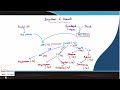
Comprehensive Overview of Terpenoid Biosynthesis via MVA and MEP Pathways
This lecture provides an in-depth exploration of terpenoid biosynthesis, focusing on the mevalonate (MVA) and methylerythritol phosphate (MEP) pathways. It covers the origin of key five-carbon precursors, the diversity of terpenoid structures, and the cellular compartmentalization and regulation of these pathways, highlighting their biological significance and applications such as essential oil production and antimalarial targets.
Most viewed summaries

A Comprehensive Guide to Using Stable Diffusion Forge UI
Explore the Stable Diffusion Forge UI, customizable settings, models, and more to enhance your image generation experience.

Kolonyalismo at Imperyalismo: Ang Kasaysayan ng Pagsakop sa Pilipinas
Tuklasin ang kasaysayan ng kolonyalismo at imperyalismo sa Pilipinas sa pamamagitan ni Ferdinand Magellan.

Mastering Inpainting with Stable Diffusion: Fix Mistakes and Enhance Your Images
Learn to fix mistakes and enhance images with Stable Diffusion's inpainting features effectively.

Pamamaraan at Patakarang Kolonyal ng mga Espanyol sa Pilipinas
Tuklasin ang mga pamamaraan at patakaran ng mga Espanyol sa Pilipinas, at ang epekto nito sa mga Pilipino.

How to Install and Configure Forge: A New Stable Diffusion Web UI
Learn to install and configure the new Forge web UI for Stable Diffusion, with tips on models and settings.
Found this summary useful?
Take it with you. One click puts it in your own LunaNotes library.
Save to LunaNotes