Introduction to Metabolic Reprogramming in Catharanthus roseus
Catharanthus roseus, known for producing valuable indole alkaloids, serves as a model organism to study metabolic reprogramming aimed at synthesizing non-natural alkaloids with enhanced pharmacological properties. For foundational insights into how these alkaloids are synthesized and transported within the plant, see Biosynthesis and Transport of Monoterpenoid Indole Alkaloids in Catharanthus.
Silencing Tryptamine Biosynthesis to Enable Non-Natural Alkaloid Production
- Target Enzyme: Tryptophan decarboxylase (TDC), responsible for converting tryptophan into tryptamine.
- Method: RNA interference (RNAi) via hairpin RNA constructs introduced into co-transformed hairy root cultures.
- Outcome: Suppression of TDC blocks endogenous tryptamine production without hindering root growth.
- Downstream Effects: mRNA expression of downstream enzymes remains unaffected; however, flux through the pathway slows due to lack of substrate.
This targeted metabolic modulation aligns with strategies discussed in Metabolic Engineering Enhances Alkaloid Production in Catharanthus Roseus Hairy Roots, illustrating how gene silencing and pathway adjustments optimize alkaloid biosynthesis.
Feeding Strategies for Alkaloid Biosynthesis
- Natural Substrate Feeding: Addition of tryptamine restores normal alkaloid biosynthesis.
- Non-Natural Substrate Feeding: Introduction of fluorinated tryptamine analogs (e.g., fluorotryptamine) leads to production of fluorinated strictosidine and unique downstream alkaloids (e.g., fluorinated ajmaline, serpentine).
- This demonstrates the pathway's ability to accept modified substrates, enabling generation of novel alkaloids.
Such elicitor and substrate modifications are explored further in Elicitor-Induced Modulation of Indole Alkaloid Biosynthesis in Catharanthus Roseus, highlighting complementary methods for pathway enhancement.
Concept of Metabolic Reprogramming
- Metabolic reprogramming involves redesigning biosynthetic pathways to produce substituted final products (D') instead of natural ones (D).
- Strategies include mutating key enzymes to accept alternative substrates (A') to generate novel intermediate and product analogs (B', C', D').
This approach is contextualized within broader examples detailed in Metabolic Engineering of Indole Alkaloid Biosynthesis: Case Studies in Plants and Yeast, providing valuable case studies for enzyme and pathway engineering.
Applying Metabolic Reprogramming in Catharanthus roseus Culture
- Key Enzyme: Strictosidine synthase (Str), catalyzing the condensation of tryptamine and secologanin.
- Mutation: Single amino acid substitution V214M in Str creates a variant (Str V214M) that accepts halogenated tryptamine analogs (e.g., chloro-, bromo-, fluorotryptamine).
- Co-Transformation: Root cultures express both wild-type and mutant Str enzymes.
- Feeding: Cultures are fed with halogenated tryptamine analogs (non-natural substrates).
- Result: Dual pathways operate simultaneously; natural pathway produces unmodified alkaloids, while mutated pathway synthesizes halogenated strictosidine derivatives and downstream alkaloids.
Advantages and Impact
- The system maintains normal alkaloid biosynthesis while expanding the chemical diversity of produced compounds.
- Relaxed substrate specificity due to enzyme mutation facilitates precursor-directed biosynthesis of novel, potentially more effective pharmaceutical alkaloids.
Summary
- RNAi-mediated silencing of TDC enables incorporation of non-natural substrates into alkaloid biosynthesis.
- Mutated strictosidine synthase extends substrate acceptance to synthetic analogs.
- Feeder substrate analogs trigger production of novel indole alkaloids alongside natural compounds.
- This metabolic reprogramming approach represents a pioneering plant-based strategy for generating modified natural products, enhancing prospects for pharmaceutical innovation.
For additional understanding on how environmental factors influence metabolic outputs relevant to this study, refer to Environmental Regulation of Indole Alkaloid Biosynthesis in Catharanthus roseus.
[Music] [Music] hello welcome to inline certific online
uh nptl certification course on pharmacognosy and metabolic engineering so we'll now go to lecture number
31 where I will discuss the concept of metabolic reprogramming uh particularly with the
monotaro Indo Alid biosynthesis so pernal is basically the English name of catharanthus Rosas let us go to the
concept which I'm going to cover first of all I'll talk about the silencing of tryptamine biosynthesis for production
of non-natural alcohols next I'll will talk about the con concept of metabolic reprogramming and finally uh we will see
that how metabolic reprogramming can be applied to catanas Rosia culture system so as to produce non-natural indol
alkaloids so let us go to the board so the question is nonnatural
indul alkaloids let me go to the previous one okay I'll put the indol term here
because we will talk only with the indol okay non-natural alkaloids means that the the alkaloids which are not produced
by the plants okay uh so for example uh triamine tryptamine is produced by the
plant but what about flot tryptamine or chorot triamine so this is not produced by the plant but
flot triamine may be useful but because that subsequently converted into fluro strictosidine and further Downstream
products and eventually a late indol alkaloid having a fluro substitution uh could be more
pharmacologically acceptable than the concept than the conventional one therefore there is a need uh for
exploring non-natural indol Alid production in the plant system so this is all about our topic of discussion so
under this context I will talk now the silencing of tryptamine
biosynthesis for production
of nonnatural alkaloids
in plant culture in fact this is the title of the publication
where this work appeared so this was published in This Journal called pns I have mentioned it several times
proceedings of the National Academy of Science USA this published in the year of
[Music] 2009 and volume number 106 page number
136 7327 8 and the group leader was again Dr
Saray Conor which I mentioned her name several times so what they have
done they what they have done they have silenced the tryptamine biosynthesis so how we all know that
tryptophan makes tryptamine right by the action of the enzyme which is called
tryptophan decarbox okay so and then subsequently tryptamine joins
with uh seanin and makes the alkaloid which is
strictosidine and then I have mentioned several times I'm not going to uh talk again about it
and about it so this is a CO name and then eventually it makes all the downstream
products so this one that means [Music] the
TDC so to silence tryptamine biosynthesis what needs to be done is basic Bally to block the TDC activity
and this group they have used RNA interference approach to block the tryptophan
decarbox and as a result what is going to happen so again they use the system as a plant culture so they have used a
hiot system this is because that is a organized culture stable system so they have used again the co
transformed they they raise the co transformed here root culture expressing and
RNA having the uh blocked TDC that is the having the construct uh that means with the TDC with the rni
construct or rather called hairpin construct that is the best word to use and that basically leads to formation of
this uh short interfering RNA and eventually it blocks the DDC
so trans genic har Roots will not produce
tryptamine okay but this will not hamper its normal growth so here root grown very well even with the blocking of
TDC okay now if the TDC is blocked what happens to the downstream enzymes whether Downstream enzymes will be
disrupted or not so as this pathway has already been characterized what scientist they did actually they uh
check the expression level of the downstream enzymes and what they found that Downstream enzymes are perfectly
active that means the MRNA for Str Str was produced mRNA for SGD was produced and
subsequent but this pathway is not operating or rather operating in a slow pace because the tryptamine supply is
interrupted so then how to use this culture so two ways this culture can be used one is that you can
do a feding so feeding of normal
tryptamine when you do the feding of normal stpine then normal Indo pathway will be
restored that is fine but this is not really very challenging so what happen Okay block a pathway at the uh add the
substrate and the subsequent enzymes will work so that is fine but it is nothing that much great
to to discuss or to uh make more of sensation on it so what they did basically they now did an uh outstanding
experiment so they did feeding both feing of nonnatural substrate
non-natural tryptamine what are this non-natural tryptamine for example they have they
have done feding of fluto tramin so if you use uh this fluto tryptamine uh then what is going to
happen that we are going to see now yeah fluro means Florin so that means feeding of non-natural
tryptamine that means you feed uh so let me go to the okay this slide I will use so this
time no pin uh
root with HP so these hadot cultures you have done
feeding with fluro tryptamine so when fluto tryptamine you
fed or what the when what they have done that means that if we if I put it here
what is going to happen that all
this inal colid pathway will remain will be active again sorry
uh then so so this leads to the formation of
fluro strictosidine so I will erase this F strict toid in and then
eventually it will make all the products for example you'll be able to
get fluro uh AG
Malin fluro serpentin
fluro catha ranin
even luro taronin so all these nonnatural Indo
alals can be produced so two things number one when you feed normal tryptamine normal pathway uh
normal pathway restored and when you feed the fluto
triamine that leads to Restoration of the uh that leads to
the formation of the new pathway leading to the formation of
of non-natural Indo alkaloids so as I said that these
non-natural indor alkaloids are sometimes better than their natural counterart for pharmaceutical
application so that is why this work has very significant impact uh for future uh
industrial application so this is basically in an Essence
the work described in this pnas paper from this concept we'll move into the metabolic reprogramming so what what is
metabolic reprogramming and this they have done in catharanthus
Rosas culture so the system was head root culture but this is what they put it in the title
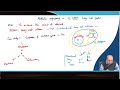
so here let me explain uh this metabolic reprogramming concept for
example uh there is a pathway where a makes b b makes C and C makes D and the enzyme responsible for this
are enzyme X enzyme y enzyme Zed okay so the green denotes
enzymes and the blue denotes the so a is the substrate earlier substrate and D is the final product
now it has been found by the uh scientist that a d is important but a substituted D may be
more important that means If instead of D if one can produce a substituted D so this
is called substituted D so I have denoted with d
Prime so that makes a better drug than
the D so how to make this so D prime it is possible to
make uh one is that that uh then all the enzyme has to be changed or one way to think about it
that if we modify the pathway if a makes B if somehow if you can modify the pathway so instead of B if it start
making B Prime that means there must be an enzyme which
makes B2 B Prime and then you know it makes a to B Prime and
then B Prime will subsequently okay I'll use a different color to indicate that V Prime and V
Prime will be subsequently converted into C Prime and
then in principle to D Prime so that means there should
be enzyme y or Zed or or some
modified y or Zed if it can function now what happened the scientist did one
thing they did the feeding feeding the plant culture with B
Prime and then grow the culture and then check whether C prime or D Prime is produced or
not and when the culture uh when the cultures were fed with B Prime surprisingly what has been
found that these cultures were able to produce uh both C Prime and D
Prime but B Prime is very
expensive limitation to this procedure is this B Prime is indeed very expensive therefore uh this may not be
feasible so then how to do that so this so that means feeding B Prime into
the culture will fulfill the purpose because the enzyme y May accept the B Prime and
makes C Prime and the Z accept the C Prime and makes D Prime and D Prime is our product of Interest so only the hard
lies with the B Prime because B Prime feeding B Prime is not feasible therefore scientist thought of
making B Prime through the enzymatic reaction now how it is possible uh so the point here what I have discussed
that e makes
B by the enzyme X now if this enzyme X can be
mutated and the mutant enzyme if this mutant enzyme say the
mutant enzyme what will say the XS X Prime so this this mutant enzyme can
accept the substrate a prime which is eventually not that
expensive so that means the substrate e Prime substrate
is cheap so if the X enzyme is mutated and the mutant enzyme X Prime can accept a
prime substrate and which can easily be uh supplied through feeding so that it can makes the product B Prime if that
happens then the job is done then what is going to happen these subsequently
convert B Prime to C Prime and C Prime to D Prime that means what I mean to say that the
plant culture has the natural ability for this conversion
to to transform
B Prime to D Prime
through C Prime so that means
the enzyme Y and Z will do its function so the hardle what was making B Prime is
now sorted out by making a mutated enzyme of X which is X Prime and when you insert the X Prime enzyme into your
target plant and Supply a prime as the substrate then a prime will be taken up by the transformed or transgenic plant
expressing X Prime and subsequently it makes B Prime and B Prime makes C Prime so this is basically the concept of
metabolic reprogramming now keeping this concept in mind now I will tell the the metabolic reprogramming of
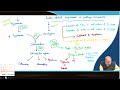
cus cultures so what is here again the normal
pathway a makes B makes C makes D and what I have shown the enzymes
are x y z and this is what is the normal pathway and
the reprogrammed pathway what will will what we are going to see is this
that if Prime will be converted into B Prime this will converted into C Prime this
will be converted into D Prime and if you put the arrow
so this is the X Prime and these two are the normal Y and Z I think with this it is clear and a
prime needs to be fed
feeding required I'm not writing more now now come to the real example the X enzyme
which is denoted here with blue X is basically the stripto in synthes which I have mentioned several
time St Str and uh X is s so we all know the S function
what it does it conver or it it it joins two thing one is
tryptamine and another is is cyanin and forms strictosidine and then from
strictosidine the pathway moves and formed different
[Music] indle alkaloids now s Gene has been mutated
and they made the mutated S as X Prime so what is X Prime X Prime is nothing but
the mutated s so what is this
mutation this mutation they have done by
uh changing the valin into methionin so the mutated ex uh X Prime is called
uh s Str
V 214 M that means that the 214 position of
the amino acid of the St Str protein valine was replaced with the methionine that is a single amino acid change which
makes a recombinant s year so they have done a series of experiments for 7 8 years and finally they are able
to uh find the most suitable one is basically this one so this St
Str uh that is this particular Gene what they have done they have transferred
or into cus culture and the approach was Co
transformed y root y
root culture so the cor transform herot culture expressing v214 M St
now question is that what happens to the normaler question is what happen to the normaler you are not disrupting the
pathway you are not disrupting the pathway so the normaler is there oh sorry I'll use a
different color to make it okay so the normal is tier is there X is there what you are doing you
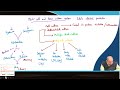
are putting an additional copy of mutated Ester so this is the normal Ester this is the mutated Ester both you
both you are putting in the kathas Ros root cultures now you imagine the situation what is going to happen when
normal s is there the plant naturally producing tryptophan seanin it joins and it is
making strictosidine that stto subsequently converted into strictosidine
aglycone then through stanine it produces ultimately cenin and some of the
maybe some of the other alkal maybe vindoline or maybe the hor hammerin or loin all which are root specific
metabolites okay now you are putting additional copy as the mutated one so the mutated one normally the gene will
be expressed press but it will not function because it is not getting the substrate so what you need what needs to
be done that this Co transform transgenic hary root culture needs to grow in the medium normal medium but you
have to add the a prime what is a prime a prime is basically what are the what are the
substrates for S Str one is seanin one is tryptamine so what happened that here you add the
uh so they have also found that cyanin it did not have to do any changes so the tryptamine accepted site got mutated so
here you have to feed either floro so oh sorry feeding
of fluro chloro and uh and uh and what is the
methy methylated and another one is
uh bromo that means
that means flot triamine bromo triamine chorot triamine or methylated tryptamine if
these synthetic substrates were fed in separate cultures then what will happen
these will be accepted by V2 214 M leading to the formation of see uh
chloro strictosidine bromo strictosidine methylated strictosidine or floro
strictosidine and then that subsequently will be converted by the normal enzyme of the
pathway so what I mean to say that normal strictosidine as well as chorost strictosidine
both we will both will work side by side so that mean normal strictosidine is produced as a result of normal EST
chloro strictosidine is produced because you fed chloroamine and you have v214 M so it
produces chloro chorost strictosidine and say it could be floro also and what I what I am saying that both the pathway
moves side by side without interfering each other So eventually you are going to get the normal indol alkaloids what
you are supposed to get from the root cultures along with that you will get substituted Indo alkaloids which may be
more effective for pharmaceutical applications than the normal one uh this is the beauty of metabolic reprogramming
here both the normal pathway as well as the substituted pathway both are operative
only the changes what you have done at the very early level where the S Str was mutated with by v214 m and the mutation
happened in the site where it accepts the tryptamine so it no more accepts the tryptamine but it can accept the
chloramine so in this what uh what is that that it the pathway have uh the pathway has relaxed the substrate
specificity so that means what you write here one point let me write it for you all that
this V 214 m s Str that
has relax next substrate
specificity that means if you do if you take a normal root culture having strictosidine and there if you feed
fluro fluro bromo it may not accept okay or is the acceptance that will be very less but with this this
recombinant enzyme it basically relax the substrate specificity so it is ready to accept all sort of changes and makes
their subsequent derivatives so this is basically the beauty of metabolic reprogramming and this work demonstrat
the basically the capacity to make new molecules through a precursor directed approach so this also another important
uh phrase c r s o r right PR sorry
precursor directed approach so this work published again in
this famous Journal which is uh nature chemical biology so
uh Net G bile again led by it's a bithor
paper uh by Ruan and SAR konor so this paper also published in 2009 March issue of natur chemical
biology Volume 5 page number 151 to
53 so the authors are r u n g u Ruan uh Ruan maybe from Thailand and
okono so is basically idish
so they are the authors they published this paper and this paper was so important that the editor of nature
chemical biology asked uh two scientists of similar background to write an article for the non-specialist
readers and uh the article published in the same issue as alkaloid biosynthesis takes root and uh there beautiful uh
diagrams are given so that means so I will end up with uh that uh schematic diagram uh no I'll will not take much
time so the uh V 214 m s Str plant is expressing this and when
you are doing feeding of
chloro Camin romot
triamine and methy tryptamine of course fluto is there and that leads to the formation of
different products for for example cloro strictosidine
bromo strictosidine as well ased
to side in and this pathway moves further and produce the desired product along with the normal
pathway which operate side b side which is St which accepts nor Mal tryptamine along with
Cogan I'm not showing so it produces strictosidine and this pathway moves
together so uh this is what is this that the titoy in analogs can accept all the
downin enzymes through feeding experiment and that resulted in the formation of modified natural products
so and that that includes asalin tabersonine serpentin catharanthine all so if I write that
is aalin serpentin
tonin catharanthine all normal as well as substituted can be produced depending of
the type of uh uh substituted substrate you do the feeding so this is said that this is having a history it is said that
this is having a historical importance of generating modified natural products from altered precursors particularly
with the bacterial system but with the plan system this is for the first time and this is basically the precursor
directed approach and using this approach what has been found that the biosynthetic pathways have relaxed their
substrate specificities the pathway as a result of that it can produce all natural
non-natural uh indol alcol what you desire to get it for future pharmaceutical applications so with this
I end this class thank you
Metabolic reprogramming in Catharanthus roseus involves redesigning its biosynthetic pathways to produce modified or non-natural indole alkaloids by introducing mutations and substrate variations. This approach is important because it enables the creation of novel alkaloid compounds with potentially enhanced pharmacological properties that are not naturally synthesized by the plant.
Silencing TDC using RNA interference blocks the plant's ability to convert tryptophan into tryptamine, effectively halting the production of endogenous tryptamine. This suppression slows down the alkaloid biosynthetic pathway due to substrate limitation but does not affect the expression of downstream enzymes or root growth, creating an opportunity to introduce non-natural tryptamine analogs for novel alkaloid production.
Feeding Catharanthus roseus cultures with non-natural substrates like fluorinated tryptamine analogs enables the biosynthetic pathway to incorporate these modified molecules, resulting in the production of novel fluorinated alkaloids such as fluorinated strictosidine, ajmaline, and serpentine. This substrate flexibility facilitates the creation of chemically diverse alkaloids with modified biological activity.
The V214M single amino acid substitution in strictosidine synthase alters its substrate specificity, allowing it to accept halogenated tryptamine analogs like chloro-, bromo-, and fluorotryptamine. When expressed alongside the wild-type enzyme in root cultures fed these analogs, it results in concurrent production of both natural and halogenated alkaloids, thus expanding the chemical diversity without compromising natural alkaloid synthesis.
Co-expressing both enzyme variants enables simultaneous operation of natural and engineered alkaloid biosynthetic pathways. This dual system maintains normal production of unmodified alkaloids while generating novel halogenated derivatives, maximizing chemical diversity and improving the potential for discovering new pharmacologically valuable compounds within the same culture environment.
RNA interference (RNAi) is preferred because it effectively suppresses TDC expression without harming root growth or downstream enzyme transcription, providing a controlled reduction of endogenous tryptamine production. This precise modulation permits introduction and incorporation of non-natural substrates without disrupting plant viability and overall metabolic function.
By generating novel indole alkaloid analogs through engineered enzyme specificity and feeding synthetic substrates, metabolic reprogramming creates compounds with potentially improved pharmacological properties. This plant-based strategy expands the chemical space of bioactive molecules, accelerating drug discovery and development efforts focused on therapeutic alkaloids derived from natural products.
Keep this summary
Save it to LunaNotes and it becomes a real note in your library — editable, searchable, and ready to turn into flashcards or a diagram. Free to start.
Save to LunaNotesOr summarise for another video.
This summary and transcript were automatically generated using AI with the Free YouTube transcript summary tool by LunaNotes.
Related summaries
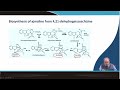
Comprehensive Overview of Indole Alkaloid Biosynthesis and Metabolic Engineering
This lecture provides an in-depth overview of indole alkaloid biosynthesis pathways in Catharanthus roseus, highlighting enzymatic steps, cellular compartmentalization, and regulatory mechanisms including transcription factors and light influence. It further explores metabolic engineering strategies such as non-natural alkaloid production and metabolic reprogramming, alongside advances in bioprocess engineering for industrial-scale alkaloid production.
Metabolic Engineering Enhances Alkaloid Production in Catharanthus Roseus Hairy Roots
This summary explores five key case studies on metabolic engineering in Catharanthus roseus hairy root cultures aimed at boosting valuable indole alkaloid production. Techniques include transcription factor overexpression and multi-gene constructs under specific promoters, demonstrating significant increases in alkaloid contents such as ajmalicine, catharanthine, and vindoline intermediates.
Metabolic Engineering of Indole Alkaloid Biosynthesis: Case Studies in Plants and Yeast
This lecture explores metabolic engineering approaches to enhance early steps of indole alkaloid biosynthesis through gene overexpression and heterologous expression systems such as tobacco, periwinkle, and yeast. Key insights include challenges in pathway bottlenecks, gene expression effects, and the use of hairy root cultures for efficient alkaloid production.
Environmental Regulation of Indole Alkaloid Biosynthesis in Catharanthus roseus
This lecture explores how environmental factors like light and elicitors influence the production of valuable indole alkaloids in Catharanthus roseus. It details differences in culture systems, the role of hairy root cultures, and how elicitors such as jasmonic acid enhance alkaloid biosynthesis through gene expression modulation.
Elicitor-Induced Modulation of Indole Alkaloid Biosynthesis in Catharanthus Roseus
This lecture explores how elicitor treatments, specifically using East extract, activate molecular pathways that enhance indole alkaloid accumulation in Catharanthus roseus. It details the biosynthetic steps, signal transduction involving jasmonic acid, and the transcription factors regulating key genes like strictosidine synthase (STR) and tryptophan decarboxylase (TDC).
Most viewed summaries

A Comprehensive Guide to Using Stable Diffusion Forge UI
Explore the Stable Diffusion Forge UI, customizable settings, models, and more to enhance your image generation experience.

Kolonyalismo at Imperyalismo: Ang Kasaysayan ng Pagsakop sa Pilipinas
Tuklasin ang kasaysayan ng kolonyalismo at imperyalismo sa Pilipinas sa pamamagitan ni Ferdinand Magellan.

Mastering Inpainting with Stable Diffusion: Fix Mistakes and Enhance Your Images
Learn to fix mistakes and enhance images with Stable Diffusion's inpainting features effectively.

Pamamaraan at Patakarang Kolonyal ng mga Espanyol sa Pilipinas
Tuklasin ang mga pamamaraan at patakaran ng mga Espanyol sa Pilipinas, at ang epekto nito sa mga Pilipino.

How to Install and Configure Forge: A New Stable Diffusion Web UI
Learn to install and configure the new Forge web UI for Stable Diffusion, with tips on models and settings.
Found this summary useful?
Take it with you. One click puts it in your own LunaNotes library.
Save to LunaNotes