Overview
This lecture focuses on case studies related to metabolic engineering of early steps in indole alkaloid biosynthesis. The main target alkaloids include strictosidine and its derivatives, which are precursors to pharmaceutically important compounds.
Biosynthetic Pathway Basics
- The pathway initiates from the amino acid tryptophan.
- Tryptophan decarboxylase (TDC) converts tryptophan to tryptamine.
- Trylamine joins with secologanin via strictosidine synthase (Str) to form strictosidine.
- Strictosidine glucosidase (SGD) processes strictosidine into downstream alkaloids like catharanthine and vindoline.
Gene Overexpression in Plant Cell Cultures
- Catharanthus roseus (periwinkle) cell cultures were genetically modified:
- Overexpression of TDC increased tryptamine but did not significantly increase strictosidine due to possible limitations in secologanin availability.
- Overexpression of Str marginally enhanced strictosidine levels.
Transgenic Tobacco Studies
- Genes encoding TDC and Str were introduced into Nicotiana species.
- Transgenic plants produced elevated tryptamine but lacked strictosidine production since tobacco does not synthesize secologanin.
- Feeding secologanin to transgenic tobacco enabled strictosidine synthesis, highlighting substrate limitations in heterologous hosts.
Expression in Yeast (Saccharomyces cerevisiae)
- Constructs containing Str and SGD genes from C. roseus were introduced into yeast cells.
- Yeast expressed these enzymes but required feeding of both tryptamine and secologanin to produce strictosidine.
- Strictosidine accumulated extracellularly, facilitating downstream extraction.
- Over time, strictosidine in the medium was converted to catharanthine, indicating active SGD enzyme function.
Cost and Substrate Considerations
- Tryptamine is relatively inexpensive, but secologanin is costly.
- Alternative secologanin sources such as snowberry (Symphoricarpos albus) fruit extract provide both sugar and secologanin, reducing production costs.
- Using snowberry extract in growth medium supports yeast culture and alkaloid production.
Hairy Root Cultures for Alkaloid Production
- Hairy root cultures of Catharanthus roseus provide a genetically stable system for producing indole alkaloids.
- They offer advantages for studying biosynthetic regulation and potential industrial-scale production.
- Future lectures will explore hairy root cultures and regulation by environmental factors such as light.
Conclusion
- Overexpression of individual genes in alkaloid biosynthetic pathways can increase intermediate levels but may be limited by substrate availability.
- Heterologous systems like yeast and tobacco can produce early pathway intermediates, but require substrate feeding.
- Utilizing alternative natural secologanin sources and stable culture systems like hairy roots offers promising avenues for scalable alkaloid biosynthesis.
- Transcription factors and pathway regulation remain important areas for future research to enhance alkaloid yields.
[Music] [Music] hello welcome to nptl online
certification course on pharmacognosy and metabolic engineering so this is lecture 22 where I will discuss the
metabolic engineering uh case studies of early stepes of indor alkaloid
biosynthesis so let's go to the concept to be covered so where we'll see overexpression of TDC and S strr genes
in tobacco OV expression of TDC and Ester genes in perwinkle
and then expression of pernal genes in heterologous system and
then here root culture as a system for Indo Alid production and if time permits we'll talk about ere expression of
transcription Factor gen in pinkle so let's go to the board so first one is this that let me
very briefly work out the pathway what we have just studied so important point is
this that tryptophan we start with tryptophan so I will write
indol alkaloid biosynthesis
and pathway manipulation so what what we said that
tryptophan makes triamine and then this joins
with seanin and and make stto sidin and
strictosidine in the next step it makes strict toyin a
glycon and from there ref products form s such as
camine stenin asalin and so on so this root comes
from uh tpid and this is from
the Sate corat that means so the enzyme which is responsible
for this is one one is stopen DEC carboxilate which I have mentioned and the joining enzyme
is St Str that means titoy in synthes and this one is this SGD stto in
glucosides so now we will see this so first of
all uh the uh the scientist attempted to make uh cell cultures
of catharanthus Rosas the English name is pernal and what they have done that they
transformed the cell cultures with DDC and
SDR so uh that means uh
expression of TDC in cell culture of catharanthus
Rosas and expression ofer in culture
of cus so when TDC was expressed so it
produces tryptamine in higher
amount but that did not affect the or that did not uplift the synthesis
of strictosidine because uh the seanin may be a limiting factor there so that means expression of
TDC only upliftment of
tryptamine whereas when
is Str was overexpressed that leads to formation of upliftment
of stto sidin in marginal amount so what happens in this case an enhanced Str Str activity was detected
but uh stto in level was only marginally increased this is what happened with the cell culture
from there it the scientist so they uh came to a conclusion that uh that only the
overexpression of the genes of the same pathway is not enough perhaps the regulation lies in forther stream of the
pathway or there may be the transcription factors which need to be modulated so that the product can be
produced in higher amounts so these are the several questions uh which were subsequently
raised so when they have used now they have used the tobacco system so when they have
used the tobacco actually it's not the proper tobacco I
should write the dhiana rastika species of
Target so here both TDC and Ester
gen were transferred to nikosi rastika through agrobacteria mediated
transformation and transgenic plants were raised and what has been
found that transgenic plants are basically producing both
TDC as well as s Str and these activities were successfully
detected when that is so then it is important to see that what happened to the product so
tryptamine yes ramine
detected but no stricto in sorry no so then what they have
done feeding of
cyanin can now help in production of in production
of uh stricto in strict toid in production by the transgenic
plants so why because tobacco is not not meant for or or nikosi rastika is not meant for
producing uh the indol ALCO but genes can successfully be transferred and good point is that TDC
substrate is tryptophan tryptophan is universally produced aromatic amino acid so when TDC was expressed so it can take
the endogenous tryptophan available in the pathway and that leads to the upliftment
of trip in okay however the tobacco transgenic tobacco cannot make strictosidine
because uh although a tarpo pathway is operating there but it is not producing any
seanin therefore in order to produce trocin in in nikosi rastika uh one has to feed the cadin and
exactly they did and as a result of that uh the transgenic plants produced strictosidine
so this gives confidence to the scientist that indeed the this heterologous uh system can be utilized
for producing some of the hardly uh pathway alkaloid products even in yeah in the hrus system like tobacco
so that is the good thing so this actually give some confidence to the scientists so then they moved forther
to explore the system so now the next case study what I am going to cover I need to draw this pathway again but
anyway that is required that is the biot
transformation of tryptamine
and seanin into
plant tarino Indo alkaloids
by transgenic East so this is one of the very interesting
case studies which I am going to discuss now and this paper was published
by guard Lings at all so in the year of 2001 from Nether L lien the group leader
was Robert hpor
PT and this was published in applied
microbiology biotechnology and the volume number 56 page number 420 to
424 so let us see what they have done so we have to draw the same pathway again that means
the trpt toan makes
triamine and then Here Comes
sanin and these two joins and make strict toyin and strict
toyin Aon sorry and then the different products can be
produced such as camine
camine or AIS now if I join with
arrow the so the
source genes are s Str and SGD
from catharanthus Rosas and
the target organism it is a eukariotic system that is this sarom I just write
e so what they have done is basically they made a construct containing both s and SGD and
then so basically the cdna which encodes for stto in synthes and stto and glucosides so those
genes were used and the constructs were prepared under proper control of uh promotor and
Terminator and then East cells were transformed with these cells so that means what if we write here
that East cells
transformed with Str Str and is
GD okay so let us consider that transgenic easts are produced and this East Express is TR and SGD now what is
going to happen so East requires growth a medium so uh these genes are there these genes
can be detected okay even the expression can be studied that means the MRNA produced can
be measured but product formation most likely will not be there
because uh camine and cyanine are not available so what is required basically that you have to do
feeding feeding of substrates what are the
substrates one is the tamin
and cyanin now when this fitting was done then what has happened that uh
East uh successfully uh accepted tramin and seanin and produces St
idin now this strictosidine what is produced in the East cell this strictosidine
Leed out into the medium
so strictosidine maxximum amount
detected in the medium so that means it it is leing out or pariz of strictosidine uh outside the
East cell because uh to much strictosidine is not good for the East because e are not meant for producing
strictosidine but it is in the medium but but what happens that with time the stto in the
medium uh getting disappeared and as a result of that what happened that scientists they have
detected of camine
okay so and also a little bit of edicin now why it is
happening so although the genes for S Str and SGD are Express inside the cell so it appears that the stoy in
glucosides that is basically that is again secreting out from the East cell and it is uh basically localized in the
medium so what happens that when strictosidine are produced inside the cell uh so if
we make a light drawing this is the East cell so as a result
of St Str uh strictosidine is produced
and that is coming out in the medium and where this is converted
into camine that means the genes for
SGD is basically coming outside the medium so that means that SGD is basically there so what
happens that when you do the feeding with tryptamine and cyanin ultimated you are finding a good
amount of strictosidine in the medium and then with time that is getting converted into camine and that is
because of the SGD activity from there it is clear that expressing
plant pathway gen in East is visible and it is possible to produce the product uh by E cells and these products
are Leed out into the medium so which makes the downstream process easier so that uh these alkaloids can be
easily extracted out otherwise if it is located inside the cell then you have to break the cells that is energy dependent
process and get the things out so this is a very good system now this is fine now one important point which is this
the cost the cost of tryptamine and seanin so tryptamine is not that expensive but seanin is
very expensive so if you want to make a process uh at the commercial level so
this can not be visible but tryptamine is not that much expensive therefore scientists they look for alternative
sources of uh Cogan and they
finally uh found a plant which is called s snowberry snowberry the snowberry fruit
it's white in color maybe one of the subsequent classes I will show you the photograph of snowberry sberry fruit is
basically appears to be a good source for sanin the scientific name of strawberry
is syor carpus s y m p h o r i c a r p u Sor carpus albas a l b u s so soy fruits basically these are the
berry botanically so the fruit extract contains a huge amount of cyanin so this has basically two
advantage two Advantage what are these number one fruit is basically a source of
sugar so that means the sugar what normally one added in the cell as a carbon source for growth that can be
reduced and number two the fruit extract contains also
cyanin therefore growing the transgenic East in in a medium which is enriched
with uh snowb fruit extract which CS the need for sugar and cyanin only you have to do feeding
of tryptamine and that basically leads to the formation of your alkaloids that
means camine and this camine can be converted into aisin so this is a beautiful case study
where hardly uh catharanthus pathway genes are transferred into the East and as a
result of that East transgenic East can produce the early indol alkaloids which is produced in
the plant now let me go to the next slide so that
means we'll see the hay root system we'll discuss little bit about the hay root system for
okay for a root system of catharanthus Rus for Indo alcohol
production now what I have not said uh I have not discussed fully the late steps of Indo Alid biosynthesis uh
so before I discuss this it is important to know that strictosidine stto gluc ultimately
what it produces it produces different products
like catharanthine and vindin so scientist okay and then what I
have said that these two joints and produced Vin blastin the scientist they
uh they attempted to use hadot system for starting the Indo alkaloid biosynthesis and
regulation why herot because herot is a study system and uh it is genetically stable
therefore uh manipulations can be done so here there are a few aspects which need to be discussed before I come to
the H root so it is important that we should also know the uh what happens to the
normal suit cultures whether suit cultures of cus can produce indol
alol with the cell culture of cus can
produce indor alkaloids whether there is any role
of light in alkaloid
synthesis and any role of green
tissue in alkaloid synthesis syn
so this needs to be addressed so uh once we address this then I it will be better to bring the
head root system in the uh in this context so in the next class we'll talk about that so I will end this
class here thank you very much
The key enzymes initiating indole alkaloid biosynthesis include tryptophan decarboxylase (TDC), which converts tryptophan to tryptamine; strictosidine synthase (Str), which couples tryptamine with secologanin to form strictosidine; and strictosidine glucosidase (SGD), which processes strictosidine into downstream alkaloids such as catharanthine and vindoline.
Overexpressing TDC raises tryptamine levels; however, strictosidine formation depends on the availability of secologanin. Since secologanin is limited in these cultures, increased tryptamine cannot fully convert to strictosidine, causing a bottleneck. This shows that substrate availability, not just enzyme levels, restricts pathway flux.
Transgenic tobacco plants expressing TDC and Str genes produce more tryptamine but cannot naturally produce strictosidine due to lack of secologanin synthesis. Supplying secologanin exogenously enables these plants to produce strictosidine, demonstrating the importance of providing missing substrates in heterologous hosts to complete biosynthetic pathways.
Yeast expressing Str and SGD enzymes can produce strictosidine when fed tryptamine and secologanin. The accumulation of strictosidine extracellularly facilitates easier extraction of alkaloids. Additionally, yeast systems are genetically tractable and scalable, enabling controlled and potentially cost-effective production of alkaloid intermediates, albeit with necessary substrate supplementation.
Secologanin is expensive, but extracts from plants like snowberry (Symphoricarpos albus) contain both sugars and secologanin. Using such extracts in yeast growth media supports both cell culture nutrition and supplies secologanin, lowering costs associated with purchasing pure substrates and enabling more economical production of strictosidine and related alkaloids.
Hairy root cultures from Catharanthus roseus provide a genetically stable system to study and produce indole alkaloids. They replicate natural biosynthetic pathways more closely than some heterologous systems, allow investigation of biosynthetic regulation especially under environmental factors like light, and hold promise for industrial-scale alkaloid production due to their stability and productivity.
Key challenges include substrate availability limitations, incomplete pathway expression in heterologous hosts, and complex regulation of biosynthetic genes. Future efforts focus on identifying and manipulating transcription factors to upregulate entire pathways, improving precursor supply, and optimizing culture conditions, especially in stable systems like hairy roots, to increase yields of pharmaceutically relevant alkaloids.
Keep this summary
Save it to LunaNotes and it becomes a real note in your library — editable, searchable, and ready to turn into flashcards or a diagram. Free to start.
Save to LunaNotesOr summarise for another video.
This summary and transcript were automatically generated using AI with the Free YouTube transcript summary tool by LunaNotes.
Related summaries
Comprehensive Overview of Indole Alkaloid Biosynthesis and Metabolic Engineering
This lecture provides an in-depth overview of indole alkaloid biosynthesis pathways in Catharanthus roseus, highlighting enzymatic steps, cellular compartmentalization, and regulatory mechanisms including transcription factors and light influence. It further explores metabolic engineering strategies such as non-natural alkaloid production and metabolic reprogramming, alongside advances in bioprocess engineering for industrial-scale alkaloid production.
Environmental Regulation of Indole Alkaloid Biosynthesis in Catharanthus roseus
This lecture explores how environmental factors like light and elicitors influence the production of valuable indole alkaloids in Catharanthus roseus. It details differences in culture systems, the role of hairy root cultures, and how elicitors such as jasmonic acid enhance alkaloid biosynthesis through gene expression modulation.
Metabolic Engineering Enhances Alkaloid Production in Catharanthus Roseus Hairy Roots
This summary explores five key case studies on metabolic engineering in Catharanthus roseus hairy root cultures aimed at boosting valuable indole alkaloid production. Techniques include transcription factor overexpression and multi-gene constructs under specific promoters, demonstrating significant increases in alkaloid contents such as ajmalicine, catharanthine, and vindoline intermediates.
Metabolic Reprogramming in Catharanthus Roseus for Non-Natural Indole Alkaloids
This lecture explores metabolic reprogramming in Catharanthus roseus cultures, focusing on generating non-natural indole alkaloids via silencing tryptamine biosynthesis and mutant enzyme expression. Key insights include RNA interference techniques, substrate feeding strategies, and enzyme mutation, demonstrating innovative approaches to enhance pharmaceutical alkaloid production.
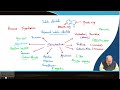
Comprehensive Overview of Early Biosynthesis of Indole Alkaloids
This lecture provides an in-depth exploration of indole alkaloids, covering their basic structures, diverse examples, and the early stages of their biosynthesis. Key biosynthetic pathways in plants such as Catharanthus roseus, Rauvolfia serpentina, and Cinchona species are examined, highlighting important intermediates like strictosidine and the enzymatic processes leading to complex alkaloid formation.
Most viewed summaries

A Comprehensive Guide to Using Stable Diffusion Forge UI
Explore the Stable Diffusion Forge UI, customizable settings, models, and more to enhance your image generation experience.

Kolonyalismo at Imperyalismo: Ang Kasaysayan ng Pagsakop sa Pilipinas
Tuklasin ang kasaysayan ng kolonyalismo at imperyalismo sa Pilipinas sa pamamagitan ni Ferdinand Magellan.

Mastering Inpainting with Stable Diffusion: Fix Mistakes and Enhance Your Images
Learn to fix mistakes and enhance images with Stable Diffusion's inpainting features effectively.

Pamamaraan at Patakarang Kolonyal ng mga Espanyol sa Pilipinas
Tuklasin ang mga pamamaraan at patakaran ng mga Espanyol sa Pilipinas, at ang epekto nito sa mga Pilipino.

How to Install and Configure Forge: A New Stable Diffusion Web UI
Learn to install and configure the new Forge web UI for Stable Diffusion, with tips on models and settings.
Found this summary useful?
Take it with you. One click puts it in your own LunaNotes library.
Save to LunaNotes