Introduction to Indole Alkaloids
Indole alkaloids are natural compounds formed by the fusion of two rings: a pyrrole ring and an indole ring. Their biosynthesis originates from the amino acid tryptophan. This lecture focuses on the early biosynthetic steps and examples of diverse indole alkaloids.
Key Examples and Plant Sources
- Strictosidine: A central intermediate molecule that leads to various alkaloid pathways.
- Vinblastine and Vincristine: Dimeric indole alkaloids composed of monomers vindoline and catharanthine, predominantly found in Catharanthus roseus (commonly known as periwinkle).
- Ajmaline and Rauwolfia alkaloids: Produced by Rauvolfia serpentina (Sarogandha); include medically relevant molecules like ajmaline and serpentine.
- Quinine and Related Alkaloids: Derived from Cinchona species, well-known for their antimalarial properties.
- Strichnine: A toxic alkaloid from Strychnos nux-vomica, notable in homeopathy.
Early Biosynthesis Pathway of Indole Alkaloids
Precursor Formation
- The shikimate pathway synthesizes anthranilate, subsequently forming tryptophan.
- Tryptophan undergoes decarboxylation by tryptophan decarboxylase (TDC) to form tryptamine.
- Simultaneously, secologanin derived from the methylerythritol phosphate (MEP) pathway produces a key iridoid monoterpene.
Strictosidine Formation
- Tryptamine and secologanin combine through an enzymatic reaction catalyzed by strictosidine synthase (STR) to form strictosidine, which includes a glucose moiety.
- Beta-glucosidase then hydrolyzes strictosidine into strictosidine aglycone, a highly reactive intermediate.
Diversification into Multiple Alkaloid Pathways
- Strictosidine aglycone can follow different routes, leading to compounds such as cathenamine and various dehydro derivatives.
- These intermediates are precursors to monomeric alkaloids like vindoline and catharanthine, eventually forming dimeric compounds like vinblastine.
Specific Pathways in Rauvolfia serpentina
- The pathway involves conversion through several intermediates including polyneuridine aldehyde (PNA), ajmaline, serpentine, and eventually ajmalicine.
- Interestingly, Rauvolfia serpentina cell cultures can produce higher yields of certain alkaloids like reserpine and ajmaline than wild plants, indicating metabolic regulation variations in vitro.
Significance and Applications
- Understanding these biosynthetic routes aids in bioengineering efforts to increase yields of pharmacologically important alkaloids.
- Molecular tools have recently elucidated complex pathways such as strychnine biosynthesis, opening avenues for synthetic biology.
Conclusion and Future Directions
- This comprehensive overview sets the foundation for exploring later stages of alkaloid biosynthesis.
- Subsequent lectures will delve into detailed enzymology and molecular regulation of these pathways, with potential implications in drug development and metabolic engineering.
For a deeper biochemical context, consider reading the Comprehensive Biochemistry Overview: Metabolism, Enzymes, and Amino Acids Explained, which provides foundational knowledge useful for understanding biosynthetic enzyme mechanisms involved here.
[Music] [Music] hello welcome to nptl online
certification course on pharmacognosy and metabolic engineering so this is lecture number 21 where we'll start
indol alkaloids early step of biosynthesis will be covered in this lecture and uh then slowly we'll move
into the late stages and the advanced aspects of it so the concepts to be covered in this lectures are indol
alkaloid basic structure examples of diverse indol alkaloids then early steps of indol
alkaloid biosynthesis in general then specific alkaloid Pathways in sinona rfia and
catharanthus and then if time permits we will start discussing hary root as a system for indor alkaloid
production let us go to the board now so the indol alkaloid
the basic structure is like this here there are two things this is the
pyal ring and this is
the mine ring so these two ring basically fuses and form indol alkaloids the
precursor amino acid of indol alkaloid is tryptophan trp toan
P okay so what happens that these indol alkaloid also uh we use the
term tarpo indol
alkaloids this means a tarpo mu will also join with the indol ring so now before we come to that let me
give you some examples of IND alkaloids and also I will write the first intermediate from where different
alkaloids accumulate so the major important intermediate which is a very active compound which is called
strictosidine so from strictosidine different alkaloid Pathways emerges for example
the well-known Vin blastin
and Vin Christine these are called dimeric indol alkaloids diic means that two monomers
are there so what are these monomers these monomers are
vindoline and catharanthine so in other words
vindoline and Cath catharanthine they are mono monomeric alol and these two joins together and
form diary calid okay now AP from Vin Christin Vin blastin vindoline and karantin there are
other examples for example uh okay let me put the arrow first
vamin so vamin is found in the plant called vinka
minor whereas all these alkal what I have written in the right side they are all found in the plant called
catharanthus ruus English name is perwinkle okay now apart from this there is
another alal which will also produced by uh uh my can Rosas which is also a
monomeric which is called asalin okay now aalin is Al is produced by both
uh catharanthus Rosas as well as another plant called
rulia serpentina so it's common name is sarog gandha so apart from adalin there are
other indol alol such as Asal serpentin
rafine ra Ain okay ra Ain uh these are also produced uh
by raia serpentina now let us see another example which will write here uh
the uh quinine quinine alkalides formed from the indol
alkaloids and a good example of queening all of you know this is syona c i
n c h o n a off
NIS now the latest member in this group which I will write is
stricking so stricking is produced by the plant called strios KNX
bom so nox bom is a well-known homeopathic medicine so all of you have heard about it but stricken is very
poisonous so these are the different indol alkaloids produced from the basic skeleton which
is strictosidine okay uh what we are going to cover in this class we are going to
cover not in this class as such in the uh okay to in this class today we we are going to cover these aspects we are
going to cover these aspects these aspects uh and see how much uh time permit so that we can see these steps or
not but eventually we'll also cover all these that means the details of this Vin
Christin Vin blastin formation from vindoline and karantin and I will take a separate class on
stricken stricken biosynthetic pathway has recently been discovered uh using molecular tools so that we will also
cover in one of the subsequent classes now with this let us now move into the basic biosynthetic
pathway here now I will use the term t aroid early steps of
tpid [Music] indol
alkaloid biosynthesis pyet joins
with theal deide three phosphate and it makes
eventually isopen pyrophosphate so these details we will see when we'll start discussing the
tarpo Plus uh Pathways in in in another week okay and this ultimately leads to the formation of
geranial so geranial and from geranial it
makes loganin and from loganin it
makes SEO loganin
so and other root originates from simate pathway so therefore how we will write we will write in this way cor
ISM CH which makes
anthranilate and that makes
tryptophan now tryptophan is converted into
tryptamine okay I use this site
and this seanin and trip in Joins
together and forms the strictosidine so this is an important step
the enzyme which is responsible for this joining is called strictosidine synthes or Str Str so St Str stands
for stricto sidin synthes tryptophan to pin is converted
by an enzyme called TDC TDC means tryptophan decarbox loanin to seanin is formed by
seanin synthes SLS okay so now strictosidine is basically a
molecule containing a sugar glucose so stricto in uh I will put it in this side
okay by the action of
an enzyme called beta glucosides converted into stricto in
aglycone and this is basically a very active molecule because this subsequently converted into
different products so I'm going to show you the different products form from stripto in a
glycon so stricto sidin can make three different components stto in aglycon one is
the camine sorry c a t h e n a m i n another one
is 421 dehydro
gaso so sizing deide
drozin and it can also converted to AP [Music]
camine so let's put the arrow now
421 dehydr gasio czin is very important molecule because this subsequently moves towards the formation
of ultimately the dimeric indol alkaloids ultimately
now there are a camine uh is also an active molecule because that leads to the formation of
other uh indol alol of the pathway so let me show that in another uh slide
strictosidine and then what I said that it forms either
421 dehydro uh
I sorry okay and the other one is that it can
also form 4 five
dehydro whatever may be so this may be the plant specific now
we will see the left side so that means stto in now makes this 45 dehydro gasio siin and this will be converted
into I just use the board so I just put it in Arrow this way converted into a compound
called poly midin
alide is also denoted as PNA these PNA subsequently converted into 16
AP V cin and that subsequently converted
into dtile vodin and the atile vinorine will be
converted into vorin and vorin subsequently converted
into bomy Lenin
okay and so let us put the arrow so
dtile from De atile vorin there is an enzyme called vorin synthes oh no it's here
yeah which converts deyle vorin to vorin and in this process it
requires a molecule of atile Co okay vodin to volin is basically
a hydroxy and now bomy Lenin vomi
Lenin will can convert into a molecule called
cfin ra CF
cfin so rafin so this is basically ra and it's stored there and then uh this can be
also uh get back to B so there is one enzyme
called glucosides that basically converts back to raisin to
banin so this is a glucosides [Music] here and the other one should be a
glucoside transference and then I'll talk about little bit of R but
let us see the where where this pathway ends this pathway moves
further and makes 1 2
dihydro boming Lenin and this in the next
steps form atile
nor aalin and this converted
to nagelin okay will take a bit more
space and N Asin finally converted into admine so
so this last step requires a methy transference and uh the other step which
requires uh reduct is and ail to no no no no
no sorry this is not this reductors will come here
and this is this this will come as C
tile Estes so uh aisin can be converted into aalin can be converted also converted
into serpentin uh
by another reaction so s
penting now in uh cell cultures of Ralia serpentina sorry r w sorry sorry
sorry this pathway has been elucidated okay aalis and serpentin these are
important molecules particularly for reducing the hypertension okay and uh other important
point which I would like to tell that when uh the normally in nature this compound which is rafine
raisin raaisin is only found
in Ria CA cfra
CF however when rulia
serpentina cell culture were uh established and with appropriate media
combination raia serpentina were able to produce rafine rafin sorry
ra cin at the level of 1.2 G per
liter and adaline at the level of3 G per liter this is indeed very interesting because
Normal wild typee raia serpentina this alkaloid remain undetected whereas in the cell culture with media
manipulation ra cesin can be detected at a higher amount so that means the cell culture of RA serpentina can be used as
a system to produce ra Ain that is the interesting aspect of it so vodin what I have
said uh so vodin is basically the ATI Rel ated indol alkaloids okay now one point here is
this that means that why this is happening why this is happening in Ria serpentina so that means what happened
that in Ria serpentina cell culture the pathway is getting somewhat deregulated
there lies the question so this question needs to be answered so with this I stop this class
here and in the next class we'll look into further details so thank you very
much
Indole alkaloids are natural compounds formed by fusing a pyrrole ring and an indole ring, originating from the amino acid tryptophan. Their early biosynthesis involves the shikimate pathway producing tryptophan, which is decarboxylated by tryptophan decarboxylase to tryptamine. This tryptamine then combines with secologanin (from the MEP pathway) via strictosidine synthase to form strictosidine, a key intermediate.
Strictosidine acts as a central intermediate molecule from which various indole alkaloid pathways diverge. Formed by the enzymatic combination of tryptamine and secologanin, strictosidine contains a glucose moiety that beta-glucosidase removes, producing strictosidine aglycone. This reactive intermediate can then follow different routes to produce diverse alkaloids like vindoline, catharanthine, and ultimately complex dimers such as vinblastine.
Several plants synthesize medically significant indole alkaloids: Catharanthus roseus produces vinblastine and vincristine; Rauvolfia serpentina generates ajmaline and serpentine; Cinchona species are sources of quinine; and Strychnos nux-vomica yields toxic alkaloids like strychnine. These compounds have applications ranging from cancer therapy to antimalarial treatments and neuroactive agents.
In Rauvolfia serpentina, alkaloid biosynthesis proceeds through intermediates like polyneuridine aldehyde, ajmaline, and ajmalicine. Notably, cell cultures of this plant can produce higher yields of alkaloids such as reserpine and ajmaline compared to wild plants, indicating that metabolic regulation in vitro can enhance production. This suggests opportunities for biotechnological optimization of alkaloid synthesis.
Comprehending the early biosynthetic steps, especially intermediates like strictosidine and key enzymes involved, allows scientists to bioengineer pathways for increased yield of pharmacologically valuable alkaloids. This knowledge facilitates synthetic biology approaches to produce complex molecules such as vinblastine more efficiently, potentially lowering costs and enabling novel drug discovery and manufacturing techniques.
Strictosidine formation primarily involves the enzymatic coupling of tryptamine and secologanin, catalyzed by strictosidine synthase (STR). Following this, beta-glucosidase removes the glucose moiety from strictosidine to yield strictosidine aglycone, a highly reactive intermediate that feeds into diverse alkaloid biosynthesis branches. These enzymes are essential for initiating the complex structural diversification of indole alkaloids.
For foundational knowledge on metabolism, enzymology, and amino acid chemistry relevant to indole alkaloid biosynthesis, the "Comprehensive Biochemistry Overview: Metabolism, Enzymes, and Amino Acids Explained" is an excellent resource. It provides detailed explanations of biochemical pathways and enzyme functions that underpin the biosynthesis of these complex natural products, enhancing understanding of molecular mechanisms.
Keep this summary
Save it to LunaNotes and it becomes a real note in your library — editable, searchable, and ready to turn into flashcards or a diagram. Free to start.
Save to LunaNotesOr summarise for another video.
This summary and transcript were automatically generated using AI with the Free YouTube transcript summary tool by LunaNotes.
Related summaries
Comprehensive Overview of Indole Alkaloid Biosynthesis and Metabolic Engineering
This lecture provides an in-depth overview of indole alkaloid biosynthesis pathways in Catharanthus roseus, highlighting enzymatic steps, cellular compartmentalization, and regulatory mechanisms including transcription factors and light influence. It further explores metabolic engineering strategies such as non-natural alkaloid production and metabolic reprogramming, alongside advances in bioprocess engineering for industrial-scale alkaloid production.
Metabolic Engineering of Indole Alkaloid Biosynthesis: Case Studies in Plants and Yeast
This lecture explores metabolic engineering approaches to enhance early steps of indole alkaloid biosynthesis through gene overexpression and heterologous expression systems such as tobacco, periwinkle, and yeast. Key insights include challenges in pathway bottlenecks, gene expression effects, and the use of hairy root cultures for efficient alkaloid production.
Late Steps of Indole Alkaloid Biosynthesis in Catharanthus roseus
This lecture explores the detailed late-stage biosynthesis of vindoline from tabersonine in Catharanthus roseus, highlighting enzymatic reactions, subcellular localization, and metabolic differences between plant aerial parts and roots. It provides insights into compartmentalization and enzyme functions critical for indole alkaloid production, essential for metabolic engineering applications.
Environmental Regulation of Indole Alkaloid Biosynthesis in Catharanthus roseus
This lecture explores how environmental factors like light and elicitors influence the production of valuable indole alkaloids in Catharanthus roseus. It details differences in culture systems, the role of hairy root cultures, and how elicitors such as jasmonic acid enhance alkaloid biosynthesis through gene expression modulation.
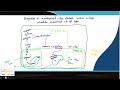
Biosynthesis and Transport of Monoterpenoid Indole Alkaloids in Catharanthus
This lecture explores the complex biosynthesis and secretion pathways of monoterpenoid indole alkaloids (MIAs) in Catharanthus roseus. It details the cellular and subcellular compartmentalization of key intermediates like vindoline and catharanthine, their transport mechanisms across specialized cell types, and the involvement of specific transporters critical for alkaloid distribution and accumulation.
Most viewed summaries

A Comprehensive Guide to Using Stable Diffusion Forge UI
Explore the Stable Diffusion Forge UI, customizable settings, models, and more to enhance your image generation experience.

Kolonyalismo at Imperyalismo: Ang Kasaysayan ng Pagsakop sa Pilipinas
Tuklasin ang kasaysayan ng kolonyalismo at imperyalismo sa Pilipinas sa pamamagitan ni Ferdinand Magellan.

Mastering Inpainting with Stable Diffusion: Fix Mistakes and Enhance Your Images
Learn to fix mistakes and enhance images with Stable Diffusion's inpainting features effectively.

Pamamaraan at Patakarang Kolonyal ng mga Espanyol sa Pilipinas
Tuklasin ang mga pamamaraan at patakaran ng mga Espanyol sa Pilipinas, at ang epekto nito sa mga Pilipino.

How to Install and Configure Forge: A New Stable Diffusion Web UI
Learn to install and configure the new Forge web UI for Stable Diffusion, with tips on models and settings.
Found this summary useful?
Take it with you. One click puts it in your own LunaNotes library.
Save to LunaNotes