Overview of Indole Alkaloid Biosynthesis in Catharanthus roseus
In this lecture, the focus is on the late biosynthetic steps converting tabersonine to vindoline, a key intermediate for pharmacologically important alkaloids in Catharanthus roseus. For a broader context on the early stages, see Comprehensive Overview of Early Biosynthesis of Indole Alkaloids.
Influence of Light on Alkaloid Production
- Dark-grown Catharanthus seedlings accumulate high levels of tabersonine.
- Upon light exposure, tabersonine converts to vindoline, which couples with catharanthine forming compounds like vincristine and vinblastine.
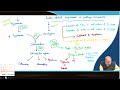
Biosynthetic Pathway: Tabersonine to Vindoline
Seven enzymatic steps transform tabersonine into vindoline:
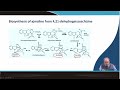
- Hydroxylation: Tabersonine is hydroxylated to 16-hydroxy tabersonine by T16H (a cytochrome P450 enzyme) on the external face of the endoplasmic reticulum. This step requires NADPH, oxygen, and releases NADP.
- Methylation: 16-hydroxy tabersonine is methylated via 16-O-methyltransferase using S-adenosyl methionine.
- Hydration & Oxidoreduction: Two enzymes, T3O (tabersonine 3-oxidase) and T3R (tabersonine 3-reductase), coordinate to produce 16-methoxy-23-dihydro-3-hydroxy tabersonine.
- N-Methylation: N-methyltransferase catalyzes conversion to desacetoxyvindoline, localized on the thylakoid membranes of chloroplasts.
- Hydroxylation: Desacetoxyvindoline is hydroxylated by D4H (a 2-oxoglutarate-dependent dioxygenase) in the cytosol.
- Acetylation: Desacetylvindoline acetyltransferase transforms deacetylvindoline to vindoline, also cytosolic.
Subcellular Localization
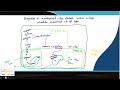
- Pathway enzymes are distributed across the endoplasmic reticulum, chloroplast thylakoid membranes, and the cytosol.
- This spatial separation underlines complex intracellular transport during alkaloid biosynthesis.
Alkaloid Biosynthesis in Root Tissues
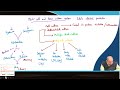
- In roots, tabersonine is metabolized differently, producing oxidized intermediates such as lochnericine and minovincinine derivatives.
- Enzymes like T9H (tabersonine 19-hydroxylase), MAT (minovincinine-19-O-acetyltransferase), and T67E (tabersonine 6,7-epoxidase) mediate these root-specific modifications.
- Some steps remain partially characterized at the molecular level. This differential regulation is further explored in Environmental Regulation of Indole Alkaloid Biosynthesis in Catharanthus roseus.
Metabolic Engineering Implications
- Understanding these differential pathways and enzyme localizations facilitates genetic engineering for improved alkaloid production.
- Transferring leaf-specific vindoline biosynthetic genes into hairy root cultures demonstrates practical applications and is discussed in detail in Metabolic Engineering of Indole Alkaloid Biosynthesis: Case Studies in Plants and Yeast.
Summary and Pathway Map
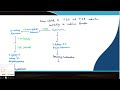
- The lecture culminates in a schematic integrating strictosidine-derived pathways across plant organs.
- Distinct metabolite pools and enzyme distributions between shoots (aerial parts) and roots are emphasized.
This comprehensive review highlights the crucial late-stage biosynthetic steps of vindoline and root-specific indole alkaloid modifications, providing foundational knowledge for advancing metabolic engineering in Catharanthus roseus.
[Music] [Music] welcome to nptl online certification
course on pharmacognosy and metabolic engineering now we'll go to lecture number 25 where you I will cover the
late steps of indol Alco biosynthesis so the topic which I intend to cover here is about the late step of
indol alcco biosynthesis in aial parts and roots of catharanthus Rosas and then we
will uh try to discuss the overall cellular compartments involv in the
tarino indol aloid pathway so let us go to the board of we can write also
tarpo noid [Music]
indol alkaloid TI a
biosynthesis of course in catharanthus
Rus okay what I have mentioned in in one of the earlier classes is basically uh the uh behavior of the
plants when grown under dark and when grown under light and that also applies for the har root culture as well so
briefly let me uh remind you
that ulated seedlings of catharanthus
Rosas so when they are grown under dark condition and when they are grown
under light condition so this is under
light so when this plants are grown under dark condition so there uh the plants
accumulate huge amount of taronin but upon light
treatment this tonin got converted
into vindoline okay so and then
subsequently from vindoline uh what we see that it joins with
catharanthine and forms the uh me Christin and hin
blastin okay okay so it is important to know the steps of this vindoline
formation from tabarin what I have said uh in the previous class that strictosidine
aglycone under goes multiple step reactions and then one root leads to the formation of taronin now from
strictosidine agly two tabin formation there are like several complex steps and there are few uh steps which were not
clear until recently so that portion I will cover in another class so straight away here uh what we will cover that
dark grown cathus Rosas plants accumulates tabin in huge amount when they are treated with light taronin is
basically getting degraded and we'll see the vindoline formation enhanced so what we see now from how uh vindoline is
formed how vindoline is formed from tabersonine so that is our topic of discussion now so we start with
tonin okay ionin will be converted into 16
hydroxy tonin this will be converted into
16 methoxy tonin this will be subsequently
converted into 16 methoxy okay I need a bit more space
here 16 methoxy 23
dihydro hydroxy tab tab
so sonin and this in the next step will be converted
into uh Des oxy D acetoxy vindoline this acetoxy
vindoline and then it converted into D
atile vindoline and then from there finally
vindoline is formed now let me join this with arrow so the enzymes
are D16 H taronin 16
hydroxy nowadays it is called t16 H2 okay hydroxy is 2 and uh this requires uh it's a hydroxy so it is a
cytochrome p450 enzyme so it requires nadph and releases
nadp and it also releases a molecule it also require a molecule of
oxygen now this t16 H is localized in the uh external face of endoplasmic reticulum
localized in external
pH of endoplasmic reticulum so the next step the enzyme
which catalyzes this reaction is called 16 Ile transfer is so that requires
sham as methy donor ainos methine and ites in homoy Okay the third
step it's requires it's basically a hydration step so it was not clear until very
recently until recently I must say not very that what are the enzymes responsible for that and what has been
found in in recent years that there are two enzymes which work here one is sorry I
have to put it okay T3 o and another is t3r so t3o is tonin 3
oxidase and t3r is basically tonin three reductors this basically work in coordination with each other so that
means first there will be T3 o please don't get confused it it is O not
zero and and R means T3 R okay and the next step is this 16 methoxy 23 dihydro 3
hydroxy tonin which will be converted into into this
acetoxy vindoline so This requires one enzyme which is called n methy
transfer so n Mt and this methy transfar therefore it
also needs a a osil methionin releases
sh and this particular enzyme is localized in the thil covid uh membrane of the
chloroplast localized in
the thid membrane of
chloroplast so in the next step is basically this acetoxy vindoline converted into D atile
vindoline so that enzyme is d4h so it's basically a
hydroxy this acetoxy 4 hydroxy what is the and this
requires again uh this time it
requires two oxoglutarate and produces
succinate and it also requires oxygen reles carbon dioxide and this enzyme is localized in
the cytool so the this is also localized in
the cytool and this two are also likely to be localized in the
cytool and the last step is basically the DAT enzyme
Which con which converts uh as the atile vindoline to
vindoline so which requires atile KO and releases
qu atile transfer is and and and this enzyme is localized in
the cytool S so this is
in a simplified way uh the late steps of vindoline formation from taronin which involve 1 2
3 4 5 6 7 seven entic steps so the reactions are occurring in the cytosol in the endoplasm reticulum in
the thil so these three different places that means the pathway moves from one organal to another and the T30 and t3r
they work in a concerted manner so this is what happening in the uh steps of vindoline
biosynthesis now what we will see that this is what happening in the uh aial part
now if if it if it operates in the root so what is going to happen so now I am going
to uh show you the reactions which are occurring in the root so from taronin so let us go to the
next slide fate of tabard
sonin in root tissues of
catharanthus roseus so here let's go to the previous
slide use the same color code tonin converted into
uh lock medicine l o c h n e r i c i n e or it can
also be converted into 67
dehydro Mino minoin
s it's a big name but don't get afraid of it and then this converted into
67 dehydro a key
to okay this will be converted into 19 o as it
t or hammerin and then finally it will
convert it into hor
hammerin so from Lo nin from from Lock nison okay let me put the
arrow here this can also be formed and here this can be
formed okay this two this conversion is clear and
T 67 e this is T
19h and this is called m a
t and this is T 67 e this is
also M okay
so so in the root taronin is converted into various oxidized taronin
intermediates which leading to which leads to the formation of 19 o ACD St hor
hammerin so uh taronin 16 Hydrox is basically t16 H so t16
H uh will okay there is another pathway which also operates from tonin
which makes 16 hydroxy taronin okay that is the pathway which operates
in the shoot so anyway which we are not going to cover so this is what is happening in the root so
therefore uh this is not required so we are considering that so here uh only these enzymes we will cover so like t9h
which is tabon in 19 hydroxy m stands for this I will write m m stands
for Mino vinin in
minoo so minoin 19
o atile transference so t9h is the from
chemically it it should be a t19 h reaction operating but uh uh Broken Arrow is presented because the step has
not been confirmed at the molecular level but the mat and the t67 E these has been confirmed to T t67 is basically
tonin 67 epoxides so T
67e is basically tabarin
67 epoxidase okay so this has been confirmed so in the root tabarin is getting converted
into this products now why we are studying this because when we will discuss one interesting metabolic
engineering application using herot system there one of the genes of uh vindoline biosynthesis which which occur
in the shoots or the aial part when that is transferred in the har root C culture you are going to see some interesting
results so that is why uh uh I discussed these aspects now uh this is more or less about the
late steps of vindoline biosynthesis which occur in the shoot and the fate of the tab sonin uh in the root so with
this more or less uh uh I covered the indol alkaloid L pathway but there is a but that is from strictosidine aglycon
to tonin which involves multiple complex steps some of the steps are still where still unknown very recently it has been
dissected out so that aspect I will cover in one of the subsequent classes now what I do in next uh few minutes I
will try to put the whole thing what we have learned in
a uh in in a schematic map so that the whole things will be clear so I will not go to the whole cellular compartment in
this class maybe that I will use in the another class so in the uh next slide what I'm going to do I will put
the whole thing that means overview of the
monotaro indol alkaloid biosynthetic
pathway and highlighting the preferential distribution of monotor Indo Al cols within catharanthus
Rosas so let's start with this seanin I think next 5 minutes I'll do that
uh so loganin makes strictosidine and then it
makes cathar Anin I'll put several boxes thing and
then what we will show we will show
Vin and green blasting and we will also
show tonin I'm trying to draw a box diagram
and [Music] in
gpp which comes from from IPP and SE Lo gpp we will put here Crypt
toan then we'll put here trip tamine then we'll also put
here then we also put here
Ed M sin so more or less I have run now I
will put the borders so the border is like this trp toan
triamine so whatever I put in the this uh Turkish blue border this is
operating in whole plants
now this is operating in leaves
okay and this part is
basically operating in
Roots and this part is also found
in Roots now we will add this with arrow that means IP makes gpp gpp Sean
in this coming from sikim tripin will go
to stre or I will not put in this way straight away I
will we are not highlighting the reaction here simply we're putting this
okay and I think now the whole thing is connected so from there it is
clear the metabolites the pathway which is operating in the whole plant which is
specifically operating in the root and which is speciically specifically operating in the leavs so with this I
end this class thank you very much
The biosynthesis of vindoline from tabersonine involves seven enzymatic steps including hydroxylation by T16H, methylation by 16-O-methyltransferase, combined hydration and oxidoreduction by T3O and T3R, N-methylation by N-methyltransferase, hydroxylation by D4H, and acetylation by desacetylvindoline acetyltransferase. These enzymes work sequentially to transform tabersonine into vindoline, a precursor for important pharmacological alkaloids.
Light exposure triggers the conversion of tabersonine into vindoline in Catharanthus roseus seedlings. While dark-grown seedlings accumulate high levels of tabersonine, exposure to light starts the enzymatic processes leading to vindoline, which then couples with catharanthine to form valuable alkaloids like vincristine and vinblastine. Thus, light acts as a crucial environmental signal for vindoline biosynthesis.
The enzymes catalyzing vindoline biosynthesis are spatially distributed across the endoplasmic reticulum, chloroplast thylakoid membranes, and cytosol. For example, T16H operates on the ER membrane, N-methyltransferase localizes to chloroplast thylakoids, and D4H acts in the cytosol. This compartmentalization necessitates intracellular transport of intermediates and indicates complex cellular coordination essential for efficient alkaloid biosynthesis.
In the roots, tabersonine undergoes distinct metabolic modifications producing oxidized intermediates such as lochnericine and minovincinine derivatives, catalyzed by enzymes like T9H, MAT, and T67E. Unlike the vindoline pathway predominant in leaves, root biosynthesis pathways are less fully characterized and display different enzyme sets and metabolite profiles, emphasizing organ-specific regulation of indole alkaloid production.
Detailed knowledge of vindoline biosynthesis pathways and enzyme localizations allows targeted genetic engineering to enhance alkaloid yield. For instance, transferring vindoline biosynthetic genes from leaves into hairy root cultures has successfully increased production of valuable alkaloids. Such strategies facilitate sustainable and scalable production of pharmacologically important compounds derived from Catharanthus roseus.
The hydroxylation steps are catalyzed by T16H, a cytochrome P450 enzyme located on the ER requiring NADPH and oxygen, and D4H, a 2-oxoglutarate-dependent dioxygenase in the cytosol. Both enzymes insert oxygen into specific positions on tabersonine derivatives, with T16H hydroxylating at position 16 and D4H at another site, facilitating subsequent modifications toward vindoline.
Late-stage biosynthesis, specifically the production of vindoline, is critical because vindoline couples with catharanthine to form vincristine and vinblastine, two clinically used anti-cancer drugs. Understanding and manipulating these late enzymatic steps enables improved yields, sustainable production, and potential creation of novel derivatives, thereby impacting drug availability and development.
Keep this summary
Save it to LunaNotes and it becomes a real note in your library — editable, searchable, and ready to turn into flashcards or a diagram. Free to start.
Save to LunaNotesOr summarise for another video.
This summary and transcript were automatically generated using AI with the Free YouTube transcript summary tool by LunaNotes.
Related summaries
Comprehensive Overview of Indole Alkaloid Biosynthesis and Metabolic Engineering
This lecture provides an in-depth overview of indole alkaloid biosynthesis pathways in Catharanthus roseus, highlighting enzymatic steps, cellular compartmentalization, and regulatory mechanisms including transcription factors and light influence. It further explores metabolic engineering strategies such as non-natural alkaloid production and metabolic reprogramming, alongside advances in bioprocess engineering for industrial-scale alkaloid production.
Biosynthesis and Transport of Monoterpenoid Indole Alkaloids in Catharanthus
This lecture explores the complex biosynthesis and secretion pathways of monoterpenoid indole alkaloids (MIAs) in Catharanthus roseus. It details the cellular and subcellular compartmentalization of key intermediates like vindoline and catharanthine, their transport mechanisms across specialized cell types, and the involvement of specific transporters critical for alkaloid distribution and accumulation.
Environmental Regulation of Indole Alkaloid Biosynthesis in Catharanthus roseus
This lecture explores how environmental factors like light and elicitors influence the production of valuable indole alkaloids in Catharanthus roseus. It details differences in culture systems, the role of hairy root cultures, and how elicitors such as jasmonic acid enhance alkaloid biosynthesis through gene expression modulation.
Unraveling the Missing Enzymes in Vindoline Biosynthesis Pathway
This lecture explores recent breakthroughs in identifying key enzymes—T3 oxidase and T3 reductase—in vindoline biosynthesis within Catharanthus roseus. It also details the elucidation of the biosynthetic steps leading to tabersonine and catharanthine formation, supported by gene silencing and heterologous expression studies that clarify complex metabolic pathways essential for vinblastine production.
Metabolic Engineering of Indole Alkaloid Biosynthesis: Case Studies in Plants and Yeast
This lecture explores metabolic engineering approaches to enhance early steps of indole alkaloid biosynthesis through gene overexpression and heterologous expression systems such as tobacco, periwinkle, and yeast. Key insights include challenges in pathway bottlenecks, gene expression effects, and the use of hairy root cultures for efficient alkaloid production.
Most viewed summaries

A Comprehensive Guide to Using Stable Diffusion Forge UI
Explore the Stable Diffusion Forge UI, customizable settings, models, and more to enhance your image generation experience.

Kolonyalismo at Imperyalismo: Ang Kasaysayan ng Pagsakop sa Pilipinas
Tuklasin ang kasaysayan ng kolonyalismo at imperyalismo sa Pilipinas sa pamamagitan ni Ferdinand Magellan.

Mastering Inpainting with Stable Diffusion: Fix Mistakes and Enhance Your Images
Learn to fix mistakes and enhance images with Stable Diffusion's inpainting features effectively.

Pamamaraan at Patakarang Kolonyal ng mga Espanyol sa Pilipinas
Tuklasin ang mga pamamaraan at patakaran ng mga Espanyol sa Pilipinas, at ang epekto nito sa mga Pilipino.

How to Install and Configure Forge: A New Stable Diffusion Web UI
Learn to install and configure the new Forge web UI for Stable Diffusion, with tips on models and settings.
Found this summary useful?
Take it with you. One click puts it in your own LunaNotes library.
Save to LunaNotes