Overview of MIA Biosynthesis in Catharanthus
Monoterpenoid indole alkaloids (MIAs) such as vindoline and catharanthine are biosynthesized through intricate pathways involving multiple cell types and subcellular compartments in Catharanthus roseus. For detailed enzymatic steps, see Late Steps of Indole Alkaloid Biosynthesis in Catharanthus roseus.
Cellular Compartmentation
- Mesophyll Tissue: Contains chloroplasts where initial biosynthetic steps occur, including formation of intermediates like janal and 10-hydroxyjanal.
- Leaf Epidermal Cells: Perform conversions such as the synthesis of loganic acid and strictosidine from tryptamine and secologanin.
- Idioblast and Laticifer Cells: Store toxic late-stage alkaloids within latex to protect healthy cells.
More on the spatial distribution of alkaloid synthesis can be found in Cellular and Tissue Localization of Tarpot Indole Alkaloids Biosynthesis.
Key Biosynthetic Pathways
- The pathway starts with tryptophan and secologanin forming strictosidine inside vacuoles.
- Subsequent enzymatic reactions convert strictosidine into vindoline and catharanthine via intermediates such as deoxyvindoline and 16-methoxy-16-hydroxytabersonine.
- Enzymes like D4H, T16OMT, NMT, TDC, and SLS are involved at distinct steps distributed in different cell types.
The challenge of identifying enzymes is elaborated in Unraveling the Missing Enzymes in Vindoline Biosynthesis Pathway.
Transport and Localization
- Catharanthine largely accumulates on the leaf surface, transported out of cells by an ABC transporter called CRPT2.
- Vindoline biosynthesis involves transport between epidermal and idioblast cells, though the precise transporters for these movements remain unidentified.
- The storage of catharanthine on the leaf surface confers defense against fungal and insect attacks.
Specialized Transporter Role
- A proton-driven nitrate/peptide family (NPF) transporter, CRNPF2.9, has been characterized as essential for exporting strictosidine from vacuoles into the cytosol.
- Experimental gene silencing of CRNPF2.9 leads to accumulation of strictosidine within the vacuole, confirming its transport function.
Research Techniques and Applications
- Imaging Mass Spectrometry and Single Cell Mass Spectrometry have been used to map alkaloid distribution in leaf tissues during maturation.
- Understanding compartmentation and transport mechanisms aids in metabolic engineering strategies to enhance alkaloid production.
Explore practical applications in Metabolic Engineering Enhances Alkaloid Production in Catharanthus Roseus Hairy Roots.
Summary
This comprehensive model highlights how monoterpenoid indole alkaloid biosynthesis depends on spatial organization within Catharanthus roseus leaves. The multidisciplinary approach combining microscopy, gene silencing, and biochemical analysis reveals critical enzymes and transporters that regulate MIA synthesis, storage, and defense functions. These insights pave the way for improved yields of medicinal alkaloids like vinblastine through targeted metabolic engineering.
[Music] [Music] welcome to nptl online certification
course on pharmacognosy and metabolic engineering this is lecture number 30 where I will discuss about the model
for biosynthesis and secretion of monot Indo alkaloids involving multicellular uh multiple subcellular
compartments so uh in the last class I have briefly discussed about the cellular
localization of both the enzymes and intermediates in
uh uh which are involved in the monot Indo Al production such as vindoline and catharanthine as well as serpentin aalin
and so on and these two joins together by the action of parides and forms the VIN blastin and also I have shown a
cross-section of the leaf uh where different uh cells where I have shown the
uh localization of different cells uh such as laifer cell such as uh idioblast cells so where these uh indol alkaloids
accumulate or in other word the late stepes of Indo alkaloids are operating there whereas the most of the stepes of
Indo alkaloids are accumulating in the epidermal region and also I have mentioned that this laifi and idbl BL
these are the cells which accumulate latex and the uh last monotoring IND alkalides
which are apparently more toxic so that basically stored in the latex so that it will not hamper the normal cells of
catanas Rosia cells and lip cells so with this what I'm going to cover so I'm going to see uh cover again the
compartmentation of tarpo IND alkaloids in C Rosas so I'll draw a line diagram and here particularly I will
emphasize the role of epidermal cell in uh in in modulating the pathway and once I finish that then I'll will go to the
cell specific localization of tarpo indol alol that is linked with this and how this indol alkaloids are basically
transported from one typ type of cell to another and then finally I will speak uh on uh a specific transporter
which was characterized few years back so that plays an important role in transporting one of the central monotor
indol alkaloid intermediates to vacu so with this now let us go to the board and I will draw the diagram so
this is basically uh biosynthesis of monotor indol
alkaloids involves multiple sub
cellular compartment and cell types so this is more or less the
continuation of the previous class that is class number 29 Okay so let us draw uh quickly I draw
a schematic plant diagram of a plant cell so here this one is a mesop cell which I
put it in green color and the other one which I put now in light
green color that will denote the Lea epidermal cell so basically this is
leaf epidermal cell and this one is
the ESOP cell and the other region what is
outside that is basically the cell surface so and inside this
mesop I am also going to show this two specialized structure one is this idioblast or
laifer and also you have the uh one one specific cell exist which is
called FL Pena uh and then
inside in one of the cells it contain the Plus this
is chloroplast okay now very
briefly I project this so for
example the map pathway is operating inside the plastid and that ultimately leads to the formation
of janal which comes out and
eventually it makes 10 hydroxy anal and
then this will move out from this mesop and enters into the leap epidermal cell
where this will be converted into loganic acid so this is a multiple step
process and then it makes seanin and that joins
with triamine which comes from tryptophan
and that makes strictosidine and this strict
toyin subsequently converted through common
intermediates into different products so one particular root makes
tonin and this tonin finally Mak 16
myoxy tonin and that moves inside
the ESOP C again and there this is again
chloroplast and 16 methoxy
tonin enters into the chloroplast and by the action of
nmt it forms this finally the de atile [Music] vindoline
and from here it moves to theblast and laifer
cells uh so here there are involvement of multiple enzymes okay for example d a and d4h is first and then uh D and
that leads to the formation of vindoline
so the enzyme nmt is here this is Str this is
TDC this is uh
SLS and so on okay then uh
T6 H2 then t16 omt and so on
similarly from strictosidine so another Branch contributes towards the formation
of catharanthine so this cenin I'll put it in a different color c
a t h a r a n t h i any so these cenin
mostly this is the most important part mostly it moves out the cell and retained in the cell
surface and only a portion of
cenin can be transported from here through here to here
so and that then that eventually joins and make the diic Indo alkaloids so interesting part is this this this
catharanthine is getting transported out from the cell into the cell surface and here I will talk about one specific
transporter that plays an important role in transporting this out which is these are the transporter molecules
here so these are CR TP
T2 this is the transporter so cathan accumulates in the leaf surface and along with this uh in
the leaf surface you will find lot of works very long chain fatty acid plus
this uh aqt works these are accumulates there
now question is that what role catharanthine plays and second point is that although sufficient catharin are
produced in the cell but most of the catharin are transported in the self Surface and only limited cenin are
available for carrying out the reaction leading to the formation of Vin blastin by joining with the vindoline and that
is one of the reason that why the yield of vinblastin is so less so the next question is that why catharanthine
accumulates in high amount because catharanthine basically protects the leaf from
fungal attack fungal infection along with that there are certain minor insect attack which can also be prevented by
the catharanthine so catharanthine is basically a very important defense compound okay so uh the one way to
isolate cathan is basically one can collect the leaf and then the leaf to be immersed in chloroform for around uh 10
minutes and then what will happen all the catharin will be uh transferred from the leaf surface into the chloroform and
later later this can be purified and collected so that is one of the way which cathan can be collected and that
catharin can be used for doing the joining right okay so and uh another important Point what is import uh what I
must say here that sometime wounding happens in the cell
and then when wounding happens that basically stimulate the uh V Vin blasting
formation uh so wounding stimulates
B indol alkaloids formation this Sy means this
D so this is all about the involvement of lip epidermal cell and the mesophile cell so the mesophile tissue rather I
will not write the mesophile cell I will write here the mesophile tissue that is a better word because it consist of uh
three different cells one is this idas latier one is the normal mesop paliside parena and and another
one is basically the flu parena so this is the
Alid Vena okay once this is clear and I have also mentioned that the idioblast
contains the enzymes like d4h and d and leap epidermis contains most of the enzymes of this
pathway okay so now with this I move into the next point of our discussion let us go to the slide so cell specific
location of tarpo and IDs in catharanthus lift tissue so here I will now try
to uh put my points so this is all
cell specific localization of tarpo Indo aloid in karanas Rosas lift
tissue so here one important point to mention that uh the
vindoline particularly uh which accumulates in the aial part that is the uh up ground Parts
which contain the green tissue right so and you will always find the VIN Christin Vin blastin only in the green
tissue now the content of the alkaloids what you will find in the stem and what you will find in the leaf it
differs and what scientist they have found that the leaf tissue contains more alkaloid and as the leaf tissue matures
the level of accumulation is more so from there scientists they try to work out
that whether there is any relationship between this Leaf development and maturation and the alkco
synthesis so uh this will be clear from a bit of drawing so like this is the
area of Li primordium and here
the red indicates the vascular tissue and uh from here the
leaf originates scientist how they have localized this alkaloids that is very
interesting so they have used the uh mass spectrometry that is a technique
called Imaging Mass
spectr matry along with single cell Mass
spectrometry so using these techniques scientists were able to locate the even the density of the alkaloids that
accumulated in the leaf tissue for example say the alkaloids which accumulated in this
area it's shown in this Turkish blue okay and as the leap expanded the level of alcoh accumulation
enhances so this has been demonstrated using uh these techniques and this is basically showing the
expansion of leaves so there are two particular type
type of cell one is the LI primordium cell and one is the elongating cell so
uh if I make a drawing so so the bottom one which I what I am
drawing this is basically the ID blast cell and the top one what I am drawing so this is basically
the epidermal cell so B I use the same color
here so this denotes the and this denotes
the elongating cell so I will not draw the pathway in the primordium only what I would like to
tell here that here the level of vindoline is very
low whereas here the level of Bolin is high along with
that VIN dorosin is also produced which which is
basically deoxy vindoline and what I have shown in the previous class that uh this the top one is okay one more thing
I have to mention here that this is the EP daral
cell and the bottom one is the
video blast or ltis c
for cell so here uh
the from taronin for example so that that means this acetoxy windol
in and the enzymes responsible for these reactions are this D16 H2 then uh D16 om T
then P3 t3r then n m t and so on and then finally desoxy
vindoline it enters from here into the uh into the later or blast cell and then that will be
this and aoxy Vin now my point
of emphasizing this to you is this that how this enters here so how this enters here the question is that whether there
is any existence of a transporter that
means to get these things okay I use that means to get these things out from
the uh epidermal cell and to enter inside the uh ltis refer cell this require
specific Transporters which are not yet characterized
and so this is very important and then subsequently this by the action of which I have said
many times that d4h and d8 it makes similarly through another pathway from
tonin this induration is produced so the point here is this how these uh uh metabolites
are transporting out from the epidermal cell and entering inside the idioblast cell so that is not known and that needs
to be uh discovered so that that plays an important role further for this
metabolic engineering application so and this one is uh and the LI primordium
it has the similar drawing so I'm not drawn but what important is this that vindoline content is much more here
whereas vindoline content is less here so that is also indicated from this drawing and this one uh this paper was
discussed uh by y
Yama Moto at all in this journal publication new phyto
ELO g i s 2019
uh volume 224 to 848 to 859 so here in this paper they have shown very interesting Mass
spectrometry images so uh when I will make an overview of total indal alkaloid so I will use the slide and there I will
show you those images so let us go to the last part of this class so this is also in connection with with this one
which is the an NF npf transporter so the last part is basically I am I'll very briefly talk about a
transporter this transporter is called n PF transporter this transporter was
shown to exports uh a
central monotoring indol alkaloid intermediate
from the vacle so and this transporter has been
characterized so let me quickly draw a diagram to explain this so this is basically the diagram of the
cell so here I will bring the issue of this uh early steps of IND alcohol that is
seol loanin and
tryptamine and that makes strictosidine so this is the
cell and here with this color I mentioned that this is basically the
vacle so this is vacle v c o l and the remaining portion is the cytosol or
cytoplasm okay so cyanin and tryptamine
they enters into the vacle and this must be mediated by some P
transporter and these two once enter into the vacle these two joins together and form
the molecule strictosidine okay this troiden once it is produced so these
stoin will be transported out from the vual into the
sorry into the cytool where this strictosidine will be undergoing uh strict toid
in uh undergoing uh Detachment of the Su glucose leading to the formation of of
strictosidine a glycon and which will be
subsequently utiliz for running multiple Pathways leading to Tarpin indol
alals so these all we know we have said that this is SGD this is St
Str but what is to be discussed now is this one that is a transporter here which transports this out and this is
the CR npf
2.9 so this transporter has been characterized and which plays important role
in transporting the strictosidine out from the vacol into the cytosol so that strictosidine
subsequently be deglucosylated by the action of stricty in glucosides so this is very important so
and so far only two Transporters were characterized uh in this catharanthus system one
was uh uh ABC transporter an ABC transporter and that
exports catharanthine into cell surface and the second one is basically
a proton driven antio which transports vindoline
and transports let me write vindoline and
Catan into the
vacle for subsequent conversion now and how they have checked the function that is very interesting when they have
characterized this transporter uh they uh this when they have have the gene so they have silenced this so they have
made the silence ing that means silencing of rather I will write implant silencing of
CR n PF 2.9 and then what will happen so that
will be very clear if I draw two simple chromatogram to explain so one for example is your uh
control so where this is basically the LC Ms
chronogram CMS ion chromatogram
sorry CMS chromatogram
showing strictosidine so this is the control so the control means that this is
bigs with empty vector and the one which
is the real one so that means the silenced one so that will show so this is now if I highlight with the
red one then it will be clear so this peak is basically for the strictosidine
which is present in
vs silenced plant whereas in the wild type plant or
the control plant strictosidine is not present because strictosidine will immediately converted into strictosidine
aglycone so this is the way to characterize once you have made the function disrupted so strictosidine
cannot be transported out and therefore if extract is made and run in lcms idin can be detected so this is a very unique
work and and it's a very significant discovery that is why this was published by Pine
atol and the group leader is of course Sara e o conod and that time she was in JN Center
UK and this paper published in the famous Journal nature plants in the year of
2017 volume 3 article number 16208 so with this I have given you more or less the overview of the
compartmentation and uh right and the role of Transporter uh which plays important
role in transporting this metabolites so with this I end this class thank you very much
Monoterpenoid indole alkaloids (MIAs) are complex natural compounds produced by Catharanthus roseus, including medicinally valuable alkaloids such as vindoline and catharanthine. They have significant pharmaceutical importance, notably as precursors to anticancer drugs like vinblastine, making their biosynthesis critical for medicinal applications.
MIA biosynthesis is compartmentalized across different cell types: mesophyll cells (chloroplast-containing) conduct early biosynthetic steps, leaf epidermal cells synthesize intermediates like strictosidine, and idioblast and laticifer cells store toxic late-stage alkaloids in latex. This spatial separation helps regulate biosynthesis and protects healthy tissues from toxic metabolites.
Enzymes such as D4H (deacetoxyvindoline 4-hydroxylase), T16OMT (tabersonine 16-O-methyltransferase), NMT (N-methyltransferase), TDC (tryptophan decarboxylase), and SLS (secologanin synthase) catalyze sequential reactions transforming strictosidine into vindoline and catharanthine. These enzymes operate in a coordinated manner across various cells, highlighting the complexity of the pathway.
The ABC transporter CRPT2 mediates the export of catharanthine to the leaf surface, contributing to the plant's defense by localizing alkaloids externally. The proton-driven nitrate/peptide family transporter CRNPF2.9 exports strictosidine from vacuoles into the cytosol, enabling further enzymatic transformation. These transporters are essential for intra- and intercellular movement of key metabolites in MIA biosynthesis.
Techniques like Imaging Mass Spectrometry and Single Cell Mass Spectrometry have been employed to spatially map alkaloid distribution during leaf maturation. Additionally, gene silencing experiments targeting transporters like CRNPF2.9 have elucidated their function in metabolite transport, enhancing understanding of compartmentation and trafficking in MIA pathways.
Knowledge of how MIAs are synthesized and transported through specific cell types and compartments allows scientists to strategically enhance or reroute pathways to increase yield of valuable alkaloids. This targeted metabolic engineering can improve production efficiency of anticancer compounds, making plant-based bioproduction more viable and sustainable.
Keep this summary
Save it to LunaNotes and it becomes a real note in your library — editable, searchable, and ready to turn into flashcards or a diagram. Free to start.
Save to LunaNotesOr summarise for another video.
This summary and transcript were automatically generated using AI with the Free YouTube transcript summary tool by LunaNotes.
Related summaries
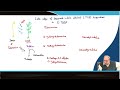
Late Steps of Indole Alkaloid Biosynthesis in Catharanthus roseus
This lecture explores the detailed late-stage biosynthesis of vindoline from tabersonine in Catharanthus roseus, highlighting enzymatic reactions, subcellular localization, and metabolic differences between plant aerial parts and roots. It provides insights into compartmentalization and enzyme functions critical for indole alkaloid production, essential for metabolic engineering applications.
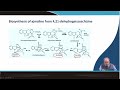
Comprehensive Overview of Indole Alkaloid Biosynthesis and Metabolic Engineering
This lecture provides an in-depth overview of indole alkaloid biosynthesis pathways in Catharanthus roseus, highlighting enzymatic steps, cellular compartmentalization, and regulatory mechanisms including transcription factors and light influence. It further explores metabolic engineering strategies such as non-natural alkaloid production and metabolic reprogramming, alongside advances in bioprocess engineering for industrial-scale alkaloid production.
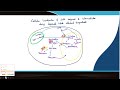
Cellular and Tissue Localization of Tarpot Indole Alkaloids Biosynthesis
This lecture provides a detailed overview of the cellular compartments and leaf tissue anatomy involved in the biosynthesis and trafficking of tarpot indole alkaloids in Catharanthus roseus. Key enzymes and intermediates localize within chloroplasts, cytosol, vacuoles, and specialized leaf cells to ensure efficient synthesis and storage, highlighting plant strategies to manage toxic intermediates.
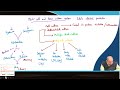
Environmental Regulation of Indole Alkaloid Biosynthesis in Catharanthus roseus
This lecture explores how environmental factors like light and elicitors influence the production of valuable indole alkaloids in Catharanthus roseus. It details differences in culture systems, the role of hairy root cultures, and how elicitors such as jasmonic acid enhance alkaloid biosynthesis through gene expression modulation.
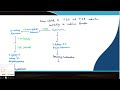
Unraveling the Missing Enzymes in Vindoline Biosynthesis Pathway
This lecture explores recent breakthroughs in identifying key enzymes—T3 oxidase and T3 reductase—in vindoline biosynthesis within Catharanthus roseus. It also details the elucidation of the biosynthetic steps leading to tabersonine and catharanthine formation, supported by gene silencing and heterologous expression studies that clarify complex metabolic pathways essential for vinblastine production.
Most viewed summaries

A Comprehensive Guide to Using Stable Diffusion Forge UI
Explore the Stable Diffusion Forge UI, customizable settings, models, and more to enhance your image generation experience.

Kolonyalismo at Imperyalismo: Ang Kasaysayan ng Pagsakop sa Pilipinas
Tuklasin ang kasaysayan ng kolonyalismo at imperyalismo sa Pilipinas sa pamamagitan ni Ferdinand Magellan.

Mastering Inpainting with Stable Diffusion: Fix Mistakes and Enhance Your Images
Learn to fix mistakes and enhance images with Stable Diffusion's inpainting features effectively.

Pamamaraan at Patakarang Kolonyal ng mga Espanyol sa Pilipinas
Tuklasin ang mga pamamaraan at patakaran ng mga Espanyol sa Pilipinas, at ang epekto nito sa mga Pilipino.

How to Install and Configure Forge: A New Stable Diffusion Web UI
Learn to install and configure the new Forge web UI for Stable Diffusion, with tips on models and settings.
Found this summary useful?
Take it with you. One click puts it in your own LunaNotes library.
Save to LunaNotes