Introduction to Tarpot Indole Alkaloid Biosynthesis Localization
This lecture, part of a pharmacognosy and metabolic engineering course, explores the spatial organization of tarpot indole alkaloid biosynthesis within Catharanthus roseus cells and leaf tissues. Understanding compartmentalization is crucial for grasping how plants efficiently produce and manage these complex metabolites.
Cellular Compartmentation of Biosynthetic Pathway
- Chloroplast: The MEP pathway operates here, producing geranial which is converted into 10-hydroxygeranial by geraniol 10-hydroxylase. This intermediate moves to the vacuole for further conversion.
- Cytosol: The starting point for tryptamine synthesis from tryptophan; tryptophan itself may arise from plastid-localized pathways.
- Vacuole: Produces strictosidine and subsequently stores various intermediates.
- Endoplasmic Reticulum (ER): Hosts enzymes like T16H (tabersonine 16-hydroxylase) catalyzing modification steps.
The pathway involves extensive trafficking of intermediates across these compartments, with some transport mechanisms yet to be elucidated. For more in-depth information on later biochemical steps, see Late Steps of Indole Alkaloid Biosynthesis in Catharanthus roseus.
Leaf Tissue Anatomy and Alkaloid Trafficking
A transverse leaf section reveals specialization facilitating alkaloid metabolism:
- Cuticle and Epidermis: Active biosynthetic site for many enzymes (e.g., TDC, STR, SGD).
- Palisade and Spongy Parenchyma: Contain specialized cells such as idioblasts and laticifers.
- Laticifers and Idioblasts: These specialized cells contain latex which safely store potentially toxic late-stage alkaloids, such as vindoline and vinblastine, protecting other cells from their toxic effects.
Plant Strategy for Managing Toxic Metabolites
Due to the cytotoxicity of certain monomeric and dimeric indole alkaloids, plants have evolved specialized storage cells (laticifers and idioblasts) that compartmentalize these compounds in latex, thereby safeguarding regular cellular functions. This natural defense mechanism also involves environmental cues modulating alkaloid biosynthesis, as discussed in Environmental Regulation of Indole Alkaloid Biosynthesis in Catharanthus roseus.
Future Directions
The next session will discuss extracellular secretion of some alkaloids to the leaf surface, a defense strategy against herbivores, highlighting the dynamic interaction between metabolic compartmentation and plant defense. Related insights can be found in Elicitor-Induced Modulation of Indole Alkaloid Biosynthesis in Catharanthus Roseus.
This detailed mapping of alkaloid biosynthesis underscores the complex spatial coordination within plant cells and tissues that drives efficient production and safe storage of pharmacologically important secondary metabolites.
[Music] [Music] welcome to pharmacognosy and metabolic
engineering one of the nptl online certification course uh so we we will go to lecture number 29 so where I am going
to show today about the cell and tissue localization of tarpo indol alkaloids so I will do some drawing in the board and
the enthusiastic students may also draw along with me in the board so that their concept will get
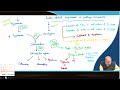
clear let's go to the board so what I'm going to cover here is the compartment ation of tarpo indal
alkaloid pathway in catharanthus Rosas okay
so what we have seen that uh the different entic states are operating
with in the cell so let us make a heading for this Cellular location uh cellular
localization of both
enzymes and and intermediates
during tarpo indol
alkaloid biosynthesis this is a
cell okay and I will put
the vual here maybe a slightly and this is
the chloroplast we'll start with
uh see in the chloro in the chloroplast map pathway is
operating uh which color I is that leads to the formation of
geranial and this janal will be transported out
and moves into the vacle whereas the another source of geranial
will be from the cytool where M
pathway may also contribute to the formation of geranial so this genal will be converted
into CH hydroxy genal by the enzyme
sorry uh Geral 10 hydroxy which I will put in brown color and eventually from this
gerenal seanin will be synthesized
and where okay triamine is also present and this
leads to the formation of strict
toyin tryptamine comes from tryptophan so this
tryptophan may also come from uh plased localized secate
pathway so here what I'll do I'll do slight changes in the drawing so this is
uh cryopen and this geranial is coming from
MEP that is also operated inside the plastid I think now it is clear to all of you and this troid in one it
is produced inside the vacol this will go out into the
cytool so how it is passing through the cytosol is again an interesting
question are there any transporter responsible for that so this I will answer in one of the subsequent classes
so I'll not talk about this today so this troiden will be now
out and it will be subsequently converted into stto in a
glycon by the action of SGD so SGD we must look at is
GD okay so the arrow to be made further okay and then this leads to the
formation of 421 gasio IID in so I will not the full
form here because of the shortage of space g so and then from there one root goes
towards tonin and other root
[Music] produces C
this Cen thing will again enter into the
vual and this will be the tonin this tonin
now moves into the through cytool and moves through the
cytool into the chloroplast so if I put the arrow right so
here you have the endoplasmic reticulum ER where
the t16 H is localized so the pathway
moves from ton and then from here it moves through
cytool and then it enters into the
chloroplast and and then a reaction catalyzed by
this will be an empty and then the next
step uh D atile vindoline will be
there oh so the arrow has to be the color of the arrow has to be changed
sorry this is taking time but uh if you draw with me
then you can visualize the pathway
and then it makes windol in and this
vindoline again enters into the vacle so cathan enters vindoline
enters and these uh
for lolin this joins together by a peroxides and form
the M blasting well so the enzyme responsible for this
is peroxidase and here lies the D the d4h is
here okay and uh another
root from the this also makes the camine and
that makes aalin and asalin
enters into the vle and converted into
serpentin so now let us Define this is basically the
chloroplast this is the cytoplasm this is the endoplasmic
reticulum and uh this one is the
vacu so this is in brief the cellular localization of both enzymes and
intermediates during tpid indol alkaloid biosynthesis so once this is clear now we
will see another Drive uh
to from the anatomy point of view let's go to the next slide so
here basically I will write putative trafficking
of pathway intermediates and
products in in monotaro in
alkaloid metabolism so here I draw a structure
uh transverse section of the leaf see on the top of it it is a cuticle layer and then next to the cuticle is
basically the epidermis to epidermis consist
of epidermal cells then you have the palisad
parena and then one of this you will have the valy
set video blast and uh next you have
this and also you have another specialized
okay then I think I will use uh this color this
better we have spongy cells for
so these are the vascular tissue
so these are ipap ipap stands
for internal flu
Associated parena okay so this
is sorry well now let me Define palis d blast this is the
Val said idioblast
and this is the spongy
mop video blast uh this is
called laifer okay now let us see what is there so first of all this is
cuticle so this is the epidermis so now here will'll see the
pathway the cryptophanes cryptomine
joins with seanin
makes stripto in up to from there
so we write 16 methoxy
taronin then this moves so this is Mia
intermediates this further moves down to here this also goes down
to here so this is palis idioblast where dtile
Molin converted to vindoline by the this one similarly here
also same thing happens the the atile
vindoline converted into vindoline and
here the M path originates it
makes geranial and that
subsequently moves and uh this also moves
to here also where the aile vindoline converted into
vindoline okay so this is
pised palena so what we see that in the leaf structure normally
Leaf contains the paliside and spongy Paden Kima but here what you see that there
are uh specialized structures formed one is called
laisar another is called idioblast so these latis and eblast the
are these are specialized cells so this contains
latex and why it contains latex because the late steps of diary indol alcol or okay the monotor
inter alals are toxic to the cell itself therefore de atile vindoline vindoline and maybe the subsequent Vin Christin
and hydro Vin blastin these are toxic to the cells so uh plant has developed specialized cells to
accommodate these toxic metabolites and these specialized cells are laifer and idioblast which contains latex and these
metabolites these monomeric and dieric indol alkaloids are stored in the latex so that it is safe for the plant species
as well so that is why this is so both in the paliside as well as the spongy parena the ID blast are there so this is
in brief the uh this is basically a transverse faction of the LI so I if I if you ask me to put a caption for this
so This figure is basically the uh transverse
section of a catharanthus Rus Leaf
portion so this is in brief the uh the anatomical structure of the leaf tissue and where the pathway
operates but still uh it's not uh complete uh because I just okay I'll make uh before I end this class I'll
make a short list here so this laifer and the ID blast as I said so
here this portion d4h D these enzymes are
localized whereas in the leaf epidermis all other enzymes are localized such
as TDC s Str
SGD t6h M2 not only even T3
oxidase T3 reductase and nmt so the epidermal tissues are
very active tissue for the uh indol alol biosynthesis now I may end the class
here but in the next class I'll show you another pictorial diagram where uh I will
show that again this structure but there what I will put I will put the mopile tissue FL parena
idioblast laifer uh and epidermal cell along with the extracellular space extracellular
and the cell surface because what we will what I will tell that uh some of this final monomeric IND alkaloids are
secreted out to the leaf surface that is again a new discovery and that plays important role in
defending the leps from predators so I will not name the alcal today okay so let us keep it for the
next class so with this I end this class
Tarpot indole alkaloid biosynthesis involves multiple cellular compartments: the chloroplast (where the MEP pathway produces geranial), cytosol (where tryptamine synthesis from tryptophan occurs), vacuole (synthesis and storage of strictosidine and intermediates), and the endoplasmic reticulum (hosting modification enzymes like tabersonine 16-hydroxylase). This compartmentalization ensures efficient biosynthesis and intermediate trafficking.
The leaf tissue anatomy includes the cuticle and epidermis, which act as active biosynthetic sites for several enzymes; the palisade and spongy parenchyma, containing specialized cells such as idioblasts and laticifers; these specialized cells produce and store latex that safely compartmentalizes toxic alkaloids like vindoline and vinblastine, protecting other tissues from toxicity.
Because many monomeric and dimeric indole alkaloids are cytotoxic, Catharanthus roseus has evolved laticifers and idioblasts to compartmentalize these compounds within latex. This storage strategy prevents damage to regular cells, enabling safe accumulation of pharmacologically important, but toxic, metabolites.
Intermediate compounds produced in one compartment, such as 10-hydroxygeranial from the chloroplast, are transported to others like the vacuole for further conversion into strictosidine and downstream alkaloids. This involves complex transport mechanisms across the chloroplast, cytosol, vacuole, and ER, although some specifics of these trafficking routes remain to be elucidated.
Compartmentation allows Catharanthus roseus to produce and store toxic alkaloids in specialized cells and extracellular secretions, limiting self-toxicity. The planned secretion of some alkaloids to the leaf surface additionally acts as a direct defense against herbivores, showing how metabolic localization integrates with environmental responses to protect the plant.
The cytosol is essential as the site of tryptamine synthesis from tryptophan, which itself is often produced in plastids. Tryptamine is a crucial precursor that combines with secologanin to eventually form strictosidine, the central intermediate in indole alkaloid biosynthesis. Thus, cytosolic pathways initiate key building blocks for downstream metabolism.
Yes, environmental cues modulate biosynthetic activity and metabolite accumulation. These influences can alter enzyme expression or activity in specific cellular compartments and tissues, impacting the production and storage of alkaloids. Understanding these regulatory mechanisms helps improve metabolic engineering and pharmaceutical yields from Catharanthus roseus.
Keep this summary
Save it to LunaNotes and it becomes a real note in your library — editable, searchable, and ready to turn into flashcards or a diagram. Free to start.
Save to LunaNotesOr summarise for another video.
This summary and transcript were automatically generated using AI with the Free YouTube transcript summary tool by LunaNotes.
Related summaries
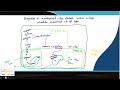
Biosynthesis and Transport of Monoterpenoid Indole Alkaloids in Catharanthus
This lecture explores the complex biosynthesis and secretion pathways of monoterpenoid indole alkaloids (MIAs) in Catharanthus roseus. It details the cellular and subcellular compartmentalization of key intermediates like vindoline and catharanthine, their transport mechanisms across specialized cell types, and the involvement of specific transporters critical for alkaloid distribution and accumulation.
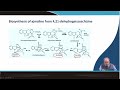
Comprehensive Overview of Indole Alkaloid Biosynthesis and Metabolic Engineering
This lecture provides an in-depth overview of indole alkaloid biosynthesis pathways in Catharanthus roseus, highlighting enzymatic steps, cellular compartmentalization, and regulatory mechanisms including transcription factors and light influence. It further explores metabolic engineering strategies such as non-natural alkaloid production and metabolic reprogramming, alongside advances in bioprocess engineering for industrial-scale alkaloid production.
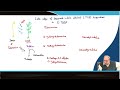
Late Steps of Indole Alkaloid Biosynthesis in Catharanthus roseus
This lecture explores the detailed late-stage biosynthesis of vindoline from tabersonine in Catharanthus roseus, highlighting enzymatic reactions, subcellular localization, and metabolic differences between plant aerial parts and roots. It provides insights into compartmentalization and enzyme functions critical for indole alkaloid production, essential for metabolic engineering applications.
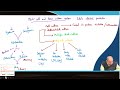
Environmental Regulation of Indole Alkaloid Biosynthesis in Catharanthus roseus
This lecture explores how environmental factors like light and elicitors influence the production of valuable indole alkaloids in Catharanthus roseus. It details differences in culture systems, the role of hairy root cultures, and how elicitors such as jasmonic acid enhance alkaloid biosynthesis through gene expression modulation.
Metabolic Engineering of Indole Alkaloid Biosynthesis: Case Studies in Plants and Yeast
This lecture explores metabolic engineering approaches to enhance early steps of indole alkaloid biosynthesis through gene overexpression and heterologous expression systems such as tobacco, periwinkle, and yeast. Key insights include challenges in pathway bottlenecks, gene expression effects, and the use of hairy root cultures for efficient alkaloid production.
Most viewed summaries

A Comprehensive Guide to Using Stable Diffusion Forge UI
Explore the Stable Diffusion Forge UI, customizable settings, models, and more to enhance your image generation experience.

Kolonyalismo at Imperyalismo: Ang Kasaysayan ng Pagsakop sa Pilipinas
Tuklasin ang kasaysayan ng kolonyalismo at imperyalismo sa Pilipinas sa pamamagitan ni Ferdinand Magellan.

Mastering Inpainting with Stable Diffusion: Fix Mistakes and Enhance Your Images
Learn to fix mistakes and enhance images with Stable Diffusion's inpainting features effectively.

Pamamaraan at Patakarang Kolonyal ng mga Espanyol sa Pilipinas
Tuklasin ang mga pamamaraan at patakaran ng mga Espanyol sa Pilipinas, at ang epekto nito sa mga Pilipino.

How to Install and Configure Forge: A New Stable Diffusion Web UI
Learn to install and configure the new Forge web UI for Stable Diffusion, with tips on models and settings.
Found this summary useful?
Take it with you. One click puts it in your own LunaNotes library.
Save to LunaNotes