Overview of Indole Alkaloid Biosynthesis
- Indole alkaloids are derived from the condensation of tryptamine (from tryptophan) and secologanin (from the terpenoid pathway).
- Key enzyme steps:
- Tryptophan decarboxylase (TDC) converts tryptophan to tryptamine.
- Strictosidine synthase (STR) catalyzes the coupling of tryptamine and secologanin to form strictosidine.
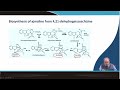
- Strictosidine is a pivotal intermediate that leads to over 300 different indole alkaloids such as ajmaline, catharanthine, and vindoline, each with distinct skeletal structures. For a broader understanding, see Comprehensive Overview of Early Biosynthesis of Indole Alkaloids.
Elicitor-Induced Modulation Mechanism
Elicitor Recognition and Signal Initiation
- Elicitors (e.g., East extract) bind to receptor proteins on the plasma membrane of Catharanthus roseus cells.
- This binding triggers influx of calcium ions and activates jasmonic acid (JA) synthesis.
Jasmonic Acid-Mediated Signal Transduction
- Increased JA levels activate jasmonate receptors which initiate phosphorylation cascades and downstream signaling.
- Activation of transcription factors (TFs) such as ORCA3 (octadecanoid-responsive Catharanthus AP2-domain TF) and BPF1 (Box P Binding Factor) occurs.
Gene Expression Regulation
- ORCA3 and BPF1 bind promoter regions of biosynthetic genes including STR and TDC, enhancing their transcription.
- Positive regulation leads to elevated enzyme production and increased alkaloid synthesis.
- Negative regulators such as JCP (Jin finger Catharanthus TF) and GBF (G-box binding factor) normally repress these genes; elicitor signaling alleviates this repression.
Transcriptional Cascade of Jasmonate Signaling
- Jasmonic acid activates a general transcription activating factor (TAF).
- TAF activation induces ORCA3 expression.
- ORCA3 protein binds jasmonate and elicitor response elements (JERE) upstream of target genes.
- Enhanced transcription of STR results in increased strictosidine production.
Implications for Metabolic Engineering
- Understanding this elicitor-mediated regulatory network enables strategic manipulation to boost valuable indole alkaloid production in cell cultures or hairy root systems.
- Targeting jasmonate signaling pathways or overexpressing ORCA3 can be exploited to enhance pharmaceutically important compounds. For case studies and strategies, refer to Metabolic Engineering of Indole Alkaloid Biosynthesis: Case Studies in Plants and Yeast.
This concise mechanism elucidates how external elicitors modulate complex gene networks, facilitating the increased accumulation of indole alkaloids through precise biochemical and transcriptional controls in Catharanthus roseus. To understand broader regulatory contexts, consider exploring Environmental Regulation of Indole Alkaloid Biosynthesis in Catharanthus roseus.
[Music] [Music] welcome to nptl online certification
course on pharmacognosy and metabolic engineering uh now we'll go to lecture 24 where the role of elicer in
modulating alkaloid accumulation particularly indor alkaloid accumulation will be covered so let us go to the
concepts covered so before I go to the elicit treatment for applic of indol alkaloids particularly on the mechanism
aspects I will go uh for a quick revision whatever I have covered in the ear ler
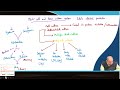
class okay so let's go to the board now what we have covered in the last class was uh the early steps of indol alkaloid
biosynthesis so there what we have seen that cryptomine
and seanin so seanin is basically coming from the tarpo pathway so from geranial
through multiple steps and this stript tamine and cyanin they joins together and form
the stripto sidin and this strictosidine
subsequently strict to stct C right subsequently form strictosidine
aglycon by the action of uh uh uh glucosides so and the enzymes responsible are I
have already mention this one is TDC and actually these two joins together so I must show it in that way
otherwise again you will be confused so sorry
sorry and actually tryptamine originates from tryptophan and now we put the enzyme so
this was stopan DEC carboxilate this one stto in synthes and this one uh this stto in glucosides which makes stto in
aglycon and stto in aglycon is a very active compound and that leads to formation of more than
300 uh different indor alkaloids in different plants now and so [Music]
but uh from stripto in aglycon there are three different skeletal structures originate uh and that leads to different
group of alkaloids so one major alkaloid what I have mentioned in the previous class that was AAL
sin another one is
CA ranin and another one is
vindoline now the structures uh these three alkaloids the chemical structure the structure is
different the skeletal structure so this was uh this this comes under cinan thin type Cor
cordan thean type in one of the later classes I will show you the structure in the form of
slides this one is called eogan type and this one is
called Plum run type
what I have also shown that from this stto in a
glycon it forms 421
dehydro gasio sizin a big name and from dehydr gasio sizing
different Roots originate one root goes towards catharanthine and vindoline this we will
study in detail and the other roote which goes
towards camine and camine can be converted
into aalin or
imum camine and this subsequently
formed Tetra Hydro Al stonin so this name I have not mentioned
yesterday so this is Tetra Hydro
Alin okay and aalin can be converted
into serpentin now Tetra Hydro
alstonine actually one can find in the plant called alonia asonia species different species
are there so there this alkaloid accumulates so this is in brief uh I have uh uh made the division
for you and this is Tetra Hydro alstonine synthes One enzyme is working here and this conversion is
by peroxides right so this is a brief revision so
this is more or less I have covered so now we go to the next aspect that is the mechanism of elicit
induced upliftment of this alkaloid okay so if you remember that I have
drawn this diagram in the previous class where it is showing basically a model for elicit signal transduction leading
to strict toyin synthes gene expression so what we see here that in the membrane there is a deceptor and a elicit
molecule comes and bind and that leads to influx of calcium channels which can directly with the
without the uh without the involvement of jasmonate can activate a transcription
Factor like cr r BF okay and that basically binds in the elicited response
Elements which is also called ba and the other one is that uh that uh elicit when it attached to that
that in turn also activates the uh octano pathway leading to the synthesis of jasmonates
and that jasmonate will be perceived by the jasmonate receptor and then through a protein kyus activity
ultimately uh this uh activates one transcription Factor like
Orca which comes and joins so now this aspect we will see in detail in the next slide then in the board so this is about
the mechanism of activation
of indle alkaloid
pathway in see codon Rosas
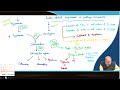
upon East extract treatment so let us
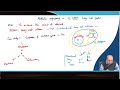
draw the diagram first so this is what is the plasma
membrane where there must be a receptor receptor is is Bally a
protein uh so this is what we can say receptor and
the this is the elicit that is East extract it
basically comes and bind here okay and so as a result of that what is going to happen let us see very in a very
brief way this is what is there inside the
nucleus [Music] so this is
nucleus this is cytoplasm and this is the plasma membrane so what happens that
uh receptor upon binding with the East extract it activates the jasmonic acid so that means leading to the activation
of jasmonate so one Arrow we can put it here and write it j a j stands for jasmonic acid and
increased level of G I put it in Arrow upper side that means it increased accumulation of jasmonic acid level okay
and that once it increase let us see what what is going to happen but before that I need to
draw here in the inside the nucleus okay so one is for this
this was a part of the promoter so this is an element Upstream element and then you have
the coding region for d and so on okay
so we will have to also draw the Str Str well uh
P so this is the promoter region here lies the tataa box for S
and this is nucleus next what we see this jasmonic acid uh what it does it activates the
orca3 so activation of orc3 which comes and bind near the data box so this
is I'll put Orca not three I am not mentioning here o RCA octoid responsive catharanthus apal
elements so it is a positive regulator of this uh DDC biosynthesis and not only that this e
extract also activates another transcription factor which comes and bind here which is
called BPF 1 now these are the positive Regulators
which will uh allow the Str Str Gene to express and uh TDC Gene to express okay and
orca3 also activates the St Str as well but there are some transcription factors which are
basically uh are the negative regulators for example like J City and like I put it in a different color like J
City and GBF so this try to block the activ
now J C is basically a Jin finger catharanthus transcription factor and BPF one is basically box P binding
Factor it is actually belongs to this B zip class and GBF is basically the Gbox
binding Factor so uh so what happens in normal cases this J C and GBF it binds so uh
uh and it binds in the promoter region and that is why it is not allowing the Str Str or TDC Gene to be transcribed so
upon the E elicitation happens so that activates the jasmonic acid and through jasmonic acid orc3 is getting
activated uh otherwise without this also uh okay it
also activates directly uh the BPF one so these are the positive regulators and once these are activated so that
actually uh remove the negative regulator and it binds and as a result of that what we see the transcription of
these genes that means transcription of uh the Str Str as well as TDC this is in brief a mechanism of
activation of indid pathway in cathan Rosia culture uh upon e extract treatment
Catania culture so it could be hary root culture it could be shoot culture it could be
cell culture so next we will see another model in the next slide
this model I briefly mentioned in one of the earlier classes when I have spoken about this elicitation in general but we
will again discuss this because this is directly in this relevant to this context so this is a
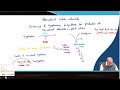
model for model for jasmonic acid J stands for jasmonic
acid induced s gene expression s means stricty
synthes mediated gen expression uh mediated by what we can say
mediated by the mediated by okay I'll put the the not
here mediated by the word
c three transcription
factor in catharanthus roseus
culture so just moonet jasm Monet okay I put the jasm
Monet towards little bit left otherwise I need The Bard B more so go to
pin and take this color
jmet jasmonate activates jasmonic acid receptor and that by some unknown
mechanism activates a
General uh transcription factor which was not fully known yet so so that is I put it in TF TF is
basically transcription activating Factor TF I'll put a TF here TF stands for transcription
activating Factor so that is getting activated so t a f when it is activated how I will denote I will denote by
adding a start so this in this means that it is
now activated and then
which in turn will activate the specific transcription
Factor required for activating the pathway that specific transcription factor is basically the
or CA and3 is one specific one this or C3 so was C3 will get
activated sorry size is not good
so activation means I put this star star means activated
and this activation what is going to happen so there are two things one let us
draw the DNA so here lies the jonet response element
J stands for jasmonate response element TF stands for transcription activating
Factor just smallet
response element so here this TF activated trf will come and bind
so I have to put some Arrow to add it here so right
this and that basically what will happen it will activate the uh the genes for orca3 so that leads to activation of
WC3 so what we put mRNA so this a is
basically showing activation of or
C3 so maybe or C3 I put it in this color so
uh so this is activates and then what will happen that it it it leads to activation of
orca3 and so that means and then War C3 is getting activated so this war C3 will come and
bind here so where is the word C3 here is the word C3 it will come and bind o r c
A3 so the activated WC3 will come and bind so it is activated and where it binds it binds in
the DNA where is where lies the jasmonate and elic response element so J stands for J E stands
for jmet elicer
response element okay and once it is there then what it does it basically activates
the Estrin so this is mRNA so what I will write here this
leads to activation of St are
gen so activation of estr gen and that leads to
the uh formation of the St protein and which plays important role in binding tryptamine and cyanin leading to the
formation of strictosidine so this part is basically the uh orc 3 activation o r c
A3 activation and this is all is basically this
transcriptional Cascade transcriptional so this is in brief a
model or jmet induced s Str gene expression so what Str Str does is basically Str Str
converts uh tryptamine
and C tripin tripin
SEO loanin to stripto sidin and pathway moves so the St Str
plays very important role so here is the S okay so this is all about the model
for jonet induced St Str gene expression now uh with this I will end this class I will not go into
the specific examples of uh here root culture expressing the transcription factor maybe in one of the subsequent
classes I will bring that issue so with this I will end this class thank you
Indole alkaloids are a class of compounds derived from the condensation of tryptamine, which originates from tryptophan, and secologanin from the terpenoid pathway. In Catharanthus roseus, key enzymes like tryptophan decarboxylase (TDC) convert tryptophan to tryptamine, and strictosidine synthase (STR) catalyzes the formation of strictosidine, a central intermediate leading to over 300 different indole alkaloids.
Elicitors bind to receptor proteins on the plasma membrane of Catharanthus roseus cells, triggering calcium ion influx and activating jasmonic acid (JA) synthesis. This initiates a signaling cascade involving JA receptors and phosphorylation events, ultimately activating transcription factors like ORCA3 and BPF1 that enhance the expression of biosynthetic genes, leading to increased alkaloid synthesis.
Jasmonic acid acts as a signaling molecule that activates jasmonate receptors and a transcription activating factor, initiating a transcriptional cascade. It induces expression of transcription factors such as ORCA3, which bind to promoter regions of key biosynthetic genes like STR and TDC, boosting their transcription and resulting in elevated production of strictosidine and downstream indole alkaloids.
Transcription factors such as ORCA3 and BPF1 bind to promoter regions of biosynthetic genes including STR and TDC, enhancing their transcription. Simultaneously, elicitor signaling alleviates repression by negative regulators like JCP and GBF, allowing for increased enzyme production and alkaloid synthesis in response to elicitor stimuli.
Yes, by deciphering the elicitor-mediated regulatory network and jasmonate signaling in Catharanthus roseus, researchers can manipulate these pathways to boost indole alkaloid production. Techniques such as overexpressing ORCA3 or targeting jasmonate signaling components in cell cultures or hairy root systems enable enhanced synthesis of pharmaceutically valuable alkaloids.
Strictosidine is a pivotal intermediate formed by the coupling of tryptamine and secologanin, catalyzed by strictosidine synthase (STR). It serves as the precursor to over 300 structurally diverse indole alkaloids, including important compounds like ajmaline, catharanthine, and vindoline, making it central to the biosynthetic pathway.
Upon elicitor recognition, the signaling cascade elevates jasmonic acid levels, which activate transcription factors such as ORCA3. These factors bind jasmonate and elicitor response elements upstream of key biosynthetic genes, enhancing their transcription. This targeted gene regulation increases enzyme levels needed for alkaloid biosynthesis, optimizing metabolite accumulation in Catharanthus roseus.
Keep this summary
Save it to LunaNotes and it becomes a real note in your library — editable, searchable, and ready to turn into flashcards or a diagram. Free to start.
Save to LunaNotesOr summarise for another video.
This summary and transcript were automatically generated using AI with the Free YouTube transcript summary tool by LunaNotes.
Related summaries
Environmental Regulation of Indole Alkaloid Biosynthesis in Catharanthus roseus
This lecture explores how environmental factors like light and elicitors influence the production of valuable indole alkaloids in Catharanthus roseus. It details differences in culture systems, the role of hairy root cultures, and how elicitors such as jasmonic acid enhance alkaloid biosynthesis through gene expression modulation.
Metabolic Engineering Enhances Alkaloid Production in Catharanthus Roseus Hairy Roots
This summary explores five key case studies on metabolic engineering in Catharanthus roseus hairy root cultures aimed at boosting valuable indole alkaloid production. Techniques include transcription factor overexpression and multi-gene constructs under specific promoters, demonstrating significant increases in alkaloid contents such as ajmalicine, catharanthine, and vindoline intermediates.
Comprehensive Overview of Indole Alkaloid Biosynthesis and Metabolic Engineering
This lecture provides an in-depth overview of indole alkaloid biosynthesis pathways in Catharanthus roseus, highlighting enzymatic steps, cellular compartmentalization, and regulatory mechanisms including transcription factors and light influence. It further explores metabolic engineering strategies such as non-natural alkaloid production and metabolic reprogramming, alongside advances in bioprocess engineering for industrial-scale alkaloid production.
Metabolic Reprogramming in Catharanthus Roseus for Non-Natural Indole Alkaloids
This lecture explores metabolic reprogramming in Catharanthus roseus cultures, focusing on generating non-natural indole alkaloids via silencing tryptamine biosynthesis and mutant enzyme expression. Key insights include RNA interference techniques, substrate feeding strategies, and enzyme mutation, demonstrating innovative approaches to enhance pharmaceutical alkaloid production.
Metabolic Engineering of Indole Alkaloid Biosynthesis: Case Studies in Plants and Yeast
This lecture explores metabolic engineering approaches to enhance early steps of indole alkaloid biosynthesis through gene overexpression and heterologous expression systems such as tobacco, periwinkle, and yeast. Key insights include challenges in pathway bottlenecks, gene expression effects, and the use of hairy root cultures for efficient alkaloid production.
Most viewed summaries

A Comprehensive Guide to Using Stable Diffusion Forge UI
Explore the Stable Diffusion Forge UI, customizable settings, models, and more to enhance your image generation experience.

Kolonyalismo at Imperyalismo: Ang Kasaysayan ng Pagsakop sa Pilipinas
Tuklasin ang kasaysayan ng kolonyalismo at imperyalismo sa Pilipinas sa pamamagitan ni Ferdinand Magellan.

Mastering Inpainting with Stable Diffusion: Fix Mistakes and Enhance Your Images
Learn to fix mistakes and enhance images with Stable Diffusion's inpainting features effectively.

Pamamaraan at Patakarang Kolonyal ng mga Espanyol sa Pilipinas
Tuklasin ang mga pamamaraan at patakaran ng mga Espanyol sa Pilipinas, at ang epekto nito sa mga Pilipino.

How to Install and Configure Forge: A New Stable Diffusion Web UI
Learn to install and configure the new Forge web UI for Stable Diffusion, with tips on models and settings.
Found this summary useful?
Take it with you. One click puts it in your own LunaNotes library.
Save to LunaNotes