Video Summary: The 10 Pillars of Great Leadership
This inspiring video argues that leadership is not a gift for the few, but a skill and a decision anyone can make. It outlines 10 core principles that transform good intentions into lasting influence, emphasizing that true leadership begins with leading yourself before you can guide others.
The Core Principles of Leadership
The video covers these essential areas, each crucial for developing authentic leadership:
-
Lead Yourself First: Leadership starts with personal discipline. You must manage your own time, habits, and attitude before you can guide others. Consistency in small, private actions builds the character others respect. To dive deeper into How to Become a Respected Leader Without Overworking or People-Pleasing, this principle is critical.
-
The Power of Vision: Great leaders see beyond the present. A clear, compelling vision provides direction and purpose, turning obstacles into stepping stones. It's not just dreaming; it's building a plan to make that dream a reality.
-
Communicate with Clarity and Purpose: Leadership is about connection, not just talking. Effective communication involves listening, speaking with authenticity, and being clear so your message inspires and unites your team toward a common goal. For specific techniques, review 10 Secrets to Speak Powerfully, Persuasively, and Profitably.
-
Own Your Decisions: True leaders make decisions and take full responsibility for the outcomes, both good and bad. They don't wait for perfect conditions or blame others, but act with courage and learn from every choice.
-
Develop Others: The ultimate measure of a leader is not their personal success, but how many people they lift up. Great leaders invest in others, mentor them, and create environments where people can grow and find their own strength. This is a core aspect of Understanding Leadership: Power, Influence, and Effective Qualities.
-
Learn from Failure: Failure is not the enemy; it is a teacher. Great leaders don't let failure define them. They reflect, learn the lesson, adjust, and move forward with greater resilience and wisdom.
-
Stay Humble but Hungry: Combine quiet confidence with an insatiable drive to grow. Humility keeps you open to learning, while hunger prevents complacency and fuels continuous improvement.
-
Adapt to Change: The world is constantly shifting. Leaders must be flexible and responsive, willing to change strategies while staying rooted in their core values. Adaptability is essential for long-term relevance.
-
Build Unshakable Integrity: Trust is the foundation of leadership. Integrity means aligning your actions with your values, especially when no one is watching. It builds a reputation that lasts far longer than any short-term success.
-
Lead People Somewhere That Matters: Leadership is about purpose. A great leader takes people on a journey that transforms them, helping them grow, find their potential, and become leaders themselves.
Key Takeaways for Aspiring Leaders
- Leadership is a decision, not a position. You can start leading from wherever you are today.
- Your influence is built on character and trust, not your title. For more on this, explore Mastering Persuasive Communication: Influence Through Desire, Emotion, and Integrity.
- The greatest impact you can have is helping others become the best version of themselves.
- The journey of leadership is a continuous cycle of learning, failing, adapting, and growing.
This video is a powerful call to action, reminding us that the world doesn't need perfect leaders, but real ones who are willing to serve, grow, and make a difference. The journey starts within.
A leader is one who knows the way, goes the way, and shows the way. That simple phrase carries a world of meaning.
Because leadership, true leadership, isn't about control, titles, or applause. It's about responsibility.
It's about rising first, staying late, and carrying the weight that others avoid. It's about becoming the kind of
person others want to follow, not because they have to, but because they're inspired to. In a world full of
noise, distraction, and uncertainty, we don't need more people shouting commands. We need more people who lead
with clarity, conviction, and character. And here's the truth. Leadership is not a gift reserved
for the few. It's a skill, a mindset, and a decision. A decision you can make today. Whether you're leading a team, a
business, a classroom, a family, or simply leading yourself, this message is for you. Because before you can ever
lead others effectively, you must first learn how to lead your own life with purpose, courage, and discipline. The
great leaders we admire didn't wait for the perfect moment. They stepped forward even when they didn't feel ready. They
made choices that shaped their character. They took risks. They failed. They learned. And they grew stronger
with each step. Leadership is earned, not given. And it begins within. Today I'm going to walk you through the
powerful principles that can help you become a truly great leader wherever you are in life. Stay with me for the next
few minutes as I share the tools, the mindset, and the examples that can transform the way you lead. Let's dive
in. Number one, leadership begins with leading yourself. Before you can ever lead a team, a company, a community, or
even a family, you must first learn to lead yourself. That's where leadership really begins. Because if you can't
manage your own time, your own habits, your own attitude, how can you expect to guide someone else? Great leadership
doesn't start with shouting orders. It starts with quiet discipline. It's waking up when the alarm rings, not when
you feel like it. It's showing up with consistency, doing the work, even on the days when no one's watching. Leadership
is about keeping promises, especially the ones you make to yourself. If you tell yourself you'll write every day,
read every week, improve every month, you better follow through. Why? Because if you don't respect your own word, why
would anyone else? Take Denzel Washington for example. Known for his professionalism and grounded nature,
he's not just a worldclass actor. He's a man of discipline. Behind the scenes, he lives by routine. He keeps his circle
tight, his principles clear, and his standards high. That's self leadership. That's what earns respect long before a
title does. You don't need to have everything figured out to start. You just need to take responsibility. Be
honest with yourself. Where are you slipping? What needs attention? What habits are leading you away from the
person you want to become? Fix those. Because people don't follow perfection. They follow someone who's real, someone
who's growing, someone who's walking the path, not just talking about it. Remember this. Leadership is not just
about getting people to follow you. It's about setting the kind of example they can model. It's not just being in
charge. It's being in control of your attitude, your reactions, your time, and your choices. That's the first step to
earning influence. So, if you want to lead others, start with yourself. Master the basics, show discipline, practice
daily habits, and develop the mindset of a person who shows up rain or shine. Because when you can lead yourself with
consistency, you've already become someone worth following. Number two, the power of vision. See
beyond the now. Every great leader begins with a vision. Something bigger than themselves. Something that pulls
them forward when the path gets hard. Vision is not just about where you are. It's about where you're going. And more
importantly, it's about why you're going there. You see, the present can sometimes be overwhelming. Bills,
deadlines, responsibilities, and distractions can cloud your mind and weigh you down. But vision is what lifts
you up. It allows you to rise above the daily noise and see a picture of what could be. It gives meaning to the
struggle. It gives you direction when life gets confusing. It's like a lighthouse in a storm. Steady, clear,
and full of purpose. Think about Walt Disney. Long before the first theme park, long before Mickey Mouse became a
cultural icon, Walt had a vision. He dreamed of a place where families could have fun together, where imagination had
no boundaries, where children and adults alike could escape the ordinary. But let's be honest, he had every reason to
quit. He faced bankruptcies, rejections, and ridicule. People said he was crazy. But Walt didn't listen. Why? Because his
vision was louder than the critics. That's what great leaders do. They see it before it's real. They believe in it
when no one else does. They hold the picture in their mind so clearly that it starts to become reality. Now, here's
the truth. Most people don't lack motivation. They lack vision. They wake up, go to work, come home, repeat. They
live by routine, not by design. But you, you have a choice. You can live with intention. You can define your vision.
What do you want your life to look like? What kind of person do you want to be? What impact do you want to have on the
world around you? Don't wait for clarity to find you. Go out and create it. When your vision is strong enough,
your excuses disappear. You no longer ask, "Do I feel like it today?" You ask, "Is this taking me closer to the life I
want?" That's how leaders think. They filter their actions through the lens of their vision. If it moves them forward,
they do it. If it distracts them, they eliminate it. But don't confuse vision with fantasy. Vision requires work. It
demands action. It's not just about dreaming. It's about building. The difference between a leader and a
dreamer is that leaders put their dreams on a schedule. They make a plan. They set goals. They write it down. They
speak it into existence because they know what gets written gets remembered. And what gets remembered gets acted on.
The beauty of vision is that it evolves. The vision you start with isn't the one you'll end with. And that's okay. Growth
brings clarity. As you lead, as you take action, as you stumble and learn, your vision will sharpen. It's like a
photograph coming into focus. What matters is that you begin, that you dare to look beyond your current
circumstances and imagine something better. You don't need anyone's permission to dream big. You don't need
everyone to believe in it. You just need to believe in it enough to begin. That's the heartbeat of leadership, seeing the
invisible and doing the impossible. holding tight to what matters most. Even when the results are far away. So if
you're serious about becoming a great leader, stop living only for today. Start living for the future you're
building. Write your vision. Speak your vision. Live your vision. Because when your life has purpose, your actions gain
power. And when your actions are backed by vision, you become unstoppable. That's the power of vision. It pulls you
out of comfort. It lifts you out of excuses. and it drives you into the life you were meant to lead. Number three,
communicate with clarity and purpose. Leadership without communication is like a ship without a compass, lost,
drifting, and eventually forgotten. Great leaders don't just have a vision. They know how to communicate it clearly,
consistently, and with conviction. They understand that words carry weight. Every phrase, every conversation, every
message has the potential to influence, inspire, and ignite change. Communication is not about talking more.
It's about saying the right things in the right way. It's about making people feel seen, heard, and understood. When
you speak, do people lean in or do they tune out? That's a question every aspiring leader must ask themselves.
Let's look at an example that captures the power of purposeful communication. Barack Obama. Regardless of where anyone
stands politically, few can deny his ability to connect with people through words. His speeches were more than
information. They were inspiration. He had a way of speaking directly to people's hearts, making complex ideas,
simple and difficult conversations feel honest and human. That's the art of leadership communication. Now, you don't
need to be a worldclass orator to lead, but you do need to speak with intention. Too many people talk to impress when
they should be speaking to connect. True leadership is not about big words. It's about real ones. It's about being
authentic. People can smell fate from a mile away. They may not always agree with you, but they'll respect you if
you're real with them. Great communicators do something most people don't. They listen. They don't just wait
for their turn to talk. They actually hear what others are saying. They listen to understand, not just to respond. And
because they listen well, they speak even better. Their words come from a place of understanding, not assumption.
If you want to lead, you must master both sides of communication, speaking and listening. Learn to read the room.
Learn to ask questions that go beyond surface level. And most importantly, learn to pause. Silence, when used
wisely, is one of the most powerful tools in communication. It gives others space to think and gives your words more
impact when you do speak. Now, let's talk about clarity. The confused mind doesn't follow. If
your message is unclear, your team will be uncertain, your goals will be misunderstood, and your influence will
fade. Make it simple. Make it strong and make it stick. Say it in a way that even a child could understand. Because true
intelligence is not proven by complexity. It's proven by clarity. Purpose is the other half. What are you
trying to accomplish when you speak? Is it to motivate, to teach, to correct, to unify? Know your intent before you open
your mouth. That's what separates accidental leaders from intentional ones. Every word should serve the
mission. Every message should build trust and every conversation should bring people closer to the vision. As a
leader, people watch you even when you're not speaking. Your tone, your expression, your posture, those things
speak louder than your words. If your actions contradict your message, people won't remember what you said. They'll
remember what you did. That's why your communication has to be consistent with your values, your behavior, and your
beliefs. And let's not forget courage. Sometimes leadership means having tough conversations. It means saying what
needs to be said, not what people want to hear. It means correcting without crushing and confronting, without
condemning. That's not easy, but it's necessary because leadership isn't about being liked. It's about being trusted.
And trust is built through truth. So if you want to elevate your leadership, elevate your communication, speak less
but mean more. Listen deeply, be clear, be real, and be intentional. You don't need to be loud to be heard. You need to
be honest. You need to care. And you need to speak from a place that reflects your values and vision. Great leaders
use their voice to build, not break. To lift, not limit. To guide, not control. So start paying attention to how you
speak. Choose your words carefully. Deliver them with purpose. And let your message be a mirror of your mission.
Because when your words align with your actions and your message reflects your heart, you won't just be a speaker,
you'll be a leader worth following. Number four, decision-m. Own the
consequences. At the heart of leadership lies one unavoidable responsibility. Decision making. The ability to choose,
to act, and to own the consequences of those choices. That's what separates leaders from the crowd. A real leader
doesn't wait for perfect conditions. They don't hide behind indecision. They step forward, weigh the options, make
the call, and take full responsibility for what comes next. The truth is, most people avoid decision-m because it comes
with risk. It comes with the possibility of being wrong. But leadership isn't about always being right. It's about
being willing to act when it matters most. Indecision delays progress. It breeds doubt. both in the leader and in
the people they lead. A team can handle a wrong decision better than no decision at all. Because with a decision, there's
at least direction. Without it, there's only confusion. Let's take the story of Rosa Parks. She didn't have a title. She
wasn't wealthy, but she made a decision, a quiet, firm, deliberate decision to stay seated. And that decision became a
spark that ignited a movement. She didn't plan to become a symbol of courage. She simply acted from
conviction. That's leadership. It's not always about standing on a stage. Sometimes it's about standing your
ground. Now, you may not be called to lead a revolution, but every day you're faced with decisions that shape your
character, your direction, and your influence, what time you wake up, how you respond under pressure, whether you
follow through on your commitments. All of these choices define your leadership. One of the most important things a
leader must understand is that decisions are not always about knowing what's right. They're about choosing what's
best with the information you have. You won't always be certain, but certainty is not a prerequisite for action.
Courage is. Leaders learn to live with the weight of uncertainty and still move forward. They trust their preparation,
their principles, and their instincts. But here's what truly sets great leaders apart. They take
ownership. When things go wrong, they don't point fingers. They don't blame the weather, the team, or the economy.
They say, "This was my call. This is my responsibility." That kind of ownership earns respect because anyone can take
credit when things go right. But leaders show who they really are when things go wrong. And not every decision will work
out. That's just part of the game. You'll make mistakes. You'll wish you had more information. You'll learn that
sometimes the hard way is the only way. But those are the moments that shape your leadership. You don't grow by
avoiding mistakes. You grow by learning from them. You adjust. You recalibrate. You move again, this time wiser. Now,
there's a balance to strike here. A leader must not rush into every decision carelessly. Thoughtful decision-making
involves listening, gathering input, weighing consequences, and seeking counsel when needed. But after that, a
choice must be made because waiting too long trying to please everyone, fearing criticism can paralyze progress. You'll
never lead effectively if you're afraid of judgment. The key is to develop your internal compass. Know your values. Know
your goals. And then let those guide your choices. When you have clarity of purpose, decisions become easier. They
may not be painless, but they become clearer. And over time, you build confidence in your judgment. So if you
want to grow as a leader, embrace the weight of decision-m. Start with the small ones. Build momentum. And as your
confidence grows, so will your capacity to lead in bigger moments. Don't be the person who waits for permission. Be the
one who moves, who acts, who decides. Because leadership is not about perfection. It's about direction. People
don't need you to always be right. They need you to be real, responsible, and responsive. They need someone who will
step forward when others step back. That someone can be you. Make the decision, own it, learn from it, and keep moving
forward one bold choice at a time. Number five, develop others. Leadership is not about you. If
leadership were only about personal success, it would end the moment you achieve your goals. But real leadership,
lasting, impactful leadership, goes far beyond your own ambitions. Great leaders don't just rise, they lift others with
them. They create environments where others can grow, shine, and eventually lead themselves. Because leadership is
not about being the hero of the story. It's about helping others become the heroes of theirs. One of the greatest
examples of this principle was John Wooden, the legendary UCLA basketball coach. Sure, he won national
championships and built an incredible career. But what made him a truly great leader was how he developed young men,
not just as athletes, but as people. He focused on character. He emphasized preparation. He taught values like
humility, teamwork, and integrity. His players didn't just leave the court better. They left life ready. And many
of them went on to become leaders themselves in sports, business, and life. That's what real leaders do. They
multiply their impact by investing in people. Too often, people rise in leadership and think the spotlight
should stay on them. But if you're the smartest person in every room you walk into, you're not leading, you're
limiting. True leaders don't hoard knowledge, credit, or opportunity. They share it. They mentor. They coach. They
build confidence in others. And when their people succeed, they celebrate them, not themselves. Think about it.
Who are the people in your life that helped shape who you are today? Maybe it was a teacher who believed in you, a
manager who gave you your first big opportunity, or a parent who encouraged you when things were tough. They made a
difference not by controlling you, but by developing you. That's the kind of impact a leader can have. To be that
kind of leader, you have to let go of ego. You have to be willing to see potential where others only see
problems. You have to recognize that not everyone grows the same way or at the same pace. Some people need
encouragement. Others need challenge. Some thrive with structure. Others flourish with freedom. Great leaders
learn how to meet people where they are and help them get where they're capable of
going. But here's the key. It takes time. Developing people doesn't happen overnight. It's not about quick results.
It's about long-term impact. That means being patient, being available, and being consistent. It means offering
feedback that builds instead of breaks. It means believing in someone even when they doubt themselves. That's
leadership. You also have to model what you want to see. If you want your team to be disciplined, be disciplined. If
you want them to communicate openly, communicate openly. People don't follow what you say, they follow what you do.
Every day in every interaction, you're teaching others how to lead by how you lead yourself. And remember, the goal
isn't to make people dependent on you. It's to make them confident without you. Empowered leadership means giving people
ownership, responsibility, and the freedom to try, fail, and grow. It means stepping back sometimes so others can
step up. You'll know you've led well, not by how many people report to you, but by how many people are better
because of you. People who've grown under your influence. People who found their voice, their strength, and their
path. Because you took the time to guide them. One of the highest compliments a leader can receive is this. Because of
you, I didn't give up. Think about that. You can be the reason someone keeps going. You can be the reason someone
steps into their potential. That's not just leadership. That's legacy. So if you want to be a great leader, don't
just focus on your goals. Focus on your people. Look for ways to serve them, stretch them, and support them. Be the
kind of person who sees greatness before it's obvious. Help others rise, not just because it's good for the team, but
because it's the right thing to do. Because at the end of the day, leadership is not about how far you go.
It's about how far you help others go. That's what transforms good leaders into great ones. And that's the kind of
leader the world truly needs. Number six, learn from failure without losing confidence. Failure. The
word alone makes some people shrink, hide, or hesitate. But to a true leader, failure is not the enemy. It's a
teacher, a builder, a necessary part of the journey. Every great leader has failed, not once, but many times, and
not quietly. The difference is they didn't let failure define them. They let it refine them. You see, leadership
doesn't mean always getting it right. It means growing through what goes wrong. It means falling, learning, adjusting,
and rising again with more wisdom than you had before. Because failure isn't final. It's formative. The real loss
happens only when you refuse to learn from it. Think about Thomas Edison. Before inventing the electric light
bulb, he failed over a thousand times. That's not an exaggeration. Over a thousand attempts, and each one didn't
work. But when asked about it, Edison said, "I have not failed. I've just found 10,000 ways that won't work." That
mindset, that refusal to quit is why he succeeded. He turned failure into feedback and obstacles into stepping
stones. That's what real leaders do. They don't run from difficulty. They walk through it with the awareness that
every challenge carries a lesson. They don't pretend to be perfect. Instead, they stay humble enough to say, "I was
wrong." and strong enough to say, "Let's try again." But here's the key. They don't lose confidence in the process.
Many people confuse failing at something with being a failure. As someone that's a dangerous mindset. If you link your
self-worth to your success rate, every mistake will feel personal. And that's when people give up. Not because they
can't succeed, but because they stop believing in themselves. Leadership requires inner security. You have to
know who you are beyond your results. Your identity must be rooted in growth, not perfection. When failure hits and it
will it shouldn't shake your core. It should sharpen your character. Now, failure doesn't feel good. Let's not
sugarcoat it. Let's not sugarcoat it. It can bruise your ego, shake your confidence, and make you question your
decisions. But it can also become one of your greatest assets if you face it the right way. Reflect on what went wrong.
Own your part in it. Extract the lesson, then move forward. Don't sit in the failure longer than you need to. Learn,
adjust, and try again with better insight. You'll also find that failure teaches empathy. Once you've been
knocked down, you're slower to judge others when they fall. You develop patience, understanding, and compassion.
That makes you a better leader. Because leadership isn't just about pushing people to win. It's about walking with
them through their losses and showing them how to rise. And let's talk about teams for a moment. If you're in a
leadership role, your response to failure sets the tone. When someone on your team messes up, do you criticize
harshly or do you coach wisely? Do you punish risk-taking or do you reward learning? If people are afraid to fail
under your leadership, they'll also be afraid to try. And when people stop trying, innovation dies, growth stops,
and so does progress. The best leaders create an environment where failure is part of the process, not something to
fear, but something to grow through. They encourage smart risks. They celebrate effort and improvement. And
they remind their team that setbacks are not signs of weakness. They're steps on the path to strength. So the next time
you face failure, and you will. Don't hide from it. Don't make excuses, and don't let it crush your spirit. Look it
in the eye and say, "Thank you for the lesson." Then move forward with even more clarity, confidence, and
determination than before. Because failure doesn't make you less of a leader. It makes you more human, more
relatable, and more resilient. And resilience is what separates those who lead for a moment from those who lead
for a lifetime. You don't become great by avoiding failure. You become great by mastering your response to it. That's
the kind of leader people trust, follow, and remember. Not the one who never stumbles, but the one who never stays
down. Number seven, stay humble. Stay hungry. There's something powerful about a
leader who doesn't need to be the loudest in the room, the flashiest on the stage, or the center of every
conversation. That quiet confidence, the ability to lead without ego, to serve without seeking applause is a mark of
true greatness. Because while many chase leadership for recognition, real leaders chase growth, impact, and purpose. And
they do it with humility. Humility is not weakness. In fact, it's one of the strongest foundations a leader can stand
on. It means you're secure enough to admit you don't have all the answers. You're open enough to listen, and you're
wise enough to learn from anyone, regardless of their position, title, or background. Arrogance closes doors.
Humility opens them. Let's look at one of the most powerful examples of humble leadership. Mother Teresa. She didn't
lead with noise, or authority. She led with love. She lived simply, served quietly, and gave relentlessly. She had
no interest in being seen. But the world saw her anyway. Her life impacted millions not because she demanded
attention but because she gave attention. She didn't seek power. She lived purpose. And that is the essence
of humble leadership. But humility alone is not enough. You also need hunger. The internal fire that drives you to keep
growing, keep learning, and keep pushing forward even after success. Hunger is what keeps leaders from getting
complacent. It's what keeps you sharp when others get comfortable. It's the whisper in your ear that says, "There's
still more to do. You haven't arrived yet." The moment a leader starts thinking they've made it is the moment
they start falling behind. Hunger keeps you curious. It keeps you willing to study, to evolve, to ask questions, and
seek better answers. No matter how far you've come, there's always another level. There's always someone to serve
more deeply, a skill to sharpen, a problem to solve, or a way to grow. The best leaders combine both humility to
acknowledge their limitations and hunger to expand them. They understand that the title of leader isn't a crown to wear.
It's a responsibility to carry. And the more influence they gain, the more careful they become with their words,
their actions, and their example. Now, here's a warning. Success can be dangerous. When
you begin to achieve, people will praise you. They'll elevate your name, flatter your efforts, and sometimes even put you
on a pedestal. If you're not grounded, it's easy to start believing the hype. But the pedestal isn't real. It's a
trap. And the moment you start thinking you're above learning, above correction, or above others, that's the moment you
stop being a leader. That's why humility must be a daily practice. It's checking your ego at the door. It's remembering
where you came from, who helped you along the way, and how much you still have to learn. It's thanking your team.
It's giving credit generously and taking blame responsibly. It's staying teachable always. And it's not just
about the big things. Humility shows up in the small moments, too. In how you treat a stranger, in how you respond to
criticism, in how you handle someone else's mistake. Every one of those moments reveals the kind of leader you
really are. Likewise, hunger must be fueled constantly. Read books, study people, ask better questions, surround
yourself with others who challenge you to grow. Seek feedback even when it's uncomfortable. Do the work when no one's
watching. Because greatness isn't built in the spotlight. It's built in the shadows, in the discipline, the
dedication, and the daily grind that most people overlook. So stay humble enough to keep learning and hungry
enough to keep moving no matter how far you go. Never stop growing. Let your success make you grateful, not arrogant.
Let your progress push you forward, not make you settle. Because the best leaders aren't driven by ego. They're
driven by impact. They don't need to be celebrated. They just need to know they're making a difference. And they
never stop working to become better for themselves, for their people, and for the mission they serve. Stay humble.
Stay hungry. That's the balance that builds unstoppable leadership. Number eight, adapt to
change or become irrelevant. Change is the one constant that every leader must learn to embrace. The world is shifting
every day. Technology evolves, markets fluctuate, people grow, and challenges arise that no one can predict. In this
ever moving landscape, leaders have a choice. Adapt or become obsolete. It's that simple. Because what worked
yesterday won't necessarily work tomorrow. And if you cling too tightly to comfort, you'll be left behind while
the world moves forward without you. Leadership is not about holding on to the past. It's about reading the moment
and responding with wisdom. It's about staying flexible without losing your core values. And most importantly, it's
about being willing to reinvent yourself when the situation demands it. The leaders who thrive in today's world are
not the ones with rigid plans, but the ones with resilient minds. Take the example of Howard Schulz, the man who
helped shape Starbucks into a global phenomenon. He didn't just open a coffee shop, he created an experience. But what
made his leadership stand out wasn't just the idea, it was his ability to adapt. When the 2008 recession hit and
Starbucks began to struggle, Schulz didn't blame the economy and wait it out. He stepped back in as CEO, made
tough decisions, closed underperforming stores, retrained staff, and refocused the brand on what mattered most. He
changed course, not because it was easy, but because it was necessary. That's what adaptive leadership looks like.
Being adaptable doesn't mean you're uncertain or lacking direction. It means you're responsive. You're in tune with
your environment, your people, and your mission. You're willing to shift the strategy while staying rooted in your
purpose. In fact, your ability to adapt shows your strength, not your weakness. It means you're not stuck in ego. You're
committed to outcomes, not old methods. Now, change is uncomfortable. No one likes stepping into the unknown, but
growth never happens in the comfort zone. Leaders must walk through uncertainty before they can lead others
through it. And the first step is letting go of the need for total control. You can't predict every turn,
but you can prepare yourself to respond wisely when it comes. Adaptability also requires curiosity.
You have to keep asking questions. What's changing in my industry? What's shifting in the needs of my people?
Where am I falling behind? What could we do better? The moment you stop asking questions is the moment your leadership
begins to stagnate. And here's the truth. People will resist change. Even when the old ways are no longer working,
there's comfort in familiarity. Your job as a leader is to guide people through that resistance. You don't drag them.
You walk with them. You explain the why. You paint the vision of what's ahead. And you help them see the opportunity on
the other side of discomfort. But don't wait for crisis to be your teacher. Don't wait for a breakdown to begin
thinking differently. Great leaders anticipate change. They prepare for it before it arrives. They build systems
that are flexible. They create cultures where innovation is encouraged, not feared. They reward adaptability in
others. and they model it themselves. And it's not just external change you must be ready for. It's internal growth,
too. You're not the same leader you were 5 years ago, and you shouldn't be. Each season of leadership will ask something
new of you. A new mindset, a new skill, a new level of responsibility. You have to grow to meet it. Adaptability is the
bridge between who you are and who you're becoming. It allows you to keep moving forward even when the path
changes. It's what allows your leadership to remain relevant, impactful, and strong even in uncertain
times. So don't fear change. Welcome it. Let it sharpen your thinking, stretch your comfort, and shape your next level.
Because the leaders who last are not the ones who resist change. They're the ones who learn from it, grow through it, and
lead others confidently in the middle of it. In a world that never stops moving, adaptability isn't optional. It's
essential. Adapt or be left behind. Change or become irrelevant. Evolve or expire. It's your move and your future
depends on it. Number nine, build unshakable integrity. If leadership is a house,
then integrity is its foundation. Without it, everything else, your vision, your influence, your success
eventually crumbles. Because people may admire your talent. They may be impressed by your results. But they will
only follow you with their hearts if they trust you. And trust isn't built on charisma. It's built on character.
Integrity means doing the right thing even when it's inconvenient, uncomfortable, or unseen. It's about
aligning your actions with your values. Not just when people are watching, but especially when they're not. In a world
filled with shortcuts, hype, and broken promises, integrity stands out like a lighthouse in the dark. It's not flashy,
but it's powerful and people are drawn to it. One of the greatest examples of integrity and leadership is Nelson
Mandela. After spending 27 years in prison, he emerged not with vengeance in his heart, but with forgiveness and
unity in his vision. He had every reason to be bitter, to lead with resentment. But he chose the higher road. He lived
his values even when it would have been easier not to. That moral clarity earned him the respect of not just a nation but
the world. That's what integrity looks like in action. Consistent, courageous, and deeply human. As a leader, your
integrity is tested every day. In the small decisions, in the private moments, in the pressure to cut corners or tell
halftruths. And here's the thing, most people don't lose their integrity in a single moment. They lose it slowly.
Compromise by compromise, rationalization by rationalization. One little lie, one overlooked promise, one
dishonest excuse, and before long, the trust that took years to build is gone. Integrity is not about being perfect.
It's about being honest. When you make a mistake, own it. When you give your word, keep it. When something feels off,
speak up. That kind of consistency builds a reputation you can stand on. And once people trust your character,
they'll follow you through anything. But integrity isn't just about how others see you. It's about how you
see yourself. There's no pillow softer than a clear conscience. When your actions
match your principles, you walk with confidence. You sleep better. You carry yourself with quiet strength because you
know you're doing what's right, not what's easy, not what's popular, but what's right. Integrity also shows up in
how you treat people, especially those who can't offer you anything in return. It's revealed in how you handle power.
Do you use your influence to uplift or to control? Do you serve your team or do you expect them to serve you? True
leadership is not about position. It's about service. And service without integrity is manipulation. One of the
best ways to build integrity into your leadership is to define your non-negotiables. What are the values you
refuse to compromise on? Honesty, respect, accountability. Write them down. Make them public. Let your team
know what you stand for and more importantly, show them through your behavior. Because a leader who lives
their values doesn't have to talk about them all the time. People can see it, feel it, and trust it. Now, will having
integrity always be easy? No. Sometimes it will cost you. You may lose a deal. You may walk away from partnerships. You
might miss out on short-term gain. But in return, you gain something far more valuable. Credibility. And credibility
is what turns a leader into a legacy. Remember, people don't follow titles, they follow truth. They follow the
leader who speaks plainly, acts justly, and leads with heart. When people know they can count on you to be fair,
honest, and consistent, they will go the extra mile with you, not because they have to, but because they want to. So
protect your integrity. Guard it like a treasure because it is. Every day in every interaction, ask yourself, am I
being who I said I'd be? Am I doing what I said I'd do? Am I leading the way I want to be remembered? Because at the
end of the day, leadership without integrity is just performance. But leadership with integrity, that's
influence. That's legacy. And that's the kind of leader worth becoming. Number 10, take people
somewhere that matters. Leadership isn't just about being in charge. It's about moving people forward. It's about seeing
a destination that others might not see yet and having the courage, the clarity, and the conviction to guide them there.
A true leader is a bridge between what is and what could be. And the question every leader must ask themselves is
this. Where am I taking the people who trust me to lead them? At its core, leadership is about purpose. It's about
doing something that matters. something that leaves people better, stronger, more hopeful than before they met you.
You're not just leading projects, managing teams, or building systems. You're shaping lives. And the impact you
make doesn't end when the job is done. It echoes long after in the lessons you've taught, the courage you've
inspired, and the values you've passed on. Let's explore this through a simple but powerful example. Imagine a teacher
in a small town school. No fame, no title beyond Miss Davis. But every day she shows up with energy, care, and
belief in her students. She sees potential in the kid who feels invisible. She challenges the student
who's coasting. She encourages the one who's struggling at home. Years later, those kids remember her. Some become
doctors, some leaders, some parents, and they carry her words, her example, her leadership. Miss Davis didn't just teach
math. She took people somewhere that mattered. That's what real leadership looks like. It's not always glamorous.
Sometimes it's quiet behind the scenes, but it always leaves a mark because it always moves people towards something
greater, toward belief, toward growth, toward a better future. To do this well, you must first know why you lead. What
is the mission behind your leadership? Is it impact? Is it service? Is it transformation? Without a clear sense of
purpose, leadership becomes mechanical, just another job. But with purpose, leadership becomes meaningful. It
becomes the force that unites people, fuels persistence, and creates momentum that
lasts. You must also understand the people you're leading. Where are they now? What do they need? What are they
afraid of? What inspires them? Leadership isn't about dragging people. It's about drawing them. And you do that
by connecting your vision to their values. Show them how the journey serves them, not just you. When people see that
your goal lifts everyone, they'll walk through fire for you. But don't just lead people to comfort. Lead them to
challenge. Growth doesn't happen on easy roads. The best leaders push people lovingly but firmly out of their comfort
zones. They stretch potential. They ignite courage and they call out greatness even when people can't yet see
it in themselves. And along the way, a great leader never forgets to walk with the people. Leadership isn't about
racing ahead while everyone struggles to keep up. It's about setting the pace, checking in, and making sure no one gets
left behind. It's about celebrating progress, even the small wins. It's about saying, "I believe in you, even
when they don't believe in themselves." Leaders also leave people with tools, not just results. They don't just solve
problems. They teach others how to solve them. They don't just give answers, they spark questions. Because when the
journey is over, the best gift a leader can give is the ability for others to lead themselves. So ask yourself, where
are you taking people? Are you helping them grow? Are you building something that lasts? Are you leading with heart
or just hustling for outcomes? At the end of your journey, will the people around you say, "Because of them, I
became better." Leadership is not about the spotlight. It's about significance. And significance is measured by lives
touched, not awards won. It's measured by people remembering how you made them feel, what you helped them believe, and
who you encourage them to become. So take people somewhere that matters, not just to a goal, but to greatness, not
just through a project, but through a transformation. Be the kind of leader whose impact multiplies long after
you've stepped away. Because in the end, leadership is not about being remembered. It's about making a
difference that can't be forgotten. We've come a long way on this journey of leadership through discipline, vision,
communication, responsibility, service, resilience, humility, adaptability, and integrity. And now we arrive at the
heart of it all. Leadership is not something you're born with. It's something you build. One decision at a
time, one moment at a time, one habit at a time. Leadership isn't reserved for CEOs, presidents, or public figures. It
belongs to anyone who chooses to take responsibility for their life, their choices, and their influence. It belongs
to the teacher who stays late to help a struggling student. To the parent who models patience and strength at home. To
the entrepreneur who leads with courage even in uncertainty. To the friend who speaks truth with kindness. That's
leadership. It's not a title. It's a decision. And it's a decision you can make starting today. You don't need to
have all the answers to begin. You just need to begin with intention. Show up with discipline. Speak with clarity. Act
with purpose. Lead with love. And when you fall short and you will learn, adjust and keep going. Because the world
doesn't need perfect leaders. It needs real ones. The kind who show up when it's hard, who stay grounded when it's
tempting to drift. Who serve, who grow, and who never stop reaching for something greater than themselves. So
what now? Now you apply. Now you take what you've learned and start living it out at work, at home, in every
conversation and every decision. You become the example others can count on. You become the kind of leader who
doesn't just inspire people, but transforms them. And remember this, your leadership matters. Someone somewhere is
watching how you live, how you lead, how you respond. Be the reason someone believes in their own potential. Be the
spark that starts their journey. Because the best part is this isn't the end, it's the beginning. The beginning of
your next level, the start of your greatest impact, the foundation of a legacy that outlives you. You have what
it takes now. Go lead with it. The world is waiting.
The first principle is 'Lead Yourself First.' The video emphasizes that leadership begins with personal discipline—managing your time, habits, and attitude consistently in private. This builds the character and trust that others respect, making it essential before you can guide anyone else.
The video explains that a great leader's vision is not just dreaming; it involves building a concrete plan to turn that dream into reality. A clear, compelling vision provides direction and purpose, transforming obstacles into stepping stones by focusing on actionable steps.
Failure is portrayed as a teacher, not an enemy. Great leaders refuse to let failure define them; instead, they reflect on the lesson, adjust their approach, and move forward with greater resilience and wisdom. This continuous learning cycle is key to growth.
The ultimate measure of a leader is how many people they lift up. Effective leaders invest in others by mentoring them, creating environments for growth, and helping individuals discover their own strength. This focus on developing others is a core aspect of lasting influence.
Integrity is the foundation of trust—aligning actions with values, especially when no one is watching. The video stresses that a leader's reputation for unshakable integrity outlasts any short-term success, making it critical for long-term influence.
Leaders must be flexible and responsive to a shifting world, adapting strategies while staying rooted in core values. The video highlights adaptability as essential for long-term relevance, encouraging leaders to embrace change without losing sight of their purpose.
The ultimate purpose is to lead people on a journey that transforms them, helping them grow and find their potential. The video concludes that the greatest impact a leader can have is helping others become the best version of themselves, creating new leaders in the process.
Keep this summary
Save it to LunaNotes and it becomes a real note in your library — editable, searchable, and ready to turn into flashcards or a diagram. Free to start.
Save to LunaNotesOr summarise for another video.


32K+ people have turned 65K+ videos into notes
“Very useful tool. I'm using it for the last couple weeks and I'm loving it so far. Makes learning on YouTube a great experience.”
 Bhai Chrome Web Store review
This summary and transcript were automatically generated using AI with the Free YouTube transcript summary tool by LunaNotes.
Related summaries
Leadership Styles and Qualities: How to Be an Effective Leader in Organizations
This lecture explores essential leadership traits, contrasting managers vs. leaders, and covering key styles including autocratic, democratic, transformational, and transactional leadership. It provides a real-world example of emergent leadership and explains how trust, integrity, and cultural awareness are critical for leading successful teams.
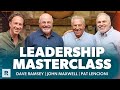
Leadership Trust, Faith, and Failure: A Master Class with Dave Ramsey, John Maxwell, and Patrick Lencioni
In this unprecedented conversation, three of the most trusted voices in leadership—Dave Ramsey, John Maxwell, and Patrick Lencioni—discuss the essential pillars of effective leadership. They explore the three questions followers ask of their leaders, the critical difference between a promotion and a true leadership role, and how to build trust in a skeptical world. The conversation also covers the role of passion versus talent, the importance of vulnerable communication, and how faith and failure can ground a leader.
Understanding Leadership: Power, Influence, and Effective Qualities
Explore the complex dynamics of leadership, distinguishing it from power and influence. Learn key traits of effective leaders, the emergence of leadership in groups, and how modern leadership adapts to diverse and evolving environments.

How to Become a Respected Leader Without Overworking or People-Pleasing
Discover a practical four-step leadership framework to build respect without sacrificing personal time or compromising your values. Learn actionable strategies for mindset shifts, handling conflict, prioritization, and fostering accountability to elevate your leadership effectiveness efficiently.
10 Secrets to Speak Powerfully, Persuasively, and Profitably
Discover the top 10 essential strategies to become a compelling speaker who moves and transforms audiences. Learn how ideation, interest, invitation, and more can elevate your public speaking skills beyond 99% of presenters.
Most viewed summaries

A Comprehensive Guide to Using Stable Diffusion Forge UI
Explore the Stable Diffusion Forge UI, customizable settings, models, and more to enhance your image generation experience.

Kolonyalismo at Imperyalismo: Ang Kasaysayan ng Pagsakop sa Pilipinas
Tuklasin ang kasaysayan ng kolonyalismo at imperyalismo sa Pilipinas sa pamamagitan ni Ferdinand Magellan.

Mastering Inpainting with Stable Diffusion: Fix Mistakes and Enhance Your Images
Learn to fix mistakes and enhance images with Stable Diffusion's inpainting features effectively.

Pamamaraan at Patakarang Kolonyal ng mga Espanyol sa Pilipinas
Tuklasin ang mga pamamaraan at patakaran ng mga Espanyol sa Pilipinas, at ang epekto nito sa mga Pilipino.

How to Install and Configure Forge: A New Stable Diffusion Web UI
Learn to install and configure the new Forge web UI for Stable Diffusion, with tips on models and settings.
Found this summary useful?
Take it with you. One click puts it in your own LunaNotes library.
Save to LunaNotes