आसान भाषा में Verb (क्रिया) का पूरा ज्ञान: Stative, Action, Transitive, Intransitive
Verb (क्रिया) का पूरा और वास्तविक ज्ञान
वर्ब केवल एक्शन (क्रिया) नहीं बताता, बल्कि यह स्टेट (अवस्था) और पोजीशन (मालिकाना अधिकार) भी व्यक्त करता है। वर्ब हमेशा Subject के बारे में बताता है: Subject ने क्या किया, उसके साथ क्या हुआ, या उसकी अवस्था क्या है। अगर आप बुनियादी समझ चाहते हैं, तो हमारा गाइड The 8 Parts of Speech in English: A Complete Guide for Beginners देखें।
Stative vs Action (Dynamic) Verbs
वर्ब को दो मुख्य भागों में बांटा गया है:
Stative Verbs (स्थैतिक क्रियाएं)
ये वर्ब्स Action नहीं बताते, बल्कि State (अवस्था) या Possession (अधिकार/स्थिति) बताते हैं।
उदाहरण:
- He has a book. (पास होना - एक्शन नहीं)
- I know him. (जानना - मानसिक स्थिति)
- The flower smells sweet. (गंध आना - केवल विशेषता)
- I prefer coffee. (पसंद करना)
- He is sick. (बीमार होना)
Action (Dynamic) Verbs
ये वर्ड्स Physical Activity (शारीरिक क्रिया) बताते हैं।
- He goes to school. (जाना)
- He gave me a book. (देना)
महत्वपूर्ण नियम: Adjective vs Adverb
- Stative Verb की विशेषता बताने के लिए Adjective का उपयोग होता है। (जैसे: The flower smells sweet - यहाँ sweet एक Adjective है)
- Action Verb की विशेषता बताने के लिए Adverb का उपयोग होता है। (जैसे: He sings sweetly - यहाँ sweetly एक Adverb है)
गलती से बचें:
- "The flower smells sweetly" (गलत) -> "The flower smells sweet" (सही)
- "He looked angrily at me" (Action) vs "He looks angry" (State - उसे गुस्सा आता दिख रहा है)
Verb के मुख्य प्रकार: Transitive & Intransitive
Transitive Verb (सकर्मक क्रिया): क्रिया का प्रभाव Subject से Object (कर्म) पर स्थानांतरित होता है। ये अपने साथ Direct Object लेता है।
उदाहरण:
- Ram helped me. (यहाँ 'me' Object है। क्रिया 'helped' का प्रभाव Ram से 'me' पर गया।)
- He gave her a ring. (यहाँ 'her' Indirect Object है और 'ring' Direct Object है।)
Intransitive Verb (अकर्मक क्रिया): क्रिया का प्रभाव Subject पर ही रहता है, Object पर नहीं जाता। इसे Object की जरूरत नहीं होती।
उदाहरण:
- The driver stopped suddenly. (यहाँ कोई Object नहीं है।)
- The sun rises in the east. (कोई Object नहीं)
Subject Complement (पूरक) vs Object:
- Ram is a good boy. (यहाँ 'a good boy' Subject Complement है, Object नहीं, क्योंकि कोई क्रिया transfer नहीं हो रही।)
Verb Forms: V1, V2, V3, V4, V5
| Form | Name | उपयोग | उदाहरण | | :--- | :--- | :--- | :--- | | V1 | Base Form | Present Tense (Plural) | Go, Write | | V2 | Past Form | Simple Past Tense | Went, Wrote | | V3 | Past Participle | Perfect Tenses, Passive Voice | Gone, Written | | V4 | Present Participle | Continuous Tenses | Going, Writing | | V5 | -s/-es Form | Present Tense (3rd Person Singular) | Goes, Writes |
Participle (कृदंत) समझना
जब Verb का V3 या V4 रूप Adjective का काम करने लगे, तो उसे Participle कहते हैं। इस विषय पर और अधिक जानकारी के लिए Understanding Modal Verbs: A Complete Guide for Grammar Enthusiasts पढ़ें।
- Past Participle (V3): "Developed countries" (जो पहले विकसित हो चुके हैं) - यहाँ 'developed' देश की विशेषता बता रहा है।
- Present Participle (V4): "Developing countries" (जो अभी विकसित हो रहे हैं) - यहाँ 'developing' देश की विशेषता बता रहा है।
अंतर:
- "This project was developed by him." (यहाँ develop एक Action Verb है, क्योंकि कोई क्रिया हुई।)
- "The developed countries should help developing ones." (यहाँ 'developed' एक Participle/Adjective है।)
कुछ विशेष Verb Forms
- Cast, Broadcast, Telecast, Forecast: तीनों रूप (V1, V2, V3) एक जैसे होते हैं। (Cast-Cast-Cast, Broadcast-Broadcast-Broadcast)
- Sling: V2 - Slung, V3 - Slung (जैसे: पुराना अखबार)
- Slink: V2 - Slunk, V3 - Slunk (जैसे: अंदर घुसना)
- Hang:
- कपड़े/तस्वीर लटकाना: Regular (Hang-Hanged-Hanged) (गलत मानना)/ Irregular: Hang-Hung-Hung (सही मानना)
- फांसी देना: Irregular: Hang-Hanged-Hanged
- "The prisoner was hanged." (फांसी दी गई)
- "He hung his head in shame." (लटका लिया)
- Learn (सीखना): आमतौर पर Regular होता है (Learned-Learned-Learned) पर प्राचीन English में Learnt भी सही है।
- Strive (प्रयास करना): V2 - Strove, V3 - Striven
- Shrink (सिकुड़ना): V2 - Shrank, V3 - Shrunk
- Sink (डूबना): V2 - Sank, V3 - Sunk
- Swear (शपथ लेना): V2 - Swore, V3 - Sworn
- Tread (पैर रखना/कुचलना): V2 - Trod, V3 - Trodden
Common Mistakes & Tips
- "He is having a book" (गलत): यहाँ 'have' सिर्फ Posession (पास होना) बता रहा है, जो Stative Verb है। Stative Verb का Continuous Form (-ing) नहीं बनता।
- "He is having lunch" (सही): यहाँ 'have' का मतलब 'eat' (खाना) है, जो एक Action है।
- "I am seeing the movie" (गलत): यहाँ 'See' का मतलब 'देखना' है (Action नहीं, बल्कि एक अनुभव/परिणाम)। इसे "I am watching the movie" बनाया जा सकता है। इसी तरह की सामान्य गलतियों के लिए Common English Mistakes: Bored vs Boring, Past Tenses & Articles Explained पढ़ें।
- "I am seeing the doctor tomorrow" (सही): यहाँ 'See' का मतलब 'Visit' (मिलना) है, जो एक Action है।
- "He is knowing the answer" (गलत): 'Know' एक Stative Verb है। इसका Continuous Form नहीं बनता। कहें: "He knows the answer."
- "Flowed" vs "Flown":
- Flowed: पानी का बहना (Regular Verb).
- Flown: उड़ना 'Fly' का Past Participle. (यह बहने के लिए गलत है)
- अन्य महत्वपूर्ण:
- Rise/Raise: Rise (उठना) Intransitive (Rise-Rose-Risen), Raise (उठाना) Transitive (Raise-Raised-Raised).
- Lie/Lay:
- Lie (लेटना): Intransitive (Lie-Lay-Lain)
- Lay (रखना/बिछाना): Transitive (Lay-Laid-Laid)
- Lie (झूठ बोलना): Regular (Lie-Lied-Lied)
- किसी भी Verb में -S/-ES लगाने पर वह Singular हो जाता है (He goes), जबकि Noun में -S लगाने पर वह Plural हो जाता है (Boys). यदि आप प्रतियोगी परीक्षाओं की तैयारी कर रहे हैं, तो 360° Preparation for RBI Grade A and B Exams: English Language Basics आपके लिए सहायक हो सकता है।
अधिक सीखने के लिए Welcome to Kanchan Ki Classes by EnglishConnection.online पर जाएँ।
मैं आपसे पूछूं की व्हाट इसे डी वर्ब तो आप क्या बोलोगे बचपन में आपने डेफिनेशन सिखा होगा की डूइंग शब्द डूइंग या एक्शन
शब्द या एक्शन वर्ड आर नॉन एस वर्ब ओके जो भी जो भी वर्ड से किसी क्रिया का बोध हो जो
भी शब्द हैं कोई एक्शन का पता चले उसको हम वर्ब बोलते हैं ठीक है ये डेफिनेशन आपका सही है बट ये बचपन वाला है ये डेफिनेशन
इनकंप्लीट है यह डेफिनेशन इन कंप्लीट है जरूरी नहीं है ना की वर्ब से सिर्फ एक्शन का ही पता चले क्योंकि कई बार ऐसे शब्द
होते हैं जो एक्शन नहीं बताता है बट फिर भी वो क्रिया है तो वर्ब सिर्फ एक्शन ही नहीं बताता है वर्ब्स वो वर्ड होते हैं ना
जो एक्शन भी बताता है साथ में साथ में स्टेट भी बताता है और वह हम पोजीशन मालिकाना अधिकार बताने के लिए
भी उसे करते हैं अगर सिंपल लैंग्वेज में अपना एग्रीमेंट किस किया है सदियों पहले वो अपने एग्रीमेंट सब्जेक्ट से किया
है ओके सब्जेक्ट और वर्ब में आपस में एग्रीमेंट किया है की हम दोनों साथ-साथ रहेंगे जहां तुम रहोगे वहां मैं रहूंगा तो
वर्ब किसके बारे में बताता है वर्ब सब्जेक्ट के बारे में बताता है क्या बताता है की सब्जेक्ट में क्या किया या सब्जेक्ट
का सब्जेक्ट में क्या एक्शन किया है सब्जेक्ट क्या पोजेस कर रहा है या सब्जेक्ट का स्टेट क्या है तो वर्ब सिर्फ
एक्शन ही नहीं बताता है वर्ब अवस्था या मालिकाना अधिकार पोजीशन भी बता सकता है ठीक है तो यहीं पे मैंने ये डेफिनेशन डाला
है यह डेफिनेशन डाला है व्हाट इसे डी वर्क टेल्स अबाउट डी सब्जेक्ट के बारे मैं बताता है और किसी भी वर्ड को
सब्जेक्ट होने के लिए क्या होना है नाउन या प्रोनाउन इसका मतलब क्या है की वर्ब नाउन या प्रोनाउन के बारे में बताता है और
दूसरा वाक्य दिमाग में आया है की वर्ब सब्जेक्ट के बारे में बताता है तो सब्जेक्ट के बारे में क्या बताता है बताता
है व्हाट अन सब्जेक्ट दस सब्जेक्ट क्या करता है या सब्जेक्ट के मतलब सब्जेक्ट के साथ क्या होता है जैसे अपने एक्टिव पैसिव
पड़ा होगा ना किसी कम के करने या होने को क्रिया कहते हैं तो एक्टिव में तो सब्जेक्ट खुद कम करता है लेकिन पैसिव में
ना सब्जेक्ट खुद कम नहीं किया जाता है करता है सब्जेक्ट के पर सब्जेक्ट पर कोई कम किया जाता है तो यह तो एक्शन बताता है
एक तो वो एक्शन बताता है सब्जेक्ट में क्या एक्शन किया या सब्जेक्ट पर क्या एक्शन हुआ दोनों वे में एक्शन ही बताता है
और दूसरा दूसरा वर्ब क्या बताता है की वाटर सब्जेक्ट इसे स्टेट बताता है और डी स्टेट ऑफ डी सब्जेक्ट और साथ में
बताता ठीक है पोजीशन भी बताता है मैंने लिखा ही गोज ही गोज तू स्कूल ऑन टाइम हम लोग क्या करेंगे
हर हर कॉन्सेप्ट पढ़ने के बाद ना हम लोग देखेंगे की उसे पे एरर कैसा आता है क्योंकि में तो मैं एरर डिटेक्ट करना ही
गोस तू स्कूल ऑन टाइम फिर मैंने लिखा और दूसरा मैंने लिखा की अनवर ओके
टाइम लगने वाला है चलो अब मुझे बताओ की यहां गोज वर्ब है हम वर्ब का टाइप्स बाद में पढ़ेंगे ठीक है
लिंकिंग वर्ब में वो सब हम बाद में पढ़ेंगे अभी हमने क्या पढ़ा है वो अब सब्जेक्ट के बारे में बताता है सब्जेक्ट
के स्टेट के बारे में बताता है सब्जेक्ट के द्वारा क्या कम किया गया उसके बारे में बताया था पोजीशन बताता है ये भी वर्ब है
ये भी वर्ब है और यहां भी ये कहना ना की वर्ब एक्शन शब्द होते हैं ये इनकंप्लीट डेफिनेशन है वर्ब में हमेशा एक्शन नहीं
बताता देखो की गोज तू स्कूल तो यहां पे एक्शन बताया जा रहा है यहां जो वर्ब है वो एक्शन बता रहे हैं बट ही हज अन बुक में
कहीं से भी उसके पास एक बुक है तो यहां यहां पे कहीं भी एक्शन नहीं बताया जा रहा है ना यहां पे पोजीशन बताया जाए उसके पास
क्या है व्हाट दस ही पोजेस वो किसका मलिक है बुक का बुक उसकी है तो यहां पर पोजीशन और ओनरशिप बता रहा है यहां पर कोई एक्शन
नहीं हो रहा है बट ऊपर वाले में एक्शन हो रहा था ओके दूसरा वाला दूसरा वाला
मुझे बताओ मैंने ना मैंने इस यूट्यूब चैनल पर स्पीच पढ़ा दिया है इसीलिए जब मैंने आपको
ये वाला शुरू किया था ना यह बैच इसमें मैंने पार्ट्स ऑफ स्पीच नहीं पढ़ाया इसलिए क्योंकि इस यूट्यूब चैनल पे जाओगे तो
पार्ट्स ऑफ स्पीच पे ठीक है कैसे पता करते हैं की कौन सा वर्ड नाउन है कौन सा वर्ड एडजेक्टिव है कौन सा वर्ड प्रोनाउन है इस
पर मैंने करीब 4.5 घंटे का क्लास लिया हुआ है 4 घंटे का क्लास लिया हुआ है और एक मैंने
हाल फिलहाल में सीडीएस का पिछले 4-5 साल का पेपर करवाया था जहां पर कैसे पता करते हैं की कौन सा वर्ड नाउन है कौन सा वर्ड
प्रोनाउन है वह सब समझाया है तो आप क्या करना जो बच्चे न्यू हो पार्ट्स ऑफ स्पीच का ना मैंने तीन सेशन लिया शायद 3 से
ज्यादा लिया है यह देखना और फिर क्वेश्चंस भी देख लेना जो मैंने करवाया है
बार-बार एक चीज को नहीं करना है ना अब बताओ उनके विशेषता बताने वाले शब्द एडजेक्टिव
होते हैं तो यहां का इस जो वर्ब है लेकिन यहां पे कोई क्रिया नहीं हो रही यहां पर स्टेट बताया जा रहा है स्टेट स्टेट
गवर्नमेंट मत करिए क्योंकि मैं कमेंट बॉक्स देख नहीं रही हूं ओके उसे क्या होगा की आपका एनर्जी
वेस्ट हो रहा है ठीक है एनर्जी वेस्ट अभी मैं कमेंट्स देख भी नहीं रही तो इतना दूर तो क्लियर है वह सिर्फ एक्शन
ही नहीं बताता है वह स्टेट भी बता सकता है वर्ब पोजीशन भी बता सकते हैं ठीक है और इसी आधार पर वर्ब को दो भागों में बनता
गया है ठीक है बेस्ड ऑन बेस्ड ऑन
एक्शन एंड नॉन एक्शन बेस्ड ऑन एक्शन एंड नॉन एक्शन वर्ब को दो
भाग में बनता गया है कौन-कौन सा एक वर्ब है स्टेटिव वर्ब जिसे मैं क्यों बता रही हूं इसे कैसे-कैसे अरेस्ट आएगा ना वो सब
हम लोग डिस्कस करेंगे एक है स्टेटिव वर्ब और दूसरा है एक्शन वो एक्शन वो बोल दो या उसको हम
डायनेमिक भी बोल देते हैं डायनेमिक का मतलब भी होता है एक्शन हो रहा है है तो बेस्ड ऑन एक्शन एंड नॉन एक्शन वर्ब
को दो भाग में बनता गया है ओके क्योंकि कभी-कभी वर्ब एक्शन भी करता है और नॉन एक्शन भी करता है और नॉन एक्शन वाले में
क्या आएगा ना जो स्टेट बता रहा है और जो पोजीशन बता रहा है
ठीक है और बाकी जो एक्शन बता रहा है वो तो कहां चला गया उल्टा लिख दिया मैंने स्टेटस वो मतलब क्या होता है स्टेटिव वर्ब का
मतलब होता है स्टेट बता रहा है नॉन एक्शन यहां पर लिखना था मुझे वो आपको दो भाग में डिवाइड किया गया क्योंकि वो कभी-कभी एक्शन
बताता भी है कभी-कभी नहीं भी बताता है जब जब कोई एक्शन नहीं हो रहा है जब कोई नो एक्शन हो रहा है वो आपके द्वारा उसको हम
स्टेटस बोलते हैं और स्टेटिव वर्ब में कौन सा वर्ब होता है जो स्टेट भी बताता है और साथ में पोजीशन भी बताता है
पोजीशन भी बताता आपने देखा आई हैव अन बुक में कोई क्रिया नहीं हो रही है ही इस इल में भी कोई क्रिया नहीं मतलब कोई एक्शन
नहीं हो रहा है तो उसको हम स्टेटिव और पोजीशन बताने वाले वर्ब ये होते हैं और एक्शन बताने वाले वर्ब्स तो बता ही दिया
जिसमें एक्शन हो रहा है अब मैं आपको कुछ सेंटेंसेस देने वाली हूं ठीक है आप मुझे बताओगे की कौन सा वर्ब स्टेटस है और कौन
सा वर्ब एक्शन है और कौन सा एक्शन है पहले तो देखो पहले तो देखो यहां का गैप किया है अब मुझे बताओ
और यहां भी यहां पर तो दो वर्ब है यहां भी है और यहां भी है सारे के लिए है
एनडीए के लिए भी है सीडीएस के लिए भी है भाई सबके लिए सबके लिए है माय डियर स्टूडेंट सब के लिए
टेंशन नहीं लेने का है हान ऊपर वाला जो है ना बुक देते समय कोई क्रिया हो रही है ना यहां भी एक्शन है और
ही वाज गिव एन बुक यहां भी एक्शन हो रहा है बट डिफरेंस क्या है की यहां उसे व्यक्ति ने खुद बुक दिया और यहां उसने खुद
नहीं दिया कोई और आकर उसको दिया हर ने उसको बुक दिया लेकिन हर के द्वारा भी तो क्रिया की गई ना तो यह पैसे हुए हैं ये भी
एक्शन आई हैव अन बिग हाउस तो यहां पे ये वाला एक्शन वर्ब है ये दोनों एक्शन वर्ब है और ये कैसा वर्ब है ये आई हैव अन बिग
हाउस पोजीशन बता रहा है ना तो ये स्टेटिव वर्ब है यहां पे कोई एक्शन नहीं हो रहा ही इस इल में भी कोई एक्शन नहीं हो रहा है ये
स्टेटेड बॉब स्टडी स्टडी वर्ब दूसरा वाला और भी कुछ करते
हैं आई नो हिम मैं उसको जानता हूं और मेरे जानने में मेरे द्वारा कोई क्रिया थोड़ी हो रही है तो ये भी स्टेबल हुआ है
यह भी स्टेटस वर्ब है नेक्स्ट वाला देखो ही हैज अन ब्यूटीफुल सी हज अन ब्यूटीफुल ड्रेस यह भी स्टेटस वर्ब है उसको इंग्लिश
पसंद है इंग्लिश पसंद करने में कोई क्रिया नहीं हो रही है स्टेटिव है मुझे कॉफ़ी ज्यादा पसंद है चाय से ज्यादा तो प्रेफर
करना लाइक करना किसी एक के मुकाबला किसी दूसरे चीज को ज्यादा प्राथमिकता देना तो ये स्टेटस
वो अब क्या होता है स्टेटस मुझे इंग्लिश पसंद है तो कोई एक्शन नहीं हो रहा मेरे पास एक ब्यूटीफुल ड्रेस है
कोई एक्शन नहीं हो रहा मुझे कॉफ़ी ज्यादा पसंद है जिस क्रिया में एक्शन नहीं हो रहा है वह स्टेटस
अब देखो ही गोज तू स्कूल जाने में उसके जाने में एक जगह से दूसरे जगह जाने में एक्शन हो रहा है ना
दौड़ने में रान-रण एक्शन हो रहा है ना तो यह सारे एक्शन बॉक्स यह सारे एक्शन यहां भी देखो और भी होगा
एक जगह पर इसे दूसरे जगह पहुंच रहे हो यह भी एक्शन बोल तो अभी तक आपने क्या सिखा की वर्ब को दो भागों में डिवाइड किया गया है
एक एक्शन वर्ब और एक स्टेटस भी दे दिया है आपको एग्जांपल भी दे दिया
है पोजीशन बता रहा है ना यहां का जो है वर्ब है पोजीशन बता रहा है और पोजीशन बताने
वाले वर्ब में भी तो कोई एक्शन नहीं हो रहा है ना इसलिए वो स्टेटिव वर्ब में आए हान मेरे को ना एक चीज और स्टूडेंट्स को
बताना था कल कुछ प्रॉब्लम ए गया था बच्चों के एग्जाम में ध्यान में रखते हुए ना मैंने बोला की बच्चे इंस्टा वगैरा पे
सन्डे में को बिजी ना रहे इधर उधर की बात ना करें अपना कम करें तो मैंने कल ए तू शायद के तक का पता नहीं कहां तक का किया
था कल मैंने ए तू स ए तू स तक का वो क्या शेड्यूल किया था की पूरे दिन इनको वो क्या आपकी प्रैक्टिस करूंगी जो मैंने ए से के
तक लेकिन मुझे टीम ने बताया है ना की मैं बाद में ना थोड़ा सा साउंड प्रॉब्लम आने लगा था आपकी आवाज़ मिस मैच हो रही थी तो
हमने क्या किया की वीडियो को रोक दिया है ठीक है वीडियो को रोक दिया शायद कुछ सन्डे था ऐसा प्रॉब्लम आया था मैंने ए तू स वो
कैप का एक मैराथन chalvaya था की दिन भर बैठ के ना ये कुछ ना कुछ कंस्ट्रक्टिव कर रहे हैं बीच में कुछ प्रॉब्लम ए गया था तो
उसको शायद आज उसने फिर से प्रेमी कर दिया फिर से शेड्यूल कर दिया तो जो बच्चों ने नहीं देखा है देख सकते
हैं और जो बच्चे कल जितनी दूर तक देख ली है फिर से क्यों देखो साउंड प्रॉब्लम ए गया था ना
लास्ट में कुछ साउंड का प्रॉब्लम ए गया था तो उन्होंने वीडियो रोक दिया तो आज उन्होंने फिर से ठीक करके डाला है
तो आपने जहां तक देखा है आगे बधाई है और जिन्होंने नहीं देखा है देखना है ओके हान तो यह हो गया अब बोलोगे की मैं आखिर आपने
ये क्यों पढ़ाया यह स्टेटस अब आपने पढ़ाया और आपने स्टेटस आते हैं ठीक है
एडजेक्टिव भी बताता यह वाला नोट करते जाइए तब आपके दिमाग में आएगा कैसे पता चलेगा की हमने तो शुरू से पढ़ा है की वर्ब की
विशेषता एडवर्ब बताता है और आपने यहां पर लिखा है वर्ब की विशेषता एडजेक्टिव भी बता सकता है अब यहां पे आपका स्टेटिव वर्ब कम
आएगा जब वाक्य में स्टेटिव वर्ब ए गया स्टेटिव वर्ब की विशेषता स्टेटिव वर्ब की विशेषता एडजेक्टिव बताता
है और एक्शन वर्ब की विशेषता एक्शन वर्ब की विशेषता एडवर्ब बताता है इसको लिख लो इसको लिख लो
इसको लिख लेना चैनल पर ही है और मैंने कल जो स्टॉक में आपका यूट्यूब चैनल का कहानी भी सुनाया था
यूट्यूब चैनल मैंने कैसे कैसे स्टार्ट किया जो स्टॉक में जिसने नहीं देखा है उसको देखिए कैसे-कैसे कैमरा से स्टार्ट
किया था ओके तो चलो अब आओ एक्शन वर्ब की विशेषता एडवर्ब बताता है और स्टेटस
बताता है अब आप कुछ क्वेश्चंस कर लेते हैं वही लिखा है मैंने स्टेटिव वर्ब इस ऑलवेज टैक्स एंड एडजेक्टिव एंड एक्शन वर बी टेक
सेंड एडवर्ब ओके ठीक है यह भी एडजेक्टिव है और एडजेक्टिव में हलवाई लग गया
स्वीट ली जैसा कोई वर्ड नहीं होता अरे बिल्कुल होता है ऐसा नहीं है की स्वीटी वर्ड नहीं होता है स्वीटली वर्ड होता है
बट कहां होगा कहां नहीं होगा बता रही हूं ये कैसा हुआ है यह एक्शन है की स्टेटिव वर्ब
चलो आते हैं बहुत मीठा गेट हैं कैसा हुआ भैया मैं मेरे को बताओ कैसा वर्ब है कैसा वाला
यह गाना गाने में कोई क्रिया हो रही है ना तो यह एक्शन वर्ब है ठीक है एक्शन वर्ब है और आपको पता है की
एक्शन वर्ब अपने साथ एडवर्ब लेता है यह गलत है यहां स्वीट ली करेक्ट है बट यहां स्मेल जो
रोज का स्मेल है ना बहुत अच्छा है बहुत स्वीट स्मेल है ठीक है बहुत अच्छा sushail है और स्मेल रोज का जो स्मेल है अब मैन
सोचो की मैं यहां रोज स्मेल कर रहा है और स्मेल करने में तो कोई क्रिया हो रही है अरे रोज नॉन लिविंग थिंग है यह कहां से
अपने आप से खुशबू ले रहा है ये बोल रहे हैं की रोज का जो स्मेल है और यहां पे स्मेल स्टेटेड है यहां पे कोई क्रिया नहीं
हो रही है और स्टेटिव बॉब के साथ एडजेक्टिव लगाओ रोने में क्रिया हो रही है तो एडवर्ब
लगाना और टेस्ट जो फूड का स्वाद है वो बहुत कड़वा है तो फूड नॉन लिविंग एंड नॉनलाइविंग के द्वारा तो कोई क्रिया नहीं
हो रही होगी इसलिए यहां पे एडजेक्टिव है कॉन्सेप्ट इतना क्लियर होना चाहिए की आप लॉजिक देते हुए उसको एक्सप्लेन कर पाप
लॉजिक देते हुए एक्सप्लेन कर पाओ नेक्स्ट वाला और भी होगा कुछ क्वेश्चन यह डिसएप्वॉइंटेड क्या है
बहुत निराश था यह डिसएप्वॉइंटेड रिजेक्टिव है ठीक है पस्त पार्टिसिपल के रूप में एडजेक्टिव का
कम करता है की विशेषता बताई जा रही है ना ही क्या है बहुत दुखी है एडजेक्टिव है और एडजेक्टिव की विशेषता बताने के लिए हम
क्या का उसे करते हैं एडवर्ब उसे करते हैं ना तो यहां पर bitrally लगाना बटर लाइट लाइट ली
और एक चीज और याद कर सकते हो जैसे बिटर बिटर का दो मतलब है कड़वा और एक बिटर का मतलब है ना बहुत
खराब है ना तब वहां पर उसका एडवर्ब मत लगाना एडजेक्टिव लगाना लेकिन
जहां खराब के सेंस में है वहां एडवर्ब लग सकता है एडवर्ब लग सकता है देखो यहां पे सेंटेंस मैंने लगा है यहां किस साइड में
था फूड का जो स्वाद था ना कड़वा था तो यहां कड़वा के सेल्स में है तो एडजेक्टिव लगाना बट यहां वो बहुत कड़वा नहीं रो रहा
था बहुत बदली रो रहा था जो बदली के सेल्स में है तो एडवर्ब लगाना एडवर्ब लगाना ठीक है नेक्स्ट वाला
ही वास बिट्टरली डिसएप्वॉइंटेड यहां कड़वा के साइंस में नहीं है यहां तो बेडली के साइंस में है और जब भी बैटरी के सेल्स में
है तो बिट्टरली लगा दे batorly से वास फीलिंग हंगरी या हंगरी बताओ जल्दी से बताओ
हंगरी क्या है भूखा है बहुत हंगरी उसको बहुत भूख लगी थी अब भूख लगने में कोई क्रिया थोड़ी ही हो रही है
भूख लगने में कोई क्रिया वगैरा थोड़ी है और यह की एडवर्ब लगाओगे जब क्रिया नहीं हो रही है एडजेक्टिव लगा और उसने सारा फूड
हंगरी खा लिया अब बताओ की हमें किसकी विशेषता बतानी है यहां तो सी हंगरी थी सी की विशेषता बताई जा रही थी और सी प्रोनाउन
और नाउन और प्रोनाउन की विशेषता एडजेक्टिव चाहिए बट यहां शीन है सब चीज हूं रेली खा लिया
और खाने में क्रिया हो रही है खाने में क्रिया हो रही है तो हमें एडवर्ब चाहिए ऐसा वाला है मिलेगा आपको
अपने साथ एडजेक्टिव लेता है एक तो ये हो गया अब दूसरा अब बोलोगे मैं और क्या-क्या एरर आता है अच्छा एक आध क्वेश्चन और कर
लेते हैं एक क्वेश्चन जो एग्जाम वगैरा में आया हुआ है चलो बताओ चार ऑप्शन दिया है
सो स्वीटली ओके यह वाला अंडरलाइन है ठीक है यह पार्ट अंडरलाइन अब मुझे सही आंसर बताओ डी फ्लावर
सो स्वीटली डेट आई वांट तू प्लग डेम टोटल चैप्टर padhaaiyega टोटल चैप्टर padhaaiyega
नीरज कुमार अगर आपको अनअकैडमी का सब्सक्रिप्शन ऑफर चल रहा है ठीक है यह ऑफर मतलब पता
नहीं कब खत्म हो जाए 20% का ऑफर चल रहा है आप इस नंबर पे बात करो वो सारा समझा दे मतलब बताओ मुझे कौन सा यहां पे चाहिए
फ्लावर्स इतना उसकी मीठी खुशबू थी ना की आई थॉट के मैं सारा प्लग करूं क्या क्या सेट किया है ना इसमें सेट ही
नहीं स्माइलिंग सो स्वीटली विल शो यह वाला हटा दो कौन सा आंसर होगा यहां फ्लावर्स की जो
खुशबू है बहुत मीठी खुशबू है तो यह तो स्टेटस नहीं लगेगा गलत
यहां भी गलत सेंटेंस प्रेजेंट जा रहा है उसकी खुशबू अच्छी है उसको पहले से पहले से उसको खुशबू
मिल रहा है तभी तो उसको तोड़ना चाह रहा है विल मत लगा विल नहीं रहा नेक्स्ट वाला
एग्जाम में आए हुए हैं ठीक है बहुत अच्छी बात है भाई एक स्पैम ए रहा है ना आज उन्होंने फॉन्ट साइज इतना छोटा कर
दिया है ना की मुझे अब मुझे इंग्लिश से दर नहीं लगता है ना वेरी गुड वेरी गुड यू हैव इंग्लिश से प्यार करना इंग्लिश से डरना
नहीं है डी ओल्ड मैन इस ब्लाइंड्ली नहीं होगा यहां पे इस स्टेटस वर्ब है और स्टेटस वर्ब अपने साथ एडवर्ब थोड़ी लेता है
स्टेटस वो आप अपने साथ एडजेक्टिव लेते ब्लाइंड ही इसे बीइंग वेरी पॉलीटली फॉर डी रीजन बेस्ट नॉन तू हिम ये तो बहुत पोलाइट
हो रहा है बहुत पोलाइट है इस बीइंग वेरी पॉलीटली नहीं होगा ना वो बहुत विनम्र दिख रहा है तो यहां ही इस बीइंग जो है यह
स्टेटस वर्ब अपने साथ एडवर्ब ना लेकर एडजेक्टिव लेते हैं
डिटेक्टिव नेक्स्ट नेक्स्ट वाला अब आपके पास एक और क्वेश्चन
कर लो एक साथ नहीं हटा दिया
उसके द्वारा तो कोई क्रिया नहीं होगी तो यहां स्टेटस स्वीटली नहीं लगा क्या यह सही है
अगर मैं ऐसा लिख डन क्या यह सही है अपने साथ एडजेक्टिव लेते हैं ठीक
है मोर लगाने की जरूरत नहीं की जरूरत नहीं है
नेक्स्ट वाला अब आपके दिमाग में आएगा की अब दूसरा दूसरा इंपॉर्टेंट चीज की आपने तो मैं चलो बता दिया स्टडी
वर्क जो होते हैं ना उसका इंग नहीं बनता है ना वो अत प्रेजेंट स्टेट बताता है तो
स्टेटिव वर्ब कभी भी कंटीन्यूअस में नहीं चलता है इसलिए उसका इंग नहीं बनता है बट एक्शन वर्ब जैसे पढ़ने का कम सोने का कम
लिखने का कम आप कंटीन्यूअस कर सकते हो तो इसका इंग बनेगा बट स्टेटिव वर्ब का इंग नहीं बनता है ठीक है चलो अब इसको देखो ये
सब छोड़ो बस याद रखो की स्टेटस वर्ब का इंग नहीं बनता है ये सब एग्जांपल दे दूंगी तो कहीं ना कहीं
आप कंफ्यूज भी होने वाले हो मैं एग्जांपल के थ्रू एक्सप्लेन करूंगी बस इतना याद रखो स्टेटस
में फिर से padhaaungi बट एक्शन वर्ब का बनता है ठीक है क्लोजेस्ट करना मैं थोड़ा सा आपको बता
दूंगी किस डेट से मैं स्टार्ट कर रही हूं थोड़ा सा ना रिकॉर्ड वगैरा बना डन ठीक है पैसेज वगैरा का ना मैंने रिकॉर्ड
सेशन नहीं बनाया तो मेरे को इस वीक दे दो मोस्ट प्रोबेबली में नेक्स्ट मंडे से स्टार्ट करूं
मुझे ये सच्चाई पता है और निंग निंग में कोई क्रिया नहीं हो रही है तो इसलिए इसका इंग नहीं बनेगा क्या बनेगा आई नो डी आंसर
आई नो डेट ओके उसी तरह आने वाले क्लासेस में मैं आपको डिटेल में
पढ़ने वाली हूं यहां का जो निंग है ना यहां का निंग है वर्ब का कम कर रहा है ठीक है यहां का निंग वर्ब का कम कर रहा है और
ये जो निंग वर्ब है ना ये स्टेटिव वर्ब है और स्टेटस वर्ब का इंग नहीं बनता है बट यहां का निंग वर्ब का कम नहीं कर रहा है
यहां का नोइंग वर्ब का कम नहीं कर रहा है क्योंकि इस सेंटेंस में वर्ब कौन सा है निंग डी प्रस एंड कंस ऑफ डी सिचुएशन विल
हेल अब देखना अब मुझे बताओ की इस सेंटेंस में वर्ब कौन सा है ऊपर वाले 9 अगस्त नोइंग अगर सेंटेंस में
वर्ब का कम कर रहा है ना तो उसका इंजन मत लगाना क्योंकि वहां का निंग स्टेट ऑफ स्टेट ऑफ का एमजी नहीं होता है बट आप मुझे
बताओ की मैं जो पूछूंगी ना बस मुझे वही कमेंट करना इस सेंटेंस में वर्ब आपको कौन सा दिख रहा है
जो मैं आपको बोलूंगी बस वही बताना इस सेंटेंस में आपको वर्ब कौन सा दिख रहा है स्टेनो का प्रैक्टिस सेट चल रहा है सैटरडे
और सन्डे विल हेल्प ना विल हेल्प यू हेल्प ठीक है वो अपने सब्जेक्ट से एग्रीमेंट किया है की
हम दोनों साथ-साथ रहेंगे हम वर्ब अपने सब्जेक्ट को देख के लगाते हैं और इस सेंटेंस का प्रोजोन कौन सा मतलब क्या है
एडवांटेजेस एंड डिसएडवांटेजेस अगर आप अगर आप किसी भी सिचुएशन का एडवांटेज और डिसएडवांटेजेस जान लोग ना तो आपको हेल्प
करेगा सिचुएशन को हैंडल करने में तो इस सेंटेंस का में सब्जेक्ट यह एडवांटेजेस और डिसएडवांटेजेस आपको हेल्प नहीं करेगा
डिसएडवांटेजेस और डिसएडवांटेजेस को जानना आपको हेल्प करेगा तो यहां का 9 इंच सब्जेक्ट है सब्जेक्ट
है और सब्जेक्ट होने के लिए क्या होना है सब्जेक्ट होने के लिए नाउन या प्रोनाउन होना है तो यहां का निंग ना नाउन है मैं
आपको आगे padhaaungi कभी-कभी वर्ब का इंग फॉर्म नाउन का भी कम करता है जिसको बोलते हैं तो यहां का निंग वर्ब का कम नहीं कर
रहा था वर्ब का कम करेगा तब उसका इंग नहीं होगा बट यहां का निंग तो नाउन का कम कर रहे हो इसका आई एन जी हो आई एनजीओ नेक्स्ट
वाला आई एम हेविंग थ्री कार्स अब यह जो हेविंग है ना यह आपको प्रॉब्लम्स करता है यह जो है
आप तो बता रहे हो की हैव का इंग गलत है बट हमने तो सुना है कई बार हेविंग कई बार हमने हेविंग शब्द सुना भी है आप इसे गलत
क्यों बता रहे हो क्योंकि हैव का इंग गलत तब होगा ना जब वाक्य में हाव पोजीशन बता रहा है
पोजीशन पोजीशन मतलब मालिकाना अधिकार ठीक है मालिकाना अधिकार पोजीशन बता रहा है और पोजीशन एक स्टेटिव वर्ब है और उसका इंग
नहीं होगा उसका इंग नहीं होगा अभी मैं एग्जांपल्स दे रही हूं तो हैव का कहां इंग होगा और कहां
नहीं होगा वो हम लोग डिस्कस करते हैं ठीक है पोजीशन में क्या है पोजीशन में तो एक्शन
नहीं हो रहा है ना मैंने लिखा देखो फटाफट लिखते हैं आप भी लिखते जाओ
ही इसे हेविंग तू बुक्स और फिर लिखा मैंने
फीवर ही इसे हेविंग
मीटिंग टुमारो फिर ही इस
हेविंग नाइस टाइम अत है अंकल हाउस
अरे आप अपना बाग जारी रखिए पता नहीं मेरे पर भरोसा क्यों नहीं कर रहे हो मैंने जो जो बात स्टार्ट किया था ना जो जो बात
स्टार्ट किया था सब कंप्लीट किए ही है उसे समय तो मुझे नहीं पता चला लेकिन जब मैंने वीडियो रिकॉर्ड किया था उसे समय
मुझे नहीं पता चला था जब मैं गई थी वहां पे लेकिन जब वीडियो आया ना तो आपने मैंने देखा मैंने बस अपने वीडियो को एक बार देखा
मैंने अपने वीडियो को एक बार देखा जोश तक उसके बाद से मैंने देखा नहीं क्योंकि मैं बहुत इमोशनल हो गई थी ओके इमोशनल हो गया
ना मतलब उसे समय में पहुंच गई थी और उसे फेस में पहुंच गई थी इमोशनल हो गई थी और उसके बाद मैंने वीडियो तो देखा नहीं और बस
मैंने बाद में ना आपके कमेंट्स पढ़े ओके बच्चों का कमेंट्स पड़े तो आप बोल रहे हैं ना तो मैं वीडियो जारी रखिएगा तो आप लोग
भी लाइक्स को जारी रखिएगा आप आपके लाइक्स आपके लाइक से तो मेरे मोटिवेशन है ओके की मैं आप इतना पॉजिटिव कैसे रह लेते हो
जिसके पास इतने सारे स्टूडेंट्स हो स्टूडेंट्स अप्रिशिएट कर रहे हैं आपको बूस्ट कर रहे हैं वो पर्सन तो मोटिवेटेड
रहेगा ही रहेगा अंकल हाउस उन्होंने क्या किया है ना उनको वीडियो को
थोड़ा सा शॉर्ट रखना था तो उन्होंने बहुत सारी चीजों को कट कर दिया बहुत सारी चीजों को कट कर दिया
चलो नेक्स्ट वाला अब मुझे बताओ यहां का हेविंग क्या बता रहा है बिकॉज इंग्लिश वेरी ब्यूटीफुल लैंग्वेज
और सिंगल हेड कैन हैव मल्टीपल मीनिंग्स एक वर्ड का बहुत सारा मतलब जा सकता है अब बताओ की
यहां का उसके पास दो किताबें हैं वो दो किताबों का ओनर है दो किताबों का मलिक है तो यहां का हाफ क्या बता रहा है पोजीशन या
ओनरशिप बता रहा है ठीक है पोजीशन या फिर बता रहा है और ही इस हेविंग लंच ही इसे हेविंग लंच में उसके पास लंच है नहीं वो
लंच खा रहा है इस ईटिंग है और है हेविंग फीवर उसको फीवर है तो यहां यहां हेविंग का मतलब है ना सफरिंग
और ही इस हेविंग ए मीटिंग टुमारो हिज हेविंग अन मीटिंग इसमें दो साइंस जा सकता है कल उसका मीटिंग है या तो कल वो मीटिंग
कंडक्ट करेगा या ही विल बी अटेंडिंग ए मीटिंग टुमारो ओके और ही इस हेविंग ए नाइस टाइम उसको तो ना ही इस हेविंग अन नाइस
टाइम मिंस एंजॉयिंग हिज इन जोंग एंड व्हाट डिड आई से प्रीत तू दिस की हैव का हेविंग इस रोंग ओनली ऑन डी कंडीशन व्हेन इन अन
सेंटेंस हेविंग इसे डिनोटिंग पोजीशन सो इन दिस सेंटेंस हेविंग इस डिनोटिंग पोजीशन तो सी कैन नॉट हैव डी इंग फॉर्म ऑफ हेविंग
यहां का हेविंग ना पोजीशन बता रहा है और पोजीशन बताना एक स्टेटिव उसका आई एन जी नहीं लगेगा तो यहां पे लिखोगे ही हज हैव
मत लगा देना हैव मत लगा देना एफसीआई के लिए एग्जाम जिसमें आता है ना इंग्लिश
हेविंग लंच लगा देना तब इंग गलत करना बट यहां तो बेचारा सफरिंग
फ्रॉम फीवर है होगा और ही इस हेविंग अन मीटिंग कंडक्ट करेगा अटेंड करेगा stetative वर्ब नहीं है एक्शन है इसका इंग
होगा रीजनिंग में भी होगा होगा ठीक है तो हेविंग का देख लेना और अब और सब जगह
नो वर्ब का कम करें तो उसका इंग मत लगाना क्योंकि नो का एक ही मतलब होता है उसमें मत लगाना
बट सारे जगह ना हेविंग वो भी है यहां सब जगह वर्ब है बट इसका इंग हो रहा है बट यहां पे जो हेविंग है ना ये एक्शन वर्ब है
तो इंग लगा देना बट यहां कभी हेविंग बहुत ठंड है तो नहीं लगा ओके नेक्स्ट लेट्स मूव तू डी नेक्स्ट तो
स्टेटिव अब आपको समझ में ए गया है ना की मैं ने इतना डिटेल में स्टेटिव वर्ब और एक्शन वर्ब पर जोर क्यों डाला ऐसा वाला
चीज ना आपका टेंस में भी आने वाला है की कुछ ऐसे वर्ब्स होते हैं ना जिसका प्रेजेंट कंटीन्यूअस या जिसका पस्त
कंटीन्यूअस या इसका कंटीन्यूअस फॉर्म नहीं होता है कुछ ऐसे वर्ब्स होते हैं जिसका कंटीन्यूअस फॉर्म नहीं होता क्यों नहीं
होता है क्योंकि वो स्टेटिव वर्ब है तो नहीं होगा एक्शन वो है तो होगा नेक्स्ट वाला
बताओ यह बोल देना ना की सिन का इंग नहीं होता है मतलब गलत है कभी-कभी होता भी है देखो
ही सिंग डी मूवी तो वह मूवी देख रहा है और देखने में ऐसा कोई क्रिया नहीं हो रहा है तो ही ही अगर इसको इंग में रखना है ना तो
सी का तो इंग नहीं होता आप इसको वाचिंग कर दो वॉच का इंग होता है बट सी का इंग नहीं होता है
जिसको भी कोर्स के बारे में पूछना है ना मैंने यह नंबर दे दिया है ना डबल लाइन 583 58324 ये आपको अच्छे से बता देंगे फीस
वगैरा क्या है बैच के बारे में ही सिंग डी मूवी तो यहां तो देख रहा है देखने में कोई क्रिया नहीं हो रही है मैं आपको देख रही
हूं यहां पे कोई क्रिया नहीं हो रही है तो ये स्टेटिव वर्ब है स्टडी वर्क का इंग नहीं होता है लेकिन यहां पे सीन का मतलब
क्या है जैसे मैं आपको बोलूं कु टुमारो कल मैं आपसे मिलती हूं तो ही सीन डी पीएम टुमारो कल वो पीएम को देखने नहीं जा रहा
है कल वो पीएम से मिलने जा रहे हैं विजिट करने जा रहा है तो यहां सीन का इंग फॉर्म सही है क्योंकि यहां सीन का मतलब विजिटिंग
के सेल्स में है एक्शन वर्ब के साथ है ग होता है बट यहां एक्शन नहीं था नहीं हो ओके
सिंह इस बिलीविंग तो यहां का एग्रीमेंट किया सब्जेक्ट से किसी भी वर्ड
को सब्जेक्ट होने के लिए क्या होना है नाउन या प्रोनाउन तो यहां से अगर कोई भी वर्ब जीरन फॉर्म में कम कर रहा
है ना जिन्हें मैं आपको डिटेल में padhaaungi तो उसका तो इंग होगा आई एन जी होगा आई एन जी होगा
बहुत सारे ना बहुत सारे पता नहीं आप मुझे नहीं पता है की टेलीग्राम का कमेंट सेक्शन ऑफ किया गया है अब मुझे नहीं पता है मुझे
टीम से पूछना होगा बट हो सकता है उन्होंने किस कर किसी कारण से ऑफ किया होगा आपस में एंटी सोशल एलिमेंट्स अब लड़ते झगड़ते रहते
हैं ना उसी वजह से ओके तो यहां पर सही है अब नेक्स्ट ए जाओ अब ए जाओ अभी मैंने आपको ये सब ना आज हम
पूरा अपना बेस तैयार कर रहे हैं ठीक है अगर मैं डायरेक्टली आपको बोलती ना देखो ये स्टेटिव लेगा ये एक्शन वो भी एडवर्ब लेगा
तो आपको पता ही नहीं होता की स्टेटिव वर्ब होता क्या एक्शन वर्ब होता क्या है आज हम पूरा वर्ब का एक बेस बना रहे हैं अभी हम
अपने हेलीपैड पे है और कल से हम उड़ान भरेंगे आज मुझे पूरा बेचा तैयार कर लेने दीजिए एक तो मैंने वर्ब का दो एक्शन या
नॉन एक्शन और नॉन एक्शन के आधार पर मैंने वर्ब को दो भागों में बनता कौन-कौन सा स्टेटस
करता कोई कम करता है करता इस डी सब्जेक्ट कोई कम करता है और करता के द्वारा
ऑब्जेक्ट पर पड़ता है कर्म पर पड़ता है ठीक है करता के द्वारा कोई क्रिया की गई और उसे क्रिया का इफेक्ट कर्म पर पड़ा सो
करता है ना इट्स नॉट नेसेसरी की सेंटेंस में हमेशा ऑब्जेक्ट हो ही कभी-कभी सेंटेंस में
ऑब्जेक्ट नहीं भी होता है बट फिर भी सेंटेंस सही होता है सब्जेक्ट और वर्ब का आना जरूरी है अगर ऑब्जेक्ट ए गया बहुत
अच्छी बात है अब ये ऑब्जेक्ट क्या होता है ये ऑब्जेक्ट दो तरह का होता है ध्यान से मेरी बात को सुनोगे यह ऑब्जेक्ट दो तरह का
होता है एक ऑब्जेक्ट वर्ब का होता है कान और एक ऑब्जेक्ट प्रीपोजिशन का होता है आपको कई बार मैं बताती हूं ना प्रीपोजिशन
के बाद देखो ये ऑब्जेक्ट आया है और एक चीज और ध्यान रखना है किसी भी वर्ड को ऑब्जेक्ट होने के लिए क्या होना है नाउन
या प्रोनाउन हमारा जो ऑब्जेक्ट नहीं होगा या तो नाउन हो सकता है या तो प्रोनाउन होगा उसी तरह हमारे वाक्य का
सब्जेक्ट भी या तो नाउन होगा रोना और कभी-कभी वर्ब का इंग फॉर्म भी ना वह भी जीवन भी तो नवनी होता है
तो जीरन भी सब्जेक्ट बन सकता है और जीरन भी तो नाउन होता है जीरन ऑब्जेक्ट भी बन सकता है अब जब भी बन सकता दो तरह का
ऑब्जेक्ट होता है एक वर्ब को ऑब्जेक्ट होता है और एक प्रीपोजिशन का ऑब्जेक्ट होता अब मैं थोड़ा सा आपको आईडेंटिफाई
करवाती हूं क्योंकि अगर मैं सिंपली बोल डन ना की ट्रांसिटिव वर्ब अपने साथ तो ऑब्जेक्ट लेता है इन ट्रांसिटिव वर्ब अपने
साथ ऑब्जेक्ट नहीं लेता है तो फिर आपको कन्फ्यूजन होगा जो बोर्ड एक्जेक्टली इसे ऑब्जेक्ट कई बार ऐसा होता है की हमारे
बच्चे का देखो कन्फ्यूजन कहां का है हमारे स्टूडेंट्स ने याद रखा है की पहले सब्जेक्ट आएगा फिर वर्ब आएगा और वर्ब के
बाद जो भी आएगा ना वह ऑब्जेक्ट ही होगा नहीं ऐसा नहीं है और मैंने बहुत डिटेल में पढ़ाया आपको अगर आप मेरा पार्ट ऑफ स्पीच
वाला सेशन देखोगे तो वहां पे मैंने ऑब्जेक्ट और सब्जेक्ट कंप्लीमेंट के बीच का डिफरेंस
बताएं कई बार बच्चे सब्जेक्ट कंप्लीमेंट को ही ऑब्जेक्ट समझ लेते हैं ऑब्जेक्ट क्या होता है करता ने कोई कम किया और उसका
इफेक्ट जा के क्रिया कर्म पे पड़ा देखो ही गेम और बुक या या एक सिंपल सा सेंटेंस लिखा मैंने पियूं
सेंटेंस में कम किसने किया बजाने का बट उसका प्रभाव तो जा के बैल पे बढ़ाना तो यहां पे बैल ऑब्जेक्ट है कम
किसी के द्वारा किया गया और उसका प्रभाव किसी और पे पड़ा तो यह ऑब्जेक्ट है ऑब्जेक्ट है
ओके दिस इसे डी ऑब्जेक्ट ओके अभी मैंने आपको बताया की प्रीपोजिशन ही गिव
हर हर रिंग और फिर मैंने लिखा ही गावे
रिंग तू हर ठीक है
एग्जाम निकाला है तो बहुत अच्छी बात आई एम वेरी आई एम ऑनर्ड आई एम ऑनर्ड स्टूडेंट्स हमारे इतने सारे सिलेक्शन दे
रहे चलो अब बताओ की इस सेंटेंस में कितना वर्ब है सॉरी इस सेंटेंस में तो एक ही ऑब्जेक्ट है
लेकिन कभी-कभी हो सकता है या तो दोनों ऑब्जेक्ट वर्ब का होगा या तो एक ऑब्जेक्ट वर्ब का भी हो
सकता है प्रीपोजिशन का भी ऑब्जेक्ट हो सकता है तो ये देखो ही गव एरिंग ही ने हर को रिंग दिया इस सेंटेंस में दो ऑब्जेक्ट
है एक ऑब्जेक्ट हर है और एक ऑब्जेक्ट रिंग है और क्या बताया किसी भी वर्ड को ऑब्जेक्ट होने के लिए नाउन या प्रोनाउन
होना है तो यहां का ही क्या है प्रोनाउन है ठीक है और यहां का रिंग क्या
ऑब्जेक्ट है जिसको हम डायट ट्रांसिटिव वर बोलते है वर्ब वो वर्ब्स होते हैं ना जिसके दो ऑब्जेक्ट्स होते हैं देखो ये गैप
है तो ये जो दो ऑब्जेक्ट ए रहा है दोनों ऑब्जेक्ट तो वर्ब का ही है ये सब पढ़ लेना है ताकि जब मैं आपको एक्टिव पैसिव नरेशन
वगैरा पढ़ा हूं तो ऑब्जेक्ट वगैरा का नॉलेज होना चाहिए आपको सही और इस सेंटेंस में दो ऑब्जेक्ट है
नेक्स्ट सेंटेंस पहला वाला सेंटेंस दोनों ऑब्जेक्ट वर्ब का ही है ओके दोनों वर्ब के बाद ही आया दोनों इसको हम इनडायरेक्ट
ऑब्जेक्ट बोलते हैं ओके और इसको हम डायरेक्ट ऑब्जेक्ट बोलते हैं वो सब हम डिटेल में बाद में पढ़ें ये इनडायरेक्ट है
और ये डायरेक्ट इस सेंटेंस में भी दो ऑब्जेक्ट है एक ऑब्जेक्ट वर्ब का है और दूसरा यह तू
क्या है तू प्रीपोजिशन है और प्रीपोजिशन के बाद भी एक ऑब्जेक्ट आया है तो इन दिस सेंटेंस सी हेड तू ऑब्जेक्ट्स एक ऑब्जेक्ट
वर्ब का है और एक ऑब्जेक्ट किसका है एक ऑब्जेक्ट प्रीपोजिशन का है प्रपोजिशन का है
ओके तो ऑब्जेक्ट दो तरह का होता है एक प्रीपोजिशन का भी होता है और एक वर्ब का
भी होता है ठीक है ये तो बता दिया और कभी-कभी बच्चे ना सब्जेक्ट कंप्लीमेंट को ऑब्जेक्ट समझ बैठे हैं अब अपने बारे में
क्वेश्चन आएगा व्हाट इसे दिस व्हाट एक्जेक्टली इस डी डिफरेंस बिटवीन सब्जेक्ट कंप्लीमेंट एंड ऑब्जेक्ट ऑब्जेक्ट में तो
करता नहीं कम किया प्रभाव किसी और पे पड़ा बट सब्जेक्ट कंप्लीमेंट में ऐसा नहीं होता है
मेरा joshtak लड़कियों को बहुत मोटिवेट किया है मुझे बहुत अच्छा लगा मुझे बहुत अच्छा लगा मुझे बार-बार के लड़कियों के
कमेंट्स बहुत सारे आए की मैं हम आपका जो स्टॉक ना लड़कियों को मतलब लड़की कमेंट या लड़की बहुत मोटिवेटेड हो गई तो मुझे बहुत
अच्छा लगा की मेरे गर्ल्स मेरे गर्ल्स फैमिली और करियर को एकदम साथ में लेके चलेंगे मेरा नाम रोशन करेंगे और एक दिन वो
मेरी जगह जो स्टॉक पर वह मुझे जो स्टॉक करते हुए मिलेंगे और मैं कमेंट बॉक्स में दो पैराग्राफ का कमेंट
करूंगी और करियर को बैलेंस करते हुए कितना अच्छा सा किया है तो भगवान ने
बच्चों का कन्फ्यूजन दूर करना है सब्जेक्ट और सब्जेक्ट कंप्लीमेंट ऑब्जेक्ट
राम मैंने लिखा राम हेल्प मी फिर लिखा मैंने राम राम
राम का नहीं लिखती हूं राम इस ए गुड बॉय लिख दिया अब देखो
आराम तो ना उन्हें आर्टिकल हो गया गुड क्या है गुड एडजेक्टिव है
या इसको ऑब्जेक्ट मैन सकती हूं चलो बताओ प्लेलिस्ट बना हुआ था प्लेलिस्ट वगैरा बना
हुआ सब्जेक्ट कंप्लीमेंट इस पूरक पूरा सब्जेक्ट के बारे में एक्स्ट्रा बात बोल
रहे हैं देखो इस सेंटेंस में मैं इसको ऑब्जेक्ट मानूंगी बट यह हमारा ऑब्जेक्ट बिल्कुल भी नहीं है यह हमारा ऑब्जेक्ट
नहीं है यह सब्जेक्ट कंप्लीमेंट है ऑब्जेक्ट का मतलब क्या होता है करता ने कोई कम किया और उसका इफेक्ट
कर्म पर पड़ा देखो यहां करता ने कम क्या कम किया राम हमारा करता है राम में हेल्प किया उसका प्रभाव तो जाके किसी और को
मिलना हेल्प का कम राम ने किया है बट उसे मदद तो मी ने लिया तो यहां पे मी ऑब्जेक्ट है ऑब्जेक्ट में क्या होता है ना एक्शन
ट्रांसफर होता है करता से कर्म तक एक्शन ट्रांसफर हो रहा है तभी ऑब्जेक्ट मानोगे और यह वर्ड ऑब्जेक्ट है की नहीं आप एक
तरीका कर सकते हो यह वाला मी ऑब्जेक्ट है की नहीं इसका पैसे बना के देखो इसका पैसे बनाकर देखो
इसका पैसे बनेगा पैसे बचपन में थोड़ा बहुत तो पढ़ा होगा पैसिव
में जो ऑब्जेक्ट है ना सब्जेक्ट बन जाता है अगर इसका पैसिव बन रहा है तो पैसिव तो तभी बनता है ना जब सेंटेंस में ऑब्जेक्ट
हो इसका मतलब ये ऑब्जेक्ट है लेकिन राम इस अन गुड बॉय इसमें मैं बॉय नाउन है और किसी भी वर्ड को नाउन होने के लिए ऐसा थोड़ी है
की ऑब्जेक्टिव होगा बट यहां पे कोई एक्शन ट्रांसफर नहीं हो रहा है रामहि के बारे में तो वो बात कही जा रही है राम ही वो
गुड बॉय है ऐसा नहीं है की राम ने कोई कम किया इफेक्ट किसी और पर बड़ा राम के बारे में ही बोला जा रहा है तो इसको ऑब्जेक्ट
नहीं मानना इसको आराम सब्जेक्ट है और सब्जेक्ट के बारे में ही अतिरिक्त जानकारी दी जा रही है राम के बारे में तो इसको हम
बोलेंगे सब्जेक्ट कंप्लीमेंट सब्जेक्ट कंप्लीमेंट कंप्लीमेंट
कैसे याद रखोगे ट्रांसिटिव में ट्रांसफर हो रहा है ट्रांसफर हो रहा है ट्रांसफर क्या चीज हो
रहा है क्रिया ट्रांसफर हो रहा है सब्जेक्ट में कोई कम किया और क्रिया जा के ट्रांसफर हो रहा है ऑब्जेक्ट प्रभाव जा के
ऑब्जेक्ट पे पद रहा है तो इसका नाम है ट्रांसिटिव ट्रांसिटिव मतलब ट्रांसफर होना और इनका मतलब है रूट वर्ड में इनकम है नो
नो ट्रांसफर नो ट्रांसफर मतलब यहां पे क्रिया ट्रांसफर नहीं हो रही है सब्जेक्ट से ऑब्जेक्ट तक तो हिंदी में इसको बोलते
हैं हम सकर्मक क्रिया और इसको बोलते हैं अकर्मक क्रिया सकर्मक क्रिया ट्रांसिटिव वर्ब्स आर डी वर्ब्स जो अपने साथ ऑब्जेक्ट
लेता है ओके अपने साथ ऑब्जेक्ट लेता है लेकिन इन ट्रांसिटिव वर्ब्स है ना ये अपने साथ ऑब्जेक्ट नहीं लेता है लेकिन याद रखना
है की वर्ब को ट्रांसिटिव होने के लिए ना हम 95% केसेस में ये ऑब्जेक्ट लेगा बट किसका
ऑब्जेक्ट वह वाला ऑब्जेक्ट वह वाला ऑब्जेक्ट होगा तभी सेंटेंस ट्रांसिटिव होगा प्रीपोजिशन
के ऑब्जेक्ट से नहीं होगा इलेवन ओ'क्लॉक नहीं होती 11:30 से 11:00 तो प्लस पर क्लास लेती है ऑन
अकादमी होता है अरे यह तो लिख ही दिया इसको बोला था हटा देने के लिए तो दिख जाएगा बच्चों
को रुको कोई नहीं देखेगा अभी बोला था मैंने की हटा देना आंसर
देखिए आंसर लिखा हुआ है मैंने बोला था इसको सेट करते समय आंसर हटा देना
तो यह सारे लिंकिंग वर्ब है लिंकिंग वर्ब के बाद हमेशा या तो एक नाउन आएगा कुछ एडजेक्टिव वगैरा होगा
नहीं देखा ट्रांसिटिव वर्ब ट्रांसिटिव वर्ब
जल्दी बताओ टाइम की कमी है पोस्ट वाला में दिख गया है ना थोड़ा सा लिखा हुआ है जिसमें थोड़ा सा डार्क है
मतलब ट्रांसिटिव जिसमें ज्यादा डार्क है चलो इफ यू इफ यू से की दिस इस अन ट्रांसिटिव वर्ब दें यू हैव तू प्रूफ हो
डिड यू गेट तू नो डेट दिस इस अन ट्रांसिटिव वर्ब बिकॉज व्हाट इस ड्राइवर इस डी सब्जेक्ट ड्राइवर ने क्या किया
स्टॉप किया कम तो दिवेर ने किया बट उसका इफेक्ट जाके ट्रेन पे पड़ा ना तो ट्रेन रुका ट्रेन इफेक्ट तो जा के ट्रेन पे पड़ा
तो ट्रेन ऑब्जेक्ट है एंड व्हाट इसे डी ट्रांसिटिव वर्ब ट्रांसिटिव वर्ब डायरेक्टली टैक्स एंड ऑब्जेक्ट और इसका
पैसिव भी बन जाएगा डी ट्रेन वैसे डी ड्राइवर स्टॉप डी ट्रेन डी ट्रेन वाज स्टॉप्ड बाय डी ड्राइवर बिकॉज डी इफेक्ट
इस डी एक्शन इस गेटिंग ट्रांसपोर्ट ना फ्रॉम डी वर्ड तू डी रिसीवर दूर ड्राइवर है और एक्शन को रिसीव करने वाला स्ट्रेन
है ऑब्जेक्ट हान सो दिस इस अन ट्रांसिटिव वर्ब एंड डी ड्राइवर स्टॉप सुद्दनली नौ तेल मी व्हाट
इस दिस सुद्दनली ही इस प्लेइंग में वहां ये वहां जो इस है ना ऑग्ज़ीलियरी वर्ब है उसके बाद एक में
वर्ब ए रहा है एक्शन हो रहा है व्हाट इस सुद्दनली हो डिड यू मतलब हो विल यू डिसाइड की व्हाट इस डी पार्ट ऑफ स्पीच
ऑफ सैनली विच वर्ड इस इट डिस्क्राइब इन डी ड्राइवर इस नॉट सुद्दनली दिस sadanasionally दिस sadanasionally इस
डिस्क्राइबिंग दिस स्टॉप्ड एंड व्हाट इसे स्टॉप स्टॉप इट इस अन वर्ब एंड स्टॉप इट इस अन एक्शन वर्ब एंड एक्शन वर्ब ऑलवेज
टेक एंड इट वर्क सो दिस इस एन एडवर्ब इन दिस सेंटेंस सी डोंट हैव अन्य ऑब्जेक्ट ओके इन डी सेकंड सेंटेंस सी डोंट हैव अन्य
ऑब्जेक्ट बिकॉज फॉर अन अवार्ड तू एक्ट अस अन ऑब्जेक्ट इट्स शुड इधर बी एंड नाउन और प्रोनाउन किसी भी वर्ड को ऑब्जेक्ट का कम
करने के लिए तो नो नो होगा या तो प्रोनाउन होगा तो यहां तो ट्रेन नाउन था ना तो लेकिन यहां तो कोई भी नाउन नहीं है
मतलब इसमें तो कहीं से भी ऑब्जेक्ट है ही नहीं तो बात खत्म अगर ऑब्जेक्ट नहीं है तो ये इंट्रांसिटिव
ओके नेक्स्ट वाला बिकॉज स्पॉट ओवर हर ये तो प्रीपोजिशन वाला
है प्रीपोजिशन ट्रांसिटिव बनेगा
नहीं कभी-कभी डायरेक्ट ऑब्जेक्ट इन डायरेक्ट ऑब्जेक्ट वाला भी ट्रांसिटिव वर्ब हो सकता है
ओके नेक्स्ट आज यहीं पर खत्म करना होगा चलो अगर मैं इसको अगर ये प्रीपोजिशन है और
प्रीपोजिशन का ऑब्जेक्ट से सेंटेंस थोड़ी ट्रांसिटिव बनता है ये भी इंट्रांसिटिव है ऐसा नहीं है की सैन में कोई कम की और जा
के इफेक्ट इस पर पड़ा सन के बारे में ही बोला जा रहा है नेक्स्ट ही प्रेजेंट अन रिंग तू आर उसने
यह तो भर-भर के ट्रांसिटिव है यहां पर दो सॉरी यह भर भर के ट्रांसिटिव है क्योंकि यहां पे दो ऑब्जेक्ट ए रहा है
यहां पर दो ऑब्जेक्ट ए रहा है ठीक है तो ये तो डायट ट्रांसिटिव है यहां तो दोनों ऑब्जेक्ट किसका है वर्ब का है बट
यहां पे एक ऑब्जेक्ट वर्ब का है और यह वाला जो ऑब्जेक्ट है यह प्रीपोजिशन का है
प्रीपोजिशन के ऑब्जेक्ट से नहीं बनाना है ओके तो चलो कल हम फॉर्म्स ऑफ वर्ब्स
करेंगे आज मैंने पूरा हेलीपैड तैयार कर दिया है अभी मैंने एक और तरह का आपको वर्क पटना है फिनिटी नॉनफिनिटी oxygenary में
वो सब हम पढ़ते रहे ठीक है लेकिन आराम आराम से पढ़ेंगे बस ये पढ़ के जाना है ना की आप कहीं पढ़ाओ और आपके कॉन्सेप्ट इतने
क्लियर होने चाहिए कुछ स्टूडेंट्स मेरे पढ़ा भी रहे हैं मुझे बहुत अच्छा लग रहा है इतना अच्छा सा उन्होंने अपना
कॉन्सेप्ट्स को क्लियर किया इतने अच्छे से डिलीवरी एक्सप्रेस कर रहे हैं तो आई रियली प्राउड ऑफ डेम कितना अच्छे से परफॉर्म कर
रहे हैं आज हम वर्ब को आगे कंटिन्यू करेंगे जिन बच्चों ने आज का कल वाला सेशन नहीं देखा है ना उसको देख लेना है क्योंकि
कल मैंने वर्ब का बहुत बेसिक पढ़ाया था ठीक है वर्ब होता क्या है एक्शन के आधार वहां पर वर्क को दो भागों में बनता गया है
स्टेटिव वर्ब और एक्शन वर्ब फिर मैंने आपको ट्रांसिटिव वर्ब और इंट्रांसिटिव वर्ब पढ़ाया मैंने वर्ब का दो टाइप्स
पढ़ाया है बट अभी तक ये खत्म नहीं हुआ है ठीक है मैं आपको auxili और में भी बताऊंगी फिर phinite या नॉनफिनिटी भी बताऊंगी बट
उसके पहले आपके एग्जाम में ना वर्ब के फॉर्म से एरर आता है अभी तो मैंने वर्ब का टाइप्स बताया ये वर्ब के फॉर्म्स हैं ठीक
है वर्ब के फॉर्म्स मतलब वर्ब के रूप है ठीक है ये सारे वर्ब के रूप हैं वर्ब के कितने फॉर्म्स हैं वर्ब के पंच फॉर्म्स
हैं V1 V2 v3 v4 v5 कुछ बुक्स में देखोगे की वो क्या करते हैं ना सी वैन सी वैन और v5 को एक साथ लिख देते हैं
क्योंकि दोनों से ही है दोनों प्रेजेंट ही है दोनों प्रेजेंट है बट सी वैन प्रेजेंट टेंस प्लूरल में और v5 प्रेजेंट
टेंस सिंगुलर है प्रेजेंट टेंस सिंगुलर हान चलो स्टार्ट किया जाए की मुझे इंग्लिश बिल्कुल भी नहीं आती है
जो स्टॉक पर आपका वीडियो देखा तो अच्छा लगा मुझे लगा की आप मुझे इंग्लिश सिखा सकते हैं कोई भी आपको इंग्लिश सिखा सकता
है सीखने के लिए रेडी हो मतलब आप कंटीन्यूअस में आओ कंटीन्यूअस में आओ सीखने के लिए
ऐसा कोई चीज नहीं है ना कोई सिख नहीं सकता आराम से सिख जाओ आराम से सिख जाओगे चलो कोई बात नहीं अभी ए जाओ V1 तो एक बार पूजा
आप कल वाला वीडियो जरूर देख लेना क्योंकि कल वाला वीडियो बहुत बेसिक था हम V1 V2 v5 ये सब क्या होता है यहां पर मैं अलग से
आपको डिस्कस करके बताती हूं ठीक है जीवन मैंने आपको बताया की जीवन क्या होता है प्रेजेंट टेंस सिंगुलर अगर मैं आपसे
पूछूं और गोज में क्या डिफरेंस है तो दोनों वर्ब है दोनों वर्ब में जब नाउन में एस लगता है तो वो प्लूरल बन जाता है
बट उल्टा वर्ब के साथ होता है यही है जब वर्ब में लग जाता है तो ये सिंगुलर यह सिंगुलर है और वो प्लूरल है
ठीक है ये याद रखना है बच्चों ने रात रखा है की किसी भी बोर्ड में एस लगा दो तो वो प्लूरल हो जाता है ठीक है हम एस लगाकर
प्लूरल बनाते हैं नाउन को नाउन में ऐसा लगता है प्लूरल बनता है बट यही है अगर वर्ब में लग गया तो ये सिंगुलर हो गया तो
हम लोग लगाते हैं ना ही के साथ गोज लगाते हैं ही सिंगुलर है तो वर्ब भी सिंगुलर और दे प्लूरल है तो वर्ब भी प्लूरल
रोज मतलब वह जाता है और डीगो मतलब वे जाते हैं बट दोनों क्या है दोनों पर सिंपल प्रेजेंट है दोनों सिंपल प्रेजेंट है बट
दोनों में डिफरेंस क्या है की एक सिंगुलर है और दूसरा प्लूरल है तो यह जो V1 और v5 ना करीब-करीब से होता है
यहां पे लिखा है मैंने v5 भी सिंपल प्रेजेंट है और V1 भी सिंपल प्रेजेंट है और v5 भी
सिंपल प्रेजेंट बट दोनों में डिफरेंस क्या है जो v5 होता है ना वो सिंगुलर में देखो वर्ब में एस लगा है तो सिंगुलर और V1 जो
है वह भी सिंपल प्रेजेंट है सिंगुलर वर्ब से है गया ओके
राइट या राइट्स पस्त टेंस रूट बन गया
है गो वेट गान राइट रोड रिटर्न ये सब रात तो लेते हो लेकिन आपको ये भी समझना चाहिए ना
की इस आंखें इसका नाम पार्टिसिपल क्यों पड़ा सी वांट तो क्लियर है V1 प्रेजेंट टेंस v5 भी प्रेजेंट टेंस बट ये प्रेजेंट
टेंस में प्लूरल फॉर्म ये प्रेजेंट टेंस में सिंगुलर और V2 भी पता है सिंपल पस्त अब हम ज्यादा डिस्कस करने लगे करेंगे की
आखिर इसका नाम पार्टिसिपल क्यों पड़ा v3 को हम पार्टिसिपल क्यों बोलते हैं दोनों को पार्टिसिपल बोलते हैं बट एक को पस्त
पार्टिसिपल और एक को प्रेजेंट पार्टिसिपल क्यों बोलते हैं उसको डिस्कस करेंगे ठीक है उसको डिस्कस करने वाले
स्टार्ट है [प्रशंसा] प्रेजेंट
कभी-कभी हमारा वाक्य में वर्ब नाउन का भी कम करता है और कभी-कभी हमारे वाक्य में वर्ब एडजेक्टिव का भी कम करते हैं
ओके कितना इंपॉर्टेंट चैप्टर है ना और वह डिफरेंट रोल्स हैं वाक्य में कभी-कभी वो
नाउन का भी आप बोलोगे की हम वर्ब नाउन का कैसे कम कर जाएगा जब वर्ब नाउन का कम करता है तो उसको हम
जेरण बोलते हैं ठीक है उसको इंग फॉर्म नाउन का कम करता है और कभी-कभी वर्ब एडजेक्टिव का कम करने लगे तो उसको हम
बोलते हैं पार्टिसिपल ओके तो कोई आपसे पूछे कोई आपसे पूछे की पार्टिसिपल क्या होता है तो आपका आंसर यही
होना चाहिए यही होना चाहिए की जब वर्ब एडजेक्टिव का कम करने लगे वर्ब एडजेक्टिव का कम करने लगे उसको हम पार्टिसिपल बोलते
हैं ठीक है उसको पार्टिसिपल बोलते हैं फिर आप बोलोगे की मैं वर्ब का नाउन वाला हम बाद
में डिस्कस करेंगे और वर्ब का दो ही फॉर्म एडजेक्टिव का कम करता है कौन-कौन सा एक v3 फॉर्म एडजेक्टिव का कम करता है उसी लिए हम
उसको पस्त पार्टिसिपल बोलते हैं और एक वी फॉर्मेट एडजेक्टिव का कम करता है उसको हम प्रेजेंट पार्टिसिपल बोलते हैं v4 फॉर्म
मतलब इंग फॉर्म इंग फॉर्म अब मैं बताती हूं एग्जांपल देती हूं की ये कैसे पार्टिसिपल का कम कर सकता
है डी डिवेलप कंट्रीज शुड हेल्प
यह क्लियर करना बहुत जरूरी है की यह पार्टिसिपल इसको क्यों बोलते हैं और दोनों में क्या डिफरेंस है दोनों तो पार्टिसिपल
है बट दोनों में क्या डिफरेंस है डी डिवेलप कंट्रीज शुड हेल्प
डी डेवलपिंग कंट्रीज जितने भी डेवलप्ड कंट्रीज है ना उसको अपने developering कंट्रीज को हेल्प करना चाहिए
की मैं अपने इस डेवलप्ड को वर्ब क्यों नहीं माना ठीक है इसको आपने वर्ब क्यों नहीं माना हम डिवेलप को या डेवलपिंग को
बॉब तब मानते हैं ना डेवलपिंग क्योंकि आपके दिमाग में ए सकता है की मैं ये डिवेलप को आप वर्क क्यों नहीं मैन रहे हो
ये वर्ब नहीं है डिवेलप और डेवलपिंग हम तभी मानेंगे ना जब उसे डिवेलप या डेवलपिंग से किसी एक्शन का बोध होगा किसी कम के
होने का बोध होगा तो यहां तो कुछ ऐसा पता कम के होने का बोध नहीं हो रहा है ठीक है अगर मैं सेंटेंस ऐसा करती अगर मैं सेंटेंस
ऐसा लिखती दिस दिस प्रोजेक्ट वाज डेवलप्ड
बाय हिम थिस प्रोजेक्ट वास डेवलप्ड बाय हिम तो अब मुझे बताओ की यहां का डेवलपमेंट क्रिया हो
रही है दिस प्रोजेक्ट वास डेवलप्ड की हिम उसके द्वारा यह प्रोजेक्ट को डिवेलप किया गया और यहां डिवेलप होने में कोई क्रिया
हो रही है कोई एक्शन का बोध हो रहा है तो यहां का डेवलपमेंट नहीं है वो अब है क्योंकि यहां पे एक्शन
हो रहा है बट यहां पे देखो यहां का वर्ब कौन सा है शुड हेल्प वर्ब है यहां शुड हेल्प वर्ब है
ठीक है यह ऑग्ज़ीलियरी वर्ब है दो वर्ब है ये सहायक क्रिया है और यह में वर्ब है तो यहां का जो वर्ब है वो तो शुड हेल्प है
इसका मतलब है यह डेवलप्ड वर्ब नहीं है इस डेवलपमेंट किसी एक्शन का बोध नहीं हो रहा है स्टेट बताया जा रहा है यहां पे देखो
कैसा कंट्रीज कंट्रीज क्या है नौ कंट्रीज डेवलप्ड कंट्रीज एक तो नाउन की विशेषता
बता रहा है साथ एक तो नाउन की विशेषता बता रहा है एडजेक्टिव है और साथ में वर्ब भी है क्योंकि एड लगा के हम पस्त टेंस बनाते
हैं और एड लगा के पस्त टेंस किसका बनाते हैं वो अब का बताते हैं बनाते हैं तो एक तो ये सबसे पहले एड लगा है डिवेलप डिवेलप
एड लगा है तो वर्ब है लेकिन कम ये वर्ब का नहीं कर रहा है कंट्री की विशेषता बता रहा है एडजेक्टिव का कम कर रहा है तो ये
पार्टिसिपल पार्टिसिपल पार्टिसिपल पार्टिसिपल यस ठीक है
और यहां पर जो हो रहा है तो यहां कंट्रीज की विशेषता बताई जा रही है और साथ में इंग भी है तो हम
है तो यह वर्ब बट ये मिलावटी वर्ब है मिलावटी मतलब है तो ये वर्ब बट कम कर रहा है एडजेक्टिव का और जब वो एडजेक्टिव का कम
करने लग जाए तो ये पार्टिसिपल है यहां भी देखो इंग है इसका मतलब है वर्ब है लेकिन यह विशेषता तो कंट्री की बता रहा है ना
कैसे कंट्री डेवलपिंग तो ये भी पार्टिसिपल है यह भी पार्टिसिपल है और मैंने क्या आपको बताया की वर्ब का थर्ड फॉर्म यह भी
एडजेक्टिव का कम करता है और वर्ब का इंग फॉर्म इंग मतलब v4 फॉर्म यह भी एडजेक्टिव का कम करता है ये भी एडजेक्टिव का कम करता
है ठीक है पहले मुझे बताओ कमेंट बॉक्स में बताओ इतना क्लियर है और आपके दिमाग में आएगा
ठीक है चलो इतना दूर क्लियर है फिर आपके दिमाग में यह क्वेश्चन है
तो दोनों में डिफरेंस क्या है आपने यह भी पार्टिसिपल है लेकिन यह क्या है यह है पस्त पार्टिसिपल
पस्त पार्टिसिपल और यह क्या है जो डेवलपिंग वाला लिखा था यह प्रेजेंट पार्टिसिपल
किसको बोलते हैं जहां पर कम कंप्लीट हो चुका है ओके जहां पर मतलब कंप्लीटेड का सेंस आए उसमें हम पास लगाते हैं कंप्लीटेड
मतलब कंट्रीज ऑलरेडी डिवेलप हो चुका है बट यहां तो कंट्रीज अभी भी डिवेलप हो रहा है अभी भी डिवेलप कर रहा है अभी भी डिवेलप कर
रहा है है और वह नहीं आता है
बट मैं यहां की बात कर रही थी अब चलो आगे बढ़ते हैं तो कोई आपसे कोई आपसे पूछे ना कोई आपसे पूछे की वर्ब के
फॉर्म्स के बारे में की कैसे-कैसे क्या किया है तो आप फटाफट बता देना कोई पूछे की V1 और v5 में क्या डिफरेंस है तो आप बोलना
अरे विवान और v5 में कोई खास डिफरेंस नहीं है V1 और v5 दोनों प्रेजेंट ही होता है बट एक प्लूरल के लिए लगता है और एक सिंगुलर
के लिए लगता है इसीलिए बुक्स में V1 और v5 को से मैन लेते हैं क्योंकि दोनों का तन से है बट बस प्रेजेंट और मतलब बस प्लूरल
और सिंगुलर का डिफरेंस है और V2 तो पास हो गया V2 और पार्टिसिपल कोई पूछे तो बता देना की पार्टिसिपल क्यों है और इसको
पार्टिसिपल क्यों बोलते हैं तो कोई पूछे की v3 को पार्टिसिपल क्यों बोलते हैं वैसे v3 वर्ब का थर्ड फॉर्म वर्ब का भी कम करता
है लेकिन कभी कभी वर्ब का थर्ड फॉर्म एडजेक्टिव का भी कम करता है वर्ब का थर्ड फॉर्म वर्ब का कम कब करेगा जब वो v3 से
किसी एक्शन का बोट हो लेकिन वर्ब का थर्ड फॉर्म में कोई एक्शन नहीं हो रहा जैसे डिवेलप कंट्री जो
कंट्रीज ऑलरेडी डेवलप हो चुका है कंट्रीज की विशेषता बताई जा रही है तो कभी-कभी वर्ब का थर्ड फॉर्म एडजेक्टिव का भी कम
करता है उसको हम बोलते हैं पास पार्टिसिपल और कभी-कभी वर्ब का इंग भी एडजेक्टिव का कम करता है जिसको हम बोलते हैं प्रेजेंट
पार्टिसिपल ओके हमे चलिए ये वैन मैंने V1 V2 v3 v4 आपको क्लियर कर दिया ठीक है ये सब क्लियर कर
दिया अब मैं क्या करने वाली हूं ना कुछ मैं आपको V1 V2 v3 में करवा रही हूं जो रियली में एग्जाम्स में आते हैं वैसे तो
बुक्स में जाओगे तो आपको पांच-छह पेज का मिल जाएगा इजी इजी वाला भी मिल जाएगा गेम गेम राइट रोड रिटर्न वो सब मिल जाता है
लेकिन हम आज कुछ इंपॉर्टेंट वाला करने करेंगे यहां पे जो रियली में इंपॉर्टेंट है और जो रियली में एग्जाम्स में आता है
ठीक है जो एग्जाम्स में आता है हम वही वाले करने वाले हैं देखो ना मैं पढ़ा कुछ और रही हूं और वहां
कमेंट बॉक्स में कुछ और ही में लगे हुए हैं सब ही इस गोइंग तू में गोइंग पार्टिसिपल है
अच्छा जरा बताना पार्टिसिपल है जरा
मार्केट जा रहा है यहां से गोइंग से कोई एक्शन का बोध हो रहा है ना और जब भी कोई एक्शन का बहुत हो तो वो पार्टिसिपेंट
थोड़ी है वह वर्ब है वो स्पोकन
थिस वास स्पोकन बाय हिम उसके द्वारा यह चीज बोला गया था ठीक कॉलेज डी कॉलेज
हज इंट्रोड्यूस्ड डी कॉलेज स्पोकन इंग्लिश क्लासेस
तो अब देखो एक चीज देखो यहां पे स्पीक स्पीक V1 है स्पोक V2 है और स्पोकन v3 v3 लेकिन यहां पर बताओ यहां भी स्पोकन है और
यहां भी स्पोकन है अब मुझे बताओ की क्या लग रहा है पहला वाला स्पोकन क्या है पहला वाला स्पोकन में
थिस वास स्पोकन की हिम यह चीज उसके द्वारा कही गई उसके द्वारा कही गई बोला गया तो यहां पे क्रिया हो रही है ना स्पीकिंग में
यहां पे क्रिया हो रही है तो यहां स्पोकन को वर्ब मानना एडजेक्टिव मत मानना ओके बट डी कॉलेज इंट्रोड्यूस्ड यहां तो स्पोकन
वर्ब था बट यहां तो वर्ब ये है यहां तो वह हमें यह मिल गया अब हमें कोर्सेज की विशेषता बतानी है कैसा कोर्स है स्पोकन
इंग्लिश कैसा कोर्स स्पोकन इंग्लिश तो यहां स्पोकन से कोई एक्शन वगैरा नहीं बताया जा रहा कोर्स की विशेषता बताई जा
रही है एडजेक्टिव है और ये स्पोकन कौन सा फॉर्म है थर्ड फॉर्म और जब वर्ब का थर्ड फॉर्म में एडजेक्टिव का कम करने लगे उसको
हम लोग पार्टिसिपल बोलते हैं पार्टिसिपल पार्टिसिपल पार्टिसिपल ओके तो सेंटेंस देखकर आपको
डिसाइड करना है जैसे कम ये मैंने इसलिए रखा ना की कई सारे बच्चों को मैंने देखा है की कम का कम
करते हैं और इसका v3 भी कम कर देते हैं v3 नहीं है v3 कम कम फिर से कम जैसे जैसे मैंने लिखा
यह जो कम है ना इसका V1 और इसका v3 से और फिर मैंने लिखा दे हैव कम हेड के बाद वर्ब का थर्ड फॉर्म आता है
की मत लगाना होता है दे कम वो आते हैं और वो ए चुके हैं तो यहां अकेला कम है तो V1 है और हज
हज के बाद लगा है v3 v3 v3 अभी ना अजय भारती आपको मैं तुरंत ब्लॉक कर दूंगी यह जो बार-बार पूछोगे ना यह जो
बार-बार पूछोगे की आप ग्रामर का पूरा सिलेबस karaeaga ना प्लीज मैं टेल में नाउन से स्टार्ट कीजिए आप कहां रह रहे हो
नाउन पढ़ा दिया मैंने आज ही से ये बैट्स ये मत सोचना की आप जिस दिन ए रहे हो ना वो उसी दिन से बात स्टार्ट हो गया मैंने नाउन
पढ़ा दिया है आप मेरे प्लेलिस्ट में जाके ए तू स ए तू स ग्रामर का सीरीज धो मैंने नाउन पढ़ा दिया है मैंने कंजंक्शन पढ़ा
दिया है यहां पर चैनल है ये सिर्फ और सिर्फ कॉम्पिटेटिव एग्जाम्स के लिए हर कॉम्पिटेटिव एग्जाम
जिसमें इंग्लिश आता है उसके लिए तो यह मैं यहां पे कुछ और ही सीक्वेंस फॉलो करती हूं ऐसा नहीं है ना की आप स्कूल में पढ़ रहे
हो पहले आर्टिकल padhaaungi फिर नाउन padhaaungi इसमें क्या है की मैं वो टॉपिक्स पहले पढ़ा दूंगी ना जो आपके रियल
में एग्जाम्स में जिससे ज्यादा नंबर के क्वेश्चंस आते हैं ताकि आपका प्रीवियस पेपर और क्वेश्चंस बन्ना शुरू हो जाए
ओके तो वह सब नहीं ध्यान देना है और कम के कम उसी तरह अभी मैं अभी मैं सुबह वाले बैच
में एक क्वेश्चन करवा रही थी तो वहां पर लिखा हुआ था और वो क्वेश्चन गलत था क्योंकि इस एम आर
के बाद या तो वर्ब का आई एन जी फॉर्म आता है या तो वर्ब का थर्ड फॉर्म आता है ठीक है बट बेकम तो V2 है
बिकम है जैसे कम V2 है ना उसी तरह बिकम बिकम और फिर से भी कम फिर से ओके हान
ठीक है तो कम वाला में बस मुझे जो बच्चे गलती करते हैं ना हमें उसी पर हाईलाइट करना है
फिर से रंग ठीक है इसके अलावा आपको और भी कोई करने की जरूरत
नहीं है यहां से आपका कम हो जाए गी फ्लो होगा फ्लो
का क्या होगा कई बार बच्चे क्या सोचते हैं ना की यह फ्लो का फ्लो का फ्लो होगा नहीं बहाने का फ्लड होता है फ्लड और फ्लोर
उसी तरह ओवरफ्लो का मतलब भी होता है बहाना इसका भी ओवरलोड ओवरलोड अब हमारे स्टूडेंट्स को वह कहां
कंफ्यूज करेंगे हमारे बेचारे इनोसेंट स्टूडेंट को वह कंफ्यूज करेंगे इसमें इसमें कंफ्यूज करने वाले स्टूडेंट्स को
लगेगा ना की यह फ्लो का यह फ्लो का थर्ड फॉर्म होता होगा बिल्कुल नहीं यह लोन भी थर्ड फॉर्म है बट ये उड़ने का
थर्ड फॉर्म है लेकिन यह बहाने वाले का थर्ड फॉर्म थोड़ी है ये बहाने वाले का थर्ड फॉर्म फ्लूइड
उसको उतार लीजिएगा उतार लीजिए ठीक है नेक्स्ट
सेशन अच्छा लगे तो लाइक भी कर देना ओवरफ्लो डी बैंक प्रीवियस पेपर बनाते हो
वर्ब का थर्ड फॉर्म आता है आता है तो फ्लोन भी तो थर्ड फॉर्म है बिल्कुल फ्लोन थर्ड फॉर्म है उड़ने का थर्ड फॉर्म
है बट यहां पर रिवर्स उद नहीं रहा है रिवर्स बहाने के लिए बहाने वाला सेंस तो ओवरफ्लो नहीं होगा ओवरलोड होगा
हान ले कभी बता दूंगी मैं ले वाला भी बता डन एग्जामिनर आपको कहां कहां से कंफ्यूज करने
वाला है चलो यह लिख लिया है ना पहले जॉब लेकर आओ उसके बाद मैं आपको स्पोकन सिखा दूंगी
ओके अपने ऑफिस में आपको 3 मंथ्स रह के ना ऐसा बदलकर भेजूंगी की पेरेंट्स भी नहीं समझ पाएंगे इतना जा के फराडे दा इंग्लिश
बोलना शुरू कर दोगे पहले जवाब तो लेना है ना ओके ओके कर लिया यह क्वेश्चन हो गया
ऐसे कैसे क्वेश्चन आएगा अब एग्जाम का फेवरेट है कास्ट देखो ये कास्ट का मतलब क्या है कास्ट मतलब वो jatiwala कॉस्मो
समझ लेना जाती वाला कास्ट ना ये होता है और जाती नाउन है नाउन का b1 B2 नहीं बनने वाला ये कास्ट का बहुत सारा मतलब होता है
एक तो वोट कास्ट करते हो एक तो एक तो वोट डालना हिंदी में लिखते जाओ एक किसी मूवी में किसी हीरो या हीरोइन को एक्टर या
एक्ट्रेस को कास्ट किया जाता है साइंस में आपने केमिस्ट्री में पढ़ा होगा मेटल की भी कास्टिंग होती है पार्टिकुलर शॉप वगैरा
देने के लिए तो जो भी कास्ट का मतलब होना सपोस आपने कल वोट डाला तो आपको लगेगा ना अरे कल वोट डाला तो चलो कैस्टेड करके ए
जाते हैं कैस्टेड जैसा कोई वर्ड नहीं है कास्ट का तीनों फॉर्म से होता है कास्ट कास्ट उसी तरह ब्रॉडकास्ट हो रहा है ठीक
है कोई चीज का टेलीकास्ट हो रहा है टीवी पे कोई चीज का टेलीकास्ट हुआ कल मैच का टेलीकास्ट हुआ था चलो टेलीकास्ट लगा देते
नो तीनों फॉर्म से होता है ब्रॉडकास्ट ब्रॉडकास्ट ब्रॉडकास्ट टेलीकास्ट टेलीकास्ट टेलीकास्ट फोरकास्ट
का मतलब भी है भविष्यवाणी करना एग्जाम में ना सब में एड लगा लगा के दे दूंगी बट ये सब का कैस्टेड का ये सब का एड बनते हैं
क्योंकि इसका तीनों फॉर्म से होता है तीनों फॉर्म से होता है उसी तरह से का मतलब होता है कत्ल करना
कत्ल करना किसी का तलवार वगैरा से ल कर दिया गला काटकर तो स्नेह का स्लीव होता है सी तू और ये स्लाइन होता है एग्जाम में
आया है एग्जाम में मैंने ना इसलिए की जगह लुट लगाया था फ्लूइड लगाकर दे गया लुट लगाने की जरूरत एडी लगाने की जरूरत नहीं
है की किस लिए तो अपने आप में पस्त टेंस है फिर से आईडी क्यों लगाओगे और इसका थर्ड
फॉर्म स्लाइन होता है ठीक है अब ले वाला स्टूडेंट डिमांड कर रहे हैं मामले वाला करवा दीजिए सब होगा यह
वाला भी होगा बट एक हैंग का मतलब होता है कपड़े वगैरा को लटकाना फोटो वगैरा को दीवार पे लटकाना
तो उसका हैंग या हैंग हो गया हूं ले ले वाला भी होगा होगा अभी ए जाएगा
तो सेंटेंस मैंने लिखा मैंने लिखा डी प्रिजनर कैदी हस बिन
हैंड और दूसरा दूसरा लिखा ही
हैंग यांग डी पोर्ट्रेट पोर्ट्रेट मतलब वही फोटो ऑन डी वॉल
तीसरा हैंड यहां है फेस
इन चलिए मुझे आंसर बताइए आंसर बताना
वेलकम है भाई बताना कंजंक्शन की आंसर की सारा वीडियो सॉल्यूशन
में डाला हुआ सब होगा सब होगा इसमें फांसी का सेंस जा रहा है ना
प्रिजनर को फांसी दी गई और फांसी वाले साइंस में क्या होगा फांसी वाले सेंस में हैंड होगा
तो यहां पर सेंटेंस का मतलब है ना उसने शर्म से मुंह लटका दिया उसका शर्म से मुंह लटका गया तो
फांसी वगैरा का साइंस नहीं है लिख लिया स्टूडेंट्स ने रोटी काउंटेबल है रोटी बीट से बनता है
फ्लोर से बनता है आते से तो वह अनकाउंटेबल रोटी दो रोटी वह सब हो सकता है यह हर एग्जाम में आता है और बच्चे हमारे
कंफ्यूज हो जाते हैं एक लाइन नाउन भी होता है और एक लाइन वर्ब भी होता है मैं ऐसा वो भी उसे कर रही हूं
एक लाइन एक लाइन का मतलब है यहां पे antrooth यहां लाई ना झूठ के सेंस में
झूठ कैसे झूठ कैसे भी लाइट होगा और इसका v3 भी लाइट वितरी भी लाइट होगा
थर्ड में इसको क्या कर देंगे लीड कर देंगे बेड पर लेता हुआ है लेकिन इसका v3 लेट कर देंगे जो की बिल्कुल
भी गलत नहीं होगा इसका एलईडी वर्ड होता है लें लें लें होता
है ना सारा कन्फ्यूजन दूर करके जाना है एक ही बार पढ़ना है लेकिन अच्छे से समझ
लेना बार-बार समझोगे तो कंफ्यूज हो गए लेटने के सेंस में तो लेटने के साइंस में तो इसका ले होगा और ले लो
में क्या डिफरेंस है ये जो ले और ये ले में क्या डिफरेंस है ये जो ले है ये पस्त है
एक ले का मतलब होता है रखना ऑन डी टेबल कैमरा को टेबल पर रख दो एक ले का मतलब होता है
और धन ले एग्स दा हंस ले एग्स का मतलब एक ले का मतलब होता है अंडे देने वाला ओके अंडे देने वाला सेंस में और तीसरा
जैसे मिनिस्टर ने फाउंडेशन स्टोन को लेकर एक होता है नीव डालना नीव डालना और एक ये भी हो सकता है उसने
अपने कंट्री के लिए जान दे दिया की लेडीज लाइफ और इस कंट्री तो एक ले का मतलब निछावर करना सैक्रिफिस के सेल्स में भी
जाता है तो इसलिए खाना बहुत सारा मतलब है जैसे मैंने बोला कैमरा ले डी कैमरा ऑन डी टेबल मतलब कैमरा को टेबल पे रख दो ले डी
क्लॉथ ऑन डी टेबल कपड़े को क्लॉथ को टेबल पे बिछा दो धन ले एग्स अंडे देना ही लेडीज लाइफ फॉर इस कंट्री के लिए जान निछावर कर
दिया की लेट डी फाउंडेशन स्टोन नहीं डालना चाहे जो भी मतलब वो जिस सेंस में भी जाए तो इस ले का सेकंड फॉर्म भी लेट होता है
और इसका थर्ड फॉर्म भी लीड तो किंडली यह मत सोचना की जो लेटने वाले का थर्ड फॉर्म है लेटने वाले का थर्ड फॉर्म लें है
ठीक है और यह जो अंडे देना निछावर रखना अभी ना वह सब ऑन बेड या इन बेड स्लीप इन बेड बट लिंग ऑन बेड
ऑन बेड सब एक ही जगह कहां से पढ़ो तुम ही यस्टरडे ही लेट
सॉरी टूरिस्ट पांचवा बहन
हैव लें या लेट
चलो मुझे आंसर बताओ चलो आंसर बताओ लिख के एक बार डैन बोल देना
आंसर भी आना शुरू हो गया लेटने वाला साइंस नहीं है ना उसने कल मेरे से झूठ बोला तो यहां पे लाइट होगा अब यहां
से आपको चुना है देखो दोनों में देखो ही उसने अपने समान को साइड में रख दिया और रखने के सॉरी
ठीक ही सिंगुलर होता है ना क्योंकि आपके दिमाग में ए रहा होगा की मैं आ हम प्रेजेंट टेंस में भी तो लगा सकते हैं बट
अगर यह प्रेजेंट होता तो ही के साथ हम लेस लगाते हैं बट पस्त टेंस है ओके हमें पस्त टेंस में उसे करना है तो बताओ उसने लगेज
को साइड में रख दिया बिछा दिया रख दिया और खुद लेट गया रेस्ट करने के लिए तो लेटने ये तो बचाने वाला सेंस ये लेटने वाला ये
लेटने वाला ओके अब तीसरा देखो वो पेड़ के छाव के नीचे में पेड़ के छाव के नीचे
रखा हुआ या बिछा हुआ नहीं था वो पेड़ के छांव के नीचे लेता हुआ था जगह हुआ था यहां भी
लेप का थर्ड फॉर्म आता है और दोनों थर्ड फॉर्म है ठीक है लेट लेट
12 एग्जांपल और दे देती हूं तो मुझे बताओ की क्लियर हो गया अब तो ले और लाई ले रोंग नहीं करोगे ना
ही ले रोंग मत करना [संगीत] अच्छे से स्कैन कर लेना है दो-चार बार
nahaoge ना तो उसके बाद सब निकल जाता है कोशिश करना है की ऐसा ना आना है की सारा चीज आपके दिमाग में रिटेन रहे एग्जाम तक
एग्जाम तक रिटेन रहे [संगीत] कल जाके ना आएंगे सुबह सब ले लाई खत्म हो
चुका होगा सेकंड सेकंड एक बार समझाइए उसने लगेज लगेज मतलब समान को समान को letaoge नहीं ना
समान को रख गया और खुद लेट गया रेस्ट करने के लिए ओके चलो लीला ही वाला हो गया अब यहां पर
था बेयर एक बेयर का मतलब तो बोलेंगे और टॉयलेट करने वाले के साइंस में भी बोर ही
होता है है और इसका वीडियो बोर्न होगा जन्म वाले का V3
कर सकते हो कर सकते हो बेयर यह बेयर का मतलब है बर्दाश्त करना एक तो बोल रहे हैं ना मैं मेरे को ना बोर हो
रहा मैं बोर हो रहा हूं एक तो वह वाला बोर भी होता है यह वाला बोर्ड तो जन्म देना या बर्दाश्त करने का V2 है दोनों का V2 से है
बट थ्री में देख रहे हो जान वाला मैं एन लगा है और बर्दाश्त में अन्य लगा है और ये तो मैं मुझे बोर हो रही हूं ये वाला बोर्ड
डाला होता है यह अलग अलग यह हो गया और यह भी बता दिया यह तीनों भी
बता दिया ओके बिल्डिंग वगैरा है ना ऑप्शन वगैरा में बोली लगाई जाती है तो यह बेड का तीनों
फॉर्म से होता है बेड बेड या बेड तीनों से तीनों से है से है क्लोजेस्ट वाला बैच मंडे से शुरू हो जाएगा
रिकॉर्ड जाएगा मंडे से मंडे से यह
तो तीनों फॉर्म से होगा और एक बेड का मतलब होता है ना एक बेड का मतलब होता है किसी को ऑर्डर करना ठीक है ऑर्डर करना और एक
बीट का मतलब बाय भी होता है अपने शेक्सपियर वगैरा का अगर ड्रामा पड़ा होगा ना तो ऐसा लगा के दे देते हैं
विदाई फेयरवेल में बाय करते हो तीनों फॉर्म से है बट अगर ऑर्डर देने का सेंट्रल गवर्नमेंट का ऑर्डर था की यह करना
है उसका बेड और उसका आता है ऐसे तो बहुत सारा चीज हो सकता है चार-पांच-छह-10 पेज का सब लिख देते हैं और
एक होता है फोरबिड फोरबिड करना मतलब माना करना बन लगा देना माना करना तो उसका भी ठीक है
फोरबिड और फोरबिडेन रोहित करना इंग्लिश किसने बनाया है v3 भी आता है
मैं इसे श्री के बाद आई एन जी आता है की v3 आता है क्या-क्या आता है ये सब तभी पढ़ोगे ना जब ये सब पढ़ लोग की ये सब होता
क्या है यह हो गया चलो वीडियो वाला हो गया अब राइस और रेस भी आता है ओके आपको ना इतना पढ़
लोग काफी है आप इतना 10 पेज का नहीं पढ़ना है में में पढ़ो एक है राइस राइस
का मतलब होता है बढ़ाना बढ़ाना और रेस का मतलब होता है बढ़ाना
बढ़ाने और बढ़ाने में डिफरेंस पानी का लेवल बढ़ रहा है आरबीआई ने इंटरेस्ट रेट को बढ़ा दिया किसी के द्वारा
बढ़ाया जा रहा है तो रेस और खुद बढ़ रहा है तो राइस और एक राइस का मतलब उगना भी होता है
उगना सनराइज करता है उसे ओ क्लॉक जो भी सेंस है तो रोज या मतलब बढ़ाना भी होता है अपने हैंड रेस किया है
ओके ही रेस्ट या रोज
है वॉइस अभी मैं इस बार के मेंस में और मैंने क्लास में पढ़कर भी भेजा था यह वाला
फ्रूट्स लड़े हुए द फ्रूट्स भरे हुए द तो वहां पर लादेन भी था और लोडेड भी था लोडेड भी था बहुत सारे लोडेड करके जा रहे हैं
लोडेड मतलब आप जाकर पेड़ में थोड़ी फल जा के लोड कर रहे हो फल अपने आप फलों से लगा हुआ था गण में आप बुलेट्स लोड कर सकते हो
आपके द्वारा कोई चीज लोड किया गया तो इस बार के मेंस भी तो होता वही बढ़ाना बढ़ाने के साइंस
बढ़ाने के रोज इसे वॉइस अगेंस्ट करप्शन के खिलाफ उसने अपनी आवाज़ उठाई
और दूसरा दूसरा पद गया डी वाटर लेवल रोज
आपके एग्जाम का सेंटेंस है उठाना उसने करप्शन के खिलाफ भ्रष्टाचार के खिलाफ
अपने आप पानी का लेवल बड़ा रोज यह मैच मैंने ना कब से स्टार्ट किया है कौन से डेट से स्टार्ट किया था दो टॉपिक
इसमें खत्म हो गया है आज मैं बच्चों से भी प्लस पर भी यही बात कर रही थी
प्लस वाले स्टूडेंट्स अकादमी प्लस वालों से भी बात कर रही थी देखो वही अगर आपने आप लोग स्टूडेंट से भी यही बोलूंगी मैं की
अगर आपने अक्टूबर के मिड से प्रैक्टिस नहीं शुरू किया ना प्रैक्टिस वर्क नहीं शुरू किया तो कहीं ना कहीं आप लूजर हो
जाओगे अभी दो-तीन दिन के अंदर गल का नोटिफिकेशन ए जाएगा और चांसेस है की हमारा एग्जाम दिसंबर में ही होगा नोटिफिकेशन ए
जाएगा अगर लास्ट का दो मंथ का प्रैक्टिस नहीं किया आपने और दिसंबर की मिड में ही होगा अक्टूबर से नवंबर नवंबर से दिसंबर
आपके पास 2 मंथ्स है आपको चाहे 10 टीचर ने भी पढ़ा दिया है ठीक है चाय आपको 10 टीचर ने भी पढ़ा दिया आपका एग्जाम क्रैक नहीं
होता है क्योंकि जब मैं मुखर्जी नगर में पड़ता थी ना तो सब जगह से कोचिंग इंस्टिट्यूट से बच्चे पढ़ने के बाद भी आते
द थी क्योंकि सब बच्चे को टीचर ने जबरदस्त पढ़ाया है और टीचर की कोई गलती नहीं है
बच्चा प्रैक्टिस नहीं करता है ठीक है तो और एक महीने की प्रैक्टिस नहीं अगर आप अभी तो प्री पे ध्यान दो लास्ट का तू मंथ का
प्रैक्टिस कर लोग ना क्योंकि मिनिमम अपना इंग्लिश में 45 प्लस लेकर तो जाएंगे की ए जाए इसके लिए प्रैक्टिस की जरूरत है और ये
जो एसएससी एग्जाम्स होता है ना ये कोई आईएएस का एग्जाम नहीं है मांस वाला की उसमें आपको डिस्क्रिप्शन लिखना है पता
नहीं मैं कैसे लिखूं एग्जामिनर को पसंद में आएगा या नहीं आएगा ये सारे ऑप्शंस का खेल है कभी-कभी ना आपसे कितने बच्चे ऐसे
भी होते हैं जो आपसे कम पड़ते हैं बट आपसे ज्यादा नंबर ले आते हैं और आप भी ज्यादा दिन रात पढ़ रहे हो इसलिए क्योंकि उन्हें
ऑप्शन एलिमिनेशन का खेल ए गया है डिस्क्रिप्शन की बात मैं नहीं कर रहे हैं डिस्क्रिप्शन आपके हाथ में नहीं है आप
अपना बेस्ट लिखोगे ना कभी कभी वो नंबर कम दे देते हैं बट फ्री और मिंस तो आपके हाथ में है ना जहां पे मल्टीपल चॉइस क्वेश्चन
है जहां पर सारे ऑप्शंस हैं और जो बच्चा ऑप्शन एलिमिनेशन में अपने आप को एक्सपर्टीज कर लिया वह तो बाजी मार लेगा
कैसे कैसे ऑप्शंस को छांटा जाता है और कैसे आंसर पर पहुंचा जाता है और यह सारा ऑप्शन एलिमिनेशन का खेल जो होता है ना ये
सब प्रैक्टिस बैजेस में होते हैं ये सब थ्योरी बैजेस में नहीं होते द वो मेरे को पढ़ते पढ़ते ना अब तो मेरे
को 13 1/2 साल 14 इयर्स हो जाएगा लेकिन मैं बच्चे ना कभी-कभी बच्चों को सक्सेस मिलने में टाइम लग जाता है बिकॉज दे आर
नॉट एबल तू आईडेंटिफाई ना की उनका प्रॉब्लम कहां है उनका प्रॉब्लम क्या है बस टीचर्स में क्या डिफरेंस होता है एक
टीचर ने सब टीचर ने वही पढ़ाया सबके पढ़ने का तरीका अलग है कुछ टीचर ने उसी में दो पॉइंट ज्यादा ऐड कर दिया बट ऐसा थोड़ी है
की वही दो पॉइंट जिस टीचर ने ऐड किया वही एग्जाम में आएगा ठीक है और उसी से आपका एग्जाम निकलने वाला है तो ये एसएससी
बैंकिंग सारा एसएससी बैंकिंग में सीडीएस वगैरा भी जो भी एमसीक्यू इस एग्जाम होते हैं ना
उसमें इस ऑप्शन chhaatne में स्मार्टनेस दिखाना है जिस दिन आप इसमें सक्सेसफुल हो जा रहे हो ना आपका सिलेक्शन जल्दी होगा
फर्स्ट टाइम में सिलेक्शन होगा और यह ऑप्शन प्रैक्टिस बत्तीस वेरी इंपॉर्टेंट वही सिलेक्शन dilvaega
ओके वही सिलेक्शन dilvaega यस और अभी मैंने प्लस पे देखो यूट्यूब पे तो मैंने इतना ज्यादा ज्यादा marathans डालना
है अभी मैंने अक्टूबर में प्लस पे बहुत स्ट्रैटेजिस का भी प्लान किया है क्योंकि जल्दी से बैच खत्म करके एक बैच एरर और
स्पोर्टिंग एरर का प्रैक्टिस चलेगा तीन महीने एक बैच क्लोजेस्ट और पीक्यूआरएस और मोक्ष का चलेगा अब मुझे बताओ की कौन सी
कौन ऐसा चीज है जहां पे जैसे प्रैक्टिस है एक जगह में वो कब करवा रही हूं और स्पोर्टिंग एरर की प्रैक्टिस करवा रही हूं
एक बैच में पेट की बात कर रही हूं एक बैच में मैं क्लोज टेस्ट करवा रही हूं और पीक्यूआरएस फैसल वर्क करवा रही हूं साथ
में मोक्ष जोड़ दिया इतना करने के बाद कौन ऐसा बच्चा होगा बेवकूफ जिसका 45 प्लस नहीं आया है आएगा बिल्कुल आएगा 2 मंथ्स की
प्रैक्टिस आएगा थोड़ा सा प्रैक्टिस पर ज्यादा जोर डालिए कुछ टीचर के साथ करते हैं और कुछ बच्चे
स्मार्ट होते हैं वह अपने से भी कर लेते हैं अपने से भी कर लेते हैं कुछ बच्चे तो
थोड़ा सा स्मार्ट होना है आप लोग एक ऑफिसर ग्रेड के एग्जाम में जाने वाले हो इधर-उधर की बातों पर नहीं ध्यान देना है बस
प्रैक्टिस प्रैक्टिस एक बार कोर्स कर लो और पंच टीचर से प्रैक्टिस करो यूट्यूब पे अगर आपको कुछ देखना ही है ना पढ़ने अगर
आपने आपका कोर्स पूरा हो चुका है तो जहां भी टीचर्स प्रैक्टिस सेशन करवा रहे हैं वो देख इंप्रूवमेंट उसी में पता चलेगा नहीं
तो लगेगा अरे जहां था वहीं रह गया चलो बीड और सब हो गया अब आज जो बीट और बाईट में क्या डिफरेंस है
क्या क्या डार्क मुस्कान कुछ भी लिख लिख कर भेज रहे हैं अक्षय कुमार प्लस पर अभी मेरे को दिसंबर एग्जाम में ना
मेरे को हर भर के बच्चों का 45 प्लस चाहिए एक बच्चों का नहीं बार-बार के बच्चों का 45 प्लस चाहिए
कल मैं बताऊंगी एक्टिव हान यह यह बीट ये बीट का मतलब पीटना भी होता है टीचर ने आपको बहुत पिता और यह बीट
का मतलब हराना भी होता हराना जैसे श्रीलंका ने पाकिस्तान को एशिया कप में बीट कर दिया ओके
काटना जो पीटने वाला है उसका V1 भी से है और इसका V2 भी से है अरे यहां पे गलत हो गया
है इसको और एक तो म्यूजिक कभी बीट्स होता है ना म्यूजिक में जो सुरताल होते हैं उसमें भी
बीट्स होता है बट वो नाउन है वो नाउन मॉस्किटो व्हाइट होता है मॉस्किटो ने काटा प्रैक्टिस बैजेस अभी तो एक 3:30 में चल ही
रहा है हम फ्रीजर वर्ब का फिक्स प्रीपोजिशन का अभी मैं दो प्रैक्टिस बैजेस लाऊंगी
अब मेरे को ना ज्यादा ग्रामर का वह सब बैच लेके नहीं आना है की दिन रात पढ़ते रहो पढ़ते रहो नाउन यह है प्रोनाउन ये है और
दिन रात टीचर पढ़ा रहे हैं दिन रात बच्चों पढ़ रहे हैं और सिलेक्शन नहीं मिल रहा है एक बार बैच अच्छे से कर लेना है क्योंकि
मैंने डिसाइड कर लिया क्योंकि अब टीचर अपनी स्ट्रीट्स बदलेंगे ना तभी बच्चों का सिलेक्शन होगा अक्टूबर और अक्टूबर से लेकर
दिसंबर तक का समय बहुत ज्यादा न्यू बैजेस में नहीं लॉन्च करने वाली हूं प्लस पे भी लेकिन मैं बहुत ज्यादा प्रैक्टिस बैजेस
लाने वाली और जिन बच्चों को न्यू पर्दा है ना तो भर-भर के रिकॉर्ड मैचेस अनअकैडमी पे पड़े हुए हैं पढ़ते रहिए रिकॉर्ड देखिए
प्रैक्टिस मैच तो यह बीच का मतलब है पीटना और पीटने काटने और ब्रिटेन चलिए स्टार्ट किया जाए
आज मैं V1 V2 खत्म करूंगी चलो फटाफट चलते हैं कल मैंने आपको V1 V2 वीटी V2 v3 सब स्टार्ट किया था लेट्स कंप्लीट टुडे कई
बार क्या होता है ना बच्चे ये दी देख लेते हैं सेंड ठीक है सेंड बिल्ड ये सब देख के और वो दी देख के इसको पास समझ लेते हैं बट
ये पास नहीं है यह प्रेजेंट है ठीक है बिल्ड का प्रेजेंट इस बिल्ट और इसका v3 भी बिल्ड उसी तरह सेंड का सेंट और सेंट उसी
तरह स्प्रेड का स्प्रेड का भी होता है स्प्रेड स्प्रेड स्प्रेड स्प्रेडेड नहीं होता है तीनों फॉर्म से होता है तीनों से
होता है ऑल रेडी लेट में सी हो मच यू पीपल अरे इंटरेस्टेड हो मच यू पीपल अरे इंटरेस्टेड
इन डूइंग क्लोजेस्ट पैसेज एंड पीक्यूआरएस ओके तो बिल्ड का ना इसको दी देख के पास मत समझ लेना यह प्रेजेंट है इसका बिल्ट पास
होता है v3 भी बिल्ट होता है सेंड कर भी सेंड होता जैसे कभी-कभी कुछ-कुछ ऐसे शब्द होते हैं ना जिसका v3 से होता है V2 और v3
जैसे कट कट मत कर देना कट कट उसी तरफ फुट फुट शर्ट
टेलीकास्ट वाला किया था ब्रॉडकास्ट वाला उसी तरह फाइट का
फाइट का प्रिपरेशन हुआ करती थी
जिस जिस भी इंस्टीट्यूट में मैंने पढ़ाया है ना तो एसएससी तो पढ़ाया है बैंकिंग का बैजेस भी बहुत पढ़ाया है बट इधर अनअकैडमी
ने क्या किया की मुझे उन्होंने एसएससी कैटिगरी के लिए चीज किया उन्होंने बोला की नहीं मैं आप एसएससी में ही रहिए तो हुआ
क्या है ना की पुरी क्राउड एसएससी की हो गई ऐसे सीखी हो गई यश अगर आप इंग्लिश स्टार्ट कर रहे हो ना
तो ए तू स वाला प्लेलिस्ट पे जाओ ए तू स प्ले लिस्ट पे जाओ और पहले फंडामेंटल देखो फ़ॉन्डेंट फंडामेंटल के बाद फिर धीरे-धीरे
अपना चीट सब कवर करना ओके चलो नेक्स्ट वाला अब ए जाओ थोड़ा सा ऑफलाइन वाली फीलिंग चाहिए
स्टूडेंट्स को मैंने एक स्टूडेंट का कमेंट देखा बोल रहा है की मैं आप अनअकैडमी पे भी ना खड़े होके
पढ़ाओ अनअकैडमी का इंटरफेस अलग है ठीक है वहां पीपीटी स्लाइड्स बना के बैठ के पढ़ाया जाता है वहां मैं स्क्रीन के सामने
थोड़ी लैपटॉप पे खड़े हो जाऊंगी तो उनका इंटरफेस अलग है ये जो फाइंड है फाइंड का मतलब है ढूंढना पाना कोई भी चीज ढूंढना
पाना तो ये फाइंड का फाउंड और फाउंड हो गया ठीक है और एक वर्ड होता है फाउंड अगर कोई
आपसे पूछे की ये फाउंडर फाउंड में क्या डिफरेंस है तो ये फाइंड जो है ये V2 है यह जो फाइंड ये फाइंड जो है ये पस्त टेंस है
फाइनल का फाइंड का पस्त टेंस फाउंड है बट ये जो फाउंड है ना ये फाउंड का मतलब है कोई भी चीज की फाउंडेड करना खोज करना
खोज करना स्थापित करना स्थापित वाले सेंस में स्थापित करना खोज करना तो उसका फाउंडेड होगा
डी लॉस्ट बुक उसकी कोई हुई किताब उसको मिल गई और लिखा था
ब्रह्म समाज डी ब्रह्मो समाज वास फाउंडेड बाय
राजाराम मोहन रॉय क्या होगा फोन का मतलब
सब जगह हेल्पफुल है आप पढ़ो तो एसबीआई के लिए कितने सारे स्टूडेंट्स बैंक का सिलेक्शन दे रहे हैं सीडीएस दे रहे हैं
इंग्लिश इंग्लिश फाउंडेड ठीक है तो फाउंड यह ढूंढना पाना का पस्त टेंस है और यह स्थापित करने
विंड का मतलब हवा होता है और हवा कोई वर्ब नहीं है जिसका मतलब होता है
[संगीत] तू वॉच घड़ी देते हैं ना उसको भी विंड बोलते हैं और
इसका फास्ट होता है इसको मुंड मत पादना इसको बोलते हैं सब एग्जाम्स में आते हैं
बट यहां मैंने वाउंड को ऐसा वर्क किया है जिसका मतलब है किसी को पस्त टेंस में चाबी दे रहे हो ना तो कभी
भी मत लगाना राउंड लगाना विंड अप अलग है
अब मेरे को बताना है ओके सफल एक फल का मतलब गिरना और फॉल और इसका फल है ठीक है
ये अपने आप में पास है गिरने का पस्त टेंस है और एक फैल का मतलब होता है पेड़ों को काटकर गिरना ट्रीस वगैरा को काट कर गिरा
ना तो उसमें एड लगाते हो और एक वर्ड आता है किसी मुसीबत का टूट पादना कोई आपदा वगैरा
टूट पादना डिजास्टर के लिए तो उसका भी होता है बीफाल ये सब एग्जाम्स में आए हुए हैं सर कॉपी करिए
यह देखो फॉल का मतलब है गिरने के साइंस में ठीक है गिरने के साइंस में और यह फैल तो पेड़ों को काट कर गिरा ना और यह बॉल भी
फॉल का मतलब है किसी मुसीबत का टूट पादना भी फैल और बीफाल विफल है एक सेंटेंस दे रही हूं मैं सेंटेंस दे रही
डैन [संगीत] हील
ऑफ डी चेयर डी हंटर फिल्म
ऑन डी विलेज आंसर बताना कोई चीज है जो गांव में जाकर गिर गया किसी
कैलेमिटी वगैरा होता है ना तो फैल वोट नहीं होता का मतलब है किसी आपदा का टूट पादना किसी
मुसीबत या आपदा का टूट पादना ओके चलो यह हो गया अब फॉल फैल हो गया अब मैं आपको एक फुल वाला भी करना है
फुल वाला भी कोई चीज फुल करना ठीक है फुल का क्या आता है
तो फैल फॉरेन बताए ही फेल्ट या मैंने लिखा ही है यही फेल्ट एंग्री
चलो बताओ आंसर बताना एड नहीं लगेगा
फीलिंग थोड़ी है ठीक है बीमारी कोई फीलिंग थोड़ी है की ही है एस फॉलन सेक बीमारी के लिए इल के लिए हम
क्या लगाते हैं या बीमार होके बिस्तर पे गिर गया है बिस्तर पे गिरा हुआ है मतलब बीमार है चल
फिर नहीं का रहा है की failsli इल्या ही है फॉलिंग स्लीप के लिए भी ना स्लीप भी कोई फीलिंग
नहीं है स्लीप फॉलन असली मतलब उसको नींद ए गई है तो ये सब याद रखना बहुत सारे बच्चों का
आंसर गलत ए रहा है बहुत सारे आंसर का गलत ए रहा है सिक बिस्तर पे गिरा हुआ है ही हज फॉलिंग इन ही फेल इन और नींद में सो गया
है तो ये है फॉल इन असली बट एंगर तो एक तरह की फीलिंग है ना तो फीलिंग के लिए फीलिंग के लिए लगाना
बीमार पद गया है तो बीमारी के लिए नींद से घायल होकर बेड पर गिर गया है तो उसके लिए फॉल फॉल एंड फैल वो सब लगाना
ठीक है लगाना स्पेल एंग्री अब नेक्स्ट ए गया
सूट भी हो गया तो आपको बूस्टेड लगाने का मैन होगा बट बस्टेड कोई वर्ड होते ही नहीं है इट्स
वर्स्ट वर्स्ट वर्स्ट लेकिन यह बर्स्ट का मतलब होता है ना ये तो बी यू आर एस टी है और ये बू एस टी ये बर्स्ट का मतलब होता है
एक्सपोज करना खुलासा करना तो इसका ये दे लगता है ठीक है जो खुलासा वाला सेंस है वहां पे रैकेट मतलब स्कैंडल घोटाला मतलब
घोटाला का खुलासा हुआ रैकेट पुलिस ने पोस्ट किया है ये खुलासा तो इसका आईडी लगता है बट टायर वगैरा का ये दी नहीं
लगेगा टायर वगैरा का नहीं लगेगा और कॉस्ट कभी कॉस्ट कोई वर्ड नहीं होता है कभी-कभी आप मैथ्स वगैरा के मोक्ष में
देखते हो ना दिस पेन कोस्टेड रुपीस 10 कोस्टेड कोई वर्ड नहीं होता है कॉस्ट कॉस्ट कॉस्ट
इसके अलावा आप V1 V2 ज्यादा पढ़ने की जरूरत नहीं है जितना मैं करवा रही हूं ना डेट इस मोर दैन सफिशिएंट ओके बहुत ज्यादा
है उतना ही कर लो आपका कम हो जाएगा ऐसा नहीं है की बेड के पूरा भर भर के पढ़ रहे हैं
सारे एग्जाम पॉइंट सारे एग्जाम पॉइंट से ही करवा रही हो गया ग्राइंड अब ए जाओ ग्राइंड
एक ग्राइंड का मतलब मिक्सर ग्राइंडर होता है मिक्सर ग्राइंडर में जहां पीसना है उसमें का कम होता है तो उसका होता है ये
ग्राइंड करना मतलब पीसना कोई भी चीज ग्राइंड कर रहे हो पीस रहे हो तो इसका होता है ग्राउंड और ग्राउंड
और एक ग्राउंड आपका यह ग्राउंड एक तो प्ले ग्राउंड वाला ग्राउंड होता है एक ग्राउंड का मतलब मैदान है बट वो मैदान वर्ब थोड़ी
है एक ग्राउंड का मतलब होता है कोई भी चीज को गढ़ना जैसे हैंडपंप वगैरा को गढ़ रहे हैं
गोधन के साइंस में और ग्राउंड का मतलब एक और होता है जैसे किसी प्लेन को ग्राउंडेड किया गया ओके किसी विमान को ग्राउंडेड
किया गया है मतलब उसकी उड़ान रोक दी गई किसी ऑफिसर को ग्राउंडेड कर दिया गया किसी ऑफिसर को ग्राउंड कर दिया गया मतलब उसको
निष्कासित कर दिया गया एक्सपेल कर दिया गया तो ग्राउंड का बहुत सारा मतलब जाता है एक ग्राउंड का मतलब वही होता है गोधन के
सेंस में किसी प्लेन को ओके जैसे कोई प्लेन ठीक से मतलब बार-बार उसका एक्सीडेंट हो रहा है तो उसका उड़ान को रोक दी गई है
ग्राउंड कर दिया गया किसी ऑफिसर वगैरा को ग्राउंड कर दिया गया है मतलब उसको फ्लाइंग से रोक दिया गया है तो एक्सपेल कर दिया
गया तो वहां भी ग्राउंड है वहां पर ग्राउंड लगाओ ग्राउंड और पीसने वाले साइंस में इसका पस्त टेंस ग्राउंड
हो रहा है एक तो प्ले ग्राउंड लिखते जाओगे
जैसे कुछ अभी तक मैंने आपको जितना भी वर्ब्स करवाया जितना मतलब एक ही v3 करवाया बट कुछ ऐसे शब्द
होते हैं ना जिसका दो भी फ्री होता है जैसे सिंह का सिंह का लगाया और लिखते जाना और एक शंकर भी लग
होता है भी होता है और एक ड्रंक भी होता है
और एक ड्रंकन भी होता है उसी तरह मेल्ट
का मेल्टेड भी होता है और इसका v3 मेल्टेड भी होता है लिखते जाएगा
इसको पहले लिख दीजिए कभी-कभी क्या होता है कभी-कभी होता है की एक वर्ब का दो वीकली होता है एक वर्ब का
दो वितरी होता है तो आप मुझे बोलोगे ना की मैं ये तो दोनों v3 है शंकर भी v3 है और संकें भी v3 है
ठीक है ड्रंक भी है ड्रंक एंड सी सी थ्री है मेल्टेड सी थ्री है मोल्टन भी भी थ्री है गो बी बी थ्री है ये भी v3 है लेकिन ये
शंकर ड्रंक मेल्टेड गो ये सारे वर्ब है और ये जो ड्रंकन suncan मोल्टन गो इन ये सारे एडजेक्टिव है आपको मैंने बताया था कभी-कभी
वर्ब का थर्ड फॉर्म एडजेक्टिव का भी कम करता है जिसको हम पस्त पार्टिसिपल बोलते इस बार के मांस में ना लादेन वाला आया था
[संगीत] ओके क्राउड का क्राउड क्राउडेड
इस बार के मांस में यह आया 44 तक ऐसा दल दिया था और ऐसा था
और ऑप्शन में लोडेड भी दिया था चलो बताओ चैलेंज किया जाए बिल्कुल नहीं किया जाए
एसएससी ने आंसर इसको दिया और यही आंसर लगा हुआ है यह जो पेड़ है यह एप्पल से मतलब एकदम भरा हुआ है तो यह जो लेट होता
है ना यह यह लीड का मतलब होता है फील्ड मतलब लेट का मतलब एकदम लड़ा हुआ लगा हुआ का मतलब क्या हुआ
है की एकदम झुका हुआ है वेट के तले झुका हुआ और ये लोड करना दिस इसे लोडेड विद लोड का मतलब होता है कोई भी
चीज फुल ऑफ कोई भी चीज भरा हुआ और लेट का मतलब भी होता है लोड का मतलब है भरा हुआ फुल ऑफ
फील्ड विद लादेन का मतलब भी भरा हुआ बट किसी बोझ तले इतना ज्यादा है की बहुत ज्यादा वेट लग रहा है लोडेड कोई वर्ड नहीं
होता है हान यह वाला सीरियल में आया था और इस बार के मांस का पेपर में आया है
तो यह जो फ्रूट्स है ना यह जो ट्री है यह फलों से लगा हुआ है मतलब फलों से लगा हुआ है मतलब ट्री पे बहुत ज्यादा भर ऐसा लग
रहा है ना इतना ज्यादा फल है की वो ट्री झुका हुआ है झुका हुआ है तो आप लादेन लगाना बट अगर आपको गण में बंदूक में गोली
वगैरा लोड करना है तो ऐसा नहीं है ना की उसमें गोली लोड कर दोगे तो वो boojhtali एकदम झुक जाएगा तो वहां तो लोडेड दल सकते
हैं इट वाज लोडेड विद बुलेट्स ओके डी ट्री इसे लादेन विद फ्रूट्स डी ट्री
ना जो मैंने इतने देर तक आपको पढ़ाया सब हो गया है ओके अब ए जाओ नेक्स्ट यह सब तो मैंने करवा दिया है ओके लेट और
लेट वाला सारा एग्जांपल्स करवा दिया आपने लिख भी लिया है यह सब लगा करने की जरूरत नहीं है मैंने आपको साथ-साथ करवा दिया है
जो एग्जांपल दिया है ना यहीं से करवाया है अच्छा चलो मेरे ये यहां तक तो मैंने करवा दिया है ठीक है ये वाला करवा दिया है ही
हैंग हिज स्पेस कल सब करवा दिया प्रोग्रेस है अब मुझे ये बताओ 11थ वाला बताओ 11th वाला
11th वाला सच इनिक्वालिटीज मतलब ऐसी asamantaen asamantaen कैन बी फाउंड इट इन डी
कॉन्स्टिट्यूशन ऑफ आदर कंट्रीज ऐसे इनिक्वालिटीज ना हम दूसरे कंट्री के संविधान में भी देखते हैं कैन बी फाउंडेड
होगा कैन बी फाउंड इन अरे सब फाउंडेड लगा दिया अरे ये क्या हो गया वर्ब के साथ बी के साथ
वर्ब का थर्ड फॉर्म तो थर्ड फॉर्म तो ये भी है और थर्ड फॉर्म तो ये भी है ना फाइंड का थर्ड फॉर्म फाउंड ही होता है ना
अभी तुरंत पढ़ाया फाइंड का ढूंढना पाना थर्ड फॉर्म भी तो फाउंड ही होता है और यहां स्थापित करने का साइंस थोड़ी है
स्थापित करने का साइंस थोड़ी है की आप फाउंडेड लगा दोगे फाउंड होगा फाउंड फाउंड नेक्स्ट
यह भी कर लिया है चलो एक बार टेलीग्राम पर लिंक शेयर हो गया है ओके मैंने कमेंट बॉक्स में ना टेलीग्राम का
लिंक शेयर कर दिया इंग्लिश विद रानी मैं यू सी लाइफ तो वहां पर ए जाएंगे जो बच्चे को का पेपर दे रहे हैं वहां को का
प्रीवियस ईयर सीरीज का बैक चल रहा है एक से दो और मैंने सीपीयू प्रीवियस पेपर तीन सेट करवा दिया है ठीक है तीन सेट करवा
दिया आज मैं चौथा करवाने वाली हूं और सारा आपको शीट्स टेलीग्राम पे मिल जाएगा जो जो मैंने को का पेपर करवाते जा रही हूं ना
टेलीग्राम पे मिल जाए जुड़ जाना टेलीग्राम हान वो ग्रास पे झूठ थोड़ी बोल रहा था ग्लास पे लेता हुआ डी प्रक्रिया ऑफ
रिसीविंग फिगर ऑफ डैमेज तू गेट एडिशनल कंपनसेशन है बेगिन यह V1 V2 से बहुत
सेकंड फॉर्मूला है जो मैंने उठा लिया था प्रीवियस पेपर है सब
हैंड होगा हैंड हम तो कपड़े वगैरा के लिए होता है उसी तरह
की उसने क्लास में बहुत सारे क्वेश्चन उठाएं यह राइस का पस्त टेंस रोज होता है जिसका मतलब है बढ़ाना बट प्रिकॉशन बधाई ही
नहीं उसने बहुत सारे डाउट्स या क्वेश्चन रेस किया रेस रेस ओवर यह सब आपका V1 V2 वाला है कुछ
एग्जाम्स में प्रीवियस पेपर में आया हुआ आफ्टर डी लौटे टाइम वाज ओवर दे डॉन ऑल ऑफ डी पेपर्स विच दे आर यूज्ड
यह जो टियर होता है ना टियर का मतलब है फाड़ना टियर का पस्त टेंस स्टोर है और इसका v3 टोन है तो यहां पे यहां पे हमारा
टोन नहीं होना चाहिए ना B3 नहीं आएगा क्योंकि सेंटेंस पस्त में जा रहा है देखो बहुत सिंपल पस्त है और वर्ब का थर्ड फॉर्म
तो हम तभी लगाते हैं ना जब उसके पहले हज हैव हेड या इसे हम ए रहा है पास में तो ही टूर होगा टूर
टूर ₹10 बताते जाना
देती हूं ओके इतनी स्लाइड दल कर छोड़ दिया चलो कोई बात
नहीं है कोई बात नहीं हम लोग ऐसे ही पढ़ेंगे तो पहले मुझे बताओ आईएसओ
लिखते जाना ली गो
यह भी एग्जाम में आया हुआ [संगीत] और ड्रंकन
या ड्रंक मैन वास लाइन
ऑन डी ग्राउंड चलो जल्दी से मुझे बताओ पहला वाला कैंसर बताओ
देखो यह जो अब बोलोगे ना आप बोलोगे की मैं ड्रंक और ड्रंकन में क्या डिफरेंस है यह जो ड्रंक है ना यह वर्ब है यह वर्ब है
मतलब इसमें उसके द्वारा कोई क्रिया की गई है कोई एक्शन हुआ है एक ड्रंक का मतलब है वह पी चुका है पिया हुआ है और और एक ड्रंक
मतलब पी चुका है और ये ड्रंकन मतलब पिया हुआ ये किसी व्यक्ति की विशेषता बता रहा है तो ये एडजेक्टिव है तो देखो यहां पे डी
शिप हज शिप डूब चुका है शिप के द्वारा कोई कम हुआ है डूब चुका है तो हज हैव हेड के बाद अगर कोई वो बात है तो उसका थर्ड फॉर्म
ये लगेगा क्योंकि यह वर्ब है और संख्यान तो एडजेक्टिव है ना ओके हज हैव हेड के बाद एडजेक्टिव तो नहीं आएगा ओके या तो नाउन
आएगा या तो वाव आएगा अगर वर्ब ए रहा है तो थर्ड फॉर्म बिकॉज थर्ड फॉर्म तो दोनों आप मुझे बोलोगे की मैं संकरण भी तो थर्ड
फॉर्म में और यह भी तो थर्ड फॉर्म है दोनों थर्ड फॉर्म है बट यह थर्ड फॉर्म में एडजेक्टिव
का कम कर रहा है ना तो आंसर एजी अब यहां पर सक एंड सैन वर्ब का कम नहीं करना है क्योंकि हमारे पास हमारा वर्ब मिल गया है
हमें तो अपना वर्क मिल गया है अब हमें शंकर की जरूरत नहीं है शिप शिप क्या है शिप नौ है कैसा शॉप डूबा हुआ तो हमें
एडजेक्टिव की जरूरत है संघ के एडजेक्टिव है बट संघ तो वर्ब है हमें वर्ब नहीं चाहिए हमें वर्ब तो मिल गया
रिसेंटली गो इन सदी या गो सदी उसने अपना रिसेंटली जो सदी खरीदा था ना उसी में अपना रिंग को छुपा दिया देखो यह भी थ्री है
लेकिन यह v3 में वर्ब का कम करता है और गोटन v3 में किसका कम करता है गौतम v3 में एडजेक्टिव का कम करते
ओके गो इन v3 में एडजेक्टिव का कम करता है तो आपको किसकी विशेषता बतानी है सारी सारी क्या है रिसेंटली एडवर्ब है और एडवर्ब
एडजेक्टिव की विशेषता बता सकता है ना गो एंड गोटन सारी की विशेषता बतानी है जे
एक एक बच्चा का मैं डाउट देख रही हूं क्या बोलेगा मैं आपने तो बोला है ना हज हैव हेड के बाद एडजेक्टिव नहीं आता है आई हैव अन
गुड बुक आई हैव अन गुड बुक और बोलेगा मैं आपने तो हज हैव हेड के साथ बोला है एडजेक्टिव नहीं
आता है यह जो हैव लगा है ना यह जो हैव लगा है रिजेक्टेड एडजेक्टिव के लिए थोड़ी लगा है लगा तो इस बुक के लिए तो हैज है तो
इसके साथ नाउन आएगा सिंपली मैंने इस बुक की विशेषता बताती है चलो ही अबाउट डी मैन हैज मैन पी चुका हैज
ड्रंक और मैंने एक ड्रंकन मैन को देखा ड्रंकन मैन मतलब पिया हुआ आदमी कैसा आदमी पिया हुआ एडजेक्टिव चाहिए बट ड्रंक तो
वर्ब है ये है गया यह है गया हुए वह पिया हुआ आएगा पास पार्टिसिपल में हान भाई हुआ पिया हुआ है
अपने टीचर को भी मोटिवेट करके रखना है वेरी गुड ओके
[संगीत] और इसका v3 होता है इसका भी दो v3 होता है लेकिन जब
हम v3 लिखते हैं ना यह v3 वाला है तो इसका ये देखो अब बोलोगे की मैं यहां भी तो लर्न है तो ये लर्न वर्ब है इसको लर्न तो
पढ़ोगे और इसको क्या पढ़ोगे जब v3 ए जाएगा ना इसका प्रनंसीएशन चेंज हो जाएगा लर्न इट लर्न इट का मतलब होता है पढ़ा
लिखा एजुकेटेड एजुकेटेड मीनिंग उसका प्रनंसीएशन बदल जाएगा लर्न इट
भाई एक दो चीज में बता डन जैसे एक स्टूडेंट का कमेंट ए रहा है अनअकैडमी पर किसी को
सब्सक्रिप्शन चाहिए ना तो कॉन्टैक्ट कर सकते हो ऐसे वाले चीजों में बहुत बच्चे धोखा खा गए हैं ओके बहुत बच्चे धोखा खा गए
हैं टेलीग्राम पर मेरे पास बाद में कमेंट्स आए द तो स्टीम ने बोला स्टीम ने पूछा की हम लोग से पूछ के लिया था की मैना
शेयर करूंगा सब्सक्रिप्शन और उसे बच्चे ने उसके अकाउंट में ट्रांसफर कर दिया और बच्चा गायब जिसने पैसे लिए वो गायब हो गया
आप ऑनलाइन में किसी को नहीं पहचानते हो ना तो आप कैसे किसी को पैसे दे सकते हो सब्सक्रिप्शन शेयर कर सकते हो ठीक है अगर
आपका कोई दोस्त वगैरा है तो अपने पैसे शेयर कर लिया पैसे शेयर कर लिया लेकिन ऑनलाइन में आप किसी को नहीं जानते हो अपने
पैसे ट्रांसफर कर दिया बच्चा का मोबाइल बंद जिसने पैसे लिया है तो ऐसी चीजों पे नहीं जाना है कभी भी anetical चीजों से
एजुकेशन नहीं लेना है अगर आपका दोस्त है जिसको आप जानते हो तब आप अपना कम कर सकते हो अब उसके बाद में फिर मेरे को आके
बोलोगे ये सब करते समय मेरे को बोला है सेशन को लाइक कर दो कमेंट करना
अब मैंने लिखा है [संगीत]
अब दूसरा मैंने लिखा आंसर और तीसरा लिखा
[संगीत] ऊपर वाले सेंटेंस अच्छे लगे लाइक भी कर देना
हान तो यह जो यह जो एल आई ए आर एन टी वाला होता है ना ये वर्ब होता है वर्ब होता है लेकिन वर्ब तो हमें मिल गया हमें तो पर्सन
की विशेषता बतानी है कैसा क्वेश्चन है बहुत एजुकेटेड है तो लर्न होगा लर्न्ड अब मुझे बताओ की सेकंड और थर्ड में कौन सा
करेक्ट है सेकंड और थर्ड में कौन सा करेक्ट है पैसेज वाला बैच मंडे से आएगा
रात को 9:00 बजे आएगा पैसे वाला बात नहीं दोनों सही है दोनों सही है दोनों सही है क्योंकि यह लंच
जो है ना यह भी वर्ब का कम कर जाता है और यह जो लैंड है यह भी वर्ब का कम कर जा सकता पर याद रखना की जब ये एडजेक्टिव का
कम करेगा ना तो उसका प्रनंसीएशन लर्न इट हो जाएगा अजब अलग होगा ओके तो आज 1:00 बजे से क्लास भी है ठीक है
आज मेरी 1:00 बजे से क्लास है तो अब मैं ना आज आपको जितना भी V1 V2 होता है एग्जाम्स में जिससे एरर्स आते हैं आपको
सारा करवा दिया है मैंने ओके पूरा हमने V1 V2 कंप्लीट करवा दिया है कल हम आगे बढ़ाएंगे कल हम अपने वर्क को आगे बढ़ाएंगे
बच्चों का कन्फ्यूजन होता है की मैं ये वर्ब का भी फॉर्म्स क्या होता है कल हम इसको डिटेल में करने वाले हैं की
आखिर वो आपका बी फॉर्म्स होता क्या है ठीक है इससे कैसे कैसे क्वेश्चन आते हैं यहां बच्चों का कन्फ्यूजन क्या है
ओके टुडे विल स्टार्ट विद शब्द ओके आज हम बात करेंगे यह वर्ब के बी फॉर्म यह एक बड़ा कन्फ्यूजन है बच्चों का की मैं
यह वर्ब का बी फॉर्म्स होता क्या है वर्ब का भी फॉर्म्स ओके यह होता क्या है
तो कई बच्चों को लगता है ना की बी के फॉर्म्स में बी के फॉर्म्स में बी आता है बिन आता है और ये बी आता है बट ऐसी बात
नहीं है ओके वर्ब फॉर्म्स में सिर्फ बीवी और बनी नहीं आता है वर्ब के बॉब के आठ बी फॉर्म
से आठ है एक है इसे एंड आर वैसे वर यह भी फॉर्म सी है 12345678 तो कुल मिलने बी के 8 फॉर्म्स
हैं ठीक है आते फॉर्म्स है 8 फॉर्म्स हैं अब हम देखेंगे की ये सब होता क्या है
ठीक है यह सब होता क्या है वह आपके बी फार्म ठीक है हेल्पिंग होता है आप लिखते जाओ जो स्लाइड
में लिखा है ना वो तो मैं अपने कन्वीनियंस के लिए लेके आऊंगी की कोई पॉइंट में भूल ना जाओ ओके लेकिन आप यही से लिखते जाओ अब
आपके दिमाग में आएगा की मैं ये वर्ब के भी फॉर्म्स ऑग्ज़ीलियरी वर्ब ऑग्ज़ीलियरी का मतलब है सहायक ये ऑग्ज़ीलियरी वर्ब्स होता
है या में वर्ब्स होता है चलो मुझे बता दो ये जो मैंने बी का आपका आठ फॉर्म्स बताया इस हम आर वैसे वर या इस एम सिंगुलर के लिए
आर प्लूरल के लिए बहुत सिंगुलर के लिए हान तो ये मुझे बताओ की ये में वर्ब होता है या ऑग्ज़ीलियरी
होता है चलो जल्दी से बता दो [संगीत] यह जो बहुत सबसे पहले पूछेगा बर्फ का बी
आप बताओगे आठवीं बी फॉर्म्स होते हैं इसे श्री वाज वर बीबी हज हैव हेड अन डू दस डिड बी का फॉर्म नहीं होता है
नहीं यह दोनों होता है यह दोनों होता है में भी होता है दोनों डिपेंडिंग अपॉन डी सेंटेंस या ऑग्ज़ीलियरी भी होता है में भी
होता है देखना सेंटेंस मैंने लिखा ही इस ए टीचर और फिर लिखा
[संगीत] मैंने दूसरा दूसरा बिन
टेकन ही हस बिन टेकन तू डी हॉस्पिटल पहले कोई समझो की वह होता क्या है उसका
फंक्शन क्या है फिर हम उसको कैसे कैसे उसे करते विल बी
विल बी प्रेजेंट और फिर लिखा ही विल बी डूइंग डी वर्क
सब जगह फैठफुल और यहां भी वर्ब का भी फॉर्म यहां है यहां है यहां भी है यहां भी बताओगे अभी
तो मैंने बताया की यह जो बी फॉर्म्स होते हैं यह ऑग्ज़ीलियरी भी होता है में भी होता है अब बताओ की ऊपर वाला क्या है
और जब भी सेंटेंस में एक ही वर्ब ए गया ना तो ये में वर्ब हो गया में वर्क इसी को हम लिंकिंग वर्ब बोलते हैं जब इस एम आर के
बाद कोई नाउन ए गया ना इसे मार के बाद इसे एम आर वैसे वॉर के बाद कोई नाउन ए गया कोई एडजेक्टिव ए गया तो वो लिंकिंग वर्ब है और
में वर्ब है अगर मैंने ऐसा लिखा होता ही इस गुड ही इस गुड लिखा होता तो गुड तो एडजेक्टिव है और यहां इस एक ही वर्ब है और
जब वाक्य में एक ही वर्ब है इसका मतलब है की वो मीनिंग कर रहा है लिंकिंग वर्ब है यहां भी लिंकिंग वर्ब है तो एक ही वर्ब है
मतलब में वर्ब है तो इस में वर्क का भी कम कर सकता है बट ही इस टीचिंग इंग्लिश तो यहां पर इस मिन वर्ब नहीं है ना यहां
पे इस ऑग्ज़ीलियरी वर्ब है और ये में वर्ब इस में वर्ब सॉरी टीचिंग में वर्ब है और इस ऑग्ज़ीलियरी हो गया अब नीचे वाला
सेंटेंस में मुझे बताओ ये वाले सेंटेंस में ये मैं पूछ रही हूं 1 2 3 और फिर यहां पे 1 2 लिखा अब आप मुझे बताओगे की यहां का
भीम क्या है हान ही इसे अन टीचर ही इस अन टीचर में इस तो में वर्ब है तो हमें एक चीज तो पता चला
ना की इस वाक्य में कई सारे बच्चों ने एकदम रात रखा है की मैं इसे मारना हमेशा ऑग्ज़ीलियरी होता है बट ऐसा जरूरी नहीं है
देखो यहां ये मार के बाद आई एन जी ए गया तो यहां का इस्तेमाल auxili है बट यहां का इसे हम आर तो मिन वर्ब है अब मुझे नीचे
वाला सेंटेंस बताओ की बिन क्या है इसमें बिन क्या है यह जो फैठफुल है ना फैठफुल फैठफुल उसकी
विशेषता बताई जा रही है एडजेक्टिव एडजेक्टिव है और बिन क्या है
ना जो की बी का फॉर्म है यहां पे में वर्क का कम कर रहा है बट यहां पे बिन में वर्ब का कम नहीं कर रहा है देखो टेकन मिन वर्ब
है यहां पर टेकन मिन वर्ब है और यहां पर बिन ऑक्सीजन ही है यहां पे इनफेक्ट दो ऑग्ज़ीलियरी है हज बाइनरी वर्ब है और बिन
भी ऑक्सीजन ही है नेक्स्ट वाला ही हैज बिन डूइंग डी वर्क यहां का डूइंग में वर्ब है इसका मतलब
है की यहां का बिन ऑक्सीजन ही है तो अब देख रहे हो ना यहां पे बिन में वर्क था नीचे के दोनों सेंटेंस में बिंस एक्टिंग
आज एन अगेन दें अगेन ही विल बी प्रेजेंट वर्ब नहीं है यह प्रेजेंट एडजेक्टिव है
यह वर्ब नहीं है तो यहां का मॉडल वर्ब है और मॉडल वर्ब्स विल सेल हमेशा auxili होता है और ये यहां पे उसके बाद एक मिन वर आया
मिन वर्ब है तो यहां का बी में वर्ब है और यहां का डूइंग में वो है और बी ऑग्ज़ीलियरी
ऑग्ज़ीलियरी है ऑग्ज़ीलियरी ठीक है तो पहले तो मुझे एक बार कमेंट बॉक्स में बताओ की कोई आपसे पूछे की बी ऑग्ज़ीलियरी होता
है या में वर्ब होता है तो अब बता दोगे ना की डिपेंडिंग अपॉन डी सेंटेंस देख के हमें डिसाइड करना है ना की बी के फॉर्म्स
auxili है या में वर्ब है एक ही वर्ब है तो में है और उसके साथ साथ कोई और में आया है तो वहां का ये ऑग्ज़ीलियरी हो जाएगा ये
में हो जाएगा पीक्यूआरएस का बैच मंडे से स्टार्ट होगा ना यह तो मैंने बता दिया था मंडे से
रिकॉर्ड सेशन जाएगा इसीलिए मैं स्टूडेंट्स को बोल रही हूं ना की इस बार बैल आइकन प्रेस करके रखना घंटी का बटन ढाबा देना
चाहे ताकि मंडे से रात को 9:00 बजे जो आपका क्लोजेस्ट पीक्यूआरएस और पैसेज का बैक जाएगा उसका नोटिफिकेशन आपके पास पहुंच
जाए याद रहेगा ओके एक सेंटेंस में दो एक्सिलरी जा सकते हैं दोनों होता है ओके सेंटेंस के ऊपर डिपेंड करता है अकॉर्डिंग
अब आपके दिमाग में दूसरा क्वेश्चन आएगा की मैं यह जो बी का फॉर्म्स होता है ना यह अच्छा इसको नहीं मिटाना चाहिए मुझे
एक एक चीज तो पता चला की ये जो बी वर्ब्स है इतना तो पता चल गया ठीक है
जल्दी से बताइए अब यहां से पता चलेगा मैंने लिखा ये इस ऑनेस्ट और मैंने लिखा ही इसे वर्किंग
फिर मैंने लिखा ही है ना ये एक्शन भी हो सकता है और स्टेटिव भी हो सकता है देख लो ऊपर वाले सेंटेंस मैंने
ही इसे ऑनेस्ट तो यहां इस से कुछ क्रिया का नहीं पता चल रहा है तो यहां क्रिया नहीं हो रही है नॉन एक्शन वर्ब है तो ये
स्टेटिव वर्ब है ये स्टेटस वर्किंग को सपोर्ट कर रहा है और इस वर्किंग मिल के कोई क्रिया बता रहा है तो
यहां का इस एक्शन बता रहा है तो बी वर्ब्स एक्शन में बता सकते हैं स्टेट भी बता सकता है और ही हज बिन ओंस वो ऑफर दे चुका है तो
यहां जो बी का वर्ब है ना यहां पे कोई क्रिया नहीं हो रही है एक्शन वर्क और बुक दी गई तो ऐसा नहीं है की उसने कोई कम
किया बट कोई और आकर उसको दिया ना कम तो हुआ ना उसके द्वारा नहीं हुआ बट किसी और के द्वारा उसको बुक दी गई तो कम तो
एटलिस्ट हुआ ही है तो यहां का एक्शन तो अभी तक हमने दो चीज सीखी है अभी तक हमने
स्टेटस भी होता है और एक्शन भी होता है और ये ऑग्ज़ीलियरी भी होता है और ये में भी होता है दोनों
मैन भी होता है एक्शन भी होता है चलो अब नेक्स्ट वाला कन्फ्यूजन रह जाता है
वह क्लोजेस्ट का बैच फ्री ही रहेगा सबके लिए जो फ्री है लिख लिया अब नेक्स्ट अब आपका कन्फ्यूजन क्या है देखो एक चीज
ध्यान रखना है की यह जो इस ये जो वर्ब का थर्ड फॉर्म है ना ये कन्फ्यूजन दूर करना है क्योंकि एग्जाम में ना यही गलती कर
लेते यह एक बड़ा कन्फ्यूजन है ये जो वर्ब का थर्ड फॉर्म होता है यह कभी-कभी वाक्य में वर्ब का कम करता है
और यह वर्ब का थर्ड फॉर्म कभी कभी वाकई में एडजेक्टिव का भी कम कर रहा है यह चीज याद रखना है मैंने आपको पहला दिन ही बताया
था जब मैं V1 V2 करवा रही थी की वर्ब का थर्ड फॉर्म एडजेक्टिव भी होता है कभी-कभी वर्ब का थर्ड फॉर्म
का भी कम करता है जहां वर्ब के थर्ड फॉर्म से किसी एक्शन का बोध हो रहा है इसका मतलब है वह वर्ब है और जहां वर्ब के
थर्ड फॉर्म से कोई एक्शन का बोध नहीं हो रहा है इसका मतलब है वो एडजेक्टिव का कम कर रहा है एडजेक्टिव का कम कर रहा है हान
ओके तो अब देखो अब सेंटेंस आपके दिमाग में क्या-क्या आएगा तो उसके बाद कौन सा फॉर्म आएगा मुझे कमेंट
बॉक्स में आंसर दीजिए इस हम आर के साथ कभी-कभी वर्ब का इंग फॉर्म भी आता है ठीक है इंग फॉर्म भी आता है और कभी-कभी
थर्ड फॉर्म भी आता है ठीक है अगर वाक्य में ऑग्ज़ीलियरी का कम कर रहा है क्योंकि oxellery का भी कम करता है ना अगर ये
auxili का कम कर रहा है तो उसके बाद वर्ब का इंग फॉर्म भी ए सकता है और थर्ड फॉर्म भी ए सकता है और अपने रात रखा है की जब भी
सेंटेंस में जब भी सेंटेंस में वर्ब का भी फॉर्म के साथ इंग ए गया इसका मतलब है की सेंटेंस एक्टिव
कुमार के साथ वर्ब का v3 फॉर्म ए गया और सेंटेंस पैसेज जाएगा कब जब वह v3 सेंटेंस में किसी एक्शन का बोध करवा रहा है लेकिन
कभी-कभी ऐसा भी होता है की इसे मार के साथ थर्ड फॉर्म ए गया ना सेंटेंस पैसे होगा बट कभी-कभी
सेंटेंस एक्टिव जाता है फिर भी एक्टिव अब आप बोलोगे ये कैसे अभी तो आपने बोला के साथ v3 ए गया तो पैसे होगा और अभी आपने
लगा दिया और बोला गया एक्टिव जाएगा कब जब वहां का v3 एडजेक्टिव का कम करें ओके जब वहां का v3 एडजेक्टिव का कम करने लगे तो
मैन लो की वह एक्टिव है जब v3 वर्ब का कम करने लगे तो पैसे पहले इसको नोट करिए मैं एग्जांपल्स दे
एग्जांपल्स देरी इसको नोट कर लीजिए एक सेंटेंस मैंने लिखा
मैंने लिखा ही इसे गिवन अन बुक
और फिर मैंने लिखा ही सरप्राइज तीन सेंटेंस मैंने लिखा है ओके
सरप्राइज्ड और मैं इतना भी स्पीड में नहीं जा रही हूं ना की आप मेरे साथ-साथ कॉपी नहीं कर सकते हो आराम से जो बच्चा हमारा
स्मार्ट है ना वो मेरे साथ साथ कॉपी कर लेगा इतना भी मैंने स्पीड नहीं लिया हुआ है की आपको कॉपी करने में दिक्कत हो रही
है आराम से आप साथ-साथ कॉपी कर सकते हो कोई टेंशन लेने की बात नहीं है और सेशंस अच्छे लग रहे हैं तो लाइक भी कर देना है
एकदम एग्जाम ओरिएंटेड आपको स्टडी मिल रहा है जितने भी डाउट से आपके सब क्लियर हो
जाएंगे तो देखा जाता है उसके द्वारा कम हो रहा है तो सेंटेंस
एक्टिव वॉइस में एक्टिव वॉइस में और ही इस गिवन अन बुक ही इसे गिवन अन बुक मतलब उसको एक बुक दी गई किसी और के द्वारा तो यहां
ही ने कोई कम नहीं किया कोई और आकर उसको भूख दिया ये पैसे होगी यह पैसे हो गया ओके और दूसरा
है अब आपके दिमाग में क्वेश्चन आएगा ना की मैं हम चलो तो चलो ये तो ठीक है इस श्री के बाद अगर इंग फॉर्म ए गया इस एम आर के
बाद अगर इंग फॉर्म ए गया तो ठीक है सेंटेंस एक्टिव जा रहा है और इसे मार के साथ यहां पे v3 ए रहा है तो यहां v3 ए रहा
है तो अपने पैसे लगाया और सरप्राइज्ड भी तो v3 है ये मार के बाद सरप्राइज भी तो v3 है तो आपको पैसिव लगाना चाहिए ना आपने
क्यों एक्टिव किया बिकॉज यहां का सरप्राइज्ड एडजेक्टिव का कम कर रहा है यहां सरप्राइज में ना कोई एक्शन का बोध
नहीं हो रहा है ओके यहां वो आश्चर्य चकित है सरप्राइज्ड है तो यहां किस v3 से कोई एक्शन का पता नहीं चल रहा है इसका मतलब है
एडजेक्टिव है और इसे श्री के बाद एडजेक्टिव ए गया तो एक्टिव जाएगा v3 आएगा वर्ब का कम करें जैसे यहां गिवन से किसी
क्रिया का बोध हो रहा है ओके चलो मुझे एक बार कमेंट बॉक्स में बता दो मुझे लग रहा है ना इतने साइलेंट हो इतने
सब साइलेंट होगी मुझे लग रहा है की सब नोट्स छापने में बिजी हो अरे एक दो तो डन एक दो की तो दुनिया ही
अलग होती पढ़ा कुछ और रही हूं वो सायनोनिम्स टेलीग्राम पे मांग रहे हैं एंटोनीम्स टेलीग्राम पे मांग रहे हैं कभी
सिलेक्शन होगा मैं ये सब चीज आपको पढ़ा रही हूं और कुछ और आप बिजी हो रूट वर्ड की नेक्स्ट क्लास कब होगी मैं
कुछ नहीं बताऊंगी अब चलो एक बार कमेंट बॉक्स में बताओ अभी तक आपने क्या सिखा की हो सकता है में
भी हो सकता है स्टेटिव भी हो सकता है एक्शन भी हो सकता है अगर इसे हमारा auxili का कम करेगा उसके बाद इंग भी ए सकता है
इसे श्री के साथ v3 भी ए सकता है पैसे में बट कभी-कभी मार के बाद v3 यानी के बावजूद भी सेंटेंस पैसे ना जा के एक्टिव जाता है
बशर्ते की वो v3 कोई एक्शन नहीं बता रहा है एडजेक्टिव का कम कर रहा है यस ओके ओके
कुछ नहीं देख रही बेकार है कमेंट्स आप बेकार है कमेंट करके ना आप अपना एनर्जी वेस्ट कर रहे
आप आराम से किसी को समझा देना v3 भी ले सकता है और एक दूसरा चीज बच्चों का कन्फ्यूजन क्या
है ओके दूसरा चीज बच्चों का बहुत बड़ा कन्फ्यूजन है अभी वैसे मैं आपको एक्टिव पैसिव पढ़ा नहीं
रही हूं लेकिन बच्चों का बड़ा कन्फ्यूजन है एक्टिव पैसे पहचान में एक्टिव पैसे पहचान में एक मैं छोटा सा
आपको कन्फ्यूजन क्लियर करती हूं इसको पहचान में आपको दिक्कत क्यों होती है क्योंकि आपने रात रखा है की मैं जहां भी
सेंटेंस में भी ना गया ना जहां भी सेंटेंस में बी ए गया जहां भी सेंटेंस में बीइंग ए गया जहां भी सेंटेंस में बीइंग ए गया इसका
मतलब ये सेंटेंस पैसिव है ऐसा नहीं है ठीक है बिन और बी और बीइंग लगा के सेंटेंस पैसेज नहीं होता है यह पैसिव तब तब होगा
ना जब इस बिन के बाद v3 लगे बी के बाद v3 लगे बिन के बाद v3 लगे ना तब पैसे बनाना अब ये सेंटेंस देख लो
ही हस बीन ठीक है हम पैसे बनाने के लिए हम पैसे बनाने के लिए v3 लगाते हैं बिल्कुल लगाते हैं बट कभी-कभी सेंटेंस में कभी कभी
सेंटेंस पैसेज ना हो के एक्टिव होता है पहले ये देखो ही हज बिन बिन और फिर मैंने लिखा ही हज बिन
ही हज बिन गिवन ट्रीटमेंट सिर्फ बिन लिख के थोड़ी समझोगे थोड़ी डिसाइड कर लेना है की एक्टिविटी अब
यहां पे इल क्या है अब कुछ बचा है ना हज के बाद बिन देख लेगा अरे बिन देख लेगा इसको पैसिव समझ लेगा बट ये सेंटेंस एक्टिव
है ही है ऐसा थोड़ी है की किसी ने किसी और ने आके उसको बीमार किया वो खुद बीमार है और यह
पैसे में नहीं जाएगा पैसे होने के लिए है ना बिन के बाद थर्ड फॉर्म चाहिए बट यहां बिन के बाद तो एल ए गया
एक्टिव है बट यहां भिन्न के बाद थर्ड फॉर्म आया है यहां बिन के बाद थर्ड फॉर्म आया है इसका मतलब है उसको ट्रीटमेंट दी गई
डॉक्टर के द्वारा ओके सुखपाल वर्मा से थैंक्स ए लॉट आई गो सिलेक्टेड इन आईबीपीएस क्लर्क
में एग्जाम्स वही यू आर इंग्लिश क्लास वेरी गुड वेरी गुड बहुत अच्छा लगता है
मैंने जो स्टॉक के कमेंट्स में ना बहुत सारे बच्चों का सिलेक्शन वाला मैसेज देखा बट मुझसे कॉन्टैक्ट नहीं करते हो आप लोग
तो जिसका भी सिलेक्शन हुआ है ना इस नंबर पे कॉन्टैक्ट करिए आई वुड लव तू टॉक तू यू ओके डबल 9
5 8 3 58324 मुझे भी अच्छा लगेगा अपने स्टूडेंट्स के अगर दिल्ली नहीं ए सकते हो
एटलिस्ट मैं आपसे फोन पर तो बात कर सकती हूं ओके हान थर्ड फॉर्म इस मैंडेटरी थर्ड
फॉर्म इस मैंडेटरी ओके तो सिर्फ जाना की अरे ये तो पैसे है बिन के बाद
थर्ड फॉर्म आना चाहिए वैसे ही मैं एक और सेंटेंस आपको बी वाला भी करके बताती हूं जैसे मैंने लिखा ही विल बी
ट्रू ट्रू हिज फ्रेंड्स वह अपने दोस्तों के प्रति सच्चा रहेगा और मैंने लिखा ही विल बी
गिवन बुक है तो यह सेंटेंस एक्टिव जाएगा एक्टिव जाएगा एक्टिव बट यहां बी के बाद v3
ए रहा है ही विल बी गिवन है बुक उसको किसी और के द्वारा बुक दी जाएगी पैसे हो गया पैसे
ओके बहुत सारे बच्चे कंफ्यूज होते हैं की बीवी को देख के वह पैसिव समझ लेते हैं पैसे
होगा बट उसके बाद v3 आएगा उसके बाद कोई नाउन या एडजेक्टिव आएगा तो उसको पैसिव मत दल
ठीक है उसके बाद मत डालना और कई बार ऐसे भी होते हैं की कुछ बच्चे रात लेते हैं की थर्ड फॉर्म जहां भी ए गया ना तो उसको पैसे
समझ लेना है जैसे मैंने लिख दिया ही हज डैन डी वर्क ही है तो आपको लगेगा अरे थर्ड फॉर्म है ऐसा
थोड़ी है की जहां भी थर्ड फॉर्म ए गया पैसे भी होगा हज हैव हेड के बाद एक्टिव पैसिव पहचान का तरीका बता रही हूं हम जब
डिटेल में पढ़ेंगे हज हैव हेड के तुरंत बाद जब थर्ड फॉर्म ए गया तो सेंटेंस एक्टिव होता है लेकिन यही है
हेड के बाद बिन लगाकर बिन लगाकर थर्ड फॉर्म आया ना तो सेंटेंस पैसेज जाता है तो यह सेंटेंस पैसे नहीं जाएगा ठीक है हमारे
पास यहां पर थर्ड फॉर्म है लेकिन फिर भी पैसे नहीं जाएगा क्योंकि यहां तो हेस के तुरंत बाद v3 आया पैसे होने के लिए ना हज
हेड हेड के बाद बिन लगा के थर्ड फॉर्म लगाना होगा अब मैं ऐसा लिख के ही रहती ही हज बिन
हिज बिन टेकन तू डी हॉस्पिटल ही हज बिन टेकन तू डी हॉस्पिटल तो यहां पर देखो बिन के बाद बिन के बाद
थर्ड फॉर्म ए गया इसका मतलब है ना अब यहां पे मैंने लिखा ही हैज बिन ही हस बिन इल तो यह भी तो एक्टिव
हो गया बिन के बाद थर्ड फॉर्म आएगा तब पैसे होगा अब मुझे बताओ की एक्टिव कैसे सेंटेंस में पहचानोगे कौन सा एक्टिव होगा
कौन सा पैसे होगा तो एक्टिव इस श्री के बाद v3 ए गया तो पैसिव कभी-कभी इसे श्री के बाद v3 ए गया
तो पैसिव ना हो के एक्टिव होता है bashiraten की वहां का v3 एडजेक्टिव का कम करें और हज हैव हेड के बाद तुरंत v3 ए गया
तो एक्टिव हैज है हेड के बाद बिन लगा के v3 ए गया तो पैसे पैसे ओके ठीक है
हो गया यह भी हो गया अब एक चीज और अब मुझे बोलोगे की यह सब क्या
बेस फॉर्म है इसी से बनता है ना गोज इसी से बनता है गो इसी से बनता है वेंट इसी से बनता है गान
और इसी से बनता है गोइंग तो ये वर्ब का बेस फॉर्म बेस फॉर्म बेस फॉर्म तो उसी तरह बीबी वर्ब का बेस फॉर्म होता है और उसका
हमने क्या लिखा मैंने और फिर लिखा क्या बिन अब मुझे बताओ इस श्री क्या है प्रेजेंट टेंस इस एम को
हम प्रेजेंट टेंस में लिखते हैं प्रेजेंट टेंस को बट डिफरेंस क्या है की यह प्रेजेंट टेंस सिंगुलर में जाता है और ये
प्रेजेंट टेंस का प्लूरल जाता है प्लूरल प्रेजेंट टेंस का प्लूरल जाता है उसी तरह बोजय वॉर भी है ये पस्त टेंस है और ये भी
पस्त टेंस है ये पस्त टेंस में सिंगुलर जाता है और ये पस्त टेंस में प्लूरल जाता है प्लूरल जाता है और बी तो बेस फॉर्म है
और ये जो बीइंग है ना उसका v4 फॉर्म में v4 मतलब इसका इंग फॉर्म और यह जो है बिन है इसका थर्ड फॉर्म है आप देख रहे द सब
जगह हेड के बाद में बिन लगा रही थी थर्ड फॉर्म लगा रही थी ना ही इसे और दे के साथ आर आई के साथ
प्रेजेंट टेंस बट ये दोनों सिंगुलर के लिए ये प्लूरल के लिए ये दोनों पस्त टेंस है एक सिंगुलर के लिए एक प्लूरल के लिए और
बीम तो वर्ब थर्ड फॉर्म है और यह v4 पॉजिटिव वर्क पढ़ा दूंगी
ओके तो चलो अभी तो और भी बहुत सारी चीज बतानी है आपको ये सब द आपके वर्ब के सी फॉर्म्स जिसको पढ़ने में हमने आधे घंटे
लगाए अब मैं हज हैव हेड भी करवाने वाली हूं हमने वर्ब का बी फॉर्म्स पता कर ली और
कौन-कौन सा अपने साथ अगर ऑग्ज़ीलियरी का कम कर रहा है तो कौन-कौन सा फॉर्म अपने साथ लेता है और यह क्या है सिंगुलर प्लूरल
इंग फॉर्म्स हो गया अब आप दूसरी जगह किसका कम करता है कुछ नहीं बोलूंगी पैसेज
हर दिन एक ही चीज bulvate हो की पैसेज कब स्टार्ट होगा क्लोजेस्ट कब स्टार्ट होगा मैं उसका एक वीडियो बना दूंगी एवरीडे एक
वीडियो बना देगा दिया करूंगी आपको अगर बात चाहिए ना तो बैच के लिए इस नंबर पे कॉन्टैक्ट करो अभी तो अभी लास्ट
डेट है कल डिस्काउंट का लास्ट डेट है अनअकैडमी पे तो आप इस बैच इस नंबर पे फोन करो वो गाइड कर देंगे डबल लाइन
58358324 ओके इस नंबर पर वह गाइड कर देंगे कल तो 20 कल तक 20% डिस्काउंट है उसके बाद खत्म हो गया हान तो बताओ ये क्या है ये हज
हैव हेड वाक्य में ऑग्ज़ीलियरी का भी कम कर सकता है और हज हैव हेड में वर्क का भी कम कर सकते दोनों दोनों अब मैंने लिखा आई
हैव अन बुक एंड दें आई राइट आई हैव तू डू वर्क या आई हैव
डैन डी वर्क आई हैव लंच
अत 2:00 पीएम चलो जल्दी से बताओ क्या है यहां भी आई हैव अन बुक मेरे पास एक किताब है
ठीक है मेरे पास एक किताब है तो यह बुक तो नाउन है ठीक है आई हैव अन बुक तो एक ही वर्ब है
यहां पे एक ही वर्ब है मतलब यहां का हैव में वर्ब है आई हैव तू डू डी वर्क यह तू डू वर्ब नहीं
है यह तू तू मैं आपको बताऊंगी इंफिनिटी इंफिनिटी होता तो वर्ब है बट कम करता है नाउन का तो ये टुडू को वर्ब मत मानना यहां
एक ही वर्ब है ये है हैव यहां भी में वो आई हैव डन डी वर्क यहां तो डैन में वो हो गया और हैव एक्सिलरी हो गया तो हैव
एक्सिलरी भी हो सकता है में भी लंच तो नाउन है और एक ही वर्ब है इसका मतलब है में वर्ब में वॉक तो हज हैव हेड कैन एक्ट
आज अन मैन्युअल अलसो इट कैन एक्ट आज हैं एक्जेक्टली दोनों का कम कर सकता है दोनों
का होता है उसी तरह ऑग्ज़ीलियरी का भी कम कर सकता है ठीक है
[संगीत] फॉर्म्स आता है ना तो उसके साथ
कोई दूसरा वॉक तो आएगा नहीं क्योंकि वो खुद ही मैं वर्ब का कम कर रहा है लेकिन अगर वाक्य में अगर वाक्य में हेड एक्सिलरी
का कम कर रहा है तो उसके साथ v3 लगाओगे ना ही हज बिन एब्सेंट फिर मैंने लिखा ही है
ऐसे फिर लिखा अगर मैं पैसे भी बनाती हूं ही हस बिन
गिवन अन बुक दी गई ऊपर का दोनों सेंटेंस तो एक्टिव था ओके ऊपर का दोनों सेंटेंस को एक्टिव
बिन बी का ही फॉर्म है जो थर्ड फॉर्म है यहां भी रिटर्न आपका एग्जाम में स्कोर बढ़े ज्ञान से
ज्यादा ना हम स्कोर के पर्पस से करवा रहे हैं ज्ञान तो मिलते रहेगा क्योंकि मुझे पता है की इस चैनल पे मैक्सिमम बच्चे वो
है और भी बच्चे हैं जो मैक्सिमम बच्चे वो है जो गवर्नमेंट एग्जाम्स की तैयारी कर रहे हैं गवर्नमेंट जॉब्स के लिए एग्जाम्स
दे रहे हैं तो मैक्सिमम बच्चे वही है जो गवर्नमेंट एग्जाम्स की तैयारी कर रहे हैं तो यहां मैं जो भी padhaaungi ना एग्जाम
को ध्यान में रख के padhaaungi एग्जाम में कैसे-कैसे एरर्स आता है बैंकिंग सीरियस एसएससी जो भी हो
हमें ग्रामर पढ़ना है ना की हमारे स्टूडेंट का कन्फ्यूजन कहां है ठीक है कन्फ्यूजन दूर करना क्योंकि आप बहुत सारी
चीज पहले से भी जानते हो बहुत सारी चीज पढ़ चुके हो लेकिन जो जो कन्फ्यूजन आपका बचा रह गया उसको दूर करना है
सॉरी यहां गलत कर दिया उसको एक्टिव लिख दिया था ऊपर वाला सेंटेंस दोनों एक्टिव था नीचे वाला पैसा
पैसा करेक्ट कर दिया था
ओके नेक्स्ट हो गया है
वह सब ना प्रेजेंट परफेक्ट वगैरा हम लोग आराम से करें प्रेजेंट परफेक्ट सेशंस को लाइक भी कर देना
मेरे को इंग्लिश कुछ नहीं आती है रेलवे एस्पायरेंट हूं गल ट्रैक करने के लिए सिर्फ इंग्लिश का इशू व्यापम से कोर्स करो
आप क्रैक कर लोग दूध ऑन टाइम
ऑन टाइम ही डोस नॉट कम्स ऑन टाइम ही डोस द असाइनमेंट
प्रॉपर्ली डिड द वर्क डिड नॉट कम
चलो बताओ ऊपर वाला तू क्या है ऊपर वाला दो फिर यहां वाला
यह जो वर्क है यह वाक्य में वर्ब का भी कम करता है और यह वाक्य में नाउन का भी कम करता है अगर मैं ऐसा लिखती देव वर्क
देव वर्क लिखती तो यहां पे वॉक वह होता ठीक है और आर्टिकल नाउन का नाउन के साथ लगता है
ठीक है तो जो वर्क के पहले डी लगा है ना तो वहां का वर्क नाउन है और यहां तो वर्क कहना एक्ट अस अन नाउन आज वेल आज
तो यहां पर जो दो वर्क है यहां नाउन का कम कर रहा है और यहां पर दो एक ही वर्ब है इसका मतलब है
और यहां ही 10 असाइनमेंट असाइनमेंट हो गया कम कर सकता है में वॉक का भी कम कर सकता
है हान और अब देखेंगे की अपने साथ कौन सा फॉर्म लेता है
अगर ऑग्ज़ीलियरी का कम करेगा पैसेज और वह लगा दीजिए उसका भी तो वही है आपको देखना है एग्जाम
का ना एग्जाम को एसेस करना है अपने एग्जाम को एनालाइज करना है की मेरे एग्जाम में आता क्या है और मुझे किस-किस सेक्शन में
ना मजबूत करना है किस-किस सेक्शन में टाइम ज्यादा लगता है और कौन-कौन सेक्शन मेरी कमजोरी है और कौन-कौन से सेक्शन में लेवल
इजी आता है उसको उतने ही टाइम दो कहां डिफिकल्ट आता है तो यह सब थोड़ा सा जज करना है जज करना है ठीक है
ओके अब मुझे बताओ की 2 देस डेट कौन सा फॉर्म लेता है वर्ब का कौन सा फॉर्म लेता है ये हमेशा
अपने साथ V1 लेता है मंडे से स्टार्ट होगा मैंने बता दिया मैंने बता दिया मंडे से
रात को 9:00 बजे आपका क्लोजेस्ट और पी के आर एस पैसेज का बैच आएगा ही डिड नॉट
जा रहा है डिड है तो पस्त टेंस जा रहा है तो रोड अपने आप में पस्त टेंस बता रहा है तो फिर
से पस्त टेंस V2 क्यों डालोगे रोट सी तू है ना राइट लगाओगे राइट राइट ही डीओईएसएन'टी
ही डीओईएसएन'टी कम ऑन टाइम और अब तो मुझे आप बोलोगे की मैं यहां पर तो कम सही है बट यहां पर कम है लेकिन अपने
रोंग क्यों किया आपने तो बताया है की सब्जेक्ट को देखकर वर्ब लगाते हैं तो यहां का सब्जेक्ट भी तो
ही है और यहां का सब्जेक्ट ही था ना तो यहां पर भी तो आपको सिंगुलर
लगाना चाहिए ओके मैं मैं फर्स्ट टाइम आपके क्लास ले रही
हूं प्रिया सोनी आप कहां द भगवान भी आपको माफ नहीं करेंगे की आपने क्लास इंग्लिश का क्यों नहीं किया इंग्लिश में रानी मैं
चैनल से आप इतने दिन से कहां द की आज इतने दिन बाद चैनल पर पहुंचे हैं मुझे इसका जवाब चाहिए
ग्रामर गैप कहां द चलो लेट भी आए हैं ना तो थोड़ा सा स्पीड पकड़िए अब वो तीन भी आए हैं की दिस इस माय फर्स्ट
क्लास एंड आई ऍम एंजॉयिंग इट जब यू क्रेन और रसिया का वॉर चल रहा था ना तो यह जो पुतिन है ये हर दिन क्लास में आते द यह हर
दिन क्लास में आते द और अब बोल रहे हैं की दिस इस माय फर्स्ट क्लास भगवान माफ नहीं करेंगे आप यस और अगर आपने
मेरा क्लोज टेस्ट का बैच नहीं किया ना भगवान बोलेंगे ना आपको एंट्री नहीं देंगे स्वर्ग में वह बोलेंगे नहीं नहीं अभी तो
आपका लाइफ धरती पर आपने जिया ही नहीं अब जाओ और मैं का जो यूट्यूब पे फ्री बैठा रहा है क्लोज टेस्ट का
पीक्यूआरएस का और पैसेज का ठीक है जब तक यह तुम बैच नहीं करोगे ना तुम्हारी लाइफ इनकंप्लीट है तुम जाओ मैं
तुम्हें एक साल का और टाइम देता हूं तुम जाओ ये बैच करो इसमें सुधारो तब आओ आई एम मेकिंग नोट्स
एक चीज मुझे और बताना था आपको एक चीज मैंने और भी एग्जाम में आता है जो आपको पता होना
चाहिए ओके जैसे एक तो आपको पता है वाक्य में हमेशा अपने साथ जीवन लेता है कैसा कैसा ऑप्शन
में एक सेंटेंस आया था ही सेड ही सेड तू हर वेयर डू यू लाइव कहां रहते हो
वेयर दो यू लाइव ठीक है सेट बदल जाता है
डेढ़ में क्योंकि सेंटेंस फास्ट में जा रहा है वेयर सी डिड लाइव एक ऑप्शन यह आया था और एक ऑप्शन आया था की
आज थार वॉट लगा दिया हमारा
सेकंड पर्सन अकॉर्डिंग तू ऑब्जेक्ट शेडेड लीव भी तो पास ही है और सी लाइव्ड भी तो पस्त है पस्त है और हमें पस्त ही
बनाना है दोनों तो सिंपल पस्त है दोनों सिंपल पस्त है बट फिर भी फिर भी सेकंड वाला ऑप्शन करेक्ट है और फर्स्ट वाला रंग
आता ही है और आपने बोला की डिड के साथ V1 आता है तो यहां भी आया है और दोनों तो सिंपल पस्त है बट पहला वाला रोंग क्यों है
यह वाला रंग इसलिए है की हम ऑग्ज़ीलियरी वर्ब ठीक है पॉजिटिव सेंटेंस में उसे नहीं करते हम दो
दास डेड को आज एन ऑग्ज़ीलियरी वर्ब नेगेटिव सेंटेंस में उसे करते हैं तो ये सेंटेंस तो पॉजिटिव जा रहा था तो मैं यहां
पे 210 एक्सिलरी वर्ब नहीं उसे करूंगी इसीलिए मैंने इसको चुना इसको छूना है
पॉजिटिव हम पॉजिटिव सेंटेंस में नहीं उसे करते हम नेगेटिव में उसे करते हैं
ओके या तो इंटेरोगेटिव में उसे करते हैं ये देखो हो गया जैसे मैंने लिखा अगर आपको किसी को बोलना है ना यह रूल जो ये जो रूल
मैं लिख रही हूं ना आप लिखो दो डस्ट को और यह चीज मैंने कुछ खास स्पेसिफिक कर रही हूं यह रूल लागू तभी
होगा ना जब वाकई में दूध में वर्क का भी कम करता है मैं बात कर रही हूं जब यह वाक्य में ऑक्सीजन ही वर्क का
कम करें इसीलिए मैंने इसको हाईलाइट कर दिया ये रूल लागू तब होगा जब सेंटेंस में पॉजिटिव सेंटेंसेस में उसे नहीं
तब होगा ना जब वाकई या तो नेगेटिव हो या प्रश्नवाचक हो या इंटेरोगेटिव सेंटेंस
इंटेरोगेटिव सेंटेंसेस की पहचान है क्वेश्चन मार्क इंटेरोगेटिव सेंटेंसेस ओके अभी मैं
एग्जांपल दे रही हूं पहले इसको लिख लो इग्नोर नहीं करना है तो फिर मैं क्या भगवान भी माफ नहीं करेंगे
देखती हूं ना जोश आप लोग दिखा रहे हो जो रिकॉर्ड बैठ जाएगा इतना लाइव आने का ना बार-बार टाइम नहीं है रिकॉर्डर देखना है
की कितना आप लोग का जोश रहता है यूट्यूब चैनल चलते हैं आपका क्लास हमेशा रिकमेंड करते हैं
पैसेज का स्पेलिंग मैसेज का स्पेलिंग पूछा डिड यू कंप्लीट डी वर्क
वीडियो कंप्लीट डी वर्क यस्टरडे यहां पे डेड oxalary है बताओ जल्दी से ये ऑग्ज़ीलियरी है
ऑग्ज़ीलियरी है मैं आपसे पूछती हूं और मैं आपके रिप्लाई का वेट भी नहीं करती क्योंकि मुझे पता है रिप्लाई दोगे तब तक बहुत सारा
टाइम वेस्ट हो जाएगा क्योंकि कंप्लीट में वर्क आपका आंसर आते-आते बहुत टाइम लग जाएगा टाइम वेस्ट हो
जाएगा तो यहां डेड oxalary का कम कर रहा है ठीक है अब मैं अब मैं अगर आपसे पूछती यू कंप्लीटेड डी वर्क यस्टरडे
यू कंप्लीटेड डी वर्क यस्टरडे वाकई में सब्जेक्ट आया और फिर मेरा वर्ब आया तो सेंटेंस का कंस्ट्रक्शन ऐसे ही
होता है पहले सब्जेक्ट और फिर वह लेकिन कभी-कभी ना वाक्य में सब्जेक्ट से पहले वर्ब ए जाता है
इंटेरोगेटिव सेंटेंस होता है ना प्रश्न वाचक सेंटेंस प्रश्न वाचक सेंटेंस में हमेशा वर्क पहले आता है सब्जेक्ट बाद में
आता है तो यह तो नॉर्मल सेंटेंस है अब मुझे इसी सेंटेंस को इंटेरोगेटिव बनाना है तो मैं क्या लिखूंगी
इजी गोइंग तू स्कूल तो आपने क्या देखा फुल स्टॉप वाले सेंटेंस में पहले सब्जेक्ट
आता है फिर वह आता है बट प्रश्न वाचक सेंटेंस में ना सब्जेक्ट के पहले वर्ब आता है जो की मैंने यूट्यूब पर पढ़ाया भी है
शुरू में जो फिर से मैं आपको इस बैच में भी padhaaungi जब सब्जेक्ट से पहले वर्ब ए गया ना उल्टा हो जाता है तो उसको हम बोलते
हैं एवर्सन इन वर्जन का मतलब होता है उल्टा सब्जेक्ट से पहले वर्ब का आना सब्जेक्ट से पहले वर्ब का आना
और जनरली इन वर्जन और हर इंटेरोगेटिव सेंटेंस में लिखकर यहां पे लिखा होता मैंने व्हेन
ही विल कम और दूसरा लिखा है व्हेन विल ही कम अब आपको दोनों सेंटेंस में क्या डिफरेंस दिख रहा
है दोनों सेंटेंस में क्या दिख रहा है यहां सब्जेक्ट के बाद वो अब ए रहा है और यहां सब्जेक्ट से पहले वो अब ए रहा है और
ये प्रश्नवाचक सेंटेंस है और प्रश्नवाचक सेंटेंस में तो सब्जेक्ट से पहले वर्ब चाहिए ना सो दिस वैन इस करेक्ट एंड दिस
वैन इसे रो ओके दिस वैन इसे रोंग ओके हर प्रश्न में चाहिए मैंने ये इसलिए बताया आपको लगा की मैं अचानक से ये क्यों
बताने लगी क्योंकि मेरे को यह चीज आपको समझाना था कहां चला गया
दोनों में से यह सेंटेंस करेक्ट है ना यह सेंटेंस गलत है क्यों क्यों गलत है की यह यू सब्जेक्ट
है और प्रश्नवाचक सेंटेंस में तो सब्जेक्ट के पहले वो अब चाहिए ना बढ़िया तो सब्जेक्ट के बाद वो ए रहा है किसी से
क्वेश्चन पूछ रहे हैं तो ये गलत है ये सही है तो मुझे यह बताना है की डू देस डिड को ऑग्ज़ीलियरी वर्ब के रूप में हम कहां उसे
करते हैं एक तो हम उसे करते हैं इंटेरोगेटिव सेंटेंस में और दूसरा उसे करते हैं नेगेटिव सेंटेंस में जैसे अगर
अगर मैंने आपसे पूछा की आपने कम कंप्लीट किया अगर आपने नहीं कंप्लीट किया तो आप ऐसा बोलोगे नो आई नॉट
आई नॉट कंप्लीटेड ऐसा बोलोगे आई नॉट कंप्लीटेड डी वर्क यह गलत है ना आई नोट कंप्लीटेड डी वर्क
क्योंकि यह सेंटेंस नेगेटिव है और नेगेटिव सेंटेंस में एक तो इंटेरोगेटिव सेंटेंस में दो देस डिड को exain ऑग्ज़ीलियरी वर्ब
उसे करते हैं और एक नेगेटिव में भी करते हैं ये सेंटेंस गलत हो गया नो आई नॉट कंप्लीटेड डी वर्क नहीं होगा नो आई डिड
नॉट कंप्लीट तू नेगेटिव सेंटेंस में ना हमें डेढ़ को एस एन ऑग्ज़ीलियरी वर्ब लाना होगा और डेट के साथ सी वैन आता है फिर से
कंप्लीटेड मत दल फिर से कंप्यूटर नहीं डालना तो ये चीज तो क्लियर हो गया की दो देस डेट को हम या तो
प्रश्नवाचक में करते हैं या तो नेगेटिव में करते हैं अब हम सीखेंगे की इसको पॉजिटिव में क्यों नहीं करते हैं क्या
रोंग है क्या रेंज आपके दिमाग में क्वेश्चन
या तो नेगेटिव सेंटेंस में करो या तो इंटेरोगेटिव में बट ये सेंटेंस ना तो नेगेटिव है ना तो इंटेरोगेटिव है लेकिन
फिर भी आपने यहां पर डिड उसे किया क्योंकि यहां का डिड में वर्ब है मैं जो रूल की बात कर रही हूं
नक्सली नेगेटिव और इंटेरोगेटिव में होगा ऐसा तब होगा जब वाक्य में दो दस didhari का कम करेगा बट यहां का वर्क तो नाउन है
में वर्ब है अगर में वर्क का कम कर रहा है तो हम पॉजिटिव में उसे कर सकते हैं एक क्वेश्चन आएगा
अब सपोज कल मैंने आपसे पूछा की अपने कम कंप्लीट कर लिया तो अभी तक तो अपने ना बोला लेकिन अगर आपको बोलना है यस
यस आई डिड कंप्लीट डी वर्क आई डिड कंप्लीट डी वर्क क्या आपने कम कर लिया था तो यह तो पॉजिटिव सेंटेंस
है ना और पॉजिटिव सेंटेंस में हम durdas डीड का उसे नहीं कहते हम सीधा लिखेंगे कंप्लीटेड
कंप्लीटेड डी वर्क यस आई कंप्लीटेड डी वर्क सेंटेंस में
यस्टरडे की बात हो रही है तो मैंने कंप्लीटेड कर दिया लेकिन कभी स्पोकन इंग्लिश में स्पोकन
इंग्लिश में क्या करते हैं ना की हम सेंटेंस पे ज्यादा एंपहसिस डालने के लिए कभी-कभी ज्यादा दबाव डालने के लिए
पॉजिटिव में भी उसे कर सकते हैं जैसे मैंने लिखा आई हेल्प माय आई हेल्प माय स्टूडेंट्स
आई हेल्प माय स्टूडेंट्स एंड मैंने लिखा आई डू हेल्प माइंड स्टूडेंट्स देखो
नहीं होगा बट फिर भी यहां अपनी उसे किया है ठीक है तो जैसे मैंने बोला मैं अपनी स्टूडेंट्स की हेल्प करती हूं और मुझे
बोलना मैं बिल्कुल अपने स्टूडेंट्स की कम हेल्प करती हूं ओके ऐसा नहीं है मैं अपनी स्टूडेंट्स की हेल्प करती हूं तो कभी-कभी
ज्यादा इंफोसिस डालने के लिए है ना हम स्पोकन इंग्लिश में दो देस डिड का उसे पॉजिटिव सेंटेंस में भी कर लेते हैं
एंपहसिस के लिए हान यस आई डिड हेल्प हिम जैसे जैसे आपको कोई बोले ना की अरे तुम तो उसकी हेल्प करती ही नहीं हो तो आपको
गुस्सा ए जाएगा आप अक्सर उसकी हेल्प करते हो और आपको किसी ने बोल दिया की नहीं तो आप बोलो आई डिड हेल्प हिम भाई भाई मैंने
उसकी मदद बिल्कुल की है तो कभी-कभी इंफोसिस डालने के लिए कर देते हैं लेकिन एग्जाम में स्पीकिंग में स्पोकन में उसे
कर देते हैं लेकिन एग्जाम में आपको क्या फॉलो करना है देखना एक सेंटेंस आया ऐसा आया
व्हाट व्हाट डोस यह एग्जाम का सेंटेंस है व्हाट दस वॉरिड द मोस्ट
इस रूट बिहेवियर जो चीज मुझे सबसे ज्यादा वारी करता है
वह है उसका रूट बिहेवियर यहां ना व्हाट व्हाट का दो मतलब होता है यह मत सोचना यह तो सेंटेंस इंटेरोगेटिव
इंटेरोगेटिव नहीं है यहां वोट एक वोट का मतलब होता है क्या और एक व्हाट का मतलब होता है जो जो चीज मुझे सबसे ज्यादा
परेशान करता है ना वो उसका रूट बिहेवियर है तो यहां व्हाट से कोई प्रश्न वगैरा नहीं पूछा जा रहा है की इन वर्जन कर दोगे
सब्जेक्ट के पहले वो तो अब बताओ की एरर कहां पे है बोल सकते हो आई डिड हेल्प हिम मैंने उसको
हर समय हेल्प किया बट वह मुझे इग्नोर करती हान तो चलो बताओ व्हाट दस तो यह सेंटेंस में
नहीं आना चाहिए एग्जाम का आया हुआ सेंटेंस है और चार ऑप्शन में था चार ऑप्शन में था एक में था
वही एक में था वारी जैसा था और भी था तो यहां पे हम ये नहीं लगाएंगे यह नहीं लगा सकते हैं क्वेश्चन गलत है
क्वेश्चन गलत है पॉजिटिव सेंटेंस नहीं करते तो यह है गया और व्हाट के साथ वर ही नहीं होगा ना सिंगुलर चाहिए व्हाट
वरीज मी डी मोस्ट प्ले लिस्ट में जाओ प्लेलिस्ट में जाओ आपको सब मिलेगा सब मिलेगा अब पढ़-पढ़ कर
थक जाओगे इस चैनल अभी मैंने आपको ए तू स नाम का एक बैच शुरू कर दिया है लेकिन मेरे ए तू स शुरू करने से पहले भी मुझे बिना ए
तू स ग्रामर पढ़ भी बच्चों ने मुझे सिलेक्शन दिया है बच्चों ने मुझे सिलेक्शन दिया है बस
डिफरेंस क्या था ना मैंने यहां एक कोर्स का नाम दे दिया है इसके पहले भी मैंने आपको सब पढ़ा दिया है लेकिन पार्ट पार्ट
में पड़ा हुआ है जैसे कंजंक्शन का आज ये कॉन्सेप्ट पढ़ाया है यह पढ़ाया यह पढ़ाया पहले भी पढ़ा लिया बट मैंने क्या किया है
ना और भी डिटेल में कर दिया और एक जगह कंप्लीशन कर दिया ताकि आपका कम आसान हो जाए
ओके व्हाट दस वारी मी मोस्ट नहीं होगा व्हाट वरीज मी डी मोस्ट अब छुट्टी करेंगे अब छुट्टी करेंगे
बहुत मेहनत की है जिसने मेरा जोश टॉक देखा है जिसने मेरा जो स्टॉक देखा है आपने देखा होगा यूट्यूब कैसे स्टार्ट किया क्या
स्टार्ट किया ऐसा नहीं है की मैंने यूट्यूब स्टार्ट किया है ना की मेरे पास अनअकैडमी में स्टूडेंट्स आए
जब मैंने यूट्यूब स्टार्ट किया तब ऑनलाइन का ज्यादा ट्रेंड ही नहीं था तब तो बच्चे ऑफलाइन पढ़ते द तब तो बच्चे
ऑफलाइन पढ़ते द ऑनलाइन एक अलग एजुकेशन था तो मैंने ऐसा नहीं है की कोविद में सारे ऑफलाइन इंस्टिट्यूट बंद हो गए तो मैंने
यूट्यूब शुरू किया मैंने यूट्यूब पहले शुरू कर दिया था और अपना यूट्यूब शुरू करने के काफी बाद मैंने अनअकैडमी पे
एंट्री ली यूट्यूब के जब मैं आप लोगों को किसी दिन यूट्यूब पे आए हुए कमेंट्स दिखाऊंगी इतने टचिंग इतने प्रेग्नेंट
कमेंट्स होते द ना जो की मुझे इनकरेज करता था की नहीं भाई जो बच्चे क्लास तक नहीं पहुंच का रहे हैं कम से कम यूट्यूब से पढ़
कर तो मुझे सिलेक्शन दे मेरा मैन गोल था आपका सिलेक्शन सैलरी तो मुझे मिल ही जा रही थी ऑफलाइन इंस्टिट्यूट वगैरा से
तो वहां पर मैंने डाला था बाद में देखो व्हाइट बोर्ड से पटना शुरू किया था
रब कर करके अब तो धीरे-धीरे धीरे-धीरे जो स्टॉक देखकर मुझे ऐसा बिहारी आप पर बहुत गर्म महसूस हुआ
ठीक है मैं बिहार से हूं मैं झारखंड से हूं ऐसा नहीं है ना की मेरे को देख के सिर्फ झारखंड वाले को ही घर महसूस होना
चाहिए बिहार वाले मुझे मुझे बंगाल से भी बच्चे पसंद करते हैं ओके मेरे टीचिंग को बंगाल से भी बच्चे पसंद करते हैं मेरे
टीचिंग को हरियाणा राजस्थान सबसे पसंद करते हैं यूट्यूब सब जगह से हैं नॉट आज अन बिहारी और नॉट आज अन झारखंडी एंड ऑल सब
जगह से ऐसा थोड़ी है क्या बिहार से हो तभी मुझे मेरी वीडियो को पसंद करोगी आप झारखंड से
हो बहुत सारी चीज थी ना उसे जो स्टॉक में बहुत सारे झारखंड बिहार की बातें थी जो
मैंने बताया था उन्होंने कट कर दिया उन्होंने कट कर दिया कट कर दिया है
ब्लेसिंग पाकिस्तान से भी ब्लेसिंग्स जा रहे हैं ओके तो अब मुझे एक चीज ना थोड़ा सा आपको
और पढ़ा देना ताकि मैं नेक्स्ट क्लास आपका मॉडल बहुत स्टार्ट कर सकूं आज मैंने पूरा
auxili वगैरा मैंने ये सब नहीं लिया यह सब मुझे जैसा लगता है की आप स्टूडेंट्स को ना थोड़ा सा ऑफलाइन वाली फीलिंग देने के लिए
ना अगर बोर्ड में लिख लिख के पढ़ाया जाए क्योंकि आपका दो कम होता है जब मैं लिखती हूं ना तो आपको भी लिखने का टाइम मिल जाता
है और आपको लगता है की आप ऑफलाइन पढ़ रहे हो और होता क्या है ना स्लाइड से मैं थोड़ा जल्दी-जल्दी चेंज करते जाओ ना तो
आपको भी लगता है और आपको वो फीलिंग नहीं ए पाती आई थिंक आई थिंक मुझे अभी एग्री करोगे
अरे फैन नहीं बन्ना है भाई फैन फैन नहीं बन्ना है ओके आप मैं आपकी एजुकेटेड हूं आप मेरे स्टूडेंट हो तो फैन नहीं बन्ना है आप
मेरे कोई फैन वन नहीं हुआ आप मेरे स्टूडेंट हो तो यह सब ना फैन और इसी अब मैं आपका एक हूं ये फैन ये मतलब मुझे बहुत
अच्छा लैंग्वेज नहीं लगता है मैं आपकी एजुकेटर आप मेरे स्टूडेंट फैंस गए इसी है चलो एक चीज मुझे और बता
देना एक चीज और बता देना चलो मुझे बताओ यह एडवाइस और यह एडवाइस में क्या डिफरेंस
एमपी से भी है मुझे पता है सब जगह से सब जगह से मेरे फैन बन के ही क्या कर लोग मैं
बार-बार बोलती टीचर अपनी लाइफ में सेट हो गए हैं मेरे फैन बन के क्या करोगे कुछ ऐसा करो ना की मुझे अपना फैन बना लो और आप
आपका मैं फैन तो एक ही चीज से बन सकती हूं ना आपके सिलेक्शंस आप मेरा फैन और ऐसी बनकर क्या कर लोग जब
आपका सिलेक्शन ही नहीं हुआ तो आई एम अन टोटल फैलियर अगर मैं अगर आपको सिलेक्शन नहीं हुआ तो मैं तो फैल हो गई तो मेरा फैन
ऐसी मत बानो मुझे बना लो अपना फांसी हान चलो एडवाइस के वाला एडवाइस क्या वर्ब है
के वाला नाउन है ऐसी वाला वर्ब एग्जांपल दे देती हूं या
ही गिव मी एडवाइस हो रही है और स्टूडेंट्स उसमें दूर रहिए ठीक है हम टीचर्स को ना जहां सेट
होना है हम तो हो चुके हैं ज्यादा टीचर को ना गोद और गोडसे नहीं बनाया ठीक है मैं हम आप गॉडेस हो ज्यादा टीचर को गोद एंड गॉडेस
बनाने की जरूरत नहीं है बस अपना एक मोटिव लेकर लिए की मुझे पढ़ कर सिलेक्शन लेना है और जल्द से जल्द इन सारे चीजों से छुटकारा
पाकर जॉब लेकर अपने लाइफ में आगे बढ़ाना है ठीक है हीरो बना देते हो आप लोग टीचर को हीरो बना
देते हो टीचर का फायदा हो जा रहा है बट कहीं ना कहीं नुकसान आपका हो रहा है आप अननेसेसरी चीजों में इंवॉल्व हो गए
क्लास नहीं है आपकी बहुत अच्छी-अच्छी चीज हैं सिलेक्शन लीजिए जॉब चाहिए और अपनी लाइफ की एक नई शुरुआत कारी अच्छी अच्छी
चीजों को इंजॉय करिए अननेसेसरी मैं देख रही हूं बच्चों को आने से सारी चीजों में नहीं पढ़ना है हान
तो यह जो ही है हमारा सब्जेक्ट है और एक वाक्य एक सब्जेक्ट है और यह ऑब्जेक्टिव
है ना तो हमें वर्ब चाहिए बट सी वाला तो नाउन है और नाउन का तो हम पस्त टेंस नहीं बना सकते ना उनका पस्त टेंस नहीं बना सकते
हैं यस टीचर को हीरो बनाकर खुद बैठे रह रहे 5 साल से ना यूट्यूब पर बैठे हैं और टीचर को
हीरो ही बना रहे हैं टीचर को तो कुछ नहीं करो बस अपना सिलेक्शन लो और यह सब जाल से निकालो और लाइफ में बहुत अच्छी-अच्छी चीज
हैं एंजॉय करो उसने मेरे को क्या दिया एडवाइस दिया क्या कसम क्या का जवाब ए रहा है मतलब नाउन
चाहिए नौ नौ चाहिए नौ आप लोग आप लोगों में से कुछ लोग नहीं
समझते हैं बैठे हुए हैं सब को हिट करवाने में लाइसेंस एक तो आपका ड्राइविंग लाइसेंस वाला है जो सी वाला है ना के वाला नाउन है
और ही लाइसेंस का मतलब होता है परमिट देना परमिट करना किसी को परमिट करना अलाउ करना
अलाव करना तो यह क्या इफेक्ट में क्या डिफरेंस हान कुछ बच्चे बोलेंगे ना की मैं इफेक्ट
तो नाउन है बड़ा ऐसा नहीं है यह इफेक्ट नाउन भी होता है यह इफेक्ट वह भी होता है दोनों होता है
यह तो हमेशा वो अब ये हमेशा वर्ब है यह जो इफेक्ट है ना अगर प्रभाव के सेंस
में प्रभाव डालने के सेल्स में है तो वो नाउन है और कभी-कभी इफेक्ट वर्क भी कम करता है जब कोई भी चीज में सकारात्मक चेंज
लेट हैं कोई भी चीज में सकारात्मक चेंज लेट हैं तो उसमें हम वह भी उसे कर देते हैं अभी
एग्जांपल दे रही अभी आपको एग्जांपल दे रही हूं और यह इफेक्ट तो हमेशा वर्ब है बता रही हूं
इफेक्ट ऑफ इफेक्ट ऑफ सोशल मीडिया
[संगीत] ऑन अस चलो पूरा सेंटेंस नहीं लिखा सोशल मीडिया ऑन अस इस मिक्स्ड सोशल मीडिया
का जो हमारे ऊपर पॉजिटिव भी है कुछ का नेगेटिव भी है तो चलो मुझे बताओ की यहां का इफेक्ट क्या है
यहां का इफेक्ट क्या है या दिस दिस हेड गुड इफेक्ट
ऑन मी ऑन और फिर मैंने लिखा अफेक्टेड
[संगीत] ए गुड नंबर
ऑफ इनरोलमेंट इन क्लास चलो बताओ
इफेक्ट ऑफ सोशल मीडिया द इफेक्ट ऑफ़ सोशल मीडिया तो यहां पर दर लगा है ना डी लगा है तो
यहां इफेक्ट गुड एडजेक्टिव अन गुड नंबर ऑफ एनरोलमेंट्स इन क्लास हमने
कुछ चीज चेंज किया है जिस वजह से क्लास में बहुत सारे स्टूडेंट्स आए हैं मतलब डिजास्टर अफेक्टेड का मतलब होता है दिस हज
ब्रॉड पॉजिटिव चेंज तो अफेक्टेड आज अन वर्ब भी उसे कर लेते और इफेक्ट तो हमेशा नाउन होता है सॉरी इफेक्ट हमेशा वर्ब होता
है इफेक्ट उसे करना बट इफेक्ट दे दिया था ये कंप्लेंट का मतलब होता है
शिकायत शिकायत और यह कन्फ्यू आ कंप्लेंट करना मतलब शिकायत करना शिकायत करने में कोई
क्रिया हो रही है वह बे और यह शिकायत दर्ज करवाया यह नाम यह इस बार के मांस में था लेकिन सेंटेंस मैंने दो एरर था
शायद उन्होंने एरर एक को माना था जैसे ही कंप्लेंट ही कंप्लेंट
या कंप्लेंट अगेंस्ट मेरे खिलाफ कंप्लेन किया और फिर मैंने लिखा ही लॉन्च्ड कंप्लेंट को
लॉज करते हैं रजिस्टर भी करते हैं यह सब आपको क्लोजेस्ट में हेल्प करता है ही लॉन्च्ड अन कंप्लेंट
करते हैं कंप्लेंट नाउन है बट यहां पे वर्ब चाहिए ये
तो चलो फाइनली आज क्लास थोड़ा सा लंबा हो गया क्लास लंबा हो गया क्योंकि मुझे वाली क्लास नहीं थी सेशंस को लाइक भी कर देना
है क्लास को लाइक भी कर देना है बिफोर बिफोर यू लीव डी क्लास चलो आप अपना बता डन मैं
क्या क्या नेक्स्ट क्लास से आपका मॉडल वर्ब स्टार्ट होगा लेकिन मैं सोच रही हूं ना बीच में आपको कुछ वोकैब वगैरा भी पढ़ा
डन ना ये सब पढ़ा दिया ठीक है टेंशन नहीं लेना ये सब पढ़ा दिया डेट के साथ वर्ब का
सी वैन फॉर्म आएगा कम आएगा में का भी कम कर सकता है बट जनरली मॉडल वर्ब्स हमेशा ऑग्ज़ीलियरी वर्ब्स होते हैं
नक्सली कभी कम करता है में का भी हमेशा ऑक्सीजन लेता है
ही विल डू डी वर्क ही विल डू डी मॉडल वर्क को ना हम छापने के हिसाब से नहीं पढ़ेंगे बुक्स में ऐसा मिल
जाता है यह जो शूट है ना यह शूट है यह चार चीज बताता है यह बताता है ये बताता है यह बताता है यह बताता है ये में है ये बताता
है ये बताता ये बताता ये वेल है ये तो सिर्फ छापने के लिए होता है ऐसा पढ़ना है की एग्जाम में एरर्स बने मॉडल वर्ब से
कहां-कहां से एरर्स आता है मैं बता रही हूं जैसे मॉडल वर्ब्स ऑग्ज़ीलियरी वर्ब्स होते हैं ऑग्ज़ीलियरी वर्ब्स को हम बोलते
हैं हेल्पिंग वर्ब्स ठीक है मॉडल वर्ब्स हमेशा सहायक क्रिया होता है ओके और अपने साथ V1 लेता है मैंने लिखा ही विल डू डी
वर्क ही कैन डू डी वर्क फिर लिखा मैंने ही में दूध और दूसरा लिखा
मॉडल वर्ब्स अलग है ठीक है ओके चलो और आप सब जगह
इसका मतलब है की मॉडल वर्ब्स कभी भी में वर्ब्स नहीं होता है मॉडल वर्ब्स हमेशा ऑग्ज़ीलियरी होता है हमेशा ऑग्ज़ीलियरी
वर्ब्स होते हैं और दूसरा की मॉडल वर्ब हमेशा अपने पास जो में वर्ब लेगा ना वो V1 फॉर्म में रहेगा
आप बोलोगे की मैं यहां तो जैसे मैंने लिखा ये देखो ही के साथ में लिखूंगी ना ही गोज अब बोलोगे की मैं ही तो सब्जेक्ट है और
रूल के अकॉर्डिंग अगर सब्जेक्ट सिंगुलर है तो वर्ब को भी सिंगुलर ही होना चाहिए ना सब्जेक्ट सिंगुलर और सब्जेक्ट
दल दिया ठीक है मॉडल दल दिया तो अब क्या हो गया बोलोगे मैं यहां भी तो ही सिंगुलर ही है
तो हान तो यहां तो आपने सिंगुलर लगाया तो यहां भी तो ही सिंगुलर था तो आपने प्लूरल वर्ब क्यों लगाया ही विल गोज लगाना चाहिए
था ना क्योंकि बीच में मॉडल वी ए गया और मॉडल वर्ब हमेशा अपने साथ वर्ब का V1 फॉर्म लेता है ये जो गोज है ये v5 है V1
फॉर्म लेता है हान ओके हान तो आपने दो चीज सिखा इस सेंटेंस में क्या सिखा की मॉडल वर्ब्स कभी भी में
वर्ब्स नहीं होते हैं मॉडल वर्ब्स oxygenaries होते हैं दो को छोड़ के दो में वर्क कभी कम करता है हमेशा ऑब्जर्वर
लेते हैं और जब भी मॉडल वो आएगा ना तो मॉडल तो एक्सिलरी होता है उसके बाद एक में वर्ब आएगा और उसे में वर्ब का फॉर्म क्या
होगा V1 फॉर्म V1 V1 V1 और दूसरा आपने क्या सिखा की सारा सेंटेंस ग्रामेटिकली सही है ऑल डी सेंटेंस
तो सही है बट डिफरेंस है इस सेंटेंस में अलग-अलग मॉडल लगा है अलग-अलग मॉडल लगाया है इसका मतलब है सेंटेंस का मुंह डाला गया
है तो मॉडल वर्ब का कम क्या होता है सेंटेंस में वर्ब की मूड को बताना अब मूड का मतलब गुड मूड और बेड मूड नहीं होता है
देखो ही विल ही विल डू डी वर्क यहां पे सुरेती बता रहा है डिटरमिनेशन का सेंसर डिटरमिनेशन बताते हैं इस कम को अवश्य ही
करेगा ही कैन डू डी वर्क वो इस कम को करने में सक्षम है यहां और उसकी योग्यता बताई जा रही है
कम को कर भी सकता है नहीं भी कर सकता है तो में से पॉसिबिलिटी बताते हैं वैसे हम में से बहुत सारे चीज बताते हैं बट यहां
बस एग्जांपल्स में एक पॉसिबिलिटी वाला लिया है मैंने और ही शुड डू डी वर्क इसको इस कम को करना चाहिए तो यहां पर ड्यूटी
बता रहा है वैसे सब सेंटेंस ग्रामेटिकली सही है ओके बट सब सेंटेंस में अलग-अलग मॉडल वर्ब है ना तो सेंटेंस का मुंह अलग
अलग है तो अब आपसे कोई पूछे की मॉडल वर्ब्स क्या होता है तो अब क्या डेफिनेशन दोगे हान कोई आपसे पूछे ना की मॉडल वर्ब्स
क्या होता है तो सबसे पहले बोलना की मॉडल वर्ब्स सेंटेंस में सेंटेंस में वर्ब के मूड को
एक्सप्रेस करता है दे एक्सप्रेस दे एक्सप्रेस डी मूड ऑफ वर्ब मूड ऑफ वर्ब
इन सेंटेंस बोला है या आपने बात को एबिलिटी वाले सेल्स में बोला है या आपने बात कुछ
पॉसिबिलिटी कर भी सकता हूं नहीं भी कर सकता हूं उसे सेंस में बोला है ठीक है तो कोई पूछे की मॉडल बॉक्स क्या होता तो मत
शुरू हो जाए ना विल कैन कूद में वो सब मत शुरू हो जाना आप बोलना वो सब तो मॉडल वाप के एग्जांपल्स हैं आपको बोलना है ना की
मॉडल वर्ब्स सेंटेंस में वर्ब के मूड को एक्सप्रेस करता है और दूसरा चीज क्या याद रखना है की मॉडल वर्ब्स हमेशा
ऑग्ज़ीलियरीज होते हैं और तीसरा यह अपने साथ जीवन लेते जीवन पहले तो मैं मॉडल वर्ब्स का मैं पूरा chhapwana
नहीं शुरू करूंगी मैंने आपको बोला ही है यह बैच बनाई है एक्जेक्टली एग्जाम ओरिएंटेड जहां से पढ़ के आपका एरर्स बन्ना
चाहिए एकदम एग्जाम हो रही हॉन्टेड बैच है ओके तो यह सब में फोकस करेंगे और भी बताऊंगी कहां कहां से एरर्स आता है उसके
बाद छापने का कम करना शुरू किया बताता है मैं क्या बताता है माइक क्या बताता हूं ओके
और अपने साथ V1 लेता है समझ में राइट डी सेंटेंस देखो ये देखो ही विल ही विल हैव
वे विल हैव लंच लंच करेगा और फिर मैंने लिखा मैंने
हर जगह आपको यह चीज पर मैंने आपको पहले पढ़ा दिया है V1 V2 v3 v4 v5 तो ये जो V1 है ये हैव है ठीक है
कभी-कभी यह मॉडल वह आपके साथ बिन लगा देते मॉडल वर्ब के साथ बीइंग लगा देते हैं लेकिन ये तो थर्ड फॉर्म है ये तो v4 है
इंग है मॉडल वर्ब अपने साथ भी लेता है बी बी आई बी और उसी तरह मॉडल वर्ब डू वैन लेता है बी वैन लेता है
हर जगह आपने देखा ओके हर जगह आपने देखा क्या की मॉडल वर्ब अपने साथ V1 ले रहा है ठीक है चलो ये सब
तो चीज ध्यान में मॉडल वर्ब का जो पहला दिन का क्लास है ना पहले दिन वाली क्लास बहुत इंपॉर्टेंट है जो आपको एग्जाम्स में
बहुत हेल्प करने वाला है आप पहले इसको नोट कर लो नोट कर लो अब हमें ना अपना एक मिनट का
टाइम भी वेट नहीं करना है एक मिनट भी वेस्ट नहीं करना है फटाफट जल्दी जल्दी अपने सिलेबस पे ध्यान देना है
बैंक के एग्जाम के लिए भी है सब एग्जाम के लिए बस आपको पढ़ते रहना है वह सब पर ध्यान मत दो आप पढ़ोगे
चलो इतना दूर क्लियर है पहले मुझे बताओ सेशन अच्छा लग रहा है तो लाइक भी कर देना इतना दूर क्लियर है
नॉटेड अब हमें अपना टाइम बिल्कुल भी वेस्ट नहीं करना है यह गलत है
आप बोलोगे की मैं यह तो पस्त टेंस में तो हेड लगना चाहिए अरे बूट लगा के पस्त कर दिया लेकिन मॉडल बहुत के साथ ना कभी भी
हेड नहीं लगेगा मॉडल वाप के साथ कभी भी हज नहीं लगेगा मॉडल वाप के साथ जब भी लगेगा हैवी लगेगा हैव हैव मॉडल वर्ब के बाद
मॉडल वर्ब के बाद जब भी लगेगा भी लगेगा मॉडर्न वर्ब के बाद कभी भी बिन नहीं लगेगा मॉडल वर्क के बाद कभी भी इंग नहीं लगेगा
जब भी लगेगा बी लगेगा हैवी लगेगा और दुगो तो लगेगा तो लगेगा ही अब रुको अभी मैंने जो पढ़ाया
है ना उसे पर बेस्ट एक दो सेंटेंस करते हैं उसके बाद फिर आगे बढ़ते जाऊंगी 1 मिनट 1 मिनट
यह तो बाद में करवाऊंगी हान पहले इसी वाला करवा लेती हूं होवर पेनफुल इट में बी फॉर मी मुझे उससे
मिलने जाना चाहिए जितना भी मेरे लिए पेनफुल हो तो चलो बताओ
कहां पर है देखो मॉडल वर्ब है और मॉडल वर्ब के साथ सीन तो v3 है गलत है यह होगा
यह होगा अभी मैं यह बताऊंगी की यह क्यों नहीं होगा ठीक है तू बहुत देर नहीं होगा मैं अभी आपको बताऊंगी यह जो तू बदर है ना
यह तू बहुत दर क्या है ये इंफिनिटी है और इंफिनिटी क्या होता है इंफिनिटी नाउन होता है और मॉडल वर्ब के साथ कभी भी इंफिनिटी
नहीं लगता अभी मैं आपको सब बताने वाली हूं क्यों कोई पूछे की आपको मॉडल वर्ब के साथ इंफिनिटी क्यों नहीं लगता तो आप फटाफट बोल
देना ये मैं मॉडल वर्ब अपने साथ इंफिनिटी नहीं लेता है क्योंकि इंफिनिटी तू नाउन होता है और मॉडल वापस तो ऑग्ज़ीलियरी वर्ब
होते हैं ना और ऑग्ज़ीलियरी वर्ब के बाद नाउन थोड़ी आएगा ऑग्ज़ीलियरी वर्ब जहां भी रहेगा उसके तुरंत बाद में वर्ब आएगा में
वो आएगा नाउन थोड़ी आएगा तो इंफिनिटी नहीं लगता ओके एक ये हो गया और जो भी पढ़ते जाओ ना साथ साथ उसका कुछ कुछ क्वेश्चंस भी
करते जाओ ताकि आपका कॉन्सेप्ट क्लियर है कॉन्फ्रेंस विल बी ना सेलिब्रेशन ऑफ वूमेंस अचीवमेंट्स ये कॉन्फ्रेंस
कॉन्फ्रेंस जो है मीटिंग जो है वुमेन के अचीवमेंट को सेलिब्रेट करने के लिए रखा गया है तो ये देखो मॉडल वर्क के बाद बिन
नहीं आएगा मॉडल वर्क के बाद बी आना चाहिए बी बी ठीक है तो चलो यहां भी मॉडल वर्ब के बाद बी यहां भी मॉडल वर्ब के बाद बी यहां
भी मॉडल होके बात भी ये तो होगा नहीं बट आप देख लेना अब आप सेंटेंस देख लेना है यहां पे क्या लगा है सेलिब्रेशन और
सेलिब्रेशन तो वावेल्स साउंड नहीं है ना कंसोनेंट साउंड है सेलिब्रेशन के साथ एंड थोड़ी लगे
अलग लगेगा कोई कमेंट बॉक्स में कमेंट नहीं करना सिर्फ एकदम फटाफट समझो क्योंकि आपका
टारगेट है क्वालीफाई कर जाना है उसके बाद मांस के लिए तो हमारे पास बहुत टाइम बचेगा सब भूल गए हमें अपना
सपोर्टिंग वर्ब ऑग्ज़ीलियरी वर्ब हेल्पिंग वर्ब से होता है सबसे से चलो इतना दूर क्लियर है ना पहले मुझे बताओ कितना दूर
क्लियर है आपका की मॉडल वर्ब के साथ V1 लगता है एक बार मुझे कमेंट बॉक्स में बता दीजिए यह वाला क्वेश्चन नंबर बाद में
करवाऊंगी पहले बताओ इतना दूर क्लियर है कमेंट बॉक्स में बता दीजिए
यह तो था की मॉडल वी लगेगा लेकिन अब हम थोड़ा और भी चीजों को ध्यान रखेंगे
[संगीत] और इसका लॉजिक बता दिया मैंने इंफिनिटी क्यों नहीं लगेगा क्योंकि मॉडल वह
इंफिनिटी क्या होता है इंफिनिटी होता तो वर्ब है बट कम करता है नाउन का इंफिनिटी होता है ना तू के साथ वाला
इंफिनिटी तू प्लस बी वाले एक तो बेर भी होता है क्योंकि इंफिनिटी
भी नहीं लगेगा और दूसरा याद रखना है उसके बाद नाउन लगाना है लगाते रहो उसके बाद एडजेक्टिव लगाना है लगाते रहो बट मॉडल
है पेरेंट्स उसे अपने पेरेंट्स को अपोज नहीं करना चाहिए उसे अपने पेरेंट्स का विरोध नहीं करना चाहिए
अब बताओ की कहां पर है कुछ बच्चे यही सोच रहे होंगे ना की मैं आप छाप क्यों नहीं रहे हो ऐसा बताओ ना सब फूल
पट्टी बना बना के शोध वुड ये सब बताता है मस्ट ये बताता है वो बताता है वो सब बाद में chhapenge पहले तो वो पढ़ लो जहां से
रियली में एग्जाम में एरर बाद में छापने का कम करना हान तो बताओ कहां पर है यह सूट क्या है
ना वह सहायक क्रिया होता है हेल्पिंग वर्ब होते हैं और हेल्पिंग को ही oxellery बोलते हैं और हेल्पिंग वर्ब के बाद एक में
वर्ब का आना जरूरी है तो ये जो तू अपोज है ना ये में वर्ब नहीं है ये क्या है ये नाउन है ये इंफिनिटी है इंफिनिटी है
इंफिनिटी भी नाउन का ही कम करता है और मॉडल वर्ब के बाद तो नाउन नहीं चाहिए हमें तो में वर्क चाहिए तो यह 2 अपोज हटा के
यहां पे 2 अपोज हटा के यहां पे ओप्पो मत लगाना कोई भी मॉडल वर्क के साथ 2+v1 नहीं लगाना उसके तुरंत बाद
उसके तुरंत बाद में लगा सकते तू हटा दो तू हटा
ने ईमानदार होना चाहिए अब देख लो यहां पे यह शुड क्या है
ईमानदार उसकी विशेषता बता रहा है यह एडजेक्टिव नहीं आएगा अब बताओ की इसको कैसे सुधरोगे
अभी तक कौन-कौन से चैप्टर हो गया अभी तक ज्यादा नहीं हुआ है पार्ट्स ऑफ स्पीच हुआ है ठीक है और दूसरा क्या हुआ है दूसरा हुआ
है तीसरा हुआ है कंजंक्शन और वर्ब एक वर्ब में ना चार पंच टॉपिक्स होते हैं आपको
लगेगा मैं कितने दिन वर्ब चलेगा वर्ब चलेगा वर्ब लेंथी चैप्टर है ना मैन के चलो चार-पांच टॉपिक के बराबर टॉपिक चार-पांच
चैप्टर के बराबर अकेला वर्ब होता है ओके तो गलत है गलत है तुरंत एडजेक्टिव नहीं लगेगा ना हान बताओ
तुरंत नहीं लगेगा बाद में लग सकता है हान मॉडल वर्ब और एडजेक्टिव के बीच में अगर कोई आपको वर्ब लगाना है तो वो लगाओगे बी
यहां बी स्टेट बता रहा है कोई एक्शन नहीं बता रहा है हैव क्यों नहीं लगाओगे आप बताओ आप बोलोगे ना की मैं मॉडल वर्ब के
बाद तो आप बोल रहे हो ना की V1 लगाना है तो V1 में तो आप हाफ भी लगा सकते हो बिकॉज हम हैव लगाते हैं posission वगैरा वगैरा
बताने के लिए ओके हैव को आज अन मिन वर्ब मालिकाना अधिकार बताने के लिए लगाते हैं बट यहां उसकी स्टेट बताई जा रही है कैसा
है उसकी क्वालिटी बताई जा रही है ऑनेस्ट है तो ही शुड हैव ऑन इट्स नहीं है उसके पास ऑनेस्ट है नहीं ऐसा नहीं है की उसके
पास भर-भर के ऑनेस्ट रखा हुआ है वो खुद ऑनेस्ट है तो जब भी कोई मॉडल अब आगे और एडजेक्टिव ए गया ना तो बीच में ये वाला
लगा बी वाला बी बी पार्ट ऑफ स्पीच में सब पड़ा है पार्ट ऑफ स्पीच में सब पढ़
रिकॉर्ड जाएगा ना आपका मानदेय वेडनेसडे और फ्राइडे को रिकॉर्ड बैजेस जाएंगे उसको देखना जरूर क्योंकि उसको इंप्रूव होने में
टाइम लगता है यह मत सोचना ना की कोई तूफान आएगा और एक महीने में हो जाएगा नहीं अब मुझे बताओ यहां तक क्लियर है यहां तक
क्लियर है हान आज मैं 3:30 बजे वाले बैच में टेस्ट लेने वाली हूं सही चलो
हर चीज को ना पहले तो हर चीज को एकदम दीप में रूट समझना है की मॉडल वर्ब्स होता क्या है और जब कुछ पढ़ते हैं उसको एक्टिव
पैसिव से लिंक करके जरूर पढ़ो जब भी आप टेंस पढ़ रहे हो जब भी आप वर्क पढ़ रहे हो ना तो उसमें एक्टिव पैसिव का तड़का जरूर
लगाना है क्योंकि एग्जाम्स में आजकल ऐसे ही है ठीक है इसको नोट करो पहले नोट करते जाओ फिर मैं
समझाऊं मैंने लिखा ही विल बी फैठफुल
तू है पेरेंट्स [संगीत] और फिर लिखा मैंने ही यह सब
बुक्स में नहीं मिलने वाला है थोड़े-थोड़े में समझा देते हैं बट ये भर भर के एग्जाम्स में आता है इसका कॉन्सेप्ट
क्लियर होना चाहिए ही विल बी डूइंग डी वर्क और तीसरा मैंने लिखा सिर्फ यह पढ़ लेना की
मॉडल वर्ब के साथ विवाह इनकंप्लीट नॉलेज है इसको एक्टिव पैसिव में भी ध्यान रखो और फिर मैंने लिखा
तू डी हॉस्पिटल पहला सेंटेंस कौन से वॉइस में जा रहा है पहला सेंटेंस आपका जा रहा है
वह पेरेंट्स के प्रति वफादार रहेगा वह खुद वफादारी निभाएगा यह सेंटेंस एक्टिव है यह सेंटेंस एक्ट है
अपना कम कर रहा होगा यह भी एक्टिव है इसका तो इसका तो पैसिव होने का सवाल ही नहीं है ना कोई क्योंकि कोई भी थ्री नहीं ए रहा
ऊपर भी कोई भी थ्री नहीं आता पैसे में तो v3 आता है तो ये भी एक्टिव है और अब देखो यहां खुद बेचारा अपना कम कर
रहा होगा यहां खुद ईमानदार रहेगा और थर्ड वाला सेंटेंस में देखो ही विल बी टेकन तू डी हॉस्पिटल उसको हॉस्पिटल ले जया जाएगा
यहां पे ही कुछ नहीं करेगा ही कुछ करने वाला नहीं है कोई और आकर उसको हॉस्पिटल ले जया जाएगा तो ये सेंटेंस पैसे हो गए
पैसे हो गया और इतना तो हर स्टूडेंट को पता है इतना तो हर स्टूडेंट को पता है ना की
एक्टिव पैसिव के साथ सी वैन ए रहा है सब जगह और यहां बी के बाद v3 आया बी के बाद v3
आया तो कभी-कभी ऐसा भी होता है की मॉडल वर्ब के बाद भी तो आता है लेकिन उसे बी के बाद भी कोई वर्ब ए सकता है यहां तो कोई
वर्ब नहीं आया है अगर उसे बी के बाद कोई वर्ब आएगा अगर कोई भी ये मैं बताना चाह रही थी की कोई भी मॉडल वर्ब ए गया
ठीक है कोई भी मॉडल वर्ब ए गया अगर उसके बाद भी लगा है अगर बी के बाद एडजेक्टिव ए गया या बी के बाद कोई नाउन ए गया तो उसमें
तो कोई टेंशन ही नहीं है वहां तो वर्ब की कोई बात ही नहीं है लेकिन अगर कोई वर्ब के बाद इंग भी ए सकता है या मॉडल वर्ब के बाद
कोई भी मॉडल वर्ब ये शुड बी डूइंग प्रॉपर ट्रीटमेंट अगर इंग ए गया तो मैन लो वो सेंटेंस एक्टिव
अकेला मॉडल पर पढ़कर छोड़ नहीं देना मॉडल वर्क को अपने साथ V1 भी लेता है और थोड़ा एक्टिव पैसिव से भी जोड़ना होता है
अगर उसके बाद भी आके अगर इंग आता है तो एक्टिव अगर उसके साथ v3 आता है तो डेट इस पासिफ
अनअकैडमी पे है ना पूरा अनअकैडमी पे आपको पूरा कोर्स मिल जाएगा क्या नाम है सत्यमन अकादमी पर पूरा कोर्स मिल जाएगा
ओके यहां पर अभी मैं मॉडल पढ़ा रही हूं अभी मॉडल वर्ब्स पढ़ा रही हूं होता है बीच-बीच में आते हो ना वो सब कंफ्यूज रहते
हो ठीक है इतना लिख लिया इसको रब किया जाए रब किया जाए
[संगीत] आपको भी अच्छा लगता होगा लिखकर पढ़ना और मुझे भी अच्छा लगता है अब ए जाओ अब मैंने
सेंटेंस दिया विल हैव
यू विल हैव अन बुक और फिर लिखा मैंने ही विल
हैव डैन डी वर्क डूइंग डी वर्क
वह कम कर रहा होगा और दूसरा फीमेल हैव बिन गिवन ए बुक
मेरे चैनल पर बोला था मुझे टाइम ज्यादा मिलता है तो मैं
अनअकैडमी टेस्ट बहुत ज्यादा लेती जैसे उन लोगों को मैंने बोला मैं देखती हूं लोगों को बोला मैंने की अब फ्राइडे को मैंने
टेस्ट लिया था चार टॉपिक्स का अलग से अब मुझे ना मेरी भी आत्मा जाग चुकी है मेरी भी आत्मा जा चुकी है की इन बच्चों को
ना पढ़ने से ज्यादा इनका टेस्ट लेना है क्योंकि यह टेस्ट के नाम पर कुछ रिवीजन करके आते हैं और टेस्ट में जब गलत होता है
ना तो उनको पता चलता है की गलत क्यों हुआ स्लाइड में कनेक्टिविटी नहीं बनती है सही बोल रहे हो सही बोल रहे हो
हान तो सेशंस वगैरह को लाइक बाइक भी करते जाना है अपने टीचर को चलो
आज भी टेस्ट है आज तो फ्रीजर वर्ब का टेस्ट है फ्रसल वर्ब ने ऐसे नहीं ratoge बिना बिना टेस्ट लिए ना कुछ नहीं होने
वाला है चलो ऐसा आपको बुक में मिला नहीं मॉडल
V1 मॉडल V1 और यहां भी मॉडल V1 सब के साथ विवाह सेंटेंस खत्म नहीं होता चलो यहां तो चलो
ठीक है की यहां हैव के बाद एक नाउन ए गया लेकिन अगर मॉडल अब ए गया उसके बाद हैव आएगा ना देखो हैव आएगा तो उसके बाद वर्ब
का थर्ड फॉर्म थर्ड फॉर्म लगा दिया ठीक है थर्ड फॉर्म लगा दिया
और बाद में क्या होता है यहां भी v3 है बट यह चीज याद रखना है ना
की कभी भी कभी भी हैव के साथ v3 ए गया ना तो उसे सेंटेंस को पैसिव कभी मत समझना हैव के साथ हैव के साथ अगर बिन लग के v3 आएगा
ना तब पैसे होता है यहां तो हैव के तुरंत बाद v3 ए गया तो ये सेंटेंस हमारा एक्टिव है बट यहां हैव के बाद बिन लग के सॉरी बिन
लग के v3 आया तो ये पैसे यह पैसे वह पैसे वापस पढ़ाया था ना उसमें एक्टिव पैसे पहचान का
तरीका बताया था तो उसमें बताया था की हज हैव हेड के बाद वितरी आया तो एक्टिव और हज हेड के बाद बिन लग के v3 आया तो पैसे देखो
यहां पे हैव के बाद बिन लग के v3 आया तो सेंटेंस पैसे और ऐसे भी पढ़ के देखो ना ही विल हैव डैन डी वर्क वह अपना कम कर चुका
होगा उसके द्वारा ही तो कम हो रहा है व्यक्ति खुद कम कर रहा है तो एक्टिव है और ही विल हैव बिन गिवन अन बुक उसको एक बुक
दी जा चुकी होगी किसी दूसरे के द्वारा पैसे पैसे तो अभी आपने क्या सिखा की हज हैव हद के बाद अगर नाउन ए रहा है तो कोई
दिक्कत नहीं बट कभी कभी हाफ के बाद ना v3 ए गया और कभी-कभी हाफ के बाद अगर बी ना ए गया
है तो सेंटेंस एक्टिव एक्टिव है लेकिन उसी दिन के साथ अगर v3 ए रहा है तो सेंटेंस
परमानेंट एक्शन ओके तो चलो लिख लिया है अगर बिन ए गया ना तो उसे बिन के बाद अगर इंग ए रहा है तो
एक्टिव अगर उसे दिन के बाद v3 ए रहा है बिन के बाद जब भी v3 ए जाएगा नया-नया क्लोजेस्ट दल रही हूं
थर्ड वाला थर्ड वाला एक्टिव है ना थर्ड वाला एक्टिव है ही विल हैव बिन डूइंग डी वर्क वो अपना कम कर रहा होगा खुद कम कर
रहा होगा थर्ड वाले का पैसे होने का सवाल ही नहीं है क्योंकि बिन के बाद v3 आएगा तब पैसे होता है बट यहां तो बिन के बाद आई एन
जी ए गया बिन के बाद आई एन जी ए गया है हान इसको जैसे भी करके ना इसको जैसे भी करके
याद तो रखना ही होगा या तो रख नहीं होगा नहीं तो दिक्कत हो जाएगी
सिंपल लैंग्वेज में ऐसे सिंपल में लैंग्वेज [संगीत]
अगर उसे दिन के बाद बिन के बाद जब भी v3 आए ना तो वो सेंटेंस पर पैसे पैसे
को का प्रीवियस पेपर ना वैसे तो आज मैंने शेड्यूल में डाला था बट उन्होंने तक अभी भी अनअकैडमी ने 1:00 बजे वाला क्लास
शेड्यूल किया नहीं है मंडे है ना मंडे को क्लास शेड्यूल होना चाहिए रुको मैं एक बार और उनको इन्फॉर्म करती हूं हान
आज का क्लास शेड्यूल हो गया है ठीक है आज उन्होंने गलती से क्लास शेड्यूल नहीं किया था को वाला तो आप देख सकते हो
मेरे टेलीग्राम पर चले जाना आज उन्होंने गलती से नहीं किया था को का प्रीवियस पेपर चल रहा है ओके जिन बच्चों को नहीं पता है
ना बता डन की यह को का प्रीवियस ईयर पेपर का फ्री बैच चल रहा है इसका दिस इस फ्री और यह चलता है मंडे को
वेडनेसडे को और फ्राइडे को का पेपर करवा दिया है तो यह आप टेलीग्राम से जुड़ जाओ ओपन ऊपर कमेंट
बॉक्स में टेलीग्राम का लिंक दिया हुआ है टेलीग्राम का लिंग टेलीग्राम से जुड़ जाओ अभी मैंने अपना मैसेज भेज दिया है अभी
हमारी टीम वहां पे क्लास का लिंक दल देंगे और क्लास का लिंक दल देंगे आप डायरेक्टली लिंक पर जाकर कर सकते हो अनअकैडमी का चैनल
फ्री दिस इस फ्री फॉर ऑल डी स्टूडेंट्स इसमें 50 क्वेश्चंस होता है और इस 50 क्वेश्चंस में ना मैं आपका पैसेज भी
करवाती हूं देखो वहां मैंने अभी थोड़ा सा पैसेज करवाया है वहां तो मुझे कम टाइम मिला रहता है एक घंटे में करवाना रहता है
मैंने थोड़ा सा ही पैसेज करवाया है पैसेज का कुछ टेक्निक्स बताया है और बच्चों को पसंद ए रहा है बच्चे बोल रहे हैं मैं हम
अच्छा लग रहा है आप पैसेज बनाने में बस अभी पांचवे बनाया है पांचवी पैसेज बनाया था वो आपको मजा ए रहा है तो जब बैच में
बनाओगे तो और भी अच्छा लगेगा तो आप देख सकते हो कल कल का आपके चैनल पर कोई और था टीचर अरे
वह तो उसी लाइन है ना मुझे यह भी बताना था मेरा एक और चैनल याद रखना है मॉडल वर्ब से हैव लग के बिन
लग गया तो इंग एक्टिव लग गया पैसे उसी तरह मॉडल वर्ब के साथ भी लग गया बी के बाद आई एन जी तो एक्टिव बी के बाद v3 ए गया तो बस
हो गया इतना क्लियर हो गया मैथ्स इंग्लिश के पढ़ते हैं इस चैनल को अभी तक सब्सक्राइब नहीं किया है ना अभी अब
तो आपका एग्जाम भी है इस चैनल को अभी तक सब्सक्राइब नहीं किया है तो फटाफट कर लो यह यूसी लाइव जाना ठीक है यह मेरे चैनल है
जहां पर आपको जीएस के टीचर्स भी मिलेंगे मैथ्स के भी मिलेंगे इंग्लिश के भी मिलेंगे और रीजनिंग के भी मिलेंगे और आपका
एग्जाम अभी पास है तो आप इन सारे टीचर्स से रीजनिंग इंग्लिश जीएस मैथ्स पढ़ सकते सारे बैजेस रिकॉर्ड आते हैं चैनल को
सब्सक्राइब कर लो मैं चाहती हूं ना यहां वाले बच्चे वहां जा के भी फायदा उठाया दिस इस फ्री फॉर ऑल फ्री है
ठीक है यह हो गया मेरा आपके पास आईफोन है क्या वह एग्जाम में आएगा चलो इतना दूर क्लियर हो गया
उसके साथ सी वैन आया है यहां भी मस्ट मॉडल वर्ब है उसके साथ सी बनाया बस समझने के लिए नेक्स्ट
और अभी क्या बताया की अगर मॉडल वर्ब के बाद हैव लग गया तो उसके बाद v3 लगाओगे थ्री लेकिन इसी मॉडल वर्ब के बाद अगर हैव
लक के बिन लग गया तो v3 भी लगा सकते हो v4 भी लगा सकते हो सी फोर एक्टिव में V3 दूसरा अब देखो यहां पे क्या है
तो v3 और हाफ के तुरंत बाद v3 आया इसका मतलब है सॉरी एक्टिव आया तो एक्टिव लेकिन कोई मॉडल वर्ब आया
उसके बाद हैव लक के बिन लग के फिर भी 3 आया तो सेंटेंस पैसे अरे ये तो ऐसे भी समझ सकते हो ना की ये मिटे हैव फिनिश्ड डी
वर्क वो अपना कम खत्म कर चुका होगा उसके द्वारा कोई कम किया है व्यक्ति एक्टिव है ना उसके द्वारा और यहां ही विल हैव उसको
हॉस्पिटल ले जया जा चुका होगा किसी और के द्वारा बस मेरा कहने का मतलब ये है ना की कई बार बच्चे बिन देख के पास सिर्फ समझ
लेते हैं नहीं बिन के बाद v3 आएगा तब पैसे और अकेला हाफ के बाद भी बी थ्री आएगा पैसे भी नहीं एक्टिव और यहां तो एक्टिव
यहां तो v3 का सवाल ही नहीं है यह तो एक्टिव है एक्टिव सेंटेंस
ये देखो इस मॉडल वर्क के बाद वी ना ए गया v3 तो पैसिव और मॉडल के बाद भी लग गया इंग एक्टिव ये सब आपको अभी लगेगा ना की मैं
इतना डिटेल में ये सब क्यों पढ़ा रहे हो जब आप मेरे साथ प्रीवियस पेपर बनाओगे जब मेरे साथ हम लोग स्पॉटिंग एरर्स का जब
mairathans वगैरा करेंगे ना ये छोटी-छोटी चीज आपको हेल्प करने वाली छोटी-छोटी चीज
हेल्प करने वाली है अब बच्चे बोल रहे हैं की मैं हम लोग जितना रूल्स रिवाइज करते रहते हैं ना जैसे हर
वीक में हम एक चैप्टर उठा लेते हैं और उसको रिवाइज करते हैं भूल जाते हैं लेकिन जब आप प्रैक्टिस करवाते हो टेस्ट लेते हो
ना तो वो सब कॉन्सेप्ट हमेशा के लिए याद हो जाता है जब हम प्रैक्टिस करते हैं सही बोल रहे हैं प्रैक्टिस के दौरान ये पूरा
सिख जाओ ऐसे बार-बार रिवाइज करोगे तो भूलोगे अच्छा चलो ये आपके 2017 के मांस का पेपर है
2017 का पेपर बहुत टू आया था मैथ्स का भी पेपर बहुत टू था 2017 का इंग्लिश का भी पेपर बहुत ज्यादा टू था अब अब यह ध्यान
रखना है मैंने लिखा ही विल बी ऑनेस्ट
[संगीत] ही विल बी किंग ऐसा लिख दिया
ही विल बी डूइंग डी वर्क 2017 का पेपर है वह सब समझने के लिए ना
मेरे को यह सब समझाना होगा एडजेक्टिव है तो मॉडल वह तो विवाह
एडजेक्टिव नहीं आता है नहीं आता है मॉडल वर्क के बाद डायरेक्टली एडजेक्टिव नहीं आता है बट V1 लग के तो ए ही सकता है मॉडल
वर्क के साथ नाउन भी ए सकता है एडजेक्टिव भी ए सकता है मॉडल वर्ब के साथ बी लग के नाउन भी ए सकता है चलो यहां तो
कोई दिक्कत ही नहीं है एक्टिव पैसिव वाला सवाल नहीं है बट यहां पे एक्टिव पैसिव का है ना यहां बिन के बाद इंग ए गया इसका
मतलब सेंटेंस एक्टिव यहां बिन के बाद v3 ए गया ही विल बी गिवन हेल्प उसको हेल्प दी जाएगी किसी और के
द्वारा पैसा सब एंगल से आप बनेगा वह कम कर रहा होगा और उसको हेल्प दी
जा चुके होंगे इतना हिंदी हिंदी करोगे ना इतना हिंदी हिंदी जो बच्चे ज्यादा हिंदी ट्रांसलेशन के चक्कर में जा रहे हैं
एग्जाम नहीं निकलेगा जो आप लोग हर चीज की हिंदी चाह रहे हो ना हिंदी तो मैं क्लोज टेस्ट और पैसेज बताते समय वह सब पढ़ देती
हूं ओके चलो यह सेंटेंस आया था पहले तो मुझे बताओ
यह यह मुझे बताओ आपको मैंने पाठक स्पीच पढ़ाया है ठीक है मैंने आपको पार्ट ऑफ स्पीच पढ़ाया है एक तो होता है क्रिटिक
क्रिटिक हो या क्रिटिक्स यह 2017 मैंने पार्ट ऑफ स्पीच बताओ सबका 5:00 बजे क्रिटिक क्रिटिक का पार्ट
ऑफ स्पीच क्या है हान तो ऑनेस्ट एडजेक्टिव है तो मॉडल वह आपके फिर तो एडजेक्टिव ए सकता है
कुछ बच्चे यही सोच रहे होंगे ना की मैं छाप क्यों नहीं रही है पता नहीं मैं वो सब छोड़ो छाप क्यों नहीं
रही है तो आपके ना आपके खुशी के लिए मैं समझा देती हूं मैं सब chhapungi इसलिए टेंशन मत लेना पहले मेरे को बेसिक करवा
देना मैं सब छापने वाली हूं शूट क्या बताता है और मैं मॉडल verbna जैसे मैथ्स पढ़ते हो ना हम लोग मॉडल वर्ब्स इंग्लिश
को मैथ्स की तरह पढ़ेंगे जोड़-जोड़ के कल से कल से आज मैंने डिसाइड किया था की आज का आपको बेसिक पढ़ा डन ताकि बेसिक्स से जो
भी एरर आया है आप कर लो चलो मुझे बताओ यह क्रिटिक का मतलब क्या है इसलिए आलोचक क्या है
क्रिटिक का प्लूरल बनता है ना क्रिटिक का प्लूरल क्रिटिक्स बनता है और जिस वर्ड का प्लूरल बन रहा है या तो वो नाउन है या तो
प्रोनाउन है या तो वर्ब है क्योंकि सिंगुलर और प्लूरल बनने की टेंडेंसी या तो नाउन के होते हैं या तो प्रोनाउन की या तो
वर्ब की तो ये हमारा नाउन है क्रिटिकल इंग्लिश प्लेजर क्रिटिक क्रिटिकल रोल इन कॉम्पिटेटिव एग्जाम्स इंग्लिश का
कॉम्पिटेटिव एग्जाम्स में एक क्रिटिकल रूल है बहुत क्रिटिकल रोल प्ले करता है और मुझे बताओ मैंने कई बार आपको बताया भी है
की scritical का दो मतलब होता है वैसे क्रिटिकल एडजेक्टिव है ओके क्रिटिकल एडजेक्टिव और इसका दो मतलब
होता है एक क्रिटिकल का मतलब इंपॉर्टेंट होता है और पेशेंट की हालत बहुत क्रिटिकल है मतलब पेशेंट के हालत बहुत गंभीर है
सीरियस है दो मतलब होता है और क्रिटिकल एडजेक्टिव है और जब एडजेक्टिव में एलॉय लग जाता है ना तो उसको हम क्या बोलते हैं
एडवर्ब और क्रिटिसिज्म का मतलब है आलोचना आलोचना इस अलसो अन नाउन आलोचना करना
भाववाचक संज्ञा है जो इसम आईएसएम वाले शब्द होते हैं फेमिनिज्म क्रिटिसिज्म ये सारे नोस होते हैं भाववाचक संज्ञा तो यह
आपको पता चल गया अब बोलोगे मैं आपने इतना क्यों समझाया यह सब पता चल गया इसलिए मैंने समझाया ना की मुझे
इस सेंटेंस में बहुत सारा चीज समझाना था मैं आपको पढ़ते समय ना कुछ कमेंट्स मत करिए मैं
आपको बताऊंगी की अगर जिसको दिसंबर में एग्जाम देना है ना उसको आज से क्या-क्या करना है लास्ट में लास्ट में
2017 का ही पेपर का सेंटेंस लिया हुआ है उतना भी टू नहीं था अगर आपको नॉलेज है तो कोई टू की बात नहीं ये क्रिटिकल क्या है
एडवर्ब है क्रिटिकल क्या है एडजेक्टिव है और अभी मैंने क्या बताया की बी के बाद ये चीज बता रही थी ना पता नहीं कहां रब कर
दिया था कहीं पे बता रही थी ऐसा कुछ अभी सेंटेंस दिया था ना शायद मिटा दिया है
कहीं पर मैंने करवाया था की बी के बाद ही विल बी अन किंग ही विल बी ऑन एस बी के बाद नाउन भी ए सकता है बी के साथ एडजेक्टिव भी
ए सकता है कुछ भी ए सकता है बी के साथ हान तो अब मुझे बताओ की कहां चला गया ना देखो यहां भी यहां क्रिटिक से बी के
बाद नाउन भी ए सकता है नाउन भी आया है बी के साथ बी के साथ बीबी क्रिटिकल एडवर्ब भी ए सकता है एडजेक्टिव भी ए सकता है ये
भी ना बना सकता है अब बताओ क्या होगा आंसर अब किसकी विशेषता बता रहा है आपको यह सेंटेंस ना कोई बच्चा बोलेगा मैं इस
सेंटेंस का ना ट्रांसलेशन ही समझ में नहीं ए रहा है 2017 में ऐसे ऐसे सेंटेंस आए द ना जहां बच्चों को सेंटेंस का मीनिंग ही
नहीं समझ में ए रहा था बट मीनिंग नहीं भी समझोगे तो बन जाएगा स्विफ्ट टाइम अबाउट रेजोल्यूशन और लिक्विडेशन ऑफ स्ट्रेस
असेट्स विल बी क्रिटिक्स फॉर दी लॉगिंग डी बैलेंस शीट ये जो ये जो लिक्विडेशन ऑफ एसेट है ना यह बैलेंस शीट को दी ब्लॉक
करने में क्या करेगा हमें एडजेक्टिव चाहिए ना हमें एडजेक्टिव चाहिए क्योंकि यह बैलेंस शीट को दी लॉक करने में इसका बहुत
इंपॉर्टेंट रोल है तो यहां पे हमें एडजेक्टिव चाहिए तो आंसर इस दिस विल बी क्रिटिक
नो इंप्रूवमेंट नहीं है यह टाइम बम रेजोल्यूशन बैलेंस शीट जो अकाउंट्स में आप बैलेंस शीट होता है ना उसको दी लोग करने
में आलोचक थोड़ी है बैलेंस शीट को दे लॉक करने में कोई आलोचक का सेंस थोड़ी जा रहा है कोई आलोचना का
साइंस थोड़ी जा रहा है की आप ये सब करो विल बी क्रिटिकल वो हेल्प करेगा क्रिटिकल इंपॉर्टेंट रोल प्ले करें सी इसे डी
करेक्ट आंसर करेक्ट आंसर है तो आज हमने क्या किया ना देखो आज हमने मॉडल बॉक्स का
पूरा बेसिक किया ठीक है आज हमने मॉडल बॉक्स के बारे में कुछ नहीं पढ़ा सिर्फ ये पढ़ा आपने देखा की मामले से पढ़ाया है की
मॉडल अपने साथ V1 लेता है मॉडल वर्क भी ए गया उसके बाद v3 भी हो सकता है इंग भी हो सकता
है डिपेंडिंग अपॉन एक्टिव पैसे और आज हमने पढ़ा की मॉडल कभी भी अपने साथ एडजेक्टिव नहीं लेता है ठीक है
ठीक है आज हमने पूरा किया कल मैं आपको क्या पढ़ने वाली हूं देखो हम मॉडल वर्ब को लिंक कर करके पढ़ने वाले हैं क्योंकि आज
मेरी अभी 1:00 से क्लास भी है ओके 1:00 बजे से क्लास है यह मॉडल वर्ब का ये हिस्सा ना आपको बुक्स में इतना डिटेल
में नहीं पढ़ा हुआ मिलता है ठीक है लेकिन ये एग्जाम में आता है और जहां पर हमारे बच्चे कंफ्यूज हो जाते हैं यार ये मॉडल
वर्ब के साथ v3 कहां से ए गया बी लग के तो थोड़ा एक्टिव मॉडल जब भी वर्ब पड़ी है जब भी टेंस पड़ी है तो उसको एक्टिव पैसिव से
जरूर जोड़ी क्योंकि रीसेंट पिछले तीन-चार साल से जो भी क्वेश्चंस टीसीएस वाले आपके एग्जाम्स में दे रहे हैं वो कोई भी चीज को
ना कोई भी चीज को तो नहीं मतलब एक्टिव पैसिव और नरेशन जो है वो 10 से ही जोड़ के देते हैं ठीक है
हान अब मैं कल क्या बताऊंगी जैसे कल हम लोग में में मॉडल वर्क पहले पढ़ लेंगे यह जो छापना है ना आप पिछले 5 साल से ना विल
ये बताता है शैल यह बताता है यह सब तो पढ़ते ही ए रहे हो लेकिन इतना पढ़ने के बावजूद भी एरर नहीं बनते हैं क्योंकि आपको
फोकस करना है एग्जाम्स में जैसे कल मैं तीन मॉडल वर्क को कंपेयर करेंगे शुड करूंगी आप करूंगी और हेड बटर करूं यह
हार्ट बटोर ये भी एक मॉडल वर्ब है यह हार्टबीट भी एक मॉडल वर्ब है जो बहुत इंपॉर्टेंट है इससे कैसे-कैसे अरेस्ट आता
है शुड मॉडल भी होता है और शुड ना मॉडल वर्ब होने के अलावा शूट कंजंक्शन का भी कम करता है
है तो आप बोलोगे की मैं शोध और अब बोलोगे की मैं अगर शूट कंजंक्शन का कम करता है तो क्या बताता है तो फिर मैं बोलूंगी शुड को
भी ऐसे कंजंक्शन कंडीशन बताता है फिर आप मुझे बोलोगे की मैं इफ भी तो कंडीशन बताता है और शुड बी तो कंडीशन बताता है क्या
डिफरेंस है आपके दिमाग में आएगा मैं ये हेड बटोर क्या है ये पस्त टेंस है नहीं ये प्रेजेंट है और आपके दिमाग में आएगा हेड
के साथ v3 आएगा बट यहां पे V1 आएगा क्योंकि यहां का जो हेड बटोर है ना ये मॉडल वर्ब है मतलब बहुत सारी चीज करने
वाले हैं चलो मॉडल वर्ब स्टार्ट करते हैं कल मैंने मॉडल वर्ब का आपको बहुत बेसिक बताया था टेलीग्राम से जुड़ जाना मैंने
लिंक पिन कर दिया कल मैंने मॉडल वो आपका बहुत बेसिक वाला बताया था है की मॉडल बॉक्स के साथ इंफिनिटी नहीं
लगता है मॉडल वह आपके साथ में वर्ब चाहिए इंफिनिटी नहीं लगेगा मॉडल वर्क के साथ एडजेक्टिव नहीं लगेगा मॉडल वो
V1 लेता है मॉडल वर्ब के साथ बी ए गया तो v3 भी ले सकता आई एन जी भी ले सकता है हमने कर लिया आज हम अलग-अलग मॉडल करेंगे
सबसे पहले आप बोलोगे की मैं क्योंकि मैं बार-बार बोलती हूं ना ये जो बैच है मैंने स्टार्ट की है की बच्चों का स्कोर बढ़ जाए
ओके एग्जाम्स में एरर्स बनने लगे तो एकदम पॉइंट ऑफ व्यू से चलेंगे ऐसा नहीं है ना की आप बोलोगे की मैं पहले आप बिल और साल
क्यों नहीं करवा रहे हो मैं विल और शैल भी करवाऊंगी विलर भी करवाऊंगी बट उससे उतना एरर नहीं आता है वो सब हम लास्ट में
करेंगे बट पहले हम वो वो चीजों पे फोकस कर लेंगे ना जो रियली में एग्जाम्स में मॉडल वर्ब्स में जहां से एरर्स आते हैं और जहां
आपको दिक्कत होती है पहला हम करेंगे शूट सबसे पहले मुझे बताओ की यह शुड कौन सा तेल से
कौन सा टेंस है खुश रहिए अपडेट इंडिया मैं ओडिशा से प्रणाम जय जगन्नाथ शिव को हम कई बच्चों को अच्छा कई बच्चों को ऐसा लगता है
ना की मैं सेल का पास सेल का पस्त शोल्ड होता है वो होता है चलो होता है होता है बिल्कुल
होता है बिल्कुल होता है लेकिन यह भी ध्यान रखना है यह भी ध्यान रखना है की विल का पास तो वुड होता है बट कभी-कभी शल का
पस्त हम शुड बी लिखते हैं और कभी-कभी शल का पास शूट तो होता है हम शल का पस्त वुड भी लिखते हैं
और कभी-कभी हम शोल्ड को हमेशा पस्त टेंस मैंने लिखते हम शुरू को प्रेजेंट में भी लिख सकते हैं ठीक है तो शल का पास शुड भी
हो सकता है वुड भी हो सकता है देखो ऐसा कैसे एरर आता है आपके नरेशन में ऐसा आएगा पहले तो ये देखो ओके पहले इसके टेंस पर
थोड़ा सा बात कर लेते हैं फिर इससे क्या क्या एरर्स आएगा वो मैं बताती हूं मैंने लिखा ही सेड
यही सेट डेट का थोड़ा सा पोस्टमार्टम किया जाए तो आप मुझे बोलोगे की मैं हमने तो पढ़ा है
की बिल का पस्त गुड होता है लेकिन सेल का पस्त भी वुड हो सकता है बता रही हूं ही सेड
आई शल दूध पहले मुझे एक और चीज करवाना था [संगीत]
दोनों सेंटेंस ग्रामेटिकली सही है ओके दोनों सेंटेंस में कोई डिफरेंस नहीं है दोनों मतलब दोनों सेंटेंस डिफरेंस तो है
दोनों सेंटेंस ग्रामेटिकली सही है बट यहां पे थोड़ा सा अलग मूड है ही सेड डेट सी शुड हेल्प डी पुर उसने कहा था की हमें गरीबों
की मदद करनी चाहिए गरीबों की मदद करना हमारा कर्तव्य है यहां ड्यूटी और सजेशन है हमें गरीबों की मदद करनी चाहिए हमेशा और
ही सेड डेट सी वुड हैव डी पुर यहां सेंटेंस का साइंस क्या जा रहा है उन्होंने पस्त में बोला था की हम गरीबों की मदद
करेंगे ठीक है की सी वुड हैव डी पुर ही सेड डेट सी वुड हैव डी पुर हम गरीबों की मदद करेंगे
ठीक है करेंगे पस्त में बोला था और यहां हमें करनी चाहिए तो यहां सजेशन का सेंस है बट यहां पास में उन्होंने कोई अपनी विश
जताई थी हमें गरीबों की मदद करनी चाहिए हमको गरीबों की मदद करेंगे विश्व बता रहे हैं पस्त की तो यहां पे कोई सजेशन का सेंस
नहीं है दोनों सही है हान बहुत रोता है बोथ डी सेंटेंस
बट डी मीनिंग कन्वेट बाय बोथ डी सेंटेंसेस एंटायरली डिफरेंट दोनों का मतलब है हमें करना चाहिए और हम करें चलो ये तो हो गया
अब आपका प्रॉब्लम नरेशन में आने वाला है नरेशन में ऐसा दे देंगे ही सेड आई शैल हेल्प डी पुर ही सईद आई शैल हेल्प
द पुर यह आपका नरेशन में इनडायरेक्ट है और इसका डायरेक्ट मैं ऑप्शन देने वाले हैं ना डायरेक्ट में ये क्वेश्चन है हमारा और एक
ऑप्शन में देंगे ही सेड ही सेड डेट ठीक है
ही सईद था भी होता है वुड भी होता है
क्या करने वाले हैं की अरे हमने तो पढ़ा है शैल का पस्त सेल का पस्त शोल्ड होगा और ये वाला ऑप्शन करके आएंगे सेल का फर्स्ट
वुड कैसे हो सकता है सेल का पास तो शूट होगा ये ऑप्शन टिक करके आएंगे बट ये वाला गलत है यह वाला सही है ये वाला सही है यस
डी फर्स्ट फोन इसे रोंग क्योंकि कहीं फर्स्ट वाला का मीनिंग देखो उसने कहा था की ही शुड हेल्प डी पुर उसको गरीबों की
मदद करनी चाहिए तो फास्ट में है ना शुड सजेशन बता रहा है और यहां पर वह गरीबों की मदद करेगा अब
मुझे बताओ की क्या क्वेश्चन में कहीं भी सजेशन का साइंस जा रहा है कहीं भी सजेशन नहीं दे रहा है क्वेश्चन में वह बोल रहे
हैं ना उसमें कहा की आई शैल हेल्प डी पुर मैं गरीबों की मदद करूंगा मैं गरीबों को मदद करूंगा और यहां मैं इसको शोल्ड में
बदलती हूं ना तो मुझे गरीबों की मदद करनी चाहिए वाला सेंस ए गया तो आंसर इस दिस उसने पस्त में कहा था की वह गरीब है वो
गरीबों की मदद करेगा कभी-कभी शल का पास वुड भी आता है वुड भी आता है वुड भी आता है
ओके चलो बताओ की हम पहला वाला ऑप्शन चुनते हैं ना तो पहला वाला ऑप्शन में शूट ए रहा है तो उसे
सेंटेंस का मीनिंग पुरी तरह से बदल जा रहा है गरीबों की मदद करनी चाहिए बट क्वेश्चन में कहीं भी करनी चाहिए वाले सेंस में
नहीं बोला है मैं करूंगा तो ये सब नरेशन में रंग मत करना फाटक से क्या करोगे सेल का पास शुड इसको टिक करके ए जाएगा पता चला
नेगेटिव हो गया है चलिए ये तो हो गया अब ए जाओ ये शुड बताता क्या है ये तो अपने अपने पहले भी पढ़ा होगा की मैं यह शुड मॉडल
वर्ब है यह शूट मॉडल वी है अपने साथ V1 लेता है और ये शूट ऐसे ऐसे फूल पट्टी बना देती हूं ये शुड ड्यूटी के लिए उसे करते
हैं ड्यूटी मतलब यहां ऑफिस वाला ड्यूटी नहीं है जब भी कर्तव्य का सेंस आए जब भी एडवाइज आए
ठीक है मोरल एडवाइज या सजेशन आए किसी को एडवाइस सजेशन सुझाव दिया जा रहा है कोई नैतिकता वाला सेंस आए मोरल ऑब्लिगेशन मोरल
नैतिक कर्तव्य वाला सेंसर ठीक है तो हम उसके लिए शुद्ध लगाते हैं और यह सब जो है ना सिर्फ छापने के लिए की सारे बच्चों को
पता है सारे बच्चों को पता है की शोवेड हमेशा एडवाइस सजेशन और ये सबके लिए उसे होता है ठीक है यह सब को पता है लेकिन
यहां से क्या-क्या एरर्स आते हैं आप देखो शुड मॉडल वर्ब है अपने साथ विवान लेता है और शुड के साथ में एक चीज और जोड़ती हूं
और तू भी मॉडल वर्ब है और तू भी मॉडल वर्ब है बट डिफरेंस क्या है की शुड के साथ तू नहीं
लगता हॉट के साथ तू लगता है और ये भी वही सब चीज बताता है यह भी एडवाइस के लिए और सजेशन सबके लिए उसे होता है
दोनों में कोई डिफरेंस नहीं है और यहां से एरर्स नहीं आने वाला है सिर्फ देख लेना शूट के साथ V1 V2 v3 ना लगा दे अब मैंने
लिखा सी शुड सी शुड हेल्प डोर वाला सड़ते है सी शुड सी शुड
अवर एल्डर्स सी शुड रिस्पेक्ट हमें अपने बड़ों की रिस्पेक्ट करनी चाहिए और सी और तू
रिस्पेक्ट ओवर एल्डर्स और तू भी वही बताता है ना जो शूट बताता है बट शोल्ड के साथ तू नहीं लगता है हॉट के साथ तू लगता है
हान तो दोनों करेक्ट है जब दोनों करेक्टर तो यहां से थोड़ी एरर आएगा बस थोड़ा सा थोड़ा सा दोनों में डिफरेंस क्या है जो आप
स्पोकन इंग्लिश में उसे कर सकते हो थोड़ा सा ऑटो डालते हो ना तो सेंटेंस में ज्यादा एंपहसिस लगा देता है
ये तो सब बच्चों को पता चल गया यहां से कुछ खास है रस आने वाला नहीं अभी हमें अपने बड़ों के रिस्पेक्ट करनी चाहिए और भी
ऑटो रिस्पेक्ट हमें अपने बड़ों के रिस्पेक्ट करनी ही चाहिए थोड़ा सा ज्यादा दबाव दल के बोल रहे हो तो वहां पे और तू
लगा दो बट ड्रैमेटिकली तो दोनों सेंटेंस सही है ना एग्जाम में तो जो गलत है उसमें एरर निकलने के लिए आता है
जो गलत है दोनों सही है दोनों सही यहां से कुछ एरर वगैरा नहीं आने वाला कहां से आएगा लिखते जाना फटाफट नोट्स कैसे बनाएं नोट्स
वीडियो देख देख के बनाना है प्रैक्टिस मैं करवाओ क्लोजेस्ट मैं करवाना पिकी वाइरस मैं करवाना पैसेज करवाओ क्या
करवाना और नोट्स कैसे बनाना है उसका भी एक वीडियो वगैरा बना दीजिएगा दोनों सही है थोड़ा सा सेंटेंस में ज्यादा
दबाव डालना है ना तो और तू उसे करो की मदद करनी चाहिए चलो यह सब हो गया अब ए जाओ यहां से ऐसा कुछ एरर्स आने वाला नहीं
है बस ये सिर्फ छापने के लिए होता है की मैं ने कुछ उदय तो नहीं है मैं ने सब बता दिया है क्या किया
यह जो वाक्य में शुड है ना बहुत खूबसूरत हो ऐसे तो यह
वैन रहता है ठीक है लेकिन विवरण लेता है और क्या बता रहा था सजेशन वगैरा यह सब बच्चों को पता चल गया
शुद्ध कर्तव्य और एडवाइस बताने के अलावा ये शुद्ध वाक्य में कंडीशन भी बताता है
कंडीशन भी बताता है लेकिन वाक्य में जब शुद्ध कंडीशन बताने लगे ना तो वहां का शुड कंजंक्शन का कम
करने लगे बताती हूं जैसे मैंने आपको कंजंक्शन पढ़ा दिया है और कुछ कंजंक्शंस पढ़ाया था जो इफ जो कंडीशन
बता रहा था आपको याद होगा मैंने ऐसा कुछ बताया था इफ सी कम्स अब आपके दिमाग में आराम हमने तो पढ़ा था
शो एडवाइस सजेशन बताता है एग्जांपल दीजिए की कहां पे शूट कंजंक्शन का कम कर रहा है और जब कंजंक्शन का कम करेगा तो कैसे
कंडीशन बताया अब मैंने लिखा इफ सी कॉम आई विल गो जब वो आएगा तब मैं जाऊंगा मिंस आई विल गो ऑन डी कंडीशन डेट ही कॉम मैं तभी
जाऊंगा जब वो आएगा तो यहां पे इफ कंजंक्शन का कम कर ठीक है इफ कंजंक्शन है कंजंक्शन का कम कर रहा है दो क्लोज़ को जोड़ रहा है
सब्जेक्ट वर्ब और यहां भी सब्जेक्ट को अब मुझे इफ से तो नहीं जोड़ना है अभी मुझे प्रूफ करना है ना की शुड बी कंजंक्शन होता
है तो मैं ऐसा भी लिख सकती हूं आई विल गो दिस वैन इसे अलसो करेक्ट इसको गलत मत मैन लेना
ठीक है इसको गलत मत मैन लेना क्योंकि यहां शुड अगर मैं अगर एक चीज देखना एक चीज क्या हुआ है की इन वर्जन हो गया एक दो एक दो
चीज याद रखना है की हम शुड को आज अन कंजंक्शन तभी उसे करेंगे ना जब इन वर्जन किया जाएगा देखो मैंने अगर मैं ऐसा लिखूं
ना ही शुड कम तो यहां तो इन वर्जन नहीं हो रहा है एवर्सन नहीं हो रहा है ना सब्जेक्ट के बाद
वो अब ए रहा है ही शुड कम मतलब उसको आना चाहिए हमें डिवाइस दे रहे हैं भाई उसकी जरूरत है उसको आना चाहिए तो यहां एवर्सन
नहीं दे रहा और शूट जब शूट में हम एवर्सन नहीं कर रहे हैं ना तब एडवाइस वाला सजेशन आता है बट यहां मैंने एवर्सन कर दिया देखो
सब्जेक्ट से पहले वर्ब दल दिया बट बाकी जगह पे ना सब्जेक्ट के बाद बॉब डाला है तो यहां का शूट कहीं भी एडवाइस दे रहा है
शुद्धि कम आई विल गो उसको आना चाहिए और मैं जाऊंगा तो यहां का शुड कहीं से भी एडवाइस देने के साइंस में नहीं है क्यों
क्योंकि यहां का शुड को मैंने ऐसा कंजंक्शन उसे किया है जब भी शूट को कंजंक्शन के रूप में उसे करोगे ना तो उसको
सब्जेक्ट से पहले दल देना सब्जेक्ट से पहले दल दोगे तो वो कंजंक्शन बन गया और कंडीशन बता रहा है कंडीशन बता रहा है की
अगर वो आता है तो मैं जाऊंगा शुड कैन अलसो बी यूज्ड है ये सब तो असली वाला कंजंक्शन है इफ तो असली वाला कंजंक्शन है ही बट शुड
आज अन मॉडल वर्ब कंजंक्शन का भी कम कर सकता है बस शर्तें की उसमें एवर्सन दल दो कंजंक्शन का कम उपयोग karvaoge ना तो
सब्जेक्ट से पहले वह डालो तो यहां का शूट इस नॉट डिनोटिंग अन्य सजेशन एंड ऑल यहां का शोस एक्टिंग आज अन कंजंक्शन एंड इट इस
डिनोटिंग कंडीशन की अगर वो आता है तो मैं जाऊंगा और देख रहे हो आप की अगर इफ लगाकर इफ लगाकर कंडीशनल बना रहे हो ना तो इन
वर्जन नहीं हो रहा है ये चीज तो दिमाग में जा रहा होगा की इफ लगाकर कर रहे हैं तो एवर्सन नहीं हो रहा
है सब्जेक्ट के बाद वो अब ए रहा है एवर्सन किसे बोलते हैं एवर्सन मतलब उल्टा सब्जेक्ट से पहले वर्ब ए गया एवर्सन टॉपिक
मैंने पढ़ाया है लेकिन यहां पे अगर शूट लगा के बनाते हैं ना तो सब्जेक्ट के बाद वो अब नहीं आएगा सब्जेक्ट से पहले वो अब
आएगा इन वर्जन कर इन वर्जन और दूसरा चीज क्या है दूसरा चीज क्या है आपको दिख रहा होगा की
यहां तो ही था तो मैंने कम्स लगाया लेकिन यहां भी तो ही है लेकिन मैंने कम लगाया बताओ ऐसा क्यों क्यों सब्जेक्ट से पहले को
इन वर्जन ऐसा क्यों लगता है बट बीच में कोई बट मॉडल वो ए गया और मॉडल वर्ब के साथ तो V1 तो पहले मुझे
बताओ की ये क्लियर है कम नहीं आना चाहिए ना शुड ही कम्स नहीं होगा शुड मॉडल वर्ब के साथ सी वैन आएगा
देखो अकेला ही रहता तो मैं कम्स लगती ना बट बीच में मॉडल ए गया मॉडल के साथ ये ये समझ में ए रहा है
इसी बात पर सेशन को लाइक कर देना सेशन को लाइक कर देना और कभी-कभी हम शोल्ड को कंडीशन बताने के
लिए भी उसे करते हैं और जब वाक्य में शुद्ध कंडीशन बताया ना तो इन वर्जन लेगा इन वर्जन मतलब सब्जेक्ट से पहले वर्ब आएगा
और शोल्ड के साथ विवाह आता है ठीक है ओके यह वाला हो गया चलो ठीक है
विवान होगा और इन वर्जन क्यों किया बिकॉज होगा अगर शुड एडवाइस के सेंस में उसे हो रहा है तो इन वर्जन मत करना कंडीशन के
साइंस में हो रहा है करना नेक्स्ट वाला अभी तो मैंने आपको शूट बताया वैसे सूट कंडीशन भी बताता है ठीक है और तू है
ठीक है यह दोनों किस लिए उसे होता है एडवाइज वगैरा के लिए जब भी नैतिक कर्तव्य बाध्यता एडवाइस का सेंसर है तो ये सब हम
लगाते हैं यह दोनों सजेशन के सेंस में बताता है बट ये दोनों में क्या डिफरेंस है की यह जो शूट है ना एडवाइज वगैरा के अलावा
हम शोल्ड को ऐसा कंडीशन भी उसे कर लेते हैं कंजंक्शन उसे कर लें चलो ये दो तो बता
दिया अब भी एक और खूबसूरत वर्ड है हार्टबीट यह जो हेड बटर है
एडवाइस और सजेशन के लिए एडवाइस और सजेशन के लिए उसे होता है मैं सेंटेंस बता रही हूं
यू हेड बटोर यू हेड बटोर स्टॉप
टेकिंग मेडिसिन व्हिच हैव साइड इफेक्ट्स
इस सेंटेंस का ट्रांसलेशन बताती हूं मेडिसिंस व्हिच हैव साइड इफेक्ट्स अच्छा हो की आप उन दवाइयां को लेना बंद कर दो
जिसके साइड इफेक्ट्स है अब आपके दिमाग में आएगा अरे मैं ये तो हेड है और हेड वाला सेंटेंस तो प्रेजेंट पास जाना चाहिए बट
फिर भी ये सेंटेंस प्रेजेंट जा रहा है प्रेजेंट जा रहा है क्योंकि यहां पे उसने अभी दवाइयां लेना बंद नहीं की है उसको
एडवाइस दिया जा रहा है की उन दवाइयां को लेना बंद कर दो जिसके साइड इफेक्ट्स है उसको सजेशन दिया जा रहा है आप ये भी बोल
सकते हो यू शुड स्टॉप टेकिंग मेडिसिंस यू और तू स्टॉप टेकिंग मेडिसिंस भी रिप्लेस कर सकते हो बिकॉज
सजेशन के लिए उसे होता है तो बच्चों के दिमाग में सबसे पहला क्या हो जाएगा अरे यहां तो हेड लगा है और हमने तो पढ़ा है की
हार्ड वाला सेंटेंस हमेशा पस्त होता है ठीक है बिना यह प्रेजेंट टाइम से और दूसरा आपके
दिमाग में क्या जाएगा की अरे हेड के बाद हेड के बाद तो मैं ने पढ़ाया है की थर्ड फॉर्म होता है बिल्कुल होता है हेड के बाद
थर्ड फॉर्म लेकिन यहां पे यहां पे अकेला हेड नहीं है ना ये पूरा हेड बटोर है एक मॉडल वर्ब है और मॉडल वर्ब के साथ सी
वैन होता है और देखो ये हेड बटर हेड लगने के बावजूद भी प्रेजेंट बताता है एडवाइस के सेंस में और ये मॉडल वर्ब है ना तो उसके
साथ हार्ड अकेला देखकर v3 मत लगा देना सी वैन लगा सी वैन सी वैन ओके हान अभी मैं अलग से बता रही हूं पहले
मुझे बताओ इतना दूर क्लियर है इतना दूर क्लियर है अभी मैं इसको डिटेल में padhaaungi
इतनी दूर क्लियर है एक बार कमेंट बॉक्स में बता दो मुझे पता है सब छापने में बिजी हो
अकेला हेड जो होता है ना पस्त बताता है बिल्कुल हम सिंपल पस्त भी उसे कर सकते हैं पस्त
परफेक्ट भी उसे कर सकते हैं देखो अकेला वाक्य में हेड ए गया ना तो मैंने लिखा कंफ्यूज मत होना
पस्त टेंस बताता है और auxili का भी कम कर सकता है में वर्क का यहां का जो हेड है ना ये में वर्क का कम कर रहा है क्योंकि पेन
तो नाउन है और यहां का हेड ऑग्ज़ीलियरी का कम कर रहा है तो मुझे ये बताना है की हेड ऑग्ज़ीलियरी
का भी कम कर सकता है और में का भी कर सकता है यहां पे अकेला है तो अकेला हेड का ना हम फास्ट और
प्रेजेंट बनाते हैं अकेला हद वर्ब है ठीक है तो इसका हमें प्रेजेंट बना सकती हूं ना इसका प्रेजेंट हाव या हज लगा के बना सकती
हूं ओके मुझे इसका प्रेजेंट बनाना है ना तो मैं लिख दूंगी आई हैव अन आई हैव रिटेन
और इसका मैं सिंगुलर भी बना सकती हूं तो अकेला है आपका टेंस बदल सकता है इसको हम पास और प्रेजेंट
कर सकते हैं ठीक है ये ये मॉडल वर्ब नहीं है ये मॉडल वो अब नहीं है अकेला बटोर क्या होता है अकेला बटोर एडजेक्टिव है
इस इसका टेंस बदल रहा है क्योंकि यह मॉडल नहीं है ठीक है यह वर्ब है ठीक है phinite वर्ब है इसका टेंस आप बदल सकते हो हाफ का
भी हेड और हज का भी हेड और अकेला बटोर लिखोगे तो एडजेक्टिव है यह तो सब स्टूडेंट्स को पता है की गुड बटर बेस्ट
अकेला हद वर्ब है अकेला हद अकेला बटोर एडजेक्टिव है लेकिन जब ये दोनों मिलता है ठीक है जब ये दोनों मिलता है
तो ये बनता है हेड और बटर जब दोनों मिलता है तो यह बन जाता है मॉडल वो यह बन जाता है मॉडल वी और हार्ड अगर मॉडल
वर्ब का कम कर रहा है पिछला वाला में देखा था आपने हद रिटेन हेड के साथ v3 लगाया था बट ये तो मॉडल वो बन गया अब ये V1 लेगा और
दूसरा ये प्रेजेंट टेंस बताएं अकेला हेड तो पास बताता है हार्ट बटोर ए गया मॉडल ये प्रेजेंट टेंस में उसे करते हैं एडवाइज
वगैरा देने की एडवाइस वगैरा तो अब मुझे अब बोलोगे की मैं वहां तो आपने हेड का प्रेजेंट बनाया है और हैव लगाकर क्या हम
इसका बना सकते हैं हज बटोर हे बटोर बना सकते हैं बिल्कुल नहीं बनेगा
बिल्कुल बिल्कुल नहीं बनेगा क्योंकि मॉडल वर्क के साथ हम कोई छेड़छाड़ नहीं करते जैसे मैंने लिखा जैसे मैंने लिखा
प्रेजेंट टेंस मिलना है इस मॉडल सॉरी इस मॉडल वर्ब को मुझे पस्त टेंस में उसे करना है तो मैं ऐसा थोड़ी है की मास्टर को पस्त
टेंस बनाने के लिए इसमें मस्टर्ड लिख दूंगी की मस्टर्ड डू डी वर्क मॉडल वर्क के साथ कोई छेड़खानी नहीं करनी है शुड का
शूटेड नहीं बना दोगे वुड का वुडन नहीं बना दोगे कान का कैंट में ही बना दोगे मॉडल वर्क के साथ कोई छेड़खानी नहीं ये जो मॉडल
वो बनाई है हेड के साथ तो इसमें हेड ही रहने देना हेस बटोर और हाफ बटोर नाम का कोई चीज नहीं होता है ठीक है ये इसी के
साथ बना है और ये V1 लेगा ठीक है ये V1 लेगा और ये प्रेजेंट टेंस बता रहा है जैसे जैसे लिखा मैंने ही हेड
ही हेड बटोर विंड तू स्कूल
ऑन टाइम यहां भी तो हेड है चलो इसके साथ भी तो v3 लगा देते हैं एक ऑप्शन तो डाला ही नहीं
मैंने वो भी डालना था यहां भी तो यहां भी तो हेड के साथ v3 आना चाहिए ना ठीक है यहां एंड के साथ v3 आया है बट ये पूरा हेड
बटोर है जो की मॉडल अपने साथ v3 लेगा ना अपने साथ V2 लेगा ये वैन ले [संगीत]
विवान लेगा ही ऐड बटोर गो तू स्कूल ऑन टाइम अच्छा होता है स्कूल ओके
कम कंप्लीट हो गया पास में कंप्लीट हो गया और ही हेड बटोर उसको अच्छा हो की इसको स्कूल चले जाना
चाहिए था तो यहां तो मैं एडवाइस दे रही हूं और अभी कम खत्म नहीं हुआ है प्रेजेंट टेंस में प्रेजेंट टेंस में प्रेजेंट टेंस
में तो मुझे ये बताना था ना की हेड देख के पास मत समझ लेना ठीक है यह प्रेजेंट टेंस में है एडवाइस के सेंस में और हेड के बाद
v3 मत लगा देना ये हार्ड बटोर मॉडल वो भी इसके साथ V1 लगा V1 V1 ओके चलो बताओ
ऑग्ज़ीलियरी का कम करें ओके जिसका भी है प्रशांत पैसिफिक प्रशांत पैसिफिक कांच
चलो बताओ बट शुद्धि वर्क्स नहीं होगा शुड मॉडल अब ए गया वो दोनों सेंटेंस का मीनिंग से है
यहां मैंने इफ लगाके कंडीशन डाला है और यहां पे सूट लगा के और इन वर्जन है अगर इन वर्जन नहीं करोगे
ना तो शुड का मतलब एडवाइस के सेंस में आएगा अगर इन वर्जन करते हो तो कंडीशन के सेंस में आए
मॉडल वर्ब्स सिंगुलर नहीं लेता है प्लूरल वर्ब लेता है इट वास वेरी कोल्ड ही शोल्ड ब्रिंग
एक चीज मुझे और बताना है [संगीत] और आप लोग गड़बड़ करके ए जाते हैं
यह भी गड़बड़ करता है डन डी वर्क अब बताओ दोनों सेंटेंस ग्रामेटिकली सही है
बट दोनों सेंटेंस में डिफरेंस क्या है दोनों सेंटेंस में डिफरेंस क्या कांट्रडिक्शन में कैसे उसे करोगे
ही सेड डेट ही वुड डू वर्क और ही सेड डेट ही वुड हैव डैन डी वर्क नहीं करते हो
वुड हैव पास्ड है तो वुड क्या है आपने क्या डिफरेंस है दोनों सही है दोनों सही
है बट हाफ दें ये सेंटेंस हो गया आपका परफेक्ट और यह सेंटेंस हो गया
उसने कहा था की वह कम को करेगा उसने पास में कहा था की मैं इस कम को करूंगा अनिश्चित है या नहीं किया क्लियर
नहीं है बट ये परफेक्ट है परफेक्ट का मतलब होता है की घटना हो चुकी है ही सेड डेट ही वुड हैव डन डी वर्क उसने कहा था की उसको
इस कम को कर लेना चाहिए था इसका मतलब कर लेना चाहिए था इसका मतलब है की यहां पे कम हो चुका है हान
कम हो चुका है कम हो चुका है जैसे मैंने बोला ना मुझे वहां जाना चाहिए मैं वहां जाऊंगी मैं गई या नहीं गई यह
क्लियर नहीं हो रहा है लेकिन मैं अगर बोलूं की मुझे वहां जाना चाहिए था बट मैं नहीं जा पाई मुझे वहां जाना चाहिए था बट
वहां पर कम खत्म हो गया और मैं नहीं पहुंच पाई मेरे मेरे वहां ना जाने की क्रिया कंप्लीट हो चुकी है क्रिया कंप्लीट हो
चुकी है ओके तो यह चीज ध्यान रखना यही वाला सेंटेंस देखो एक सेंटेंस है
अब मुझे बताओ यह सेंटेंस रोंग है कहां पर रहोगे तृप्ति में नोट सेंड कर दूंगा
परफेक्ट ए गया मतलब कम हो चुका है मैं नहीं कर पाए शुड को तो पास में भी उसे कर सकते हो ओके
मैंने बोला था ना ही सेड डेट ही शुड डू डी वर्क तो आप मुझे बोलोगे ना की मैं पस्त है तो हम शुरू को तो पास में भी उसे तो कर ही
सकते हैं बट फिर भी ये सेंटेंस रोंग है हान यहां पर देखो सेंटेंस का साइंस देखो क्योंकि आप बोलोगे मैं यह भी तो सही जा
सकता सेंटेंस का सेंस क्या जा रहा है उसे लाना चाहिए और ही शुड हैव ब्रॉड मतलब उसने लाना चाहिए था बट ला नहीं पाया नहीं
लाने का कम खत्म हो गया इट्स वेरी कोल्ड हर यहां बहुत ठंड है और मुझे अपने विलन कपड़े लाने चाहिए द बट मैं ला नहीं पाया
मेरे नाल आने का कार्य खत्म हो गया जो कम खत्म हो गया ना उसको परफेक्ट बनाओ ही शुड हैव ब्रॉड
आई शोल्ड हैव टेकन द क्लास यस्टरडे मुझे कल क्लास लेना चाहिए था बट मैंने लिया नहीं मेरे क्लास ना लेने का कम खत्म हो
गया को में ऐसा वाला ऑप्शन आया था एक में वुड भी आया था वुड डू और एक में वुड हैव डैन
आया था तो जहां पे कम खत्म हो गया उसको परफेक्ट में दल लें परफेक्ट परफेक्ट
[संगीत] और तू भी हो गया लेकिन पहले मैंने पहले आपको शूटर वह सब तो पढ़ा दिया आज मैं
पढ़ने वाली हूं आपको एक और चीज डेट इस यूज्ड तू [संगीत]
यह उसे तू भी मॉडल कर लो ताकि आपका एरर्स बनने लगे एग्जाम्स में आता है उसके बाद फिर हम लोग
आराम से करते रहेंगे [संगीत] लेकिन यह उसे तू मॉडल वर्ब होने के अलावा
यह वाक्य मैंने एडजेक्टिव का भी कम करता है ना की शूट मॉडल वर्क के अलावा कंजंक्शन का
भी कम करता है कंडीशन बताता है और इन वर्जन करना उसी तरह अब स्टूडेंट का सबसे बड़ा प्रॉब्लम कैसे पता चलेगा की कहां
यूज्ड तू मॉडल वर्ब है अगर वाक्य में वो मॉडल वर्ब का कम कर रहा है तो अपने साथ V1 लेगा
ठीक है और वाक्य में अगर उसे तू एडजेक्टिव का कम कर रहा है तो एडजेक्टिव किसकी विशेषता बताता है नाउन की और कभी-कभी हम
वर्ब को नाउन बनाने के लिए उसमें इंग लगाते हैं इंग लगाते हैं जिसको हम jeereen बोलते हैं तो कहने का मतलब यह है की
कभी-कभी उसे तू अपने साथ वाक्य का इंग फॉर्म इंग फॉर्म लेता है अब आपके दिमाग में क्वेश्चन
ए रहा होगा की कैसे पता चलेगा है और वह बनाने के लिए ना जीरन बनाने के लिए उसमें इंग लगा देते आई एन जी लगा देते
होगी ना अब आप बोलोगे की मैं आपने तो बहुत आसानी से बता दिया की कहां का मतलब जब उसे तू मॉडल का कम करेगा तो V1 लगाना
एडजेक्टिव का कम करेगा तो उसके बाद आई एन जी लगाना है लेकिन आखिर ये पता कैसे चलेगा की कहां का उसे तू मॉडल का कम करेगा और
कहां का उसे तू एडजेक्टिव का कम करेगा अगर हमें पता चल जाएगा की यहां का उसे तू मॉडल वर्ब है तब तो हम V1 लगा लेंगे पता चल
जाएगा की एडजेक्टिव है तो आई एन जी लगा लेंगे बट पता तो चलना चाहिए कहां मॉडल है कहां इंग है अभी हम उसी को पढ़ेंगे ठीक है
लेट अस डू दिस अब हम उसी को पढ़ेंगे ओके एडजेक्टिव का कम करने लग जाए तो नाम
लेगा इंग बॉबी नाउन का कम करता है अब मेरे सेंटेंसेस जो लिख रही हूं उसको ध्यान से सुनो क्योंकि उसे तू को अगर उसे
तू वाकई में मॉडल वर्ब का कम कर रहा है उसे तू अगर वाकई में मॉडल वर्ब का कम कर रहा है ना तो समझ जाना की वहां का उसे तू
auxili है ऑग्ज़ीलियरी वर्ब क्योंकि मॉडल वर्ब्स ऑग्ज़ीलियरी होते हैं सहायक क्रिया होता है अब मैं सेंटेंस दे रही हूं
सेंटेंस से क्लियर हो जाए तू वर्क हार्ड अभी तो मैं उसे तू
najjective पढ़ा रही हूं बट कभी-कभी बच्चों को पैसिव में दिक्कत हो जाती है वहां का उसे तू में वर्क का भी कम कर जाता
है अब मैंने लिखा [संगीत]
[संगीत] और तीसरा सेंटेंस लिखा यूज्ड तू
एक मिनट दोनों लगा देती वर्किंग हार्ड वर्किंग हार्ड
और वर्क या वर्किंग हार्ट वुड वाला भी करेंगे में में पहले कर लेते
अब चलो सब ने नोट डाउन कर लिया होगा और यहां भी उसे तू है और यहां भी उसे तू जब उसे तू मॉडल वर्क
ज्वैलरी का कम कर रहा है तभी उसको मॉडल वर्ब मानना और तभी उसके साथ विमान लगाना पहला सेंटेंस छोड़ो अब सेकंड सेंटेंस में
बताओ यह सेकंड सेंटेंस में क्या उसे तू मॉडल लग रहा है आपको सेकंड सेंटेंस में क्या उसे तू मॉडल लग
रहा है लग रहा है नहीं नहीं पहले मुझे कमेंट बॉक्स में कमेंट देके बताओ
क्या उसे तू मॉडल लग रहा है सेकंड सेंटेंस में सेकंड सेंटेंस सेकंड सेंटेंस में उसे तू मॉडल नहीं है क्योंकि
मॉडल होने के लिए ना उसको ऑग्ज़ीलियरी बन्ना है उसके पहले एक ऑग्ज़ीलियरी वर्ब ए गया बट यहां oxellery थोड़ी है गो में
वर्ब है और में वर्ब के बाद थोड़ी ऑग्ज़ीलियरी आता है पहले oxellery आता है इसके बाद में वो
अब आता है तो यहां का जो गो है ना ये में वर्ब है इसमें एक ही वर्ब है और में वर्ब है सिर्फ एक ही वर्ब आया यार गो कभी भी
ऑग्ज़ीलियरी नहीं होता व्हाट हमेशा में वर्क होता है इसका मतलब है में वर्ब के बाद तो oxyllary आएगा नहीं इसका मतलब है
की यहां का उसे तू मॉडल वर्ब नहीं है यहां का उसे तू एडजेक्टिव है और उसे तू जब एडजेक्टिव का कम करेगा तो वो किसकी
विशेषता बनाएगा नाउन की और वर्ब को नाउन बनाने के लिए उसमें इंग लगा इंग लगा देना
है ना मॉडल होने के लिए तो सहायक क्रिया होना है बट ये मॉडल वो कहां से हुआ इसके पहले तो ऑलरेडी एक वर्ब लग चुका है पहले
तो पहले auxili आएगा तब मिन वो आएगा ना बट यू तो ऑग्ज़ीलियरी का कम करता है बट यहां तो ऑलरेडी बहुत चुका है इसका मतलब है यहां
का उसे तू भी मॉडल वर्ब नहीं है यहां का उसे तू भी एडजेक्टिव है और एडजेक्टिव के साथ वर्ब का इंग फॉर्म आता है बिकॉज कई
बार बच्चों का कन्फ्यूजन होता है की मैं हमने तो पढ़ा है की तू के साथ वर्ब का सी वैन फॉर्म आना चाहिए बट यहां आपने 2 के
साथ आई एन जी लगाया यहां भी तू के साथ आप इंग लगा रहे हो बिकॉज यहां उसे तू जो था ना एडजेक्टिव का कम कर रहा है एडजेक्टिव
नाउन की विशेषता बताता है बट यहां का उसे तू देखो ये सब्जेक्ट है और इसके बाद इंग यहां भी उसे तू मॉडल नहीं हो सकता
मॉडल होने के लिए उसे तू को पहले आना चाहिए था इसकी तरह ऑग्ज़ीलियरी बन्ना चाहिए
ओके क्लियर है आईडेंटिफाई तो कर लोग ना कम मॉडल है मॉडल है तो V1
ओके चलो यह हो गया एक पहलू इसका खत्म अभी यहीं पर खत्म नहीं है सबसे पहले मुझे बताओ यह हार्ड वर्क क्या
है हार्ड वर्क और हार्ड वर्किंग में क्या डिफरेंस है क्योंकि ये वाला सेंटेंस जो है
ना बच्चे रोंग करके ए गए क्या डिफरेंस हार्ड वर्क और हार्ड वर्किंग में
डिफरेंस बताओ कमेंट बॉक्स में तब तक मैं लिख रही हूं वर्क
या वर्किंग हार्ड और हार्ड वर्किंग में मुझे डिफरेंस बताना मेहनत करना और मेहनत
भी होता है ही इस यूज्ड अब मुझे अब यह सेंटेंस आया था यह सेंटेंस आया था
ही इसे तू हार्ड वर्क और बच्चों ने पता नहीं इसको क्या क्या कर दिया जबकि ये सेंटेंस करेक्ट है करेक्ट है बच्चों ने
इसको क्या सोचा बच्चों ने इसको क्या सोचा का रही है यहां तो आगे आया इस तो वर्ब है ही और इसका मतलब है यहां का उसे तू मॉडल
नहीं है क्योंकि मॉडल होता तो पहले आता ना मॉडल worksho एक्सिलरी होते हैं वो पहले आएगा उसके बाद कोई दूसरा मौका है बच्चों
ने इसको एडजेक्टिव माना और उन्होंने बोला बच्चों ने इसको एडजेक्टिव माना और मैं ने तो बोला है की अगर उसे तू एडजेक्टिव का कम
करने लगे ना तो उसके साथ इंग लगाना उसको नाउन बनाने के लिए वर्ब को नाउन बनाने के लिए है ना उसमें इंग लगाते हैं जीरन बनाने
के लिए बट इसमें तो आपको इंग लगाने की जरूरत ही नहीं थी क्योंकि ये तो पहले से असली वाला नाउन है
हार्ड इसमें इस यूज्ड तू वर्किंग हार्ड हार्ड वर्किंग पता नहीं क्या-क्या करवा दिया अगर हार्ड वर्किंग करते हैं ना हार्ड
वर्किंग करते हैं तो हार्ड वर्किंग तो एडजेक्टिव है और यहां यूज्ड तू बी एडजेक्टिव एडजेक्टिव यहां नाउन की विशेषता
बताया है ना उनको नाउन रखना था यहां कोई छेड़छाड़ नहीं करना था हार्ड वर्क पहले से नाउन है उसमें इंग वजी मत लगाना वो पहले
से नाउन है तो ये सेंटेंस करेक्ट द वो कड़ी मेहनत का आदि है बट यहां हमें लगाना था यहां भी उसे तू एडजेक्टिव है और
एडजेक्टिव नाउन की विशेषता बताता है ना तो उसको नाउन बनाने के लिए इंग लगा हो नौ इंग लगाओगे
होता है आगे बढ़ा जाए जब दिमाग में बैठना है यह जो यह जो ए तू स
बनाया गया है ना आपको खुश करने के लिए इजी इजी पढ़कर जाने के लिए नहीं बनाएंगे इजी इजी पढ़कर खुश कर दो अरे मैं ने जबरदस्ती
आता है और पढ़ने के बाद भी ना जहां बच्चों को कन्फ्यूजन रह जाता है वही चीजों को पे जोर डालना है ओके
साथ नो छेड़खानी उसको ऐसे ही रहने ठीक है नेक्स्ट वीडियो जिसको दिक्कत होगी एक बार वीडियो को और देख लेंगे क्योंकि
मैं आपको बार-बार यही बोलती हूं जो चीज आसानी से समझ में ए जाए वो एग्जाम में नहीं आता है जिसको समझने के लिए बहुत
दिमाग लगाना होता है वही आता है एग्जाम्स अब अब देखो अभी तो मैंने आपको पढ़ाया की उसे तू क्या है उसे तू मॉडल भी है सॉरी
उसे तू मॉडल भी है और मॉडल है तो V1 लगाना उसे तू एडजेक्टिव भी है एडजेक्टिव है तो v4 लगाना बी फॉर मतलब इंग क्योंकि
एडजेक्टिव नाउन की विशेषता बताता है और वो इंग लगा के नाउन बनाया अब कभी-कभी पस्त
पस्त की हैबिट बताने के लिए हम उसे तू का उसे करते हैं ठीक है उसे तू का हैबिट बताने हैबिट बताने के लिए पस्त की हैबिट
बताने के लिए उसे करते हैं लेकिन उसे तू पस्त के हैबिट तभी बताया ना जब वाक्य में जब वाक्य में उसे तू पस्त की हैबिट तभी
बताया जब वाक्य में उसे तू मॉडल वर्क का कम करें मेहनत किया करता था पस्त में ही इसे उसे
तू वर्किंग हार्ड और फिर मैंने लिखा ते हैं बट आपने यहां तो प्रेजेंट के लिए
लिखा है और यहां तो आपने फ्यूचर के लिए लिखा है अकेला उसे तू जब मॉडल वर्क का कम करें ना
तब पस्त बताता है बट यहां का उसे तू क्या है यहां का उसे 28 लेगा तो नाउन लगाइए जी और हम एडजेक्टिव से
किसी भी टेंस का एडजेक्टिव से वाक्य का टेंस थोड़ी डिसाइड करते हैं तो यहां उसे तू एडजेक्टिव है यहां पास की हैबिट नहीं
बता रहा है यहां तो हम उसे तू को जब एडजेक्टिव के रूप में उसे करते हैं ना तो उसको प्रेजेंट
वर्क हार्ड वह कड़ी मेहनत किया करता था तो यहां का यहां पस्त बताएं
अरे रुको अभी यह इतना दूर क्लियर है ना [संगीत] हैबिट बता रहा है
कड़ी मेहनत का आदि था कड़ी मेहनत का आदि हो जाएगा बट सब जगह तो ही के द्वारा ही मेहनत किया जाएगा ना तभी तो वो किसी चीज
का हैबिट्यूटेड हो ये सेंटेंस क्या जा रहा है एक्टिव हम उसे तू को आज एन एडजेक्टिव भी उसे कर रहे हैं तो सारा एक्टिव जा रहा
है और हम उसे तू को आज अन मॉडल वर्क भी उसे कर रहे हैं तो ऐसा एक्टिव वॉइस एक्टिव वॉइस में
एक्टिव वॉइस एक्टिव वॉइस में जा रहा है चाहे मॉडल भी है तो एक साथ रखोगे मॉडल भी है तो एक साथ रखोगे और एडजेक्टिव भी है तो
एक साथ रखेंगे अब हम पैसिफिक पे चलते हैं ओके अब हम पैसे पे चलते हैं आज हमें यह सब करने में इतना टाइम लग गया
क्या और यूज्ड तू
ड्राइव व्हीकल टीम कैमल्स को उसे किया जाता है बाहर उठाने के
लिए यह सेंटेंस पैसे है कैमल एस को इंसानों द्वारा उसे किया जा सकता है यह सेंटेंस पैसे
स्टीम इंजन अपने आप उसे नहीं होता स्टीम इंजन को उसे किया जाता है व्हीकल वगैरा को ड्राइव करने के लिए ये भी सेंटेंस पैसे
में और इतना तो समझ में ए गया है की पैसे में वर्ब का थर्ड फॉर्म होता है वर्ब का थर्ड
फॉर्म होता है अब मैं किसको थर्ड फॉर्म मानूं यह थर्ड फॉर्म है यह थर्ड फॉर्म है
इतना तो हमने डिसाइड कर लिया इतना तो हमें कन्फ्यूजन मिल गया की यह सेंटेंस पैसे है और पैसिव में v3 चाहिए ये भी पैसे
यह भी पैसे ओके और यहां पर उसे तू ना कोई हैबिट नहीं बता रहा वो कड़ी मेहनत का आदि है हैबिट वाला सेंस नहीं है यहां उसे तू
में कोई क्रिया का बोध हो रहा है इसको इसके द्वारा उसे इस्तेमाल किया जाता है यहां उसे तू आदि होने के साइंस में नहीं
है इस्तेमाल करने के साइंस में इसका मतलब क्या है की यह ऑग्ज़ीलियरी और पैसिव में इसे हैमर के साथ v3 आता है
तो यहां का उसे तू ना अब मॉडल वर्ब नहीं है क्योंकि मॉडल वर्ब होता तो पहला आता है और यहां का उसे तू अब एडजेक्टिव भी नहीं
है क्योंकि अब v3 ए गया है और ये अब ये तू जो है ना उसे से अलग हो गया अब ये इसका फॉर्म हो गया अब ये इंफिनिटी हो गया तू
कैरी तो पैसिव देख लेना अगर सेंटेंस पैसिव जा रहा है तो वहां का उसे तू मॉडल वर्ब नहीं है अंडरस्टूड है की अगर पास जा रहा
है तो पैसे में तो वर्ब का थर्ड फॉर्म है यहां का उसे तू में वर्ब है यह में वर्ब है और यह ऑग्ज़ीलियरी है अगर यूज्ड अगर
मॉडल होता तो वह में वह थोड़ी होता है वो तो ऑग्ज़ीलियरी होता और एडजेक्टिव भी नहीं है तो अब ये ट्यूब बिछड़ के इसमें ए गया
अब ये इंफिनिटी हो गया तू कैरी लोडस तू कैरी लॉट क्योंकि आपके दिमाग में आएगा की मैं आ मैं इसको आप वर्ब मैन लोग इसको
वर्ब मैन लोग और उसे तू को एडजेक्टिव मैन लोग और इसके बाद आई एन जी लगा नहीं इसी तरह इसमें भी टूट ड्राइव होगा अब ये तू
बिछड़ गया अब ये इसका अब ये उसे तू ने इसका हिस्सा बन गया इस मार के बाद v3 अब ये वर्ब बन गया अब ये मॉडल नहीं है
एडजेक्टिव नहीं है ये तू अलग ए गया इसके साथ तू के साथ भी वैन लगा V1 V1 V1 आज यहीं पर ऐड करेंगे क्लास को
हम लोग एक बार वीडियो और देख लेना कैमल को उसे किया जाता है बाहर होने के
लिए बहुत सारा कन्फ्यूजन होने वाला है बहुत ज्यादा
कन्फ्यूजन होने वाले कैसे आईडेंटिफाई करो एक्टिव देख लो अगर बताया ना एक्टिव वॉइस में पिछला तो बता दिया की एक्टिव वॉइस अगर
ए गया ना तो एक्टिव वॉइस रहेगा तो उसमें या तो उसे तू एक्टिव वॉइस में या तो उसे तू मॉडल होगा या तो एक्टिव वॉइस में उसे
तू एडजेक्टिव होगा और वहां उसे तू का मतलब कोई उसे किया जाता है तो
मैं आपको पहले भी बताया था v3 एडजेक्टिव तब होता है जब वह v3 में कोई एक्शन नहीं होता है बट यहां तो v3 से एक्शन का बोध हो
रहा है तो इसका मतलब है में वर्ब है पैसिव है और पैसिव में कुछ इंग वगैरा मत लगाना की बैच को जल्दी भी खत्म करें तो आज हम
लोग यहीं तक रहने देते हैं ठीक है आज हम लोग उसे तू तक रहने देते हैं आज आपका मैंने बहुत ज्यादा दिमाग खर्च करवा दिया
कल हम क्या करेंगे ना कल मैं उसे तू को वुड से कंपेयर करूंगी कभी कभी पस्त की आदत बताने के लिए हम वुड
का भी उसे कर सकते हैं पस्त की आदत बताने के लिए इसको आज खत्म कर लो नहीं रुक जा रुक जा इसको आज ही खत्म कर देती है वैसे
मैं ना वैसे मैं अभी आपको वुड पढ़ा नहीं रही हूं लेकिन मैं जोड़ रही हूं क्योंकि बच्चों ने रात रखा है
तो हैबिट ऑफ डी फास्ट बताता है हैबिट ऑफ डी फास्ट बताता है ठीक है और यह भी ध्यान रखना एक और मॉडल वर्ब है जो पस्त
की हैबिट बताता है यह मत समझना की मैं ने वुड पढ़ा दिया हम वुड अलग से पढ़ेंगे क्योंकि यह जो वुड है यह भी आगे है
पास की हैबिट बताता है कुछ बुक्स में लिखा हुआ मिल जाता है ना वो डेक ऐसा हैबिट है जो पहले था अब नहीं है बट उसे तू में अभी
भी है वह सब वह सब दिमाग लगाने ही नहीं है अब सेंटेंस देखना बोलोगे मैं हम ये भी तो हाथ पास के हैबिट बताता है ये भी तो पास
के हैबिट बताता है दोनों मॉडल वो भी लेगा दोनों में क्या डिफरेंस है दोनों में क्या डिफरेंस है वैसे वुड और भी बहुत कुछ बताता
है ठीक है तो बहुत सारी चीज के लिए होता है ना गुड में अलग से पड़ेंगे लेकिन मैंने आपको बोला
है ना मॉडल वर्क को जोड़-जोड़ के पढ़ना है जैसे जोड़ा तीनों एक ही चीज बता रहा था उसी तरह
उसे तू मैंने आपको बताया मॉडल भी होता है एडजेक्टिव भी होता है उसे तू कभी कभी पैसे में v3 का भी कम कर जाता है
और वुड बिपाशा की हैबिट बताता अब डिफरेंस क्या है ये देखो व्हेन आई वास
आई वुड स्विम अक्रॉस डी रिवर
डी रिवर व्हेन आई वास यंग था तो वह फिर मैंने लिखा
उसे तू स्विम बताया जा रहा था और वहां वुड भी ऑप्शन में था और उसे तू भी था आय यूज्ड तू स्विम
अक्रॉस डी रिवर व्हेन आई वाज यंग
आई उसे तू या आई वुड लाइक
क्लासिक क्लासिकल म्यूजिक बट नौ बट नौ
आई लाइक जैज़ जैज़ भी एक तरह का म्यूजिक गई मेंटेन योर ग्रिटीट्यूड टिल द एंड ऑफ़
द सेशन को बीच में छोड़ोगे पछताओगे आप ही लॉस आप ही का होगा ग्रिटीट्यूड की बात कर रहे हैं
मुझे स्कॉलरशिप मिला है अब मैं बैच परचेज करके साथ जोड़ सकता हूं वेरी गुड वेरी गुड बिल्कुल प्रैक्टिस कर सकते
हैं ना तो मुझे अंदर से इंस्पिरेशन मिलता है कल मेरे को एक ए तू स वाले सीरीज के एक स्टूडेंट ने इतना अच्छा कमेंट लिख के दिया
और मैं एकदम इंस्पायर्ड हो गई मत सोचना है ना की अगर अच्छा कमेंट कर देंगे ना तो मैं को घमंड हो जाएगा अरे घमंड किसका टीका है
इस दुनिया में घमंड हो जाएगा घमंड लेकर कहां जाएगा जो है कंटेंट स्टूडेंट्स के लिए तो मैं इतना मुझे अच्छा लगा ना जब
बच्चों का फायदा होने लगता है तो टीचर का इनकरेजमेंट और बढ़ जाता है तो फिर उसे बच्चे का मैंने कमेंट देखा ना तो मेरी
आत्मा जा चुकी की मैंने अपनी टीम को बोला भाई बच्चों को बहुत फायदा हो रहा है ए तू स वो क्या है आपका जल्दी से हम लोग का जो
पांच छे वर्ड होता है ना बचा हुआ है आर एस टी यू सी वाला जल्दी से कंप्लीट कर लेते तो ये कभी मत सोचना की मैं जो वो कमेंट दल
रही है ना मतलब ऐसा कुछ शो ऑफ करने के लिए दल रही है वो कमेंट से मुझे इंस्पिरेशन मिला क्या की अब ए तू स में जो भी थोड़े
बहुत शब्द बचे हुए हैं उसको ढीले नहीं करना है जल्दी से कर देना है ताकि ज्यादा फायदा होगा बच्चों
हो गया मेरे साथ ही लिख लिया था वो आपका एक क्लास दूसरे से लिंग होता है पहला दिन आपको बहुत स्टार्ट किया था तो
याद है ना मैंने आपको स्टेटस वर्ब और एक्शन वर्ब पढ़ाया था आपको स्टेटस वर्ब और एक्शन वर्ब पढ़ाया था
जिस वर्ब से किसी एक्शन का बोध हो रहा है आपका साथ सबका विकास वेरी गुड वेरी गुड बस मुझे ना अभी बहुत
सारे मैसेज चाहिए सिलेक्शन वाले जो की मुझे मिल भी रहा है हान देखो आई कूद यहां स्विम कौन सा वर्ब है
यहां पर तैरने में कोई क्रिया हो रही है और यहां भी स्वयं में एक्शन वर्ब हो रहा है और पहला
वाला दोनों सेंटेंस सही दोनों सेंटेंस सही है जब एक्शन वो है ना देखो इसमें क्या करना है की उसे तू हम एक्शन वर्ब के लिए
भी लगा सकते हैं और उसे तू स्टेटस स्टेट ऑफ के लिए बट यह जो वुड है ना हम हमेशा एक्शन के लिए लगाएंगे वुड का उसे
स्टेटिव वर्ब के लिए कभी नहीं होगा वुड का उसे हमेशा एक्शन के लिए बड़ी यूज्ड होगा तो दोनों के लिए हो जाता है तो यहां पे तो
एक्शन हो रहा है और एक्शन के लिए हम उसे तू का भी उसे कर सकते हैं वुड का उसे कर सकते हैं दोनों सही है जब वह यंग था तो वह
तेरा करता था वो मतलब रिवर को स्विम किया था लेकिन अब मुझे बताओ पहले मेरे को क्लासिकल म्यूजिक पसंद था बट अब मेरे को
जायज म्यूजिक पसंद है अब मुझे बताओ की यह लाइक कौन सा वर्ब है व्हेन आई वास ए चाइल्ड आयुष तू प्ले
क्रिकेट हो रही है मुझे बताओ करने में कोई क्रिया थोड़ी है लाइक एक
स्टेटिव वर्ब है और स्टेटिव वर्ब में हम कभी भी वुड का उसे नहीं करेंगे यहां तो उसे तू बट जहां पे एक्शन हो रहा है ना
दोनों को उसे कर दो फास्ट हैबिट बताने के लिए वुड बी और उसे तू ओके तो कई सारे बच्चे ऐसे हैं ना जो चैनल को सब्सक्राइब
नहीं किए हैं वीडियो देखते सब्सक्राइब करो बैल आइकन घंटी प्रेस करो ताकि आप मेरे पास मैसेज आते हैं मैं का बैच कब आया क्या आया
हमें नहीं पता चला अरे आप बेल आइकन प्रेस करोगे नोटिफिकेशन तभी तो आएगा देख लेना पीक्यूआरएस ठीक है और मैं एक दिन पैसेज भी
करवा दूंगी मैंने आपको कल क्या करवाया था कल मैंने आपको और तू और तू करवाया था कल मैंने आपको शूट करवाया था कल मैंने आपको
हेड बटर करवाया था और कल हमने उसे तू किया था हमने कल में में मॉडल वर्ब्स किया था ठीक है में में कर लिया था
चलो नेक्स्ट वाला और तू तो हो ही गया है अब हम चलेंगे वुड ठीक है यह वुड को हम प्रेजेंट में भी उसे कर सकते हैं
वुड को हमेशा पस्त टेंस में भी उसे करूंगी वुड हमेशा पस्त में ही उसे नहीं होता ठीक है वेलकम वुड होता है बट हम वुड को पोलाइट
रिक्वेस्ट वगैरा के लिए प्रेजेंट में भी उसे कर लेते हैं प्रेजेंट में भी वुड को उसे कर लेते हैं पोलाइट रिक्वेस्ट वगैरा
के लिए किसी से विनम्र निवेदन वगैरा कर रहे हो तो उसके लिए हम उसे कर लें वुड को और कोई भी
मॉडल वर्ब को ना फ्यूचर बनाने के लिए आप उसमें बी का भी उसे कर सकते हो ही वुड बी प्रेजेंट वो प्रेजेंट रहेगा तो वोट आपका
प्रेजेंट भी बताता है पास भी बताता है फ्यूचर भी बताता है ठीक है ये तो हमने देख लिया वुड यू वुड यू सैम मणि क्या आप मुझे
कुछ पैसे दे सकते हो तो यहां का वुड प्रेजेंट है क्या आप मुझे कुछ पैसे दे सकते हो यहां वुड से आप क्या कर रहे हो
पोलाइट रे रिक्वेस्ट कर रहे हो ओके यह वाला तो आपको बता ही दिया वुड क्या क्या बताता है
जब भी सेंटेंस में आपको डिजायर बताना अपनी इच्छा व्यक्त करनी हो ओके अपनी चाह या इच्छा व्यक्त करनी है तो हम उसके लिए वुड
लगाते हैं वुड क्या क्या बताता है यहां पर मैंने लिखा है इच्छा व्यक्त करनी हो आई वुड लाइक तू गो होम अब मैं घर जाना
चाहूंगा आपको घर जाने की इच्छा है तो उसके लिए हम वुड का उसे कर लेते हैं वुड का उसे कर लेते हैं
अब मुझे बताओ आई वुड लाइक तू प्ले नौ और आप मुझे बोलोगे मैं वुड तो पस्त टेंस होता है बिल का पस्त टेंस वुड है ठीक है बट हम
वुड को प्रेजेंट टेंस में भी उसे कर लेते मैं अभी खेलना चाहूंगा तो मैं अपने यहां खेलने का डिजायर व्यक्त कर रहा हूं
आई वुड रदर स्टे अत होम देन गो तू स्कूल घर पर रहने स्कूल में जाने से बटोर है ना की मैं घर पे रहूंगा तो यहां पे आप अपनी
घर पे इच्छा रहने की इच्छा व्यक्त कर रहे हो और ये मत सोचना की हमेशा वुड पस्त ही होता
है वुड को हम प्रेजेंट टेंस में भी उसे कर लेते प्रेजेंट टेंस में भी उसे कर लेंगे अरे
भाई 24 आज स्टडी प्लानिंग खुश रहिए खुश रहिए ए तू स मैच आप सब जगह कर रहे हैं बस बात ही नहीं करना है रिजल्ट भी देना है अब
मुझे आपका नाम याद हो गया ना तो वुड हम प्रेजेंट टेंस में भी उसे कर लेते हैं क्योंकि बच्चों ने अपने दिमाग में बिठाया
है की मैं हम बुध तो फास्ट होता है हम प्रेजेंट में भी उसे कर लेते हैं और वुड क्या क्या पता है डिजायर बताता है इच्छा
बताता है और वुड और क्या बताता है यह तो बता ही दिया कल मैंने बताया था ना
की उसे तू की तरह वुड को हम फास्ट हैबिट बताने के लिए भी उसे कर सकते आपको ना उसे स्लाइड से लिखने में अगर
दिक्कत हो रही है तो आप आसानी से ठीक है वुड को हम प्रेजेंट में भी लिख सकते हैं ऐसा नहीं है
और दूसरा क्या बोर्ड बताता है वगैरा व्यक्त कर रहे हैं उसके लिए और दूसरा वोट दूसरा वुड क्या बताता है एक
होता है पोलाइट रिक्वेस्ट अब बता रही हूं कहां से कैसा एक अभी हाल फिलहाल में इस बार के मांस में नहीं पिछले
बार के मांस में एक एरर आया था ठीक है पिछले बार के मांस में एक एरर आया था पॉइंट तू बी noteed पहले तो ये लिख लो
मैंने लिखा आई वुड आई वुड लाइक तू हैव या आई वुड लाइक तू गो
आय वुड लाइक तू गो होम घर जाना चाहूंगी फिर फिर मैंने लिखा वुड यू लाइक तू हैव तू योर कॉफ़ी
वुड यू लाइक तो हैव कॉफ़ी चाय लेना पसंद करोगे या कॉफ़ी फिर लिखा मैंने
ही सेट ही सेट डेट टेंस कौन सा है
वह तो था ना वह एक सुंदर सड़क हुआ करता था कहां से होगा वहां तो स्टेटिव वर्ब के साथ वुड कहां से लगाओगे
पहला वाला सेंटेंस देखो आई वुड लाइक तू गो होम यहां पर यह भी प्रेजेंट टेंस है चाय लेना पसंद
करोगे या कॉफ़ी आपके घर कोई आएगा ना तो यह मत बोलना विल यू लाइक तू हैव तू योर कॉफ़ी क्योंकि बिल को हम उसे करते हैं फ्यूचर के
लिए बट आपका गेस्ट तो अभी आया हुआ है ना तो पोलाइट रिक्वेस्ट को क्लियर हम गुड को प्रेजेंटेशन भी कर देंगे और यहां का वुड
पस्त है तो ऊपर वाले सेंटेंस में वुड क्या बता रहा है उसके घर जाने की इच्छा उसके घर जाने की
इच्छा प्रेजेंट में और ही सेट डेट पोलाइट रिक्वेस्ट के लिए पोलाइट रिक्वेस्ट अब आपके दिमाग में एक क्वेश्चन ए रहा होगा
जो पिछले बार के मांस में आया है पिछले बार के मांस में क्वेश्चन आया था आप लोगों ने पढ़ा होगा की मैं तो पोलाइट
रिक्वेस्ट के लिए उसे होता है कुछ भी पोलाइट रिक्वेस्ट के लिए उसे होता है किसी से विनम्र निवेदन कर रहे हो तो हम
वुड तो लगाते ठीक है वुड तो लगाते हैं साथ में कूट भी लगाते हैं दोनों जगह निवेदन किया जा रहा है और दोनों
में एक हल्का सा डिफरेंस है जो आप स्पोकन इंग्लिश में उसे कर देना अगर आप किसी अगर आप किसी ऐसे व्यक्ति से रिक्वेस्ट कर रहे
हो ना जो जिसे आप फॉर्मल हो फॉर्मल लो थोड़ा saupcharik हो तो वहां पर हम वुड लगाते हैं फॉर्मल रिक्वेस्ट के लिए
अपने दोस्त वगैरा से रिक्वेस्ट कर रहे हो उसे व्यक्ति से ना जैसे ऑफिस वगैरा में अपने मैनेजर बैंक मैनेजर किसी किसी से भी
रिक्वेस्ट कर रहे हो औपचारिकता के रूप में कर रहे हो तो वुड लगाना और अपने दोस्त वगैरा से कर रहे हो तो खुद लगाना लेकिन
सेंटेंस में थोड़ी पता चलेगा की कहां आप अपने बॉस से रिक्वेस्ट कर रहे हो और कहां आपने फ्रेंड्स से रिक्वेस्ट कर रहे हो वो
तो सेंटेंस में जब लिखा हुआ आएगा तो नहीं पता चलेगा तो वहां से तो एरर आएगा ही नहीं क्योंकि दोनों सही है ये तो आप बोलचाल में
उसे कर लेना बोलते समय देख लेना जिससे आप चारी को वुड लगा देना जिससे आप बहुत ज्यादा क्लोस वगैरा हो फ्रेंड वगैरा के
लिए इनफॉर्मल लगा देना और मैंने लिखा कोल्ड यू लेट में ओपन क्या आप मुझे एक पेन दे सकते हो रिक्वेस्ट
कर रहे हो हेल्प मी इन डूइंग डी वर्क
क्या आप मेरे को हेल्प करोगे इस कम को करने की कोई प्रश्न पूछा जा रहा है यहां पर
प्रश्न के साथ-साथ एक पोलाइट रिक्वेस्ट किया जा रहा है की क्या आप मेरी मदद करोगे आप उनसे रिक्वेस्ट कर रहे हो की प्लीज
प्लीज मेरी मदद कर दो हेल्प मी क्या आप मेरी हेल्प करोगे इस कम को करने में प्लीज कर दो
ठीक है दोनों था और यहां तो वह कुछ पैसों के लिए रिक्वेस्ट कर रहा है तो आप रिक्वेस्ट के लिए तो कुछ भी लगा सकते हो
और वुड भी लगा सकते हो बट फुल अप डी ब्लैंक्स में दोनों तो हो नहीं सकता आंसर तो कोई एक ही होगा चलो बताना
उसे कर देते हैं बट कैन पोलाइट रिक्वेस्ट के लिए थोड़ी उसे होता है अब आप उसे कर देना हम तो कैन भी उसे करते हैं तो आप गलत
ही उसे कर रहे हो पोलाइट रिक्वेस्ट के लिए कैन यू हेल्प मी नहीं क्या कैंट तो एबिलिटी बताता है क्या आप अपने क्षमता है
मेरे को हेल्प करने की बट आप रिक्वेस्ट कर रहे हो रिक्वेस्ट के लिए या तो कूद लगा हो या तो वुड लगाओ ओके गुड में फॉर्मल
इनफॉर्मल है ये फॉर्मूला है बट आदर वाइस दोनों यहां तो दोनों सही है क्योंकि यहां दोनों इसलिए सही नहीं है ना पता ही नहीं
चल रहा है कितने बड़े से रिक्वेस्ट कर रहे हो या दो से कर रहे हो लेकिन जब भी माइंड वर्ड ए गया
ओके माइंड से डिसाइड करना है ना की क्या होगा आंसर तो ये कूद के साथ माइंड वर्ड लगता ही नहीं है ये माइंड वर्ड वैन ही है
वुड के साथ वुड यू माइंड कूद यू माइंड नहीं हो कूद नहीं होगा खुद लगेगा नहीं निखिल खुद नहीं लगेगा कुछ नहीं लगेगा
बना है कूद मत लगाना यह एग्जाम का क्वेश्चन अवर नो वंस हम उसी से पैसे बोरो करेंगे जो
हमारा बहुत नजदीक है और जो आपका बहुत नजदीक है तो कूद होना चाहिए ना लेकिन आंसर वोट होगा
कभी-कभी मजबूरी में ना हम जिससे एक बहुत दूर है अपने बॉस वगैरा से भी मांग लेते हैं ऑफिस के कॉलेज से भी मांग लेते हैं
ऐसा कुछ नहीं है अपना दिमाग गुफरान मत लगाइए ज्यादा बड़ों से एल्डर से वुड करते हैं उससे गुड करते हैं ऐसा कुछ भी नहीं
चलो लिख लिया इसको यह वाला हो गया यह वाला गुड वाला कहानी खत्म है और कल मैंने आपको यह बता दिया था
की कभी-कभी क्या क्या बताऊं कल क्या डिफरेंस बताया था बहुत डिटेल में पढ़ा था दोनों तो हैबिट ऑफ
डी पास बताता है बट दोनों में क्या डिफरेंस है उसे तू एक्शन वर्ब के लिए भी होता है और उसे तू स्टेटस वर्क के लिए भी
होता है जो आपके एग्जाम्स में आता है वीडियो परचेज मैं कोर्स
तीन बोल रहा है अकादमी एजुकेटर से कोर्स मांग रहा है वह भी पुतिन तो चलो हमारा कहानी वुड वाला भी हो गया
हमारा डिटेल में यह सब कर लिया फिर से करने की जरूरत नहीं अब ए जाओ क्या
पस्त टेंस गुड होता है ठीक है पैन का पस्त टेंस गुड होता है बट हम कभी-कभी गुड को प्रेजेंट टेंस में भी उसे कर लेते हैं
पोलाइट रे रिक्वेस्ट बताने के लिए चलो अब कैन पे ए जाओ शुरू करो यह क्या हमेशा प्रेजेंट उसे करते
हैं प्रेजेंट टेंस में लिखते हैं और यह क्या बताता है एबिलिटी या कैपेबिलिटी ऑफ डी
प्रेजेंट प्रेजेंट की योग्यता और क्षमता बताने के लिए हम एबिलिटी कैन का उसे करते हैं कैपेबिलिटी मतलब जहां पर आपको ताकत की
जरूरत है आपकी कैपेबिलिटी आपकी फिजिकल एनर्जी जैसे बॉक्स को उठाने के लिए बॉक्स को उठाने के लिए कोई मेंटल तो एनर्जी नहीं
चाहिए ताकत चाहिए तो उसके लिए भी कैन लगा सकते हो इंग्लिश बोलने के लिए मैथ्स का सैम्स बनाने के लिए उसमें एबिलिटी होना
चाहिए तो आदर वाइस एबिलिटी और कैपेबिलिटी में यही डिफरेंस है बट दोनों के लिए हम कैन का उसे कर सकते क्या इनका उसे करते
हैं अच्छा आई एम जस्ट टेलिंग आई एम नॉट आस्किंग
सेशन से अच्छे लग रहे हैं लाइक भी कर देना चाहिए क्षमता बताने के लिए योग्यता बताने के लिए हम क्यों का उसे करते हैं बट कैन
से एरर कहां से असली वाला एरर आता है असली वाला एरर कैन का कैन वो सब भी बताता है और कैन हम परमिशन और ऑर्डर के लिए भी उसे कर
सकते हैं ठीक है ऐसा नहीं है की क्या हमेशा एबिलिटी बताता है जैसे मैंने बोला यू कैन लीव डी रूम यू कैन लीव डी रूम मतलब
आप रूम लीव कर सकते हो परमिशन बता रहे हैं परमिशन वगैरा के लिए भी उसे कर सकते हैं दूसरा
दूसरा कैन आई कम इन फॉर्मल देखो और आप बोलोगे मैं परमिशन के लिए तो वे कभी उसे कर सकते हैं दोनों उसे हो सकता है
क्या नहीं कम इन भी हो सकता है मे आई कम इन भी हो सकता है में आई मैं थोड़ा सा फॉर्मल है अपने दोस्त वगैरा के रूम में जा
सकते हो ना बोला कहने कम इन वैसे तो दोस्त के रूम में परमिशन मांगते ही नहीं हूं टीचर से क्लास में परमिशन मांगना है तो
में आई कम इन दोनों सही मैं प्लीज आप बता दो की आप कहां से हो मतलब मुझे बताओ की यह जान के क्या करोगे
मैं कहां से हूं यह जान के क्या करोगी ना आपको यह एग्जाम में आने वाला है ना ऐसा की आप जान जाओगे ना तो आपको बहुत अच्छे से
समझ में आने वाला है तो ये जान के आप क्या करोगे आपको क्या मतलब है मैं इंडिया से हूं इंग्लिश में हम चैनल से हूं
कैन गिव उसे करता है और चलो इस बार एकदम जितना जल्दी हो सके दिमाग में बैठा लो इस बार क्या जो गल में ठीक है जो
गल का पेपर होने वाला है ना उसमें ग्रामर और वो क्या आप तो चलो है ही नहीं बट उससे ज्यादा महत्वपूर्ण रोल प्ले करने वाला है
क्लोजेस्ट पैसेज एंड पेरा जेम्स तो ग्रामर को एक लिमिट में ही पढ़ो दिन-रात ग्रामर नहीं पादना है एक लिमिट में पढ़ना है
क्योंकि ना हमारे एग्जाम्स में ना एक फिक्स पैटर्न ऑफ क्वेश्चन आता है ग्रामर से ज्यादा ग्रामर के साथ छेड़छाड़ नहीं
करते हैं पिछले 5 साल से ग्रामर का लेवल बहुत इजी ए रहा है तो ग्रामर एक लिमिटेड टाइम तक ही पढ़ना है एक लिमिटेड सिलेबस
में ही पढ़ना ज्यादा बल्कि खाल नहीं निकलना है अपना पूरा एनर्जी इन्वेस्ट कर देना है क्लोज टेस्ट में प्यारा जंबल्स
में और कंप्रीहेंशन में इंग्लिश का उन्होंने नंबर बढ़ाया है 45 क्वेश्चंस किया है तो इसका मतलब हमने इस बार वो
ग्रामर से ज्यादा आपकी टेस्टिंग करने वाले हैं अंडरस्टैंडिंग पावर की और अंडरस्टैंडिंग पावर के लिए वो कंप्रीहेंशन
वगैरा पूछेंगे तो इस उसे पर ज्यादा ध्यान देना हिंदुस्तानी
का रिकॉर्ड सेशन मैंने डाला है मैंने उसको प्रीमियर में दल दिया 9:00 बजे ए जाए कैन एबिलिटी बता रहा था अभी आपने देखा
क्षमता योग्यता कैपेबिलिटी बता रहा था लिखते जाओ लिखते जाओ ग्रामर का नोट्स ना
एकदम क्रिस्प बनाया ओके जहां से एरर्स आता है रेड ब्लू ग्रीन से ज्यादा नहीं बनाना है टाइम वेस्ट है उसको बनाओ ऐसा की जल्दी
से याद हो जाए और उसको आप सेंटेंस में लागू कर पाऊं कुछ बैठ के ना दिन रात नोट्स रेड ब्लू ग्रीन से बना रहे हो उसका नंबर
थोड़ी मिलने वाला और एक कैन हम परमिशन के लिए भी उसे करते हैं जैसे मैंने बोला यू कैन लाइव डी रूम
[संगीत] आप मैं उसको परमिशन दे रही हूं की आप जा सकते हो
ओके और कैन आई कम इन कैन आई कम इन में यहां भी परमिशन मंगा जा रहा है यहां भी परमिशन
[संगीत] तो मिशन के लिए उसे हो रहा है और मैंने लिखा आई कैन डू डी वर्क
यह तो सब बच्चे को पता ही है मैं इस कम को करने में सक्षम हूं मैं एबल हूं मेरी एबिलिटी इस कम को करनी है फटाफट
लिख लेना फटाफट सारे ऑल ओवर इंडिया से इंडिया के बाहर जो बच्चे देख रहे हैं वह भी मेरे को
पता है मेरे को ना आप लोग का सारा चीज ड्रामा पता है पहला टेस्ट में तो आप लोग बड़ा इंटरेस्ट में आए द ठीक है पहला क्लोज
टेस्ट में 40000 के करीब गया की यह क्लोजेस्ट में एक दिन एक दिन में थोड़ी जज कर लूंगी नियम
से ए रहे हैं तब मैं इसको फाइव डेज़ कर दूंगी एक दिन बहुत स्मार्ट हो सब एक दिन आए मैं
आया हूं यह बोलने के लिए की मैं आया हूं बहुत स्मार्ट हो सब जानते नहीं हो ना की आप लोग प्रिंसिपल हो
तो मैं आपकी वॉइस चांसलर हूं| एक दिन में मैं थोड़ी डिसाइड कर लूंगी मैं इसको फाइव डेज़ कर दूंगी बट देखूंगी अभी तो
क्लोजेस्ट हो गया है पहला दिन सबको इंटरेस्ट रहता है आज पीक्यूआरएस जाएगा पैसेज में लाइव करवाओ पैसे लाइव
दिल्ली आएंगे दिल्ली आएंगे अच्छा लगे या ना लगे आना तो हो गई अच्छा लगना ना लगने के लिए हम थोड़ी पढ़ते हैं किसी को पढ़ने
का मैन नहीं करता है किसी को पढ़ना अच्छा नहीं लगता बट मैन मार के भी पढ़ता है ना ओके चलो हो गया था
ज्ञान क्या बता रहा था एबिलिटी और कैपेबिलिटी ऑफ डी प्रेजेंट प्रेजेंट की योग्यता और क्षमता बताने के लिए हम कैन का
उसे करते हैं ठीक उसी तरह कैन का पस्त फूड होता है तो कोड भी क्या बताता है एबिलिटी और कैपेबिलिटी ऑफ डी पस्त पस्त की
क्षमता योगिता बताने के लिए हम उसे करते हैं देखना होगा ना आप लोग स्मार्ट हो
मैंने अपने टीम को बोला था इनका मुझे नहीं पता मुझे टीम ने आज सुबह बोला मैंने उनसे पूछा की एक बार क्लोजेस्ट
देखना तो ये सब ए रहे हैं की नहीं उन्होंने बाद टीम ने बोला की नहीं मैं ए रहे हैं सब मैंने बोला चलो वॉच करते हैं
इनको देयर व सच अराउंड डेट ही अच्छा अगर मैं कैन लगती तो कौन सा आंसर होता
कौन सा आंसर होता है बिकॉज कैन बी एबिलिटी बताता है और फूड भी एबिलिटी बताता है बट यहां पे बॉस जा रहा है ना भीड़ इतनी थी की
वह अपने भाई को ढूंढने में सक्षम नहीं था सेंटेंस पास चल जा रहा है ना भाई को ढूंढने में एबल नहीं था मैंने
पढ़ते वक्त ना कभी ध्यान नहीं दिया है बस यही ध्यान दिया है की यह मेरा स्टूडेंट है और यही मेरे को एक दिन सिलेक्शन देगा
पढ़ते वक्त बस यही चीज ध्यान रखा है गुड होगा कूद होगा चलो ही कूद नॉट स्विम अक्रॉस डी रिवर वो वो स्विम किया करता था
ही गुड स्विंग जब वो यंग था ही कुछ स्विम ही कुछ और एक-दो कमेंट मुझे अच्छे लगे द मुझे ना मुझे बूस्ट करने के लिए मेरी टीम
मुझे कुछ-कुछ कमेंट भेजते रहते हैं देखिए मैं बच्चे आपके कितने समझदार हैं टीम ने बोला बच्चों इतने समझदार है की नोटिफिकेशन
आने के बाद बात शुरू हो रहा है 60 डेज़ स्ट्रेटजी 75 डेज़ स्ट्रीट्स यही है लेकिन मैं बच्चे ने लिख के भेजा था की मैं को
नोटिफिकेशन कर लिया था की हमारा एग्जाम दिसंबर में होने वाला है और हमने नोटिफिकेशन से पहले
ही बैच शुरू कर दिया तो अच्छा लगता है की बच्चे अगर इतने समझदार मेरे क्लास में है कूद यू हेल्प मी यह सब बता दिया लेकिन अगर
अगर मैं अलग अलग बताती ना तो फिर आपको दिक्कत होती है मैंने बोला ना आपको मोटा मॉडल बहुत जोड़-जोड़ के पढ़ना है तो मैंने
जहां वुड बताया ना वही पे कूद को जोड़ दिया पॉलिटिक्स क्योंकि क्वेश्चन ऐसे ही आएगा ना की कूद भी तो पोलाइट रिक्वेस्ट
बताता है वुड भी तो पोलाइट रिक्वेस्ट बताता है बट अगर माइंड वाला वर्ड ए गया जैसे आपकी मांस में आया है तो वहां पे वुड
लगाना तो चीजों को ना अलग-अलग छप-छाप के नहीं पादना है एक को दूसरे से जोड़ के की अगर दोनों आया दोनों को लाइट
रिक्वेस्ट है दोनों आए हैं तो किसको उसे करेंगे माइंड वर्ड है तो कूद नहीं उसे होगा
ओके नेक्स्ट यह वाला तो पता ही है आपको यह वाला भी करवा दिया
कर सकता था बट की या नहीं ये परफेक्ट हो गया कम निकल गया टाइम निकल गया बड़ी इस व्यक्ति ने नहीं किया कल मैंने सब ये बता
दिया अब ए जाओ की यहां से क्या-क्या एरर्स आएगा क्या
यह में एरर यहीं से आता भर-भर के आएगा एग्जाम्स यह जो कैन और कोड
क्या बताता है क्या एबिलिटी बताता है कैपेबिलिटी बताता है तो एग्जाम और कूद के
साथ एबल वर्ड लगा देंगे गलत है क्या और फूड के साथ अनेबल वर्ड लगा देंगे गलत है कैन और
फूड के साथ कैपेबल वर्ड लगा देंगे गलत अपने आप में एबिलिटी और कैपेबिलिटी कर दिया है टीम ने
इतने अच्छे से उन लोगों ने रेडी कर दिया की जो बच्चा इस चैनल पर पहली बार ए रहा है और जिसका जिसकी आत्मा लेट से जागी है इतना
सुंदर से मुझे कल प्लेलिस्ट दिखाया एटम ने की जो बच्चा इस चैनल पर पहली बार ए रहा है और जिसके आत्मा लेट से जागी है उसको सबसे
पहले 16 रूल्स ऑफ ग्रामर कर लेना है ठीक है फिर उसके बाद बहुत अच्छे से बनाया उसके बाद उसको टॉपिक वाइस एरर करना है टॉपिक
वाइस और टॉपिक वाइस एरर के बाद मिसलेनियस करना है फिर वह क्या कभी बना दिया है वो क्या मैं ए तू स सीरीज करिए
फिर वह कब में सायनोनिम्स का मैराथन है फिर वह क्या मैं एंटोनीम का मारा था ना बहुत अच्छे से बना हुआ आपको ढूंढना है
[संगीत] चलो पूरा हटाना है पूरा तू तक हटाना है
क्योंकि अगर मॉडल रखोगे मॉडल रखोगे तो मॉडल के साथ तो इंफिनिटी नहीं आता है ना तो यह पूरा हटाओ
सिर्फ टेलीग्राम से जुड़ जाना जो बच्चे चैनल पर पहली बार आया है ना ऊपर टेलीग्राम का लिंक
पिन किया हुआ है सुपर प्लस हो गया बिकॉज ऑफ हैवी रेन डी स्टूडेंट्स कूद के साथ में एबल अनेबल भी
मत लगाना [संगीत] और टेबल भी मत लगाना और अनेबल भी मत लगाना
यह दोनों नहीं लगेगा अच्छा आज कमी मैंने रखा हुआ था अब अब जहां पर अब जहां पर आपने आज थोड़ा सेशन कमी
होगा क्योंकि मुझे कुछ कम है अब जहां पे आपने कोड और कैन लिखा है ना यहां पर जहां पर अपने को दर कैन लिखा है
ए और माइट कल मैं आपका फाइनली मॉडल वर्ब्स पूरा खत्म कर देने वाली जैसे कैन और फूड के साथ
कैन और यह भी एग्जाम पॉसिबल या पॉसिबली या लाइक्ली वोट नहीं आता
क्योंकि लाइक्ली भी लाइक्ली भी संभावना बताता है लाइक्ली भी किसी कम के होने की पॉसिबिलिटी को बताता
है ओके मैं और मीत के साथ अभी कैन और कोड वाला तो बता दिया
उसके लिए भी उसे करते हैं एक में और क्या बताता है पॉसिबिलिटी ब्लेसिंग्स और एक में पर्पस भी
बताता है पर कुछ लिखते जाओ हम मैं परमिशन के लिए भी उसे कर लेते
[संगीत] जा रही मैंने लिखा में आई कम इन दूसरा इसका
सो डेट यह सीएचएसएल में और फिर मैंने लिखा मेक गोद में गोद
हेल्प यू भगवान मैं बहुत सारा चीज बताता है सब छापने में
बिजी है कल मैं आपको बहुत इंपॉर्टेंट मॉडल वर्क करवाने वाली हूं देर और नीड ठीक है देर और
नीड से भी बर्गर मॉडल खत्म कर लेंगे शांत है देखो ये जो में है ना बहुत सारा
चीज बताता है एक में पॉसिबिलिटी भी बताता है मतलब किसी कम के होने की संभावना है ओके जैसे इट मेरे इट मेरे
मतलब बारिश की संभावना है पॉसिबिलिटी बता रहा है मैं गोद हेल्प यू भगवान आपकी हेल्प करें भगवान आपको सक्सेस जल से जल्द दें
ताकि मैं से छुटकारा मिले यहां में गोद गिव यू लॉन्ग यस मेरी ब्लेसिंग्स है सी एट सो डेट सी में लाइव हम खाना खाते हैं ताकि
हम जी जी सके हम जिंदा रहने के उद्देश्य से खाते हैं तो यहां का मैप पर्पस बता रहे हैं
पर्पस बता रहा है और मैं क्या बता रहा क्या मैं अंदर ए सकता हूं परमिशन बता कमीशन
ओके तो यह सारा चीज मैं बताता है अब आप मुझे बोलोगे की ठीक है मैं आपने यह तो समझा दिया की कैन और फूड के साथ एबल अनेबल
नहीं होता है और मैं और मिटे के साथ पॉसिबल और लाइक्ली क्यों नहीं होता है पहले इसको लिख लो
छापने में बिजी है स्क्रीनशॉट ले लिया है इसीलिए मैं साइड हो जाती हूं इस बार ना इस बार आप लोगों को इस बार इस साल का टारगेट
है पैसेज में पैसेज में बच्चों का इंटरेस्ट डालना पैसेज में बच्चों का इंटरेस्ट डालना ताकि एग्जाम में वो
स्ट्रगल ना करें आगे से यह ना बोले की मेरे मेरे पैसेज नहीं बनता है हान मुझे पता चल जाता है गीता कमेंट बॉक्स
लो हो जाता है ना तो मुझे पता चल गया यहां पर अब मैं और मैं और मिटे के साथ में और मिटे के साथ पॉसिबल मत लगाना
पॉसिबल पॉसिबली लाइक्ली मतलब लाइक्ली का मतलब भी होता है संभावित एग्जांपल दे रही हूं मैंने लिखा ही में
पॉसिबली कम संभावना है की वह आएगा संभावित है की वह आएगा और फिर मैंने बोला इट मी
इट मी लाइक रेन चलो बताओ कहां पर है
हान यह मैं पॉसिबली कम गलत है ही में कम का मतलब क्या है की संभावना है संभावित है की वह आएगा तो जब मैं ऑलरेडी जब मैं
ऑलरेडी पॉसिबिलिटी बता ही रहा है उसके आने की पॉसिबिलिटी पता चल रही है तो फिर से पॉसिबली मत लगाना
फीमेल पॉसिबिलिटी है की बारिश होगी तो इट में लाइक्ली मत करना क्योंकि में से ऑलरेडी
पॉसिबिलिटी पता चल रहा है और लाइक्ली और लाइक्ली से भी पॉसिबिलिटी पता चलता है और एक चीज अपने दिमाग में एकदम गंद बंद लो की
जहां भी लाइटली वर्ड आएगा लाइक्ली का मतलब है संभावना किसी चीज के होने के चांसेस हो जहां भी लाइक आएगा ना तो उसके बगल में तू
वर्ड आना एकदम मस्त है पॉसिबिलिटी है की वो आएगा तो जहां भी लाइटली बोर्ड आएगा वहां तू आएगा बट यहां
तो तू वगैरा नहीं है और मैं ऑलरेडी पॉसिबिलिटी बता रहा है और लाइक्ली भी तो पॉसिबिलिटी बताता हूं इट मेरे इट मेरे लगा
दो लाइक्ली तू रेन अगर लाइक्ली वर्ड रखोगे लाइक्ली वर्ड रखोगे तो बगल में तू रखना एकदम जरूरी
है और यहां लाइक्ली भी पॉसिबिलिटी बता रहा है तो मैंने यहां से मैं हटा दिया सुपर मेकर
हम लोग सेशन को यहीं एंड करेंगे आज बहुत-बहुत ज्यादा कम है तो आज कल मैं मॉडल बॉक्स को फाइनली खत्म कर दूंगी ठीक है तो
अभी आप जाकर दूसरा सब्जेक्ट पढ़ोगे ठीक है आज हम मॉडल बॉक्स खत्म करने वाले ओके
स्टार्ट करने वाले हैं कल से हम लोग नॉनफिनिटी वर्ब्स स्टार्ट करेंगे जिसका आप लोगों को बहुत इंतजार रहता है ठीक है पहले
हमने वर्ब में क्या किया बेसिक वर्ब्स अब कर लिया है और उसके बाद फिर हमने मॉडल वर्ब्स किया कल से नॉनफिनिटी वर्ब स्टार्ट
होगा जिसमें मैं आपको इंफिनिटिव करवाने वाली हूं और आपका जितना भी जंद इंफिनिटी वॉर पार्टिसिपल से
रिलेटेड डाउट है इस वीक में सारा खत्म हो जाए इस वीक में मैं अब जीरन इंफिनिटी वॉर पार्टिसिपल नॉनफिनिटी करवा के सारा
कॉन्सेप्ट हम लोग क्लियर करें ठीक है तो चलो स्टार्ट किया जाए अब स्टार्ट किया जाए बीच में थोड़ा सा वीडियो रुक गया था
स्टार्ट किया जाए ओके चलो आज हम मॉडल बॉक्स को फाइनली खत्म करते हैं पहले तो थोड़ा सा ये वाला देख लेते एक मस्ट बचा
हुआ था ठीक है मस्त बचा होता यह जो मस्त क्या क्या बताता है लिखते जाना यह मस्ट
क्या-क्या बताता है यहां पे लिखते जाओ एक मस्ट का उसे होता है मोस्ट कम प्रेजेंट टेंस में लिखते हैं एक हम मस्ट का उसे
करते हैं किसलिए नेसेसिटी या ऑब्लिगेशन के लिए जैसे मैंने आपको पहले भी बताया था शुद्ध शुड बी हम ड्यूटी के लिए उसे करते
हैं कर्तव्य के लिए बट थोड़ा सा ज्यादा इंफोसिस डालना हो ना तो वहां पे हम मस्त लगाते हैं तो मस्ट नेसेसिटी जो चीज जरूरी
है जो चीज आपका नैतिक कर्तव्य है जो होना चाहिए उसके लिए लगाते हैं ठीक है दूसरा यू शुड फॉलो डी इंस्ट्रक्शंस देखो
आपको निर्देश को फॉलो करना चाहिए और यू मस्ट फॉलो दोनों सही है दोनों सही है बट थोड़ा सा ज्यादा इम्पोसिस किस में दल रहे
हैं मस्ट में मतलब आपको करना ही चाहिए आपकी नेसेसिटी है की आपको ऐसा करना चाहिए या आप पे करो या
ना करो बट मस्ट में बाध्यता ज्यादा है adervise दोनों करेक्ट है ठीक है दोनों करेक्ट
नेक्स्ट वाला अब यहां से एग्जाम्स में एरर्स आते हैं मस्ट नेसेसिटी वगैरा के लिए तो उसे होता
ही है ठीक है मस्ट नेसेसिटी वगैरा के लिए उसे होता है लेकिन हम मस्ट को एक और चीज के लिए उसे करते हैं जब भी इन्फ्रेंस जब
भी निष्कर्ष निकलना हो जब भी कोई कंक्लुजन निकलना हो ना तो हम उसके लिए भी मस्ट का उसे करते हैं ओके दिस इसे ही हज अन बिग
हाउस ही हज अन बिग हाउस उसके पास बहुत बड़ा घर है तो क्या कनक्लूड कर सकते हैं क्या निष्कर्ष निकलेंगे इसका मतलब है की
बहुत अमीर है ये आज अन बिग हाउस ही मस्ट बी रिच तो ये मत सोचना की मैं हम यहां पे मस्ट बाध्यता का साइंस कहां ए रहा है आपने
तो बोला की मस्त नेसेसिटी बताता है ठीक है मस्ट यहां पे नेसेसिटी बता रहा है यू मस्ट फॉलो डी इंस्ट्रक्शंस बट यहां पे मस्ट
इसलिए उसे कर रहे हैं निष्कर्ष निकलने की कंक्लुजन डी रोड गिले हैं तो क्या कंक्लुजन निकलोगे की
बारिश हुई होगी तो इट मस्ट हैव रीड तो यहां का मुस ना ऑब्लिगेशन के लिए नहीं है यहां का मास हम उसे कर रहे हैं इन्फ्रा के
लिए इन्फ्रा inforence वगैरा ठीक है हान ये हो गया अब ए जाओ मैंने आपको एक मस्ट
हैव ऑर्डर के लिए भी उसे कर सकते हैं यू मस्ट लीव डी रूम ऑर्डर दिया जा रहा है एक इसके लिए भी उसे कर देते हैं अब असली
कहानी मुझे बताना है अब आप ध्यान से सुनोगे अभी तक मैंने आपको बहुत सारा मॉडल वर्ब्स करवाया है ठीक है काफी सारे मॉडल
वर्ब्स करवाए हैं ना कौन-कौन सा मैंने आपको व्हील करवाया शल हमने किया फिर वुड किया फिर हमने शुड किया फिर हमने हेड बटर
किया फिर क्या किया वुड किया उसे तू किया ठीक है मस्त हुआ मैं हुआ
मैं हुआ मिटे हुआ क्या जाता है बस मैंने आपको ना शूट में बताया था की शुड मॉडल वर्ब होने के अलावा वाक्य
में कंजंक्शन का भी कम करता है और उसे तू में क्या बताया था उसे तू में मैंने आपको बताया था की उसे तू वाक्य में मॉडल वर्ब
होने के अलावा उसे तू वाकई में एडजेक्टिव का भी कम करता है और ये हमने बहुत डिटेल में किया है की कब एडजेक्टिव का कम करता
है कब मॉडल वर्क का कम करता है तो ये वाले सिर्फ और सिर्फ मॉडल द अब हम दो मॉडल ऐसे करने वाले हैं ना जिसको हम सेमी मॉडल
बोलते हैं सेमी मॉडल उसको क्यों बोलते हैं क्योंकि वो वाकई में मॉडल का भी कम कर सकता है मॉडल का कम करना मतलब ऑब्जर्वर का
कम करना और साथ में मिन वर्ब का भी कम कर सकता है यस सबसे पहले तो सीखना है यह दो बहुत
इंपॉर्टेंट है इसको हम सेमी मॉडल बोलते हैं यह वाक्य में कभी-कभी मॉडल का भी कम कर
जाता है और कभी-कभी में वर्क का भी कम कर जाता है अब आपके मैन में कन्फ्यूजन आएगा की मैं हम सबसे पहले तो कैसे पता करेंगे
की ये वाक्य में में वर्ब है की मॉडल है ये जो मैं अभी पढ़ा रही हूं ध्यान से सुनना क्योंकि अभी हम लोग को का पेपर कर
रहे हैं इस पर बेस क्वेश्चंस आपको प्रीवियस पेपर में मिला कल हमने आफ्टरनून में 1:00 बजे स्थानों का पेपर किया शेण के
पेपर में भी इससे रिलेटेड आया तो इसको ध्यान से सुनोगे ठीक है की ये देयर यस दे आर पार्शियल मॉडल वर्ब्स मतलब दे आर नॉट
पुरी तरह से मॉडल दे कैन एक्ट आज मिन वर अलसो क्योंकि मॉडल होने के लिए मॉडल होने के लिए इसको क्या होना होगा मॉडल होने के
लिए देर और नीड को ना ऑग्ज़ीलियरी होना होगा बट ये जो देर और नीड है ना ये वाक्य में मॉडल वर्क कभी कम कर सकता है
यह मॉडल का भी कम कर सकता है और यह वाक्य में में वर्ब का भी कम कर सकता है अब आपके दिमाग में क्वेश्चन आएगा की मैं कैसे पता
चलेगा कैसे पता चलेगा की नीड कहां मॉडल है और कहां में वर्ब है एक छोटा सा एक चीज याद रखो अगर वाक्य में नीड के साथ वाक्य
में नीड के साथ नोट लगा रहे हैं अगर वाक्य में देर के साथ नॉट उसे रे आर के साथ नॉट उसे रहे और नीड के साथ नॉट
वोट का उसे होना तो समझ लो की वहां वो मॉडल ठीक है वहां पर वह मॉडल है और मॉडल मतलब वहां वह किसका कम करेगा ऑग्ज़ीलियरी
का ओके पहले तो मैं आपको सिंपल बता रही हूं की इसको कैसे पहचानेंगे की कहां मिन वो भी और कहां मॉडल है अगर
नोट लगा हो तो इसका मतलब है मॉडल है और दूसरा यह मॉडल और कैसे हो सकता है अगर नीड और डियर का उसे
इंटेरोगेटिव सेंटेंस में इंटेरोगेटिव सेंटेंस मतलब प्रश्न वाचक सेंटेंस में नीड और डियर का उसे हो बता रही हूं
ठीक दोनों कंडीशन को छोड़कर बाकी जगह ओके तो इसको लिख लीजिए इसको लिख लीजिए
सबसे पहले तो आपको सीखना होगा की कहां का नीड में वर्ब है और कहां का नीड मॉडल वर्ब है याद रखना है की जहां नीड और डेरनोट के
साथ नॉट लगा है इसका मतलब है मॉडल वर्ब है जहां नीड और देर कभी-कभी नीड और डरे के साथ नोट नहीं लगा होता है बट फिर भी वो
प्रश्न वाचक सेंटेंस में उसे है इसका मतलब है की वो मॉडल है और इन दोनों कंडीशन को छोड़कर अगर ये दोनों कंडीशन सेटिस्फाई
नहीं हो रहा है इन दोनों को छोड़कर बाकी जगह सारा नीड और डरे में वर्ब है अभी मैं आपको एग्जांपल्स दे अभी एग्जांपल्स ले रही
हूं आई एम गिविंग यू एग्जाम एग्जांपल दूंगी ना तो एग्जांपल से क्लियर हो जाएगा टेंशन
बिल्कुल भी नहीं लेना है कल से मैं नॉनफिनिटी वर्ब शुरू करूंगी तो उसका जैसे अगर नीड मॉडल वर्क का कम कर
रहा है तो उसके साथ एड मत लगाना क्योंकि हम मॉडल वर्ब के साथ कोई छेड़खानी नहीं करते मॉडल वो आपको पास करने के लिए
प्रेजेंट करने के लिए उसमें ऐसी आईडी वगैरा नहीं लगाते एग्जांपल दे रही जब तक नहीं दूंगी क्लियर नहीं होगा सबसे
पहले तो हम सीखेंगे कैसे पता चल रहा है कहां पर मिन वाल है और कहां पर मॉडल है चलो पहले तो हम आईडेंटिफाई करेंगे कहां का
ढेर और कहां का नीड मॉडल है या पेन वर्क लिखा मैंने आई नीड अन पेन आई नीड अन दूसरा लिखा
आई नीड आई नीड नॉट ओप्पो
चौथा लिखा मैंने आई दे आई दे तू ओप्पो यह सेंटेंस को पहले यह सेंटेंस को लिखो और
मैं आपसे पूछूंगी की कहां मिन वर्ब है और कहां मॉडल है
आपको भी बहुत सारे नवरात्रि की शुभकामनाएं और मैं अपने स्टूडेंट्स के लिए यही विश करूंगी की अगले नवरात्रि आप अपने जॉब लेकर
अपने ऑफिस में सेलिब्रेट करते हुए मिलो जॉब लेना बहुत जरूरी है चलो अब मैं आपसे पूछ रही हूं पहले तो मुझे बताओ की यहां का
नीड क्या है बट इस सेंटेंस में देख रहे हो आई क्या है सब्जेक्ट
यह प्रश्न वाचक सेंटेंस में तो पहला वाला
आपका नाउन है इसका मतलब पेन को तो वर्ब नहीं मानोगे ना पेन को तो नाउन ही मानोगे इसका मतलब है की
इस सेंटेंस में एक ही वर्ब है और जब भी सेंटेंस में एक ही वर्ब ए गया इसका मतलब है की ये में वर्ब है
ये में वर्क दूसरा वाला देखो आई नीड नॉट हेल्प हिम मुझे उसकी हेल्प नहीं करनी चाहिए बदमाश है
उसकी हेल्प मुझे नहीं करनी चाहिए अब देखो यहां एक नीड वर्ब है और यहां पर तो हेल्प में वर्ब है
यहां पर मैंने आपको बताया भी था की नीड के साथ अगर नोट लगाओ ना मीत के साथ डेढ़ के साथ नोट लगाओ इसका मतलब ये मॉडल वर्ब है
तो ये जो नीड नोट है ये मॉडल वर्ब है यहां पे ये मॉडल है और उसके बाद एक में वर्ब का सी वैन फॉर्म
V1 फॉर्म ए रहा है ठीक है नीड का उसे कैसे उसे हो रहा है नीड का उसे इंटेरोगेटिव में हो रहा है इंटेरोगेटिव सी
मैं उसे होगा तो मॉडल है ना और ऐसे भी मॉडल है ये क्या है ये हेल्प हेल्प में वर्ब है हेल्प मिन वर्ब है तो यहां का नीड
है तो जब भी जब भी नीड और डरे को ऑग्ज़ीलियरी क्वेश्चन मार्क में उसे करोगे तो वो मॉडल है ठीक है क्वेश्चन मार्क में
उसे करोगे तो वो मॉडल है और नॉट लगा हो तो इसका मतलब है मॉडल है यह वाला डरे क्या है
ना तो ये इंफिनिटी में कल padhaaungi कम करता है नाउन का तो यह 2 अपोज इंफिनिटी
है और यहां यहां नीड यहां पे मॉडल वर्ब नहीं है यहां नीड में वर्ब यहां का मिड मिन वर्ब है क्योंकि नीड सॉरी डियर
मॉडल का कम तब करेगा ना जब देर के साथ नोट हो या तो सेंटेंस इंटेरोगेटिव बट यहां सेंटेंस ना तो प्रश्न हो चुके है ना डियर
के साथ नोट लगा में वो नेक्स्ट वाला देखो नेक्स्ट वाला देखो मुझे आपको विरोध नहीं करना चाहिए तो यहां
तो देयर के साथ नोट ए गया मॉडल वर्क यहां का ढेर मॉडल है मॉडल और लास्ट वाला कैसे पता करेंगे मैं उनकी और डरे कहां पे
मॉडल वर्ब है कहां पे ऑग्ज़ीलियरी है और कहां पे मैन वो एक बार मुझे कमेंट बॉक्स में आंसर करके बताओ
हान मॉडल का स्पेलिंग सही लिखना है अब मैंने यहां पर ठीक है दूसरा वाला का बना रही हूं
दूसरे वाला का बना रही हूं आई डेड लगा रही हूं ठीक है
मैंने लिखा आई नीड अन फिर लिखा इसका लिखा आई नीड
तू ड्राइव फास्ट फिर मैंने लिखा टी हूं आई नीड नॉट
तू ड्राई फर्स्ट फिर लिखा मैंने आई नीड
आई नीड आई नीड इट नोट तू ड्राइव फास्ट ठीक है फिर लिखा
फिर लिखा ही देर ही देर नॉट
तू ओप्पो मेंटेन है बच्चे की बच्चे एकदम शांति मेंटेन किए हुए कमेंट बॉक्स में बहुत
अच्छी बात है हमारे स्टूडेंट समझ रहे हैं लिख रहे हैं समझ रहे हैं अच्छी बात लिख कर डैन बोलना ताकि मैं आप लोग पेंट्स
डाउन करोगे और मैं आपको समझाना शुरू करूं ही डियर्स नॉट अच्छा से
सुनो ठीक है ही विल डू डी वर्क तो विल तू मॉडल वर्ब है अब मुझे मॉडल वर्ब को पस्त टेंस
बनाना है तो ऐसा थोड़ी है की मैं विल में वाइल्ड दल दूंगी मैं विल में एडी लगा दूंगी तो विल का पस्त टेंस मुझे क्या करना
है मुझे मॉडल वर्ब का पस्त टेंस बनाना है तो मैं इसको वुड लगाऊं वुड लगाऊंगी जैसे मुझे शूट का पस्त बनाना
है तो ऐसा थोड़ी है की मैं शुड में शूटेड लगा दूंगी मॉडल वर्ब जैसा है उसको वैसे ही रखना है उसके साथ छेड़खानी नहीं करना बट
में वर्क नहीं कर सकते ठीक है में वर्क मैं कर सकते हैं तो यहां पे देखो आई नीड अन पेन तो यहां का नीड तो में वो था और हम
में वर्क का पस्त टेंस तो बना सकते हैं बट नीचे वाला नीड क्या है नीचे वाला नीड क्या
लेते हैं इसका मतलब है यह मॉडल वर्ब है और मॉडल
वर्ब के साथ इंफिनिटी नहीं आएगा यहां का तू हटा देना अब आप बोलोगे की मैं यहां पे तो अपनी नीड के साथ यह सेंटेंस में तो नीड
के साथ इंफिनिटी लगाया बट नीचे वाले सेंटेंस में नीड नॉट था आपने उसके साथ इंफिनिटी नहीं लगाया क्योंकि क्योंकि ये
वाला जो थर्ड वाला सेंटेंस था ना वहां पे नीड में वो अब था नीड में वर्क का कम करेगा तो इंफिनिटी लेगा लेकिन नीड नोट तो
मॉडल वर्ब है ना और मॉडल वर्ब के बाद तो ऑब्जर्व मॉडल वर्ब के साथ तो एक में वर्ब चाहिए हम ऑब्जर्वर ही नहीं हम इंफिनिटी
नहीं लगा सकते ओके हान ठीक है अब एक चीज दो तीन चीज याद रखना है
कभी-कभी मॉडल वो आपका कम कब करेगा जब उसके साथ नोट लगा हो या तो वो इंटेरोगेटिव सेंटेंस में
वो प्रश्न वाचक सेंटेंस में तो यहां तो नोट लगा है इसका मतलब है उसके साथ तू मतलब देखना है
एक तो अब मुझे बताओ की यहां का नीड नोट क्या है यहां का नोट क्या है
क्या लगा है इसका मतलब है की यहां का नीड के साथ नॉट लगा है तो यहां का नीड नोट मॉडल
वर्ब है और मॉडल वर्ब में हम एड नहीं लगा सकते हैं अगर अगर नीड में वर्क का कम कर रहा है यहां पे में वर्ब का कम कर रहा है
में वर्ब का कम कर रहा है तो उसके साथ लगा दोगे आ एड में वर्क को पस्त टेंस बट यहां तो पस्त टेंस नहीं बनेगा नहीं बनेगा नहीं
बनेगा मॉडल वर्ब के साथ छेड़खानी थोड़ी करनी है मॉडल वो अब जैसा है वैसा ही रहने देना अब आप मुझे बोलोगे ठीक है मैं हम
मॉडल वर्ब का पस्त टेंस नहीं बना सकते ठीक है हम मॉडल वर्ब का पस्त टेंस नहीं बना सकते हैं यहां नीड नोट का तो फिर इसको
पस्त कैसे बनाएं आप मुझे बताओ की ये तो मॉडल वर्ब है हम इसमें तो एड लगा के इसको पास नहीं बना सकते हैं तो अगर मेरे को
इसको पस्त बनाना हुआ तो मैं कैसे बनाऊंगी इस वाक्य को मुझे पस्त बनाना हुआ तो कैसे बनाऊंगी
मैं एक बार फिर samjhaungi की पास बनाना है लेकिन यह तो नींद नॉट मॉडल वर्ब है और मॉडल वर्ब में तो एड लगा
के पास नहीं बनाया जा सकता है तो कैसे बनेगा वैसे मॉडल वर्क का पस्त टेंस बनाते हैं
शोल्ड का पास शुड इट नहीं होता है विल का पास विंड नहीं होता है लेकिन हम बनाते हैं ना कैसे बनाओगे वेरी गुड प्रदीप हान इसका
ना पस्त बनाने के लिए ऐसे लगाना है अब बोलोगे की मैं मॉडल वी आपके साथ अपने हैव लगाकर पस्त कैसे बना दिया हमने तो
पढ़ा है की पस्त बनाने के लिए हेड लगाया जाता है बट हमारी मजबूरी है क्योंकि नीड नोट मॉडल वर्ब है और मॉडल वर्ब के साथ हम
हार्ड नहीं लगाएंगे V1 लगता है ही नीड नॉट हैव और हैव ए गया तो वर्ब का थर्ड ही नीड नॉट हैव ड्रिवन फास्ट उसको गाड़ी चेंज
नहीं चलाना चाहिए था बट फिर भी उसने चलाया फिर भी उसने चलाया डीड लगाकर थोड़ी बनाएंगे मॉडल को डेड लगाकर फास्ट कहां से
बना दूंगी ओके हान यह सब बहुत इंपॉर्टेंट चीज है बहुत
इंपॉर्टेंट चीज है यह सब को ध्यान रखना होना तो उसमें एड वगैरा मत लगाना जैसे बिल का पास तो वुड बन जाता है कैन के पास कोड
बन जाता है अब मुझे मस्ट का पासवर्ड बनाना है मस्ट का पस्त बनाना है तो मैं मस्टर्ड थोड़ी लगा दूंगी मैं लगा दूंगी की मस्ट
हैव हैव लगाके फिर हाफ के बाद v3 v3 v3 डिड नॉट कहां से पढ़ लिया देखो
सही है लेकिन इसमें जो डेढ़ के साथ एस लगा है वह गलत है क्यों क्यों
क्यों बता यहां का जो देर है के साथ हम एस लगा सकते हैं आपने पढ़ा है
ना की में वर्ब जब ए गया है जैसे ही है यह जो अपोज है यह जो एपोस है ये तो इंफिनिटी है यह इंफिनिटी है और ही यहां सब्जेक्ट है
और अपने पड़ा है की जब हमारा सब्जेक्ट सिंगुलर है तो वर्क भी सिंगुलर होगा अगर मैं दे होता ना दे होता तो देर देर के साथ
देर लगती देर देर ध्यान सब यह सब चीजों को दे दे तू अपोज देयर फादर ही है ना दे है तो देर लगा दो
दे दे तू अपोज देयर फादर अब ध्यान से सुनो बात को यहां पर यहां पर
सिंगुलर है तो वर्ब भी सिंगुलर वर्ब भी सिंगुलर और दे प्लूरल है तो वर्ब भी प्लूरल यहां का देवी
यहां का ढेर भी में वर्ब है और यहां का में वर्ब है जो सिंगुलर और प्लूरल के अकॉर्डिंग सब्जेक्ट वर्ब में अपने पढ़
लिया चेंज होता है और दोनों में और में वर्ब अपने साथ इंफिनिटी ले सकता है अपने साथ इंफिनिटी ले सकता है
ना बच्चों को नहीं समझ में आता है लेकिन ओके ले सकता है लेकिन जो अब मैं सेंटेंस लिखने जा रही हूं ना
अब मैं सेंटेंस लिखने जा रही हूं जैसे मैंने लिखा ही देर
नॉट एड और दूसरा मैंने सेंटेंस लिखा
क्योंकि यहां का एस लगा देंगे बट यहां देर के साथ नोट ए गया देर के साथ नोट ए गया तो यहां का ढेर
मॉडल वर्ब है और मॉडल वर्ब में ना हम एस लगा सकते हैं ना एड लगा सकते हैं ठीक है तो यहां पर एस है जाएगा क्योंकि यहां का
मॉडल वर्ब में एस या एड नहीं लग सकता है बट मिन वर्ब में ऐसी आईडी लगा के प्रेजेंट पास कर सकते और यहां तो सही यहां तो डेढ़
नोट के साथ चलो सही है लेकिन डिफरेंस क्या है की यहां का इंफिनिटी ओके तो चलो जिसको सारा नॉट का खेला नहीं
है यह क्वेश्चन मार्क का भी खेल है खेल क्वेश्चन मार्क का भी खेला है तो अभी तक आपने क्या सिखा ठीक है अभी तक हमने क्या
सिखा हमने ये सिखा की अगर वाक्य में नील और ढेर अगर वाक्य में नीड और देर मॉडल वर्क का कम
कर रहा है तो उसके साथ सेस ये सब मत लगाना या उसके साथ एड लगाकर पस्त मत बनाना उसके साथ इंफिनिटी मत उसे करना
इंफिनिटी मत उसे करना अगर सेंटेंस में मॉडल वर्ब अगर सेंटेंस में देर और नीड ठीक है सेंटेंस में देर और नीड मॉडल वर्ब का
कम कर रहा है और वह मॉडल वर्ब का कम कब करेगा जब देर और नीड के साथ नॉट वोट आया वो या सेंटेंस इंटेरोगटेड
है या नॉट आया है तो वो मॉडल वर्ब है और उसके साथ छेड़खानी मत करना इस-वेज मत लगाना एडी मत लगाना इंफिनिटी मत लगाना
लेकिन जब वाक्य में वाक्य में देर और नील में वर्क का कम कर रहा है तो सब सही है तब हम इंवॉल्व के साथ तो
इंफिनिटी भी लगा सकते हैं में वर्क के साथ सिंगुलर है तो एस प्लूरल है तो एस हटा दो और उसके उसका हम पस्त भी बना सकते हैं
ठीक है अब इसको अभी मैं दे रही हूं अभी मैं सेंटेंसेस दे रही
यह लिख लीजिए दिमाग में बैठा लीजिए अभी मैं कल आपको वह सेट करवा रही थी ना कल मैं आपको किसका करवा रही थी स्थानों का सेट
करवा रही थी तो ऐसा कुछ सेंटेंस था यहां पर लिख रही हूं एक बार
भी समझो बस समझ में नहीं आई तू वर्क हार्ड क्या मुझे कड़ी मेहनत करनी चाहिए तो मुझे बताओ की यहां का
नीड क्या है क्या है अरे गोल्ड लागत बनी खुश रहिए भाई खुश रहिए ओनली
मत लगाना क्लास में परेशान रहते हैं चलो भाई इतना तो हमारे स्टूडेंट्स को पता
चल गया मॉडल का कम कर रहा है और जब भी वाकई में नीड मॉडल का कम करें और मॉडल क्या होते हैं मॉडल
के बाद इंफिनिटी नहीं आता है क्यों क्योंकि इंफिनिटिव नाउन होता है तू हटा दो
ठीक है बताओ यह समझ में आया है जब तक यह नहीं पता करोगे तब कैसे पता कर लोग की कहां
इंफिनिटी हटाना है कहां लगाना है कहां पस्त टेंस बनाना है यह समझना जरूरी है ना ये पता करना जरूरी है की कहां का नीड मॉडल
है और कहां-कहां यह समझ में ए गया वेरी गुड गड़बड़ नहीं करना
बहुत आता है पहले मुझे बताओ की यहां का नीड क्या है पहला वाला
अब मैं पूछूंगी जैसे यह देखो यह नीड यह नीड में वर्ब है और मैंने स्टूडेंट से पूछा की यह में वर्ब है भाई कैसे में वर्ब
है तो आप बोलोगे की अरे मैं दूसरा कोई वर्ब है ही नहीं पेन तो नाउन है और जब भी वाकई में एक ही वर्ब होना जब भी वाक्य में
एक ही वर हो तो यहां का नीड में वर्ब है और नीचे वाला नीड क्या है यहां पे दो वर्ब है यहां पे दो वर्ब है एक डिड'टी है और
नीड है और ये देदे तो ऑग्ज़ीलियरी है ना और डेड के बाद में वर्ब का V1 फॉर्म आता है यहां भी नहीं मॉडल नहीं है हान अब आपके
दिमाग में क्वेश्चन आएगा की मैं आपने तो बोला है आपने तो बोला है की नीड के साथ नोट ए गया ना तो उसको मॉडल बोलना है तो
यहां भी तो नोट आया है यहां भी तो लौट आया है बट यह नॉट नीड के साथ थोड़ी है यह नोट तो डीड के साथ है नीड
के साथ नॉट वाला पता है ना तो यहां का didoxilli है यहां का नीड भी में बम में बम दूसरा आई नीड तू ड्राइव स्लो अब ये
तू तू ड्राइव अब बच्चे सोच रहे होंगे की मैं आप बार-बार ये इंफिनिटी का नाम क्यों ले रहे हो एक्जेक्टली व्हाट इस इंफिनिटी
कल हम पढ़ेंगे इंफिनिटी आपके लाइफ में अब तक जितने भी पार्टिसिपल इंफिनिटी और प्रॉब्लम्स रहे हैं ना इस वीक में हम लोग
खत्म कर लेंगे हमारे पास ट्यूसडे वेडनेसडे थर्सडे फ्राइडे ठीक है ट्यूसडे वेडनेसडे थर्सडे फ्राइडे चार दिन में हम अपना पूरा
नॉनफिनिटी वर्ब को अच्छे से कवर कर लेंगे उसके बाद फाइनली हमारा वर्ब खत्म हो जाए ओके हान तो यहां का ये तो इंफिनिटी है और
इंफिनिटी तो ना होता है तो यहां का यहां का जो नीड है ना वो मिन वर्ब है और मिन वो आपका कम करें तो इंफिनिटी ले और यहां तो
नीड के साथ नॉट लगा ये तो बात ही खत्म नीड के साथ नॉट लग गया मॉडल प्रश्नवाचक में मॉडल
आई नीड नोट के साथ नोट ए गया मॉडल वर्ब है और मैं मॉडल वर्ब के साथ कोई छेड़छाड़ नहीं कर
सकती अगर मुझे मॉडल वर्ब को पस्त बनाना है ना तो मैं इसमें एड नहीं लगा सकती अकेला नीड होता ना तुम्हें लगा देती बट यह तो
मॉडल वर्ब है मैं इसको पास नहीं बना सकती मैं पास बनाने के लिए बाद में हैव लगाऊंगी और मॉडल वर्क के साथ कभी भी हेड या हज
नहीं आता है मॉडल वर्क भी वैन ले और फिर इस हाफ के बाद थर्ड थर्ड फॉर्म थर्ड फॉर्म आई नीड तू वर्क
हार्ड यहां पर नीड के साथ इंफिनिटी लगा है यह करेक्ट लेगा बट यहां का नीड मॉडल वर्ब है और मॉडल
वर्ब के साथ इंफिनिटी मत लगाना यहां देखो नीड के साथ नॉट लगा है नीड के साथ नोट लगे तो यहां का नीड मॉडल वर्ब है
और यहां जो नीड है ना वह मिन वर्ब है अगर में वर्ब होगा तो में वर्ब का तो सिंगुलर प्लूरल बनता है बट मॉडल वर्ब का सिंगुलर
प्लूरल के साथ से कोई लेना देना नहीं है अगर दे भी लगाते हो तो वही विल देख रहे हो
प्लूरल के साथ भी वही मॉडल हो तो यहां तो यहां तो यह बॉडी नहीं है
ना प्लूरल है तो प्लूरल लगाएंगे तो सिंगुलर लगाएंगे का नीड्स तो में वर्ब है तो यहां तो
छेड़खानी कर सकते हो सिमिलर के साथ सिंगुलर बट नीड नॉट मॉडल वर्ब है उसके साथ ये एस मत लगाना लेकिन
यहां तो में वर्क है तो लगा देना लगा देना प्लीज एक्सप्लेन नंबर तू
नंबर तू एक्सप्लेन करने के लिए बोला है भाई पुतिन को नंबर तू में क्या दिक्कत ए गया पुती यहां पे डेड एंड oxellery वर्क
मैंने आपको पढ़ाया है ना डू दस डिड अगर ऑग्ज़ीलियरी वर्ब का कम कर रहा है तो डीड के बाद वर्ब का V1 फॉर्म आता है तो ये
मॉडल नहीं आप लोग का जो ड्रामा है ना आप लोग का जो ड्रामा है की मैं वोकैब करवाइए
शुरू कर दूंगी एक जगह क्लोज टेस्ट है एक जगह पैसेज है एक जगह जो ग्रामर पढ़ाओ तो इनको ग्रामर पढ़ाओ
तो इनको ए तू स वो क्या पढ़ने का मैन होता है तो इनको मोस्ट रिपीटेड वो क्या पढ़ने का
मैन होता है जब मोस्ट पढ़ा हो तो इनको क्लोजेस्ट का मैन होता है कभी पीक्यूआरएस का मैन होता है कभी पैसेज का कैसे पॉसिबल
है इतना सारा चीज इतना सारा चीज कैसे पढ़ा डन और यह चीज याद रखना है की मैं सिर्फ यूट्यूब पे नहीं
पड़ता हूं ओके मेरे अब मुझे लग रहा है ना की मेरा लाइफ पढ़ना और पटना रह गया है मुझे लग रहा है की मैं कितना पढ़ा रही हूं
सिर्फ पढ़ रहे हो पढ़ा रही हूं पढ़ रही हूं पढ़ा रही हूं इसीलिए ना मैंने डिसाइड किया इसीलिए मैंने डिसाइड किया आई नीड अन
ब्रेक मुझे स्टूडेंट्स ने अनअकैडमी वाले स्टूडेंट्स ने खुद बोला है की मैं आप छुट्टी पे जाइए आप पिछले दशहरे में छुट्टी
पे गए द और एक साल से आपने ब्रेक लिया ही नहीं है है तो स्टूडेंट्स के एडवाइस पर मैंने
डिसाइड किया है की नहीं भाई थोड़ा सा ब्रेक चाहिए दिमाग ठीक-ठाक कम करें आई नीड अन ब्रेक बच्चे बोल रहे हैं आप एक तो आप
एब्सेंट भी नहीं करते हो क्लास में प्लस पे भी आपका रोज रेगुलर रहता है कहीं छुट्टी उठी पे नहीं जा रहे हैं तो
उन्होंने बोला एकदम घूम क्या या मैंने सोच लिया की नहीं स्टूडेंट सही बोल रहे हैं सही बोल रहे हैं सही बोल रहे हैं हान
सब ये मांग रहे हैं मैं वो कर दो ये कर दो मैं ये भी कर दो और जबकि सब मिल रहा है बारी-बारी से मिलेगा ना तीन दिन
किसी टीचर पे ना देखो किसी भी पर्सन पे इल्जाम लगाने के लिए ना उसका रिकॉर्ड देखा जाता है दो-तीन दिन मैंने ग्रामर का बैच
नहीं करवाया ना अब बच्चों को लग गया ना ग्रामर का बैच नहीं कर रहा है उसके जगह मैंने थोड़ा सा वो क्या अब आगे बढ़ा दिया
वो क्या है आपका बैच 2 दिन करवा दिया अब लगा की मैं तो ये नहीं करवाई ये मैं ने झूठा वादा किया है ए तू स ग्रामर का
अरे सब वादा मेरा पक्का है मेरा पक्का है मतलब थोड़ा सा भरोसा रखना है और जब मैंने ए तू स ग्रामर का बात
स्टार्ट किया था तो मैंने आपको बोला था ओके बोला था आराम से जाएगा क्योंकि यूट्यूब पे ना
बार-बार बैजेस नहीं आते एक डिटेल वाला बैच होना चाहिए नेक्स्ट वाला यह वाला हो गया अब इसी बात पर यह भी बता
दो डेढ़ वाला की प्रैक्टिस कर लेते चलो बता दो घूम के आई है
अगर मैं उसको करने तू तू रहता तो मत लगाना क्योंकि क्वेश्चन मार्क सेंटेंस है ना और क्वेश्चन मार्क
सेंटेंस में देयर किसका कम करता है मॉडल का ना और मॉडल के साथ इंफिनिटी नहीं लगा ओके और दे दे नॉट देयर देखो पुतिन यहां पे
डिड ऑग्ज़ीलियरी है और ऑग्ज़ीलियरी के बाद तो में वर्ब का थर्ड फॉर्म आएगा फर्स्ट फॉर्म आएगा
अब दिक्कत नहीं होनी चाहिए एक बार मैंने लिख के समझाया एक बार मैंने स्लाइड के थ्रू समझाया
राजगीर आइएगा एसएससी एंड रेलवे एग्जाम्स पर को का आज हान एक चीज मुझे अच्छा लास्ट में बताऊंगी
लास्ट में आपके लिए और अच्छा सरप्राइज है आज मैंने आज मैंने सोचा था ना देर और नोट तक ही padhaaungi क्योंकि आज
नॉनफिनिटी वर्ब स्टार्ट करूंगी ना तो दिक्कत हो जाएगी कल से हम लोग नॉनफिनिटी वर्ब स्टार्ट करें ठीक है नॉनफिनिटी वर्ब
कल से हम लोग स्टार्ट करने वाले हैं चलो ये भी देख लो यहां पे यहां पे तो एस गलत है
[संगीत] एस लगा देना और में वर्ब है तो इंफिनिटी भी लेगा मॉडल वर्ब है तो नहीं लेगा आज हम
पढ़ने वाले हैं नॉनफिनिटी अब आपके दिमाग में क्वेश्चन आएगा की मैं ये फाइंड आउट फाइंड आउट होता क्या जरा रोशनी डालिए इसको
जरा सा क्लियर करिए होता क्या है इसको क्यों उसे करते हैं इसे रिलेटेड क्या क्या एरर्स आते हैं
ठीक है तो दुनिया के सारे verbsfinite वर्ब्स होते हैं बस तीन को छोड़कर कौन-कौन सा नॉनफिनिटी वर्ब्स में हमारा तीन आता है
एक जेरण आता है एक इंफिनिटी आता है और एक पार्टिसिपल अब आपके दिमाग में क्वेश्चन आएगा की यह jurand क्या होता है इंफिनिटी
क्या होता है मैं सब padhaaungi सबसे पहले याद रखना है की ये नॉनफिनिटी वर्ब के कैटिगरी में आता है नॉनफिनिटी वर्ब के
कैटिगरी में आता है और क्यों आता है और आखिर नॉनफिनिटी वर्ब होता क्या है चलो हम एकदम जड़ से स्टार्ट करते हैं की इसको
नॉनफिनिटी वर्ब क्यों बोलते हैं सबसे पहले थोड़ा सा मैं आपको बता देती हूं लिख लिख कर ही बताती हूं ठीक है मैं क्लिक कर
बताऊंगी ना तो ज्यादा अच्छे से क्लियर होगा आपको लगेगा की मैं ऑफलाइन पढ़ा रही हूं आपको नॉन फाइन नाइट वर्ब्स
आपके मैन में जो जो डाउट्स है सब क्लियर हो जाएगा और बच भी जाएगा तो आप बताना क्या-क्या डाउट नॉनफिनिटी वर्ब्स में
हमारे तीन वर्ब्स आते हैं एक है जीरन ठीक है इंफिनिटी और तीसरा है पार्टिसिपल जैसे मैंने थोड़ा
बहुत बताया भी था पार्टिसिपल के बारे में अगर आपने प्रीवियस क्लास किया होगा ना तो पार्टिसिपल के बारे में बताया ये मैं
बताऊंगी इसको नॉनफिनिटी क्यों बोलते हैं एग्जांपल के थ्रू बताऊंगी सबसे पहले क्या होता है अगर बोला जाए ना तो नॉनफिनिटी
वर्ब्स अब नकली वर्ब्स है नकली वर्ब्स क्या है मतलब असली वर्ब्स नहीं है नकली क्यों बोला क्योंकि यह जो जीवन है ना होता
तो वर्ब है बट वाक्य में कम करता है नाउन का इंफिनिटी होता तो वर्ब है बट कम करता है नाउन का और पार्टिसिपल भी नकली वर्ब है
नकली वर्ब मतलब होता तो वह भी बट कम करता है एडजेक्टिव का तो अगर कोई आपसे पूछे की जीवन क्या होता है तो आप क्या बोलोगे मैं
जब जब वर्ब नाउन का कम करने लगे ना तो उसको हम क्या बोलते हैं
और अगेन जब वर्ब नाउन का कम करने लगे उसको भी उसको इंफिनिटी बोलते हैं अब आपके दिमाग में क्वेश्चन आएगा की जीवन भी तो जब नाउन
का कम करने लगे उसको भी जरण बोलते हैं और जब वर्ब नाउन का कम करने लगे उसको भी इंफिनिटी बोलते हैं तो आखिर दोनों में
डिफरेंस क्या है जीवन में क्या होता है की वर्ब का जब वर्ब का इंग फॉर्म जब वर्ब का इंग
फॉर्म नाउन का कम करने लगे उसको हम जीरन बोलते हैं ठीक है और जो इंफिनिटी होता है ना तू प्लस
वैन फॉर्म में होता है इंफिनिटी तू प्लस V1 फॉर्म में नाउन का कम करता है और जीरा इंग फॉर्म में करता है ठीक है और मैं जब
इंफिनिटी पढ़ने lagungi उसमें एक और इंफिनिटी बताऊंगी जिसको इंफिनिटी का एक और प्रकार होता है जिसको हम berinfinity
बोलते हैं कोई भी इंफिनिटी बगैर तू का है ना उसको हम बेयर इंफिनिटी बोलते हैं बट अभी उसकी जरूरत नहीं है
ठीक है अभी उसकी जरूरत नहीं है ओके तो बस कोई आपसे पूछे की जुर्म क्या होता है तो आप बोलना की वाक्य में जब वर्ब का आई एन
जी फॉर्म नाउन का कम करने लग जाए और वाक्य में जब तू प्लस बी वैन फॉर्म नाउन का कम करने लग गया उसे क्या बोलते हैं इंफिनिटी
बोलते हैं और किसी भी वर्ड को नाउन का कम करने के लिए उसको क्या बन्ना होगा वाक्य में नाउन का कम करने के लिए क्या करना
होगा या तो उसे आई एन जी फॉर्म को वाक्य में सब्जेक्ट बन्ना होगा या सब्जेक्ट कंप्लीमेंट क्योंकि जब मैंने आपका फर्स्ट
दे पढ़ाया था किसी भी वर्ड को नाउन का कम करने के लिए किसी भी वर्ड को सब्जेक्ट बनने के लिए उसको नाउन या प्रोनाउन होना
होगा और वाक्य में या तो सब्जेक्ट बन्ना होगा या तो ऑब्जेक्ट बन्ना होगा या तो सब्जेक्ट कंप्लीमेंट बन्ना होगा या
ऑब्जेक्ट कंप्लीमेंट बस याद रखना सिंपल लैंग्वेज में किसी भी वर्ड को नाउन का कम करने के लिए ना उसको वाक्य में या तो करता
बन्ना होगा या तो कर्म या तो सब्जेक्ट कंप्लीमेंट बन्ना होगा या तो ऑब्जेक्ट कंप्लीमेंट बन्ना उसी तरह क्योंकि
हम इसको नॉनफिनिटी वर्ब चैप्टर में पढ़ रहे हैं तो ये सब है तो वह बट नकली वाले नकली वाले वो मतलब है तो वर्ब बट इसमें
नाउन की मिलावट है इंफिनिटी है तो वर्ब बट इसमें नाउन की मिलावट है बट इंफिनिटी V1 फॉर्म में होता है 2 + V1 और जीरन आई एन
जी फॉर्म में होता है तो इंफिनिटी भी तो नाउन ही है ना तो इंफिनिटी को क्या करना है इंफिनिटी होने के लिए
कोई भी इंफिनिटी वाक्य में किसका कम करता है वो भी वही कम करता है नाउन का कम कर रहा है इसका मतलब है वाक्य में सब्जेक्ट
बन रहा है या सब्जेक्ट कंप्लीमेंट या वाक्य में ऑब्जेक्ट बन रहा है या ऑब्जेक्ट कंप्लीमेंट
ठीक है अब तीसरा अब तीसरा लिखते जाएगा नकली वर्ब्स है तो वर्ब और नाउन का कम
करना है अब मुझे बोलोगे की मैं ये पार्टिसिपल क्या है आपको याद होगा जिस दिन मैंने फर्स्ट दे आपको वर्ब पढ़ाया था
फर्स्ट सेकंड दे में जब मैं V1 V2 v3 पढ़ा रही थी उसमें v3 और v4 में बताया था की ये jeerand और इंफिनिटी तो वर्ब के रूप में
नाउन का कम करता है बट पार्टिसिपल क्या है जब वर्ब एडजेक्टिव का कम करने लग जाए ओके जब वर्ब एडजेक्टिव का कम करने लग जाए उसे
हम पार्टिसिपल बोलते हैं और वर्ब का दो ही फॉर एडजेक्टिव का कम करता है एक v3 और एक वीक फॉर जब v3 एडजेक्टिव का कम करता है तो
उसको हम बोलते हैं पस्त पार्टिसिपल पस्त पार्टिसिपल और जब वे फॉर एडजेक्टिव का कम करता है तो उसको हम बोलते हैं
प्रेजेंट पार्टिसिपल तो यह वाला ओके यह वाला थोड़ा सा टेबुलर फॉर्म में आप लिखिए इसको लिखिए हान
अभी इससे क्वेश्चन क्या क्या आएगा मैं बता रही हूं ओके चलो एक बार फिर समझा दिया जाए बता रही
हूं बता रही हूं पहले तो मैं इसके बारे में थोड़ा थोड़ा बता दे रही हूं फिर मैं सब चैप्टर को अलग-अलग करवाऊंगी की जिनसे
कैसे एरर आता है इंफिनिटी से कैसे एरर आता पार्टिसिपल से कैसे ए रहा है यह जीवन में नाउन की मिलावट है और
इंफिनिटी पुरी तरह से वर्ब नहीं है तो वह बट वाक्य में नाउन का कम करता है और दोनों तो ना उनका कम करता है बट दोनों में
डिफरेंस क्या है इंग फॉर्म में होता है इंफिनिटी तू प्लस V1 फॉर्म में होता है और दोनों नाउन का कम करता है इसका मतलब है
वाक्य में करता या कर्म सब्जेक्ट या सब्जेक्ट कंप्लीमेंट ऑब्जेक्ट या ऑब्जेक्ट कंप्लीमेंट का कम करें और पार्टिसिपल
बिल्कुल अलग है इन दोनों में तो कुछ समानता भी है की दोनों ना उनका कम करता है बट डिफरेंस
लेकिन जो पार्टिसिपल इंफिनिटी तो V1 फॉर्म है लेकिन जो पार्टिसिपल है ना वर्ब के पांचो फॉर्म्स
में से दो ही फॉर्म एडजेक्टिव का कम करता है एक प्रेजेंट पार्टिसिपल और एक पस्त पार्टिसिपल पस्त पार्टिसिपल को v3 फॉर्म
में लिखते हैं प्रेजेंट पार्टिसिपल सॉरी प्रेजेंट पार्टिसिपल इस v4 फॉर्म अब मुझे बताओ की इतना दूर क्लियर है इतना दूर
क्लियर है अब ना ज्यादा अपना आंसर नहीं दोगे सी नीड तू लीव ये सर ये सब पहले मेरी बात को सुनो इतना दूर क्लियर है तो फिर
मैं बताऊंगी की आपका एरर आपका आप डाउट कहां-कहां पे आने वाला है आपका डाउट कहां कहां पर आने वाला है उसके बाद मैं आपको
बताती हूं देखो आपका डाउट कहां कहां आएगा आपका डाउट आएगा की मैं जीरन भी तो नाउन है और इंफिनिटी भी तो नाउन है तो कैसे पता
चलेगा दोनों ना होने की कहां उसे करें और कहां इंफिनिटी का आज हम ये सब डाउट क्लियर करने वाले हैं जब दोनों नाउन का कम करता
है तो कैसे पता चलेगा की कहां जा रहे उसे होगा कहां इंफिनिटी होगा एक डाउट ये भी आएगा
दूसरा डाउट यह आएगा की मैं वर्ब का v3 फॉर्म भी तो पार्टिसिपल होता है और वर्ब का v4 फॉर्म भी तो पार्टिसिपल होता है तो
कैसे पता चलेगा की कहां पे v3 उसे करें कहां पे v4 उसे करें कभी-कभी हम एक ही जगह पे v3 v4 दोनों उसे कर लेते हैं और
कभी-कभी दोनों में से कोई एक ही उसे होगा तो ये सब डाउट्स को हम लोग क्लियर करने वाले हैं
एडजेक्टिव कहां से हो जाएगा जब बोल रही हूं की जीरो अब मैं इसको रब करती हूं ठीक है
आपका सारा डाउट सर्च क्लियर करेंगे सबसे पहले सबसे पहले तो मैंने बता दिया सबसे पहले तो मैंने बता दिया की यह होता क्या
है पार्टिसिपल और दूसरा दूसरा मैंने अब हम मुझे बताना है की इसको इसको नॉनफिनिटी
वर्ब में क्यों डाला गया है मतलब क्या डिफरेंस है phinite और नॉनफिनिटी वर्ब में आखिर क्या डिफरेंस फाइनल
दुनिया के सारे वर्ब्स फाइनल्स होते हैं सिर्फ जेनरेटेड इंफिनिटी जीआईपी जीआईपी मतलब
[संगीत] रुको मैंने सेंटेंस लिखा स्विमिंग
ही लाइक्स स्विमिंग अब मैंने लिखा दे लाइट स्विमिंग फिर
तीसरा फिर लिखा मैंने विशेष तू गो की विशेष तू गो
और सिक्स्थ वाला लिखा दे विश तू को ठीक
और यहां पर लिखा मैंने [संगीत] डी ब्रोकन ग्लासेस
द ब्रोकन ग्लासेस वैसे वी रिपेयर और फिर मैंने लिखा डी ब्रोकन
ग्लास वास रिपोर्ट ओके हान यस यस
मैं आपको बताऊंगी और क्या-क्या आपको प्रॉब्लम्स हो सकते हैं देखो एक अब प्रॉब्लम आपका यह भी आएगा
और प्रेजेंट पार्टिसिपल भी तो इंग होता है तो कैसे पता चलेगा कहां प्रेजेंट पार्टिसिपल है कहां जी रहे हैं अब इसको
मैं क्या मानो ही लाइक्स व्हाट व्हाट का जवाब ए रहा है वॉट का जवाब ए रहा है इसका मतलब है नाउन है इसको मैं वर्ब नहीं मैन
सकती क्योंकि आपने दिमाग में बैठा रखा होगा की मैं वर्ब का इंग फॉर्म तो वर्ब होता है ना बट आपने इसको वर्ब नहीं माना
क्योंकि हमें तो अपना वर्ब मिल गया है हमें अपना वर्ब ये मिल गया अब ये वर्ब नहीं है ही लाइक्स व्हाट व्हाट का जवाब ए
रहा है मतलब नाउन है वैसे वैसे मैं अगर लिखूं बॉय के लिए सबसे पहले उसे वर्ड को इंग फॉर्म
में होना होगा आई एन जी फॉर्म में तब उसको नाउन का कम करना पड़ेगा ओके वर्ब का कोई मिलावट वगैरा नहीं है तो
यह देखो इंग को कैसे मैन लिया नौ हमने अभी पढ़ा है ना जब वर्ब का इंग फॉर्म नाउन का कम करने
लगे उसे ये तो जीरन बोलते हैं तो यहां का स्विमिंग है जी और दूसरा यहां भी ही लाइक व्हाट यहां
भी स्विमिंग है और यहां भी स्विमिंग जीरन है तो नॉनफिनिटी वर्ब्स किसको बोलते हैं नॉनफिनिटी वर्ब्स वो वर्ब्स होते हैं ना
नॉनफिनिटी में हमारा तीन ही वर्ब है जीरन इंफिनिटी वॉर पार्टिसिपल और नॉनफिनिटी वर्ब्स वो वर्ब्स होते हैं जिसका सिंगुलर
और प्लूरल से कोई लेना देना नहीं है और जिसका टेंस पे भी कोई फर्क नहीं पड़ता अब देखो ये जो लाइक्स है यहां मैंने लाइक्स
लिखा यहां मैंने लाइक लिखा और यहां मैंने सपोज यहां पे पस्त टेंस करना है तो मैंने लाइक दे लगा दिया अब देख रहे हो ही
सिंगुलर था तो वर्ब भी सिंगुलर दे प्लूरल था तो वो प्लूरल तो यहां पर जो यह लाइक्स हुआ है ना यह नॉनफिनिटी वर्ब नहीं है यह
फाइनल वर्ब्स वह वर्ब्स होते हैं जो सिंगुलर और प्लूरल के अकॉर्डिंग चेंज होता है और जो टेंस के अकॉर्डिंग भी चेंज होता
है देखो सिंगुलर था तो सिंगुलर दे था तो लाइक लगाया और पस्त टेंस में एड लगा दिया तो ये
सारे pineide वर्ब्स हैं phinite वर्ब्स सिंगुलर और प्लूरल और टेंस के अकॉर्डिंग चेंज होता है लेकिन आपने देखा होगा ना इस
स्विमिंग का कोई फर्क नहीं पड़ा सिंगुलर भी था तो वही वाला जिन प्लूरल भी था तो वही जर्नल और पस्त टेंस में भी वही चीज है
तो ये जो jeerend होता है नॉनफिनिटी वर्ब है इसका सिंगुलर और प्लूरल से कोई मतलब ही नहीं है सिंगुलर के साथ भी वही चीज है
प्लूरल के साथ भी वही है प्रेजेंट के साथ भी वही है पस्त के साथ भी वही जेरण इसीलिए हम लोग इसको नॉनफिनिटी वर बोलते हैं अब
देखो यहां पे ये इंफिनिटी है अब इसको वर्ब मत मानना क्योंकि वर्ब तो विश ए गया यह में वर्ब है यहां पर हमें मिन वर्ब मिल
गया विश और यहां भी पस्त टेंस में विश लगती है यह जो इंफिनिटी है सिंगुलर था तो वही इंफिनिटी प्लूरल था तो वही इंफिनिटी
पस्त टेंस में भी वही इंफिनिटी तो इंफिनिटी का भी सिंगुलर प्लूरल से कोई लेना देना नहीं है ना टेंशन लेना है लेकिन
लेकिन यह तो यह तो फाइनल वर्ब है ना ये तो चेंज हो रहा है ना ही था तो विशेष दे था तो विश और पस्त टेंस में विशिष्ट अब देखो
jeerand और इंफिनिटी पे टेंस का और सिंगुलर और प्लूरल का कोई लेना देना नहीं हो रहा है इसीलिए हम jeerend इंफिनिटी और
पार्टिसिपल को नॉनफिनिटी वर्ब के अंदर डालते हैं ठीक है और अगेन देखो अब देखना ये ग्लासेस क्या है ग्लास नाउन है ग्लास
नाउन है कैसा ग्लास टूटा हुआ तो यह क्या है ग्लास की विशेषता बता रहा है और एडजेक्टिव है और ब्रोकन वर्ब का कौन सा
फॉर्म है ब्रोकन वर्ब का थर्ड फॉर्म है तो कभी-कभी वर्ब का थर्ड फॉर्म भी एडजेक्टिव का कम करता है जिसको हम पस्त पार्टिसिपल
ग्लासेस को रिपेयर किया गया ये वर्ब है और ये तो ग्लास की विशेषता बता रहा है ना यहां ब्रोकन से किसी भी एक्शन का के बारे
में नहीं पता चल रहा है कैसे क्लासेस टूटे हुए यहां ब्रोकन वी किसी भी एक्शन नहीं बता रहा है तो ये वर्ब नहीं है ये
एडजेक्टिव है ग्लास की विशेषता बता रहा है और यहां भी ये प्रेजेंट पस्त पार्टिसिपल एडजेक्टिव है तो आप देख रहे हो एक ग्लास
है फिर भी वही पार्टिसिपल और बहुत सारे ग्लासेस है फिर भी वही पार्टिसिपल क्योंकि पार्टिसिपल क्या है एडजेक्टिव है और
एडजेक्टिव का सिंगुलर प्लूरल और टेंड से कोई लेना-देना होता ही नहीं ठीक है लेकिन ये जो वाज है ये तो फिनिटी वर्ब है ना
क्योंकि एक ग्लास था तो वाज लगाया बहुत सारा ग्लासेस था तो वर लगा है ठीक है
चलिए मुझे बताइए अगर आपसे कोई पूछे आपसे कोई पूछे जब रोकें ग्लासेस वर्ण इंफिनिटी वॉर पार्टिसिपल को
नॉनफिनिटी क्यों बोलते हैं तो आप बता दोगे ना ये सारे नॉनफिनिटी वर्ब्स हैं इसका सिंगुलर प्लूरल और टेंड से कोई लेना देना
नहीं है बट ये सारे फाइन नाइट है क्योंकि ये सिंगुलर प्लूरल और टेंस के अकॉर्डिंग चेंज हो रहे हैं ओके
चलो लिख लिया अभी तो मैंने प्रेजेंट पस्त पार्टिसिपल लगाया सब पता नहीं क्या लिख रहे हैं कुछ आंसर आंसर नहीं कर रहे हैं
गुड मॉर्निंग गुड मॉर्निंग होता है सिंगुलर के साथ भी वही एडजेक्टिव हरिपद भी वर्ब है ब्रोकन ग्लासेस को
रिपेयर किया गया किसी के द्वारा और यहां रिपेयर में कोई एक्शन का बोध हो रहा है इसका मतलब है की यहां का रिपेयर वर्ब है
वर्ब है वर्ब दोनों बॉबी एक auxili और एक में और मेरे साथ ही लिखते रहते तो कोई अगर
पूछे तो बता देना phinite और नॉनफिनिटी वर्ब में डिफरेंस क्या है ओके चलो यह वाला हो गया अब यहां तो मैंने प्रेजेंट पस्त
पार्टिसिपल का एग्जांपल दिया प्रेजेंट पार्टिसिपल भी आप कर सकते हैं डाउट वाला एरिया क्या है डाउट कहां पर आने
वाला है की मैं वर्ब का जो इंग फॉर्म है ना वर्ब का इंग फॉर्म है वर्ब का भी कम करता
है वर्ब का भी कम करता है और कहीं-कहीं वर्ब का अब आपके मैन में यह डाउट आने वाला है
की कैसे पता करेंगे क्योंकि जीरन भी तो इंग फॉर्म होता है जीवन भी तो इंग फॉर्म में होता है ठीक है और प्रेजेंट
पार्टिसिपल भी तो इंग फॉर्म में तो कैसे पता चलेगा की कहां कहां इंग में वर्ब है कहां का इंगरेंड है कहां का इंग प्रेजेंट
पार्टिसिपल है पास पार्टिसिपल में कोई दिक्कत नहीं होगी क्योंकि पस्त पार्टिसिपल इंग फॉर्म में नहीं होता है प्रेजेंट
पार्टिसिपल इंग फॉर्म में होता है क्योंकि मैंने पस्त पार्टिसिपल का एग्जांपल दिया है ना कुछ बच्चे प्रेजेंट
पार्टिसिपल में कंफ्यूज हो जाएंगे डी डेवलपिंग कंट्री शुड हेल्प डिवेलप
कंट्रीज शुड हेल्प डी डेवलपिंग कंट्रीज अब देखो इस सेंटेंस का वर्ब कौन सा है इस
सेंटेंस में वर्ब कौन सा है ये है शुड हेल्प हमारा वर्ब ठीक है अब ये जो डिवेलप है ना आप बोलोगे मैं डेवलपमेंटल एड लगा है
डेवलपमेंट तो ये वर्ब है ना ठीक है बिल्कुल वर्ब है और पार्टिसिपल होने के लिए सबसे पहले तो
उसको वर्ब होना होगा ना तब जाके वो एडजेक्टिव का कम करेगा किसी नाउन की विशेषता बता रहा है तो हमें अपना वर्ब ये
मिल गया ये ऑग्ज़ीलियरी वर्ब है ये में वर्ब है इसका मतलब है की ये वर्ब नहीं है यहां पर डिवेलप है ना किसी भी एक्शन के
बारे में नहीं पता चल रहा है यहां डिवेलप सिर्फ कंट्रीज की विशेषता बता रहा है कंट्रीज क्या है कंट्रीज नौ है कैसा
कंट्रीज होता है लेकिन सेकंड फॉर्म कभी भी एडजेक्टिव का कम नहीं करेगा थर्ड फॉर्म
करेगा तो ये वर्ब का थर्ड फॉर्म एडजेक्टिव का कम करने लग रहा है इसका मतलब है ये पास पार्टिसिपल
ठीक है और कंट्रीज क्या है नाउन कैसा कंट्रीज डेवलपिंग जो डिवेलप कर रहा है और वर्ब का इंग फॉर्म भी एडजेक्टिव का कम
करता है तो यहां इसको हम क्या बोलते हैं प्रेजेंट पार्टिसिपल अभी मैंने साइड में लिखा हुआ है ना की वर्ब का v3 फॉर्म भी
एडजेक्टिव का कम करता है जिसको पस्त पार्टिसिपल बोलते हैं और वर्ब का इंग फॉर्म भी कंट्री की विशेषता बता रहा है बट
दोनों में डिफरेंस क्या है की पस्त पार्टिसिपल का मतलब है ना ऑलरेडी वो कम हो चुका है पस्त पार्टिसिपल मतलब कंट्रीज
ऑलरेडी डिवेलप हो चुका है बट यहां तो प्रेजेंट पार्टिसिपल है अभी भी डिवेलप कर रहा है ठीक है अभी भी डिवेलप कर रहा है
हान पस्त पार्टिसिपल अलसो ऑक्सीजन है और v4 को भी हम प्रेजेंट पार्टिसिपल बोलते हैं यह मैंने पहला दिन आपको पढ़ा
दिया था ओके पहला दिन पढ़ा दिया था चलो ये तो छोड़ो अभी अब आपका प्रॉब्लम कहां आने वाला है
अब आपका प्रॉब्लम कहां पर आएगा अब आप बोलोगे की मैं हान आपका प्रॉब्लम आएगा की मैं हम कैसे पता चलेगा की कहां वर्ब का
इंग फॉर्म में वर्ब का कम कर रहा है कैसे पता चलेगा की कहां वर्ब का इंग फॉर्म ग्राइंड है और कैसे पता चलेगा की कहां वो
आपका इंग फॉर्म प्रेजेंट पार्टिसिपल है क्योंकि पस्त पार्टिसिपल में कोई दिक्कत नहीं है क्योंकि पासपोर्ट आईएमजी फॉर्म
में नहीं होता है अगर अगर सिंपल लैंग्वेज में मुझे बोलना हो ना जहां के इंग से किसी एक्शन का किसी एक्शन मतलब या किसी कम का
किसी क्रिया का बोध हो रहा है तो वहां का में वर्ब है जहां का इंग फॉर्म सेंटेंस में नाउन का कम कर रहा है
ऑब्जेक्ट कंप्लीमेंट सब बनाओ और प्रेजेंट पार्टिसिपल बोलते हैं
बट सेंटेंस में कभी-कभी हमारे बच्चे कंफ्यूज हो जाते हैं कई बार हमारे बच्चों का यह क्वेश्चन रहता
है की मैं हमने पढ़ा है की जहां भी जहां भी इस श्री वाज जहां भी इस एम आर वास्ता वर के बाद अगर इंग ए गया ना तो मतलब समझ
लो की वहां का इंग में वर्ब है ठीक है लेकिन ऐसे ट्रिक से नहीं पढ़ा जाता है कभी-कभी ऐसा भी होता है की कहीं-कहीं
इस एम आर क्योंकि वो पढ़ लेते हैं की वर्ब के बी फॉर्म्स के साथ ना इस हम आर वास्ता वर के बाद शब्द
लेकिन कभी-कभी ऐसा भी होता है की कहीं कहीं पर वह मार के बाद इंग आया लेकिन वह मिन वर्ब एन हो क्या
जहां भी आएंगे ना तो मैं होगा लेकिन कभी-कभी इसे मार के बाद आई एन जी आता है लेकिन वो में वर्ब नौ
के पार्टिसिपल होता है अभी मैं आपको क्लियर कर रही हूं ठीक है यह लिख लो गोल्ड क्लास मैंने किसी इंस्टिट्यूट में
पढ़ाया था चार पंच साल पहले एक मिनट चलो आज मैं आज हम लोग ना आईडेंटिफाई करना सीखेंगे आज हम लोग पहचाना
सीखेंगे की कहां का इंग में वर्ब है कैसे पता करेंगे मैं कहां का इंगरेंड है और कहां का इंग प्रेजेंट पार्टिसिपल है ओके
एग्जांपल से क्लियर होगा एग्जांपल जहां भी दिक्कत होगी ना आप बताओगे मुझे लिख लिया ओके
आता है बताती हूं मैंने लिखा की फिर मैंने लिखा ही लाइक्स
स्विमिंग तीसरा इस गुड फॉर हेल्थ
आई से हिम स्विमिंग करते हुए देखा
मैंने उसको पूरे दिन स्विमिंग करते हुए देखा ओके
तो चलो हिस्ट्री दिस इसे अलसो इंग ओके सी बिकॉज दिस इंग इन अन सेंटेंस ओके लेट्स
मूव तू दिस पार्ट दिस आई एन जी इन अन सेंटेंस कैन एक्ट आज अन मिन वर्बल सो ठीक है दिस इंग इन अन सेंटेंस कैन एक्ट आज
अन अलसो एंड फॉर दिस आई एनजीओ तू एक्ट अस अन जी रेड इट शुड इदर बी डी सब्जेक्ट और ऑब्जेक्ट ऑफ डी सेंटेंस डेट मेंस दिस वुड
एक्ट अस अन नौ ओके एंड दिस इंग कैन एक्ट अस प्रेजेंट पार्टिसिपल अलसो तो लेट सी लॉजिकल ओके हो तू डिसाइड की
वेदर रिपोर्ट आई राइट डी बुक इस इंटरेस्टिंग एक और लिख दिया मैंने डी बुक इस
इंटरेस्टिंग जस्ट सी डी फर्स्ट एंड डी लास्ट सेंटेंस डी में में ऑफ डी स्टूडेंट्स दे हैव इन दिस माइंड ना दे हैव
केप्ट इन देयर माइन की व्हेनेवर आफ्टर सी हैव अन इंग डेट मेंस डेट इस अन में वर्ब बट इन डी लास्ट सेंटेंस अलसो आफ्टर हेविंग
इंग बट दिस इस नॉट अन में वर्ब दिस इस एक्टिंग आज njective दिस इस एक्टिंग आज अन प्रेजेंट पार्टिसिपल प्रेजेंट पार्टिसिपल
ओके तो यू हैव तो डिस्कार्ड थिस लॉजिक की जब भी इसे श्री के बाद इंग ए गया ना तो उसको हमेशा मिन वर भी होगा कभी-कभी
प्रेजेंट पार्टिसिपल एडजेक्टिव भी हो सकता है अब देखो कैसे पता करेंगे की कहां-कहां गिन वर्ब है कहां का ग है या पार्टिसिपल
है ही इस स्विमिंग ही इस स्विमिंग में ट्रांसलेशन करिए ही इस स्विमिंग मतलब वो टर रहा है वो टर रहा है तो यहां स्विमिंग
में कोई क्रिया के बारे में पता चल रहा है ना वो टर रहा है तेर रहा है मतलब तैरने का कम हो रहा है तो यहां पे एक्शन का पता चल
रहा है और जब भी एक्शन का पता चले ना तो यहां का स्विमिंग वर्ब है में वर्ब है में मुंबई और यह वाला
अब लास्ट सेंटेंस देखो डी बुक इस इंटरेस्टिंग यहां ही स्विमिंग में यहां का इंग से किसी क्रिया का पता चल रहा था किसी
कम के होने का पता चल रहा है तो में बट यहां पे देखो ही इसे इंटरेस्टिंग सॉरी डी बुक इस इंटरेस्टिंग बुक बहुत इंटरेस्टिंग
है मतलब बहुत अच्छा इंटरेस्टिंग है तो यहां इंटरेस्टिंग से कहीं क्रिया का थोड़ी पता चल रहा है की इंटरेस्टिंग में कोई
क्रिया थोड़ी हो रही है स्विमिंग में तो वो भी रहा था मेनू को अगर इसमें थोड़ी हो रहा है इसमें तो बुक की विशेषता बताई जा
रही है बुक नाउन है और नाउन की विशेषता बताने वाले वर्ड ziajective होते हैं एडजेक्टिव होते हैं लेकिन चूंकि ये
एडजेक्टिव वैसे तो गुड भी एडजेक्टिव है जैसे मैंने लिखा होगा ना तो डी बुक इसे गुड तो गुड तो असली वाला एडजेक्टिव है बट
ये तो नकली वाला है क्यों नकली वाला है तो ये वर्ब वर्ब का v4 फॉर्म इंग फॉर्म और एडजेक्टिव का कम कर रहा है तो ये प्रेजेंट
पार्टिसिपल प्रेजेंट पार्टिसिपल है दिमाग से हटा देना इसे हम आर के बाद हमेशा inverb आएगा
इंसीडेंट इस शॉकिंग ये इंसीडेंट है ना बहुत शॉकिंग है तो शॉकिंग से कोई kriyaka नहीं पता चल रहा है इसका मतलब है वहां पे
वर्ब नहीं है वहां एडजेक्टिव है प्रेजेंट पार्टिसिपल ठीक है हो गया ये अब ए जाओ ही लाइक्स स्विमिंग इस
सेंटेंस का सब्जेक्ट कौन सा है इस सेंटेंस का हमारा सब्जेक्ट है क्या इस सेंटेंस का सब्जेक्ट है ही
लाइक्स शब्द स्विमिंग और यह ऑब्जेक्ट यह ऑब्जेक्ट का कम कर रहा है और वाक्य में ऑब्जेक्टिव
लाइट समय वर्ब मिल गया प्रीपोजिशन के बाद जो भी वर्ड आता है ना वो उसका
ऑब्जेक्ट होता है और ऑब्जेक्ट होने के लिए उसको नाउन होना होगा ना एक तो ये ऑब्जेक्ट भी है साथ में नाउन भी है इंग भी है इसका
मतलब यहां भी jeerand है प्रीपोजिशन के बाद कोई भी इंग ए रहा है तो उसको जीएनबी मानना है क्योंकि प्रीपोजिशन के बाद नाउन
आता है और नाउन अगर इंग फॉर्म में है मतलब जीरन है ओके और यहां तो कम आसान है स्विमिंग इस
गुड फॉर हेल्थ इस क्या है गंदा हो गया इसके वर्ब है और सदियों पहले वर्ब ने अपना एग्रीमेंट किस किया सब्जेक्ट
से और किसी भी वर्ड को सब्जेक्ट होने के लिए क्या होना है नाउन या प्रोनाउन बट यहां पे तो आई एन जी नाउन सब्जेक्ट है
इसका मतलब है नाउन है और नाउन है इसका मतलब क्या है जी एंड है पार्टिसिपल तो नहीं होता है ना पार्टिसिपल तो एडजेक्टिव
ओके अरे प्रेजेंट पार्टिसिपल सब्जेक्ट के अकॉर्डिंग चेंज होगा प्रेजेंट
पार्टिसिपल एडजेक्टिव का सब्जेक्ट से कोई लेना देना नहीं एडजेक्टिव का सब्जेक्ट से कोई लेना देना
नहीं है ओके हमारे पास वर्ब हमें मिल गया हमें अपना
वर्ब मिल गया तो उसको सब्जेक्ट बन्ना होगा या तो ऑब्जेक्ट बन्ना होगा बट हमारा सब्जेक्ट तो
आई है और हमारा ऑब्जेक्ट तो हिम है इसका मतलब है और यह प्रेजेंट
ठीक है इसका तो मैंने पिछला जब मैंने जीवन पढ़ाया था ना हिंदी में भी इसका हुए बताया था
तो पहले तो मुझे बताओ की जब भी इंग देखोगे तो ये तो पता कर लोग ना कहां का आयन जी में वर्ब है कहां का इंगरेंड है और कहां
का इंग पार्टिसिपल वर्ब का भी पोस्टमार्टम चलेगा कितने दिन तक चलेगा यह पता कर लेना और यह सब बात मत
बोलना अरे जहां ए गया ना जहां ए गया तो मतलब समझ जाना समझ जाना की वहां पर कभी-कभी
या कर रहा होगा रहा या रही कुछ भी है होगा इंग से किसी कम के कंटीन्यूअस का पता चले ठीक है किसी कम के कंटीन्यूअस का पता चले
मतलब वहां का इंग में वर्ब है रहा था या रहा होगा या रही है रही होगी रही थी तो वहां वहां क्या हो जाएगा
में वर्ब है और जहां के इंग से ना ना का सेंसर है ना ना यह थोड़ा सा ऑकवर्ड लगेगा ये कौन सा
स्टाइल है यह हमारा इंडियन स्टाइल है मैंने उसको पढ़ते हुए देखा मैंने उसको भागते हुए देखा मैंने उसको सोते हुए देखा
मैंने उसको नाचते हुए देखा जहां ओके ऐसे नहीं पढ़ना लेते ऐसे भी पढ़ लेते हैं मैंने उसको तो देखो
थोड़ा यह भी लगाओगे तो पता चल जाएगा मतलब तैरना उसको तैरना पसंद है नाना का senside
जी रेंट तैरना गुड है सेहत के लिए ना ना का सेंसेज आए अन आई से हिम स्विमिंग मैंने उसको तैरते हुए देखा हुए का संसार तो
पार्टिसिपल पार्टिसिपल [संगीत]
इंफिनिटी यह सब तो हो गया इंप्रूव योर चांसेस ऑफ मेकिंग फ्रेंड्स
आते योर न्यू ऑफिस अगर आपको लाइट रहते हो ना और बहुत विनम्र रहते हो तो चांसेस है की आपके लाइफ आपके ऑफिस में बहुत सारे
फ्रेंड्स हो जाएंगे सबसे पहले सबसे पहले यह विल विल इंप्रूव वर्ब है यह विल विल
क्या है और वर्ब को क्या चाहिए वो आपको सब्जेक्ट चाहिए वह अपने सदियों पहले एग्रीमेंट
सब्जेक्ट से किया है बीवी तो वह होता है बट मैंने क्या बोला की सब्जेक्ट बनने के लिए वर्ब को सब्जेक्ट
बनने के लिए उसको क्या बन्ना होगा सब्जेक्ट बनने के लिए उसको क्या बन्ना होगा नाउन बन्ना होगा और नाउन वर्ब नाउन
का कम कब करता है जब या तो इंफिनिटी हो या तो jeerand हो हमारे वाक्य का जो सब्जेक्ट है ना इंफिनिटी भी हो सकता है जिन्हें भी
हो सकता है लेकिन जीरन जी फॉर्म में चाहिए ना बट यहां तो बी आई एन जी फॉर्म में नहीं है ठीक है
हमें तो सब्जेक्ट चाहिए और सब्जेक्ट होने के लिए इंग चाहिए ना बट यह आई एम जी नहीं है ये गलत है
यह गलत है तो कौन वाला आंसर है बताना प्रीपोजिशन के बाद अगर इंग ए रहा है इसका
मतलब है की वह ऑब्जेक्ट होता है यहां भी वो आपको सब्जेक्ट
बिग बिग बिग अगर आप पोलाइट सोते हो गया
वो बता दूंगी फिर अलग-अलग चैप्टर padhaaungi अब आपके दिमाग में आएगा की कहां पर
लगाया जाए कहां पर जलन लगाया जाए क्योंकि दोनों तो नव में दोनों
तो ना हो दोनों लगाते हैं कहां पे इंफिनिटी लगाते हैं दोनों में डिफरेंस होता है देखना
मैंने लिखा आई रिमेंबर आई रिमेंबर तू मीटिंग और मैंने लिखा
आई रिमेंबर आई रिमेंबर मीटिंग हिम आई रिमेंबर
आई रिमेंबर तू मीत हिम यस्टरडे
आई स्टॉप आई स्टॉप तू डू वर्क और लास्ट वाला लिखा इस स्टॉप डूइंग डी
वर्क यहां पर तो मैं अकेली हूं ओके वैन मैन शो है इंग्लिश में चैनल पर मैं तो अकेले
पड़ता हूं लेकिन मेरा एक और चैनल है जिसका नाम है यूसी लाइव जाकर इसको सब्सक्राइब कर लो यहां जीएस की भी क्लास होती है यहां
रीजनिंग भी है यहां मैथ्स भी है और इंग्लिश भी है तो फटाफट क्लास खत्म होने के बाद उसी लाइव चैनल को सब्सक्राइब कर
लेना और वहां पे सारे फ्री क्लासेस हैं जीएस इंग्लिश रीजनिंग सब है ओके चलो लिख लिया लिख लिया अब हान अब आप बोलोगे ना
मैं की दोनों तो नाउन का कम करता है और इंफिनिटी भी नाउन होता है कैसे पता चलेगा कहां पे क्या लगाया जाए पहला वाला
सेंटेंस में मुझे बताओ पहला दोनों में से कौन सा करेक्ट है पहला दोनों में से कौन सा कैरक्टर
दोनों में से अभी नीतीश शर्मा को तुरंत ब्लॉक करवा दूंगी सारा हंसना बंद हो जाए
ठीक है यहां मैंने इंफिनिटी लगाया व्हाट का जवाब ए रहा है ना आई रिमेंबर व्हाट मुझे क्या चीज याद है उससे मिलना
यहां भी आई रिमेंबर व्हाट व्हाट का जवाब ए रहा है इसका मतलब है नाउन है और इंफिनिटी भी तो नाउन होता है और जीरन भी तो नाउन
होता है तो दोनों में क्या डिफरेंस है अब दोनों में डिफरेंस देखो आई रिमेंबर तू मीत हिम मुझे यार 2 मिनट का मतलब है ना मुझे
याद है की मेरे को उससे मिलना है अभी मैं उससे मिली नहीं हूं आई रिमेंबर तू मीत हिम तो यहां पे एक्शन इनकंप्लीट है
की मेरे को उससे शाम में मिलना है और आई रिमेंबर मीटिंग हिम मुझे याद है मेरा उससे मिलना मुझे याद है तो यहां पे आप ऑलरेडी
मिल चुके हो ओके जैसे आप कल किसी से मिले हो तो आप बोलोगे ना आई रिमेंबर मीटिंग है मुझे याद है की कल मैं उससे मिला था इसका
मतलब है मिलने का कम हो गया है यहां पर आप वो चैनल को करते हो ठीक है वहां पर वह एक्शन को अक्सर करते हो तो जीवन लगाएंगे
एक्शन कंप्लीट नितेश शर्मा को ब्लॉक करो नितेश शर्मा ब्लॉक
अभी आपको उससे मिलना है और यहां पर आप मिल चुके हो और वही चीज याद कर रहे हो बट यहां तो आपको अभी याद है की आपको उससे मिलना है
तो यहां तो दोनों करेक्ट है बट थर्ड वाला में मुझे बताओ की थर्ड वाला में क्या होगा थर्ड वाला में
हिम की जगह हर हर कर दो अभी भगत सिंह आप भी तुरंत ब्लॉक हो जाओगे तुरंत आप भी ब्लॉक हो जाओगे हर करने के चक्कर में
यस्टरडे अब यहां पर कम हो चुका है मुझे याद है मुझे याद है की कल मैं उससे मिला था ओके मुझे याद है की कल मैं उससे मिला
था तो यहां पे यस्टरडे कम खत्म हो गया है ना और जब कम खत्म हो गया है तो आई रिमेंबर मीटिंग हिम लगा
आई स्टॉप तू डू डी वर्क तू डू का मतलब है ना अभी मैं कम किया नहीं हूं मैं कम करने के लिए रुका ठीक है मैं कम करने के लिए
रुका लेकिन आई स्टॉप डूइंग डी वर्क मैंने कम करना बंद कर दिया इसका मतलब है ना की ये कम पहले से चल रहा था यह कम पहले से चल
रहा था और आपने बंद कर दिया आपने उसको रोक दिया क्योंकि कम ऑलरेडी चल रहा था हो रहा था बट आई स्टॉप तू डू डी
वर्क का मतलब है मैं इस कम करने के लिए रुका मतलब अभी कम स्टार्ट नहीं हूं स्टार्ट नहीं हुआ है
अगर टुमारो रहता तो मीत लगा देते टुमारो मुझे याद है की कल मेरे को उससे मिलना है ठीक है
आप उसकी चिंता मत करो कुछ को ब्लॉक कर दूंगी ना तो बाकी सब सही पढ़ लेंगे
क्योंकि यह कैसा चैनल है ना एकदम सिलेक्शन ओरिएंटेड यह हंसी मजाक वाला चैनल नहीं है यहां से सिर्फ बच्चे
क्वालिटी वाले हैं जो सिर्फ पढ़ने आते हैं ओके चलो मैं कम करने के लिए रखी अभी मैं कम करने
के लिए रखी अभी मैंने कम स्टार्ट नहीं किया है बट आई स्टॉप डूइंग मतलब वो कम में पहले से कर रही थी ना अब जाके रोका अब
जाके ठीक है यह हो गया ठीक है चलिए
अपना कम करने के लिए और आई स्टॉप डूइंग का मतलब हम पहले से कर रही थी उसको रोक दिया इसमें क्या कन्फ्यूजन है इतना छोटा सा चीज
है ना छोटे से चीज है और दूसरा चीज दूसरा चीज हम इंफिनिटी का और कब उसे करते हैं एक चीज और जब भी एक तो एक तो इंफिनिटी में
अभी एक्शन इनकंप्लीट है इंफिनिटी लिख दिया इंफिनिटिव में इंफिनिटिव मैंने एक्शन इस इनकंप्लीट अभी
आपने वह किया नहीं और दूसरा इनकंप्लीट और जब भी हम किसी सेंटेंस में
किसी को कुछ चीज एडवाइस दे रहे हैं किसी को कोई चीज एडवाइस दे रहे हैं किसी को कोई चीज सजेशन दे रहे हैं
ठीक है किसी को कुछ ऑर्डर कर रहे हैं तो वहां भी इंफिनिटी का उसे करते हैं क्यों क्योंकि ऑर्डर देते समय भी अभी कम हुआ
नहीं है ना आप उसको ऑर्डर दे रहे हो कुछ कम को करो अभी किया नहीं है आप सजेशन दे रहे हो की आप ऐसा करो आप एडवाइस दे रहे हो
की ऐसा करो अभी हुआ नहीं है तो इनकंप्लीट एक्शन है तो वहां पे इंफिनिटी लगाओ इंफिनिटी इंफिनिटी
इंफिनिटी होगा और हम जीवन कब लगाते हैं जब भी कोई हॉबी हॉबी हॉबी मतलब समझ रहे हो
जब भी एक्टिविटी हॉबी का सेंसर है ना तो वहां पर हम जीवन लगाते हैं जैसे स्विमिंग स्विमिंग इस गुड फॉर हेल्थ स्विमिंग तैरना
आपकी हॉबी है जिसको एक्टिविटी का मतलब क्या है जिसे आप रेगुलरली करते हो जैसे आप रेगुलर आगे एन एक्टिविटी करते हो
पेंटिंग्स में तो यह एक्टिविटी है एक्टिविटी जिसे आप ही बना के करते
सी नीड तू मेंटेन डी डेकोरम ऑफ़ द चैनल यस था इस वही ना तो आई ब्लॉक डी एंटी सोशल एलिमेंट्स फ्रॉम माय बैच बिकॉज आई नीड
क्वालिटी स्टूडेंट्स मोटिव बिहाइंड टीचिंग यू ऑल इसे योर सिलेक्शन सो आई ब्लॉक डी एंटी सोशल
एलिमेंट्स बिकॉज दिस सी कैन नॉट गेट सिलेक्शन आते डी कॉस्ट ऑफ दिस एंटी सोशल एलिमेंट्स
इंफिनिटी हमेशा तू लेता है कभी-कभी तो बगैर तू वाला भी लेता है योग करना रनिंग करना एक्टिविटी
लगाना और कंप्लीट है तो जीरन लगाना ही इस ओनली मोटे वास फाइंडिंग डी ट्रुथ एंड फॉलो इट
बेर इंफिनिटिव भी करेंगे पहले तो सेशंस को लाइक करो पढ़ जा रहे हो एक घंटा हो गया
पढ़-पढ़ के चले जाएंगे हम आगे चलते हैं [संगीत]
चलिए आगे क्लास में खो जाते हैं ना दुनिया का सबसे वफादार टॉपिक क्या होता
है दुनिया का सबसे वफादार टॉपिक कंजेशन होता है तो आपको लगेगा अरे यह इंग है यह इंग है तो यहां भी इंग कर देते हैं एंड
फॉलोइंग तू फाइंड और यह फाइंड कॉमन ले लिया तू को कॉमन ले लिया सी वैन एंड से जुड़ा है यहां
भी V1 आपको याद होगा यह मैंने ए तू स आपके कहने पर ग्रामर का बात शुरू कर दिया है ए तू स
लेकिन इसके पहले भी मैंने इतना ज्यादा पिछले 3 सालों में आपको कंटेंट दिया है ना बिना ए तू स वाला वोकैब के भी जो बच्चे
हैं लेकिन थोड़ा सा था उन बच्चों को थोड़ा मेहनत करके नोट्स बनाना था वो पढ़ते भी बच्चों ने एग्जाम निकल दिया ऐसा थोड़ी है
की ये सब मैं पहली बार पढ़ा रही हूं पहली बार ना को भी डायन तो चलो मैं ऑनलाइन यह सब पद्धति हूं पैटर्न चेंज हो गया तो
चलो पड़ता हूं यह को-वड पैटर्न वो सबके पहले ही मैंने सब पटना शुरू कर सब पढ़ चुके हो चलो नेक्स्ट वाला ही लेफ्ट ऑफ
मुंबई ही लेफ्ट ओपनिंग वही लेफ्ट फॉर मुंबई वह मुंबई के लिए रावण हुआ रीविंग देर ऑन
मंडे बताओ यह सब गल में नहीं आएगा तो कौन से एग्जाम में पॉजिटिव वर्क भी होगा इसीलिए ना मुझे
मुझे ज्यादा हद बढ़ाओ नहीं ठीक है और आप जो बोलोगे आपके डिमांड पर थोड़ी
चलेगा जब बैच बोल दिया है की एकदम बेसिक से जाएगा तो बेसिक से जाएगा [संगीत]
मंडे को वहां पहुंच जाए अभी पहुंचा नहीं है अभी पहुंचेगी मंडे को तू अराइव मुंबई से गया है वहां पहुंचेगी
स्प्रेड ऑफ वायलेंस वायलेंस को हिंसा को रोकने के लिए अथॉरिटी ब्रॉड अंडर कर्फ्यू मोर एरिया इन डी स्टेट
ब्रॉड कर फ्यू मोर एरिया इन डी स्टेट लगाओ अब एक स्टूडेंट का डाउट ए रहा था मैं देख रही थी
स्विमिंग एक अच्छी एक्सरसाइज है तो स्विमिंग क्या साइज है तो स्विमिंग एक्टिविटी है ना ऐसा थोड़ी है की स्विमिंग
पूल नहीं कर रहा है वह तैरता है तभी तो इस बात को बोल रहा है वह एक्टिविटी है स्विमिंग एक एक्टिविटी है जो एक हॉबी है
10 से कोई लेना देना नहीं है इसका सिंगुलर और प्लूरल से भी कोई लेना देना नहीं है फिर हमने डिफरेंस
देयर समझने की कोशिश की थी की जी रन भी इंग फॉर्म में होता है प्रेजेंट पार्टिसिपल भी तो इंग फॉर्म में होता है
और में वो भी इंग फॉर्म में होता है वो सब हमने एक डिटेल में क्या-क्या होता है वो किया था आज हम करेंगे अलग-अलग की
कैसे-कैसे एग्जाम्स में एरर्स आते हैं क्योंकि उसको सिर्फ समझने से नहीं होगा ना यू हैव तू नो की व्हाट टाइप ऑफ एरर्स
बेस्ड ऑन दिस कॉन्सेप्ट्स डेट यू गेट इन डी एग्जामिनेशन ओके तो चलो स्टार्ट करते हैं और आपको याद होगा कल शाम में कल तो
मैं वापस से ही आई छुट्टी से और कल शाम में मैं सीएचएसएल का पेपर मैं पूरा देख रही थी मैंने पूरा गल का पेपर देखा 2020
से 21 22 का तो मुझे बहुत सारे क्वेश्चंस मिले ओके hopefulli बच्चे सन रहे होंगे मेरी बात
होली बच्चे मेरी बात समझ रहे होंगे तो कल मैं यही कोशिश में थी ना आते साथ मैंने सारा प्रीवियस पेपर उठाया और प्रीवियस
पेपर में यू वांट बिलीव की मुझे बहुत सारे ऐसे क्वेश्चंस मिले और आज मैं वही क्वेश्चंस लेके आई हूं क्योंकि आपको सिर्फ
कॉन्सेप्ट्स नहीं समझ लेना है ना आपको यह भी तो देखना है की इस पे बेस क्वेश्चंस आते कैसे हैं हाल फिलहाल में इसपे भी
क्वेश्चंस कैसे ए रहे हैं और मुझे बहुत सारे क्वेश्चंस ऐसे देखे ना देखे ना और इंफिनिटी और आपको मैंने लास्ट क्लास
बताया भी था की कहां जेरण अब बोलोगे मैं जेरण भी तो नाउन होता है और इंफिनिटी भी तो नाउन होता है दोनों नाउन होता है तो
कैसे पता चलेगा कहां इंफिनिटी लगाएंगे और लास्ट क्लास मैंने आपको बताया था की जीवन में अब इंफिनिटी
में अभी कम हुआ नहीं है जैसे आप किसी को एडवाइस कर रहे हो किसी को ऑर्डर कर रहे हो सजेशन दे रहे हो तो उसके लिए इंफिनिटी
लगाना बट हम किस लिए उसे करते हैं जो एक्टिविटी आप नॉर्मली करते हो आगे अन हॉबी एक्टिविटी जो हम करते हो उसके लिए आप
जिनका उसे करते हैं टाइम कम था मुझे जितना मिला मैंने क्वेश्चंस ले लिया
है इंफिनिटी चाहिए था और जहां पर इंफिनिटी चाहिए था वहां लगा दिया है ठीक है लेते चलो स्टार्ट किया जाए
कई क्वेश्चंस मुझे इस बार 2021 का 21 या 21 का मेंस था ना 21 या 22 से ऐसा मुझे याद नहीं ए रहा है 21 या 22
के मांस में कुछ-कुछ क्वेश्चंस आए द जहां पे जी रन की जरूरत थी उन्होंने इंफिनिटी लगा दिया और जहां इंफिनिटी की जरूरत है
सीएचएसएल का भी उठा लिया है कुछ क्वेश्चन अब मुझे बताओ की इसका आंसर क्या होगा मैं फिर अलग से आपको जीवन पढ़ने वाली हूं
और आज हम लोग यूरिन खत्म करेंगे आंसर बताना आई वाज मिसिंग माय स्टूडेंट्स
डिटरमिन एक्सपेंडिंग ही वाज डिटरमिन तू एक्सपेंशन ये क्वेश्चन आपके इसी बात का है इसी बात
का है अब आप बोलोगे की मैं ये क्या है अब मुझे बताओ की ये क्या है जो मैं क्वेश्चन पूछ रही हूं बताना की
यहां एक्सपेंडिंग क्या है क्योंकि वर्ब का इंग फॉर्म ना वर्ब का इंग फॉर्म कहीं कहीं पे में वर्ब का भी कम
करता है लास्ट क्लास मैंने आपको पढ़ा दिया है वर्ब का इंग फॉर्म कहीं कही पे जुर्म का भी कम करता है और वर्ब का इंग फॉर्म
कहीं-कहीं पे प्रेजेंट पार्टिसिपल का भी कम करता है प्रेजेंट पार्टिसिपल मतलब एडजेक्टिव
तो यहां यहां इन क्या है प्रीपोजिशन के बाद नाउन आता है ना तो यहां एक्सपेंडिंग डाउन है और साथ में इंग फॉर्म
में है और जब नाउन इंग फॉर्म में तो यह क्या है और जीवन भी तो नवमी होता है
की मैं वो क्या चीज के लिए डिटरमिन था ही वाज डिटर्मिननेंट क्या व्हाट का जवाब ए रहा है और व्हाट का जवाब क्या देता है वॉट
का जवाब नाउन देता है और नाउन ही तो jeerand होता है और नवनी तो इंफिनिटी होता है इंफिनिटी नाउन होता है लेकिन अब मुझे
बताओ की इस सेंटेंस में चाहिए या इंफिनिटी चाहिए मुझे बताओ
क्या चाहिए क्या चाहिए बताना क्या मतलब क्यों ऐसा लग रहा है काफी सारे
बच्चे मुझे दे रहे हैं की मैं डिटरमिन तू एक्सपेंड चाहिए अपने यहां पर इंफिनिटिव को चुना अपनी जेरण को क्यों नहीं चुना
अरे प्लेलिस्ट बन गया है क्यों क्यों नहीं चुना आप मुझे बताओ यही चीज तो हमें सीखना है और एग्जाम में इसपे बेस भर-भर के एरर्स
आया है और ऐसे ऐसे एरर्स में हमारे स्टूडेंट्स रोंग कर दिए हैं वो थोड़े से परेशान हो गए की मैं कैसे पता चलेगा कहां
इंफिनिटी वो डिटरमाइंड है की वो बिजनेस को एक्सपेंड करेगा करेगा मतलब एड गया है की वो मतलब ले लिया है करेगा अभी उसने करना
स्टार्ट नहीं किया है अभी ये कम शुरू भी नहीं हुआ इनकंप्लीट भी नहीं है तो यहां पर अभी कम शुरू नहीं हुआ है बस वो मैन बना
लिया है तो वहां पे हम जीरन का उसे ना करके इंफिनिटी इंफिनिटी अभी कम हुआ नहीं है यस
आप मुझे बताओ की सेकंड आंसर भी करेक्ट हो सकता था सेकंड आंसर भी करेक्ट हो सकता था अगर क्या ऐसा होता की सेकंड आंसर करेक्ट
होता है अब यह सेंटेंस देखना है यह सब ध्यान रखना अब आप बोलोगे की मैं इन एक्सपेंडिंग
ठीक है आपने बोला इन एक्सपेंडिंग और है आते एक्सपेंशन यह देखो ध्यान से सुनना है ऐसा वाला एरर्स
भी ना मुझे बहुत ज्यादा क्लोजेस्ट में मिला है ठीक है जहां पे हमारे स्टूडेंट्स कंफ्यूज हो गए हैं की मैं एक्ट भी तो
प्रीपोजिशन नहीं है ऐड भी तो प्रीपोजिशन है और इन भी तो प्रीपोजिशन है और प्रीपोजिशन के बाद तो नाउन आता है ठीक है
और यहां भी तो ऐड प्रीपोजिशन है एक्सपेंशन भी तो ना उन्हें एक्सपेंशन तो ये सही है लेकिन यह भी हो सकता था और
क्यों नहीं होगा मैं बता रही अब मुझे बताओ की दोनों में क्या डिफरेंस है ये नकली वाला नाउन है नकली वाला नाउन मतलब ये
jeerend है ठीक है और यह जो एक्सपेंशन है ना यह जीवन नहीं है
तो सबसे पहले उसको इंग फॉर्म में होना होगा ना ये नकली वाला नाउन है इसको नकली नाउन क्यों बोलोगे क्योंकि इसमें वर्ब की
मिलावट है है तो यह वर्ब बट कम कर रहा है नाउन का बट एक्सपेंशन वर्ब नहीं है असली नाउन है अब मुझे बताओ की ये हो सकता था
ये हो सकता था हान इसमें क्या होता तो हो सकता था वेरी गुड वेरी गुड आशीष हान आते एक्सपेंशन ऑफ होता ना तो ये भी हो सकता था
आते एक्सपेंशन ऑफ अत एक्सपेंशन इस बिजनेस नहीं होना अत एक्सपेंशन ऑफ वेरी गुड ठीक है
तो वहां पे तो आप इंफिनिटी नहीं लगाओगे न लगाओगे बढ़िया हान तो इंफिनिटी वॉर ही नहीं है ना एक्सपेंशन ना तो jeerand है
एक्सपेंशन ना तो इंफिनिटी पे और ये जो असली वाला नाउन है ना असली वाला नाउन तो अब अगर वो सोच चुका है या सोच रहा है वो
तो सबके साथ हो सकता है सबके साथ हो सकता है वो तो मैंने तब बताया ना जब कम अभी नहीं हुआ है तब इंफिनिटी
तो ये सब चीज को ध्यान रखना है ठीक है ही वाज डिटरमिन आते डी एक्सपेंशन ऑफ लगाना असली वाला नाउन होता अगर ऑफ होता तो लगा
नेक्स्ट यह सब क्वेश्चन आपके आप इसको टाइप करोगे ना आपको सारे क्वेश्चंस मिलने वाले हैं और
एंजॉय वाला वर्ड ना प्रीवियस पेपर में कई बार ए चुका है आई एंजॉय तू वॉच अन गुड डिटेक्टिव मूवी बताना इसका
गुड डिटेक्टिव मूवी अगर अगर मैंने लिखा आई एंजॉय तू वॉच मूवीज
एंजॉय वाचिंग मूवी [संगीत] स्पोकन इंग्लिश में तो आपने इतिहास को
कन्वे करना होता है बट यहां तो हमें नंबर चाहिए ग्रामेटिकली एकदम सही होना जरूरी है अब आप बोलोगे मैं इसमें क्या दिक्कत आई
एंजॉय व्हाट व्हाट का जवाब ए रहा है तो नाउन चाहिए इंफिनिटी भी तो नाउन ही होता है
ठीक है और एंजॉय वाचिंग यहां पे ये जी रेंट है आई एंजॉय व्हाट व्हाट का जवाब ए रहा है दोनों नाउन फॉर्म में है बट एक
jeerand है और एक इंफिनिटी है बट आपको मूवी देखना पसंद है इसका मतलब है की आप मूवीज देख रहे हो ना आपको मूवी देख अक्सर
मूवी देखते हो तभी तो आपको पसंद है और जो कम ऑलरेडी हो रहा है उसके लिए हम jeereen का उसे करेंगे इंफिनिटी का उसे नहीं करें
ये हो यह होगा बिकॉज दिस इस एन एक्टिविटी दिस इसे डी हॉबी आपको मूवी देखना पसंद है जो
कम आप अक्सर करते हो आपकी हॉबी है आप कर रहे हो तो उसके लिए तो हम jeereen लगाएंगे आप आशा कर रहे हो की आप रेस को जीतोगे अभी
अपने जीता नहीं आप आशा कर रहे हो ना तो यहां पे कम अभी हुआ नहीं है तो यहां पर आप तू वीं लगाते हैं
देख रहे हो जी उसी तरह एंजॉय तू वॉच नहीं होगा आंसर इस वाचिंग वाचिंग वाचिंग वॉच
वाला हान यह भी आपका मुझे लग रहा है इस बार का मानसी का है ठीक है जो बच्चे मांस दिए
होंगे ना मेरे मस्ट हैव कम अक्रॉस दिस टाइप ऑफ सेंटेंस या तो इस साल के मेंस का है या तो 21 का है या तो 22 मैंने वही
सारा सेंटेंस करेक्ट चूज किया सिलेक्ट किया है जहां पर आपको जीरो एंड और इंफिनिटी में दिक्कत चलो अब इसका आंसर
बताना जल्दी जल्दी बताना जल्दी जल्दी यह सब मैंने
एग्जाम को ध्यान में रखते हुए लिया है लाइक भी करते जाना है की किसी पर बहुत ज्यादा डिपेंडेंट होना तो
यह कैसा वाक्य है इट्स नॉट वाइस इट्स नॉट वाइस ये समझदारी नहीं है की किसी पे बहुत ज्यादा आप रिलीज करो को आपको एक तरह का
एडवाइस दिया जा रहा है अभी वो कम हुआ नहीं है आपको एक तरह का सजेशन दिया जा रहा है ठीक है सजेशन दिया जा रहा है ऑर्डर दिया
जा रहा है ऑर्डर ऑर्डर में भी वो कम हुआ नहीं आपको करने के लिए कहा जा रहा है तो ऐसे केसेस में हम इंफिनिटी का उसे करते
हैं ठीक है हम जेरण का उसे नहीं करेंगे यह भी हटा ये भी हटा और तू रे लाई तू रिलीज के साथ इन नहीं होता है
नेक्स्ट सेट डाउन पीछे मी एंड स्टार्टेड तू रीड न्यूज़पेपर यह आपके 2017 के 2017 के पेपर
का है स्टार्टेड तू रीड डी न्यूज़पेपर आपको लगेगा क्या गलती है ही स्टार्टेड तू रीड
में क्या गलत है तू रीड भी सही है तो बताओ क्या होगा आंसर हान उसने स्टार्ट तू रीड नहीं है स्टार्ट
का मतलब है ऑलरेडी कम स्टार्ट हो चुका है ऑलरेडी कम उसने पेपर लिया और न्यूज़पेपर पढ़ना शुरू कर दिया अभी होने वाला नहीं है
उसने ऑलरेडी स्टार्ट कर दिया यह स्टार्ट से वोट से ही पता चल रहा है की कम स्टार्ट हो गया है तो यहां पे जीरन लगाना जीरा
जीरन जीरन ओके नेक्स्ट वाला इंडेफिनिटी एग्जाम्स के क्वेश्चन से मैं नहीं चाहती
हूं ना की ऐसा क्वेश्चन आए तो आप एग्जाम में गलती करो वर्कर्स का यूनियन लेना उसमें धमकी दी है
की वो अनिश्चितकाल के लिए हड़ताल पे चले जाएंगे तू गो ऑन स्ट्राइक फॉर गोइंग ऑन स्ट्राइक
तू बी गोइंग फॉर anydefinite स्ट्राइक [संगीत]
आंसर बताइए आंसर बताइए बट यहां पे यहां पे इन्होंने लगा दिया क्वेश्चन गलत है
और यहां पर जीवन लगा दिया गलत है और तू भी गोइंग नहीं है बी गोइंग मतलब वो जाने वाले नहीं है तो यहां थ्रेटें तू गो तू गो ऑन ए
स्ट्राइक कभी भी फॉरेस्ट स्ट्राइक नहीं होता है तू गो ऑन अन स्ट्राइक ऑन अन स्ट्राइक एक रीजन मैं क्वेश्चन देयर देख
रही थी लेट्स स्टार्ट लेट्स स्टार्ट क्या हो गया क्या होगा
पिलग्राइमेज के साथ पिलग्राइमेज के साथ होता है यू नेवर गो फॉर ए पिलग्राइमेज कोई तीर्थ यात्रा पर जा रहे हैं ना तो यू गो
ऑन ऑनर स्ट्राइक नेक्स्ट अभी का हॉप्स गेटिंग डिस्टिंक्शन इन इंग्लिश
फादर तो वहां पर क्लाइम्स होगा राम का फादर तो कोई एक ही व्यक्ति हो सकता है
हॉप्स अविका अविका होप कर रही है की उसको डिस्टिंक्शन मिले अभी मिला नहीं तू गेट तू गेट तू गेट तो शायद इतना ही सेंटेंसेस
मैंने लिया था अब मुझे बताओ पहले तो मुझे कमेंट बॉक्स में बताओ की यह क्लियर हुआ कुछ सेंटेंसेस में लेकर आई और प्रैक्टिस
के दौरान मैं बहुत सारे सेंटेंस और भी आपके लिए सेंटेंस लेकर आऊंगी पहले तो मुझे कमेंट बॉक्स में बताओगे यह क्लियर हो रहा
है की कहां पे लगेगा और कहां पे इंफिनिटी लगेगा वैसे तो दोनों ही नाम होता है दोनों है तो ना हो
ठीक है दोनों है तो नाउन अब मुझे हान विश हो सबके साथ इंफिनिटी लगता है क्योंकि विश हो वहां पर कम अभी शुरू नहीं हुआ है ना आप
सोच रहे हो एक चीज और याद रखना ये भी याद करने वाली बात है की मैं हम प्रीपोजिशन के बाद तो
नाउन आता है और इंफिनिटी भी तो ना उन्हें तू प्लस बी वैन फॉर्म में और जीरन भी तो नाउन है जीरन भी तो नाम है दोनों नाउन है
और प्रीपोजिशन के बाद नाउन नहीं आता है बट एक चीज याद रखना है की प्रीपोजिशन के बाद ठीक है नाउन आता है बट जीरन वाला ना होना
है प्रीपोजिशन के बाद इंफिनिटी फॉर्म में कभी भी नाउन नहीं आता है इंफिनिटी फॉर्म में नाम नहीं आता
प्रिपरेशन नहीं लगाना जैसे एक सेंटेंस मैंने लिखा ही इसे
ही इसे फाउंड ऑफ म्यूजिक और फिर मैंने लिखा क्योंकि आपके दिमाग में ये बात ए सकता है की मैं अपने तो बोला है
प्रीपोजिशन के बाद ना जीरन आता है ठीक है आता है बट जिनके अलावा असली नाउन भी ए सकता है की इस फाउंड ऑफ स्विमिंग
तो यह देखो फॉन्ट ऑफ यहां ऑफ प्रीपोजिशन है तो यहां प्रीपोजिशन मत कर देना
म्यूजिक असली वाला नाम है ठीक है ओके
दोनों में क्या डिफरेंस है वैसे तो दोनों नाउन होता है लेकिन दोनों में क्या डिफरेंस है और उसे पर बेस कैसे-कैसे
एग्जाम्स में एरर्स ए सकते हैं अब हम नॉनफिनिटी कम करेंगे
और नाउन का कम करने के लिए उसको क्या बन्ना होगा वाक्य में सब्जेक्ट बन्ना होगा या ऑब्जेक्ट बन्ना होगा इसको पहले थोड़ा
सा एक्सप्लेन कर देती हूं देखो यह देखो ही लाइक्स ही लाइक्स व्हाट ही लाइक्स व्हाट जब भी व्हाट का जवाब मिल
रहा है तो नौ है तो यहां भी लाइक्स व्हाट का जवाब मिल रहा है नौ ने और ये नाउन ये नाउन इंग फॉर्म
में इसका मतलब है यह जीरो है अगर अगर ऐसा रहता है ही लाइक्स म्यूजिक तुम म्यूजिक को मैं जीरन नहीं मानती
म्यूजिक असली वाला नाउन है म्यूजिक में आई एम जी नहीं और यहां स्विमिंग किसका कम कर रहा है जीरन का कम क्या होता है सब्जेक्ट
का कम करना या ऑब्जेक्ट का यहां जो यहां जो jeerand है ये किसका कम कर रहा है सब्जेक्ट का कम कर रहा है
सब्जेक्ट और यहां का ऑब्जेक्ट क्योंकि सब्जेक्ट ऑब्जेक्ट ही तो वाक्य का नाम है
ओके अस ए ऑब्जेक्ट अलसो सिंगुलर रहता है
[संगीत] तू लर्न अन न्यू लैंग्वेज और इंफिनिटी हमेशा सिंगुलर होता
इतने सारे आप बोलोगे आप बोलोगे मैं इतने सारे लैंग्वेज हैं इतने सारे लैंग्वेज हैं न्यू लैंग्वेज तो आपको आर लगाना चाहिए था
ना अपने इस क्यों लगाया क्योंकि डिफिकल्ट क्या है लैंग्वेज डिफिकल्ट नहीं है लैंग्वेज को सीखना डिफिकल्ट है तो इस
सेंटेंस का में सब्जेक्ट क्या है इस सेंटेंस का मेंस सब्जेक्ट तू लर्न है और तू लर्न इंफिनिटी होता है और इंफिनिटी
हमेशा और हमेशा सिंगुलर होता है तो आप मुझे बोलोगे ये न्यू लैंग्वेज क्या है तू लर्न व्हाट यह आपका सब्जेक्ट कंप्लीमेंट
है ठीक है सब्जेक्ट कंप्लीमेंट जिसको हम क्वालीफायर भी बोलते हैं सब्जेक्ट
कंप्लीमेंट है इस क्वालीफायर भी बोलते हैं अब आप मुझे बोलोगे की यह सब्जेक्ट कंप्लीमेंट क्या होता है कभी-कभी
स्टूडेंट्स ना हमारे सब्जेक्ट कंप्लीमेंट को में सब्जेक्ट से कंफ्यूज हो जाते हैं सब्जेक्ट कंप्लीमेंट जो सब्जेक्ट के बारे
में अतिरिक्त जानकारी देता है तू लर्न व्हाट न्यू लैंग्वेज हमारा सब्जेक्ट कंप्लीमेंट प्लूरल है तो हमें वर्ब लगाते
समय सब्जेक्ट कंप्लीमेंट नहीं देखना हमें मेंस सब्जेक्ट देखना है में सब्जेक्ट ओके अब देखो ईटिंग एंड ड्रिंकिंग इस नॉट
अलाउड इन डी मेट्रो ट्रेन अब बताओ की इस होगा या आर होगा और जरूरी नहीं है ना की हमारे सेंटेंस में एक ही सब्जेक्ट हो
हमारे सेंटेंस में दो सब्जेक्ट भी हो सकता है देखो इस वाक्य में ईटिंग एक सब्जेक्ट है यहां भी एक सब्जेक्ट है और ये किस
फॉर्म में है जीरन फॉर्म में खाना पीना अलाउड नहीं है खाना पीना को एक सिंगल यूनिट माना है
इसलिए इस हो तो जब भी जेंट्स इंफिनिटी ए गया वहां वो हमेशा सिंगुलर लेगा सिंगुलर होगा सिंगुलर वर्ब विल बी
अकॉर्डिंग तू सब्जेक्ट कंप्लीमेंट से अब मुझे बताओ यह भी क्वेश्चन इस बार के ही किसी एग्जाम का है प्रसाद रिकॉर्ड
प्रसाद ने याद किया डेट मीटिंग पीपल हैव ऑलवेज बिन अन पार्ट ऑफ है लाइफ अस ए स्टूडेंट activeist जब वह स्टूडेंट के
मतलब अपने स्टूडेंट वाले दिन में जब वह बहुत एक्टिव रहता था तो उसको लोगों से मिलना अच्छा लगता था अब आंसर बताओ
बताओ कहां पर है अच्छा यह देखो यह हमारा प्रसाद क्या है यह हमारे प्रसाद किसी व्यक्ति का नाम है यह सब्जेक्ट है और यह
क्या है इस सब्जेक्ट को अपना वर्ब मिल गया और कंजंक्शन है अब यह ए गया
तो पीपल के लिए लगा है और पीपल का मतलब है लोग और पीपल तो प्लूरल होता है तो आप यहां सही है बट हे होगा इस सेंटेंस का मिन
सब्जेक्ट पीपल नहीं है लोग उसके लाइफ का हिस्सा नहीं द लोगों से मिलना तो यहां पे में सब्जेक्ट यहां पर
मीटिंग है मीटिंग यहां पर में सब्जेक्ट मीटिंग है मीटिंग किसको मीटिंग पीपल तो यहां पर यह
क्वालीफायर है किसको बोलते हैं जो क्वालीफायर कभी भी में सब्जेक्ट नहीं होता जो में सब्जेक्ट के बारे में अतिरिक्त
जानकारी देता है तो यहां पर मीटिंग पीपल लोगों से मिलना उसके लाइफ का हिस्सा है अब आप बोलोगे मैं अपने मीटिंग को में
सब्जेक्ट कैसे मैन लिया क्योंकि ये jeerand है और जीरन भी तो वाकई में सब्जेक्ट का कम करता है और जीरन हमेशा
सिंगुलर होता है लोग उसके लाइफ का हिस्सा थोड़ी द स्टूडेंट के दिन
स्टूडेंट्स में लोगों से मिलना लोगों से मिलना नेक्स्ट बिफोर टेक दिस मेडिसिन यू शुड कंसल्ट
डॉक्टर ओवर हर बिफोर यहां पर प्रीपोजिशन
के बाद ना क्या आता है प्रीपोजिशन है और आपने पढ़ा है की प्रीपोजिशन के बाद इंफिनिटी नहीं आता प्रीपोजिशन के बाद
हमेशा जी रहना बिफोर टेकिंग दिस इस मेडिसिन को लेने के पहले यू शुड कंसल्ट डॉक्टर और यह चीज ध्यान
रखना है की हर बार ना हर बार आपका वाक्य सब्जेक्ट सही शुरू थोड़ी होता है इस सेंटेंस का सब्जेक्ट क्या है
यू सब्जेक्ट है और शुद्ध कंसल्ट यह वर्ब कंसल्टेंट डॉक्टर ऑब्जेक्ट का कभी भी सब्जेक्ट नहीं होता प्रीपोजिशन
के बाद जो भी वर्ड आता है वो प्रीपोजिशन का ऑब्जेक्ट होता है तो यह जीरन ऑब्जेक्ट फॉर्म
ऑब्जेक्ट तो कंफ्यूज मत होना अगर मैं सेंटेंस को ऐसा लिखती ना तब आपका कन्फ्यूजन नहीं होता
आपने अपने दिमाग में बिठाया ना की पहले ही हमेशा सब्जेक्ट आएगा कभी-कभी हमारा सेंटेंस ऑब्जेक्ट से भी स्टार्ट हो सकता
है यू शुड कंसल्ट ए डॉक्टर यूसुफ़ कंसल्ट डॉक्टर बिफोर टेकिंग मेडिसिन
ऑब्जेक्ट है यह हमारे सेंटेंस का सब्जेक्ट है यह वर्ब है अब आप बोलोगे की मैं ये डॉक्टर भी तो ऑब्जेक्ट है यह जो डॉक्टर
ऑब्जेक्ट है यह किसका ऑब्जेक्ट है यह वर्ब का ऑब्जेक्ट है मैंने आपको फर्स्ट दे पढ़ाया था की दो तरह का ऑब्जेक्ट होता है
यह वर्ब का ऑब्जेक्ट है और ये प्रीपोजिशन का ऑब्जेक्ट प्रीपोजिशन नेक्स्ट
याद रखना है की जब भी वाक्य में प्रीपोजिशन ए गया इनकंप्लीट का वहां तो दिमाग लगाने ही नहीं
है की मैं यहां तो एक्शन आज कुछ नेट का इशू वगैरा है ओके
इन डी रिपब्लिक दे परेड और कंसीडर्ड एंड ओनर बाय एग्जाम के आए हुए सेंटेंसेस
बफरिंग हो रहा है कंजंक्शन का बता दे रही जो स्टूडेंट पहली बार आए हैं ना चैनल पे ठीक है इस चैनल पे
पहली बार आए हैं प्लेलिस्ट में जाना प्लेलिस्ट में जाओगे ए तू स ग्रामर मिलने वाला है
ए तू स ग्रामर में मैंने नाउन पढ़ा दिया है ठीक है मैंने कंजंक्शन भी पढ़ा दिया तो जो
बच्चा बोल रहा है ना की मैं कंजंक्शन पढ़ा दीजिए वहां मैंने कंजंक्शन भी पढ़ा दिया है मैंने नाउन भी पढ़ा दिया अब मैं वर्ब
पढ़ा रही हूं क्योंकि वह बहुत लेंडी टॉपिक है ना तो इसमें टाइम लग रहा है बट मैं कोशिश करूंगी ना की मैं वर्क को मतलब जैसे
भी करके इस वीक में खत्म कर दो आज मैं खत्म करूंगी ठीक है आज मैं जीवन खत्म करूंगी कल इंफिनिटी खत्म करो
को का भी कल से मॉक टेस्ट शुरू हो रहा है अच्छा जिन बच्चों को नहीं पता है ना कल से को का मॉक टेस्ट शुरू हो रहा है
ना अब मैं आपको अपने वाले मोक्ष प्रोवाइड करूंगी एक से दो तो कल सारे बच्चे को वाले ए जाएंगे और को के अलावा
इंद्रधनुष चैनल पे ठीक है आना अकादमी इंद्रधनुष यह चैनल को सब्सक्राइब कर लो ठीक है यूट्यूब पर जाना
अनअकैडमी इंद्रधनुष टाइप करना सब्सक्राइब कर लेना कल से मोक्ष शुरू होगा एक से दो ठीक है
बट मैं कोशिश करूंगी ना किसी हाल में इस वीक में मैं वर्ब खत्म कर डन उसके बाद हम लोग टेंस वगैरा स्टार्ट करेंगे
अनअकैडमी का यूट्यूब चैनल है जिसका नाम है अनअकैडमी इंद्रधनुष इस चैनल को सब्सक्राइब कर लीजिए कल से मोक्ष शुरू हो जाएगा इसमें
50 क्वेश्चंस रहेगा एक घंटे का टेस्ट है कर लिया करूंगी और टेलीग्राम से जुड़ जाना इंग्लिश
में कमेंट बॉक्स में पिन भी कर दिया बोल रहा था ना मैंने कंजंक्शन पढ़ा दिया
पढ़ लेना और मुझे यूट्यूब पर बहुत सारे बच्चों का कमेंट ए रहा था बहुत सारे बच्चों का कमेंट
ए रहा था की मैं फिल अप डी ब्लैंक्स में दिक्कत हो रही है और इस बार का जो सीएचएसएल का फिल अप डी ब्लैंक्स था ना तो
मैं सैटरडे को 11:00 बजे आपको ये सब टाइमिंग पता होना चाहिए इसीलिए मैं बोल रही हूं ना की मैं बताऊं आपको थोड़ा
स्मार्ट बन्ना है मेरे टेलीग्राम चैनल से जुड़ जाना है टेलीग्राम का पिन मैंने रिंग पिन कर दिया है कमेंट बॉक्स में सैटरडे को
11 बजे सीएचएसएल पेपर के पैटर्न पे मैन के चलो की सीएचएसएल तो ट्रेलर था न्यू पैटर्न पर
आपको कुछ फिलप डी ब्लैंक्स करवाने वाली ठीक है फिल ऑफ डी ब्लैंक्स आप सब टाइप करके जाओगे अभी तक तो एक ब्लैक वाला आता
था हम लोग दो ब्लैक वाला भी करेंगे हम लोग तीन वाला भी करेंगे और हम लोग चार वाला भी करेंगे क्योंकि कई स्टूडेंट्स के चार
ब्लैंक्स भी आए तो आप ये फ्री है सबके लिए अनअकैडमी का स्पेशल क्लास में तो ए जाएगा ए जाएगा
पार्टिसिपेट यहां पे ये जो अब मुझे बताओ आपने जो आर लगाया है इसके इस लगाया है ये किसके लिए लगाया है
किसके लिए कंसीडर के साथ आज नहीं लगता है रिपब्लिक दे हमें पार्टिसिपेट करना मेरे
लिए गर्व की बात मतलब बहुत सारे लोगों के लिए गर्व की बात होती है तो रिपब्लिक दे लोगों के लिए गर्व की बात नहीं है
रिपब्लिक दे में पार्टिसिपेटिंग इस सेंटेंस का मिन सब्जेक्ट क्या है इस सेंटेंस का में सब्जेक्ट पार्टिसिपेटिंग
है किस में पार्टिसिपेट कर रहे हो रिपब्लिक दे परेड में और यह इन क्या है इन प्रीपोजिशन है और प्रीपोजिशन के बाद ये
क्या आता है ऑब्जेक्ट आता है तो ये जो रिपब्लिक दे परेड है ना आई एम सॉरी आई एम सॉरी आज कुछ इश्यूज है
पता नहीं क्या है स्टूडेंट्स अरे गेटिंग इरिटेटेड यहां पार्टिसिपेटिंग सही लगे लोग
पार्टिसिपेट कर रहे हैं तभी तो उनके लिए गर्व की बात है ना रिपब्लिक दे में पार्टिसिपेट करना एक बहुत गर्व की बात है
ऐसा थोड़ी है की लोग पार्टिसिपेट रिपब्लिक दे में पार्टिसिपेट करना लोगों के लिए गर्व की बात है ऑलरेडी लोग कर रहे हैं
यहां पे ऑलरेडी कर रहे हैं सब्जेक्ट का कम कर रहे हैं ओके नेक्स्ट हान यह तो हमारे एग्जाम का पहले मुझे बताओ
ये ये ध्यान रखना है ओके एक ऐसा सेंटेंस मैंने देखा था ऐसा ऐसा सेंटेंस भी देखा है जैसे ऐसा एक बैंकिंग
वर्क का कोई सेट में देखा था ईटिंग हाई वैराइटीज
ऑफ मशरूम ठीक है या कॉसेस
कैंसर मेकिंग यह 16
अब बताओ ईटिंग हाई वैराइटीज ऑफ मशरूम कैसे या कॉसेस कैंसर लग गया है मतलब सिंगुलर
वर्ब में एस नहीं है मतलब प्लूरल अब बताओ की आपने सब्जेक्ट किसको माना किसको माना किसको किसको माना
आपने तो कभी-कभी कैंसर भी हो जाता है हान मेरे को बहुत सारे स्टूडेंट्स प्लूरल
लगा रहे हैं देखो हाई वैराइटीज ऑफ मशरूम कैंसर होगा उनके खाने से कैंसर है ऐसा नहीं है
की खेत में मशरूम है तो आपको कैंसर ए के कोर्स करेगा इस सेंटेंस का मिन सब्जेक्ट क्या है
मशरूम खाने से कैंसर होता है सिर्फ मशरूम कहीं पर पड़ा हुआ है वैसे वो थोड़ी ना की आपके ऊपर कैंसर कर देगा खाओगे तब तो होगा
ये सेंटेंस का में सब्जेक्ट इस में सब्जेक्ट इस ईटिंग व्हाट ईटिंग हाई वैराइटीज ऑफ मशरूम यह में
सब्जेक्ट के बारे में आज फिर एक जानकारी दे रहा है यह सब्जेक्ट कंप्लीमेंट है और वो लगाते समय हमारा सब्जेक्ट कंप्लीमेंट
प्लूरल में से कोई मतलब नहीं हमें तो अपना सब्जेक्ट देखना है सब्जेक्ट फॉर्म में तो सिंगुलर होगा सिंगुलर
सिंगुलर सिंगुलर ओके दूसरा मेकिंग
और केक बनाना चाहिए होगा बनाना केक बनाना उसकी हॉबी है तो ये हमारा
में सब्जेक्ट है ओके पहले मुझे कमेंट बॉक्स में बताओ की यह क्लियर हुआ
की जीवन हमेशा सिंगुलर होता है और जीरन के बाद जो भी प्लूरल वगैरा कंपलीमेंट सब्जेक्ट कंप्लीमेंट ए रहा है उसको मत
देखना संभव लगाते समय सब्जेक्ट कंप्लीमेंट नहीं देखते हैं हम इन सब्जेक्ट देखते सिंगुलर है सिंगुलर
तो हम जिनका जिनसे कैसे-कैसे एरर जाते हैं वो मैं बता रही हूं सबसे पहले मैंने आज का क्लास कैसे शुरू किया की कहां पे यूरिन
लगता है कहां पे इंफिनिटी लगता है फिर मैंने आपको बताया हमेशा सेंटेंस में सब्जेक्ट ऑब्जेक्ट होता है और जीरन हमेशा
सिंगुलर होता है इंफिनिटी सिंगुलर होता है जो मैं इंफिनिटी में आपको padhaaungi अब आपका तीसरा
यह तो बहुत इसके इसके साथ ना स्टार लगा लो वेरी इंपॉर्टेंट हर एग्जाम का फेवरेट हर एग्जाम का फेवरेट
क्योंकि यह जो मैच आपको मिल रहा है ना दिस इस हाईली एग्जाम ओरिएंटेड हाईली एग्जाम ओरिएंटेड मतलब यह सब रूल्स आपको
जैसे-जैसे क्वेश्चंस ए रहे हैं पिछले चार पंच साल में उसी अकॉर्डिंग कॉन्सेप्ट्स बनते जा रहा है आपने देखा होगा मैंने आपको
16 इंपॉर्टेंट रूल्स ऑफ ग्रामर पढ़ाया है लेकिन 16 इंपॉर्टेंट रूल्स ऑफ ग्रामर इस अन वेरी क्रिस्प बैच ओके ये उन बच्चों के
लिए है ना जिसके पास टाइम नहीं है जल्दी से पढ़ना है और वहां पे मतलब 16 रूल्स ऑफ ग्रामर में है ना मैंने वो सब नहीं पढ़ाया
था है की सिंपली मैंने जीरन इंफिनिटी वॉर पार्टिसिपल पड़ा दिया था इसमें मैंने बहुत
सारा चीज ऐड किया है की कहां इंफिनिटी लगेगा कहां जेरण लगेगा वहां पे मैंने नहीं बताया था ठीक है यहां पे उसे पैटर्न में
क्वेश्चंस 16 रूल्स को बने हुए एक डेढ़ साल हो गया है उसके बाद नए पैटर्न में जो क्वेश्चंस ए रहा है उसे अकॉर्डिंग नोट्स
बनाया है ठीक है नेक्स्ट वाला हान jeerans और इंफिनिटी के
आ सॉरी आ जीरन के पहले कोई भी नाउन प्रोनाउन ए गया वो पजेसिव केस होगा अब आपके दिमाग में आएगा की मैं व्हाट इस दिस
पजेसिव केस पजेसेस पजेसिव कॉम फ्रॉम डी वर्ड पोजीशन बताना मतलब मालिकाना अधिकार बता थोड़ा सा केस बता देती हूं क्योंकि
अगर मैंने ये लिख दिया ना अगर मैंने लिख दिया की जेरण के पहले कोई भी नाउन प्रोनाउन ना आए ना वो पजेसिव केस होगा तो
बहुत सारे स्टूडेंट्स के बैठेगा की व्हाट एक्जेक्टली ये पजेसिव केस होता क्या है तो इसको मैं आपको बताती हूं जैसे जैसे मैंने
लिखा किसी भी प्रोनाउन और नाउन का एक सब्जेक्ट केस होता है
और सब्जेक्टिव केस का ही दूसरा नाम होता है नॉमिनेटिव केस सब्जेक्ट के स्कूल दूसरे नाम से जानते हैं
नॉमिनेटिव होता है आपका ऑब्जेक्टिव केस जो भी नाउन प्रोनाउन वाक्य में ऑब्जेक्ट का कम करें ऑब्जेक्टिव केस है जो भी प्रोनाउन
प्रोनाउन सब्जेक्ट का कम करें ऑब्जेक्ट का कम करो ऑब्जेक्टिव है सब्जेक्ट का कम करें सब्जेक्ट है अब यह बच्चों को थोड़ा सा
पजेसिव में दिक्कत होती है जिस नाउन प्रोनाउन से पोजीशन का पता चले उसको हम पजेसिव केस बोलते हैं लेकिन इस पोजीशन में
ना दो चीज आता है और पजेसिव केस प्रोनाउन का भी होता है एक होता है
प्रोनाउन और एक होता है ठीक है अवर से भी बताते हो
हो ठीक है
अगर मैंने लिख दिया दिस इस अवर या दिस इस माय लगा के छोड़ दिया तो आपको लगेगा ना कुछ अधूरा है मैं बाद में कुछ बोलिए दिस
इस माय बुक दिस इस अवर क्लास दिस इसे योर पेन तो ये सब के बाद क्या की जरूरत पद रही है ये सब के बाद एक नाउन यहां पे उल्टा कर
दिया थोड़ा सा इसको यहां पे ना मैंने पहले पजेसिव एडजेक्टिव लिख दिया
यहां पर लिखो पजेसिव एडजेक्टिव और यहां पर लिखो पजेसिव प्रोनाउन ठीक तो इन सबके बाद एक नाउन की जरूरत पद
रही है अगर मैंने दिस इस हर लगा के छोड़ दिया दिस इस हर तो आपको लगेगा मैं ये सेंटेंस अधूरा है दिस इस माय अधूरा लग रहा
है कुछ बाद में नाउन चाहिए ना तो ये सारे शब्द को एक नाउन की जरूरत पद रही है और जिसको नाउन की जरूरत पद रही है वो
प्रोनाउन हो ही नहीं सकता है क्योंकि नाउन और प्रोनाउन सेंटेंस में एक साथ ए ही नहीं सकता नौ के बदलेगी तो प्रोनाउन आता है
इसका मतलब है सबको नाउन की जरूरत पद रही है तो ये जो माही योर हर ये सब पजेसिव एडजेक्टिव है
पजेसिव एडजेक्टिव एडजेक्टिव एडजेक्टिव ओके और एक है माइन अवॉर्ड्स
[संगीत] न्यूज़ को ब्लॉक करो कोई आईआईटी एन नाम का लड़का है
[संगीत] वह लाइफ का कोई एग्जाम नहीं निकल पाएगा उसको ब्लॉक करो
चलो लिख लिया इसको तो पजेसिव क्लियर हो गया की नौ जीवन के पहले कोई भी एग्जाम का बहुत फेवरेट है ठीक
है यह एग्जाम का बहुत फेवरेट है की जीरन के पहले कोई भी नाउन या प्रोनाउन ए गया ना हमेशा पजेसिव केस रह ठीक है पोजेस
चलो इस पे बेस बहुत सारे क्वेश्चंस आए द अब बताओ ये वाला क्वेश्चन मुझे बताना साइंस एलिजाबेथ बैरेट ब्राउनिंग्स फादर ये
रीसेंट क्वेश्चन नहीं है ये तीन चार साल पुराना क्वेश्चन है आपको प्रीवियस पेपर में मिल जाए इसका आंसर बता
हो गया होगा ब्लॉग आज मैं अच्छे मूड से अपना पढ़ा रही हूं बहुत है वैसे लोग ए जाते हैं जिसको लाइफ
का बेसिक मैनर्स नहीं पता है तो मुझे उन पर दया आती है दया आती है उनके सर स्टूडेंट का कैरक्टर है ही
स्टूडेंट का कैरक्टर होता ही नहीं है सबसे पहले देखो दिमाग क्या लगाओ की यह ऑफ क्या है
ऑफ प्रीपोजिशन है और अभी हमने पढ़ा है की प्रीपोजिशन के बाद प्रीपोजिशन के बाद कभी भी इंफिनिटी नहीं आता है प्रीपोजिशन के
बाद हमेशा और हमेशा jeerand आता है प्रीपोजिशन लगा दिया गलत है
यहां पर इंफिनिटी लगा दिया गलत गलत क्या है प्रीपोजिशन है और प्रीपोजिशन के बाद मैं जो इंग लगा रही हूं ना वो ग्राइंड
है और जीरन के पहले हमेशा पजेसिव केस आएगा बट सी तो ऑब्जेक्टिव सॉरी सी तो सब्जेक्टिव केस है बट हमें तो पजेसिव केस
चाहिए हर हर अरे दीपक हर तुम्हारी नहीं होगा आप कंफ्यूज हो गए हो आपको लग रहा होगा की
मैं पजेसिव तो यहां भी है और यहां भी तो हर भी तो पजेसिव है अब आपको कन्फ्यूजन इसी चीज में है ना की हम जीरन
लगे या पार्टी से सॉरी जीरन लगे या इंफिनिटिव लगे तो थोड़ा सा दिमाग लगाना है ना यहां पे प्रीपोजिशन लगा है और हमने
पढ़ा की प्रिविजन के बाद इंफिनिटी कभी नहीं होता जिन होता है आपका जीरो लेवल का बास कहां पर मिलेगा इस
नंबर पर कॉल कर लेना ये आपको सब बताएंगे क्योंकि मेरे को खुद नहीं पता है 99583 58324
हान अभी तो मैं दशहरा था उसे वजह से बहुत सारी चीज स्टार्ट नहीं कर का रही थी मुझे भी छुट्टी पे जाना था अभी बहुत
अच्छे-अच्छे इंटरेस्टिंग सेशंस आपको मिलने वाला है बस आप अपना मैन बना लो ना की मैं दिस इयर दिसंबर इस साल का दिसंबर एकदम डू
और दाई तो नहीं करना है दो करके दिखाना है मेरे इसी हाल में किसी आप बस पढ़ते जाइए मैं
पुरी एनर्जी के साथ इस बार हम क्वालीफाई करके दिखाएंगे क्योंकि प्रीत क्वालीफाइंग हमें छुट्टी पे थी कई सारे बच्चे बोल रहे
द ना मैं की क्लास नहीं हो रही है क्लास की नहीं हो रही जबकि मैंने जाने के पहले सब इन्फॉर्म करके गई थी की मैं वहां से
लौट के आऊंगी ना तो ग्रामर को तेजी से आगे बधाई छुट्टी पर हूं जहां जहां भी जिसको जो दिक्कत ए रही है ना
बस आप मुझे कमेंट सेक्शन में बता दो मैंने अपनी टीम को बोल रखा है मैंने अपनी टीम को बोल रखा है की जिन इन्हें
जहां-जहां दिक्कत ए रही है बस कमेंट बॉक्स जैसे कमेंट बॉक्स में ना कभी-कभी मानसून अन ब्लू मून मैं भी आंसर कर देती हूं ओंस
इन अन ब्लू मून में भी आंसर कर देती हूं बट अक्सर मेरा टीम ही आंसर करता है आपको तो मुझे कमेंट्स ए रहे द
ठीक है मुझे कमेंट्स ए रहे द की मैं बच्चे फिलिप्स की डिमांड कर रहे हैं की न्यू पैटर्न के अनुसार जो फिलिप्स आएगा तो हम
लोग सैटरडे को फिलिप्स करेंगे बस कमेंट यहां मत करना ठीक है
विकास विकास चलो छोड़ो सब अमेरिकंस दो नॉट ऑब्जेक्टिव मी कॉलिंग
वह सब पर नकली होगा ध्यान नहीं देना है स्टूडेंट हो यार स्टूडेंट हो लाइफ का एक बहुत कृष्ण मोमेंट्स से गुजर रहे हो ऐसे
ऐसे एंटी सोशल एलिमेंट को इंपॉर्टेंस नहीं देना है लाइव बनाने आए हैं यही एक दो साल बचा है ऐनी से सिर्फ ध्यान नहीं देना
अमेरिकंस डू नॉट ऑब्जेक्ट तू माइक पहले तो मुझे बताओ की यहां पे कॉलिंग क्या है
यहां पर कॉलिंग किया है ऑब्जेक्ट तू योर डिसीजन का विरोध करता हूं तो आई ऑब्जेक्ट योर
डिसीजन नहीं होगा आई ऑब्जेक्ट तू योर डिसीजन ऑब्जेक्टिव
चलो तू ए गया प्रीपोजिशन ए गया और प्रीपोजिशन के बाद ये जी एंड के पहले कोई भी नाउन प्रोनाउन ए गया
तो मैसेल्फ तो नहीं होगा और यहां पर यहां पर मैंने माइक कॉलिंग लगाया है यहां पर
ऑब्जेक्ट के साथ हमेशा तू आता है बगैर तू का होगा नहीं पहला होगा के पहले ए गया इट्स ऑलवेज पोजेस
ही वह सरप्राइज्ड अत मी रिफ्यूजिंग डी ऑफर वह आश्चर्य चकित था मेरे ऑफर रिफ्यूज करने पर देखो अगर सेंटेंस यहां तक रहता ना ही
वाज सरप्राइज्ड ही वह सरप्राइज्ड अत मी तो यह गलत नहीं होता यह गलत नहीं होता
लेकिन वो मेरे पे आश्चर्य चकित नहीं है मेरे इस ऑफर को रिफ्यूज करने पे वो आश्चर्य चक्की द की कैसे मैंने इस ऑफर को
रिफ्यूज कर दिया यहां तक रहता है तो जीरन की बात ही नहीं थी बट यहां तो jeerand है कोई भी नाउन प्रोनाउन ए गया उसे ऐसे
कोई नो इंप्रूवमेंट भी दे रहा है मुझे लग रहा था की मेरे यूट्यूब में अपने से बना के बोल रही हूं आपने ए तू
स मैच बीच में ही छोड़ दिया मैं आपने वादा किया था ये वो एक चीज और एक चीज और आपके दिमाग में ए रहा है की मैं उसका क्या हुआ
जो मंडे को आप क्लोज टेस्ट का डालते हो क्लास ठीक है मंडे को रात में 9:00 क्लोज टेस्ट
जाता है और वेडनेसडे को रात में पीक्यूआरएस का बाग जाता है तो आपने तो इस वीक में नहीं डाला इस वीक में नहीं डाला
ना मैं जाने के पहले मैंने कोशिश की थी सैटरडे को रिकॉर्डिंग करने रिकॉर्डिंग करने की कोशिश की थी बट मैं नहीं कर पाई
मुझे टाइम नहीं मिला लेकिन यह आपका ठीक-ठाक फिर से जालना परसों सैटरडे है ना मैं अगले वीक के लिए रिकॉर्डिंग कर दूंगी
ठीक है मंडे के लिए क्लोज टेस्ट के लिए सैटरडे को सब रिकॉर्डिंग ठीक है मुझे मुझे रोहन के लेट बाहर रहने
से कोई एतराज नहीं है तो आई डोंट माइंड आई डोंट माइंड मतलब एतराज करना आई डोंट माइंड व्हाट व्हाट का जवाब ए रहा है व्हाट का
जवाब ए रहा है मतलब नाउन है और इंग नाउन होगा जिम और जीरन के पहले तो पजेसिव केस चाहिए अभी तक तो मैं प्रोनाउन प्रोनाउन
लगा रही थी बट अब मैंने नाउन लगा दिया अब आप बोलोगे की मैं नाउन का पजेसिव कैसे बनाते हैं नाउन का पजेसिव बनाते हैं
रेगुलर चलेगा मंडे से फ्राइडे रेगुलर चलेगा ओके ग्रामर ग्रामर ग्रामर चलेगा और उसके
बाद सैटरडे को और देखती हूं मैं क्लोज टेस्ट अगर मैं ज्यादा रिकॉर्ड कर लेती हूं ना तो
मैं क्लोजेस्ट को वीक में फाइव डेज़ कर दूंगी देख लेती हूं देख लेती हूं कैसे क्या करना
आप बस पढ़ो है फादर अप्रिशिएटिड हिम वर्किंग हार्ड फॉर है अपकमिंग एग्जाम्स
बहुत सारे आपके दिमाग में क्वेश्चन आते हैं देखो हम लोग अपनी तैयारी कर रहे हैं
स्टूडेंट को डाउट में ध्यान रखते हुए बच्चों का कहना होता है मैं समझ ही नहीं आता है कभी-कभी
होता है बट कभी-कभी ना हमें तू के साथ इंग भी मिल जाता है यह भी दिमाग में रहता है कैसे पता चलेगा की कब 2 के साथ V1 लगेगा
तू के साथ अगर V1 लग रहा है तो वो तो इंफिनिटी है अगर तू के साथ इंग लग रहा है
ठीक है तू के साथ इंग लग रहा है या तो वहां का तू तू के साथ इंग लग रहा है मतलब जीरन लग रहा है नाउन लग रहा है अभी मैं
padhaaungi या तो वहां का 2G एंड होगा अन सॉरी या तो वहां का तू प्रीपोजिशन होगा क्योंकि प्रीपोजिशन लग रहा है या या वो
कोई किसी एडजेक्टिव फ्रेश का हिस्सा होगा क्योंकि एडजेक्टिव के बाद भी नाउन नहीं आता है
यह भी डाउट होता है माय फादर ऐप अगर यह सेंटेंस यहां तक रहता अगर यह सेंड किया है सॉरी अगर यह सेंटेंस
यहां तक रहता हूं इस फादर अप्रिशिएटिड तो यह सही होता फादर
क्या है सब्जेक्ट यह क्या है यहां उसके फादर उसको अप्रिशिएट कर रहे हैं बट यहां उसके फादर उसको नहीं कर रहे उसके
कड़ी मेहनत को कर रहे हैं तो यहां पर हमारे पास पजेसिव लगाना पजेसिव एडजेक्टिव है
मुझे याद है रूल 21 में क्या था ऐसे पूछोगे थोड़ी याद रहेगा मुझे
ऐसे पूछोगे और सेशंस को लाइक भी करते रहना है बहुत-बहुत गलत बात है सेशंस वगैरा को लाइक नहीं करते हो चलिए सेशंस को लाइक
करिए बहुत इंपॉर्टेंट चैप्टर हम लोग पढ़ रहे हैं एक बार आप इसको रिवाइज भी जरूर करना
ठीक है रिवाइज भी करते जाना पढ़ने के बाद क्योंकि कई बार होता है ना इसमें कुछ एडवांस वगैरा नहीं है अरे मैं तो एडवांस
स्टूडेंट का स्कोर कार्ड शेयर करिए आपके साथ प्रीपोजिशन
के पहले पजेसिव केस मैं मैं लाइक कर दिया है ना प्रीपोजिशन
का उसे नहीं करते हैं ठीक है नेक्स्ट एक चीज
[संगीत] चलो ठीक है एक मुझे और देखना है
मुझसे मिले ठहराया गया ना की उसने सबूत के साथ छेड़छाड़ किया
चलो आंसर बताना सबसे पहले तो ध्यान रखना है की एक्यूज्ड वर्ड हमेशा
एक्यूज्ड जहां भी रहना एक्स के साथ हमेशा उसके साथ गिल्टी है ऑफ लेता है ठीक है ऑफ लेता है एक्स वर्ड
ऑफ लेता है गिल्टी वर्ड ऑफ लेता है और ऑफ लेता है अगर आप किसी को किसी चीज से दोषी ठहरा रहे हो ऑफ लग रहा है ऑफ प्रीपोजिशन
है और प्रीपोजिशन के बाद तो नाम चाहिए क्योंकि प्रीपोजिशन का ऑब्जेक्ट होता है और ऑब्जेक्ट होने के लिए नाउन चाहिए और वह
और आपने पढ़ा है प्रीपोजिशन के बाद इंफिनिटी कभी नहीं होता है ठीक है प्रीपोजिशन भी होगा इंफिनिटी नहीं होगा और
प्रीपोजिशन के बाद जीरन वाला नाउन भी हो सकता है और प्रीपोजिशन के बाद असली वाला नाउन भी हो सकता है
इंफिनिटी नहीं आएगा फिक्स प्रपोजिशन याद नहीं होता है रुको मुझे टाइम दो सत्य मुझे टाइम दो ना मैं कुछ ऐसा करती हूं ना देखना
अगर आप किसी को किसी चीज कम करने से रोक रहे हैं ओके किसी को किसी चीज से रोक रहे हैं तो स्टॉप के साथ फ्रॉम लगाते हैं
स्टॉप फ्रॉम किसी को कहीं जाने से रोक रहे हैं तो प्रोहिबिटेड फ्रॉम सबके साथ फ्रॉम आता है ना प्रीवेंट कर रहे हो किसी को
रोकना कुछ कम करने से बचाव करना फ्रॉम दिस वे दिस वेट करने का मतलब भी होता है रोकना पर्स वेट करना मतलब माना लेना डिसाइड करना
उसको निराश करना उसको रोकना कोई कम करने से और यह सारे शब्द याद रखना है की जो शब्द अपने साथ प्रीपोजिशन ले रहा है जो
वर्ड अपने साथ प्रीपोजिशन ले रहा है वह कभी भी इंफिनिटी नहीं लेगा वो जीरा लेगा या तो नकली वाला नाउन लेगा जीरन फॉर्म में
या तो असली वाला असली वाला इंफिनिटी नहीं लेगा इंफिनिटी नहीं लेगा यह सेंटेंस मुझे बताओ इस फादर प्रीवेंटेड
हिम तू गो एब्रॉड फादर ने उसको बाहर जाने से रोका फादर ने उसको प्रीवेंट किया उसको प्रीवेंट किया उसको रोका किसी कम को करने
से रोका आज क्लास वैन से ज्यादा हो गई है ना क्योंकि आज मेरी 1:00 बजे वाली क्लास नहीं
है आज मेरी 1:00 बजे वाली क्लास नहीं है लेकिन कल मैं क्लास को शॉर्ट रखूंगी
हान तो बताओ प्रीवेंट वर्ड हमेशा अपने साथ ना आप किसी व्यक्ति को कोई कम करने से रोक रहे हो ना तो
फ्रॉम लगाते हो फ्रॉम और फ्रॉम ए गया प्रीपोजिशन हायर स्टडीज मेरे फादर ने मेरे को किसी कम
से रोकते किया मेरे को किसी कम से तो फ्रॉम लगेगा और जहां भी फ्रॉम ए गया यह इसी साल
का क्वेश्चन है इस क्वेश्चन को आप चाहे तो टाइप करके देख सकते हो और मुझे बताना कौन से पेपर में आया है मेंस है या फ्री है
यह हो गया नेक्स्ट वाला ये भी करवा दिया की मैं अपनी तो अभी लिखा था
स्टीलिंग डी onnaments चुराने के इल्जाम में तो आप
मुझे कुछ बोलोगे की मैं ऑफ तो प्रीपोजिशन और आपने बोला है प्रीपोजिशन के बाद इंग आता है इंग आता है जी रेंट के फॉर्म में
बढ़िया हान तो अपने इंग नहीं लगाया मैंने क्यों नहीं लगाया ग ये तो प्रीपोजिशन है और प्रीपोजिशन के बाद तो
नाउन चाहिए नाउन चाहिए बट इंग क्यों नहीं लगाया 1:00 बजे की क्लास फ्री है जिसमें मैं
बॉक्स करवाने वाली हूं कल से जल्दी से बताओ इंग क्यों करोगे
उनका कहना है मैं समझ सकती हूं मेरे से ज्यादा अपनी स्टूडेंट्स का दुख दर्द कोई नहीं समझ सकता है यहां पे ना जब
आप कॉन्सेप्ट करते हो ना कॉन्सेप्ट करते हो आप सही बोल रहे हो जब आप कोई भी कॉन्सेप्ट पढ़ते हो तो सब चीज क्लियर हो
जाता है जो की मैं अक्सर बोलती हूं जब मैं आपको कॉन्सेप्ट पढ़ा रही होती हूं मुझे कोई भी
टीचर जब आपको कॉन्सेप्ट पड़ता है ना आपको लगता है की सब क्लियर हो रहा है एकदम थम्स अप क्रिस्टल क्लियर गजब वैसे ऐसा टाइप से
करते हो सब क्लियर हो जाता है लेकिन जब एरर्स नहीं जब एरर्स आता है और खासकर के मिक्स वाला
खासकर के मिक्स वाला कॉन्सेप्ट के समय तो गजब कॉन्सेप्ट में बताया मैं गजब कॉन्सेप्ट जब मिक्स वाला आता है ना तो
सारा कॉन्सेप्ट क्लेरिटी सब खत्म होने लगता है क्योंकि मैंने आपको बार-बार मैं बोलती हूं कोर्स कर लेना अनअकैडमी के
बच्चों को भी मैंने बार-बार बोलती हूं डायरेक्टली जब मैं बात होती है कोर्स कर लेना दस नॉट एश्योर की आपका एरर बन्ना
शुरू हो जाएगा कोर्स करने के बाद तुरंत एरर नहीं बनता है कोर्स करने के बाद ना आपको शिद्दत से एक दो महीना प्रैक्टिस
बैजेस में आना होता है एक महीना भी नहीं एक मैंने एक मंथ में भी इंप्रूव नहीं होता है आपको प्रैक्टिस बैजेस में आना होता है
पहला मंथ में तो बड़ा गुस्सा आएगा टीचर पे बहुत गुस्सा आएगा की पता नहीं उसे समय तो सब क्लियर हो रहा था अभी समझ में नहीं ए
रहा है लेकिन ऐसा नहीं है की आप ही के साथ और सबके साथ होता है धीरे-धीरे प्रैक्टिस कर कर के आपको समझ में आने लगे तो व्हाट
आई से की दो महीना पढ़ो और 5 मंथ्स प्रैक्टिस करो प्रैक्टिस ज्यादा करना है सबके साथ होता है
इवेलुएटिंग डी पेपर्स उसी लिए प्रैक्टिस मैच को मैं जब देखो आपको प्रैक्टिस प्रैक्टिस बोलती हूं आधा
चीज तो हम प्रैक्टिस में सीखते हैं ऐसे तो सब ठीक ही लगता है ज्वाइन कर लीजिए
कुछ तो यही बोलेंगे की मैं आप तो बैच का प्रमोट कर रहे हो हम बिल्कुल कर रहे हैं अगर मैं कोई चीज आपके अच्छे के लिए प्रमोट
कर रही हूं ना तो वो प्रमोट अच्छा है वैसा प्रमोशन बहुत अच्छा है अगर स्टूडेंट्स के अच्छाई के लिए कोई चीज प्रमोशन हो रहा है
तो उससे अच्छा चीज और कोई नहीं हो सकता है क्योंकि पेड़ बैजेस में ना बहुत रिचुअल्स से प्रैक्टिस होता है
जैसे मैं क्लास में इंटर करूंगी पहले मैं दो छोटा-छोटा क्लोज टेस्ट करवाऊंगी बच्चों को सेशन के साथ बच्चे फुर्ती में आएंगे दो
छोटा-छोटा क्लोजेस्ट बना के उनका मुरैल हाई होगा फिर मैं एक एडिटोरियल का क्लोज टेस्ट लेकर आऊंगी फिर मैं उनके साथ
सेंटेंस मुझे एक साल का नहीं चाहिए मेरा 3 मंथ्स के प्रैक्टिस में कम हो जाएगा कर लो 3 मंथ
का ही कर लो भर भर के अनअकैडमी पे ही है आई वाज बिजी अनअकैडमी वाले स्टूडेंट्स आपको बता देंगे
ही वाज बिजी इन डी इवेलुएशन ऑफ डी पेपर्स तो अब मुझे बताओ की कौन सा करेक्ट है
सभी अनअकैडमी पे चल रहे हैं एक तो सैटरडे से शुरू हो गया है जहां मैंने बस एक ही क्लास लिया था फिर मैं छुट्टी पे चली गई
थी और 20 तारीख से प्रैक्टिस मैच ए रहा है चलिए आंसर बताइए दोनों करेक्ट है
दोनों करेक्टर दोनों करेक्टर यहां पर इन प्रीपोजिशन तो यहां पर नकली वाला
navnata है तो यहां पर ऑफ नहीं लगाया तो लगा इन डी इवेलुएशन ऑफ डी पेपर
इंसिस्ट वर्ड हमेशा अपने साथ ऑन लेता ठीक करना मतलब किसी चीज में लगे रहना कंटिन्यू
करना परसिस्ट के साथ इन होता है और इंसेस्ट के साथ कोई आएगा
उसी तरह इंसिस्ट के साथ अगर इन ए गया तो प्रीपोजिशन के बाद कोई नाम वगैरा है hingsisted तू गो डियर यह देखो उसने क्या
चीज के लिए इंसेस्ट किया की मैं वहां जाऊंगा और आपको पता है की इंसेस्ट वर्ड अपने साथ
यह रात लेना ना की मैं इंसेस्ट वर्ड हमेशा हिरण लेता है तो ये भी तो देखना है की जुर्म क्यों लेता है क्योंकि इंसेस्ट के
बाद हमेशा किसी चीज पे जोर दल रहे हो ऑन लगता है और प्रीपोजिशन ए गया तो इंफिनिटी नहीं होगा जिन होगा और फिर फिर आप बोलोगे
ये सेंटेंस भी करेक्ट है फिर आप बोलोगे की मैं अभी तो आपने बोला की इंसिस्ट के साथ jeerend आता है इंस्टिंक्ट के साथ ऑन आता
है इनसे इसके साथ ऑन ए गया तो जीरन का आना जरूरी है बट यहां अपने नहीं लगाया क्योंकि यहां सेंटेंस ऐसा बना है ना की इंसिस्ट के
बाद एक कंजंक्शन ए गया इंसिस्ट के बाद एक कंजंक्शन ए गया हम इंसेस्ट के साथ ऑन तभी लगाएंगे
प्रीपोजिशन है और प्रीपोजिशन के साथ नाउन आता है बट यह सेंटेंस का कंस्ट्रक्शन ऐसा है की यहां इंसेस्ट के साथ कोई नाउन है ही
नहीं और जब नाउन नहीं है तो हम प्रीपोजिशन भी नहीं डालेंगे कंजंक्शन है तो दिस वैन इस अलसो करेक्ट
दिस वैन इसे अलसो करेक्ट ओके हान तो ऐसा कोई रहता रूल्स नहीं है की
इंसिस्ट के साथ हमेशा ऑन लगेगा ही ऑन तब लगेगा जब उसके बाद कोई ऑन तब लगेगा जब उसके बाद कोई ना हो बट ठीक है यहां
इंस्टिंक्ट के साथ इंफिनिटी था नाउन था बट यहां ऑन लगेगा नेक्स्ट
क्या व्हाट क्या चीज के लिए उसने बोला की मैं इस कम को कंटिन्यू करूंगी क्या चीज पे प्रक्रिया
किया कम को कंटिन्यू करनी है तो यहां पर नाउन लेता है ना तो उसके साथ इन आएगा और जहां भी इन ए गया तो वहां तो इंफिनिटी
नहीं होगा जीरो फिर यहां भी तो कंजंक्शन ए गया जब कंजंक्शन ए गया तो ना तो इन होगा ना जीरो
नहीं होगा बस अब खत्म करती हूं उसको बस थोड़ा सा बचा हुआ
अब यह रात लो यह तो एग्जाम का फेवरेट ठीक है यह पूरा है यहां पे मत लिखो यहां कंफ्यूज
हो जाओगे लुकिंग फॉरवर्ड क्यों लेता है बताओ करना किसी पॉजिटिव चीज की आशा करना और विथ
अन व्यू तू का मतलब होता है की नजरिया से के पर्पस है यह जो विथ यू तू लुकिंग फॉरवर्ड तू ना
यह कैसा फ्रेज है यह एक प्रीपोजिशन फ्री पोजीशन क्यों नहीं बोल रही हूं क्योंकि अकेला तू होता तो वो प्रीपोजिशन होता है
एक दो तीन चार चार शब्द से बना है दो या दो से ज्यादा वोट से बना है और सब्जेक्ट वो अब नहीं है वो फ्रेज है ये प्रीपोजिशनल
फ्रेश है और प्रीपोजिशनल फ्रेश प्रीपोजिशन अपने साथ नाउन लेता है ना और वही नाम तो जीरा
मॉडल वर्ब का भी कम करता है उसे तू एडजेक्टिव का भी कम करता है तो यह सब जो तू है ना अब आप बोलोगे की मैं इस तू के
साथ V1 क्यों नहीं लगेगा क्योंकि ये जो तू है ये अलग से नहीं है ये उसे तू एडिक्टेड तू कहीं हिस्सा है
हैबिट्यूटेड तू किसी चीज का आदि होना प्रोन तू और ये सब क्या है ये सारे एडजेक्टिव फ्रेश हैं
ये सारे एडजेक्टिव फ्रेश हैं और एडजेक्टिव भी किसकी विशेषता बताता है नाउन की तो कोई आपसे पूछे की विथ व्यू तू और
लुकिंग फॉर व्हाट तू के बाद हमेशा के बाद नाउन आता है और जीरन भी नाउन होता है और ये सारे एडजेक्टिव फ्रेश और
एडजेक्टिव नाउन की विशेषता बताता है [संगीत] बिकॉज ये तू अलग से नहीं है सारा
एडजेक्टिव आई एम लुकिंग फॉरवर्ड तू मैं आपसे मिलने की आशा कर रही हूं तो आपको लगेगा
प्रीपोजिशन के बाद नाउन चाहिए तो हियरिंग भी तो नाउन ही है ना जीरन फॉर्म जीरन फॉर्म
ओके हियरिंग वर्ड नहीं होता है आई एम हियरिंग म्यूजिक
तो यहां इयरिंग क्या है यह गलत है यहां हियरिंग मिन वर्ब है लिसन का लिसनिंग बनता है
की लुकिंग फॉरवर्ड तू एक प्रीपोजिशनल फ्रेश है उसके बाद नाउन चाहिए उसके बाद नाउन चाहिए जीरन फॉर्म में बट यहां
यहां यहां आपने क्यों नहीं आई एन जी लगाया क्योंकि यह जो रिजल्ट्स है ना यह असली वाला नाउन है इसको इंग करने की जरूरत नहीं
है सॉरी इसको इंग करने की जरूरत नहीं है ओके
याद रखना [संगीत] बहुत ज्यादा आज पढ़ा दिया असली वाला नाउन
ही इस हैबिट्यूटेड तू बहुत ज्यादा हो गया आज लेकिन आज मेरे को खत्म करना था चलो इसी बात पर सेशन को लाइक कर देना टीचर के
एफर्ट्स को नहीं देखते हो जो टीचर आपको दिल से पढ़ा रहे हैं कुछ में मेरे मेरे चैनल के वही स्टूडेंट्स
होते हैं ना जो अचानक मेरे को फोन करेंगे मैं मेरा सिलेक्शन हो गया वह सब मुझे बच्चे नहीं चाहिए मैं जबरदस्त कॉन्सेप्ट
यह वह सबसे कोई फायदा नहीं है चुपचाप सिलेक्शन दीजिए और जाइए ही इस हैबिट तू हैबिट तू जाएगा
अब आप बोलोगे की मैं यहां पर अपने इंग क्यों नहीं लगाया क्योंकि हार्ड वर्क असली वाला नाउन है ठीक है
अलग है हार्ड वर्क का मतलब है वह मेहनत का हैबिट कुछ करोगे
ए वर्किंग हार्ड वर्किंग हार्ड अलग था और हार्ड वर्क असली वाला नाउन हार्ड वर्क का मतलब है मेहनत ये भाववाचक संज्ञा है असली
ना उन्हें इसके साथ कोई छोड़-छोड़ नहीं नो एरर कई बार बताया ठीक है कल मैंने आपको जिन्हें खत्म किया
है आज हम इंफिनिटी शुरू करेंगे और आप बोलोगे मैं इंफिनिटी से कैसे-कैसे एरर आते हैं और मैंने इंफिनिटी का वो सारा चीज
कलेक्ट कर लिया है ना जहां से एग्जाम्स में एरर्स आते हैं और आई और सर यू इतना पढ़ लोग इसके अलावा इंफिनिटी से कहीं से
एरर्स नहीं आने वाला है बट कितना पढ़ लो ध्यान ठीक है इसको अच्छे से थोड़ा सा दिमाग लगा के बिना डिस्ट्रक्शन के पढ़
लीजिए पहले तो सिलेक्शन तो लीजिए हान पहले सिलेक्शन मैंने आपको बता दिया था यह
इंफिनिटी क्या है इंफिनिटी इस तू प्लस वर्ब का V1 फॉर्म ठीक है मैंने आपको पहले मैं बता दिया है इंफिनिटी
का बेसिक तो पढ़ दिया है अब हम इसके यूजेस पढ़ेंगे इंफिनिटिव भी नाउन का कम करता है नाउन का कम करने के लिए इसको या तो
सब्जेक्ट या सब्जेक्ट कंप्लीमेंट बन्ना होगा या ऑब्जेक्ट या ऑब्जेक्ट कंप्लीमेंट बन्ना होगा और एक चीज और बताया था की
प्रीपोजिशन के बाद इंफिनिटी कभी नहीं आता प्रीपोजिशन के बाद हमेशा जी रहे आता है और इंफिनिटी दो तरीके का होता है ठीक है
इंफिनिटी दो तरीके का होता है एक तो तू प्लस V1 वाला इंफिनिटी इससे ज्यादा एरर नहीं आता है एरर आता है पैर इंफिनिटिव
वेयर इंफिनिटी का मतलब क्या है की इंफिनिटी का सेंस तो दे रहा है बट उसमें तू नहीं लगा है तो इंफिनिटी
और एक नॉर्मल इंफिनिटी तू प्लस V1 होता है और बेयर इंफिनिटिव मतलब बगैर तू वाला इंफिनिटी इससे बहुत सारे एरर्स आते हैं
कुछ ऐसे शब्द होते हैं ना ठीक है कुछ ऐसे शब्द होते हैं या कुछ ऐसे शब्द होते हैं कुछ ऐसे शब्द या शब्द होते हैं जो अपने
साथ तू के साथ वाला इंफिनिटी लेता है और कुछ ऐसे वर्ब्स होते हैं जो अपने साथ बेर वाला भी लेता है
तो यहां से बहुत ज्यादा एरर नहीं आएगा बिकॉज यहां से कुछ एरर बनेगा ही नहीं कुछ ऐसे शब्द हैं जो बगैर तू वाला इंफिनिटी भी
ले रहा है तू के साथ भी इंफिनिटी ले रहा है एग्जाम में एरर्स कहां से आते हैं कुछ ऐसे शब्द जो अपने साथ तू के साथ वाला
इंफिनिटी नहीं लेते बेर वाला लेते हैं ठीक है चलो आज हम इसी पर फोकस करेंगे
एक सेंटेंस मुझे यहां पर लिख रही हूं देखो आप कहां-कहां गलती कर सकते हो मैंने लिखा आई हेल्प हिम
आई हेल्प हिम डू डी वर्क अब मुझे बताओ की यह सेंटेंस में कमेंट बॉक्स कमेंट बॉक्स को कमेंट
करके बताओ अच्छा प्रशांत यह आपकी पहली क्लास है ना प्रशांत अगर ये आपकी पहली क्लास है तो मैं
आपसे यही रिक्वेस्ट करूंगी की आज की क्लास मत करना क्योंकि वर्ब पिछले 12 13 दिन से चला ए रहा है आपको समझ में दिक्कत होगी अब
दो दिन और वेट कर लो मैं ट्यूसडे को वर्ब खत्म करके यूट्यूब पे एक नया टॉपिक शुरू करूंगी veinsday से आप उसी दिन ज्वाइन
करना नहीं तो दिक्कत हो जाएगी आपको समझने में क्योंकि अब हम बहुत एडवांस लेवल में ए गए हैं अब तो वो अब खत्म पे हान बताओ
हान यह सेंटेंस ए गया और एग्जाम में बच्चे क्या करेंगे हमारी स्टूडेंट्स इसको एरर मैन लेंगे आई हेल्प हिम मैंने उसको मैंने
उसकी हेल्प की कम को करने में क्या करने में कम को अब बच्चा क्या करेगा ना यहां पे तू तू लगाएगा उसे लगेगा की अरे डू तो रोंग
है और तू तू लगाएगा बट ये ये गलत नहीं है ये भी सही है बगैर तू यहां तू लगाने की जरूरत नहीं है
अगर तू लगा भी दे रहे हो वही वो भी डेट इस अलसो करेक्ट बट एवं इफ यू डोंट उसे तू ना डेट इस अलसो करेक्ट तो हेल्प वर्ड दोनों
लेता है बच्चा हमारा ये सेंटेंस रहेगा ना आई हेल्प हिम तू डू सेकंड सेंटेंस देख के बच्चों को एरर नहीं लगेगा उसको लगेगा चलो
ठीक है मैंने उसको हेल्प किया कम को करने में तो यहां हेल्प वर्ड अपने साथ तू के साथ वाला इंफिनिटी ले रहा है बच्चों इसमें
गलती करेगा उसे लगेगा की अरे यहां पर तू होना चाहिए बट बगैर तू का भी सही है ये जो हेल्प वर्ड है ना या प्रेजेंट टेंस में हो
या पस्त टेंस में ये हेल्प वर्ड अपने साथ तो बगैर तू अलग बेयर इंफिनिटी लेता है बगैर तू वाला और तू के साथ वाला था दिस इस
अलसो करेक्ट बोथ ऑफ डेम आर करेक्ट ठीक है अब चलो आगे बढ़ते हैं अब मैं अभी क्लास स्टार्ट करने के पहले एक
स्टूडेंट का कमेंट देख रही थी कोई गर्ल द वो पूछ रहे द मैं इसका बता दीजिए तो अगर वो क्लास में प्रेजेंट है तो सन लेंगे की
मैं इसका बताइए ये वाला जो लूज होता है देखो देखो ये ये लूज का मतलब है किसी चीज को खोना तो इसका लॉस्ट हो गया और इसका v3
लास्ट रोल लॉस्ट हो गया और एक लूज एडजेक्टिव होता है और कभी-कभी हम एडजेक्टिव से भी वर्ब बनाते हैं एडजेक्टिव
यह लूज तो एडजेक्टिव है एडजेक्टिव से भी वर्ब बनाते हैं इसको लॉस एंड करने किसी चीज को लॉस करना तो इसको पहले तो वर्ब
बनाओ लॉजिंग और फिर लुसेंट और क्लास में है तो आपको समझ में ए जाना ठीक है लुसेंट
[संगीत] लुसेंट अगर क्लास में है तो आप शायद पुरानी क्लास मिल जाएगी
और फिर इसका सी तू और V3 बनाएंगे ओके किसी चीज को लूज करना जैसे अपने कपड़े वगैरा को आप लोग करवा रहे हो
सिख का सिख का होता है एग्जाम में ना कभी-कभी स्टूडेंट है मैं आप क्लोजेस्ट और
पीक्यूआरएस की उन्हें दल रहे हो मैं छुट्टी पे चली गई थी ना कल मैं वीडियो को रिकॉर्ड करूंगी कल सैटरडे और मंडे से
मिलना शुरू हो जाए ओके अब ए जाओ तो जो हेल्प वर्ड है अब देखना तीनों आई हेल्प हिम तू डू वर्क
यह यह जो हेल्प वर्ड है ना ऊपर लिख लेना यह अपने साथ तू के साथ वाला भी इंफिनिटी लेता है और बैर वाला भी लेता है
और आई हेल्प हिम डू डी वर्क इसमें तू लगाने की कोशिश मत करना ये भी सही यह भी सही है दिस इस अलसो करेक्ट
ओके हान अब नए बैच का नए टॉपिक का वेट करो वेडनेसडे से अगले वीक के नए टॉपिक शुरू
करूं और यहां देखो लगाया बेर इंफिनिटिव लगाया और यहां तू के साथ वाला लगाया अब मैं प्रीपोजिशन लगाकर जीवन
भी लगा सकती आई हेल्प हिम इन डूइंग डी वर्क यह भी सही है दिस इस अलसो करेक्ट भी ले रहा था और तू के साथ वाला भी ले रहा
था लेकिन ये जो सी वर्ड है लिखते जाना लिखते जाना सी हो या सी का पस्त टेंस 100 हो तो यह कौन सा इंफिनिटी लेता है चलो
मुझे बताओ 2 के साथ वाला लेगा या बेर वाला यहां से एरर्स आने वाला है यहां से रस बहुत सारे मिलने वाले हैं
इसलिए मैंने सबको अलग-अलग कर दिया तो आपने कल मेरे 16 इंपॉर्टेंट रूल्स वाले ग्रामर में इंफिनिटी पढ़ा होगा लेकिन यहां
मैंने और भी हीरो तू जीरो वाला और भी डिटेल में पढ़ाया बताओ कौन सा कौन सा करेक्ट है
हान गलत मत करना यह वाला गलत है कभी भी अपने साथ 2 + V1 वाला इंफिनिटी
नहीं लेता है ये बेर वाला लेटे जाइए लिखते जाइए फटाफट तू के साथ वाला लिखता है यह एग्जाम का
फेवरेट है जो भी आपको मिल रहा है ना सब फेवरेट वाला यह इतना पढ़ लो आपका कम हो जाएगा 2 के साथ वाला यह नहीं लेता है
हेल्प तो दोनों ले रहा था तू के साथ वाला भी बेयर वाला बड़ा आई से हर तू डू डी वर्क नहीं हुआ आई सो हार्ड तू डी वर्कर वाला
लेगा नेक्स्ट ए जाओ इतना कर लोग काफी दूसरा आई हर्ड हर तू सिंग मुझे बताओ की ये 2 के साथ वाला अभी हम पढ़
रहे हैं ना कौन सा बेयर लेता है तो यहां भी वही है धर्मेंद्र वाला नहीं लेता है बेर वाला लेता
जाएगा कोशिश करिए ना मेरे साथ साथ लिख लेना है क्योंकि बाद में फिर आपका एक्स्ट्रा टाइम कंज्यूम होगा सारे नोट्स
बनाने में दूसरा लेट वाला वर्ड
एग्जाम का फेवरेट है लेट वर्ड लेट वर्ड है ठीक है और एक मेक है एक मेड है यहां पर देखो हमारे बच्चा क्या
कंफ्यूज होगा ठीक है हमारा बच्चा कंफ्यूज कहां पे होने वाला है कई बार हमारे बच्चे रात लेते हैं
की मैं बेड बेड करना मतलब ऑर्डर करना वैसे बेड का बहुत सारा मतलब होता है एक बीट का मतलब होता है बाय करना एक बीट का मतलब है
बोली लगाना और एक बेड का मतलब होता है की मैं बेड या बेड वुड एग्जाम का फेवरेट है इसलिए इसको याद रखना है इसमें स्टार
लगा लो इसमें तीन-चार स्टार लगा लो ऐसे ऐसे
वगैरा में गलत कर देते हैं यहीं पर बात खत्म नहीं हो रही है बेटियां बेड वर्ड अपने साथ बेयर इंफिनिटी लेता है बेयर
इंफिनिटी का मतलब है तू के साथ वाला मतलब बगैर तू वाला विदाउट तू वाला लेकिन यह भी ध्यान रखना है यह भी ध्यान रखना है की ये
बेर इंफिनिटी तब लेगा ना जब वाक्य एक्टिव वॉइस में जा रहा है एक्टिव वॉइस में
लेकिन लेकिन अगर वाक्य पैसिव वॉइस में जा रहा है तो वह 2 प्लस वैन लेगा तू प्लस वैन दे ही रही हूं साथ-साथ एग्जांपल्स देते जा
रही हूं यह सब क्या था यह सब एग्जांपल्स करूंगी
मेक और मेड क्योंकि बच्चे हमारे रात लेते हैं की मैं मेक और मेड वर्ड हमेशा अपने साथ बेयर
इंफिनिटी लेता है ठीक वर्ड बेयर इंफिनिटी लेता है लेकिन सेंटेंस एक्टिव वॉइस में बट अगर पैसिव वॉइस
तू के साथ तू के साथ ओके चलो एग्जांपल्स करते हैं लिख लिया होगा यह कंडीशन याद रखना
तू डू देखना सेंटेंस और फिर मैंने लिखा आई वाज मेड
तू डू हमेशा अपने साथ बेयर इंफिनिटी लेता है लेकिन यह भी ध्यान रखना है एक्टिव वॉइस
में अब आप देखना यहां पे यहां पे मेड वर्ड मेड वर्ड अपने साथ यह लगाया और यहां भी यह लगा है लेकिन पहला
वाला सेंटेंस में ना पहला वाला सेंटेंस में आई मेड हिम तू डू नहीं होगा यहां पर बेर होगा लेकिन दूसरे वाले में
से कम करवाया और इस सेंटेंस का पैसिव होने का सवाल ही नहीं है पहला वाला सेंटेंस एक्टिव वॉइस में जा रहा है पैसे होने के
लिए उसके पास वर्ब का थर्ड फॉर्म चाहिए ना अब आप मुझे बोलोगे की मैं मेड का थर्ड फॉर्म भी तो मेड ही होता है मेक मेड और
इसका थर्ड फॉर्म भी मेड होता है मेड का थर्ड फॉर्म भी मेड ही होता है लेकिन हम ये वाला थर्ड फॉर्म तो तब होता है ना जो मेड
के पहले कुछ आजम आर वैसे वर लगाओ तब हम इसको थर्ड फॉर्म मानते इसका मतलब है की ये सेंटेंस एक्टिव वॉइस में जा रहा है
और यहां इस एम आर के बाद यह थर्ड फॉर्म ए रहा और पैसे ये पैसे भी जा रहा है और ये छोड़ो ना सेंटेंस का सेंस देखो आई मेड हिम
डू डी वर्क मैंने हिम से कम करवाया मैंने खुद नहीं किया बट अल्टीमेटली कम तो किसी व्यक्ति नहीं किया ना आई मीडियम तू डी
वर्क मैंने हिम से कम करवाया और आई वाज मेड तू डू डी वर्क मुझसे कम करवाया गया ठीक है आई वाज मेड किसी और के द्वारा
मुझसे कम करवाया गया तो दिस सेंटेंस इस इन पैसिव और पैसिव वॉइस में पैसिव वॉइस में 2 + b1 वाला लेगा बट एक्टिव वॉइस में
तो दिस थिंग यू हैव तू कीप इन माइंड बिकॉज इन डी प्रक्रिया ऑफ डूइंग क्लोजेस्ट एंड ऑल एक बार मैं यह मैंने इसलिए अभी फोकस
करके बता रही हूं की एक बार मैं क्लोजेस्ट करवा रही थी तो वहां पे ना वहां पे तू के साथ V1 वाला चाहिए था लेकिन बच्चा हमारा
पढ़ के गया था हमारा स्टूडेंट के मैं हमने तो पढ़ा है मेक और मेड बोर्ड तू के साथ वाला नहीं लेता है
था वैसे मैं तो तू के साथ जीवन ए सकता है आई लेट हिम डू डी वर्क लेट वर्ड हमेशा
अपने साथ बेयर इंफिनिटी लेता आई लेट हिम तू डू वर्क नहीं होगा आई लेट हिम डू डी वर्क मैंने उससे कम करवाया
सेंटेंस एक्टिव जा रहा है ना यह सेंटेंस एक्टिव मैंने ऑर्डर करके ही से कम करवाया बट आई
वाज बी डैन मतलब मेरे को किसी और के द्वारा ऑर्डर किया गया इसे एम आर के बाद v3 ए रहा है तो सेंटेंस पैसे है और पैसे
वो इसमें वर्ड अपने साथ तू के साथ वाला लेगा लेकिन एक्टिव वॉइस में बगैर तू वाला ले बगैर तू
यस चैनल पर नए आए हैं ना जो भी स्टूडेंट से चैनल पर नए आए हैं और जो पहली बार क्लास
कर रहे हैं ना उनको दिक्कत हो रही हूं उनको समझने में क्योंकि वर्क के एकदम लास्ट पार्ट पे तो उनसे मैं यही बोलूंगी
यही सजेस्ट करूंगी की आप वेडनेसडे को मैं नया टॉपिक शुरू करूंगी वहीं से क्लास करना वहीं से क्लास करना है और सेशन अच्छा लग
रहे हैं तो यह आप लोग का मोस्ट हाईली डिमांड डिमांड टॉपिक रहता है स्टूडेंट की तरफ से की मैं
nonfinate दो-तीन टॉपिक है जो स्टूडेंट्स बहुत डिमांड करते हैं एक तो 10th करते हैं मैं नॉनफिनिटी वर्ब padhaaiyega और ये सब
पढ़ने के बाद ना कई बार ऐसा होता है की पहली बार में नहीं समझ में आता है तो एक बार उसको रिवाइज करिएगा थोड़ा सा दिमाग
लगाने वाला टॉपिक है रिवाइज करिएगा आपको सब समझ में आएगा और सारे क्वेश्चंस बनने वाले हैं बन जाएंगे बन जाएंगे और मैं
नॉनफिनिटी वर्ब का ना एक लाइव सेशन में पूरा क्वेश्चन डिस्कस कर दूंगी क्योंकि नॉन फाइनेंस वर्ब में हमारे
बच्चों को दिक्कत होती है तो मैं आपको एक लाइव सेशन करके बहुत सारे क्वेश्चंस डिस्कस कर दूंगा सेशंस अच्छे लग
रहे हैं लाइक भी कर देना है अरे वैन मिलियन पार्टी रेडी वैन मिलियन जल्दी जल्दी आप ही लोगों करवाना है ना 1
मिलियन बिग सरप्राइज फ्रेंड्स लाइक शेयर वैन मिलियन कौन करवाइए मैं तो अपनी तरफ से पुरी मेहनत कर रही हूं ओके हे गैज हे गैस
मोटिवेशन वो सब नहीं करती हूं सिर्फ और सिर्फ आके पढ़ा ही रही हूं तो जल्दी-जल्दी वैन मिलियन आप ही के हाथ में है जल्दी कर
लेना ताकि मैं भी निश्चिंत हो जाऊं मैन मिलियन का टैग अच्छा लगता है देख के पैसे में पैसे में तू के साथ वाला
इंफिनिटी होगा और एक्टिव में बेर वाला होगा एक्टिव में बेयर वाला हो ओके
पैसिव कहां से बनेगा शेयर कर देना है दोस्तों के बीच में शेयर कर देना और जल्द से जल्द 1 मिलियन कर लेना
मेरे स्टूडेंट्स मेरी फैमिली के बाद अगर मेरे लाइफ का सबसे लवेबल सबसे प्रिया कोई चीज है ना तो वो
मेरा यूट्यूब चैनल है चल बताओ ये सेंटेंस एक्टिव जा रहा है ना क्रुएल
लेडी ने सर्वेंट से सारा कम करवाया एक्टिव जा रहा है और एक्टिव वॉइस में मेड अवार्ड अपने साथ बेयर इंफिनिटी लेता है बट यहां
तो तू डू लगा है ना तू तू हटा दो शायद उन्हें इस सेंटेंस का इंपॉर्टेंस पता
हो की शुरू में पहली बार में अगर बच्चे ने नहीं सिखाया है ना तो पहली बार में इसको 90% बच्चा गलत करके आता है सिख लेने के
बाद गलत नहीं करेंगे ये बहुत इंपॉर्टेंट है इसमें इसमें पंच स्टार 5 स्टार वाला
देखो मैंने सबको मतलब एक साथ लिखा है तीनों आई कंडत स्टॉप का मतलब है मैं अपने आप को हंसने से रोक
नहीं पाई मैंने तो यहां स्टॉप वाला दे दिया है कभी-कभी आई कंडत हेल्प लाफिंग मैं अपने आप को हंसने से रोक नहीं पाई ऐसा
वाला सेंटेंस आता है देखो बच्चा लिख के भेज रहा है मैं कंडत स्टॉप कंडत हेल्प के बाद आता है अरे रुको
अभी कब जी रहा ऐसा थोड़ी है ऐसा थोड़ी है की kudent हेल्प के बाद अगर जीरन आता है यहां मैं तो जीवन नहीं लगाया
अभी मैं अपने आप को हंसने से नहीं रोक पाई यहां पर तो एक बहुत अच्छा ही नहीं है चाहे वो तू के साथ वाला
इंफिनिटी के साथ तो हमेशा ए गया तो आपके साथ
लग गया जब भी सेंटेंस में बट ए गया बट के बाद हम कभी नहीं करेंगे
कभी-कभी एग्जाम में ऐसा भी हो सकता आई कंडत स्टॉप बट तू लाफ लगा के दे देते हैं यह भी गलत हो तो
यहां पर देखो बट नहीं लगा है अगर बट नहीं लगा है ना तो आप जीने नहीं लगाना आई कूद एंड स्टॉप आई कंडत हेल्प यह वर्ड हमेशा
अपने साथ जीरन लेता है की यहां तो प्रीपोजिशन दल दिया तो जरूरी है लेकिन बट ए गया तो इंफिनिटी लगाना और
कैसा वाला यहां पर बट प्रीपोजिशन का कम कर रहा है ना तो वो प्रीपोजिशन हो जाता है
चाहे बैंकिंग हो एसएससी हो डिफेंस एग्जाम हो ऐसा क्वेश्चन ए जाता है बट लग गया तो इंफिनिटी लगाना और कैसा वाला बेर वाला अगर
बट नहीं लगा है ना तो आप लगा सकते हो एक क्वेश्चन आया है एक क्वेश्चन ए गया
की मैं अगर यहां पे बट प्रीपोजिशन का कम कर रहा है ना तो प्रीपोजिशन के बाद तो जीरन आना चाहिए बट बट एक ऐसा प्रीपोजिशन
है जो एक्सेप्ट का साइंस देता है जो अपने साथ जीरन ना लेकर बेर इंफिनिटी लेता है बेरिंग इंफिनिटी
कोल्डन'टी बट हेल्प शेडिंग टियर्स वह अपने आप को आंसू बहाने से नहीं रोक पाया विलेजर्स की दयनीय हालत को देखकर प्लाई
मतलब विलेज के दुख दर्द देखकर साइक्लोन साइक्लोन से प्रभावित जो विलेजर्स का दुख दर्द देखकर वो अपने आप को रोक नहीं
पाया अब मुझे बताओ बट ऐसा कंजंक्शन भी उसे होता है जल्दी-जल्दी करते हैं
ग्रामर सबका से होता है अब तो मैंने एसएससी को ही ना इतना ilaborate बनाना शुरू कर दिया है प्लस पे
सारा मैं हिंदू वाले एडिटोरियल का पैसेज पढ़ा रही हूं हिंदी हिंदू एडिटोरियल से कल क्लोजेस्ट करवाया था अब बच्चे इंजॉय कर
रहे हैं सब हिंदू एडिटोरियल से मांग रहे हैं और क्या चाहिए [संगीत]
है ना कुछ बच्चे हमारे बोल रहे हैं देखो देखो एक मिनट एक मिनट एक मिनट अगर मैं यहां पर बटर लगाऊं अगर मैं यहां
से बट नहीं हटती हूं बट को रखती हूं तो बट तो वेयर इंफिनिटी लेता है ना तो मुझे यहां पर शेड लगाना होगा सेट लगाना
होगा नहीं नहीं नो एरर नहीं है एरर है क्योंकि अभी क्या मैंने बताया अभी मैंने बताया की भट्ट के बाद हमें इंफिनिटिव
चाहिए बट यहां पे तो जी एंड है अगर आप बट को रखते हो तो आप इंफिनिटी लगाना होगा इसको सुधारना होगा इसको सुधारना होगा
लेकिन लेकिन लेकिन लेकिन यहां भी गलत है यहां भी गलत है यहां गलत क्या है यह कंडत बट हेल्प नहीं होगा यह कंडत एक्सिलरी वर्ब
है और ऑग्ज़ीलियरी वर्ब के बाद में वर्ब आना चाहिए पहले kudent आना चाहिए कंडत हेल्प और बट को बाद में आना चाहिए
ठीक है मुझे दो जगह यह रस दिख रहा है मुझे दो जगह एक मिनट बात को पहले ध्यान से सुनो ओके अगर आप बोलोगे की मैं यहां पे बट है
ना तो बेयर इंफिनिटी लगा दिया ठीक है मैंने लगा दिया अगर लगा दिया तो आपका आंसर बी होगा लेकिन एरर तो यहां भी रह गया ना
क्योंकि मॉडल वर्ब के बाद सीधा में वर्ब आना चाहिए मॉडल वर्ब के बाद यहां पे हम प्रीपोजिशन नहीं लगाएंगे ओके में वर्ब आना
चाहिए यहां पे एक्सेप्ट का सेंस है तो यहां भी तो गलत है तो आप बताओ की क्या किया जाए
बट मैं हेल्प भी तो है हान तो वही बोल रही हूं ना क्या किया जाए क्या किया जाए क्वेश्चन रंग नहीं है और अगर आपको अगर
आपको लग रहा है ना दो जगह सुधार की जरूरत है तो आप क्या करो ना आप क्या करो इसमें से बट को गे भी कर दो
बट को गैप कर दो यहां पे बट नहीं है बट वगैरा नहीं है तो जीरन लग सकता है बट को गायब कर दो
ठीक है यू हैव तू रिमूव बट कम हो गया आपका ए में ही है
अपने आप को आंसू बहाने से रोक नहीं पाया बट कोई हटा दिया जाए प्रसन्न रहो कहां से ए गया
पर गो तू स्कूल रदर गो तू स्कूल
दें तू स्टे आते होम और दूसरा मैंने लिखा तू लाइव
विथ डिश बटर
तू लाइव विथ दिस ओनर शर्मिंदगी से जीने से अच्छा है ना की
सम्मान से मार जाओ घर पर रहने से बटोर है की वो स्कूल चला जाए
इंफिनिटी लेता है डांस स्टेप लेकिन यहां पर यहां पर तू लाइव सही है अब आप बोलोगे की मैं यहां
डैन के बाद आपने बैर लगाया और यहां डैन के बाद टूल्स प्लस सी वैन वाला लगा है बिकॉज ये सेंटेंस का कंस्ट्रक्शन ऐसा बना था ना
यहां पे कंपैरिजन हो रहा है तू डाइस मरना और तू लाइव जीना यहां पे 2 इंफिनिटी का कंपैरिजन हो रहा है तू प्लस बी वैन वाला
इंफिनिटी का कंपैरिजन तू प्लस बी वैन ये सेंटेंस का कंस्ट्रक्शन ऐसा बना है की यहां पे 1 इंफिनिटी का कंपैरिजन दूसरे
इंफिनिटी से हो रहा है यहां कुछ इंफिनिटी वगेरा का नहीं हो रहा नहीं हो रहा सेकंड वाला सही है
पैरेललिज्म फॉलो हो रहा है ठीक है लिख लिया होगा कभी-कभी एक्टिव में बेयर लेता है पैसे में
तू के साथ वाला लेता है वो सब ध्यान रखना और कंडत स्टॉप वाला था ना एक बार फिर से रिवाइज कर लेना और दिमाग में बैठा लेना जब
तक एग्जाम नहीं हो रहा है उसको साइड में रखना है आता है एग्जाम में दूसरा एरर कहां से आता है इंफिनिटी को कभी भी स्प्लिट
नहीं करना है स्प्लिट करना मतलब इंफिनिटी को डिवाइड नहीं करना है ओके उसका पोजीशन को डिवाइड नहीं करना इंफिनिटी होने के लिए
तू के तुरंत बाद वर्ब का V1 फॉर्म चाहिए सेंटेंस देखो ऐसा एरर्स भी आपको एक्टिव पसंद नरेशन में मिल जाता है
हम बैंकिंग एग्जाम के लिए भी हो जाएगा बैंकिंग एग्जाम के लिए अभी मैं आप लोगों से
कई बार बच्चे ना मुझसे पढ़ते वक्त बेचारे बहुत निराश हो गए हैं की मैं हम एग्जाम पास ए गया है कुछ तो बताइए कैसे क्या करें
बड़ा टेंशन हो रहा है चार-चार सब्जेक्ट है उसे पर मैं आपसे बात करूं की क्या-क्या करोगे ताकि आपका क्वालीफाइंग निकलने के
90% चांसेस हो जाए नहीं तो देखो टाइपर की नीड है क्या नहीं मेरे टाइप पर क्या होता है पहले मुझे बताओ
मैं आपको typeer की नीड है पहले तो इतना गलत लिख कर भेज रहे हो की टाइप करने वाले लोगों को टाइप बोलते हैं
जो टाइप करते हैं आपका कंटेंट उसको टाइपिस्ट बोलते हैं इंफिनिटी को स्प्लिट नहीं करना इंफिनिटी
होने के लिए है ना तू के तुरंत बाद V1 चाहिए बट यहां मैंने तू के बाद केयरफुली लगा दिया तो यहां पे ले आओ तू वर्क
केयरफुल ठीक है इंफिनिटी को मैंने तोड़ दिया इंफिनिटी के बीच में मैंने एडवर्ब बना दिया
इंग्लिश टाइपिंग स्पीड में कैसे पता चलेगा की कहां इंफिनिटिव उसे करेंगे और कहां उसे करेंगे कल मैंने पूरा
यही सब पर काली पड़ा था ना कल मैंने ना यही सब पढ़ाया है कल या परसों कल ही पढ़ा है इसका मतलब है दीपांशु आप क्लास में
रेगुलर नहीं हो मैंने बहुत डिटेल में और बताया भी था एग्जाम्स में जो रीसेंट क्वेश्चंस लेके आई थी कहां इंफिनिटी उसे
करना है और कहां पे जीरो उसे करना है कहां द आप कल पढ़ा दिया टाइप करके नीड है
क्लास में रेगुलर नहीं रह रहे हो गया ठीक है कुछ ऐसे शब्द होते हैं जो अपने साथ
डायरेक्टली इंफिनिटी नहीं लेते वह इंफिनिटी लेते हैं बट डायरेक्टली नहीं लेते हैं वो बीच में एक ऑब्जेक्ट लेकर फिर
इंफिनिटिव लेते हैं ऐसे शब्द को क्या बोलते हैं ऐसे शब्द को क्या बोलते हैं जो बीच में ऑब्जेक्ट लेता है कुछ ऐसे वर्ब्स
मतलब कुछ ऐसे ट्रांसिटिव वर्ब्स ट्रांसिटिव वर्ब्स मतलब सकर्मक क्रिया कुछ ऐसे शब्द होते हैं जो अपने साथ इंफिनिटी
डायरेक्टली नहीं लेते हैं बीच में एक ऑब्जेक्ट लेंगे नाउन या प्रोनाउन के रूप में फिर इंटरनेट फिर इंफिनिटी ओके
और इसे कैसे रह जाता है बता रही हूं और कुछ जैसे कमांड कुछ ऐसे शब्द जिसमें शामिल है कमांड ऑर्डर
परमिट तेल अलाउ इसका पस्त टेंस भी एप्लीकेबल है ताल की जगह टोल्ड भी हो जाते हैं ना ये सारे ट्रांसिटिव वर्ब्स हैं
ट्रांसिटिव वर्ब्स का मतलब है ऑर्डर आप किसी को कर रहे हो कमांड भी किसी को कर रहे हो अलाउ भी किसी को कर रहे हो पमित भी
किसी को कर रहे हो रिक्वेस्ट भी किसी को कर रहे हो एडवाइज भी किसी को कर रहे हो तो ये सारे ट्रांसिटिव वर्ब्स हैं और ये जो
वर्ब्स हैं ये अपने साथ डायरेक्टली इंफिनिटी नहीं लेता है ये बीच में ऑब्जेक्ट लेकर फिर इंफिनिटी लेता है अब
सेंटेंस देखना आई ऑडरर्ड तू गो और फिर लिखा
सेंटेंस एक्टिव इधर-उधर की बातें नहीं करनी है इधर-उधर के बातें नहीं एकदम लग जाओ बस तू
मांस बचा हुआ है इधर उधर की बातें नहीं करनी है गलत है
तो मैं अपने टीम से बात कर रही थी की इंफिनिटी बच्चों को बहुत बोरिंग टॉपिक लगता है लेकिन अभी बोरिंग लग रहा है लेकिन
आप नॉनफिनिटी में अगर ध्यान दोगे ना जो बच्चे पहले से तैयारी कर रहे हैं और जो प्रीवियस पेपर बनाते हैं उन्हें पता चलेगा
की अगर नॉनफिनिटी में सबसे ज्यादा इंपॉर्टेंट है और सबसे ज्यादा क्वेश्चंस आते हैं तो डेट
बॉब का सभी वीडियो चलो इंडिया से पढ़ा दिया
वह पढ़ना हान आई ऑर्डर तू अब बोलोगे की मैं अभी तो आपने बोला की ऑर्डर वर्ड अपने साथ
डायरेक्टली इंफिनिटी नहीं लेता है ठीक है लेकिन यहां पर तो आपने डायरेक्टली करवा दिया एक्टिव वॉइस में एक्टिव वॉइस में
देखो यहां पे क्या है ना यहां पे आप किसी को ऑर्डर कर रहे हो जाने के लिए लेकिन यहां पर आपको ऑर्डर किया अगर आपको ऑर्डर
किया जा रहा है ना तब तो डायरेक्टली ले सकता है कोई ऑब्जेक्ट की जरूरत नहीं है लेकिन यहां आप किसी को ऑर्डर कर रहे हो
जाने के लिए तो ऑर्डर ट्रांसिटिव वर्ब है पहले एक ऑब्जेक्ट चाहिए उसके बाद इनफिनिटी है तो ऑर्डर वो डायरेक्टली इंफिनिटी नहीं
लेगा बीच में कोई ऑब्जेक्ट दल दो कुछ भी हो सकता है आई ऑडरर्ड हिम तू गो ऑब्जेक्ट करने के लिए नाउन या प्रोनाउन आई ऑडरर्ड
हर तो गो आई ऑर्डर राम तू रोशन तू गो कुछ भी कुछ भी वही एग्जाम में आता है बट आप लोग को ना वह
आप लोगों को वह पसंद नहीं होता है आप लोगों ने यह देखो यह सब पेड़ बना बना के पसंद आते हैं इसे पेड़ बना दिया देखो पेड़
एक चीज है यह ना उन्हें यह लड़का हंस रहा है यह सब पसंद आता है
तो और अगेन थर्ड वाला गलत है आई टोल्ड तू गो मतलब मैंने किसी और को बोला जाने के लिए तो ऑब्जेक्ट चाहिए ना आई टोल्ड हर तो
गो आई टोल्ड डेम तू गो आप किसी और को बोल रहे हो तो बीच में ऑब्जेक्ट डालना उसके बाद इंफिनिटी डालना लेकिन यहां तो मुझे
कहा गया जाने के लिए तो यहां तो डायरेक्टली ले सकते पता है मेरे को बोला जाता है जो टीम वगैरा
सब बोलते हैं ना की मैं हम लोगों ने देखा है वह सब रिव्यू करते हैं उनका कहना होता है की मैं जितना इजी padhaaoge ना जितना
ज्यादा इजी padhaaoge ना उतनी ज्यादा बच्चे का क्राउड आता है और बच्चे एंजॉय करते हैं मैंने बोला छोड़ो वो सब नासमझ
बच्चे हैं जितना इजी padhaaoge ना उतनी ज्यादा बच्चे आते ही यूट्यूब पे मैंने बोला की नासमझ बच्चे हैं वो घूम फिर के
आएंगे हमारे चैनल पे क्योंकि हम लोग का चैनल इस सिलेक्शन वाला चैनल हम लोग अपने नंबर्स पर ध्यान नहीं देंगे आज मेरा मुरार
एकदम हाई है मेरा मुरार हमेशा हाई रह रहा है की मेरे स्थानों वाले बच्चे ने मुझे भर-भर के सिलेक्शन दिया है तो
हमें बच्चों के साथ कभी इंजस्टिस नहीं करना है कभी-कभी हम लोग इजी पढ़ा देते हैं एग्जाम में जाओगे ना तो आप मुझे 10 गलियां
दोगे एग्जाम के दौरान क्या पढ़ाया उसे समय तो सब समझ में ए गया और एग्जाम में कुछ भी नहीं आया तो वही पढ़ना है जो एग्जाम में
आता है वही आता है देखो एक बोल रहे हैं पाकिस्तान से आपको राम राम
सब तो रात में सोते होते नहीं है ठीक से और कुछ भी आके बोलने लगते हैं अब बोलोगे की मैं इसका उसे कैसे होगा इसका
उसे आएगा नरेशन में यह जो रूल मैंने आपको बताया ना यह जो रूल मैंने आपको बताया की ऑर्डर वर्ड
परमिट वर्ड अपने साथ डायरेक्टली इंफिनिटी नहीं लेता बीच में ऑब्जेक्ट लेता है उसके बाद इंफिनिटी लेता है देखो यह रूल कैसे
आएगा गो आवे उसने उसको कहा यहां से जाओ और इसका डायरेक्ट है इनडायरेक्ट बनाएंगे
तो ऐसा हो जाएगा ऑब्जेक्ट है तो ही ने ऑर्डर किया हर को और ऑर्डर वर्ड अपने साथ बीच में ऑब्जेक्ट
लेगा उसके बाद इंफिनिटी लेता है क्योंकि ऑर्डर आप किसी और को कर रहे हैं ठीक है ऑर्डर आप किसी और को कर रहे हैं ठीक है ये
तो सही है लेकिन लेकिन अब मुझे बताओ की इस सेंटेंस में कौन सा करेक्ट है यहां पर तो मैंने सब्जेक्ट
के साथ एक सब्जेक्ट के साथ एक ऑब्जेक्ट डाला है तो आपको पता चल गया की हमें भी यहां ऑब्जेक्ट डालना है ठीक है हमें भी
ऑब्जेक्ट डालना है बट यहां पे मैंने कोई ऑब्जेक्ट नहीं डाला है तो अब बताओ कौन सा करेक्ट है
अब अब आपके दिमाग में आएगा की यहां मैं ने मी कहां से दल दिया क्वेश्चन में तो कुछ मी है भी नहीं अगर ऐसा होता ना डी मैन सेट
तू मी तब मैं लगती डी मैन ऑडरर्ड मी यहां तो कोई भी ऑब्जेक्ट नहीं है तो हमें भी नहीं डालना है लेकिन ये वाला गलत है यही
सही अगर हमारे वाक्य में ऑब्जेक्ट हो चाहे नहीं हो लेकिन हमें वो ऑप्शन चुना है ना जिसमें ऑब्जेक्ट है क्योंकि ऑर्डर वर्ड
अपने साथ डायरेक्टली इंफिनिटी नहीं लेता है ऑर्डर वर्ड बीच में ऑब्जेक्ट लेता है नाउन या प्रोनाउन के रूप में उसके बारे
में तो एवं इफ यू डोंट हैव अन्य ऑब्जेक्ट इन डी सेंटेंस बट स्टील यू हैव तू चीज डी ऑप्शन हेविंग अन ऑब्जेक्ट ठीक है जिसके
पास ऑब्जेक्ट ए गलत है गलत है गलत है यह मत लगाना
यह आपको हेल्प करेंगे अभी तो 20 तारीख से बहुत खूबसूरत बैच ए रहा है प्रैक्टिस का 99583583 यह उन बच्चों के लिए
हम क्या करूं क्या करूं देखो यहां अलाउड वर्ड डायरेक्टली इंफिनिटी नहीं लेता है क्योंकि अंडरस्टूड है ना आप
किसी को अलाउ कर रहे हो जाने के लिए तो कुछ भी ऑब्जेक्ट दल देना कोई भी ऑब्जेक्ट डालकर बड़ी इंफिनिटी ये
एक्टिव वॉइस में बट यहां आप किसी को अलाउ नहीं कर रहे आपको अलाउ किया गया जाने के लिए तो पैसिव वॉइस में वो डायरेक्टली
इंफिनिटी ले सकता है बट एक्टिव में डायरेक्टली नहीं लेगा बीच में ऑब्जेक्ट ला के लेगा
मैंने कोई यहां फीवर बताने के लिए मैं थोड़ी हूं मैं सब यह बताएंगे नेक्स्ट वाला ए जाओ
हान यह भी बहुत इंपॉर्टेंट है यह भी बहुत इंपॉर्टेंट है ऐसा वाला ऐसा वाला सेंटेंस आता है
यह नो वाला वर्ड एग्जाम का फेवरेट है आता है नो वाला वर्ड या आई वंडर लिए वंडर वाला वर्ड आता है यह सब आता है
एग्जाम्स में चलो बताओ बहुत बहुत थैंक यू की आपने बोला की यूट्यूब पर बहुत सारी क्लास देखी हो इतना
अच्छा से आपने पढ़ाया लेकिन मैं कितना अच्छा पड़ता हूं ना मेरे को बस मेरे को इसी से एक ही खुशी मिलती है अब
जितने भी मेरी अच्छे से तारीफ कर लो ना आप मेरे जितने भी तारीफ कर लो बट सिलेक्शन नहीं दोगे तो बेकार ही है ना जो जितना भी
पढ़ाया है बेकार है बस मुझे क्या नाम है मैथ्स विद सर द जो कुछ भी आप मुझे सिलेक्शन देख के एक बार न्यूज़ जरूर दें
उसे दिन तो दुनिया का हैपिएस्ट दे मेरे लिए होता है जब बच्चे मुझे सिलेक्शन के बाद रिंग कर यह गलत है हान आई नो तू रीड
यह नो वर्ड अपने साथ डायरेक्टली इंफिनिटी नहीं लेता है कोई व ह वर्ड लेता है जो बीच में ऑब्जेक्ट लेकर इंफिनिटी लेता
है और कुछ ऐसे शब्द होते हैं जो वो भी अपने साथ डायरेक्ट इंफिनिटी नहीं लेते हैं और ना ही वह ऑब्जेक्ट लेते हैं वह बीच में
क्या लेते हैं बीच में लेते हैं एक इंटेरोगेटिव वर्ड इंटेरोगेटिव शब्द
वह वर्ब्स जो किसी कम को करने का तरीका बताएं मेथड बताएं वर्ब्स ऑफ मैनर या मेथड ये अपने साथ डायरेक्टली इंफिनिटी नहीं
रहता है तो इसमें से में में वर्ड क्या है देखो वेडेड वर्ड भी आता है बहुत
वंडर मतलब सोच विचार में पद जाना आई डोंट नो और नो वर्ड नो का मतलब है किसी चीज को जानने का तरीका मैं थर्ड मैन है नो वर्ड
भी डायरेक्टली इंफिनिटी आई नो हो तू रीड एंड राइट आई वंडर तू कंप्लीट सोच रहा था की मैं इस कम को कैसे कंप्लीट करूं इतनी
शॉर्ट पीरियड कोई भी एक व ह वर्ड डालना उसके बाद इंफिनिटी आई नो तू रीड एंड राइट नहीं होगा
को वाली तो जितने भी हमारे बच्चे बीच-बीच में कमेंट्स देख रही थी मैं आपका को का क्लास
कहां चलता है को का फ्री बात चल रहा है अभी 1:00 बजे से है एक से दो टेलीग्राम से जुड़ जाओ कमेंट बॉक्स में टेलीग्राम का
लिंक पिन किया हुआ है उससे जुड़ जाना है वंडर भी है वंडर व्हाट भी है और ही टाट मी तू डू डी वर्क
यह बताओ की कम को कैसे किया जाए तो ये जो वर्ब्स ऑफ मैनर है ना
दें इन इंफिनिटी अच्छा वो वाला नहीं डाला है वो एबीएस ऑफ मैनर में लर्न लिख लेना ही टाट मी हो तू डू हो
इंफिनिटी का लास्ट पार्ट ओके अब इंफिनिटी का लास्ट पार्ट ओके खत्म और मंडे को मैं आपको करवाऊंगी
पॉजिटिव मुझे लग रहा है 15 क्लासेस मैंने ले लिया ही टाट मी हो तू लाइन हो तू रीड एंड राइट
आई लर्निटी हो तू रीड एंड राइट अब ए जाओ इंफिनिटी का ध्यान दो यहां से भी अरेस्ट आता है
इंफिनिटिव में से इंफिनिटी वॉर टेंस को जोड़ के भी एरर आता है और मैं वही बता रही हूं जहां से आता है क्योंकि पढ़ते वक्त भी
ना मेरी हैबिट ये नहीं होती है ना पूरा किताब लेके छाप देना है पढ़ते वक्त किताब छापने का कम ही करना होता तो आप किताब से
भी पढ़ लेते हैं टीचर का कम होता है बच्चों का कम आसान करना वो वो पॉइंट पे ज्यादा स्ट्रेस करना जहां से एग्जाम्स में
एरर्स आते हैं देखो इंफिनिटी से कैसे-कैसे अरेस्ट आता है एक इंफिनिटी के सिंपल प्रेजेंट टेंस से एरर आता है
इंफिनिटी का सिंपल प्रेजेंट टेंस में यहां पे ना आप थोड़ा सा कम अपना आसान करने के लिए ऐसा लिख लो
स्लाइड्स में कभी-कभी आप लोगों को दिक्कत होती है सिंपल प्रेजेंट लिखो इंफिनिटिव का सिंपल प्रेजेंट टेंस में
एक्टिव वॉइस में तू प्लस वैन
और पैसे वॉइस में पैसे देती हूं
उसमें एक्टिव वॉइस में 2 प्लस हैव प्लस V3 आया तो सेंटेंस एक्टिव
मैं बता दिया इसको आप नोट करिए फटाफट नोट करिए बहुत इंपॉर्टेंट है मतलब सारा चीज इसी में छुपा हुआ है आपका हो जाएगा
लाइक भी करना है चलो जल्दी से लाइक करिए तब मैं बहुत इंपॉर्टेंट चीज बताने वाली हूं
एक्सप्लेन कर लीजिए एक्टिव प्लस V3 परफेक्ट किया जाए मैं भी सोच रही हूं मैं भी सोच
रही हूं की पहले टेंस करवा दो ठीक है पहले वर्ब करवा दिया टेंस करवा डन और 10th से जुड़ा है एक्टिव पैसिव और नरेशन देखो चार
टॉपिक्स एक दूसरे से जुड़ा हुआ है वर्ब वर्ब से जुड़ा एक्टिव पैसे और नरेशन ये चार लेंडी लेंडी
टॉपिक्स कर लेते हैं आपको बहुत सारे बच्चों ने पॉजिटिव वर्ब का नाम नहीं सुना होगा नहीं सुना है तो अभी
सन लेना है बहुत इंपॉर्टेंट टॉपिक है इसके नाम में ही लिखा है कैसे कॉसेटिव वर्ब्स वो एबीएस होते हैं पहले भी मैंने पॉजिटिव
प्लेटफार्म पर पढ़ाया है ठीक है जहां करता खुद कम को नहीं करता है किसी चीज की या किसी पर्सन का हेल्प लेता है कम
को करने के लिए देखो लिखा हुआ है पॉजिटिव वर्ब्स आर यू व्हेन डी सब्जेक्ट जहां खुद करता कम को नहीं करता है खुद
नहीं करता है करता किसी की मदद लेता है किसी चीज की या किसी व्यक्ति की कम को करने के लिए ठीक है ये तो आपका थियोरेटिकल
डेफिनेशन हो गया ठीक है ये तो आपका थियोरेटिकल डेफिनेशन हो गया ठीक है अभी मैं बताती हूं ओके देखो
हान पॉजिटिव वर्ब्स यहां करता खुद कम को नहीं करता है एक सेंटेंस देखना मैंने लिखा आई
आई मेड और मैंने लिखा आई आई मेड हिम
आई मेड हिम तू डी वर्क सेंटेंस देखना सेंटेंस देखना है जहां करता खुद कम को नहीं करता है यहां
तो करता खुद कम को कर रहा आई हमारे सेंटेंस का सब्जेक्ट है ठीक है आई हमारे सेंटेंस का सब्जेक्ट है यहां इसमें खुद
पिक्चर को बनाया है तो यह पॉजिटिव वर्ब नहीं है बट आई मेड हिम तू डी वर्क यहां पर दो लोग ए
गए एक आई है और यहां पे हिम है तो यहां पे जो मेड है यह पॉजिटिव वर्ब है ठीक है यहां का जो वर्ब है
वह पॉजिटिव वर्ब है यह नॉर्मल वर्ब है ये पॉजिटिव नहीं है बट यहां का मेड पॉजिटिव वर्ब है यहां क्योंकि आई ने हम से पिक्चर
बनवाया यहां आई ने खुद पिक्चर नहीं बनाया हिम से पिक्चर बनवाया और इस डू को वर्ब मत मानना इस डू को वर्ब मत मानना क्योंकि
वर्ब तो हमारा मेड है और लास्ट क्लास मैंने आपको बेड और बेड और बेड मेक और मेड बताया था की अपने साथ बेर इंफिनिटी लेता
है बेर इंफिनिटिव लेता है देखो बेसिक के लिए एग्जाम में थ्री तरह के
पॉजिटिव वर्ब से एरर आता है बट मैंने यहां थ्री इसलिए लिखा है ना मैन के चलो की बेसिकली आपका गेट गो अन बेसिकली आपके फाइव
पॉजिटिव शब्द होते हैं एक महीने बेड और बेड भी बताया है लिख लो इसको भी वर्ब्स थ्री की जगह दो और ऐड कर दिया
मैंने फाइव पॉजिटिव शब्द तो पहले तो पहचाना होगा हमें की कहां का ये जो है ना ये नॉर्मल वर्क का भी कम कर सकता है और यह
पॉजिटिव वर्ब का भी कम करेगा ठीक है उसी तरह गेट भी नॉर्मल वाला वर्ब का कम कर सकता है और पॉजिटिव वर्ब का कम कर भी कर
सकता है पहले तो हमें पहचाना सीखना होगा की कब मेक और मेड कब गेट और गो पॉजिटिव वर्ब का कम कर रहा है और कब नॉर्मल वाले
बॉब का कम कर रहा है उसके बाद हम सारे डिस्कशन करने वाले हैं की पॉजिटिव वर्ब का कम करेगा तो एरर कैसे कैसे आएगा ठीक है
एरर कैसे कैसे आने वाला है चलो पहले तो यह लिख दिया यहां का वर्ब है कमेंट बॉक्स में आंसर
करेंगे अब मुझे बताओ ऊपर तीनों वाले सेंटेंस का क्योंकि सबसे पहले आईडेंटिफाई करना जरूरी है की मैं कैसे पता करेंगे की
कब है और हेड पॉजिटिव वर्ब होता है कब गोद पॉजिटिव होता है कब नॉर्मल होता है कब बेड और बेड पॉजिटिव होता है कब नॉर्मल होता है
पहला वाला क्या है सिंपल है यह पॉजिटिव नहीं है आई हैव अन पेड़ मेरे पास खुद एक पेन है ओके उसे पेन
को मैं ही पोजेस करता हूं तो यहां तो नॉर्मल वाला वर्ब है नॉर्मल है पॉजिटिव नहीं है नॉर्मल वर्ब है और आई हैव
डैन डी वर्क मैं मैं कम कर चुका हूं मेरे द्वारा ही कम किया गया तो यहां का हाव बी यहां का हाव डैन भी पॉजिटिव सेल्स में जा
रहा है सॉरी नॉर्मल वर्ब किसे नॉर्मल वर्ब जाएगा
आई अब देखो आई हैव हिम तू डू डी वर्क यहां का यहां आई ने खुद कम नहीं किया हिम से कम
करवाया तो यहां का हाव पॉजिटिव आई गो हर तू वर्क फॉर मी मैंने हर से मैंने हर से अपने लिए कम करवाया यहां
मैंने खुद कम नहीं किया मैंने हर से कम करवाया है तो यहां का गो पॉजिटिव पहला स्टेप मैं आपको सीखना जरूरी है की कैप कब
गोद नॉर्मल वर्ब का कम करेगा कब कॉसेटिव का करेगा आई मेड अन ब्यूटीफुल पिक्चर यहां मैंने खुद बताया बनाया तो ये एक नॉर्मल
वाला वर्ब है बट आई मेड हर मैंने हर से एक ब्यूटीफुल पिक्चर बनवाया मैंने खुद नहीं बनाया पॉजिटिव वर्ब्स वह वर्ब्स होते हैं
ना जहां करता खुद कम नहीं कर रहा है हर से यहां कम करवा रहा है हर से हर्ष नेक्स्ट हान अब तो यह आपको पता चल गया ना यह तो
पता चल गया पहले मुझे कमेंट बॉक्स में बताओ यह पता चल गया ना की कैसे पता करेंगे की कब नॉर्मल वर्ब है और कब पॉजिटिव वर्ब
है फर्स्ट स्टेप में हमें ये पता करना अब नेक्स्ट देखेंगे इसे रिलेटेड एरर्स कैसे-कैसे आते हैं
कैसे आएगा वो बताऊंगी मैं दूर बेड तो आपको बता दिया था हान ये हो गया जी ये हो गया अब तीनों में
डिफरेंस क्या है की मैं ये बेड और बेड मेक और मेड गेट और गोद ये सब में डिफरेंस क्या है बताती हूं वैसे लिख लो
पहले तो लिखो बेड मिल तीन से जो एरर आता है दूसरा लिखो आप
नहीं वीडियो बेड के बारे में क्या बताया था बेड और बेड के बारे में की बेड जो है या बेड वर्ड है
एक्टिव वॉइस में बेर वाला इंफिनिटी लेता है और पैसों में तू के साथ वाला लेता है यहां पे पॉजिटिव वर्क का कम करवा रही हूं
और फिर करवाया गेट या गो इसको लिखते जाइए [संगीत]
जो स्टूडेंट्स हमारे इस चैनल पे पहली बार आए हैं ना बस दो दिन वेट कर लो अभी आपको थोड़ा सा समझने में दिक्कत होने वाली है
क्योंकि एक टॉपिक ना दूसरे से जुड़ा हुआ है आप परसों से मैंने नया टॉपिक शुरू करूंगी मोस्ट प्रोबेबली परसों से मैं टेंस
शुरू करने वाली हूं कल मैं पार्टिसिपल खत्म करूंगी परसों से टेन से तो नए टॉपिक से ज्वाइन कर अब हम बोलोगे की मैं ये
तीनों में क्या डिफरेंस है मेक और मेड वर्ड एक्टिव वॉइस में लिखो ये सब एग्जाम्स में
आता है बेर इंफिनिटी और पैसे में
तू के साथ वाला लेता है और दूसरा बट पैसिव वॉइस में
पैसे वॉइस में भी थ्री लेता है और अगेन गेट और गेट और गो एक्टिव वॉइस में
उनको समझने में दिक्कत होने वाली है यह एक्टिव वॉइस में तू के साथ वाला इंफिनिटी लेता है
और पैसिव में v3 लेता है उसके बाद में समझाना शुरू करूंगी लिख के एक बटन बोल देना
चाह रही हूं लिख लिया सबने ओके आप एक बार इस बैच ए तू स ग्रामर का बैच है
इस बार इसको अच्छे से शुरू से देखो हान अब आपको क्या-क्या डिफरेंस दिख रहा है की यह जो मेक और मेड वर्ड है ये अपने साथ
बेयर इंफिनिटी ले रहा है ठीक है इंफिनिटी ले रहा है एक्टिव वॉइस में बट
गेट और गो एक्टिव वॉइस में तू के साथ वाला ले रहा है ये चीज ध्यान देने योग्य है अब बोलोगे की मैंने तीनों में क्या डिफरेंस
है तो मेक और मेड वर्ड एक्टिव वॉइस में अपने साथ विदाउट तू वाला लेता है विदाउट तू मतलब बेयर इंफिनिटी और हैव और हेड वुड
बी अपने साथ विदाउट तू वाला लेता है यह अपने साथ विदाउट तू वाला नेता बट गेट और बोट व्हाट अपने साथ तू के साथ वाला
लेता है और दूसरा दूसरा लेता है और हैव और हेड वर्ड पैसिव वॉइस
में v3 लेता है और गेट और गो भी पैसिव वॉइस में v3 लेता अभी मैं इसको एग्जांपल से देने वाली
पैसे वॉइस मैं अभी मैं आपको एग्जांपल देने वाली हूं चलो पहले मेरे एग्जांपल लिख लो मैंने लिखा सेंटेंस
आई मेड हिम तू डू वर्क मैंने उससे कम करवाया और दूसरा लिखा मैंने
आई गो हिम आई गो हिम तू डू और तीसरा
[संगीत] तू डू सेंटेंस तो से ही लग रहा थोड़ा सा मिनर से
डिफरेंस है किसी से जबरदस्ती कम करवाना मजबूर करके कम करवाने में मेड लगा देते हैं किसी को कन्वींस करके कम करवाने में
गोद लगा देते हैं और किसी को उपलब्ध करके कम करवाने में हेड लगा देते और यहां भी मेड वर्ड किसका कम कर रहा है यहां भी मेड
वर्ड पॉजिटिव है यहां भी मेड वर्ड पॉजिटिव है और गो यहां भी पॉजिटिव है
और हार्ड यहां भी पॉजिटिव हर जगह पॉजिटिव हर जगह पॉजिटिव बिकॉज हर जगह आई कम नहीं कर रहा है आई ने मजबूर करके हिम से कम
करवाया यहां भी आई में हिम से कम करवाया तो यहां भी आई ने हिम से ही कम करवाया तो तीनों सेंटेंस में हद वर्ड मेड वर्ड गो
वर्ड पॉजिटिव वर्ड का कम कर रहा है बट पहला वाला सेंटेंस रोंग है ठीक है दूसरा वाला करेक्ट है और तीसरा वाला रोंग है
क्योंकि सारा सेंटेंस एक्टिव वॉइस में जा रहा है ना ठीक है आई कम नहीं कर रहा है बट कम हिम ही तो कम कर रहा है आई आलसी है खुद
कम नहीं कर रहा बट हम से कम करवा रहा है तो ये सेंटेंस एक्टिव वॉइस है और आपके पढ़ा है एक्टिव वॉइस में मेड वर्ड अपने
साथ लेता है ठीक है हार्ड वर्ड भी अपने साथ बैर लेता है
तो पहला और तीसरा सेंटेंस रंग था सेकंड वाला करेक्ट था यहां से एक ऐसा वाला एरा जाने वाला है दूसरा दूसरा
नेक्स्ट नेक्स्ट अब हम पैसिव में चलते हैं यह सब लिखा
पैसे में चलते हैं है इस सेंटेंस मैंने ही एक्टिव नहीं कम नहीं कर रहा है सॉरी इस सेंटेंस में आई कम
नहीं कर रहा ही से करवाया जा रहा तो मैन के चलो की इस सेंटेंस का सब्जेक्ट ये है अब आप बोलोगे की मैं हिम लगा हुआ है और
हिम तो ऑब्जेक्ट के लिए उसे करते हैं बट ठीक है यहां व्यक्ति ने ये पॉजिटिव वर्ब का केस अलग होता है यहां करता खुद कम नहीं
कर रहा है हिम से कम करवा रहा है बट कम तो हिम कर रहा है ना चलो इसका पैसेज बना के बताओ हिम ने कम को किया तो इसका पैसे
बताएं बनाया चलिए आंसर बताना क्या बात है इतना टाइम लग रहा है पैसे
बनाने गो हिम तू डू डी वर्क मैंने हिम से कम करवाया मैं आज मैं दिल्ली पुलिस का एग्जाम देकर
आया हूं वह क्या टोटल आपके ए तू स में से ही आया ए तू स vocap कर लो ना ए तू स वह कब कर लीजिए उसके बाद आपका कम हो जाए इतना
कंप्रिहेंसिव बैच है ना इसीलिए मैं बोल रही हूं की जो बच्चा स्थानों का एग्जाम दे रहा है जो बच्चा को का एग्जाम दे रहा है
जो बच्चा गल का देना देने वाला है ठीक है जिसको समुद्र मंथन वाला बैच भारी भरकम करने का मैन नहीं है ये सब बैजेस ए तू स
वाला जो वो क्या आपका बैच है ना प्रैक्टिस वाला ये सब लास्ट मोमेंट वाले बैजेस है लास्ट मोमेंट में जब बच्चा पैनिक करने
लगता है ना मैं क्या करूं भाई वो क्या मेरे से याद नहीं हो रहा मैं क्या करूं कुछ नहीं करो ए तू स वो क्या आपका लास्ट
मोमेंट में प्रैक्टिस कर लो अभी जो स्थानों वाले बच्चे हैं ना जिनका वो कब में नंबर नहीं ए रहा है को वाले बच्चे हैं
गल वाले बच्चे हैं अब टाइम ए गया है ना नया-नया चीज नहीं पढ़ना है जो प्रैक्टिस सेट्स अवेलेबल है उसको करिए हो जाएगा ये
भी बहुत थोड़ा नहीं है भी बहुत ज्यादा है बट इसको कर लो अंदर से सेटिस्फेक्शन होगा की मैंने सब कर लिया ए तू स वो क्या है
मैंने प्लेलिस्ट में दल दिया हान चलो इसका पैसे बनाओ हेड डैन कहां से लगा दिया सूरज आई गो डी वर्क इसे डैन बाय मी ये कौन सी
इंग्लिश है ये कौन सी इंग्लिश है आई गो आई गो डी वर्क आई गो डी वर्क इसे डैन बाय मी
गलत है ये अनु कौन से इंग्लिश है गलत है गलत है गलत है
दोनों गलत है मैंने उससे कम करवाया और मैंने कम को उसके
द्वारा करवाया इसको ऐसे ही रखो आई गो के साथ छेड़छाड़ मत करो
पॉजिटिव वर्ब का कम कर रहा है और यहां भी गो पॉजिटिव वर्क का कम कर रहा है क्योंकि व्यक्ति ने खुद कम नहीं किया
इनसे कम करवाया पॉजिटिव वर्क का कम कर रहा है और अपने और ये सेंटेंस एक्टिव वॉइस में था और आपने पढ़ा है ना की एक्टिव वॉइस में
गो अपने साथ तू प्लस V1 वाला लेता है बट पैसिव वॉइस में गोद वर्ड v3 वाला लेता है ठीक है यह पैसे वॉइस हो गया
आई गो डी वर्क डैन बाय हिम वर्क को मैंने उसके द्वारा करवाया अब आपके दिमाग में ये डाउट ए रहा होगा की मैं
हमने तो पढ़ा है की इस एम आर के बाद थर्ड फॉर्म आता है तब पैसे होता है ना वाज वर इसके बाद अगर थर्ड फॉर्म ए गया तो
सेंटेंस पैसिव माना जाता है या हज के बाद हेड के बाद हैव के बाद बिन लगा के थर्ड फॉर्म ए गया तब तो पैसे माना जाता है
बिन लगा दिया और थर्ड फॉर्म ए गया तब पैसे वो होता है और इस श्री के बाद थर्ड फॉर्म ए गया था पैसे होता है बट यहां तो यहां तो
फॉर्म ए रहा है आपने पैसे कैसे बना लिया क्योंकि पॉजिटिव वर्क का पॉजिटिव वर्ब बाकी वर्ब से थोड़ा
सा अलग है पॉजिटिव वर्ब के केस में ना कभी-कभी पॉजिटिव वर्क के कभी-कभी बिन लगाकर थर्ड फॉर्म लगाए भी हम सेंटेंस
पैसे बना सकते हैं आई गो सॉरी आई गो डी वर्क डैन बाय अंडरस्टूड है की वह उसके द्वारा हुआ
उसके द्वारा ही हुआ था वर्क वास डैन बाई हिम अरे नहीं है ना जब सेंटेंस ऐसा होता है देखो जब
सेंटेंस ऐसा होता है ना तब यह लगाते जगह ढूंढने दो जगह ढूंढने दो
मैंने लिखा ही डेड डी वर्क डी वर्क होता ना तब इसका ऐसा मंत्र यह वाला पॉजिटिव वर्क का केस थोड़ी है इसका
तब बनता तब वर्क डी वर्क वास डैन बाय
हिम मैं क्यों नहीं हुआ अगर यह वाक्य ऐसा रहता तब होता लेकिन अगर वाक्य ऐसा है आई गो
आई गो हिम तू डू डी वर्क मैंने हिम से कम करवाया ओके तो आई गो मैंने कम को इनके द्वारा करवाया तो इसका पैसे रहेगा
[संगीत] यह देखो हिम तो कम को कर सकता है
बट वर्क तो अपने आप नहीं हो रहा अंडरस्टूड के वर्क किसी के द्वारा ही हो रहा होगा तो ये पैसे जाना चाहिए और पैसे वॉइस में गोद
वर्ड अपने साथ v3 लेता है ओके चलो एक बार मुझे बता दो इस इट क्लियर चलो
पेंट या तू पेंट
तू पेंट मैंने उससे घर को पेंट करवाया सेंटेंस देखो अच्छे से सेंटेंस
नहीं किया यहां आई ने हर से पेंट करवाया ठीक है यहां आई ने हर से घर को पेंट करवाया तो यहां का हेड पॉजिटिव वर्ब है और
आपने पढ़ा है की अगर हेड पॉजिटिव वर्ब का कम कर रहा है ना तो एक्टिव वॉइस में एक्टिव वॉइस में बेर इंफिनिटी लेगा
ठीक है बेयर इंफिनिटी लेगा अगर हेड पॉजिटिव वर्क का कम कर रहा है तो पैसिव वॉइस में V3 लेगा
अब आप कैसे डिसाइड करोगे की मैं यह सेंटेंस एक्टिव जाएगा की पैसिव जाएगा तो यहां तो कम आई नहीं कर रहा हर कर रहा तो
बाद वाला वोट देखो ना बाद वाला वर्ड देखो हर हर घर को पेंट कर सकती है बिल्कुल कर सकती है हर फीमेल लड़की है तो घर को पेंट
कर सकती है हर कम को तो खुद कर सकती है इसका मतलब है की यह एक्टिव वॉइस है और एक्टिव वॉइस में हेड वर्ड अपने साथ बेयर
इंफिनिटी लेता है ये वाला आई हद हर पेंट बेर इंफिनिटी मिलेगा ठीक है आई ने कुछ नहीं किया हर को देखो हर घर को
पेंट कर सकती है कोई व्यक्ति घर को तो पेंट कर ही सकता है इसका मतलब ये व्यक्ति पेंट कर रहा है सेंटेंस एक्टिव वॉइस है और
एक्टिव वॉइस में हेड वर्ड v3 नहीं लेगा बार इंफिनिटी ले बेर ठीक है अब मैं इसका पैसे बनाती हूं
ठीक है अब मैं इसी का पैसे बना रही हूं चलो इसका आप बताओ मुझे क्या पैसे बना है अगर आप तो बता दिया मैंने आपको इसका पैसे
बना के बताइए आई हद हान ये ये हर हमारे सेंटेंस का सब्जेक्ट
है और ये हमारे सेंटेंस का ऑब्जेक्ट है आई हद डी हाउस आई हेड डी हाउस पेंटेड बाय हर मैंने मैंने घर को उसके द्वारा
पेंट करवाई यह पैसे बन गया यहां हेड पॉजिटिव वर्ब का कम कर रहा क्यों क्योंकि यहां आई खुद कम नहीं कर रहा है किसी और से
करवा रहा और यह देखो हाउस हाउस खुद बी खुद पेंट नहीं होगा ना कोई व्यक्ति खुद बी खुद कम कर सकता है बट हाउस तो खुद बी खुद पेंट
नहीं होगा अंडरस्टूड है की हाउस किसी के द्वारा ही पेंट करवाया गया है तो ये सेंटेंस पैसेज जाएगा और पैसिव वॉइस में
हार्ड वर्ड अपने साथ V3 लेते हान अब आपके दिमाग में एक और क्वेश्चन आएगा ठीक है अब आपके दिमाग में क्या
क्वेश्चन आने वाला है की मैं अपने तो बोला है ना की हेड के बाद अगर V3
यह सेंटेंस लगा दिया तो आपका कम तो आसान हो गया क्योंकि बाय
बाय एक्टिव जाता है बिन लगा के बी थ्री आएगा तभी पैसे कमाओगे
बट यहां तो हैदराबाद के बाद बिन नहीं आया आपने बगैर बिन लगा के v3 लगा के पैसे कर दिया ओके पैसे कर दिया देखो ये दोनों
सेंटेंस में डिफरेंस है यहां का हेड पॉजिटिव वर्ब का कम नहीं कर रहा है यहां यहां मैं घर को खुद पेंट किया तो यहां का
हेड नॉर्मल वर्ब है ठीक है यहां का हद नॉर्मल वर्ब है तो यहां तो चलो ठीक है बढ़िया
पॉजिटिव क्योंकि यहां मैंने घर को खुद नहीं पेंट किया मैंने घर को पेंट करवाया और आप देख रहे होंगे यहां हेड के बाद
तुरंत v3 ए गया बट यहां हेड के बाद देखो हेड के बाद एक नाउन प्रोनाउन आया और तब भीतरी आया ठीक है तब भी थ्री आया
ओके डेट दिस इस अन पॉजिटिव और पॉजिटिव वर्ब ना हेड हज हाव हेड के बाद बगैर बिन लिए भी पैसे हो सकता है क्योंकि हाउस अपने
आप तो पेंट नहीं होगा ना अंडरस्टूड किसी के द्वारा ही पेंट किया गया अब आप बोलोगे की मैं बाय क्यों नहीं लगाया ठीक है बाय
लगा दिया तो आपका कम आसान हो गया आई हेड डी हाउस प्रिंटेड आई हेड डी हाउस प्रिंटेड मैंने मैंने हाउस को पेंट करवाया ये तो
अंडरस्टूड है की हाउस अपने आप तो पेंट नहीं होगा किसी के द्वारा ही हुआ होगा तो पैसे
पैसे पैसे मुझे कमेंट बॉक्स में बताइए क्योंकि यह सब चीज ना थोड़े से उंगली हुए होते हैं इसको करना है
जो स्पैम कर रहा है आप लोग ध्यान क्यों दे रहे हो आप स्पैम आप अपने कमेंट्स पे क्यों ध्यान दे रहे हो आप बोर्ड पे ध्यान दो
अननेसेसरीली आप अपने आप को जान बूझकर डिस्ट्रिक्ट कर रहे हो आप बोर्ड पे ध्यान दो बोर्ड पे थोड़ी आपको कमेंट्स दिख रहा
है पहले मुझे बताइए ये समझ में ए रहा है पॉजिटिव वो अब समझना बहुत जरूरी है
यस ओके आई हद डी हाउस पेंटेड मैंने घर को पेंट करवाया तो कम चल जाएगा
यह एक्टिव है लेकिन जो वर्क है वर्क अपने आप नहीं होगा ना वर्क डैन वर्क अपने आप तो नहीं होगा वर्क किसी के द्वारा ही होगा तो
यह सेंटेंस पैसे बाय लगा लगा के ना मैंने कम आसान कर दिया पैसे
भी होता है क्योंकि वर्क अपने आप डैन नहीं होगा किसी के द्वारा ही हो ये पैसे और अभी अपने क्या पड़ा गो और गेट वॉइस में तू के
साथ वाला लेगा और पैसे वॉइस में भी थ्री अब बताओ आई हेड डी डेंटिस्ट रिमूव सी आर रिमूव्ड माय टीथ
बताओ ये सब फिल अप डी ब्लैंक्स में भी ए जाता मैं टीथ अब पहले ध्यान से देखो ध्यान से
देखो यह बेयर इंफिनिटी है हमारा इसको वर्ब मत मारना ये बेर इंफिनिटी है
ठीक है यह बेर इंफिनिटी है और ये v3 वाला चलो अब मुझे बताओ की यह सेंटेंस और हार्ड वर्ड है ना मैंने खुद दांत नहीं निकलवाया
मैंने आपके दांत में दर्द होता है ना तो घर में जाकर खुद नहीं निकल लेते हो ओके जाते हो डेंटिस्ट से का के पास आपने
डेंटिस्ट से दांत निकलवाया तो यहां का हेड पॉजिटिव वर्ब है इतना तो कंफर्म हो गया आपने खुद दांत नहीं निकलवाया डेंटिस्ट से
निकाला तो यहां का हेड पॉजिटिव वर्ब है और हार्ड जब पॉजिटिव वर्ब का कम करता है तो या तो अपने साथ बैर लेता है या तो अपने
साथ v3 लेता है बेर कब लेता है जब सेंटेंस एक्टिव हो और v3 कब लेता है जब सेंटेंस पैसे हो अब आपको देखना है की इस सेंटेंस
को एक्टिव जाना चाहिए या पैसिव जाना चाहिए कुछ नहीं है सेकंड वाला देखो आई हेड को छोड़ दो क्योंकि यहां तो इसने कम नहीं
करवाया डेंटिस्ट क्या डेंटिस्ट क्या डेंटिस्ट टीथ को रिमूव कर सकता है बिल्कुल कर सकता है
डेंटिस्ट्री तो कम करेगा तीतर मूव करने का इसका मतलब है डेंटिस्ट सक्रिय है डेंटिस्ट डेंटिस्ट एक्टिव है मैंने नहीं उखाड़
डेंटिस्ट ने कम किया कम तो डेंटिस्ट के द्वारा ही हो रहा है ना तो ये सेंटेंस एक्टिव वॉइस में जा रहा और एक्टिव वॉइस
में बेर इंफिनिटी लेता है क्योंकि कुछ बच्चे क्या करेंगे ना हेड देख लेंगे और वो तो
पढ़े हैं की मैं हेड के साथ तो वर्क का थर्ड फॉर्म होता है लेकिन यहां का हेड पॉजिटिव वर्ब है अगर हेड पॉजिटिव वर्ब का
कम कर रहा है ना हद अगर पॉजिटिव वर्ब का कम कर रहा है और उसके साथ v3 ए रहा है तो वो सेंटेंस पैसे
होगा बट इस सेंटेंस को पैसे नहीं जाना चाहिए क्योंकि डेंटिस्ट खुद भी खुद दांत रिमूव कर रहा है ठीक है रिमूव्ड नहीं
होगा पता था मुझे कंफ्यूज हो गए देखो सेंटेंस देखना
आर रिमूव्ड माय टीथ और दूसरा सेंटेंस लिखा टीथ रिमूव
या रिमूव बाय बर्थ डेंटिस्ट बाय डी डेंटिस्ट ओके
अगर यह पॉजिटिव वर्ब नहीं अगर यह नॉर्मल वाला वर्ब होता तो इसके तुरंत बाद वर्ब का थर्ड फॉर्म आता बट यहां
वर्ब का थर्ड फॉर्म नहीं ए रहा है यहां डेंटिस्ट ए जा रहा है यहां भी अगर होता ठीक है नौ हेड अगर नॉर्मल होता तो
इसके बाद वर्ब का तुरंत थर्ड फॉर्म आता इसके बाद भी तुरंत थर्ड फॉर्म आया बट यहां तो इसमें एक नाउन दल के फिर थर्ड फॉर्म
आया है ये पॉजिटिव वर्ब है यस पॉजिटिव वर्ब है इतना तो पता चल गया ना की हार्ड पॉजिटिव वर्ब है यहां मैंने खुद दांत नहीं
निकलवाया मैंने डेंटिस्ट के द्वारा दांत को निकलवाया पॉजिटिव क्या पढ़ा है की हेड अगर वाकई में पॉजिटिव वर्ब का कम करें
बस याद रखो की हार्ड अगर वह टेबल बनवाया था सारा आंसर उसी में छुपा हुआ है अगर हेड पॉजिटिव वर्ब का कम करें ना तो वो अपने
साथ बेर इंफिनिटी लेता है इंफिनिटी लेता है या तो v3 लेता है v3 कब लेता है
जब सेंटेंस एक्टिव अब आपको सेंटेंस देखकर पता लगाना है ना की यह सेंटेंस एक्टिव जा रहा है या पैसिव जा रहा है उसके लिए कुछ
नहीं करना इतना छोड़ दो इतना छोड़ दो यहां से देखो डेंटिस्ट को देखो और ये देखो क्या क्या डेंटिस्ट को रिमूव कर सकता है यस
डेंटिस्ट ही तो कम करेगा टीथ को रिमूव करने का यहां डेंटिस्ट खुद कम करेगा और व्यक्ति जब खुद कम कर रहा है तो उसे
सेंटेंस को एक्टिव जाना चाहिए लेकिन यहां पर देखो नहीं होगा अपने आप कैसे रिमूव होगा किसी
के द्वारा करवा रहे हो तो पैसे हो जाएगा और आपने पढ़ा है की अगर हार्ड वर्ड एक्टिव वॉइस में जा रहा है तो बेयर इंफिनिटी लगाओ
ठीक है अगर हेड बोर्ड पैसिव वॉइस में जा रहा है तो v3 लगाई B3 हो इस थिस आस्किंग के हो तू आईडेंटिफाई
पॉजिटिव वर्ब व्हेन आई स्टार्टेड डी सेशन ना आई गावे सेवरल एग्जांपल्स तू आईडेंटिफाई डी डिफरेंस बिटवीन अन नॉर्मल
वर्ब एंड पॉजिटिव ओके यस देखो ये आपका ना उसमें भी आता है एक्टिव
पैसिव में कैसे आएगा बता रही हूं क्योंकि इसका एक्टिव पैसिव करके जाना बहुत जरूरी है सेकंड वाला पैसे मैं बिकॉज दांत अपने
आप थोड़ी रिमूव होगा किसी के दोबारा होगा तो v3 लगाओ पैसे में और यहां डेंटिस्ट खुद करेगा अभी थ्री मत लगाओ बेर वाला इंफिनिटी
लगा bairwala बरवाला अब मुझे बताना
[प्रशंसा] अरेंजमेंट का नेक्स्ट वीडियो आएगा परसों आने वाला वेडनेसडे को आता है ना चलो
बताओ ना अगर डिसाइड करना है की मैं यह सेंटेंस एक्टिव जाएगा या पैसिव जाएगा कुछ नहीं
करना अब देखो बुक बुक लगा देती ना गेट डी बुक पब्लिश्ड बाय डी पब्लिशर ऐसा लगा
तुरंत समझ जाते अरे बाय ए गया सेंटेंस पैसे हो गया तो आपका कम आसान हो गया बड़ा ऐसा थोड़ी है की हमेशा आपके पास बाय लगेगा
ही हमेशा आपके पास बाय लगेगा अब देखो यहां पर देखो बुक
अपने आप तो पब्लिश नहीं होगा अंडरस्टूड है की बुक किसी के द्वारा ही पब्लिश होगा किसी के द्वारा हो रहा है
मतलब पास जाना जाएगा पेंटेड
यह आपका उसमें आता है ना तो यह वाला क्वेश्चन ऐसा आता है हैव सैम वैन
पेंट डी डोर और तीसरा लिख दिया यहां पर आई हमारे सेंटेंस का सब्जेक्ट
यह आपके कोई एग्जाम में आएगा आपके एग्जाम में यह आने वाला है हैव डी डोर पेंटेड यस और आप क्या करोगे आपके एग्जाम में यह
आएगा और आप क्या करोगे बहुत सारे बच्चे हैं ना हमारे ये करके ए जाएंगे पिंड दे डोर
पेंट डोर यह करके ए जाएंगे यह गलत है पहले मुझे बताओगे ये सेंटेंस एक्टिव है की पैसे है
नहीं मेरे को बताओ क्या एक्टिव है की पैसे वह बहुत सारे बच्चों को लगेगा ना की मैं ये सेंटेंस है
बहुत सारे बच्चों को लगेगा ना यह सेंटेंस एक्टिव है बहुत सारे बच्चों को लगेगा क्योंकि उनके दिमाग में तो बैठा है की मैं
ने बताया है ना की हज हैव हेड के बाद अगर v3 ए रहा है ना तो सेंटेंस एक्टिव होता है एक्टिव होता है और हज हैव हेड के बाद ये
तो मैंने बताया है की कैसे पता करेंगे की कौन सा सेंटेंस एक्टिव है और कौन सा सेंटेंस पैसिव है ये पता करने का ट्रिक
बताया था और हज हैव हेड के बाद बिन लगा के v3 लगाएंगे तो पैसे में ठीक है यह मैंने आपको बताया है यह मैं यह होता है जब हज
हैव सेंटेंस में नॉर्मल वर्ब का कम कर रहा है ठीक है तब वहां बिन लगा के पैसे बनाते हैं तो आपको लगेगा
यह सेंटेंस पैसे और ऐसे भी देखो ना देखो डोर डोर प्रिंटेड डोर अपने आप पेंट नहीं होगा
यहां व्यक्ति ने खुद नहीं पेंट किया है किसी के द्वारा करवाया तो यहां का हैव पॉजिटिव वर्ब है यहां का है पॉजिटिव वर्ब
है क्योंकि व्यक्ति ने खुद नहीं किया डोर पेंटेड मतलब किसी से अगर पेंट डोर रहता है ना पेंट डी डोर रहता तो वह खुद करता बट
सामने वाला किसी की हेल्प ले रहा है डोर को पेंट करवाने के लिए तो हैव पॉजिटिव और पॉजिटिव वर्क के साथ v3 ए गया तो सेंटेंस
पैसे में पैसे में अब हमें इसका एक्टिव चुना है तो आप बोलोगे की मैं यह भी तो एक्टिव
करो बट यहां व्यक्ति डोर को खुद पेंट नहीं करेगा व्यक्ति किसी की मदद पर लेगा डोर को पेंट करवाने और यह तो बिल्कुल नहीं होगा
किसी से डोर को पेंट करवाओ अभी हुआ नहीं तो आंसर इस दिस यस बी इस डी करेक्ट आंसर हैव सैम वैन हैव सैम वैन या गेट सैम वैन
किसी को बुलाकर पेंट करवाओ और ये देखो हज हैव हेड के साथ अगर बेयर इंफिनिटी लगाया है ना तो ये सेंटेंस एक्टिव है और ऐसे भी
तो सैम वैन कोई तो डोर को पेंट कर सकता है ना तो सेंटेंस एक्टिव वॉइस में जा रहा हूं और आज हैव ऐड के साथ अगर बेयर इंफिनिटी
लगा है एक्टिव वॉइस अरे डोर तू बी पेंटेड नहीं होगा तो
ठीक है तो यह सब सारे पॉजिटिव शब्द कोई बहुत डिफिकल्ट नहीं है बट समझ
[संगीत] को बुलाकर तीतर मूव karvaoge आपके दांत में दर्द हो रहा था तो डेंटिस्ट खुद तीतरी
मूव कर सकता था तो यह सारा लेट और गेट का कॉन्सेप्ट से तो यहीं पर एंड किया जाए
और मैं कल पार्टिसिपल खत्म करूंगी और कल आपका वर्क भी खत्म हो जाए एक बार हो सकता है ना कई सारे बच्चे जो नए आए होंगे जिनको
समझने में दिक्कत आई होगी क्योंकि पहला दिन थोड़ा सा दिक्कत होती है अपनी इंफिनिटी नहीं पढ़ा है ओके तो एक बार मैं
समाप्त कर देती हूं ठीक है एक बार चीजों को समाप्त कर एक बार देख लेना एक ओके एक बार खुद ही हान बहुत लोग खुद ही
पेंट कर देते हैं एक बार इसको कर लेना मैंने अपना दांत निकलवाया मेरा दांत मेरा
दांत खुद भी खुद नहीं निकलवाया किसी से निकलवाया तो भी थ्री गेट डी बुक अपने आप पब्लिश नहीं हुआ किसी के द्वारा यह मत
सोचना की जब बाय लगा हो तभी सेंटेंस पैसे हो जाएगा बगैर बाइक का भी जा सकता है चलो जब मैंने फर्स्ट दे आज नॉनफिनिटी वर्ब का
लास्ट सेशन है डेट इस पार्टिसिपल आपको जब मैंने फर्स्ट दे क्लास लिया था तो बताया था ना पार्टिसिपल किसको बोलते हैं
पार्टिसिपल को हम वर्बल एडजेक्टिव भी बोलते हैं जैसे जीरन को वर्बल नाउन बोलते हैं क्यों बोलते हैं क्योंकि जीरन होता तो
वर्ब है बट कम करता है नाउन का उसी तरह पार्टिसिपल को हम वर्बल एडजेक्टिव बोलते हैं क्यों इसको एडजेक्टिव बोलते हैं
क्योंकि होता तो ये वर्ब है बट कम करता है एडजेक्टिव का इसलिए हम इसको वर्बल एडजेक्टिव बोलते हैं ठीक है
डेफिनेशन लिखा हुआ है जब वह एडजेक्टिव का कम करने लगे उसे हम पार्टिसिपल बोलते हैं और मैंने आपको V1 V2
v3 v4 v5 तो जो बच्चे इस चैनल पे नए हैं ना आज मतलब दो-तीन दिन पहले या आज जिसने चैनल को ज्वाइन किया है तो आप एक बार वर्ब
को शुरू से देखना आपको समझने में थोड़ी सी दिक्कत होगी अब ये सोचोगे की मैं हम अपने कब बताया था b1 b2b3 ये मैंने वर्ब किस
शुरू की सेशन में बताया था आज मुझे लग रहा है वर्ब का 14 दिया 15th क्लास है तो काफी दिनों से हम लोग बॉब करते रहे पहला वाला
सेशन साहब आप देख लेना नहीं तो दिक्कत हो जाएगी ओके और मैंने जब आपको V1 V2 करवाया था उसमें बताया था ना की वर्ब का
दो ही फॉर्म एडजेक्टिव का कम करता है तो उसको हम क्या बोलते हैं पस्त पार्टिसिपल
ठीक है तो उसको बोलते हैं हम प्रेजेंट पार्टिसिपल प्रेजेंट पार्टिसिपल
एडजेक्टिव का कम करने लग जाए उसको हम प्रेजेंट पार्टिसिपल बोलते हैं और वर्ब का v3 फॉर्म एडजेक्टिव का कम करने लग जाए उसे
पस्त पार्टिसिपेंट बोलते हैं और मैंने इसका एग्जांपल्स भी दिया था ओके मैंने इसका बहुत सारा 14th क्लास है आज अच्छा जो
भी है 13 14 जो भी क्लास है ओके जो भी क्लास है और मैंने आपको ये भी डिस्कस कर दिया है की कहां पे पास अच्छा आप मुझे
बताओ जब मैंने आपको पार्टिसिपल पढ़ाया था तो वर्ब का v3 फॉर्म भी तो एडजेक्टिव का कम करता है और वर्ब का फॉर्म भी तो
एडजेक्टिव का कम करता है अब मुझे बताओ की कहां v3 लगाते हैं और कहां सी फोर लगाते हैं मुझे कमेंट बॉक्स में बताना अब बोलोगे
मैं दोनों तो एडजेक्टिव है ये भी एडजेक्टिव है कैसे पता चलेगा कहां पे v3 लगाए और कहां पे v4 लगाए चलो मुझे
कमेंट बॉक्स में आंसर बताओ हान मैंने 20 पेज हो गया है डिवेलप कंट्री शुड हेल्प डी डेवलपिंग कंट्रीज
लगाते हैं कहां v4 लगाते हैं तो ये एग्जांपल दे दोगे हान ये वाला मैंने एग्जांपल दिया था डी डेवलप्ड कंट्रीज बताओ
आंसर मतलब क्या कब v3 लगाते हैं और कब v4 लगाते हैं डी डिवेलप कंट्रीज शुड हेल्प
इंग कंट्रीज जो कंट्रीज डेवलप्ड हो चुके हैं ना उसको डेवलपिंग कंट्रीज की मदद करनी चाहिए
हान तो जल्दी से बता दो अपने एग्जांपल तो सही दिया देखो डिवेलप कंट्रीज कंट्रीज क्या है कंट्रीज नौ है कैसा कंट्रीज जो
कंट्रीज डिवेलप हो चुका है तो ये क्या है v3 है और v3 एडजेक्टिव का कम करने लग गया उसको हम पास पार्टिसिपल बोलते हैं और
डेवलपिंग कंट्रीज कंट्रीज नौ है कैसा कंट्रीज डेवलपिंग ये प्रेजेंट पार्टिसिपल है आई एन जी फॉर्म में है ना प्रेजेंट
पार्टिसिपल प्रेजेंट पार्टिसिपल का उसे कब करते हैं जब अभी एक्शन इनकंप्लीट है और जब एक्शन
कंप्लीट हो गया ना तो वहां हम पास पार्टिसिपल का उसे करते हैं जब एक्शन कंप्लीट है देखो यहां पे कंट्रीज ऑलरेडी
डेवलप्ड हो चुका है तो कंप्लीट एक्शन है तो पस्त पार्टिसिपल बट डेवलपिंग कंट्रीज मतलब अभी भी कंट्रीज डिवेलप हो रहे हैं तो
वहां पे हम प्रेजेंट पार्टिसिपल करते हैं प्रेजेंट पार्टिसिपल करते हैं और दूसरा जब भी वाक्य में कोई इमोशंस वगैरा बताते हैं
ना कोई इमोशंस बता रहे हैं या कोई फिलिंग्स वगैरा बता रहे हैं इमोशंस बता रहे हैं कोई
फिलिंग्स बता रहे हैं तो वहां भी हम पस्त पार्टिसिपल कहीं उसे करते हैं पस्त पार्टिसिपल का ही उसे करते हैं
एग्जांपल दे रही हूं की मैं यह इमोशंस क्या है इंसीडेंट
डी इंसीडेंट बॉस शोक इंग
सबसे पहले कंप्लीट हो और प्रेजेंट पार्टिसिपल का उसे कब करते हैं जब एक्शन के कंप्लीट होने का
पता नहीं चल रहा है ठीक है और इमोशंस के लिए भी हम पस्त पार्टीज पार्टिसिपल का ही उसे करते हैं मैंने लिखा आई वाज
शॉक्ड या आई वॉच शॉकिंग यह भी तो पता होना चाहिए की कहां पर प्रेजेंट पार्टिसिपल लगेगा
कहां पर पास पार्टिसिपल लगेगा क्योंकि एक से आई थिंक 1 2 साल पहले एक साल पहले मैं इंडिया का पेपर देख रही थी तो मैंने
इंडिया के पेपर में देखा ना एरर्स में एरर्स में नहीं इंप्रूवमेंट में मुझे दो क्वेश्चन दिखा और इसी कॉन्सेप्ट पे बेस
देखा की उन्होंने ऑप्शन में दिया था की कहां पस्त पार्टिसिपल लगाना है और कहां प्रेजेंट पार्टिसिपल लगाना इसी इसी ऑप्शन
पे बेस उन्होंने एरर दिया हुआ मतलब चॉइस दिया हुआ था तो आपको पता होना चाहिए कैसे चॉइस को सिलेक्ट करना है
आई वाज शॉक्ड फिर मैंने लिखा इसे इंटरेस्ट
इंग नेक्स्ट इंटरेस्टेड
इंटरेस्टेड या इंटरेस्टिंग स्टूडेंट्स फिलिंग्स वगैरा के लिए आप पस्त पार्टिसिपल का उसे करना स्टूडेंट्स
मस्ट अप्लाई फॉर डी जॉब मास्टर अप्लाई फॉर डी जॉब इंसीडेंट
है यह घटना है और घटना में कोई फिलिंग्स नहीं है अरे ये कोई घटना है जो बहुत शॉकिंग था तो यह इंसीडेंट में कोई फीलिंग
वगैरा नहीं है ना फीलिंग वगैरा के लिए पास पार्टिसिपल लगाते हैं इंसीडेंट बहुत शॉकिंग था वेरी फ्राइटनिंग bhayava था बट
आई वास मैं तो शोक रह गया मेरे अंदर शोक वाली फिलिंग्स ए गई तो फिलिंग्स के लिए तो आप पस्त पार्टिसिपल
के अंदर कोई फिलिंग्स वगैरा नहीं है तो वो किस इंटरेस्टेड नहीं होगा वो किस इंटरेस्टिंग बट जो स्टूडेंट्स में
इंटरेस्ट की फीलिंग है वो जो आपके लिए अप्लाई कर सकते हैं तो फीलिंग के लिए डी इंसीडेंट वह शोभा कहां से हो जाएगा भाई
राधा शर्मा डी इंसीडेंट वह शॉप यह इंसीडेंट shockd हो गया अरे इंसीडेंट यह घटना बहुत शॉकिंग था भाया हुआ था
पास पार्टिसिपल लगाना देखो यहां पर सेंटेंस यह सब सेंटेंस देख लो इंटरेस्टिंग यह तो सही है वो बहुत
इंटरेस्टिंग है इंटरेस्टेड स्टूडेंट्स भी बता दिया डी ब्रोकन ग्लासेस ग्लासेस क्या है नौ ग्लासेस डाउन है कैसा ग्लासेस टूटा
हुआ ग्लासेस मतलब ग्लासेस ऑलरेडी टूट चुका है टूटने का कम हो गया है टूटने का कम हो गया इसलिए मैंने क्या लगाया है पस्त
पार्टिसिपल पस्त पार्टिसिपल पासवर्ड ओके दूसरा
आई से हिम ब्रेकिंग डी ग्लास मैंने उसको ग्लास तोड़ते हुए देखा तोड़ते हुए देखा मतलब तोड़ने की क्रिया चल रही थी
इनकंप्लीट एक्शन है इसलिए मैंने प्रेजेंट पार्टिसिपल लगाया मैंने उसको वहां पहला वाला सेंटेंस में तो टूटते हुए ग्लास को
रिपेयर किया गया ग्लास पहले से ही टूट चुका था बट मैंने उसको तोड़ते हुए देखा कंटीन्यूअस में चल रहा है प्रेजेंट
पार्टीशन जॉब ओरियंटिंग कोर्सेज नहीं होगा जो आप ओरिएंटेड होगा अब ये क्या है फोर्सेस क्या
है कोर्सेज नाउन है कैसा कोर्सेज जॉब ओरिएंटेड जो आपको ध्यान में रख के वो कोर्सेज ऑलरेडी बनाया जा चुका है पासपोर्ट
है ना तो वो गलत होता है लॉ कानून को मानने वाले नागरिक
कंट्री कानून के ना मानने वाले नागरिक की सम्मान करते हैं तो लो एबाइडेड का मतलब है वह कानून को मैन
चुके हैं नहीं कानून को मानने वाले उसी तरह कम हो चुका है कम हो चुका है
इंसीडेंट तो पस्त का है ना अरे इसका मतलब है ना एक बार आप सारा सेशन को शुरू से देखो इंसीडेंट प्रेजेंट में भी हो सकता है
इंसीडेंट पस्त का भी हो सकता है इंसीडेंट व्हाट्स टेंस थोड़ी निकलोगे इंसीडेंट नाउन है नाम से टेंस थोड़ी सी साइट कर सकते हो
तो इंसीडेंट इस शॉकिंग भी हो सकता है इंसीडेंट बहुत शॉकिंग भी हो सकता है इंसटिड इंसीडेंट विल बी शॉकिंग भी हो सकता
है हान डी बर्निंग कैंडल वाज एक्सटिंग्विश जलते हुए कैंडल को बुझाया गया जलता हुआ
कैंडल मतलब यहां पे एक्शन इनकंप्लीट है कैंडल जल रहा था इनकंप्लीट एक्शन है तो प्रेजेंट पार्टिसिपल लगाना है आई से डी
कैंडल बर्निंग मैंने कैंडल को जलता हुआ देखा पुरी रात तो यहां भी इनकंप्लीट एक्शन है तो प्रेजेंट पार्टिसिपल लगाना और देर
वाज अन बर्नी पेपर पेपर क्या है ना उन कैसा जला हुआ पेपर मतलब पेपर ऑलरेडी जल चुका है ओके जला हुआ पेपर यहां तो जलते
हुए देखा है ना इनकंप्लीट है तो यहां पे फर्स्ट पार्टिसिपल आएगा वैन तू वर्ब का थर्ड फॉर्म है पास पार्टिसिपल के रूप में
ओके चलो यह तो बेसिक था यह तो आपको बहुत बेसिक वाला था बीच में ना मुझे लग रहा है ग्रामर पढ़-पढ़ के सब लोग थक चुके हैं
ग्रामर पद पर सब लोग थक चुके हैं बीच में वह क्या वगैरा करवाना होगा नेक्स्ट मैंने आपको दो तरह का पार्टिसिपल
मैंने आपको दो तरह का पार्टिसिपल पड़ाया एक आपको पढ़ाया प्रेजेंट पार्टिसिपल प्रेजेंट पार्टिसिपल मतलब वर्ब का v4
फॉर्म ठीक है फिर मैंने आपको पढ़ाया पास पार्टिसिपल
अपने पास पार्टिसिपल पड़ा वह आपका v3 फॉर्म और एक होता है परफेक्ट पार्टिसिपल यह बहुत इंपॉर्टेंट है
का एक्टिव पैसे ओके परफेक्ट पार्टिसिपल में ना प्रॉफिट का
मतलब कम कंप्लीटेड में देखो परफेक्ट पार्टिसिपल का पहले यह फॉर्मूला लिखो एक्टिव
का बताया था परफेक्ट पार्टिसिपल का फॉर्मूला क्या होता है हेविंग
हेविंग प्लस पहले इसको लिखिए फिर समझा रही हूं प्लस v3 ये एक्टिव वॉइस में है और पैसे वॉइस में
हेविंग प्लस बिन प्लस सी थ्री पहले इसको लिखो उसके बाद समझती हूं एक्टिव में हेविंग प्लस v3 और पैसे में
हेविंग प्लस बिन बिन लगाकर ठीक है पहले यह वाला एग्जांपल देखिए हेविंग
हेविंग डैन डी वर्क या हेविंग टेकन ब्रेकफास्ट हेविंग टेकन ब्रेकफास्ट ही लेफ्ट फॉर ऑफिस
ब्रेकफास्ट लेने के बाद ऑफिस चला गया और दूसरा हेविंग
बिन डिजर्टेड फ्रेंड्स
हेविंग फेल्ट मतलब ही वास अलोन ब्रेक फास्ट ही लेफ्ट फॉर ऑफिस पहले मुझे
बताओ ये पार्टिसिपल है ना ब्रेकफास्ट लेने के बाद वह ऑफिस चला गया यह कौन सा टेंस है यह एक्टिव वॉइस है
क्योंकि ब्रेकफास्ट भी उसी ने किया और ऑफिस के लिए भी वही निकाला तो एक्टिव वॉइस में मैंने बताया हेविंग प्लस v3 होता है
अपने दोस्तों के द्वारा छोड़े जाने के बाद ना वो बहुत अकेला महसूस कर रहा था यहां पे बाय लगा था उसने दोस्त को नहीं छोड़ा
दोस्तों के द्वारा उसको छोड़ा गया तो ये सेंटेंस पैसे जा रहा है और पैसिव में याद रखना पैसे में हेविंग के साथ बिन लटके
थर्ड फॉर्म आएगा ओके बिन लग के थर्ड फॉर्म आएगा कभी-कभी वो सेंटेंस में क्या करते हैं ना एरर ऐसा दे देते एरर
हेविंग डिजर्टेड की है फ्रेंड्स ऐसा दे देंगे
अब आपको डिसाइड करना है की यह सेंटेंस एक्टिव जाना चाहिए क्योंकि बाय लगा है दोस्तों के
द्वारा उसको छोड़ा गया और पार्टिसिपल में पैसिव लगाने के लिए हेविंग के साथ v3 तो नहीं आएगा ना तो यहां पे क्या जोड़ने की
जरूरत थी हेविंग बिन हेविंग बिन बिन की जरूरत है ऐसा वाला एरर दे दे
ऐसा वाला हेविंग डिजर्टेड बाय पैसिव जा रहा है तो बिन तो बीच में जोड़ना है बट ऊपर वाला सेंटेंस पैसेज नहीं जा रहा है
क्योंकि ब्रेकफास्ट भी उसी ने किया ऑफिस के लिए भी वही गया नहीं जाएगा ऐसा भी सेंटेंस देखा है और कई बार मुझे ऐसा ऐसा
सेंटेंस भी मिल गया है स्कोल्डेड ही वह स्कूल डिड फॉर हेविंग
कैपिटल हेविंग ब्रोक डी विंडो तोड़ने के लिए और हेविंग के साथ वर्ब का थर्ड फॉर्म आना चाहिए हेविंग ब्रोक नहीं
होगा हेविंग ब्रोकन हेविंग डन डी वर्क हेविंग डैन हेविंग ब्रोकन हेविंग टेकन हेविंग
रिटर्न सब के बाद सब के बाद v3 आएगा v3 v3 यह वाला तो हो गया
यह वाला तो हो गया अब इसका सबसे में जो पार्टिसिपल से आने वाला है ओके पार्टिसिपल अच्छा यह तो मैंने आपको पढ़ा दिया था आपको
याद होगा जब मैंने पढ़ाया था जीरन पढ़ाया था तो उसमें बताया था ना की जीवन के पहले कोई नाउन प्रोनाउन ए गया पजेसिव केस और
पार्टिसिपल के पहले कोई नाउन या प्रोनाउन ए गया वो है ऑब्जेक्टिव केस ठीक वही वाला है नोस एंड प्रोनाउंस कमिंग बिफोर
पार्टिसिपल शुड बी इन ऑब्जेक्टिव कैसी है मैंने जीरन में ही कंबाइन करके पढ़ा दिया ओके
जीवन में सीधा एग्जांपल दे देती हूं यह वाला शायद आपको पढ़ा दिया मैंने आई से दश लिविंग डी हाउस मैंने उसको घर छोड़ते हुए
देखा हुए इसका मतलब प्रेजेंट पार्टिसिपल और पार्टिसिपल के
पहले कोई नाउन प्रोनाउन ए गया ना ऑब्जेक्टिव केस ऑब्जेक्टिव लगाना हिज मत लगाना जीरो होता तो है लगाओ ही हार्ड डेम
या देर सिंगिंग अन सॉन्ग हमने उसको गाना गेट हुए सुना हुए का संसार है और पार्टिसिपल के साथ ऑब्जेक्टिव माय फादर
अप्रिशिएटिड अब लास्ट वाला बताना लास्ट वाला बताना मेरे फादर को पसंद आया तो यहां का जो
वर्किंग है और jeerend के बाद हिरन के साथ पोजेस से ठीक है
चलो नेक्स्ट वाला उसमें हमें गाड़ी पार्क करते हुए देखा उसने पार्किंग को नहीं देखा उसने हमें
देखा गाड़ी को पार करते हुए और पार्टिसिपल के साथ ऑब्जेक्टिव ऑब्जेक्टिव ऑब्जेक्टिव
लिख लिया अब स्टूडेंट्स हमारे वेट कर रहे हैं मैं यह यह कौन सा कॉन्सेप्ट है यह कौन सा कॉन्सेप्ट है यह वाला सब करवा
दिया स्लाइड शायद आया नहीं है आप इसको लिख लो अब स्टूडेंट्स का कहना है की मैं कभी कभी
हमने यह देखा है ना ऐसा वाला सेंटेंस ए जाता है बीइंग अन रेनी दे
था इसलिए उसने अंब्रेला लिया ना तो बगल में इट लगा देना है इट लगा देना है बिल्कुल लगाना है बगैर इट का यह गलत है
बताती हूं की अगर हिट नहीं लगा है तो यह क्यों गलत है और इट लगाना क्यों जरूरी है बट ऐसा नहीं है की हर समय बीइंग के साथ एक
लगाते ही हैं कभी-कभी हम इट हटाते भी हैं इट को हटाने की भी जरूरत पड़ती है तो आज हम सीखेंगे कभी हटाएंगे कभी लगाएंगे अब
सेंटेंस देखना मैंने लिखा यहां पे ऊपर वाला सेंटेंस को छोड़ो मैंने लिखा इट वाज अन रेनी दे
एक यह सेंटेंस है फुल स्टॉप और फिर मैंने लिखा रेनी डे एंड ही तू कैन अंब्रेला
सेंटेंस को दो कम हो रहा है एक तो दिन का रेनी होना और दूसरा उसका अंब्रेला लेना और ये जिसने अंब्रेला लिया उसके लिए अलग से
सब्जेक्ट लगा ही तो इस सेंटेंस में दो कम हो रहा है एक तो दिन का रेनी होना और दूसरा अंब्रेला उसका अंब्रेला लेना अब ये
दो सेंटेंस है अब ये दो सेंटेंस को मैं पार्टिसिपल से जोड़ रही हूं एग्जाम में ना ये नहीं आने वाला है की मैं किस से जोड़ना
है वो जुड़ा हुआ आएगा उसी में आपको एरर निकलना है ठीक है मैंने बीइंग इसलिए लगाया क्योंकि ये वाज तू भी वर्ब है और इंग
लगाने के लिए वॉशिंगटन तो नहीं होता है तू भी वर्क का एनर्जी बीइंग होता है तो अब मैंने लगाया बीइंग अन रेनी दे
सेंटेंस देखना ऊपर वाला सेंटर से जोड़ा चुकी उसे दिन रेनी था इसलिए
अंब्रेला लिया अभी यह सेंटेंस रोंग है अब ये सेंटेंस रोंग इसलिए है ना क्योंकि अभी सेंटेंस का मतलब क्या निकल रहा है की
सेकंड वाला सब्जेक्ट को देखो हमेशा सेकंड वाले सब्जेक्ट से कंपेयर करो की क्या सेकंड वाला फर्स्ट के लिए फिट बैठ रहा है
जिसने अंब्रेला लिया उसके लिए तो ही लगा है चलो सही है बट क्या ही हम hireni दे था अभी सेंटेंस का मतलब क्या जा रहा है की
चूंकि ही रेनी दे था इसलिए ही ने अंब्रेला लिया बट ही रेनी दे था ही कभी रेनी डे नहीं हो सकता है ना ओके दे के लिए हमें
अलग से इट लगाना है यहां पर लगाओगे इट बीइंग अन रेनी दे चुकी उसे दिन रेनी था इसलिए ही ने अमरेला लिया
यस इसलिए की ने अंब्रेला लिया तो जब भी सेंटेंस में दो अलग-अलग बातें बोली जा रही है ना तो दोनों के लिए अलग-अलग सब्जेक्ट
लगाना जरूरी है क्योंकि दे के लिए इट लगाएंगे और जिसने अंब्रेला लिया उसके लिए ही लगाएंगे अगर हम यहां पे इट नहीं लगाते
ना इतने लगाते तो उसका सेंस अलग चला जाता ऐसा लग रहा है की चूंकि ही हम रेनी दे था
इसलिए हैं है अंब्रेला ली है जो इट लगा रहे हैं हम रेनी डे के लिए ओके चलो बहुत सारे एग्जांपल्स देने वाली इसको कॉपी करें
अभी बहुत सारे एग्जांपल मिले हमेशा सेकंड वाले सब्जेक्ट को देखना और देखना की क्या वह फर्स्ट के लिए लगा सकते हैं अगर सेकंड
वाला सब्जेक्ट फर्स्ट के लिए नहीं लग सकता है तो अलग से सब्जेक्ट लगाना होगा जिसने अंब्रेला लिया उसके लिए ही लगा सकते हैं
यह रेनी दे के लिए नहीं लगा सकता मैंने लिखा बीइंग डिप्राइव्ड ऑफ
फूड एंड शेल्टर ही हद ही हद नो आदर चॉइस
वंचित था खाना पीना रहने की जगह फिर थर्ड लिखा बीइंग डार्क
इलेक्ट्रीशियन कूद नोट फाइंड डी स्विच बोर्ड
आप मुझे बताओगे कहां दो सब्जेक्ट की जरूरत है और कहां एक ही में से कम हो जाएगा और तीसरा
बीइंग प्लेसिंग डेट [संगीत] तू गो
फॉर पिकनिक पर चलते हैं चलो स्टार्ट किया जाए
लिख लीजिए और सेकंड वाले सब्जेक्ट को देखते जाइए थर्ड गलत है अच्छा चलो हमेशा सेकंड वाले
को देखो तब पता चल जाएगा की पहले में जरूरत है फिर इसको देखो सेकंड वाले को और फिर इसको
देखो यहां पर दोबारा सब्जेक्ट की जरूरत नहीं कूद नॉट गो तू
क्या है क्योंकि वह बीमार था इसलिए स्कूल नहीं जा पाया
स्कूल वहीं नहीं जा पाया और वो ही बीमार था तो दोनों बातें जो है ना वो एक ही व्यक्ति के लिए बोली जा रही है ही बीमार
था और ही ही स्कूल नहीं जा पाया तो यहां फिर से ही लगाने की जरूरत नहीं है क्योंकि दोनों बातें तो ही के लिए बोले जा रही है
तो ये करेक्ट उसी तरह बीइंग डिप्राइव्ड क्योंकि वो वंचित द फूड एंड शेल्टर खाना पीना रहने का जगह नहीं था उनके पास कोई
चॉइस नहीं था तो सेकंड में भी हमें जरूरत नहीं है सेकंड में भी हमें ना अलग से सब्जेक्ट की जरूरत नहीं है क्योंकि ही के
पास ही कोई चॉइस नहीं था और ही के पास ही भोजन और रहने की जगह नहीं थी इसलिए इलेक्ट्रीशियन को स्विच बोर्ड नहीं
मिल रहा था तो दोनों बातें डार्क था क्योंकि वहां पर डार्क था तो यहां पर हमें इट लगाना जरूरी है क्योंकि
अगर हम इतने लगाते हैं ना तो सेंटेंस का मतलब क्या जा रहा है क्योंकि इलेक्ट्रीशियन डार्क था इसलिए उसको स्विच
बोर्ड नहीं मिल रहा था वो एरिया डार्क वो एरिया नहीं था यहां ही ही स्कूल नहीं जा पाएगा
ये बीमार था देखो नेक्स्ट वाला बीइंग अन प्लेज़ेंट दे चूंकि मौसम सुहावना था तो हमने सोचा चलो पिकनिक पे चलते हैं तो हम
पिकनिक पे जाएंगे बट हम प्लेज़ेंट है थोड़ी है यह सी सी तो पिकनिक के लिए जाने का डिसाइड किया बट सी प्रेजेंट नहीं है
इलेक्ट्रीशियन कला था उसको स्विच बोर्ड नहीं मिल रहा था अच्छा चलो अब नेक्स्ट वाला एग्जांपल
[प्रशंसा] है इसको लिखते जाइए बहुत सारे एग्जांपल्स दे रही हूं ताकि आपका कॉन्सेप्ट इससे
रिलेटेड क्लियर हो जाए विले वॉकिंग थ्रू डी
फॉरेस्ट स्नेक बेटिंग
और फिर लिखा मैंने कुछ बच्चे हैं की मैं मिनिमम फीस में आना अकादमी पर एडमिशन कैसे मिल जाएगा अनअकैडमी
पर फिर से आज से ऑफर शुरू हो गया है 30% ऑफ मिल रहा है इसको मैं सारे डिटेल में बताऊंगी पहले मुझे पार्टिसिपल पढ़ा लेने
दीजिए पार्टिसिपल थोड़ा सा टॉपिक है मैं इसको फटाफट खत्म कर लेती हूं जिसको इनफॉरमेशन चाहिए वह क्लास के बाद थोड़ा
देर तक वेट कर लेंगे 30% ऑफर शुरू हो गया है आज से शुरू है फ्राइडे तक 4 दिन का ऑफर है ट्यूसडे वेडनेसडे थर्सडे फ्राइडे 30%
ऑफ बस रुक जाओ विले वॉकिंग वाइल्ड वॉकिंग थ्रू
डी फॉरेस्ट विले वॉकिंग थ्रू द फॉरेस्ट आई
आई वास सेंटेंस में डिफरेंस देख रहे हो वाइल्ड वॉकिंग थ्रू डी फॉरेस्ट यहां तक
फॉरेस्ट यहां तक तो से है बट ऊपर वाला सेंटेंस ना अन स्नेक बीट हिम यह वाला सेंटेंस एक्टिव जा रहा है
आई वाज बीटन मुझे स्नेक के द्वारा काटा गया अब मुझे बताओ कौन सा करेक्ट है
कौन सा करेक्ट है दोनों में से एक ही कोई करेक्ट है कौन सा करेक्ट है के लिए क्या करोगे क्या करोगे
सेकंड वाला सब्जेक्ट को देखो की फर्स्ट के साथ मैच कर रहा है या नहीं यहां का सेकंड सब्जेक्ट यहां का सेकंड वाला आई है और
यहां का सेकंड वाला स्नेक है पहला वाला एक्टिव है दूसरा वाला हान तो मुझे बताओ कंपेयर करो अपना सब्जेक्ट देखो अपना
सब्जेक्ट देखो एक एक्टिवा एक पैसे में चलो अच्छी बात है बट दोनों में से दोनों सही है ना दोनों
सही नहीं है स्नेक वॉक थोड़ी करता है स्नेक करेंगे स्नेक
ने उसको काटा बट स्नेक थोड़ी वॉक कर रहा था अभी क्या निकल रहा है ना वाइल्ड वॉकिंग वॉक करने के दौरान स्नेक के वॉक करने के
दौरान स्नेक नहीं खाता ठीक है स्नेक ने काटा बट स्नेक वो आप थोड़ी कर रहा था वॉक तो इस व्यक्ति का यह व्यक्ति कर रहा था ये
व्यक्ति कर रहा था तो यह रोंग है यह रोंग है ऐसा लग रहा है ना स्नेक ने वॉक करते समय उसको काट लिया स्नेक ही वॉक कर रहा था
स्नेक नहीं काटा स्नेक क्रॉल करता है स्नेक वॉक नहीं करता है और अब देखो विले वॉकिंग थ्रू डी फॉरेस्ट आई वाज बिताने बाय
अन स्नेक ये तो सही है ना आई वाज बिताने आई आई को स्नेक के द्वारा काटा गया और आई ही तो वॉक कर रहा था
आई ही तो वॉक कर रहा था लिए तो वॉक कर रहा था ओके
थ्रू डी फॉरेस्ट मतलब फॉरेस्ट में वॉक करने के दौरान मुझे काटा गया मुझे काटा गया और मैं ही वॉक कर रहा था तो यहां दो
बार आई लगाने की जरूरत नहीं है नीचे वाले सेंटेंस में दोनों बातें आई के लिए बोली जा रही है लेकिन पहला वाला सेंटेंस में तो
गलत है अब मुझे बताओ की पहला वाला सेंटेंस को कैसे इंप्रूव करोगे पहला वाला सेंटेंस को कैसे इंप्रूव करोगे
विल वर्किंग थ्रू डी फॉरेस्ट तो बॉक्स मेक में कट रहा कर रहा था ना स्नेक ने काटा बट वॉक तो मैं कर रहा था कैसे इंप्रूव करोगे
बस जल्दी-जल्दी खत्म करते हैं पार्टिसिपल यस विले ही वास वर्किंग विले विले ही वास वॉकिंग विले ही वास वर्किंग मतलब वर्क ही
कर रहा था और काटा स्नेक में बट यहां तो दोनों जगह फिट हो गया यहां इसको इसको बदलने की जरूरत नहीं है
वहां पे बदल लो कम हो जाए जब सेंटेंस एक्टिव जा रहा है तो एक्टिव ही रहने दो एक्टों ही रहने दो उसको विले मतलब यहां ही
लगा दो यहां ही एक सेंटेंस और देती हूं और फिर पार्टिसिपल आपका खत्म
यह स्लाइड सेट नहीं था इसलिए मैंने लिख के पढ़ा दिया जो भी क्वेश्चन है थर्ड फोर्थ फिफ्थ यही है हेविंग
हेविंग डैन माय होमवर्क माय मदर
अलाउड तू गो आउट एंड प्ले बाहर जाके
फटाफट पहले सेकंड वाला देखो सेकंड वाला देखो सेकंड वाला क्या
मेरी मदद ने मेरे को बाहर खेलो हम बट मेरी मदर ने होमवर्क थोड़ी किया है कौन ऐसी मदर है जो बच्चे का होमवर्क करके बोलेगी ना की
मदर खुद होमवर्क कर देगी और बोले की जॉब किया लेकिन होमवर्क तो मैंने किया ना ओके मैंने
होमवर्क कर लिया और अलाव मदर ने अलाउ मदर ने किया तो फाइनली फाइनली हमने अपना वर्ब स्टार्ट
किया था आज हमारा वर्ब का 14 दिया 15th क्लास जो भी है हम लोगों ने अपना वर्ब स्टार्ट किया था बेसिक से स्टेटिव वर्ब
एक्शन वर्ब्स एडजेक्टिव लेता है एक्शन वर्ब एडवर्ब लेता है स्टेट ऑफ आई एन जी बनता है फिर हमने वी1 वी2 वी3
किया इस एम आर के बाद एक्टिव मैं यह होगा पैसिव में ये होगा फिर हमने मॉडल वर्ब्स किया मॉडल वर्ब से कैसे-कैसे एरर्स आते
हैं फिर हमने नॉनफिनिटी किया किया है तो मैंने अपनी तरफ से पुरी कोशिश की है की कहीं मैं मैं कहीं भी मैं भेदभाव ना रखूं
पेड़ बैजेस में जैसे वर्ब पढ़ाया है आपको भी मैंने वो पढ़ाया है किसी टीचर ने वर्क का आपका 14 क्लासेस लिया है इसका मतलब है
वर्ब को डिटेल में पढ़ा है आज 13th है ना चलो कोई भी बात है 13 14 जो भी है यहां पर यहां पर लगाना
मैंने अपना होमवर्क खुद किया मेरे को डैन थोड़ी किया पैसे भी नहीं जाए ओके जो स्टूडेंट्स प्लान कर रहे हैं ना की
हमें मैं का 20 तारीख वाला बैच को ज्वाइन करना है 20 तारीख वाला बैच ये ग्रामर और वो कैप का अगर सिर्फ प्रैक्टिस मैच होगा
20 तारीख से आने वाला है थर्सडे से सुबह के 9:30 बजे और एक बैच क्लोजेस्ट पेरा जंबल और पैसेज का चल रहा है इसमें
एडिटोरियल वगैरा सब हो रहा है तो ये दोनों मेरे बैजेस है इसमें अलग-अलग एडमिशन नहीं लेना है एक ही एडमिशन में आपका कम हो
जाएगा तो जो बच्चे प्लान कर रहे हैं फटाफट एडमिशन ले लीजिए क्योंकि आज ऑफर खत्म हो जाएगा एडमिशन के लिए आपको क्या करना है
ठीक है एडमिशन के लिए आपको यह कोड उसे करना है और कल आज तक के लिए आज रात को ये ऑफर खत्म हो
जाएगा अप तू 30% आपको ऑफर मिलता है मतलब डिस्काउंट मिल रहा है डिस्काउंट ओके अभी मैं देख रही हूं बस थोड़ा सा बता
देती हूं तो यह सब है और यह सब को का मॉक टेस्ट सीरीज तो चल ही रहा है प्रीवियस पेपर भी चल रहा है ये सब सारे अनअकैडमी के
बैजेस है आज ये ऑफर खत्म हो जाएगा तो फटाफट ले लीजिए एडमिशन ठीक है यह सब टॉप्स बैच है सारा चीज है तो
ये सब देख लीजिएगा आप चलो मैं अपने देख लूं स्टूडेंट्स का स्कोर 30 ओवर है अरे कारण का तो 40 में 40 आया
वेरी गुड वेरी गुड सीमा का 37 आया है रोहित का 26 आया निराश होने की जरूरत नहीं है अगर आप लगातार
टेस्ट देते रहोगे ना आप खुद फुल करोगे आपका स्कोर बढ़ेगा पढ़ने से कुछ नहीं होता है प्रैक्टिस करते रहिए बार-बार मैंने अब
डिसाइड किया की मुझे तो अपनी स्टूडेंट्स का सिलेक्शन चाहिए ना तो इनको भरपूर प्रैक्टिस में इतना ज्यादा इनको प्रैक्टिस
का एडिक्शन दल देना इनके अंदर की जहां भी प्रैक्टिस होते रहे हैं ना ये ए के प्रैक्टिस करें और हर जगह कुछ कुछ नए-नए
चीज सिख के जाओ ठीक है ओके तो चलो थैंक यू ऑल मैं स्टूडेंट्स अब हम मंडे को मिलेंगे ना कल परसों तो छुट्टी
रहने वाली है आपकी लेकिन छुट्टी क्या रहेगी कल आप 11:30 बजे अनअकैडमी के स्पेशल क्लास में ए जाना वहां में नया पैटर्न का
इरेज़ करवाऊंगी तो सारे प्लस वाले बच्चे तो आएंगे सारे यूट्यूब वाले स्टूडेंट्स जब क्लास फ्री है तो आप भी अनअकैडमी के
स्पेशल क्लास में कल जरूर आना कल एरर का न्यू पैटर्न होगा 11:30 बजे वैसे आज रात को 8:00 बजे भी अनअकैडमी स्पेशल पे आपका
एक क्लास है टेलीग्राम से लिंक कर दिया है वहां पर आपको मिल रहा है
हो जाएगा डरने की कोई बात नहीं है प्रूफ हो जाएगा ठीक है तो चलो फिर एंड किया जाए अब मिलते हैं हम लोग नेक्स्ट क्लास यह सब
नंबर पर कॉल कर लेना ठीक है एडमिशन से रिलेटेड कोई भी क्वेरीज है दिक्कत होती है यह सौरव जी का नंबर है
और मंडे को मेंटेन शुरू करने वाली ग्रामर शुरू होगा मंडे को 10 शुरू होगा
क्रिया मुख्यतः दो प्रकार की होती है: Stative Verb (स्थैतिक क्रिया) जो अवस्था या अधिकार बताती है (जैसे 'have', 'know'), और Action (Dynamic) Verb (गतिशील क्रिया) जो शारीरिक क्रिया बताती है (जैसे 'go', 'give'). Stative Verb के साथ Adjective का प्रयोग होता है, जबकि Action Verb के साथ Adverb का।
Transitive Verb (सकर्मक क्रिया) को एक Direct Object (कर्म) की आवश्यकता होती है, जैसे 'Ram helped me' (यहाँ 'me' object है)। Intransitive Verb (अकर्मक क्रिया) का प्रभाव Subject पर ही रहता है, जैसे 'The driver stopped' (यहाँ कोई object नहीं है)।
Stative Verb अवस्था या गुण बताता है, इसलिए उसकी विशेषता बताने के लिए Adjective का उपयोग होता है। उदाहरण: 'The flower smells sweet' (यहाँ 'sweet' फूल की गंध की विशेषता बता रहा है)। अगर आप 'The flower smells sweetly' कहेंगे, तो यह गलत होगा क्योंकि 'smell' Stative Verb है।
Participle (कृदंत) क्रिया का ऐसा रूप है जो विशेषण का काम करता है। दो प्रकार के Participle होते हैं: Present Participle (V4) जो 'developing countries' (विकासशील देश) की तरह कहता है कि क्रिया हो रही है, और Past Participle (V3) जो 'developed countries' (विकसित देश) की तरह कहता है कि क्रिया पहले हो चुकी है।
'Have' जब 'पास होना' (possession) बताता है, तो यह Stative Verb है और इसका Continuous Form (-ing) नहीं बनता। इसलिए 'He is having a book' गलत है, सही है 'He has a book'. लेकिन जब 'have' का अर्थ 'खाना' (eat) हो, तो यह Action Verb है, इसलिए 'He is having lunch' सही है।
'Rise' (उठना) एक Intransitive Verb है जिसका कोई Object नहीं होता, इसके forms हैं: Rise-Rose-Risen. जबकि 'Raise' (उठाना) एक Transitive Verb है जिसे एक Object चाहिए, इसके forms हैं: Raise-Raised-Raised. उदाहरण: 'The sun rises' (Object नहीं) और 'He raises the flag' (यहाँ 'the flag' Object है)।
'Lie' के तीन अर्थ और अलग-अलग forms होते हैं: (1) लेटना (intransitive): Lie-Lay-Lain, (2) रखना/बिछाना (transitive): Lay-Laid-Laid, (3) झूठ बोलना (regular): Lie-Lied-Lied. उदाहरण: 'He lies down' (लेटता है), 'He lays the book' (रखता है), और 'He lied to me' (झूठ बोला)।
Keep this summary
Save it to LunaNotes and it becomes a real note in your library — editable, searchable, and ready to turn into flashcards or a diagram. Free to start.
Save to LunaNotesOr summarise for another video.


32K+ people have turned 65K+ videos into notes
“Very useful tool. I'm using it for the last couple weeks and I'm loving it so far. Makes learning on YouTube a great experience.”
 Bhai Chrome Web Store review
This summary and transcript were automatically generated using AI with the Free YouTube transcript summary tool by LunaNotes.
Related summaries

120 Rules of Grammar: Each, Every, Both, Who, Whom, Which & That Explained
Master the first 5 rules of the 120 Rules of Grammar series. This detailed lesson covers the correct usage of each, every, both, who, whom, which, and that, including subject-verb agreement, possessive adjectives, and conditional sentences.
वोल्टेज, करंट और रेजिस्टेंस: सरल भाषा में समझें
इस वीडियो में वोल्टेज, करंट और रेजिस्टेंस को बेहद सरल शब्दों और उदाहरणों (जैसे पानी के नल) से समझाया गया है। इंटरव्यू में पूछे जाने वाले एक-लाइनर परिभाषाएं भी दी गई हैं, ताकि आप कॉन्सेप्ट को आसानी से याद रख सकें।
Master English for SSC Exams: Weightage, Strategy & Grammar Tips
This session emphasizes the critical importance of English in SSC and other competitive exams, highlighting its high weightage (135 marks in Mains) compared to Math (90 marks) and Reasoning. The speaker provides a strategic study plan and clarifies common English grammar errors, including the correct usage of 'teacher of,' 'for' vs. 'since,' and reflexive pronouns, using relatable examples to boost exam scores.
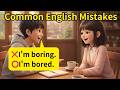
Common English Mistakes: Bored vs Boring, Past Tenses & Articles Explained
This video features a friendly conversation between Ken and Mina that explores frequent English errors made by learners. Key topics include the difference between "bored" and "boring," correct use of past tense verbs, natural verb patterns, and proper article usage, providing clear examples and practical tips to boost your English confidence.

CAIIB ABM मॉड्यूल A: सैंपलिंग के प्रकार (टाइप ऑफ सैंपलिंग) पूरी गाइड
इस क्लास में CAIIB ABM (एडवांस बैंक मैनेजमेंट) के मॉड्यूल A के अंतर्गत सैंपलिंग के सभी प्रमुख प्रकारों को सरल भाषा में समझाया गया है। आप जानेंगे कि पॉपुलेशन और सैंपल में क्या अंतर है, स्ट्रैटिफाइड और क्लस्टर सैंपलिंग में क्या फर्क है, और रैंडम तथा नॉन-रैंडम सैंपलिंग कब उपयोग की जाती है।
Most viewed summaries
A Comprehensive Guide to Using Stable Diffusion Forge UI
Explore the Stable Diffusion Forge UI, customizable settings, models, and more to enhance your image generation experience.
Kolonyalismo at Imperyalismo: Ang Kasaysayan ng Pagsakop sa Pilipinas
Tuklasin ang kasaysayan ng kolonyalismo at imperyalismo sa Pilipinas sa pamamagitan ni Ferdinand Magellan.

Mastering Inpainting with Stable Diffusion: Fix Mistakes and Enhance Your Images
Learn to fix mistakes and enhance images with Stable Diffusion's inpainting features effectively.

Pamamaraan at Patakarang Kolonyal ng mga Espanyol sa Pilipinas
Tuklasin ang mga pamamaraan at patakaran ng mga Espanyol sa Pilipinas, at ang epekto nito sa mga Pilipino.

How to Install and Configure Forge: A New Stable Diffusion Web UI
Learn to install and configure the new Forge web UI for Stable Diffusion, with tips on models and settings.
Found this summary useful?
Take it with you. One click puts it in your own LunaNotes library.
Save to LunaNotes