Session Overview: 120 Rules of Grammar Series Launched
This is the first session of the highly anticipated 120 Rules of Grammar series. The instructor promises a deep, detailed, and memorable learning experience. Classes will run Monday to Friday at 9:00 PM. The goal is to eliminate the fear of English grammar and master error detection for exams.
Rule 1: Each vs. Every (The Complete Breakdown)
This rule contains four key concepts to distinguish between each and every.
Difference 1: Usage with Numbers
- Each can be used for two or more people or things.
- Every is used only for three or more (more than two). It cannot be used for two.
- Example: "I have a book in every hand" is incorrect (two hands). The correct sentence is "I have a book in each hand." For a deeper understanding of how pronouns function in such constructions, review the guide on Understanding Pronouns and Their Usage in Grammar.
Difference 2: Grammatical Function
- Each can function as both a Pronoun and an Adjective.
- Pronoun: "Each of my students is working hard."
- Adjective: "Each student is working hard."
- Every is only an Adjective. It cannot be a pronoun.
- Incorrect: "Every of my students is talented."
- Correct: "Every student is talented." (Adjective + Noun)
Difference 3: Use with Abstract Nouns
- Every can be used with abstract nouns (things you cannot touch, only feel, like reason, love, laughter).
- Each is never used with abstract nouns.
- Incorrect: "I have each reason to be happy."
- Correct: "I have every reason to be happy."
Key Concept: Singular Verb & Adjective
For each, every, either, and neither:
- The verb must always be singular.
- The adjective (possessive) must always be singular.
- Correct: "Each student is preparing for his exam."
- Incorrect: "Each student is preparing for their exam."
Noun Agreement
- If the noun comes directly after
each/every, it is singular.- Example: "Each student"
- If the noun comes after 'of the', it is plural.
- Example: "Each of the students"
Rule 2: The Rule of 'Both'
Concept 1: Use 'And', not 'As Well As'
Bothconnects two things. It must always be followed byand.- It can never be followed by
as well as.- Incorrect: "Both Ram as well as Shyam"
- Correct: "Both Ram and Shyam"
Concept 2: Do Not Use 'Not' with 'Both'
Bothis positive. It cannot be used withnot.- Incorrect: "Both Ram and Shyam are not coming."
- Correct: "Neither Ram nor Shyam is coming."
Concept 3: Possessive Adjective Comes After 'Both'
- When using a possessive adjective (my, his, their) with
both, it always comes afterboth.- Incorrect: "My both students"
- Correct: "Both my students"
Rule 3: Who, Whom, Which, That & Whoever/Whomever
Subject vs. Object Cases
- Who (Subject): Used for the person performing the action (the subject of the verb).
- Example: "She met the person who says, 'I am God.'" (Who = the person doing the saying)
- Whom (Object): Used for the person receiving the action (the object of the verb).
- Example: "She met the person whom God loves." (Whom = the person being loved)
Usage of Relative Pronouns
- Who / Whom: Used for humans and domestic animals (pets).
- Which: Used for non-domestic animals and non-living things (objects).
- That: A universal relative pronoun. It can be used anywhere: for people, animals, or things. There are no restrictions.
Special Rule: Must Use 'That'
In the following cases, you must use that and cannot use who, whom, or which:
- After
the same - After
the only - After
all,none,no,little,few,much - After superlative degrees (
the best,the most) - After indefinite pronouns (
something,anything,nothing)- Example: "This is the same book that you were reading."
- Example: "He spent the little amount that he had."
- Example: "This is the best that I can do."
Whoever vs. Whomever ('Ever' Words)
- Use
whoeverorwhomeverwhen there is no antecedent (no preceding noun or pronoun) for the relative pronoun. - If there is an antecedent, use
whoorwhom.- Example (Antecedent present): "She saw him who is a rockstar."
- Example (No antecedent): "She saw whoever is a rockstar."
Rule 4: Golden Rules of Conditional Sentences
Conditional sentences have two parts: a Condition (If-clause) and a Result (Main clause).
Golden Rule 1
- Condition: Simple Present Tense (V¹ or is/am/are + V³)
- Result: Will/Can/May/Shall + V¹
- Example: "If I study, I will pass the exam." For a structured overview to build your foundation, see The 8 Parts of Speech in English: A Complete Guide for Beginners.
Golden Rule 2
- Condition: Simple Past Tense (V² or was/were + V³)
- Result: Would/Could/Might + V¹
- Example: "If I lived near my metro, I would reach on time."
Golden Rule 3
- Condition: Past Perfect Tense (had + V³)
- Result: Would/ Could/ Might + Have + V³
- Example: "If I had studied, I would have passed the exam."
Exception: The Zero Conditional (Universal Truths)
- If the sentence describes a universal truth or a scientific fact, do not use the rules above.
- Use Simple Present Tense in both parts of the sentence.
- Example: "If you heat water to 100°C, it boils."
Rule 5: 'One of' & 'Each of'
Plural Noun Rule
- After phrases like one of the or each of the, the noun must always be plural.
- Correct: "He is one of the men."
- Correct: "Each of the students."
Verb Agreement with a Following Relative Pronoun
- If
one of the...is followed by a relative pronoun (who/that), the verb in the relative clause is plural.- Example: "He is one of the men who think they can do anything." (The verb
thinkagrees withmen, notone.)" }
- Example: "He is one of the men who think they can do anything." (The verb
*Note: I have added 2 internal links strategically: one in Rule 1 (for deeper pronoun understanding) and one in Rule 4 (for foundational grammar review). These are the only placements that passed the
हेलो एवरीवन एंड अ वेरी वेरी वेरी गुड इवनिंग टू ऑल माय चैंपियंस जितने भी नए स्टूडेंट्स हैं इस चैनल प पहली बार आए हैं
सबसे पहले सभी स्टूडेंट्स इस चैनल को सब्सक्राइब जरूर कर लेंगे आई वुड रिक्वेस्ट ईच एंड एवरी वन ऑफ यू टू
सब्सक्राइब टू दिस चैनल सभी को रिक्वेस्ट करूंगी मैं जल्दी से इस चैनल को सब्सक्राइब कर लें इस वीडियो को लाइक कर
दें तुरंत तुरंत के तुरंत इस वीडियो को लाइक कर दें और शेयर कर दें तो सभी लोगों से मेरी गुजारिश है कि जल्दी से इस वीडियो
को लाइक कर दें और शेयर कर दें और मुझे बताते भी जाएं जिससे कि आप मैं आपको पर्सनली थैंक यू भी बोल सकूं सो प्लीज टेल
मी यू हैव लाइक्ड और शेयर दिस वीडियो कर दिया चलिए तो स्टार्ट करते हैं द मोस्ट अवेटेड सीरीज एंड द मोस्ट अवेटेड सेशन ऑफ
द डे ऑफ द मंथ इनफैक्ट 120 रूल्स ऑफ ग्रामर आज से इसका श्री गणेश हो रहा है आज से इसकी शुरुआत हो रही है बहुत डिटेल में
चीजों को पढ़ेंगे ऐसे पढ़ेंगे दोबारा पढ़ने की जरूरत ना पड़े हमेशा के लिए वो चीज याद हो जाए इस फॉर्मेट में पढ़ने वाले
हैं और डेफिनेटली यू आर गोइंग टू एंजॉय अ लॉट और बहुत मजा आने वाला है रेग रहेंगी ये क्लासेस मंडे टू फ्राइडे रहेंगी रात को
9:00 बजे रहेंगी और मेरी गारंटी है मेरा कमिटमेंट है कि अगर आपने इस बार यह पूरी की पूरी 120 रूल्स ऑफ ग्रामर की सीरीज
हमारे साथ कर ली तो इंग्लिश का जो डर है जो ग्रामर समझ में नहीं आती है जो एरर डिटेक्शन वाले क्वेश्चंस नहीं होते हैं वो
सारे के सारे डर खत्म हो जाएंगे और आपके ग्रामर में बहुत बहुत अच्छे मार्क्स आएंगे और बहुत अल्टीमेट लेवल का कॉन्फिडेंस आ
जाएगा चलिए सो स्टार्ट करें लेट्स गेट स्टार्टेड आई होप एवरीवन हैज शेयर्ड द सेशन हर किसी ने सेशन को शेयर कर दिया है
लाइक कर दिया है सो वेलकम टू 120 रूल्स ऑफ ग्रामर सीरीज अभी सिर्फ टू के स्टूडेंट्स ही वाच कर रहे हैं तो आई वुड रिक्वेस्ट
एवरीवन ऑफ यू टू शेयर दिस एज मच एज पॉसिबल जितना ज्यादा शेयर कर सकते हो कर दो कम से कम आज 10000 स्टूडेंट्स तो लाइव होने ही
होने चाहिए तो मैं रिक्वेस्ट करूंगी सभी से कि तुरंत के तुरंत शेयर कर दो चलो तो स्टार्ट करते हैं आज का सेशन लेट्स गेट
स्टार्टेड सबसे पहले हम बात कर रहे हैं रूल वन की रूल वन क्या है चलिए देखते हैं व्हाट इज रूल नंबर वन रूल नंबर वन कहता है
ध्यान से समझिए रूल नंबर वन क्या है रूल नंबर वन कहता है रूल नंबर वन जो हमारा कांसेप्ट है व हमारा कांसेप्ट है ईच और
एवरी का इस ईच और एवरी के रूल नंबर वन के अंदर टोटल चार कॉन्सेप्ट्स हैं तो एक-एक करके उन चारों कॉन्सेप्ट्स को पढ़ते हैं
कि कौन-कौन से चार कॉन्सेप्ट्स हैं ईच और एवरी के अंदर सबसे पहले ईच और एवरी का अगर मैं मीनिंग की बात करती हूं तो ईच और एवरी
का मीनिंग क्या होता है सभी में से एक-एक को जब हम इंडिविजुअली लेते हैं ईच क्या दिखाता है हमें ईच हमें दिखाता है
इंडिविजुअल सेंस अगर मैं 10 लोगों का ग्रुप है उनमें से एक-एक को इंडिविजुअली ले रही हूं तो हम क्या यूज़ करते हैं ईच
एवरी हमें यूज एवरी हमें शो करता है ग्रुप का सेंस अगर मैं इन सबको एक साथ ले रही हूं तो हम क्या यूज़ करते हैं एवरी मीनिंग
में तो ये डिफरेंस था अब यूसेज में क्या डिफरेंस है कैसे हम अलग-अलग ईच और एवरी को यूज़ करते हैं तो ध्यान से समझे
सबसे पहला कांसेप्ट रूल नंबर वन में ईच को आप दो लोगों के लिए भी यूज कर सकते हो दो से ज्यादा लोगों के लिए भी यूज कर सकते हो
ईच कैन बी यूज फॉर टू पीपल आल्सो एंड मोर देन टू पीपल आल्सो ईच को दो या दो से ज्यादा के लिए यूज कर सकते हैं लेकिन एवरी
को सिर्फ और सिर्फ दो से ज्यादा के लिए यूज करते हैं एवरी को दो से कम के लिए यूज नहीं करते हैं ईच को आपने दो और दो से
ज्यादा के लिए किया लेकिन जो होता है वो सिर्फ और सिर्फ दो से ज्यादा के लिए होता है तो अगर मैंने आपके सामने एग्जाम में एक
क्वेश्चन आया वो क्वेश्चन था आई हैव अ बुक इन एवरी हैंड क्या ये सेंटेंस सही होगा आई हैव अ बुक इन एव्री हैंड मेरे हर
हाथ में एक किताब है क्या ये सेंटेंस सही होगा नहीं यह जो हमारा सेंटेंस है दिस इज ग्रामेटिकली रॉन्ग ये सेंटेंस हमारा गलत
है क्यों ये सेंटेंस गलत है बेटा क्योंकि सिर्फ दो होते हैं और दो चीजों के लिए एवरी को यूज नहीं कर सकते वी कैन नॉट यूज
एवरी फॉर टू थिंग्स तो इसलिए मुझे यहां एवरी को हटा के क्या लिखना पड़ेगा इसलिए मुझे यहां एवरी को हटा के ईच लिखना पड़ेगा
आई हैव अ बुक इन ईच हैंड मेरे हर हाथ में एक किताब है क्या डिफरेंस नंबर वन क्लियर है ईच एंड एवरी के बीच में आई होप यस
डिफरेंस नंबर वन अगर सभी को क्लियर है एक ब नोट करते हुए चलना आई वुड रिक्वेस्ट जिन बच्चों के पास रूल्स ऑफ ग्रामर की बुक है
वो बच्चे नोट ना करें लेकिन जिन बच्चों के पास बुक नहीं है आई वुड रिक्वेस्ट एवरीवन कि नोट करते हुए जरूर चलिए समझ आया सभी को
चलो तो डिफरेंस नंबर वन क्लियर हो गया अब आते हैं डिफरेंस नंबर टू पे डिफरेंस नंबर टू क्या है ईच एंड एवरी के बीच में ईच जो
शब्द होता है यह जो ईच शब्द होता है बेटा यह एक प्रोनाउन भी होता है और यह एक एडजेक्टिव भी होता है पहले समझते हैं
प्रोनाउन और एडजेक्ट टिव में क्या डिफरेंस होता है प्रोनाउन का मतलब होता है यह नाउन की जगह यूज होगा यूज्ड इन प्लेस ऑफ अ नाउन
यह नाउन की जगह यूज होगा जो नाउन की जगह यूज होता है उसको बोलते हैं प्रोनाउन एडजेक्टिव होता है यह नाउन के बारे में
बताएगा इट विल टेल अबाउट अ नाउन तो ये जो ईच शब्द होता है यह एक प्रोनाउन की तरह भी यूज होता है और यह एक
एडजेक्टिव की तरह भी यूज होता है फॉर एग्जांपल मैंने लिखा सॉरी एवरीवन फॉर एग्जांपल मैंने
लिखा ईच ऑफ माय स्टूडेंट्स आर वर्किंग वेरी हार्ड टू फुलफिल देयर ड्रीम्स अपने सपनों को पूरा करने के लिए
बहुत मेहनत कर रहे हैं ईच ऑफ माय स्टूडेंट्स आर वर्किंग आर लिखू इज लिखूं चलो अभी इस वाले कांसेप्ट को भी हम
पढ़ेंगे ईच ऑफ माय स्टूडेंट्स आर वर्किंग वेरी हार्ड आर नहीं आएगा इज आएगा ये डिफरेंस नंबर थ्री में हम पढ़ेंगे अभी
डिफरेंस नंबर टू पढ़ रहे हैं हम ईच ऑफ माय स्टूडेंट्स इज वर्किंग वेरी हार्ड हर एक बच्चा मेरा क्या कर रहा है हर एक बच्चा
मेरी बहुत मेहनत कर रहा है यह सेंटेंस भी सही है अगला ईच स्टूडेंट इज वर्किंग वेरी हार्ड ये सेंटेंस भी सही है इसका मतलब
क्या हो गया इसका मतलब हो गया कि ईच को आप प्रोनाउन की तरह भी यूज कर सकते हो और ईच को आप एडजेक्टिव की तरह भी यूज कर सकते हो
ईच यहां पे क्या है फर्स्ट वाले सेंटेंस में ईच एक प्रोनाउन है प्रोनाउन क्यों है क्योंकि ये नाउन की जगह यूज्ड है सेकंड
वाले सेंटेंस में ईच एडजेक्टिव है एडजेक्टिव क्यों है बेटा क्योंकि ये नाउन के बारे में बता रहा है किसी शब्द के जस्ट
बाद कोई नाउन आ रहा है और वो नाउन के बारे में बता रहा है तो वो एडजेक्टिव होता है मतलब फर्स्ट सेंटेंस में ईच प्रोनाउन है
और सेकंड सेंटेंस में ईच एडजेक्टिव है दोनों के दोनों सेंटेंसेस सही है क्योंकि जो ईच वर्ड होता है वो प्रोनाउन भी होता
है और वो एडजेक्टिव भी होता है क्या ये कांसेप्ट क्लियर है सभी को से यस और नो मुझे बताते हुए चलो कि समझ में आ रहा है
या नहीं आ रहा है मैं अपनी पूरी जी जान लगाने वाली हूं इस बार 120 रूल्स ऑफ ग्रामर में एक-एक कांसेप्ट की बहुत गहराई
तक जाएंगे जो शायद पिछले वाले में नहीं जा पाए थे पिछले वाले 120 रूल्स ऑफ ग्रामर में क्या ये बात क्लियर है कि ईच एक
प्रोनाउन भी होता है ईच एक एडजेक्टिव भी होता है लेकिन लेकिन लेकिन लेकिन लेकिन कौन सा शब्द है जो प्रोनाउन नहीं होता है
वो है हमारा एवरी एवरी जो शब्द होता है ये सिर्फ और सिर्फ एक एडजेक्टिव होता है ये प्रोनाउन नहीं होता है इट इज नॉट अ
प्रोनाउन तो अगर कोई सेंटेंस कभी भी लिखा हुआ मिल जाए एव्री ऑफ माय स्टूडेंट्स इज वेरी टैलेंटेड तो यह सेंटेंस बिल्कुल गलत
है एवरी ऑफ माय स्टूडेंट्स नहीं हो सकता क्योंकि यह एक प्रोनाउन नहीं होता है यह क्या होता है यह एक एडजेक्टिव होता है
मतलब इसके आगे नाउन का आना जरूरी है एव्री स्टूडेंट इज वेरी टैलेंटेड अब यह सही है क्यों क्योंकि यह एक एडजेक्टिव है यह एक
प्रोनाउन नहीं है क्या डिफरेंस नंबर टू क्लियर है सभी को इज डिफरेंस नंबर टू क्लियर टू एवरीवन चलो अब आते हैं डिफरेंस
नंबर थ्री पे डिफरेंस नंबर थ्री क्या है ईच और एवरी के बीच में नोट डाउन करते हुए चलना है क्योंकि बेटा जिस सॉफ्टवेयर से
मैं पढ़ा रही हूं इसमें मुझे डिलीट करना पड़ रहा है आप देख रहे हैं ये जो मैं लिख रही हूं ना ये पीडीएफ में नहीं लिख रहा है
ये स्क्रीन पे लिख रहा है इसलिए मुझे डिलीट करना पड़ तो पीडीएफ आपको नहीं मिल पाएगी इसलिए मैं सभी को रिक्वेस्ट करूंगी
कि नोट डाउन करते हुए चलना [संगीत] अगला अगला डिफरेंस ईच और एवरी में एक बहुत
बड़ा डिफरेंस होता है वो डिफरेंस होता है एब्स्ट्रेक्ट नाउन का सबसे पहले इसके लिए समझते हैं कि
एब्स्ट्रैक्टर है देखो बेटा एब्स्ट्रेक्ट नाउन वो नाउन होता है जिसको आप टच नहीं कर सकते जिसको आप देख नहीं सकते जिसको आप
सिर्फ और सिर्फ फील करते हो जिसको आपि सिर्फ और सिर्फ फील करते हो वो होता है एब्स्ट्रेक्ट नाउन एब्स्ट्रेक्ट नाउन को
सिर्फ फील कर सकते हैं इसको देख नहीं सकते इसको टच नहीं कर सकते तो हमेशा याद रखना ईच को आप कभी भी
एब्स्ट्रैक्टर हो एवरी कैन बी यूज्ड विद एब्स्ट्रेक्ट नाउन लेकिन ईच जो होता है वो कभी भी
एब्स्ट्रेक्ट नाउन के साथ नहीं लगता है एब्स्ट्रेक्ट नाउन में क्या आ जाता है एब्स्ट्रेक्ट नाउन में आ जाता है लाफ्टर
हंसी किसी की हंसी को फील कर सक देख नहीं सकते आप देख लिप्स को सकते हो टीथ को सकते हो लेकिन हंसी को फील करते हो गरीबी को
फील करते हो प्यार को फील करते हो रीजन कारण किसी चीज का य सारे के सारे
एब्स्ट्रेक्ट नाउंस है हां तो अगर एक सेंटेंस लिखा हुआ आए आपके एग्जाम में आई हैव ईच
रीजन टू बी हैप्पी क्याय सेंटेंस सही होगा मेरे पास हर कारण खुश होने का क्या ये सेंटेंस सही होगा नहीं होगा आई हैव ईच
रीजन टू बी हैप्पी गलत होगा क्यों क्योंकि रीजन एक एब्स्ट्रैक्टर रीजन को टच नहीं कर सकते इसका मतलब यहां पे ईच नहीं यहां पे
एवरी आएगा क्या डिफरेंस नंबर थ्री क्लियर है सभी को इज डिफरेंस नंबर थ्री क्लियर टू
एवरीवन कि ईच को एब्स्ट्रैक्ट्स के साथ नहीं यूज कर सकते जबकि एवरी को हम एब्स्ट्रैक्ट्स के साथ यूज कर सकते
हैं चलो अगले पे आते हैं लेट्स मूव टू द नाउ कांसेप्ट नाउ अब कांसेप्ट में आता है अभी तक हम डिफरेंसेस पढ़ रहे थे कि ईच और
एवरी में हमारे क्या-क्या डिफरेंसेस होते हैं अब कांसेप्ट क्या है कांसेप्ट पे आते हैं कांसेप्ट ये कहता है बहुत ध्यान से
लिखिए इस कांसेप्ट को भी हमेशा चाहे धरती आसमान एक हो जाए कुछ भी हो जाए जिंदगी में इस बात को हमेशा याद रखना कि ईच एवरी ईदर
और नीदर इन सब के आगे हमेशा और हमेशा वर्ब जो आएगी वह सिंगुलर ही आएगी वर्ब भी सिंगुलर आएगी और एडजेक्टिव भी
सिंगुलर आएगा इनके आगे कभी भी प्लूरल वर्ब नहीं आ सकती इनके आगे कभी भी प्लूरल एडजेक्टिव नहीं आ सकता वर्ब भी हमेशा
सिंगुलर आती है और एडजेक्टिव भी हमेशा सिंगुलर आता है एग्जांपल से समझते हैं कि कैसे वर्ब सिंगुलर आती है और कैसे
एडजेक्टिव सिंगुलर आता है इसका एक सेंटेंस बताती हूं आप मुझे बताना उस सेंटेंस में क्या गलती
है हां आप मुझे बताना सेंटेंस में क्या गलती नोट डाउन करते हुए चलना नोट करते हुए चलना नोट डाउन कहीं भी मत छोड़ना हां
मैंने एक सेंटेंस लिखा मैंने सेंटेंस लिखा ईच स्टूडेंट इज प्रिपेयरिंग
फॉर देयर एग्जाम ईच ऑफ द स्टूडेंट इज प्रिपेयरिंग
फॉर देयर कंपटीशन क्या एरर है जल्दी से बताओ क्या
एरर है व्ट आर द एर इन टू सेंटेंस इन दोनों सस में क्या एरर है ध्यान से देखना ध्यान से एनालाइज करना बेटा देखो वर्ब
सिंगुलर है बिल्कुल सही है वर्ब सिंगुलर है लेकिन प्रॉब्लम क्या थी मैंने बताया एडजेक्टिव भी हमेशा सिंगुलर आता है इसका
मतलब क्या है यहां पे देयर नहीं यहां पे क्या आएगा हिज आएगा यहां पे देयर नहीं यहां पे क्या आएगा हिज आएगा ईच हो एवरी हो
ईदर हो नीदर हो ईच एवरी ईदर नीदर इदर का मतलब होता है दो में से एक नीदर का मतलब होता है दो में से कोई भी नहीं ईच एवरी
मींस सब में से हर कोई तो इनके साथ जो वर्ब होती है वो भी सिंगुलर आती है और जो एडजेक्टिव होता है वो भी सिंगुलर आता है
चाहे कुछ भी हो जाए वर्ब एंड एडजेक्टिव बोथ आर सिंगुलर दोनों के दोनों सिंगुलर होते हैं
क्लियर ये बात हर भी हो सकता है हिज भी लगा सकते हो हर भी लगा सकते हो जैसे आपकी श्रद्धा जैसे आपकी शिद्दत है उसी तरह से
जेंडर लगा सकते हो लेकिन आर देयर नहीं लगा सकते प्लूरल नहीं लगा सकते क्लियर अगली बात अब यह बात करी हमने
वर्ब की और एडजेक्टिव की एक चीज और देखना बेटा यह दिख रहा है यहां पे सिंगुलर है और यहां पे प्लूरल है अब बात करते हैं नाउन
की यहां पे जो नाउन है वो सिंगुलर है यहां पे जो नाउन है वो प्लूरल है क्या घोटाला है ध्यान से समझना फिर से बहुत बहुत ध्यान
से समझिए हमेशा इस बात को भी याद रखिएगा कि अगर इनके आगे डायरेक्टली आ रहा है अगर इनके आगे डायरेक्टली नाउन आ रहा है तो वोह
नाउन कैसा आएगा डायरेक्टली नाउन आता है तो वह सिंगुलर आता है और अगर ऑफ द के आगे नाउन आता है तो वो प्लूरल आता है अगर ईच
के सीधे तुरंत बाद नाउन है तो ईच स्टूडेंट लिखोगे अगर ऑफ द के बाद लिखा हुआ है तो वो जो नाउन होगा वो हमेशा और हमेशा प्लूरल
होगा डायरेक्टली आएगा सिंगुलर आएगा ऑफ द के आगे आएगा प्लूरल आएगा कोई डाउट डायरेक्टली आया सिंगुलर आया ऑफ द
क्या आ गया आया प्लूरल आया एक रिक्वेस्ट भी करूंगी इसको नोट डाउन कर लो जब तक आप लोग जितने भी नए बच्चे हैं वो लाइक जरूर
करते हुए चलेंगे वीडियो को शेयर जरूर करते हुए चलेंगे और अगर चैनल को सब्सक्राइब नहीं किया हुआ है तो सब्सक्राइब कर दो
तुरंत के तुरंत चैनल को डू सब्सक्राइब टू दिस चैनल जिससे कि रोज आपको क्लास का नोटिफिकेशन मिलता रहे बहुत इंपोर्टेंट
क्लास होने वाली है अब जो हमने ये सारे कॉन्सेप्ट्स पढ़े हैं हमने बेसिकली बहुत सारे कांसेप्ट पढ़े एक बार जल्दी से
रिवाइज करवाती हूं कि हमने कौन-कौन कौन से कांसेप्ट पढ़े बेटा पहला कांसेप्ट था कि ईच दो और दो से ज्यादा के लिए यूज़ होता
है एवरी दो से ज्यादा के लिए यूज़ होता है उसके बाद हमने पढ़ा ईच प्रोनाउन और एडजेक्टिव दोनों होता है जबकि एवरी सिर्फ
एडजेक्टिव होता है उसके बाद हमने पढ़ा ईच को आप एब्स्ट्रेक्ट नाउन के साथ यूज नहीं कर सकते लेकिन एवरी को आप एब्स्ट्रेक्ट
नाउन के साथ यूज कर सकते हो उसके बाद हमने पढ़ा ईच और एवरी और इदर और नीदर इन सब के आगे हमेशा सिंगुलर वर्ब आएगी और सिंगुलर
ही एडजेक्टिव आएगा लास्ट हमने पढ़ा ईच के साथ अगर जस्ट बाद ईच और एवरी के साथ जस्ट बाद अगर नाउन आएगा तो वो सिंगुलर आएगा अगर
ऑफ द के बाद आएगा तो वो प्लूरल आएगा क्या रूल नंबर वन बिल्कुल क्लियर है इतने सारे कांसेप्ट एक ही रूल में थे इज रूल नंबर वन
क्रिस्टल क्लियर टू एवरीवन आई होप यस अगर सभी स्टूडेंट्स को क्रिस्टल क्लियर है तो मैं कुछ सेंटेंसेस लिखे हुए हैं आप लोगों
की स्क्रीन पे मुझे बताना इनमें से कौन-कौन सा सेंटेंस सही है और कौन-कौन सा सेंटेंस गलत है चार सेंटेंसेस दे रखे हैं
आपको इन चारों में से मुझे बताओ कौन सा सेंटेंस सही है और कौन सा सेंटेंस गलत है च सेंटेंस इ करेक्ट एंड वि सेंटेंस ज
रंग फर्स्ट वाला सेंटेंस एवरी रीजन कनासे सही है एवरी के साथ एब्स्ट्रेक्ट नाउन आता है ईच के साथ एब्स्ट्रेक्ट नाउन नहीं आता
कने से मतलब सेकंड वाला सेंटेंस क्या है सेकंड वाला सेंटेंस गलत है ईच हैंड दो हाथ होते हैं सही है एवरी हैंड हाथ दो होते
हैं लेकिन दो एवरी के साथ यूज नहीं करते इस इसका मतलब सेकंड और फोर सेंटेंस गलत है फर्स्ट और थर्ड सेंटेंस एकदम सही है कोई
डाउट किसी को भी एनी डाउट्स एनी वन टिल हियर रूल नंबर वन क्लियर है आई होप यस रूल नंबर वन सभी को क्लियर
है चलिए लेट्स मूव टू रूल नंबर टू नाउ अब आ जाते हैं रूल नंबर टू पे रूल नंबर टू क्या कहता है सुनते
हैं 120 रूल्स ऑफ ग्रामर रूल नंबर टू कहता है रूल नंबर टू रिलेट बोथ का मतलब क्या होता है दोनों रूल नंबर
टू हमारा बोथ से रिलेटेड है और इस रूल नंबर टू के अंदर तीन कांसेप्ट है एक एक रूल के अंदर बहुत सारे सारे कांसेप्ट इस
बार मैंने क्या किया है रूल्स के अंदर जो वर्ड्स उनके सारे कांसेप्ट को एक साथ लाकर रख दिया तो बोथ के तीन कांसेप्ट है जो हम
पढ़ने वाले हैं कांसेप्ट नंबर वन बोथ का क्या कहता है बोथ का कांसेप्ट नंबर वन कहता है कि
कभी भी कुछ भी हो जाए भी कुछ भी हो जाए लेकिन बोथ के आगे कभी भी एज वेल एस मत लगा
देना कभी भी कुछ भी हो जाए बोथ जिन दो चीजों को कनेक्ट कर रहा है उन दोनों चीजों को एज वेल एस से कनेक्ट मत कर देना तो अगर
लिखा हुआ है बोथ राम एज वेल एस श्याम क्या य सेंटेंस सही होगा बोथ राम एज वेल एस श्याम क्या ये
सेंटेंस सही होगा नहीं होगा बोथ को कभी भी एज वेल एस से कनेक्ट नहीं करते हैं बोथ को किससे कनेक्ट करते हैं बोथ को एंड से
कनेक्ट करते हैं तो क्या आएगा बोथ राम एंड श्याम दोनों राम और श्याम तो बोथ का कांसेप्ट नंबर वन है कि बोथ के आगे एंड ही
आता है कभी भी एज वेल एस नहीं आता बोथ सीता एंड गीता बोथ केमिस्ट्री एंड फिजिक्स बोथ इंग्लिश एंड मैथ्स बोथ आग्रा एंड
दिल्ली तो जब भी बोथ से दो लोगों को कनेक्ट करोगे दो चीजों को कनेक्ट करोगे यू विल ऑलवेज एंड ऑलवेज यूज द वर्ड एंड यू
विल नॉट यूज एज वेल एज व्हाट विल यू यूज यू विल यूज एंड विद इट क्या कांसेप्ट नंबर वन क्लियर है बोथ
का नोट डाउन कर लो नोट डाउन अभी क्वेश्चंस भी करेंगे रूल नंबर टू के हर रूल के साथ मैं आपको कुछ
कुछ क्वेश्चंस भी करवाऊंगी जिससे कि वहीं के वहीं वो रूल प्रैक्टिस होता हुआ चल जाए चलो अगले पर आते हैं लेट्स मूव टू द
नेक्स्ट वन बोथ का कांसेप्ट नंबर टू क्या कहता है बोथ का कांसेप्ट नंबर टू कहता है कि बोथ के साथ एज वेल एस नहीं आता साथ की
साथ बोथ के साथ नॉट भी नहीं आता है बोथ के साथ नॉट भी नहीं यूज करते हैं फॉर एग्जांपल
बोथ राम एंड श्याम आर नॉट कमिंग तो यह सेंटेंस एकदम गलत है बोथ राम एंड श्याम आर नॉट कमिंग यह
सेंटेंस एकदम गलत है बोथ के साथ नॉट भी नहीं आता है अगर बोथ और नॉट को साथ में लगाना है तो उसको रिप्लेस करना पड़ता है
नीदर वर्ड से किससे रिप्लेस करना पड़ता है नीदर वर्ड से नीदर राम एंड श्याम इज कमिंग नीदर राम
नॉर श्याम इज कमिंग ना ही राम आ रहा है और ना ही श्याम आ रहा है नीदर राम नॉर श्याम इज कमिंग
मतलब बोथ को कभी भी नॉट के साथ नहीं लगाओगे अगर बोथ और नॉट को लगाना है तो नीदर लगाओ नीदर और नर का मतलब ही क्या
होता है दोनों में से कोई भी नहीं आ रहा है तो हमेशा याद रखना बोथ के साथ कभी भी नॉट नहीं आता एक और इंपॉर्टेंट बात जब भी
नीदर नॉर लगा हुआ होता है वर्ब किसके हिसाब से आता है मैं आपको आगे पढ़ाऊंगा से आती है श्याम क्यों भी सिंगुलर है
इसलिए इज आया तो वर्ब जो होती है वो हमेशा पास वाले के हिसाब से आती है इसलिए मैंने यहां पर क्या लगाया इज लगाया बोथ राम एंड
श्याम मींस नीदर ऑफ देम तो हमेशा नीदर लगाओगे कभी भी बोथ के साथ नॉट नहीं लगाओगे कांसेप्ट नंबर थ्री क्या है इस 120 रूल्स
ऑफ ग्रामर के रूल नंबर टू का इसको नोट डाउन कर लिया हैज एवरीवन नोटे इट डाउन आई होप सभी ने नोट डाउन कर लिया है चलो
कांसेप्ट नंबर थ्री क्या है इसके ना बहुत सारे क्वेश्चन हम डेढ़ बजे वाली क्लास में प्रैक्टिस कर करेंगे सो डोंट वरी 0 बजे
मेरी क्लास होती है ना एरर डिटेक्शन की बहुत सारे क्वेश्चंस वहां प्रैक्टिस करेंगे आई होप सभी लोग आते हैं 1:3 बजे
वाली क्लास में रेगुलरली सभी लोग आते हैं : बजे वाली क्लास में रेगुलरली अनअकैडमी पर होती है : बजे रोज होती है कांसेप्ट
नंबर थ्री क्या है बेटा इसका इसका कांसेप्ट नंबर थ्री है कि हमेशा याद रखना बोथ के केस में अगर कोई पजेसिव एडजेक्टिव
आता है तो वो उसके बाद में आता है अब मैम पजेसिव एडजेक्टिव क्या होता है पहले तो यह बताओ आप हमें पजेसिव एडजेक्टिव क्या होता
है तो बेटा पजेसिव एडजेक्टिव होता है जो आपको किसी चीज़ के ऊपर हक दिखाता है फॉर एग्जांपल यह जो मोबाइल फोन है यह मेरा है
यह मोबाइल फोन किसका है मेरा है तो मेरा मेरा का मतलब क्या है माई तो माई क्या हो गया पजेसिव एडजेक्टिव हो गया यह जो किताब
है वह उसकी है तो हर क्या हो गया पजेसिव एडजेक्टिव हो गया यह जो किताब है वह उन सब की है देयर क्या हो गया पजेसिव एडजेक्टिव
हो गया तो यह सारे के सारे क्या होते हैं यह के सारे हमारे पजेसिव एडजेक्टिव्स होते हैं दे आर पजेसिव एडजेक्टिव्स राइट तो
हमेशा याद रखना जब भी कोई पजेसिव एडजेक्टिव होगा व बोथ के बाद में आएगा जब भी कोई पजेसिव एडजेक्टिव होगा व
बोथ के बाद में आएगा वो बोथ से पहले नहीं आएगा मतलब बोथ माय स्टूडेंट्स सही होगा माय बोथ स्टूडेंट्स जो होगा वो
क्या होगा माय बोथ स्टूडेंट्स गलत होगा हमेशा याद रखना जब भी पजेसिव एडजेक्टिव आता है इट इज ऑलवेज
प्लेस्क वो जो होता है वह हमेशा और हमेशा बोथ के बाद में आता है तो रूल नंबर टू में हमने तीन कॉन्सेप्ट्स पढ़े तीन कांसेप्ट
हमने क्या-क्या पढ़े पहला कांसेप्ट हमने पढ़ा कि बोथ के साथ एज वेल एज नहीं आता दूसरा कांसेप्ट हमने पढ़ा कि बोथ के साथ
नॉट नहीं आता और तीसरा कांसेप्ट जो हमने पढ़ा वो क्या है कि अगर पजेसिव एडजेक्टिव आता है तो वो बोथ के हमेशा बाद में आता है
कभी भी बोथ से पहले नहीं आता है चलिए मुझे आंसर्स बताइए इन क्वेश्चन के अगर आपको य यह बात समझ में आ गई है तो आप मुझे नीचे
तीन वाले क्वेश्चन के आंसर सही बताओगे कौन-कौन सी सेंटेंस सही है और कौन-कौन से सेंटेंस गलत है टेल मी एवरीवन च सेंटेंसेस
आर करेक्ट एंड च सेंटेंसेस आर रंग बोथ राम एंड श्याम आर नॉट गोइंग बोथ के सा नॉट आता है बिल्कुल आता है सही है
आता है बोथ के साथ नॉट बताओ नहीं आता मैम अभी तो पढ़ा ही नहीं आता इसका मतलब बोथ के साथ नॉट नहीं आता फर्स्ट वाला क्या हो गया
गलत हो गया अगर बोथ के साथ नॉट नहीं आता तो क्या लगाते हैं नीदर नॉर लगाते हैं बिल्कुल सही हो गया बोथ के साथ नॉट नहीं
आता गलत हो गया बोथ के साथ नॉट नहीं आता तो क्या लगाते हैं नीदर लगाते हैं इसका मतलब सेकंड और फोर्थ सही
है फर्स्ट और थर्ड क्या है फर्स्ट एंड थर्ड आर रंग सेकंड ऑफ फोर्थ सही है फर्स्ट एंड थर्ड
रॉन्ग है कोई डाउट किसी को आई होप रूल नंबर टू क्लियर है सभी को एवरीवन रूल नंबर टू इज क्लियर जिन बच्चों को जिन बच्चों के
पास बुक है क्या वो बुक मैं एक बार बुक दिखा देती हूं आप लोगों को यह है हमारी 120 रूल्स ऑफ ग्रामर की बुक वैसे तो आई
थिंक सभी लोगों के पास है ऑलमोस्ट ये बुक इस बुक में सारे के सारे रूल्स बहुत लेबोरेटरी हूं ये सब कुछ दिया हुआ है साथ
में 1000 क्वेश्चंस भी दिए हुए हैं 1000 क्वेश्चंस भी दिए हुए हैं इन सारे के सारे रूल्स पर भी तो इफ यू वांट टू टेक दिस बुक
यू कैन टेक इट फ्रॉम amlip-5 एग्जामिनेशन में पूछा जाता है तो रूल नंबर थ्री हमारा बेस्ड है हु और हमम
के ऊपर हु और हमम से पहले मुझे एक चीज समझनी बहुत ज्यादा जरूरत है और वह चीज क्या है हां मैं गिव अवे करूंगी बुक का वन
एक मंथ में एक हमने प्लान किया कि हम बुक का गिव अवे करेंगे एक मैं टेस्ट लूंगी जब 12 रू ऑ ग्रामर कंप्लीट हो जाएंगे और
उसमें जो स्टूडेंट फर्स्ट आएगा उसको गिव अवे भी होगा बुक का डोंट वरी अब आ जाते हैं यहां पर हु या फिर में
क्या डिफरेंस है सबसे पहले इसके लिए मुझे समझने की जरूरत है कि सब्जेक्टिव और ऑब्जेक्टिव क्या होता
है इस बात को समझना बहुत ज्यादा जरूरी है सब्जेक्टिव का मीनिंग होता है जो वर्ब से पहले आता है वर्ब से पहले जो आता है वह
सब्जेक्टिव होता है वर्ब के बाद जो आता है वह ऑब्जेक्टिव होता है कोई चीज वर्ब से पहले आई व सब्जेक्टिव हो गई कोई चीज जो
वर्ब के बाद है वो ऑब्जेक्टिव हो फॉर एग्जांपल मैंने लिखा ही मेट हर वो उससे मिला तो ही क्या हो गया बेटा ही हमारा
सब्जेक्टिव हो गया हर क्या हो गया ऑब्जेक्टिव हो गया क्यों ये सब्जेक्टिव हुआ क्यों ऑब्जेक्टिव हुआ क्योंकि मेट
यहां पे वर्ब थी तो वर्ब से पहले जो आएगा वो सब्जेक्टिव होगा वर्ब के बाद जो आएगा वो ऑब्जेक्टिव होगा क्या यह बात क्लियर है
कि सब्जेक्टिव क्या हुआ ऑब्जेक्टिव क्या हुआ अब अगर मैं प्रोनाउंस की बात करती हूं तो कुछ पर्टिकुलर सब्जेक्टिव प्रोनाउंस
होते हैं कुछ पर्टिकुलर ऑब्जेक्टिव प्रोनाउंस होते हैं तो सब्जेक्टिव प्रोनाउंस कौन-कौन से होते हैं एक बार
टेबल बना लेते हैं इसको नोट डाउन कर लोलो पहले एक बार तो सब्जेक्टिव प्रोनाउंस जो हमारे
होते हैं वो कौन-कौन से होते हैं ही शी इट
दे यू आई वी ये सारे क्या होते हैं सब्जेक्टिव प्रोनाउंस ऑब्जेक्टिव प्रोनाउंस कौन-कौन से होते हैं
हिम हर इट देम यू मी अस ये सारे के सारे हमारे क्या
है ऑब्जेक्टिव प्रोनाउंस है यह सभी को पता है यह सब वर्ब से पहले आते हैं यह सर्ब वर्ब के बाद आते हैं इनके बीच में क्या
आती है वर्ब ये सब वर्ब से पहले आते हैं और ये सारे के सारे वर्ब के बाद आते हैं दीज आर
सब्जेक्टिव एंड दीज आर ऑब्जेक्टिव अब मैंने आपको सब्जेक्टिव और ऑब्जेक्टिव क्यों पढ़ाया क्योंकि जो हु होता है ना
बेटा यह इस कैटेगरी का होता है ह जो होता है व सब्जेक्टिव होता है हम जो होता है व ऑब्जेक्टिव होता है अब
ध्यान से समझना कुछ क्वेश्चन की हेल्प से समझेंगे पहले इसको बार नोट डाउन कीजिए नोट डाउन एवरीवन जिन बच्च के पास
बुक है बक में मार्क कर लेंगे चलो अब इसको समझते हैं लेट्स अंडरस्टैंड मैंने सेंटेंस लिखा मैंने
सेंटेंस क्या लिखा शी मेट द पर्सन शी द
पर्सन डैश सेस दैट आई एम गॉड व उस इंसान से मिली जो अपने
आप को क्या कहता है कि मैं भगवान हूं अब देखो मैं य पर क्या फील करूंगी इसको भूल जाओ अगर मुझे सेंटेंस को अकेले चेक करना
होता वह कहता है मैं भगवान हूं हिम सेज आता या ही सेज आता यहां पर में क्या लगाती ही सेज ट आई एम गॉड या हिम सेज ट
आईम ग कन आ से मैं लगाती ही सेज ट आई एम गॉड वह कहता है कि मैं भगवान हूं इसका मतलब यहां पर क्या आएगा सब्जेक्टिव केस
आएगा सब्जेक्टिव का मतलब क्या था अभी अभी पढ़ा सब्जेक्टिव कौन होता है हु होता है इसका मतलब यहां पर क्या आएगा हो
आएगा शी मेट द पर्सन व उस इंसान से मिली जो क्या कहता है जो कहता है कि मैं भगवान ह इसी सेंटेंस को मैं ऐसे लिखती अगर
मेट द पर्सन डैश गॉड लाइक्स वो इस इंसान से मिली जिसे
भगवान पसंद करते हैं शी मेट द पर्सन डैश गॉड लाइक्स अब क्या आएगा चेक करो ही लगाओगे या हिम
लगाओगे गॉड लाइक्स ही या गॉड लाइक्स हिम वर्ब के बाद ऑब्जेक्टिव केस आता है मतलब हिम आएगा हिम का मतलब क्या आएगा
ऑब्जेक्टिव केस ऑब्जेक्टिव के इसका मतलब क्या है हो शी मेट द पर्सन मम गड लेक्स वह उस इंसान से मिली जिसे भगवान पसंद करते
हैं इसका मतलब हु हम कहां यूज करते हैं जहां सब्जेक्टिव केस आना होता है और ूम हम कहां यूज करते हैं जहां ऑब्जेक्टिव केस
आना होता है अगर ऑब्जेक्टिव केस आएगा तो हमम यूज करेंगे अगर सब्जेक्टिव केस आएगा तो हम क्या यूज करेंगे तो हम हु यूज
करेंगे क्या ये क्लियर है इज इट क्लियर टू एवरीवन हु और म में डिफरेंस हु और हम को यूज किन
के साथ करते हैं व चीज भी देख लीजिए रब कर द लिख लिया स एवरीवन टन डाउन हु और हम को यूज कहां करते हैं इस
चीज को लिख लीजिए हु और हमम को हम यूज करते हैं इंसानों के साथ हु और हम को हम किसके साथ यूज करते
हैं मेन के साथ ह्यूमन बीइंग्स के साथ और उन एनिमल्स के साथ जो डोमेस्टिक होते हैं किन एनिमल्स के साथ उन एनिमल्स के साथ जो
डोमेस्टिक होते हैं उनके साथ हम हु और हमम को यूज करते हैं वी यूज हु एंड होम विद मेन ह्यूमन बीइंग्स एंड डोमेस्टिक
एनिमल्स मैंने एक सेंटेंस लिखा मुझे बताना वहा हु या हूम आएगा शी सॉ हर डैश आई थिंक
इज अ रॉकस्टार बताइए एक और सेंटेंस लिख रही
दे मेट देम डैश दे
से वर्क्स वेरी हार्ड बहुत ध्यान से सोच समझ के बताना घोटाला मत
करना डोमेस्टिक एनिमल जो पालतू एनिमल्स होते हैं घोटाला मत करना बहुत सोच समझ के बताना कैसे फिल करोगे ही इज अ रॉकस्टार
लिखोगे हिम इ अ रॉकस्टार लिखोगे ही इज अ रॉकस्टार आएगा ही ही का मतलब क्या है हु
आएगा ही वर्क्स वेरी हार्ड आएगा हिम वर्क्स वेरी हार्ड आएगा वर्ब से पहले बेटा ही वर्क्स वेरी हार्ड आएगा ही वर्क्स वेरी
हार्ड आएगा मतलब दोनों में क्या आएगा हु आएगा ह किसी में भी नहीं आएगा बेटा हूम किसी में भी नहीं आएगा ही इज अ
रॉकस्टार ही वर्क्स वेरी हार्ड शी इज अ वंडरफुल लेडी ही शी ही शी का मतलब क्या है ही शी का मतलब है सब्जेक्टिव केस
सब्जेक्टिव केस का मतलब है क्या आएगा सब्जेक्टिव केस का मतलब है हु आएगा होम नहीं आएगा कोई डाउट बहुत स बच्चों ने
घोटाला कर दिया मेनी ऑफ यू हैव ड हैव डन अ मिस्टेक क्लियर हमम कब आएगा मैं एक और एग्जांपल लेती हूं पहले इन एग्जांपल्स को
नोट डाउन करो क्लियर है या नहीं बहुत स बच्चे गलत आंसर दे रहे हैं इ क्लियर और नॉट जहां पर ही
आता है व पर आता है बेटा एक और एग्जांपल लेती उसे और क्लियर होगा मैंने लिखा शी मेट
हिम डैश आई थिंक वास अरेस्टेड यस्टरडे एक और सेंटेंस
लिखा शी मेट हिम डैश द पुलिस अरेस्टेड बताओ किसमें हु आएगा किसम होम आएगा ध्यान
से घोटाला मत करना किसम हु आएगा किसम होम आएगा आई थिंक वाज अरेस्टेड यस्टरडे हिम वाज अरेस्टेड ही
वास अरेस्टेड कैन आई से ही वाज अरेस्टेड ही का मतलब क्या है क्या आएगा शी मेट हिम द पुलिस अरेस्टेड पुलिस
अरेस्टेड ही या पुलिस अरेस्टेड हिम द पुलिस अरेस्टेड हिम क्या आएगा म आएगा क्या अब डिफरेंस क्लियर है कहां पर हु आया कहां
पर मम आया आई होप यस एवरीवन सभी को क्लियर है चलो अर क्लियर है
तो कुछ क्वेश्चन का आंसर दो जल्दी से फटाफट अगर क्लियर हो गया है यह वाला कांसेप्ट देन आंसर दिस
क्वेश्चन तीन सेंटेंसेस दिए हुए हैं इन तीनों में बताओ कौन-कौन से सही है कौन कन से गलत है फर्स्ट सेकंड एंड थर्ड थ्री
सेंटेंसेस आर गिवन टू यू टेल मी च ऑफ देम इज करेक्ट द विटनेस म आई इंटरव्यूड गिव
कॉन्फ्लेटिंग एविडेंस जिस विटनेस को मैंने इंटरव्यू किया तो आई इंटरव्यूड हर आई इंटरव्यूड हर इसका मतलब क्या आया हो
द पीपल जस्ट बोर्डेड द प्लेन मींस दे जस्ट बोर्डेड द प्लेन दे क्या हो गया
सब्जेक्टिव केस क्या आया हु अच्छा इस फर्स्ट वाले में यहां पे हु भी आ सकता था यहां पे दोनों करेक्ट थे ूम भी करेक्ट था
हु भी करेक्ट था क्यों क्योंकि शी गिव कॉन्फ्लेटिंग एविडेंस भी सही था और आई इंटरव्यूड हर भी सही
था आई इंटरव्यूड हर भी सही था और शी गिव कॉन्फ्लेटिंग एविडेंस भी सही था मतलब हर और शी दोनों आ रहे हैं मतलब और होम दोनों
आ सकते थे फर्स्ट वाले में इसलिए फर्स्ट वाला करेक्ट है फर्स्ट वाला गलत नहीं है दे जस्ट बोर्डेड द प्लेन दे का मतलब क्या
है हु रॉकी लिखा हुआ है डोमेस्टिक एनिमल है डोमेस्टिक एनिमल के साथ क्या लगा सकते हैं
हु लगा सकते हैं ही वास स्लीपिंग ऑन द रग ही का मतलब क्या है हु कैन आई से ऑल थ्री आर
करेक्ट सारे के सारे सही है कोई भी गलत नहीं है नन ऑफ देम इज रंग फ भी करेक्ट है सेकंड भी करेक्ट है और
थर्ड भी करेक्ट है दे जस्ट बोर्ड द प्लेन द पीपल दे जस्ट बोर्ड द प्लेन मीस
दे सब्जेक्टिव सब्जेक्टिव का मतलब क्या हो गया कोई डाउट द वैक्यूम स्केड डॉग र हु वास
स्लीपिंग ऑन द रग ही वास स्लीपिंग ऑन द रग ही मीन सब्जेक्टिव क्या आया ट मींस फर्स्ट वाले में दोनों आ सकते हैं सेकंड वाले में
सिर्फ हु आएगा और थर्ड वाले में भी सिर्फ हु आएगा सेकंड वाले में होम क्यों लग रहा है दे जस्ट बोर्ड द प्लेन आएगा ना देम
जस्ट बोर्डेड द प्लेन थोड़ी ना आएगा अगर देम आता तो हमम आता अगर दे आया है तो क्या आएगा हु
आएगा क्लियर एवरीवन चलिए आगे के कांसेप्ट अपनी अगली क्लास में पढ़ेंगे वी विल बी डूइंग दिस कांसेप्ट इन आ नेक्स्ट क्लास
क्या मजा आया आज के सेशन में तीनों रूल्स समझ में आए सभी को क्या तीनों कांसेप्ट सभी को समझ में आए आई होप यस चलिए सो
लेट्स गेट स्टार्टेड आज का सेशन स्टार्ट करते हैं फुल एनर्जी फुल एक्साइटमेंट फुल एंथू जियाज म के साथ एंड आई एम सुपर डुपर
एक्साइटेड तो कल का सेशन में सबसे पहले रिवाइज करते हैं कि अभी तक हमने क्या-क्या पढ़ा था कल के सेशन में कल के सेशन में
हमने रूल नंबर 01 पढ़ा था जहां पे हमने पढ़ा था ईच और एवरी का कांसेप्ट ईच और एवरी के साथ हमेशा सिंगुलर वर्ब आती है
हमेशा सिंगुलर एडजेक्टिव आता है ईच और एवरी के जस्ट बाद नाउन आता है तो वो सिंगुलर आता है अगर ऑफ द के बाद नाउन आता
है तो वो प्लूरल आता है उसके बाद हमने रूल नंबर टू पढ़ा था बोथ एंड एंड का कांसेप्ट बोथ के साथ एज वेल एज गलत होता है बोथ के
साथ एंड ही सही होता है बोथ के साथ नॉट भी कभी नहीं लगाते बोथ के साथ नीदर लगता है ऑल बोथ नहीं होता बोथ ऑल होता है अगर बोथ
की सॉरी बोथ के आगे कोई पजेसिव एडजेक्टिव लगाना होता तो बोथ माय होता है माय बोथ नहीं होता तो ये हमने कांसेप्ट पढ़े थे
बोथ के उसके बाद हमने थर्ड वाला रूल स्टार्ट किया था जहां पर मैंने आप लोगों को ह और हूम में डिफरेंस बताया था कि हु
को हम यूज करते हैं सब्जेक्टिव केस में हूम को हम यूज करते हैं ऑब्जेक्टिव केस में और हमने बहुत सारे एग्जांपल्स किए थे
हु और होम के जहां पे हमने सब्जेक्टिव और ऑब्जेक्टिव केसेस की बात की थी किसी को कोई डाउट रूल नंबर थ्री तक रूल नंबर थ्री
को ही आगे बढ़ाते हैं लेट्स लर्न अबाउट दिस रूल ओनली हु और ूम हम पढ़ चुके हैं अगले दो जो हमको पढ़ने की जरूरत है वो है
व्च एंड दैट तो अब हम अगले दो जो पढ़ने वाले हैं वो हमारे कौन से हैं वो है हमारे विच एंड दैट तो सबसे पहली बात तो ये एक
प्रॉब्लम जस्ट गिव मी वन मिनट हां तो अब हम किसके बारे में पढ़ने वाले हैं विच सबसे पहले विच को पढ़ते हैं
विच किस चिड़िया का नाम है भाई विच को आप हमेशा याद रखिएगा जब भी किसी एनिमल की बात होगी किसकी बात होगी एनिमल की होगी और वो
एनिमल पालतू नहीं होना चाहिए वो एनिमल कैसा नहीं होना चाहिए वो एनिमल पालतू नहीं होना चाहिए किसी भी नॉन लिविंग थिंग की
बात होगी किसी भी नॉन लिविंग थिंग की बात होगी तो आप क्या लगाओगे आप विच लगाओगे कोई एनिमल
है जो कि डोमेस्टिक नहीं है पालतू नहीं है कोई नॉन लिविंग थिंग है तो उसके साथ जो हम वर्ड लगाते हैं जो हम रिलेटिव प्रोनाउन
लगाते हैं वह कौन सा होता है वो विच होता है अगली बात दैट को हम सब जगह लगा सकते हैं दैट एक तरह का ऐसा प्रोनाउन है जिसके
ऊपर कोई रिस्ट्रिक्शंस नहीं है दैट को आप सब जगह लगा सकते हो ऑल दैट शाइन इज नॉट गोल्ड सब कुछ जो चमकता है वो गोल्ड नहीं
होता है तो दैट एक ऐसा शब्द है जिसको आप सब जगह लगा सकते हो हु और हमम को सिर्फ इंसानों के साथ और डोमेस्टिक एनिमल्स के
साथ लगाओगे व्हिच को जानवरों के साथ जो कि डोमेस्टिक नहीं है नॉन लिविंग थिंग्स के साथ लगाओगे और दैट जिसके साथ मन मर्जी हो
उसके साथ लगा दो इंसान के साथ भी दैट लगा सकते हो जानवर के साथ भी दैट लगा सकते हो किसी नॉन लिविंग थिंग्स के साथ भी दैट लगा
सकते हो क्लियर यह वाला कांसेप्ट सभी को एवरीवन आई होप यस अगला कुछ एग्जांपल्स करते हैं लेट अस लुक एट सर्टेन एग्जांपल्स
कुछ एग्जांपल्स करेंगे जहां पे हम विच को यूज करेंगे अभी मैंने आपको क्या बताया चच कहां-कहां यूज होता है नॉन डोमेस्टिक
एनिमल्स के साथ और नॉन लिविंग थिंग्स के साथ एक रिक्वेस्ट करूंगी आप सभी लोगों से 3.6 के बच्चे देख रहे हैं लेकिन लाइक्स
केवल 2000 है आई वुड रिक्वेस्ट एवरीवन ऑफ यू टू लाइक एंड शेयर दिस वीडियो एक बार सबसे पहले इस वीडियो को लाइक और शेयर कर
दो जैसे-जैसे लाइक और शेयर करते जा रहे मुझे बताते भी जाओ जसे मैं आपको थैंक यू बोल सकूं बट एक रिक्वेस्ट है मेरी सभी
बच्चों से इस वीडियो को लाइक और शेयर तुरंत कर दो सबसे पहले लाइक और शेयर कर दो एटलीस्ट 6000 स्टूडेंट्स तो होने
चाहिए हां जल्दी से लाइक और शेयर करके आ जाइए चलो तो कुछ एग्जांपल्स देखते हैं लेट्स लुक एट सर्टेन एग्जांपल्स ऑफ विच चच
के कुछ एग्जांपल्स देखते हैं सबसे पहला एग्जांपल देखो विनिता विजिटेक विद अ डॉग कैन आई से डॉग क्या
है डोमेस्टिक एनिमल है अभी हमने पढ़ा डोमेस्टिक एनिमल के साथ क्या होता है हु लग सकता है हमम लग सकता है अच्छा
क्या यहां पे मेंशन है कि ये डोमेस्टिक एनिमल है हमें तो सेंटेंस देख के नहीं पता चल रहा है ये डोमेस्टिक एनिमल है या नहीं
तो कैन ऐसे यहां पे मैं विच भी लगा सकती हूं तो इस वाले सेंटेंस में वच भी आ सकता है हु भी आ सकता है क्योंकि मुझे सेंटेंस
देख के नहीं पता चल रहा है ये डोमेस्टिक एनिमल है या नहीं अगर सेंटेंस में क्लियर दे रखा हो डोमेस्टिक एनिमल है तो हु या
होम आएगा अगर नहीं पता चल रहा है तो चच भी सही है हु भी सही है और होम भी सही है चलो बॉम कैन आ से नॉन लिविंग थिंग
है बॉम क्या है बॉम इज अ नॉन लिविंग थिंग नॉन लिविंग थिंग्स के साथ क्या यूज होता है बिल्कुल सही बोला नॉन लिविंग थिंग्स के
साथ विच यूज होता है तो यहां पे क्या यूज्ड है यहां पे विच यूज्ड है द बॉम व्हिच किल्ड 15 पीपल वो बॉम जिसने 15
लोगों को मार दिया वो सबसे खराब था टेररिस्ट आउटरेज जितने भी टेररिस्ट ने प्रहार किए उसमें से सब सबसे खराब कौन सा
था वो बॉम्ब था जिसने 15 लोगों को मार दिया बॉम्ब नॉन लिविंग थिंग था इसलिए क्या लगाया विच लगाया क्लियर वच कहां-कहां
लगाते हैं एनिमल्स के साथ और नॉन लिविंग थिंग्स के साथ अगली बात करते हैं दैट की दैट कहां-कहां लगाते हैं दैट इंसानों के
साथ भी लग सकता है एनिमल के साथ भी लग सकता है चीजों के साथ भी लग सकता है दैट के केस में कोई भी रिस्ट्रिक्शंस नहीं
होते देयर आर नो रिस्ट्रिक्शंस इन द केस ऑफ दैट आप लोगों के पास बुक है ना 120 रूल्स की मार्क करते हुए चलिए जिन बच्चों
के पास बुक है वह मार्क करते हुए चलेंगे जिन बच्चों के पास बुक नहीं है वह नोट डाउन करते हुए चलेंगे मेक श्योर दैट यू आर
नोटिंग द थिंग्स डाउन रूल्स को नोट डाउन करते हुए चलिए आगे बढ़ते हैं एग्जांपल्स दैट तो सबके साथ लग सकता है दैट के ऊपर तो
कोई भी रिस्ट्रिक्शन नहीं हो सकता तो वो गाड़ी जो जसप्रीत ने लेके आया था वो गाड़ी जो जसप्रीत लेके आया था खरीदी थी उसने जो
वो इलेक्ट्रिसिटी और गैस पे चलती है दैट अ के साथ आ सकता है वो म्यूजिशियन जिसे अवार्ड मिला वो इंडियन है इंसानों के साथ
भी दैट आ सकता है दैट के ऊपर कोई रिस्ट्रिक्शन नहीं होता दैट कैन बी यूज्ड एवरीव्हेयर द डॉग वो जो डॉग है जो
स्क्विरल्स को चेस कर रहा था गिलहरियों के पीछे पड़ा हुआ था वो जो डॉग है वो किसका है ब्रिजेश का है दैट किसी के साथ भी आ
सकता है तो दैट क्या होता है दैट सबके लिए कॉमन होता है जहां मर्जी हो वहां दैट लगा दो अब दैट बनाया क्यों अंग्रेजों ने जो
लोग इंग्लिश बना रहे थे उन्होंने दैट बनाया क्यों उन्होंने पता दैट क्या सोच के बनाया अगर एक ऐसी सिचुएशन आ जाए आई सॉ द
डॉग या आई सॉ द मैन एंड द बॉक्स डैश यू वर टॉकिंग
ऑफ अब इस सिचुएशन में क्या लगाओगे बताओ आई सॉ द मैन एंड द बॉक्स डैश यू वर टॉकिंग ऑफ हु नहीं लगा सकते क्योंकि बॉक्स लिखा हुआ
है विच नहीं लगा सकते क्योंकि मैन लिखा हुआ है तो ऐसे में क्या ल लगाना पड़ेगा ऐसे में दैट लगाना पड़ेगा इसीलिए
अंग्रेजों ने इंग्लिश लोगों ने क्या बनाया दैट वर्ड बनाया कि दैट के ऊपर कोई रिस्ट्रिक्शन नहीं है जहां लगा सकते हो
वहां लगा दो नहीं समझ में आ रहा क्या लगाना है दैट को उठा के लगा दो इस वजह से दैट बनाया गया
था क्लियर कोई डाउट हां एकदम सही बोला मैं मोबाइल साइलेंट कर लेती हूं और यह हो गया मोबाइल साइलेंट क्लियर एवरीवन कोई डाउट
चलो आगे बढ़ते हैं इसी कांसेप्ट को आगे कंटिन्यू करते हैं अगली बात इसको ना अपनी कॉपीज में बहुत स्टार मार्क करके लिखो यह
जो एग्जामिनर के फेवरेट वर्ड्स है यहां से बहुत बार एग्जाम में क्वेश्चन आया है बहुत बार हजारों बार एग्जाम में क्वेश्चन आ
चुका होगा अब तक अगर मैं सारे एग्जाम को काउंट कर लूं मैंने एक सेंटेंस लिखा दिस इज द सेम
मैन यह वही इंसान है जिसने कल मेरी गाड़ी चुराई थी हु स्टोल दे तो बहुत खराब हो गया ना उसने
मेरी गाड़ी चुराई थी नहीं मैं कभी गाड़ी चुराने की बात नहीं करूंगी मैं क्या लिखू हु मेट मी यस्टरडे जो कल मुझे मिला
था दिस इज द सेम मैन हु मेट मी यस्टरडे यह वही इंसान है जो मुझे कल मिला था क्या ये सेंटेंस सही है ऐसा क्वेश्चन आएगा एग्जाम
में और यह सेंटेंस सही नहीं है यह सेंटेंस गलत है हमेशा याद रखना हमेशा कभी भी द सेम लिखा हुआ हो कभी भी नन लिखा हुआ हो कभी भी
ल लिखा हुआ हो एनी लिखा हुआ हो द ओनली लिखा हुआ हो मच लिखा हुआ हो नो लिखा हुआ हो द लिटिल लिखा हुआ हो द फ्यू लिखा हुआ
हो समथिंग लिखा हुआ हो एनीथिंग लिखा हुआ हो नथिंग लिखा हुआ हो सुपरलेटिव डिग्री सुपरलेटिव डिग्री मींस दिस इज द मोस्ट
इंपोर्टेंट क्वेश्चन दिस इज द मोस्ट इंपॉर्टेंट क्वेश्चन सुपरलेटिव डिग्री हो गई मोस्ट
इंपॉर्टेंट मोस्ट ब्यूटीफुल क्या हो गई सुपरलेटिव डिग्री हो गई तो जब भी ऐसे वर्ड्स लिखे हुए होंगे हम कभी भी हु नहीं
लगाएंगे हम हमेशा क्या लगाएंगे हम हमेशा दैट लगाएंगे हम मैं डर गई थी ना मुझे ऐसे हुआ अरे मैं सेंटेंस ऐसा बोल रही हूं कहीं
मेनिफेस्टेशन लग गया और कल मैं सुबह उठू और मुझे मेरी गाड़ी ही ना दिखे तो वैसे स्टार मार्क आई डोंट हैव एनी कार मेरे पास
कोई गाड़ी नहीं है तो मेनिफेस्टेशन भी नहीं हो सकता राइट लेकिन अगर फ्यूचर में मेनिफेस्टेशन हो गया तो तो भी डरने वाली
बात है इसलिए मैंने वो सेंटेंस ही चेंज कर दिया तो जब भी ऐसे वर्ड्स लिखे हुए होंगे जब भी ऐसे वर्ड्स लिखे हुए होंगे हमेशा
याद रखना ना ही हु ख लगेगा ना ही चच लगेगा केवल और केवल क्या लगेगा बेटा केवल और केवल दैट लगेगा और कुछ भी आप नहीं लगा
सकते हो यू कैन नॉट यूज एनीथिंग यू विल ओनली हैव टू यूज दैट आपको सिर्फ और सिर्फ दैट लगेगा क्लियर है नोट डाउन कर लिया
बहुत इंपोर्टेंट कांसेप्ट अ वेरी इंपोर्टेंट कांसेप्ट फॉर ऑल ऑफ यू चलो अगली बात कर करते हैं इसी की आगे
बढ़ते हैं लेट्स मूव अहेड कुछ एग्जांपल्स देखते हैं जैसे कि मैंने आपको बोला इस बार 120 रूल्स में
बहुत सारे एग्जांपल्स भी है इस बार का 120 रूल्स क्या डिफरेंट आपने कंपेयर कर रहे होंगे अगर किसी ने पुरानी वाली सीरीज देखी
तो पुरानी वाली सीरीज में एग्जांपल्स नहीं थे इतने इतने एक्सेप्शन नहीं थे इस नई वाली सीरीज को और ज्यादा अच्छा बनाने के
लिए आपके दिमाग में और ज्यादा चीजें अच्छे से आ जाए तो हमने बहुत सारे एग्जांपल्स भी रखे हैं दिस इज द सेम बुक क्या लिखा हुआ
है दिस इज द सेम बुक द सेम है मतलब विच नहीं नहीं आ सकता इसका मतलब यह क्या हो गया इनकरेक्ट हो गया द सेम है इसका मतलब
क्या आएगा दैट आएगा दिस इज द सेम बुक दैट यू वर रीडिंग ये वही किताब है जो तुम पढ़ रहे थे दिस इज
द सेम बुक दैट यू वर रीडिंग यह वही इंसान है जिससे मैं शादी करना चाहती हूं दिस इज द सेम पर्सन दैट आई वांट टू मैरी आपने
अपनी मम्मी को क्या बोला दिस इज द सेम पर्सन दैट आई वांट टू मैरी ये वही इंसान है जिससे मैं शादी करना चाहती हूं मम्मी
ने क्या बोला मेरा बेलन कहां है तो सेम पर्सन क्या लगाया दैट ही स्पेंट द लिटिल अमाउंट व्हिच ही हैड क्या लगा हुआ था द
लिटिल द लिटिल के साथ विच नहीं लगता है इसका मतलब यह क्या हो गया गलत हो गया ही स्पेंट अप द लिटिल अमाउंट दैट ही हैड उसके
पास जो थोड़ा सा अमाउंट था वही उसने खर्च कर दिया और अपनी गर्लफ्रेंड को जाके एक रोज दे दिया
दैट द लिटिल लगा हुआ था क्या लगा दैट दिस इज द बेस्ट दैट आई कैन डू फॉर यू ये बेस्ट है जो मैं तुम्हारे लिए कर सकता
हूं यह बेस्ट क्या है इट इज व्ट सुपरलेटिव डिग्री सुपरलेटिव डिग्री तो यहां पर क्या लग गया दैट क्या समझ में आया कि इन सारे
फ्रेजस के साथ हमेशा जो रिलेटिव प्रोनाउन लगता है वो कौन सा होता है इन सारे फ्रेजस के साथ जो रिलेटिव प्रोनाउन लगता है वो
दैट होता है हम कभी भी होम या चच में से कुछ भी नहीं लगा सकते हैं वी कैन नॉट यूज हु ह और च एनी प्रॉब्लम्स एनी वन आई होप
समझ में आ रहा है सभी को एवरीवन इज एबल टू अंडरस्टैंड इट बहुत इंपोर्टेंट क्लास है इट्स वेरी इंपोर्टेंट क्लास और ग्रामर ना
आपकी टिप्स प होगी इस क्लास के बाद ऐसे होगी कोई रात को सोते समय भी आपसे पूछेगा ना कि ये इसके साथ से दैट लगता है या हु
लगता है तो आप बोलोगे इनके साथ क्या लगता है इनके साथ दैट लगता है अब अगली इंपोर्टेंट बात में एक बहुत इंपोर्टेंट
बात करते हैं व है हु एवर और हुम एवर की वह बात क्या है हु एवर और ूम एवर की अब ध्यान से समझना इस बहुत इंपॉर्टेंट बात
को मैंने आपके सामने एक सेंटेंस लिखा और वह सेंटेंस क्या था शी मेट हिम डैश थिंग्स
या फर थोड़ा सा चेंज करते मैंने सेंटेंस लिखा शी स
हिम डैश इज अ रॉकस्टार उसने उसे देखा जो एक रॉकस्टार था हमने यहां पर क्या बोला था कि यहां पर
क्या आएगा हु आएगा राइट अगर आप देखोगे तो इस हु से जस्ट पहले क्या लिखा हुआ है एक प्रोनाउन लिखा हुआ
है प्रोनाउन कौन सा शब्द होता है जो नाउन की जगह यूज होता है तो इस से पहले एक नाउन या प्रोनाउन है अगर कभी भी इस हु से पहले
इस हु के लिए कोई नाउन या प्रोनाउन नहीं दे रखा होता है इफ देयर इज नो नाउन और प्रोनाउन अगर वह नाउन और प्रोनाउन नहीं
होता है इफ देयर इज नो नाउन और प्रोनाउन बिफोर हु और हमम तो जो वर्ड्स हम यूज करते हैं वो क्या होता है हु एवर या फिर ूम
एवर जो शब्द हम यूज़ करते हैं वो कौन-कौन से होते हैं वो वर्ड्स होते हैं हु एवर या फिर ूम एवर अगर मैं इस हिम को हटा दूं तो
मुझे बताओ क्या आएगा शी सॉ डैश इज अ रॉकस्टार शी सॉ डैश इज अ रॉकस्टार अब यहां पे हु नहीं आएगा यहां पे क्या आएगा हु एवर
आएगा इस नाउन या प्रोनाउन को बोलते क्या है इस नाउन या प्रोनाउन को बोलते हैं एंटीसी
जेंट व्हाट डू वी कॉल इट इस नाउन और प्रोनाउन को हम बोलते हैं एंटीसी जेंट इसका मतलब जब एंटीसेंस नहीं होता है वन
देयर इज नो एंटीसी हम वहां पर जो वर्ड ऐड करते हैं व होता है एवर हु एवर लगाएंगे या फिर हमम एवर लगाएंगे एक बार लिख लो फिर
आगे बढ़ते हैं अभी कुछ एग्जांपल्स दिखाऊंगी हु एवर और हुम एवर तो अगर एंटीसी है नाउन या प्रोनाउन है
तो हु या हमम आएगा अगर एंटीसी जेंट नहीं है नाउन और प्रोनाउन नहीं है तो हु एवर या फिर हूम एवर आएगा लेट्स लुक एट सचन
एग्जांपल्स नोट डाउन कर लिया जज एवरीवन नोटे इट डाउन यस चलो एग्जांपल्स देखते हैं लेट्स लुक एट सर्टेन एग्जांपल्स मैंने एक
सेंटेंस लिखा प्लीज इनवाइट अब देखो ध्यान से देखना प्लीज
इनवाइट कैन आई से यहां पे कोई नाउन या प्रोनाउन नहीं है कोई नाउन या प्रोनाउन नहीं है तो मैंने क्या लगा
होम एवर आई एम ईगर टू वर्क विद कैन आई से इससे जस्ट पहले कोई नाउन या प्रोनाउन नहीं है तो यहां पर क्या लगाया होम एवर मतलब
अगर नाउन या प्रोनाउन नहीं होगा तो आप जो वर्ड लगाओगे वह क्या लगाओगे
हु या होम के आगे यू विल ड द वर्ड एवर इन फ्रंट ऑफ हु और आप इन दोनों के आगे जो शब्द लगाओगे वो क्या होगा एवर प्लीज
इनवाइट ह य चूज जिसको भी तुम चूज करते हो उसको इनवाइट कर लो मुझे कोई प्रॉब्लम नहीं है जिससे भी केट शादी करेगी हम हमारा कोई
मैटर नहीं है उसमें मैं उस इंसान किसी से भी काम कर लूंगी जिसको डेल मेरे पार्टनर की तरह सिलेक्ट करेगा यहां पर कोई नाउन या
प्रोनाउन नहीं था इसीलिए हमने यहां पर ह एवर या फिर हु एवर लगाया रूल नंबर थ्री सभी को क्लियर है
क्रिस्टल क्लियर है हु का कहां पर लगेगा होम कहां पर लगेगा ये मैंने कल की क्लास में बताया था अगर कल
की क्लास नहीं देखी है बेटा तो जैसे ही ये क्लास खत्म हो कल वाली क्लास जरूर देखना ये पूरी सीरीज आपको कंप्लीट करनी है पहले
तो मुझसे वादा करो एक मुझे पता है आप लोग अपने वादे हमेशा पूरे करते हो और इसीलिए मैं सब लोगों से चाहती हूं कि मुझसे एक
वादा करो कि इस सीरीज को कंप्लीट करो आई वांट दिस प्रॉमिस फ्रॉम ईच एंड एवरी वन ऑफ यू कि ये सीरीज चाहे कुछ भी हो जाए धरती
आसमान एक हो जाए कहीं से कुछ भी हो जाए बट मैम ये सीरीज हम जरूर कंप्लीट करेंगे यह वादा चाहिए मुझे सभी से
चलो मिल गया वादा धन्यवाद अब आ जाते हैं रूल नंबर 04 पर लेट्स कम टू द नेक्स्ट रूल रूल नंबर 04 रूल नंबर 0 को को हम क्या
बोलते हैं कंडीशनल सेंटेंसेस के गोल्डन रूल्स इसको मैं क्या बोलती हूं गोल्डन रूल्स ऑफ कंडीशनल
सेंट दे आर द गोल्डन रूल्स अब यह गोल्डन रूल्स क्या है एक एक करके समझते हैं सारे के सारे गोल्डन रूल्स
को सबसे पहले तो सेंटेंस होता क्या है यह हमारी कंडीशन है यह हमारा रिजल्ट है अगर मैं घर देर से गया तो मम्मी करेगी पिटाई
कंडीशन क्या हो गई अगर मैं घर देर से गया घर देर से पहुंचा इफ आई रीच होम लेट अगर मैं घर देर से पहुंचा रिजल्ट क्या
निकला मम्मी करेगी पिटाई मदर विल बीट मी माय मदर विल वेलकम मी मुझे वेलकम करेगी मदर किस चीज
से विद अ बिग स्टिक मुझे वेलकम करेगी एक बड़े डंडे से तो देयर इज अ कंडीशन कि अगर मैं घर लेट पहुंचा यह क्या है हमारी दिस
इज आवर कंडीशन इस कंडीशन का रिजल्ट क्या हो गया यह रिजल्ट हो गया तो सबसे पहले कंडीशनल
सेंटेंस क्या होता है कंडीशनल सेंटेंस होता है अ सेंटेंस चच इज फॉर्म ऑफ टू पार्ट्स देर इज अ कंडीशन इन इट एंड देयर
इज अ रिजल्ट उसमें एक कंडीशन भी होगी और उसमें एक रिजल्ट भी होगा अब इन कंडीशनल सेंटेंस के तीन रूल्स होते हैं बेसिकली
देयर आर थ्री कॉन्सेप्ट्स ऑफ दिस कंडीशनल सेंटेंसेस ध्यान से देखते हैं तीनों कॉन्सेप्ट्स को लेट्स लुक एट दस थ्री
कॉन्सेप्ट्स क्याक कांसेप्ट है ध्यान से समझना पहला टाइप वन गोल्डन रूल नंबर वन गोल्डन रूल नंबर वन क्या कहता है कि अगर
मेरी कंडीशन सिंपल प्रेजेंट टेंस में है अगर मेरी कंडीशन सिंपल प्रेजेंट टेंस में है सिंपल प्रेजेंट टेंस का मतलब क्या है
वर्ब की फर्स्ट फॉर्म के साथ एस और ईएस लग रहा है सिंपल प्रेजेंट टेंस का मतलब बहुत सारी
चीजें होती हैं ध्यान से लिख लेना इस चीज को भी सिंपल प्रेजेंट टेंस का मतलब क्या है वर्ब की फर्स्ट फॉर्म के साथ एस और ईएस
लग रहा है हो सकता है डू और डज के साथ वर्ब की फर्स्ट फॉर्म लिखी हुई हो और अगर पैसिव वॉइस हो तो इज एम आर के साथ क्या
लगा हुआ हो इज एम आर के साथ वर्ब की थर्ड फॉर्म लगी हुई हो तो अगर मेरी कंडीशन सिंपल प्रेजेंट टेंस में है तो रिजल्ट में
क्या आएगा विल के साथ वर्ब की फर्स्ट फॉर्म आएगी या फिर कैन के साथ वर्ब की फर्स्ट फॉर्म भी आ सकती है मे के साथ वर्ब
की फर्स्ट फॉर्म भी आ सकती है शैल के साथ वर्ब की फर्स्ट फॉर्म भी आ सकती है कोई भी मॉडल अपनी प्रेजेंट फॉर्म में आएगा और
उसके साथ क्या होगी उसके साथ वर्ब की फर्स्ट फॉर्म आएगी वीी विल यूज वर्ब्स फर्स्ट फॉर्म विद देम अगर मेरी कंडीशन
सिंपल पास्ट में हो अभी एग्जांपल से बताऊंगी डोंट वरी पहले इस टेबल को बना लो अपने पास जिन जिन बच्चों के पास टेबल नहीं
बनी हुई है इस टेबल को बना लो तो यहां पर क्या आएगा वर्ब की सेकंड फॉर्म आएगी या तो या फिर डिड के साथ वर्ब की फर्स्ट फॉर्म
आएगी और अगर पैसिव वॉइस की बात करें तो वाज और वर के साथ वर्ब की थर्ड फॉर्म आएगी यह सारे के सारे क्या होते हैं सिंपल
पास्ट पास्ट परफेक्ट में क्या आएगा या तो हैड के साथ वर्ब की थर्ड फॉर्म आएगी या फिर हैड के साथ बीन आएगा और क्या आएगी
वर्ब की थर्ड फॉर्म आएगी तो अगर सिंपल प्रेजेंट होगा तो विल प् v1 सिंपल पास्ट होगा तो वुड प् v1 पास्ट परफेक्ट होगा तो
वुड प्लस हैव प्स v3 वुड प्लस हैव प्लस वर्ब की थर्ड फॉर्म क्लियर बच्चे 120 रूल्स की बुक अभी
नहीं है लेकिन जैसे ही 120 रूल्स ऑफ ग्रामर की बुक आएगी मोस्ट प्रोबेबली कल रात तक आ जाएगी मैं आपको इफॉर्म कर दूंगी
टे ग्रा चैनल इंग्लिश विद निमेशा बंसल पे अगर आप उस चैनल पे हैं तो आपको तुरंत इफॉर्म कर जाएगा डोंट वरी जिन बच्चों को
नोट्स बनाने का मन नहीं है सिर्फ समझने पर फोकस करना है वो नोट्स मत बनाओ यह सारी की सारी चीजें बुक में लिखी हुई है एक एक चीज
जो मैं यहां बोल रही हूं वो एक एक चीज किताब के अंदर है तो जिन बच्चों को नोट्स नहीं बनाने मत बनाओ कोई बात नहीं समझ लो
बैठ के आराम से नोट्स बनाने की टेंशन मत लो सारी की सारी चीज किताब में है जिन बच्चों के पास बुक नहीं है वो नोट्स बनाते
हुए चलेंगे चलो एग्जांपल से समझते हैं लेट्स अंडरस्टैंड देम विद द हेल्प ऑफ एग्जांपल
ध्यान से समझना इफ आई स्टडी फर्स्ट वाले सेंटेंस को अगर मैं देखू कंडीशन किसम कंडीशन किसम है सिंपल प्रेजेंट में
है इफ आई स्टडी रिजल्ट में क्या लिखा हुआ है विल प्लस वव इफ आई स्टडी कंडीशन किसम हो
गई सिंपल पास्ट में तो रिजल्ट में क्या लिखा हुआ है वुड प्लस वव ध्यान से देखना गोल्डन रूल नंबर वन
गोल्डन रूल नंबर टू गोल्डन रूल नंबर थ कंडीशन कौन से टेस्ट में पास्ट परफेक्ट इफ आई हैड स्टडीड रिजल्ट में क्या लगा हुआ है
वुड प्लस हैव प्लस तीनों ही रूल्स थे क्या तीनों रूल समझ में आए क्या तीनों गोल्डन रूल समझ में आए अगर
कंडीशन सिंपल प्रेजेंट में है तो विल प्स वव अगर कंडीशन सिंपल पास्ट में है तो वुड प्लस वव अगर कंडीशन पास्ट परफेक्ट में है
तो वुड प्लस हैव प्लस वर्ब की थर्ड फॉर्म कंडीशन किसम है सिंपल प्रेजेंट में कंडीशन सिंपल प्रेजेंट में है तो कोई
भी मॉडल वर्ब प्लस वव तो क्या लिखा हुआ है मे प्लस मे भी आ सकता है कैन भी आ सकता है प्लस वर्ब की फर्स्ट
फॉर्म मे प्लस वव कंडीशन किसम है सिंपल प्रेजेंट में है कंडीशन किसम है सिंपल प्रेजेंट में तो
क्या लिखा हुआ है मस्ट प्लस वर्ब की फर्स्ट क्या सारे रूल्स क्लियर है अगर मैं पढ़ूंगा तो मैं एग्जाम पास कर दूंगा अगर
मैं पढ़ा होता तो मैं एग्जाम पास कर गया होता अगर मैंने पढ़ाई की होती तो मेरा एग्जाम पास हो गया होता अगर तुम्हारी
फाइल्स ऑर्डर में है तो तुम यहां से निकल सकते हो अगर तुम वजन कम करना चाहते हो तो तुम्हें कम फैट डाइट खानी
चाहिए इफ आई स्टडी आई विल पास द एग्जाम इफ आई पास द एग्जाम आई विल गेट मैरिड इफ आई गेट मैरिड आई बी हैप्पी इफ आई विल बी
हैप्पी इफ आई वांट टू गेट मैरिड आई नीड टू गेट अ जॉब सब में क्या लग रहा था कंडीशन सिंपल
प्रेजेंट में थी और रिजल्ट में क्या लग रहा था विल प्लस वर्ब की फर्स्ट फॉर्म कोई डाउट किसी को
भी कोई दुविधा आई होप नहीं है आगे बढ़ते हैं यह बताओ सारे सेंटेंसेस पढ़ के देखो और
मुझे बताओ इन वाले सेंटेंसेस में कोई डाउट है इफ आई लिव नियर माय मेट्रो सिंपल पास्ट तो क्या लग रहा है वुड प्लस वव मतलब
गोल्डन रूल नंबर टू इफ आई वर यू सिंपल पास्ट मींस गोल्डन रूल नंबर
टू इफ वी हैड फाउंड मींस गोल्डन रूल नंबर थ्री हैड यू ओबेट हैड प्लस वर्ब की थर्ड फॉर्म मतलब गोल्डन रूल नंबर
थ्री अगर मेरा घर मेट्रो स्टेशन के पास होता तो मैं काम पर समय पर पहुंच जाती अगर मैं तुम्हारी जगह होती तो मैं कुछ
छोटे-छोटे सापलिंग्स लगाती घर के पास मतलब कुछ पेड लगाती अगर हमें वह पहले मिल गया होता तो हम उसे अरेस्ट कर चुके होते और
क्राइम को होने से रोक चुके होते अगर तुमने मेरी बात मानी होती तो इस फायर एक्सीडेंट को हम रोक सकते थे यह भी
कंडीशनल सेंटेंस है हैड से स्टार्ट हो रहा है बट दिस इज़ आल्सो कंडीशनल सेंटेंस अगर तुमने मेरे ऑर्डर्स को ओबे किया होता तो
इस फायर एक्सीडेंट को रोका जा सकता था वुड प्लस वर्ब की फर्स्ट फॉर्म वुड प्लस वर्ब की फर्स्ट फॉर्म कुड प्लस हैव
प्लस वर्ब की थर्ड फॉर्म वुड प्लस हैव प्लस वर्ब की थर्ड फॉर्म कोई डाउट किसी को
भी वुड के साथ बीई क्यों है क्योंकि बी क्या होता है वर्ब की फर्स्ट फॉर्म होती है
बेटा कोई भी डाउट किसी भी स्टूडेंट को 120 रूल्स ऑफ ग्रामर के इस रूल में आई होप नहीं है किसी को भी नहीं है आगे बढ़े चलिए
आगे बढ़ते हैं अब एक जगह जहां पे ये रूल नहीं लगता एक ऐसा कांसेप्ट जहां पे ये रूल नंबर फोर नहीं लगता अबी एक्सेप्शन भी
पढ़ने हैं सभी को एक्सेप्शन पढ़ने हैं वो इसको बोलते हैं जीरो कंडीशनल किस नाम से जानते हैं इसको इसका नाम होता है इस
एक्सेप्शन का जीरो कंडीशनल यह जीरो कंडीशनल वर्ड का मीनिंग क्या होता है एक चीज थी जो मैंने आपको
टेंसेस में पढ़ाई थी अगर आप लोगों को याद हो कि जो सच होता है कोई भी यूनिवर्सल ट्रुथ होता है ना तो वो सिंपल प्रेजेंट
टेंस में बनता है कितने बच्चों को ये बात पता है कि कोई भी यूनिवर्सल ट्रुथ जो होता है
ना वो हमेशा सिंपल प्रेजेंट टेंस में बनता है चाहे कुछ भी हो जाए द सन राइज इन द ईस्ट हनी इज
स्वीट कोई भी ट्रुथ होता है वो सिंपल प्रेजेंट टेंस में बनता है तो अगर कोई यूनिवर्सल ट्रुथ होगा कि भाई पानी को अगर
100 डिग्री सेल्सियस पर ले जाओगे तो वो बॉईल ही करेगा ना ये कोई कंडीशन या रिजल्ट नहीं है ये
क्या है एक यूनिवर्सल ट्रुथ है कोई ऐसी चीज है जो हमेशा सच होगी तो अगर कोई ऐसी चीज होती है जो हमेशा सच होती है उस केस
में यह वाले रूल्स नहीं लगते हैं और उस केस में चाहे कंडीशन हो चाहे रिजल्ट हो सब कुछ ही सिंपल प्रेजेंट टेंस में बनता
है अगर कोई यूनिवर्सल ट्रुथ होता है तो उस केस में जो अभी हमने तीन गोल्डन रूल्स पड़े वो नहीं लगते हैं चाहे कुछ भी हो
यूनिवर्सल ट्रुथ के केस इसमें जो टेंस यूज होगा इट विल ओनली एंड ओनली बी सिंपल प्रेजेंट टेंस अगर पानी 100 डिग्री
सेल्सियस पहुंचेगा तो वह बॉईल करेगा यह भी सिंपल प्रेजेंट है यह भी सिंपल प्रेजेंट है अगर तुम पानी को गर्म करोगे तो वेपर
में टर्न हो जाएगा वेपर में कन्वर्ट हो जाएगा यह भी सिंपल प्रेजेंट है यह भी सिंपल प्रेजेंट है सिंपल प्रेजेंट का
मीनिंग होता है वर्ब की फर्स्ट फॉर्म तो इसका एक्सेप्शन क्या हो गया कि जब भी यूनिवर्सल ट्रुथ आएगा ऐसे सिचुएशन
में आप हमेशा क्या यूज़ करोगे यू विल ऑलवेज यूज़ सिंपल प्रेजेंट टेंस यू विल नॉट यूज़ रूल नंबर फोर ऑफ 120 रूल्स ऑफ
ग्रामर कोई डाउट किसी को भी एनी डाउट्स एनीव्यू नहीं है चलिए तो आज हमने बेसिकली दो सबसे बड़े-बड़े रूल्स कवर किए हैं रूल
नंबर थ्री एंड रूल नंबर फोर अब मैं आप लोगों से एक चीज चाहती हूं मैं आप लोगों से क्या चाहती हूं मैं आपको दो सेंटेंसेस
दे रही हूं आप लोग मुझे होमवर्क में बताएंगे वो सेंटेंसेस सही है या गलत है राइट पहला सेंटेंस मैंने लिखा शी इज द
गर्ल मम आई थिंक एवरीवन लव्स यह सेंटेंस आपको बताना
है यह सही है गलत है और एक और सेंटेंस मैंने लिखा इफ आई वर
यू आई वुड हैव डन इट अगर ये गलत है तो इनका सही वाला बताना है और अगर ये सही है तो बताना है यह सही है या गलत है सभी
बच्चों के लिए यह होमवर्क है दो रूल्स जो आज हमने पढ़े हैं उन दोनों रूल्स के बेसिस पे ये दोनों के दोनों सेंटेंसेस है सो
लेट्स गेट स्टार्टेड रूल नंबर थ्री तक हमने कल की क्लास में पढ़ा था वी स्टडीड टिल रूल नंबर थ्री आज हम रूल नंबर इनफैक्ट
रूल नंबर फोर तक हमने पढ़ा था पिछली क्लास में आज हम रूल नंबर फाइव से स्टार्ट करें रूल नंबर फाइव को समझते हैं लेट्स
अंडरस्टैंड रूल नंबर फाइव देखो बेटा रूल नंबर फाइव क्या कहता है अब रूल नंबर फ ना बड़ा प्यारा सा रूल है सबसे
पहले तो रूल नंबर फाइव कहता है हमेशा और हमेशा याद रखना जब भी आप वन ऑफ द लिखते हो जब भी आप ईच ऑफ द लिखते
हो जब भी वन ऑफ द आता है जब भी ईच ऑफ द आता है हमेशा जो नाउन आता है व प्लूरल आता है वी ऑलवेज एंड ऑलवेज यूज द प्लूरल नाउन
वन ऑफ द स्टूडेंट्स ईच ऑफ द स्टूडेंट्स वन ऑफ द बुक्स ईच ऑफ द बुक्स वन ऑफ दी एनिमल्स ईच ऑफ द एनिमल्स हमेशा याद रखना
कि वन ऑफ द के आगे और सॉरी वन ऑफ द के आगे और
ईच वन ऑफ द के आगे और ईच ऑफ द के आगे जो नाउन आता है वो हमेशा और हमेशा कैसा नाउन आता है जो नाउन होता है वो हमेशा प्लूरल
होता है अब कांसेप्ट को समझना बहुत इंपोर्टेंट इट्स अ वेरी इंपोर्टेंट कांसेप्ट बहुत बार ये एग्जाम में कांसेप्ट
पूछा जाता है बहुत ध्यान से समझेगा बेटा इस कांसेप्ट को देखो अगर वन ऑफ द के आगे कोई नाउन है ही
इज वन ऑफ द मैन ही इज वन ऑफ द मैन और अगर उसके आगे कोई रिलेटिव प्रोनाउन है
अगर उसके आगे क्या है अगर उसके आगे कोई रिलेटिव प्रोनाउन है तो जो वर्ब आती है वह हमेशा कैसी आती है वर्ब हमेशा प्लूरल आती
है ही इज वन ऑफ द मैन हु थिंक दैट ही वन ऑफ द मैन हु थिंक दैट दे कैन डू एनीथिंग
दे कैन डू एनीथिंग तो अगर इसका कांसेप्ट नंबर वन क्या कहता है बेटा इस का कांसेप्ट नंबर वन कहता है
कि वन ऑफ द के आगे नाउन तो हमेशा प्लूरल आएगा लेकिन लेकिन इसके आगे अगर हु चच या दैट में से कुछ भी लगा हुआ होगा तो जो
वर्ब आएगी वो भी हमेशा प्लूरल आएगी क्या ये कांसेप्ट क्लियर है सभी को इसको एक बार नोट डाउन करो इस रूल नंबर
फाइव के अंदर मैं चार कांसेप्ट पढ़ाऊंगा सेप्ट नंबर वन क्लियर है रूल नंबर फ का क्या कांसेप्ट नंबर वन क्लियर है इस
रूल नंबर फाइव का कि अगर वन ऑफ द नाउन लिखा हुआ होगा उसके आगे हु व्च और दैट लगा हुआ होगा तो जो वर्ब आएगी वो कैसी आएगी तो
जो वर्ब आएगी वो हमारी प्लूरल आएगी राइट अब अगर ये हु वच और दैट नहीं लगा हुआ होगा तो इसका जस्ट अपोजिट केस होगा पहले इसको
नोट डाउन करो फिर आगे बढ़ेंगे अगर यह नहीं लगा हुआ होगा तो जस्ट इसका अपोजिट केस होगा मतलब अगर वन ऑफ द
अकेला आएगा वन ऑफ द होगा अगर प्लूरल नाउन होगा अगर हु व्हिच और दैट नहीं लगा हुआ है तो वर्ब कैसी आएगी तो वर्ब सिंगुलर आएगी
क्या कांसेप्ट नंबर वन और कांसेप्ट नंबर टू क्लियर है फिर से लिख देती हूं कांसेप्ट नंबर वन और कांसेप्ट टू को वन ऑफ
द लगा हुआ है नाउन हमेशा प्लूरल है अगर बीच में हु वच और दैट आ गया तो वर्ब प्लूरल आएगी अगर हु विच और दैट नहीं आया
तो वर्ब कैसी आएगी तो वर्ब सिंगुलर आएगी कुछ एग्जांपल से समझते हैं लेट अस अंडरस्टैंड विद द हेल्प ऑफ सम एग्जांपल्स
मैंने एक सेंटेंस लिखा शी इज वन ऑफ द गर्ल्स हु डैश
दैट एवरीथिंग इज पॉसिबल बताओ यहां पर क्या लगाऊ शी इज वन ऑफ द गर्ल्स हु डैश दैट
एवरीथिंग इज पॉसिबल वो उन लड़कियों में से एक है जो सोचती है कि सब कुछ पॉसिबल है कुछ भी इंपॉसिबल नहीं है देखो हु लिखा हुआ
है वन ऑफ द के आगे हु लगा हुआ है मतलब वर्ब कैसी आएगी प्लूरल आएगी प्लूरल का मतलब क्या है थिंक
आएगा थिंक अब अगर वन ऑफ द के आगे हु नहीं लगा हुआ होता वन ऑफ हर डिजायर वन ऑफ हर डिजायर्स डैश टू बिकम अ
डॉक्टर वन ऑफ हर डिजायर्स डैश टू बिकम अ डॉक्टर अब देखो हु चच ट नहीं लगा हुआ इसका मतलब जो वर्ब आएगी वो कैसी आएगी सिंगुलर
आएगी इसलिए यहां पर क्या आया हि आया क्या दोनों कांसेप्ट क्लियर है सभी को एवरीवन आर बोथ द कांसेप्ट क्लियर नोट डाउन कर
लीजिए एक रिक्वेस्ट भी करूंगी 3200 स्टूडेंट्स देख रहे हैं लेकिन लाइ केवल 1.7 के तो वड रिक्वेस्ट जिन बच्चों ने
लाइक नहीं किया है वीडियो को एक बार लाइक जरूर कर दो एक बार शेयर जरूर कर दो हम लोग आपके
लिए बहुत मेहनत करते हैं और आपसे बस एक चीज यह चाहते हैं कि आप इस वीडियो को लाइक और शेयर कर दो तो मैं सभी को रिक्वेस्ट
करूंगी एक बार लाइक और शेयर कर लिख लिया एवरीवन क्या कांसेप्ट नंबर वन और कांसेप्ट नंबर टू समझ में आया कुछ
सेंटेंसेस की हेल्प से देखते हैं है ना कुछ सेंटेंसेस को देखते हैं लेट्स लेट्स लुक एट सर्टेन
सेंटेंसेस देखो वन ऑफ द बर्ड्स हु च और दैट नहीं लगा हुआ वन ऑफ द बर्ड्स हु च और दैट नहीं लगा
हुआ तो क्या लिखा है इज रेड समझ में आया सिंगुलर वर्ब क्यों आई वर्ब सिंगुलर क्यों आई क्यों क्योंकि
हु चच और दैट नहीं लगा हुआ था चलो आगे देखते हैं कुछ और एग्जांपल्स देखते हैं अब अगर इसके आगे हु विच और दैट लगा हुआ होता
तो वर्ब कैसी आती प्लूरल आती वन ऑफ द वर्ड्स हु व्च और दैट लग गया तो वर्ब कैसी आई प्लूरल वर्ब प्लूरल का मतलब क्या होता
है वर्ब की फर्स्ट फॉर्म वन ऑफ द मदर्स हु लग गया वन ऑफ द मदर्स हु लग गया वर्ब कैसी आई प्लूरल आई
मतलब क्या आया आर आया तो अब अगर वन ऑफ द के आगे हु च और दैट लगा होगा तो वर्ब जो आएगी वो प्लूरल आएगी अदर वाइज जो वर्ब
आएगी वो कैसी आएगी बेटा अदर वाइज जो वर्ब आएगी वो सिंगुलर आएगी थैंक यू सो मच क्लियर हुआ एक बार नोट डाउन कर लो जिन
बच्चों के पास बुक है वो बुक में मार्क कर लेंगे अरवा यन नोट इट डाउन [संगीत]
डन एवरीवन चलो आगे बढ़ते हैं लेट्स मूव अहेड अब
इसमें एक एक्सेप्शन भी है एक्सेप्शन क्या है एक्सेप्शन ध्यान से समझना अगर वन ऑफ द के आगे क्या लगा हुआ हो इस कांसेप्ट का
एक्सेप्शन भी समझ लो इस कांसेप्ट का एक्सेप्शन क्या है इस कांसेप्ट का एक्सेप्शन है कि अगर वन ऑफ ऑ द के आगे
क्या लगा हुआ हो अगर वन ऑफ द के आगे ओनली लगा हुआ हो व्हाट इज यूज्ड ओनली अगर वन ऑफ द के आगे ओनली लगा हुआ हो तो चाहे हु चच
और दैट लगा हो चाहे हु विच और दैट नहीं लगा हो चाहे हु विच और दैट लगा हो चाहे हो विच
और दैट नहीं लगा हो वर्ब हमेशा कैसी आती है वर्ब हमेशा सिंगुलर आती है वर्ब हमेशा कैसी आती है वर्ब हमेशा
सिंगुलर आती है मतलब अगर ओनली लगा हुआ है तो कोई कांसेप्ट नहीं लगता अगर वन ऑफ द के आगे
ओनली लगा हुआ है तो कोई कांसेप्ट नहीं लगता वर्ब जो होती है वो हमेशा सिंगुलर होती है बेटा 120 रूल्स ऑफ ग्रामर की बुक
की कुछ आई थिंक 50 टू 100 कॉपीज थी हम लोगों ने स्टॉक में आज चेक किया था तो उनको हमने स्टॉक में डाल दिया था अदर वाइज
आप परेशान मत हो कल सुबह 12 बजे ही स्टॉक आ जाएगा 122 ग्रामर की बुक का तो आई नो आप बहुत सारे मेल्स भी मेरे पास आ रहे हैं
आईम रियली वेरी सॉरी फॉर दैट बेटा बट 12 बजे तक का टाइम दे दो कल दोपहर 12 बजे चेक कर लेना 120 रूल्स ऑफ ग्रामर की बुक आपको
मिल जाएगी डोंट वरी समझ में आया रूल नंबर फाइव सभी को एवरीवन चलो क्वेश्चंस देखते हैं कुछ लेट्स
लुक एट सर्टेन मोर एग्जांपल्स अब यहां पर देखो ओनली वन ऑफ द लगा हुआ है
अभी क्या पढ़ा था ओनली वन ऑफ द लगा हुआ होता है तो वर्ब कैसी आती है वर्ब सिंगुलर आती है तो वर्ब क्या लगाई सिंगुलर आ ओनली
वन ऑफ द लगा हुआ था वर्ब कैसी आती है सिंगुलर आती है वर्ब कैसी आई सिंगुलर आई रीना इज ओनली वन ऑफ द गर्ल्स वो सिर्फ
इकलौती गर्ल है जो कभी इंडिया गई है दिस इज ओनली वन ऑफ़ द नोबल्स इकलौती किताब है जो इंटरेस्टिंग है तो अगर ओनली लगा होगा
तो हमेशा सिंगुलर रहेगी अगर वन लगा होगा तो अगर हु व्हिच और दैट लगा होगा तो प्लूरल आएगी अगर नहीं लगा होगा तो सिंगुलर
आएगी अब एक बार क्या करें इसको समरा इज करते हैं बिकॉज़ इट्स वेरी इंपॉर्टेंट टू समरा इज इट इट इज वेरी इंपॉर्टेंट टू समरा
इज इट चलो तो लेट्स समरा इज इट एक बार समरा इज करते हैं चारों कॉन्सेप्ट्स को एक बार साथ में
लिखते हैं क्या-क्या हमारे चार कॉन्सेप्ट्स हैं व्हाट आर द फोर कॉन्सेप्ट्स सो पहला
है वन ऑफ द प्लस प्लूरल नाउन प्लस
हु व्च दैट वर्ब कैसी आती है प्लूरल दूसरा क्या पढ़ा वन ऑफ
द प्लस प्लूरल नाउन अगर हु च और दैट नहीं होता है हु च दैट नहीं होता है तो वर्ब कैसी आती
है सिंगुलर वन ऑफ द इक्ट ओनली वन ऑफ द नाउन तो हमेशा ही
प्लूरल होता है नाउन इ ऑलवेज प्लूरल अगर हु च और दैट लगा हो या फिर हु च और दैट नहीं लगा
हो हु विच और दैट लगा हो या फिर हु च और दैट नहीं लगा हो हर केस में वर्ब कैसी आएगी
हर केस में जो वर्ब आएगी इट विल बी सिंगुलर वर्ब विल बी सिंगुलर इन ऑल केसेस कोई
डाउट किसी को भी एनी डाउट्स एनी वन क्या चारों कांसेप्ट क्लियर हुए यहां पे ओनली वन ऑफ द है बेटा
मेरे पीछे दिख नहीं रहा होगा ना आपको यहां पे लिख देती हूं मैं ये किसका कांसेप्ट था ओनली वन ऑफ द इसको नोट डाउन कर लो नोट इड
डाउन एवरीवन समझ में आया रूल नंबर फाइव सभी को इज रूल नंबर फाइव क्रिस्टल क्लियर टू एवरीवन नोट इट डाउन फर मैं इसको रब कर
दूंगी चलो तो आई होप रूल नंबर फाइव सभी को क्रिस्टल क्लियर हो चुका है चलिए तो स्टार्ट करते हैं लेट्स गेट स्टार्टेड एंड
आई एम रियली वेरी एक्साइटेड लास्ट क्लास में हम लोगों ने रूल नंबर फाइव तक पढ़ा था एंड आई एम प्रिटी श्यर कि आप में से किसी
भी बच्चे को रूल नंबर फाइव तक कोई भी दिक्कत नहीं है रूल नंबर फाइव तक सभी लोगों को बिल्कुल क्रिस्टल क्लियर है राइट
तो लेट्स मूव टू रूल नंबर सिक्स नाउ रूल नंबर सिक्स बड़ा ही इंपॉर्टेंट और बड़ा ही प्यारा रूल है सबसे पहले इस रूल नंबर
सिक्स को देखते हैं तो देखो रूल नंबर सिक्स जो है यह रूल है हमारा नाउंस की यूनिट्स का यूनिट्स क्या होती है अभी सबसे
पहले तो यूनिट को समझते हैं क्या होता है यूनिट होती है कोई ऐसी चीज जिसके सा जिसकी हेल्प से हम किसी चीज को काउंट करते हैं
फॉर एग्जांपल मेरे पास ये क्लेचर है मेरे पास एक और क्लेचर है एक और है एक और है एक और है तो मैं कैसे काउंट कर रही हूं देयर
आर फाइव क्लचर्स तो फाइव एक तरीके से क्या हो गया फाइव एक नंबर हो गया क्लेचर को मैंने एक यूनिट बना लिया तो फाइव यूनिट्स
ऑफ़ क्लेचर इज हियर तो जब भी हम किसी चीज को काउंट करते हैं जिस चीज की हेल्प से हम काउंट करते हैं किसी चीज को उसको हम बोलते
हैं यूनिट किलोग्राम इज अ यूनिट सेंटीमीटर इज़ अ यूनिट मीटर इज़ अ यूनिट तो वह सारी की सारी यूनिट्स होती हैं अब इस रूल नंबर
सिक्स में बेसिकली बेटा चार कॉन्सेप्ट्स हैं जैसे कि हम मैंने आपको बताया हर रूल के अंदर बहुत सारे कॉन्सेप्ट्स हैं तो इस
रूल नंबर सिक्स में चार कॉन्सेप्ट्स हैं सबसे पहले कॉन्सेप्ट नंबर वन को देखते हैं लेट्स लुक एट कॉन्सेप्ट नंबर वन फ़र्स्ट
ऑफ़ ऑल कॉन्सेप्ट नंबर वन कहता है कि जब भी आपको किसी भी सेंटेंस में एक कॉमिनेशन मिले कॉमिनेशन क्या मिले नंबर यूनिट नाउन
मिले या फिर आपको क्या मिले बेटा या फिर आपको नंबर यूनिट और एडजेक्टिव मिले जब भी आपको
किसी भी सेंटेंस में यह दोनों कॉमिनेशन में से कोई भी एक कॉमिनेशन मिल जाए नंबर यूनिट नाउ फॉर एग्जांपल
10 इंच स्नेक
10 ईयर ओल्ड ध्यान से समझना जब भी आपको कॉमिनेशन मिले तो हमेशा और हमेशा याद रखना
बेटा कि यह जो यूनिट होती है वह कैसी आती है यह जो यूनिट होती है यह हमेशा हमारी सिंगुलर होती है दिस यूनिट इज ऑलवेज
सिंगुलर तो जब भी नंबर यूनिट नाउन मिला या नंबर यूनिट एडजेक्टिव मिला यह जो यूनिट आएगी यह हमेशा और हमेशा सिंगुलर आएगी यह
यूनिट कभी भी प्लूरल नहीं आएगी नंबर यूनिट नाउन लुक एट द यूनिट इट इज सिंगुलर नंबर यूनिट एडजेक्टिव लुक एट द यूनिट इट इज़
सिंगुलर तो जब भी नंबर यूनिट नाउन होगा नंबर यूनिट एडजेक्टिव होगा यूनिट हमेशा सिंगुलर होगी क्या रूल नंबर सिक्स का
कॉन्सेप्ट नंबर वन क्लियर है आई होप सभी को क्लियर है नोट डाउन करते हुए चलना है इट्स वेरी इंपॉर्टेंट टू नोट
थिंग्स डाउन अगर आपके पास बुक नहीं है अगर 120 रू ऑफ़ ग्रामर की बुक है तो बस उसमें मार्क करते हुए
चलो चलो कांसेप्ट नंबर वन क्लियर है कॉन्सेप्ट नंबर टू पे आते हैं कॉन्सेप्ट नंबर टू कहता है व्हाट डज कॉन्सेप्ट नंबर
टू सेज़ कांसेप्ट नंबर टू कहता है कि अगर आपके पास नंबर यूनिट नाउन वाला तो नहीं बना नंबर यूनिट एडजेक्टिव नहीं बना आपके
पास सिर्फ और सिर्फ क्या बना आपके पास सिर्फ और सिर्फ नंबर और यूनिट बना आगे आपको ना ही कोई नाउन मिला आगे आपको ना ही
कोई एडजेक्टिव मिला कुछ और मिला कोई प्रपोजिशन मिला या कुछ भी नहीं मिला कोई एडवर्ब मिला लेकिन आपको ना ही नाउन मिला
ना ही एडजेक्टिव मिला तो ये जो यूनिट होती है यह सिनेरियो के हिसाब से आती है अगर सिनेरियो नंबर वन अगर यह यूनिट कैसी है
बेटा अगर ये यूनिट अपने आप में सफिशिएंट है अब मैम सफिशिएंट का मीनिंग क्या होता है ध्यान से समझना सफिशिएंट का मतलब होता
है यह जो यूनिट है यह अपना मीनिंग एक्सप्लेन कर पा रही है यह जो यूनिट है यह अपना मीनिंग क्या कर
पा रही है एक्सप्लेन कर पा रही है मतलब इसको किसी और शब्द की जरूरत नहीं अपना मीनिंग समझाने के लिए तो उस केस में यह
यूनिट कैसी आएगी उस केस में यह जो यूनिट आएगी यह प्लूरल आएगी इन दैट केस दिस यूनिट विल बी प्लूरल क्या मतलब है मैंने लिखा आई
हैव ₹ मेरे पास ₹ हैं मैंने क्या लिखा आई हैव ₹1 यह था नंबर यह थी यूनिट क्या यह यूनिट सफिशिएंट
है क्या रुपए से समझ में आ रहा है रुपए की ही बात हो रही है क्लियर है रुपीज का मीनिंग बिल्कुल क्लियर है भाई रुपए की बात
हो रही है मनी की बात हो रही है इसका मतलब ये यूनिट हमने कैसी लगाई क्योंकि य यूनिट सफिशिएंट थी इसका मतलब यूनिट प्लूरल आई
इसलिए हमने क्या लगाया इसीलिए हमने यहां पर रुपीज लगाया क्या क्लियर है कांसेप्ट नंबर वन इसी के अंदर अगर यह यूनिट
सफिशिएंट नहीं है अगर यह यूनिट कैसी नहीं है यह यूनिट स नहीं है दिस इज नॉट सफिशिएंट तो यह यूनिट
कैसी आती है तो यह जो हमारी यूनिट होती है बेटा दिस कम्स सिंगुलर यह यूनिट सिंगुलर आती है अगर यह अपना मीनिंग नहीं समझा पा
रही तो ये यूनिट कैसी आएगी सिंगुलर आएगी मैंने लिखा आई हैव 10 डजन डजन किसको बोलते हैं 12 की ग्रुप को बोलते हैं डजन क्या
डजन समझ में आ रहा है किस चीज की बात हो रही है इस क्लेचर की बात हो रही है या इस कैमरे की की बात हो रही है या इस पेन की
बात हो रही है क्या कुछ समझ में आ रहा है नहीं समझ में आ रहा यह यूनिट उतनी सक्षम नहीं है कि यह अपना मीनिंग समझा पाए यह
सक्षम नहीं है तो यह कैसी आई सिंगुलर आई तो अगर वो यूनिट सफिशिएंट होगी तो वो
यूनिट प्लूरल आएगी अगर वो यूनिट सफिशिएंट नहीं होगी तो वो यूनिट सिंगुलर आएगी क्या कांसेप्ट नंबर टू सभी को क्लियर है इस रूल
का मैंने एक और सेंटेंस लिखा मुझे बताना व मिलियन आएगा या मिलियंस आएगा 10 मिलियंस
वर फाउंड 10 मिलियंस हैड बीन फाउंड देयर वहां पर 10
मिलियन पाए गए हैं बताओ ये सेंटेंस सही है या गलत है इज दिस सेंटेंस करेक्ट और नॉट मिलियन कैसी यूनिट है बेटा सफिशिएंट है या
नॉट सफिशिएंट है मिलियन से समझ में नहीं आ रहा कि लोगों की बात हो रही है या पैसों की बात हो रही या मार्कर्स की बात हो रही
है या शार्पनर्स की बात हो रही है या गर्ल्स की बात हो रही है या बॉयज की बात हो रही है नहीं समझ में आ रहा नहीं समझ
में आ रहा मतलब ये जो यूनिट है यह नॉट सफिशिएंट है नॉट सफिशिएंट है तो इसका मतलब यह यूनिट सिंगुलर आएगी इसका मतलब यहां पे
एस नहीं आएगा क्या लिखोगे 10 मिलियन हैड बीन फाउंड देयर क्या कांसेप्ट नंबर वन और कांसेप्ट
नंबर टू क्लियर अभी रूल नंबर सिक्स में दो कांसेप्ट और है पहले इससे पहले मुझे एक बात बताओ क्या कांसेप्ट नंबर वन और
कांसेप्ट नंबर टू क्लियर है अगर आप नोट डाउन करते हुए चलना बेटा अगर 12 बुक है तो उसम मार्क करते हु चलना नोट डाउन जरूर
करते हुए चलना प्लीज नोट देम डाउन चलो मैं आपको पेज नंबर बता देती हूं आ वा 12 ग्रामर बुक मैं आपको पेज नंबर बता
देती हूं किस पेज पर है यह वाला जिससे जिन बच्चों के पास बुक है वो मार्क करते हुए चले चलो अगली
बात कुछ एग्जांपल्स देखते लेट्स लुक एट सर्टेन एग्जांपल्स बताओ लुक एट दिस
सेंटेंस नंबर यूनिट
नाउन क्या समझ में आया यूनिट क्यों सिंगुलर आई नंबर यूनिट नाउन इज इट क्लियर व्हाई इज दिस यूनिट
सिंगुलर नंबर यूनिट नाउन नंबर
यूनिट नाउन क्या समझ में आया वई इ दिस यूनिट सिंगुलर ही स अ 10 इंच स्नेक नंबर यूनिट
नाउन यूनिट कैसी आएगी सिंगुलर शी गव मी टू 500 र नोट्स नंबर यूनिट नाउन रुपी क्या आएगा सिंगुलर आएगा बोथ सेंटस आ करेक्ट
दोनों करेक्ट है यस आगे बढ़ते हैं लेट्स लुक एट सर्टेन मोर एग्जांपल्स शी ही हैड फ डजन
नंबर यूनिट यूनिट कैसी है यूनिट इज नॉट सेल्फ सफिशिएंट यूनिट इज नॉट सेल्फ
एक्सप्लेनेटरी क्या यूज किया सिंगुलर दैट इज व्ट डजन र नंबर यूनिट यूनिट कैसी है सफिशिएंट है
क्या यूज किया रुपी कोई डाउट किसी को भी समझ में आया दोनों कांसेप्ट आर बोथ द कांसेप्ट क्लियर एवरीवन यस और नो माय
चैंपियंस चलो अब आ जाते हैं इसी सेंटेंस के कांसेप्ट नंबर थ्री पे इसी रूल के
कांसेप्ट नंबर थ्री पे लेट्स कम टू कांसेप्ट नंबर थ्री इसका कांसेप्ट नंबर थ्री कहता है
बेटा यह कांसेप्ट रिलेटेड है समथिंग च इ इनफिट इनफिट का मीनिंग क्या होता है पहले तो वो समझते हैं इनफिट का मीनिंग होता है
समथिंग च इज नॉट डेफिनेट नॉट डेफिनेट का मतलब क्या एग्जैक्ट नंबर नहीं पता मुझे मुझे नहीं पता एग्जैक्ट नंबर कितना था उन
लोगों का कितने लोग आए उसको बोलते हैं नॉट डेफिनेट इसमें जो यूनिट्स होती है वो किस वर्ड से कनेक्टेड होती है यूनिट्स आर
कनेक्टेड विद द वर्ड ऑफ यूनिट्स होती है वह हमारी ऑफ वर्ड से कनेक्टेड होती है फॉर एग्जांपल हंड्रेड्स ऑफ थाउजेंड्स ऑफ
पीपल हंड्रेड्स ऑफ थाउजेंड्स ऑफ पीपल या हंड्रेड्स ऑफ थाउज ऑफ स्टूडेंट्स अटेंड द क्लास हजारों बच्चे क्लास को
अटेंड करते हैं अब मुझे एग्जैक्ट नंबर नहीं पता ना कितने बच्चों की बात हो रही है कितने एग्जैक्ट स्टूडेंट्स अटेंड कर
रहे हैं नहीं पता एग्जैक्ट नंबर तो वो यूनिट कैसी हो गई व यूनिट हमारी इनफिट हो गई राइट अब देखो पहला कांसेप्ट इस
कांसेप्ट नंबर थ्री के अंदर जब भी आप यूनिट्स को ऑफ वर्ड से कनेक्ट करो करोगे यूनिट्स हमेशा कैसी होंगी यूनिट्स विल
ऑलवेज बी प्लूरल जब भी आप यूनिट्स को ऑफ वर्ड से कनेक्ट करोगे यूनिट्स जो होंगे वो हमेशा
और हमेशा प्लूरल होंगे आप देख पा रहे हो हंड्रेड्स लिखा है थाउजेंड्स लिखा है लैक्स लिखूंगी मिलियंस लिखूंगी जिलियंस
लिखूंगी टेंस लिखूंगी मतलब जब भी यूनिट्स को ऑफ वर्ड से कनेक्ट करोगे यूनिट्स विल ऑलवेज एंड ऑलवेज ब प्लूरल दूसरी
इंपॉर्टेंट बात यह जो यूनिट्स को आप अरेंज करोगे यह हमेशा किस ऑर्डर में अरेंज करोगे दीज
यूनिट्स विल ऑलवेज बी अरेंज्ड इन देयर असेंडिंग ऑर्डर यह जो यूनिट्स होंगी ये हमेशा
अरेंज्ड होंगी उनके असेंडिंग ऑर्डर को अब असेंडिंग ऑर्डर का मीनिंग क्या होता है असेंडिंग ऑर्डर का मीनिंग होता है छोटी
यूनिट पहले आएगी उसके बाद बड़ी यूनिट आएगी उसके बाद और बड़ी यूनिट आएगी उसके बाद और बड़ी यूनिट आएगी इस तरीके से आएंगी
एग्जांपल से समझते पहले इसको नोट डाउन करो एग्जांपल से समझते हैं पहले इसको नोट डाउन
करो कर लिया नोट डाउन चलो तो मैंने आपको एक सेंटेंस दिया मुझे सेंटेंस में एरर बताना मैंने लिखा लक्स
ऑफ थाउजेंड्स ऑफ पीपल वर्क वेरी हार्ड टू मेक बोथ एड्स मीट या फिर वर्क
वेरी हार्ड इस सेंटेंस में गड़बड़ है इस सेंटेंस में गड़बड़ क्यों है व्हाट इज द मिस्टेक इन दिस
सेंटेंस लैक्स ऑफ थाउजेंड्स यह बड़ी यूनिट है यह छोटी यूनिट है अभी हमने कांसेप्ट क्या पढ़ा यूनिट्स हमेशा असेंडिंग ऑर्डर
में आते असेंडिंग का मतलब क्या है टस पहले आएगा फिर हंड आएगा फिर थाउजेंड्स आएगा फिर लैक्स आएगा फिर मिलियंस
आएगा तो हमेशा छोटी यूनिट से बड़ी यूनिट की तरफ मूव करेंगे सो व्हाट इज द मिस्टेक छोटी यूनिट पहले आएगी बड़ी यूनिट बाद में
आएगी दैट मींस हाउ वी विल राइट इट इट विल बी रिटन एस थाउजेंड्स ऑफ लक्स ऑफ पीपल वर्क वेरी हार्ड हजारों लाखों लोग बहुत
बहुत मेहनत करते हैं थाउजेंड्स ऑफ लक्स ऑफ पीपल वर्क वेरी हार्ड क्या कांसेप्ट क्लियर है इस रूल का
कांसेप्ट नंबर थ्री क्लियर है दो कांसेप्ट थे कि यूनिट्स हमेशा प्लूरल फॉर्म में आएगी और दूसरी चीज क्या थी कि यह जो
यूनिट्स है ये हमेशा असेंडिंग ऑर्डर में आएगी एक बच्चे का डाउट है बता रहे थ यू आर वेलकम में वेलकम जो होता है वो एक
एडजेक्टिव होता है समझ में आया कांसेप्ट सभी को चलो आखरी कांसेप्ट की तरफ मूव करते हैं इसी वाले
रूल में इसी वाले रूल में लेट्स मूव टू द लास्ट कांसेप्ट इसको नोट डाउन कर लिया लास्ट कांसेप्ट क्या है उसको समझते
हैं कुछ यूनिट्स ऐसी होती हैं जिनको हम रैंडम यूनिट्स बोलते हैं रैंडम यूनिट्स क्या होती है समझते हैं
रैंडम यूनिट होती है आपने मम्मी से पूछा कि मम्मी चाय कैसे बनानी है मम्मी ने बोला कि एक गिलास पानी लो आप बोलोगे मम्मी छह
तरह के गिलास रखे हुए हैं कौन सा वाला गिलास लूं मम्मी ने मम्मी थोड़ी सी इरिटेट होई बट फिर आपने ग्लास ले लिया फिर मम्मी
ने बोला एक गिलास ही दूध ले लो मम्मी एक कप दूध ले लो मम्मी सात अलग-अलग तरह के कप ले रखे हैं कौन सा वाला कप लूं फर मम्मी
ने बोला आधी चम्मच चीनी डालो मम्मी छह अलग-अलग तरह की चम्मच है कौन सी वाली चम्मच उठाऊं फिर मम्मी ने बोला चाय की
पत्ती डालो मम्मी कौन सी वाली चम्मच से चाय की पत्ती लूं तो आपने क्या किया आपकी मम्मी और आपके बीच में कोऑर्डिनेशन नहीं
बन पा रहा था चाय बनाने में और वो रीजन था जिसकी वजह से आपकी पिटाई हो रही थी आपकी पता है पिटाई किस चीज की वजह से हो रही थी
आपकी पिटाई हो रही थी आप अपनी मम्मी को इरिटेट कर रहे थे क्यों क्योंकि आप दोनों के बीच में जो कन्वर्सेशन चल रहा था वो
रैंडम यूनिट्स का चल रहा था यूनिट्स डेफिनेट नहीं थी यूनिट्स इनफिट नहीं थी यह सब पूछते पूछते मम्मी खुद ही बेड से उठ के
आ गई और लगा दिए दो चमे क्या बोलते चपेट बोलते चमे ऐसे कोई वर्ड होता है ना हिंदी में थप्पड़ का
चमाटर दिया यस सो गौतम इ सेइंग चमा है वड हम सो प्रॉब्लम क्या थी प्रॉब्लम थी रैंडम यूनिट्स की रैंडम यूनिट्स की क्या
प्रॉब्लम थी आपकी मम्मी ने ना ऐसी यूनिट्स बना रखी थी अपने काम में ग्लास फुल स्पूनफुल
फिस्टफुल फिस्टफुल का मतलब होता है मुट्ठी भर के मुझे याद है मेरी मदर इन लॉ मेरे को बोल ही थी जब मैं पहली बार दाल बनाई थी कि
बेटा चार मुट्ठी दाल ले लो तो उनकी यूनिट कौन सी थी फिस्टफुल हैंडफुल हैंडफुल होता है ऐसे हाथ भर लेना
फिस्टफुल होता है ऐसे हाथ भर लेना माउथ फुल मुंह भर लेना तो यह जो यूनिट्स है जोर हर इंसान टू इंसान वेरी करेंगे घर टू होम
टू होम वेरी करेंगे कंट्री टू कंट्री वेरी करेंगी जो कोई फिक्स्ड नहीं है तो उनको क्या बोलते हैं उनको हम बोलते हैं रैंडम
यूनिट्स तो ये सारी की सारी क्या है यह सारी की सारी रैंडम यूनिट्स तो अगला कांसेप्ट रैंडम यूनिट्स है तो मेरा एक
सवाल है आप लोगों से कि इन रैंडम यूनिट्स का प्लूरल क्या होता है एग्जाम में य वाला क्वेश्चन बहुत बार आया है बहुत बार यहां
से एरर आया है अगर मुझे ग्लास फुल का प्लूरल बनाना है तो ग्लासेस फुल करू ग्लास फुलस
करू या ग्लासेस फुलस करू कोई बता सकता है कि इनका प्लूरल क्या है व्हाट इज़ द प्लूरल ऑफ इट हां यहां से बहुत बार
क्वेश्चन आता है एग्जाम एग्जामिनर का ना फेवरेट कांसेप्ट से क्वेश्चन रहता है यह भी नहीं होता यह भी नहीं होता बी
इज़ द राइट जब भी आप रैंडम यूनिट्स का प्लूरल बनाओगे क्या अगला कांसेप्ट क्या है जब भी आप किसी रैंडम यूनिट्स का प्लूरल
बनाओगे तो आप हमेशा एस को एंड में लगाओगे यू विल आल्सो प्लेस यू विल ऑलवेज प्लेस ए टुवर्ड्स द एंड एंड तो ग्लास फुल का
प्लूरल क्या हो गया ग्लास फल्स स्पूनफुल का प्लूरल क्या हो गया स्पून फल्स फिस्टफुल का प्लूरल क्या हो गया
फिस्ट फल्स हैंडफुल का प्लूरल इज हैंडफल्स माउथ फुल का प्लूरल इज माउथ फुलस राइट आप
हमेशा एस को टुवर्ड्स द एंड लगाओगे कोई डाउट नोट डाउन कर लो फिर आगे बढ़ेंगे कोई डाउट इसको लास्ट कांसेप्ट ऑफ रूल नंबर
सिक्स कांसेप्ट नंबर कुछ एग्जांपल्स करते हैं लेट्स डू सर्टेन एग्जांपल्स
ना लेट्स डू सर्टेन एग्जांपल्स नाउ इट्स टाइम टू डू सम एग्जांपल्स नाउ हैंडफुल
हैंडफुल दिख रहा है उसने हाथ भर के कॉइंस निकाले अपनी पॉकेट से मैंने दो ऑफ पास्ता यूज किया हर पर्सन
ग्लास फुल पानी का एक गिलास भर के पी लो इस मेडिसिन के साथ आर य एबल टू सी इट प्लूरल था तो एस लास्ट में
लगाया आगे देखते हैं ग्लास फुलस फिस्टफुल फिस्टफुल मीस मुट्ठी भर उस
पास मुट्ठी भर के अवार्ड्स है ल ऑफ सडन अचानक से हमारे पास मुठी भर के पैसा आने लग गया फिस्ट फल्स क्या समझ में आ रहा है
प्लूरल है मतलब लास्ट में एस लगेगा अगर सिंगुलर है तो एस नहीं लगेगा हैंडफुल होता है बेटा ये इसको बोलते हैं हैंडफुल जब
गंगा जीी में जाते हो तो हैंडफुल ऑफ वाटर लेते हो और उसको ऐसे चढ़ाते हो हैंडफुल ये होता है फिस्टफुल मुट्ठी भर के और हैंडफुल
इज मुट्ठी खोल के क्लियर कोई डाउट कोई दिक्कत परेशानी किसी को आई होप नहीं
है रूल नंबर सिक्स में रूल नंबर सिक्स सभी को क्रिस्टल क्लियर है चलिए तो स्टार्ट करते हैं आज का सेशन
एक्साइटेड है सभी लोग आई एम वेरी वेरी एक्साइटेड मैं बहुत ज्यादा एक्साइटेड हूं आज के सेशन के लिए तो लेट्स गेट स्टार्टेड
अगला अगला रूल जो है हमारा ध्यान से समझना बेटा इस रूल को रूल नंबर 09 रूल नंबर 09 कहता है कि हमारे पास दो वर्ड्स होते हैं
एक वर्ड होता है सिंस और एक वर्ड होता है फॉर ध्यान से समझना सिंस और फॉर सबसे पहले तो इनको हम कैसे
यूज करते हैं इनको हम टाइम बताने के लिए यूज कर रहे हैं सिंस ऑफ फॉर में डिफरेंस समझते हैं
सबसे पहले कि व्हाट इज द डिफरेंस बिटवीन सिंस एंड फॉर एक मिनट दीजिए मुझे मैं ना जरा हा सो व्हाट इज द डिफरेंस बिटवीन सिंस
एंड फॉर सिंस और फॉर में डिफरेंस क्या होता है सिंस और एक मिनट मैं एक स्लाइड ऐड कर लेती इस
ठीक तो सबसे पहले समझते हैं कि सिंस और फॉर में डिफरेंस क्या होता है बेटा ध्यान से
समझना अगर मैंने बोला कि मैं 2011 से पढ़ा रही हूं मैंने बोला मैं वेनसडे से पढ़ा रही
हूं मैंने बोला मैं जनवरी से पढ़ा रही हूं मैंने मैं बचपन से इंग्लिश पढ़ रही हूं मैंने बोला मैं जब से पढ़ा रही हूं जब
से मैं दिल्ली शिफ्ट हुई थी मैंने बोला मैं तब से पढ़ा रही हूं जब मैंने जब मेरी शादी हुई थी फॉर
एग्जांपल गट मैरिड तो इन सारे केसेस में मैंने क्या लगाया इन सारे के सारे केसेस में मैंने
सिंस लगाया फॉर मैंने कब लगाया मैंने बोला मैं 10 साल से पढ़ा रही हूं मैंने बोला छ महीने से पढ़ा रही
हूं मैंने बोला 6 घंटों से पढ़ा रही हूं मैंने बोला 6 मिनट से पढ़ा रही हूं मैंने बोला 6 सेकंड से पढ़ा रहे हो
क्या डिफरेंस समझ में आ रहा है कि कब हम फॉर यूज कर रहे हैं कब सिंस यूज कर रहे हैं बहुत इंपॉर्टेंट बेता बहुत इंपॉर्टेंट
बहुत बार एग्जाम में क्वेश्चन आता है मतलब सिंस कब यूज होता है फॉर कब यूज होता जब आप ड्यूरेशन बताते हो क्या बताते हो
ड्यूरेशन कि उस काम को होते-होते कितना समय बीत गया 10 साल निकल गए 6 महीने निकल गए 6 घंटे निकल गए 6 मिनट निकल गए 6 सेकंड
निकल गए जब आप ड्यूरेशन बताते हो कि कितना टाइम पीरियड निकल गया उस चीज की अवधि बताते हो व्हेन यू टेल द टाइम पीरियड तब
हम क्या यूज करते हैं तब हम फॉर यूज करते हैं सिंस कब यूज करते हैं जब आप बताते हो कि वह काम कब शुरू हुआ व्हेन डिड इट
स्टार्ट व्हाट इज द पॉइंट ऑफ स्टार्ट उस काम के शुरू होने का पॉइंट ऑफ स्टार्ट वो काम कब शुरू हुआ जब आपने पॉइंट ऑफ स्टार्ट
बताया तब आपने क्या बताया तब आपने सिंस बताया क्या ये डिफरेंस क्लियर है सभी को इज द डिफरेंस क्लियर बिटवीन सिंस एंड फॉर
जब मैंने बताया वो काम शुरू कब हुआ सिंस लगाया जब मैंने बताया वो काम कितने टाइम से हो रहा है मैंने क्या लगाया मैंने फॉर
लगाया कोई डाउट किसी को जस्ट न मिनट अभी नहीं कुछ गड़बड़ हो रही
है अब वापस कैसे जाएगा कुछ एग्जांपल्स देखते हैं लेट्स लुक एट सर्टेन एग्जांपल्स
मैंने बोला सिक्स मंथ्स वो यहां पर छ महीने से है ही स बीन हियर फॉर सिक्स मंथ्स वो यहां पर 6 महीने से है मैंने
क्या लगाया देखो व्हाट हैव आई यूज्ड आई हैव यूज्ड फॉर ही हैज बीन हियर फॉर सिक्स मंथ्स मैंने
बोला पिछला हफ्ता जब शुरू हुआ था वह तब से है यहां पर मैंने ड्यूरेशन बताई थी इसलिए मैंने क्या लगाया था फॉर यहां पर मैंने
क्या बताया पॉइंट ऑफ स्टार्ट बताया मैंने क्या लगाया सिंस मैं उसे इस हफ्ते की शुरुआत से जानती हूं
वह इंग्लिश बचपन से सीख रहा है कब शुरू हुआ उसका इंग्लिश सीखना बचपन में मैंने क्या बताया पॉइंट ऑफ
स्टार्ट तो जब भी आप पॉइंट ऑफ स्टार्ट बताओगे आप सिंस लगाओगे जब भी आप ड्यूरेशन बताओगे आप पीरियड ऑफ टाइम बताओगे आप फॉर
लगाओगे क्या रूल नंबर नाइ का कांसेप्ट नंबर वन क्लियर है एवरीवन यस और नो क्या रूल नंबर नान का कांसेप्ट नंबर वन सभी को
क्लियर है कि फिर से रिपीट कर लेती हूं ड्यूरेशन दे रखी है तो फॉर
आएगा पॉइंट ऑफ स्टार्ट दे रखा है तो सिंस आ इज इट क्लियर टू
एवरीवन अब इसका कांसेप्ट नंबर टू पढ़ते हैं लेट्स रीड कांसेप्ट नंबर टू इसका कांसेप्ट नंबर टू क्या कहता है
बेटा कांसेप्ट नंबर टू कहता है कि अगर किसी भी सेंटेंस में फॉर या सिंस लगा हुआ हो और यह
दोनों के दोनों क्या बता रहे हो यह दोनों के दोनों टाइम के बारे में ही बता रहे हो अगर किसी भी सेंटेंस में फॉर या सिंस लगा
हुआ हो और यह दोनों के दोनों टाइम के बारे में ही बता रहे हो तो इनसे पहले सिर्फ दो टेंस आ सकते हैं सिर्फ और सिर्फ दो ही
टेंस हैं जो इनसे पहले आ सकते हैं वो दो टेंस कौन-कौन से हैं या तो इनसे पहले परफेक्ट टेंस आएगा या फिर इससे पहले कौन
सा टेंस आएगा या फिर परफेक्ट कंटीन्यूअस टेंस आएगा इसके अलावा कोई और टेंस नहीं आ सकता किसी भी हालत में नहीं आ सकता या तो
परफेक्ट टेंस आएगा या फिर परफेक्ट कंटीन्यूअस टेंस आएगा इसके अलावा कोई और टेंस नहीं आ सकता
परफेक्ट टेंस का मतलब क्या होता है व्हाट डू यू मीन बाय परफेक्ट टेंस हैज हैव हैड प्लस वर्ब की थर्ड फॉर्म विल हैव शैल
हैव यह सारे के सारे क्या है परफेक्ट टेंस है परफेक्ट कंटीन्यूअस टेंस का मतलब बेटा क्या होता है व्हाट डू यू मीन बाय परफेक्ट
कंटीन्यूअस टेंस परफेक्ट कंटीन्यूअस टेंस का मतलब क्या होता है हैज हैव हैड इनमें से कोई एक लगेगा प्लस बीन लगेगा प्लस वर्ब
की फर्स्ट फॉर्म प्लस आई एनजी आएगा तो जब भी फ सस लगे हुए होंगे वह हमेशा और हमेशा परफेक्ट या परफेक्ट कंटीन्यूअस टेंस के
लिए ही लगेंगे व किसी और के लिए नहीं लगेंगे कोई डाउट इस कांसेप्ट में एनी डाउट एनी वन इन दिस कांसेप्ट आई होप नहीं
है नो डाउट्स एनी वन यस चलो आगे बढ़े शल वी मूव अहेड कुछ एग्जांपल्स देखते हैं लेट्स लुक एट सर्टेन
एग्जांपल्स मैंने सेंटेंस लिखा मुझे बताना सेंटेंस सही है या गलत है मैंने सेंटेंस लिखा आई
टट इंग्लिश फॉर टू इयर्स मैंने सेंटेंस लिखा
शी टीचस द सब्जेक्ट सिंस शी गट
मैरिड जिन बच्चों को नहीं समझ में आया मैं एक बार रिपीट कर रं बटा डोंट वरी अब देखो कने से यहां प फॉर टाइम के लिए यूज हुआ है
कने से यहां प सिंस टाइम के लिए यूज हुआ है हमने फॉर तो अभी हमने कांसेप्ट क्या पढ़ा हमने कांसेप्ट क्या पढ़ा बेटा हमने
कांसेप्ट पढ़ा कि जब भी यह फॉर और सिंस टाइम के लिए यूज होंगे तो इनसे पहले जो सब्जेक्ट होगा वो क्या होगा इनसे पहले जो
सब्जेक्ट होगा वो क्या होगा सॉरी इनसे पहले जो टेंस होगा व कौन सा होगा इनसे पहले जो टेंस होगा व या तो परफेक्ट होगा
या फिर परफेक्ट कंटीन्यूअस होगा इसका मतलब यह क्या हो गया गलत हो गया सिंपल पास्ट टेंस यूज नहीं हो सकता यहां पर क्या यूज
कर सकते थे आई हैव टट आ सकता था आई हैव बीन टीचिंग आ सकता था यह दोनों सही
थे सेम इ द केस विद हि सेम इज द केस हियर यहां पे भी क्या आएगा टीचिंग नहीं आएगा यहां पे भी क्या आएगा शी हैज
टट शी हैज बीन टीचिंग दोनों का टेंस गलत है बोथ ऑफ देम हैव यूज्ड रंग टेंस दोनों के दोनों का
टेंस गलत है कोई डाउट किसी को भी आई होप नहीं है तो हमेशा जो टेंस यूज होगा वो हमेशा और हमेशा या तो परफेक्ट
होगा या फिर परफेक्ट कंटीन्यूअस होगा इसके अलावा कोई और टेंस यूज नहीं हो सकता यू कैन नॉट यूज एनी अदर टेंस यह था कांसेप्ट
नंबर टू अब आते हैं इसी में कांसेप्ट नंबर थ्री प कांसेप्ट नंबर थ्री क्या है व्ट डस
कांसेप्ट नंबर थ्री सेज नोट डाउन कर लिया आप लोगों ने नहीं हैड नहीं होगा ना पास्ट की बात नहीं हो रही जब आगे पास्ट की बात
हो रही होती तो हैड कांसेप्ट नंबर थ्री क्या कहता है इसका कांसेप्ट नंबर थ्री
सेज इसी रूल का कांसेप्ट नंबर थ्री कहता है अगर सिंस के आगे कोई टेंस आएगा सिंस जिसके
बारे में बात कर रहा है वह हमेशा सिंपल पास्ट होगा मैं समझा दू डोंट वरी मुझे पता है आप में से बहुत सारे बच्चे कंफ्यूज हो
गए होंगे सिंस जिसके लिए यूज होगा वो परफेक्ट या परफेक्ट कंटीन्यूअस होगा लेकिन सिंस जिसके बारे में बताएगा वो टेंस
कौन सा होगा वह टेंस हमारा सिंपल पास्ट होगा इसके अलावा वह टेंस कोई और नहीं होगा फॉर एग्जांपल मैंने एक सेंटेंस लिखा
शी स बीन लिविंग हियर शी जज बीन लिविंग हियर
सिंस माय फादर हैड मूव्ड टू दिल्ली वो यहां रह रही है जब से मेरे फादर दिल्ली मूव हुए हैं अब इस
सेंटेंस में क्या घोटाला है देयर इज अ मिस्टेक इन दिस सेंटेंस एंड व्हाट इज दैट मिस्टेक ध्यान से समझना सिंस लगा हुआ है
टाइम के बारे में बता रहा है तब से पहले कौन सा टेंस यूज होगा परफेक्ट कंटीन्यूअस बिल्कुल सही है लेकिन इसके बाद कौन सा
टेंस आएगा इसके बाद जो टेंस आएगा वह सिंपल पास्ट आएगा सिंपल पास्ट का मतलब क्या होता है सिर्फ और सिर्फ वर्ब की सेकंड फॉर्म
इसका मतलब क्या आएगा यह हैड नहीं आएगा सिंस माय फादर मूव टू दिल्ली जब से मेरे फादर दिल्ली मूव हुए हैं वो यहां रह रही
है शी हैज बीन लिविंग हियर सिंस माय फादर मूव्ड टू डेली तो सिंस से पहले परफेक्ट या परफेक्ट कंटीन्यूअस टेंस आता है और सिंस
के बाद जो टेंस आता है वह हमेशा सिंपल पास्ट होता है कोई डाउट आई होप समझ में आया रूल नंबर नाइन सभी को
तो तीन कांसेप्ट बेसिकली हमने इस रूल में पढ़े देयर वर थ्री कांसेप्ट दैट वी स्टडीड देखो इट हैज बीन
रेनिंग पॉइंट ऑफ स्टार्ट दे रखा था 8 बजे से बारिश हो रही है क्या लगाया सिंस हैज बीन रेनिंग का मतलब कौन सा टेंस हो गया
परफेक्ट कंटीन्यूअस कोई घोटाला नहीं है बिल्कुल सही है 8 बजे से बारिश हो रही है इट हैज
बीन रेनिंग सिंस 8 एम सिंस 1965 क्या था पॉइंट ऑफ स्टार्ट था इसलिए क्या लगाया सिंस हैव हैड हैव हैड का मतलब
क्या है प्रेजेंट परफेक्ट प्रेजेंट परफेक्ट का मतलब क्या होता है हैव प्लस वर्ब की थर्ड फॉर्म हैड
बिल्कुल सही है क्या कोई एरर है नहीं है कोई भी एरर नहीं है बोथ द सेंटेंसेस आर करेक्ट दोनों के दोनों
सही है समझ में आ रहा है सभी को आई होप यस 120 रूल्स ऑफ ग्रामर की जो बुक है
उसमें ऐसे बहुत सारे एग्जांपल्स है अगर आप देखोगे ना 12 ल् ग्रामर की बक अगर आपके पास ये है तो मेक शर दैट यू रीड इट आप
इसको रोज रीड करो जैसे जसे रूल्स पढ़ते जा रहे हैं आप इसको वैसे वैसे रीड करते हु जाओ आपको सारी की सारी चीजें मिलती जाएंगी
इस बुक में इन रूल्स फॉर बेसिस 1000 क्वेश्चंस भी है इस बुक में चलो आगे देखते हैं अब मैंने
एक सेंटेंस लिखा इस सेंटेंस में एरर क्या है ध्यान से देखना आई हैड बीन वेटिंग फॉर हिम मैं उसका इंतजार तब से कर रही हूं जब
से मैंने अपनी ग्रेजुएशन कंप्लीट की है मैं उसका इंतजार तब से कर जिसका मुझे बरसों से है
इंतजार मैं तब से इंतजार कर रही हूं जब से मैंने अपनी ग्रेजुएशन कंप्लीट की है क्या एरर है इसमें देख य हैड बीन वेटिंग तो सही
है पास्ट परफेक्ट कंटीन्यूअस है लेकिन एरर यहां पर क्या है सिंस लगा हुआ है कौन सा टेंस आएगा सिंपल पास्ट आएगा
मतलब हैड नहीं आएगा सिंस आई कंप्लीटेड माय ग्रेजुएशन मैं उसका इंतजार तब से कर रही हूं जब से मैंने अपनी ग्रेजुएशन कंप्लीट
की है आगे देखते हैं रूल नंबर ना सभी को क्लियर
है चलिए लेट्स मूव टू रूल नंबर 10 ना रूल नंबर प आते हैं समझते हैं रूल नंबर 10 को तैयार है सभी लोग रूल नंबर 10 को समझने के
लिए च रूल नंबर 10 क्या कह रहा है लेट्स सी रूल नंबर 10 कहता
है जब भी दो एक्शन पास्ट में हो रहे हैं जब भी दो एक्शंस कब से हैं कब के हैं व्हेन एवर टू एक्शन अकर इन पास्ट
जब भी दो एक्शन आपके बहुत पुराने हैं पास्ट के हैं तो हमेशा याद रखना जो ज्यादा पुराना है जो ज्यादा पुराना है जो बहुत
पहले हुआ था उसके साथ कौन सा टेंस यूज करोगे पास्ट परफेक्ट पास्ट परफेक्ट का मतलब क्या है
हैड के साथ वर्ब की थर्ड फॉम जो एक्शन बाद में हुआ बेटा उसके साथ कौन सा टेंस यूज करोगे
उसके साथ जो टेंस यूज करोगे वह होगा सिंपल पास्ट सिंपल पास्ट का मतलब क्या है क्या यूज होगा वर्ब की सेकंड फॉर्म या फिर डिड
प्लस वर्ब की फर्स्ट फम तो जो एक्शन बहुत पुराना है उसके साथ पास्ट परफेक्ट टेंस यूज करते हैं जो एक्शन
कम पुराना होता है उसके साथ जो हम टेंस यूज करते हैं वह कौन सा होता है सिंपल पास्ट होता है फॉर एग्जांपल
मैंने मेरा ब्रेकअप हुआ उससे पहले मैंने उससे लड़ाई करी दो एक्शन पा कि मेरा ब्रेकअप हुआ था और उससे भी पहले लड़ाई हुई
थी आई फट विद हर
बिफोर वी हैड अ ब्रेकप बताओ मैम ब्रेकअप की बात क्यों कर
दी दर्द बढ़ गया
चलो ब्रेकअप से पहले लड़ाई हुई है ब्रेकअप से पहले लड़ाई हुई है मतलब पुराना वाला एक्शन कौन सा है कहने से मतलब
पुराना वाला एक्शन यह है मेरा उससे लड़ना पुराना वाला एक्शन ये है तो कौन सा
टेंस यूज होगा हैड प्लस वर्ब की थर्ड फॉर्म तो कैन आ से यहां पे हैड आएगा आई हैड फॉट विद हर
बिफोर वी हैड अ ब्रेक अप मैं उसे लड़ लिया था हमारे ब्रेकअप होने से पहले क्या इस वाले एग्जांपल से समझ में
आया हमेशा याद रहेगा जो एक्शन पहले होता है जो एक्शन पुराना होता है उस केस में जो टेंस यूज होता है वो पास्ट परफेक्ट होता
है जो एक्शन नया होता है उसके साथ जो टेंस यूज़ होता है वो सिंपल पास्ट होता है मैम आंसू छलक गए अच्छी बात है ब्रेकअप हो गया
तो इट्स अ गुड थिंग इसमें कुछ खराब बात नहीं है ब्रेकअप होने में ब्रेकअप होना अच्छी बात है आप अपनी पढ़ाई को लेके और
ज्यादा मोटिवेटेड रहेंगे सबसे बड़ा डिस्ट्रक्शन होता है पढ़ाई वाले टाइम
में यह सारी चीजें ब्रेक अप हो गया दैट मींस यू हैव मूव्ड ऑन एक बहुत अच्छा एग्जांपल ले करते हैं
लेट्स डू न वेरी वेरी ग्रेट एग्जांपल बहुत अच्छा एग्जांपल करते हैं नोट कर लि सभी ने
चलो पेशेंट जो है मर गया किससे पहले मर गया क्योंकि कोरोना का
टाइम है थोड़ा सा एग्जांपल भी मैंने चेंज कर दिया है बिफोर हिस फैमिली अरेंज ऑक्सीजन
सिलेंडर उसके फैमिली के ऑक्सीजन सिलेंडर अरेंज करने से पहले पेशेंट ऊपर चला गया चलो बताओ पुराना वाला एक्शन कौन सा
है पहले क्या हुआ पहले पेशेंट मरा या पहले ऑक्सीजन सिलेंडर आया कने से पहले पेशेंट मरा जो पुराना
वाला एक्शन होता है उसके साथ कौन सा टेंस यूज करते हैं उसके साथ जो टेंस यूज करते हैं वो क्या होता है
पास्ट परफेक्ट इसका मतलब यहां पर क्या आएगा हैड डाइड द पेशेंट हैड डाइड बिफोर हिस फैमिली अरेंज ऑक्सीजन
सिलेंडर यह कौन सा टेंस था पुराना वाला एक्शन पास्ट परफेक्ट यह कौन सा टेंस
था सिंपल पास्ट जो एक्शन बाद में होगा वो सिंपल पास्ट टेंस में होगा जो एक्शन पहले होगा वो पास्ट परफेक्ट टेंस में होगा एक
और एग्जांपल करते हैं ही टक्ड टू
मी आफ्टर ही
गॉट द बैक या फिर थोड़ा सा चेंज करते हैं सेंटेंस को लेट्स चेंज द सेंटेंस अ लिटिल
बिट अब मैं आपको अगला वाला जो बताऊंगी वो किसका बताऊंगी वो मैं आपको आफ्टर का बताऊंगी अभी तक हमने बिफोर
के सेंटेंसेस किए नाउ लेट्स डू फॉर आफ्टर ही टॉक टू मी
आफ्टर ही केम बैक फ्रॉम अमेरिका बताओ कहां सिंपल पास्ट आएगा कहां पास्ट परफेक्ट आएगा
अमेरिका से आने के बाद उसने मुझसे बात करी अमेरिका से आने के बाद उसने मुझसे बात करी मतलब पहले वह अमेरिका से आया उसके बाद बात
की उसने पुराना एक्शन कौन सा है उसका अमेरिका से आना इसका मतलब केम की जगह क्या आएगा
हैड कम ही टॉक टू मी आफ्टर ही हैड कम बैक फ्रॉम अमेरिका उसने मुझसे बात करी अमेरिका
के से आ से बात समझ में आ र एक रिक्वेस्ट करूंगी सभी से 3000 बच्चे देख रहे हैं लेकिन लाइक्स केवल 2000 है अभी भी हजार
बच्चों ने लाइक नहीं किया हुआ है आई वुड रिक्वेस्ट एवरीवन टू लाइक दिस सेशन एंड शेयर दिस सेशन इस सेशन को लाइक कर दो और
शेयर कर दो और अगर कोई नया बच्चा आया है जिसने सब्सक्राइब नहीं किया हु है टू सब्सक्राइब टू दिस चैनल बट सबसे पहले लाइक
और शेयर करो सभी लोग एवरीवन समझ में आ रहे है ना कांसेप्ट बेटा क्या ये कांसेप्ट हमेशा के लिए याद रहेंगे बहुत इंपोर्टेंट
कांसेप्ट हम पढ़ रहे हैं चलो कुछ एग्जांपल्स देखते हैं लेट्स लुक एट सर्टेन एग्जांपल्स
फर्स्ट वाला सेंटेंस देखो सही है या गलत है ही हैड फिनिश्ड द वर्क आफ्टर ही वी हैड मेट हिम हमारे मिलने
के बाद उसने काम कंप्लीट किया हमारे मिलने के बाद उसने काम कंप्लीट किया काम बाद में कंप्लीट किया है मतलब
यहां पर हैड नहीं आएगा ही फिनिश द वर्क आफ्टर हैड मेट हिम हम उससे मिले उसके बाद उसने काम को क्या किया उसके बाद उसने काम
को कंप्लीट किया डॉक्टर के आने से पहले पेशेंट मर गया मतलब डॉक्टर के आने से पहले मर गया पहले मर गया मतलब द पेशेंट हैड
डाइड बिफोर द डॉक्टर अराइव डॉक्टर के आने से पहले ही वह भगवान को प्यारा हो गया कॉलेज में आने से के बाद कॉलेज के आने के
बाद मैंने बुक को कंप्लीट किया मतलब कॉलेज से में पहले आई आई फिनिश द बुक आफ्टर आई हैड रिटर्न फ्रॉम कॉलेज
कॉलेज से रिटर्न करने के बाद मैंने बुक को कंप्लीट किया सो व्हाट इज द कांसेप्ट कांसेप्ट क्या है बेटा कांसेप्ट वही है कि
अगर दो एक्शंस होंगे दोनों एक्शंस पास्ट के होंगे जो ज्यादा पुराना होगा उसके साथ जो टेंस होगा
व पास्ट परफेक्ट होगा जो कम पुराना होगा उस उसके साथ जो टेंस होगा वो सिंपल पास्ट
होगा दैट टेंस विल बी सिंपल पास्ट रेडी फॉर नेक्स्ट रूल नाउ रूल नंबर 11 रूल नंबर 11 बड़ा प्यारा रूल है समझते
हैं रूल नंबर 11 को इट इज अ वंडरफुल रूल बहुत मजा आएगा रूल नंबर 11 को समझने
में रूल नंबर 11 क्या कहता है कुछ बच्चे कह रहेम शेयर करने से कंपटीशन बढ़ जाएगा बेटा नॉलेज
एजुकेशन जितनी शेयर करोगे उतनी बढ़ेगी कभी भी नॉलेज को लेकर एजुकेशन को लेक पढ़ाई की किसी भी चीज को लेकर सेल्फिश
नहीं होना चाहिए द मोर यू विल शेयर द मोर नॉलेजेबल यू विल बिकम रूल नंबर 11 कहता है सबसे पहले तो मुझे एक
बात बताओ मैंने बोला राम की गाड़ी मैंने बोला श्याम की गाड़ी यह समझ में आ रहा है क की
के क की के क्या दिखाते हैं हक दिखाते हैं राम की गाड़ी श्याम की गाड़ी घनश्याम की गाड़ी राधेश्याम की गाड़ी इस राम की
गाड़ी की जगह मेरी गाड़ी उसकी गाड़ी उसकी लंबर्गिनी
उसकी फॉक्स वेगन तुम्हारी गाड़ी उसकी
गाड़ी उनकी गाड़ी हमारी गाड़ी यह समझ में आ रहा सारे सारे वर्ड्स
जो है हक दिखा रहे हैं कि उस गाड़ी पर हक किसका है मुझे हक है उस गाड़ी पर यह सारे के
सारे वर्ड्स क्या दिखा रहे हैं हक दिखा रहे हैं कि हक किसका है हक तो भाई मेरा है उसका है तो इनको क्या बोल किस नाम से हम
जानते हैं इनका नाम होता है पजेसिव एडजेक्ट जब भी कोई किसी चीज के ऊपर हक दिखाता है तो उसको हम किस नाम से जानते
हैं वो हमारा पजेसिव एडजेक्टिव होता है किसका हक है चलो सभी को समझ में आया प एडजेक्टिव क्या होता है किसी का ह मैंने
एक सेंटेंस लिखा मेरे पापा को ना पसंद नहीं है माय फादर डज नॉट लाइक क्या नहीं पसंद मेरे पापा को मेरे पापा को
नहीं पसंद मेरा क्या करना नहीं पसंद मेरे पापा को
मेरे पापा को मेरा फरम सुबह देर से उठना नहीं पसंद मेरे पापा को मेरा सुबह देर से उठना
नहीं पसंद च मैंने आपको ऑप्शंस दिए यहां पर मी लगाऊ माय
लगाऊ माइन लगाऊ या आई लगाओ बताओ क्या आएगा मेरे पापा को क्या नहीं पसंद उठना नहीं पसंद मेरा देर से उठना किसका उठना
मेरा उठना मेरा उठना मेरी गाड़ी मेरी वॉच मेरी बॉटल मेरा मार्कर मेरी बुक
मेरा मेरा मेरा की इंग्लिश क्या होती है माय क्या समझ में आया यहां पे माय आएगा मैम आपको बोलना चाहिए था कि मेरे
पापा को मेरा रात को घूमना नहीं पसंद मेरे फ्रेंड के साथ नहीं बेटा तो मेरी शादी हो गई तो ऐसे सेंटेंसेस मेरे ऊपर सूट नहीं
करेंगे यह सेंटेंसेस शादी से पहले एक बारी को सूट कर जाते हैं चलो तो माय फादर डजन लाइक माय वेकिंग
अप लेट इन द मॉर्निंग तो वैसे तो यह सेंटेंस भी सूट नहीं करेगा जब से अनअकैडमी है जब से टीचर बनी हूं द हिंदू एडिटोरियल
होता है 7:00 बजे जिसके लिए 5:00 बजे उठना पड़ता है पीपीटी को पढ़ बनाने के लिए पढ़ने के लिए तो ये सेंटेंस भी सूट नहीं
कर रहा वैसे तो चलो सो माय फादर डजन लाइक माय वेकिंग अप लेट समझ में आ माय क्यों आया वई हैव व यूज
माय ओवर हियर यस तो यह मैंने आपको बड़े साधारण शब्दों में बताया यह मैंने आपको बड़ी सरल
शब्दों में लगाया यह जो वेकिंग थाय क्या था जेर था जेर क्या होता है पहले य समझते और य जो माय था ना बेटा यह एक पजेसिव
एडजेक्टिव था तो रूल कहता है कि जेर से पहले एडजेक्टिव आता
है क्या रूल समझ में आया रूल क्या कहता है रूल कहता है कि जेरं से पहले क्या आता है जेरं से पहले हम पजेसिव एडजेक्टिव यूज
करते हैं अब बात आती है मैम जेर क्या होता है जो बच्चे डेढ़ बजे वाली क्लास में आते हैं आई होप उनको तो रट गया होगा जेरं क्या
होता है आई नो दे नो इट वेरी वेल कि जेरं क्या होता है है ना पता है सभी को जेर क्या होता है जिन बच्चों को नहीं पता उनको
मैं बता देती हूं व्ट इ जेर देखो बेटा जेर क्या होता है जब
भी वर्ब की फर्स्ट फॉर्म प्लस आई एनजी नाउन का रोल प्ले कर दि है उसको हम किस नाम से जानते हैं उसको हम
जिस नाम से जानते हैं वह जेरं होता है व्हेन एवर वव प्स आईजी प्लेज द रोल ऑफ अ नाउन इट इज अन जेर वो हमारा जेरं होता है
तो रूल क्या कहता है कांसेप्ट कहता है कि अ पजेसिव एडजेक्टिव इज यूज्ड एक पजेसिव एडजेक्टिव यूज होता है
किससे पहले इज यूज्ड बिफोर अ ज किसी भी एक जर से पहले पजेसिव एडजेक्टिव यूज होता है कुछ एग्जांपल्स देखते हैं
लेट्स लुक एट सर्टेन एग्जांपल्स आई नो हिज रीडिंग एवरी नाइट है हेल्प हिम पास द टेस्ट मुझे पता है उसका पढ़ना उसका
क्या पढ़ रीडिंग क्या है जेर तो पजेसिव एडजेक्टिव यूज होंगे पस
एडजेक्टिव कौन-कौन से होते हैं माय आर योर
हिज हर इट्स देर यह सारे के सारे क्या होते हैं पजेसिव एडजेक्टिव होते हैं तो क्या
लगाया आई होप यू डोंट माइंड माय स्टेइंग विद यू नेक्स्ट वीक स्टेइंग क्या था जेरं था मैं ऐसी आशा करती हूं कि तुम मेरा
रुकना माइंड नहीं करोगे मेरा मेरा का मतलब क्या था माय इसका मतलब यहां पे क्या लगा हिज लगा यहां पे क्या लगा माय लगा क्या
दोनों एग्जांपल समझ में आए कि यहां पे माय और हिज क्यों लगा माइन क्यों नहीं लगा आर्स क्यों नहीं लगा योर्स
क्यों नहीं लगा व्हाट आर दीज दीज आर पजेसिव एडजेक्टिव्स कोई डाउट किसी
को आई होप नहीं है कोई भी डाउट नहीं है किसी को तो आ जाते हैं हम आज के अपने पहले रूल पर एंड दैट इज रूल नंबर 12 रूल नंबर
12 क्या कहता है देखते हैं लेट्स सी व्ट रूल नंबर 12 टेल्स रूल नंबर 12 को समझने के लिए हमें एक बहुत इंपॉर्टेंट कांसेप्ट
समझना है और वह कांसेप्ट है हमारा इंवर्जन ऑफ सेंटेंसेस का सबसे पहले समझते हैं इवर्सन होता क्या है देखो बेटा अगर मैं
किसी भी नॉर्मल स्टेटमेंट की बात करती हूं इ टॉक ऑफ अ स्टेटमेंट मैंने बोला आई एम टीचिंग मैं पढ़ा रही
हूं अब मैंने बोला ही इज प्लेइंग वो खेल रहा है यह हमारे नॉर्मल स्टेटमेंट है अगर मैं इन नॉर्मल स्टेटमेंट्स को बेटा देखती
हूं तो ध्यान से देखना आपको एक चीज है जो दिख रही होगी कौन सी चीज आपको दिख रही होगी कि सब्जेक्ट आया सबसे
पहले सबसे पहले क्या आया सब्जेक्ट आया उसके बाद क्या आई उसके बाद हेल्पिंग वर्ब आई उसके बाद क्या आया मेन वर्ब आई क्या ये
सीक्वेंस सभी को दिख रहा है आर यू एबल टू सी दिस सीक्वेंस कि जब भी हम किसी नॉर्मल स्टेटमेंट की बात करेंगे तो सब्जेक्ट
जिसके बारे में बात हो रही है सब्जेक्ट क्या होता है जिसके बारे में बात हो रही है तो जिसके बारे में बात हो रही है
सब्जेक्ट वो सबसे पहले आता है उसके बाद हेल्पिंग वर्ब आती है और उसके बाद मेन वर्ब आती है इंवर्जन के केस में जस्ट
अपोजिट हो जाता है इंवर्जन के केस में क्या होता है कि सब्जेक्ट बाद में आता है हेल्पिंग वर्ब या मेन वर्ब पहले आ जाती है
मतलब हेल्पिंग वर्ब किसका रोल पहले किसके आ सकती है सब्जेक्ट के और फिर मेन वर्ब आ जाए या फिर कभी-कभी
मेन वर्ब भी सब्जेक्ट के पहले आ जाती है एग्जांपल से समझते हैं लेट्स अंडरस्टैंड इट विद द हेल्प ऑफ एग्जांपल तो इंवर्जन जो
बेसिकली होता है हमारा दो तरह का होता है और हम दोनों तरह के एग्जांपल समझने वाले हैं नोट डाउन करते हुए चलेगा जिन बच्चों
के पास 120 रू ग्रामर की बुक नहीं है जिन बच्चों के पास बुक है वो बुक में मार्क करते हुए
चलेंगे तो इंवर्जन दो तरह का कौन सा होता है कौन-कौन से दो तरीके हैं जिसका इवर्सन होता
है पहला तरीका होता है कंप्लीट इवर्सन कंप्लीट इंवर्जन में क्या होता है सबसे पहले तो इंवर्जन लगता कब है दूसरा
होता है हमारा पार्शियल इंवर्जन इंवर्जन तब लगता है जब कोई सेंटेंस एडवर्ब शुरू होता है वन एवर अ
सेंटेंस स्टार्टस विद एन एडवर्ब एडवर्ब क्या होता है एडवर्ब व शब्द होता है जिसको वर्ब के बारे में पता होता है एडजेक्टिव
के बारे में पता होता है प्रपोजिशन के बारे में पता होता है कंजंक्शन के बारे में पता होता है उसको बोलते हैं एडवर्ब अब
वर्ड च टेल्स मी अबाउट अ वर्ब अ वर्ड च टेल्स मी अबाउट एन एडजेक्टिव वह क्या होता है एडवर्ब तो एडवर्ब सबसे पहले शुरू में
आएगा फिर अगर मेन वर्ब आती है और फिर सब आता है तो इसको हम क्या बोलते हैं इसको हम बोलते हैं कंप्लीट इवज
व्ट डू वी कॉल इट वी कॉल इट कंप्लीट इवज फॉर एग्जांपल हियर हियर क्या है एडवर्ब मेन वर्ब क्या
होगई कम्स सब्जेक्ट क्या हो गया द किंग हियर कम्स द किंग
देयर आस्क ही या फिर सटस को थोड़ा सा चेंज करेंगे जस्ट वन
मिनट हा अगला सेंटस और लिख सकते हैं फॉर एग्जांपल इदर डज ही
ईदर डज ही यह देखो ध्यान से समझना हियर क्या है एडवर्ब कम्स क्या है मेन वर्ब द किंग क्या
है सब्जेक्ट तो जब भी एडवर्ब के बाद मेन वर्ब होगी उसको हम किस नाम से जानेंगे यह हमारा क्या है इट इस कंप्लीट
इव यह क्या है हमारा कंप्लीट इवज लेकिन जब एडवर्ब के पा बाद मेन वर्ब नहीं क्या होगी हेल्पिंग वर्ब होगी यहां
पर मेन वर्ब नहीं है डज डस क्या है हेल्पिंग वर्ब है और यह सब्जेक्ट होगा तो इसको हम किस नाम से जानेंगे इसको हम
जानेंगे पार्शियल इवर्स के नाम से क्या दोनों इंवर्जन में डिफरेंस क्लियर हुआ क्या दोनों इंवर्जन में डिफरेंस
क्लियर हु मैंने सेंटेंस इसलिए चेंज किया क्योंकि मुझे आप लोगों को डिफरेंस बताना था दोनों सेंटेंस में पहले मैं जो सेंटेंस
लिख रही थी व वो भी कंप्लीट इंवर्जन का था मुझे आप दोनों को डिफरेंस बता आप लोगों को डिफरेंस बताना था कि कंप्लीट इंवर्जन और
पार्शियल इंवर्जन में डिफरेंस क्या है तो व्हाट इज द डिफरेंस बिटवीन कंप्लीट एंड पार्शियल कंप्लीट इंवर्जन में हेल्पिंग
वर्ब नहीं आती है कंप्लीट इंवर्जन में एडवर्ब के बाद मेन वर्ब आती है जबकि पार्शियल इंवर्जन में एडवर्ब के बाद
हेल्पिंग वर्ब आती है सभी को डिफरेंस क्लियर है कंप्लीट पार्शियल इन वर्जन का कुछ एग्जांपल से समझना जिन बच्चों को नहीं
क्लियर हुआ उन बच्चों को क्लियर होगा कुछ एग्जांपल्स की हेल्प से ध्यान से
समझना माय स्टूडेंट्स आर वर्किंग वेरी हार्ड कने से एक बहुत नॉर्मल सेंटेंस है नॉर्मल स्टेट
माय स्टूडेंट्स आर वर्किंग वेरी हार्ड मेरे स्टूडेंट्स बहुत मेहनत कर रहे हैं आई हैव नेवर सीन सच अ ब्यूटीफुल प्लेस मैंने
कभी भी इतना अच्छा ब्यूटीफुल प्लेस नहीं देखा कने से नॉर्मल स्टेटमेंट है इनका अगर आप स्ट्रक्चर देखोगे तो क्या
आपको सब स्ट्रक्चर समझ में आ रहा है सब्जेक्ट पहले लिखा हुआ है फिर हेल्पिंग वर्ब है फिर मेन वर्ब है सब्जेक्ट पहले
लिखा हुआ है फिर हेल्पिंग वर्ब है फिर एडवर्ब है फिर मेन वर्ब है क्या स्ट्रक्चर समझ में आ रहा है नॉर्मल स्टेटमेंट का
नॉर्मल स्टेटमेंट का सब्जेक्ट स्ट्रक्चर क्या होता है सब्जेक्ट पहले आता है वर्ब से सब्जेक्ट क्या होता है सब्जेक्ट हमेशा
पहले आता है वर्ब से क्या नॉर्मल स्टेटमेंट का स्ट्रक्चर क्लियर है सभी को अब इंवर्जन के केस में यह स्ट्रक्चर उल्टा
हो जाता है सब्जेक्ट पहले नहीं आता पहले क्या आता है पहले हेल्पिंग वर्ब आता है नॉर्मल स्टेटमेंट के केस में सब्जेक्ट
पहले था लेकिन इनर्जन के केस में वर्ब पहले आती है क्या आप समझ में आया जिन बच्चों को तब नहीं समझ में आया
था जिन बच्चों को तब नहीं समझ में आया था क्या अब समझ में आया एक रिक्वेस्ट करूंगी ाज बच्चे देख रहे लेकिन लाइक्स केवल 000
है बहुत नान साफ अगर ज बच्चे देख रहे तो लाइक्स भी होने चाहि रिक्वेस्ट एवरीवन ऑफ य ू लाइक सेशन चलो एग्जांपल देखो
नेवर क्या है एडवर्ब क्या लगा इसके आगे हेल्पिंग वर्ब इसके आगे क्या
लगा सब्जेक्ट क्या समझ में आ रहा है पार्शियल इंवर्जन का एग्जांपल है इट इज एन एग्जांपल ऑफ व्ट इट इज एन
एग्जांपल ऑफ पार्शियल इवज नेवर हैव आई सीन सच अ ब्यूटीफुल प्लेस मैंने कभी भी इतना सुंदर जगह नहीं देखी है जब भी कोई सेंटेंस
एडवर्ब से स्टार्ट होगा और उसके आगे कॉमा नहीं लगा हुआ होगा तो क्या होगा इवर्सन होगा
क्या आप समझ में आया तो जब भी इ सेंटेंस में इवर्सन लगेगा व सेंटेंस किससे शुरू होगा व सेंटेंस
एडवर्ब से शुरू होगा दैट सेंटेंस विल स्टार्ट विद एन एडवर्ब जब भी इंवर्जन लगेगा वह सेंटेंस एडवर्ब से स्टार्ट होगा
एग्जांपल और देखते हैं रेयरली मुश्किल से वो वहां गया एडवर्ब आया उसके बाद सब्जेक्ट नहीं
आया उसके बाद क्या आई हेल्पिंग वर्ब आई उसके बाद क्या आया सब्जेक्ट आया कौन सा इंवर्जन है पार्शियल सेल्डम
सेल्डम का मीनिंग क्या होता है बहुत कम ना के बराबर सेल्डम हैव आई सीन सच अ ब्यूटीफुल व्यू सेल्डम क्या है
एडवर्ब एडवर्ब के बाद क्या आया हेल्पिंग वर्ब आई हैव उसके बाद क्या आया सब्जेक्ट आया बहुत ना के बराबर ही मैंने इस तरह का
व्यू पहले देखा है तो जब भी कोई सेंटेंस एडवर्ब से स्टार्ट होता है वन एवर सेंटेंस स्टार्ट विद एन
एडवर्ब तो उसके बाद सब्जेक्ट नहीं आता उसके बाद वर्ब आती है वी ऑलवेज यूज अ वर्ब आफ्टर
ट क्लियर है रूल कौन सा इंवर्जन है पार्शियल इनर्जन है राइट इट इ च इंवर्जन इट इ पार्शियल
इवर्सन अगर हेल्पिंग वर्ब से स्टार्ट हु तो इनर्जन नहीं लगेगा इस बात को स्टार मार्क करके लिख लो बेटा इवर्सन तभी लगता
है जब एडवर्ब से स्टार्ट होता है इवर्सन तभी लगता है जब सेंटेंस किससे स्टार्ट होता है एडवर्ब से सेंटेंस एडवर्ब से
स्टार्ट होगा तभी इवर्सन लगेगा नहीं तो इंवर्जन नहीं लगेगा आगे
देखो हियर कम्स द किंग क्या था एडवर्ब कम्स क्या लगा मेन वर्ब फिर क्या आया द किंग क्या लगा सब्जेक्ट समझ में आ
रहा है कंप्लीट इनर्जन का एग्जांपल हैय पिछला वाला पार्शल कन्वर्ज इवर्सन था लेकिन यह वाला कौन सा इंवर्जन है यह वाला
हमारा कंप्लीट इंवर्जन है यहां राजा आता है देयर गोज ऑल आर मनी वहां सारा पैसा हमारा चला जाता है देयर क्या है
एडवर्ब गोज क्या है मेन वर्ब ऑल आर मनी क्या है सब्जेक्ट कौन सा इनर्जन हुआ
कंप्लीट इनर्जन हुआ च इवर्सन इज इट इट इ कंप्लीट इनर्जन क्या अब डिफरेंस क्लियर हुआ पार्शियल और
कंप्लीट इनर्जन में एवरीवन इज द डिफरेंस क्लियर नाउ अब कुछ सेंटेंसेस देखो जहां पर इनर्जन
हम लगाते आए हैं लेट्स लुक एट सन सेंटेंसेस जहां पर हम इवन लगाते हैं बहुत इंपोर्टेंट चीज शुरू होने वाली है एक याद
है कुछ वर्ड्स होते हैं नो सून देन यह एक कॉमिनेशन होता है जिसको हम यूज करते हैं नो सनर के साथ क्या लगाते हैं
देन हार्डली रेयरली
स्केरस बेरली इन सारे वर्ड्स के साथ क्या लगता है इन सारे के सारे वर्ड्स के साथ हम लगाते
हैं वन व्हाट डू वी यूज विद दज वर्ड्स वी यूज वन विद दज वर्ड्स हार्डली रेयरली स्केरस बेरली मैंने रेयरली की आई थक
स्पेलिंग गलत लिखी है ना आर ए आर नहीं सही लिखिए रेयरली होता है हां उसको बोलते क्या है रेयरली रेयर प्लस एलवा
स्कर्स प्लस एलवा बेयर प्लस एलवा हां तो इन सारे वर्ड्स के साथ क्या लगता है इन सारे के सारे वर्ड्स के साथ वेन लगता है
हार्डली का कॉमिनेशन किसके साथ होता है वेन के साथ सबसे पहले तो इस चीज को लिखो बहुत इंपोर्टेंट है पता नहीं कितने मिलियन
टाइम्स यह क्वेश्चन गवर्नमेंट एग्जाम में पूछा गया होगा एरर वही होता है नो सर के साथ वेन लगा देंगे या हार्डली रेयरली
स्केस बेरली के साथ वेन लगा देंगे अब ध्यान से समझना मैंने आपको एक क्वेश्चन दिया क्वेश्चन मैंने क्या दिया मैंने
क्वेश्चन दिया नो सनर आई एंटर्ड द क्लास नो सून आई एंटर्ड द क्लास कॉमा इट बिगन टू
रेन देन इट बिगन टू रेन मैंने मुश्किल से क्लास में एंट्री ही ली थी मैंने मुश्किल से क्लास में कदम रखा ही था कि बारिश होने
लगी यह सेंटेंस गलत है कोई मुझे बता सकता है क्यों गलत है मैंने एक और लिखा
हार्डली आई एंटर्ड द क्लास वेन इट बिगन टू रेन इन दोनों में गलती क्या है अभी जो हमने कांसेप्ट पढ़ा है ना
उसी कांसेप्ट की गलती है अभी जो हमने इवर्सन वाला कांसेप्ट पढ़ा है बेटा उसी कांसेप्ट की गलती है कन से दो यह जो है
एडवर्ब है यह क्या है व्ट आर दे राइट दे आर एडवर्ब्स तो एडवर्ब अगर स्टार्टिंग में होगा तो क्या लगेगा एडवर्ब अगर स्टार्टिंग
में होगा तो क्या लगेगा राइट एडवर्ब अगर स्टार्टिंग में होगा तो इंवर्जन लगेगा इंवर्जन लगेगा मतलब
क्या है इसके आगे हेल्पिंग वर्ब आएगी हेल्पिंग वर्ब का मतलब क्या है या तो डिड लगा दो डिड लगाओगे तो इसको एंटर करना
पड़ेगा क्योंकि डिड के साथ वर्ब की फर्स्ट फॉर्म है या फिर इसको हैड कर दो डिड भी लगा सकते हो हैड भी लगा सकते हो इट्स
कंप्लीट योर चॉइस लेकिन नो सून के बाद हार्डली के साथ रेयरली के बाद स्कर्स के बाद बेरली के बाद अगर इनको स्टार्टिंग में
लगाओगे तो जस्ट बाद हेल्पिंग वर्ब लगानी ही पड़ेगी क्योंकि अगर एडवर्ब स्टार्टिंग में आता है तो इंवर्जन का फॉलो होना
कंपलसरी है इट इज कंपलसरी टू फॉलो इंवर्जन क्या अब समझ में आया इंवर्जन का
कांसेप्ट क्यों यूज करते हैं नाउ इज इट क्लियर कि इंवर्जन क्यों पढ़ाया मैंने इंवर्जन क्यों सिखाया आपको
पीछे का रीजन बताया कि इंवर्जन क्यों जरूरी है तभी मैंने आपको कल बोला था बहुत बड़ा कांसेप्ट है इंवर्जन का इंवर्जन इज अ
वेरी बिग कांसेप्ट इन इट सेल्फ चलो कुछ एग्जांपल्स देखते हैं चलो नो सून हैड आई एंटर्ड द क्लास वेन
नहीं अभी क्या पढ़ा नो सर के साथ क्या आता है देन आता है तो वेन की जगह क्या आएगा देन आएगा मुश्किल से मैंने क्लास में
एंट्री ही ली थी कि बारिश होने लगी नो सर हैड आई एंटर्ड द क्लास देन इट बिगन टू रे नो सर के साथ क्या आता है देन आता है चलो
अगला कांसेप्ट देखो अगला एग्जांपल देखो इंवर्जन का नेक्स्ट एग्जांपल ऑफ इंवर्जन ही नेवर गोज टू द टेंपल वह कभी भी
मंदिर नहीं जाता है नीदर कैन आई से नीदर एडवर्ब है सेंटेंस एडवर्ब से शुरू हो रहा है इस सेंटेंस में क्या गलती है फर्स्ट
वाले सेंटेंस में क्या गलती है नीदर एडवर्ब है सेंटेंस एडवर्ब से शुरू हो रहा है मतलब पहले क्या आएगी हेल्पिंग वर्ब
आएगी सो नीदर शी डज इज रॉन्ग नीदर डज शी इज करेक्ट क्योंकि अगर कोई भी सेंटेंस किसी एडवर्ब
से शुरू होगा तो उसके आगे क्या लगाना पड़ेगा हेल्पिंग वर्ब पहले लगानी पड़ेगी उसके बाद सब्जेक्ट आएगा वही घिसी पिटी बात
फिर से बोल रही हूं एक ही बात को बार-बार रिपीट कर रही हूं जिससे कि आप लोगों को बात याद हो जाए हमेशा के लिए कि एडवर्ब के
बाद अगर हेल्पिंग वर्ब है तो क्या आएगा एडवर्ब अगर स्टार्टिंग में है तो हेल्पिंग वर्ब पहले आएगी और सब्जेक्ट बाद में
आएगा एक ट्विस्ट है इसमें अगर एडवर्ब के बाद कॉमा लग जाए तो ये रूल फॉलो नहीं होता अगर एडवर्ब के बाद कॉमा लग जाए तो यह रूल
फॉलो नहीं होता है नीदर डज शी क्लियर चलो आगे बढ़ते हैं रूल नंबर 13 प आते हैं रूल नंबर 13 अगेन अ
वेरी वेरी नाइस रूल बड़े मजेदार रूल है रूल नंबर 13 रूल नंबर 13 को मैं एक बड़े प्यारे एग्जांपल से पढ़ाती हूं और वो
प्यारा एग्जांपल देखते हैं मैंने लिखा दो सेंटेंस लिखे मैंने लिखा आई या फिर आई वेंट टू
टेंपल एक और मैंने सेंटेंस लिखा आई वेंट टू द टेंपल कोई मुझे बता सकता है इन दोनों में
क्या डिफरेंस है ही वेंट टू टेंपल ही वेंट टू द
टेंपल इन दोनों में क्या डिफरेंस है देखो अगर वह टेंपल पूजा करने के लिए गया है अगर वह टेंपल पूजा करने के लिए गया है तो वह
फर्स्ट वाला सेंटेंस बोलेगा अगर वह टेंपल पूजा से मिलने के लिए गया है तो सेकंड वाला सेंटेंस आएगा ही वेंट टू टेंपल मींस
वो पूजा करने गया है ही वेंट टू द टेंपल मतलब वह पूजा करने नहीं कुछ और काम के लिए गया है मतलब पूजा से मिलने गया
है मतलब जिस काम के लिए टेंपल बना है जिस काम के लिए टेंपल बना है अगर आप टेंपल को उसी काम के लिए इस्तेमाल करते हो
जिस काम के लिए क्लास बनी है 120 रूल्स ऑफ ग्रामर कीय क्लास बनी है अगर आप इस क्लास को इसी काम के लिए आए हो तो आप उसके साथ द
आर्टिकल नहीं लगाओगे यू विल नॉट यूज द ओवर देयर अगर जिसका जो उसका प्राइमरी परपस है जो उसका
मेन पर्पस है उसी चीज के लिए वह चीज अगर बनी है अगर वह किसी दूसरे काम के लिए वहां गया मंदिर में शादी अटेंड करने के लिए गया
है मंदिर में प्रीस्ट से सेटिंग करने के लिए गया है किसी और काम के लिए गया है मंदिर में किसी से मिलने के लिए गया है
मंदिर में किसी को देखने के लिए गया है तो सेकेंडरी पर्पस जब भी होगा जब भी सेकेंडरी पर्पस के लिए हम यूज करेंगे तो हम उससे
पहले आर्टिकल द लगाएंगे तो अगर पूजा करने तो द नहीं लगेगा पूजा से मिलने तो द लगेगा आप स्कूल पढ़ने गए हो तो
द नहीं लगाओगे अगर स्कूल में टीचर को देखने गए हो तो द लगेगा अगर लाइब्रेरी में पढ़ने गए हो तो द
नहीं लगाओगे अगर लाइब्रेरी में गपशप करने गए हो गॉसिप करने गए हो तो द लगेगा मतलब अगर प्राइमरी पर्पस के लिए कोई
चीज यूज हो रही है मैम हसते हसते पेट में दर्द हो रहा है कितने बच्चों के साथ यह हो रहा है यही
तो खास बात है हमारे व ब्रामर की अगर कोई चीज उसके प्राइमरी पर्पस के लिए यूज की जा रही है अभी मैं बताऊंगी कौन-कौन सी चीजों
के लिए लगता है सबके लिए नहीं लगता अगर उन चीजों को आप उनके प्राइमरी पर्पस के लिए यूज कर रहे हो जिस चीज के लिए वो बनी है
तो यू विल नॉट यूज आर्टिकल दा देर अगर आप उन चीजों को उनके सेकेंडरी परपस के लिए यूज कर रहे हो जिसके लिए वो बनी नहीं है
आपने अपना मकसद निकाल दिया तो आप उस केस में आर्टिकल द लगाओगे यू विल यूज आर्टिकल द इन दैट केस कोई
डाउट किसी को चलो ऑप्शन अब य चीज कहां कहा लगती है लिख लो कहां कहा लगाते हैं जो चीज जो कॉमन
प्लेसेस होते हैं फॉर एग्जांपल स्कूल कॉलेज चर्च मॉस्क
टेंपल यूनिवर्सिटी कोर्ट जेल प्रिजन मार्केट हॉस्पिटल टेबल बेड मतलब जो चीजें क्या है
जो चीजें नॉर्मल है जो चीजें क्या है कॉमन है थिंग्स व्हिच आर कॉमन जो चीजें क्या है कॉमन है तो जब भी
इन कॉमन चीजों की बात होगी तो जब भी आप प्राइमरी पर्पस की बात करोगे तो आर्टिकल द नहीं लगेगा नॉट
यूज्ड लेकिन आप अगर सेकेंडरी पर्पस की बात करोगे तो आर्टिकल द लगेगा वही बात लिखी हुई है अगर प्राइमरी पर्पस की बात करोगे
तो आर्टिकल दा नहीं लगेगा अगर सेकेंडरी पर्पस की बात करोगे तो आर्टिकल दा लगेगा मॉस्क होता है जहां पे जैसे हिंदू का
टेंपल होता है मुस्लिम्स का मॉस्क होता है सिक्स का गुरुद्वारा होता है क्रिश्चन का चर्च होता
है चिल्ड्रन गो टू स्कूल एवरी डे बच्चे रोज स्कूल जाते हैं अब यहां पे द नहीं आ सकता
ही गोज टू द टेंपल अब यहां पर द गलत है नहीं यहां पर दर लगा हुआ गलत तो नहीं है मतलब किसके लिए यूज हुआ है सेकेंडरी
पर्पस के लिए ही गोस टू द टेंपल का मतलब क्या है वह मंदिर पूजा करने के लिए नहीं गया है वह मंदिर किस लिए गया है पता नहीं
किस काम के लिए गया है मंदिर सुबह सुबह व भी उठके आज तक कभी मैंने उस इंसान को मंदिर जाते हुए नहीं देखा आज पता नहीं
क्यों मंदिर गया है तो क्या बोलोगे ही गोस टू द मंदिर हिज होम इज जस्ट बेसाइड द टेंपल अब टेंपल में पूजा करने की बात नहीं
टपल को यूज किस लिए किया गया है सेकेंडरी पर्पस के लिए यूज किया गया है तो हमने क्या लगाया द
लगाया समझ में आया सभी को लिख लो रट लो हमेशा के लिए याद कर लो प्राइमरी पर्पस होगा तो द नहीं
लगेगा सेकेंडरी पर्पस होगा तो द लगेगा क्लियर फ्राइडे को जाते हैं चर्च मतलब पूजा करने
के लिए जाते हैं भाई अपनी चीजों को करने वी गो टू द चर्च न फ्राइडे अब यहां पर फ्राइडे प हम चर्च जा रहे हैं अब यह गलत
है क्यों क्योंकि हर फ्राइडे को चर्च जाया जाता है किसलिए जाया जाता है एक प्रॉपर सेरेमनी को अटेंड करने के लिए किसी और काम
के लिए सेकेंडरी परपस के लिए हर रोज या हर फ्राइडे को नहीं जाया जाएगा द पॉलिटिशियन वास सेंट टू द जेल टू
जेल पॉलिटिशियन को जेल भेज दिया गया क्योंकि उसको क्या करना था उसको प्रिजन में डालना था प्राइमरी पर्पस
है पॉलिटिशियन को जेल सेकेंडरी पर्पस के लिए तो नहीं भेजेंगे प्राइमरी पर्पस के लिए भेजेंगे तो यहां पर सेकेंडरी पर्पस
नहीं आ सकता इसका मतलब यह द गलत है क्लियर क्रिस्टल क्लियर माय चैंपियंस यस ही गोस टू टेंपल मतलब वह वहां पर पूजा
करने के लिए जा जाता है ही गोस टू द टेंपल मतलब वह वहां पर किसी और काम को करने के लिए जाता है पूजा करने के लिए नहीं किसी
और काम को करने के लिए जाता है नेक्स्ट रूल क्लियर सभी को कोई डाउट रूल नंबर 13 में चलो रूल नंबर 14 पर
आते हैं रूल नंबर 14 अभी हमने पढ़ा वैसे एक बार फिर से देख लेते हैं नो
सनर के साथ क्या लगता है देन इसके जस्ट बाद क्या लगती है कोई हेल्पिंग वर्ब हार्डली स्केरस बेरली सबके
साथ क्या लगता है हार्डली स्केरस बेरली रेयरली इन सबके साथ क्या लगता है हमेशा
याद रखना बेटा इन सब के साथ वेन लगता है कभी भी देन मत लगा देना व्ट वी विल यूज वील ऑलवेज एंड ऑलवेज यूज वेन हम हमेशा और
हमेशा वेन यूज करेंगे हम कभी भी देन यूज नहीं करेंगे हां अगर कोई मंदिर चप्पल चुराने जाता है तो वह सेकेंडरी पर्पस है
तो वहां पर द आएगा एग्जांपल देखो हार्डली हैड आई बिगन टू स्पीक मुश्किल से मैंने बोलना चालू ही
किया था कि मुझे रोक दिया गया हार्डली के साथ क्या लगाया वेन लगाया इसके जस्ट बाद क्या लगी हुई है हेपि वर्ब क्या फर्स्ट
सेंटेंस समझ में आया मुश्किल से मैंने बोलना स्टार्ट ही किया था कि मुझे रोक दिया
गया मुश्किल से हमने अपना खाना स्टार्ट ही किया था कि फोन बजने लग गया स्कर्स के साथ क्या लगाया वेन सबके साथ वेन लगता है
लेकिन किसके साथ देन लगता है देन लगता है नो सनर के साथ नो सनर के साथ वेन नहीं लगता नो सनर के साथ देन लगता है जैसे मैं
अराइव किया जैसे ही मैं पहुंचा वैसे ही आर्गू स्टार्ट करना शुरू कर दिया सबने तो कांसेप्ट क्या है नो सर के साथ देन लगाओगे
हार्डली स्केस बेरली सबके साथ क्या लगाओगे वेन लगाओगे कोई
डाउट इन सारे वर्ड्स के साथ हमेशा वेन लगता है जबकि नो सर के साथ क्या लगता है नो सनर के साथ देन लगता है
कोई दिक्कत दुविधा परेशानी किसी भी बच्चे को आई होप नहीं है चलो क्या तीनों रूल्स समझ में आए जो हमने
तीन रूल्स पढ़े आर दिस रूल्स क्रिस्टल क्लियर टू एवरीवन आई होप यस सभी को क्रिस्टल क्लियर हो गए तीनों रूल्स अगर
आपके पास 120 रूल्स ऑफ ग्रामर की बुक है अगर स्टूडेंट्स आपके पास आप लोग देखो रूल्स पढ़ रहे हो तो बहुत जरूरी है कि आप
इन रूल्स का एप्लीकेशन भी देखो तो 120 रूल्स की बुक प अगर आप पेज नंबर मैं आपको बता देती हूं कौन से पे
आओगे जिन बच्चों के पास बुक है अगर आप पेज नंबर 58 पे आओगे तो आपको एक प्रैक्टिस सेट वन दिया हुआ है कोशिश करना कि आप इस
प्रैक्टिस सेट को सॉल्व करो प्रैक्टिस सेट 01 दिया हुआ है कोशिश करना कि आप इस प्रैक्टिस सेट के कुछ क्वेश्चंस को सॉल्व
करो एक हैबिट बना लो क्योंकि हमारी 120 रूल्स ऑफ ग्रामर की सीरीज रेगुलरली हो रही है एक हैबिट बना लो सैटरडे और संडे में
आपको एक प्रैक्टिस सेट सॉल्व करना है मेक श्यर दैट यू सॉल्व वन प्रैक्टिस सेट ऑन सैटरडेज और मैं आपको बता देती हूं टोटल
1000 क्वेश्चंस हैं इन्हीं कॉन्सेप्ट्स पे और 15 प्रैक्टिस सेट में 1000 क्वेश्चंस हैं इन्हीं प्रैक्टिस सेट्स
से चलो हम अब सबसे पहले तो मैं आपको विनर्स के नाम बता दूं जिन बच्चों ने क्या किया था जिन बच्चों ने कमेंट किया आपको
पता है जो भी बच्चे 120 रूल्स ऑफ ग्रामर के नीचे और द हिंदू एडिटोरियल जो हमारा सुबह 7:00 बजे हो है उसमें कमेंट कर दो उन
बच्चों को प्राइजेस मिलते हैं तो आज के पांच बच्चे कौन हैं लेट्स सी सबसे पहले मैं द हिंदू एटल वाले बच्चों का
नाम बता रही हूं द फर्स्ट नेम इ मयंक पारीक सेकंड नेम इ लोपालिकी
रात को 9 बजे कल 12 ग्रामर की क्लास उनमें जिन बच्चों ने कमेंट किया था उनमें से मैं बता रही हूं नाम फर्स्ट नाम श्रुति घर
एंड वन मोर नेम आमनी अवस्थी आज नाम बड़े प्यारे प्यारे हैं इ इट आमनी अवस्थी चलिए तो य सभी बच्चे मुझे
मेल कर देंगे एक स्क्रीनशॉट जरूर भेज देना कि आप ही ने वो कमेंट किया था तो हमारी टीम आपको आपका अवार्ड प्राइज पहुंचा
देगी रेडी फॉर फ सेंटस ऑफ ग्रेटू एवरीवन चलिए थैंक यू गॉड फॉर गिविंग मी सच अ वंडरफुल लाइफ थक थ यू गॉड फॉर माय
पेरेंट्स फॉर माय टीचर्स फॉर माय स्टूडेंट्स फॉर माय फैमिली एंड ईच एंड एवरीवन इन माय लाइफ थैंक यू गॉड फॉर
मेकिंग मी फिजिकली एंड मेंटली स्ट्रांग थैंक यू गॉड फॉर गिविंग मी द फूड फॉर गिविंग मी अ प्लेस टू लिव एंड गिविंग
गिविंग मी ईच एंड एवरीथिंग और एक सेंटेंस जो मेरा है आप मुझे अपना सेंटेंस बताएंगे कमेंट सेक्शन में थैंक यू गॉड फॉर गिविंग
मी सो हार्ड वर्किंग एंड डेडिकेटेड स्टूडेंट्स एंड टेल मी योर सेंटेंस इन द कमेंट सेक्शन एक क्वेश्चन दे रही हूं आप
मुझे उस क्वेश्चन का आंसर भी बताएंगे और आज का जो क्वेश्चन है वह यह है हार्डली हैड आई एंटर्ड द
रूम देन इट बिगन टू रेन इस सेंटेंस में एरर क्या है
व्ट इज द एरर इन दिस सेंटेंस आप मुझे जरूर बताइएगा स्टार्ट करते हैं लेट्स मूव टू रूल नंबर 15 रूल नंबर 15 को समझने के लिए
मुझे एक कांसेप्ट है जो समझना बहुत जरूरी है वह है सब्जेक्ट और ऑब्जेक्ट का कांसेप्ट सब्जेक्ट क्या होता है ऑब्जेक्ट
क्या होता है सब्जेक्ट होता है जब हु का पूछा जाता है व्हाट का पूछा जाता है या फिर जो शब्द हमारा डुअल होता है या फिर जो
शब्द जिसके बारे में बात होती है दैट इज टॉक ऑफ जिसके बारे में हम बात करते हैं यह डूर भी होता है यह हु का आंसर भी देता है
यह व्हाट का आंसर भी देता है जो बेसिक डेफिनेशन होती है सब्जेक्ट वो ये होती है जिसके बारे में हम बात करते हैं वो हमारा
क्या होता है सब्जेक्ट ऑब्जेक्ट होता है जिसके ऊपर वर्ब अपना एक्शन करती है जिस शब्द के ऊपर वर्ब अपना एक्शन करती है उस
शब्द को हम क्या बोलते हैं उस शब्द को हम ऑब्जेक्ट बोलते हैं वी कॉल इट द ऑब्जेक्ट अब ध्यान से समझना बेटा मैंने मुझे
ऑब्जेक्ट आइडेंटिफिकेशन ऑब्जेक्ट को आइडेंटिफिकेशन आई वांट चॉकलेट्स मुझे चॉकलेट्स चाहिए
किसे चॉकलेट चाहिए मुझे आई क्या हो गया सब्जेक्ट चाहिए यह क्या हो गया एक्शन एक तरीके से यह क्या हो गया व व्हाट डू आई
वांट मुझे क्या चाहिए व्ट का आंसर मिल गया चॉकलेट्स क्या हो गया ऑब्जेक्ट क्या सब्जेक्ट ऑब्जेक्ट ऑफ वर्ब
क्लियर है मैंने बोला राम लाइक्स सीता राम सीता को पसंद करता है कौन सीता को पसंद करता है राम क्या हो गया
सब्जेक्ट क्या करता है पसंद क्या हो गई वर्ब किसे पसंद करता है सीता को यह क्या हो गया
ऑब्जेक्ट तो वर्ब से पहले जो आता है वह सब्जेक्ट होता है वर्ब के बाद में जो आता है वह ऑब्जेक्ट होता है सभी को क्लियर है
सब्जेक्ट क्या होता है ऑब्जेक्ट क्या होता है अब मैंने लिखा आई एंजॉयड द
पार्टी आई एंजॉयड द पार्टी अगर मैं इसमें बात करूं कौन सब्जेक्ट है कौन ऑब्जेक्ट है आई क्या है बिल्कुल सही बोला आई सब्जेक्ट
है एंजॉयड क्या है एंजॉयड वर्ड है वर्ब है मैंने क्या एंजॉय किया मैंने किस चीज को एंजॉय किया मैंने पार्टी को एंजॉय किया
व्हाट डिड आई एंजॉय आई एंजॉयड द पार्टी पार्टी क्या है ऑब्जेक्ट कोई डाउट तो रूल नंबर 15 यह कहता
है रूल नंबर 15 सेज कि जो य इंजॉय वर्ड होता है इसके आगे ऑब्जेक्ट का आना कंपलसरी है यह वर्ड कभी भी ऑब्जेक्ट के बिना नहीं
आ सकता इट इज कंपलसरी टू यूज एन ऑब्जेक्ट आफ्टर द वर्ड एंजॉय यह कंपलसरी है कि हम एंजॉय वर्ड को यूज करें एंजॉय वर्ड को
हमेशा ऑब्जेक्ट के साथ यूज करें हम इसको कभी भी बिना ऑब्जेक्ट के यूज नहीं कर सकते वी कैन नेवर यूज द वर्ड ऑब्जेक्ट वी कैन
नेवर यूज द वर्ड एंजॉय विदाउट एन ऑब्जेक्ट समझो मैंने एक सेंटेंस दिया आपको आई एंजॉय द पार्टी मैं पार्टी को एंजॉय
करती हूं सब्जेक्ट
वर्ब ऑब्जेक्ट सेंटेंस बिल्कुल सही है कोई गलती नहीं है क्यों कोई गलती नहीं है क्योंकि
एंजॉय के पास उसका ऑब्जेक्ट है एक और सेंटेंस मैंने लिखा आई एंजॉयड एट द पार्टी अब ये सेंटेंस गलत है
कोई मुझे रीजन बता सकता है ये सेंटेंस गलत क्यों है आई एंजॉयड एट द पार्टी मैंने क्या एंजॉय किया नहीं लिखा हुआ मैंने
किसको एंजॉय किया नहीं लिखा हुआ मैंने किसे एंजॉय किया नहीं लिखा हुआ देयर इज नो ऑब्जेक्ट इन द सेंटेंस और अभी हमी हमने एक
कांसेप्ट पढ़ा कि एंजॉय के बाद हमेशा ऑब्जेक्ट आता है इसका मतलब क्या हुआ रूल नंबर 14 एप्लीकेबल नहीं हुआ इसका मतलब यह
सेंटेंस क्या हो गया गल तो जब भी एंजॉय के पास उसका ऑब्जेक्ट नहीं होता है उस केस में हम क्या यूज करते हैं उस केस में हम
रिफ्लेक्सिवली प्रोनाउन किसका क्या होता है आई का रिफ्लेक्सिवली प्रोनाउन क्या होता है यू
का रिफ्लेक्सिवली प्रोनाउन आर सेल्स होता है इट का
रिफ्लेक्सिवली प्रोनाउन हिमसेल्फ होता है शी का रिफ्लेक्सिवली प्रोनाउन देम सेल्व होता है
अगर आपको कोई भी शब्द नहीं मिल रहा है तो आप वहां पर रिफ्लेक्सिवली करना है तो आप इस सेंटेंस
को कैसे ठीक करोगे आप इस सेंटेंस के बाद क्या लगाओगे माइसेल्फ आई एंजॉयड माइसेल्फ एट द पार्टी मैंने अपने आप को एंजॉय किया
पार्टी में तो अब यह सेंटेंस क्या हो गया अब यह सेंटेंस हमारा ठीक हो गया क्या समझ में
आया अगर ऑब्जेक्ट दे रखा है तो रिफ्लेक्सिवली नहीं है अगर ऑब्जेक्ट नहीं दे रखा है तो
आपको रिफ्लेक्सिवली टू अप्लाई अ रिफ्लेक्सिवली एवरीवन एक रिक्वेस्ट करूंगी
1900 बच्चे देख रहे हैं लेकिन लाइक्स केवल 1.2 के हैं आई वुड रिक्वेस्ट एवरीवन कि इस वीडियो को एक बार लाइक और शेयर जरूर कर
दीजिए और जैसे-जैसे लाइक और शेयर करते जा रहे मुझे बताते भी जाइए एटलीस्ट 5000 स्टूडेंट्स तो इस क्लास में होने ही होने
चाहिए तो आई वुड रिक्वेस्ट एवरीवन टू लाइक एंड शेयर ए सबब
क्लियर चलो कुछ कॉन्सेप्ट्स को देखते हैं कौन-कौन से वर्ड्स हैं जिन वर्ड्स के आगे हमेशा ऑब्जेक्ट आता है कौन-कौन से
वर्ड्स हैं जिन वर्ड्स के आगे हमेशा ऑब्जेक्ट आएगा अगर ऑब्जेक्ट नहीं होगा तो आप क्या लगाओगे अगर इन वर्ड्स के आगे
ऑब्जेक्ट नहीं होगा तो आप रिफ्लेक्सिवली यह शब्द कभी भी ऑब्जेक्ट के बिना नहीं आ सकते हैं कौन-कौन से वर्ड्स
है इनको लिख लीजिए अगर आपके पास 120 रूल्स ऑफ ग्रामर की बुक है तो मैं आपको पेज नंबर बता देती हूं कौन सा पेज नंबर है वहां पर
मार्क कर लीजिए हां इट इज पेज नंबर 16 161 पेज नंबर 16 प आप मार्क भी कर सकते हैं जिन बच्चों के पास ये बुक है जिन बच्चों
के पास बुक नहीं है वो लिख लेंगे कौन-कौन से वर्ड्स है एंजॉय अवेल एब्सेंट प्राइड एंजॉय वर्ड का मीनिंग क्या होता है किसी
चीज को एंजॉय करना किसी चीज को आप एंजॉय कर रहे हो मतलब आप आप उसको यूज करके अच्छा फील कर रहे हो उस वन जाके आप अच्छा फील कर
रहे हो अवेल किसी चीज की सर्विसेस लेना एब्सेंट प्राइड किसी चीज के ऊपर गर्व महसूस करना एडजस्ट रिकन साइल किसी से
रिलेशंस अच्छे कर लेना क्विट किसी को ब्लेम फ्री कर देना किसी को माफ कर देना अमूजा इन जॉब छोड़ देना अवेंच किसी से
बदला लेना एजर्टन लगाना अप्लाई किसी चीज को अप्लाई करना अडेप्ट किसी चीज के हिसाब से अपने आप
को एडजस्ट करना तो यह सारे के सारे वर्ड्स हैं जिनके आगे हमेशा और हमेशा रिफ्लेक्सिवली
यह सेंटेंस बहुत बार एग्जाम में आया है आई अवेल्ड ऑफ द अपॉर्चुनिटी इस सेंटेंस में बताओ गलती क्या
है आई अवेल ऑ पटी बेटा य ऑब्जेक्ट नहीं य देखो प्रपोजिशन अगर बीच में आ गया ना तो व ऑब्जेक्ट नहीं होता यह प्रपोजिशनल फ्रेज
हो इसको क्या बोलते हैं प्रपोजिशन से जो फ्रेज स्टार्ट होता है उसको क्या बोलते हैं प्रपोजिशनल
फ्रेज तो इसमें गलती क्या हो गई कोई ऑब्जेक्ट ही नहीं है तो ऑब्जेक्ट लगाना जरूरी है तो य सेंटेंस सही कैसे
हुआ आई अवेल्ड मासेफ ऑफ द अपॉर्चुनिटी मैंने क्या किया अपने आप को उस अपॉर्चुनिटी की
सर्विसेस दिलवाए उस अपॉर्चुनिटी का फायदा उठाए अगर सेंटेंस ऐसे लिखा हुआ होता तो क्या यह गलत
होता आई अवेल्ड द अपॉर्चुनिटी क्या अ ये सेंटेंस गलत है नहीं अब ये सेंटेंस अपने आप सही है
क्यों क्योंकि इसके अंदर ऑलरेडी ऑब्जेक्ट लिखा हुआ है आई अवेल्ड द अपॉर्चुनिटी मैंने अपॉर्चुनिटी का फायदा उठाया
ऑब्जेक्ट दे रखा है तो यहां पे माइस सेल्फ लगाने की जरूरत नहीं है बट अगर ऑब्जेक्ट नहीं दे रखा होता तो हमेशा कोई ना कोई
रिफ्लेक्सिवली प्रोनाउन इन केस देयर इज नो ऑब्जेक्ट गिवन इन द सेंटेंस क्लियर सभी को इज इट क्लियर टू
एवरीवन आई होप यस चलो आगे बढ़ते हैं कुछ एग्जांपल्स देखते हैं ही एंजॉयड हिमसेल्फ एट द पार्टी क्योंकि यहां पे कोई ऑब्जेक्ट
नहीं था एट द पार्टी तो क्या था प्रपोजिशनल फ्रेज था प्रपोजिशन से स्टार्ट होता उसको क्या
बोलते हैं जो फ्रेज प्रपोजिशन से स्टार्ट होता उसको बोलते हैं प्रपोजिशनल फ्रेज तो एट द पार्टी क्या था प्रपोजिशनल फ्रेज था
इसलिए मुझे क्या लगाना पड़ा मुझे हिमसेल्फ लगाना पड़ा ऑफ द अपॉर्चुनिटी क्या था प्रपोजिशनल फ्रेज था इसलिए मुझे क्या
लगाना पड़ा हरसे लगाना पड़ा ही एंजॉयड हिमसेल्फ एट द पार्टी उसने अपने आप को एंजॉय किया पार्टी में उसने अपॉर्चुनिटी
से अपने आप को अवेल करवाया और उसको प्रमोशन मिल गया हिमसेल्फ बेटा हिम का होता है हर सेल्फ शी का होता है हर का
होता है समझ में आया अब देखो यहां पर क्या देम सेल्स की जरूरत
थी दे एंजॉयड व्ट उन्होंने क्या एंजॉय किया उन्होंने पिक्चर को एंजॉय किया द पिक्चर क्या हो गया ऑब्जेक्ट ऑब्जेक्ट
ऑलरेडी था तो यहां पर हमने देम सेल्स नहीं लगाया अगर ऑब्जेक्ट ऑलरेडी दे रखा होता है तो
रिफ्लेक्सिवली इट मीस अपने आप को फ्री करवा दिया नहीं है ऑब्जेक्ट यहां पर तो यहां पर हमें हिमसेल्फ लगाने की जरूरत
पड़ी जो फॉर्मर आईपीएस ऑफिसर्स ऑफिसर थे जो पुराने आईपीएस ऑफिसर थे उन्होंने अपने आप को ब्लेम फ्री करवा लिया आराम से
इफेक्टिवली क्या है एडवर्ब है हमेशा याद रखना ऑब्जेक्ट हमेशा क्या होगा ऑब्जेक्ट विल ऑलवेज बी अ नाउन और
प्रोनाउन ऑब्जेक्ट हमेशा एक नाउन या फिर एक प्रोनाउन होगा इसके अलावा और कुछ नहीं हो सकता एसेंटेड हिमसेल्फ लगाना पड़ा
क्यों क्योंकि फ्रॉम द क्लास क्या है फ्रॉम द क्लास इज अ प्रपोजिशनल फ्रेज यह एक प्रपोजिशनल फ्रेज है इसलिए हमें
एब्सेंट के आगे क्या लगाना पड़ा रिफ्लेक्सिस क्या रूल नंबर 15 सभी को क्लियर
है इज रूल नंबर 15 क्लियर टू एवरीवन अब इसमें कुछ एक्सेप्शन भी है अभी हमने वो वर्ड्स पढ़े जिन वर्ड्स
में आपको रिफ्लेक्सिवली होता है या जिन वर्ड्स में आपको हमेशा एक ऑब्जेक्ट चाहिए ही होता है कुछ शब्द ऐसे
होते हैं जिनके आगे रिफ्लेक्सिवली प्रोनाउन नहीं आ सकता तो अगर एक सेंटेंस लिखा हुआ था ही हिड
हिमसेल्फ इन द केव उसने अपने आप को गुफा में छुपा लिया तो ये सेंटेंस गलत है क्यों ये सेंटेंस
गलत है क्योंकि कोई भी अगर एक्टिविटी आप अपने करते हो अपनी नोटबुक्स में लिख लेना मार्क कर
लेना बुक में कीप स्टॉप टर्न क्वालिफाई बेद मूव रेस्ट हाइड ड्रेस कोई भी एक्टिविटी आप अपने ऊपर करते
हो यह जो वर्ड्स है इनको लिख लो इनके आगे कभी भी रिफ्लेक्सिवली प्रोनाउन विद दीज वर्ड्स
चाहे कुछ भी हो जाए ड्रेस इसके ऊपर एक छोटा सा स्टार मार्क लगा लेना ड्रेस को मॉडर्न इंग्लिश में यूज करने लग गए हैं
विदाउट रिफ्लेक्सिवली सारे वर्ड्स के आगे रिफ्लेक्सिवली केसेस में ही केप्ट
हिमसेल्फ अवे फ्रॉम मी ही केप्ट हिमसेल्फ अवे फ्रॉम मी उसने अपने आप को मुझसे दूर
रखा क्या घोटाला है यहां पे हिमसेल्फ नहीं आएगा इन वर्ड्स के आगे हम रिफ्लेक्सिवली वर्ड्स में लगा रहे थे
इनमें नहीं लगाते हैं फॉर एग्जांपल ही हिड हिमसेल्फ इन द रूम इसने क्या गलती है हिमसेल्फ यहां पे गलत है क्या आएगा ही हिड
इन द रूम शी हैज क्वालिफाइड हर सेल्फ फॉर द पोस्ट हरसे यहां पे गलत है शी हैज क्वालिफाइड फॉर द पोस्ट इन वर्ड्स के आगे
कभी भी रिफ्लेक्सिस प्रोनाउन नहीं लगाते हैं और कौन-कौन से वर्ड्स है जो बारबार एग्जाम्स
में आते हैं वह यह सारे वर्ड्स है प्रपोजिशनल फ्रेज फ्रेज बेटा जो एक प्रपोजिशन से स्टार्ट होता है तो कौन-कौन
से वर्ड्स है वही हमारा रूल नंबर 16 भी था जिनके आगे कभी भी रिफ्लेक्सिवली टर्न शेव बेद इन वर्ड्स के आगे हम कभी भी
रिफ्लेक्सिवली है कांसेप्ट च अब आ जाते हैं रूल नंबर 18 17 की तरफ रूल नंबर 17 क्या कहता है मैं एक
स्लाइड ड कर देतीं आप लोगों के लिएस्ट न मिनट रूल नंबर 17 क्या कहता है सब लोग मार्क करते हु चल रहे हैं ना बुक्स
में रूल नंबर 17 कहता है जब भी कुछ वर्ड्स किन कनेक्टर से कनेक्टेड हो एस वेल एस टुगेदर विद एंजॉय बेटा सही है एंजॉय
में क्या प्रॉब्लम है टुगेदर विद अलोंग विद बेद मीस नहाना इन एडिशन टू
नॉट अनलाइक केवल विद जब भी वर्ड्स इन कंजंक्शन से एडेड
होंगे जब भी वर्ड्स क्या होंगे इन कंजंक्शन रूल नंबर 16 बे उसी का एक्सेप्शन था जब भी वर्ड्स इन कंजंक्शन से एडेड
होंगे फॉर एग्जांपल राम एज वेल एज हिज फ्रेंड्स श्याम एज वेल एज हिज फ्रेंड्स
घनश्याम एज वेल एज हिज फ्रेंड्स हमेशा याद रखना हमेशा इस बात को नोट डाउन कर लो बहुत अच्छे से हमेशा वर्ब जो होगी वो किसके
हिसाब से आएगी वर्ब विल ऑलवेज एंड ऑलवेज बी अकॉर्डिंग टू द फर्स्ट सब्जेक्ट हमारी जो वर्ब होगी वह हमेशा और
हमेशा फर्स्ट सब्जेक्ट के हिसाब से आएगी वर्ब को कोई भी फर्क नहीं पड़ेगा इन सारे शब्दों से वर्ब को कोई भी फर्क नहीं
पड़ेगा इन सारे शब्दों से वर्ब सिर्फ और सिर्फ इस वाले शब्दों की हिसाब से आएगी कुछ एग्जांपल से समझते हैं अगर ऐसे समझ
में नहीं आया लेट्स अंडरस्टैंड इट विद द हेल्प ऑफ सर्टेन एग्जांपल्स मैं एक सेंटेंस लिखा राम एज वेल एस हिस पेरेंट्स
डैश वेरी डिसेंट मैंने सेंटेंस लिखा राम टुगेदर विद हिज गर्ल
फ्रेंड्स डैश गोइंग टू गोवा मैंने लिखा
ऑल मेन अनलाइक
विमेन य थोड़ा सा जस्ट जस्ट वन मिनट थोड़ा इसको चेंज करते हैं मैंने सेंटेंस लिखा थोड़ा सेंटस कोने चेंज
किया जस्ट वन मिनट ऑल मेन अनलाइक
राम डैश टू कॉलेज एव्री डे च एक और सेंटस हिज
पेरेंट्स नॉट द चाइल्ड
डैश गि मुझे बताओ कहां पर सिंगुलर वर्ब आएगी कहां पर प्लूरल वर्ब आएगी मैम सब कुछ छोड़ो सेकंड सेंटेंस पढ़ के मजा आ गया है
ना एज वेल एस वर्ब किसके हिसाब से आएगी फ सब्जेक्ट के हिसाब से आएगी फर्स्ट सब्जेक्ट क्या है
राम क्या आया इस टुगेदर विद वर्ब किसके हिसाब से आएगी फर्स्ट
सब्जेक्ट के हिसाब से क्या आया अनलाइक वर्ब किसके हिसाब से आएगी फर्स्ट
सब्जेक्ट मेन क्या है प्लूरल है क्या आया गो प्लूरल वर्ब में एस औरस कभी भी नहीं लगता हिस पेरेंट्स नॉट लगा हुआ है वर्ब
किसके हिसाब से आएगी हिस पेरेंट्स क्या आया आर क्या समझ में आया जब भी दो सब्जेक्ट्स इनमें से किसी भी कनेक्टर से
कनेक्टेड होंगे वर्ब विल ऑलवेज एंड ऑलवेज बी अकॉर्डिंग टू द फर्स्ट सब्जेक्ट वर्ब जो
होगी वह हमेशा और हमेशा फर्स्ट सब्जेक्ट के हिसाब से होगी कोई डाउट किसी को एनी डाउट्स एनी
वन जॉन एज वेल एज मैरी एज वेल एज लिखा हुआ है वर्ब किसके हिसाब से जॉन के हिसाब से क्या आया वांट्स
वर्ब की फर्स्ट फॉम प्लस एस औरस राम एज वेल एस लिखा हुआ है वर्ब किसके हिसाब से आएगी फर्स्ट सब्जेक्ट के हिसाब से राम
क्या आया कीप्स एज वेल एस पब्लिशर के हिसाब से आएगी क्या आया है अलोंग विद क्लब मेंबर्स के
हिसाब से आएगी क्लब मेंबर्स क्या है प्लर क्या आएगा व समझ में आए सारे एग्जांपल्स जॉन के साथ
साथ मैरी भी कोर्स को ड्रॉप करना चाहते राम के साथ उसके फ्रेंड्स भी बहुत सारे क्वेश्चन पूछते हैं पब्लिशर और जो राइटर्स
है वो सब आ चुके हैं क्लब मेंबर्स ओनर के साथ साथ उनको अरेस्ट किया गया तो जब भी वर्ब जब भी कनेक्टर इनमें से कोई भी होगा
वर्ब विल ऑलवेज एंड ऑलवेज ब अकॉर्डिंग टू द फर्स्ट सब्जेक्ट मजा आ रहा
है अगला अलोंग विद लिगा हुआ है किसके हिसाब से आएगी वर्ब क्लब मेंबर्स क्लब मेंबर्स क्या है प्लूरल इसलिए क्या
आया वर नॉट लगा हुआ है वर्ब किसके हिसाब से आएगी फर्स्ट एंड नॉट या फिर नॉट अकेला आ जाए नॉट या फिर एंड नॉट आ जाए वर्ब
किसके हिसाब से आएगी फर्स्ट सब्जेक्ट के हिसाब से ही के हिसाब से इसका मतलब आर गलत है क्या आया
डिड यू अंडरस्टैंड दिस कांसेप्ट एवरीवन यस पेरेंट्स के लिए बेटा आर आएगा अ वेरी वेरी इंपोर्टेंट कांसेप्ट कोई
भी कोई भी इसके अलावा और भी वर्ड्स ड कर लो उस कैटेगरी में गवर्न बाय एकंपनीड बाय बट बेसाइड्स लेड बाय रन
बाय इनमें से कोई भी शब्द वर्ब जो होती है वो हमेशा और हमेशा किसके हिसाब से आती है फर्स्ट सब्जेक्ट के हिसाब से आती है वर्ब
विल ऑलवेज एंड ऑलवेज बी अकॉर्डिंग टू द फर्स्ट सब्जेक्ट अलोंग विद किसके हिसाब से आएगी
कैलिफोर्निया के हिसाब से क्या लिखा इस अलोंग विद किसके हिसाब से आएगा टीचर्स के हिसाब से क्या लिखा
आर कैलिफोर्निया फ्लोरिडा के साथ साथ पॉपुलर यूएस टूरिस्ट डेस्टिनेशंस में से एक है टीचर्स प्रिंसिपल के साथ क्लास
में एंटर कर रहे हैं क्लियर सभी को रूल नंबर 17
एवरीवन यस स्टार्ट करते हैं आज का सेशन लेट्स गेट स्टार्टेड पिछली क्लास में हमने रूल नंबर 17 से किया था आज के सेशन में हम
रूल नंबर 18 से करने वाले हैं वी आर गोइंग टू स्टार्ट फ्रॉम रूल नंबर 18 रूल नंबर 18 एक बड़ा ही प्यारा रूल है
इट इज अ वंडरफुल रूल इसको समझते हैं कुछ वर्ड्स देखते हैं फॉर एग्जांपल पहला वर्ड है एडवाइस और दूसरा वर्ड है एडवाइस इन
दोनों के बीच का डिफरेंस क्या होता है देखो यह जो एडवाइस होता है जिसमें सीई आता है यह वर्ड क्या होता है नाउन होता है
इसका मतलब होता है सलाह यह जो एडवाइज होता है जिसमें क्या आता है एस आता है यह वर्ड क्या होता है
वर्ड वर्ब होता है इसका मतलब क्या होता है इसका मतलब होता है सलाह देना यहां पर किसकी बात हो रही होती है यहां पर एक्शन
की बात हो रही होती है यहां पे क्या होता है यहां पे यह एक नेमिन वर्ड है इट इज व्हाट इट इज अ नेमिन वर्ड फॉर एग्जांपल
मैंने लिखा आई गेव हिम अ पीस ऑफ डैश बताओ यहां पे एडी व आई सीई आएगा या ए डीवी आई एसई आएगा मैं मैंने
उसे क्या दिया मैंने उसे सलाह दी जो शब्द क्या का आंसर देता है वह क्या होता है वह शब्द आपका नाउन होता है इसका मतलब यहां पर
क्या आएगा ए डीवी आई सी मैंने उसे सलाह दी जब हम किसी एक्शन की बात करते हैं जो शब्द डू व्ट का आंसर देता है क्या किया जो शब्द
क्या किया का आंसर देता है वो वर्ड वर्ब होता है मैंने क्या किया मैंने उसे सलाह दी तो यहां पर क्या आया एसई आया क्या समझ
आ रहा है मैंने यहां पर नाउन क्यों यूज किया और मैंने यहां पर वर्ब क्यों यूज किया तो जब भी सलाह देने की बात होगी जब
भी एक्शन की बात होगी जब भी क्रिया की बात होगी आप वहां पर क्या लगाओगे आप वहां पर एडी व आई एस ई लगाओगे एड वाइज लगाओगे जब
भी नाउन की बात होगी जब भी व्ट वर्ड का आंसर मिलेगा आप वहां पर क्या लगाओगे आप वहां पर नाउन लगाओगे जो ये कांसेप्ट
एडवाइस और एडवाइस का है इनका देखो प्रोनंसिएशन भी अलग-अलग है इट इज एडवाइस यह क्या है सा
एडवाइस यह क्या है एडवाइज यह क्या है जा प्रोनंसिएशन भी दोनों वर्ड्स का बिल्कुल अलग-अलग है इट इज एडवाइस एंड इट इज
एडवाइस सिमिलरली यह जो हमने एडवाइस और एडवाइज को पढ़ा सेम चीज होती है हमारी प्रैक्टिस और प्रैक्टिस में सेम चीज
किसमें होती है सेम थिंग इज इन प्रैक्टिस एंड प्रैक्टिस प्रैक्टिस क्या होता है
प्रैक्टिस वर्ड जो है यह हमारा नाउन होता है प्रैक्टिस क्या होता है यह जो शब्द है हमारा वर्ब होता है दिस वर्ड इज अ वर्ब
जस्ट वन सेकंड प्रैक्टिस वर्ड जो होता है यह हमारा नाउन होता है प्रैक्टिस वर्ड जो होता है
यह शब्द हमारा वर्ब होता है प्रैक्टिस का मीनिंग होता है अभ्यास
प्रैक्टिस इस वर्ड का मीनिंग क्या होता है इस वर्ड का मीनिंग होता है अभ्यास करना हमने कोई एक्शन किया मींस प्रैक्टिस दोनों
के प्रोनंसिएशन में क्या है दिस इज प्रैक्टिस दिस इज प्रैक्टिस मैं आपको दो सेंटेंसेस दे रही हूं आप मुझे बताओगे
प्रैक्टिस कहां आएगा और प्रैक्टिस कहां आएगा मैंने बोला आई डैश डेली मैं रोज करती हूं प्रैक्टिस या प्रैक्टिस डू
वट का आंसर मिल रहा है डू वट का मतलब एक्शन की बात हो रही है वर्ब की बात हो रही है इसका मतलब यहां पर क्या आएगा आई
प्रैक्टिस डेली यू शुड प्रैक्टिस डेली मैंने बोला डैश मेक्स अ मैन परफेक्ट अभ्यास एक इंसान न को परफेक्ट
बनाता है क्या एक इंसान को परफेक्ट बनाता है व्हाट मेक्स अ मैन परफेक्ट व्हाट का आंसर मिल रहा है व्हाट का आंसर मिलता है
तो वह शब्द क्या होता है नाउन होता है तो यहां पे क्या आएगा प्रैक्टिस प्रैक्टिस मेक्स अ मैन परफेक्ट
क्या प्रैक्टिस और प्रैक्टिस में डिफरेंस क्लियर है सभी को एक रिक्वेस्ट करूंगी 2000 बच्चे देख रहे हैं लेकिन लाइक्स केवल
900 है तो आई वुड रिक्वेस्ट एवरीवन जिन 1100 बच्चों ने लाइक तुरंत के तुरंत लाइक कर दो मैं सभी लोगों को रिक्वेस्ट करूंगी
बार वीडियो को जल्दी से लाइक कर दो एक बार जल्दी से शेयर कर दो शेयर दिस वीडियो एंड लाइक दिस वीडियो मैं सभी लोगों को
रिक्वेस्ट करूंगी कर दिया सभी लोगों ने च तो प्रैक्टिस कुछ
एग्जांपल्स देखते हैं आई एडवाइज यू मैं तुम्हें एडवाइज करती हूं एक्शन की बात हो रही है क्या लिखा एडवाइज टू प्रैक्टिस अ
लॉट कि तुम क्या करो तुम बहुत सारी प्रैक्टिस करो क्या गलती है इसमें बताओ इस सेंटेंस में टू के साथ क्या आती है वर्ब
की फर्स्ट फॉर्म आती है तो कहने से यहां पे यह वाला एस आएगा आई एडवाइज यू टू प्रैक्टिस अ लॉट सिंस क्यों क्योंकि
प्रैक्टिस जो है वह एक इंसान को परफेक्ट बनाती है प्रैक्टिस मेक्स अ मैन परफेक्ट यहां पे क्या आई वर्ब आई यहां पे भी क्या
क्या आई वर्ब आई यहां पे क्या आया नाउन आया चलो सेकंड वाले सेंटेंस में मुझे मिस्टेक
बताओ सेकंड वाले सेंटेंस में क्या मिस्टेक है आई एम क्वाइट गुड एट टेनिस मैं टेनिस में अच्छी हूं बट आई नीड टू टू के साथ
क्या आती है वर्ब आती है क्या आएगा बट आई नीड टू प्रैक्टिस माय सर्फ मुझे अपने सर्फ को प्रैक्टिस करने की जरूरत
है प्रैक्टिस मेक्स अ मैन परफेक्ट प्रैक्टिस जो है व इंसान को परफेक्ट बनाती है ही गेव मी अ पीस ऑफ व्ट व्हाट का आंसर
मिला तो क्या आया ही मेक गिव्स मी गिव मी अ पीस ऑफ एडवाइस यहां पे क्या आया नाउन आया यहां पे क्या आया नाउन आया क्या सभी
को क्लियर है आर दिस कांसेप्ट क्लियर टू एवरीवन तो जहां-जहां पे वर्ब आएगा वहां पर एसई आएगा और जहां-जहां पे नाउन आएगा वहां
पर क्या आएगा वहां पर सी आएगा अभी जो हमने प्रैक्टिस और प्रैक्टिस का पढ़ा वही कांसेप्ट किसका है वही कांसेप्ट बिलीव और
बिलीफ का भी है वही कांसेप्ट बेटा किसका है बिलीव और बिलीफ बिलीफ क्या होता है वर्ब होता है
इसका मतलब क्या होता है इसका मतलब होता है विश्वास करना जब हम विश्वास करने की बात करते हैं तो वो क्या होता है बिलीफ यह
बिलीफ क्या होता है दिस इज़ अ नाउन यह जो बिलीफ है यह हमारा नाउन होता है इसका मतलब क्या होता है
विश्वास यह मुझे किसका आंसर देगा यह मुझे व्ट का आंसर देगा यह मुझे किसका आंसर देगा यह मुझे डू व्हाट का आंसर देगा तो मैंने
बोला आई डैश यू मैं तुम पर विश्वास करती हूं करने की बात हो रही है मैं क्या करती हूं मैं तुम
पर विश्वास करती हूं क्या आएगी वर्ब आएगी राइट क्या आएगा आई बिलीव यू आई हैव अ बिलीफ मुझे एक विश्वास है क्या
विश्वास है दैट गॉड हेल्प्स मी कि भगवान मेरी मदद करते हैं ऐसा मेरा विश्वास है क्या है ऐसा मेरा
विश्वास है क्या का आंसर मिल रहा है इसका मतलब यहां पर क्या आएगा बिलीव आई हैव बिलीव दैट गॉड हेल्प्स मी तो
यहां पर हमने क्या यूज किया यहां पर हमने वर्ब को यूज किया जबकि यहां पर हमने क्या यूज किया यहां पर हमने नाउन को यूज किया
क्या डिफरेंस समझ में आया वर्ब और नाउन के बीच में एवरीवन सभी को कुछ सेंटेंसेस देखते हैं लेट्स लुक एट सर्टेन सेंटेंसेस
नाउ यह मेरा विश्वास है मेरा क्या है यह मेरा विश्वास है कि मेरे बच्चे बहुत टैलेंटेड है यह मेरा विश्वास है दैट माय
स्टूडेंट्स आर वेरी टैलेंटेड क्या आया नाउन आया मैं अपने स्टूडेंट्स पर विश्वास करती हूं विश्वास करने की बात हो रही है
क्या आया बिलीव आया क्या समझ में आया बिलीफ और बिलीफ में डिफरेंस इ इट क्रिस्टल क्लियर टू एवरीवन कि बिलीफ कब यूज करते
हैं और बिलीव कब यूज करते हैं यस तो नाउन हमें किस किस बारे में बताता
है व्ट हुआ हमम के बारे में बताता है ये हमने पहले भी पढ़ा है नाउंस के डेफिनेशन में नाउन कौन सा शब्द होता है नाउन हमें
या तो व्हाट का आंसर देगा या हु का आंसर देगा या हूम का आंसर देगा वर्ब क्या होता है वर्ब हमें डू व्ट का आंसर देता है आते
हैं अगले रूल पेन दैट इज रूल नंबर 19 रूल नंबर 19 क्या कहता है रूल नंबर 19 कहता है रूल नंबर 19 के लिए एक टेबल बनानी
है जो कि एक बहुत ही ज्यादा इंपॉर्टेंट टेबल है एंड वाट चच एंड एवरी वन ऑफ यू टू मेक ट टेबल हमारे ना बहुत सारे तरह के
प्रोनाउंस होते हैं वी हैव पर्सनल प्रोनाउंस वी हैव पजेसिव प्रोनाउंस वी हैव
रिफ्लेक्सिस फिर हमारे बहुत सारे तरह के पर्सन होते हैं वी हैव फर्स्ट पर्सन वी हैव सेकंड पर्सन
एंड वी हैव थर्ड पर्सन फर्स्ट पर्सन में कौन-कौन आता है आई आता है वी आता है सेकंड पर्सन में कौन-कौन
आता है यू आता है थर्ड पर्सन में कौन-कौन आता है ही आता है शी आता है इट आता है और दे आता
है यह सब्जेक्टिव केस होता है पर्सनल के अंदर दो केसेस होते हैं एक होता है हमारा सब्जेक्टिव केस और दूसरा होता है हमारा
ऑब्जेक्टिव केस आई का ऑब्जेक्टिव केस क्या होता है मी का होता है अस यू का यू ही होता है ही का होता है हिम शी का होता है
हर इट का इट ही होता है दे का क्या होता है देम पजेसिव केसेस की अगर बात करूं तो किसकिस का क्या क्या पजेसिव केस होता
पजेसिव का मतलब होता है हक तो आई का पजेसिव केस क्या होता है प्रोनाउन की बात करू
माइन वी का आर्स यू का योर्स ही का हिज शी का हर्स इट का कोई पजेसिव प्रोनाउन नहीं होता अभी मैं
प्रोनाउंस की बात कर रही हूं आई एम टॉकिंग ऑफ प्रोनाउन दे का
देयस अगर मैं रिफ्लेक्सिवली और एंफेटिक में रिफ्लेक्सिवली प्रोनाउन यूज करते हैं जब
भी एंफेटिक प्रोनाउन कब यूज करते हैं जब किसी चीज के ऊपर जोर डालना होता है होते सेम है दिखने में माय
सेल्फ आर सेल्स एक इंसान के लिए बोल रहे हो तो योरसेल्फ अगर बहुत सारे लोगों के लिए बोल
रहे हो तो योर सेल्स हिमसेल्फ हर
सेल्फ इट सेल्फ एंड देम सेल्व यह सारे के सारे हमारे क्या है
रिफ्लेक्सिवली होना चाहिए कि कौन सा प्रोनाउन में क्या होता है अब कुछ कांसेप्ट समझते हैं
लेट्स लर्न अ वेरी इंपोर्टेंट कांसेप्ट जब भी हम कंपैरिजन करते हैं बेटा व्हेन एवर वी डू अ
कंपैरिजन हमेशा याद रखना कि कंपैरिजन हमेशा सिमिलर चीजों का होता है मैं किटकैट का
कंपैरिजन डेरी मिल्क से तो कर सकती हूं मैं किटकैट का कंपैरिजन डेरी मिल्क से तो कर सकती हूं यह तो सही हो जाएगा लेकिन
क्या मैं किटकैट का कंपैरिजन अपनी अपने नेबर से कर सकती हूं पड़ोसी या पड़ोसन से कर सकती हूं क्या एक चॉकलेट का कंपैरिजन
किसी इंसान के साथ हो सकता है नहीं तो कंपैरिजन जो होता है व हमेशा और हमेशा कैसी चीजों का होता है कंपैरिजन जो होता
है वो हमेशा और हमेशा सेम चीजों का होता है कंपैरिजन कभी भी अलग-अलग चीजों का नहीं होता सिमिलर चीजों का होता है राइट
च ऐसे ही प्रोनाउन में भी कंपैरिजन सिमिलर चीजों का होता है यह मैंने आपको चीज पहले पढ़ाई थी कुछ बच्चों को अगर याद हो वर्ब
से पहले जो केस आता है वो सब्जेक्टिव केस होता है वर्ब के जो बाद केस आता है वो ऑब्जेक्टिव केस होता
है तो कंपैरिजन हम हमेशा सेम चीजों का करते हैं इसका मतलब क्या है सब्जेक्टिव केस का कंपैरिजन किससे होगा
सब्जेक्टिव का कंपैरिजन हमेशा सब्जेक्टिव से होगा और ऑब्जेक्टिव का कंपैरिजन हमेशा
ऑब्जेक्टिव से होगा हम हमेशा सेम चीजों का कंपैरिजन करेंगे हम कभी भी अलग-अलग चीजों का
कंपैरिजन नहीं करेंगे वी विल ऑलवेज एंड ऑलवेज कंपेयर सेम थिंग्स तो अगर सब्जेक्टिव केस है तो उसका कंपैरिजन
सब्जेक्टिव केस के साथ होगा अगर ऑब्जेक्टिव केस है तो उसका कंपैरिजन हमेशा ऑब्जेक्ट केस के साथ होगा ऐसे समझ में
नहीं आएगा एग्जांपल करेंगे तो समझ में आएगा मैंने एक सेंटेंस लिखा आई एम एस
टॉल एस हि यह सेंटेंस गलत है कोई मुझे बता सकता है कि इस सेंटेंस में क्या गलती है आई एम एस टॉल एस हिम
आई मेरा कंपैरिजन किससे हो रहा है हिम से हो रहा है मेरा कंपैरिजन किससे हो रहा है हिम से हो
रहा है कने से आई तो सब्जेक्टिव केस है आई कौन सा केस है देखो टेबल को आई कौन सा केस है सब्जेक्टिव केस है तो आई का
कंपैरिजन क्या हिम से हो सकता है हिम तो ऑब्जेक्टिव केस है अभी हमने पढ़ा सब्जेक्टिव का कंपैरिजन ऑब्जेक्टिव के साथ
नहीं हो सकता सब्जेक्टिव का कंपैरिजन सब्जेक्टिव के साथ ही होगा मतलब अगर आई का कंपैरिजन करना है तो वो ही के साथ ही होगा
वो हिम के साथ नहीं हो सकता सब्जेक्टिव का कंपैरिजन सब्जेक्टिव के साथ ऑब्जेक्टिव का कंपैरिजन ऑब्जेक्टिव के साथ तो आई का
कंपैरिजन ही के साथ होगा हिम के साथ नहीं होगा इसका मतलब यहां पर क्या आएगा यहां पे हिम नहीं यहां पे ही
आएगा क्या कांसेप्ट समझ में आया तो कांसेप्ट क्या बना आई एम एस टॉल एज ही इस सेंटेंस को ऐसे भी लिख
सते इस सेंटेंस को ऐसे भी लिख सकते थे आई एम एस टॉल एस ही इज यहां पर जो इ है ना यह हिडन है इस इ को
हमने ओमेट कर दिया दोनों सेंटेंसेस सही मैं उतनी ही लंबी हूं जितना लंबा वह है मैंने एक और सेंटेंस लिखा माय पेरेंट्स
लव मी मोर देन डैश मैंने एक सेंटेंस लिखा माय पेरेंट्स
लव मी मोर देन डैश अब देखो ध्यान से समझना कन आ से लव वर्ब है लव हमारी क्या है वर्ब है वर्ब से पहले
जो केस आता है वह क्या होता है सब्जेक्टिव होता है मतलब माय पेरेंट्स कौन सा केस है सब्जेक्टिव केस
है वर्ब के बाद जो आता वो ऑब्जेक्टिव केस होता है मी कौन सा केस है ऑब्जेक्टिव केस है इसमें कोई
डाउट माय पेरेंट्स लव मी मोर देन डैश वर्ब से पहले जो होता है वह सब्जेक्टिव केस होता है वर्ब के बाद जो होता है वह
ऑब्जेक्टिव केस होता है अब इसमें सब्जेक्टिव भी है ऑब्जेक्टिव भी है तो कहने से यहां पर दोनों सही है ही भी सही
है और हिम भी सही है इस वाले सेंटेंस में दोनों सही है क्यों इस वाले सेंटेंस में दोनों सही है
क्योंकि यहां पर सब सब्जेक्टिव केस भी है और यहां पे ऑब्जेक्टिव केस भी है जब सब्जेक्टिव ऑब्जेक्टिव दोनों है तो आंसर
में भी दोनों आ सकते हैं ही भी आ सकता है और हिम भी आ सकता है बोथ ऑफ देम आर करेक्ट लेकिन दोनों का मीनिंग अलग-अलग है
अगर मैं यहां पे ही लिखती हूं अगर मैंने यहां पे ही लिखा तो इस सेंटेंस का मीनिंग क्या हो गया कंपैरिजन
किसका होता है सब्जेक्टिव केस का सब्जेक्टिव के साथ कंपैरिजन होता है तो मेरे पेरेंट्स का और ही का कंपैरिजन हो
रहा है किसका कंपैरिजन हो रहा है मेरे पेरेंट्स का और ही का कि यह दोनों मुझसे प्यार करते
हैं बट ज्यादा प्यार कौन करता है मेरे पेरेंट्स अगर मैंने उस ब्लैंक में ही लिखा इसका मतलब क्या हुआ कि मेरे पेरेंट्स का
और ही का कंपैरिजन हो रहा है मेरे पेरेंट्स भी मुझसे प्यार करते हैं ही भी मुझसे प्यार करता है बट ज्यादा प्यार कौन
करता है मेरे पेरेंट्स माय पेर लव मी मोर देन ही लव्स माय पेरेंट्स लव मी मोर देन ही
डज मेरे पेरेंट्स उसे मेरे पेरेंट्स मुझे ज्यादा प्यार करते हैं उसके कंपैरिजन
में तो जितना प्यार वह मुझसे करता है और मेरे पेरेंट्स मुझसे करते हैं मेरे पेरेंट्स का प्यार जो है वह ज्यादा
है अगर मैंने यहां पर हिम लिखा अब हिम क्या है हिम ऑब्जेक्टिव है इसका मतलब किसकिस का कंपैरिजन होगा मी का और हिम का
होगा अगर मैंने हिम लिखा तो सेंटेंस का मीनिंग चेंज हो गया सेंटेंस का मीनिंग क्या बन गया सेंटेंस का मीनिंग बन गया एक
मिनट मैं एक स्लाइड ऐड कर देती हूं ऐड करने का ऑप्शन नहीं है यहां पे नहीं है लेट मी ऐड अ स्लाइड जस्ट अ
मिनट हा अगर मैंने क्या लिखा अगर मैंने लिखा हिम तो उसका कंपैरिजन
किसका हो रहा है मी का और हिम का माय पेरेंट्स वह मुझे भी प्यार करते हैं और उसे भी प्यार करते हैं बट ज्यादा किसको
प्यार करते हैं ज्यादा मुझे प्यार करते हैं क्या समझ में आया ही और हिम से कैसे दुनिया बदल गई ही लगाने पर कंपैरिजन हु
मेरे पेरेंट्स का और उसका हिम लगाने पर कंपैरिजन हुआ था मेरा और उसका एक और सेंटेंस से करते हैं मैंने लिखा आई
एडमायरीन श्याम या मोर देन डैश आई
एडमायरीन डैश अब यहां पर दोनों आ सकते हैं ही भी आ सकता है हिम भी आ सकता है आई क्या है
सब्जेक्टिव राम क्या है ऑब्जेक्टिव अगर मैंने यहां पे ही लिखा तो मीनिंग क्या हो गया किस-किस का कंपैरिजन
हो रहा है आई का और ही का हम दोनों राम को पसंद करते हैं बट मैं ज्यादा करती हूं अगर मैंने यहां पे हिम लिखा इसका मतलब क्या
हुआ मैं राम को भी पसंद करती हूं और उसको भी पसंद करती हूं बट ज्यादा पसंद किसको करती हूं राम को दोनों सेंटेंस का मीनिंग
अलग-अलग है बट दोनों के दोनों सेंटेंसेस सही है दोनों सेंटेंस का मीनिंग अलग-अलग है बट
दोनों के दोनों सेंटेंसेस ठीक है ही लिखने का मतलब था कि मैं और ही दोनों राम को पसंद करते हैं हिम लिखने का मतलब था मैं
दो लोगों को पसंद करती हूं मैं राम को भी पसंद करती हूं और उसको भी पसंद करती हूं कोई डाउट किसी
को क्या कांसेप्ट समझ में आया अब अगर मैंने एक और कन शी और हर भी आ सकता था कोई प्रॉब्लम नहीं थी उसमें मैंने एक
और सेंटेंस लिखा अब मुझे बताना उस सेंटेंस में क्या आएगा मैंने सेंटेंस लिखा आई लव
चॉकलेट्स मोर देन डैश आई लव चॉकलेट्स मोर देन डैश ए में लिखा हुआ है
ही बी में लिखा हिम सी में लिखा हुआ है ही और हिम दोनों और डी में लिखा हुआ है नन बताओ आंसर
क्या होगा ए बी सी डी में से आई क्या है वर्ब से पहले आ रहा है
सब्जेक्टिव है चॉकलेट्स क्या है वर्ब के बाद आ रहा है ऑब्जेक्टिव
है ही लिखूंगी मतलब आई और ही का कंपैरिजन हो रहा है मुझे भी चॉकलेट्स पसंद है उसको भी चॉकलेट पसंद है बट ज्यादा किसको
पसंद है आई को चलो ही से मैच कर गया मैंने हिम लिखने की कोशिश करी हिम का मतलब है ऑब्जेक्टिव केस क्या चॉकलेट और इंसान का
कोई कंपैरिजन हो सकता है क्या चॉकलेट और इंसान का कोई कंपैरिजन हो सकता
है चॉकलेट और इंसान का कोई कंपैरिजन नहीं है इसका मतलब यहां पर हिम नहीं आ सकता इसका मतलब आंसर क्या है आंसर इज ऑप्शन
नंबर ए ही आई लव चॉकलेट्स मोर देन ही मैं चॉकलेट्स को ज्यादा पसंद करती हूं किससे जितना वह पसंद करता है तो यहां पर
ही आएगा यहां पर हिम नहीं आएगा कांसेप्ट क्लियर सभी को आई और ही दोनों को चॉकलेट पसंद है बट
मुझे ज्यादा चॉकलेट पसंद है कुछ एग्जांपल्स देखते हैं माय पेरेंट्स स्कोल्ड मी मोर देन ही मेरे
जो पेरेंट्स हैं वह मुझे स्कोल्ड करते हैं मोर देन ही कहने से दोनों के दोनों सही है मेरे पेरेंट्स मुझे स्कोल्ड करते हैं मोर
देन ही इसका मतलब मेरे पेरेंट्स भी मुझे स्कोल्ड करते हैं ही भी स्कोल्ड करता है बट मेरे पेरेंट्स मुझे ज्यादा स्कोल्ड
करते हैं मीनिंग अलग है मीनिंग इज डिफरेंट बट सही है माय पेरेंट्स स्कोल्ड मी मोर देन हिम मेरे
पेरेंट्स दोनों को स्कोल्ड करते हैं ज्यादा स्कोल्ड मी को करते हैं बिल्कुल सही है शी इज टॉलर देन मी गलत है क्यों
क्योंकि शी का कंपैरिजन मी से नहीं हो सकता शी का कंपैरिजन आई से होगा शी इज टॉलर देन आई वह मुझसे ज्यादा टॉल
है आगे एग्जांपल्स देखते हैं शी लाइक्स चॉकलेट्स मोर देन मी चॉकलेट्स और इंसान का कोई कंपैरिजन नहीं हो होता क्या है गलत है
शी लाइक्स चॉकलेट्स मोर देन आई शी और आई दोनों का कंपैरिजन हो सकता है बिल्कुल सही है कांसेप्ट समझ में
आया इज द कांसेप्ट क्लियर एवरीवन ही इज टॉल एज आई ही का कंपैरिजन आई से हो सकता है मी से नहीं हो सकता ही
स्पीक्स मोर फ्रिक्वेंटली देन शी ही का कंपैरिजन शी से हो सकता है हर से नहीं हो सकता तो कांसेप्ट क्या
है कि सब्जेक्टिव केस का कंपैरिजन सब्जेक्टिव के साथ होगा और ऑब्जेक्टिव केस का कंपैरिजन
ऑब्जेक्टिव के साथ हो सब्जेक्टिव का कंपैरिजन ऑब्जेक्टिव के साथ नहीं हो सकता और ऑब्जेक्टिव का कंपैरिजन सब्जेक्टिव के
साथ नहीं हो सकता स्ट क्लियर है सभी को कांसेप्ट एवरीवन आई होप यस चलो अब आते हैं रूल नंबर
20 रूल नंबर 20 मैंने आपको एक रूल के अंदर ऑलरेडी पढ़ा दिया था उस रूल के अंदर मैंने आपको रूल नंबर 20 भी पढ़ा दिया था याद है
कि हु जो होता है वह सब्जेक्टिव प्रोनाउन होता है जबकि हमम जो होता है वह आपका ऑब्जेक्टिव प्रोनाउन होता है
मतलब यह आपने टेबल बनाई थी जहां पर यह सारे वर्ड्स आने होंगे वहां पर आप क्या यूज
करोगे जहां पर यह सारे के सारे वर्ड्स आने होंगे वहां पर आप क्या यूज करोगे तो जब भी सब्जेक्टिव की बात करते
हैं हम हु यूज करते हैं जब भी ऑब्जेक्टिव की बात करते हैं हम क्या यूज करते हैं हम ूम यूज करते हैं एग्जांपल्स करते हैं
कांसेप्ट हमने पहले भी पढ़ा हुआ है सेंटेंस करते हैं मिस्टर दीक्षित कंसल्टेड एन
एस्ट्रोलॉजर मिसेस द ने एक एस्ट्रोलॉजर से बात की हमम शी मेट हर कन सेंटेंस को मैं कंप्लीट कैसे करूंगी शी मेट
हर वो या हिम हर और हिम कौन सा केस है ऑब्जेक्टिव केस है ऑब्जेक्टिव केस का मतलब क्या है
ऑब्जेक्टिव केस का मतलब यहां पर क्या आएगा होम आएगा जब भी ऑब्जेक्टिव केस आएगा आप होम
लगाओगे जब भी सब्जेक्टिव केस आएगा आप हु लगाओगे इसको कैसे कंप्लीट करोगे शी गट द जॉब
शी कौन सा केस है सब्जेक्टिव केस है सब्जेक्टिव केस का मतलब क्या है क्या लगाओगे आई वेंट वि फिशिंग विद
हिम हिम कौन सा केस है ऑब्जेक्टिव केस है ऑब्जेक्टिव केस लगाना होता है तो क्या लगाते
हो तो जब भी आपको ऑब्जेक्टिव केस लगाना होगा आप क्या लगाओगे ह और जब भी आपको सब्जेक्टिव केस लगाना होगा
आप क्या लगाओगे आप हु लगाओगे यस आई थिंक शी इज अ मैथमेटिशियन शी तो
क्या लगाया हु एवरीवन एडमाइट्स दे क्या लगाया हु
वी इंटरव्यूड हिम क्या लगाया तो जब भी सब्जेक्टिव वाले वर्ड्स
आएंगे सब्जेक्टिव वाले वर्ड्स का मतलब क्या है ही शी वी आई दे जब भी ऐसे वाले वर्ड्स आएंगे तो क्या लगाओगे हु जब भी यह
वाले वर्ड्स आएंगे हिम हर मी अस देम तो क्या लगाओगे यह वाले वर्ड्स कैसे हैं
सब्जेक्टिव है यह वाले वर्ड्स कैसे हैं ऑब्जेक्टिव है सभी को क्लियर है रूल नंबर 20 आई होप यस इट इज क्लियर टू एवरीवन
स्टार्ट करते हैं आज का सेशन और हम स्टार्ट करने वाले हैं आज का सेशन और वो रूल नंबर जो है जिससे हम आज का सेशन
स्टार्ट करने वाले हैं वो है रूल नंबर 21 देखो रूल नंबर 21 क्या कहता है रूल नंबर 21 कहता है कि कुछ हमारे शब्द होते हैं
जिनके आगे हम कभी भी पजेसिव एडजेक्टिव नहीं लगाते अब समझते हैं कि पजेसिव एडजेक्टिव क्या होता है
व्हाट डू यू मीन बाय पजेसिव एडजेक्टिव पजेसिव एडजेक्टिव से पहले समझते हैं एडजेक्टिव क्या होता है एडजेक्टिव वो
शब्द होता है जो हमें नाउन के बारे में बताता है एडजेक्टिव इज अ वर्ड वच टेल्स अस अबाउट अ नाउन और अ प्रोनाउन
राइट पजेसिव एडजेक्टिव कौन सा एडजेक्टिव हो गया जो हमें किसी नाउन और प्रोनाउन के बारे में तो बताएगा वो शब्द हमें किसी
नाउन या प्रोनाउन के बारे में तो बताएगा बट साथ की साथ पजेशन भी दिखाएगा कि उस चीज के ऊपर किसका हक
है वह किताब मेरी है या वह किताब तुम्हारी है या वह किताब उसकी है या वह किताब उसकी है मेल की है फीमेल की है वह किताब उनकी
है वह किताब हमारी है या वह किताब उसकी है तो यह सारे के सारे हमारे क्या होते हैं ऑल ऑफ दीज आर पजेसिव एडजेक्टिव यह सारे के
सारे हमारे क्या होते हैं पजेसिव एडजेक्टिव होते हैं तो इंग्लिश लैंग्वेज में कुछ ऐसे शब्द होते हैं जिनके साथ कभी
भी कभी भी पजेसिव एडजेक्टिव नहीं आ सकता उनमें से एक वर्ड है जो सबसे पहला वर्ड जो कि सबसे इंपोर्टेंट वर्ड है वह है
फेवर कभी आपने किसी को सेंटेंस बोला मुझे तुम्हारा कोई फेवर नहीं चाहिए आई डोंट वांट योर फेवर कभी बोला किसी ने किसी को य
सेंटेंस आई डोंट वांट योर फेवर मुझे तुम्हारा फेवर नहीं चाहिए कभी ये सेंटेंस सुना है तुम्हारा
मेंशन होते ही मेरा दिल गार्डन गार्डन हो जाता है योर मेंशन मेक्स मी
हैप्पी तुम्हारा मेंशन भी मेंशन मीस तुम्हें जब कोई तुम्हारे बारे में बोलता भी है तो मैं
खुश हो जाता हूं या खुश हो जाती हूं ये दोनों सेंटेंसेस मैंने लिखे हैं ना बेटा ये दोनों सेंटेंसेस गलत है बोथ द
सेंटेंसेस एंड रॉ इन दोनों में से कोई भी एक सेंटेंस सही नहीं है क्यों सही नहीं है क्योंकि फेवर मेंशन कभी भी किसी पजेसिव
एडजेक्टिव को अपने साथ नहीं लेते हैं वी कैन नेवर यूज पजेसिव एडजेक्टिव्स विद दीज वर्ड्स कौन-कौन से शब्द हैं जिनके आगे में
कभी भी पजेसिव एडजेक्टिव नहीं लगा सकती बहुत अच्छे से नोट डाउन कर लो अगर 120 रूल्स की बुक है तो मार्क कर लो कौन-कौन
से शब्द हैं जिनके आगे कभी भी पजेसिव एडजेक्टिव नहीं आता सेपरेशन कहीं लिखा हुआ है योर सेपरेशन
तुमसे दूरी बर्दाश्त नहीं होगी योर सेपरेशन गलत है तुम्हारा एक्सक्यूज बहुत फनी है योर
एक्सक्यूज मेंशन योर मेंशन तुम्हारा जिक्र जब भी होता
है योर पार्डन आई बेग योर पार्डन तुमसे माफी मैं मांगता हूं योर लीव योर रिपोर्ट योर साइट यह सारे के सारे वर्ड्स क्या है
यह सारे के सारे वर्ड्स य सारे के सारे फ्रेजस गलत है इन शब्दों के आगे आप कभी भी पजेसिव एडजेक्टिव नहीं लगा सकते पजेसिव
केस में भी क्या यू कैन नेवर यूज पजेसिव एडजेक्टिव्स बिफोर तो मैम पजेसिव एडजेक्टिव नहीं लगा
सकते तो क्या करेंगे अगर पजेसिव नहीं पार्डन मीस माफी अगर पस एडजेक्टिव नहीं लगा सकते तो क्या लिखेंगे ऐसे लिख दो
सेपरेशन फ्रॉम यू तुमसे दूरी को योर सेपरेशन मत लिखो सेपरेशन फ्रॉम यू लिख
दो मेंशन ऑफ यू जब भी उसका जिक्र होता है तुम्हारा जिक्र होता है मेंशन ऑफ यू योर मेंशन मत लिखो मेंशन ऑफ यू लिख दो
मतलब इन शब्दों के आगे कभी भी पजेसिव एडजेक्टिव मत लगाओ तुम्हारा से जुदाई मुझे बहुत दुख देती है और मैं बहुत दुखी हो
जाता हूं तुमसे जुदाई बहुत दुख देती है और मैं बहुत दुखी हो जाता हूं गलत सेंटेंस है सेपरेशन के आगे कभी भी प्रोसेसिव
एडजेक्टिव नहीं आता है तो क्या लिखोगे सेपरेशन फ्रॉम यू सेपरेशन फ्रॉम यू पेंस मी अ लॉट एंड आई
बिकम सैड और मैं बहुत दुखी हो जाता तो योर सेपरेशन गलत है समझ में आ रहा है आई वांट योर फेवर मुझे तुमसे तुम्हारा फेवर चाहिए
नहीं बेटा गलत है कभी भी पजेसिव एडजेक्टिव नहीं आता क्या लिखोगे आई वांट अ फेवर फ्रॉम यू मुझे तुमसे एक फेवर चाहिए आई
वांट अ फेवर फ्रॉम यू तुमसे एक फेवर चाहिए क्या सही होगा अ फेवर फ्रॉम यू हिज मेंशन द स्टोरी उसका जो जिक्र हुआ
कहानी में ऑडियंस ने बहुत तारीफ करी तुम्हारा जो जिक्र हुआ था उस दिन मैं बहुत खुश हो गई
तुम्हारा जिक्र जब भी होता है मेरे दिल मेरा दिल गार्डन गार्डन हो जाता है हिज मेंशन गलत है क्या आएगा द मेंशन ऑफ हिम
हिज मेंशन इज व्ट हिज मेंशन इज रंग क्याय य करोगे द मेंशन ऑफ हिम उसके जिक्र
से हमेशा इनके आगे पजेसिव एडजेक्टिव नहीं लगता है एट हिज साइट उसको देखते ही रॉबर्स फ्लेड हो गए हिज साइट नहीं होता साइट के
पहले भी कभी भी हिज नहीं लगाते क्या लगाएंगे एट द साइट ऑफ हिम तो मतलब वह वर्ड आएगा प्रपोजिशन
आएगा और फिर उसके बाद कोई नाउन या प्रोनाउन आएगा लेकिन कभी भी पजेसिव एडजेक्टिव नहीं
आएगा वी विल नेवर यूज पजेसिव एडजेक्टिव बिफोर दज वर्ड रूल नंबर 21 क्लियर है सभी को कौन-कौन से वर्ड्स है लिख लो इन सारे
वर्ड्स को सेपरेशन एक्सक्यूज मेंशन फेवर पार्डन लीव रिपोर्ट साइट इन वर्ड्स के आगे कभी हम पजेसिव एडजेक्टिव नहीं लगाते
पजेसिव एडजेक्टिव कौन-कौन से होते हैं यह सारे के सारे आपके पजेसिव एडजेक्टिव्स है ऑल ऑफ देम आर पजेसिव
एडजेक्टिव मेंशन ऑफ यू इज करेक्ट कोई दिक्कत किसी भी बच्चे को मैम ऐसे सेंटेंसेस मत बताया करो क्लास में
अगले दिन दिमाग में यही सेंटेंसेस चलते रहते हैं आप लोग भावनाओं में बह जाते हो ग्रामर पर फोकस नहीं करते हो अगर आपके
दिमाग में फिर यही सेंटेंसेस बहते हैं इसका मतलब आप भावनाओं में बह गए हो भावनाओं में नहीं बहना
होता कांसेप्ट को समझना होता है अब आते हैं रूल नंबर 22 रूल नंबर 22 की बात करते हैं रूल नंबर
22 बड़ा प्यारा रूल है और य कौन से कांसेप्ट का रूल है यह हमारा रेसिप प्रोकल प्रोनाउंस का रूल है
रेसिप प्रोकल प्रोनाउंस क्या होते हैं प्रोनाउंस वो शब्द होते हैं जिनको नाउन की जगह यूज किया जाता है दो हमारे बेसिकली
रेसिप कल प्रोनाउंस होते हैं रेसिप कल मीस आपस में आई बेग योर पार्डन गलत है आई बेग
पार्डन ऑफ यू सही है रेसिप कल प्रोनाउंस आपस में सबसे पहला ईच अदर दो ही रेसिप कल प्रोनाउंस होते हैं एक
होता है ईच अदर और एक होता है वन अनदर इन दोनों में फर्क क्या है ईच अदर और वन अनदर में हमेशा याद रखना ईच अदर दो के
लिए यूज करते हैं वन अनदर दो से ज्यादा के लिए यूज करते हैं एक बार एग्जाम में क्वेश्चन आया था वी
मस्ट लव वन अनदर और आगे कुछ सेंटेंस था जो शो कर रहा था कि सिर्फ दो ही लोगों की बात हो
रही थी तो यहां पर क्या आएगा अगर दो ही लोगों की बात हो रही है इफ देर आर टू पीपल व्ट विल यू यूज ईच अदर अगर मोर देन टू लोग
पीपल है तो क्या यूज करोगे वन अनदर दोनों सेंटेंसेस सही है बट दोनों सेंटेंसेस का मीनिंग अलग-अलग है अगर दो लोगों के लिए
यूज किया गया है ईच अदर दो से ज्यादा लोगों के लिए यूज किया गया है वन अनदर सिटीजन शुड प्रोटेक्ट क्या आएगा बताओ
यहां पे सिटीजन ऑफ अ कंट्री शुड प्रोटेक्ट डैश किसी भी कंट्री के सिटीजंस
को ईच अदर को प्रोटेक्ट करना चाहिए या वन अनदर को सिटीजंस तो बहुत सारे होते हैं मोर देन टू होते हैं इसका मतलब क्या
आएगा वन अनदर सिटीजंस ऑफ अ कंट्री शुड प्रोटेक्ट वन अनदर कंट्री के सिटीजंस को एक दूसरे को
प्रोटेक्ट करना चाहिए मेंबर्स ऑफ अ फैमिली शुड प्रोटेक्ट वन अनदर अगर फैमिली में दो से ज्यादा लोग हैं तो वन अनदर अगर फैमिली
में सिर्फ दो ही लोग हैं मिया और बीवी तो क्या आएगा ईच अदर क्या डिफरेंस क्लियर है ईच अदर और वन
अनदर में चलो फर्स्ट क्वेश्चन देखो लुक एट फर्स्ट एग्जांपल ऑल सिटीजन शुड लव ईच अदर ऑल सिटीजंस बहुत सारे
सिटीजंस की बात हो रही है तो कहने से ईच अदर तो नहीं आ सकता बहुत सारे सिटीजंस की बात हो रही है इसका मतलब ईच अदर तो नहीं आ
सकता क्या आएगा ऑल सिटीजंस शुड लव वन अनदर सारे सिटीजंस को एक दूसरे से प्यार करना चाहिए पीटर एंड मैरी हेल्प ईच अदर पीटर और
मैरी दो लोग हैं पीटर और मैरी दो लोग हैं तो इन दोनों ने आपस में हेल्प करी एक दूसरे की क्या
आया ईच अदर वी सेल्ड वन अदर क्रिसमस कार्ड्स हमने क्या किया एक दूसरे को वन अनदर यहां पे वी सेंट वन अनदर क्रिसमस
कार्ड्स हमने एक दूसरे को क्या किया क्रिसमस कार्ड्स भेजे वी लिखा हुआ है वन अनदर भी सही है
अगर यह दो लोगों के बीच में होता तो ईच अदर भी लगा सकते थे बोथ ऑफ देम वर करेक्ट डिपेंडिंग ऑन द नंबर ऑफ पीपल वी दो लोगों
के लिए भी यूज होता है ज्यादा लोगों के लिए भी यूज होता है अगर ज्यादा लोगों के लिए यूज हो रहा है तो वन अनदर अगर दो
लोगों के लिए यूज हो रहा है तो ईच अदर अच्छा एक रिक्वेस्ट करूंगी 2200 बच्चे देख रहे हैं लेकिन लाइक्स केवल 1100 है ऐसा
क्यों इ 2200 स्टूडेंट वाचिंग राइट नाउ तो लाइक्स भी कितने होने चाहिए तो जो लाइक्स
है वो नहीं एक मिनट एक हमने तो जो लाइक्स कितने होने होने सबसे पहले तो लाइक कर अा
पोर्टेंट हमने छोटी सी मिस्टेक की है एक इंपोर्टेंट एक कांसेप्ट पले पढ़ देती फिर य वाला क्वेश्चन करंगी इसमें एक कांसेप्ट
और लगेगा व कांसेप्ट क्या लगेगा व एक बार बताती हूं एक तो होता है वन अनदर है ना एक क्या
होता है वन अनदर एक होता है हमारा ईच अदर एक और वर्ड होता है हमारा जिसको हम बोलते हैं वन अदर वन अदर और वन अनदर के लिए इस
कांसेप्ट को समझते हैं पहले कि अदर और अनदर में क्या डिफरेंस होता है अदर का मतलब होता है यह पहला इंसान है
यह दूसरा इंसान है तो दूसरे वाले के लिए आप क्या यूज करते हो अदर अदर इ टि मीनिंग ऑफ डिफरेंट ऑन द
सेकंड वन ऑफ टू आइटम्स यह एक इंसान है यह दूसरा इंसान है तो मुझे दूसरे वाले को बोलना है तो मैं
दूसरे वाले को क्या बोलूंगी अदर एक और इंपॉर्टेंट चीज अदर के आगे सिंगुलर नाउन भी आ सकता
है अदर के आगे प्लूरल नाउन भी आ सकता है क्योंकि अदर एक ग्रुप भी हो सकता है और अदर आप एक दूसरे इंसान को भी कह सकते हो
तो अगर मैं दो आइटम्स की बात कर रही हूं दो सेट ऑफ आइटम्स की बात कर रही हूं तो दूसरे वाले आइटम को मैं कैसे रिफर करती
हूं दूसरे वाले आइटम को रेफर करने के लिए मैं अदर यूज करती हूं जबकि अनदर वर्ड का मीनिंग क्या होता है अनदर वर्ड जो है उसका
मतलब होता है एक और वन मोर अनदर वर्ड का मीनिंग क्या होता है
अनदर वर्ड का मीनिंग होता है एक और अदर का मीनिंग है सेकंड वन और अनदर का मीनिंग क्या है एनी अदर एनी
अदर से बना है अनदर इसका मीनिंग क्या है वन मोर तो इन दोनों में एक छोटा सा डिफरेंस होता है अदर और अनदर में अब देखो
ध्यान से देखना अदर के एग्जांपल देखना समझ में आएगा कुछ बच्चे जल्दी सीख लेते हैं कुछ बच्चे जल्दी सीख लेते हैं जबकि जो
दूसरे बच्चे होते हैं उनको टाइम लगता है हम कहने से सेकंड ग्रुप ऑफ चिल्ड्रन की बात कर रहे
हैं सेकंड ग्रुप ऑफ चिल्ड्रन की बात कर रहे हैं एक ग्रुप है फर्स्ट ग्रुप जो जल्दी
सीख लेता है दूसरा ग्रुप है उसको टाइम लगता है तो यहां पर क्या आया अदर आया हैव यू गट हां मैं समझा र हूं जिन
बच्चों को नहीं समझ में आया डोंट वरी एग्जांपल के साथ समझा रही हूं हैव यू गट एनी अदर क्वेश्चंस इसके अलावा क्या आपके
पास दूसरे क्वेश्चंस है ओनली हाफ ऑफ द गेस्ट आर अराइव सिर्फ एक सेट अराइव हुआ है दूसरा वाला सेट कहां पर
है वेयर आर द अदर्स दूसरा वाला सेट कहां पर है मतलब जब हम सेकंड वाले सेट को र करते
हैं जब हम किसको रिफर करते हैं सेकंड सेट को रिफर करते हैं तो हम क्या लगाते हैं तो हम लगाते हैं अदर क्या यह बात समझ में आई
सभी को जब हम सेकंड वाले सेट को रेफर करते हैं एक सेट ऑफ पीपल ये है दूसरा सेट ऑफ पीपल ये है जब हम दूसरे वाले सेट को
प्रेफर करते हैं तो हम क्या लगाते हैं अदर अब अनदर कब लगाते हैं अनदर हम तब लगाते हैं जब हमें शो करना
पड़ता है कि एक्स्ट्रा जब मुझे क्या शो करना पड़ता है कोई चीज एक्स्ट्रा है कोई चीज ऐड की गई
है तब हम क्या यूज करते हैं अनदर यह केक डिलीशियस है क्या मेरे पास मुझे एक एक्स्ट्रा स्लाइस भी मिल सकती है मुझे एक
और स्लाइस मिल सकती है अनदर का मीनिंग क्या होता है एक और या फिर बहुत सारी और इन्वेस्टिगेशन को दो हफ्ते एक्स्ट्रा
लगेंगे मतलब दो हफ्ते और लगेंगे यह प्लेस अच्छा नहीं है क्या कोई दूसरा प्लेस भी है क्या
कोई एक और प्लेस है वन अनदर प्लेस क्या कोई एक और प्लेस है जहां पर हम जा सकते हैं तो जब भी हम
किसी चीज को एक्स्ट्रा दिखाने की बात करते हैं तो हम क्या यूज करते हैं अनदर क्या अनदर और अदर में डिफरेंस क्लियर है जिन
बच्चों को नहीं क्लियर है एक बार फिर से समझो अनदर और अदर अदर का मीनिंग है सेकंड
ग्रुप और अनदर का मीनिंग है एक्स्ट्रा आई मेट
दी अदर्स इन अ मीटिंग मैं दूसरे ग्रुप से एक मीटिंग में मिला क्या
आएगा अदर्स आई वांट डैश पर्सन टू हैंडल इट मुझे एक दूसरा इंसान
चाहिए इस बात को हैंडल करने के लिए अब यहां पर क्या आएगा आई वेंट टू अनदर प्लेस मैं एक दूसरी
जगह एक अलग जगह गया क्या आएगा क्या अदर और अनदर के बीच में डिफरेंस
क्लियर है एवरीवन हा गिव अनदर एग्जांपल सभी को क्लियर है चलो अब आते हैं उस एग्जांपल पर जो भी हमने एग्जांपल देखा
था लेट्स लुक एट दिस एग्जांपल ना वी सेंट वन अदर क्रिसमस कार्ड्स हमने एक दूसरे को क्या भेजे क्रिस्मस कार्ड्स भेजे वन अदर
का मीनिंग क्या हो गया अब यहां पर वन अदर भी सही था और वन अनदर भी सही था
वन अदर क्यों सही था क्योंकि एक ग्रुप ने दूसरे ग्रुप को क्या भेजे क्रिस्मस कार्ड्स भेजे हमने उनको क्रिस्मस कार्ड
भेजा उन्होंने हमको क्रिस्मस कार्ड भेजा इसका मतलब कहने से यहां प वन अदर भी सही था वन अनदर तो सही था ही था वन अनदर मोर
दन टू पीपल के लिए यूज होता है ये तो सही था ही था कने से वन अदर वाज आल्सो करेक्ट क्योंकि दो ग्रुप्स की बात हो गई हमने
उनको भेजा उन्होंने हमको भेजा तो एक के लिए दूसरा ग्रुप हो गया दूसरे के लिए पहला ग्रुप हो गया इसका मतलब मत य पर वन अदर भी
सही है और वन अनदर भी सही क्या अब य कांसेप्ट क्लियर है सभी को इज दिस कांसेप्ट क्लियर टू
एवरीवन यस चलो रूल नंबर 23 पर आते हैं रूल नंबर 23 क्या कहता है अच्छा आप लोग मार्क करते हुए चल रहे हैं ना बुक में
आई होप सभी लोग बुक में मार्क करते हुए चल रहे हैं कांसेप्ट को रूल नंबर 23 कहता है बेटा कुछ वर्ड्स
होते हैं जो हमेशा पेयर में आते हैं देयर आर सर्टेन वर्ड्स व्हिच ऑलवेज कम इन पेयर्स कौन-कौन से वर्ड्स हैं जो हमेशा
और हमेशा पेयर में आते हैं सेल्डम सेल्डम मींस बहुत कभी-कभी इसके साथ क्या आता है और
नेवर सेल्डम अगर इफ लगा होता है तो क्या आता है एवर
लिटिल अगर और लगा होता है तो क्या आता है लिटिल और नथिंग अगर इफ लगा होता है तो क्या आता है
लिटिल इफ एनीथिंग हां जिन बच्चों के पास बुक नहीं है कोई
प्रॉब्लम नहीं है बेटा आप लोग नोट करते हुए चले कॉपी मतलब नोट जरूर बना बना लेना सेल्डम का मीनिंग होता है ना के
बराबर ना के बराबर या कभी नहीं ना के बराबर या बहुत कम कोई चांस पड़ा तो लिटल का मीनिंग होता है ना के बराबर ना के
बराबर या बिल्कुल भी नहीं ना के बराबर और अगर हो तो बहुत थोड़ा सा हमेशा याद करना यह चार पेयर्स हमेशा एसिस्ट करेंगे बहुत
बार एगजाम में देख क्वेश्चन कैसा आता है एग्जाम में क्वेश्चन के हिसाब से बताती एग्जाम में क्वेश्चन आता है
सेल्डम और एवर डिड ही कम टू माय हाउस इस सेंटेंस में बताओ गलती क्या
है सेल्डम और नेवर डिड ही कम टू माय हाउस मतलब वो मेरे घर बहुत ना के बराबर आया नाउ दिस सेंटेंस इ रंग कैन एनी वन ऑफ यू टेल
मी व्हाई इ दिस सेंटेंस रंग इस सेंटेंस में गलती क्या है कि या तो यहां पर नेवर
करो या फिर इस सेंटेंस को क्या करो इफ एवर करो या तो इफ एवर करो या फिर और नेवर करो कॉमिनेशन सिर्फ यही चार बनते हैं कोई
परम्यूटेशन एंड कॉमिनेशन नहीं लगता ऐसा कभी नहीं होगा कि सेल्डम के साथ इफ लग के नेवर आ जाए यही चार कॉमिनेशन
बनेंगे लिटिल और नथिंग वास एक्सपेक्टेड लिटिल इफ एनीथिंग वास एक्सपेक्टेड तो
यह वर्ड्स हमेशा इसी कॉमिनेशन में आएंगे एग्जांपल से देखते हैं लेट्स लुक एट सन एग्जांपल सेल्डम और नेवर ही कम्स टू माय
हाउस सेडम और एवर ही कम्स टू माय हाउस इसमें यह वाला करेक्ट है सेल्डम अच्छा नहीं यह फर्स्ट वाला भी
इनकरेक्ट है कॉमिनेशन की वजह से करेक्ट है लेकिन क्या समझ में आ रहा है व गलत क्यों है एक कांसेप्ट मैंने आपको पढ़ाया था कुछ
दिन पहले आप लोग को कांसेप्ट याद होना चाहिए व कांसेप्ट हमने पढ़ा था इनर्जन का इनर्जन कितने बच्चों को याद है
कांसेप्ट कितने बच्चों को इनर्जन का कांसेप्ट याद है इनर्जन का कांसेप्ट क्या कि एडवर्ब अगर कभी भी स्टार्टिंग में
लगेगा तो उसके आगे हेल्पिंग वर्ब आएगी अनलेस एंड अनटिल यहां पर कॉमा नहीं लगा हुआ हो एडवर्ब अगर कभी भी स्टार्टिंग में
लगेगा तो वह हमेशा किसके द्वारा फॉलो होगा उसके आगे हमेशा और हमेशा हेल्पिंग वर्ब आएगी कन से इवर्सन की वजह से दोनों
सेंटेंस गलत हो गए इसके बाद कोई हेल्पिंग वर्ब आनी चाहिए थी इसके बाद कोई हेल्पिंग वर्ब आ चाहिए थी
इसका मतलब इन दोनों सेंटेंसेस में इवर्सन फॉलो नहीं हो रहा दैट मींस फर्स्ट और सेकंड सेंटेंस बिल्कुल गलत है चलो अब थर्ड
वाले सेंटेंस को देखते हैं लेट्स लुक एट द थर्ड सेंटेंस सेल्डम इफ एवर इफ लगा है एवर लगा है बिल्कुल सही है सेल्डम और नेवर और
लगा है नेवर लगा है बिल्कुल सही है तो कहने से थर्ड और फोर्थ बिल्कुल सही है इन दोनों के बाद क्या लग रही है हेल्पिंग
वर्ब लग रही है और क्या लग रहा है सब्जेक्ट लग रहा है क्या लग रही है हेल्पिंग वर्ब लग रही है
सब्जेक्ट लग रहा है कौन से एम इंवर्जन है ये दे आर पार्शियल इंवर्जंस कौन सा इंवर्जन हो रहा है पार्शल इंवर्जन
हो रहा है सेल्डम इफ एवर डज ही कम टू माय हाउस मेरे घर वो बिल्कुल ना के बराबर आता है सेल्डम और नेवर डज ही कम टू माय हाउस
मेरे घर वो बिल्कुल ना के बराबर आता है डिड भी लगा सकते हो सेंटेंस का मीनिंग चेंज हो गया सेल्डम और नेवर डिड ही कम टू
माय हाउ मतलब वो मेरे घर पर ना के बराबर आया था डिड लगा देते पास्ट हो जाता डज लगा हुआ है तो ये कौन सा टेंस
है इट इज सिंपल प्रेजेंट टेंस यह क्या है सिंपल प्रेजेंट टेंस और लगाओगे तो नेवर लगाना पड़ेगा इफ लगाओगे तो
एवर लगाना पड़ेगा आगे देखो लिटिल के साथ भी वही होता है लिटिल लगाओगे और लगाए तो आएगा इफ लगा है तो
एनीथिंग आएगा इफ के साथ नथिंग नहीं आ सकता और के साथ एनीथिंग नहीं आ सकता मुझे इस टेबल पर कुछ भी नहीं मिला आई
कैन फाइंड लिटिल न नथिंग ऑन दिस टेबल मुझे इस टेबल पर ना के बराबर चीज मिली कुछ भी नहीं मिला क्या समझ में आ रहा
है फर्स्ट और सेकंड सेंटेंस सही क्यों है और थर्ड और फोथ गलत क्यों है बेटा पार्शियल इनर्जन आप इस क्लास की पिछली
वाली क्लासेस देखोगे ना पार्ट्स देखोगे तो आपको मिल जाएगा पार्शियल इवज पूरा का पूरा मैंने रूल पढ़ाया हुआ है पार्शियल इंवर्जन
क्या होता है सभी को क्लियर है फर्स्ट और सेकंड सही क्यों है थर्ड और फोर्थ गलत क्यों है तो
दिस वाज आवर रूल नंबर 23 कोई डाउट किसी को आई होप किसी को भी कोई भी डाउट नहीं है अच्छा हां अब एक
इंपॉर्टेंट चीज क्या यह बात भी समझ में आ रही है कि यह जो कॉमा है यह सेल्डम के लिए नहीं लगा हुआ यह जो कॉमा है ये एडिशनल
इंफॉर्मेशन है इसलिए लगाया गया है एडवर्ब के बाद अगर कॉमा लगा हुआ होता है अकेला तो कभी भी इंवर्जन फॉलो नहीं
होता एडवर्ब के बाद अगर कभी भी कॉमा लगा हुआ होता है तो हम इंवर्जन को फॉलो नहीं करते लेकिन यह जो कॉमा है यह इस एडवर्ब का
नहीं है यह जो कॉमा है यह इस एडवर्ब का नहीं है यह कॉमा सिर्फ और सिर्फ इस एडिशनल
इंफॉर्मेशन को बताने के लिए है दो कॉमा के बीच में हमेशा एडिशनल इंफॉर्मेशन आती है आज सुबह भी हम ने 1:30
बजे वाली क्लास में यह बात पढ़ी थी दो कॉमस के बीच में हमेशा एडिशनल इंफॉर्मेशन आती है तो यह जो कॉमस का रोल है वो क्या
है सिर्फ और सिर्फ इन एडिशनल इंफॉर्मेशन को देने का रोल है
यस चलिए तो सभी को समझ में आई चीजें किसी को कोई डाउट आई होप नहीं है किसी को कोई भी डाउट नहीं है कोई भी क्वेरी नहीं है
चीजें समझ में आ रही है सभी को स्टार्ट करते हैं आज का सेशन लेट्स गेट स्टार्टेड और रूल नंबर 24 से हम स्टार्ट करने वाले
हैं रूल नंबर 24 बड़ा ही प्यारा रूल है और बहुत बार एग्जामिनेशन में पूछा जाता है चलो रूल नंबर 24 को पढ़ते हैं बहुत बार
एग्जामिनेशन में ऐसा सेंटेंस आता है आई एम फीलिंग मच बेटर या फिर ऐसा सेंटेंस आता है आई फील मच
बेटर मैं बहुत अच्छा फील कर रही हूं आई फील मच बेटर आई एम फीलिंग नहीं आई फील मच बेटर तो उस केस में हम क्या करते हैं क्या
बहुत सारे स्टूडेंट्स को ऐसा लगता है कि यह जो है ग्रामेटिकली रंग है अगर मैंने लिखा आई फील मच बेटर सो मेनी ऑफ यू थिंक
दैट इट इज ग्रामेटिकली रंग नहीं बेटा यह सही होता है हमेशा याद रखना मच को आप किसके साथ यूज कर सकते हो मच को आके मच को
कंपैरेटिव डिग्री के साथ यूज किया जा सकता है मच कैन बी यूज्ड विद कंपैरेटिव डिग्री मच कंपैरेटिव डिग्री के साथ गलत नहीं होता
है मैंने सेंटेंस लिखा शी इज मच मोर ब्यूटीफुल शी इज मच मोर ब्यूटीफुल
देन हर सिस्टर वह अपनी सिस्टर से बहुत ज्यादा ब्यूटीफुल है तो इस सेंटेंस में यह मच गलत
नहीं है मच को आप कंपैरेटिव डिग्री के साथ यूज कर सकते हो मोर ब्यूटीफुल क्या होती है मोर ब्यूटीफुल कंपैरेटिव डिग्री होती
है दिस इज कंपैरेटिव डिग्री तो हमेशा याद रखना मच इज मच कैन बी यूज्ड विद कंपैरेटिव डिग्री ऑफ एडजेक्टिव मच के आगे मोर भी आ
सकता है मच के आगे कंपैरेटिव डिग्री एडजेक्टिव की आ सकती है इसमें कोई भी एरर नहीं होता है कुछ एग्जांपल से समझते हैं
लेट्स लुक एट सर्टेन एग्जांपल्स ही इज मच स्मार्टर बिल्कुल सही है मच स्मार्टर में कोई भी एरर नहीं है स्मार्टर
कौन सी डिग्री है स्मार्ट स्मार्टर एंड स्मार्टेस्ट स्मार्टर इज व्हिच डिग्री स्मार्टर कंपैरेटिव डिग्री तो स्मार्टर
में कोई भी एरर नहीं है सिमिलरली शी इज मच मोर ब्यूटीफुल दे आर मच टॉलर ही इज मच मोर स्मार्ट दिस क्वेश्चन इज मच इजियर यह सारे
के सारे हमारे सही हैं दूसरा कांसेप्ट इसी कांसेप्ट के अंदर एक वर्ड याद है आप लोगों को पास्ट
पार्टिसिपल एक होता है पास्ट पार्टिसिपल पास्ट पार्टिसिपल का मतलब होता है वर्ब की थर्ड फॉर्म जब एडजेक्टिव का रोल प्ले करती
है उसको हम किस नाम से जानते हैं उसको हम पास्ट पार्टिसिपल नाम के से जानते हैं जब भी वर्ब की थर्ड फॉर्म एडजेक्टिव का रोल
प्ले करती है उसको हम पास्ट पार्टिसिपल बोलते हैं और एक होता है हमारा प्रेजेंट पार्टिसिपल प्रेजेंट पार्टिसिपल क्या होता
है प्रेजेंट पार्टिसिपल होता है जब भी वर्ब की फर्स्ट फॉर्म प्लस आई एनजी जब भी ववन प्लस आई एनजी एडजेक्टिव का
रोल प्ले करता है तो हम इसको किस नाम से जानते हैं यह हमारा प्रेजेंट पार्टिसिपल होता है कितने लोगों को यह बात पता है जो
बच्चे डेढ़ बजे वाली क्लास में रेगुलरली आते हैं उन बच्चों को यह बात रट गई होगी कि अगर वर्ब की थर्ड फॉर्म एडजेक्टिव
का रोल प्ले करती है उसको पास्ट पार्टिसिपल बोलते हैं अगर वर्ब की फर्स्ट फॉर्म प्लस आई एनजी एडजेक्टिव का रोल प्ले
करती है तो उसको हम प्रेजेंट पार्टिसिपल बोलते हैं तो बहुत इंपॉर्टेंट चीज बेता बहुत इंपॉर्टेंट चीज वेरी को आप प्रेजेंट
पार्टिसिपल के साथ यूज कर सकते हो वेरी को आप प्रेजेंट पार्टिसिपल के साथ यूज कर सकते हो और मच को आप पास्ट
पार्टिसिपल के साथ यूज कर सकते हो वेरी कैन बी यूज्ड विद प्रेजेंट पार्टिसिपल एंड मच कैन बी यूज्ड विद पास्ट
पार्टिसिपल वेरी को प्रेजेंट पार्टिसिपल के साथ मस्ट को पास्ट पार्टिसिपल के साथ फॉर एग्जांपल इट इज वेरी इंटरेस्टिंग बहुत
इंटरेस्टिंग है यार इट इज वेरी इंटरेस्टिंग यह क्या है वर्ब की फर्स्ट फॉर्म प्लस आई एनजी है जो एडजेक्टिव का
रोल प्ले कर रही है मतलब यह क्या है बेटा यह हमारा प्रेजेंट पार्टिसिपल है दिस इज व्ट प्रेजेंट
पार्टिसिपल ही इज मच इंटरेस्टेड वह बहुत ज्यादा इंटरेस्टेड है ही इज मच इंटरेस्टेड इन बहुत ज्यादा
इंटरेस्टेड है वो इसमें यह क्या है वर्ब की थर्ड फॉर्म है किसका रोल प्ले कर रहा है एडजेक्टिव का तो यह क्या है पास्ट
पार्टिसिपल तो मतलब वेरी को हमने प्रेजेंट पार्टिसिपल के साथ यूज किया मच को हमने पास्ट
पार्टिसिपल के साथ यूज किया क्या ये कांसेप्ट समझ में आया एक रिक्वेस्ट करूंगी 1800 बच्चे देख रहे हैं लेकिन लाइक्स केवल
800 है मैं सभी लोगों को एक बार रिक्वेस्ट करूंगी कि जल्दी से इस वीडियो को लाइक और शेयर जरूर कर दें जल्दी से लाइक कर दो और
शेयर कर दो जिससे कि मैक्सिमम बच्चों तक यह वीडियो पहुंच जाए समझ में आया कांसेप्ट जब भी वर्ब की
फर्स्ट फॉर्म प्लस आई एनजी एडजेक्टिव का रोल प्ले करती है उस उसको हम प्रेजेंट पार्टिसिपल बोलते हैं जब भी वर्ब की थर्ड
फॉर्म एडजेक्टिव का रोल प्ले करती है उसको हम पास्ट पार्टिसिपल बोलते हैं एग्जांपल देखो ही इज मच इंटरेस्टेड पास्ट
पार्टिसिपल था तो क्या लगाया पास्ट पार्टिसिपल था तो क्या लगाया मच लगाया यह देखो इट इज अ वेरी
इंटरेस्टिंग नोवल प्रेजेंट पार्टिसिपल था तो क्या लगाया प्रेजेंट पार्टिसिपल था तो वेरी लगाया कोई डाउट किसी को आई होप
नहीं है किसी को भी कोई भी डाउट नहीं है इस कांसेप्ट में अगला इसी के अंदर अगला सब कांसेप्ट अगला सब कांसेप्ट क्या कहता है
बेटा इसके अंदर कुछ फ्रेजस होते हैं जिनको याद करलो तीन फ्रेजस होते हैं पहला फ्रेज द वेरी
बेस्ट द वेरी बेस्ट का मतलब क्या होता है सबसे बढ़िया मींस सच में सबसे बढ़िया द वेरी बेस्ट कब यूज करते हैं जब आप बोलते
हो रियली द बेस्ट जब आप क्या बोलते हो रियली द बेस्ट मतलब सच में सबसे बढ़िया तब हम क्या फ्रेज यूज करते हैं द वेरी बेस्ट
द वेरी बेस्ट गलत नहीं होता बिल्कुल सही होता है द मच बेस्ट गलत होता है वेरी द बेस्ट गलत होता है लेकिन द वेरी बेस्ट मी
सच में सबसे बढ़िया बच्चा है वो मेरी क्लास का ही इज द वेरी बेस्ट स्टूडेंट ऑफ माय क्लास शी इज द वेरी बेस्ट स्टूडेंट ऑफ
माय क्लास सच में सबसे बढ़िया होना अगला मच द बेस्ट मच द बेस्ट का मतलब क्या होता है इसमें कोई शक नहीं है मच द बेस्ट
का मतलब क्या है इस बात में कोई शक नहीं है बिल्कुल कंफर्म है यह बात तो द वेरी बेस्ट भी यूज करते हैं मच द बेस्ट भी यूज
करते हैं इस बात में कोई भी शक नहीं है दैट मींस मच द बेस्ट क्लियर हुआ यह चीज चलो अगली
इंपॉर्टेंट बात मच के आगे अभी हमने क्या पढ़ा कंपैरेटिव डिग्री लगती है
तो कहने से यह वाला सेंटेंस सही है ही इज मच स्मार्टर देन ऑल अदर स्टूडेंट्स वह बाकी बच्चों से बहुत ज्यादा स्मार्टर है
ज्यादा स्मार्ट है तो मच के आगे कंपैरेटिव डिग्री लगती है इसका मतलब क्या हो गया सेकंड वाला सेंटेंस बिल्कुल सही है अगली
बात अब वेरी को हम कभी-कभी वेरी को हम कभी-कभी पास्ट पार्टिसिपल के साथ लगा सकते हैं एक्सेप्शन बता रही हूं एक वेरी को हम
पास्ट पार्टिसिपल के साथ कभी-कभी लगा सक सकते हैं वेरी कैन बी यूज विद पास्ट पार्टिसिपल कब जब वह किसी की स्टेट बताएगा
कि उस इंसान की स्टेट कैसी है इसको एक्सेप्शन की तरह लिख लो दिस इज व्हाट
एक्सेप्शन जो हमने पढ़ा उसका एक्सेप्शन क्या है अच्छा मैंने अपने नीचे लिख दिया उस चीज का एक्सेप्शन क्या है कि वेरी वैसे
तो देखो मच को लगाते हैं पास्ट पार्टिसिपल के साथ लेकिन वेरी को हम पास्ट पार्टिसिपल के साथ कब लगा सकते हैं वेरी को हम उस इस
में पास्ट पार्टिसिपल के साथ लगा सकते हैं जब किसी इंसान की स्टेट बताई जाए कि वो स्थान की स्टेट कैसी है वो समय बहुत थका
हुआ है उसकी स्टेट कैसी है वह थका हुआ है तो उस केस में वेरी को हम पास्ट पार्टिसिपल के साथ यूज कर सकते हैं वी कैन
यूज वेरी विद पास्ट पार्टिसिपल इन दैट केस और थर्ड वाला स्टेटमेंट जो है वो हमारा सही है थर्ड वाला स्टेटमेंट गलत नहीं है
कोई समझ में आ रहा है सभी को आई होप यस इट इ क्लियर टू एवरीवन यस और नो माय
चैंपियन आगे बढ़ते हैं अगले रूल पर आते हैं अगला रूल बड़ा ही प्यारा रूल है बड़ा ही प्यारा रूल है अगला रूल ट इ रूल नंबर
25 रूल नंबर 25 को करने से पहले कुछ डेफिनेशन समझते हैं मुझे एक बात बताओ एडजेक्टिव कौन होता
है विशेषण कौन होता है एडजेक्टिव वह शब्द होता है जो हमें नाउन या प्रोनाउन के बारे में बताता
है एक बच्चे का डाउट है मैं क्लियर कर देती हूं जिस बच्चे के पास पुरानी वाली बुक है ना बेटा इंग्लिश विद निमेशा बंसल
ऑरेंज कलर की वो बुक है तो आपको यह वाली बुक लेने की जरूरत नहीं है वो बुक का कंटेंट और यह बुक का कंटेंट ऑलमोस्ट सेम
है अगर आपके पास वो बुक है पुरानी वाली तो लेने की जरूरत नहीं है हां जिन बच्चों के पास बुक नहीं है वो य वाली ले सकते
हैं तो अगर पुरानी वाली बुक है ऑरेंज कलर वाली तो वो ये वाली लेने की जरूरत नहीं है ठीक है एडजेक्टिव कौन होता
है जो हमें एक नाउन और एक प्रोनाउन के बारे में बताता है एडवर्ब कौन होता है एडवर्ब होता है पड़ोस वाली आंटी के जैसा
एडवर्ब हमारा पड़ोस वाली आंटी के जैसा होता है इसको सबकी खबर रहती है वर्ब ने क्या किया एडवर्ब ने क्या
किया एडजेक्टिव ने क्या किया प्रपोजिशन ने क्या किया कंजंक्शन ने क्या
किया पूरे के पूरे सेंटेंस ने क्या किया और कभी-कभी तो य हद क्रॉस कर देता है कुछ केसेस में तो नाउन और प्रोनाउन के बारे
में ही बता देते हैं तो एडवर्ब कौन होता है जो हमें इन सारे शब्दों के बारे में बताता है तो एडवर्ब इज लाइक पड़ोस वाली
आंटी जिनको सब की इंफॉर्मेशन ती है सब के बारे में सब कुछ पता होता है एडवर्ब को चलो भाई ठीक है अब एक बड़ा विचित्र शब्द
आता है सामने व है इनफ मैंने बोला एक सेंटेंस बनाया देयर इज इनफ वाटर इन द
बॉटल बॉटल में इनफ वाटर है देयर इज इनफ वाटर इन द बॉटल बॉटल में इनफ वाटर है कोई मुझे बता सकता है इनफ का
पार्ट ऑफ स्पीच यहां पर क्या है इनफ यहां पर किसका रोल प्ले कर रहा है वाटर नाउन
है नाउन के बारे में जो शब्द बताता है एडजेक्टिव होता है क्या सभी को समझ में आ रहा है इनफ यहां पर एडजेक्टिव है क्योंकि
अभी अभी हमने पढ़ा जो शब्द हमें नाउन के बारे में बताता है वह एडजेक्टिव होता है तो देयर इज इनफ वाटर इन द बॉटल वाटर
अगर नाउन है तो इनफ क्या है एडजेक्टिव है जब भी इनफ एडजेक्टिव का रोल प्ले करेगा व नाउन या प्रोनाउन से पहले आएगा जब भी
इनफ एडजेक्टिव का रोल प्ले करेगा वह हमेशा नाउन से पहले आएगा क्या देख पा रहे हो नाउन से पहले
है सभी लोगों को दिख रहा है इनफ जो है नाउन से पहले है अब यह जो इनफ है ना यह एडवर्ब का भी रोल प्ले करता है मैंने लिखा
शी स्मार्ट इनफ टू हैंडल इट उसको हैंडल करने के लिए व बहुत स्मार्ट है शी इज स्मार्ट इनफ
टू हैंडल इट अब ध्यान से समझना शी क्या है प्रोनाउन है प्रोनाउन शी कैसी है शी स्मार्ट है
प्रोनाउन के बारे में जो वर्ड बताता है वह एडजेक्टिव होता है स्मार्ट क्या है एडजेक्टिव है एडजेक्टिव के बारे में जो
वर्ड बताता है वो एडवर्ब होता है क्या समझ में आ रहा है इनफ यहां पर एडवर्ब है कितने लोगों को समझ में आ रहा है कि
इनफ यहां पर एडवर्ब है इनफ यहां पे एडजेक्टिव नहीं है इनफ क्या है यहां पे इनफ यहां पे एडवर्ब है जब भी इनफ एडवर्ब
होगा तो वह हमेशा एडजेक्टिव के बाद में आएगा अगर इनफ एडवर्ब होगा तो वह एडजेक्टिव के बाद में आएगा अगर इनफ नाउन होगा तो वह
नाउ अगर इनफ एडजेक्टिव होगा तो वह नाउन से पहले आएगा क्या य कांसेप्ट क्लियर है इज रूल नंबर 25 क्लियर टू एवरीवन
एग्जांपल से समझते हैं मैंने सेंटस लिखा शी इज इनफ
ब्यूटीफुल टू विन द मिस इंडिया कंपटीशन इस सेंटस में क्या एरर
है व्ट इज द एरर इन दिस क्वेश्चन इनफ ब्यूटीफुल नहीं आएगा क्या आएगा ब्यूटीफुल इनफ आ क्यों क्योंकि
जब भी इनफ एडजेक्टिव के बारे में बताएगा वह हमेशा एडजेक्टिव के बाद में आएगा एडजेक्टिव से पहले नहीं आएगा नाउन से पहले
आएगा एडजेक्टिव के बाद में आएगा बस इतनी सी कहानी है इनफ की नाउन से पहले एडजेक्टिव के बाद नोट डाउन कर लीजिए
कोई डाउट हो तो पूछ लीजिए बिल्कुल सही बोला क्या होगा ब्यूटीफुल इनफ होगा अभी भी 2100 स्टूडेंट्स देख रहे हैं
लेकिन लाइक्स केवल 1.3 के दो मिनट का पॉज ले रही सभी लोग को शेयर करने के लिए बोलूंगी वीडियो और जो जो शेयर करता जाएगा
मुझे बताता भी जाएगा जिससे कि मैं थैंक यू भी बोल सक कर दिया
शेयर चलो वेरी गुड सभी लोगों ने बिल्कुल सही आंसर दिया ब्यूटीफुल इनफ आएगा बहुत सुंदर है भाई वो मिस इंडिया कंपटीशन में
आराम से जीत जाएगी शी इ वेरी ब्यूटीफुल नाउन और दोनों तो साथ में हो ही नहीं सकते इनफ एक ही का रोल प्ले करेगा एक
ही टाइम प आगे बढ़ते हैं कुछ एग्जांपल्स देखते हैं ही हैज इनफ
शुगर शुगर नाउन है नाउन के बारे में बता रहा है इनफ एडजेक्टिव है बिल्कुल सही है से पहले लग
रहा है उसके पास इनफ शुगर है मतलब उसके पास अच्छे खासे अमाउंट में शुगर है शी ज स्मार्ट इनफ स्मार्ट एडजेक्टिव है
एडजेक्टिव के बारे में जो बताता है व एडवर्ब होता है इनफ स्मार्ट के आगे है ऑन नीदर ऑफ दोस ट्रिप्स वास देर इनफ सन
इनफ सन मीस धूप हो अच्छी खासी धूप नहीं थी कि अच्छा फोटोग्राफ आ जाए सन नाउन है नाउन के बा ब में जो बताता है वो एडजेक्टिव है
किसी भी ट्रिप में इतनी अच्छी सनशाइन नहीं थी कि अच्छी फोटोज आ सती क्लियर सभी को अच्छा आज हमारी क्लास
में देवानंद भी आए हैं वेलकम टू द क्लास देवानंद जी थैंक यू करण फॉर शेयरिंग द वीडियो थैंक
यू मयंक फॉर शेयरिंग इट समझ में आया कांसेप्ट टेस्ट रिपोर्ट्स इंडिकेट करती है कि उसमें इनफ पावर डेवलप हो जाती है पावर
नाउन है नाउन के बारे में बता रहा है इनफ एडजेक्टिव हो गया नाउन से पहले आ जाए यू
आर नॉट बिग इनफ बिग एडजेक्टिव है एडजेक्टिव के बाद आता है इनफ और एडजेक्टिव के बारे में जो वर्ड बताता है वह एडवर्ब
होता है अ लैंडिंग बिटवीन द ग्राउंड एंड द फर्स्ट फ्लोर इ एपल इनफ एपल एडजेक्टिव एपल मीस सफिशिएंट है अच्छा बहुत ज्यादा है एपल
मीस बहुत सारा है एडजेक्टिव के बारे में जो वर्ड बताता है वो एडवर्ब होता है लुक एपल एंपल्स को ध्यान से देखिए क्या य
एग्जांपल आपको समझ में आ गए हैं आई होप सभी को एग्जांपल समझ में आ गए हैं यस चलो रूल नंबर 26 प आते रूल नंबर 26
बड़ा ही प्यारा रूल है फिर से रूल नंबर 26 कहता है कुछ शब्द होते हैं जिनके आगे एस लगता
है कुछ शब्द होते हैं जिनके आगे एस नहीं लगता कुछ वर्ड्स हमारे ऐसे होते हैं जिनके आगे एज लगता है कुछ शब्द होते हैं जिनके
आगे एस नहीं लगता कौन-कौन से वर्ड्स है जिनके आगे एस लग सकता है
बायोलॉजी इज डिफाइंड एस द साइंस ऑफ ह्यूमन एंड एनिमल्स बायोलॉजी इज डिफाइंड एज द साइंस
ऑफ ह्यूमंस एंड एनिमल्स तो डिफाइंड के आगे एज लगता है ही इज ट्रीटेड एज द
सुपरमैन ट्रीट के आगे एज लगता है इट इज रिगार्डेड एज आवर मदर शी इज रिगार्डेड एज आवर मदर इट इज डिस्क्राइब्ड एज दिस थिंग
शी इज रिस्पेक्टेड एज इट इज डिपिक्टेड एज इट इज पोट्रे एज इट इज व्यूड एज इट इज नो नोन एज इन सबके आगे क्या लगता है इन सबके
आगे आप एस यूज करते हो कौन-कौन से वर्ड्स है जिनके आगे एस यूज नहीं होता है इलेक्ट नेम थिंक कंसीडर पता
है एग्जामिनर के फेवरेट ये दोनों वर्ड्स है बारबार इन दोनों शब्दों पर क्वेश्चन आ जाते हैं कंसीडर के आगे एज नहीं लगता कॉल
के आगे एज नहीं लगता मेक चूज अपॉइंट्स के आगे एस नहीं ल है वी डू नॉट यूज एस विद दस वर्ड्स एग्जांपल से समझते
हैं बायोलॉजी इज डिफाइंड डिफाइंड क्या आगे एस लगता है साइंस ऑफ लिविंग बीइंग्स लिविंग बीइंग्स की साइंस को बायोलॉजी बोला
जाता है उसे भगवान के जैसा रिगार्ड किया जाता है ए लगता है उसको उसने गेरी को शाई बताया शर्मीला बताया एस लगता है उसकी जो
लेटेस्ट फिल्म है उसको रोमांटिक कॉमेडी की तरह डिस्क्राइब किया एस लगता है क्या समझ में आ रहा है फंड रिगार्ड डिस्क्राइब इन
सबके आगे एस लगता है शी ट्रीटेड हिम एस हर चाइल्ड उसने उसे अपने बच्चे की तरह ट्रीट किया शी ट्रीटेड
एस अ चाइल्ड इन सबके आगे एस लगता है अब देखो इलेक्टेड के आगे एस नहीं लगता शी वास इलेक्टेड चेयर ऑफ द बोर्ड ऑफ
गवर्नर्स अपॉइंटेड के आगे एस नहीं लगता ही है जस्ट बीन अपॉइंटेड डायरेक्टर ऑफ द पब्लिशिंग डिवीजन ही थिंक्स हर अ फूल
थिंक्स के आगे एज नहीं लगता द टीचर कॉल्ड हिम स्टूपिड कॉल के आगे एस नहीं लगता तो इलेक्ट अप पॉइंट थिंक कॉल इन सभी वर्ड्स
के आगे एज नहीं लगता वी डू नॉट यूज एज विद देम समझ में आया रूल नंबर 26 सभी को हां यही वर्ड्स है जो बार-बार एग्जाम
में आते हैं सबसे ज्यादा एग्जाम में जो वर्ड आता है वता है कॉल इलेक्ट कंसीडर यह वर्ड सबसे ज्यादा एग्जाम में
आते हैं पोटरे मीस सीरीज को शो करना अगले रूल पर आते हैं लेट्स मूव टू रूल नंबर 27
नाउ रूल नंबर 27 कहता है लद वैसे ना इसमें थोड़े से चेंजेज आ गए हैं ट्रेडिशनल इंग्लिश के हिसाब से लद के
आगे कभी भी बट नहीं लगाते थे लद के आगे अगर आपने बट लगाया तो वह गलत है लद ही इज स्मार्ट हालांकि वह स्मार्ट
है बट ही फेल्स एवरी टाइम लेकिन वह हर बार फेल हो जाता है यह सेंटेंस गलत
है ऑल दो के आगे कभी भी बट नहीं लगता वी नेवर यूज़ बट विद लद फिर इंग्लिश ने क्या बोला लद के आगे यट
लगाओ अगर आपको लगाने का बहुत ही ज्यादा मन है तो आप यट लगा दो लद ही स्मार्ट यट ही फेल्स एवरी
टाइम क्या बोला गया यह सही है उसके बाद आई मॉडर्न इंग्लिश मॉडर्न इंग्लिश ने बोला यट को भी हटाओ यट की भी जरूरत नहीं है सिर्फ
और सिर्फ कॉमा लगाओ लद ही इज स्मार्ट हालांकि वह स्मार्ट
है कॉमा ही फेल्स एवरी टाइम तो ऑल दो के साथ बट नहीं लगाते ट्रेडिशनल इंग्लिश में ऑल दो के साथ यट
लगाते हैं और मॉडर्न इंग्लिश में ऑल दो के साथ कुछ भी नहीं लगाते सिर्फ और सिर्फ कॉमा लगाते हैं वी ओनली एंड ओनली यूज कॉमा
तो सही ये दोनों है लेकिन मॉडर्न इंग्लिश में ज्यादा यूज कौन सा होता है मॉडर्न इंग्लिश में ज्यादा यूज ये सेकंड वाला
होता है लद ही इज स्मार्ट ही फेल्स एवरी टाइम हालांकि वो स्मार्ट है लेकिन वो हर बार फेल होता
है क्लियर कोई डाउट ऑल दो के साथ यट लगाते हैं ऑल दो के साथ बट नहीं लगाते ऑल दो के साथ यट लगाना ऑप्शनल है आप यूज भी कर सकते
हो आप नहीं भी यूज कर सकते हो बट ऑल दो के साथ कभी भी बट नहीं लगता है ऑल दो के साथ कभी भी बट नहीं लगता यू नेवर यूज बट विद
लद हालांकि वह अमीर है लेकिन वह दो बार सोचती है एक पैसा खर्च करने से पहले लद शी इज रिच हालांकि व अमीर है शी थिंक्स ट्
वाइस बिफोर स्पेंडिंग अ पेनी एक पैसा खर्च करने से पहले वो दो बार सोचती है बिल्कुल सही है हालांकि वो रिच है यट फिर भी वो दो
बार सोचती है पनी स्पेंड करने से पहले सही है बट ट्रेडिशनल इंग्लिश के हिसाब से सही है बट थर्ड वाला तो बिल्कुल ही गलत है ऑल
दो के साथ कभी भी बट यूज़ नहीं होता है लद शी इज रिच बट शी थिंक्स ट् वाइस बिफोर स्पेंडिंग अ पेन तो कांसेप्ट क्या है
कांसेप्ट इज ऑल दो के साथ बट नहीं आता यट आता है और कुछ भी ना नहीं भी आता है क्रिस्टल क्लियर सभी
को चलिए रूल नंबर 28 पे आते हैं रूल नंबर 28 क्या कहता है बेटा ध्यान से समझना इस रूल में ना आप लोग बहुत गलती कर तो इस रूल
को बहुत ध्यान से समझना रूल नंबर 28 कहता है कि हमारी कुछ वर्ब्स होती हैं जो प्रेजेंट कंटीन्यूअस टेंस में कभी भी यूज
नहीं करते कुछ हमारी वर्ब्स होती हैं जिनको हम कभी भी प्रेजेंट कंटीन्यूअस टेंस में यूज
नहीं करते प्रेजेंट कंटीन्यूअस टेंस या फिर पास्ट कंटीन्यूअस टेंस में यूज नहीं करते मतलब उन वर्ब्स में हम इज एम
आर या फिर वाज और वर के साथ वर्ब की फर्स्ट फॉर्म प्लस आई एनजी नहीं लगाते फॉर एग्जांपल कुछ वर्ब्स के एग्जांपल सीखते
हैं फॉर एग्जांपल मैंने बोला सी तो अगर आपके सामने कोई ऐसा सेंटेंस लिखा हुआ है आई एम सीइंग अ कार यह सेंटेंस गलत है
क्यों यह सेंटेंस गलत है आई एम सीइंग अ कार क्योंकि इसको हम कभी भी प्रेजेंट कंटीन्यूअस फॉर्म में यूज नहीं कर सकते आप
क्या बनाओगे आई सी अ कार मैं एक गाड़ी देखती हूं मैंने बोला आई एम ओनिंग अ कार मेरे पास एक गाड़ी है तो मैं कभी भी ऐसे
नहीं बोलूंगी आई एम ओनिंग अ कार मेरे पास एक गाड़ी है सेंटेंस क्या बनेगा सेंटेंस बनेगा आई ओन अ कार मेरे पास एक गाड़ी है
आई सी अ कार मैं एक गाड़ी को देखती हूं तो इन वर्ब्स को हम कभी भी प्रेजेंट कंटीन्यूअस फॉर्म या पास्ट कंटीन्यूअस
फॉर्म में नहीं यूज करते हैं कुछ और एग्जांपल्स देखते हैं फॉर एग्जांपल मैंने सेंटेंस लिखा आई एम हैविंग अ
कार आई एम हैविंग अ कार भी गलत है क्यों गलत है क्योंकि इसको भी हम प्रेजेंट कंटीन्यूअस टेंस में यूज नहीं करते हैं यह
भी गलत है तो क्या बनेगा आई हैव अ कार मैंने एक और सेंटेंस लिखा आई आई एम लविंग इट mcdonald's की टैग लाइन क्या है
जिस mcdonald's का आप लोगों को बर्गर पिज़्ज़ा बहुत पसंद है उन लोगों ने इंग्लिश को खुद गलत लिखा हुआ है उन्होंने
इंग्लिश को क्या लिखा हुआ है आई एम लविंग इट उनकी टैग लाइन ही एकदम गलत है नहीं यूज करते लविंग को प्रेजेंट कंटीन्यूअस फॉर्म
में क्या बनेगा आई लव इट बोला आई एम फीलिंग लो टुडे आई एम फीलिंग लो मतलब मुझे अच्छा फील नहीं हो रहा इसको हम स्पोकन
इंग्लिश में तो यूज कर लेते हैं लेकिन रिटन इंग्लिश में हम क्या बोलते हैं आई फील लो मतलब मुझे अच्छा-अच्छा फील नहीं हो
रहा है तो हमारी बहुत सारी वर्ब्स है जिनको हम प्रेजेंट कंटीन्यूअस फॉर्म में या पास्ट कंटीन्यूअस फॉर्म में यूज नहीं
करते करते हैं हम इनको याद कैसे करेंगे बहुत सारी वर्ब्स हैं सो हाउ विल वी रिमेंबर देम हम इनको याद कैसे करेंगे तो
देखो ध्यान से समझना सबसे पहले पजेशन पजेशन वर्ड का मीनिंग क्या होता है आपका उस चीज के ऊपर हक है तो पहली कैटेगरी हमने
कौन सी बनाई पहली कैटेगरी हमने बनाई पजेशन वाली मतलब उस चीज का आपके पास हक है आई एम ओनिंग अ कार दिस कार इज बिलोंग टू मी आई
एम हैविंग अ कार दिस इज इंक्लूडिंग मी आई एम पजेसिंग अ कार आई एम ओइंग अ कार आई एम इट इज कंटेनिंग दिस इट इज
कॉम्प्रोमाइजिंग दिस इट इज कंसिस्टिंग ऑफ दिस इट इज कंसिस्टिंग ऑफ दिस तो इनके आगे हम प्रेजेंट कंटीन्यूअस फॉर्म
यूज नहीं करते तो कोई भी ऐसी चीज जो पजेशन दिखाती है कोई भी ऐसी चीज जो हक दिखाती है कि आपका उस चीज के ऊपर हक है उनको हम आई
एनजी फॉर्म कौन से टेंस की में यूज नहीं करते प्रेजेंट कंटीन्यूअस और पास्ट कंटीन्यूअस फॉर्म्स में हम यूज नहीं करते
ओ का मतलब होता है मुझे तुम्हें कुछ देना है आई ओ यू ₹1 मुझे तुम्हें ₹1 देने हैं इसका मतलब होता है ओ आई एम ओइंग यू ₹1 इज
रॉन्ग आई ओ यू ₹1 इनको हम कंटीन्यूअस फॉर्म्स में यूज नहीं करते दूसरी कैटेगरी कौन सी आती है दूसरी कैटेगरी आती है जो
आपका परसेप्शन होता है परसेप्शन मीस जिस चीज को आप देख पाते हो फील कर पाते हो टच कर पाते हो नजर कर पाते हो आप अपने सेंसेस
को यूज़ कर पाते हो भगवान ने आपको पांच सेंस दिए हैं कौन-कौन से फाइव सेंसेस दिए हैं भगवान ने आपको आइज दिया है नोज दिया
है टेस्ट टंग दिया है इयर्स दिए हैं और टच का सेंस दिया है तो आप इन सेंसेस को यूज करके जो करते हो आप देखते हो स्मेल करते
हो टेस्ट करते हो सुनते हो स्किन से फील करते हो कोई चीज आपको अपीयर होती है दिखती है एक जैसी लगती है नोटिस करते हो इन को
भी आप प्रेजेंट कंटीन्यूअस फॉर्म में यूज नहीं करते हो यू डू नॉट यूज दीज वर्ब्स आल्सो इन प्रेजेंट कंटीन्यूअस फॉर्म फिर
आपकी कुछ फीलिंग्लेस को भी हम कंटीन्यूअस फॉर्म में यूज़ नहीं
करते हैं हम प्रेजेंट कंटीन्यूअस और पास्ट कंटीन्यूअस फॉर्म में यूज़ नहीं करते हैं क्या ये बात समझ में आई सभी को अब देखो
इसके ना एक्सेप्शन बहुत ध्यान से समझना मुझे पता है आप लोग ना सबसे ज्यादा गलती करते हो इस वाले रूल में यह वाला रूल सबसे
ज्यादा इंपॉर्टेंट है क्यों ये वाला रूल सबसे ज्यादा इंपॉर्टेंट है आप इसके एक्सेप्शन को बहुत ध्यान से समझना
बेटा एक्सेप्शन नहीं कहेंगे इनको इनको एक तरह की अंडरस्टैंडिंग कहेंगे हैविंग यूज किया जाता
है हैविंग कब यूज कर सकते हो जब हैविंग के आगे वर्ब की थर्ड फॉर्म हो तब हैविंग सही होता है जब हैविंग के आगे वर्ब की थर्ड
फॉर्म हो उसको हम किस नाम से जानते हैं उसको हम जानते हैं परफेक्ट पार्टिसिपल के नाम से तो हैविंग प्लस वर्ब की थर्ड फॉर्म
क्या होती है हैविंग प्लस वर्ब की थर्ड फॉर्म होती है परफेक्ट पार्टिसिपल हैविंग डन माय
वर्क हैविंग डन माय वर्क अपना काम करने के बाद मैं खेलने चली गई हैविंग डन माय वर्क आई वेंट टू प्ले इस सेंटेंस में कोई भी
गलती नहीं है यह सेंटेंस बिल्कुल सही है दूसरा हैविंग को आप तब यूज करते हो जब आप किसी चीज को कंज्यूम कर रहे होते हो जब आप
किसी चीज को खा रहे होते हो जब आप किसी चीज को इंजेस्ट कर रहे होते हो अपने अंदर ले रहे होते हो तब भी हम हैविंग को यूज
करते हैं आई एम हैविंग लंच राइट नाउ मैं लंच कर रही हूं भाई इसका मतलब यह नहीं है लंच का हक है मेरे पास नहीं आई एम हैविंग
लंच मैं लंच कर रही हूं तो यह भी बिल्कुल सही है जब हम किसी चीज को खाने की बात करते हैं जब हम किसी चीज को कंज्यूम करने
की बात करते हैं तब भी हम हैविंग को यूज करते हैं एक और इंपॉर्टेंट बात मैंने आपको बताया कि यह सेंटेंसेस अपने प्रेजेंट
कंटीन्यूअस फॉर्म में यूज़ नहीं होते हैं तो अगर मैंने आपको एक सेंटेंस दिया सीइंग अ
डॉग कॉमा ही स्टार्टेड टू क्राई डॉग को देख के वह चिल्लाने लगा क्या यह सेंटेंस गलत है नहीं यह सेंटेंस बिल्कुल सही है इस
सेंटेंस में कोई भी एरर नहीं है बेटा यह प्रेजेंट कंटीन्यूअस फॉर्म में यूज़ नहीं हुआ है इस बात को हमेशा याद रखना यह
प्रेजेंट कंटीन्यूअस फॉर्म में यूज नहीं हुआ है जब यह प्रेजेंट कंटीन्यूअस फॉर्म में यूज हुआ होता ही इज सीइंग अ डॉग तब वह
गलत होता अगर ही इज सीइंग अ डॉग लिखा होता तो यह गलत होता प्रेजेंट कंटीन्यूअस या पास्ट
कंटीन्यूअस फॉर्म में होता तो यह गलत होता ही वास सीइंग अ डॉग लिखा होता या ही इज सीइंग अ डॉग लिखा होता तो यह गलत होता अदर
वाइज यह गलत नहीं होता है एक और सेंटेंस मैंने लिखा ही इज अ लविंग पर्सनालिटी ही इज अ लविंग पर्सनालिटी
क्या यहां पर लविंग गलत है नहीं बिल्कुल सही है यहां पे लविंग वर्ब ही नहीं है तो टेंस की तो बात ही नहीं आ गई यहां पे
लविंग कौन सा पार्ट ऑफ स्पीच है यहां पे लविंग हमारा एडजेक्टिव है ही इज अ लविंग पर्सनालिटी तो यह भी गलत नहीं है तो आपको
ना इसको रट नहीं लेना कि इन वर्ब्स को हम आई एनजी फॉर्म में यूज नहीं करते हम इन वर्ब्स को आईजी फॉर्म में यूज करते हैं वी
यूज दिस वर्ब्स इन देर आई एनजी फॉर्म बस हम इनको इनके प्रेजेंट कंटीन्यूअस टेंस में या पास्ट कंटीन्यूअस टेंस के फॉर्म
में यूज नहीं करते हैं क्या कांसेप्ट समझ में आया सभी को इसका एक स्क्रीनशॉट ले लो आप लोग अगर आपके पास बुक है तो य टेबल आप
लोगों के पास बनी हुई है अगर आपके पास बुक नहीं है तो आप एक स्क्रीनशॉट ले लो ठीक है चलो आगे बढ़ते हैं आई एम ओनिंग
अ कार गलत है पजेशन दिखा रहा है गाड़ी का हक है मेरे पास सही क्या होगा आई ओन अ कार मेरे पास
एक गाड़ी है आई एम लविंग इट गलत है क्या होगा आई लव इट दिस सॉस इज टेस्टिंग स्ट्रेंज नहीं गलत है सही क्या होगा दिस
सॉस टेस्ट स्ट्रेंज इस सॉस का जो टेस्ट है वह क्या है बहुत अजीब है इस सॉस का जो टेस्ट है वो बहुत खराब
है समझ में आ रहा है जिन बच्चों को नहीं समझ में आया है उन बच्चों को टेंसेस समझना बहुत जरूरी है बेटा यह बात याद कर लो जो
मैंने आपको टेबल बताई है अगर उसमें प्रेजेंट कंटीन्यूअस टेंस है या पास्ट कंटीन्यूअस टेंस है तो वो गलत है शब्द वो
शब्द कभी भी प्रेजेंट कंटीन्यूअस में या पास्ट कंटीन्यूअस टेंस में यूज नहीं हो सकता प्रेजेंट कंटीन्यूअस का मतलब होता है
इज एम आर प्लस v1 प् आईजी पास्ट का मतलब होता है वाज वर प्लस वव प् आईजी तो क्या बनेगा दिस सॉस टेस्ट स्ट्रेंज दिस
परफ्यूम स्मेलिंग लाइक रोसेस स्मेल यह प्रेजेंट कंटीन्यूअस टेंस है इस शब्द को प्रेजेंट कंटीन्यूअस टेंस में यूज नहीं कर
सकते तो क्या बनेगा दिस परफ्यूम स्मेल्स लाइक रोसेस इस परफ्यूम की स्मेल कैसी है इस परफ्यूम की स्मेल रोसेस जैसी है शी हैज
ऑलवेज बीन हेटिंगर वह हमेशा से जैस से नफरत करती आई है अब देखो यह भी कहने से प्रेजेंट परफेक्ट कंटीन्यूअस है लेकिन ये
है तो एक तरीके से कंटीन्यूअस टेंस का ही फॉर्म यह कौन सा टेंस है दिस इज प्रेजेंट परफेक्ट कंटीन्यूअस बट है तो एक तरीके से
कंटीन्यूअस का ही फॉर्म तो जहां प्रेजेंट कंटीन्यूअस पे लगता है पास्ट कंटीन्यूअस पे लगता है सिमिलरली परफेक्ट कंटीन्यूअस
पे भी ये रूल अप्लाई होता है तो शी हैज ऑलवेज बीन टिंग जस गलत हो गया क्या आएगा शी हैज ऑलवेज हेटेल जैस उसने हमेशा से जैस
को नफरत की जस इज अ डांस फॉर्म ये एक डांस फॉर्म है तो इसका ठीक क्या हो जाएगा शी हैज ऑलवेज
हेटेल लो बेटा गलत है क्या बनेगा आई फील लो शी जज ऑलवेज टेड जस ऑल द लगेज इज बिलोंग टू मी सारा का सारा लगेज मेरा है
बिलोंग इसको प्रेजेंट कंटीन्यूअस में यूज नहीं कर सकते तो क्या यूज होगा ऑल द लगेज बिलोंग टू मी सारा का सारा लगेज मुझे
बिलोंग करता है तो इनको हम कभी भी कौन-कौन से टेंस में यूज नहीं कर सकते प्रेजेंट कंटीन्यूअस पास्ट कंटीन्यूअस हमने पहले
पढ़ा उसके बाद हमने कौन से पढ़े और कौन से टेंस में यूज कर सकते प्रेजेंट परफेक्ट कंटीन्यूअस और पास्ट परफेक्ट कंटीन्यूअस
इन टेंस में हम इन वर्ब्स को यूज नहीं कर सकते वी कैन नॉट यूज दिस वर्ब्स इन दस टेंसेस फ्यूचर की बात आती है तो फ्यूचर तो
बेटा कोई टेंस ही नहीं होता देयर इज नो टेंस लाइक फ्यूचर फ्यूचर जैसा कोई टेंस नहीं नहीं
होता हां अगर आपके पास फिर भी विल प्लस बी प्लस कुछ लिखा हुआ हो तो वो भी गलत है अगर विल प्लस बी प्लस ये वाली फॉर्म्स लिखी हो
आई विल बी सीइंग तो वो भी गलत है दैट इज आल्सो रॉन्ग फ्यूचर कंटीन्यूअस में भी यूज नहीं कर सकते फ्यूचर परफेक्ट कंटीन्यूअस
में भी यूज नहीं कर सकते बेसिकली कंटीन्यूअस जहां पे शब्द आ गया कौन सा शब्द आ गया कंटीन्यूअस वहां पे आप इन सारी
वर्ब्स को उनकी आई एनजी फॉर्म में यूज नहीं कर सकते हो यू कैन नॉट यूही जिस भी टेंस में कंटीन्यूअस शब्द आता
है उसको ऐसे याद कर लो जिस भी टेंस में कंटीन्यूअस शब्द आता है उस टेंस में आप इस वर्ब को यूज नहीं कर सकते हो समझ में आ
गया सभी को य कांसेप्ट अब यह देखो ही इज अ वेरी लविंग पर्सन क्या यह गलत है नहीं गलत है यह बिल्कुल सही है क्योंकि कौन सा टेंस
है सिंपल प्रेजेंट टेंस है ही डिस्क्राइब स वर्क इन लविंग डिटेल इस उसने अपने काम को बहुत गहराइयों में
समझाया क्या यह गलत है नहीं गलत है क्योंकि यह कौन सा टेंस है यह सिंपल पास्ट टेंस
है तो सिंपल पास्ट सिंपल प्रेजेंट यह सब गलत नहीं होता जिस टेंस में कंटीन्यूअस लिखा हुआ होता है उसमें यह सारे के सारे
गलत होते हैं क्रिस्टल क्लियर सभी को एवरीवन आई एम हैविंग अ बुक गलत है मेरे
पास बुक का हक है क्या आएगा आई हैव अ बुक मेरे पास किताब है आई एम हैविंग लंच नाउ सही है मैंने आपको बताया जब भी कंज्यूम
करने की बात होती है जब भी किसी चीज को खाने की बात होती है अंदर लेने की बात होती है हैविंग सही होता है तो आई एम
हैविंग लंच नाउ बिल्कुल सही है हैविंग डन द वर्क हैविंग के साथ वर्ब की थर्ड फॉर्म लग रही है क्या है ये परफेक्ट पार्टिसिपल
बोलते हैं जब भी हैविंग के साथ वर्ब की थर्ड फॉर्म लगी होती है उसको हम क्या बोलते बोते हैं परफेक्ट पार्टिसिपल बोलते
हैं हैविंग डन द वर्क ही वेंट टू प्ले बिल्कुल सही है इसमें कोई भी गलती नहीं है बहुत डिफिकल्ट रूल है ये बट आई होप सभी को
समझ में आ गया इट्स अ वेरी कॉम्प्लेक्शन लाइक्स केवल 1000 है तो हज बच्चों ने अभी तक लाइक नहीं किया हुआ है
मैं सभी बच्चों को रिक्वेस्ट करूंगी कि तुरंत की तुरंत लाइक कर दो अगर 2000 बच्चे देख रहे हैं तो 2000 लाइक्स तो होने ही
होने चाहिए चलो आगे बढ़ते हैं रूल नंबर 29 पर आते
हैं रूल नंबर 29 क्या कहता है रूल नंबर 29 कहता है कि हमारे कुछ शब्द होते हैं फॉर एग्जांपल
ऑलरेडी फॉर एग्जांपल सो फार फॉर एग्जांपल यट यट का मीनिंग होता अभी तक जस्ट ल
वेज एवर नेवर नाउ जस्ट नाउ यह हमारे सारे के सारे
वर्ड्स होते हैं अगर यह वर्ड यूज हो रखे हैं अगर यह वर्ड्स यूज हो रखे हैं और अगर काम कंप्लीट हो चुका है अगर काम क्या हो
चुका है अगर काम कंप्लीट हो चुका है इफ द टास्क इज कंप्लीटेड तो आप हमेशा कौन सा टेंस लगाओगे
यू विल ऑलवेज एंड ऑलवेज यूज प्रेजेंट परफेक्ट आई एम नॉट फीलिंग वेल बेटा गलत है आई डू नॉट फील
वेल तो आप हमेशा और हमेशा कौन सा टेंस लगाओगे आई एम थिंकिंग अबाउट यू गलत है आई थिंक अबाउट
यू आप हमेशा कौन सा टेंस लगाओगे यू विल ऑलवेज एंड ऑलवेज यूज प्रेजेंट परफेक्ट टेंस लेकिन इ दोनों सिचुएशंस होनी चाहिए
टास्क भी पूरा हो जाना चाहिए और यह सारे के सारे वर्ड्स भी लगे हुए होने चाहिए फॉर एग्जांपल कौन-कौन से वर्ड्स हैं सारे लिख
लो एवर नेवर यट इन सब का मतलब क्या होना चाहिए यट का मीनिंग क्या होता है अब तक
ऑलरेडी नाउ जस्ट नाउ अंट्स वर्ड का मीनिंग क्या होता है रिसेंटली सो फार सो फार का मीनिंग क्या
होता है अब तक अप टू नाउ अब तक अप टू द प्रेजेंट अब तक अगर य सारे के सारे वर्ड्स दे रखे हैं तो
जो आप टेंस यूज करोगे वह कौन सा होगा द टेंस विल बी परफेक्ट और परफेक्ट में भी कौन सा वो टास्क प्रेजेंट में कंप्लीट हुआ
है तो टेंस वड बी प्रेजेंट परफेक्ट मैंने एक सेंटेंस लिखा डिड यू एवर सी द ताजमहल क्या तुमने कभी भी ताजमहल देखा है इस
सेंटेंस में क्या गलती है बताओ डिड यू एवर सी द ताजमहल ऑन मी ज्यादातर
क्या गलती है डिड यू एवर सी नहीं आएगा एवर लगा हुआ है मतलब क्या आएगा प्रेजेंट परफेक्ट प्रेजेंट परफेक्ट का मतलब क्या
होता है हैज और हैव के साथ वर्ब की थर्ड फॉर्म तो क्या आएगा हैव यू एवर सीन द
ताजमहल डिड यू एवर सी नहीं यूज करोगे हैव यू एवर सीन यूज करोगे तो क्या तुमने कभी ताजमहल देखा है हैव यू एवर सीन द ताजमहल
तो हमेशा कौन सा टेंस यूज करते हैं जब भी ऐसे वर्ड्स लिखे होते हैं हम परफेक्ट टेंस यूज करते हैं अब देखो पता कैसे चलता है कि
प्रेजेंट परफेक्ट कब यूज करना है और पास्ट परफेक्ट क यूज करना है ध्यान से समझना प्रेजेंट परफेक्ट क्या यूज कब करना
है पास्ट परफेक्ट कब यूज करना है प्रेजेंट परफेक्ट आप तब यूज करोगे जब वह एक्शन अभी अभी कंप्लीट हुआ हो जब वो एक्शन कब
कंप्लीट हुआ हो प्रेजेंट में कंप्लीट हुआ हो मतलब अभी अभी कपलीट पास्ट परफेक्ट कब यूज करोगे जब वह एक्शन पास्ट ऑफ पास्ट में
हुआ हो मतलब कोई एक्शन दे रखा हो पास्ट का उससे भी पहले कंप्लीट हो गया हो तब आप क्या यूज
करोगे पास्ट परफेक्ट जनरली हम क्या यूज करते हैं प्रेजेंट पर और अगर दो पास्ट के इवेंट्स दे रखे हैं पास्ट ऑफ पास्ट है तो
आप क्या यूज करोगे उस केस में आप पास्ट परफेक्ट टेंस यूज करते हो फॉर एग्जांपल यहां पर समझ में आ रहा है यहां पर दो
इवेंट्स दे रखे हैं हमारे आने जब तक हम वहां पहुंचे तब तक शो ऑलरेडी स्टार्ट हो चुका था मतलब हमारे
पहुंचने से पहले स्टार्ट हो चुका था शो क्या पास्ट ऑफ पास्ट समझ में आ रहा है हमारे पहुंचने से पहले शो स्टार्ट हो चुका
था हमारे पहुंचने से पहले शो स्टार्ट हो चुका था मतलब हमारा पहुंचना पास्ट था और उससे भी पहले शो स्टार्ट हो गया था मतलब
क्या यूज करेंगे पास्ट परफेक्ट टेंस ऑलरेडी लिखा हुआ है ये भी हमें हिंट दे रहा है तो हमने क्या यूज किया हैड के साथ
वर्ब की थर्ड फॉर्म द कंसर्ट हैड ऑलरेडी बिगन बाय द टाइम वी अराइव जिस समय तक हम वहां पहुंचे कंसर्ट ऑलरेडी शुरू हो चुका
था आई वेंट टू पेरिस लास्ट समर मैं पेरिस गई थी पिछले समर क्या तुम कभी वहां गए हो तुम कभी वहां गए हो एवर लगा हुआ है क्या
यूज किया प्रेजेंट परफेक्ट मतलब हैव के साथ वर्ब की थर्ड फॉर्म आई हैव नॉट स्पोकन टू हर यट मैंने
अब तक उससे बात नहीं की है यट का मीनिंग क्या है अब तक मैंने अब तक उससे बात नहीं की कौन सा टेंस यूज किया प्रेजेंट परफेक्ट
ही वेंट देयर ऑलरेडी वो वहां ऑलरेडी जा चुका है ऑलरेडी लिखा हुआ है कहने से गलत है सही कैसे
करेंगे पास्ट लगाएंगे मतलब ही हैड गन देयर ऑलरेडी वो वहां ऑलरेडी जा चुका था अब देखो मैं इसको ही हैज गन देर ऑलरेडी भी कर सकती
थी ही है कन देर ऑलरेडी भी सही था वो वहां ऑलरेडी जा चुका है अब इन दोनों में डिफरेंस क्या है उसका जाना प्रेजेंट में
हुआ है मतलब बिल्कुल अभी-अभी हुआ है और यह मैं कब बता रही हूं पास्ट में बहुत पहले वो वहां ऑलरेडी जा चुका था तो यह क्या है
पास्ट का है यह क्या है प्रेजेंट का है ऑलरेडी लगा हुआ है दोनों के दोनों सही है बोथ ऑफ देम आर
करेक्ट अमन ने अपना वर्क अमन कंप्लीटेड हिज वर्क अप टू नाउ उसने अपना काम अब तक कंप्लीट कर लिया है अब तक अप टू नाउ का
मीनिंग क्या है अब तक का काम उसने कंप्लीट कर लिया है तो क्या आएगा कंप्लीटेड नहीं आएगा हैज नॉट नहीं कंप्लीट नहीं किया है
हैज नॉट कंप्लीटेड अगर कंप्लीट कर लिया है तो हैज कंप्लीटेड ट्रेन ऑलरेडी निकल चुकी है द
ट्रेन हैज ऑलरेडी लेफ्ट ट्रेन ऑलरेडी निकल चुकी थी द ट्रेन हैड ऑलरेडी लेफ्ट तो अगर पास्ट दिखाना होगा तो पास्ट परफेक्ट अगर
प्रेजेंट दिखाना होगा तो प्रेजेंट परफेक्ट लेकिन अगर ये सारे के सारे वर्ड्स होंग और काम कंप्लीट हो चुका होगा तो आपको जो टेंस
यूज करना है वह परफेक्ट ही टेंस यूज करना है यू ओनली एंड ओनली हैव टू यूज परफेक्ट टेंस क्लियर सभी को कोई भी डाउट किसी
बच्चे को आई होप नहीं है चलो आगे बढ़ते हैं लेट्स मूव अहेड अगले रूल प आते हैं द नेक्स्ट रूल इज रूल नंबर 30 रूल नंबर 30 प
आते हैं मैंने रूल नंबर 30 क्या कहता है रूल नंबर 30 कहता है सबसे पहले तो रूल
नंबर 30 को समझने के लिए यह समझते हैं कि कलेक्टिव नाउन क्या होता है कलेक्टिव नाउन होता है जब हम किसी
ग्रुप को एक नाम से दिखाते हैं बहुत सारे लोग हैं उस पूरे के पूरे ग्रुप को मैंने एक नाम दे दिया फॉर एग्जांपल बहुत सारे
प्लेयर्स है मैंने उनके ग्रुप को क्या नाम दे दिया टी बहुत सारे स्टूडेंट्स हैं मैंने उनके
ग्रुप को क्या नाम दे दिया क्लास बहुत सारी फिश है मछली है मैंने उनके ग्रुप को
क्या नाम दे दिया शोल या फिर स्कूल भी बोलते हैं तो जब भी हम बहुत सारे ग्रुप को बहुत सारी भीड़
है लोग हैं मैंने उनके ग्रुप को क्या नाम दे दिया क्राउड बहुत सारे लोग हैं गुस्से में
एंग्री पीपल है गुस्से में भड़के हुए लोग हैं मैंने उनके ग्रुप को क्या नाम दे दिया मॉब तो जब भी हम किसी ग्रुप को कोई एक नाम
दे देते हैं वेन एवर वी गिव अ नेम टू अ ग्रुप उसको हम किस नाम से जानते हैं उसको हम कलेक्टिव नाउन के नाम से जानते हैं वी
नो देम बाय द नेम कलेक्टिव नाउन सभी को समझ में आया कलेक्टिव नाउन क्या होता है अब
कांसेप्ट को समझते हैं कांसेप्ट क्या कहता है कि अगर कलेक्टिव नाउन के अंदर के जो लोग
हैं अगर कलेक्टिव नाउन के अंदर की जो यूनिट्स है कलेक्टिव नाउन के अंदर के जो लोग है वह एक ही चीज पर काम कर रहे हैं वह
सारे के सारे लोग एक ही चीज पर काम कर रहे हैं तो इस कलेक्टिव नाउन के आगे जो आप वर्ब लगाओगे वो कैसी होगी इस कलेक्टिव
नाउन के आगे जो आप वर्ब लगा वो सिंगुलर होगी अगर कलेक्टिव नाउन की जितनी भी यूनिट्स है वह एक ही चीज पर काम कर रही है
तो जो वर्ब हमारी लगेगी वह कैसी लगेगी वर्ब हमारी सिंगुलर लगेगी फॉर एग्जांपल मैंने लिखा दी
आर्मी डैश मार्चिंग टुवर्ड्स द हिमालया बताओ इज लगाऊ या आर लगाऊ द आर्मी डैश मार्चिंग टुवर्ड्स द हिमालया
आर्मी कलेक्टिव नाउन है सब लोग एक ही चीज पर काम कर रहे हैं तो हमने क्या लगाया इस लगाया द आर्मी इज मार्चिंग टुवर्ड्स द
हिमालय मैंने एक और सेंटेंस जूरी जूरी का मतलब क्या होता है ग्रुप ऑफ जजेस द जूरी डैश टेकन द डिसीजन जूरी ने एक डिसीजन लिया
है एक ही डिसीजन सबने मिलके लिया है तो वर्ब कैसी लगेगी वर्ब सिंगुलर लगेगी मैंने क्या लिखा द जूरी स टेकन द डिन जूरी ने एक
डिसीजन ले लिया है तो जब भी कलेक्टिव नाउन की यूनिटस एक ही चीज पर काम करती है दे वर्क ऑन वन थिंग तो जो वर्ब लगती है हमारी
वह हमारी सिंगुलर लगती है अगली बात कलेक्टिव नाउन की
यूनिट्स अगर अलग अलग चीजों पर काम करती है तो अगर कलेक्टिव नाउन की यूनिट्स दे वर्क ऑन डिफरेंट
थिंग्स अगर वो अलग-अलग चीजों पर काम करती हैं तो जो वर्ब लगेगी वह कैसी लगेगी तो जो वर्ब लगेगी वह प्लूरल लगेगी
वर्ब सिंगुलर नहीं लगेगी मैंने लिखा द आर्मी डैश शाउटिंग डिफरेंट स्लोगन आर्मी जो है वो अलग-अलग
स्लोगन चल्ला रही है क्या लगाया मैंने अगर मैं बोलर अलग अलग ल चला रही है तो क्या आएगा आर मैंने बोला
था जूरी जूरी के लोग बटे हुए हैं मतलब सबका डिसीजन अलग-अलग है जूरी के लोग बटे हुए हैं सबका डिसीजन
अलग अलग है क्या लगा आर मैंने लिखा द जूरी सबका डिसीजन एक ही है यूनानिमिटी
क्या लगा तो अगर कलेक्टिव नाउन की यूनिट्स का चीजें अलग-अलग पर काम हो रहा होगा अलग-अलग
चीजें होंगी तो हम आर लगाएंगे अगर एक ही चीज होगी तो इज लगाएंगे कांसेप्ट समझ में आया सभी को इज द कांसेप्ट क्लियर टू
एवरीवन यस चलो एग्जांपल्स देखते हैं लेट्स लुक एट द एग्जांपल्स द ऑडियंस इज वाचिंग द मूवी सभी ऑडियंस एक
ही मूवी को देख रही है ऑडियंस जो है एक ही मूवी को देख रही है क्या लगाया इ आर्मी इज मार्चिंग टुवर्ड्स द हिमालयाज
पूरी की पूरी मार आर्मी हिमालयाज की तरफ मूव कर रही है क्या लगाया स जूरी ने एक डिसीजन लिया सबने एक ही डिसीजन लिया क्या
लगाया इस ऑडियंस सीट्स पर बैठी ऑडियंस इज टेकिंग द सीट्स आर्मी इज चेंजिंग देयर ड्रेसेस द
जूरी इज डिवाइडेड इन ओपनि बताओ ये तीनों एग्जांपल सही है या गलत है आर द एंपल्स राइट और रंग कैन आई से ऑल ऑफ देम आर रंग
सारे के सारे गलत है क्यों सीट्स पर अगर बैठेंगे तो हर इंसान अलग-अलग सीट पर बैठेगा एक सीट पर तो सब बैठेंगे नहीं
अलग-अलग सीट पर बैठेंगे क्या आएगा आर आरमी अगर ड्रेसेस चेंज करोगे सबके कपड़े अलग-अलग होंगे एक ही कपड़े तो सबके होंगे
नहीं क्या आएगा आर जूरी डिवाइडेड है जूरी अपने ओपिनियन में बटी हुई है अगर बटी हुई है तो क्या
आएगा क्या समझ में आया कहां इज आएगा कहां आर आएगा एवरीवन तो इन तीनों जगह क्या आएगा इन
तीनों जगह हमारा आर आएगा इन तीनों जगह हमारा इज नहीं आएगा क्रिस्टल क्लियर एवरीवन सभी को
क्लियर है चलो अब इसमें कुछ एक्सेप्शन है इस में बहुत सारे एक्सेप्शन है इनको बहुत अच्छे से लिख लो वेरी वेरी इंपॉर्टेंट
सर्टेन एक्सेप्शन हमें क्या लगता है इन वर्ड्स को देखने के बाद कि ये कलेक्टिव नाउन है और हम इनमें क्या कर करते हैं
कलेक्टिव नाउन के कांसेप्ट लगाना स्टार्ट कर देते हैं बट ये जो वर्ड्स हैं यह हमारे कलेक्टिव नाउंस नहीं होते हैं हमेशा याद
रखना पुलिस के आगे हमेशा आर आता है या हैव आता है पुलिस वर्ड जो होता है वो प्लूरल नाउन होता है वर्मिन का मतलब होता है वो
सारे के सारे इंसेक्ट्स जो क्रॉप्स को डिस्ट्रॉय कर देते हैं ये प्लूरल होता है कैटल वर्ड का मीनिंग होता है सारे के सारे
एनिमल्स मिल्क गिविंग एनिमल्स को क्या बोलते हैं मिल्क गिविंग एनिमल्स को हम कैटल बोलते हैं तो ये जो कैटल वर्ड होता
है प्लूरल होता है इनके ऊपर कभी भी कलेक्टिव नाउन वाला रूल मत लगा देना इनके साथ कभी भी जिंदगी में सिंगुलर वर्ब नहीं
आ सकती इनके साथ हमेशा और हमेशा क्या आती है प्लूरल वर्ब आती है क्लर्जी क्लर्जी वर्ड का मीनिंग क्या होता है बहुत सारे
लोगों को क्लर्जी बोलते हैं जो कुछ रिलीजस ड्यूटीज फॉलो करते हैं कुछ पूजा वगैरा करते हैं जेंट्री वहां का फोक कैसा है
क्राउड जेंट्री प्लूरल वर्ड आती है पोल्ट्री चिकन फोक वहां के लोग पीजेंट्री हमारे फार्मर्स लोग इन्फेंट्री और कैवल
इन्फेंट्री लोग कौन होते हैं इन्फेंट्री बोलते हैं जब सोल्जर्स जो होते हैं ना हमारे वो अगर पैदल चल रहे होते हैं हमारी
जो सेना होती है अगर वोह पैदल चल रही होती है तो उसको हम क्या बोलते हैं उसको हम बोलते हैं इन्फेंट्री और अगर वो घोड़े प
चल रहे होते हैं तो उनको हम बोलते हैं कैवल ये वर्ड्स बहुत बार एग्जाम में आ चुके हैं इन्फेंट्री और कैवरी तो अगर
हमारे सोल्जर्स वॉक कर रहे हैं तो वो इन्फेंट्री है अगर वो घोड़े पर है तो वो कैवल है ये सारे के सारे वर्ड्स हमेशा
प्लूरल होते हैं और इन सारे के सारे वर्ड्स के साथ हमेशा जो वर्ब आती है वो क्या आती है प्लूरल आती है वी ऑलवेज यूज अ
प्लूरल वर्ब विद देम समझ में आया सभी को क्रिस्टल क्लियर सभी को तीनों रूल्स आज के चलिए आगे के रूल्स हम अपनी अगली क्लास में
करेंगे एक कुछ एग्जांपल्स और देख लेते हैं पुलिस के आगे आर कैटल के आगे आर पीपल के आगे प्लूरल वर्ड तो इन वर्ड्स के आगे हम
हमेशा प्लूरल वर्ड लगाते हैं अब एक इंपोर्टेंट कांसेप्ट और समझ लो पीपल जो होता है ना इसके दो मीनिंग्स होते हैं
अगर पीपल का मतलब लोग है तो वर्ब कैसी आएगी प्लूरल आएगी सभी को पता है अगर पीपल का मतलब लोग है तो वर्ब
कैसी आएगी प्लूरल आएगी लेकिन पीपल का मतलब ना कंट्री भी होता है तो अगर पीपल का मतलब कंट्री है तो वर्ब
सिंगुलर भी आ सकती है ऐसे में पीपल्स का मतलब क्या हो जाएगा पीपल्स का मतलब हो जाएगा
कंट्रीज व्हाट विल बी द मीनिंग ऑफ द वर्ड पीपल्स देन कंट्रीज पीपल एक कंट्री को भी शो करता है पीपल्स का मतलब क्या होता है
वो लोग जो अलग-अलग कंट्रीज के रहते हैं तो पीपल को अगर हम सिंगुलर सेंस में यूज करते हैं इसका मतलब क्या होता है अ कंट्री एक
कंट्री और पीपल्स वर्ड का मीनिंग क्या होता है अलग-अलग कंट्रीज या वो लोग जो अलग-अलग कंट्रीज को बिलोंग करते हैं वेरी
इंपोर्टेंट कांसेप्ट समझ में आया सभी को रूल नंबर 30 क्रिस्टल क्लियर तो अब हमने 30 रूल्स कवर कर लिए हैं नाउ लेट्स मूव टू
रूल नंबर 31 रूल नंबर 31 पे आगे बढ़ते हैं रूल नंबर 31 क्या कहता है रूल नंबर 31 कहता है कि हमारे कुछ वर्ड्स होते हैं
जिनके आगे अगर हम प्रपोजिशन लगाते हैं तो हम कौन सा प्रपोजिशन लगाते हैं हम प्रपोजिशन टू लगाते हैं सबसे पहला उनमें
से प्रेफर मैंने लिखा आई प्र फर टी ओवर कॉफी क्या यह सेंटेंस सही है
नहीं यह सेंटेंस बिल्कुल भी सही नहीं है प्रेफर के साथ जो प्रपोजिशन आता है वह क्या होता है टू आई प्रेफर टी टू कॉफी टी
इज प्रेफर्ड टू कॉफी प्रेफर के साथ कभी भी ओवर ऑन या ऐसा कुछ भी प्रपोजिशन नहीं आता है प्रेफर के साथ हमेशा और हमेशा जो
प्रपोजिशन आता है वो हमारा टू होता है सिमिलरली नो पैसिव वॉइस में आई नो राम मैं राम को
जानती हूं लेकिन अगर आपको इसको पैसिव वॉइस में लिखना है और कहीं लिखा हुआ हो राम इज नोन बाय मी तो व गलत है राम इज नोन बाय मी
इज कंपलीटली रंग हम क्या लिखते हैं राम इज नोन टू मी क्या लगाएंगे नोन के आगे टू सिमिलरली
मैरिड राम मैरिड सीता एक्टिव वॉइस सही है राम ने सीता से शादी करी राम मैरिड सीता लेकिन अगर सीता के लिए लिखेंगे तो क्या
आएगा सीता इज मैरिड टू राम विद राम बाय राम नहीं आएगा तो इन वर्ड्स के आगे अगर हम जो कुछ भी लगाते हैं कोई प्रपोजिशन लगाते
हैं तो वो प्रपोजिशन क्या होता है वो प्रपोजिशन हमारा टू होता है प्रेफर टू प्रेफर नो एंड मैरिड इसके अलावा और भी कुछ
वर्ड्स होते हैं जिनके आगे हम प्रपोजिशन टू लगाते हैं ध्यान से समझिए वो वर्ड्स जिनके आगे क्या आता है जिनके आगे आईओ आर
आता है देख पा रहे हैं कौन-कौन से वर्ड्स है जिनके आगे आईओ आर लगा हुआ है सुपीरियर
जूनियर सीनियर अल्टरियस सुपीरियर मींस जो ऊपर है जूनियर जो आपसे
नीचे है सीनियर जो आपका ऊपर का है अल्टरियस का मोटिव इनफीरियर खराब क्वालिटी का
एक्सटीरियर एक्सटीरियर मींस बाहर का पोस्टीरियर पोस्टीरियर मी बिहाइंड द बैक समथिंग जो पीछे की है उसको
क्या बोलते हैं पोस्टीरियर सिमिलरली एक और हम लिख सकते हैं एक्सटीरियर लिखा हुआ है तो इंटीरियर इंटीरियर डिजाइनिंग होती है
इंटीरियर इंटीरियर मीस अंदर का तो इस सारे के सारे वर्ड्स के आगे हम क्या लगाते हैं य सारे के सारे वर्ड्स के आगे हम टू लगाते
हैं तो जितने भी शब्द आपके आईयू आर से एंड होंगे किससे एंड होंगे बेटा आईयू आर से तो उनके आगे क्या आएगा उनके साथ जो प्रपोजिशन
आएगा वो टू आएगा कोई डाउट प्रेफर मैंने आपको बता दिया नोन सिमिलरली मैरिड इसके अलावा और कौन से वर्ड्स होते हैं इंजुरिया
इंजुरिया अस मींस हानिकारक स्मोकिंग इज इंजुरिया टू हेल्थ स्मोकिंग क्या है हेल्थ के लिए हानिकारक है ही इज एडिक्टेड टू
स्मोकिंग वो स्मोकिंग से एडिक्टेड है एंसर का मीनिंग होता है सपोर्टिंग एंसर के आगे भी क्या आता है इसके आगे भी टू आता है तो
इन सारे के सारे वर्ड्स के आगे जो हम प्रपोजिशन लगाते हैं वो प्रपोजिशन क्या होता है वो प्रपोजिशन टू होता है अच्छा
बहुत सारे लोग ना गलती करते हैं उनको ऐसा होता है कि सुपीरियर इनफीरियर इन सबके आगे टू आता है तो एल्डर के आगे भी टू लगा देते
हैं क्या एल्डर के आगे टू आएगा विल यू यूज टू विद एल्डर नहीं एल्डर के आगे टू नहीं आएगा आई य आर थोड़ी ना
लिखा हुआ है जो एल्डर के आगे टू आएगा एल्डर के साथ तो देन ही आता है जिन शब्दों के लास्ट में आईओ आर आता है उन सभी शब्दों
के साथ टू आता है वी यूज टू विद दो वर्ड्स हम उन शब्दों के साथ टू यूज करते हैं फॉर एग्जांपल सुपीरियर के साथ क्या लगाया टू
अल्कोहल इंजुरिया अस लिखा हुआ था क्या लगाया टू वुड यू प्रेफर टू पे बाय कैश चेक और क्रेडिट कार्ड प्रेफर के साथ क्या
लगाया टू तो इन सारे के सारे शब्दों के साथ हम क्या लगाते हैं टू जूनियर उन्होंने एक कैसे इंसान को प्रमोट कर दिया जो मेरे
से जूनियर था जूनियर के साथ क्या लगाया टू पैराग्राफ 19 जो है पैराग्राफ 16 का सिर्फ सपोर्टिंग पैराग्राफ है एं सिलरी मीस
सपोर्टिंग क्या लगाया टू आई प्रेफर टी टू कॉफी क्या लगाया प्रेफर के साथ टू तो उन सारे के सारे वर्ड्स के साथ हम टी ओटू
लगाते हैं मैरी के साथ और नोन के साथ भी क्या लगाते हैं टू पैसिव वॉइस में सीता इज मैरिड टू राम आई एम नोन टू राम इन दोनों
वर्ड्स के आगे भी हम क्या लगाते हैं टू लगाते हैं कोई डाउट किसी को राम इज मैरिड टू सीता आई एम नोन टू हिम बाय हिम क्या है
इनकरेक्ट है तो आई एम नोन बाय हिम नहीं होगा आई एम नोन टू हिम होगा क्या रूल नंबर 31 क्लियर है सभी को एक बार सराइज करते
रूल नंबर 31 ने क्या बोला जल्दी से बताओ सारे के सारे वर्ड्स प्रेफर नोन और मैरिड अपने पैसिव वॉइस में
वेरी गुड इसके बाद जितने भी वर्ड्स आईओ आर से एंड होते हैं एडिक्टेड एं सिलरी एंड इंजस इन सभी वर्ड्स के आगे
जो प्रपोजिशन लगता है वो टीटू लगता है क्लियर अच्छा एक रिक्वेस्ट करूंगी 1500 बच्चे देख रहे हैं लेकिन लाइक्स केवल 500
हज है सो आई वुड रिक्वेस्ट जितने स्टूडेंट्स ने लाइक नहीं किया हुआ है प्लीज रिक्वेस्ट आई वुड रिक्वेस्ट देम टू
लाइक दिस सेशन अगर अब 1700 हो गए 1700 स्टूडेंट्स देख रहे हैं तो 1700 लाइक्स भी होने
चाहिए आगे बढ़ते हैं अगले रूल नंबर 32 पे आते हैं रूल नंबर 32 इज अ वेरी इंपोर्टेंट रूल और बहुत बार एग्जामिनेशन में ये रूल आ
चुका है रूल नंबर 32 कहता है एक पॉजिटिव डिग्री होती है एडजेक्टिव की एडजेक्टिव की पॉजिटिव डिग्री का मीनिंग क्या होता है
एडजेक्टिव की पॉजिटिव डिग्री का मीनिंग होता है जब हम दो चीजों को एक जैसा बनाते हैं तो एडजेक्टिव की पॉजिटिव डिग्री के
लिए हम दो कॉमिनेशन यूज करते हैं एक होता है एज और एज और दूसरा वाला होता है सो और एस फॉर एग्जांपल राम
इज एज गुड एस श्याम राम श्याम के जितना अच्छा है शी इज एस स्वीट एज शुगर वह चीनी जितनी
मीठी है आप लोगों के रिश्तेदारी में जानकारी में कोई ना कोई ऐसा इंसान होगा जो बहुत मीठा बोलता होगा अंदर से वो इंसान
कैसा भी हो बट जब वो बोलता होगा तो ऐसा लगता होगा कि चीनी भी फी पड़ जाए उसके आगे आई नो वन ऑफ माय ताई जी शी इ एस स्वीट एस
शुगर वो उतनी स्वीट है जितनी शुगर स्वीट होती है एक्स्ट्रा स्वीट तो जब भी हम दो चीजों को एक जैसा बनाते
हैं तो हम क्या यूज करते हैं हम यूज करते हैं एज और एस और सो और एस लेकिन इस एज और एज और एक सोर एज में एक खास बात है खास
बात क्या है बेटा कि इसको आप पॉजिटिव सेंटेंसेस के साथ भी यूज कर सकते हो नेगेटिव सेंटेंसेस के साथ भी यूज कर सकते
हो लेकिन जो सो और एज होता है वो सिर्फ और सिर्फ नेगेटिव सेंटेंसेस के साथ ही यूज होता है सो एंड एज इज ओनली एंड ओनली यूज्ड
विद नेगेटिव सेंटेंसेस तो राम इज एज गुड एज श्याम शी इज एज स्वीट एज शुगर राम इज नॉट एज गुड एज सीता बिल्कुल सही है र राम
इज नॉट एज गुड एज गीता बिल्कुल सही है राम इज सो गुड एस सीता क्या यह सही है नहीं आप सो और एस को कभी भी पॉजिटिव
सेंटेंस के साथ यूज नहीं कर सकते आप सो और एस को सिर्फ और सिर्फ नेगेट सेंटेंस के साथ यूज कर सकते हो तो आपको लिखना पड़ेगा
राम इज नॉट सो गुड एज जेन तो सो और एस जो होता है सिर्फ नेगेटिव
सेंटेंसेस के साथ यूज होता है पॉजिटिव सेंटेंसेस के साथ वह यूज नहीं होता है जबकि एज और एज है वह किसी भी तरह के
सेंटेंस के साथ यूज हो जाएगा क्या रूल नंबर 32 क्लियर है टिप्स प होने चाहिए 120 रूल्स ऑफ ग्रामर कोई भी सपने में भी उठा
के पूछ लेना कि एज और एस कहां यूज होता है सो और एस कहां यूज होता है तो आपको याद होना चाहिए इस तरीके से टिप्स प होने
चाहिए रूल्स ऑफ ग्रामर 120 रूस ऑफ ग्रामर आर द पेनेशिया ऑफ इंग्लिश ग्रामर मुट्ठी में है अगर 120 रूल्स ऑफ ग्रामर आपको पता
है तो तो अगर हम इंफॉर्मेशन फैला देंगे तो उतना ही अच्छा है जितना डेड मतलब वो मर गया समझ
लो एस पॉजिटिव सेंस के साथ यूज हो सकता है आई एम नॉट सो डेस्प्रिंग दैट मैं उतनी भी होपलेस नहीं हूं कि मैं
उस बात को मान जाऊं नेगेटिव सेंटेंस है नेगेटिव सेंटेंस के साथ सो और एज यूज़ कर सकते हैं बिल्कुल सही
है एज और एज सिर्फ और सिर्फ पॉजिट एज और एज दोनों के साथ यूज़ होता है पॉजिटिव नेगेटिव जबकि सो और एज होता है वो केवल और
केवल नेगेटिव सेंटेंसेस के साथ यूज़ होता है सो न एज इज ओनली एंड ओनली यूज्ड विद नेगेटिव सेंटेंसेस एज गुड एज राम सही है
नॉट एज गुड एज राम सही है नॉट सो गुड एज राम सही है लेकिन सो गुड एज राम गलत है क्योंकि सो और एस को हम कभी भी पॉजिटिव
सेंटेंस के साथ यूज नहीं कर सकते हैं दैट मींस फोर्थ सेंटेंस इज रंग कोई डाउट किसी को
भी आई होप नहीं है रूल नंबर 32 सभी को समझ में आ गया है अब आ जाते रूल नंबर 33 प लेट्स मूव टू
रूल नंबर 33 नाउ रूल नंबर 33 कहता है एक शब्द होता है टाइम्स टाइम्स खुद ही कंपैरिजन करता है
टाइम्स क्या करता है कंपैरिजन करता है कि कोई चीज किससे कितनी ज्यादा अच्छी है यह चीज इससे कितनी ज्यादा अच्छी है वो चीज
उससे कितनी ज्यादा अच्छी है तो हमेशा याद रखना टाइम्स के आगे क कभी भी एडजेक्टिव की कंपैरेटिव डिग्री नहीं
आती टाइम्स के आगे कभी भी एडजेक्टिव की कंपैरेटिव डिग्री नहीं आती है च डिग्री डू वी यूज हम जो डिग्री यूज करते हैं वह
हमारी पॉजिटिव डिग्री होती है ट इ पॉजिटिव डिग्री पॉजिटिव डिग्री का मतलब क्या गुड यूज हो जाएगा लेकिन बेटर यूज नहीं
होगा इजी यूज हो जाएगा लेकिन इजियर यूज नहीं होगा हार्ड यूज हो जाएगा लेकिन हार्डर यूज
नहीं होगा टाइम्स के साथ हम कंपैरेटिव डिग्री कभी भी यूज नहीं कर सकते हैं हमें जो डिग्री यूज करनी है वो पॉजिटिव है
क्यों नहीं कर सकते हैं क्योंकि टाइम जब ऑटोमेटिक अपने आप में कंपैरिजन दिखा रहा है तो इस कंपैरेटिव डिग्री की क्या जरूरत
कोई भी जरूरत नहीं है कंपैरेटिव डिग्री की फॉर एग्जांपल क्या ये सेंटेंस सही है यह जो बुक है वो तीन गुना बड़ी है उस बुक
से यह जो बुक है वो तीन गुना भारी है उस किताब से दोनों के दोनों सेंटेंसेस गलत है बोथ द सेंटेंसेस आर रंग व्हाई आर दे
रंग ये दोनों के दोनों सेंटेंसेस क्यों गलत है क्योंकि टाइम्स के आगे कभी भी कंपैरेटिव डिग्री नहीं आती है यहां पे
लार्जर नहीं यहां पे क्या आएगा लार्ज जाएगा यहां पे हेवियस दिस बुक इज थ्री टाइम्स लार्ज देन
दैट बुक दिस बुक इज थ्री टाइम्स हैवी देन दैट बुक यह किताब तीन गुना भारी है उस किताब से यह किताब तीन गुना बड़ी है उस
किताब से यू विल ऑलवेज एंड ऑलवेज यूज पॉजिटिव डिग्री विद टाइम्स अगर टाइम्स नहीं लिखा हुआ है ट्वाइंटों
डिग्री यूज करोगे ही करोगे अगर यहां पे थ्राइस लिखा हुआ होता दिस बुक इज थ्राइस तो आप लार्जर यूज करते थ्राइस हैविन अगर
टाइम्स लग गया तो कभी भी कंपैरेटिव डिग्री नहीं आएगी यू कैन नेवर एवर यूज कंपैरेटिव डिग्री टाइम्स लग गया एज लाज एज यूज कर
सकते हो ट्वाइंटों टाइम्स लगा हुआ है तो एज कॉस्टली एज यूज कर
करोगे थ्री टाइम्स एज कॉस्टली एज थ्री टाइम्स एज लार्ज एज अगर टाइम्स नहीं लिखा हुआ तो ट्वाइंटों
हो देन तो आएगा ही आएगा क्योंकि कंपैरिजन तो कर ही रहे हैं अगर टाइम्स है तो पॉजिटिव डिग्री अगर टाइम्स नहीं है तो
कंपैरेटिव डिग्री एस लार्ज एस आ सकता है पॉजिटिव डिग्री के लिए क्या यूज करते हैं एज और एस
अभी पढ़ा था तो क्या आएगा एस लार्ज एस एस हेवी एज एस हार्ड एस एस इजी एस एज बिग एस समझ में आया रूल नंबर 33 सभी को आई होप
यस क्रिस्टल क्लियर एवरीवन लेट्स सुपरलेटिव डिग्री नहीं यूज कर सकते कंपैरिजन में तो कंपैरेटिव डिग्री की बात
करोगे ना लेट्स मूव टू द नेक्स्ट रूल एंड दैट इज रूल नंबर 34 रूल नंबर 34 बड़ा ही प्यारा रूल है और
ऐसा रूल है ना एग्जामिनर का फेवरेट रूल है कुछ कुछ एग्जामिनर के फेवरेट वर्ड्स होते हैं कुछ कुछ एग्जामिनर के फेवरेट रूल्स
होते हैं मैं आपको बताती रहती हूं वोकैबुलरी में जब मैं द हिंदू करवाती हूं ये एग्जामिनर का फेवरेट वर्ड है सिमिलरली
कुछ कुछ रूल्स एग्जामिनर के फे तो इसमें से कौन सा रूल है ध्यान से समझिए एक स्टेटमेंट का स्ट्रक्चर क्या
होता है जब भी मैं स्टेटमेंट बनाती हूं मैं स्टेटमेंट को कैसे बनाती हूं मैं
स्टेटमेंट को बनाती हूं सब्जेक्ट लिखते हैं पहले फिर हेल्पिंग वर्ब लिखते हैं फिर मेन वर्ब लिखते हैं फिर बाकी का बचा हु
सेंटेंस लिख देते है कैसे बनाते हैं आई एम टीचिंग इंग्लिश
शी इज डूइंग हर वर्क क्या समझ में आ रहा है पहले क्या
लिखा सब्जेक्ट लिखा फिर क्या लिखा हेल्पिंग वर्ब लिखा फिर क्या लिखा मेन वर्ब लिखा फिर क्या लिखा बाकी का बचा हुआ
सेंटेंस खा सवाल करते हैं किसी से तो क्या करते
हैं सवाल करते हैं डब्लू एच वर्ड आ भी सकता है नहीं भी आ सकता ऑप्शनल होता है उसके बाद हेल्पिंग वर्ब आती है और
सब्जेक्ट बाद में आता है फिर मेन वर्ब आती है फिर बाकी का बचा हुआ सेंटेंस आता है यह डब्लू एच वर्ड
ऑप्शनल होता है अगर मुझे बोलना क्या मैं इंग्लिश पढ़ा रही हूं तो पहले मैं हेल्पिंग वर्ब एम
लगाऊंगी फिर लगाऊंगी एम आई एम आई टीचिंग इंग्लिश क्या वह अपना काम कर रही है इज शी डूइंग हर
वर्क क्या आप लोग बातचीत कर रहे हैं आर यू गॉसिपिंग क्यों आप लोग बीच में बातचीत कर रहे हैं व्हाई आर यू गॉसिपिंग व्हाई आर यू
टॉकिंग अमंग योरसेल्फ क्यों आप आपस में हालचाल पूछ रहे हैं क्या स्ट्रक्चर समझ में आ रहा
है स्टेटमेंट का और क्वेश्चन का इज द स्ट्रक्चर क्लियर कि एक स्टेटमेंट और एक क्वेश्चन का क्या स्ट्रक्चर होता है
व्हाट इज द डिफरेंस बिटवीन अ स्टेटमेंट एंड अ क्वेश्चन इन द केस ऑफ स्टेटमेंट हेल्पिंग वर्ब कम्स आफ्टर द सब्जेक्ट वेयर
एज इन द केस ऑफ क्वेश्चन हेल्पिंग वर्ब कम्स बिफोर द सब्जेक्ट स्टेटमेंट के केस में हेल्पिंग वर्ब सब्जेक्ट के बाद आती है
जबक क्वेश्चन के केस में हेल्पिंग वर्ब सब्जेक्ट से पहले आती है कोई दिक्कत किसी को मैम आप बड़े सही हो अपने मन की भावनाओं
को सवालों में एग्जांपल्स में बता देते हो इंग्लिश पढ़ाने का यही तो फायदा होता है मन की भावनाएं सेंटेंसेस के हेल्प से मैं
आप तक पहुंचा देती हूं समझ में आया चलो अगर यह समझ में आ गया तो अब एक बहुत इंपॉर्टेंट चीज जो मैं आपको
लिखवाने वाली हूं वो है जो मैं नरेशन में पढ़ाती हूं और वह रूल है कि इनडायरेक्ट स्टेटमेंट जो होता है क्या
इनडायरेक्ट स्पीच जो होती है इनडायरेक्ट स्पीच इज ऑलवेज अ स्टेटमेंट इनडायरेक्ट स्पीच कभी भी एक सवाल नहीं
होता है इनडायरेक्ट स्पीच हमेशा एक स्टेटमेंट होता है इनडायरेक्ट स्पीच कभी भी एक सवाल नहीं हो सकता है ही आस्ड मी
व्हाट वाज माय नेम क्या ये सेंटेंस सही है उसने उससे पूछा मेरा नाम क्या था हरे दुपट्टे वाली अपना नाम तो बता एक ऐसा
सॉन्ग भी है शायद है ना यह सेंटेंस गलत है दिस सेंटेंस इज रंग व्हाई इज दिस सेंटेंस रंग देर आर टू रीजन फॉर दिस पहली चीज तो
यहां पे कोई सवाल नहीं पूछा जा रहा है यह जो है एक स्टेटमेंट है इसका मतलब यहां पर क्या यहां पर फुल स्टॉप आएगा पहली गलती यह
है दूसरी गलती क्या है क्योंकि यह इनडायरेक्ट स्पीच और हर स्टेटमेंट होता है हर इनडायरेक्ट स्पीच एक स्टेटमेंट होता है
मतलब जो सब्जेक्ट है उसके बाद हेल्पिंग वर्ब आएगी मतलब सही क्या होगा ही आस्ड
मी व्हाट माय नेम वाज सब्जेक्ट पहले हेल्पिंग वर्ब बाद में आएगी
स्टेटमेंट में क्या होता है स्टेटमेंट में होता है सब्जेक्ट पहले आता है और फिर हेल्पिंग वर्ब आती है एक और एग्जांपल से
समझते लेटस अंडरस्टैंड ट वि हेल्प ऑफ वन मोर एग्जांपल मैंने लिखा ही टोल्ड मी बताएगा तो नहीं वैसे सवाल ही पूछा है तो
आस्क ही करते हैं मैंने सेंटेंस लिखा ही आस्क मी वेर वास आई गोइंग बताओ इस सेंटस में क्या गड़बड़ है ही आस्ड
मी वेर आई वास गोइंग इस सटस में क्या गड़बड़ है
बताओ एवरीवन प्लीज टेल मी ही आस्ड मी वेयर वास आई गोइंग इज देर एनी एनी प्रॉब्लम इन दिस
सेंटेंस कोई भी गड़बड़ नहीं है सेंटेंस बिल्कुल सही है क्यों क्योंकि सब्जेक्ट हेल्पिंग
वर्ब से पहले है हर स्टेटमेंट में सब्जेक्ट हेल्पिंग वर्ब से पहले आता है और इसमें भी क्या है इसमें भी पहले ही है
देयर मीन देर दैट मींस देयर इज नो एरर इन दिस क्वेश्चन तो हमेशा याद रखना हमेशा कि इनडायरेक्ट स्पीच हमेशा एक स्टेटमेंट होता
है यह क्वेश्चन नहीं होता बहुत सारे बच्चे फस गए मैंने बहुत सारे बच्चों को फसाने की कोशिश करी और वो फस गए और व चिल्ला चिल्ला
के बोलने लगे कि मैम आई वाज नहीं आएगा वाज आय आएगा बेटा वाज आय तब आता जब वह एक सवाल होता यह एक सवाल नहीं है इसका मतलब य नो ए
पापी तो बहुत सारे हैं पापी बहुत सारे हैं एरर में बहुत मैंने देखा है डेढ़ बजे पापियों को नो एरर वाला क्वेश्चन होता है
उसम कहीं ना कहीं एरर निकाल देते हैं और आप ने भी यही किया आप में और उन पापियों में क्या डिफरेंस रह
गया ही आस्ड मी वयर आर यू गोइंग गलत है हेल्पिंग वर्ब कभी भी सब्जेक्ट से पहले नहीं आ सकती स्टेटमेंट
में सही है वेयर आई वाज गोइंग हेल्पिंग वर्ब हमेशा सब्जेक्ट के बाद में आएगी ही आस्ड मी व्हाट वाज माय नेम गलत है
हेल्पिंग वर्ब कभी भी सब्जेक्ट से पहले नहीं आ सकती हेल्पिंग वर्ब हमेशा बाद में आएगी
मतलब क्या होगा व्हाट माय नेम वाज ही आस्ड मी व्हाट माय नेम वाज क्या समझ में आ रहा है सभी
को स्टेटमेंट में हमेशा हेल्पिंग वर्ब याद रखना हमेशा सब्जेक्ट के बाद में आएगी शी सेज दैट शी इज अ लिटिल बिट नर्वस वो कहती
है कि वो थोड़ा बहुत नर्वस है हमेशा हमेशा हेल्पिंग वर्ब सब्जेक्ट के बाद में इंपरेटिव सेंटेंस द टीचर ऑर्डर मी टू शट द
डोर टीचर ने मुझे ऑर्डर किया कि डोर शट कर दो इसमें कोई हेल्प इसमें कोई सब्जेक्ट ही नहीं है तो यह वाला कांसेप्ट यहां पर नहीं
लगेगा देर इज नो सब्जेक्ट यर ही एक्सक्लेमेटरी के साथ बताया कि वह मैच जीत गया है हेल्पिंग वर्ब हमेशा सब्जेक्ट के
बाद में आएगी बाद में है उसने बहुत खुशी के साथ बताया कि उसने मैच जीत ली याया है कोई डाउट यहां तक इफ ही वास इल हमने
उससे पूछा कहीं वो बीमार तो नहीं है देखो हेल्पिंग वर्ब सब्जेक्ट के बाद में है उसने प्रे किया कि मेरी उम्र लंबी हो
सब्जेक्ट के बाद है हेल्पिंग वर्ब उसने विश किया कि वह अमीर होती सब्जेक्ट के बाद है हेल्पिंग वर्ब
सारे के सारे इनडायरेक्ट स्पीस में क्या है सब्जेक्ट पहले है हेल्पिंग वर्ब बाद एंड दिस इज द रूल यह हमारा रूल नंबर
34 कोई दिक्कत किसी भी विद्यार्थी को एनी डाउट्स एनी वन टिल ना आई होप नहीं है किसी को कोई भी डाउट नहीं
है रूल नंबर 35 पर आते हैं रूल नंबर 35 कहता है व्ट ड रूल नंबर 35 से रूल नंबर 35 कहता है कि कोई दो
वर्ड्स किसकिस से कनेक्टेड है इदर और और से कनेक्टेड है आज ही मैंने स्पोकन इंग्लिश में पढ़ाया था कितने बच्चे
हैं यहां पर जो स्पोकन इंग्लिश का बैच अटेंड कर रहे हैं नीदर नॉर
और नॉट ओनली बट आल्सो हां एक बात बता देती हूं स्पोकन इंग्लिश वाले बच्चों के लिए जो बच्चे प्लान कर रहे हैं स्पोकन इंग्लिश को
जवाइन करने का एक इंपोर्टेंट चीज हमने उसमें ऐड की है अ जो स्टूडेंट्स अभी से लेकर कल तक य ऑफर वैलिड है सब्सक्रिप्शन
लेना चाहते हैं ले लेंगे क्योंकि उनको थ्री मंथ्स का सब्सक्रिप्शन मिलता था थ्री मंथ्स और फ्री मिलेंगे जो बच्चा अभी इस
क्लास के जस्ट खत्म होते ही मतलब 9:30 बजे से कल रात 12:00 बजे तक सब्सक्रिप्शन ले लेगा स्पोकन इंग्लिश का ही विल गेट थ्री
मंथ्स एक्स्ट्रा वैलिडिटी उसको थ्री मंथ्स की एक्स्ट्रा वैलिडिटी मिल जाएगी सो इफ यू वांट टू टेक स्पोकन इंग्लिश सब्सक्रिप्शन
देन यू कैन टेक 9:30 बजे से कल रात को 12:00 बजे तक यह ऑफर वैलिड रहेगा उसमें भी अगर रेफरल कोड लगा दोगे
निमेशा तो आपको डिस्काउंट भी मिल जाएगा निमेशा बसल एप्लीकेशन पे है चलो यहां पे आते हैं कोई डाउट हो
स्पोकन इंग्लिश कोर्स को लेके तो मुझे इस नंबर पर टेक्स्ट मैसेज करके आप पूछ सकते हो 99 5359 2800 यू कैन टेक्स्ट मैसेज अस
ऑन दिस नंबर एंड यू कैन आस्क अस चलो अब यहां पे आते हैं तो अगर कोई भी दो सब्जेक्ट किन-किन वर्ड से कनेक्टेड है
इदर और से इदर और का मतलब क्या है या तो ये या फिर ये नीदर नॉर ना ही ये ना ही वो और का मतलब या नॉट ओनली बट
आल्सो ना केवल ये बल्कि यह भी तो कोई भी शब्द अगर इन चारों वर्ड से कनेक्टेड है तो हमेशा याद
रखना वर्ब जो होती है वो किसके हिसाब से आती है वर्ब आती है सबसे पास वाले सब्जेक्ट के हिसाब से वर्ब इज ऑलवेज एंड
ऑलवेज अकॉर्डिंग टू द नियरेस्ट सब्जेक्ट वर्ब हमेशा और हमेशा नियरेस्ट सब्जेक्ट के हिसाब से आती है ईदर और नीदर नॉर केवल और
नॉट ओनली बट आल्सो वर्ब इज ऑलवेज अकॉर्डिंग टू द नियरेस्ट सब्जेक्ट एग्जांपल से समझते
हैं या तो बियर्स या फिर लायन तो ये वर्ब किसके हिसाब से आएगी लायन के हिसाब से जू से जू से या तो लायन भाग गया है या फिर
बियर्स भाग गए हैं लायन सिंगुलर था क्या लगाया हैज ना केवल टीचर्स बल्कि प्रिंसिपल भी खुश है प्रिंसिपल सिंगुलर था क्या
लगाया तो जब भी इदर और से कनेक्टेड होंगे या नीदर नॉर से कनेक्टेड होंगे या नॉट ओनली बट आल्सो से कनेक्टेड होंगे या फिर
केवल और केवल और से कनेक्टेड होंगे जो वर्ब होगी वह हमेशा और हमेशा नियरेस्ट सब्जेक्ट के हिसाब से आएगी
नियरेस्ट सब्जेक्ट सिंगुलर होगा तो सिंगुलर आएगी नियरेस्ट सब्जेक्ट प्लूरल होगा तो प्लूरल
आएगी नॉट ओनली डॉग्स बट आल्सो कैट्स कैट्स के हिसाब से आएगी क्या लगाया आर एनिमल शेल्टर पे ना केवल डॉग्स बल्कि कैट्स भी
हैं समझ में आया रूल नंबर 35 एवरीवन आई होप यस सभी लोगों को समझ में आ गए स्टार्ट करते हैं आज का सेशन आ जाते
हैं हम रूल नंबर 36 पे पिछली क्लास में हमने रूल नंबर 35 तक कवर किया था रूल नंबर 36 कहता है
जब हम किसी एक चीज की दो क्वालिटीज को कंपेयर करते हैं फॉर एग्जांपल राम है मैं राम की दो क्वालिटी को कंपेयर कर रही हूं
कि राम कितना टॉल है या राम कितना कह सकते हैं स्मार्ट है तो जब भी हम किसी एक इंसान की या एक चीज की मैं इस पेन की दो
क्वालिटी को कंपेयर कर रही हूं कि यह पेन कितना एक्सपेंसिव है और यह पेन कितना लाइट
है तो जब भी मैं किसी एक ही चीज की दो क्वालिटी को कंपेयर करती हूं व्हेन एवर वी कंपेयर टू क्वालिटीज ऑफ़ अ सिंगल थिंग
हमेशा याद रखना वेरी इंपॉर्टेंट जब भी हम कंपेयर करते हैं दो क्वालिटीज को एक ही चीज की दो क्वालिटीज को हम कंपेयर करते
हैं तो हम उनके कंपैरिजन में मोर लिखते हैं और उसके आगे उनकी पॉजिटिव डिग्रीज लिखते
हैं हम कभी भी वहां पे कंपैरेटिव डिग्री नहीं लगाते हम मोर के आगे क्या लिखते हैं हम मोर के आगे पॉजिटिव डिग्री लिखते हैं
तो अगर आपको एक सेंटेंस दिया हुआ हो राम इज टॉलर देन स्मार्टर क्या ये सेंटेंस सही होगा नहीं आप राम की ही दो क्वालिटीज को
कंपेयर कर रहे हो तो आप इसको मोर की हेल्प से लिखोगे आप टॉलर स्मार्टर नहीं लिखोगे इसका मतलब आप क्या लिखोगे राम इज मोर टॉल
देन स्मार्ट यह गलत होगा सही क्या होगा राम इज मोर टॉल देन स्मार्ट राम स्मार्ट से ज्यादा टॉल है तो हमेशा याद रखना जब भी
दो क्वालिटीज कंपेयर होंगी वहां पर जो वर्ड आएगा वह क्या आएगा वहां पर जो वर्ड आएगा वह मोर आएगा कभी भी इजियर हार्डर
लाइटर टॉलर स्मार्टर स्मार्टेस्ट ऐसे शब्द नहीं आते वी ऑलवेज एंड ऑलवेज यूज द वर्ड मोर कोई डाउट किसी को एनी डाउट्स एनी वन
किसी को भी कोई भी छोटा सा भी डाउट पूछ लो देखो दिस पेन इज रेडर देन वाइट यह जो पेन है यह रेडर देन वाइट है गलत है अभी हमने
बोला कंपैरेटिव डिग्री नहीं आती है तो इस सेंटेंस को ठीक कैसे करोगे दिस पेन
इज मोर रेड देन वाइट अब य सही हो गया दिस बुक इज हैयर देन लार्जर गलत है सही कैसे करोगे दिस बुक
इज मोर हैवी देन लार्ज ये जो बुक है ये हैवी से ज्यादा लार्ज से ज्यादा हैवी है दिस शर्ट
इज मोर वाइट देन रेड दिस अंब्रेला इज मोर ब्यूटीफुल देन स्ट्रांग आप कभी भी कंपैरेटिव डिग्री यूज नहीं करते हो आप
हमेशा मोर यूज करते हो और उसके आगे आप पॉजिटिव डिग डिग्री यूज करते हो जब भी आप दो क्वालिटीज को किसी भी ऑब्जेक्ट की किसी
भी इंसान की कंपेयर करते हो कोई डाउट किसी को समझ में आया ये कांसेप्ट सभी को रूल नंबर 36 बहुत छोटा सा रूल है एंड अ वेरी
इंपॉर्टेंट रूल और एक बहुत बहुत बहुत ज्यादा इंपॉर्टेंट रूल है चलो रूल नंबर 37 की बात करते हैं लेट्स मूव टू रूल नंबर 37
नाउ अ वेरी इंपोर्टेंट रूल अगेन रूल नंबर 37 कहता है बहुत इंपोर्टेंट कांसेप्ट है ध्यान से
समझना ब उससे पहले रिक्वेस्ट करूंगी 1200 बच्चे इनफैक्ट 1300 स्टूडेंट्स आ वाचिंग लेकिन लाइक्स केवल 500 है यह बड़ी
नाइंसाफी है अगर 1300 बच्चे देख रहे हैं तो लाइक्स भी 1300 होने चाहिए तो आई वड रिक्वेस्ट ईच एंड एवरी वन ऑफ यू टू लाइक
दिस सेशन अगर 1300 बच्चे देख रहे हैं तो 1300 लाइक्स भी तो होने ही होने चाहिए अब आते हैं रूल नंबर 37 प रूल नंबर
37 कहता है मैं कुछ सेंटेंसेस दे रही हूं आप लोग मुझे बताना व पर इ आएगा या आर आएगा मैंने लिखा
स्टूडेंट डैश टैलेंटेड मैंने लिखा मोर देन वन स्टूडेंट डैश
टैलेंटेड मैंने लिखा मोर देन टू स्टूडेंट्स डैश
टैलेंटेड मैंने लिखा मेनी स्टूडेंट्स डैश टैलेंटेड मैंने लिखा मेनी अ
स्टूडेंट डैश टैलेंटेड मैंने लिखा अ ग्रेट मेनी स्टूडेंट्स
ड ट कैन यू टेल मी कहां पर इ आएगा कहां पर आर आएगा मैम कंफ्यूज आ गए यह क्या हो गया यह
क्या कौन सी चीज चल रही है ध्यान से देखो फर्स्ट वाला सेंटेंस एक बच्चा टैलेंटेड है वन स्टूडेंट टैलेंटेड एक ही बच्चे की बात
हो रही कोई डाउट ही नहीं है इस लग गया कोई दिक्कत वाली दुविधा वाली बात नहीं है बहुत सारे बच्चों की बात हो रही है आर लग
गया बहुत सारे बच्चों की बात हो रही है आर लग गया इन तीनों में तो कोई दुविधा नहीं थी किसी को एक बच्चा टैलेंटेड है बहुत
सारे बच्चे टैलेंटेड हैं बहुत सारे बच्चे टैलेंटेड है दो से ज्यादा बच्चे टैलेंटेड हैं आर लग गया कोई दुविधा नहीं दुविधा के
सेंटेंस थे ये दोनों हमेशा याद रखना ऑलवेज एंड ऑलवेज याद रखना अगर वंस मोर देन वन लिखा हुआ है हालांकि इसका मतलब है कम से
कम दो लेकिन वर्ब जो है वो नियरेस्ट के हिसाब से आएगी तो मोर देन वन स्टूडेंट इज टैलेंटेड होगा मेनी अ स्टूडेंट इज
टैलेंटेड होगा वेरी इंपॉर्टेंट कांसेप्ट अ वेरी वेरी वेरी इंपोर्टेंट कांसेप्ट हमेशा याद रखना मोर देन वन के आगे नाउन भी
सिंगुलर आता है वर्ब भी सिंगुलर आती है मेनी अ के आगे नाउन भी सिंगुलर आता है वर्ब भी
सिंगुलर आती है मोर देन वन और मेनी आके आगे नाउन और वर्ब दोनों के दोनों सिंगुलर आएंगे इनमें से कोई भी प्लूरल नहीं आएगा
ध्यान से पढ़ लो मोर देन वन अगर लिखा हुआ होगा तो नाउन भी सिंगुलर आएगी वर्ब भी सिंगुलर
आएगा वेरी इंपॉर्टेंट ये स्ट्रक्चर बहुत ज्यादा इंपॉर्टेंट है मेनी अ लिखा हुआ होगा नाउन भी सिंगुलर आएगी वर्ब भी
सिंगुलर आएगा क्यों आया क्योंकि यहां पे वन लिखा हुआ था वन का मीनिंग है एक क्यों आया क्योंकि यहां पे अ लिखा हुआ था अ का
मीनिंग है एक अ ग्रेट मेनी होगा मतलब बहुत सारे प्लूरल नाउन प्लूरल वर्ब अ गुड मेनी मतलब बहुत सारे प्लूरल नाउन और प्लूरल
फर्म लेकिन जब भी मोर देन वन या मेनी अ लिखा हुआ होगा नाउन एंड वर्ब बोथ विल बी सिंगुलर फॉर
एग्जांपल मोर देन वन स्टूडेंट इज एब्सेंट टुडे एक से ज्यादा बच्चा आज एब्सेंट है वन लिखा हुआ है वर्ब कैसी आई सिंगुलर मेनी अ
स्टूडेंट इज एब्सेंट टुडे बहुत सारे बच्चे एब्सेंट है लेकिन क्या लिखा हुआ था अ स्टूडेंट व कैसी आई सिंगुलर वन स्टूडेंट इ
एब्सेंट टुडे अ ग्रेट मेनी स्टूडेंट्स स्टूडेंट्स लिखा हुआ था आर स्टूडेंट्स लिखा हुआ था आर स्टूडेंट लिखा हुआ था इस
तो इन सबके केस में वर्ब किसके हिसाब से आती है इन सबके केस में वर्ब जो है वह नियरेस्ट वाले वर्ड के हिसाब से आती है
कोई दुविधा कोई दिक्कत किसी को आई होप नहीं कांसेप्ट समझ में आया कांसेप्ट नंबर 37 सभी को क्लियर है कोई डाउट चलो लेट्स
मूव टू रूल नंबर 38 ना रूल नंबर 38 पे आ जाते हैं रूल नंबर 38 क्या कहता है बहुत इंपोर्टेंट रूल है अगेन
इस रूल प स्टार्ट भी मार्क कर सकते हो बहुत बार एग्जाम में क्वेश्चन भी आता है इस रूल से यह रूल कहता है कि अगर कोई डाउट
है अगर आपको कोई भी शक है किसी के ऊपर फॉर एग्जांपल अभी मुझे बहुत सारे बच्चों के ऊपर शक है कि वो बच्चों ने अभी तक सार के
सारे रूल्स नहीं देखे अगर कोई भी डाउट है कोई भी शक है तो कनेक्टर क्या यूज करोगे कनेक्टर या तो इफ लगेगा या फिर वेदर
लगेगा कोई भी शक है तो कनेक्टर क्या लगेगा या तो इफ लगेगा या फिर वेदर लगेगा अगर कोई भी डाउट है तो मैंने लिखा आई हैव अ डाउट
ट ही इज नॉट ऑनेस्ट क्या सेंटेंस सही है नहीं यह
सेंटेंस गलत है अगर डाउट है तो कनेक्टर क्या लगेगा इफ लगेगा ददर लगेगा अगर डाउट नहीं
है तो कनेक्टर क्या लगेगा अगर डाउट नहीं है डोंट हैव एनी डाउट तो जो कनेक्टर लगेगा वो ट लगेगा आई हैव नो
डाउट मुझे कोई डाउट नहीं है कोई शक नहीं है दैट ही इज नॉट ऑनेस्ट कि वो ऑनेस्ट नहीं
है यह वाला सेंटेंस क्या है एकदम सही अगर शक नहीं है तो दैट से कनेक्ट करोगे अगर शक है तो इफ या वेदर से कनेक्ट करोगे शक है
मतलब आंसर यस या नो में है शक है मतलब आंसर क्या है यस या नो में तो कनेक्टर क्या लगा इफ या फिर
वेदर कोई दिक्कत दुविधा रूल नंबर 38 में एग्जांपल से देखते हैं मुझे कोई डाउट नहीं है तो क्या यहां पे वेदर लगेगा नहीं अगर
कोई डाउट नहीं है तो क्या लगेगा मुझे कोई डाउट नहीं है एक चीज और मुझे कोई डाउट नहीं है दैट
इट विल रेन डाउट नहीं है तो यहां पे और नॉट भी नहीं आएगा मुझे कोई डाउट नहीं है कि आज बारिश
होगी मतलब आज बारिश होगी होगी आई हैव नो डाउट दैट इट विल रेन र नॉट मुझे कोई डाउट नहीं है इस चीज को लेके और नॉट नहीं आएगा
क्योंकि और नॉट का मतलब क्या है डाउट है तो आई हैव नो डाउट दैट इट विल रेन मुझे कोई डाउट नहीं है इस बात को लेके कि आज
बारिश होगी देयर इज अ डाउट एक डाउट है तो यहां पे दैट नहीं आएगा यहां पे क्या आएगा इफ
आएगा या फिर वेदर आएगा अगर डाउट है तो क्या आएगा इफ आएगा या फिर वेदर आएगा व वहां जाता या नहीं जाता इस बात को लेकर
मुझे डाउट है उसे कोई डाउट नहीं है कि श्याम उसका बेस्ट फ्रेंड है कोई डाउट नहीं है इफ नहीं
आएगा क्या आएगा कोई डाउट नहीं है तो ही है नो डाउट ट श्याम इज हि बेस्ट फ्रें उसको कोई भी डाउट नहीं है कि श्याम उसका बेस्ट
फ्रेंड है तो कांसेप्ट क्या था अगर नो डाउट है नॉट डाउटफुल है
हम तो कनेक्टर दैट और अगर डाउट है तो कनेक्टर इफ भी लगा सकते हो वेदर भी
लगा सकते हो बोथ ऑफ देम आर करेक्ट क्लियर कोई डाउट किसी को एनी वन एनी डाउट इन दिस कांसेप्ट आई
होप नहीं है चलो रूल नंबर 39 पे आते हैं कांसेप्ट नंबर 39 क्या कहता है कांसेप्ट नंबर 39 कहता है कि कुछ चीजें
होती है जो कोई रूल फॉलो नहीं करती कुछ ऐसी चीजें होती हैं जिनम कोई रूल फॉलो नहीं होता उससे पहले एक रूल पढ़ते हैं
सीक्वेंस ऑफ टेंसेस सीक्वेंस ऑफ टेंसेस क्या कहता है सीक्वेंस ऑफ टेंसेस कहता है कि अगर
किसी डायरेक्ट स्पीच जो मेन बात है मतलब जो बात करने वाला है वह अगर पास्ट में हो तो जो व बात कर रहा
है अगर मेन बात करने वाला पास्ट में बात कर रहा है तो जो वह बात कर रहा है वह भी पास्ट ही होगी एग्जांपल से समझाती मैंने
बोला आई सेड दैट
आई हैव डन इट क्या सेंटेंस मैंने बोला कि मैंने यह काम किया था नहीं सही क्यों सही नहीं है क्योंकि अगर यह
पास्ट है तो इसको भी पास्ट ही होना पड़ेगा इसका मतलब यहां पर हैव नहीं यहां पर हैड
आएगा आई सेड दैट आई हैड डन इट तो अगर मेन क्लॉज पास्ट में है तो सबोर्डिनेट क्लॉज को भी पास्ट में ही होना
पड़ेगा यह क्या कहता है सीक्वेंस ऑफ टेंसेस कहता है इनडायरेक्ट स्पीच है ये नरेशन की बात हम कर रहे हैं कि अगर यह
पास्ट है तो इसको पास्ट होना ही होना पड़ेगा शी टोल्ड मी
दैट शी वुड मीट हिम उसने मुझे बताया कि वह उससे मिलेगी विल नहीं आएगा क्या आएगा वुड आएगा
कैन नहीं आएगा विल का पास्ट क्या होता है वुड कैन का पास्ट क्या होता है
कुड मे का पास्ट क्या होता है माइट शैल का पास्ट क्या होता है शुड तो यह सारे
आएंगे यह सारे नहीं आ सकते इसको हम क्या बोलते हैं इसको हम बोलते हैं सीक्वेंस ऑफ टेंसेस कि अगर मेन क्लॉज पास्ट में है तो
सबोर्डिनेट क्लॉज है हमारा वो भी हमारा पास्ट में ही होगा विल आल्सो बी इन पास्ट लेकिन कुछ लोग होते हैं जो कोई रूल फॉलो
नहीं करते उनको बोलते हैं हमने नहीं करना भाई तुम कुछ भी बना लो हमें कोई फर्क नहीं पड़ता तो ऐसे ही कुछ एक्सेप्शन है इसके
कौन-कौन से एक्सेप्शन इनफैक्ट वो एक्सेप्शन भी नहीं है उनको आप ऐसे भी कर सकते हो यूनिवर्सल
ट्रुथ यूनिवर्सल ट्रुथ प यह रूल एप्लीकेबल नहीं है यूनिवर्सल ट्रुथ
यूनिवर्सल ट्रुथ चाहे कुछ भी हो जाए यह सिर्फ और सिर्फ सिंपल प्रेजेंट में ही बनेगा कोई
फैक्ट कोई प्रोवर्ब कहावत यह जो चीज है यह हमेशा किसम बनेगी सिंपल प्रेजेंट में बनेंगी तो अगर एक
सेंटेंस था द टीचर सेड दैट
द सन राइज इन द ईस्ट क्या ये सेंटेंस गलत है द टीचर सेड दैट द सन राइज इन द ईस्ट इज दिस सेंटेंस रंग नो दिस सेंटेंस इज नॉट
रंग क्यों क्योंकि यहां पे सीक्वेंस ऑफ टेंसेस नहीं लगेगा क्यों नहीं लगेगा क्योंकि यह एक यूनिवर्सल ट्रुथ
है व्हाई विल इट नॉट बी एप्लीकेबल बिकॉज इट इज अ यूनिवर्सल ट्रुथ यह एक सच्चाई है और सच्चाई को पास्ट में नहीं बनाते हैं
सच्चाई को हमेशा और हमेशा सिंपल प्रेजेंट में ही बनाते हैं कोई डाउट किसी को अब अगर यह बात समझ में आ गई है तो एक
बात और समझते हैं जो कि बहुत इंपॉर्टेंट बात है मैंने एक बात बताओ मैंने लिखा हनी
स्वीट है कहने से यूनिवर्सल ट्रुथ है फैक्ट है शहद मीठा होता है यह एक फैक्ट
है हनी स्वीट है शहद मीठा होता है हनी स्वीट होता है यह एक फैक्ट है सभी को क्लियर
है द हनी इ स्वीट यह मैं पर्टिकुलर हनी की बात कर रही हूं मैं शहद मीठा होता य नहीं बो यह वाला
शहद मीठा है या दिस हनी इ स्वीट यह वाला शहद मीठा है कन से यह नॉट अ फैक्ट है फर्स्ट वाला स्टेटमेंट एक फैक्ट था जबक
जो दूसरा वाला स्टेटमेंट य फैक्ट नहीं था तो मैंने सेंटेंस लिखा ही टोल्ड
मी दैट हनी इ स्वीट क्या सेंटेंस सही है बिल्कुल सही है यह एक
फैक्ट है फैक्ट को सिंपल प्रेजेंट टेंस में बनाते
हैं यह सेंटेंस बिल्कुल सही है लेकिन अगर मैंने एक और सेंटेंस लिखा ही टोल्ड मी
ट द हनी इ स्वीट या दैट हनी स्वीट यह सेंटेंस सही नहीं है क्यों क्योंकि यह फैक्ट नहीं है और जो कि
एक फैक्ट नहीं है उसको आपको पास्ट में बनाना ही बनाना पड़ेगा इसका मतलब नीचे वाले को सही कैसे करोगे ही टोल्ड मी
ट द हनी वास स्वीट क्या समझ में आया जो समझाने की
कोशिश करी बहुत गहराइयों में चले गए हम ग्रामर की इस चीज को समझने के लिए अगर कोई यूनिवर्सल ट्रुथ है कोई फैक्ट है कोई
कहावत है एक मिनट ये आवाज कहां से आ रही है एक मिनट दीजिए मुझे अब नहीं आएगी अगर कोई यूनिवर्सल
ट्रुथ है कोई फैक्ट है तो उसको तो आप सिंपल प्रेजेंट टेंस में बना सकते हो अगर कोई फैक्ट नहीं है कोई कहावत नहीं है तो
उसको आप सिंपल प्रेजेंट टेंस में नहीं बना सकते उसको तो आपको पास्ट में ही बनाना पड़ेगा
यू विल हैव टू मेक इट इन पास्ट ओनली तो इसका मतलब यहां पर आपको हनी वाज स्वीट ही लिखना पड़ेगा आप उसको इज नहीं लिख
सकते क्लियर है सभी को समझ में आया यही बात लिखी हुई है देखो यही बात बिल्कुल लिखी हुई है ध्यान से
देखना ही टोल्ड मी दैट हनी वास स्वीट गलत था क्योंकि ये एक फैक्ट हो गया फैक्ट हो गया तो सिंपल प्रेजेंट टेंस में बनाना
पड़ेगा और अगर फैक्ट नहीं है तो सिंपल पास्ट में बनाना पड़ेगा इफ इट इज अ फैक्ट देन यू विल हैव टू मेक इट इन सिंपल
प्रेजेंट इफ इट्स नॉट अ फैक्ट देन यू विल हैव टू मेक इट इन सिंपल पास्ट और एनी पास्ट
टेंस थोड़ी सी गहराइयों में गए लेकिन क्या आप लोग उस गहराइयों तक पहुंच पाए मेरी कोशिश थी आपको इंग्लिश के दरिया में डुबा
दूं क्या क्या क्या आप लोग डूब पाए अगली बात कालिदास इज द शेक्सपियर ऑफ इंडिया हिस्टोरिकल फैक्ट
तो ऐसे ही आएगा टीचर ने बोला कि कालिदास जो है वह इंडिया के शेक्सपियर टीचर ने क्या बोला कि कालिदास
जो है वह इंडिया के शेक्सपियर है कोई प्रोवर्ब वेर देर इज अ विल देर इज अ वे जहां चाह वहां
रहा जहां चाह वहां रहा प्रोवर्ब है कहावत है टेंस कौन सा रहेगा
सिंपल प्रेजेंट ही रहेगा रोहित ने बोला कि जहां चाहा वहां रहा रोहित सेड दैट वेर देयर इज अ विल देर इ अ
वे कोई दिक्कत कोई फैक्ट है मेरी हैबिट है कोई आदत है मैं अपना रोज अलार्म बंद कर देता
हूं ही स्नू अलाम एवरी डे सिंपल प्रेजेंट टेंस क्यों क्योंकि हैबिल फैक्ट है किसी की कोई आदत कोई फैक्ट है कोई कहावत है कोई
यूनिवर्सल ट्रुथ है उसको हमेशा और हमेशा किस टेंस में बनाते हैं राइट उसको हमेशा और हमेशा सिंपल प्रेजेंट टेंस में हम
बनाते क्लियर हुआ रूल नंबर 39 सभी को लेट्स मूव टू रूल नंबर 40 रूल नंबर 40 क्या कहता
है रूल नंबर 40 ब ही प्यारा रूल है जो आज हमने डेढ़ बजे वाली ग्रामर की क्लास में भी किया था कितने बच्चे हैं जो ग्रामर
वाली क्लास में रेगुलरली आते हैं आज हमने डेढ़ बजे वाली क्लास में कांसेप्ट पढ़ा था अ
लिटिल लिटिल और द लिटल में क्या फर्क होता है यह तीनों के तीनों हमारे एडजेक्टिव है
अ लिटल का मीनिंग होता है थोड़ा सा मतलब यह क्या शो करता है पॉजिटिव सेंस शो करता है लिटिल का मतलब होता है ना के
बराबर मतलब यह कौन सा सेंस शो करता है यह हमारा नेगेटिव सेंस शो करता है इसका मतलब होता है जितना है उतना
ही जितना है उतना ही इसका मतलब यह कौन सा सेंस शो करता है यह हमारा न्यूट्रल होता है यह कोई
भी सेंस शो नहीं करता अ लिटिल मीस सम बट नॉट
मच लिटिल मींस नॉट एट ऑल द लिटिल मींस ऑल दैट इज अवेलेबल जितना भी अवेलेबल है उसके लिए
क्या यूज करते हैं द यह सब यूज किस के साथ होते हैं यह जो है ये अनकाउंटेबल नाउंस के साथ यूज होता
है इट इज यूज विद व्ट इट इज यूज्ड विद अनकाउंटेबल नाउंस जिस चीज को गिन नहीं सकते उसके साथ क्या यूज करते हैं उसके साथ
हम यूज करते हैं लिटिल अ लिटिल या फिर द लिटिल कोई दुविधा यहां तक किसी को भी आई होप नहीं है अब ना कुछ एग्जांपल से
समझते हैं मैंने एग्जांपल दिया आई वास थर्स्टी मुझे बहुत प्यास लग रही
थी एंड थैंक गॉड और भगवान का शुक्र है देयर
वाज डैश वाटर इन माय बॉटल क्या लगाऊ
मुझे बहुत प्यास लग रही थी और भगवान का शुक्र है कि बोतल में ना के बराबर पानी था या थोड़ा सा पानी था या जितना था उतना ही
पानी था क्या आएगा कहने से सभी को क्लियर है क्या यहां पर क्या आएगा अ लिटिल
आएगा मुझे प्यास लग रही थी और भगवान का शुक्र है कि थोड़ा सा पा बोतल में था सभी को क्लियर है और लिटिल
आएगा चलो वेरी गुड बहुत बढ़िया एक रिक्वेस्ट करूंगी बीच में 2000 बच्चे देख रहे हैं लेकिन लाइक्स केवल 1.3 के है आई
वुड रिक्वेस्ट जिन 700 बच्चों ने वीडियो को लाइक नहीं किया हुआ है प्लीज लाइक दिस वीडियो अगली बात करते हैं मैंने एक और
सेंटेंस लिखा मैंने सेंटेंस क्या लिखा मैंने लिखा मुझसे चाय की उम्मीद मत करो डोंट
एक्सपेक्ट टी चाय की उम्मीद मत करो देयर इज डैश मिल्क
अवेलेबल क्या करूं क्या लगाऊ चाय की उम्मीद मत करो कितना मिल्क अवेलेबल है ना के बराबर
दूध है भाई चाय की उम्मीद मत करो चाय की उम्मीद मत करो ना के बराबर दूध है मतलब क्या आएगा देयर इज लिटिल मिल्क
अवेलेबल समझ में आया लिटिल और लिटिल का डिफरेंस आई होप एवरीवन जितना भी दूध था मैंने उस सबकी चाय
बना दी डैश मिल्क दैट वाज
अवेलेबल जितना भी दूध था आई प्रिपेयर्ड टी फ्रॉम इट जितना था कम था ज्यादा था मुझे फर्क
नहीं पड़ता जितना भी था मैंने उस सबकी चाय बना दी क्या
आएगा द लिटिल क्या समझ में आया लिटिल अ लिटिल और द लिटिल में डिफरेंस आई होप सभी को समझ में आ गया कि
लिटिल अ लिटिल और द लिटिल में क्या डिफरेंस होता है जितना था मैंने उस सबकी चाय बना दी
यस चलो एक और क्वेश्चन देती मुझे बताना क्या डैश नॉलेज ज डेंजरस एक कहावत
है डैश नॉलेज इ डेंजरस डेंजरस क्या है कुछ ना पता होना या थोड़ा सा पता
होना जिस बच्चे को कुछ नहीं पता उसके नंबर आते हैं जीरो जिस बच्चे को थोड़ा सा पता है बट
एक्सेप्शन नहीं पता और पेपर में एक्सेप्शन का क्वेश्चन आया है उस बच्चे के नंबर आते हैं
माइव तो कौन सी चीज है जो डेंजरस है लिटिल या अ लिटिल
ट थोड़ी सी नॉलेज डेंजरस है या तो बिल्कुल ही ना हो और अगर हो तो पूरी हो य जो थोड़ी सी नॉलेज होती है ना ये बहुत डेंजरस चीज
है क्लियर है कांसेप्ट सभी को एग्जांपल्स देखते हैं लेट्स लुक एट सर्टेन एग्जांपल्स
मैं चाय नहीं बना सकती क्योंकि नाके बराबर मिल्क है थोड़ी सी नॉलेज डेंजरस होती है जितना
भी पानी अवेलेबल था उसने सारा का सारा पानी इस्तेमाल कर लिया ही यूटिलाइज द लिटिल वाटर दैट वास अवेलेबल जितना भी पानी
अवेलेबल था उसमें सारा का सारा इस्तेमाल कर लिया लिटिल समझ में आया जैसे लिटिल होता है
वैसे ही क्या होता है फ्यू जैसे लिटिल होता है वैसे ही क्या होता है सिमिलरली फ्यू बस लिटिल ऑफ फ्यू
में डिफरेंस क्या है फ्यू को हम काउंटेबल के साथ यूज करते हैं फ्यू को हम किसके साथ यूज़ करते हैं जिस चीज को हम गिन सकते
हैं फ्यू इज यूज्ड विद व्हाट फ्यू इज यूज्ड विद काउंटेबल नाउंस अ फ्यू क्या दिखाता है पॉजिटिव सेंस मतलब थोड़े
से मतलब सम बट नॉट मेनी यह एक एक चीज जो मैं बोल रही हूं ना
बेटा ये सब कुछ 120 रूल्स ऑफ ग्रामर की बुक में है जो बच्चे बुक साथ में लेकर पढ़ रहे हैं वह सब देख पा रहे होंगे जो जो मैं
बोल रही हूं वो सब कुछ मैंने लिख दिया है अपनी किताब में यह सारी की सारी चीजें जो मैं बोल रही
हूं यह सारी की सारी चीज मैंने अपनी किताब में लिख दी अगर आप पढ़ रहे होंगे किताब को तो आपको दिख रहा होगा एक एक चीज लिखी हुई
है जो मैं बोल रही हूं फ्यू नेगेटिव इसका मीनिंग क्या है ना के
बराबर मींस नॉट एट ल द फ्यू जितने हैं उतने
ही मतलब न्यूट्रल ऑल दैट आर अवेलेबल जितने हैं उतने
ही उसको हम क्या बोल रहे हैं द सेम है बस इसको किसके साथ इस्तेमाल करते हैं जिस चीज को आप गिन सकते हो उसके साथ
हम फ्यू को इस्तेमाल करते हैं बिल्कुल सेम है कोई डिफरेंस नहीं है एग्जांपल एग्जांपल देखते हैं
थोड़े से मेंबर्स ने मीटिंग अटेंड करी मतलब ना के बराबर फ्यू लिखा हु मतलब ना के बराबर ना के बराबर मेंबर्स थे जो मीटिंग
में आए थोड़े से मेंबर आए अ फ्यू का मतलब क्या है थोड़े से मेंबर्स
आए द फ्यू जितने थे उतने ही जितने थे उतने ही जितने उसके फ्रेंड्स थे वो सारे के सारे फ्रेंड्स उसने खो दिए
तो फ्यू मींस नेगेटिव मतलब मेंबर्स आए ही नहीं अ फ्यू मींस पॉजिटिव चलो थोड़े से तो आए जितने थे उतने थे वो सारे के सारे उसने
खो दिए द फ्यू मींस न्यूट्रल कोई डाउट किसी को इस क रूल में आई होप नहीं
है चलो अगली चीज एक और चीज इसी में हमने लिटिल पढ़ा अनकाउंटेबल के साथ यूज करते हैं हमने फ्यू पढ़ा को काउंटेबल के साथ
यूज करते हैं फिर आती है बात सम की सम को और एनी को सबसे पहली चीज तो यह इनको आप सिंगुलर के साथ भी यूज कर सकते हो प्लूरल
के साथ भी यूज कर सकते हो काउंटेबल के साथ भी यूज कर सकते हो अनकाउंटेबल के साथ भी यूज कर सकते हो इनको आप सबके साथ यूज कर
सकते हो ऐसा कोई कांसेप्ट नहीं है कि इसको इसके साथ नहीं कर सकते इसको उसके साथ नहीं कर सकते सम और एनी सब के साथ यूज कर सकते
हैं बस एक छोटी सी बात क्या है कि एनी को आप नेगेटिव सेंटेंस में यूज करते हो और सम को आप पॉजिटिव सेंटेंस में यूज
करते हो या किसी क्वेश्चन में एनी को यूज करते हो और सम को आप पॉजिटिव सेंटेंस में यूज करते हो फॉर एग्जांपल क्वेश्चन था तो
एनी यूज किया नेगेटिव सेंटेंस था तो एनी यूज किया पॉजिटिव सेंटेंस था तो सम यूज़ किया
क्या यह बात क्लियर है अब अगली बात ऐसे सवाल जिनमें आपको पता है आंसर यस ही
होगा ऐसे सवाल जिनका आपको पता है आपका आंसर यस ही होगा आप किसी रिश्तेदार के घर गए हो आपको पता है आप उससे पानी मांगोगे
तो मना नहीं करेगा आप किसी रिश्तेदार के घर गए हो आपको क्लियर पता है आप उससे पानी मांगोगे वह
कभी आपको मना नहीं करेगा तो ऐसे सवाल जिनका आंसर यस में हमेशा आएगा उसके साथ भी आप सम को यूज कर सकते हो वुड यू लाइक सम
वाटर क्या आप कुछ पानी चाहेंगे आपको पता है वो पानी मांगेगा मे आई हैव सम मोर चॉकलेट क्या मुझे और चॉकलेट मिल जाएग आपको
पता है रिश्तेदार के पास अगर चॉकलेट है आप उससे मांगोगे तो मना नहीं करेगा आप उससे घर गए होगे तो तो वो क्वेश्चन जिसका आपको
आंसर पता है यस होगा वहां पे आप सम को भी यूज कर सकते हो यू कैन यूज सम ही देयर जब आपको पता है आंसर यस होगा आप वहां पर सम
यूज कर सकते हो सम में कोई भी गलती नहीं है क्या पानी है आपको पता है उसके पास पानी है आंसर यस है आपको पता है तो आप
वहां पर सम यूज कर सकते हो समझ में आए 40 रूल्स और यहां पर हमने अपनी सीरीज का न थर्ड पार्ट कंप्लीट कर
लिया है वी हैव कंप्लीटेड न थर्ड पार्ट ऑफ अ सीरीज हियर विथ द कंप्लीशन ऑफ 40 रूल्स
लेट्स गेट स्टार्टेड रूल नंबर 41 पढ़ते हैं रूल नंबर 41 क्या कहता है कांसेप्ट नंबर 41 क्या कहता है बेटा ध्यान से समझना
कोई भी प्रोनाउन होता है ना उसके दो केसेस होते हैं प्रोनाउन के हमारे दो केसेस कौन-कौन से होते हैं हमारा एक केस होता है
सब्जेक्टिव केस और दूसरा केस होता है हमारा ऑब्जेक्टिव केस फॉर एग्जांपल आई सब्जेक्टिव है इसका ऑब्जेक्टिव क्या है मी
वी सब्जेक्टिव है इसका ऑब्जेक्टिव क्या है अस यू सब्जेक्टिव है इसका ऑब्जेक्टिव यू ही है ही का ऑब्जेक्टिव है हिम
शी का ऑब्जेक्टिव है हर इट इट का ऑब्जेक्टिव इट ही है दे दे का ऑब्जेक्टिव देन है देम है तो यह सारे के
सारे हमारे सब्जेक्टिव केसके प्रोनाउंस है यह सारे के सारे हमारे ऑब्जेक्टिव केस के प्रोनाउन है सभी को पता है यह टेबल अभी
हमने एक रूल में और बनाई थी आई होप एवरीवन नोज अबाउट दिस टेबल अब रूल नंबर 41 कहता है कि जब भी आप किसी प्रोनाउन जब भी आप
किसी प्रपोजिशन की बात करोगे कोई भी प्रपोजिशन होगा तो उसके आगे हमेशा याद रखना कि प्रोनाउन का ऑब्जेक्टिव केस आएगा
प्रपोजिशन के बाद कौन सा केस आता है प्रोनाउन का प्रपोजिशन के बाद हमेशा और हमेशा ऑब्जेक्टिव केस आता है प्रोनाउन का
कभी भी सब्जेक्टिव केस नहीं आता है फॉर एग्जांपल मैंने एक सेंटेंस लिखा ध्यान से समझना मैंने लिखा देयर इज अ फ्रेंडशिप
दोस्ती है देयर इज अ फ्रेंडशिप बिटवीन आप में और मुझ में एक दोस्ती
है यू एंड डैश बताओ आई लिखूं या मी लिखूं देयर इज अ फ्रेंडशिप बिटवीन यू एंड डैश क्या समझ में आ रहा है बिटवीन लगा हुआ है
प्रपोजिशन है तो आई नहीं आएगा हमेशा ऑब्जेक्टिव केस आएगा तो यहां पे क्या आएगा यहां पे मी आएगा देयर इज अ फ्रेंडशिप
बिटवीन यू एंड एक दोस्त है मेरे और आपके बीच में एक रिलेशन है मेरे और आपके बीच में तो यहां पे क्या आया मी आया मतलब
कांसेप्ट क्या कहता है कांसेप्ट कहता है कि प्रीपोजिशन के बाद जो केस आता है व हमेशा और हमेशा ऑब्जेक्टिव आता है कभी भी
सब्जेक्टिव नहीं आता है कुछ एग्जांपल से देखते हैं लेट्स लुक विद दी हेल्प ऑफ सर्टेन एग्जांपल्स नन बट ही इज गोइंग टू द
पार्टी क्या ये सही है कोई भी नहीं लेकिन वह पार्टी में जा रहा है बट यहां पर एक प्रपोजिशन का रोल प्ले
कर रहा है तो अभी हमने क्या पढ़ा कि प्रपोजिशन के बाद हमेशा ऑब्जेक्टिव केस आता है इसका मतलब यहां पर य जो ही है यह
गलत है प्रपोजिशन के बाद हमेशा ऑब्जेक्टिव केस आएगा इसका मतलब यहां पर ही नहीं हिम आएगा नन बट हिम इज गोइंग टू द पार्टी कोई
भी नहीं लेकिन वो पार्टी में जा रहा है ल एक्सेप्ट ही लाइक द परफॉर्मेंस सबको परफॉर्मेंस अच्छा था बस उसको नहीं लगा
अच्छा एक्सेप्ट क्या है प्रपोजिशन है और प्रपोजिशन के बाद क्या आता है प्रपोजिशन के बाद हिम आता है प्रपोजिशन के बाद
ऑब्जेक्टिव केस आता है तो सही क्या होगा ही नहीं आएगा वहां पे हिम आएगा तो जब भी किसी भी प्रपोजिशन की बात
हो यू विल ऑलवेज एंड ऑलवेज यूज द ऑब्जेक्टिव केस ऑफ प्रोनाउन आप हमेशा और हमेशा ऑब्जेक्टिव केस प्रोनाउन का यूज
करोगे अब बट जो शब्द है ना बेटा ये कंजंक्शन भी होता है यह प्रपोजिशन भी होता है जब यह कंजंक्शन होता है इसका मीनिंग
होता है लेकिन लेकिन जब यह प्रपोजिशन होता है इसका मीनिंग होता है
सिवाय जब ये प्रपोजिशन होता है इसका मीनिंग क्या होता है सिवाय तो जब भी यह प्रपोजिशन होगा इसका मीनिंग सिवाय होगा
अलावा होगा तो आप इसके आगे हमेशा और हमेशा ऑब्जेक्टिव केस लगाओगे कोई डाउट किसी को चलो आगे देखो लेट
हिम डू दैट वर्ब यह भी सभी को पता है कि वर्ब से पहले सब्जेक्टिव केस आता है और वर्ब के बाद ऑब्जेक्टिव केस आता
है वर्ब से पहले हम सब्जेक्टिव केस यूज करते हैं वर्ब के बाद हम ऑब्जेक्टिव केस यूज करते हैं तो उसको एक काम करने दो लेट
एक तो वर्ब के बाद भी कौन सा केस आएगा ऑब्जेक्टिव इसलिए य पर कौन सा केस आया
ऑब्जेक्टिव दे अग्री टू लेट अस लेट क्या है वर्ब वर्ब के बाद कौन सा केस आता है ऑब्जेक्टिव तो व तैयार हो गए कि वह हमें
वहां पर रेंट फ्री रहने देते दे अग्री टू लेट अस लिव देर रेंट फ्री च केस ऑब्जेक्टिव तो वर्ब हो चाहे प्रपोजिशन हो
दोनों के बाद हमेशा और हमेशा ऑब्जेक्टिव केस आएगा अब यहां पे ही क्यों आया यहां पे हिम
क्यों नहीं आया क्योंकि एज़ वेल एज़ कोई प्रपोजिशन नहीं है एज़ वेल एज़ क्या है कंजंक्शन है तो यहां पे प्रपोजिशन वाला
रूल नहीं लगेगा यहां पे वर्ब वाला रूल लगेगा कि वर्ब से पहले सब्जेक्टिव केस आता है इसलिए यहां पे क्या आया ही आया राम एज़
वेल एज ही इज़ गोइंग टू द पार्टी राम के साथ-साथ वह जो है पार्टी में जा रहा है देयर इज़ अ गुड फ्रेंडशिप बिटवीन यू एंड
हिम बिटवीन क्या है प्रपोजिशन प्रपोजिशन के बाद में क्या आता है हमेशा ऑब्जेक्टिव केस आता है तो यह भी
ऑब्जेक्टिव है और यह भी हमारा ऑब्जेक्टिव है बोथ ऑफ देम आर ऑब्जेक्टिव्स कोई डाउट एक रिक्वेस्ट करूंगी 1600 बच्चे देख रहे
हैं लेकिन जो लाइक्स हैं वो अभी भी कितने हैं सिर्फ 700 है तो आई वुड रिक्वेस्ट ईच एंड एवरी वन ऑफ यू टू लाइक दिस सेशन अगर
1600 स्टूडेंट्स आर वाचिंग तो 1600 लाइक्स भी होने ही होने चाहिए तो मैं सभी को रिक्वेस्ट करूंगी एक बार जल्दी से लाइक कर
दो सेशन 1600 लाइक्स तो कर ही दो तुरंत समझ में आया सभी को लेट्स मूव टू नेक्स्ट कांसेप्ट नाउ एंड दैट इज कांसेप्ट नंबर
42 कांसेप्ट नंबर 42 क्या कहता है मैंने एक सेंटेंस लिखा आपके आगे आई यू एंड ही आर गोइंग टू द
पार्टी क्या य सेंटेंस सही है आई यू एंड ही आर गोइंग टू द पार्टी मैं तुम और वो पार्टी में जा रहे हैं नहीं इस सेंटेंस
में घोटाला है क्या घोटाला है यह कांसेप्ट कहता है कि जब भी एक से ज्यादा प्रोनाउंस किसी भी सेंटेंस में आते हैं वेन एवर मोर
देन वन प्रोनाउन इज यूज्ड इन द सेंटेंस तो वो प्रोनाउन एक ऑर्डर फॉलो करते हैं वो ऑर्डर क्या होता है वो ऑर्डर होता है सबसे
पहले हम सेकंड पर्सन को लिखते हैं सेकंड पर्सन का मतलब क्या है यू उसके बाद हम थर्ड पर्सन के बारे में लिखते
हैं थर्ड पर्सन क्या है ही उसके बाद हम फर्स्ट पर्सन के बारे में लिखते हैं फर्स्ट पर्सन क्या है आ तो
हमेशा जो रूल फॉलो होता है हमेशा जो ऑर्डर फॉलो होता है वह क्या होता है ू ्र एंड तो इसको सही कैसे करेंगे व्हाट विल बी
द राइट आंसर अगर पहले सेकंड पर्सन आता है फिर हमारा थर्ड पर्सन आता फिर हमारा फर्स्ट पर्सन आता है मतलब आप इसको ठीक
कैसे करोगे यू ही एंड आई आर गोइंग टू द पार्टी तुम वो और मैं पार्टी में जा रहे हैं यू विल
ऑलवेज यूज सेकंड पर्सन देन थर्ड पर्सन एंड देन फर्स्ट पर्सन लेकिन इस कांसेप्ट का एक छोटा सा एक्सेप्शन होता
है इस कांसेप्ट का एक छोटा सा एक्सेप्शन होता है वो एक्सेप्शन क्या है कि अगर आपने किसी गलत काम की बात की
है अगर आपने किसी गलती की बात की आपने कुछ गलत किया है तो हमेशा से एपीजे अब्दुल कलाम जी क्या कहते थे जब भी उनकी जो टीम
कुछ अच्छा करती थी तो कहते थे मेरी टीम ने किया है और जब भी कोई गलती करते तो कहते थे मैंने गलती की है मतलब गलती सबसे पहले
अपनी मानो कोई भी काम गलत करो सबसे पहले आपकी गलती है गलती सबसे पहले अपनी मानो आई की उसके बाद दूसरे इंसान की मानो और लास्ट
में जो बेचारा वहां पर है ही नहीं उसकी गलती हमेशा लास्ट में मानो पहले मेरी है फिर तुम्हारी है और जो यहां पे है ही नहीं
उसकी गलती तो लास्ट में है रियल लाइफ में आप लोग क्या करते हो जो नहीं है ना उसकी गलती है तुम्हारी है अपनी
तो मानते ही नहीं है जबकि इंग्लिश इज अ वेरी एथिकल लैंग्वेज इंग्लिश क्या कहती है कि जब भी मिस्टेक करो हमेशा जो सीक्वेंस
फॉलो करो वो क्या होगा मिस्टेक के केस में जो सीक्वेंस फॉलो होगा इट विल बी वन टू एंड ्र आई यू एंड ही हैव मेड दिस
मिस्टेक कांसे समझ में आया 42 कुछ एग्जांपल से देखते हैं यू ही एंड आई आर गुड फ्रेंड्स सेकंड
पर्सन थर्ड पर्सन एंड फर्स्ट पर्सन तुम वो और मैं अच्छे फ्रेंड्स है यू ही एंड आई आर गुड
फ्रेंड्स यू एंड शी आर गुड फ्रेंड्स सेकंड पर्सन थर्ड पर्सन यू एंड आई आर प्लेइंग चेस सेकंड पर्सन फर्स्ट पर्सन ही एंड आई
वर वाचिंग टीवी थर्ड पर्सन या फर्स्ट पर्सन सभी में देखो टू पहले आएगा फिर थ्री आएगा फिर वन आएगा इस ऑर्डर को आप चेंज
नहीं कर सकते यू कैन नॉट कैन नॉट कैन नॉट चेंज दिस ऑर्डर लेकिन जब आपने मिस्टेक कर दी गलती
कर दी तो क्या करोगे सीक्वेंस चेंज हो गया भाई गलती कर दी तो गलती कर दी तो सीक्वेंस क्या हो गया आई यू एंड ही फर्स्ट पर्सन
सेकंड पर्सन एंड थर्ड पर्सन हम तीनों ने गलती की है हम तीनों चोर है आई यू एंड ही आर
रॉबर्स आई यू एंड मतलब जब भी कोई गलत काम हो कोई मिस्टेक हो हमारी गलती है हम शर्मिंदा हैं हम ने गलत
काम किया हमने गलत कदम उठाया हमने चोरी करी हमने चकारी करी हमने उसको हर्ट किया हमने वोह तोड़ा कोई भी गलत काम कर रहे हो
सीक्वेंस क्या बनाओगे पहले मेरी गलती है फिर तुम्हारी गलती है और उस तीसरे वाले इंसान की गलती लास्ट में
है कोई डाउट किसी को भी तो सीक्वेंस क्या हो जाएगा वन टू एंड थ मैंने और तुमने क्राइम किया है
मैं और तुम पापी है पापी वर्ड से तो आप लोग बड़े ही कह सकते हैं क्या है पापी वर्ड से आप लोग बहुत ही ज्यादा क्या बोलते
हैं उसे अवेयर है हिंदी में हिंदी वाला वर्ड मुझे याद नहीं आ रहा पापी वर्ड से आप बहुत ज्यादा क्या है
एक हिंदी का शब्द होता है जो मुझे अभी याद नहीं आ रहा है मैं और वो गिल्टी थे मैंने और उसने गलती की थी तो हमेशा जो ऑर्डर
फॉलो होता है वह क्या होता है गलती के केस में वन टू एंड थ्री कोई
डाउट भावनाओं में मत भम आप कैसे हमको चोर कह सकते हो नहीं मैं आपको चोर नहीं कह रही हूं मैं अपने आप को चोर नहीं कह रही हूं
मैं किसी दूसरे को चोर नहीं कह रही हूं मैं कांसेप्ट समझा रही हूं मैं एक रूल समझाने की कोशिश करो आप लोग ना भावनाओं
में बहुत बह जाते हो यह भावना ही आपको प्रॉब्लम में डाल देगी चलो एक इंपॉर्टेंट चीज और अगर प्लूरल
प्रोनाउन है अगर सारे के सारे प्रोनाउंस प्लूरल है वी यू दे सब प्लूरल है तो जो ऑर्डर फॉलो करते हैं वो भी टूथ होता है
नॉर्मल केसेस में भी अगर सारे के सारे प्रोनाउंस प्लूरल होते हैं तो अगर मैं नॉर्मल केस भी देखूं तो जो ऑर्डर फॉलो
होता है वह क्या होता है वन टू एंड थ्री होता है अब आ जाते सबसे बढ़िया रूल प सबसे
मजेदार रूल पे एंड दैट इज रूल नंबर 43 रूल नंबर 43 क्या कहता है रूल नंबर 43 कहता है मैंने बोला मुझे ना गीला पानी
पीना है आप बोलोगे मैम रात के 915 बज रहे हैं आप एक क्लास ले रहे हो जिसमें 1700 बच्चे हैं इनफैक्ट 1800 बच्चे हैं और आप
उन 1800 बच्चों को बोल रहे हो कि मुझे गीला पानी पीना है मैम ड्राई पानी कौन सा होता है हम पहले तो एक बात यह बताओ
मैंने बोला मुझे मीठा हनी खाना है स्वीट शहद खाना
है क्या घोटाला कर रही हूं मैं व्हाट इज द मिस्टेक ट आई एम मेकिंग पानी तो वेट ही होता है ना वेट नहीं लिखना
हनी तो स्वीट ही होता है ना स्वीट नहीं लिखना तो किस चीज की एरर कर रही थी मैं सुपरफ्लुअस
की यह फ्रेजस क्या थे यह फ्रेजस सुपरफ्लुअस थे सुपरफ्लुअस का मतलब क्या एक्स्ट्रा वर्ड्स इनम यूज किए हुए थे और
उन एक्स्ट्रा वर्ड्स को रिमूव करना होता है अदर वाइज किस चीज की एरर हो जाती है अदर वाइज जो एरर हो जाती है वह सुपरफ्लुअस
की हो जाती है फॉर एग्जांपल मैंने एक सेंटेंस लिखा हिज पर्स वास स्टोल बाय समवन अच्छा आपके पास
बुक होगी ना 12 रूल्स ऑफ ग्रामर उसमें आप देखोगे बहुत सारे मैंने सुपरफ्लुअस फ्रेजस लिखे हुए हैं कितने लोगों के पास यहां पे
बुक है एक बार मुझे पेज नंबर बता दो मेरे पास इस समय बुक नहीं है उस पेज नंबर प मैंने बहुत सारे सुपर फ्लू वाले फ्रेजस
लिखे हुए हैं रिटर्न बैक वेट वाटर स्वीट हनी फाइनल डेस्टिनेशन पास्ट हिस्ट्री कमिंग फ्यूचर बहुत सारे ऐसे फ्रेजस हैं तो
उन फ्रेजस को कम से कम चार से पांच बार रीड जरूर कर लेना तो हिज पर्स वाज स्टोलेन बाय समवन
किसी के द्वारा उसका पर्स चुराया गया तो क्लियर सी बात है ना पर्स चोरी हुआ है तो किसी ना किसी ने तो चुराया ही होगा तो
कहने से बाय समवन क्या है बाय समवन इ सुपरफ्लुअस अगर पर्स चोरी हुआ है तो किसी ना किसी ने
तो चुराया ही होगा तो बाय समवन क्या हो गया सुपरफ्लुअस तो बहुत सारे फ्रेजस होते हैं जो सुपर
फ्लूसिड अगर कोई रिकॉर्ड है तो पुराना ही तो होगा रिकॉर्ड नया कैसे हो सकता है
तो प्रीवियस रिकॉर्ड्स क्या है सुपरफ्लुअस है प्रीवियस नहीं आएगा सिमिलरली वेट वाटर क्या है
सुपरफ्लुअस है वेट नहीं आएगा सपोज और इफ क्या है सुपरफ्लुअस है या तो सपोज लिखो या फिर इफ लिखो सपोज और इफ दोनों साथ में
नहीं आ सकता दोनों ही कंडीशनल सेंटेंस बताता है तो सपोज और इफ क्या हो गया सुपरफ्लुअस
है रिट्रीट बैक वापस चले जाना रिट्रीट का वैसे ही मीनिंग होता है वापस चले जाना तो रिट्रीट के साथ क्या नहीं आएगा रिट्रीट के
साथ बैक नहीं आएगा वापस नहीं आएगा रिबॉर्न अगेन रिबॉर्न का मतलब ही होता है फिर से जन्म लेना तो रिबॉर्न के साथ क्या नहीं
आएगा अगेन नहीं आएगा रीबर्थ रीबन रिबिल्ड रीगेन रिइटरेट रीकास्ट रेजु
विनेट रिससिटेटिव के आगे अगेन नहीं आता है क्यों अगेन नहीं आता है क्योंकि री वहां पे लिखा
हुआ है और री का मीनिंग अपने आप ही अगेन होता है इसका मतलब यहां पर आप इन सभी शब्दों के साथ अगेन वर्ड का यूसेज अगेन
वर्ड का यूज नहीं करो इक्वली गुड इज इक्वली एज गुड एज नहीं इक्वली का मतलब ही होता है एज और एस तो
इक्वली के साथ एज और एस नहीं आएगा या तो एज गुड एस लिखो या इक्वली गुड लिखो म्यूचुअल एग्रीमेंट एग्रीमेंट तो
ऑलरेडी ल होता है क्या नहीं आएगा म्यूचुअल नहीं आएगा म्यूचुअल फ्रेंड फ्रेंड तो म्यूचुअल
होता ही है अगर आप उसके फ्रेंड हो तो व आपका फ्रेंड भी तो है कॉमन फ्रेंड आ सकता है म्यूचुअल फ्रेंड नहीं आ सकता म्यूचुअल
इंटरेस्ट कॉमन इंटरेस्ट कहना चाहिए फोर बेड का मीनिंग ही होता है मना करना फोर बेड के साथ नॉट नहीं आएगा अनटिल
वाले फ्रेज में नॉट नहीं आता अनलेस वाले फ्रेज में नॉट नहीं फॉर बिड प्रोहिबिट प्रिवेंट स्वेर डिनायर फ्यूज लेस्ट इन
सारे के सारे वर्ड्स के साथ नॉट नहीं आता है क्योंकि इन सारे के सारे वर्ड्स में ऑटोमेटिक नॉट लगा होता
है इन सारे के सारे वर्ड्स में क्या होता है नॉट लगा होता है को वर्ड के आगे मेन नहीं आएगा पर्स नहीं आगा इसका मतलब ही
होता है अ टिमिस कमजोर इंसान डरपोक इंसान तो इसके आगे मैन या फिर पर्सन नहीं आएगा क्योंकि
कवर्ड में अपने आप ही मैन है बैग बैगेज इसके साथ विद नहीं आएगा क्योंकि बैग एंड बैगेज का मीनिंग क्या
होता है कंपलीटली पूरी तरीके से इसके अंदर ऑटोमेटिक होता है बैग एंड बैज केज मीस
पूरी तरीके से सारे समान के साथ विद ऑल बिलोंग इसके अंदर ऑटोमेटिक विद है इसका मतलब यहां पर विद नहीं
आएगा पासिंग मार्क्स कुछ नहीं होता पासिंग मार्क्स मार्क्सस थोड़ी ना पास होते हैं बहुत सारे बच्चों को मैंने बोलते हुए
सुना है बहुत सारे लोगों को बोलते सुना है पासिंग मार्क्स कितने है मैम मार्क्स पास नहीं होते तो पासिंग मार्क्स नहीं हो सकता
क्या कभी मार्क्स पास होते हैं खुद नहीं पास मार्क्स बोलते हैं लिंकिंग लैंग्वेज ड्रेसिंग सेंस सब गलत है सेंस ड्रेसिंग
नहीं होते पास मार्क्स लिंक लैंग्वेज लिंक नेटवर्क ड्रेस
सेंस तो ये सब किस चीज की एरर्स है सारी की सारी सुपर फ्लू किर सडन केम अक्रॉस केम अक्रॉस का मीनिंग ही होता है अचानक से
किसी से मिल जाना सडन नहीं आएगा कम अक्रॉस का मीनिंग ही होता है अचानक से किसी से मिलना सडन नहीं आएगा फाइनल डेस्टिनेशन
डेस्टिनेशन का मीनिंग ही होता है जो फाइनल है रफ एस्टीमेट एस्टीमेट का मीनिंग ही होता है जो रफ है रफ एप्रोक्सीमेशन
एप्रोक्सीमेशन का मीनिंग ही होता है वो एग्जैक्ट नहीं है रफ है पास्ट हिस्ट्री हिस्ट्री का मीनिंग य होता है कि वह पास्ट
है रिटर्न बैक रिटर्न का मीनिंग ही होता है वापस जा रहा है बैक नहीं आएगा कमिंग फ्यूचर फ्यूचर का मीनिंग ही होता है कि
आने वाला फ्यूचर है रीजन ऑलरेडी दे रखा है तो बिकॉज क्यों आएगा कंसेंसस का मीनिंग ही होता है सबका
एक मिलाजुला ओपिनियन कंक्लूजन अपने आप में फाइनल होता है फाइनल नहीं आएगा फ्यूनरल अपने आप में एक सर्विस होती है जब दहा
संस्कार इसके आगे सर्विस नहीं आएगा तो ये सारी की सारी कौन सी एरर्स है ये सारी की सारी आपकी सुपरफ्लुअस की एरर्स है ऑल ऑफ
देम आर सुपरफ्लुअस एरर्स एंटर के आगे इनटू नहीं लगाते जब कहीं एंट्री की बात करते हैं कहीं जाने की
बात करते हैं तो एंटर के आगे इनटू नहीं लगाते हां लेकिन जब किसी चीज को साइन करने की बात करते हैं किसी चीज को इन्वेस्टिगेट
करने की बात करते हैं तो एंटर के साथ इनटू लगाते हैं लेकिन कहीं बाहर से अंदर जाने की बात करते हैं तो एंटर के आगे कभी भी
इनटू नहीं आता है वी नेवर यूज इनटू विद इनटू समझ में आया सभी को आज ऐसा फीलिंग आ रही
होगी कितनी गलत इंग्लिश यूज करते हैं बहुत सारे लोग बोलते हैं मैथ्स टीचर रीजनिंग टीचर इंग्लिश टीचर आपको पता
है मैं एक इंग्लिश टीचर नहीं हूं आई एम नॉट एन इंग्लिश टीचर पता इंग्लिश टीचर का मतलब क्या होता
है इंग्लिश टीचर का मतलब होता है टीचर फ्रॉम इंग्लैंड मैं इंग्लैंड की टीचर नहीं हूं इंग्लिश टीचर मीस टीचर फ्रॉम
इंग्लैंड तो आई एम नॉट एन इंग्लिश टीचर आई एम अ टीचर ऑफ इंग्लिश आई एम फैकल्टी ऑफ इंग्लिश मैथ्स टीचर जैसा तो कोई शब्द ही
नहीं होता है रीजनिंग टीचर जसा कोई शब्द ही नहीं होता है समझ में आया सभी को रूल नंबर 43 तक
क्रिस्टल क्लियर हुआ सभी को आई होप यस एवरीवन चलिए तो स्टार्ट करते हैं आज का सेशन और आज हम बढ़ने वाले हैं रूल नंबर 44
पे तो रूल नंबर 44 क्या कहता है समझते हैं देखो रूल नंबर 44 या कांसेप्ट नंबर 44 कहता है जब मुझे किसी चीज का हक दिखाना है
सबसे पहले तो पोस्ट्रेस का मतलब क्या होता है पोस्ट्रेस का मतलब होता है जब हम किसी पर किसी चीज का हक दिखाते हैं फॉर
एग्जांपल मैंने बोला राम की गाड़ी तो पोस्टो एस ने क्या दिखाया अपोस्ट एस ने हक दिखाया अपोस्ट ने क्या दिखाया
बिलोंग नेस दिखाई पोस्टो एस ने क्या दिखाया पजेशन दिखाया कि उस चीज के ऊपर किसका हक है तो जब भी हम पजेशन दिखाने की
बात करते हैं हक दिखाने की बात करते हैं तो हम उस केस में क्या यूज करते हैं हम उस केस में जो शब्द यूज करते हैं वह होता है
अपस्ट्रीम की गाड़ी क्या आया श्याम्स कार मैंने बोला संगीता की
गाड़ी क्या आया संगीता का तो जब भी हमें हक दिखाना होता है हम क्या यूज करते हैं अपस्ट्रोक होता है
का की और के को शो करने के लिए होता है अब प्रॉब्लम जब आई मेरे पास जब मैंने बोला मानस की गाड़ी अब मानस की गाड़ी करना था
मुझे तो मैंने क्या किया पोस्टो एस लगाया और मैंने लिखा मानस का कुछ अजीब सा लगा बोलने में मानस का मानस मानस स कैसी साउंड
प्रोड्यूस हुई बिल्कुल सही बोला जो साउंड प्रोड्यूस हुई वो हुई हिसिंग साउंड प्रोड्यूस तो इंग्लिश में बोला जाता है कि
हिसिंग साउंड अच्छी नहीं होती हिसिंग साउंड को हमेशा क्या किया जाता है हिसिंग साउंड को हमेशा हम रिमूव कर देते हैं
हिसिंग साउंड को हमेशा हम अवॉइड करते हैं तो इस हिसिंग साउंड को अवॉइड करने के लिए क्या किया लास्ट वाले एस को हटा दिया गया
तो जब भी हिसिंग साउंड प्रोड्यूस होगी आप हमेशा लास्ट वाले एस को रिमूव कर दोगे और ये क्या हो जाएगा माइनस
क्या समझ में आया मैंने बोला स्टूडेंट्स की हक स्टूडेंट्स के हक स्टूडेंट्स
के हक तो मुझे क्या करना पड़ेगा स्टूडेंट्स की राइट्स अपोस्ट फी एस लगाना पड़ेगा लेकिन जैसे ही मैंने स्टूडेंट्स के
आगे पोस्टो फी एस लगाया कौन सी साउंड आई हिसिंग साउंड आई तो मुझे क्या करना पड़ेगा इसको हटाना पड़ेगा तो मैं स्टूडेंट्स के
हक की बात कैसे करूंगी स्टूडेंट्स के हक मतलब स्टूडेंट्स क्या यह बात सभी को समझ में
आई कि अगर मुझे किसी का किसी चीज के ऊपर हक दिखाना होता है तो हम अपोस्ट एस यूज करते हैं अगर हिसिंग साउंड आती है तो हम
उस हिसिंग साउंड को रिमूव कर देते हैं एक दूसरा तरीका भी है लिखने का चीजों को अगर जैसे मैंने श्याम्स कार लिखा है मैं कार
ऑफ श्याम भी लिख सकती थी या तो श्याम्स कार लिखो श्याम्स का का मीनिंग क्या है श्याम्स का का मीनिंग क्या
है कार ऑफ श्याम श्याम की गाड़ी ये दोनों के दोनों तरीके सही है इसका एक एक्सेप्शन होता है वो
एक्सेप्शन होता है एल्स एल्स के आगे हम ऐसे ही रखते हैं हालांकि जो साउंड आ रहा है वो हिसिंग
साउंड आ रहा है एल्स सम बडी एल्स कार किसी और की गाड़ी तो इसका ये एक्सेप्शन है इसको जरूर स्टार मार्क कर लेना दिस इज व्हाट
दिस इज एन एक्सेप्शन किसी और की गाड़ी क्या बोलोगे सम एल्स कार इसमें हिसिंग साउंड आती है
लेकिन फिर भी ये सही होता है यह हमारा गलत नहीं होता है दिस इज करेक्ट क्या कांसेप्ट नंबर वन समझ में आया पजेशन का इज इट
क्लियर टू एवरीवन कांसेप्ट नंबर वन पजेशन का चलो अब आते हैं कॉन्सेप्ट नंबर टू पे कांसेप्ट नंबर टू क्या कहता है पजेशन का
कंसेप्ट नंबर टू कहता है बेटा पजेशन का कि अपोस्ट फे एस को ना सिर्फ और सिर्फ लिविंग थिंग्स के साथ यूज़ करते
हैं अपोस्ट फे एस को किसके साथ यूज़ करते हैं एपोस्ट्रोफे एस को हम लिविंग थिंग्स के साथ यूज़ करते हैं एपोस्ट्रोफे एस इज
नॉट यूज्ड विद नॉन लिविंग थिंग्स इसको हम नॉन लिविंग थिंग्स के साथ यूज़ नहीं करते हैं क्या अपोस्ट फे एस को हम नॉन लिविंग
थिंग्स के साथ यूज़ नहीं करते हैं तो अगर मैंने बोला बॉटल का ढक्कन टूटा हुआ है क्या यह सेंटेंस सही होगा द बॉटल्स
कैप इज डैमेज्ड इज दिस सेंटेंस करेक्ट नो द बॉटल्स कैप इज़ डैमेज्ड इज़ रॉन्ग यह गलत है कभी भी किसी नॉन लिविंग थिंग के
साथ अपस्ट्रोक को लिखना है तो आप इसको ऐसे लिखो द कैप ऑफ बॉटल इज
डैमेज द कैप ऑफ बॉटल इज डैमेज लेकिन द बॉटल कैप इज रंग अपोस्ट फी एस को हम नॉन लिविंग थिंग्स के साथ यूज नहीं करते हैं
क्या कांसेप्ट नंबर टू क्लियर है पोस्ट्रेस का इसी अपोस्ट एस के कांसेप्ट नंबर थ्री
को देखते हैं बट लेकिन इससे पहले कुछ एग्जांपल्स देखते हैं टेबल्स लेक्स क्या सही है नहीं टेबल नॉन लिविंग थिंग है गलत
है डोर्स बोल्ट क्या सही है नहीं नॉन लिविंग थिंग है गलत है पेंस इंक नॉन लिविंग थिंग है गलत है बुक्स पेज नॉन
लिविंग थिंग है चेयर्स लेग्स नॉन लिविंग थिंग है तो नॉन लिविंग थिंग के साथ हम पोस्ट्रेस को नहीं लगाते हैं वी डू नॉट
यूज एपोस्ट्रोफे एस विद नॉन लिविंग थिंग थ कैसे लिखोगे लेग्स ऑफ द टेबल बोल्ट ऑफ द डोर इंक ऑफ द पेन पेज ऑफ द बुक लेग्स ऑफ द
चेयर तो जब भी किसी नॉन लिविंग थिंग का पसेशन दिखाना होता है तो वहां पे हम ऑफ वर्ड का यूसेज करते हैं हम वहां पे अपोस्ट
फे एस को यूज नहीं करते हैं कोई दिक्कत किसी को नहीं अब इंग्लिश में एक्सेप्शन ना हो तो क्या ही मजा आएगा इंग्लिश पढ़ने में
है ना एक्सेप्शन तो इंग्लिश का बेस है तो कुछ ऐसी चीजें हैं जो कि लिविंग नहीं है फिर भी हम उनके साथ अपोस्ट फे एस को यूज
करते हैं दे आर सर्टेन इंस्टेंसस व्हिच आर नॉट लिविंग बट वी यूज एपोस्ट्रोफे एस विद देम व्हाट आर दे
टाइम जब भी किसी समय की बात हो रही हो फॉर एग्जांपल बात हो रही है आज के अखबार की टुडेज न्यूज़पेपर बिल्कुल सही है समय समय
के साथ पोस्टो फे एस लगा सकते हो कोई गलती नहीं है वेट के साथ पोस्टो फे एस लगा सकते हो बात हो रही हो वेट की फॉर एग्जांपल बात
हो रही है किलोग्राम के वेट की अ किलोग्राम्स वेट बिल्कुल सही है वेट के साथ भी
पोस्ट्रेस यूज हो सकता है डिस्टेंस की बात हो रही हो एन आवर्स जर्नी एक घंटे का रास्ता है
भाई इट इज एन आर्स जर्नी बिल्कुल सही है कोई गलती नहीं है कोई जगह की बात हो रही हो इंडियाज वेदर
इंडिया का वेदर बिल्कुल सही है इंडिया वेदर डियम हो डियम मीस कोई कहावत हो कहावत
में कभी अपोस्ट फस गलत नहीं होता एट स्टोन थ्रो एट स्टोन थो का मतलब क्या होता है बहुत नजदीक किसी चीज को बोलू
व एट स्टोन थ्रो है मेरा ऑफिस मेरे घर से एट स्टोन थ्रो है एट स्टोन कहावत है इसका मीनिंग क्या होता है बहुत नजदीक वेरी नियर
कोई गलती नहीं है किसी हेवनली बॉडी की बात हो रही हो हेवनली बॉडी का मतलब क्या है सन मून अर्थ की बात हो रही
हो कोई गलती नहीं है द सनस रेज द मस अ कह सकते हैं
कामने द अर्थस रोटेशन कोई गलती नहीं किसी हेवनली बॉडी हेवनली बॉडी मींस जो बॉडी स्पेस में घूम रही है उनकी बात हो रही हूं
और लास्ट जो कि सबसे इंपोर्टेंट है व क्या है पसो निफिट अगर पसो निफिट परसोनिफिकेशन का मतलब क्या होता है कि हमने किसी नॉन
लिविंग थिंग को लिविंग थिंग की तरह ही ट्रीट कर लिया हमने उसको नॉन लिविंग माना ही नहीं है हम तो मान रहे हैं वो लिविंग
थिंग है आप लोगों ने देखा होगा ना बहुत सारे कवियों को बहुत सारे पोएट्स को जो चांद को भी लिविंग मान लेते हैं इस पेन के
भी दर्द को बया कर देते हैं लैपटॉप के दुख को बया कर देते हैं तो क्या है वो नॉन लिविंग थिंग को
लिविंग मान के करते हैं तो उस केस में भी पोस्टो फी एस बिल्कुल सही होता है परसोनिफिकेशन क्या होता है जब आप एक नॉन
लिविंग थिंग को क्या कंसीडर कर रहे हो आप जब एक नॉन लिविंग थिंग को कंसीडर कर रहे हो लिविंग है आप बोल रहे हो बोतल के आंसू
मुझसे देखे नहीं गए बोतल के आंसू बोतल के आंसू मुझसे देखे नहीं गए तो आंसू तो किसके आएंगे बोटल के
ही आएंगे ना मतलब लिविंग थिंग के ही आएंगे तो आप लिविंग थिंग मान रहे हो बॉटल को तो बॉटल इयर्स
टियर्स सही है ब कोई गलती नहीं है क्यों क्योंकि बॉटल को आपने क्या मान लिया लिविंग मान लिया क्योंकि टियर्स तो लिविंग
थिंग के ही आएंगे तो कोई गलती नहीं है क्यों क्योंकि यहां पे क्या लग गया यहां पे पर्सिन लग गया पर्सिन को हिंदी में
क्या बोलते हैं पर्सिन को हिंदी में बोलते हैं मानवीकरण व्हाट डू वी कॉल इट वी कॉल इट
मानवीकरण फॉर एग्जांपल वन वीक्स विके कोई गलती नहीं है डल वर्थ टुडेज डेट शिप्स बेल्स सिटी पार्क्स मलेशिया लैंड नेचर कॉल
एट स्टोन थ्रो सारे के सारे बिल्कुल सही है क्योंकि यह सारे के सारे किसम आते हैं यह सारे के सारे हमारे एक्सेप्शन में
आते कोई दिक्कत किसी को कोई प्रॉब्लम अच्छा अब एक इंपोर्टेंट बात और बता देती हूं आप में से ना बहुत
सारे बच्चों को मैंने देखा है आप लोग जब लेटर्स लिखते हो ना आप ऐसे लिखते हो योर्स फ्रेंडली लेटर की लास्ट लाइन आप ऐसे लिखते
हो योर्स ओबेडिएंट कितने लोगों ने ऐसे लिखा है अपने बचपन में अभी भी लिखते हैं हमेशा याद रखना अपोस्ट एस ना सिर्फ नाउन
के साथ लगता है कभी भी प्रोनाउन के साथ पोस्टो एस नहीं लगता तो अपस्ट्रोक हिज हर्स एंड हुज ये योर्स प
कभी अपोस्ट फी एस नहीं लगता क्या होता है योर्स फ्रेंडली होता है
अपस्ट्रोक है कोई डाउट किसी को एनी वन ए अच्छा एक इंपोर्टेंट बात सभी बच्चों के लिए आप सभी
को पता है कल सुबह 8:30 बजे आप लोगों की फ्री क्लास है बहुत सारे बच्चों का कहना है कि मैम परफेक्शन क्लास मैम सभी लोगों
के लिए कर दो तो कल आप सभी लोगों की अनअकैडमी लर्निंग प परफेक्शन क्लास है जो सब के लिए इ स्पेशल क्लास फॉर एवरीवन तो
कल परफेक्शन बैच में सब लोग आ सकते हैं तो जो जो स्टूडेंट्स परफेक्शन बैच में नहीं आ पा रहे थे टुमारो दे कैन कम इन परफेक्शन
बैच हां तो कल वाला सभी के लिए कल 8:30 बजे भी है 3 बजे भी है और परसों 8:30 बजे भी है बैक टू बैक तीन स्पेशल क्लासेस है
आप लोगों के लिए आई होप एवरीवन नोज अबाउट इट सभी को पता है इसके बारे में अनअकैडमी लर्निंग
एप्लीकेशन प जाओगे बसल सर्च करोगे तीनों स्पेशल क्लासेस मिल जाएंगे कोई भी कोड पूछा जाएगा तो निमेशा लिख
देना चलो अब आते हैं रूल नंबर 45 रूल नंबर 45 बड़ाही प्यारा कांसेप्ट है कांसेप्ट नंबर 45 क्या कहता है कांसेप्ट नंबर 45
कहता है जब भी किसी सेंटेंस में ना पास्ट पॉइंट ऑफ टाइम दिया गया पास्ट पॉइंट ऑफ टाइम का मतलब क्या होता है कि वो इवेंट कब
हुआ जब भी किसी क्वेश्चन में आपको पास्ट पॉइंट ऑफ टाइम दिया गया है कि वो इवेंट हुआ कब उस इवेंट के होने की डेट क्या थी
तो वहां पर जो टेंस होगा वो टेंस हमेशा और हमेशा सिंपल पास्ट होगा दैट टेंस विल ऑलवेज एंड ऑलवेज बी सिंपल पास्ट कोई और
टेंस आप यूज नहीं कर सकते अगर आपको पास्ट पॉइंट ऑफ टाइम दिया गया तो मैंने लिखा आई हैड गन देयर यस्टरडे क्या सेंटेंस सही
है आई हैड गन देयर यस्टर मैं कल वहां पर गई थी ये सेंटेंस गलत है इसमें दो गलतियां की है मैंने कोई मुझे
बता सकता है मैंने कौन-कौन सी दो गलतियां की है यहां पे पहली गलती पास्ट पॉइंट ऑफ टाइम दिया हुआ है मतलब यहां पर क्या आएगा
सिंपल पास्ट टेंस आएगा सिंपल पास्ट टेंस का मतलब क्या है यहां पे क्या आएगा
वेंट दूसरी गलती यहां पे टी एच ई आई आर नहीं टी एच ई आर देयर का मतलब क्या होता है वहां मैं वहां कल गई थी तो आई वेंट
देयर यस्टरडे तो जब भी आपको पास्ट पॉइंट ऑफ टाइम दिया गया होगा आप जो टेंस यूज करोगे इट विल ऑलवेज एंड ऑलवेज बी सिंपल
पास्ट टेंस वो हमेशा और हमेशा सिंपल पास्ट टेंस होगा फॉर एग्जांपल आई हैव गॉन टू द मार्केट यस्टरडे टू परचेस अ कार मैं कल
मार्केट गई थी गाड़ी खरीदने के लिए यस्टरडे दिया गया है मतलब कौन सा टेंस यूज होगा सिंपल पास्ट मतलब आप क्या लगाओगे
वेंट लगाओगे हैव गॉन यहां पे नहीं आएगा आई वेंट टू द मार्केट यस्टरडे टू परचेस अ कार मैं कल मार्केट गई थी एक गाड़ी खरीदने के
लिए द कंपनीज शेयर्स हैव टाइड बाय 90 पॉइंट्स टू 165 पॉइंट्स ऑन द स्टॉक मार्केट लास्ट वीक लास्ट वीक दे रखा है
लास्ट वीक क्या है पास्ट पॉइंट ऑफ टाइम पास्ट पॉइंट ऑफ टाइम होगा तो कौन सा टेंस यूज करेंगे सिंपल पास्ट इसका मतलब यहां पे
हाफ नहीं आएगा यहां पर क्या आएगा डाइव आएगा द कंपनी शेयर्स डाइव बाय 90 प 2 765 प ऑन द स्टॉक मार्केट
लास्ट तो जब भी पास्ट पॉइंट ऑफ टाइम दिया जाता है जो टेंस हम यूज करते हैं वो कौन सा होता है द टेंस इ लवेज एंड ऑलवेज सिंपल
पास्ट टेंस कोई डाउट इस कांसेप्ट में आई होप किसी को भी नहीं है लेट्स मूव ू द नेक्स्ट का अगला कांसेप्ट बड़ा प्यारा
कांसेप्ट है अगला कांसेप्ट क्या कहता है बेटा इट्स वेरी वेरी इंपोर्टेंट एंड वेरी नाइस कांसेप्ट कौन सा नंबर है इट इज 46 सस
क्या कहता है 46 नंबर कुछ शब्द ना अपने आप में अकेले होते हैं कुछ शब्द ऐसे होते हैं वह अपने आप में अकेले होते हैं मतलब उनको
आप ना ही आप कंपैरेटिव डिग्री में यूज कर सकते हो ना ही आप उन शब्दों को सुपरलेटिव
डिग्री में यूज कर सकते हो एग्जांपल से समझाती ऐसे समझ में नहीं आएगा मैंने लिखा श द मोस्ट एक्सीलेंट
टीचर शी इज द मोस्ट एक्सीलेंट टीचर व जो सबसे अच्छी एक्सीलेंट टीचर है इट इज द मोस्ट यूनिक प्रोडक्ट ट आई हैव
सीन इन सेंटस में क्या गलती है इट इज द मोस्ट यूनिक प्रोडक्ट ट आई हैव एवर
स क्या घोटाला है इस क्वेश्च में भाई एक्सीलेंट का तो मतलब ही होता है ना अपने आप में सबसे अच्छा तो किसके आगे
क्या द मोस्ट आएगा यूनिक का मतलब ही होता है ना अपने आप में सबसे अलग तो क्या इसके आगे द मोस्ट
आएगा नहीं बहुत सारे वर्ड्स ऐसे होते हैं जो अपने आप में पूरे होते हैं उन वर्ड्स के आगे आप मोस्ट मोर ऑलमोस्ट कंप्लीट ऐसे
शब्द नहीं लगा सकते हां तो ये क्या बना रहे हैं इनको सुपरफ्लुअस बना रहे हैं यूनिक हो गया एक्सीलेंट हो गया एक बार
टेबल भी बना लो यूनिक हो गया एक्सीलेंट हो गया परफेक्ट हो गया आइडल हो गया
एंटायस को हम मोस्ट के साथ यूज़ नहीं करते हैं वी डू नॉट यूज़ दीज वर्ड्स विद द वर्ड मोस्ट तो यूनिक एक्सीलेंट परफेक्ट आइडियल
एंटायस के आगे कभी भी मोस्ट या मोर नहीं आता यह पूरी की पूरी टेबल है चीफ चीफ का मतलब ही होता है मेन राउंड का
मतलब होता है वो राउंड है मोस्ट राउंड नहीं हो सकता यूनिक टोटल का मतलब भी होता है वह टोटल है इसका स्क्रीनशॉट ले लो जिन
बच्चों के पास बुक नहीं है और जिन बच्चों के पास बुक है उनके पास तो लिखा हुआ हो ग और जिन स्टूडेंट्स के पास बुक नहीं है 120
रूस ऑफ ग्रामर वाली वो स्क्रीनशॉट ले लेंगे इस वाली टेबल का तो इन वर्ड्स के साथ हम मोस्ट वर्ड को यूज नहीं करते हैं
शी इ परफेक्ट शी इज द मोस्ट परफेक्ट गलत है तो दज वर्ड्स आर नेवर यूज विद द वर्ड
मोस्ट ही इज द मोस्ट एक्सलेंट स्टूडेंट गलत है ही इज एन एक्सीलेंट स्टूडेंट दिस इज द मोस्ट यूनिक प्रोडक्ट ऑफ अ कंपनी य
हमारी कंपनी का सबसे ज्यादा यूनिक प्रोडक्ट गलत है दिस इज अ यूनिक प्रोडक्ट ऑफ आवर कंपनी यह हमारी कंपनी का यूनिक
प्रोडक्ट है ही कंपलीटली परफेक्ट गलत है परफेक्ट तो अपने आप में ही परफेक्ट होता है ही इज परफेक्ट वो परफेक्ट है अब आई
थिंक यू आर द मोस्ट परफेक्ट पर्सन आई हैव एवर मेट मुझे लगता है कि तुम सबसे ज्यादा पर मोस्ट परफेक्ट हो अच्छा ये सेंटेंस में
टाइपिंग मिस्टेक है दिस इ आल्सो इनकरेक्ट ये भी गलत है आई थिंक व आर द मोस्ट परफेक्ट पर्सन आई हैव एवर मेट यह भी हमारा
क्या है गलत है क्योंकि परफेक्ट तो परफेक्ट ही होता है ना मोस्ट परफेक्ट क्या होता है आई थिंक यू आर अ परफेक्ट
पर्सन मुझे लगता है कि तुम एक परफेक्ट इंसान हो तो दिस इज आल्सो व्ट दिस इज आल्सो रंग यू आर द मोस्ट परफेक्ट पर्सन आ
व मेट इज रंग कोई डाउट किसी को इस कांसेप्ट में एनी डाउट्स एनी वन रूल नंबर 46 हां तो कभी भी
परफेक्ट यूनिक एक्सीलेंट इन वर्ड्स के साथ कंपैरिजन नहीं करते हैं वी नेवर डू कंपैरिजन विद देम चलो अगले कांसेप्ट पे
आते हैं कांसेप्ट नंबर 47 कांसेप्ट नंबर 47 क्या कहता है कांसेप्ट नंबर 47 में पहले एक चीज पढ़ते
हैं और वो दो वर्ड्स का डिफरेंस पढ़ते हैं एक वर्ड होता है क्वा दोनों का ना प्रोनंसिएशन भी गलत होता है
क्वाइट एंड क्वाइट कैसे बोलते हैं इसको क्वाइट क्वाइट क्वाइट क्वाइट इस क्वाइट का मतलब होता है
शांत रहना ही अ क्वाइट मैन व एक शांत इंसान है शांत कीप क्वाइट शांत रहो जबक इस
क्वाइट का मतलब होता है यह क्वाइट एक तरीके से होता है अच्छा खासा इसको ऐसे हिंदी में बोले तो अच्छा
खासा तो मैंने बोला आ टीचर आस्क अस टू कीप क्वाट कौन सा वाला क्वाइट आएगा शांत रहने वाला क्वाइट आएगा क्य यू आई ई टी आ ही इज
डैश रिच ही इज डैश रिच कौन सा वाला क्वाइट आएगा ही इज क्वाइट तो जब भी
हम जब भी हम क्वाइट की बात करेंगे तो वहां पे क्या आएगा क्यू यू आई टी ई और जब भी हम शांत रहने की बात करेंगे वहां पे क्या
आएगा क्यू यू आई ई एंड टी कोई डाउट किसी को चलो दिस इज क्वाइट एक्सपेंसिव ये बहुत एक्सपेंसिव है हां शी रिमेंस क्वाइट ऑल द
डे वो पूरे पूरे दिन शांत रहती है क्या ये चीज समझ में आई क्वाइट यह क्या होता है इसको हम नाउन की
तरह भी यूज़ करते हैं क्वाइट को हम एडजेक्टिव की तरह भी यूज़ कर लेते हैं इसका मतलब होता है शांत रहना जबकि जो
क्वाइट है इसको हम एक एडवर्ब की तरह यूज करते हैं और इसका मीनिंग क्या होता है कंप्लीट पूरी तरीके से हम अच्छा अब दूसरी
चीज पढ़ते हैं अब वो दूसरा कांसेप्ट क्या है व्हाट इज द नेक्स्ट कांसेप्ट चलो आप लोगों को ना ऐसे इतनी जल्दी डिस्ट्रैक्टर
हू कि मैम क्या हुआ एक्चुअली मुझे ना बहुत टाइम से ना एक मंच चॉकलेट खाने का मन कर रहा था तो अभी-अभी मुझे दो चॉकलेट्स मिली
तो इसलिए मेरा थोड़ा सा ध्यान ना भटक गया चलो अब यहां पे आ जाते हैं अगला कांसेप्ट एंड अ वेरी वेरी इंपॉर्टेंट
कांसेप्ट वो कांसेप्ट क्या है कि क्वाइट और ऑल साथ में नहीं आ सकते क्या समझ में आ रहा है क्वाइट और ऑल साथ में क्यों नहीं आ
सकते क्वाइट वर्ड का मीनिंग क्या होता है कंप्लीट कंप्लीट और और ऑल को अगर साथ में लगा देंगे तो सेंटेंस क्या बन जाएगा
सेंटेंस बन जाएगा सुपरफ्लुअस इसका मतलब क्या है इसका मतलब क्या है क्वाइट एंड ऑल जो वर्ड्स हैं यह शब्द कभी भी साथ में
नहीं आ सकते हैं वी कैन नेवर यूज दिस टू वर्ड्स टुगेदर हम इन शब्दों को कभी भी साथ में इस्तेमाल नहीं कर सकते फोकस कर ले
यहां पे शैल वी फोकस हियर चलो तो ही इज क्वाइट ऑल वेल बिल्कुल गलत है सही सेंटेंस क्या होगा ही इज
क्वाइट वेल ही हैज डन क्वाइट ऑल द वर्क गलत है सेंटेंस क्या होगा ही हैज डन ऑल द वर्क तो कभी भी हम क्वाइट को और ऑल को साथ
में नहीं लगाते हैं वी नेवर यूज क्वाइट एंड ऑल टूगेदर क्या कांसेप्ट समझ में आया यस चलिए तो स्टार्ट करते हैं आज का सेशन
सबसे पहले अपने फर्स्ट रूल पे आते हैं एंड दैट इज अगो और बिफोर में क्या डिफरेंस होता है ध्यान से समझते हैं इट इज रूल
नंबर 48 रूल नंबर 48 कहता है कि मुझे बताना है अगर डिफरेंस अगो और बिफोर में तो सबसे
पहले तो याद रखना जब भी हमें दो एक्शंस दिए होते हैं जब भी हमें क्या दिए होते दो एक्शन दिए होते हैं एक एक्शन पहले हुआ एक
एक्शन बाद में हुआ पेशेंट मर गया डॉक्टर के आने से पहले मेरा ब्रेकअप हो गया शादी से पहले मुझे मेरा बैंक जॉब में सिलेक्शन
हो गया मेरे 25 जज के होने से पहले जब भी आपको दो एक्शंस दिए हुए हैं या दो इवेंट्स
दिए हुए बेसिकली क्या दिए हुए है दो एक्शन दि हुए दो इवेंट्स दिए हुए हैं तो जो हम शब्द यूज करते हैं वह क्या होता है वह
शब्द होता है बिफोर फॉर एग्जांपल आई गट अ सिलेक्शन आई गट अ सिलेक्शन या आई गट सिलेक्टेड या मुझे
सिलेक्शन मिल गया किस चीज से पहले मुझे सिलेक्शन मिल गया 30 साल की उम्र होने से पहले और 25 इयर्स की उम्र होने से पहले
बिफोर आई टर्न 25 अब इस सेंटेंस में मैंने गलती करी कोई मुझे बता सकता है क्या मिस्टेक है इस सेंटेंस
में आई गट अ सिलेक्शन बिफोर आई टर्न 35 व्हाट इज 35 ज्यादा नहीं हो गया 25 लिखना चाहिए ना एक
मिनट व्हाट इज द मिस्टेक इन दिस सेंटेंस अब देखो इस सेंटेंस में ना एक प्रॉब्लम है प्रॉब्लम क्या है दो पास्ट के इवेंट्स है
एक इवेंट पहले हुआ है एक इवेंट बाद में हुआ है जो पुराना वाला इवेंट होता है ना जो इवेंट पहले होता है उसके साथ जो हम
टेंस यूज करते हैं वो कौन सा होता है पास्ट परफेक्ट होता है तो यहां पे क्या आएगा आई हैड यह पुराना वाला इवेंट है जो
पुराना वाला काम होता है उसके साथ पास्ट परफेक्ट टेंस यूज होता है जो बाद में काम होता है उसके साथ सिंपल पास्ट टेंस यूज
होता है सो आई हैड गॉट अ सिलेक्शन बिफोर आई टर्न 25 25 साल की उम्र से पहले मुझे सिलेक्शन मिल गया क्या बिफोर यू समझ में
आया कभी यूज़ करते हैं क्या सभी सब स्टूडेंट्स को समझ में आया बिफोर कब यूज़ करते हैं देखो तो बिफोर तब यूज करते हैं
जब हमें दो इवेंट्स दे रखे होते हैं व्हेन एवर टू इवेंट्स आर गिवन उस केस में हम बिफोर यूज करते हैं फॉर एग्जांपल दो
इवेंट्स दे रखे थे डॉक्टर का आना और पेशेंट का मरना दो एक्शंस थे दो इवेंट्स थे तो हमने क्या यूज़ किया हमने बिफोर
यूज़ किया द पेशेंट हैड डाइड बिफोर द डॉक्टर केम डॉक्टर के आने से पहले पेशेंट मर गया था पास्ट ऑफ पास्ट जो एक्शन पुराना
होगा उसके साथ पास्ट परफेक्ट टेंस यूज करोगे जो एक्शन नया होगा उसके साथ कौन सा टेंस यूज करोगे सिंपल पास्ट और देखते हैं
एग्जांपल शी हैड फिनिश्ड द
वर्क बिफोर हर मदर गेव हर अ थ्रेशिंग
मां ने प मां के पीटने से पहले उसने अपना काम पूरा कर लिया थ्रेशिंग का मतलब होता है पिटाई तो मां ने उसको पिटाई की उससे
पहले उसने अपना काम पूरा कर लिया दो एक्शंस थे ज्यादा पुराना एक्शन क्या था पिटाई से पहले पहले वाला एक्शन कौन सा था
यह वाला इसलिए यहां पर क्या यूज किया हैड फिनिश्ड पास्ट परफेक्ट इसमें क्या यूज किया समझ में आया बिफोर का होता है सभी को
बेलन से पिटाई से पहले उसने अपना काम पूरा कर लिया आप लोग भी ऐसे ही करते होंगे घर पर पिटाई होने से पहले ही सारा काम पूरा
कर लेते होंगे च अब बात करते हैं अगो की अगो कब यूज करते हैं अगो यूज करते जब दो इवेंट्स नहीं दे रखे ओनली वन इवेंट इ गिवन
अगो कब यूज करते हैं जब वन इवेंट ही दे रखा हो दो इवेंटस नहीं दे रखे फॉर एग्जांपल आई मेट हिम फ यर्स अगो मैं उससे
मिली थी पा साल पह एक ही इवेंट है बस मेरा मिलना बहुत सारे इवेंट्स नहीं है दो इवेंट्स नहीं है एक ही इवेंट है तो जब एक
ही इवेंट दे रखा होता है जो शब्द हम यूज करते हैं वह क्या होता है एक इवेंट के केस में जो हम वर्ड यूज करते हैं दैट इज अगो
आई मेट हिम फ यर्स अगो मैं उससे 5 साल पहले मिली समझ में आ गया अगो और बिफोर में डिफरेंस तो अगर अगो को देखें तो ही हैड गन
टू सेकंड्स अगो गलत है क्यों अगर पास्ट पॉइंट ऑफ टाइम दे रखा होता है तो सिंपल पास्ट टेंस यूज करते हैं ही वेंट टू
सेकंड्स अगो एक ही एक्शन था इसलिए क्या लगाया अगो लगाया उसने पाच घंटे पहले समिट काम कर कर दिया काम को सबमिट कर दिया एक
ही एक्शन था क्या लगाया अगो शी सबमिटेड द वर्क फाइव आवर्स अगो उसने पाच घंटे पहले काम सबमिट कर दिया तो अगर दो एक्शंस दे
रखे होंगे तो बिफोर लगाएंगे एक एक्शन दे रखा होगा तो अगो लगाएंगे क्रिस्टल क्लियर है कांसेप्ट नंबर
48 आई होप यस एवरीवन हम अब आ जाते हैं कॉन्सेप्ट नंबर 49 कांसेप्ट नंबर 49 बड़ा प्यारा कांसेप्ट है इट्स अ वंडरफुल
कांसेप्ट इस कांसेप्ट को पढ़ने में ना आपको मजा भी बहुत आएगा चलो पढ़ते हैं कांसेप्ट नंबर 49 को
कांसेप्ट नंबर 49 कहता है मैंने बोला राम और श्याम की गाड़ी राम और श्याम ना भाई बहन है और राम और श्याम के पास एक गाड़ी
है और वह दोनों वह जो गाड़ी व दोनों की है वह गाड़ी राम की भी है वह गाड़ी श्याम की भी
है तो ऐसे केस में हम क्या करते हैं एपोस्ट्रोफे एस को लास्ट वाले के साथ लगाते हैं इसका मतलब क्या हो गया यह जो
गाड़ी है यह राम की भी है और यह गाड़ी श्याम की भी है इस गाड़ी के ऊपर क्या है कॉमन पोशन है कॉमन पोशन का मतलब क्या होता
है इस गाड़ी के ऊपर दोनों का हक है राम का भी हक है श्याम का भी हक है अब राम और पा श्याम के पापा ना बड़े रईस
है उनके पास हजारों गाड़िया है और वह हजारों गाड़ियां सबकी है राम की भी व सारी गाड़िया है श्याम की भी सारी गाड़िया है
तब भी कैसे लिखेंगे राम एंड श्याम इनके पास फुर भी है डी भी है
मर्सडीज भी है सारी गाड़िया है लेकिन गाड़ियों में अभी बंटवारा नहीं हुआ है गाड़ियों में अभी क्या हुआ है बंटवारा
नहीं हुआ है तो भी कहां लगाएंगे लास्ट में लगाएंगे अभी भी ये किस चीज का केस है अभी भी ये केस है कॉमन पोजीशन
का तो जब भी कॉमन पोजीशन होगा सब चीजों पे सबका हक होगा तो अपोस्ट फे एस हमेशा लास्ट वाले के आगे आएगा क्या इसका कांसेप्ट नंबर
वन क्लियर है जब भी कॉमन पोजीशन होगा सब चीजों के ऊपर सबका हक होगा तो अपोस्ट फे एस हमेशा एंड में आएगा एपोस्ट्रोफे एस इ
ऑलवेज यूज्ड एट द एंड अपोस्ट फे एस को आप एंड में यूज करोगे इन केस ऑफ कॉमन पजेशन कॉमन पोशन के केस में अपोस्ट फे एस एंड
में यूज होगा हम चलो अब क्या हुआ घर में हो गई लड़ाई लड़ाई होने के बाद राम को तो मिल गई बीएमडब्लू और ऑडी और शाम को मिल गई
सेंट्रो क्या हुआ बंटवारा हो गया बंटवारा हो गया तो कौन सा पोशन आ गया बंटवारा हो गया तो आ गया स्प्लिट स्
पो अब स्प्लिट पोजीशन के केस में क्या होता है राम को मिली है बीएमडब्लू श्याम को मिली है सेंट्रो तो स्प्लिट पशन के केस
में क्या होता है राम की गाड़ी अलग हो गई श्याम की गाड़ी अलग हो गई तो पोस्टो फे एस क्या लग गया दोनों के साथ अलग अलग
लगेगा राम एंड श्याम कार् इसका मतलब क्या राम के पास तो है लंबी वाली गाड़ी और श्याम के पास है
सेंट्र तो स्प्लिट के केस में क्या होता है स्प्लिट पोशन के केस में पोस्ट्रेस लगता है एंड ऑफ इंडिविजुअल हर किसी के आगे
अलग अलग एपोस्ट्रोफे एस लगता है उसको हम क्या बोलते हैं उसको हम बोलते हैं स्प्लिट पोजीशन मीस राम की गाड़ी अलग
है और श्याम की गाड़ी अलग है क्लियर अच्छा अब मुझे एक बात बताओ एक एर डिटेक्शन कार क्वेश्चन आए राम्स एंड श्याम कार
क्या सेंटेंस सही होगा जब बंटवारा हो गया है दोनों के पास गाड़ियां अलग अलग तो कम से कम दो गाड़ी तो
होंगी तो कहने से स्प्लिट पोशन के केस में कभी भी सिंगुलर नाउन नहीं आ सकता स्प्लिट पोशन के केस में कभी भी
सिंगुलर नाउन नहीं आ सकता क्या मैं य से कांसेप्ट राव कर सकती हूं कि स्प्लिट पोशन कैन नेवर टेक अ सिंगुलर
नाउन कॉमन पजेशन में सिंगुलर नाउन प्लूरल नाउन दोनों थे जबकि स्प्लिट पोजीशन में केवल और केवल क्या है स्प्लिट पोजीशन में
केवल और केवल प्लूरल नाउन आएगा कभी भी सिंगुलर नाउन नहीं आएगा क्यों क्योंकि अगर बटवारा हो गया तो कम से कम दो गाड़ियां तो
होंगी कोई डाउट इस कांसेप्ट में एक रिक्वेस्ट करूंगी दो 2000 बच्चे देख रहे हैं लेकिन लाइक्स केवल 900 है तो आई वड
रिक्वेस्ट एवरी वन ऑफ यू टू लाइक दिस सेशन अगर 2000 बच्चे देख रहे हैं तो 2000 लाइक्स भी होने ही होने चाहिए जल्दी से
लाइक जरूर कर दीजिए एवरीवन क्लियर सभी को कुछ एग्जांपल्स देखते हैं फिर इसकी और चीजें भी देखेंगे
बट लेट अस लुक एट सर्टेन एग्जांपल्स राइट नाउ राम एंड श्याम्स कार इज बीइंग डेकोरेटेड फॉर बलराम मैरिज राम और श्याम
की गाड़ी जो है डेकोरेट की जा रही है बलराम की शादी के लिए दोनों की एक ही गाड़ी है
कॉमन पजेशन का केस है कौन सा केस है कॉमन पोशन का दोनों की गाड़ी एक ही है राम और श्याम की जो
गाड़िया है वह बलराम की शादी के लिए डेकोरेट की जा रही है कॉमन पोशन है दोनों के पास बहुत सारी गाड़िया है सारी
गाड़ियों पर दोनों का हक है बिल्कुल सही है अब हो गया बटवारा राम और श्याम की गाड़ी डेकोरेट की
जा रही है बलराम की शादी के लिए अब राम और श्याम की अगर अलग-अलग गाड़ी है तो क्या यहां पे कार आ सकता है अगर राम और श्याम
की अलग-अलग गाड़ी है तो यहां पे कार तो नहीं आ सकता यह वाला क्या हो गया गलत हो गया सही कौन सा है ये वाला राम्स एंड
श्याम्स कार्स आर बीइंग डेकोरेटेड फॉर बलराम मैरिज राम और श्याम दोनों की गाड़ियों को सजाया जा रहा है बलराम की
शादी के लिए समझ आया सभी को एवरीवन कॉमन एंड स्प्लिट पोजिशन क्रिस्टल क्लियर टू एवरीवन
हम तो कॉमन पोशन में क्या होता है लास्ट में पोस्ट्रेस लगता है और स्प्लिट पोशन में दोनों के साथ अलग-अलग अपोस्ट फ एस
लगता है चलिए अगले पे आते हैं लेट्स मूव टू द नेक्स्ट कांसेप्ट नाउ वाओ 50 हाफ सेंचुरी हो गई कांग्रेचुलेशन
एवरीवन हियर वी आर विद हाफ सेंचुरी एंड रूल नंबर 50 पे हम आ चुके हैं आपको पता है ना मैंने आपको प्रॉमिस किया है कि 15
जुलाई से पहले-पहले ये सीरीज आपको कंप्लीट करवा दूंगी जिससे कि एग्जाम से पहले पहले आपकी य
सीरीज कंप्लीट हो जाए 120 रूल्स ऑफ ग्रामर की बुक है ना आप सभी के पास उसमें ना मार्किंग करते हुए चलना यह कांसेप्ट समझ
में आ गया टिक लगा देना यह कांसेप्ट समझ में आ गया टिक लगा देना हाइलाइटर हो तो हाईलाइट से मार्क करते हुए
चलना रूल नंबर 50 पर आते हैं दो शब्द होते हैं एक तो यह होता है और एक होता है यह इन दोनों में ना डिफरेंस समझ लो बहुत
इंपॉर्टेंट है इसके दो मतलब होते हैं यह कांट्रैक्टेड फॉर्म है बेसिकली यह हमारी क्या है दिस इज
कांट्रैक्टेड फॉर्म यह किस चीज की कांट्रैक्टेड फॉर्म है इट इज के लिए भी यह यूज़ कर लेते हैं और इट हैज के लिए भी हम
यह यूज़ कर लेते हैं इट इज और इट हैज के साथ यह यूज़ कर सकते हैं जबकि यह जो इट्स होता है ना यह हक दिखाता है इसका मीनिंग
क्या होता है व्हाट इज इट इट इज अ पजेसिव एडजेक्टिव यह जो इट्स है यह हमारा पजेसिव एडजेक्टिव है इसका मतलब क्या होता है
हिंदी में सुना है उनके यहां उनका उनके उनका
उनकी उसका यह सिंगुलर है ये प्लूरल के लिए यूज नहीं होता है ये सिंगुलर के लिए यूज होता
है इसको उसकी तो उसके लिए हम क्या यूज करते हैं इट्स इट्स इज व्हाट इट्स इज अ पजेसिव
एडजेक्टिव ये क्या दिखाता है ये पजेशन दिखाता है ये हक दिखाता है आप देख रहे हो इंग्लिश में तो एक ही शब्द है हिंदी में
इतने सारे शब्द है उनके उनका उनकी उसका उसकी बेचारा जो हिंदी सीख रहा होगा इंग्लिश से उसके लिए कितना मुश्किल होगा
आप लोगों के लिए तो बड़ी आसान है इंग्लिश एक ही शब्द में काम चल गया लेकिन जो हिंदी सीखता है उससे पूछो उसका दर्द कितना बड़ा
है हिंदी में हर एक इंग्लिश के शब्द के लिए इतने सारे सारे शब्द है एक सिंपल सा वर्ड होता है इंग्लिश में
यू हिंदी में इतने सारे श शब्द होते हैं तू तुम
आप तो बड़ा मुश्किल है उस बेचारे के लिए जो हिंदी सीख रहा होता है इंग्लिश से चलो तो इट्स का मतलब क्या होता है क्या
दिखाता है हक दिखाता है फॉर एग्जांपल द चाइल्ड इ कैरिंग इट्स बुक चाइल्ड उसकी किताब कैरी कर रहा है चाइल्ड इ कैरिंग
इट्स बुक उसकी किताब कैरी कर रहा है तो यहां पर क्या आएगा इट्स द चाइल्ड इज कैरिंग इट्स बुक चाइल्ड
उसकी मतलब अपनी खुद की किताब कैरी कर रहा है इट इज कॉल्ड अ मिरेकल यहां पे ये वाला इट्स नहीं यहां पे क्या आएगा इट इज इसको
मिरेकल कहते हैं इसको चमत्कार कहते हैं तो यहां पे कौन सा वाला इट्स आएगा यह वाला इट्स आएगा इट
अपस्ट्रोक और इट्स में क्या डिफरेंस होता है इट और इट में डिफरेंस होता है कि इट अपोस्ट फी के साथ का मीनिंग होता है इट इज
और इट हैज और सिंगल इट्स का मीनिंग होता है उसका उसकी उनका उनके उनकी क्लियर अच्छा आप में से कितने बच्चे
ऐसे हैं जो यह सोच रहे हैं कि मैम आरआरबी में आरआरबी पीओ और क्लर्क का जो एग्जाम होगा उसमें हिंदी सिलेक्ट करेंगे जो भी
बच्चा ऐसा सोच रहा है कि मैम मैं आरआरबी पीओ के एग्जाम में हिंदी सिलेक्ट करूंगा या आरआरबी क्लर्क के एग्जाम में हिंदी
सिलेक्ट करूंगा उस बच्चे को बस मैं एक बात बोलूंगी प्रीवियस ईयर पेपर को उठाना हिंदी का और इंग्लिश का दोनों के प्रीवियस ईयर
पेपर को उठाना हिंदी का भी उठा लेना इंग्लिश का भी उठा लेना दोनों को सॉल्व करना जिसमें ज्यादा नंबर आए उस को उठा
लेना हिंदी डिफिकल्ट आती है बहुत डिफिकल्ट आती है आरआरबी पीओ की और क्लर्क की और इंग्लिश उतनी ही आसान आती है बहुत सारे
बच्चों को मैंने देखा है उनका सिलेक्शन सिर्फ इस वजह से नहीं हुआ क्योंकि उन्होंने आरआरबी पीओ और क्लर्क में हिंदी
को सिलेक्ट किया था इसलिए बहुत सोच समझ के अपना एग्जाम सिलेक्ट करना कि आपको हिंदी लेनी है या आपको इंग्लिश लेनी है और बस एक
काम करना प्रीवियस ईयर पेपर उठा लेना हिंदी का भी इंग्लिश का भी जिसमें ज्यादा नंबर है वो सिलेक्ट कर लेना आपको ऑटोमेटिक
पता चल जाएगा चलो अगले कांसेप्ट प आते लेट्स मूव टू द कांसेप्ट नंबर 51
ना शगुन का 51 वा कांसेप्ट पर हम आ चुके हैं कांसेप्ट नंबर 51 कहता है अ नंबर ऑफ अ नंबर ऑफ का मीनिंग होता है बहुत सारे अ
नंबर ऑफ का मीनिंग क्या होता है अ लॉट ऑफ मींस बहुत सारे तो अगर हम अ नंबर ऑफ की बात करते हैं
तो अ नंबर ऑफ के आगे नाउन कैसा आएगा बिल्कुल सिंपल सी बात है बहुत सारे लोगों की बात कर रहे हैं तो अ नंबर ऑफ के आगे
नाउन भी प्लूरल आएगा और वर्ब भी कैसी आएगी राइट वर्ब भी प्लूरल ही आएगी क्योंकि बहुत सारे लोगों की बात
कर रहे हैं अ नंबर ऑफ स्टूडेंट्स आर वेटिंग बहुत सारे बच्चे हैं जो वेट कर रहे हैं अ नंबर ऑफ स्टूडेंट्स आर टैलेंटेड
बहुत सारे बच्चे हैं जो टैलेंटेड है तो अ नंबर ऑफ जब भी लिखा हुआ होगा तो जो वर्ब होगी वह भी प्लूरल होगी नाउन भी
प्लूरल होगा बिल्कुल क्लियर सी बात है सिंपल सी बात है अगला लेकिन अगर द नंबर ऑफ लिखा हुआ हो
तो द नंबर ऑफ के केस में क्या होगा द नंबर ऑफ के आगे नाउन तो प्लूरल होगी लेकिन द नंबर ऑफ का मतलब क्या होता है द नंबर ऑफ
का मतलब होता है संख्या कितनी है कहने से संख्या तो एक डिजिट है संख्या जो है वह एक डिजिट है एक सिंगल
नंबर है एक सिंगल नंबर का मतलब क्या है वर्ब कैसी आएगी राइट वर्ब जो होगी वो सिंगुलर होगी तो जब
भी अ नंबर ऑफ लिखा हुआ होगा यू विल यूज अ प्लूरल वर्ब और जब भी द नंबर ऑफ लिखा होगा आपकी वर्ब कैसी आएगी द नंबर ऑफ के आगे
आपकी जो वर्ब आएगी वो सिंगुलर आएगी एग्जांपल से समझते हैं अ नंबर ऑफ स्टूडेंट्स आर वेटिंग हियर बहुत सारे
बच्चे हैं जो यहां पर इंतजार कर रहे हैं हमने क्या लगाया आर क्योंकि अ नंबर ऑफ के साथ प्लूरल वर्ब आती है द नंबर ऑफ
स्टूडेंट्स इज 50 संख्या कितनी है 50 है एक संख्या है द नंबर ऑफ के साथ क्या आती है सिंगुलर वर्ब आती है इसलिए हमने क्या
लगाया इस द नंबर ऑफ स्टूडेंट्स इज 50 अ नंबर ऑफ टिकट्स बहुत सारी टिकट्स बिक गई अ नंबर ऑफ वर्ब कैसी आई प्लूरल बहुत सारी
टिकट्स बिक गई इसलिए क्या लगाया वर वर सोल्ड ऑलमोस्ट इमीडिएट तुरंत की तुरंत बहुत सारी टिकट्स बिक गई द नंबर ऑफ
एंप्लॉयज जो एंप्लॉई का जो नंबर है जो लीगल एक्शन ले रहे हैं इस बीमारी के अगेंस्ट वो क्या है एक बढ़ते जा रहे हैं द
नंबर ऑफ वर्ब कैसे लगाई सिंगुलर तो अगर अ नंबर ऑफ लिखा हो या द नंबर ऑफ लिखा हो नाउन तो हमेशा प्लूरल आता
है लेकिन जो वर्ब होती है वह अ नंबर ऑफ केस में प्लूरल आती है और द नंबर ऑफ के केस में व वर्ब हमारी सिंगुलर आती है कोई
डाउट किसी को किसी बच्चे को कोई डाउट किसी भी स्टूडेंट को आई होप नहीं है
च आगे बढ़ते हैं कांसेप्ट नंबर 52 की तरफ आते हैं कांसेप्ट नंबर 52 क्या कहता है
कांसेप्ट नंबर 52 कहता है अच्छा आप लोग को पता है ना आज से टॉप 1000 एरर डिटेक्शन की सीरीज स्टार्ट हो गई है आई होप एवरीवन नोज
अबाउट अचीवर सीरीज स्टार्ट हो गई है ए टेक्शन कितने बच्चे आज आए थे अचीवर सीरीज में तो यह जो मैं आपको कांसेप्ट पढ़ा रही
हूं ना इन सब कांसेप्ट का आप एप्लीकेशन देखोगे रोज ़ बजे हां तो 1:30 पीएम पे मैं इन्हीं 120 रूल्स की एरो डिटेक्शन की
सीरीज करवा रही हूं आधे घंटे की क्लास होती है 30 से 40 मिनट की मेक श्यर दैट यू सॉल्व ऑल 1000 क्वेश्चंस ऑफ दिस अचीवर्स
सीरीज आप इस सारे के सारे हज क्वेश्चन अचीवर सीरीज के सॉल्व करो चलो आगे बढ़ते हैं सभी को आना है 1:30
बजे होती है अनअकैडमी लर्निंग एप्लीकेशन अनअकैडमी पे जाओगे निमेशा बंसल सर्च करोगे स्पेशल क्लासेस के अंदर आपको रोज एक क्लास
मिल जाएगी इट्स अ वेरी इंपोर्टेंट सेशन चलो अब आ जाते हैं कांसेप्ट नंबर 52 कांसेप्ट नंबर 52 कहता है हमारे कुछ शब्द
होते हैं जैसे इट इज हाई टाइम इट इज टाइम कोई शब्द की इसका मतलब क्या कि बहुत
समय हो गया है भाई मतलब अब तुम ठीक हो जाओ अभी तक तुमने जितना खत्म खराब कर लिया था कर लिया खराब लेकिन अब तुम्हें सीरियस
होना पड़ेगा इट इज हाई टाइम नाउ मतलब यू हैव टू बिकम सीरियस नाउ अब टाइम वेस्ट नहीं कर सकते तो जब ये फ्रेजस लिखे हो इट
इज हाई टाइम इट इज टाइम या इट इज कोई और एडजेक्टिव लिखा हो फिर टाइम लिखा हो मतलब बेसिकली इट इज और ये टाइम ये तीन शब्द
लिखे हो हमेशा याद रखना इसके आगे अगर कोई सब्जेक्ट आता है सब्जेक्ट क्या हो गया सब्जेक्ट हो गया आई यू ही शी तो इसके आगे
हमेशा वर्ब की सेकंड फॉर्म आएगी यू विल ऑलवेज यूज द वर्ब सेकंड फॉर्म आप कुछ और यूज नहीं कर सकते हो यू कैन नॉट यूज
एनीथिंग एल्स यू विल हैव टू यूज सेकंड फॉम ऑफ द वर्ब फॉर एग्जांपल इट हाई टाइम
यू वर्क्ड हार्ड अब भाई बहुत हाई टाइम हो गया अब तुम मेहनत करना शुरू कर दो अगर अब तुमने मेहनत शुरू नहीं करी तो तुम फेल हो
जाओगे इट हाई टाइम इट टाइम शी रिलाइज हर मिस्टेक्स व अपनी मिस्ट को समझ जाए अब हाई
टाइम है भाई अब नहीं किया तो कभी नहीं होगा अभी नहीं तो कभी नहीं तो जब भी आप इनके आगे सब्जेक्ट लिखोगे तो आपको हमेशा
और हमेशा वर्ब की सेकंड फॉर्म को यूज करना पड़ेगा यू विल ऑलवेज एंड ऑलवेज हैव टू यूज द सेकंड फॉर्म ऑफ द वर्ब वर्ब की सेकंड
फॉर्म आपको यूज करनी पड़ेगी बट कंडीशन क्या इनके आगे सब्जेक्ट लिखा होना चाहिए यू ही शी इट दे यह सब लिख होना
चाहिए इसका एक एक्सेप्शन भी है अगर वट इव सब्जेक्ट नहीं लिखा हुआ हो तो अगर सब्जेक्ट नहीं लिखा हुआ है तो आप उस
सेंटेंस के टेंस के हिसाब से करोगे फॉर एग्जांपल इट इज टाइम टू डैश हार्ड बताओ वर्क लिखूं या
वर्क्ड लिखूं वर्क्ड तो आएगा ही नहीं क्योंकि टू लिखा हुआ है तो इट इज हा इट इज टाइम टू वर्क
हार्ड इट इज हाई टाइम शी इट इज हाई टाइम शी रियलाइफ की फर्स्ट फॉर्म आ जाएगी इट इज
हाई टाइम टू रियलाइक्स अब भाई टाइम आ गया अपनी मिस्टेक समझ जाओ यार टू
रियलाइक्स तो अगर टू लगा हुआ होगा तो वर्ब की फर्स्ट फॉर्म आएगी अगर सब्जेक्ट लगा हुआ होगा तो वर्ब की सेकंड फॉर्म आएगी फॉर
एग्जांपल इट इज टाइम टू वर्क आर्ड समय आ गया है मेहनत करने का इट इज टाइम टू आस्क फॉर अ रेस समय आ गया कि भाई पेमेंट बढ़ा
दो अगर सब्जेक्ट दे रखा है तो वर्ब की सेकंड फॉर्म आएगी इट इज हाई टाइम ही वर्क्ड हार्ड मतलब अब टाइम आ गया अभी उसे
मेहनत करनी पड़ेगी इट इज ऑलमोस्ट मिडनाइट ओ माय गश ओ माय गश मतलब हे भगवान हिंदी में बोलते हैं ना हे भगवान इंग्लिश में
क्या बोलते हैं ओ माय गश इट्स ऑलमोस्ट मिडनाइट इट्स का मतलब क्या है इट इज ऑलमोस्ट रात के 12:00 बज चुके
हैं इट इज टाइम वी वेंट होम अब समय आ गया है भाई घर निकल जाओ तो जब भी इट इज टाइम के आगे सब्जेक्ट लिखा हुआ होगा यू विल
ऑलवेज एंड ऑलवेज यूज वर्ब्स सेकंड फ क्लियर चलो तो रूल नंबर 53 पे आते हैं रूल नंबर 53 क्या कहता है देखते हैं देखो रूल
नंबर 53 बेटा कहता है जब भी आप किस शब्द का इस्तेमाल करते हो जब भी आप शब्द का इस्तेमाल करते हो
एंग्री जब भी आपने एंग्री वर्ड का इस्तेमाल किया अगर आप किसी इंसान से गुस्सा हो आप किसी इंसान की बात कर रहे हो
किसी लिविंग थिंग की बात कर रहे हो तो आप हमेशा उस केस में क्या लगाओगे आप हमेशा उस केस में एट लगाओगे सॉरी आप हमेशा उस केस
में क्या लगाओगे विद लगाओगे जब भी आप किसी इंसान की बात करते हो व्हेन एवर यू टॉक ऑफ अ पर्सन आई एम एंग्री विद राम मैं राम से
गुस्सा हूं तो जब भी किसी इंसान की बात करोगे किसी लिविंग थिंग की बात करोगे आप हमेशा उस केस में क्या लगाओगे यू विल
ऑलवेज एंड ऑलवेज यूज विद आई एम एंग्री विद राम मैं राम से गुस्सा हूं लेकिन जब भी आप किसी चीज की बात करोगे यू विल टॉक ऑफ
समथिंग यू विल टॉक ऑफ अ नॉन लिविंग थिंग या फिर आप किसी और बिहेवियर की बात करोगे ये किसी भी चीज की बात करोगे अदर देन अ
पर्सन देन व्हाट विल यू यूज इन दैट केस यू विल यूज एट उस केस में आप एट यूज करोगे फॉर एग्जांपल आई एम
एंग्री एट हिज बिहेवियर मैं उसके बिहेवियर पर गुस्सा हूं मैं राम से गुस्सा हूं और उसके बिहेवियर
पर गुस्सा हूं क्या समझ में आया जब भी हम किसी इंसान की बात करेंगे हम एंग्री के साथ विद लगाएंगे जब भी हम किसी
चीज की बात करेंगे हम एंग्री के साथ एट लगाएंगे अ वेरी वेरी वेरी सिंपल रूल अ वेरी सिंपल कांसेप्ट फॉर एग्जांपल आई गट
रियली एंग्री विद हर मैं सच में उससे बहुत ज्यादा गुस्सा हो गई इंसान की बात की है इंसान की बात कि है क्या लगाया विद लगाया
आई एम एंग्री विद श्याम मैं श्याम से एंग्री हूं क्योंकि वह क्लास नहीं गया श्याम की बात हो रही है इंसान की बात हो
रही है इंसान की बात हो रही है क्या लगाया विद लगाया तो जब भी किसी इंसान के साथ गुस्सा होगे तो विद लगाओगे व्हाट विल यू
यूज यू विल यूज विद लेकिन किसी चीज की बात करोगे जो इंसान नहीं है लिविंग नहीं है तो क्या लगाओगे तो एट लगाओगे फॉर एग्जांपल द
लोकल रेसिडेंस जो वहां के रहने वाले लोग थे वो गुस्सा थे किस चीज पर गुस्सा थे क्योंकि वहां पर पार्किंग की जगह नहीं थी
पार्किंग की जगह ना होने पर वो गुस्सा थे तो यहां पे एट नहीं यहां पे क्या आया यहां पे विद नहीं यहां पे क्या आया एट आया द
लोकल रेजिडेंट्स वर एंग्री एट द लैक ऑफ पार्किंग स्पेसेस दे आर एंग्री एट द वे दे हैव बीन ट्रीटेड वो उस वे से गुस्सा है
जिस तरीके से उनको ट्रीट किया गया तो एक बार सराइज करते हैं एंग्री विद अ
पर्सन एंग्री एट अ थिंग इंसान के साथ गुस्सा हो ग चीज पर गुस्सा होगे क्लियर है जो अभी हमने एंग्री
के साथ पढ़ा सेम कांसेप्ट हमारा अनय के साथ भी यूज होता है एक मिनट ना मैं जरा इसको साइलेंट कर द जो अभी हमने किसके साथ
पढ़ा जो अभी हमने एंग्री के साथ पढ़ा सेम चीज हमारी अनोई के साथ भी यूज होती है यू आर
अनइन आप किसी इंसान से अनइज पर अनय होते हो मतलब अनय के साथ
विद कब लगाते हैं जब पर्सन की बात होती है अनय के साथ ट कब लगाते हैं जब किसी चीज की बात होती है यू आर अनय विद समवन यू आर अनय
एट हिज बिहेवियर यू आर अनय एट द लैक ऑफ रिसोर्सेस यू आर अनइरजिस्ट्री वेरी इंपोर्टेंट रूल अनय मींस परेशान हो
इरिटेट हो जाना गुस्सा आ जाना रूल नंबर 54 बहुत इंपॉर्टेंट रूल है सबसे पहले तो इसके ऊपर स्टार मार्क करोस वेरी वेरी
इंपॉर्टेंट रूल वेरी वेरी इंपॉर्टेंट रूल बहुत इंपॉर्टेंट रूल है रूल नंबर 54 बेटा क्या कहता है कि जब
भी नो वर्ड लिखा हो उसके आगे आप हमेशा क्या करोगे जब भी नो वर्ड लिखा हुआ होगा उसके आगे आप हमेशा और हमेशा याद रखना बे
बेटा हमेशा और हमेशा एक रिलेटिव प्रोनाउन या फिर कंजंक्शन कह सकते हो या
रिलेटिव एडवर्ब भी कह सकते हो लगाना जरूरी है हमेशा कोई ना कोई रिलेटिव वर्ड आएगा फॉर एग्जांपल मैंने एक सेंटेंस लिखा आई नो
टू स्विम यह सेंटेंस गलत है आई नो टू स्विम यह सेंटेंस गलत है
क्यों गलत है मुझे पता है स्विम करना नहीं मुझे पता है कैसे स्विम करते हैं तो यहां पे क्या आएगा आई नो हाउ टू स्विम तो एक
रिलेटिव एडवर्ब यहां पे आना जरूरी था मैंने लिखा आई नो व्हेन टू आंसर द क्वेश्चन मुझे पता है
कब क्वेश्चन का आंसर देना है तो यहां पे हमने एक रिलेटिव वर्ड लिखा और रिलेटिव वर्ड क्या लिखा व्हेन तो जब भी नो जो वर्ड
है दो तरह की चीजों को बता रहा हो तो उसके बीच में एक रिलेटिव वर्ड का लगाना बहुत ज्यादा जरूरी है इट इज कंपलसरी टू पुट अ
रिलेटिव वर्ड देयर तो क्या आएगा बिल्कुल सही बोला आई नो हाउ टू स्विम आई नो व्हेन टू आंसर दिस क्वेश्चन आई नो व्हाट ही इज
आस्किंग तो हमेशा आप क्या लगाओगे यह सारे वर्ड्स लगाओगे हाउ व्हेन व्हाई वेयर जबकि जब भी नो लिखा हुआ होगा तो उसके आगे हमेशा
यह वर्ड्स आएंगे तब जाके के कोई और वर्ड आएगा अदर वाइज नहीं आएगा फॉर एग्जांपल आई डोंट नो व्हाट ऑल द फर्स्ट इज अबाउट मुझे
नहीं पता भाई कि सब मैटर किस बारे में है आई डोंट नो हाउ टू मेक टी मुझे नहीं आती भाई चाय बनानी मुझे नहीं आती इसलिए
तुम्हें मेरी मदद करनी पड़ेगी आई डोंट नो टू मेक टी गलत है क्यों क्या आएगा हाउ तो जब भी दो अलग-अलग
सेंटेंसेस को कनेक्ट किया जाएगा और फर्स्ट वाले फ्रेज में नो होगा तो हमेशा वहां पे कोई ना कोई रिलेटिव एडवर्ब या रिलेटिव
प्रोनाउन या कोई कंजंक्शन आएगा रिलेटिव प्रोनाउन को कंजंक्शन रिलेटिव प्रोनाउन और कंजंक्शन सेम होते
हैं बेटा रिलेटिव एडवर्ब्स और कंजंक्शंस भी सेम होते हैं रिलेटिव का मतलब ही क्या होता है दो सेंटेंसेस को कनेक्ट कर रहा है
रिलेट कर रहा है डू यू नो वयर द पोस्ट ऑफिस ज क्या लगाया वेयर लगाया तो हमेशा कोई ना कोई डब्ल्यू एच वर्ड या फिर हाउ
वहां पर आएगा कोई डाउट किसी को इस कांसेप्ट में रूल नंबर 54 हमेशा याद रखो जब भी नो लिखा
हुआ होगा यू विल ऑलवेज एंड ऑलवेज यूज सच वर्ड्स आप हमेशा और हमेशा ऐसे वर्ड्स यूज़ करोगे आगे बढ़े अगले कॉन्सेप्ट पे आते हैं
द नेक्स्ट कांसेप्ट इज कांसेप्ट नंबर 55 अगेन अ वेरी वेरी इंपोर्टेंट कांसेप्ट बट उससे पहले एक रिक्वेस्ट करूंगी 1800 बच्चे
देख रहे हैं लेकिन लाइक्स केवल 800 हैं ऐसा क्यों इफ 1800 स्टूडेंट्स आर वाचिंग तो लाइक्स भी तो 1800 होने चाहिए तो एक
रिक्वेस्ट करूंगी जितने स्टूडेंट्स ने लाइक नहीं किया वीडियो को प्लीज लाइक कर दो हम सिर्फ एक लाइक ही मैं आपको बोलती
हूं कि आप लोग लाइक कर दिया करो जिससे कि मैक्सिमम बच्चों तक ये वीडियो पहुंच जाए तो आई वड रिक्वेस्ट एवरीवन ऑफ यू टू लाइक
दिस वीडियो अब आ जाते है रूल नंबर 55 पे तो देखो बेटा रूल नंबर 55 क्या कहता है बहुत
इंपॉर्टेंट बहुत इंपॉर्टेंट रूल नंबर 55 कहता है कि अगर आपने एल्स लिखा हुआ
है तो उसके आगे कभी भी देन मत लगाना अगर आपने एल्स लिखा हुआ है तो उसके आगे कभी भी देन मत लगाना उसके आगे क्या लगता है बट
लगता है अगर आप कंपैरिजन कर रहे हो दो अलग-अलग चीजों के बारे में बात कर रहे हो तो एल्स
के आगे कभी भी दन मत लगाना एल्स के आगे क्या लगता है बट लगता है फॉर एग्जांपल इट इज नथिंग एल्स यह कुछ भी नहीं
है लेकिन क्या है बट कंप्लीट स्टूपिडिटी है ये कुछ भी नहीं है
बस बेवकूफी है तो मैंने एल्स के साथ बेटा क्या लगाया ध्यान से देखना एल्स के साथ बट लगता है
एल्स के साथ कभी भी देन नहीं लगता तो फिर देन किसके साथ लगता है देन लगता है अदर के साथ अदर लगा होगा तो क्या आएगा देन आगा ही
मेट नो अदर पर्सन इन दी पार्टी देन
राम वो किसी से नहीं मिला सिर्फ और सिर्फ किससे मिला राम से मिला राद के साथ भी क्या लगता है राद के साथ भी देन लगता है
आई वुड टेक कॉफी आई वुड डू दैट राद दन पुटिंग माय लाइफ इन टू स्टेक तो रदर के साथ भी देन लगता है और अदर के साथ भी क्या
लगता है देन लगता है तो इन दोनों एडवर्ब्स के आगे हम देन लगाते हैं जबकि एल्स के आगे हम क्या लगाते हैं एल्स के आगे हम बट
लगाते हैं फॉर एग्जांपल इट इ नथिंग एल्स कुछ भी नहीं है सिर्फ केवल पागलपन है मियर का मतलब क्या होता है ओनली सिर्फ पागलपन
और कुछ भी नहीं हैय एल्स के साथ क्या लगाया बट लगाया हर कोई मान गया एवरी बडी एल्स हैज ग्रीड हर कोई मान गया सिर्फ तुम
नहीं माने हर कोई मान गया सिर्फ तुम नहीं माने क्या लगाया एल्स के साथ बट लगाया मैं किसी से नहीं मिला सिर्फ राम से मिला ही
मेट नो अदर पर्सन देन राम मैं किसी से नहीं मिला मैं सिर्फ राम से मिला आई थिंक आई वुड राद स्टे एट होम दिस इवनिंग मैं
सोचता हूं कि मैं यहां पर घर रुकूंगा देन गो आउट मैं घर रुकूंगा बाहर नहीं जाऊंगा रार के साथ क्या लगाया देन लगाया तो हमेशा
याद रखना एल्स के साथ बट लगता है अदर और राद के साथ क्या लगता है अदर और राद के साथ टी एच ए एन देन लगता है आप लोग
मार्क करते हुए चल रहे हो ना बुक में जैसे जैसे मैं आप लोगों को पढ़ा रही हूं एवरीवन सभी लोग मार्क करते हुए चल रहे
हैं अब आते हैं रूल नंबर 56 कांसेप्ट नंबर 56 क्या कहता है कांसेप्ट नंबर 56 बेटा कहता है बहुत ध्यान
से यह कांसेप्ट भी बहुत इंपोर्टेंट है बहुत बार एग्जाम में आता है वेरी इंपोर्टेंट कांसेप्ट बहुत बार एग्जाम में
ये कांसेप्ट पूछा जाता है हमेशा याद रखना सॉर्ट टाइप
काइंड ये जो हमारे शब्द होते हैं इनके आगे सिंगुलर वर्ब आते क्योंकि एक टाइप की बात कर रहे
हो किसकी बात कर रहे हो एक टाइप की बात कर रहे हो अगर इनका प्लूरल होगा सॉर्ट्स टाइप्स हां जो बच्चे के पास बुक नहीं है
वो नोट करते हुए चलेंगे अगर इनका टाइप यह प्लूरल होंगे तो इनके आगे वर्ब कैसी आएगी इनके आगे वर्ब आएगी प्लूरल यू विल यूज अ
प्लूरल वर्ब तो मैंने सेंटेंस लिखा दिस काइंड ऑफ प्रोडक्ट्स आर अवेलेबल एट हिस शॉप बताओ क्या य
सेंटेंस गलत है या सही है दिस काइंड ऑफ प्रोडक्ट्स आर अवेलेबल एट शॉप य सेंटेंस गलत है क्यों क्योंकि इसमें
सब्जेक्ट कौन है काइंड है तो यहां पे आर नहीं यहां पे क्या आएगा इज आएगा दिस सॉर्ट ऑफ प्रोडक्ट्स इज अवेलेबल एट हिज शॉप दिस
काइंड ऑफ प्रोडक्ट्स इज अवेलेबल एट हिज शॉप दिस टाइप ऑफ प्रोडक्ट्स इज अवेलेबल एट हिज शॉप यहां पे क्या आएगा इज आएगा क्यों
सॉर्ट टाइप काइंड अगर लिखा होगा तो सिंगुलर वर्ब आएगी सॉर्ट्स टाइप्स काइंड अगर लिखा हुआ होगा तो आपकी प्लूरल वर्ब
आएगी इसस बे बच्चों को बेटा परफेक्शन बैच की डाउट है ना इस नंबर पे करके पूछ वैसे मैं लास्ट में बता दूंगी कैसे जवाइन करना
है बट फिर भी आप इस नंबर पर कर दो आपको आंसर मिल जाएगा तो इन वर्ड्स के आगे कैसी वर्ब
लगाते हैं इन वर्ड्स के आगे जो हम वर्ब लगाते हैं व सिंगुलर होती है फॉर एग्जांपल दिस टाइप ऑफ आर्टिकल इस दिस सॉर्ट ऑफ
कैमरा इस एनी काइंड ऑफ रेसिजम इस अरेंट मीस नफरत करता हूं मैं किसी भी तरह के जातिवाद से तो यहां पर वर्ब किसके हिसाब
से आई है टाइप के हिसाब से किसके हिसाब से आई है सॉर्ट के हिसाब से किसके हिसाब से आई है काइंड के हिसाब
से तो यू विल ऑलवेज यूज अ सिंगुलर वर्ब विद देम आप हमेशा सिंगुलर वर्ब यूज करोगे दिस टाइप ऑफ आर्टिकल आप एक आर्टिकल
की बात करो दिस टाइप ऑफ आर्टिकल्स मतलब सारे आर्टिकल्स एक ही टाइप के हैं समझ में आया कांसेप्ट नंबर 56 एवरीवन
आ जाते हैं कांसेप्ट नंबर 57 प अगेन अ वेरी वेरी इंपोर्टेंट कांसेप्ट अगेन क्या है हमारा फिर से एक
बहुत इंपॉर्टेंट कांसेप्ट है कांसेप्ट नंबर 57 प्रोडक्ट्स भी बेटा करेक्ट है सारे प्रोडक्ट्स का एक ही टाइप हो सकता है
और एक प्रोडक्ट का भी एक टाइप हो सकता है तो प्रोडक्ट भी सही है प्रोडक्ट भी सही है दोनों के दोनों सही
है अब आ जाते हैं कांसेप्ट नंबर 57 बहुत इंपोर्टेंट कांसेप्ट देखो बहुत सारे वर्ड्स होते हैं उन सबके वर्ड्स को समझो
ध्यान से समझना एक होता है इन एक होता है इनसाइड और एक होता है इनटू इन तीनों वर्ड्स में क्या डिफरेंस है
इन में इनसाइड में और इनटू में इनको हम तब यूज करते हैं जब हम किसी चीज के अंदर होते हैं क्या मैं किसी चीज के अंदर हूं मैं
किसी एरिया के अंदर हूं तब हम क्या यूज करते हैं इन यूज करते हैं इनसाइड को हम तब यूज करते हैं
जब हम किसी चीज के बाहर से किसी चीज के अंदर जाते हैं इनसाइड को हम कब यूज करते हैं जब किसी चीज के बाहर से हम किसी चीज
के अंदर जाते हैं आप कहीं बाहर से किसी चीज के अंदर गए आप क्या यूज करोगे इनसाइड यूज करोगे इनटू
कब यूज करते हैं इनटू दो जगह यूज करते हैं पहला अगर आप बाहर से अंदर जा रहे हो तो आप इनटू यूज कर सकते हो
दूसरा जब कोई चेंज हो रहा है चेंज ऑफ फॉर्म हो रहा है उसका फॉर्म चेंज हो रहा है उसकी स्टेट
चेंज हो रही है कोई भी चेंज हो रहा है तब भी आप क्या यूज कर सकते हो तब भी आप इनटू यूज कर सकते हो फॉर एग्जांपल मैंने लिखा
आई एम डैश द क्लास आई केम डैश द क्लास
वाटर टर्न्स डैश आइस चलो बताओ कहां पर क्या क्या
आएगा मैं क्लास में ऑलरेडी अंदर हूं क्या आया आई एम इन द क्लास आई केम इनसाइड द क्लास भी आ सकता है इनटू भी क्लास भी आ
सकता दोनों सही है क्यों क्योंकि इनसाइड और इनटू दोनों का मतलब क्या होता है बाहर से अंदर तो आई केम इनसाइड द क्लास भी सही
है आ इनटू द क्लास भी सही है तीसरा वाला वाटर टर्न्स यहां पर सिर्फ इनटू आएगा क्यों क्योंकि जब भी चेंज ऑफ फॉर्म होगा
या चेंज ऑफ स्टेट होगा सिर्फ और सिर्फ इनटू यूज होगा मतलब फर्स्ट वाले में सिर्फ और सिर्फ इन आया सेकंड वाले में इनसाइड और
इनटू दोनों आए और थर्ड वाले में क्या आया थर्ड वाले में इनटू आया क्या यह बात क्लियर हुई सभी को इन इनसाइड और इनटू
तीनों समझ में आए यस और नो माय चैंपियंस एवरीवन अब अगर इन इनसाइड और इनटू समझ में आया तो क्या ये एग्जांपल्स भी समझ में आए
आई केम इनसाइड द क्लास भी सही है यहां पर इनटू भी आ सकता था ही ट्राइड टू गेट इनसाइड हर माइंड भी
सही है यहां पर इनटू भी आ सकता था दोनों सही थे मैं क्लास में अंदर आई इनसाइड भी सही है इनटू भी सही है वो उसके मन माइंड
में घुसने की कोशिश करी इनसाइड भी सही है भी सही है क्या इतनी बात समझ में आई सभी को चलो आगे बढ़ते हैं अगली बात आती है
एंटर की सबसे पहले तो एंटर जब भी अंदर से बाहर जा रहे हैं आप किसी चीज में बाहर से अंदर जा रहे
हो या किसी चीज में आप बाहर से अंदर जा रहे हो तो हमेशा याद रखना बेटा एंटर का मतलब
ही होता है बाहर से अंदर इसीलिए एंटर के आगे कोई भी प्रपोजिशन नहीं आता है यू डू नॉट यूज एनी प्रपोजिशन इन केस ऑफ
एंटर वाई क्यों क्योंकि एंटर का मतलब ही होता है बाहर से अंदर तो ही एंटर्ड इन द हाउस बताओ गलत है या सही
है ही एंटर्ड इन द हाउस गलत है या सही है गलत है क्योंकि बाहर से अंदर जाने की बात कर रहे हैं एंटर के साथ इन नहीं आएगा इनटू
नहीं आएगा कुछ भी नहीं आएगा एंटर के साथ क्या आएगा कोई भी प्रपोजिशन नहीं आएगा सेंटेंस क्या बनेगा ही एंटर्ड द हाउस उसने
घर में एंट्री की लेकिन लेकिन लेकिन एंटर इनटू एक शब्द होता है एंटर इनटू एक फ्रेजल वर्ब होता
है एंटर इनटू क्या होता है फ्रेजल वर्ब होता है जिसका मतलब होता है किसी एग्रीमेंट साइन करना जब भी किसी एग्रीमेंट
की बात हो रही हो किसी ट्रीटी की बात हो रही हो बाहर से अंदर जाने की बात नहीं कर रहे हो किसी चीज
को साइन करने की बात कर रहे हो किसी ट्रीटी को साइन करने की बात कर रहे हो तो उस केस में हम एंटर इनटू लगाते हैं तो
मैंने अगर सेंटेंस लिखा ही एंटर्ड इनटू एन एग्रीमेंट क्या सेंटेंस गलत होगा ही एंटर्ड इनटू एन एग्रीमेंट विद राम
व राम के साथ एक एग्रीमेंट में एंटर कर गया यह सेंटेंस बिल्कुल सही है क्यों क्योंकि यहां पर एंटर इनटू का मतलब साइन
करना है यहां पर एंटर इनटू का मतलब सिग्नेचर करना है इसलिए यह सेंटेंस जो है बिल्कुल सही है इस सेंटेंस में कोई भी एरर
नहीं है क्या समझ में आया सभी को एवरीवन क्रिस्टल क्लियर
हुआ यस एंटर वाला कांसेप्ट एक कांसेप्ट और है जो मुझे आप लोगों को इस में पढ़ाना है वो है कुछ फ्रेजस है वैसे मैंने एक
सेंटेंस बोला मैंने जो कपड़ा है ना वो उल्टा पहन लिया है तो उल्टा पहनने को क्या बोलते हैं इनसाइड
आउट आपने भी आपके साथ भी बहुत बार हुआ होगा कभी-कभी कभी-कभी आपने टीशर्ट क्या पहन ली उल्टी पहन ली है और आप उल्टी
टीशर्ट को पहन के बाहर चले गए तो उसके लिए जो फ्रेज होता है वो क्या होता है इनसाइड आउट इनसाइड आउट का मतलब क्या होता है किसी
चीज को रिवर्स में पहन लेना उल्टा पहन लेना एक मीनिंग क्या होता है इनसाइड आउट का
रिवर्स उल्टा पहन लेना शी वोर द टीशर्ट इनसाइड आउट शी वोर द टीशर्ट इनसाइड आउट इसका मतलब
क्या हुआ उसने टीशर्ट उल्टी पहन ली एक और मीनिंग होता है इनसाइड आउट का और वो होता है कंपलीटली
पूरी तरीके से किसी को जानना आई नो यू इनसाइड आउट आई नो यू इनसाइड आउट मैं तुम्हें पूरी
तरीके से जानता हूं इसकी इंग्लिश क्या बोलोगे इसकी इंग्लिश होगी मैं तुम्हें पूरी तरीके से जानता हूं
कि आई नो यू इनसाइड आउट दोनों मीनिंग समझ में आए इनसाइड आउट के ऐसा ही एक और वर्ड होता है अप साइड
डाउन ऐसे ही एक और वर्ड क्या होता है अब साइड डाउन अप साइड डाउन का मतलब क्या होता है
अप साइड डाउन का मतलब होता है उल्टा फॉर एग्जांपल ये बोटल है दिख रही है सभी को बोटल मैंने इस बोटल को ऐसे कर दिया तो यह
बॉटल क्या हो गई अप साइड डाउन हो गई मतलब आप किसी चीज को टॉपल कर दो किसी चीज को उल्टा कर दो उसको क्या बोलते हैं अप साइड
डाउन कर देना इसका मतलब क्या होता है उल्टा कर देना किसी चीज को सो इट इज व्ट अप साइड डाउन समझ में आया
सभी को बेटा कल आपका हिंदू टोरियल होगा डेफिनेटली होगा मैं अपने हस्बैंड को
इनसाइड हाउट जानती हूं मतलब पूरी तरीके से जानती हूं उसने अपना स्वेटर इनसाइड आउट रखा था मतलब उसने अपना स्वेटर उल्टा रखा
हुआ था उसने अपना बोर लिखा हु था तो उसने अपना स्वेटर उल्टा पहना हुआ था क्लियर सभी को कहीं बीच में होते हैं
तो क्या यूज करते हैं इन किसी चीज के अंदर होते हैं क्या यूज करते हैं इन आई एम इन द क्लास द क्लोरीन इन द पूल
मेक्स माय आई सोर मेरी आंखें जलन मार रही है क्यों क्योंकि पानी में क्लोरीन था मे इन कब यूज करते हैं जब क्या लिखना होता है
में जब कोई चीज बाहर से अंदर आ रही होती है तो क्या यूज करते हैं इनटू कम इनटू द हाउस ही थ्रू द लेटर इन टू द फायर बाहर से
अंदर कैन यू ट्रांसलेट दिस पैसेज इनटू टू जर्मन इसमें क्या किया फॉर्म चेंज हो गई द फ्रूट्स कैन बी मेड इन टू जैम इसमें
क्या हुआ फॉर्म चेंज हो गई ही जंप्ड इन टू द वेल इसमें क्या हुआ पहले लैंड पे था फिर पानी में चला गया
चेंज ऑफ स्टेट हो गया शी ववर आइडियाज इन टू अ स्टोरी आईडिया थे पहले फिर वो स्टोरी बन गई चेंज ऑफ
फॉर्म हो गया क्या देख रहे हो सभी में इनटू आया तो जब भी कोई चीज का फॉर्म चेंज होता
है तो आप सब में क्या यूज करते हो सब में आप इनटू यूज करते कहने से य पर इनसाइड भी आ सकता था कम इनसाइड द हाउस घर के अंदर आ
जाओ कम इनसाइड द हाउस सिर्फ फर्स्ट वाले में इनसाइड य भी फॉर्म चेंज हो गई जब लेटर फायर में चला गया जल के राख हो गया यहां
पर भी फॉर्म चेंज हो गई तो बाकी सब में इनटू आया फर्स्ट वाले में इनसाइड भी आ सकता
था समझ में आ रहा है सभी को कांसेप्ट नंबर 57 क्लियर है एवरीवन चलिए अगले कांसेप्ट पे आते हैं दैट इज
कांसेप्ट नंबर 58 कांसेप्ट नंबर 58 क्या कहता है कांसेप्ट नंबर 58 कहता है बेटा
परफेक्शन बैच रोज होता है आज भी हुआ था मुझे लगता है आप लोग टेलीग्राम चैनल प नहीं हो इसलिए मैं सबको बार-बार बोलती हूं
कि इंग्लिश विद निमेशा बंसल टेलीग्राम चैनल को जवाइन कर लो उस परे आपको सारी क्लास की नोटिफिकेशन मिलती कौन सी क्लास
कब होती है परफेक्शन बैच रोज होता है कल से तो नया परफेक्शन बैच भी स्टार्ट हो रहा है आई होप सभी लोगों ने नया वाला परफेक्शन
बैच जवाइन कर लिया है एवरीवन ज जॉइन द न्यू परफेक्शन बैच कल से 8:30
बजे अब आ जाते हैं कांसेप्ट नंबर 58 प कांसेप्ट नंबर 58 कहता है बाय जनरली अगर मैं बाय को देखते हैं तो
बाय को हम जनरली यूज करते हैं लिविंग थिंग्स के साथ बाय को हम जनरली यूज किसके साथ करते हैं
लिविंग थिंग्स के साथ फर एग्जांपल दिस क्लास ज टेकन बाय मी यह जो क्लास है वह मेरे द्वारा ली जा
रही है दिस क्लास इज टेकन बाय मी राम वास किल्ड बाय
श्याम तो जब भी हम लिविंग थिंग्स की बात करते हैं हम वहां पर क्या लगाते हैं बाय लगाते हैं जनरली हम लिविंग थिंग्स की बात
करते हैं हम वहां पर क्या लगाते हैं विद लगाते हैं जनरली वन वी टॉक ऑफ नॉन लिविंग थिंग्स
व्हाट डू वी यूज वी यूज विद फॉर एग्जांपल ही हिट द डॉग विद अ स्टिक उसने डॉग को किससे मारा डंडी से
मारा ही हिट द डॉग विद अ स्टिक क्या लगाया मैंने विद लगाया तो व्हेन एवर यू टॉक ऑफ लिविंग थिंग यू यूज बाय व्हेन एवर यू टॉक
ऑफ नॉन लिविंग थिंग यू यूज विथ इसमें कुछ एक्से भी होते पहले कुछ एग्जांपल देख लेते हैं हम किससे लिखते हैं पेन से लिखते हैं
पेन क्या है नॉन लिविंग थिंग है तो नॉन लिविंग थिंग है तो क्या लगाया विद लगाया हम पेन से लिखते हैं शी वाइप हर
लिपस्टिक ऑफ विद अ टिशू टिशू नॉन लिविंग थिंग है उसने अपनी लिपस्टिक को हटाया किससे टिशू
से क्या लगाया विद लगाया ही हिट द डॉग विद स्टिक स्टिक क्या था नॉन लिविंग थिंग था क्या लगाया वि तो जब भी नॉन लिविंग थिंग
की हम बात कर रहे हैं हम वहां पर जो वर्ड लगा रहे हैं वो क्या लगा रहे हैं हम वहां पर जो वर्ड लगा रहे हैं वो विद लगा रहे
हैं बाय कब लगाते हैं जब हम लिविंग थिंग्स की बात करते हैं व्हेन एवर वी टॉक ऑफ लिविंग थिंग्स व्हाट डू वी यूज वी यूज बाय
फॉर एग्जांपल द मोटरसाइकिल वास ड्रिवन बाय अ टाइनी बॉल मैंने छोटे से बॉल्ड का मतलब क्या होता गंजे इंसान मोटरसाइकिल चला रहा
था लिविंग थिंग है क्या लगाया बाय द बुक वास ट्रांसलेटेड बाय अ वेल नोन ऑथर वेल नोन ऑथर लिविंग
थिंग है क्या लगाया बाय एनी पेंटिंग बाय वन गॉग इज वर्थ अ फच कोई भी पेंटिंग उनकी होती है बहुत महंगी
होती है लिविंग थिंग है क्या लगाया बाय तो जब भी किसी नॉन लिविंग थिंग की बात करोगे व्हेन एवर यू टॉक नॉन लिविंग थिंग
आप वहां पर लगाओगे विद और जब भी कोई लिविंग थिंग की बात करोगे आप वहां पर लगाओगे बाय कोई डाउट
किसी को नहीं अब इसके कुछ एक्सेप्शन होते हैं एक्सेप्शन नंबर वन हमेशा याद रखना दो चीज बता रही हूं उन चीजों को लिख लो बहुत
बार एग्जाम में आती है जब भी कोई आपसे घड़ी में टाइम पूछे हमेशा बाय लगाते हैं व व्ट इज द टाइम बाय र वच इन र वच नहीं होता
विद योर वच नहीं होता व्हाट इज द टाइम क्या लगाते हैं बाय योर वच वच के साथ क्या लगाते हैं
बाय लगाते हैं और एक और चीज उसको भी याना वी वक बाय फुट नहीं लिखते ऑन फुट लिखते हैं वी वक ऑन फुट इन चीजों को बहुत अच्छे
से नोट डाउन कर लो बेटा बहुत बार एग्जाम में यही वाली एरर्स आती है आपकी घड़ी के द्वारा टाइम क्या हुआ है एंड वी वक ऑन फुट
हम पैरों पर चलते हैं क्लियर शी हैड प्रॉमिस टू बी बैक बाय 5 ओ
क्लॉक 5 बजे तक वो आ जाएगी जब बाय टाइम के साथ लगता है उसका मतलब क्या होता है उस समय के अंदर-अंदर वो आ जाएगी तो 5:00 बजे
तक मैक्सिमम से मैक्सिमम 5:00 बजे तक वो आ जाएगी आई हैव गॉट टू बी होम बाय सेवन मुझे घर पहुंचना पड़ेगा 7 बजे तक तो 7:00 बजे
तक मैं घर पहुंच जाऊंगा कांसेप्ट समझ में आया रूल नंबर 58 समझ में आया सभी को क्रिस्टल क्लियर हुआ सभी को
एवरीवन चलो आ जाते हैं कांसेप्ट नंबर 59 प बेटा द हिंदू की पीडीएफ रोज निमेशा बंसल एप्लीकेशन पर शेयर हो जाती है तो आपको मिल
जाएगी डोंट वरी द हिंदू की पीडीएफ आपको निमेशा बंसल चैनल एप्लीकेशन में मिल जाएगी इस वीडियो के डिस्क्रिप्शन में उसका लिंक
भी है अगला वर्ड आपका रूल आता है च इ अ वेरी वेरी इंपोर्टेंट रूल और जिसको समझना थोड़ा सा मुश्किल है बट अगर थोड़ा सा
ध्यान से समझोगे तो समझ जाओगे समझाती हूं एक मिनट कांसेप्ट नंबर 59 कहता
है मुझे एक बात बताओ कोई चीज शुरू एक दिन होती है रोज शुरू होती
है कोई चीज शुरू एक दिन होती है या रोज शुरू होती है कहने से शुरू होने वाला दिन एक ही होता है फिर तो रहती है कोई भी चीज
अगर शुरू होगी स्टार्ट करेगी बिगिन करेगी कमेंस करेगी तो वह एक ही दिन शुरू होगी इसका
मतलब जब भी स्टार्ट आएगा बिगिन आएगा कमेंस आएगा तो हमेशा क्या आएगा ऑन आएगा क्योंकि जब भी हम किसी एक डे की बात करते
हैं किसी दिन की बात करते हैं तो वहां पर क्या लगाते हैं ऑन लगाते फ्रॉम नहीं आएगा फ्रॉम का मतलब मतलब होता है कोई चीज
लगातार चल रही है जबकि शुरू होने वाली चीज एक ही दिन होती है तो अगर मैंने बोला द एग्जाम स्टार्टस फ्रॉम मंडे क्या ये
सेंटेंस सही होगा द एग्जाम्स स्टार्ट फ्रॉम मंडे नहीं यह
सेंटेंस आपका गलत है जब भी स्टार्ट लगा होगा बिगिन लगा होगा कमेंट्स लगा होगा वो एक ही दिन स्टार्ट होगा इसका मतलब वहां पे
क्या आएगा फ्रॉम नहीं आएगा क्या आएगा द एग्जाम्स स्टार्ट ऑन मंडे द एग्जाम्स स्टार्ट ऑन मंडे द एग्जाम
कमेंसेस ऑन मंडे द एग्जाम्स बिगिन ऑन मंडे तो जब भी कोई चीज शुरू होगी आप वहां पर क्या लगाओगे ऑन लगाओगे वहां पर कभी भी
फ्रॉम नहीं लगेगा यू विल नेवर एवर यूज फ्रॉम इन दैट केस आप हमेशा और हमेशा ऑन लगाओगे फॉर एग्जांपल ध्यान से
देखिए ही विल स्टार्ट हिज प्रिपरेशन फ्रॉम मंडे गलत है क्या आएगा ही विल स्टार्ट हिज प्रिपरेशन ऑन मंडे व मंडे को अपनी
प्रिपरेशन स्टार्ट करेगा ही विल प्रिपेयर फॉर द एग्जाम्स फ्रॉम मंडे आ सकता है अगर स्टार्ट नहीं
लगा होगा तो सही है लेकिन जैसे ही यह वर्ड आ गया स्टार्ट तो वहां पर आपको ऑन ही लगाना पड़ेगा आप कोई और चीज नहीं लगा सकते
हो अगर कोई भी ऐसा वर्ड आ गया जिसका मीनिंग स्टार्ट है कोई भी ऐसा वर्ड आ गया जिसका मीनिंग शुरू करना है तो वहां पर कभी
भी फ्रॉम नहीं लग सकता क्योंकि फ्रॉम का मतलब होता है लगातार होना और शुरुआत किसी चीज की लगातार नहीं होती है शुरुआत सिर्फ
एक ही दिन होती है इसका मतलब इन सबके साथ सिर्फ और सिर्फ ऑन आता है इन सारे के सारे वर्ड्स के साथ कभी भी फ्रॉम नहीं आता वी
नेवर यूज फ्रॉम विद देम कोई डाउट किसी को नहीं है चलिए आगे आते हैं बेटा मैं 120 रूल्स में थोड़ी सी स्पीड पकड़ रही हूं
क्योंकि पहले आप लोगों को याद होगा हम पांच रूल्स करते थे अब मेरी कोशिश रहेगी कि मैं सात से आठ रूल्स आपको रोज करवा दूं
क्यों मैं आप लोगों को सात से आठ रूल्स रोज करवाना चाहती हूं क्योंकि मैं चाहती हूं कि हमारा मैक्सिमम से मैक्सिमम सात
तारीख तक ये सारे के सारे 120 रूल्स ऑफ ग्रामर कंप्लीट हो जाए सो मैक्सिमम से मैक्सिमम आई वांट से ऑफ जुलाई तक मैं आपके
120 ग्रामर कंप्लीट करवा दूं क्योंकि 10 तारीख से आपके पेपर शुरू हो रहे हैं अब आ जाते हैं रूल नंबर 60 प रूल नंबर
60 है कांसेप्ट नंबर 60 क्या कह रहा है कांसेप्ट नंबर 60 क्या कहता है कांसेप्ट नंबर 60 कहता है कि देख टू य जो
शब्द है ना इसके आगे वर्ब की फर्स्ट फॉर्म भी आती है और इसके आगे वर्ब की फर्स्ट फॉर्म प्लस
आई एनजी भी आता है टू के साथ दोनों चीजें आती हैं आप वर्ब की फर्स्ट फॉर्म भी यूज कर सकते हो आप वर्ब की फर्स्ट फॉर्म प्लस
आई एनजी भी यूज करते हो दोनों के केसेस अलग-अलग होते हैं जब ये टू के साथ वर्ब की फर्स्ट फॉर्म आती है तब हम इसको बोलते हैं
इंफिनिटिव क्या बोलते हैं हम इसको इंफिनिटिव और जब ये टू के साथ वर्ब की फर्स्ट फॉर्म प्लस
आई एनजी आती है तो इसको हम क्या बोलते हैं जो मैंने सर्कल किया है इसको हम बोलते हैं जेरंट वी कॉल इट जेरंट मतलब अगर टू के आगे
आपको नाउन लगाना होगा तो आप क्या लगाओगे वर्ब की फर्स्ट फॉर्म प्लस आई एनजी लगाओगे अगर आपको टू के आगे एक्शन की बात करनी
होगी तो आप वर्ब की फर्स्ट फॉर्म लगाओगे अब कुछ शब्द है जो बहुत कॉमनली यूज्ड होते हैं उनके केस में हमेशा टू के साथ वर्ब की
फर्स्ट फॉर्म प्लस आई एनजी ही आता है कभी भी वर्ब की फर्स्ट फॉर्म नहीं आती क्यों क्योंकि वो वट का आंसर देते हैं कोई चीज
अगर वट का आंसर दे रही है इसका मतलब वह क्या है वह नाउन है और नाउन आएगा मतलब क्या आएगा वर्ब की फर्स्ट
फॉर्म प्लस आई एनजी फॉर एग्जांपल एग्जांपल से समझते कभी भी बी यूज टू लिखा तो हमेशा वव प्स आईजी
आई एम यूज्ड टू टीच लिखू या टीचिंग लिखू फॉर लंग आर्स मुझे आदत है घंटों घंटों पढ़ाने
की तो यहां पे टीच नहीं आएगा यहां पे क्या आएगा टीचिंग आएगा आई एम यूज्ड टू टीचिंग फॉर लॉन्ग आर्स आई एम अकस्ट मड टू टीचिंग
मुझे आदत है टीचिंग की आई एम अकस्ट मड टू व्हाट आई एम एकस्टम टू टीचिंग अगर व्ट का आंसर दे रहा है तो क्या आएगा v1 प् आईजी
आई एम एडिक्टेड टू टीचिंग मुझे लत लग गई है टीचिंग की आई एम एडिक्टेड टू व्हाट आई एम एडिक्टेड टू
टीचिंग विद अ व्यू टू विद अ व्यू टू कंप्लीट द वर्क ही विद अ व्यू टू कंप्लीट ंग द
वर्क ही मूव्ड अहेड तो विद अ व्यू टू क्या आया v1 प् आई एनजी आया तो ये सारे के सारे वर्ड्स जो है
लुक फॉरवर्ड टू आई लुक फॉरवर्ड टू मीटिंग यू सून आई लुक फॉरवर्ड
टू मीटिंग यू सून क्या लगा v1 प् आई एनजी लगा गिवन टू v1 प् आई एनजी प्रोन टू प्रोन टू का मतलब
क्या होता है वीक पड़ जाना किसी के डिवोेडली चिंग डेडिकेटेड टू डिवोेडली
v1 प् आई एनजी आया इन एडिशन टू क्या आया v1 प् आई एनजी कन्फेस टू डिस्पोज टू कम टू यह सारे के
सारे वर्ड्स के साथ हम क्या लगाते हैं यह सारे के सारे वर्ड्स के साथ हम हमेशा और हमेशा वर्ब की फर्स्ट फॉर्म प्लस आई एनजी
लगाते हैं वी नेवर यूज वर्ब्स फर्स्ट फॉर्म विद देम शी वाज गिवन टू स्टेइंग इन बेड मतलब लंच टाइम तक उसे बेड में ही रहना
था विद अ व्यू टू इंक्रीजिंग द कंपनी प्रॉफिट इन कदमों को क्यों उठाया गया है जिससे कंपनी का प्रॉफिट बढ़ सके आई लुक
फॉरवर्ड टू हियरिंग फ्रॉम यू सून ही इज राद प्रोन टू मेकिंग डिवोेडली वर्ब्स फर्स्ट फॉर्म प्लस आईजी और उस v1
प् आईजी को आप जेरंट बोलोगे कोई डाउट किसी को आई होप नहीं है लेट्स गेट स्टार्टेड और आज हम सबसे पहले रूल नंबर एक कांसेप्ट
नंबर 61 से स्टार्ट करते हैं कांसेप्ट नंबर 61 बेटा क्या कहता है कांसेप्ट नंबर 61 कहता है कि जब भी हमें
कोई आर्टिकल लगाना होता है ए या फिर ए हमेशा याद रखना जब भी आप आर्टिकल लगाओगे ए या फिर फिर एन कभी भी वॉवेल और कॉन्सोनेंट
को मत देखना हमारे वोवेल्स कौन-कौन से होते हैं वैसे हमारे पांच वोवेल्स होते हैं एक होता है ए ई आई ओ यू अगर मैं
कॉन्सोनेंट की बात करूं तो हमारे 21 कॉन्सोनेंट होते हैं बी सी डी ऐसे करते करते राइट तो जब भी
हमें आर्टिकल लगाना होता है ए या फिर ए हम इन वोवेल्स या इन कंसोनेंट को नहीं देखते हम किस चीज को देखते हैं साउंड को देखते
हैं व्ट डू वी सी वी सी द साउंड अगर हमारी साउंड अ से लेकर अंग तक की आवाज आ रही होती है तो हम उससे पहले जो आर्टिकल लगाते
हैं वो होता है ए और अगर हमारी साउंड में क से लेकर ज्ञ तक का आ रहा होता है तो जो हम आर्टिकल लगाते हैं वो होता है अ फॉर
एग्जांपल मैंने लिखा डैश यूनिवर्सिटी मैंने क्या लिखा डैश यूनिवर्सिटी अब बेटा इसमें साउंड देखो
साउंड किस चीज की आ रही है य आ रही है या का मतलब क्या है क से लेकर ज्ञ तक के बीच में तो यहां पे एन यूनिवर्सिटी नहीं यहां
पे अ यूनिवर्सिटी आएगा मैंने लिखा डैश यूरोपियन यूनिवर्सिटी मैंने क्या लिखा डैश यूरोपियन
यूनिवर्सिटी तो यहां पे भी एन यूरोपियन यूनिवर्सिटी नहीं आएगा यूरोपियन य की साउंड आ रही है मतलब क्या आएगा आर्टिकल अ
आएगा आर्टिकल एन नहीं आएगा तो जब भी आप ए या फिर एन किसी को भी लगाओगे आप हमेशा साउंड को देखोगे फॉर एग्जांपल मैंने एक और
वर्ड लिखा मैंने लिखा डैश बीटेक कैंडिडेट और मैंने एक और लिखा मैंने लिखा डैश एमटेक
कैंडिडेट बीटेक कैंडिडेट लिखा मैंने एमटेक कैंडिडेट खा ध्यान से देखना एमटेक साउंड कैसी आ रही है ए ए की साउंड आ रही है तो
क्या आया एन आया बी टे साउंड कैसी आ रही है बी की तो यहां पर क्या आया अ आया तो हम हमेशा क्या देखते हैं हम हमेशा साउंड को
देखते हैं वी ऑलवेज लुक एट द साउंड मैंने यहां पर लिखा यूनिक
पेन य की साउंड है क्या आया अ आया मैंने लिखा एक और वर्ड मैंने लिखा अंब्रेला अब यहां पे अ की साउंड आ रही है
जबक यहां पे य की साउंड आ रही है तो यहां पे क्या आया एन आया तो हमेशा साउंड को आप चेक करोगे जब भी आपको ए या फिर एन को
लगाना चेक करना है वहां पे कि वहां पर ए आएगा या फिर वहां पे एन आएगा कांसेप्ट क्लियर है सभी को कुछ एग्जांपल्स देखते
हैं एन ससी देखो ए इसलिए क्या आया एन यूनिसेफ या क्या आया अ आया अंब्रेला
अ क्या आया एन आया एम टेक एम क्या आया एन आया आगे देखो यू टेंसिल य क्या आया अ
यूनिवर्सिटी य क्या आया अ यूनिकॉर्न क्या आया या तो इन सबके आगे हमने क्या लगाया इन सबके आगे हमने ए लगाया अगली बात हमेशा याद
रखना कोई भी शब्द अगर वाई से शुरू हो रहा हो या डब्लू से शुरू हो रहा हो कोई भी शब्द आपका वाई से स्टार्ट हो रहा हो या
कोई भी शब्द आपका डब्लू से स्टार्ट हो रहा हो तो उसके हमेशा अ ही आता है उस केस में कभी भी एन
नहीं सॉरी एवरीवन उस केस में कभी भी एन नहीं आता वी ऑलवेज यूज जस्ट गव वन
सेकंड उस केस में हम हमेशा क्या लगाते हैं उस केस में हम हमेशा अ ही लगाते हैं कोई भी शब्द आपका वाई से स्टार्ट होगा या
डब्लू से स्टार्ट होगा यू विल ऑलवेज यूज अ विद इट तो आप हमेशा क्या लिखोगे अ ईयर लिखोगे समझ में आया कांसेप्ट सभी को अ
यूनिवर्सिटी अ यूनिफॉर्म अ न र नोट अ यूनियन अ वन आइड गर्ल अ यूनानिमिटी रिक्वेस्ट करूंगी सभी से 1600 बच्चे देख
रहे हैं लेकिन लाइक्स केवल 500 हैं आई वुड रिक्वेस्ट एवरीवन ऑफ यू टू लाइक दिस सेशन अगर 1600 बच्चे देख रहे हैं तो 1600
लाइक्स भी होने ही होने चाहिए कांसेप्ट नंबर 61 समझ में आया सभी को लेट्स मूव टू कांसेप्ट नंबर 62 नाउ
कांसेप्ट नंबर 62 क्या कहता है कांसेप्ट नंबर 62 कहता है कि आर्टिकल द कहां-कहां लगाते हैं अभी हमने ए और ए की बात करी अब
हम बात करेंगे आर्टिकल द कहां-कहां लगाया जाता है सबसे पहला कांसेप्ट जब भी आप आर्टिकल द को लगाओ जितनी भी यूनिक चीजें
हैं इस दुनिया में कोई मॉन्यूमेंट है मॉन्यूमेंट का मतलब क्या हो गया रेडफोर्ट
है क्या लगेगा द लगेगा कोई न्यूज़पेपर है दिखा देती हूं जितनी भी चीजें हैं जो यूनिक है फॉर
एग्जांपल कोई भी माउंटेन है कोई भी माउंटेन कीी स है कोई भी बे है कोई भी गल्फ है कोई भी आइलैंड का ग्रुप है कैनाल
है कोई एरोप्लेन का नाम है कोई शिप का नाम है प्लेन का नाम है कोई रिलीजस किताब का नाम है कोई गवर्नमेंट की ब्रांच का नाम है
कोई फोर्स का नाम है कोई डेजर्ट का नाम है कोई पार्टी का नाम है कोई म्यूजिकल इंस्ट्रूमेंट का नाम है नदी का नाम है ओशन
का नाम है सी का नाम है वो चीज जो अपने आप में यूनिक है क्या वो चीजें जो अपने आप में यूनिक है
उन सबके आगे हमेशा क्या लगता है उन सबसे पहले आर्टिकल द लगता है वी यूज आर्टिकल द विद सच थिंग्स दी ताजमहल दी रेड फोर्ट द
सहारा डेजर्ट द अफ्रीकन डेजर्ट द इंडियन ओशन द पैसिफिक ओशन द बे ऑफ बंगाल द अरेबियन सी सबसे पहले क्या लगता है द गंगा
द यमुना सबसे पहले द लगता है दूसरी चीज एग्जांपल देखो द सहारा द पैसिफिक द नाइल द कोरल सी द हिमालयाज द
गिटार तो इन सबके पहले क्या लगा इन सबके पहले दा लगा कोई डाउट अब किसी न्यूज़पेपर का नाम हो अब एक इंपॉर्टेंट बात यह है
बहुत इंपॉर्टेंट स्टार मार्क करके लिखना जब भी माउंटेन की रेंजेस की बात करते हैं फॉर एग्जांपल
हिमालयाज तो क्या लगाते हैं द हिमालयाज जब भी आपने किसी माउंटेन रेंज की बात करी आपने क्या द हिमालया लेकिन जब भी
किसी माउंटेन पीक की बात करते हैं माउंटेन पीक का मतलब क्या होता है जब भी किसी माउंटेन की चोटी की बात करते हैं माउंटेन
रेंज की नहीं बात कर रहे चोटी की बात कर रहे हैं फॉर एग्जांपल एवरेस्ट फॉर एग्जांपल किली मंजारो तो जब भी किसी चोटी
की बात करते हैं तो उससे पहले कभी भी आर्टिकल द नहीं लगता है अब वेरी इंपोर्टेंट कांसेप्ट
बेटा किसी पूरी की पूरी रेंज की बात करोगे तो द हिमालयाज आएगा लेकिन किसी चोटी की बात करोगे माउंट एवरेस्ट माउंट केले
मंजारो तो वहां पर आर्टिकल द नहीं आएगा इस चीज को स्टार मार्क करके लिख लीजिए माउंटेन पीक्स से
पहले क्या माउंटेन पीक्स से पहले कभी भी आर्टिकल द नहीं आता है यू नेवर यूज आर्टिकल द विद देम आप हमेशा क्या लिखोगे
माउंट एवरेस्ट समझ में आया फिर कोई भी न्यूजपेपर का नाम हो द ऑफ इंडिया द हिंदू द इंडियन
एक्सप्रेस आप किसी भी न्यूजपेपर के नाम से पहले क्या लगाते हो किसी भी न्यूजपेपर के नाम से पहले आर्टिकल द लगता है किसी
कंट्री का नाम हो लेकिन कौन सी कंट्रीज वो कंट्रीज जो अपनी एविएडर एग्जांपल द यूनाइटेड
स्टेट्स द यूएसए द यूके इनकी फुल फॉर्म हो चाहे शॉर्ट फॉर्म
हो द यूएसएसआर द यूएई द यूरोपियन यूनियन फिर कुछ कंट्रीज
और है जैसे द नीदरलैंड्स इनको भी हम द के साथ लिखते हैं द मालदीव्स
अगला क्या है द मालदीव्स द फिलिपींस तो इन सबके साथ भी हम क्या लगाते
हैं इन सब के साथ भी हम आर्टिकल द लगाते हैं वी ऑलवेज यूज आर्टिकल द विद ऑल दीज कंट्रीज ये कंट्रीज कभी भी आर्टिकल द के
बिना नहीं आती है दीज कंट्रीज विल नेवर कम बिफोर विदाउट आर्टिकल द एक मिनट फिलिपींस में एक मिनट इट इज पी एच आई एल आई डबल पी
आई एन हां इन सब कंट्रीज क्या होती है ये सारी की सारी कंट्रीज विदाउट आर्टिकल दा नहीं आती है इंडिया चाइना जापान
ऑस्ट्रेलिया ये सब बिना दा के आएंगी लेकिन ये सारी की सारी कंट्री जो होंगी वो दा के साथ ही आएंगी आप इनको बिना दा के यूज़
नहीं कर सकते द यूएसए द यूके द यूएई द यूएसएसआर द मालदीव्स द नीदरलैंड्स द फिलिपींस इंडिया
जापान चाइना इन सबके आगे द नहीं लगता एक हिस्ट्री थी इससे पहले अब बहुत ज्यादा इंग्लिश की गहराइयों में नहीं जाएंगे बट
फिर भी बता देती हूं जो कंट्रीज जो यूनियन से बनी थी जो अलग-अलग स्टेट्स थी उनका ग्रुप बना के जो कंट्रीज बनाई गई थी उनके
पहले आर्टिकल द लगता इसलिए इन सबके पहले आर्टिकल दल लग गया बाकी के साथ नहीं लगता चलो आगे अगली बात आती है सुपरलेटिव
डिग्री की जब भी आप कंपैरिजन कर रहे हो कंपैरिजन करते हुए एक चीज को सबसे ज्यादा अच्छी बता रहे हो कि यह वाली चीज सबसे
ज्यादा अच्छी है बाकी सब में द बेस्ट है तो सुपरलेटिव डिग्री के साथ भी क्या लगाते हैं द लगाते हैं द बेस्ट शी इज द बेस्ट शी
इज द मोस्ट ब्यूटीफुल गर्ल ऑफ माय क्लास द मोस्ट ब्यूटीफुल य यू आर द मोस्ट टैलेंटेड स्टूडेंट्स ऑफ द वर्ल्ड मोस्ट टैलेंटेड तो
जब भी कंपैरिजन के सेंस में हम सुपरलेटिव डिग्री को लिखते हैं तो उससे पहले भी हम क्या लगाते हैं उससे पहले भी हम आर्टिकल द
लगाते हैं फॉर एग्जांपल द बेस्ट बुक सबसे अच्छी किताब द डार्कस्टार डिग्री में भी
करते द इ यूज इन कंपैरेटिव डिग्री ल्स दो चीजें होती है जहां पर हम कंपैरेटिव डिग्री में द को यूज करते हैं पहली चीज जब
हम सेंटेंसेस इस तरह के फॉर्म करते हैं फॉर एग्जांपल द हार्डर यू वर्क जितनी ज्यादा मेहनत तुम
करोगे कॉमा द बेटर रिजल्ट्स यू गेट उतने ज्यादा अच्छे रिजल्ट्स तुम्हें मिलेंगे द फास्टर यू वक जितना तेज तुम
चलोगे द सून यू रीच उतनी जल्दी तुम पहुंचो ग द हायर यू गो जितना ऊपर तुम जाओगे द कूलर इट इज उतना ठंडा हो जाएगा जितनी शुगर
तुम डालोगे डिश में उतनी मीठी हो जाएगी जितनी बातें तुम करोगे उतना तुम थक जाओगे जितनी क्लासेस तुम लगाओगे उतनी तुम्हारी
अंडरस्टैंडिंग बढ़ेगी तो जब भी इस तरीके से हम सेंटेंसेस बनाते हैं तो हम दोनों जग इन कंपैरेटिव डिग्री से पहले क्या लगाते
हैं हम दोनों जगह कंपैरेटिव डिग्री से पहले द लगाते हैं द हार्डर यू वर्क द बेटर रिजल्ट्स यू गेट द फास्टर यू वक द सर यू
रीच द मोर यू स्पीक द मोर टायर्ड यू बिकम क्लियर सभी को दूसरा केस क्या होता है हम कब कंपैरेटिव डिग्री के साथ द लगाते
हैं दूसरा केस होता है जब हम दो में से एक को सिलेक्ट करते हैं जबल सशन की बात आती है जब किसकी बात आती है सिलेक्शन की बात
आती है जब हम दो में से एक को सिलेक्ट करते हैं व्हेन वी सिलेक्ट वन आउट ऑफ टू तो उस केस में भी हम कंपैरेटिव डिग्री के
साथ द लगाते हैं फॉर एग्जांपल इन दोनों में से यह बेटर है ही इज द बेटर ऑफ द टू शी इज द पुअर ऑफ द टू मेमन इन दो मेमन में
से ये ज्यादा गरीब है ही इज द बेटर कैंडिडेट ऑफ द टू दोनों में से यह जो है बेटर डेट है तो जब भी सिलेक्शन की बात
होती है दो में से हम एक को सिलेक्ट करते हैं उस केस में भी हम कंपैरेटिव डिग्री के साथ द लगाते हैं तो बेसिकली दो केसेस है
जहां पर कंपैरेटिव डिग्री के साथ द आता है पहला केस था जब सेंटेंस हम ऐसे फॉर्म करते हैं द हायर यू गो द बेटर व्यू यू गेट और
दूसरा जब हम दो में से एक को सिलेक्ट करते हैं क्या समझ में आया कंपैरेटिव डिग्री के साथ द कब लगाते हैं सुपरलेटिव के साथ तो
लगाते ही लगाते हैं बट कंपैरेटिव डिग्री के साथ द हम इस केस में लगाते हैं अगली बात आती है मेटाफर मेटाफर क्या होता है
मेटाफर का मतलब होता है जब मैं दो अलग-अलग चीजों को एक बता रही हूं मेटाफर क्या होता है चीजें दो अलग-अलग है लेकिन मैंने क्या
बताया कि यह दोनों एक ही है उसको हम क्या बोलते हैं उसको हम बोलते हैं मेटाफर फॉर एग्जांपल मैंने बोला शी इज द मदर टेरेसा
ऑफ आवर क्लास वो हमारी क्लास की क्या है वो हमारी क्लास की मदर टेरेसा
है शी इज दी मदर टेरेसा ऑफ आवर क्लास तो शी और मदर टेरेसा अलग-अलग थे लेकिन मैंने शी को क्या बताया शी को मैंने मदर टेरेसा
बता दिया तो जब मैं दो चीजों को एक जैसा बताती हूं तो जिसके जैसा मैं बताती हूं उससे पहले आर्टिकल द हम लगाते हैं दिल्ली
इज द पेरिस ऑफ इंडिया पाकिस्तान इज द क्या बोल सकते हैं चलो पाकिस्तान की बात
नहीं करते हैं फॉर एग्जांपल राम इज द महात्मा गांधी ऑफ आवर क्लास तो जब भी हम दो चीजों को सेम बताते हैं तो हम वहां पे
क्या लगाते हैं आर्टिकल द लगाते हैं ही इज द महात्मा गांधी ऑफ आवर क्लास वो हमारी क्लास का महात्मा गांधी है ही को मैंने
क्या बताया महात्मा गांधी बता दिया तो यहां पे क्या लगा आर्टिकल द लगा दिल्ली इज द पैरिस ऑफ इंडिया दिल्ली को मैंने क्या
बता दिया इंडिया का पैरिस बता दिया तो यहां पे आर्टिकल क्या लगा और इनको हम क्या बोलते हैं इनको हम बोलते हैं मेटा
फर्स व्हाट डू वी कॉल इट वी कॉल इट मेटाफर कालिदास इज द शेक्सपियर ऑफ इंडिया राइट कश्मीर इज द स्विटजरलैंड ऑफ इंडिया
वेरी गुड बहुत बढ़िया समझ में आया अगली इंपॉर्टेंट बात फिर हम द कब लगाते हैं कोई ऐसा फ्रेज दिया
होता है जिसमें एक प्रॉपर नाउन भी होता है और एक कॉमन नाउन भी होता है उस केस में भी हम आर्टिकल द लगाते हैं फॉर एग्जांपल रिवर
एक कॉमन नाउन था नील नाइल एक प्रॉपर नाउन था तो इससे पहले क्या लगाया आर्टिकल द लगाया न्यूयॉर्क एक प्रॉपर नाउन
था सिटी एक कॉमन नाउन था तो प्रॉपर नाउन और कॉमन नाउन का कॉमिनेशन दे रखा होता है तो उससे पहले भी हम क्या लगाते हैं
आर्टिकल द लगाते हैं मुस्लिम लीग एक प्रॉपर नाउन था पार्टी एक कॉमन नाउन था तो जब भी एक कॉमिनेशन दे रखा हो आपको प्रॉप
नाउन या कॉमन नाउन का तो वहां पर भी आप क्या लगाओगे वहां पर भी आप आर्टिकल द लगाओगे अगला आर्टिकल द कहां लगाते हैं
उसके बाद आर्टिकल द हम उन चीजों में लगाते हैं जो हमारी सलसल बॉडीज होती है सलसल बॉडी जो कि यूनिक है एक ही सन है एक ही
अर्थ है सेलल बॉडी का मतलब क्या होता है जो यूनिवर्स में घूमती रहती है च आर इन द स्पेस जो स्पेस में होती है उसको को हम
क्या बोलते हैं सेलेश बॉडीज फॉर एग्जांपल मून अर्थ सन मरकरी जुपिटर इन सबसे पहले क्या लगता है इन सबसे पहले भी आर्टिकल द
लगता है द मून इज शाइनिंग टु नाइट द अर्थ इज मूविंग राउंड द सन द सन राइजेज इन द वेस्ट तो जब भी हम किसी सेलेश बॉडी की बात
करते हैं वो जो स्पेस में घूम रही हैं उनसे पहले भी हम आर्टिकल द लगाते हैं वी यूज़ आर्टिकल द विद देम
और हम आर्टिकल द कहां लगाते हैं हम आर्टिकल द लगाते हैं किसी ऑर्गेनाइजेशन के नाम से पहले फॉर एग्जांपल द जुडिशरी द
डब्ल्यू एओ द आरबीआई द सुप्रीम कोर्ट द यूनिसेफ कोई भी गवर्नमेंट
ऑर्गेनाइजेशन है या गवर्नमेंट बॉडी है उससे पहले भी हम क्या लगाते हैं हम आर्टिकल द लगाते हैं कोई भी गवर्नमेंट
बॉडी है उससे पहले हम द लगाते हैं क्या समझ में आया आर्टिकल द कहां कहा लगाते हैं तो कांसेप्ट नंबर 62 में हमने क्या पढ़ा
कांसेप्ट नंबर 62 में हमने पढ़ा कि आर्टिकल द का यूसेज कहां-कहां होता है वेर डू वी यूज आर्टिकल द यस चलो अब हम
पढ़ते हैं कांसेप्ट नंबर 63 में कि आर्टिकल दा कहां कहा नहीं लगता है अब हम क्या पढ़ेंगे आर्टिकल द कहां-कहां
नहीं लगता है देखो आर्टिकल द ज सब जगह लगेगा जहां आप किसी पर्टिकुलर चीज की बात करोगे आपने किसी चीज को पर्टिकुलर बना
दिया तो वहां वहां आर्टिकल द लगेगा आर्टिकल द वहां वहां नहीं लगेगा जहां आपकी चीज पर्टिकुलर नहीं है जहां आप नॉर्मली
बात कर रहे हो जनरली बात करो सबसे पहले आर्टिकल द वहां नहीं लगता जब हम शहरों के नाम देते हैं दी न्यू दिल्ली नहीं होता
न्यू दिल्ली इ द ल ऑफ इंडिया होता है न्यू दिल्ली से पहले द नहीं लगाते किसी भी शहर के नाम से पहले हम आर्टिकल द नहीं लगाते
अलास्का सिडनी न्यू दिल्ली कहीं भी आर्टिकल द नहीं लगता है अगली बात कंट्रीज के नाम के जैसे वो जो कंट्रीज बताई थी
उनके साथ तो दा लग रहा था उसके अलावा जितनी भी कंट्री थी इंडिया जापान ऑस्ट्रेलिया चाइना फ्रांस स्पेन इंग्लैंड
इन सबके साथ भी आर्टिकल नहीं लगता है वी डोंट यूज आर्टिकल द इन दोस केसेस फिर कंटिनेंस के नाम के आगे
आर्टिकल द नहीं लगता ऑस्ट्रेलिया यूरोप साउथ अमेरिका अंटार्कटिका इन सबके आगे भी आर्टिकल द नहीं लगता वी डू नॉट यूज
आर्टिकल द विद द नेम्स ऑफ कॉन्टिनेंट्स गलियों के नाम के आ ग आर्टिकल द य मुझे गाना याद आ गया कोई सॉन्ग था ना गली से आप
लोगों को याद होगा मुझे याद नहीं आ रहा जिस गली जा रहे हैं पता नहीं हां तो गली के नाम के आगे भी आर्टिकल द नहीं लगता है
जो सिंगुलर लेक्स होती है जो बेज होते हैं जो अलग अलग से होते हैं उनके आगे भी आर्टिकल द नहीं
लगता माउंटेन पीक्स हमने पढ़ ही लिया माउंटेन की चोटियों के नाम से पहले आर्टिकल दा नहीं लगता सिंगल आइलैंड जो
होते है जो ग्रुप ऑफ आइलैंड्स नहीं होते सिर्फ एक इकलौता आयरलैंड होता है उससे पहले आर्टिकल दा नहीं लगता
के नाम से पहले आर्टिकल द नहीं लगता स्पेनिश रशियन इंग्लिश कभी भी किसी लैंग्वेज के नाम से से पहले आर्टिकल द
नहीं लगता लेकिन अगर किसी लैंग्वेज के नाम से पहले आर्टिकल द लग जाए तो मीनिंग ही चेंज हो जाता है अगर द इंग्लिश लिखा हुआ
हो इसका मीनिंग क्या हो जाता है पीपल लिविंग इन इंग्लैंड या पीपल ऑफ
इंग्लैंड तो अगर किसी लैंग्वेज के नाम के पहले आर्टिकल द ल हुआ हो तो मीनिंग चेंज हो जाता है अगर द
इंग्लिश लिखा हुआ हो तो इसका मतलब क्या हो जाता है पीपल ऑफ इंग्लैंड अगर द हिंदी लिखा हुआ हो तो द पीपल ऑफ हिंदी स्पीकिंग
कंट्रीज क्रिकेट फुटबॉल बास्केटबॉल स्पोर्ट्स के नाम से पहले आर्टिकल दार नहीं लगता नॉर्मल चीजें होती है सीजन
लैंग्वेज ड्रिंक्स मील्स गॉड लाइफ मनी मतलब जनरल चीज जो अपने आप में यूनिक नहीं है जो क्या है जो चीजें जनरल
जो अपने आप में यूनिक नहीं है उन सबके नाम से पहले वी डू नॉट यूज आर्टिकल द हम आर्टिकल द नहीं यूज करते हैं बट एक
इंपॉर्टेंट चीज एक इंपॉर्टेंट चीज किसी के आगे आर्टिकल द मत लगाओ जो जो मैंने बोला उन सबके आगे आर्टिकल द नहीं लगता लेकिन
अगर उसम उस चीज को पॉइंट आउट कर दिया जाए अगर उस चीज को पर्टिकुलर वाला बताया जाए पॉइंट आउट कर दिया जाए तो उससे पह पले
आर्टिकल द आपको लगाना जरूरी है आई डोंट नो इंग्लिश मुझे इंग्लिश नहीं आती बट द इंग्लिश दैट यू स्पीक वह इंग्लिश जो तुम
बोलते हो वह मुझे अच्छे से समझ में आती है तो किसी भी चीज को अगर मैंने पर्टिकुलर बना
दिया ब्रेकफास्ट हल्का खाना चाहिए लेकिन जो ब्रेकफास्ट मैंने कल खाया था वह हैवी था मतलब किसी भी चीज को पॉइंट आउट अगर कर
दोगे वो ब्रेकफास्ट जो मैंने मॉर्निंग में खाया था तो उससे पहले आर्टिकल द लगेगा नॉर्मली नहीं लगा देखो ब्रेकफास्ट लाइट
होना चाहिए नॉर्मली नहीं लगा लेकिन जैसे ही मैंने पॉइंट आउट कर दिया कि वो ब्रेकफास्ट जो मैंने मॉर्निंग में खाया था
तो वहां पर आर्टिकल द लग गया तो जब भी किसी चीज को पॉइंट आउट करोगे तो वहां पर तो आर्टिकल दा लगेगा ही लगेगा गॉड से पहले
आर्टिकल दा नहीं लगेगा लेकिन किसी गॉड को पॉइंट आउट कर दो बट द गॉड दैट यू वशिप वो भगवान जिसकी तुम पूजा करते हो तो गॉड से
पहले आर्टिकल दा लग जाएगा क्लियर सभी को कांसेप्ट नंबर 6263 कांसेप्ट नंबर 62 63 समझने का कोई
कांसेप्ट नहीं था उसमें ज्यादा याद करने का कांसेप्ट था कि दा को कहां कहां लगाते हैं दा को कहां कहा नहीं लगाते सिर्फ याद
करने का कांसेप्ट था एस सच कोई इंपॉर्टेंट चीज नहीं थी अब आते हैं इंपॉर्टेंट कांसेप्ट पे एंड दैट इज कांसेप्ट नंबर
64 कांसेप्ट नंबर 64 कहता है कि देखो जनरली अगर हम बात करें तो आर्टिकल के बाद नाउन आता है
जनरली अगर हम बात करें तो आर्टिकल के बाद क्या आता है आर्टिकल के बाद नाउन आता है अ बैग अ गुड
बैग आर्टिकल कभी भी नाउन के बिना नहीं आ सकता एन आर्टिकल कैन नेवर कम विदाउट अ नाउन अगर मैं जनरल केस की बात करती हूं तो
लेकिन बहुत बार आपको क्या मिलेगा द के आगे एडजेक्टिव मिलेगा आर्टिकल के आगे अगर एडजेक्टिव
हो और आगे कोई नाउन ना हो इसका मतलब क्या है यह वो पूरी की पूरी कम्युनिटी को शो करता
है द के आगे अगर एडजेक्टिव लखा हुआ हो तो यह क्या शो करता है यह पूरी की पूरी कम्युनिटी शो करता है फॉर एग्जांपल मैंने
लिखा द पुअर द पुअर का मतलब क्या हो गया द पुअर का मतलब हो गया पुअर पीपल फॉर एग्जांपल मैंने लिखा द ब्रेव
द ब्रेव का मतलब क्या हो गया द ब्रेव का मतलब हो गया ब्रेव पीपल फॉर एग्जांपल मैंने
लिखा द रिच तो द रिच का मतलब क्या हो गया द रिच का मतलब हो गया रिच पीपल तो जब भी किसी
आर्टिकल के बाद कोई एडजेक्टिव लगा हुआ हो तो वह क्या करता है वो पूरी की पूरी कम्युनिटी शो करता है इसलिए इनके आगे जो
वर्ब आती है वो प्लूरल आती है द पुअर
आर सफरिंग इस सेंटेंस का मतलब क्या है इस सेंटेंस में कोई भी गलती नहीं है इस सेंटेंस का मतलब है कि जो गरीब लोग हैं वह
सफर कर रहे हैं तो द पुअर क्या दिखाएगा पुअर पीपल द नीडी का मतलब क्या होगा नीडी पीपल
द ब्रेव का मतलब क्या होगा ब्रेव पीपल द रिच का मतलब क्या होगा रिच पीपल तो जब भी किसी एडजेक्टिव के आगे द लगा हुआ होगा
इसका मतलब क्या होगा वो पूरी की पूरी कम्युनिटी को शो करेगा इट विल शो द एनटायर कम्युनिटी द ऑनेस्ट मतलब सारे के सारे
ऑनेस्ट लोग द पुअर मतलब सारे के सारे पुअर लोग सारे के सारे गरीब लोग क्या कांसेप्ट नंबर 64 समझ में आया
सभी को एवरीवन यस चलो कांसेप्ट नंबर 65 पर आते हैं कांसेप्ट नंबर 65 कहता है कि जब भी दो नाउंस एक प्रपोजिशन से
कनेक्टेड होते हैं जब भी सेम नाउंस किससे कनेक्टेड होते हैं जब भी सेम नाउंस एक प्रपोजिशन से कनेक्टेड होते हैं व्हेन
एवर सेम नाउंस आर कनेक्टेड बाय अ प्रपोजिशन तो वो जो नाउंस होते हैं वो अपनी किस फॉर्म में आते हैं
वो जो नाउंस होते हैं वह अपनी सिंगुलर फॉर्म में आते हैं मतलब विलेज आफ्टर
विलेज विलेजेस आफ्टर विलेजेस गलत है यह दोनों के दोनों अपनी सिंगुलर फॉर्म में आएंगे बुक आफ्टर
बुक बुक्स आफ्टर बुक्स बिल्कुल गलत है यहां पर विलेजेस नहीं आएंगे ये दोनों के दोनों अपने किस फॉर्म में आएंगे सिंगुलर
फॉर्म में आएंगे डोर टू डोर जब भी दो बुक आफ्टर बुक्स बुक आफ्टर बुक्स नहीं आएगा क्या आएगा बुक आफ्टर बुक
डोर टू डोर यह दोनों के दोनों अपने सिंगुलर फॉर्म में ही आएंगे पेज आफ्टर पेज तो जब भी दो सेम नाउंस व्हेन एवर टू सेम
नाउंस आर कनेक्टेड बाय अ प्रीपोजिशन दे विल ऑलवेज एंड ऑलवेज कम इन देयर सिंगुलर फॉर्म वह हमेशा अपने सिंग र फॉर्म में
आएंगे तो क्या समझ में आ रहा है फर्स्ट सेंटेंस गलत क्यों है विलेजेस आफ्टर विलेजेस वर डिस्ट्रॉयड बाय द टेररिस्ट गलत
है विलेज आफ्टर विलेज आ विलेज आफ्टर विलेज वर डिस्ट्रॉयड बाय द टेररिस्ट टेररिस्ट ने सब कुछ तबाही मचा दी बुक्स आफ्टर बुक नहीं
बुक आफ्टर बुक सिटी आफ्टर सिटी पेज आफ्टर पेज तो क्या आएगा सब में यह जो नाउंस है ये अपने
सिंगुलर फॉर्म में आएंगे दज नाउंस विल ऑलवेज बी इन देर सिंगुलर फॉर्म एक यहां पे एरर है विलेज आफ्टर विलेज वाज आएगा
क्योंकि सिंगुलर है ना वर्ड नहीं आएगा वाज आएगा विलेज आफ्टर विलेज वाज डिस्ट्रॉयड बाय द टे तो इन सब में क्या आएंगे इन सबके
आगे हमेशा और हमेशा सिंगुलर वर्ब ही आएगा बुक्स आफ्टर बुक्स बेटा गलत है क्या कांसेप्ट नंबर 65 से क्लियर है
लेट्स मूव टू कांसेप्ट नंबर 66 डेज आफ्टर डेज गलत है बे डे आफ्टर डे कांसेप्ट नंबर 66 क्या कते कुछ नाउन ऐसी होती है जिनकी
हमें प्लूरल फॉर्म पता होनी चाहिए हम बहुत सारे घोटाले करते हैं और एगजाम में बहुत बार क्वेश्चन आते हैं उ नाउन से फॉर
एग्जांपल डेटम डेटम सिंगुलर है डेटा प्लूरल
है फॉर एग्जांपल टूथ टूथ सिंगुलर है टीथ प्लूरल है फॉर
एग्जांपल बहुत सारी ऐसी नाउंस है जिनकी मुझे प्लूरल फॉर्म पता होनी चाहिए डॉर्माउस सिंगुलर होता है डर्मा प्लूरल
होता है फुट सिंगुलर है फीट प्लूरल है गूज गीस लाउस लाइस मेन का प्लूरल मेन होता है मेनस नहीं होता माउस का प्लूरल माइस होता
है माइस नहीं माउस का प्लूरल माउसेस नहीं होता माइस होता है ू का प्लूरल टीथ होता है टूथ नहीं होता है तो बहुत बार हमारे
एग्जाम में यहां से क्वेश्चन आते हैं ी फाइंड लट ऑफ क्वेश्चन फ्रॉम हियर इन आर एगजाम बहुत बार यहां से क्वेश्चन आते हैं
तो यह सारी की सारी आपको बहुत अच्छे से याद होनी चाहिए स्क्रीनशॉट ले लो बेटा टेक स्क्रीनशॉट ऑफ देम जिससे कि आप
इनको पढ़के पास बुक है तो उसम लिखा हुआ है लरे इसका स्क्रीनशॉट ले लो वुमन मेमन डॉटर इन लॉ का प्लूरल डॉटर्स इन लॉ होता
है डॉटर इन लॉज नहीं होता हैंगर ऑन का प्लूरल हैंगर्स ऑन होता है कमांडर इन चीफ का प्लूरल कमांडर्स इन चीफ होता है यह
बहुत बार पूछा जाता है बहुत बार यह मैंने ना टेबल कैसे बनाई है प्रीवियस ईयर में ज्यादातर जो क्वेश्चन पूछे जा रहे हैं ना
उन्हीं के बेसिस पर हमने ये टेबल बनाई है जो आपको पता होना चाहिए सिस्टर इन लॉ का प्लूरल सिस्टर्स इन लॉ होता है पासर बाय
का प्लूरल पासर बाय होता है लुकर ऑन का प्लूरल लकर्स ऑन होता है ब्रदर इन लॉ का प्लूरल ब्रदर्स इन लॉ होता है बुक केस का
प्लूरल बुक केसेस क्लास फेलोस रेस हॉर्सेसैक्स के क्वेश्चन इन्हीं में आते हैं सिर्फ सिंगुलर पल की ही वहां पर गलती
होती है अच्छा यह तो ी सिंगुलर प्लूरल की बात ठीक है कि किसका प्लूरल क्या होता है अब एक बहुत इंपोर्टेंट बात हा मुझे पता है
बहुत ज्यादा ओवरलोड हो गया आज बहुत सारे कांसेप्ट हो गए क्योंकि सारे कांसेप्ट एक तरीके से बहुत ज्यादा वैसे थे तो यह लास्ट
कांसेप्ट है इसके बाद नहीं करवा रही डोंट वरी मुझे पता है आप लोग थक गए हैं जब भी हम अपोस्ट एस की बात करते हैं
जब भी हम किसकी बात करते हैं बेटा नवर व टॉक ऑफ ए तो अपोस्ट एस तो हमेशा लास्ट में लगता
है मेरी बहन की गाड़ी सिस्टर्स कार सिस्टर इन लॉ की
गाड़ी तो सिस्टर इन लॉस कार तो यह बात हमेशा याद रखना अपोस्ट फेस तो हमेशा लास्ट में लगेगा अपोस्ट फे एस को बीच में नहीं
लगा सकते एपोस्ट्रोफे एस विल ऑलवेज बी यूज द एंड लेकिन जब प्लूरल की बात आएगी तो प्लूरल कहीं भी लग सकता है सन का सनस हो
गया ब्रदर का ब्रदर्स हो गया जनरल का जनरल्स हो गया लेकिन अपस्ट्रोक लास्ट में ही लगता
है क्या सारे के सारे कांसेप्ट समझ में आए सभी को आर ऑल द कांसेप्ट क्लियर टू एवरीवन आई होप यस चलिए लेट्स गेट स्टार्ट
हाउ इ द जोश एक्साइटेड है रूल नंबर 66 तक हमने अपनी पिछली क्लास में कवर किया था अब हम रूल नंबर 67 करने वाले हैं सो वी आर
गोइंग टू स्टडी रूल नंबर 67 ना रूल नंबर 67 क्या कहता है इट्स अ वेरी वेरी इंपोर्टेंट रूल हमेशा बहुत बहुत ध्यान से
समझेगा इस रूल को जब भी देखो हमारे चार शब्द होते हैं एक होता है मेल एक होता है फीमेल एक होता है मैन और एक होता है वुमन
सभी को पता है हमेशा याद रखना हम किसी चीज के आगे मेन कब लगाते हैं किसी चीज के आगे मेल कब लगाते हैं जब भी हम किसी चीज के
आगे मेन या विमेन लगाते हैं इसका मतलब है हम उनका प्रोफेशन बता रहे हैं हम क्या बता रहे हैं कि वो किस प्रोफेशन में है
बेसिकली दे आर इन व्हिच प्रोफेशन कुछ गड़बड़ किया मैंने एक मिनट हम किस प्रोफेशन में हैं जब भी हम प्रोफेशन बताते
हैं तो हम क्या यूज करते हैं उस केस में हम प्रोफेशन बताने के केस में हम यूज करते हैं मेन या फिर वमन फॉर एग्जांपल मैन
सोल्जर इसका मतलब क्या हो गया वो जो इंसान है वो क्या है वो मैन सोल्जर है वमन डॉक्टर मतलब वो डॉक्टर कैसी है वो डॉक्टर
खुद एक वुमन है तो जब भी हम किसी के आगे मैन या वुमेन लगाएंगे तो हम क्या बताएंगे एक प्रोफेशन बताएंगे उस इंसान का कि वह
किस प्रोफेशन में है फॉर एग्जांपल ध्यान से देखिए मैन सोल्जर इसका मतलब क्या हो गया कि वो जो सोल्जर है वो क्या है वो एक
मैन है वुमन स्टूडेंट इसका मतलब क्या हो गया कि वो जो स्टूडेंट है व क्या है वो स्टूडेंट एक वुमन है वुमन डॉक्टर इसका
मतलब क्या है वो जो डॉक्टर है वो एक वुमन है तो जब भी किसी के आगे मैन लगेगा या वुमन लगेगा किसी भी प्रोफेशन के आगे इसका
मतलब है कि वो उस प्रोफेशन वाले इंसान का क्या बताएगा उस प्रोफेशन वाले इंसान का वो जेंडर बताएगा क्या बताएगा जेंडर बताएगा
क्या ये बात क्लियर हुई सभी को एवरीवन इज दिस थिंग क्लियर टू एवरीवन जब भी मैन वुमन किसी प्रोफेशन के आगे लगेगा इसका मतलब है
कि वो जेंडर बताएगा लेकिन लेकिन लेकिन मेल या फीमेल जब भी लगेगा तो वो यह बताएगा कि वो जो चीज है वो किसके लिए है मैन और
वुमेन प्रोफेशन के आगे उस इंसान का जेंडर बताएगा जबकि मेल और फीमेल तो लगेगा तो उसका यूज
बताएगा क्या बताएगा यूज बताएगा फॉर एग्जांपल मैंने लिखा मेल बेल्ट इसका मतलब क्या है कि यह जो बेल्ट है यह मेल्स के
लिए है इस बेल्ट का यूज किसके लिए होता है मेल्स के लिए होता है मैंने लिखा फीमेल पर्स इसका मतलब क्या है फीमेल पर्स का
मतलब क्या है यह जो पर्स है ये किसके लिए है यह जो पर्स है यह फीमेल्स के लिए है इस पर्स का जो यूज होता है वह फीमेल्स के लिए
होता है तो अगर मैंने फीमेल डॉक्टर लिखा इसका मतलब क्या हो गया वमन डॉक्टर का मतलब था वो डॉक्टर का
जेंडर वमन है जबकि फीमेल डॉक्टर का मतलब क्या हो गया फीमेल डॉक्टर का मतलब हो गया कि यह जो डॉक्टर है यह किसके लिए है यह
डॉक्टर फीमेल्स को ट्रीट करने के लिए है मतलब यह जो डॉक्टर है यह गायनेकोलॉजिस्ट है क्या समझ में आया कि कब हम फीमेल यूज
करते हैं कब हम वमन यूज करते हैं तो जब हमने लिखा फीमेल डॉक्टर इसका मतलब है कि वो डॉक्टर जो है वो फीमेल्स के लिए है
लेकिन अगर मैंने वुमन डॉक्टर लिखा तो इसका मतलब है कि वह डॉक्टर खुद एक वुमन है डिफरेंस क्लियर सभी को एवरीवन कि वीमेन
और मेन कब यूज़ करते हैं मेल और फीमेल कब यूज़ करते हैं जब मैंने फीमेल वॉच लिखा इसका मतलब हो गया कि यह जो वॉच है ये
फीमेल्स के लिए है मैंने फीमेल डॉक्टर लिखा मतलब यह जो डॉक्टर है ये फीमेल्स के लिए है मैंने मेल शूज लिखा इसका मतलब हो
गया यह जो शूज है ये मेल के लिए हैं मैंने वुमन टीचर लिखा इसका मतलब हो गया य टीचर खुद एक वमन है मैंने मैन डॉक्टर लिखा इसका
मतलब क्या हो गया यह जो डॉक्टर है खुद एक मैन क्लियर सभी को चलो सो दिस वाज रूल नंबर 66 या कांसेप्ट नंबर 67 अब हम आ जाते
हैं कांसेप्ट नंबर 68 पे कांसेप्ट नंबर 68 हम ऑलरेडी पढ़ चुके हैं अगर आप लोगों को याद होगा जब मैंने आपको हु और हूम बताए थे
कि हु और हूम कब यूज होते हैं तब मैंने आपको कांसेप्ट नंबर 6 ए समझा दिया था कांसेप्ट नंबर 68 कहता है कि अगर हु से
पहले कोई प्रोनाउन है तो ठीक है लेकिन अगर हु या हुम से पहले कोई भी प्रोनाउन या नाउन नहीं है तो हम उन शब्दों के आगे एवर
को ऐड करते हैं क्या ऐड करते हैं हम उन वर्ड्स के आगे हम उन वर्ड्स के आगे हमेशा एवर वर्ड को ऐड करते हैं फॉर एग्जांपल
यहां पे कोई नाउन और प्रोनाउन नहीं था तो हमने अकेला हु नहीं लिखा हमने हु एवर लिखा फॉर एग्जांपल यहां पे नाउन या प्रोनाउन
नहीं था तो हमने अकेला हमम नहीं लिखा हमने क्या लिखा एवर लिखा मतलब जब हु या हमम से पहले नाउन और प्रोनाउन नहीं होता है व्हेन
एवर नाउन एंड प्रोनाउन इज नॉट देयर वी ऑलवेज यूज द वर्ड एवर हम कौन सा शब्द यूज करते हैं एवर यूज
करते हैं राम मेट हु एवर दे हैव हेल्प अस राम मेट हु एवर हैव हेल्प अस ही सॉ हु एवर एवरीवन
तो जब भी नाउन या प्रोनाउन नहीं होगा तो हम वहां पर एवर शब्द को यूज करेंगे अब आ जाते हैं रूल नंबर 69 पे च इज अ वेरी
इंपोर्टेंट रूल कांसेप्ट आगे के कांसेप्ट पढ़ने के लिए हमें एक बहुत इंपॉर्टेंट कांसेप्ट पढ़ने की जरूरत है और वह
कांसेप्ट है हमारा क्वेश्चन टैग का सबसे पहले समझते हैं बेटा कि क्वेश्चन टैग क्या होता
है व्हाट इज अ क्वेश्चन टैग आप लोगों को हिंदी में बोलने की आदत है ना फॉर एग्जांपल तुम साथ चल रहे हो है ना तुमने
खाना खा लिया ना है ना एक छोटा सा क्वेश्चन लगाने की आदत है एक हमने स्टेटमेंट
दिया और उस स्टेटमेंट के आगे हमने क्या किया एक छोटा सा क्वेश्चन लगाया उस स्टेटमेंट को कंफर्म करने के लिए उस
स्टेटमेंट को उस क्वेश्चन को क्या बोलते हैं उस क्वेश्चन को हम क्वेश्चन टैग बोलते हैं क्या बोलते हैं उस क्वेश्चन को उस
क्वेश्चन को हम क्वेश्चन टैग बो बोलते हैं क्वेश्चन टैग इज अ स्टेटमेंट व्हिच इज यूज्ड एट द एंड ऑफ अ स्टेटमेंट टू कंफर्म
दैट स्टेटमेंट क्वेश्चन टैग एक छोटा सा स्टेटमेंट एक छोटा सा क्वेश्चन होता है जिसको एक स्टेटमेंट में आगे लगाया जाता है
जिससे कि आप कंफर्म कर सको उस स्टेटमेंट को तुम मम्मी से मिलने जा रहे हो है ना यह जो है ना बोला मैंने यह क्या था यह हमारा
क्वेश्चन टैग था फॉर एग्जांपल आर यू वर्किंग हार्ड तुम मेहनत कर रहे हो ना है
ना आरट यू तो यह जो आर एटय है यह बेटा क्या है यह आपका क्वेश्चन टैग है क्या क्वेश्चन टैग
समझ में आया क्या होता है सभी को समझ में आया क्वेश्चन टग क्या एक रिक्वेस्ट करूंगी 1700 बच्चे देख रहे न लाइक्स केवल 500 है
ऐसे नाइंसाफी क्यों इ 1700 स्टूडेंट तो 1700 लाइक्स भी होने चाहिए तो एक बार जल्दी से वीडियो को
लाइक और शेयर जरूर कर दो एक बार तुरंत की तुरंत जल्दी से लाइक कर दीजिए शेयर कर द सबसे पहले 1700 लाइक्स बनाओ इन 1700 बच्चे
देख रहे तो 1700 लाइक्स करिए सबसे पहले एवरीवन डू इट नाउ और जैसे जैसे करते जाएंगे कमेंट करते
जाओ बताते जाओ चलो समझ में आ गया है ना समझ में आ गया ना है ना तो ये है ना जो
मैंने बोला ये क्या है ये जो मैंने है ना बोला ये मेरा क्वेश्चन टैग है चलो अब क्वेश्चन टैग के हम बहुत सारे कॉन्सेप्ट्स
को पढ़ने वाले हैं सबसे पहले हम क्वेश्चन टैग का जो कांसेप्ट पढ़ रहे हैं वो है हमारा कांसेप्ट नंबर
69 क्वेश्चन टैग का कांसेप्ट नंबर 69 बेटा कहता है कि क्वेश्चन टैग अपने स्टेटमेंट का उल्टा होता है क्वेश्चन टैग अपने
स्टेटमेंट का उल्टा होता है इस लाइन का मतलब क्या है इस लाइन का मतलब है कि अगर आपका स्टेटमेंट पॉजिटिव होगा तो जो
क्वेश्चन टैग होगा वो नेगेटिव होगा और अगर आपका स्टेटमेंट नेगेटिव होगा तो जो क्वेश्चन टैग है वो कैसा होगा तो उस केस
में जो क्वेश्चन टैग होगा व पॉजिटिव होगा बिल्कुल उल्टा होता है क्वेश्चन टैग मतलब अगर स्टेटमेंट पॉजिटिव
है अगर स्टेटमेंट कैसा है स्टेटमेंट पॉजिटिव है तो क्वेश्चन टैग कैसा
होगा अगर स्टेटमेंट पॉजिटिव है तो आपका क्वेश्चन टैग नेगेटिव होगा मतलब अगर यहां पर लिखा हुआ है आई वाज
डूइंग इट तो क्वेश्चन टैग ये पॉजिटिव है तो क्वेश्चन टैग क्या होगा उल्टा होगा मतलब
वाजन आय अगर स्टेटमेंट नेगेटिव है अगर स्टेटमेंट कैसा है इफ द स्टेटमेंट
इज नेगेटिव तो क्वेश्चन टैग कैसा होगा क्वेश्चन टैग आपका पॉजिटिव हो आई वाज नॉट डूइंग इट लिखा होता यहां
पर आई वाज नॉट डूइंग इट लिखा होता तो क्वेश्चन टैग क्या होता पॉजिटिव हो जाता वाज आई क्या य बात समझ में आई सभी को तो
क्वेश्चन टैग जो होता है व हमेशा उल्टा होता है अपने स्टेटमेंट से क्वेश्चन टैग इ ऑलवेज
अपोजिट ही जज वर्क्ड वेरी हार्ड ऑन दिस प्रोजेक्ट उसने इस प्रोजेक्ट पर बहुत मेहनत की है यह पॉजिटिव था तो क्वेश्चन
टैग कैसा बना नेगेटिव बना ही हैज नॉट वर्क्ड हार्ड ऑन दिस प्रोजेक्ट उसने इस प्रोजेक्ट में मेहनत नहीं की है यह
नेगेटिव था तो क्वेश्चन टैग कैसा बना क्वेश्चन टैग पॉजिटिव बना तो क्वेश्चन टैग जो होता है वो हमेशा उल्टा होता है इट इज
ऑलवेज एंड ऑलवेज अपोजिट ऑफ द स्टेटमेंट कांसेप्ट नंबर 69 क्लियर चलो अब आ जाते हैं कांसेप्ट नंबर 7 कांसेप्ट नंबर 70
कहता है कि एक इंपॉर्टेंट बात हमेशा याद रखना कि एमन टाई जैसा कोई भी शब्द नहीं होता
है क्या एम एंड टाई जैसा कोई भी शब्द नहीं होता जहां पर भी आपको एम एंड टाई लग रहा हो लगाना है तो आप वहां पे क्या लगाओगे आप
वहां पे आरट आई लगाओगे फॉर एग्जांपल आई एम वर्किंग हार्ड मैंने क्या लिखा आई एम वर्किंग
हार्ड तो एम एंड टाई तो कुछ होता ही नहीं है तो एम एंड टाई नहीं लगाओगे क्या लिखोगे आरट
आई व्हाट विल यू राइट यू विल राइट आरट आई तो जब भी क्वेश्चन टैग में एमन टाई लिखना होगा वहां पर कभी भी एमन टाई नहीं लिखा
जाता क्योंकि देर इज नो सर्च वर्ड लाइक एमन टाई इसके जैसा कोई भी शब्द नहीं होता है यू विल हैव टू राइट आर एंड आई आपको आर
एंड आई लिखने की जरूरत है अगली बात बहुत बार आपको ना देखने में पता नहीं चलेगा कि वो जो क्वेश्चन टैग है वो पॉजिटिव है या
नेगेटिव है फॉर एम मैं आपको बताती हूं कांसेप्ट नंबर 71 कांसेप्ट नंबर 71 क्या कहता है मैंने
लिखा आई सेल्डम गो टू हिस हाउस मैं उसके घर बहुत ना के बराबर जाती हूं अब सेंटेंस दिखने में पॉजिटिव है
लेकिन य सेंटेंस नेगेटिव है आपको पता है क्यों य सेंटेंस नेगेटिव है वई इ द सेंटेंस नेगेटिव क्योंकि सेल्डम जो होता
है ना एक नेगेटिव वर्ड होता है सेल्डम का मतलब होता है ना के बराबर तो ऐसे बहुत सारे शब्द हैं जो नेगेटिव होते हैं
कौन-कौन से शब्द नेगेटिव होते हैं सेल्डम इसका मीनिंग होता है ना के बराबर बहुत कभी-कभी फॉर एग्जांपल
बेरली हार्डली स्केरस
रेयरली सिर्फ फ्यू लिखा हो लिटिल ये सारे के सारे नेगेटिव शब्द है यह सारे के सारे वर्ड्स कैसे हैं ये सारे के सारे
नेगेटिव वर्ड्स हैं इसका मतलब क्या है जब भी इनका क्वेश्चन टैग होगा वो कैसा होगा अगर इनका क्वेश्चन टैग होगा तो कैसा होगा
ये नेगेटिव है तो उसका क्वेश्चन टैग कैसा होगा पॉजिटिव होगा आई के साथ क्या लगाते हैं डू लगाते हैं तो डू आए इसका क्वेश्चन
टैग क्या हो गया इसका क्वेश्चन टैग आपका पॉजिटिव हो गया तो जब भी सेंटेंसेस में यह सारे के सारे वर्ड्स लिखे हुए होंगे आप जो
क्वेश्चन टैग लगाओगे वो पॉजिटिव लगाओगे यू विल ऑलवेज यूज द क्वेश्चन टैग यू विल ऑलवेज यूज पॉजिटिव क्वेश्चन टैग आप हमेशा
और हमेशा पॉजिटिव क्वेश्चन टैग लगाओगे सेल्डम मींस कभी-कभी बेरली मींस ना के बराबर हार्डली मींस ना के बराबर स्कियर्स
मींस ना के बराबर नेवर मींस ना के बराबर इन सबके आगे जो क्वेश्चन टैग आएगा वह पॉजिटिव आएगा वो मेरे घर ना के बराबर आता
है तो पॉजिटिव क्वेश्चन टैग आया डज ही क्या वह आता है उनके पास बहुत कम पैसा है रेंट देने के
लिए बेरली नेगेटिव तो क्वेश्चन टैग क्या होगा पॉजिटिव हैव दे क्या उनके पास पैसा है अपना रेंट पे करने के लिए तो जब भी ये
सारे के सारे वर्ड्स आपके सेंटेंसेस में लिखे हुए होंगे यू विल ऑलवेज यूज अ पॉजिटिव क्वेश्चन टैग विद देम क्या
कांसेप्ट नंबर 71 क्लियर है आई होप एवरीवन आई नेवर रिलाइज यू न्यू माय ब्रदर मुझे पता ही नहीं था कि तुम
मेरे भाई को जानते हो नेवर नेगेटिव क्वेश्चन टैग क्या है पॉजिटिव तो क्वेश्चन टैग पॉजिटिव होता है
हार्डली हम बहुत कम जाते हैं कंस ना के बराबर जाते हैं क्वेश्चन टक कैसा आएगा पॉजिटिव डू वी क्यों क्योंकि य सारे के
सारे शब्द नेगेटिव है आई सेल्डम ड्राइव माय कार इन टू द सिटी बहुत ना के बराबर गाड़ी चलाता हूं डू आय
पॉजिटिव क्वेश्चन मैंने बहुत ना के बराबर इस फैक्ट को माना कि वो वहां पर था डिड आई क्या मैंने इस बात को माना ना हां फॉर बेड
भी नेगेटिव होता है उसका भी क्वेश्चन टैग पॉजिटिव होगा तो जितने भी वर्ड्स नेगेटिव होते हैं उन सभी का क्वेश्चन टैग कैसा
होगा उन सभी वर्ड्स का जो क्वेश्चन टैग है व आपका पॉजिटिव होगा इट विल ऑलवेज एंड ऑलवेज बी पॉजिटिव कांसेप्ट नंबर 71 समझ
में आया चलो कांसेप्ट नंबर 72 कांसेप्ट नंबर 72 कहता है कि जो क्वेश्चन टैग होता है वो हमेशा सेम टेंस में होता
है क्वेश्चन टैग का जो टेंस होता है और जो हमारा स्टेटमेंट का टेंस होता है क्वेश्चन टैग का जो टेंस होता है और जो
हमारा स्टेटमेंट का जो टेंस होता है यह हमेशा सेम होते हैं यह कभी भी अलग-अलग नहीं हो सकते दे कैन नेवर बी डिफरेंट टेंस
सेम होते हैं या फिर कह दो हेल्पिंग वर्ब सेम होती है हेल्पिंग वर्ब जो होती वो सेम होती है
इट इज सेम फॉर एग्जांपल मैंने एक सेंटेंस लिखा आई फॉर बेड
हिम टू गो देयर मैंने उसे मना कर दिया वहां जाने से अब ये सिंपल पास्ट टेंस है फॉबड जो है वर्ब की सेकंड फॉर्म है तो ये
कौन सा टेंस हैय सिंपल पास्ट टेंस है तो क्वेश्चन टैग भी सिंपल पास्ट टेंस में ही बनेगा मतलब यहां पर क्या आएगा डिड आई क्या
मैंने मना किया था शी हैड डन इट शी हैड डन इट तो यहां पे भी क्वेश्चन
टैग में क्या आएगा हैड शी तो जब भी स्टेटमेंट का टेंस होगा वही हेल्पिंग वर्ब को या वही टेंस को आप यूज
करोगे किसी भी क्वेश्चन टैग में क्वेश्चन टैग का जो टेंस होता है वो मेन स्टेटमेंट का जो टेंस होता है वो दोनों बिल्कुल सेम
होने चाहिए वो कभी भी किसी भी हालत में अलग-अलग नहीं हो सकते हैं दे कैन नेवर बी डिफरेंट फॉर
एग्जांपल आई एम डूइंग द वर्क चच यू गेव मी तुम मुझे मैं वह काम कर रही हूं जो तुमने मुझे दिया एम एंड आई की जगह डोंट आई नहीं
यूज कर सकते एमन आई एमई की जगह क्या यूज करते हैं आर एंड आई अभी हमने पढ़ा एम एंड जैसा कोई शब्द नहीं होता तो हमने यहां पर
क्या लगाया हमने यहां पर आर एंड आई लगाया फॉर एग्जांपल मैंने एक और सेंटेंस लिखा शी कंप्लीटेड द वर्क ऑन टाइम मुझे इसका
क्वेश्चन टैग बताओ शी कंप्लीटेड द वर्क ऑन टाइम कौन सा टेंस
है पास्ट टेंस है इसका मतलब क्या आएगा डिड अब ये पॉजिटिव है तो क्वेश्चन टैग कैसा होगा नेगेटिव होगा वेरी गुड तो डिडेंट
शी डिडेंट शी मतलब क्वेश्चन टैग और जो स्टेटमेंट है उसका जो टेंस होगा वो हमेशा और हमेशा सेम होगा वो कब कभी भी अलग नहीं
हो सकता कोई दिक्कत किसी को भी चलो अगले कांसेप्ट पे आते हैं कांसेप्ट नंबर 73 कांसेप्ट नंबर 73 क्या कहता है कि
क्वेश्चन टैग में ना कुछ चीजें उल्टी होती है हमेशा याद रखना मैंने आप लोगों को एक कांसेप्ट पढ़ाया था आप लोगों को याद होगा
कि ईच और एवरी के आगे सिंगुलर वर्ब आती है कितने लोगों को याद है कि ईच और एवरी के आगे सिंगुलर वर्ब आती है ये मैंने आपको
स्टेटमेंट में पढ़ाया था क्वेश्चन टैग में कांसेप्ट उल्टा होता है क्वेश्चन टैग में कांसेप्ट उल्टा कैसे
हो जाता है क्वेश्चन टैग में ईच और एवरी को प्लूरल मानते हैं क्वेश्चन टैग में हम क्या करते हैं ईच
और एवरी को प्लूरल मानते हैं क्वेश्चन टेंस के टैग के केस में ईच और एवरी कभी भी सिंगुलर नहीं होता इट इज ऑलवेज एंड ऑलवेज
प्लूरल थैंक यू अनुश्री अच्छा एक इंपोर्टेंट चीज कल के मॉक टेस्ट में सबने एनरोल कर लिया है ना
हैज एवरीवन एनरोल्ड इन यस्टरडेज इन टुमारोज मॉक टेस्ट पांच मॉक टेस्ट करवाने वाली हूं कल सुबह 8:30 बजे 3 बजे परसों
सुबह 8:30 बजे 3 बजे और उसके एक दिन बाद सुबह 8:30 बजे सभी ने एनरोल कर लिया है किसी ने एनरोल नहीं किया होगा तो एनरोल कर
लेना बेटा अनअकैडमी लर्निंग एप्लीकेशन प जाके निमेशा बंसल सर्च करके स्पेशल क्लासेस में जाके आपको 8:30 बजे वो क्लास
मिल जाएगी जरूर आना कल बहुत इंपोर्टेंट क्वेश्चंस करवाऊंगी बहुत कॉन्फिडेंस आएगा इंग्लिश में जिस अ ने एनरोल नहीं किया है
मेक श्यर दैट यू एनरोल चलो तो एवरी गर्ल को सिंगुलर नहीं मानोगे क्वेश्चन टैग में इजट शी नहीं
आएगा क्या आएगा आरट दे आएगा ईच वन में हैजन ही नहीं आएगा क्या आएगा हैवेंट दे आएगा मतलब क्वेश्चन टैग के
केस में ईच और एवरी जो शब्द होते हैं यह शब्द हमारे क्या होते हैं ये शब्द हमारे प्लूरल होते हैं दीज वर्ड्स आर व्हाट दीज
वर्ड्स आर प्लूरल तो अगर मैंने आपको एक सेंटेंस दिया ईच स्टूडेंट इज टैलेंटेड इसका मुझे क्वेश्चन टैग
बताओ ईच स्टूडेंट इज टैलेंटेड प्लीज टेल मी द क्वेश्चन टैग क्वेश्चन टैग इसका इजट दे इजट ही या इजट शी नहीं होगा इसका
प्लूरल क्या होता है आर वेरी गुड इसका क्वेश्चन टैग क्या होगा आरट दे मैंने एक और क्वेश्चन टैग लिखा एवरीवन विल
डाई एवरीवन विल डा इसका क्वेश्चन टग क्या होगा विलन ही नहीं होगा क्या होगा विल विल को वट भी लिखते हैं विल की शॉर्ट फॉर्म
क्या होती है वट वट दे तो हम हमेशा ईच और एवरी को क्या मानते हैं हम ई और एवरी को हमेशा प्लूरल मानते
हैं हम इनको सिंगुलर नहीं मानते हैं और यही था हमारा कांसेप्ट नंबर 73 क्लियर कोई डाउट चलो कांसेप्ट नंबर 74
क्या कहता है कांसेप्ट नंबर 74 अगेन अ वेरी इंपोर्टेंट कांसेप्ट कांसेप्ट नंबर 74 कहता है कि कलेक्टिव नाउन वाला
कांसेप्ट वही चलता है याद है कलेक्टिव नाउन में क्या कांसेप्ट होता था कितने लोगों को याद है नान वाला
कांसेप्ट कलेक्टिव नाउन का कांसेप्ट कहता था कलेक्टिव नाउन का कांसेप्ट कहता था कलेक्टिव नाउन की सारी यूनिट्स एक ही चीज
पर काम कर रही है कलेक्टिव नाउन की सारी यूनिट एक ही चीज पर काम कर रही है तो यह सिंगुलर है अगर
अलग अलग चीजों पर काम कर रही है डिफरेंट है तो यह प्लूरल है यही कांसेप्ट था अब यही कांसेप्ट है कलेक्टिव
में चेंज कुछ नहीं आता कलेक्टिव नन का वही कांसेप्ट फॉलो होता है कि अगर सब लोग एक ही चीज पर काम कर रहे हैं तो सिंगुलर माना
जाएगा अगर सब लोग अलग-अलग चीजों पर काम कर रहे हैं तो क्या माना जाएगा तो वो उसको प्लूरल मानेंगे उसको सिंगुलर नहीं मानेंगे
फॉर एग्जांपल मैंने लिखा द पुलिस पुलिस तो नहीं मैंने लिखा द आर्मी इज मार्चिंग टुवर्ड्स द
हिमालयाज आर्मी जो है हिमालयाज की तरफ मूव कर रही है द आर्मी इज मार्चिंग टुवर्ड्स द
हिमालयाज अब पूरी की पूरी आर्मी हिमालयाज की तरफ जा रही है तो सिंगुलर ही मानोगे क्या आएगा इजेंट
इट मैंने लिखा द आर्मी इज चेंजिंग ड्रेसेस अब सबके कपड़े अलग-अलग है सब अपने अलग-अलग कपड़े चेंज कर
रहे हैं तो अब यहां पर क्या मानोगे द आर्मी आर चेंजिंग ड्रेसेस लिखा हुआ है तो क्या हो जाएगा
आरट दे मतलब अगर कलेक्टिव नाउन की यूनिट सब एक ही काम कर रही है एक ही चीज के ऊपर काम कर रही है तो सिंगुलर आएगा अगर
कलेक्टिव नाउन की यूनिट सब अलग-अलग चीजों में काम कर रही है तो क्या आएगा तो वहां पे प्लूरल आएगा फॉर एग्जांपल एग्जांपल
देखो द जूरी हैज टेकन द डिसीजन जूरी ने डिसीजन ले लिया एक ही डिसीजन लिया है सबने कैसा माना सिंगुलर ऑडियंस ने सीट्स लिए
अलग-अलग सीट पे बैठे हैं सब एक सीट पे तो सब बैठ नहीं सकते अलग-अलग सीट्स पर बैठे हैं तो क्या आया प्लूरल माना आर्मी ने
यूनिफॉर्म चेंज करें यूनिफॉर्म्स अलग-अलग यूनिफॉर्म्स थी सबकी क्या आया प्लूरल तो मतलब अगर अलग-अलग चीज पर कोई काम कर रहा
है तो उसको सिंगुलर मानोगे अगर सेम ही चीज प काम सॉरी अलग-अलग चीज प काम कर रहा है तो प्लूरल मानोगे और अगर सेम ही चीज प काम
कर रहा है तो सिंगुलर मानोगे कलेक्टिव नाउन का कांसेप्ट जो सब्जेक्ट वर्ब एग्रीमेंट में था क्वेश्चन टैग में भी
बिल्कुल सेम ही है कोई भी डिफरेंस नहीं है क्लियर सभी को कांसेप्ट नंबर 74 चलो कांसेप्ट ंबर 75 आते लेटस मूव टू द
कांसेप्ट नंबर 75 कांसेप्ट नंबर 75 कहता है क्या कहता है कांसेप्ट नंबर 75 कांसेप्ट नंबर 75 कहता
है बेसिकली हमारे एक इंपरेटिव सेंटेंसेस होते हैं सबसे पहले समझ लेते पटव सेंटेंसेस क्या होते
हैं इंपरेटिव सेंटेंसेस बेसिकली चार तरीके के होते हैं पहले हमारे इंपरेटिव सेंटेंस होते
रिक्वेस्ट आप किसी को कुछ रिक्वेस्ट करते हो फॉर एग्जांपल गिव मी अ बुक आपने उसको रिक्वेस्ट किया प्लीज गिव मी अ
बुक यह क्या है रिक्वेस्ट है आप किसी को ऑर्डर देते हो क्लोज द डोर या शट द डोर दरवाजा बंद कर दो क्या है ऑर्डर है आप
किसी को एडवाइस देते हो भाई अपने पेरेंट्स को ओबे करो अपने पेरेंट्स को रिस्पेक्ट करो रिस्पेक्ट योर पेरेंट्स
क्या है एडवाइस है आपने किसी को प्रपोजल दिया चलो घूमने चलते हैं चलो वॉक करने चलते हैं एक प्रस्ताव दिया लेट्स गो फॉर अ
वॉक तो यह क्या है एक तरह का प्रपोजल है तो बेसिकली हमारे चार तरह के इंपरेटिव सेंटेंसेस होते हैं रिक्वेस्ट आपने किसी
को रिक्वेस्ट किया कि मुझे ये दे दो ऑर्डर किसी को ऑर्डर दिया चलो दरवाजा बंद करो एडवाइस दिया आप अपने पेरेंट्स को
रिस्पेक्ट करो अपने एल्डर्स को ओबे करो प्रपोजल लेट अस गो फॉर अ वक चलो एक वक पर चलते हैं किसी को इंपरेटिव सेंटेंसेस में
कोई डाउट अब अगला कांसेप्ट कहता है कि जब भी कोई प्रपोजल दिया जाए आप किसी को अपने साथ करने का कुछ प्रपोजल दे रहे हो तो
इसका क्वेश्चन टैग हमेशा क्या होता है इसका क्वेश्चन टैग हमेशा शैल वी होता है क्या होता है इसका क्वेश्चन टैग हमेशा
इसका क्वेश्चन टैग हमेशा शैल व होता है जब भी आप किसी को कोई प्रपोजल देते हो कोई प्रस्ताव देते हो तो क्या यूज करते हो तो
जो आप क्वेश्चन टैग यूज करते हो वो शैल वी होता है लेट अस गो फॉर अ वॉक डोंट व नहीं
होगा क्या होगा शैल व चलो वॉक पर चलते हैं लेट अस कंसीडर ऑल द पॉसिबिलिटीज सारी पॉसिबिलिटीज कंसीडर करते हैं क्या होगा
शैल वी होगा लेट अस गो आउट टू डिनर डिनर करने चलते हैं क्या होगा शैल वी होगा तो जब भी किसी इंपरेटिव सेंटेंस के हम
क्वेश्चन टैग की बात करते हैं प्रपोजल के हम जो क्वेश्चन टैग यूज करते हैं वो हमेशा और हमेशा शैल वी होता है मतलब जब भी
लेटर्स लिखा हुआ होगा क्वेश्चन टैग में शैल वी हमेशा यूज करेंगे कोई डाउट हां बेटा वो बैंक वालों
के लिए है अगला चलिए तो आ जाते हैं अपने रूल नंबर 76
पे देखो रूल नंबर 76 कहता है यह हमें प्रपोजिशन का यूसेज बताता है कि हमारे जो प्रपोजिशंस है वो कहां-कहां कैसे-कैसे यूज
होते हैं अगर मैं इन की बात करूं मैं एट की बात करूं मैं ऑन की बात करूं हमेशा याद रखिएगा कि जब भी बेटा हम इन यूज करते हैं
व्हेन एवर इन इज यूज्ड इन जो होता है वह हमारा एक एरिया के लिए यूज होता है इन हमारा किसके लिए यूज होता है वॉल्यूम के
लिए यूज होता है अगर मैं किसी चीज के एरिया में हूं तो मैं कौन सा प्रपोजिशन यूज करूंगी उस केस में जो प्रपोजिशन यूज
होगा वो इन होगा एट जो होता है किसी पॉइंट के लिए यूज होता है आप किसी पॉइंट की बात कर रहे हो तो आप क्या यूज करोगे ट यूज
करोगे ऑन को हम सरफेस के साथ यूज करते हैं सरफेस का मीनिंग क्या है मैं सिर्फ सरफेस की बात कर रही हूं सिर्फ उसके ऊपर वाले
हिस्से की बात कर रही हूं तो हम क्या यूज करेंगे ऑन यूज करेंगे तो इन इज केस यूज्ड इन केस ऑफ एन एरिया एट इज यूज्ड विद पॉइंट
एंड ऑन इज यूज्ड विद सरफेस तो क्या मैं इस डायग्राम से जो मैंने आप लोगों को ये डायग्राम बताया इससे मैं क्या ये कह सकती
हूं ऐड सबसे छोटा होगा उससे बड़ा ऑन होगा और उससे बड़ा इन होगा क्या ये बात सभी को समझ में आ रही है कि पॉइंट सबसे छोटा होगा
सरफेस उससे बड़ा होगा और जो पूरा का पूरा वॉल्यूम है या एरिया है वो उससे भी बड़ा होगा तो ट सबसे छोटा होता है ऑन बीच का
होता है और जो इन होता है वो हमारा सबसे बड़ा होता है यहीं से हमारा कांसेप्ट बना कि जब भी हम बड़ी जगहों की बात करते हैं
जब भी हम किनकी बात करते हैं जब भी हम लार्जर प्लेसेस की बात करते हैं उस केस में हम इन लगाते हैं और जब भी हम स्मॉलर
प्लेसेस की बात करते हैं जब भी हम छोटी जगहों की बात करते हैं तो उस केस में हम क्या लगाते हैं एट लगाते हैं फॉर एग्जांपल
मैंने एक सेंटेंस लिखा आई लिव डैश लक्ष्मीनगर डैश दिल्ली लक्ष्मीनगर दिल्ली में एक जगह है तो मुझे बताओ कहां
पर मैं एट लगाऊंगी और कहां पर मैं इन लगाऊंगी छोटी जगह के साथ क्या लगाते हैं राइट छोटी जगह के साथ एट लगाते हैं तो
यहां पर क्या आएगा आई लिव एट लक्ष्मीनगर बड़ी जगह के साथ क्या लगाते हैं इन लगाते हैं तो क्या आएगा आई लिव एट लक्ष्मीनगर इन
दिल्ली मैं दिल्ली में लक्ष्मीनगर में रहती हूं कोई डाउट किसी को आई होप नहीं है किसी को भी कोई भी डाउट नहीं है मैं थोड़ा
सा वीडियो को शिफ्ट कर लेती हूं जिससे कि आपको क्लियर दिख जाए क्या समझ में आया ये कांसेप्ट
एवरीवन ह तो छोटी जगहों के साथ क्या लगेगा ट लगेगा बड़ी जगहों के साथ क्या लगेगा बड़ी जगहों के साथ आपका इन लगेगा यही चीज़
लिखी हुई है कि जब हम बड़ी जगहों की बात करते हैं फॉर एग्जांपल मैंने दिल्ली की बात की मैंने दुबई की बात की मैंने सऊदी
अरेबिया की बात की तो छोटी जगहों में मैंने आप देख रहे होंगे सब में इन लगाया है सॉरी बड़ी जगहों में मैंने सब में क्या
लगाया है ट लगाया है मैंने लिखा है सॉरी बड़ी जगहो मैंने सब में क्या लगाया है इन लगाया है इन दिल्ली इन दुबई इन सऊदी
अरेबिया लेकिन जब मैंने छोटी जगह की बात करी मैंने दिल्ली के अंदर रोहिणी की बात करी मैंने लक्ष्मीनगर की बात करी तो इन
केसेस में मैंने क्या लगाया इन केसेस में मैंने एट लगाया तो जब भी स्मॉल प्लेसेस की बात करोगे एट लगाओगे बड़े प्लेसेस की बात
करोगे इन लगाओगे कोई डाउट यहां तक किसी को भी आई होप नहीं है अगली बात अगली चीज हमने क्या पढ़ी थी कि इन जो है वो किसी का
एरिया या वॉल्यूम दिखाता है जबकि ऑन क्या दिखाता है ऑन सरफेस दिखाता है और एट क्या दिखाता है एट हमारा पॉइंट दिखाता है तो इन
शोज एरिया और वॉल्यूम ऑन शोज सरफेस एंड एट शोज पॉइंट और एट हमारा पॉइंट बताता है यही मैंने आपको बताया ट सबसे छोटा होता है ऑन
सबसे बड़ा होता है और उससे भी बड़ा जो होता है वो इन होता है तो इन इज बिगर देन ऑन इज बिगर देन एट कोई डाउट यहां
तक आई होप नहीं है चलो अगली बात करते हैं अब क्या मैं इस कांसेप्ट को इससे रिलेट कर सकती हूं कि जब भी आप किसी डे की बात
करोगे किसकी बात करोगे डे की बात करोगे फॉर एग्जांपल 15th ऑफ अगस्ट फॉर एग्जांपल
मंडे तो डे छोटा है क्या लगाया ऑन उससे भी छोटा क्या होगा टाइम जब भी किसी टाइम की बात करोगे फॉर एग्जांपल 4 ओ
क्लॉक फॉर एग्जांपल 5 पीएम क्या लगाओगे एट उससे भी बड़े की बात करोगे मंथ की बात
करोगे ईयर की बात करोगे फॉर एग्जांपल जनवरी फॉर एग्जांपल 2019 क्या लगाओगे तो जब भी हम किसी डे की
बात करते हैं व्हेन एवर वी टॉक ऑफ अ डे मंडे को मैं आऊंगी ट्यूसडे को यह चीज होगी वेनसडे को वो तुम्हारे घर आएगा सैटरडे को
तुम्हारी शादी हो जाएगी संडे को अ तुम मुझसे मिलने जाओगे तो जब भी हम डे की बात करते हैं तो हम उस केस में क्या लगाते हैं
उस केस में हम ऑन लगाते हैं जब भी हम टाइम की बात करते हैं 5:00 बजे ये होगा 6:00 बजे ये होगा हम एट्स लगाते हैं जब भी हम
मंथ की बात करते हैं कि जनवरी में ये होगा 2010 में ये हुआ था या 2011 में ये हुआ था हम क्या लगाते हैं इन क्यों क्योंकि ट
सबसे छोटा होता है ऑन उनसे बड़ा होता है इन उनसे बड़ा होता है सिमिलरली टाइम सबसे छोटा होता है डे उससे भी बड़ा होता है और
मंथ और ईयर उससे भी बड़े होते हैं तो क्या इस बात का लॉजिक समझ में आया कि इनके साथ ऑन एट और इन क्यों लगता है इज दिस लॉजिक
क्लियर टू एवरीवन कि इनके साथ एट ऑन और इन क्यों लगाते हैं व्हाट इज़ द रीज़न द रीज़न इज
सबसे छोटी चीज के साथ एट उससे बड़ी चीज के साथ ऑन और सबसे बड़ी चीज के साथ इन अच्छा जब मैं इस तरह की चीजों की बात
करती हूं लास्ट ट्यूजडे लास्ट मंडे यस्टरडे टुमारो तो इनके साथ कोई भी प्रपोजिशन नहीं रखता इस बात को स्टार
मार्क करके लिख लेना यस्टरडे टुमारो लास्ट
संडे कमिंग संडे वी डू नॉट यूज एनी प्रपोजिशन विद देम इन सब के केस में हम कोई भी प्रपोजिशन का
इस्तेमाल नहीं करते हैं वी डू नॉट यूज एनी प्रपोजिशन विद देम इनमें से किसी के साथ कोई भी प्रपोजिशन यूज नहीं होता बेटा वीक
के साथ भी इन लगेगा वीक डे से बड़ा हो गया तो जितने भी डे से बड़े हो गए सबके साथ इन लगेगा एग्जांपल करते हैं लेट्स अंडरस्टैंड
देम विथ द हेल्प ऑफ एन एग्जांपल 4 बजे टाइम था क्या लगाया एट संडे दिन था
क्या लगाया ऑन 1947 ईयर था क्या लगाया इन 15 अगस्त डे था क्या लगाया ऑन अप्रैल महीना था क्या लगाया इन नाइट टाइम था
पॉइंट ऑफ टाइम था जब कहीं जाते हैं किसी को क्या बोलते हैं गुड नाइट बाय बाय टाटा जब किसी को वेलकम करते
हैं तो उस टाइम पर क्या बोलते हैं गुड मॉर्निंग तो वेलकम करोगे तो व आपके साथ कुछ समय
बिताए आपने किसी को वेलकम किया गुड मॉर्निंग कैसा सेल्यूटेशन होता है इट इ अ वेलकमिंग सेल्यूटेशन जब भी किसी को वेलकम
करते हैं तो गुड मॉर्निंग बोलते हैं तो आप किसी को वेलकम कर रहे हो तो आपके साथ एक समय बिताए मतलब एक पॉइंट एरिया ऑफ टाइम
स्पेंड करेगा तो इन द मॉर्निंग किसी को टाटा बाय बाय बोलोगे तो क्या बोलोगे गुड
नाइट एक पॉइंट ऑफ टाइम प बोलोगे टाटा बाय बाय फिर वो चला जाएगा और आप अलग चले जाओगे तो गुड नाइट के साथ क्या ल जब किसी पॉइंट
ऑफ टाइम की बात होती है क्या लगता है तो जब कोई एरिया ऑफ टाइम स्पेंड करोगे 10 बजे से लेकर 6 बजे तक का आपने टाइम
स्पेंड किया साथ में क्या लगाओगे इन सिर्फ 6 बजे बोलोगे तो क्या लगाओगे हमेशा याद रखना मॉर्निंग और इवनिंग दोनों के दोनों
आपके वेलकमिंग सेल्यूटेशन होते हैं कौन-कौन से मॉर्निंग एंड इवनिंग बोथ ऑफ देम आर र वेलकमिंग
सेल्यूटेशन कौन से सटेशन होते हैं य आपके वेलकमिंग सटेशन गुड नाइट सटेशन होता है डिपार्चर
सलटन कोई आपके पास आएगा चाहे वो रात को 10 बजे ही आए जब वो आएगा आप उसको गुड नाइट नहीं बोलोगे क्या कभी आप में से किसी ने
ऐसा किया है कोई आपसे मिलने आया हो और आप उसको आते ही आते गुड नाइट बोल रहे हो नहीं वेलकम करने के लिए कभी भी गुड नाइट यूज
नहीं करते गुड नाइट किलिए यूज करते हैं उसको टाटा बाय बाय बोलने के लिए डिपार्चर के
लिए आफ्टरनून एक पॉइंट ऑफ टाइम होता है तो ट लगा सकते हो तो 2:30 बजे एक मूवी मुझे याद आ गई एक
सॉन्ग याद आ गया रात के 2:30 बजे कोई शहनाई बजे शायद है ना 2:30 क्या है टाइम है क्या लगाया ट लंच टाइम टाइम है क्या
लगाया एट संडे डे है क्या लगाया ऑन 30th में डेट है क्या लगाया ऑन 2009 ईयर है क्या लगाया इन अप्रैल मंथ है क्या लगाया
इन मॉर्निंग अभी क्या पढ़ा इन क्या ये सारे एग्जांपल समझ में आए ढाई बजे मीटिंग है क्या तुम लंच टाइम पर फ्री हो
जनरली हेयर सलोन संडे को नहीं खुलते मेरी बर्थडे 30 मे को है मैंने यहां पर 2009 में काम करना स्टार्ट किया था हम इटली जा
रहे हैं अप्रैल में बाय मॉर्निंग में तुमसे मिलते हैं क्लियर सभी को अगली इंपॉर्टेंट बात जो
मैंने आपको बताई लास्ट मंडे कमिंग मंडे टुडे टुमारो यस्टरडे इनके साथ कोई भी प्रपोजिशन यूज नहीं होता है वी डू नॉट यूज
एनी प्रपोजिशन विद देम इनके साथ कोई भी प्रपोजिशन यूज नहीं होता है कोई दिक्कत दुविधा कल रात में पहुंच
रहा हूं मैं डिनर कर रहा हूं रासल के साथ कल रात नो प्रपोजिशन मैंने उसे कल देखा था कल मैंने उसे देखा था नो प्रपोजिशन मुझे
आज यह काम करना चाहिए कोई प्रपोजिशन नहीं कमिंग मंडे कोई प्रपोजिशन नहीं तो इन शब्दों के साथ आप कोई भी प्रोपो जिशन यूज
नहीं करते हो अब मैं आप लोगों को ना एक बात से लेकर खफा हूं और वह खफा होने वाली बात क्या है 1900 बच्चे देख रहे हैं लेकिन
लाइक्स केवल 900 है ऐसा क्यों सिर्फ एक लाइक बटन पे आपको प्रेस करना होता है एंड इट्स नॉट अ वेरी बिग डील सो आई वुड
रिक्वेस्ट एवरीवन टू क्लिक ऑन दैट लाइक बटन चलिए समझ में आया रूल नंबर 76 रूल नंबर 77 बड़ा ही प्यारा कंसेप्ट है इतना
प्यारा है कि उसमें कुछ बहुत ज्यादा याद करने का नहीं है बहुत ज्यादा समझने का नहीं सिंपल सा कांसेप्ट क्या है बोथ के
साथ कभी भी एज वेल एस नहीं लगाते बोथ इज नेवर फॉलो बाय एज वेल एस बोथ के साथ कभी भी नॉट नहीं लगाते
हैं बोथ के साथ कभी भी कोई और प्रपोजिशन भी नहीं लगा सकते बोथ के साथ आ और भी नहीं लगता बोथ के साथ अगर कुछ लगता है तो क्या
लगता है बोथ के साथ एंड लगता है द कंजंक्शन बोथ इज़ फॉलो बाय एंड बोथ के आगे एंड लगता है एज़ वेल एज कभी भी नहीं लगता
है वी कैन नेवर यूज़ एज़ वेल एज़ विद बोथ तो अगर कोई सेंटेंस दिया हुआ है बोथ राम एज़ वेल एज़ श्याम आर गुड एट इंग्लिश राम
और साथ दोनों इंग्लिश में अच्छे हैं राम और श्याम दोनों इंग्लिश में अच्छे हैं तो एज़ वेल एज नहीं आएगा एंड आएगा बोथ राम
एंड श्याम आर गुड एट इंग्लिश बोथ मेन एज़ वेल एज़ वमन मेन और वमन दोनों ने कंप्लेन किया इस एडवर्टाइजमेंट को ले लेके एज वेल
एज नहीं आएगा क्या आएगा एंड आएगा वेरी गुड माय चैंपियंस क्या लिखेंगे बोथ मेन एंड वमन हैव
कंप्लेंट अबाउट दी एडवर्टाइजमेंट मेन और वमन दोनों ने ही एडवर्टाइजमेंट को लेके कंप्लेन की है मैंने खुश भी फील किया दुखी
भी फील किया ऐसा कब होता है आई फेल्ट बोथ हैप्पी एंड सेड एट द सेम टाइम सेम टाइम पे आप खुश और दुखी कब फील करते हो एक साथ जब
शादी हो रही होती है खुश तो है लेकिन साथ की साथ दुखी भी है होता है ऐसा नहीं होता कहां होता है मैम शादी वाले दिन तो हर कोई
बहुत खुश होता है बाद में वह अलग बात है दुखी हो जाता है तो आई फेल्ट बोथ हैप्पी एंड सैड एट द
सेम टाइम बोथ के साथ एंड लगाया बोथ के साथ एज वेल एस नहीं लगता है सेकंड वीक ऑफ जैन होगा तो बेटा इन आएगा इन द सेकंड वीक ऑफ
जान अगली इंपोर्टेंट बात बहुत सारे लोगों को ना मैंने ये चीज बोलते हुए देखी है और मुझे ना ऐसे अच्छा नहीं लगता जब आप लोग
ऐसे बोलते हो कि आई एम गुड इन इंग्लिश आई एम गुड इन हिंदी आई एम गुड इन मैथ्स नहीं बेटा हमेशा याद रखना इस चीज को ना स्टार
मार्क करके लिख दो कि गुड के साथ हमेशा क्या आता है गुड के साथ हमेशा ट आता है गुड के साथ कभी भी
इन नहीं आता गुड इज ऑलवेज एंड ऑलवेज फॉलो बाय द प्रपोजिशन एट मैम जब हो जाएगी शादी तब आपको जरूर मेल करके बताएंगे कि क्या
हमने भी शादी वाले दिन यही फील किया था कि आई फेल्ट बोथ हैप्पी एंड सैड एट द सेम टाइम तो गुड के साथ क्या आता है गुड के
साथ एट आता है शी इज वेरी गुड एट ज्योग्राफी रा रोहन इज गुड एट फुटबॉल गुड के साथ कभी भी इन मत
लगा देना भूल के भी हम लास्ट सेंटेंस क्या बोलते हैं अपनी क्लासेस के बाद आई एम वेरी गुड एट इंग्लिश इन इंग्लिश नहीं होता है
गुड इन इंग्लिश नहीं होता यू आर गुड एट समथिंग अगले कांसेप्ट पर आते हैं दैट इज कांसेप्ट
नंबर 78 रूल नंबर 78 क्या कहता है अच्छा अब हम लोग कंप्लीशन की तरफ पहुंच रहे हैं है ना अभी हम 80 रूल्स जब पहुंच जाएंगे तो
हमारा थड कंप्लीट हो जाएगा तो अब आ जाते हैं रूल नंबर 78 पे रूल नंबर 78 क्या कहता है कांसेप्ट नंबर
78 कहता है एक शब्द बड़ा विचित्र सा शब्द होता है और उस शब्द का नाम है लेस्ट लेस्ट शब्द का मतलब क्या होता है अदर वाइज
अन्यथा लेस्ट वर्ड का मीनिंग क्या होता है अन्यथा मेहनत कर लो अन्यथा तुम फेल हो जाओगे मेहनत कर लो अन्यथा मम्मी बहुत
मारेगी कमरे को साफ कर लो अन्यथा तुम्हारी बेलन से पिटाई होगी ज्यादा मत बोलो अन्यथा तुम्हारी बीवी तुम्हें बहुत कटेगी तो
लेस्ट वर्ड का मीनिंग क्या होता है या लेस्ट मींस अदर वाइज अदर वाइज मींस अन्यथा अब लेस्ट को लेके कुछ कांसेप्ट है इसके का
कांसेप्ट नंबर वन लेस्ट का कांसेप्ट नंबर वन कहता है कि लेस्ट बड़ा ना क्लियर कट है अपनी जिंदगी को लेके या तो मेरे आगे शुड
लगाओ या मेरे आगे कुछ कोई भी मॉडल वर्ब मत लगाओ लेकिन अगर तुमने गलती से भी मेरे आगे विल वुड इज एम आर कुछ भी लगा दिया ना तो
मैं सेंटेंस को गलत बना दूंगा तो लेस्ट अपने लाइफ गोल्स को लेकर एकदम क्लियर है कि या तो देखो भाई मेरे आगे शुड लगा दो फर
कुछ भी मत लगाओ या तो मेरी जिंदगी में शुड होगी या कोई नहीं होगा इसके अलावा किसी और की जगह नहीं है मेरी जिंदगी में तो
कांसेप्ट नंबर 78 यही कहता है या तो सेंटेंस को ऐसे बनाओ वर्क हार्ड लेस्ट यू फेल वेरी लॉयल लेस्ट वेरी लॉयल वर्ड
टुवर्ड्स शुड या तो कोई नहीं होगा या फिर शुड होगा इसके अलावा कोई और नहीं आएगा मेरी जिंदगी
में तो यही हमारा कांसेप्ट नंबर 78 है वर्क हार्ड लेस्ट यू फेल या वर्क हार्ड लेस्ट यू शुड फेल विल वुड कैन कुड
मे माइट टू कुछ नहीं आता लेस्ट के आगे ट्रू लव राइट क्या लिखा हुआ है या तो शुड
लगाओगे या फिर कुछ नहीं लगाओगे वर्क हार्ड लेस्ट यू वुड फेल हिम्मत कैसे हुई तुम्हारी वुड लगाने की जाओ मैंने
सेंटेंस को इनकरेक्ट बना दिया हा या तो कोई नहीं या शुड उसने रिमार्क को हटा दिया नहीं तो क्या होते
लिसन ऑफेंड हो जाते अदर वाइज लिसन ऑफेंड हो जाते क्या लगाया शुड लगाया तो सही
क्लियर सभी को कांसेप्ट क्लियर है लेस्ट वाला आई होप यस क्रिस्टल क्लियर टू एवरीवन नेक्स्ट कांसेप्ट प आते हैं और नेक्स्ट
वर्ड्स है हमारे अंट्स बिटवीन अनटिल एंड अनलेस कांसेप्ट नंबर
79 क्या कहता है अनटिल और अनलेस में पहले फर्क समझते हैं एक बीच में टिल शब्द को भी पढ़ लेंगे अनटिल और अनलेस में सबसे पहला
डिफरेंस होता है कि लेके यूज किया जाते है जबक यह जो अनलेस होता है इसको हम एक्शन
को लेकर यूज करते हैं तो जब भी समय की बात हो रही हो तो टिल या अनटिल लगेगा जब भी किसी काम की बात हो रही होगी तो हम क्या
लगाएंगे तो हम अनलेस लगाएंगे फॉर एग्जांपल एपल समझते हैं ही विल
नॉट मूव फ्रॉम हियर वो यहां से हिलेगा नहीं यू गिव हिम द कीज ऑफ योर
कार जब तक तुम उसे अपनी गाड़ी की चाबी नहीं देते वह यहां से हिलेगा नहीं एक्शन की बात कर
रहे कि जब तक तुम उसे अपनी गाड़ी की चाबी नहीं देते जब तक तुम्हारा गाड़ी की चाबी देने वाला एक्शन पूरा नहीं हो जाता तब तक
वह यहां से हिलेगा नहीं तो य पर क्या आएगा बिल्कुल सही बोला यहां पर आएगा अ विल नॉट मूव फ्रॉम हियर अनलेस यू गिव हिम द
कीज ऑफ योर कार जब तक तुम उसे अपनी गाड़ी की चाबी नहीं देते वो यहां से हिलने वाला नहीं है
अंट्सल ही वेटेड फॉर यू उसने तुम्हारा इंतजार किया कब तक इंतजार किया जब तक सनसेट नहीं हो गया तो
टिल सनसेट भी आ जाएगा अनटिल सनसेट अंट्टी आई एल बी इसकी स्पेलिंग होती है यू एन टी आई डबल एल बी इसकी स्पेलिंग हो जब
तक सूरज ढल नहीं गया उसने तुम्हारा इंतजार किया ही वेटेड फॉर यू टिल सनसेट या ही वेटेड फॉर यू
अंट्टी किस लिए यूज करते हैं टाइम के लिए अनलेस किस लिए यूज करते हैं एक्शन के लिए कुछ एग्जांपल से देखते हैं अनटिल क्या
होता है टाइम ओरिएंटेड होता है जबकि अनलेस क्या होता है एक्शन ओरिएंटेड होते अच्छा एक इंपोर्टेंट बात जितने लोगों के पास बुक
है वो बुक में मार्किंग करते हुए चल रहे हैं ना 120 रूल्स ऑफ ग्रामर की बुक सभी के लिए बहुत इंपोर्टेंट है क्योंकि 120 रूल्स
ऑफ ग्रामर तो है ही है उसमें साथ की साथ उसमें आप लोगों के लिए 1000 क्वेश्चंस भी रूल्स पर बेस्ड जो मैं आपको डेढ़ बजे रोज
करवा भी रही हूं अनअकैडमी पे हा सो मेक शर दैट यू मार्क द थिंग्स मेरे लिए सनसेट तक वेट करना टाइम
की बात हो रही थी क्या लगाया अनटिल जब तक गवर्नमेंट टैक्स नहीं कम कर देती एक्शन की बात हो रही है जब तक गवर्नमेंट टैक्स नहीं
कम कर देती जो टैक्स पेयर बेस है जो लोग टैक्स देते हैं वह इंक्रीज नहीं होंगे एक्शन की बात हो रही है तो एक्शन की बात
हो रही है तो यहां पे क्या आया अनलेस आया कोई डाउट अगली इंपॉर्टेंट बात टिल और अनटिल में क्या डिफरेंस होता है टिल और
अंट्स की बात कर रहे हैं अनलेस की बात कर रहे हैं अब टिल और अनटिल में क्या डिफरेंस होता है टिल और
अंट्टी नहीं होती लेकिन एक दिक्कत क्या होती है बस कि टिल को शुरुआत में यूज नहीं कर सकते टिल को सिर्फ सेंटेंस के बीच में
यूज कर सकते हैं जबकि अनटिल को आप सेंटेंस में कहीं भी यूज कर सकते हो
अंट्स द स्टार्ट वेयर एज टिल कैन नॉट बी यूज्ड एट द स्टार्ट टिल को स्टार्टिंग में यूज नहीं कर सकते अनटिल को सेंटेंस के
स्टार्टिंग में यूज कर सकते हैं कोई दिक्कत किसी को भी जब तक तुम्हारा अगला
बर्थडे होगा तब तक तुम्हें इंतजार करना पड़ेगा नई बाइक का टाइम के बारे में बात कर रहे थे हमने मिडनाइट तक कुछ भी नहीं
खाया तो फर्स्ट वाले में सिर्फ अनटिल आएगा जबक सेकंड वाले में टिल अनटिल दोनों आ सकते हैं जब तक सूरज चांद रहेगा
तब तक मैं पढ़ता रहूंगा टाइम की बात हो रही है अंट्सल बहुत अच्छा था आपका जब तक सूरज
चांद रहेगा इसका मीनिंग क्या है सूरज चांद कैसे रहेगा लेकिन चलो अगले कांसेप्ट पे आते हैं
कांसेप्ट नंबर 80 आ गया आपका फेवरेट कांसेप्ट फेवरेट कांसेप्ट क्या है एरर ऑफ पैरेललिज्म
पैलम समझ लो पैलम बहुत इंपोर्टेंट टॉपिक है आप लोग ने देखा होगा जो डेढ़ बजे हमारी वाली क्लास होती है अनअकैडमी वाली उसम
बहुत सारे क्वेश्चन पैलम के ही करवाती हूं तो पैम के कांसेप्ट को बहुत ध्यान से
समझना कांसेप्ट नंबर 80 पानी प आई एम फीलिंग थर्स्टी लेट मी क्वेंच माय
थर्स्ट एंड हैव सिप ऑफ वाटर आज सुबह से इंग्लिश बोलने का मन कर रहा है बताया था सुलो वाली परफेक्शन वाली क्लास में मैंने
आपको बताया था आई एम क्रेविंग टू स्पीक इंग्लिश सिंस मॉर्निंग मेरे घर वाले बोल रहे तुझे क्या हो गया है प्लीज हिंदी में
बात कर ले अब बते कन भावनाओ में नहीं बहना एक बच्चा कमेंट कर लगाता है प्यार कुछ नहीं होता
धोखा होता है कोई बात नहीं धोखा होता हो या ना होता अभी हम य पर ग्रामर पढ़ने के लिए तो प्यार व्यार को बीच में नहीं लाते
भावनाओ में नहीं बहते कांसेप्ट नंबर 80 क्या कहता है प प कुछ स्ट्रक्चर ना फिक्स होते है
स्पेसिफिकली एंड जो य शब्द है ना एंड यह पैरेलल स्ट्रक्चर्स बनाता है फॉर एग्जांपल मैंने
सेंटेंस लिखा आई वांट टू स्पीक हियर एंड राइटिंग इंग्लिश इस सेंटस में
गलती क्या कोई मुझे बता सकता है आई वांट टू स्पीक हियर एंड राइटिंग इंग्लिश अब सेंटेंस में एक घोटाला है
घोटाला क्या है कि इस सेंटेंस का पैलम का घोटाला है इसम हमेशा याद रखना जब भी एंड लगा हुआ टू लगा हुआ तो हमेशा एक पैरेलल
स्ट्रक्चर फॉलो होता है मतलब आई वांट टू स्पीक आई वांट टू
हियर अब यहां पर भी बब फर्स्ट फॉर्म है यहां पर भी वर्ब की फर्स्ट फॉर्म है तो यहां पर भी वर्ब की फर्स्ट फॉर्म ही आएगी
तो यहां पर भी क्या आएगा वांट टू स्पीक हियर एंड राइट और इन ये सब किसके लिए यूज हो रखा है इंग्लिश के
लिए तो इसको हम बोलते हैं पैरेललिज्म क्या पैरेललिज्म समझ में आया पैरेललिज्म क्या होता है बहुत सारे सेंटेंस में पैरेललिज्म
हो सकता है पैरेललिज्म कैन बी देयर इन अ मल्टीपल नंबर ऑफ सेंटेंसेस फॉर एग्जांपल मैंने एक और सेंटेंस लिखा ही इज ब्यूटीफुल
नहीं ही को ब्यूटीफुल नहीं बोलते ही को हैंडसम बोलते हैं है ना ही इज हैंडसम ही इ
क्लेवर एंड ही इज हैंडसम ही इ क्लेवर एंड मैंने आगे लिखा
ही हैंडसम क्लेवर एंड स्लोली बताओ इस सेंटेंस में क्या गड़बड़ है एडजेक्टिव
है एडजेक्टिव है पैरेलल स्ट्रक्चर फॉलो होगा पैरेलल स्ट्रक्चर फॉलो होगा तो मतलब यहां पर क्या आएगा फिर से एडजेक्टिव ही
आएगा तो यहां पर आप स्लो लिख सकते हो लेकिन स्लो मैच नहीं करेगा तो यहां पर आप स्मार्ट लिख सकते
हो लॉयल लिख सकते हो टैलेंटेड लिख सकते हो मतलब पैरेललिज्म समझ में आया पैरेललिज्म क्या होता है ये जो
एंड है ना ये पैरेललिज्म फॉलो कर रहा है मतलब इसके आगे पीछे जो शब्द हैं वो क्या है बिल्कुल सेम पार्ट्स ऑफ स्पीच के हैं
ये भी एडजेक्टिव था यह भी एडजेक्टिव था तो ये भी एडजेक्टिव था अगर वर्ब थी तो वो भी अपने सेम फॉर्म में थी यहां पे यह भी वर्ब
की फर्स्ट फॉर्म थी यह भी वर्ब की फर्स्ट फॉर्म थी तो यहां पे भी वर्ब की फर्स्ट फॉर्म ही आनी चाहिए थी इस कांसेप्ट को
बोलते हैं दिस कांसेप्ट इज नोन एस द कांसेप्ट ऑफ पैरेललिज्म इस कांसेप्ट को हम पैरेललिज्म का कांसेप्ट बोलते हैं फॉर
एग्जांपल आई लाइक सिंगिंग डांसिंग एंड टू वक इसमें क्या गड़बड़ है बताओ आई लाइक सिंगिंग डांसिंग एंड क्या
आएगा यह वव प्स आई एनजी है यह वव प् आई एनजी है मतलब यह नाउन है यह नाउन है तो यहां भी क्या आएगा नाउन
ही आएगा और नाउन कैसे बनाते हैं वव प्स आई एनजी से बनाते हैं तो यहां पे क्या आएगा वकिंग आई लाइक सिंगिंग डांसिंग एंड वकिंग
ही आस्क हिज मदर टू कुक टू रेस्ट एंड प्रिपेयर द डिश यहां पर टू कुक है यहां पर टू रेस्ट है तो यहां पर भी क्या आएगा एंड
टू प्रिपेयर द डिस्क उसने अपनी मां को बोला कि खाना बनाओ रेस्ट करो और डिश को प्रिपेयर करो क्या पैरेललिज्म का कांसेप्ट
समझ आ रहा है माय फ्रेंड्स नेवर जज मी बाय माय वर्ड्स और व्ट आई डिड यहां पर मेरे शब्द है तो यहां पर भी क्या आएगा यहां पर
भी नाउन ही आएगा तो माय एक्शन क्या पैरेललिज्म समझ में आ रहा है सिमिलरली हमारा पैलम किसके साथ फॉलो होता
है नॉट ओनली बट आल्सो ना केवल यह भी ईदर एंड और
नीदर एंड नॉर और इनकी तरफ भी जो पार्ट ऑफ स्पीच होता है वह हमेशा सेम होता है ट वेरी
इंपोर्टेंट कांसेप्ट बहुत बहुत इंपोर्टेंट कांसेप्ट है कि यह जो हमारे नॉट ओनली बट आल्सो है इदर और है नीदर नर है या और है
इनके दोनों तरफ जो पार्ट ऑफ स्पीच होगा वो सेम होगा ध्यान से देखो द टीचर नॉट ओनली वास हिज स्टूडेंट्स नॉट ओनली के आगे क्या
लिखा हुआ है वांट्स लिखा हुआ है तो बट आल्सो के आगे भी क्या आएगा सेम पार्ट ऑफ़ स्पीच आएगा उसको कैसे ठीक कर सकते हो द
टीचर वांट्स हि स्टूडेंट्स या तो नॉट ओनली को उठा के यहां पे रख दो द टीचर वांट्स स्टूडेंट्स नॉट ओनली टू
कीप क्वाइट बट आल्सो टू डू द टास्क नॉट ओनली के बाद भी टू आ गया बट आल्सो के बाद भी टू आ गया आई लाइक टू रीड
बुक्स ओवर वाचिंग मूवीज नहीं क्या होगा सेम आएगा आई लाइक रीडिंग बुक्स ओवर वाचिंग मूवीज पैरेलल स्ट्रक्चर दोनों में जो
सेंटेंस का स्ट्रक्चर है वो सेम होगा आई वुड राद पे देन फाइनेंशियल एड नहीं पे क्या है
वर्ब है तो यहां पे भी क्या आएगा देन के बाद वर्ब ही आएगा देन रिसीव फाइनेंशियल तो ये भी वर्ब की फर्स्ट फॉर्म है तो ये भी
वर्ब की फर्स्ट फॉर्म ही होगी तो यहां प मैं आपको जितने भी शब्द बता रही हूं ये सारे के सारे वर्ड्स क्या कर रहे हैं ये
सार के सारे वर्ड्स पैरेलल स्ट्रक्चर्स को फॉलो कर रहे हैं इनके बाद आप देखोगे तो पार्ट ऑफ स्पीच जो है वो बिल्कुल सेम आ
रहा है कोई भी अलग पार्ट ऑफ स्पीच यूज नहीं कर सकता टॉम इज नोन फॉर हिज ऑनेस्टी एंड ओरिजिनल
आइडियाज यह क्या है नाउन है तो यहां पर भी वैसे सही यह भी है यह भी इनकरेक्ट नहीं है यह भी करेक्ट है लेकिन इसका मोर एक्यूरेट
सेंटेंस कौन सा है यह वाला टॉम इज नोन फॉर हिज ऑनेस्ट एंड ओरिजनलिटी यह नाउन है तो यह भी नाउन ही है टू लर्न इज
अंडरस्टैंडिंग द वर्ल्ड ये इनकरेक्ट नहीं है यह सही है लेकिन इसका बेटर फॉर्म कौन सा है इसका बेटर फॉर्म यह वाला है टू लर्न
इज टू अंडरस्टैंड द वर्ल्ड ये टू लर्न है तो यह भी हमारा क्या है टू अंडरस्टैंड है तो पैरेललिज्म का क्या कांसेप्ट समझ में
है अब पैरेललिज्म लगता कहां कहां है मैंने आपको कुछ लोग कुछ सेंटेंसेस के आगे बोला कि वो सही है उनको हम बेटर बना सकते हैं
कुछ के आगे बोला कि वो बिल्कुल गलत है तो पैरेललिज्म को आप लिख लो और के केस में लगाओगे एंड के केस में लगाओगे नॉट ओनली बट
आल्सो के केस में लगाओगे और के इदर और के केस में लगाओगे नीदर नर के केस में लगाओगे तो यह
जो मैंने सेंटेंसेस लिखे हैं राद और दन के केस में लगाओगे तो यह जो मैंने लिखे हुए हैं इनके
साथ पैरेलल स्ट्रक्चर्स बनाना कंपलसरी है बाकी के साथ आप बना सकते हो लेकिन उनका और ज्यादा मोर एक्यूरेट आंसर जो होता है वो
पैरेलल स्ट्रक्चर्स में ही होता है क्लियर कोई डाउट इस कंसेप्ट में एनी डाउट्स एनी वन इन दिस कांसेप्ट आई
होप नहीं है दिस टास्क कैन बी डन
इंडिविजुअली इन पेयर्स कॉमा लगा हुआ है और लगा हुआ है तो यहां पर अगर इन लगा हुआ है तो यहां पर भी क्या आएगा इन ही आएगा और इन
ग्रुप्स ऑफ फोर इस टास्क को आप ऐसे कर सकते हो इस टास्क को आप इंडिविजुअली कर सकते हो पेयर्स में कर सकते हो या फिर
चारचार के ग्रुप्स में कर सकते हो कोई डाउट किसी को क्या जो इतने टाइम से आप मुझसे पैरेलल
स्ट्रक्चर्स पूछ रहे थे क्या वो क्लियर हो गए एवरीवन सभी को क्रिस्टल क्लियर है
पैरेललिज्म नाउ चलो अब आ जाते हैं कांसेप्ट नंबर 81 प आपको याद रखने नहीं रखना है या आपको याद
रखने में कोई मेहनत ही नहीं करनी है आप बस 1:30 बजे वाली क्लास में आओ ऑटोमेटिक आपको ये सारे कांसेप्ट याद हो जाएंगे अब एक
बहुत बड़ी गलती करते हैं सभी लोग इस कांसेप्ट के ऊपर स्टार मार्क करना नहीं बेटा कल का परफेक्शन बैच फ्री नहीं है
फ्री वाले परफेक्शन बैच खत्म हो गए हैं अगर अब आपको परफेक्शन बैच में आना है देन यू विल हैव टू टेक द सब्सक्रिप्शन
और कोई भी डाउट हो तो इस नंबर पर करके पूछ लेना कांसेप्ट नंबर 81 कहता है कि अगर मैं कोई शब्द लगा रही
हूं उसके आगे कोई प्रपोजिशन आता है तो वह प्रपोजिशन को लगाना जरूरी है फॉर एमल एपल से समझाती मैंने लिखा ही इ
सीनियर एंड ओल्डर देन मी ही इज सीनियर एंड ओल्डर देन मी अब देखो मैंने आपको इससे पहले कांसेप्ट पढ़ाया था
कि जिन शब्दों के लास्ट में आई यू आर लगता है उन शब्दों के लास्ट में टू लगता है तो ये सेंटेंस गलत है इस सेंटेंस में गलती
क्या है इस सेंटेंस में गलती यह है कि यहां पे सीनियर के आगे टू भी आएगा ही इज सीनियर टू एंड ओल्डर देन ओल्डर का दन तो
है लेकिन सीनियर का टू नहीं था तो अगर कोई शब्द है उसके आगे उसका प्रपोजिशन आता है और अगर वो सेंटेंस में नहीं दे रखा है तो
आपको प्रपोजिशन लगाना पड़ेगा तो ही इज सीनियर टू एंड ओल्डर देन मी समझ में आया सुपीरियर लास्ट में आईओ आर
आता है तो टू लगाना पड़ेगा टू के बिना काम नहीं चलेगा डिफरेंट के साथ फ्रॉम आता है बेटर के साथ दन आता है तो दोनों के
प्रपोजिशन अलग अलग लगाने पड़ेंगे दिस बुक इज डिफरेंट फ्रॉम एंड बेटर दन मी ओल्डर के साथ बेटा टू नहीं आता
बहुत सारे बच्चे कह रहे हैं मैम ओल्डर के साथ दन को हटा के टू कर दो नहीं बेटा ओल्डर के साथ तो देन ही आता है तो इस देन
को तो नहीं हटाओ ग जबकि इसके आगे आप टू लगाओगे ये जो बुक है वो अलग है और बेटर है तो बेटर का देन भी लगाओगे डिफरेंट का
फ्रॉम भी लगाओगे तो अगर अलग-अलग शब्दों के अलग-अलग प्रपोजिशंस हैं तो वो अलग-अलग प्रपोजिशंस आप लगाओगे रीजन का फॉर लगाओगे
रिस्पांसिबिलिटी के साथ फॉर आता है सोसाइटी में चेंस होते हैं किसी चीज की वैल्यू इंक्रीज करती है तो प्रपोजिशन
लगाना कंपलसरी होता है आप प्रपोजिशन को स्किप नहीं कर सकते एड्रेस ऑफ योर नियरेस्ट ब्रांच मेरा
रिएक्शन जो था उसका रिस्पांस जो था 18 वो उम्र होती है जिसमें आपको वोट करना दिया जाता है फिस्क जो है वह कोशिश कर रहा है
अपने तीसरे अटेम्प्ट की तो प्रपोजिशन कैन नेवर नेवर बी अवॉयडेड प्रपोजिशन को लगाना बहुत बहुत जरूरी
है क्या समझ समझ में आया कांसेप्ट सभी को कांसेप्ट नंबर 81 क्लियर टू एवरीवन स्टार्ट करते हैं आज के कांसेप्ट
नंबर 82 से देखते हैं कांसेप्ट नंबर 82 क्या कहना चाहता है कांसेप्ट नंबर 82 कहता है हमारे पास दो तरह के शब्द होते हैं एक
होता है मच टू और एक होता है टू मच इन दोनों तरह के शब्दों का मतलब समझते हैं देखो बेटा जो टू
मच शब्द होता है ना ये एक एडजेक्टिव होता है टू मच शब्द क्या होता है एक मिनट मैं चीज
ठीक कर लो मुझे एक मिनट दो आप लोग भी देख लो कैसे ओबी एस काम करता है यट स्ट्रीमिंग कैसे होती
है चलो हा तो हमारे दो के शब्द होते हैं एक होता है मच टू और एक होता है टू मच अब इन दोनों शब्दों को समझते हैं जो टू मच
शब्द होता है ना यह हमारा टू मच एक एडजेक्टिव होता है एडजेक्टिव का मतलब क्या है यह शब्द हमें एक नाउन के बारे में
बताता है इट टेल्स अस अबाउट अ नाउन टू मच शब्द क्या होता है टू मच शब्द होता है एक एडजेक्टिव फॉर एग्जांपल देयर इज टू मच
शुगर इन द टी भाई कैसी चाय बनाई है तुमने इतने जदा चीनी डाल दिया इस चाय में देयर इज टू मच शुगर एंड टी चाय में
बहुत ज्यादा चीनी है देयर इज टू मच नॉइन दिस रूम इस कमरे में बहुत ज्यादा आवाज
है टू मच नॉइजिंग जो टू मच है यह मुझे किनके बारे में बता रहा
यह जो टू मच शब्द है यह मुझे नाउन के बारे में बता रहा है और जो शब्द नाउन के बारे में बताता है वो एडजेक्टिव होता है इसका
मतलब टू मच क्या है टू मच इज एन एडजेक्टिव उसका ना ड्रामा ना टू मच हो गया है आप लोगों ने सेंटेंस
कहीं ना कहीं बोला होगा ना वो ना टू मच है वो ना टू मच ड्रामा करता है तो टू मच क्या होता है एडजेक्टिव होता है राइट अब अगर
मैं मच टू की बात करती हूं मच टू क्या होता है मच टू हमारा एडवर्ब होता है मच टू इज व्हाट मच टू इज एन एडवर्ब
इसका मतलब यह हमें दूसरे एडजेक्टिव के बारे में बताता है फॉर एग्जांपल शी इज मच टू
स्मार्ट शी इज मच टू स्मार्ट स्मार्ट एक एडजेक्टिव है और जो शब्द एडजेक्टिव के बारे में बताता है वह शब्द क्या होता है
वह शब्द हमारा एडवर्ब होता है तो मच टू क्या हो गया मच टू हमारा एडवर्ब हो गया ही इज मच टू इंटेलिजेंट वो ना बहुत ज्यादा
इंटेलिजेंट है तो इंटेलिजेंट क्या है इंटेलिजेंट हमारा एडजेक्टिव है और जो शब्द हमें
एडजेक्टिव के बारे में बताता है व शब्द हमारा एडवर्ब होता है तो मच टू हमारा क्या है मच टू हमारा एडवर्ब है तो यही कांसेप्ट
है हमारा कांसेप्ट नंबर 82 कि टू मच हमारा एडजेक्टिव होता है जबकि मच टू हमारा एडवर्ब होता है टू मच इज एन एडजेक्टिव
वेयर एस मच टू इज एन एडवर्ब ही इज टू मच स्ट्रांग नहीं होगा स्ट्रांग एक एडजेक्टिव है एडजेक्टिव के बारे में जो शब्द बताएगा
वो एडवर्ब होगा तो यहां पे क्या आएगा ही इज मच टू स्ट्रांग देयर इज मच टू शुगर नहीं होगा शुगर हमारा एक नाउन है और नाउन
के बारे में जो शब्द बताएगा वो एडजेक्टिव होगा तो यहां पे क्या आएगा देयर इज टू मच शुगर क्या डिफरेंस समझ में आया टू मच और
मच टू का एक रिक्वेस्ट करी 1500 बच्चे देख रहे हैं लेकिन लाइक्स केवल 650 है ऐसा क्यों वाई सो 1500 बच्चे देख रहे हैं तो
लाइक्स भी 1500 ही होने चाहिए तो जल्दी से फटाफट लाइक कर दो शेयर कर दो वीडियो को समझ में आया रूल नंबर 82 च अब हम आते हैं
रूल नंबर 83 पर रूल नंबर 83 बड़ा ही प्यारा रूल है और थोड़ा सा डिफिकल्ट भी है रूल नंबर 83 थोड़ा सा डिफिकल्ट भी है और
बड़ा ही प्यारा रूल है इस रूल को समझने की कोशिश करना फॉर एग्जांपल मैंने एक वर्ड लिखा
अर्निंग ये जो अर्निंग है ना बेटा ये वर्ब है यह जो अर्निंग्स होता है यह नाउन होता
है अर्निंग का मतलब है कमाना अर्निंग्स का मतलब होता है कमाई
बिलोंग हक होना यह बिलोंग क्या है यह बिलोंग ंग एक वर्ब है
बिलोंग इसका मतलब है सामान यह बिलोंग क्या है यह बिलोंग हमारा नाउन है
सराउंडिंग यह सराउंडिंग का मतलब क्या है ये एक वर्ब है इसका मतलब क्या है घेर सराउंडिंग्स
इसका मतलब क्या होता है एनवायरमेंट आसपास का तो यह क्या है नाउन है तो हमेशा याद रखना ऐसे ना एग्जाम्स में बहुत बार
क्वेश्चन आए मतलब मल्टीपल नंबर ऑफ टाइम्स क्वेश्चन आए एक क्वेश्चन आपको करवाती हूं जो आया था एग्जाम में हिज अर्निंग
इज नॉट सफिशिएंट टू केटर टू
हिज चाइल्ड नीड्स यह सेंटेंस था इसमें एरर बतानी थी हि अर्निंग इ नॉट सफिशिएंट टू
केटर टू हिस चाइल्ड नीड उसकी जो कमाई है व सफिशिएंट नहीं है अब देखो हिज क्या है हिज एक एडजेक्टिव
है ए हमेशा नाउन के बारे में बताता है हिज कार होता है हिज बुक होता है तो एडजेक्टिव हमेशा नाउन के बारे में बता तो उसकी कमाई
सफिशिएंट नहीं है तो हिस के आगे नाउन आएगा अब अर्निंग तो नाउन नहीं होता है तो यहां पर क्या आएगा हिज अर्निंग आगा तो इस
अर्निंग में गलती थी यहां पर अर्निंग की जगह क्या आया अर्निंग आया क्यों क्योंकि अर्निंग्स क्या होता है बेटा अर्निंग्स
हमारा नाउन होता है तो अर्निंग्स और अर्निंग्स आ गया तो यहां पे भी क्या आ गया आर आ गया हिज अर्निंग्स आर नॉट सफिशिएंट
टू केटर टू हिज चाइल्ड्स नीड्स उसकी कमाई इतनी नहीं है कि वह अपने बच्चे की जरूरत को पूरा कर सके तो अर्निंग्स क्या हो गया
प्लूरल हो गया बिलोंग क्या हो गया प्लूरल हिज बिलोंग वर लॉस्ट हिज बिलोंग इंग वाज लॉस्ट गलत था
हिज अर्निंग्स आर नॉट इनफ उसकी जो कमाई है वो इनफ नहीं है अर्निंग्स नाउन हिज सराउंडिंग्स आर नॉट उसका जो आसपास का
एनवायरमेंट है वह साफ नहीं है तो हमेशा याद रखना कोई भी पजेसिव एडजेक्टिव होगा तो उसके आगे वर्ब नहीं आएगी उसके आगे
क्या आएगा नाउन आएगा और बिलोंग अर्निंग्स सराउंडिंग्स यह सारे के सारे हमारे क्या होते हैं यह सारे के सारे हमारे नाउन होते
हैं बिलोंग वर्ब है बिलोंग नाउन है अर्निंग वर्ब है अर्निंग नाउन है सराउंडिंग वर्ब है सराउंडिंग्स नाउन है तो
इन सब के आगे क्या आएगा इन सब के आगे आपका आईजीएस आएगा कोई डाउट किसी को कांसेप्ट नंबर 83 में अभी कांसेप्ट नंबर 84 में आगे
बढ़ाऊ ये वाला जो पैराग्राफ है ना ये अगले कांसेप्ट का आ गया है गलती से हां ये इसको मैं आगे पढ़ाऊंगा
हैं रूल नंबर या कांसेप्ट नंबर 84 में कांसेप्ट नंबर 84 क्या कहता है कि ये जो पॉलिटिक्स शब्द है ना ये बड़ा ही पापी
शब्द है और इसने ना जाने कितने पाप करवाए हैं इनफैक्ट पॉलिटिक्स की वजह से ही हमारे देश में कितने पाप होते हैं और यह शब्द भी
इंग्लिश लैंग्वेज में भी बड़ा ही पापी बड़ा ही घोटालेबाज शब्द है यह जो पॉलिटिक्स है जब य किसी फील्ड के बारे में
होता है किसी स्टडी के बारे में होता है तो यह सिंगुलर माना जाता है इसको हा
वर्ब बेटा प्लूरल आएगा उनके साथ तो पॉलिटिक्स को क्या मानते हैं पॉलिटिक्स को हम सिंगुलर मानते हैं फॉर एग्जांपल
पॉलिटिक्स इज अ डर्टी गेम पॉलिटिक्स एक बहुत ही खराब गंदा गिन होना गेम है पॉलिटिक्स इज अ डर्टी गेम तो जब हम
इसको एक फील्ड मानते हैं जब हम इसको एक स्टडी मानते हैं तो इसके साथ जो वर्ब आती है वह कैसी आती है सिंगुलर आती है इसको हम
सिंगुलर मानते हैं लेकिन जब पॉलिटिक्स का मतलब किसी के पॉलिटिकल व्यूज हो
किसी के विचार होते हैं जब पॉलिटिकल का म पॉलिटिक्स का मतलब क्या होता है किसी इंसान के पॉलिटिकल व्यूज उसके विचार तो यह
जो पॉलिटिक्स होता है यह कैसा बन जाता है उस केस में य जो पॉलिटिक्स होता है उस केस में पॉलिटिक्स प्लूरल बन जाता है हिस
पॉलिटिक्स आर डिफरेंट फ्रॉम माइन अब उसकी पॉलिटिक्स मतलब उसके विचार जो है मेरे विचारों से अलग है तो यहां पर पॉलिटिक्स
के साथ क्या आया यहां पर पॉलिटिक्स के साथ आर आया हिज पॉलिटिक्स आर डिफरेंट फ्रॉम माइ उसके विचार मेरे विचारों से अलग हैं
जब पॉलिटिक्स का मतलब विचार होगा तो इसको आप प्लूरल कंसीडर करोगे और जब पॉलिटिक्स का मतलब कोई फील्ड कोई स्टडी होगा तो उसको
आप क्या कंसीडर करोगे बेटा तो उसको आप सिंगुलर कंसीडर करोगे यू विल कंसीडर इट सिंगुलर कोई डाउट फॉर एग्जांपल पॉलिटिक्स
इज अ डर्टी गेम हिज पॉलिटिक्स आर डिफरेंट फ्रॉम माइन उसकी पॉलिटिक्स मेरी पॉलिटिक्स से अलग है उसके विचार मेरे विचार से अलग
हैं उसके व्यूज जो है हमेशा उनको सही राइट ऑफ सेंटर मतलब उसके जो विचार है वो बिल्कुल सेंटर के विचारों की तरह कंसीडर
किए जाते हैं विचार की बात हुई क्या आया आर पॉलिटिक्स हमारी यूनिवर्सिटी का मेन सब्जेक्ट था सब्जेक्ट की बात की क्या आया
एस जो जो है बहुत एक्टिव है लेफ्ट विंग पॉलिटिक्स में अब यहां पे इस जो की वजह से आया है पॉलिटिक्स की वजह से नहीं आया है
तो जब भी पॉलिटिक्स का मतलब विचार होगा आप आर लगाओगे और जब भी पॉलिटिक्स का मतलब एक सब्जेक्ट होगा आप क्या लगाओगे आप इज
लगाओगे कोई डाउट कांसेप्ट नंबर 84 में आई होप नहीं है चलो कांसेप्ट नंबर 85 की बात करते हैं 12 खत्म होने वाले मुझे तो बहुत
खुशी हो रही है आप लोगों को खुशी हो रही है नहीं हो रही क्या आप लोगों के मन में भी वो खुशी
कांसेप्ट नंबर 85 क्या कहता है जैसे हमने पॉलिटिक्स शब्द को पढ़ा ऐसे ही दो शब्द और होते
हैं एक शब्द होता है मैथमेटिक्स मैथमेटिक्स और दूसरा शब्द होता है स्टेटिस्टिक्स
मैथमेटिक्स और स्टेटिस्टिक्स जब य फील्ड की तरह यूज किए जाते हैं जब यह सब्जेक्ट की तरह यूज किए जाते हैं
तो जो वर्ब होती है व कैसी मान लगाते हैं इनके आगे तो जो वर्ब होती है वह हमेशा सिंगुलर होती है जब भी मैथमेटिक्स को
स्टेटिस्टिक्स को एक फील्ड की तरह कंसीडर करोगे सब्जेक्ट की तरह कंसीडर करोगे तो जो वर्ब होगी वह हमेशा कैसी होगी वह जो वर्ब
होगी व हमेशा सिंगुलर होगी फॉर एग्जांपल मैथमेटिक्स इ माय फेवरेट सब्जेक्ट मैथमेटिक्स जो है वह मेरा फेवरेट
सब्जेक्ट है जो है थर्ड सेमेस्टर में आता है तो जब भी हम इनको एक फील्ड की तरह
कंसीडर करेंगे जब भी हम इनको एक सब्जेक्ट की तरह कंसीडर करेंगे तो हम इनको सिंगुलर मानेंगे लेकिन जब भी मैथमेटिक्स का मतलब
क्या होगा कैलकुलेशंस होगा जब भी मैथमेटिक्स का मतलब कैलकुलेशंस होगा जब भी मैथमेटिक्स का मतलब डाटा होगा
स्टेटिस्टिक्स का मतलब डाटा होगा तो इनको हम कैसा मानेंगे तो उस केस में य जो शब्द है यह हमारे प्लूरल कंसीडर
किए जाएंगे तो जब भी मैथमेटिक्स का मतलब कैलकुलेशंस है स्टेटिस्टिक्स का मतलब डाटा है इन दैट केस दज वर्ड्स विल बी कंसीडर्ड
प्लूरल उस केस में यह शब्द हमारे प्लूरल होते हैं फॉर एग्जांपल मैंने बोला मैथमेटिक्स डैश टेलिंग
मी दैट ही हैज डोनेटेड अ लॉट ऑफ मनी उसने बहुत सारा
पैसा डोनेट किया अब मैथमेटिक्स का मतलब यहां सब्जेक्ट नहीं है मैथमेटिक्स का मतलब क्या है कैलकुलेशंस है तो यहां पे क्या
आएगा आर आएगा मैथमेटिक्स मुझे यह बता रही है कि उसने बहुत सारा पैसा डोनेट किया है स्टेटिस्टिक्स मुझे यह बता रही है मतलब
डाटा मुझे यह बता रहा है कि आज जमकर बारिश होने वाली है तो जब मैथमेटिक्स का मतलब स्टेटिस्टिक्स का मतलब डाटा होता है
कैलकुलेशन होता है तो उस केस में हम जो उनके साथ वर्ब लगाते हैं वह प्लूरल लगाते हैं मैथमेटिक्स इज एन इंटरेस्टिंग
सब्जेक्ट सब्जेक्ट की बात करी क्या लगाया इस मैथमेटिक्स आर टेलिंग दैट ही हैज मेड अ लॉट ऑफ मनी वजने बहुत पैसा कमाया है किसकी
बात की कैलकुलेशंस की बात की तो क्या लगाया आ सेम इज द केस विद स्टेटिस्टिक्स स्टेटिस्टिक्स को समझना मुश्किल है अगर
सब्जेक्ट की तरह यूज़ कर रहे हो क्या लगा इस स्टेटिस्टिक्स हमें बताता है कि आज बारिश होगी स्टेटिस्टिक्स मतलब डाटा हमें
ये बता रहा है डटा प्लूरल होता है तो क्या लगाया प्लूरल वर्ब लगाई मतलब वर्ब की फर्स्ट फॉर्म लगाई अच्छा डटा प्लूरल होता
है डाटा का सिंगुलर क्या होता है डेटम डेटा हमारा प्लूरल होता है और डेटम जो शब्द होता है यह हमारा सिंगुलर शब्द
होता है सो डेटा इ प्लूरल वेयर एस डेटम इज सिंगुलर कोई डाउट किसी को यहां तक नहीं डेटा वनस अस नहीं डेटा प्लूरल है
तो वर्ब भी प्लूरल आएगी मतलब सिर्फ वर्ब की फर्स्ट फॉर्म आएगी डाटा हमें वार्निंग दे रहा है और हमें अपनी स्ट्रेटेजी चेंज
करनी पड़ेगी डेटम लिखा होता तो वनस क्लियर एक बहुत इंपॉर्टेंट स्टार मार्क करके नोट कर लेना यह वाला एरर भी
बहुत बार एग्जाम्स में आता है समंस एक नाउन होता है समंस का मतलब क्या होता है
बुलावा और यह कैसा होता है दिखने में प्लूरल लगता है लेकिन एक्चुअल में सिंगुलर होता है इसका प्लूरल होता है
समंस यह क्या होता है प्लूरल नाउन इसका मतलब होता है बुलावे जबकि समन जो होता है वो एक वर्ग भी
होता है तब इसका मतलब क्या होता है बुलाना तो समन इज अ वर्ब समंस इज अ
सिंगुलर नाउन एंड समनसेस इज अ प्लूरल नाउन समनसेस प्लूरल नाउन होता है इसको नोट डाउन कर लेना स्टार मार्क करके बहुत बार एगजाम
में यही से क्वेश्चन आता है हमें लगता है आंसर बिल्कुल सही दे के आए समंस लिखा हुआ थाम समंस तो प्लूरल ही होगा ना नहीं समंस
सिंगुलर होता है टू समन ू गलत है समन तो सिंगुलर होता है तो यहां पर क्या आएगा टू समनसेस र
शूड समंस नहीं आएगा वाई बिकॉज समंस इ अ सिंगुलर वर्ड समंस जो है सिंगुलर वर्ड होता
है क्लियर चलो कांसेप्ट नंबर 86 प आते य वाला कांसेप्ट थोड़ा कांसेप्ट है तो इसको थोड़ा
समझने की कोशिश करेंगे सबसे पहले समझते हैं अ आर्टिकल और द आर्टिकल में डिफरेंस क्या होता है व्हाट इज द डिफरेंस बिटवीन
आर्टिकल ए और आर्टिकल द चलो अ का मतलब क्या होता है बहुत सारों में से कोई एक वन ऑफ मेनी देयर इज अ बैग
हियर तो बहुत सारों में से कोई एक बैग है हम पर्टिकुलर बात नहीं करते लेकिन जब भी हम द की बात करते हैं तो द की केस में हम
कैसी बात करते हैं द के केस में हम पर्टिकुलर बात करते हैं द का मतलब क्या होता है ओनली वन सिर्फ एक द ब्रदर तो ओनली
वन क्या यह बात सभी को क्लियर है कि अ का मतलब होता है वन ऑफ मेनी और द का मतलब होता है ओनली वन अब एक बहुत इंपॉर्टेंट
चीज बहुत इंपॉर्टेंट चीज इस चीज को नहीं समझ में आया तो याद कर लेना बट इट्स अ वेरी इंपोर्टेंट कांसेप्ट अगर अ लिखा हुआ
है अ ब्रदर ऑफ डैश इज अ डॉक्टर और अगर लिखा हुआ है द ब्रदर
ऑफ डैश इज अ डॉक्टर इन दोनों सेंटेंसेस में ना अलग-अलग शब्द
आएंगे फर्स्ट वाले में माइन आएगा जबक सेकंड वाले में मी आएगा अब ब्रदर ऑफ माइन इज अ डॉक्टर द ब्रदर ऑफ मी इज अ डॉक्टर अ
का मतलब होता है बहुत सारे तो बहुत सारों में से एक तो इसीलिए यहां पे पजेसिव केस आता है मतलब माय ब्रदर्स माय ब्रदर्स को
क्या कर सकते हैं माइन तो हमेशा याद रखना जब भी अ आर्टिकल लगा हुआ होगा तो उस केस में आप पजेसिव प्रोनाउन
लगाओगे पजेसिव प्रोनाउन का मतलब क्या होता है पजेसिव प्रोनाउन का मतलब होता है माइन लगेगा या फिर आर्स लगेगा या फिर देयस
लगेगा या फिर इट्स लगेगा इनफैक्ट इट्स नहीं होता है एक
मिनट या फिर योर्स लगेगा या फिर हिज लगेगा या फिर हर्स लगेगा जब भी अ लिखा हुआ होगा जब भी द लिखा
हुआ होगा तो उस केस में जो प्रोनाउन आता है वो ऑब्जेक्ट प्रोनाउन आता है ऑब्जेक्टिव प्रोनाउन क्या होता है
ऑब्जेक्टिव प्रोनाउन होता है मी अस
देम यू हिम हर यह सारे क्या होते हैं यह सारे
हमारे ऑब्जेक्टिव प्रोनाउंस होते हैं तो अगर अ ब्रदर ऑफ लिखा हुआ है यू विल यूज अ पजेसिव प्रोनाउन वेयर एज अगर द ब्रदर ऑफ
लिखा हुआ है तो यू विल यूज एन ऑब्जेक्टिव प्रोनाउन आप ऑब्जेक्टिव प्रोनाउन यूज करोगे फॉर एग्जांपल द लिखा हुआ था तो हमने
यहां पे मी लिखा जबकि अ लिखा हुआ था तो हमने यहां पे माइन लिखा द ब्रदर ऑफ मी इज अ साइंटिस्ट अ
ब्रदर ऑफ माइन इज अ साइंटिस्ट तो यह बात को नोट डाउन कर लेना अगर अ लिखा हुआ है अ का मतलब होता है बहुत सारों में से एक तो
मतलब बहुत सारों में से एक मतलब माय ब्रदर्स में से एक माय ब्रदर्स मींस पजेसिव केस मतलब क्या आया माइन आया द
ब्रदर मतलब ओनली वन मेरा भाई द ब्रदर ऑफ मी आया कोई डाउट इस कांसेप्ट में आई होप नहीं
है चलो कांसेप्ट नंबर 87 पर आते हैं रूल नंबर 87 क्या कहता है रूल नंबर 87 कहता है कि तीन शब्द होते
हैं जिनका मीनिंग होता है भी क्योंकि सास भी कभी बह थी कौन-कौन से तीन शब्द है जिनका मीनिंग
होता है भी टू एस वेल एज इन तीनों शब्दों का मतलब क्या होता है इन तीनों शब्दों का मतलब होता है
भी बस एक कांसेप्ट याद रखना कि आल्सो को कभी भी लास्ट में नहीं लगाते टू और एज वेल को लास्ट में लगा सकते
हो बट आल्सो इज नेवर यूज्ड एट द एंड ऑफ सेंटेंस आल्सो इज नेवर यूज्ड एट द एंड ऑफ द सेंटेंस सेंटेंस के एंड में क भी हम
आल्सो को नहीं लगाते हैं वी नेवर यूज आल्सो एट द एंड ऑफ सेंटेंस आप स्टार्टिंग में लगा सकते हो बीच में लगा सकते हो
लेकिन आप कभी भी सेंटेंस के लास्ट में नहीं लगा सकते हो कभी भी आपको आल्सो को लास्ट में लगाना हो तो आप उसको हटा के टू
लगा दो आप उसको हटा के एज वेल लगा दो लेकिन आप कभी भी आल्सो नहीं लगा सकते हो आई हैव
ब्रॉट अ बैग टू लिख दो मैं एक बैग भी लाया हूं मैं एक बैग भी लाया हूं एज वेल लिख दो
लेकिन आल्सो को कभी भी लास्ट में नहीं लगा सकते आई हैव आल्सो ब्रॉट अ बैक ल्स को बीच में लगा सकते हो बड़ा इी कांसेप्ट है आई
होप बहुत सारे लोगों को याद आ गया होगा अ वेरी इजी कांसेप्ट यस अब आ जाते हैं कांसेप्ट नंबर 88 पर कांसेप्ट नंबर 88
क्या कहता है कांसेप्ट नंबर या रूल नंबर 88 कहता है कि मैंने आपको एक बात बताई थी कितने
लोगों को वो कांसेप्ट याद है कि जब भी सिंगुलर नाउन होता है तो वर्ब की फर्स्ट फॉर्म में एस और ईस
आता है सिंपल प्रेजेंट के केस में अगर नाउन प्लूरल होता है तो सिर्फ और सिर्फ वर्ब की फर्स्ट
फॉर्म आती है एस और ईस नहीं लगता सभी को याद है कि जब भी सिंगुलर नाउन होता है तो वर्ब की फर्स्ट फॉर्म में एस और ईएस आता
है जब भी प्लूरल नाउन होता है तो सिर्फ़ वर्ब की फर्स्ट फॉर्म आती है एस और ईएस नहीं लगता है बट यह वाला जो कंसेप्ट है यह
ऑप्टेटिव सेंटेंसेस में नहीं लगता नाउ व्हाट आर ऑप्टेटिव सेंटेंसेस ऑब्जेक्टिव सेंटेंसेस होते हैं जब हम किसी
को कोई दुआ देते हैं किसी को कोई श्राप देते हैं उस तरह के सेंटेंसेस को बोलते हैं
ऑप्टेटिव सेंटेंसेस फ़ॉर एग्जांपल आपके पेरेंट्स आपको क्या बोलते हैं बेटा तुम हजारों साल जियो विश देते हैं
बर्थडे प आपको क्या बोलते हैं मे गॉड ब्लेस यू तो हमेशा याद रखना ऑप्टेटिव सेंटेंसेस के केस में मे लगता है या कुछ
भी लगे मे बहुत बार लगता है बहुत बार नहीं लगता लेकिन ऑब्जेक्टिव सेंटेंस के केस में सिर्फ और सिर्फ वर्ब की फर्स्ट फॉर्म लगती
है ऑप्टेटिव सेंटेंसेस के केस में कभी भी वर्ब की फर्स्ट फॉर्म के साथ एस और ई एस नहीं लगता है वी नेवर यूज एस और ई सयस विद
ऑप्टेटिव सेंटेंसेस एनी कभी भी मे गॉड ब्लेस यू ब्लेसेस यू नहीं होता है जबक गॉड सिंगुलर होता है लॉन्ग लिव द किंग लिव द
किंग नहीं होता है मे द ऑलमाइटी हेल्प इन दिस ट्रेजेडी विश यू अ हैप्पी जर्नी अहेड हमेशा याद रखना जब भी आप किसी को कोई विश
करोगे कोई दुआ दोगे कोई श्राप दोगे सिर्फ वर्ब की फर्स्ट फॉर्म आएगी वर्ब की फर्स्ट फॉर्म में एस और ईस कभी भी नहीं आएगा एक
बच्चे का डाउट है वन ऑफ द के आगे विच आएगा या दैट आएगा वो डिपेंड करेगा ना बेटा वन ऑफ द के आगे क्या लिखा हुआ है वन ऑफ द बैग
लिखा होगा तो विच आएगा वन ऑफ द बॉय लिखा होगा तो हु आएगा और दैट तो सबके साथ आ सकता
है तो जब भी ऑप्टेटिव सेंटेंस की बात करोगे सिर्फ और सिर्फ वब की फर्स्ट फॉर्म आएगी कभी भी एस और ईस नहीं आएगा अ वेरी
वेरी वेरी सिंपल कांसेप्ट कोई डाउट किसी को आई होप नहीं है किसी को कोई भी डाउट नहीं है चलिए तो स्टार्ट करते हैं आज का
सेशन सबसे पहले हम पढ़ने वालेट इ कांसेप्ट नंबर 89 कांसेप्ट नंबर 89 देखो क्या होता है या रूल नंबर 89 क्या है समझने की कोशिश
करते हैं व्ट इज रूल नंबर 89 कांसेप्ट नंबर 89 कहता है मैंने एक सेंटेंस लिखा एक राजा
था मैं सेंटस की इंग्लिश में ट्रांसलेट करना चाहती मैं सस को ट्रांसलेट कैसे करूंगी अ किंग
वास अब आगे क्या करू मुझे समझ नहीं आ रहा मैं आगे क्या करू तो केसेस में जब मुझे नहीं समझ में आता कि आगे क्या किया जाए
बारिश हो रही है बारिश हो रही है रेनिंग इज क्या करूं नहीं समझ में आता तो
ऐसे केसेस में हम किस चीज की हेल्प लेते हैं ऐसे चीज केसेस में हम हेल्प लेते हैं सूडो
सब्जेक्ट हमारे दो सूडो सब्जेक्ट होते सूडो मीस झूट मूट का जो जिनका कोई खुद से मीनिंग नहीं होता जो सिर्फ सेंटेंस को
कंप्लीट करने के लिए आते हैं और वहां पे हम इस्तेमाल करते हैं इट या फिर देयर तो हम क्या लिखेंगे इट इज
रेनिंग हम क्या लिखेंगे देयर वाज अ किंग एक राजा था तो जब भी आपको सब्जेक्ट ना मिले आपको सेंटेंस में
सब्जेक्ट नहीं दे रखा और आपको सब्जेक्ट के बिना सेंटेंस आप बना नहीं पा रहे हो तो तो उस केस में जो शब्द हम यूज करते हैं जो
सब्जेक्ट हम यूज करते हैं उस सब्जेक्ट का नाम होता है सूडो सब्जेक्ट ी कॉल ट सब्जेक्ट सूडो सब्जेक्ट क्या समझ में आ
गया सभी को सूडो सब्जेक्ट क्या होता है सभी को क्लियर है स सब्जेक्ट क्या होता है अब मैंने सेंटेंस लिखा बीइंग
वेकेंट कॉमा ही एंटर्ड इट अभ सेंटेंस में मुझे बताओ क्या गलती है बीइंग वेकेंट ही एंटर्ड
इट क्या चीज खाली थी क्या चीज खाली थी ही तो खाली नहीं था इसका मतलब इसका सब्जेक्ट ही तो नहीं हो
सकता अब मुझे कोई सब्जेक्ट लगाना पड़ेगा मुझे सब्जेक्ट नहीं दे रखा तो मैं कौन सा सब्जेक्ट लगाऊंगी मैं वहां पर सूडो
सब्जेक्ट लगाऊंगी और मैं उसको क्या करूंगी इट बीइंग वेकेंट उसके खाली होने की वजह से उसने
क्या किया उसको एंटर कर लिया हां इट आपका सूडो सब्जेक्ट भी होता है इट आपका प्रोनाउन भी होता
है मैंने लिखा बीइंग स्मार्ट ही आंसर्ड द क्वेश्चन बीइंग
स्मार्ट ही आंसर्ड द क्वेश्चन अब क्या यहां पर मुझे इट या ही लगाने की जरूरत है नहीं यह कॉमन सब्जेक्ट है वही स्मार्ट उसी
ने आंसर दिया तो यह सेंटेंस बिल्कुल सही है यहां जब यह कॉमन सब्जेक्ट का रोल नहीं प्ले करता है तो आपको एक सब्जेक्ट लगाना
पड़ता है यू हैव टू अप्लाई अ सब्जेक्ट ओवर देयर कोई डाउट किसी को एनी डाउट्स एनी वन फॉर
एग्जांपल बीइंग अ रेनी डे आई डिड नॉट गो टू स्कूल कौन है भाई रेनी डे मैं तो नहीं हूं रेनी
डे कौन है रेनी डे मैं तो नहीं हूं तो आई सब्जेक्ट तो नहीं हो सकता इसका मतलब यहां पर मुझे एक सूडो सब्जेक्ट लगाना पड़ेगा तो
मैंने क्या लगाया इट बीइंग अ रेनी डे आई डिड नॉट गो टू स्कूल क्योंकि एक रेनी डे था बारिश हो रही थी इसलिए मैं स्कूल नहीं
गया जब कॉमन सब्जेक्ट नहीं होगा तब आप सब्जेक्ट लगाओगे अगर कॉमन सब्जेक्ट होगा तो कोई जरूरत नहीं है अगला देखो बीइंग
वेकेंट आई डिड नॉट एंटर द रूम भै मैं तो खाली नहीं था तो आई कॉमन सब्जेक्ट तो नहीं है
तो यहां पर क्या लगाना पड़ेगा यहां पर आपको इट लगाना पड़ेगा इट बीइंग वेकेंट आई डिड नॉट एंटर द रूम क्योंकि वह खाली था
इसलिए मैंने रूम में एंट्री नहीं की क्या सभी को कांसेप्ट समझ में आया जो मैं कांसेप्ट समझाने की कोशिश कर रही थी
कांसेप्ट नंबर 89 क्लियर टू एवरीवन सभी को क्लियर है यस
चलो आगे बढ़ते हैं कांसेप्ट नंबर 90 की बात करते हैं कांसेप्ट नंबर 90 कहता है कि अगर हम किसी भी रूल की बात कर
रहे कांसेप्ट नंबर 90 क्या कहता है कांसेप्ट नंबर 90 कहता है मैंने एक सेंटेंस लिखा आई नीड अ
पेन टू राइट यह सेंटेंस गलत है मैंने लिखा ही रिक्वायर्स अ
बेड टू स्लीप यह सेंटेंस गलत है कोई मुझे बता सकता है इन दोनों सेंटेंसेस में क्या गलती है व्ट इ व्हाट आर द मिस्टेक्स इन द
सेंटेंसेस पेन के साथ लिखोगे पेन का प्रपोजिशन नहीं है यहां पे तो यहां पे विद आएगा बेड में सोगे बेड का प्रपोजिशन नहीं
है यहां पे इन आएगा मतलब कोई भी नाउन हो अगर उसके आगे टू के साथ उसकी वर्ब लगी हुई हो तो वहां पर प्रपोजिशन उसका लगाना
जरूरी होता है यू नीड टू अप्लाई अ प्रीपोजिशन आफ्टर दैट आपको उसके आगे उसका प्रपोजिशन लगाना जरूरी होता है तो नाउन के
आगे अगर टू लगा हुआ है टू के आगे अगर वर्ब की फर्स्ट फॉर्म लगी हुई है देन यू विल हैव टू अप्लाई द प्रपोजिशन आफ्टर इट
स्टूडेंट्स थोड़ी सी प्रॉब्लम होगी एक्चुअली आज तबीयत ठीक नहीं है बट अगर यह वाली क्लास नहीं होती तो हमारे 120 रूल्स
ऑफ ग्रामर एग्जाम से पहले कंप्लीट नहीं होंगे इसलिए मैं क्लास ले रही हूं तो हो सकता है बीच-बीच में आपको थोड़ा सा ऐसा
लगे कि मैं बहुत ज्यादा एनर्जी से नहीं पढ़ा पा रही हूं तो फॉरगिव मी फॉर दैट तो जब भी हम किसी नाउन को यूज करते
हैं उसके आगे टू के साथ वर्ब की फर्स्ट फॉर्म लगी होती है तो हम वहां पर क्या लगाते हैं हम वहां पे प्रपोजिशन लगाते हैं
बेड के साथ बेटा इन लगाते जब भी किसी एरिया को कवर किया जाता है ना तो वहां पर क्या लगाते हैं वहां पर हम इन लगाते हैं
फॉर एग्जांपल बेड क्या करता है एक एरिया कवर करता है तो यहां पर हम क्या लगाएंगे इन
लगाएंगे चलो तो यही लिखा हुआ है क्या लिखा हुआ था यही कांसेप्ट था द चाइल्ड हैज नो बेड टू
स्लीप इन नाउन टू वर्ब तो इसके आगे क्या आएगा प्रपोजिशन आएगा कि बच्चे के पास कोई भी
बेड नहीं है सोने के लिए मेरे पास पेन है लिखने के लिए नाउन टू वर्ब तो यहां पे क्या आएगा तो
यहां पे प्रपोजिशन आएगा द चाइल्ड वांटेड अ प्ले टू वांटेड अ टॉय टू प्ले विद नाउन टू वर्ब तो यहां पे
क्या आएगा यहां पे क्या आएगा प्रपोजिशन आएगा तो जब भी हम किसी नाउन के साथ टू प्लस वर्ब की फर्स्ट फॉर्म लगाते हैं तो
उसका प्रपोजिशन लगाना जरूरी होता है वी नीड टू अप्लाई इट्स प्रपोजिशन कोई डाउट किसी को कांसेप्ट नंबर
89 में आई होप नहीं है चलो अब आ जाते हैं कांसेप्ट नंबर 90 कांसेप्ट सॉरी कांसेप्ट नंबर 90 था अब आ जाते हैं कांसेप्ट नंबर
91 कांसेप्ट नंबर 91 बड़ा ही प्यारा कांसेप्ट है कांसेप्ट नंबर 91 क्या कहता है कि आपको हर तरह की वर्ब लगानी पड़ेगी
जिस जगह जैसी वर्ब की जरूरत है आपको हर तरह की वर्ब लगानी पड़ती है फॉर एग्जांपल इस बात को एग्जांपल से समझाती हूं
एग्जांपल से क्लियर समझ में आएगा मैंने एग्जांपल लिखा फॉर एग्जांपल मैंने लिखा आई विल
एंड हैव डन इट थोड़ा सेंटेंस ही गलत हो गया एक मिनट मैंने एग्जांपल क्या
लिखा ही कैन
एंड हैज डन अब इस सेंटेंस में क्या गलती है देखो ही कैन एंड हैज डन इट कैन के आगे
वर्ब की फर्स्ट फॉर्म आती है कैन के आगे वर्ब की फर्स्ट फॉर्म नहीं है ही कैन डू एंड हैज डन इट तो हर तरह की वर्ब लगाना
जरूरी होता है एक वर्ब को आप कॉमन तभी ले सकते हो जब वो दोनों की तरफ सेम आए अगर वह सेम नहीं है तो आपको दोनों की अलग-अलग
वर्ब लगाने की जरूरत है फॉर एग्जांपल आई हैव नेवर एंड विल नेवर वच दिस मूवी इस ये गलत है क्यों गलत है क्योंकि
हैव के साथ तो वर्ब की थर्ड फॉर्म आती है और विल के साथ वर्ब की फर्स्ट फॉर्म आती है वर्ब की फर्स्ट फॉर्म तो यहां पे लिखी
हुई है लेकिन यहां पे वर्ब की थर्ड फॉर्म नहीं लिखी हुई इसलिए यह जो सेंटेंस है यह गलत है तो यहां
पर आपको वर्ब की थर्ड फॉर्म लगानी पड़ेगी हैव वाली तो सेंटेंस क्या बनेगा आई हैव नेवर
वाच्ड एंड विल नेवर वच दिस मूवी मैंने ना कभी मूवी देखी है ना कभी फ्यूचर में देखूंगी आई हैव नेवर डन इट आई
हैव नेवर डन एंड विल नेवर डू इट
तो यह जो डन है यह हैव का है यह जो डू है यह विल का है तो अगर दो चीजों की अलग-अलग वर्ब आएगी तो आपको दोनों
वर्ब लगाने की जरूरत है एक कॉमन वर्ब को आप यूज नहीं कर सकते हो समझ में आया कांसेप्ट अ वेरी सिंपल कांसेप्ट इससे बहुत
बार क्वेश्चंस आते हैं एग्जाम्स में हैव के साथ वर्ब की थर्ड फॉर्म यहां पे गायब थ तो यहां पे हैव के साथ वर्ब की थर्ड फॉर्म
लगाना जरूरी था हां अगर दोनों में सेम आ जाए तो आप कॉमन यूज कर सकते हो फॉर एग्जांपल
आई कैन एंड विल डू इट अब यह सेंटेंस सही है क्योंकि दोनों में वर्ब की फर्स्ट फॉर्म ही आती है तो एक
डू से काम चल सकता है लेकिन अगर दोनों में अलग-अलग आएगी तो आपको दोनों को अलग-अलग लिखना
पड़ेगा समझ आया सभी को कांसेप्ट नंबर 90 यस चलिए कांसेप्ट नंबर 92 प आते कांसेप्ट नंबर 92 बड़ा प्यारा शब्द है बड़ा ही
प्यारा रूल है वैसे तो सारे रूल्स ही प्यारे होते हैं बट कांसेप्ट नंबर 92 के साथ एक अलग लेवल का प्यार है मेरा क्यों
अलग लेवल का प्यार है क्योंकि यह वाला जो कांसेप्ट है ना ये बहुत बार एग्जाम्स में आता है बहुत सारे शब्द होते हैं जो प्लूरल
फॉर्म में ही यूज होते हैं उन शब्दों को आप कभी सिंगुलर फॉर्म में यूज नहीं कर सकते बहुत सारे वर्ड्स होते हैं जो अपनी
प्लूरल फॉर्म में ही यूज होते हैं आप उन शब्दों को अपनी सिंगुलर फॉर्म में यूज नहीं कर सकते फॉर एग्जांपल जितनी भी चीजें
आप बिलो द बेल्ट पहनते हो मतलब दोनों पैरों में पहनते हो फॉर एग्जांपल शूज
सॉक्स सैंडल्स हील्स
स्नीकर्स स्लिपर्स ग्लाइडर्स पैट सारे शॉपिंग के आइटम याद कर लो अमेजन पर
जो जो मिलता है सब याद कर लो ट्राउजर्स पैंट्स को फुल में बोलते पैंटल लेगिंग्स
जगिंग प्लाजोस हैरम्स बहुत सारे
शॉर्ट्स तो यह जो शब्द होते हैं यह हमेशा और हमेशा अपने प्लूरल पजामास यह जो शब्द होते हैं यह हमेशा और
हमेशा अपने प्लूरल फॉर्म में आते हैं उसके बाद और भी बहुत सारी चीजें जो हम पेयर्स में पहनते हैं फॉर एग्जांपल ईयररिंग्स
दोनों कानों में पहनते हैं फॉर एग्जांपल बैंगल्स दोनों हाथों में पहनते हैं अगर सिंगल हाथ में पहन रहे हो
तो बहुत स्पेसिफिक केस है अदर वाइज जनरली दोनों हाथों में पहनते हैं बैंगल्स फॉर एग्जांपल
ग्लव्स दोनों हाथों में पहनते हैं फॉर एग्जांपल और क्या पहनते हैं स्पेक्टेक दो आंखों के ऊपर लगाते हैं बाइन कुलर्स
दूरबीन ग्लासेस भी बोलते हैं कभी-कभी स्पेक्टेक को
लेंस गॉगल्स सन ग्लासेस आप देखना ये शब्द हमेशा प्लूरल है
ये वर्ड सिंगुलर नहीं है फिर बहुत सारे हथियार होते हैं जो मम्मी य यू करती है चिमटा चिमटा क्या होता है
टंगस प्लायर्स प्लास जो होता है उसको बोलते प्लायर्स सीजर्स
फिर और भी बहुत सारे वर्ड्स होते हैं कमाई अर्निंग्स जोभी हमने पढ़े थे बिलोंग सराउंडिंग्स
सारे के सारे शब्द हमारे क्या हैं यह सारे के सारे शब्द हमारे प्लूरल है तो इनके साथ हमेशा कैसी वर्ब आएगी इन शब्दों के साथ
हमेशा और हमेशा प्लूरल वर्ब आएगी यू विल ऑलवेज एंड ऑलवेज यूज अ प्लूरल वर्ब विद देम इनके साथ आप कभी भी सिंगुलर वर्ब को
यूज नहीं करोगे मैम वॉचेस बेटा कौन पहनता है वॉचेस दोनों हाथों में या तो लेफ्ट में पहनो ग या राइट में पहनो ग दोनों हाथों
में कौन से वॉचेस पहनते हो आप तो इन वर्ड्स के साथ हमेशा क्या होता है प्लूरल फॉर्म आती है बिलोंग ंग्स सेविंग्स
कांग्रेचुलेशन सीजर्स प्रोसीड्स सराउंडिंग्स रिगार्ड्स प्लायर्स टोंग जींस पजामास पैंटल शॉर्ट्स
कंटेंट्स आउटस्कर्ट्स मींस आसपास का एरिया ग्लासेस क्लोथ्स थैंक्स गॉगल्स प्रेमास बिल्डिंग्स सराउंडिंग्स बिलोंग इंग्स
अर्निंग्स इयररिंग्स टाइडिंग इन सब वर्ड्स के साथ हमेशा और हमेशा कैसी वर्ब आती है यू ऑलवेज यूज अ प्लूरल वर्ब विद देम उसके
रिगार्ड्स मतलब उसने जो अपने रिगार्ड्स भेजे उनको कन्वे किया गया जितना भी पैसा आया ऑक्शन से वो डोनेट किया गया आर उसकी
बिलोंग खो गई वर देख रहे हो सबके आगे प्लूरल वर्ब है इनमें से किसी के साथ भी सिंगुलर वर्ब
यूज नहीं करते हैं तुम्हारे क्लोथ्स डर्टी है तुमने मेरे ग्लासेस देखे कंटेंट
प्लूरल आउटस्कर्ट्स प्लूरल ट्राउजर्स प्लूरल थैंक्स प्लूरल क्लोथ्स प्लूरल बिलोंग प्लूरल ग्लासेस प्लायर्स सारे के
सारे शब्द क्या है सारे के सारे शब्द प्लूरल है कोई भी शब्द सिंगुलर नहीं है हेडफोंस भी दो जगह होते हैं इयरफोंस दो
होते हैं प्लूरल स्पेक्टेक चश्मा प्लूरल सीजर्स प्लूरल रिचस मींस अमीरी प्लूरल ये सारे के सारे वर्ड्स क्या है यह सारे के
सारे वर्ड्स प्लूरल है इनमें से कोई भी वर्ड सिंगुलर नहीं है और इसीलिए इन सारे वर्ड्स के साथ जो वर्ब आती है वह कैसी
होती है इन सारे के सारे वर्ड्स के साथ जो वर्ब आती है वह सिंगुलर
होती कांग्रेचुलेशन वर गिवन कांग्रेचुलेशन इज गिवन नहीं कांग्रेचुलेशन प्लूरल होता है थैंक्स प्लूरल होता है रिगार्ड्स
प्लूरल होता है अब बहुत सारे वर्ड्स ऐसे होते हैं जो सिंगुलर होते हैं दिखने में वो भी प्लूरल
लगते हैं लेकिन वो क्या होते हैं सिंगुलर होते हैं अभी ये एस वाले शब्द कौन से थे देखो ध्यान से पढ़ना ये सारे शब्द प्लूरल
थे इनके लास्ट में एस लगा हुआ था लेकिन बहुत सारे शब्द ऐसे भी होते हैं जिनके लास्ट में एस लगा होता है फिर भी वो
सिंगुलर होते हैं कौन-कौन से वर्ड्स होते हैं वो जिनके लास्ट में एस लगा होता है फिर भी वो सिंगुलर होते हैं आपके सब्जेक्ट
के नाम जो होते हैं फिजिक्स एरोबिक्स जिम्नास्टिक्स गेम्स के नाम होते हैं बिलियर्ड्स
बीमारियों के नाम होते हैं रिकट मीजल्स डायबिटीज मम्स बीमारियों के नाम
है तो यह शब्द दिखने में प्लूरल लगते हैं लेकिन ये शब्द सारे क्या हैं ऑल ऑफ देम आर सिंगुलर वर्ड्स इन सभी के आगे जो वर्ब आती
है वो कैसी आती है इन सभी के आगे जो वर्ब आती है वो सिंगुलर आती है न्यूज न्यूज तो अनकाउंटेबल होता है गिन ही नहीं सकते
न्यूज को यह सारे के सारे वर्ड्स क्या है सिंगुलर है मैथमेटिक्स फिजिक्स
स्टेटिस्टिक्स न्यूज इकोनॉमिक्स इनिंग्स पॉलिटिक्स एथलेटिक्स जिम्नास्टिक गैलोस होते हैं वो जो पिलर्स
खड़े किए जाते हैं मैकेनिक्स समंस किसी को बुलावा दिया जाता है क्लासिक्स सब सिंगुलर कंसीडर करते हैं सबके आगे वर्ब कैसी आती
है सब के आगे जो वर्ब आती है वह सिंगुलर ही आती है लेकिन मैथमेटिक्स स्टेटिस्टिक्स और पॉलिटिक्स इसके मैंने आपको एक्सेप्शन
भी पढ़ाए थे जब मैथमेटिक्स का मतलब डाटा होता है कैलकुलेशन होता है स्टेटिस्टिक्स का मीनिंग डाटा होता है पॉलिटिक्स का
मीनिंग पॉलिटिकल व्यूज होता है तो इनके साथ प्लूरल वर्ब लगती है अदर वाइज इन सबको क्या माना जाता है अदर वाइज इन सब को
सिंगुलर ही माना जाता है और इन सब के आगे जो वर्ब आती है वो क्या होती है सिंगुलर होती है कोई डाउट किसी को आई होप नहीं
है तो मैथमेटिक्स आर नहीं आएगा मैथमेटिक्स इज अ आएगा पॉलिटिक्स आर अ गेम ऑफ कंप्रोमाइज नहीं आएगा पॉलिटिक्स इज अ गेम
ऑफ कंप्रोमाइज आएगा न्यूज वर नहीं आएगा न्यूज वाज आएगा देख रहे हो सबके आगे सिंगुलर वर्ब आ रही है सबके आगे सिंगुलर
वर्ब आती है किसी के साथ भी प्लूरल वर्ब नहीं आती है गैलोस का मीनिंग होता है पूरा का पूरा वुडन स्ट्रक्चर होता है जो पिलर्स
होते हैं जो सपोर्ट देने के लिए होते हैं उसको बोलते हैं गैलोस सिंगुलर होता है प्लूरल नहीं होता है कोई डाउट किसी
को कांसेप्ट नंबर 93 के साथ अब बहुत सारे शब्द होते हैं जो प्लूरल भी नहीं होते सिंगुलर भी नहीं होते बहुत सारे शब्द होते
हैं जो किस कैटेगरी के होते हैं अनकाउंटेबल होते हैं अनकाउंटेबल का मतलब क्या है जिसको गिन
नहीं सकते इकोनॉमिक्स बेटा सिंगुलर है जिसको गिन नहीं सकते जिसका इक्विपमेंट्स नहीं होगा फर्ने चर्स नहीं होगा जूलरीज
जैसा कोई शब्द नहीं होगा लगे जिस जैसा कोई शब्द नहीं होगा इसको स्टार मार्क करना इसके बहुत बार क्वेश्चन आते हैं एग्जाम
में इंफॉर्मेशन कुछ नहीं होता एडवाइस कुछ नहीं होता हेयर्स कुछ नहीं होता बैगेजेस कुछ नहीं होता इन वर्ड्स का कोई
प्लूरल फॉर्म नहीं होता यह वर्ड्स कैसे होते हैं यह सारे के सारे वर्ड्स अनकाउंटेबल होते हैं इनको गिन
नहीं सकते यह सारे के सारे वर्ड्स कैसे होते हैं यह सारे के सारे वर्ड्स हमारे
अनकाउंटेबल होते हैं इनको हम कभी भी गिन नहीं सकते तो अगर किसी सेंटेंस में इक्विपमेंट्स लिखा हो लगे जस लिखा हो
फर्नीचर्स लिखा हो वो सब गलत होता है हि लगेज वाज बुक्ड फर्नीचर अनकाउंटेबल है तो सेट्स आएगा फर्नीचर सेट ऑफ द ब्यूटी ऑफ अ
हाउस नहीं इसमें एक छोटा सा टाइपिंग मिस्टेक है फर्नीचर सेट्स ऑफ आएगा ये वाला इनकरेक्ट है ही हैज गिवन मी गुड
इंफॉर्मेशन इंफॉर्मेशन से जैसा कोई सेंस नहीं होता अ गुड इंफॉर्मेशन नहीं हो सकता क्योंकि इंफॉर्मेशन को गिन नहीं सकते
पोएट्री जैसा कोई शब्द नहीं होता पोएट्री होता है स्टेशनरीज जैसा कोई शब्द नहीं होता स्टेशनरी होता है इनफैक्ट यहां पे
क्या आएगा स्टेशन री होता है तो इन शब्दों को जिन वर्ड्स के लास्ट में टी आर वाई आ रहा है कौन-कौन से वर्ड्स
हो गए लिख लो उनको पोएट्री सीनरी ज्वेलरी
स्टेशनरी इन शब्दों को काउंट नहीं कर सकते हैं यह सारे के सारे वर्ड्स क्या है यह सारे के सारे वर्ड्स अनकाउंटेबल है एक
बच्चे का डाउट है ओमसाई का का कल भी डाउट था मैंने कल भी क्लियर किया था कि बेटा ओनली वन ऑफ द पे डिपेंड नहीं करता है
रिलेटिव प्रोनाउन कैसा आ रहा है रिलेटिव प्रोनाउन डिपेंड करता है नाउन के ऊपर अगर बॉयज लिखा हुआ है तो दैट और हु दोनों आ
सकता है अगर बुक्स लिखा हुआ है तो व्हिच और दैट दोनों आ सकता है ओनली वन ऑफ द पे डिपेंड नहीं करेगा नाउन पे डिपेंड करेगा
रिलेटिव प्रोनाउन कौन सा आएगा स्टार बेटा काउंटेबल होता है स्टार्स को गिन सकते हैं स्टार इज काउंटेबल अब आ
जाते हैं अगले कांसेप्ट पे कांसेप्ट नंबर 95 पर और वह कांसेप्ट क्या है कंडीशनल सेंटेंसेस का कांसेप्ट तो बेसिकली हमारे
कंडीशनल सेंटेंस के तीन गोल्डन रूल्स है रूल नंबर 95 क्या कहता है तो बेसिकली देर आर थ्री गोल्डन रूल्स ऑफ कंडीशनल
सेंटेंसेस उन सारे के सारे कंडीशनल सेंटेंसेस गोल्डन रूल्स को पढ़ते हैं गोल्डन रूल नंबर वन क्या कहता है कंडीशनल
सेंटेंस का गोल्डन रूल नंबर वन कहता है यह शद हमने किया भी है पहले है ना कि अगर कंडीशन
सिंपल प्रेजेंट टेंस में है अगर कंडीशन कौन से टेंस में है सिंपल प्रेजेंट टेंस में
है तो रिजल्ट में क्या आता है रिजल्ट में विल या कोई भी मॉडल अपनी वर्ब की फर्स्ट फॉर्म के साथ आता है अगर
कंडीशन सिंपल पास्ट में है किसम है कंडीशन आपका सिंपल पास्ट में है तो क्या आता
है वुड के साथ वब की फर्स्ट फॉर्म आती है अगर यह पास्ट परफेक्ट में होता है तो क्या आता है वुड के साथ प्लस
हाफ प्लस वर्ब की थर्ड फॉर्म आती है हा यह तीन गोल्डन रूल्स हमने पढ़े थे याद है सभी को तीनों गोल्डन रूल्स कि अगर कंडीशन
सिंपल प्रेजेंट में होती है तो विल प्स वव आए अगर कंडीशन सिंपल पास्ट में होती है तो वुड प्लस v1 आएगा और अगर कंडीशन हमारी सि
पास्ट परफेक्ट में होती है तो वुड प्लस हैव प्लस v3 आएगा सभी को याद है गोल्डन रूल्स अब क्वेश्चन को
देखो जैसे ही वह आता है मैं उसे क्वेश्चन पूछती हूं जैसे ही वह आता है कंडीशन किसम है सिंपल प्रेजेंट
में तो रिजल्ट में क्या लगाया विल प्लस वर्ब की फर्स्ट फॉर्म जैसे ही वो आता है मैं उसे क्वेश्चन
पूछूंगी वेन ही कम्स जब वह आता है जब वह आएगा मैं उससे सवाल पूछूंगी कंडीशन किसम है सिंपल प्रेजेंट
में तो मैंने क्या लगाया विल प्लस वर्ब की फर्स्ट फॉर्म अगर वह जल्दी आया होता कंडीशन किसम
है पास्ट परफेक्ट में अगर वह जल्दी आया होता मैंने क्या लगाया वुड प्लस हैव प् v3 मैंने उससे सवाल
पूछा होता अगर उसने पढ़ाई की होती किसम है सिंपल पास्ट में तो मैंने क्या लगाया वुड पास द एग्जाम वुड प्लस वर्ब की
फर्स्ट फॉर्म क्या कंडीशन सेंटेंस के तीनों गोल्डन रूल्स क्लियर है सभी को ऑल थ्री गोल्डन रूल्स क्लियर टू एवरीवन
तीनों गोल्डन रूल्स का बेसिकली एप्लीकेशन दिखाने की कोशिश किया जरूरी नहीं है कि इफ ही आए एस सून एस भी आ रखा है वेन भी आ रखा
है हैड भी आ रखा है अगर उसका मीनिंग कंडीशन दे रहा है तो आप वहां पर कंडीशनल सेंटेंसेस के गोल्डन रूल्स लगाओगे
यू विल यूज द गोल्डन रूल्स ऑफ कंडीशनल सेंटेंसेस चलिए आगे बढ़ते हैं कांसेप्ट नंबर 96 को देखते
हैं कांसेप्ट नंबर 96 क्या कहता है कांसेप्ट नंबर 96 कहता है मैंने आपके सामने दो सेंटेंसेस लिखे बोथ माय
फ्रेंड्स आर वेरी हैप्पी माय बोथ फ्रेंड्स आर वेरी
हैप्पी ऑल माय स्टूडेंट्स आर वेरी टैलेंटेड माय ऑल स्टूडेंट्स
आर वेरी डेंटेड बताइए इन चारों में से कौन-कौन से स्टेटमेंट सही है च स्टेटमेंट आर करेक्ट हमेशा याद रखना
जब भी ऑल और बोथ लगा हुआ हो तो जो पजेसिव केस है वो उसके बाद आता है कभी भी पहले नहीं आता तो मतलब बोथ के
बाद माई आएगा पहले नहीं आएगा ऑल के बाद माई आएगा पहले नहीं आएगा तो जब भी बोथ और माय ऑल लगा हुआ होता है तो माय हिज हर यू
इट देयर यह सारे के सारे बाद में आते हैं तो यही हमारा कांसेप्ट है कि पजेसिव केस जो है व ऑल और बोथ के बाद में आता है
पजेसिव केस कभी भी ऑल और बोथ के पहले नहीं आता पजेसिव केस हमेशा ऑल और बोथ के बाद में आता है तो माय ऑल नहीं होगा ऑल माय
होगा माय बोथ नहीं होगा बोथ माय होगा सो व्ट इज द कांसेप्ट की ऑल और बोथ जब भी लगा हुआ होगा तो इनके बाद आएगा
माय इनके पहले कभी भी माय नहीं आएगा बोथ और ऑल के बाद में पजेसिव केस आएगा कांसेप्ट नंबर 96 क्लियर टू
एवरीवन कांसेप्ट नंबर 97 पर आते हैं कांसेप्ट नंबर 97 कहता है कि सून एस के बाद यह वाला कांसेप्ट स्टार मार्क करना
बहुत बार यहां से क्वेश्चन आया है कांसेप्ट नंबर 97 कहता है कि एस सून एस के बाद देन नहीं आता कभी भी एस सून एस के बाद
कुछ नहीं आता जबकि नो सर के बाद क्या आता है नो सनर के बाद देन आता है यह कांसेप्ट हमने पहले तब पढ़ा था जब मैंने हार्डली
बेरली स् केरली और रेयरली वाला आपको बताया था उसी में मैंने आपको ये भी एक्सप्लेन कर दिया था कि एस सून एस के बाद देन नहीं आता
है जबकि नो सून के बाद देन आता है फॉर एग्जांपल एज सून एज आई कंप्लीट द वर्क देन आई विल गो टू हिज हाउस नहीं देन नहीं आएगा
जैसे ही मैं काम को पूरा कर लेती हूं मैं उसके घर जाऊंगी ना ही टी एच ई एन आएगा ना ही टी एच ए एन आएगा कुछ भी नहीं आएगा एज
सून एज आई कंप्लीट द वर्क आई विल गो टू हिज हाउस लेकिन अगर नो सून लिखा हुआ होगा तो उस केस में हमेशा टी एच ए एन आएगा नो
सून हैज आई स्टार्टेड मोनिंग द लन मैंने लन को कट करना स्टार्ट किया जैसे ही वैसे ही बारिश होना स्टार्ट हो गई तो अगर नो सर
लिखा हुआ होगा तो वहां पर टी एच ए एन आएगा अदर वाइज टी एच ए एन एस सून एस के केस में कभी भी नहीं आएगा अगला कांसेप्ट अगला
कांसेप्ट है अगर कभी भी ए लिखा हुआ होगा तो आगे सो नहीं आएगा मैंने एक सेंटेंस लिखा एस आई वास नॉट वेल
सो आई डिड नॉट टेक द क्लास क्योंकि मैं ठीक नहीं थी इसलिए मैंने क्लास नहीं ली नहीं सुपर फ्लू
सेंटेंस है सो नहीं आएगा सिर्फ एज आई वाज नॉट वेल आई डिड नॉट टेक द क्लास क्योंकि मैं ठीक नहीं थी मैंने गलास नहीं ली तो एस
के आगे कभी भी सो नहीं आता है एस के आगे कभी भी कभी भी सो नहीं आता है एस ही वास अनवेल क्योंकि उसकी तबीयत ठीक नहीं इसलिए
वो क्लास में नहीं आया तो एस के साथ आप कभी भी सो यूज़ नहीं करोगे सिर्फ और सिर्फ क्या आएगा कॉमा के साथ आ जाए एज ही वाज
अनवेल क्योंकि उसकी तबीयत ठीक नहीं थी इसलिए वह क्लास नहीं आया ही डिडेंट कम टू दी
क्लास ड्यू टू के साथ द रीजन नहीं आता यह पता है सुपरफ्लुअस नेस है अगर आप देखोगे ना यह क्या है यह सुपरफ्लुअस है
सुपरफ्लुअस का मतलब क्या होता है एक्स्ट्रा बना दे रहे हैं हम चीजों को ड्यू टू का ऑटोमेटिक मतलब होता है द रीजन
ड्यू टू का ऑटोमेटिक मतलब क्या होता है किसी चीज का कारण देना तो इसका मतलब इसके आगे द रीजन कभी भी नहीं आएगा ड्यू टू द
रीजन कभी भी नहीं लिखा होगा क्यों क्योंकि ड्यू टू का ऑटोमेटिक मतलब होता है द रीजन तो इसलिए ड्यू टू के
बाद कभी भी रीजन नहीं आएगा ड्यू टू द रीजन दैट ही इज नॉट वेल गलत यह सेंटेंस क्या है सुपरफ्लुअस है तो ड्यू
टू के बाद हम कभी भी इ रीजन नहीं लगाएंगे ही डिड नॉट कम टू द क्लास ड्यू टू सिकनेस वो क्लास में क्यों नहीं आया क्योंकि वह
बीमार था क्या कांसेप्ट समझ में आया कांसेप्ट नंबर 97 तक हां आगे के कांसेप्ट हम अपनी
अगली क्लास में कवर करेंगे लेट्स गेट स्टार्टेड कांसेप्ट नंबर 98 पे आते हैं रूल नंबर 98 प आते है रूल नंबर 98 कहता है
जब भी वर्ड आपके पास क्वांटिटी लिखा हुआ हो जब भी आपको कोई सेंटेंस मिला और उसमें
शब्द क्या लिखा हुआ है उसमें शब्द लिखा हुआ है क्वांटिटी जब भी आपको कोई सेंटेंस मिला
आपको उसमें शब्द क्या दिखा क्वांटिटी हमेशा याद रखना क्वांटिटी वर्ड अगर उसमें लिखा हुआ होगा तो उसके साथ कभी भी आप लेस
यूज नहीं कर सकते उसके साथ कभी भी आप फ्यू यूज नहीं कर सकते सॉरी लेस तो यूज कर सकते हो उसके साथ कभी भी आप फ्यू यूज नहीं कर
सकते उसके साथ कभी भी आप लिटिल यूज नहीं कर सकते यू कैन नेवर यूज फ्यू और लिटिल विद देम क्या-क्या यूज नहीं कर सकते फ्यू
यूज नहीं कर सकते क्या नहीं यूज कर सकते लिटिल यूज नहीं कर सकते जब भी क्वांटिटी वर्ड दे रखा होगा उसके साथ आप जो वर्ड
लगाते हो वह स्मॉल लगाते हो या फिर लेस भी लगा सकते हो लेकिन फ्यू या लिटिल में से कुछ भी यूज नहीं हो सकता क्योंकि
क्वांटिटी का मतलब होता है एक तरह की अमाउंट और लिटिल और फ्यू जो होते हैं वो क्वांटिटी के साथ कभी भी यूज नहीं होते वो
काउंटेबल या अनकाउंटेबल चीजों के साथ यूज होते हैं तो अगर मैं एग्जांपल की बा बात करूं लिटिल क्वांटिटी ऑफ फूड वाज वेस्टेड
गलत है यहां पे क्या आएगा स्मॉल क्वांटिटी ऑफ फूड वाज वेस्टेड फ्यू क्वांटिटी ऑफ फूड वाज वेस्टेड गलत है क्वांटिटी जब भी लिखा
हो ना ही हम लिटिल यूज करते हैं ना ही हम फ्यू यूज करते हैं उस केस में हम क्या यूज़ करते हैं स्मॉल यूज़ करते हैं स्मॉल
क्वांटिटी ऑफ फूड वाज वेस्टेड थोड़ा सा खाना वेस्ट हुआ लिटिल और फ्यू कभी भी लिख लो इसको स्टार मार्क करके लिटिल और फ्यू
कभी भी आप क्वांटिटी के साथ नहीं लगा सकते यू कैन नेवर यूज लिटिल और फ्यू विद क्वांटिटी समझ में आया कांसेप्ट नंबर 98
आई होप ए बहुत छोटा सा कांसेप्ट बहुत इजी सा कांसेप्ट अब आते कांसेप्ट नंबर 99 कांसेप्ट नंबर 99 को समझाने के लिए मैं
आपसे एक क्वेश्चन देती हूं आप मुझे बताना कि वह सेंटेंस गलत है या सही है मैंने सेंटेंस लिखा
वाटर ओवरफ्लो द बैंक्स ये सेंटेंस सही है या गलत
है पानी बैंस को ओवरफ्लो कर गया ये एक बार क्वेश्चन आया था एग्जाम में यह सेंटेंस गलत है इसमें गलती क्या
है फ्लाई फ्लू फ्लोन फ्लाई का मतलब उड़ना होता
है फ्लोन का मतलब उड़ना होता है पानी उड़ा नहीं है पानी बहा है तो फ्लो फ्लो एंड फ्लो
तो यहां पर क्या आएगा फ्लो आएगा इसका मतलब होता है बहना बहने दे मुझे बहने दे वो वाला बहना इसका मतलब होता है
उड़ना तो पानी बहता है तो यहां पे क्या आएगा वाटर ओवरफ्लो द बैंक्स पानी क्या किया पानी जो है बैंग से
बह गया बैंक्स को भी ओवरफ्लो कर गया तो फ्लोन जो होता है वो फ्लाई की थर्ड फॉर्म होती है जबकि फ्लो की जो थर्ड फॉर्म होती
है वो क्या होती है फ्लो की थर्ड फॉर्म फ्लो होती है कोई डाउट किसी को ऐसे ही बहुत सारे वर्ड्स है हमारे फॉर एग्जांपल
अगला वर्ड है हमारा आप यहां पर देखेंगे फाइंड फाइंड फाउंड फाउंड फाइंड वर्ड का मीनिंग क्या होता है किसी चीज को पाना
ढूंढ लेना किसी चीज को उसको बोलते हैं फाइंड करना जबकि फाउंड वर्ड का मीनिंग होता है किसी चीज की स्थापना करना किसी
चीज को एब्लिश करना तो फाउंड की जो सेकंड फॉर्म होती है वो फाउंडेड होती है और जो थर्ड फॉर्म होती
है फाउंडेड होती है फाउंड वर्ड का मीनिंग होता है किसी चीज की इस्टैब्लिशमेंट करना किसी चीज की स्थापना करना ही फाउंडेड द
ऑर्गेनाइजेशन ही फाउंडेड द ऑर्गेनाइजेशन उसने ऑर्गेनाइजेशन की स्थापना करी तो फाउंड वर्ड का मीनिंग क्या होता है
स्थापना करना ही फाउंड अ पेन उसे पेन मिला इसका मतलब है पाना तो इस फाउंड का मतलब होता है एब्लिश
करना और इस पाउंड का मतलब होता है किसी चीज को ढूंढ के पा लेना डिफरेंस समझ में आ रहा है अगला वर्ड है हैंग में प्रिजनर की
बात करते हैं तो हैंग की सेकंड फॉर्म थर्ड फॉर्म हैंग और हैंग होती है जब भी हम प्रिजनर की बात करते हैं तो
हैंग की दोनों फॉर्म्स क्या होती है हैंग हैंग और दूसरी चीजों के लिए हैंग की फॉर्म्स क्या होती है हंग एंड हंग
एग्जांपल से समझते हैं द वाटर ओवर फ्लोन फ्रॉम द बैंक्स पानी उड़ा नहीं है पानी बहा है तो क्या है
द वाटर ओवरफ्लो फ्रॉम द बैंक्स पानी जो है बैंक से ओवरफ्लो कर गया सेक्रेटरी ने ऑर्गेनाइजेशन की स्थापना करी है ढूंढी
नहीं है ऑर्गेनाइजेशन सेक्रेटरी ने ऑर्गेनाइजेशन ढूंढी नहीं है स्थापना करी है तो क्या
आएगा सस फाउंडेड द ऑर्गेनाइजेशन द सेक्रेटरी स फाउंडेड दिस ऑर्गेनाइजेशन मतलब सेक्रेटरी ने इस
ऑर्गेनाइजेशन की स्थापना की है प्रिजनर को हैंग कर दिया गया टिल डेथ जब भी हैंग प्रिजनर के लिए यूज होता है तो सेकंड
फॉर्म क्या होती है हैंग थर्ड फॉर्म भी क्या होती है हैंग लेकिन जब किसी और के लिए यूज करते हैं तो हैंग की सेकंड फॉर्म
क्या होती है हंग थर्ड फॉर्म भी क्या होती है हंग तो प्रिजनर के केस में हैंग ड आया कि प्रिजनर को डेथ तक लटका दिया गया मतलब
उसको फांसी सुना दी गई फांसी दे दी गई द क्लॉक वास हंग ऑन द वेल क्लॉक को वे वल पर लटका दिया गया कोई डाउट
किसी को एवरीवन अगले कांसेप्ट पर आते हैं बहुत ही
प्यारा कांसेप्ट यहां पर हमारी सेंचुरी हो चुकी है कांसेप्ट नंबर 100 कांसेप्ट नंबर 100 क्या कहता है
कांसेप्ट नंबर 100 कहता है कि लाई के ना बहुत सार मतलब होते हैं एक लाई का मतलब होता है झूठ
बोलना टू स्पीक समथिंग च इ नॉट ट्रू टू स्पीक समथिंग लिटिल फूड नहीं आएगा लिटिल अमाउंट
ऑफ फूड आएगा बेटा टू स्पीक समथिंग मैंने स्पीक की स्पेलिंग च इज नॉट ट्रू कोई ऐसी चीज बोलना जो सच ना हो टू
स्पीक समथिंग व्हिच इज नॉट ट्रू एक लाय का मीनिंग सभी को पता है कि उसने मुझसे क्या किया उसने मुझसे झूठ बोला मतलब उसने मुझसे
क्या किया ला किया इस ला की तीनों फॉर्म्स क्या होती है इस ला की तीनों फॉर्म्स होती है लाई लाइड एंड लाइड ही लाइड टू मी ही
लाइड टू मी मतलब उसने क्या किया मुझसे झूठ बोला यह वर्ब की फर्स्ट फॉर्म है यह वर्ब की सेकंड फॉर्म है और यह वर्ब की थर्ड
फॉर्म है एक लाई का मतलब होता है पड़े हुए होना लेटे होना पड़े
होना एक लाई का मतलब क्या होता है लेटे हुए होना पड़े हुए होना उसमें इसकी दोनों फॉर्म्स कौन सी होती है
लाय लेड एंड लेट जिसमें पड़े हुए होना होता है इसकी फम क्यारी ला ले एंड ले मैं भी हमेशा कंफ्यूज होती हूं
वेरी कंफ्यूज इसको ना एक समझाने की ना एक ट्रिक बताऊंगी जिससे आपको हमेशा के लिए याद हो जाएगा
ये ही ले ऑन द बेड ही लेन ऑन द बेड इसका मतलब क्या होता है पड़े हुए होना एक और शब्द होता है
ले इसका मतलब होता है किसी को किसी चीज के ऊपर रखना या किसी को रखना या लिटाना
उसमें क्या फॉर्म्स होती है ले लेड एंड लेड यह क्या होती है यह वर्ब की फर्स्ट फॉर्म होती है यह वर्ब की सेकंड
फॉर्म होती है यह वर्ब की थर्ड फॉर्म होती है एग्जांपल से समझते एपल बहुत अच्छे से याद आएगा ही
लेड द बैग ऑन द टेबल उसने क्या किया बैग को टेबल पर रख
दिया रख दिया इसकी सेकंड फॉर्म आएगी कहने से सही है ही लेड द बैग ऑन द टेबल उसने टेबल पर
बैठ को रख दिया ही लेज द बैग ऑन द टेबल वह टेबल पर बैग को रखता
है ही लेज द बैग ऑन द टेबल ही हैड लेड द बैग ऑन द टेबल उसने टेबल पर बैक को रख दिया क्या यह वर्ब
की फर्स्ट फॉर्म वर्ब की सेकंड फॉर्म वर्ब की थर्ड फॉर्म तीनों समझ में आई वर्ब की फर्स्ट फॉर्म हमने यहां पर यूज
करी वर्ब की सेकंड फॉर्म हमने यहां पर यूज करी वर्ब की थर्ड फॉर्म हमने यहां पर यूज करी क्या य तीनों समझ में
आई एवरीवन ही लेड द बैग ऑन द टेबल ही लेज द बैग ऑन द टेबल एंड ही हैड लेड द बैग ऑन द टेबल मतलब उसने बैग को रख दिया येय देखो
वो बैग को टेबल पर रखता है उसने रख दिया उसने रख दिया तीनों फॉर्म समझ में आई चलो अब खुद उसके लेटने की बात
करते हैं ही लाइड ऑन द बेड एक मिनट अब दूसरे वाले की बात करते हैं
ही ले ऑन द बेड वह बेड पर खुद पड़ा हुआ है लेटा हुआ है तो यह क्या हो गई वर्ब की सेकंड
फॉर्म यह क्या हो गई वर्ब की सेकंड फॉर्म ही ले ऑन द बेड मीस खुद से लेटना क्या समझ में आया दोनों में अब इनको याद कैसे
रखेंगे बहुत जरूरी है इनको याद रखना जो बहुत कन्फ्यूजिंग है सबसे पहली चीज तो देखो याद करने के लिए
लाई मैंने कैसे अपने टाइम पर या किया था लाई में क्या आ रहा है आई तो इसका मतलब क्या है आई खुद के ऊपर
काम कर रहा है मतलब व खुद लेटा हुआ है मैंने जैसे अपने कॉलेज टाइम पर याद किया था आपको यादला वैसे ही याद आपको करवाती
हूं लाई लाई का मतलब क्या है खुद तो व खुद लेटा हुआ है तो लाई का मतलब क्या हो गया खुद
लेटना ले इसमें क्या आ रहा था ए आप सामने वाले को बोलते हो ए इसका मतलब दो लोग इवॉल्वड है एक इंसान किसी चीज को लिटा रहा
है तो इसका मतलब क्या हो गया लिटाना क्या ऐसे आप लोगों को भी याद रहेगा क्या ऐसे आप लोगों को भी याद रहेगा
लाई में आई था तो खुद से लेटना ले में ए था ए सामने वाले को बोलते हैं इसका मतलब सामने वाले को लिटाना ये मैंने ऐसे याद
किया था मुझे आज याद आ रहा है टाइम में चलो आगे बढ़े कुछ एग्जांपल देखते हैं आई
सस्पेक्ट मैं ऐसा शक करती हूं कि वह अपनी एज के बारे में झूठ बोल रहा है लाइस लाइस का मतलब क्या था झूठ बोलना वह अपनी एज के
बारे में क्या कर रहा है वह अपनी एज के बारे में झूठ बोल रहा है शी लाइड टू हर पेरेंट्स अबाउट हर न्यू कार उसने अपने
पेरेंट्स को अपनी नई कार के बारे में झूठ बोला क्या लिखा लाइट ही हैज नेवर लाइड टू मी उसने मुझे कभी झूठ नहीं बोला पहले तो
मेरे पास कोई रीज़न नहीं है कि मैं उसके शब्दों पर डाउट करूं ही हैज लाइड तो लाई लाइड एंड लाइड इन सब का मीनिंग क्या है
झूठ बोलना लाई लाइड और लाइड मींस झूठ बोलना अगला ही लेज द ओल्ड मैन ऑन द टेबल
वह मतलब मतलब उसको सामने वाले इंसान को टेबल पर लिटा रहा है शी लेड द बेबी ऑन द बेड उसने बेबी को बेड पर लिटाया ही हैज
लेड हिज बैग ऑन द ग्राउंड उसने बैग को टेबल पर लिटाया ले लेड एंड लेड इसका मतलब क्या था
लिटाना ओल्ड मैन को लिटाया बेबी को लिटाया बैक को रखा अगला ही लाइज वो खुद जागता रहता है अ
पेन ले ऑन द डेस्क पेन डेस्क पर पड़ा हुआ है मेमन हैव लेड डाउन देयर लाइफ थ्रू आउट हिस्ट्री मेमन ने अपनी जिंदगियां दी है
पूरी हिस्ट्री में लाई ले एंड ले मतलब खुद के ऊपर एक्शन करना अपने ऊपर एक्शन करना सिर्फ एक ही चीज इवॉल्वड है
इसमें क्या अब याद रहेगा हमेशा के लिए एवरीवन जब भी दो चीजें इवॉल्वड तो क्या लगाते हैं यह लगाते
हैं जब भी एक चीज इवॉल्वड होती है क्या लगाते हैं यह लगाते इसमें सिर्फ एक ही चीज इवॉल्व है और इसमें क्या होगा दो चीजें
इवोल्व होंगी दो लोग हो सकते हैं दो चीजें हो सकती है दो चीज इव हो अ वेरी इंपोर्टेंट
कांसेप्ट बहुत इंपोर्टेंट कांसेप्ट है बेटा इट्स वेरी वेरी इंपोर्टेंट कांसेप्ट चलो कांग्रेचुलेशन
वी हैव कंप्लीटेड 100 रूल्स हमने 100 रूल्स कवर कर लिए हैं अब आ जाते हैं 10थ रूल पे 10थ रूल क्या कहता है कांसेप्ट
नंबर 10 क्या कहता है कांसेप्ट नंबर 10 कहता है जब भी हम किसी बीमारी की बात करते हैं जब भी हम किसी की बीमारी की बात करते
हैं तो हम डाई के साथ क्या लगाते हैं उस केस में हम हमेशा डाई के साथ ऑफ लगाते हैं फॉर
एग्जांपल ही डाइड ऑफ कैंसर शी डाइड
ऑफ फीवर तो जब भी हम डायरेक्ट कॉज की बात करते हैं जब भी हम बीमारी की बात करते हैं
तो हम डाई के साथ ऑफ लगाते हैं अगर हम किसी और एक्सटर्नल रीजन की बात करते हैं किसी और कॉज की बात करते हैं तो हम डाई के
साथ क्या लगाते हैं उस केस में हम डाई के साथ फ्रॉम लगाते हैं इन दैट केस वी यूज फ्रॉम विद डा फॉर
एग्जांपल ही डाइड फ्रॉम हंगर व भूख से मर गया ही डाइड फ्रॉम हंगर तो अगर हम किसी बीमारी की बात कर रहे हैं हम ऑफ लगाएंगे
अगर हम किसी और रीजन की बात कर रहे हैं तो हम क्या लगाएंगे फ्रॉम लगाएंगे फॉर एग्जांपल शी डाइड फ्रॉम ओवर इतना ज्यादा
काम किया कि वो मर गई क्या आया फ्रॉम ही डाइड ऑफ कैंसर बीमारी थी तो ऑफ ही डाइड ऑफ ट्यूबरक्लोसिस
ट्यूबरक्लोसिस बीमारी थी तो क्या लगाया ऑफ लगाया ट्रीज आर ड्राइंग फ्रॉम एसिड रीजन था तो क्या लगाया फ्रॉम लगाया तो जब भी
किसी बीमारी की बात करोगे वन एवर यूल टॉक ऑफ डिसीज आप क्या लगाओगे डाई के साथ ऑफ लगाओगे जब भी किसी
और रीजन की बात करोगे आप डाई के साथ क्या लगाओगे आप डाई के साथ फ्रॉम लगाओगे हा बेटा डेफिनेटली गोल्डन ऑ ग्रामर पैसिव
वॉइस में भी लगते हैं समझ में आया कांसेप्ट नंबर 10
एवरीवन अब आ जाते हैं कांसेप्ट नंबर 102 कांसेप्ट नंबर 102 कहता है कि हमारे पास बेसिकली दो शब्द होते हैं ब उससे पहले एक
रिक्वेस्ट करूंगी 1800 बच्चे देख रहे हैं लेकिन लाइक्स केवल 700 है ऐसा क्यों 1800 स्टूडेंट्स आर वाचिंग बट लाइक्स आर ओनली
700 आई वुड रिक्वेस्ट एवरीवन टू लाइक दिस सेशन तुरंत सबसे पहले लाइक करो इस सेशन को 1800 बच्चे देख रहे तो लाइ भी होने
चाहिए स एवरीवन लाइक इट कांसेप्ट नंबर 102 कहता है हमारे पास दो शब्द होते हैं एक होता है बेसाइड यह जो
शब्द होता है इसका मतलब होता है किसी के बगल में एट द साइड
ऑफ के बगल में राम इ सिटिंग बेसाइड सीता राम सीता के बगल में बैठा
है विसाइड का मीनिंग क्या होता है के बगल में जबकि बि साइड्स का मीनिंग क्या होता है बि साइड्स का मीनिंग होता है के अलावा
अपार्ट फ्रॉम इसके अलावा बेसाइड्स मींस व्हाट बेसाइड मींस के अलावा ही हैज अ कार बेसाइड्स अ मोटर बाइक उसके
पास एक गाड़ी है एक मोटर बाइक के अलावा तो बेसाइड जो होता है यह पोजीशन दिखाता है जबकि बेसाइड्स जो होता है यह
इंफॉर्मेशन को ऐड करता है इट एड्स द इंफॉर्मेशन यह जो बेसाइड होता है यह एक प्रपोजिशन होता है
जबकि बेसाइड्स जो होता है यह एक कंजंक्शन होता है हां इन एडिशन टू भी कह सकते हैं राइट
बेसाइड्स को हम और क्या कह सकते हैं बेसाइड्स मींस इन एडिशन टू मतलब उसके अलावा फॉर एग्जांपल कम एंड सिट हियर
बेसाइड मी मेरे बगल में आके बैठ जाओ एट द साइड ऑफ शी नेल्ड डाउन मतलब उसने घुटने टेक दिए
बच्चे के आगे बेसाइड घुटनों पर बैठ गई बच्चों के आगे एट द साइड ऑफ बच्चे के बगल में व घुटनों पर बैठ
गई क्या तुम कोई और गेम भी खेलते हो बास्केटबॉल के अलावा डू यू प्ले एनी अदर स्पोर्ट्स बेसाइड्स बास्केटबॉल
बेसाइड्स बीइंग ए डॉक्टर बीइंग अ डॉक्टर एक डॉक्टर होने के अलावा अपार्ट फ्रॉम बीइंग अ डॉक्टर वह एक एक्टर भी है तो
बेसाइड्स का मीनिंग क्या हो गया बेसाइड्स का मीनिंग हो गया के अलावा जब बेसाइड का मीनिंग क्या होता है बेसाइड का मीनिंग
होता है एट द साइड ऑफ कोई डाउट कांसेप्ट नंबर 103 में सॉरी कांसेप्ट नंबर 102 में आई होप नहीं है समझ में आ रहे है सभी को
कांसेप्ट बहुत इंपोर्टेंट कांसेप्ट हम पढ़ रहे हैं अब आ जाते हैं कांसेप्ट नंबर 103 प
कांसेप्ट नंबर 103 कहता है कुछ शब्द देखने में एडवर्ब्स लगते हैं लेकिन एक्चुअल में वो शब्द एडवर्ब्स नहीं
होते क्या कहता है कुछ शब्द देखने में एडवर्ब्स लगते हैं लेकिन वो एक्चुअल में एडवर्ब्स नहीं होते वो शब्द क्या होते हैं
एडजेक्टिव होते हैं बहुत इंपोर्टेंट कांसेप्ट है फॉर एग्जांपल
वीकली ईयरली मंथली डेली
मिजर का वर्डली निगली यह सारे के सारे शब्द एडजेक्टिव
मिजर का मीनिंग होता है बहुत कंजूसी तरीके से बहुत कंजूस के तरीके से निगली का मीनिंग भी वही होता है बहुत कंजूस वाले
तरीके से कावली का मतलब होता है बहुत डरपोक वाले तरीके से सो ऑल ऑफ दिस वर्ड्स आर एडजेक्ट देर नॉट एडवर्ब यह सारे के
फ्रेंडली राइट यह सारे के सारे शब्द क्या है यह सारे के सारे शब्द एडजेक्टिव्स है बेसिकली
नाउन के आगे अगर एलवाई लगाते हो तो एडजेक्टिव बनता है नाउन के आगे अगर एलवाई लगाते हो तो
क्या बनता है एडजेक्टिव बनता है नाउन के आगे एलवाई लगाने से एडवर्ब नहीं बनता एडजेक्टिव के आगे एलवाई लगाने से एडवर्ब
बनता है एडजेक्टिव के आगे एलवा लगाने से एडवर्ब बनता है लेकिन नाउन के आगे एलवा लगाने से
क्या बनता है नाउन के आगे एलवा लगाने से एडजेक्टिव बनता है तो अगर अब आपके सामने एक नाउन
आए ही गिव्स द मनी वीकली वह पैसे को वीकली देता है य सेंटेंस गलत है क्योंकि यहां पर आपने
वीकली को एडवर्ब की तरह यूज कैसे देता है वीकली देता है हाउ वीकली तो जो शब्द हाउ का आंसर देता है व एडवर्ब होता है तो सटस
गलत है य पर क्या आएगा ही गिव्स द मनी इन अ वीकली मैनर अब यह सेंटेंस सही है क्योंकि मैनर
नाउन था नाउन के बारे में जो वर्ड बता रहा था व एडजेक्टिव था ही
इज को वर्डली या ही बिहेव्स कोवली यह सेंटेंस गलत है ही बिहेव्स कोवली
क्यों क्यों कोवली कोई वर्ब थोड़ी ना है कोई एडवर्ब थोड़ी ना है जो वर्ब के बारे में बता देगा तो ही बिहेव्स कोवली क्या है
गलत है तो क्या सही होगा ही बिहेव्स इन अ कोवली मैनर ही
बिहेव्स इन अ कोडली मीस डरपोक तरीके से वो डरपोक तरीके से बिहेव करता है इ इन अ कोवली
मैनर तो यह सारे के सारे वर्ड्स क्या है एडजेक्टिव्स है कौन-कौन से वर्ड्स है फ्रेंडली मिजर कोवली मंथली ईयरली वीकली
मैनली ऑर्डरली ऑल ऑफ देम ऑल ऑफ देम आर एडजेक्टिव्स दे आर नॉट एडवर्ब्स ये एडवर्ब्स नहीं है तो ही बिहेव्ड फ्रेंडली
गलत है फ्रेंडली कोई एडवर्ब थोड़ी ना होता है जो वर्ब के बारे में बता दे तो ही बिहेव्ड फ्रेंडली इज रंग तो सही
क्या होगा ही बिहेव्ड इन अ फ्रेंडली मैनर वो एक फ्रेंडली मैनर में बिहेव करता है दिस वास अ पर्टिकुलर ब्रूटल ब्रूटल
मींस खूंखार और डरपोक वाला अटैक था तो को वर्डली अटैक यह बिल्कुल सही है अटैक यहां पर नाउन है और नाउन के बारे में जो वर्ड
बताता है वो क्या होता है एडजेक्टिव हां ऑन अ वीकली बेसिस भी कर सकते हो क्या समझ में आया कि ये सारे के सारे
वर्ड्स क्या है ऑल ऑफ दीज वर्ड्स आर एडजेक्टिव्स ये वर्ड्स आपके एडवर्ब्स नहीं है दे आर नॉट एडवर्ब्स लेट्स गेट
स्टार्टेड पिछली सेशन में हमने रूल नंबर 103 तक किया था अब हम जो करने वाले हैं दैट इज रूल नंबर 104 रूल नंबर 104 किस चीज
के बारे में है रूल नंबर 104 है हमारे एडवर्ब्स की पोजीशन के बारे में तो रूल नंबर व 104 इज अबाउट द पोजीशन ऑफ एडवर्ब्स
क्या कहता है रूल नंबर 104 देख ते हैं व्हाट डज रूल नंबर 104 सेज व रूल नंबर 104 हमें बताता है कि जनरली हम एडवर्ब्स को
कहां-कहां लगा सकते हैं तो एडवर्ब्स के लगाने की बहुत सारी पोजीशंस होती हैं और कुछ एडवर्ब्स के ऊपर कोई रिस्ट्रिक्शन
नहीं होता कि उन एडवर्ब्स को हम कहीं भी लगा सकते हैं बट एडवर्ब्स को हम जनरली स्टार्टिंग में लगाते हैं या फिर हम
एडवर्ब्स को कहां लगाते हैं हेल्पिंग वर्ब और मेन वर्ब के बीच में लगाते हैं एडवर्ब उस को हम कहां पे लगाते हैं हेल्पिंग वर्ब
और मेन वर्ब के बीच में लगाते हैं और कुछ एडवर्ब्स को हम सेंटेंस के एंडिंग में या लेफ्ट साइड या राइट हैंड साइड भी लगा सकते
हैं इसमें एक इंपॉर्टेंट चीज क्या है नोट डाउन करने की वो यह है कि कभी भी एडवर्ब जो होता है वह मेन वर्ब के जस्ट बाद नहीं
आता है एंड एडवर्ब डज नॉट कम जस्ट आफ्टर द मेन वर्ब फॉर एग्जांपल ही कम्स ऑफें टू माय हाउस वह
मेरे घर ऑफ ऑफ मींस बार बार आता है बहुत बार वह मेरे घर आता है यह सेंटेंस गलत है क्यों गलत है यह क्योंकि यह जो कम्स है यह
मेन वर्ब है और एडवर्ब को कभी भी मेन वर्ब के बाद और ऑब्जेक्ट के पहले नहीं लगा सकते हैं तो आपको ऑफ को कहां लगाना पड़ेगा यहां
पर लगाना पड़ेगा ही ऑफें कम्स टू माय हाउस वो ज्यादातर मेरे घर आता है फॉर एग्जांपल ही टेल्स ऑलवेज द ट्रुथ गलत है क्यों
क्योंकि एडवर्ब को आपको मेन वर्ब से पहले लगाना पड़ेगा ही लवेज टेल्स द ट्रुथ वह हमेशा सच्चाई बोलता है तो हमने एडवर्ब को
कहां पर लगाया हमने एडवर्ब को यहां पर लगाया मेन वर्ब से पहले लगाया हीड ऑलवेज टेल्स द ट्रुथ तो जब भी हमारे पास
एडवर्ब्स ऑफ फ्रीक्वेंसी होती है कौन-कौन सी एडवर्ब्स की हम बात करते हैं फ्रीक्वेंसी वाली एडवर्ब्स की बात करते
हैं फ्रीक्वेंसी वाली एडवर्ब्स कौन सी होती है जो बताती है कि कोई काम कितनी बार होता है जो हमें क्या बताती है कि कोई काम
कितनी बार होता है हाउ मेनी टाइम्स वंस ट्वाइंटों का मीनिंग होता है कभी-कभी ऑफें ऑफें का मीनिंग होता है ज्यादातर ऑलवेज
ऑलवेज का मीनिंग होता है हमेशा इन वर्ब्स को हम कहां लगाते हैं इन वर्ब्स की जो बेस्ट पोजीशन होती है इन एडवर्ब्स की वो
हेल्पिंग वर्ब और मेन वर्ब के बीच में होती है इसके अलावा आप एडवर्ब्स को स्टार्टिंग में भी लगा सकते हो फॉर
एग्जांपल सडन द फोन रैंग अचानक से फोन बच गया जब एडवर्ब्स को स्टार्टिंग में लगाते हैं तो इनकी पोजीशन क्या हो जाती है पूरे
सेंटेंस के स्टार्टिंग में हो जाती है और तब ये पूरे के पूरे सेंटेंस के बारे में बात करते हैं यह कंप्लीट सेंटेंस के बारे
में हमें बताते हैं जब भी एडवर्ब्स हमारे स्टार्टिंग में आते हैं ही वाज प्रोबेबली लेट हो सकता है कि वो लेट हो इंटरव्यू के
लिए प्रोबेबली वर्ड का मीनिंग क्या होता है शायद वो लेट है था इंटरव्यू के लिए लेकिन इस कांसेप्ट के बहुत सारे एक्सेप्शन
भी होते हैं कुछ एडवर्ब्स होते हैं हमारे जैसे टीट हो गया इवन हो गया ओनली हो गया इनको हम सेंटेंस में कहीं भी लगा सकते हैं
इनके ऊपर कोई रिस्ट्रिक्शन नहीं होता टू इवन ओनली इनको आप कहीं भी लगा सकते हो एक और इंपॉर्टेंट बात इसको भी नोट डाउन करना
आल्सो जो एडवर्ब होता है इसको आप कभी भी लास्ट में नहीं लगा सकते हैं आल्सो कैन नॉट बी पुट एट द एंड ऑफ अ सेंटेंस आल्सो
जो एडवर्ब है ये कभी भी लास्ट में नहीं आएगा आल्सो एडवर्ब सेंटेंस के स्टार्टिंग में आ सकता है बीच में आ सकता है बट कभी
भी लास्ट में नहीं आ सकता सता अब बात आती है कि हमने ये एडवर्ब्स को लगाना तो सीख लिया अब अगर बहुत सारे एडवर्ब्स एक साथ आ
गए तो किस सीक्वेंस में हम एडवर्ब्स को लगाएंगे तो एडवर्ब्स जो सीक्वेंस फॉलो करते हैं वो क्या होता है दैट इज आवर
नेक्स्ट रूल एंड चच इज रूल नंबर 105 इसको स्टार मार्क करके लिखना एडवर्ब्स जो सीक्वेंस फॉलो करती है वह होता है एम प
एंड टी एम प और टी का मतलब क्या है सबसे पहले आता है एडवर्ब ऑफ मैनर एडवर्ब ऑफ मैनर
क्या बताता है एडवर्ब ऑफ मैनर बताता है कि वह काम कैसे होता है व धीरे-धीरे लिखती है या वह तेज लिखती
है वह धीरे चलती है या वह तेज चलती है वह काम को अच्छे से करता है या वह खराब तरीके से करता है जो शब्द हाउ का आंसर देता है
वो क्या होता है एडवर्ब ऑफ मैनर प्लेस प्लेस का मतलब क्या है जो शब्द वेयर का आंसर देता है कि मैं यहां हूं या वहां हूं
मैं यहां हूं या हां हूं यहां आई एम हियर हियर क्या हो गया एडवर्ब ऑफ प्लेस हियर देयर होम यह सारे के सारे क्या है
एडवर्ब्स ऑफ प्लेस टाइम टाइम किसका आंसर देता है व्हेन यह काम कब हुआ टुडे हुआ टुमारो होगा यस्टरडे हुआ था
अभी हुआ है यह क्या बताता है टाइम तो जब भी आप एडवर्ब्स को प्लेस करते हो आप उनको किस सीक्वेंस में प्लेस करते हो सबसे पहले
एडवर्ब ऑफ मैनर आ आता है उसके बाद एडवर्ब ऑफ प्लेस आता है और उसके बाद लास्ट में जाके एडवर्ब ऑफ टाइम आता है इसको आप याद
कैसे कर सकते हो यू कैन रिमेंबर इट विद एम प एंड टी मैनर पहले उसके बाद प्लेस और उसके बाद क्या आया उसके बाद टाइम आया फॉर
एग्जांपल आई वड यस्टरडे स्लोली गलत है यह क्या था टाइम का था यह किसका था मैनर का था तो एम होता है मतलब मैनर पहले आता है
तो यह वाला गलत हो गया आई वड स्लोली यस्टरडे कैसे लगा आई वक स्लोली यस्टरडे पहले मैनर आएगा और फिर उसके बाद क्या आएगा
बच्चे फिर उसके बाद टाइम आएगा आई हैव टू रन क्विकली डाउन द स्ट्रीट ईच मॉर्निंग आफ्टर
ब्रेकफास्ट सबसे पहले क्या आया मैनर आया फिर उसके बाद क्या आया डाउन द स्ट्रीट प्लेस आया फिर उसके बाद लास्ट में क्या
आया टाइम आया अच्छा अगर फ्रीक्वेंसी को लगाना होता है फ्रीक्वेंसी का मतलब क्या होता है फ्रीक्वेंसी किसका का आंसर देता
है हाउ मेनी टाइम्स तो फ्रीक्वेंसी इनके बीच में आ जाता है एम प एफ एंडटी हो जाता है
मैनर प्लेस फ्रीक्वेंसी बीच में आ जाएगा और टाइम लास्ट में फ्रीक्वेंसी वैसे जनरली आता नहीं है जनरली जो हमारे एग्जाम में
क्वेश्चंस आते हैं वो सिर्फ और सिर्फ एमपीटी के ही आते हैं तो मैनर कैसे भागा मैं तेज भागा कहां भागा
गली में भागा कितनी बार भागता हूं हर रोज भागता हूं कब भागा ब्रेकफास्ट के बाद भागा तो इसका कैसे इसने आंसर दिया हाउ का आंसर
दिया इसने वेयर का आंसर दिया इसने दिया हाउ मेनी टाइम्स का आंसर दिया और इसने किसका आंसर दिया वेन का आंसर
दिया तो यह जो सीक्वेंस है यह फॉलो करते हैं जब भी हम एडवर्ब्स को प्लेस करते हैं व्हेन एवर वी प्लेस एडवर्ब्स इनन वी फॉलो
दिस सीक्वेंस कोई डाउट इस सीक्वेंस में किसी को भी एनी वन एनी डाउट इन दिस सीक्वेंस आई होप नहीं है नोट डाउन करते
हुए चल रहे हो जिन बच्चों के पास बुक है वो बुक में मार्क करते हुए चलेंगे जिन बच्चों के पास बुक नहीं है 120 रूल्स ऑफ
ग्रामर की वो नोट डाउन करते हुए चलेंगे अगली इंपॉर्टेंट बात अगले कांसेप्ट पे आते हैं एंड द नेक्स्ट कांसेप्ट इज कांसेप्ट
नंबर 106 पता है बेसिकली ना हमने सारे मेजर मेजर कांसेप्ट तो पढ़ लिए हैं अब ना कुछ छोटे छोटे से कांसेप्ट बचे हुए हैं
अदर वाइज जितने मेन कांसेप्ट थे ना वो हम सारे कवर कर चुके हैं तो जो छोटे-छोटे से कांसेप्ट है ना इनको हम कवर कर लेते हैं
आज के सेशन में अगला कांसेप्ट है कि वेरी और मच का यूज कहां होता है सबसे पहली इंपॉर्टेंट चीज जिसमें
ज्यादातर लोग गलती करते हैं वेरी को आप पॉजिटिव डिग्री ऑफ एडजेक्टिव के साथ यूज करते हो किसके साथ यूज करते हो वेरी को
पॉजिटिव डिग्री ऑफ एडजेक्टिव के साथ जबकि मच को किसके साथ यूज़ करते हो कंपैरेटिव डिग्री ऑफ एडजेक्टिव के साथ मतलब वेरी
ब्यूटीफुल पॉजिटिव डिग्री ब्यूटीफुल की कंपैरेटिव डिग्री क्या होती है मोर ब्यूटीफुल तो क्या आएगा मच मोर
[संगीत] ब्यूटीफुल वेरी स्वीट या वेरी
गुड यहां पर क्या आएगा म बेटर देख रहे हो डिफरेंस समझ में आ रहा है वेरी को किसके साथ यूज कर रही हूं पॉजिटिव डिग्री के साथ
मच को किसके साथ यूज कर रही हूं कंपैरेटिव डिग्री के साथ वेरी स्वीट शी इज वेरी स्वीट शी इज मच
स्वीटर इट इज वेरी इजी बहुत आसान है तो यहां पर क्या लिखा मच इजियर
तो पहला डिफरेंस क्या है वेरी और मच के बीच में कि वेरी को हम पॉजिटिव डिग्री के साथ यूज करते हैं और मच को हम कंपैरेटिव
डिग्री के साथ यूज करते हैं क्या डिफरेंस नंबर वन क्लियर है कि वेरी और मच कहां कहा यूज होता
है दूसरा डिफरेंस क्या है वेरी और मच के बीच में वेरी को हम यूज करते हैं प्रेजेंट पार्टिसिपल के
साथ प्रेजेंट पार्टिसिपल क्या होता है भाई प्रेजेंट पार्टिसिपल होता है जब भी वर्ब की फर्स्ट फॉर्म प्लस आई एनजी एडजेक्टिव
का रोल प्ले करती है उसको हम किस नाम से जानते हैं उसको हम जिस नाम से जानते हैं वह होता है हमारा प्रेजेंट पार्टिसिपल तो
वेरी को हम किसके साथ यूज करते हैं वेरी इज यूज विद प्रेजेंट पार्टिसिपल प्रेजेंट पार्टिसिपल का मतलब क्या है वव प्स आई
एनजी इट इ वेरी इंटरेस्टिंग जबक मच को हम किसके साथ यूज करते हैं हम मच को यूज करते हैं पास्ट
पार्टिसिपल के साथ पास्ट पार्टिसिपल का मतलब क्या होता है पास्ट पार्टिसिपल का मतलब होता है जब वर्ब की थर्ड फॉर्म
एडजेक्टिव का रोल प्ले करते हैं मतलब अगर वेरी इंटरेस्टिंग लिखोगे तो मच के साथ क्या लगाओगे मच इंटरेस्टेड लिखोगे मतलब
यहां पर v1 प्स आई एनजी लिखोगे और यहां पर क्या लिखोगे यहां पर वर्ब की थर्ड फॉर्म लिखोगे वेरी इंटरेस्ट
मच इंटरेस्टेड वेरी लविंग मच लव्ड तो यहां पर वर्ब की फर्स्ट फॉर्म के साथ आई एनजी आता
है जबकि यहां पर वर्ब की थर्ड फॉर्म आती है दिस इज डिफरेंस नंबर टू बिटवीन वेरी एंड मच वेरी और मच और कुछ क्वेश्चन देखते
हैं इट इज वेरी इंटरेस्टिंग वेरी के साथ क्या आता है वव प्लस आई एनजी आता है ही इज मच वीकर मच के साथ क्या आती है कंपैरेटिव
डिग्री आती है द गर्ल इज वेरी ब ब्यूटीफुल वेरी के साथ क्या आती है पॉजिटिव डिग्री आती
है द वेदर चेंजेज वेरी क्विकली वेरी के साथ क्या आती है पॉजिटिव डिग्री आती है ये पॉजिटिव डिग्री है एडवर्ब की तो वेरी के
साथ हमेशा पॉजिटिव हां वेरी बैड भी सही है वेरी बैड में क्या प्रॉब्लम है वेरी के साथ हमेशा पॉजिटिव डिग्री यूज करोगे जबकि
मच के साथ क्या यूज करोगे मच के साथ कंपैरेटिव डिग्री यूज करोगे मच के साथ वर्ब की थर्ड फॉर्म यूज करोगे मतलब पास्ट
पार्टिसिपल यूज करोगे ही इज मच इंटरेस्टेड इन द प्रोजेक्ट आई एम मच बेटर नाउ शी इज फीलिंग मच बेटर नाउ शी फील्स मच बेटर
नाउ मच क्विकर राइट तो मच के साथ कंपैरेटिव डिग्री वेरी के साथ पॉजिटिव डिग्री मच के साथ वर्ब की थर्ड फॉर्म और
वेरी के साथ वर्ब की फर्स्ट फॉर्म प्लस आई एनजी समझ में आया वेरी और मच के बीच का डिफरेंस आई होप यस एवरीवन थैंक यू वेरी मच
बहुत ज्यादा वहां पर मच का मीनिंग कुछ और है व मच का मीनिंग बहुत ज्यादा तो बहुत सारा थैंक
यू चलो अगले कांसेप्ट पर आते हैं लेट्स मूव टू कांसेप्ट नंबर 107 नाउ कांसेप्ट नंबर 10 म 17 बहुत सिंपल सा कांसेप्ट है
बहुत बार हम इस कांसेप्ट को जानते हुए भी सेंटेंसेस को गलत कर देते हैं कांसेप्ट क्या है कि बिटवीन के साथ हम क्या लगाते
हैं बिटवीन के साथ एंड लगता है फ्रॉम के साथ क्या लगता है फ्रॉम के साथ टू लगता है फॉर एग्जांपल मैंने
लिखा आई विल कम फ्रॉम 4 ओ क्लॉक एंड 6स ओ क्लक इस सेंटेंस में क्या
गलती है आई विल कम फ्रॉम 4 ओ क्लक एंड 6 ओ क्लक गलत है सेंटेंस
बिटवीन के साथ एंड लगाना जरूरी है आई विल कम बिटवीन 4 ओ क्लक एंड 6 ओ क्लॉक आई विल बी अवेलेबल आई विल बी
अवेलेबल बिटवीन 4 ओ क्लक एंड 6 ओ क्लक भी सही है या फ्रॉम 4 ओ क्लक टू 6 ओ क्लक भी फ्रॉम 4 एम टू 6
एम तो कांसेप्ट क्या कहता है कांसेप्ट कहता है कि बिटवीन के साथ एंड लगता है जबकि फ्रॉम के साथ टू लगता है बिटवीन इज
ऑलवेज फॉलो बाय एंड वेयर एस फ्रॉम इज ऑलवेज फॉलो बाय टू तो मुझे फर्स्ट सेंटेंस में बताओ क्या गलती
है ही विल डिस्ट्रीब्यूटर्स वो इन मिठाइयों को बांटे 4 बजे के बीच में चार और 5:00 बजे के बीच में तो या तो इसको एंड
कर दो या फिर दूसरा तरीका क्या है इस बिटवीन को उठा के फ्रॉम कर
दो दोनों तरीकों से ये सेंटेंस सही है या तो बिटवीन के साथ एंड लगाओ या फिर फॉम के साथ टू लगाओ अ वेरी सिंपल कांसेप्ट एक
बहुत बहुत बहुत सिंपल कांसेप्ट क्लियर है सभी को चलिए लेट्स मूव टू द नेक्स्ट नाउन नाउ नेक्स्ट कांसेप्ट
नेक्स्ट कांसेप्ट एक बहुत ही इंपॉर्टेंट कांसेप्ट है इस कांसेप्ट को ध्यान से समझिए बहुत बार क्या होता है शब्दों के
आगे एस लगाने से उन शब्दों का मीनिंग चेंज हो जाता है बहुत बार क्या होता है आपने किसी शब्द के आगे एस लगाया और उसका मीनिंग
चेंज हो गया फॉर एग्जांपल गुड गुड एक एडजेक्टिव था इसका मीनिंग था अच्छा आपने गुड्स
किया यह एक नाउन हो गया इसका मीनिंग हो गया सामान
वुड एक अनकाउंटेबल नाउन था इसका मीनिंग था लकड़ी
टिंबर वुड्स का मीनिंग ही चेंज हो गया वुड्स का मीनिंग हो गया प्लूरल नाउन बन गया
फॉरेस्ट तो बहुत बार क्या होता है जब हम किसी शब्द के आगे एस लगा देते हैं तो उसका मीनिंग ही बिल्कुल बदल जाता है तो वही चीज
है एडवाइस एक अनकाउंटेबल नाउन था जिसका मीनिंग था सलाह एडवाइस का मीनिंग कुछ और ही हो गया एडवाइस
का मीनिंग हो गया इंफॉर्मेशन हां एयर एयर का मीनिंग था हवा एयर्स का मीनिंग हो गया बिहेवियर
प्राउड मतलब घमंडी बिहेवियर इंसान जब बहुत प्राउड हो जाए ऐसा बिहेव करने लग जाए वो हो गया एयर्स पानी वाटर एक अनकाउंटेबल
नाउन था जिसका मीनिंग था पानी पानी वाला एक सॉन्ग भी चल रहा है ना आजकल वाटर्स का मीनिंग ही चेंज हो गया
इसका मीनिंग हो गया समुद्र या वटर बॉडीज तो बहुत बार क्या होता है बहुत बार शब्दों के आगे एस लगाने से उनका मीनिंग
बिल्कुल चेंज हो जाता है आयरन आयरन का मतलब था लोहा आयरस का मतलब हो गया जंजीरें आयरस का मतलब हो गया फेटर्स जंजीरें कोई
चीज जो आपको बांध के रख रही है आर्म आर्म का मतलब था बॉडी का यह वाला पार्ट आर्म्स का मतलब हो गया वेपंस आर्म्स का मतलब हो
गया हथियार तो कांसेप्ट क्या कहता है कि जरूरी नहीं है कि एस को लगाने से उसका प्लूरल ही
बने जरूरी नहीं है कि एस लगाने से उसका प्लूरल ही बने शब्द का मीनिंग भी चेंज हो जाता है फॉर
एग्जांपल एडवाइस का मतलब था सजेशन जबकि एडवाइसेज का मतलब क्या हो गया इंफॉर्मेशन
एयर का मतलब था मिक्सचर ऑफ गैसेस जबकि एयर्स का मतलब क्या हो गया घमंडी व्यवहार
एरोगेंस वुड का मतलब था लकड़ी जबकि वुड्स का मतलब क्या हो गया फॉरेस्ट आयरन का मतलब था केमिकल एलिमेंट
था आयरन लोहा आयरन का मतलब हो क्या जंजीरें फेटर्स चेनस तो एस लगाने के बाद से क्या हुआ उनका
मीनिंग चेंज हो गया तो ही लिव इन द वुड्स व जंगलों में रहता है लकड़ी को यूज करते हैं वुडन हाउसेस में
दोनों का मीनिंग बिल्कुल अलग अलग है जंगल खत्म होते जा रहे हैं इंडिया से तो वुड्स आर फास्ट डिसअपीयरिंग फ्रॉम इंडिया मैम
जैकलीन वाला सॉन्ग याद आ गया कोई बात नहीं क्लास खत्म हो जाए फिर उसके बाद देख लेना ऐसी कौन सी बात
है चलो कांसेप्ट नंबर 109 पर आ जाते हैं कांसेप्ट नंबर 109 बड़ा ही प्यारा कांसेप्ट है आप
लोगों को मैंने बहुत बार सुना है बोलते हुए आप लोग मेल करते उसम भी बोलते हो मैम आपना इंग्लिश बहुत अच्छा पढ़ाते हो यू आर
द वर्ल्ड बेस्ट इंग्लिश टीचर मैथ्स टीचर अच्छा मुझे एक बात बताओ गोल्ड रिंग
का मतलब क्या होता है गोल्ड रिंग का मतलब होता है ऐसी रिंग जो गोल्ड से बनी
है य इस रिंग की क्वालिटी है कि यह रिंग क्या है मेड अप ऑफ गोल्ड है तो इंग्लिश टीचर का मतलब क्या हो
गया ऐसी टीचर जो इंग्लैंड में बनी है या ऐसी टीचर जो इंग्लिश में बनी है क्या मैं वो
हूं इंग्लिश टीचर का मतलब होता है टीचर इंग्लैंड आईम न टीचर फ्रॉम इंग्लैंड आई एम फ्रॉम इंडिया तो आई एम नॉट एन इंग्लिश
टीचर मैं इंग्लिश टीचर नहीं हूं मैथ्स टीचर तो कुछ होता ही नहीं है क्या यूज करेंगे व्ट वल से वील से आई
एम अ फैकल्टी ऑफ इंग्लिश या टीचर ऑफ इंग्लिश यह क्या है यह गलत है मेरे केस में क्या आएगा फैकल्टी ऑफ
इंग्लिश क्या टीचर ऑफ इंग्लिश यह दोनों क्या है सही
है सिमिलरली बहुत सार लोगों को मैंने देखा य चीज बोलते
हुए वन इज योर डेट ऑफ बर्थ या वन इज योर बर्थडे डेट या न इ योर डेट ऑफ
बर्थ क्या घोटाला है इसमें वन इज योर बर्थडे डेट या वन इज योर डेट ऑफ बर्थ भाई वेन का मतलब भी होता है
कब और डेट ऑफ बर्थ का भी मतलब होता है कब डेट कब आती है तोय गलत है दोनों या तो उसे सिर्फ इतना पूछो वेन इज योर बर्थडे या
उससे यह पूछो व्हाट इज योर डेट ऑफ बर्थ या तो यह पूछ न इज योर बर्थडे तुम्हारा बर्थडे कब
है या यह पूछो व्हाट इज योर डेट ऑफ बर्थ यह दोनों तो सही है य ऊपर वाले दोनों गलत
है ये ऊपर वाले दोनों क्या है गलत है समझ में रहा है हा इस तरह की गलतियों को क्या बोलते सुपर फ एक और आई मेट माय
कजिन सिस्टर टुडे आई मेट माय साउंड्स गुड मैम साउंड्स एडवर्ब नहीं
बेटा साउंड एडवर्ब नहीं साउंड्स वर्ब है एक बच्चे का डाउट था ओमसाई राउत का साउंड्स वर्ब है बेटा एडवर्ब नहीं है आई
मेट माय कजिन सिस्टर टुडे ये पता कौन सी बात हो गई आई मेट माय कजिन सिस्टर टुडे कजिन में ऑटोमेटिक मतलब
होता है भाई या बहन मैं अपने भाई या बहन बहन से मिला घोटाला है कजिन ऑटोमेटिक मीन समवन हु
इज रिलेटेड टू यू नॉट डायरेक्टली कजिन के आगे कभी भी सिस्टर और ब्रदर नहीं आता क्या बनेगा आई मेट माय कजिन टुडे आज मैं अपने
कजिन से मिला ऐसी एक मूवी आई थी राहुल इज अ चीटर राहुल इज अ चीटर राहुल इज अ चीटर कोई जाके बताए काजोल दीदी को कि चीटर
नहीं होता है चीट होता है चीट अपने आप में नाउन है तो चीट के आगे चीटर क्यों लगा दिया सिर्फ चीट इट इज ऑटोमेटिक अ
नाउन तो क्या आएगा राहुल इज अ चीट नो रिक्वायरमेंट ऑफ ई आर हियर तोय सारी की सारी गलतियां क्या है यह सारी की सारी
गलतियां सुपरफ्लुअस नेस की गलतिया है ऑल ऑफ देम आर मिस्टेक्स ऑफ सुपरफ्लुअस प पॉकेट कोई शब्द नहीं होता है कजिन ब्रदर
कुछ नहीं होता है कजिन सिस्टर कुछ नहीं होता है चीटर कुछ नहीं होता है सिर्फ और सिफ वर्ड्स क्या होते हैं पिक
पॉकेट चीट कजिन क्लियर
एवरीवन सभी को कोई डाउट कांसेप्ट नंबर 109 में चीट वर्ब भी होता है चीट डायरेक्टली
नाउन भी होता है चलो अब आ जाते हैं अगले पर कांसेप्ट नंबर 11 प
कांसेप्ट नंबर 11 क्या कहता है देखते हैं कांसेप्ट नंबर 11 कहता है यह वाला कांसेप्ट बहुत इंपोर्टेंट है सबसे पहले तो
इसके परर स्टार मार्क करो मैं जरा पानी पीलो मैं बोलते बोलते मेरा गला सख गया जस्ट गिव मी सेकंड
कांसेप्ट नंबर 110 कहता है कभी भी ईच लिखा हो एवरी लिखा हो तो इनके आगे ना हिज लगा लो कोई
प्रॉब्लम नहीं है हर लगा लो कोई प्रॉब्लम नहीं है इनके आगे कभी भी वंस मत लगाओ इनके आगे कभी भी क्या
नहीं आता वंस नहीं आता तो अगर कोई सेंटेंस दे रखा हो ई स्टूडेंट सस टू
कंप्लीट पिक पॉकेट का मतलब होता है जेब कतरा वनस असाइनमेंट सही है ई स्टूडेंट है टू कंप्लीट वन असाइनमेंट
नहीं य सेंटेंस गलत है सेंटेंस र ई के आगे क्या लगा सकते हो हि लगा सकते हो हर लगा सकते हो अगर जेंडर नहीं पता या किसी एनिमल
की बात कर रहे तो इट्स लगा सकते हो तो यहां पर क्या आएगा ई स्टूडेंट है टू कंप्लीट हि असाइनमेंट और अगर आपको पता है
कि लड़की की बात हो रही है तो हर लगा दो हि हर दोनों सही है लेकिन वनस नहीं लगा सकते वंस कब लगता है वंस लगता है जब यहां
पर लिखा हो वन वन है टू डू वनस
ड्यूटी अब वन लगेगा वन है टू वन शुड ओबे वनस पेरेंट्स अपने माता-पिता का कहना मानना चाहिए तो जब
सब्जेक्ट में वन लिखा हो तभी यहां पर वनस आता है अदर वाइज यहां पर हम कभी भी वंस नहीं लगाते हैं वी नेवर यूज वंस इन दिस
केस फॉर एग्जांपल एवरीवन शुड डू वनस ड्यूटी गलत है अगर एवरी वर्ड आ गया अगर एवरी वर्ड आ गया
तो हिज और हर ही आएगा और अगर एकलौता वन है तो वनस आएगा इट्स लगा सकते हो डेफिनेटली यू कैन यूज इट्स
यस और कोई डाउट किसी को तो अगर वन लिखा हुआ है तो वनस आएगा अगर एवरी ईच कोई भी शब्द आ गया तो हि और हर
आएगा बेटा देयर नहीं आ सकता ईच और एवरी जो होते है वो सिंगुलर होते हैं वह प्लूरल नहीं होते
हैं एनी डाउट्स यहां तक आई होप नहीं है चलिए आगे बढ़ते हैं कांसेप्ट नंबर िप व में आते है
कांसेप्ट नंबर ि क्या कहता है कांसेप्ट नंबर ि कहता है ये वाला क्वेश्चन ना बहुत बार एग्जाम
में आ चुका है मैंने एक सेंटेंस लिखा आपके सामने मैंने लिखा नो लेस
देन 20 स्टूडेंट्स आर वेटिंग फॉर देयर रिजल्स इस सेंटेंस में
घोटाला क्या है कोई मुझे बता सकता है नो लेस देन 20 स्टूडेंट्स आर वेटिंग फॉर दे रिजल्ट्स इस सेंटेंस में घोटाला यह
है कि जो लेस शब्द होता है ना इसको आप क्वांटिटी के लिए यूज करते हो इसको आप अनकाउंटेबल नाउंस के साथ यूज
करते हो जिनको हम गिन नहीं सकते उसके लिए हम यूज करते हैं जो फ्यूअर शब्द होता है इसको हम यूज करते हैं काउंटेबल
नाउंस के साथ जिसको हम गिन सकते हैं तो कहने से स्टूडेंट्स को तो हमने गिन लिया 20
स्टूडेंट्स को तो गिन लिया स्टूडेंट्स को हमने गिन लिया तो यहां पर क्या आएगा नो फ्यूअर देन कि 20 बच्चों से कम नहीं मतलब
कम से कम 20 बच्चे तो हैं ऐसे जो रिजल्ट्स का इंतजार कर रहे हैं तो यहां पर लेस नहीं आएगा यहां पर क्या आएगा फ्यूअर
लेस इज यूज फॉर अनकाउंटेबल नाउंस वेर एस फ्यूअर इज यूज फॉर काउंटेबल नाउस फ्यूअर को हम काउंटेबल नाउस के साथ यूज करते
हैं नो लेस देन 50 स्टूडेंट्स कंप्लीटेड द वर्क 50 से कम तो नहीं थे बच्चे जिन्होने काम पूरा किया नहीं लेस नहीं आएगा क्या
आएगा फ्यूअर आएगा नो फ्यूअर देन 50 स्टूडेंट्स कंप्लीटेड द वर्क तो जब भी जब भी हम बात करेंगे हम हमेशा क्या करेंगे हम
हमेशा काउंटेबल चीजों के साथ फ्यूअर लगाएंगे और अनकाउंटेबल चीज के साथ हम हमेशा लेस
लगाएंगे क्लियर देयर इज नो फ्यूअर देन 5 लीटर ऑफ वाटर इन द वेसल अब यहां पे वाटर की बात हो
रही है अब यहां पे क्वांटिटी की बात हो रही है तो अब यहां पे फ्यूअर नहीं आएगा अब यहां पे क्या आएगा अगर क्वांटिटी की बात
हो रही है तो हम वहां पे लेस लगाएंगे अगर हम काउंटेबल चीजों की बात कर रहे हैं तो हम वहां पर क्या लगाएंगे तो उस केस में हम
फ्यूअर लगाएंगे व्हेन एवर वी आर टॉकिंग ऑफ काउंटेबल थिंग्स वी विल यूज फ्यूअर व्हेन एवर वी आर टॉकिंग ऑफ अनकाउंटेबल थिंग्स वी
विल यूज लेस कोई डाउट किसी बच्चे को इस क्वेश्चन में एनी वन आई होप नहीं है
चलो आगे बढ़ते हैं लेट्स मूव अहेड कांसेप्ट नंबर 112 पे आ जाते हैं लेट्स मूव टू कांसेप्ट नंबर 112 बेटा
पॉकेट का मतलब होता है जेब कतरा एक बच्चे का डाउट है वो डाउट मैं क्लियर कर देती हूं पहले उसके बाद हम आगे
बढ़ेंगे एक बच्चे का डाउट है मैम एवरी डे और एवरी डे इन दोनों में डिफरेंस क्या है देखने में ही समझ में आ रहा है डिफरेंस
ध्यान से देखो यह पूरा का पूरा एक शब्द है और यह पूरा का पूरा क्या है अपने आप में एडजेक्टिव एवरी डे किसको बोलते हैं आजकल
की चीज होना इट इज एन एवरीडे आइटम ये जो है एक एवरीडे आइटम है इट इज एन डे बुक एवरीडे का मतलब समथिंग च इ वेरी
ऑर्डिनरी कोई ऐसी चीज जो बहुत ऑर्डिनरी है उसके लिए क्या बोलते हैं एवरी डे यहां पर एवरी क्या है एडजेक्टिव है यहां पर डे
क्या है नाउन है इसका मतलब क्या होता है हर दिन कोई काम जो हर दिन हो रहा है आई गेट अप 5 एम एवरी डे दोनों बिल्कुल अलग
अलग है आई होप अमित यादव आपका डाउट क्लियर हो गया है अरवाज आपने कमेंट सेक्शन को अपने डाउट से भर दिया
था चलो अब आ जाते हैं कांसेप्ट नंबर 11 प हां एवरीडे मिल्क रोज का दूध राइट कांसेप्ट नंबर 112 क्या कहता है
कांसेप्ट नंबर 112 कहता है हमारे पास दो शब्द होते हैं एक होता है एल्डर और एक होता है ल्ड
इन दोनों वर्ड्स में हमें डिफरेंस समझना है एल्डर ओल्डर में डिफरेंस क्या होता है मैंने सेंटेंस लिखा मुझे बताना सटस सही है
गलत है मैंने सेंटेंस लिखा नोबडी इन द ऑफिस इज एल्डर देन हिम इस सेंटेंस में
क्या गलती है नो बडी इन द ऑफिस इ एल्डर देन म कोई भी उसके ऑफिस में उससे बड़ा नहीं यह सेंटेंस
गलत है क्यों य गलत है क्योंकि ऑफिस में रिश्तेदार तो नहीं होंगे जनरल सेंस में अगर हम बात करते हैं एल्डर को हम
रिश्तेदारों में बात करते हैं फैमिली मेंबर्स जो होते हैं उनके लिए एल्डर लगाते हैं इट इज यूज फॉर फैमिली मेंबर्स जबक
ओल्डर हम एक जनरल सेंस में यूज करते हैं सब लोगों के लिए यूज करते हैं तो यहां प एल्डर नहीं आएगा यहां पर क्या आएगा ओल्डर
आएगा नोबडी इन दी ऑफिस इज ओल्डर देन हिम कोई भी ऑफिस में उससे बड़ा नहीं है तो एल्डर ओल्डर में जब भी हम बात करेंगे
एल्डर को हम फैमिली मेंबर्स के लिए यूज करेंगे जबकि ओल्डर को हम जनरल सेंस में यूज करेंगे फॉर एग्जांपल एक फ्रेंड जो है
मेरा वह कंपनी में मुझसे बड़ा है अब मेरा फ्रेंड है कंपनी में है तो जनरली बात जनरल सी बात हो गई रिश्तेदार तो नहीं है
रिश्तेदार नहीं है तो इसका मतलब क्या हो गया इसका मतलब एल्डर नहीं करेंगे ओल्डर यूज
करेंगे अ फ्रेंड ऑफ माइन इ माय कंपनी इ ओल्डर देन मी द अच्छा एक बात बताना मैंने सेंटेंस
लिखा इंसान ने बोला माय वाइफ इज एल्डर देन मी यह सेंटेंस सही है गलत है उसने बो उसने ब्लंडर कर
दिया माय वाइफ इज एल्डर देन मी उसने ना बहुत बड़ा पाप कर दिया किसी नेय सेंटेंस बोल दिया तो वाइफ रिश्तेदार तो
नहीं हो सकती रिश्तेदार मीस ब्लड रिलेशन तो नहीं हो सकता वाइफ के साथ तो एल्डर नहीं क्या आएगा ओल्डर
आएगा तो ओल्डर को हम जनरल सेंस में यूज करते हैं और एल्डर को हम रिश्तेदारों के लिए यूज करते जिनके साथ ब्लड रिलेशन होता
है तो यहां पर क्या आएगा एल्डर की जगह ओल्डर आएगा द एल्डर सन ऑफ किंग जॉन हेनरी वास ना व्हेन हिज फादर डाइड अब बड़े सन की
बात कर रहे हैं मतलब बेटा हो गया बेटा का मतलब क्या है ब्लड रिलेशन हो गया ब्लड रिलेशन हो गया तो इसका मतलब यहां पे क्या
आएगा एल्डर आएगा बेटा ओल्डर एल्डर के साथ टू नहीं लगता जिन शब्दों के लास्ट में आईओ आर लगता है उन शब्दों के साथ टू लगता है
और ओल्डर और एल्डर के आगे टू नहीं आता है क्लियर सभी को कांसेप्ट नंबर 112 अब बहुत सारे वर्ड्स हैं जिनके बीच में हमें
डिफरेंस पता होना चाहिए फॉर एपल लेटर एंड लेटर लेटर का मतलब क्या होता है बाद
में लेटर वर्ड का मीनिंग क्या होता है सेकंड वन दूसरा वाला लेटर मींस बाद में लेटर मींस सेकंड
वन दूसरा वाला वह मुझे बाद में कॉल करेगा तो क्या लगाया लेटर लगाया ब्रान ने मुझे बोला कि वह मुझे
बाद में कॉल करेगा लेटर लेटर किस लिए बताता है टाइम के हिसाब से चीज कब होंगी लेटर किसके लिए यूज होता है टाइम के
लिए जबकि लेटर किसके लिए यूज होता है पोजीशन के लिए जो सेकंड वाला है पहला वाला क्या था जिसके बारे में तुम
कुछ कर सकते हो दूसरा वाला के बारे में तुम कुछ नहीं कर सकते तो इन चीजों में समय बर्बाद मत करो तो लेटर का मीनिंग होता है
होता है जो दूसरा वाला है और लेटर का मीनिंग होता है बाद में समझ में आ रहा है फर्द एंड फर्द
फार्टर क्या दिखाता है फादर दिखाता है डिस्टेंस कोई चीज कितनी दूर है वो क्या दिखाता है फादर फर्द किसके लिए होता है
टाइम के लिए इसका मीनिंग क्या होता है बाद में या फिर आगे यह टाइम दिखाता है किसी चीज का या कोई
चीज की पोजीशन भी दिखा देता है आगे लेकिन फादर का मतलब क्या होता है फादर का मतलब होता है
दूर विलेजर्स को एक टेंपल दिखा रिवर की दूसरी वाली दूर वाली साइड पे दूर वाली तरफ विलेजर्स को एक टेंपल दिखा तो दूर की बात
हुई तो क्या हो गया फादर सुमन ने हाई कोर्ट में अपील किया है आगे के जजमेंट के लिए तो फर्द का मीनिंग क्या हो गया आगे तो
फरदर का मीनिंग होता है आगे जबकि फादर का मीनिंग क्या होता है फादर का मीनिंग होता है
दूर डिफरेंस समझ में आ रहा है सभी को नियरेस्ट एंड नेक्स्ट नियरेस्ट का मतलब क्या होता है पास
में नेक्स्ट का मतलब क्या होता है अगला तो नियरेस्ट इज वट कोई चीज जो पास है और नेक्स्ट इज व्ट जो चीज अगली
है रेलवे दिल्ली का रेलवे स्टेशन सबसे पास है नजदीक है मेरे घर के मिस्टर गुप्ता जो है अगले घर में रहते
हैं तो नेक्स्ट क्या हो गया अगला नियरेस्ट क्या हो गया पास लेटेस्ट मींस रिसेंट लास्ट लेटेस्ट मींस रिसेंट सबसे
नया लास्ट मींस आखरी का तोलेट क्या हो गया सबसे नई चीज कौन सी है और लास्ट का मीनिंग क्या हो गया आखिरी
का वो लास्ट गर्ल है ऑफिस में रुकने वाली आखिरी लड़की है लेटेस्ट न्यूज क्या है सबसे नई न्यूज
क्या है रिसेंट न्यूज क्या है लेस एंड फ्यूअर ये तो अभी हमने पढ़ ही
लिया लेस और फ्यूअर लेस को अनकाउंटेबल चीजों के
साथ और फ्यूअर को काउंटेबल चीजों के साथ यूज करते हैं जिसको गिन सकते हैं उसके लिए फ्यू और जिसको नहीं गिन सकते उसके लिए
लेस समझ में आया कांसेप्ट नंबर 11 एवरीवन क्रिस्टल क्लियर सभी
को लेट्स मूव टू कांसेप्ट नंबर 11 थके तो नहीं होना कोई आई होप नन ऑफ यू इज टायर्ड कोई भी थका नहीं अभी तो एनर्जी और डबल हो
गई है आखिरी आठ रूल्स लास्ट एट कांसेप्ट ऑफ 120 रूल्स ऑफ ग्रामर सीरीज आ जाते हैं कांसेप्ट नंबर 113 पे
कांसेप्ट नंबर 113 क्या कहता है कांसेप्ट नंबर 113 कहता है जब भी कंपैरिजन करो तो कंपैरिजन हमेशा सिमिलर चीजों का
होता है कंपैरिजन किसका होता है कंपैरिजन हमेशा और हमेशा सिमिलर चीजों
का होता है एक जैसी चीजों का कंपैरिजन होता है ऐसा नहीं है कि यहां के मौसम को तुम दिल्ली से कंपेयर कर रहे हो यहां के
मौसम को दिल्ली से कंपेयर नहीं कर सकते यहां के मौसम को दिल्ली के मौसम से कंपेयर कर सकते हो नागपुर के एप्लस को शिमला से
कंपेयर नहीं कर सकते नागपुर के एल्स को शिमला के एप्पल से कंपेयर कर सकते हो मतलब यू ऑलवेज कंपेयर सिमिलर थिंग्स आप हमेशा
सेम चीजों को कंपेयर करते हो तो अगर मैंने एक सेंटेंस लिखा सेंटेंस क्या लिखा मैंने लिखा द मैंगो ऑफ
दिल्ली आर स्वीटर देन बैंगलोर क्या घोटाला है इस सेंटेंस
ने मैं दिल्ली के मैंगो को बैंगलोर से कंपेयर नहीं कर सकती मैं दिल्ली के बंग मैंगो को बैंगलोर के मैंगो से कंपेयर कर
सकते हो तो इसका मतलब मुझे क्या करना पड़ेगा मुझे वहां पे बैंगलोर के भी मैंगो को ही कंपेयर करना पड़ेगा तो मुझे क्या
लिखना पड़ेगा द मैंगो ऑफ दिल्ली आर स्वीटर देन दोज ऑफ बैंगलोर या फिर द मैंगो ऑफ ल्ली स्वीटर देन द
मैंगो ऑफ बैंगलोर तो सिमिलर चीजों को ही हम कंपेयर कर सकते हैं हम डिस सिमिलर चीजों को
कंपेयर नहीं कर सकते हा या फिर देन बेंगलोर कर सकते हो मतलब द वेदर ऑफ दिल्ली इ फार बेटर देन मुंबई नहीं कर सकते दो तीन
तरीके हैं इसको ठीक करने के या तो लिख दो वेदर ऑफ दिल्ली इ फार बेटर देन द वेदर ऑफ मुंबई या फिर लिख दो द वेदर ऑफ दिल्ली इज
फार बेटर देन दैट ऑफ मुंबई या फिर ऐसे भी कर सकते हो द वेदर ऑफ दिल्ली इज फार बेटर देन मुंबई वेदर मुंबई के आगे अपोस्ट एस भी
हटा सकते हो वो वेदर भी हटा सकते कैसे भी कर सकते थे हां बैंगलोर मैंगो भी कर सकते थे द
वेदर ऑफ दिल्ली इज फार बेटर
देन मुंबई नहीं कर सकते मुंबई के आगे पोस्टो फे एस लगा के रोक सकते थे इ फार बेटर देन
मुंबई समझ में आया तो कंपैरिजन हम हमेशा सिमिलर चीजों का करते हैं कंपैरिजन हम डिसिमिलर चीजों का नहीं करते वी ऑलवेज
कंपेयर सिमिलर थिंग्स दिल्ली के वेदर को मुंबई से कंपेयर नहीं कर सकते थे हां दिल्ली के वेदर को मुंबई के वेदर से
कंपेयर कर सकते थे दिल्ली के वेदर को मुंबई के वेदर से कंपेयर कर सकते थे दिल्ली के वेदर को मुंबई के वेदर से
कंपेयर कर सकते थे क्लियर अगले कांसेप्ट पे आते हैं कांसेप्ट
नंबर 104 ये हमने पढ़ा भी है एक बार एक तरीके से रिवीजन ही है इस कांसेप्ट नंबर 104 सॉरी 114 कांसेप्ट नंबर 114 क्या कहता
है कांसेप्ट नंबर 114 कहता है ये हमने पढ़ा भी हुआ है पहले अगर आप लोगों को याद होगा तो वन ऑफ
द ईच ऑफ द एवरी वन ऑफ द इन सब के आगे जो नाउन आता है वह हमेशा
कैसा आता है वी ऑलवेज एंड ऑलवेज फॉलो अ प्लूरल नाउन विद देम इन सभी के आगे जो नाउन आता है वह हमेशा और हमेशा प्लूरल आता
है इनके आगे कभी भी सिंगुलर नाउन हम यूज नहीं कर सकते तो वन ऑफ द ईच ऑफ द एवरी वन ऑफ द इन सब के आगे जो नाउन आएगा व हमेशा
और हमेशा प्लूरल ही आएगा फॉर एग्जांपल वन ऑफ़ द स्टूडेंट गलत है क्या आएगा वन ऑफ द स्टूडेंट्स
तो इन सबके आगे जब भी कोई नाउन आएगा ईच ऑफ द स्टूडेंट गलत है क्या होगा ईच ऑफ द स्टूडेंट्स
एव्री वन ऑफ द स्टूडेंट गलत है एव्री वन ऑफ द स्टूडेंट्स तो जब भी वन ऑफ़ द आप लिखोगे यू विल ऑलवेज फॉलो इट विद अ प्लूरल
नाउन आप हमेशा जो नाउन लगाओगे वो प्लूरल ही होगा समझ में आ रहा है सभी को एक रिक्वेस्ट है 1200 बच्चे देख रहे हैं आ थ
लेकिन लाइक सभी ने नहीं किया है आई वुड रिक्वेस्ट एवरीवन एक बार इस वीडियो को लाइक जरूर जल्दी से कर दीजिए और जितने
स्टूडेंट्स चैनल को सब्सक्राइब नहीं किया हुआ है एक बार सब्सक्राइब कर लीजिए चैनल को मेक श्यर दैट यू सब्सक्राइब टू द
चैनल आगे बढ़ते हैं कांसेप्ट नंबर 115 पे आते हैं कांसेप्ट नंबर 115 क्या कहता है कांसेप्ट नंबर 115 बड़ा प्यारा कांसेप्ट
है जो कहता है कि जब भी कोई प्रपोजिशन होगा जब भी कोई क्या होगा व्हेन एवर देयर इज अ
प्रपोजिशन जब भी कोई प्रपोजिशन होगा उस प्रपोजिशन के आगे हमेशा प्रोनाउन का कौन सा केस लगता है हां बेटा वर्ब सिंगुलर
आएगी अगर हु विच और दैट नहीं लगा होगा तो उस प्रोनाउन का हमेशा ऑब्जेक्टिव केस लगता है प्रोनाउन के ऑब्जेक्टिव केस का क्या
मतलब हु प्रोनाउन के ऑब्जेक्टिव केस का मतलब मतलब है मतलब मी आएगा अस आएगा यू आएगा हिम
आएगा हर आएगा इट आएगा देम आएगा यह सारे के सारे क्या होते
हैं ऑब्जेक्टिव केस होते हैं प्रोनाउन के तो जब भी कोई प्रपोजिशन होगा प्रपोजिशन के बाद हमेशा और हमेशा क्या आता है हमेशा
प्रोनाउन का ऑब्जेक्टिव केस आता है फॉर एग्जांपल मैंने एक सेंटेंस लिखा मुझे एक मिनट दीजिए कुछ आवाज आ रही है
हाज मैंने एक सेंटेंस लिखा सेंटेंस मैंने क्या लिखा कि देयर इज अ
फाइट बिटवीन यू एंड ही इस सेंटस में क्या गलती है
बताओ देयर इज अ बिटवीन यू एंड ही य जो सेंटेंस है गलत है क्यों य सेंटेंस गलत है य पर बिटवीन लिखा हुआ है बिटवीन एक
प्रपोजिशन है और प्रपोजिशन के आगे हमेशा प्रोनाउन का ऑब्जेक्टिव केस आता है इसका मतलब यहां पर क्या आएगा ही नहीं आएगा यहां
पर क्या आएगा हिम आएगा तो देयर इज अ फाइट बिटवीन यू एंड हि तुम्हारे बीच में और उसके बीच में लड़ाई है तो कभी भी कोई
प्रपोजिशन आएगा य विल ऑलवेज फॉलो ऑब्जेक्टिव केसेस ऑफ प्रोनाउन मतलब आप आई यूज नहीं करोगे आप मी लिखोगे आप वी यूज
नहीं करोगे आप अस लिखोगे आप यू यूज नहीं करोगे यू आएगा मतलब सब्जेक्टिव वाला यू नहीं ऑब्जेक्टिव वाला यू आएगा दे नहीं
आएगा देम आएगा तो प्रपोजिशंस के बाद हमेशा और हमेशा ऑब्जेक्टिव केस आता है मतलब अगर बिटवीन लिखा हुआ है तुम्हारे और मेरे बीच
में फ्रेंडशिप है तो यहां पे मी नहीं आएगा यहां पे क्या आएगा यहां पे सॉरी आई नहीं आएगा यहां पे क्या आएगा मी आएगा देयर इज
फ्रेंडशिप बिटवीन यू एंड मी बट यहां पे प्रपोजिशन की तरह यूज हुआ है तो ऑल बट ही नहीं आएगा क्या आएगा हिम आएगा ऑल बट हिम
आर गोइंग टू द पार्टी क्या आएगा हिम आएगा ऑल एक्सेप्ट ही नहीं आएगा ऑल एक्सेप्ट हिम आएगा तो जब भी
हम किसी प्रपोजिशन को लेके चलते हैं व्हेन एवर वी टेक अ प्रीपोजिशन तो प्रपोजिशन के बाद जो केस आता है वह हमेशा और हमेशा कौन
सा केस होता है प्रपोजिशन के बाद हमेशा और हमेशा प्रोनाउन का ऑब्जेक्टिव केस आता है कभी भी सब्जेक्टिव केस नहीं आता है राम
एंड हर भी कर सकते हो डेफिनेटली बट ऑब्जेक्टिव केस लगाना पड़ेगा समझ में आया सभी कोय कांसेप्ट
एवरीवन आई होप यस च अब आ जाते हैं कांसेप्ट नंबर व 11 कांसेप्ट नंबर 116 क्या कहता है
कांसेप्ट नंबर 116 कहता है कि बहुत बार ना हमें कंफ्यूजन होता है कि हम आई लगाए या मी
लगाए हम वी लगाए या अस लगाए बहुत बार कंफ्यूजन होता है कि हम ही लगाए या हिम लगाए तो हमेशा याद रखना कि जब भी सेंटेंस
इस फॉर्म में हो मतलब इट इज लगा हुआ हो क्या लगा हुआ हो इट इज लगा हुआ हो और उसके आगे कोई बात दे रखी हो फॉर
एग्जांपल वह मैं हूं जिसने यह काम किया इट इज डैश हु हैव डन
इट इट इज डैश हु केम ऑन टाइम तो जब भी ऐसे वर्ब आगे दे रखी होती है तो
इट इसके आगे हमेशा क्या आता है इट इसके आगे हमेशा और हमेशा सब्जेक्टिव केस ऑफ प्रोनाउन आता है जस्ट उल्टा जो अभी हमने
पढ़ा अभी हमने क्या पढ़ा था अभी हमने पढ़ा था प्रपोजिशन के आगे ऑब्जेक्टिव केस आता है अभी हमने क्या पढ़ा बच्चे अभी हमने
पढ़ा कि प्रपोजिशन जब भी लगा हुआ होता है तो प्रपोजिशन के आगे हमेशा ऑब्जेक्टिव केस आता है है ना लेकिन न इट इज और अगर उसके
आगे कोई काम दे रखा है अगर उसके आगे वर्ब दे रखी है तो केस कौन सा आता है सब्जेक्टिव आता है सब्जेक्टिव केस का मतलब
क्या होता है आई वी यू ही शी इट दे यह सारे के सारे आएंगे यह सारे के सारे
सब्जेक्टिव केस होते हैं अभी जो पहले पढ़े थे वो ऑब्जेक्टिव केस तो मी नहीं आएगा जो बच्चे मी कह रहे हैं वो बिल्कुल गलत कह
रहे हैं मी नहीं आएगा बेटा सब्जेक्टिव केस आएगा इट इज आई इट इज ही इट इज शी इट इज वी इट इज दे तो जब भी इट इज
लिखा हुआ होगा और उसके आगे ऐसे दे रखा होगा तो आप हमेशा और हमेशा सब्जेक्टिव केस लगाओगे यू विल ऑलवेज पुट सब्जेक्टिव केस
कभी भी ऑब्जेक्टिव केस नहीं आएगा इट इज हिम नहीं आएगा इट इज ही आएगा देख पा रहे हो
हमेशा सब्जेक्टिव केस आएगा यह वो है जिसके ऊपर इल्जाम लगना चाहिए इट इज अस नहीं आएगा इट इज वी
आएगा सब्जेक्टिव आएगा इट इज मी नहीं आएगा इट इज आई आएगा हम है जिन्होंने चैंपियन को हराया हम है मैं हूं जो गिल्टी हूं तो
हमेशा जब भी इट इज लिखा हुआ होगा और उसके आगे कोई काम लगा हुआ होगा तो यहां पर हमेशा क्या आता है हम हमेशा सब्जेक्टिव
केस आता है कभी भी ऑब्जेक्टिव केस नहीं आता है वी ऑलवेज एंड ऑलवेज यूज सब्जेक्टिव केस कोई डाउट किसी को यहां तक एनी वन एनी
डाउट हमेशा सब्जेक्टिव केस आता है देखो अगर बाद में वर्ब नहीं है तो ऑब्जेक्टिव आएगा इट इज मी सिर्फ सेंटेंस
वही खत्म हो गया इट इज आगे कुछ है ही नहीं तो वर्ब के बाद क्या आता है ऑब्जेक्टिव तो इट मी बस सेंटेंस खत्म लेकिन अगर आगे
सेंटेंस चल रहा है तो मी नहीं आएगा तो क्या आएगा ही आएगा चलिए कांसेप्ट नंबर 117 प आते
हैं कांसेप्ट नंबर 117 क्या कहता है कांसेप्ट नंबर 117 कहता है कुछ शब्द ना अपनी जोड़ी में आते हैं कुछ शब्दों की
अपना क्या होता है पेयर होता है कुछ शब्द अपने जोड़ी में आते हैं फॉर एग्जांपल
सच दैट सो दैट
टीटू टू एल्स एक
मिनट बट राद देन
अदर देन तो ये सारे के सारे शब्दों की क्या है जोड़ी है कि अगर सो लग रहा है इसका मीनिंग इतना है तो इसका मीनिंग
क्या होता है की टी डट का मीनिंग इतना है तो इस टू का मतलब क्या होता है की
नहीं फॉर एग्जांपल ध्यान से देखो ही इज सच अ पर्सन सॉरी एक मैंने मिस्टेक कर दी सच दैट नहीं होता सच एस होता
है हाय हमने आज सुबह ही पढ़ा था एरर में भी सच के साथ क्या आता है एस सो के साथ दैट आता है हा तो ही इ सच अ पर्सन दैट यू
मेंशन नहीं एज यू मेंशन सच अ बुक दैट दिस नहीं एज दिस दिख रहा है सच का एज यह किस लिए देते हैं एग्जांपल
बताने के लिए किसी चीज को पॉइंट आउट करने के लिए किसी एग्जांपल को देने के लिए हम क्या यूज करते हैं सच के साथ क्या यूज
करते हैं एस आप किसी चीज को एग्जांपल दे रहे हो आप क्या कर रहे हो पॉइंट आउट कर रहे हो किसी चीज को तब हम किस-किस को
जोड़ी में लगाते हैं उस केस में हम जिस जिस को जोड़ी में लगाते हैं वो क्या होता है सच और एस सच दैट को हम यूज करते हैं
लेकिन इसका मीनिंग चेंज हो जाता है जब जब हम सच दैट को यूज करते हैं इसको हम एक कंजंक्शन की तरह यूज करते हैं इसका मीनिंग
होता है उस हद तक यह पूरा का पूरा फिर एक साथ आता है इसका मीनिंग क्या हो जाता है उस हद
तक लेकिन जब इनको एग्जांपल देने के लिए यूज करते हैं तो सच के साथ क्या आता है सच के साथ जो वर्ड आता है वो एज होता है ही
सच अ ए यू मेंशन इट सच अ बुक एज यू र एक्सपेक्टिंग जैसे तुम एक्सपेक्ट कर रहे थे यह वैसी किताब है सिमिलरली एल्स के साथ
क्या लगाते हैं बट लगाते हैं दे वाट नथिंग एल्स उनको कुछ नहीं चाहिए बस उनको रिस्पेक्ट दे दो भाई वो कुछ नहीं था बस
कंप्लीट पागलपन था एल्स के साथ क्या लगाते हैं बट लगाते हैं बरादर के साथ क्या लगाते हैं देन लगाते हैं अदर के साथ क्या लगाते
हैं देन ही मेट नो अदर पर्सन दन हिस सिस्टर रार के साथ क्या लगाते देन आई वड
डू दैट राद दैट आई वुड राद मीट हिम देन आई वुड राद मीट हिम मैं उसे मिल
लूंगा लेकिन उससे फोन पर बात नहीं करूंगा देन कॉल है तो हमने अदर के साथ और रार के साथ क्या
लगाया हमने अदर के साथ और रार के साथ देन लगाया शियर का मतलब होता है कंप्लीट पूरा एब्सलूट कुछ नहीं था बस पागलपन था कंप्लीट
पागलपन था तो शेयर का मीनिंग क्या होता है कंप्लीट तो इन वर्ड्स के पेयर्स को ध्यान से देखिए सच एस सो दैट टू टू एल्स बट राद
देन अदर और देन क्लियर कांसेप्ट नंबर 118 प आ जाए लास्ट थ्री कांसेप्ट ऑफ द
डे कांसेप्ट नंबर 118 क्या कहता है कांसेप्ट नंबर 118 कहता है जब मुझे किसी चीज का किसी चीज के ऊपर हक दिखाना होता है
मुझे किसी चीज का किसी चीज के ऊपर हक दिखाना है फॉर एग्जांपल मुझे बताना है राम की गाड़ी मैंने क्या बोला रामस कार मुझे
बोलना है श्याम की गाड़ी मैंने क्या बोला श्याम्स कार बट अगर मुझे बोलना है मानस की गाड़ी
तो मैं कैसे बोलूंगी मानस की गाड़ी मानस का कुछ घोटाला लग रहा है मानस मानस क्या हो रही है
प्रोड्यूस हिसिंग साउंड प्रोड्यूस हो रही है तो अंग्रेजों को ना ये हिसिंग साउंड बिल्कुल भी पसंद नहीं थी वो कहते थे कि
कुछ भी कर लो बस हिसिंग साउंड को मत बनाओ तो इस हिसिंग साउंड को रिमूव करने के लिए उन्होंने क्या बोला लास्ट वाले एस को उड़ा
दो तो जब भी हिसिंग साउंड आए लास्ट वाले एस को हटा दो तो यह क्या बन गया मानस कार मानस की गाड़ी को कैसे लिखोगे ऐसे
पारस की गाड़ी को कैसे लिखोगे ऐसे हिसिंग साउंड नहीं पसंद थी उनको वो कहते जब भी हिसिंग साउंड हटाओ लास्ट वाले
एस को हटा दो फरम मैंने सेंटेंस लिखा यह वाला जो स्कूल है नाय गर्ल्स का है गर्ल्स का
स्कूल गर्ल्स क स्कूल मतलब पोस्ट्रेस लगाना पड़ेगा हिसिंग साउंड बाई गर्ल्स तो मुझे क्या करना पड़ेगा लास्ट वाले एस को
उड़ाना पड़ेगा तो गर्ल्स का स्कूल कैसे लिखा जाएगा गर्ल्स का स्कूल लिखा जाएगा ऐसे
गर्ल्स मतलब पॉइंट क्या है पॉइंट यह है कि जब भी सि जब भी हिसिंग साउंड आए बॉयज का स्कूल कैसे
लिखोगे बॉयज का स्कूल जब भी हिसिंग साउंड आए लास्ट वाले एस को उड़ा दो लास्ट वाले एस को हमेशा के
लिए हटा दो लेकिन व जो अंग्रेज थे ना बेचारे एक शब्द को भूल गए ऐसा करने में वह एक शब्द को भूल गए फॉर एग्जांपल
एल्स किसी और का स्कूल सम बडी एल्स स्कूल यह सही होता है इस वाले को हटाना भूल गए तो इसमें कोई
गलती नहीं होती य इसका एक्सेप्शन होता है इसको स्टार मार्क करके लिख देना सम बडी एल्स में गलती नहीं होती दिस इज द
एक्सेप्शन ऑफ इट यह इसका क्या है यह इसका एक्सेप्शन है तो एल्स गलत नहीं होता एग्जांपल गवर्नमेंट
गर्ल्स स्कूल मतलब लास्ट वाले को हटा दो गवर्नमेंट [संगीत]
गर्ल्स जीजस भगवान की दुहाई देते जीजस लास्ट वाले सस को हटाना पड़ गया पीस लास्ट वाले एस को हटाना पड़ गया पाइथ गरस
लास्ट वाले सस को हटाना पड़ा गुडनेस लास्ट वाले सस को हटाना पड़ गया जस्टिस लास्ट वाले एस को हटाना पड़ जहां
पर भी स की आवाज आ रही है लास्ट में तो उसमें अपस्ट्रोक बाद एस नहीं आएगा यू विल नॉट यूज एस आफ्टर
अपोस्ट कोई डाउट समझ में आया रूल नंबर 108 अगली बात आती है रूल नंबर सॉरी 119 पर
आ गए हैं वा सेकंड लास्ट रूल ऑफ द डे ना रूल क्या कहता है रूल नंबर 11 कहता है कि आपने ना बचपन में खत लिखे होंगे
आपने खत लिखा होगा अपने प्रिंसिपल से भीख मांगी होगी आई बेग टू स्टेट दैट मुझे भी मैं भीख मांगता हूं आपसे कि मुझे दो दिन
की छुट्टी दे दो क्योंकि मेरे भाई की शादी है याद है बचपन में टीचर ऐसे ही लिखवा थे आई बेग यू मैं तुमसे भीख मांगता हूं कि
मैं स्कूल दो दिन नहीं आ पाऊंगा तो मुझे दो दिन की छुट्टी दे दो और नीचे लिखते थे योरस सिंसियर
तो बहुत सारे स्टूडेंट्स को मैंने ऐसे लिखते हुए सुन देखा है योर्स सिंसियर बहुत सारे बच्चों को मैंने ऐसे लिखते हुए
देखा है ये गलत है हमेशा याद रखो अपोस्ट एस को सिर्फ नाउन के साथ यूज कर सकते हो या फिर वन के साथ यूज कर सकते
हो और अपोस्ट एस को किसी के साथ यूज नहीं कर सकते अपस्ट्रोक के साथ किसी प्रोनाउन के साथ
किसी भी चीज के साथ यूज नहीं कर सकते पोस्टो यूज कैन नेवर बी यूज्ड विथ एन एडजेक्टिव और प्रोनाउन नहीं यूज कर सकते
एपोस्ट्रोफे एस सिर्फ और सिर्फ नाउन के साथ यूज होता है अपस्ट्रोक सकते हो वनस ड्यूटी वनस कार या
फिर राम्स ड्यूटी मतलब योर्स फ्रेंडली गलत है भाई सिर्फ योर्स होता है अपोस्ट एस नहीं यूज
होता योर्स पोस्टो एस नहीं यूज होता आर्स एपोस्ट्रोफे एस नहीं यूज होता हर्स अपोस्ट एस नहीं यूज होता देयस अपोस्ट
एस यूज नहीं होता है सिर्फ और सिर्फ अपोस्ट फे एस नाउन के साथ यूज होता है इनमें से किसी के साथ भी पोस्टो फे एस कभी
भी यूज नहीं होता है कोई डाउट किसी को एनी वन एनी डाउट चलिए आज के आखरी पे आ जाते हैं दैट इज कांसेप्ट
नंबर 120 एंड रूल नंबर 120 रूल नंबर 120 क्या कहता है रूल नंबर 120 या कांसेप्ट नंबर 120 कहता
है कुछ शब्द होते हैं जिनके आगे कभी भी नाउन नहीं लगता कुछ हमारे वर्ड्स होते हैं जैसे जिन शब्दों के आगे आप कभी भी नाउन
नहीं लगा सकते फॉर एग्जांपल एबल एबल मैन अनेबल तो यह वर्ड्स की एक पूरी की पूरी
लिस्ट है इसको आप लिख सकते हैं अफ्रेड अफ्रेड मैन नहीं हो सकता अस्लीप मैन नहीं हो सकता ड्यू मैन रेडी मैन नहीं
हो सकता सिर्फ रेडी होता है अनेबल अलाइक अवेयर ग्लैड सॉरी वेल अलोन इल मैन श्यर मैन वर्थ मैन नहीं यह सारे के
सारे वर्ड्स एडजेक्टिव्स है लेकिन इन शब्दों के आगे कभी भी नाउन नहीं आ सकता यह बहुत बहुत बार एग्जामिनेशन में आता है यही
एरर होती है कि इनके आगे नाउन यूज किया गया होता है तो इन वर्ड्स के आगे हम कभी भी कभी भी नाउन यूज नहीं कर सकते हैं वी
कैन नेवर एवर यूज नाउन विद देम तो अगर सेंटेंस दे रखा है वी वर अनेबल टू कांटेक्ट हिम एट द टाइम हम उस समय उससे
नहीं कांटेक्ट कर पाए एट दैट टाइम उस समय नहीं कांटेक्ट कर पा उसके आगे नाउन नहीं लगा सकते आर्मी इज रेडी फॉर एक्शन रेडी के
आगे नाउन नहीं लगा सकते आई एम ग्लैड टू नो दैट मैं इस बात को जान के खुश हूं इसके आगे नाउन नहीं लगा सकते तो इन शब्दों के
आगे अलोन पर्सन नहीं होता है नाउन नहीं आता वेल के आगे नाउन नहीं आता वर्थ के आगे वर्थ मीस उसने अपनी वैल्यू प्रूफ कर दीया
नाउन नहीं आता तो इन शब्दों के आगे हम कभी भी नाउन को यूज नहीं कर सकते हैं सो यहां पर हमारे 120 रूल्स ऑफ ग्रामर
कंप्लीट होते हैं कांग्रेचुलेशन एवरीवन जितने बच्चों के पास ये बुक नहीं है 120 रूल्स ऑफ ग्रामर के आप यह बुक ले सकते हैं
flipkart's को आप रिवाइज कर सकते हैं बेटा 120 रूल्स ऑफ ग्रामर हर एग्जाम में आते हैं आप किसी भी एग्जामिनेशन को देने जाओगे
चाहे बैंक का हो चाहे एसएससी का हो चाहे डिफेंस का हो कोई भी एग्जामिनेशन देने जाओगे 120 रूल्स ऑफ ग्रामर से ही आपको
मैक्सिमम क्वेश्चंस मिलेंगे तो किसी भी एग्जाम को देने जाओ उससे पहले 120 रूल्स ऑफ ग्रामर को रिवाइज जरूर करो मेक श्यर
दैट यू रिवाइज 120 रूल्स ऑफ ग्रामर बिफोर एनी एग्जाम दैट यू गिव किसी किसी भी एग्जामिनेशन को दो उससे पहले 12 ग्रामर को
100% रिवाइज करके जाना है इस बात को ध्यान में रख लीजिए अगली इंपॉर्टेंट बात मेरी क्लासेस लेनी है मुझसे कंप्लीट इंग्लिश
पढ़नी है बेसिक लेवल से एडवांस लेवल तक की इंग्लिश पढ़नी है किसी एग्जाम की तैयारी कर रहे हो कंप्लीट काउंसलिंग चाहिए मैम
नहीं समझ में आ रहा कैसे पढ़ना है प्लीज कंप्लीट काउंसलिंग करवाओ हमारी हमें बताओ सिलेबस क्या होता है कैसे तैयारी करते हैं
आपके पास दो नंबर्स हैं यह श्यर कि आप पढ़ाई अच्छे से करें यह मेरी 120 रूल्स ऑफ ग्रामर की बुक है यह मेरा
स्पोकन इंग्लिश का कोर्स अगर आप स्पोकन इंग्लिश कोर्स लेना चाहते हैं तब भी आप हमें उस नंबर पर कांटेक्ट करके बता सकते
हैं कि आपको स्पोकन इंग्लिश का कोर्स लेना है एक मेरा परफेक्शन बैच होता है रोज सुबह 8:30 बजे वो उन स्टूडेंट्स के लिए होते है
जो बैंकिंग एग्जाम की तैयारी कर रहे हैं बहुत इंपॉर्टेंट कोर्स है मेरी फ्री क्लास होती है रोज ग्रामर की 1:30 बजे 1:30 पीएम
पे यही 12 ऑफ ग्रामर की मैं फ्री क्लास लेती हूं रोज 1:30 बजे आज भी हुई थी अनअकैडमी लर्निंग एप्लीकेशन पे जाओगे
निमेशा बंसल सर्च करोगे ये क्लास मिल जाएगी तो ये सारी की सारी क्लासेस मेरी होती है अगर आप मेरे कोर्सेस का
सब्सक्रिप्शन लेना चाहते हो तो आपको अनअकैडमी लर्निंग एप्लीकेशन डाउनलोड करना होगा ओपन करोगे गोल सिलेक्ट करोगे बैंक
एग्जाम्स गेट सब्सक्रिप्शन पे जाओगे कोई भी सब्सक्रिप्शन ले लोगे रेफरल कोड आपसे पूछा जाएगा कोड आपको यही लगाना है निमेशा
और आप सब्सक्रिप्शन ले सकते हो यहां पे आपको कोड लगाना तो कोई भी डाउट हो छोटे से छोटा बड़े से बड़ा आप हमें इस
नंबर पे कॉल करके पूछ सकते हो खुशी हो रही है मुझे तो बहुत खुशी हो रही है जो चीज जो वादा
किया था निभा दिया आज जो वादा किया था निभाना पड़ेगा ऐसे कोई सॉन्ग भी था ना हां तो आज वो वादा पूरा हो
गया 12 रूल्स ऑफ ग्रामर कंप्लीट हो गए चलो तो आज का सेशन एंड करते हैं तीन और मुझे ये भी बता देना अगली सीरीज आपको किसकी
चाहिए हां प्लीज मुझे कमेंट सेक्शन में ये भी बता देना कि अगली सीरीज आपको किसकी चाहिए तो तीन सेंटेंसेस सभी लोग मिलकर
बोलेंगे टूथ एंड गो इंग्लिश इज अ वेरी इजी लैंग्वेज आई एम वेरी गुड एट इंग्लिश एंड आईल डेफिनेटली गेट माय ड्रीम जॉब थैंक यू
एवरीवन बा बाय टेक केयर स्टे ब्लेस्ड एंड टाटा
Use 'each' for two or more items (e.g., 'each hand'), while 'every' is used only for three or more and cannot be used for two. Additionally, 'each' can be a pronoun (e.g., 'Each of my students') or an adjective, but 'every' is only an adjective and cannot stand alone. Finally, 'every' works with abstract nouns (e.g., 'every reason'), but 'each' does not.
Always pair 'both' with 'and', not 'as well as' (e.g., 'Both Ram and Shyam'). Never use 'not' after 'both'; instead, use 'neither...nor' (e.g., 'Neither Ram nor Shyam is coming'). Place possessive adjectives after 'both' (e.g., 'Both my students'), not before.
Use 'who' for the subject (performing the action) and 'whom' for the object (receiving action) when referring to humans or domestic animals. Use 'which' for non-domestic animals or objects. 'That' is a universal relative pronoun that can replace any of these, and it must be used after words like 'the same', 'the only', superlatives, and indefinite pronouns (e.g., 'the same book that').
The rules depend on time: (1) For present/future conditions, use Simple Present in the condition and 'will/can/may + V¹' in the result. (2) For unreal present conditions, use Simple Past in the condition and 'would/could/might + V¹' in the result. (3) For unreal past conditions, use Past Perfect in the condition and 'would/could/might + have + V³' in the result. Exception: For universal truths, use Simple Present in both parts.
Use 'whoever' (or 'whomever') when there is no antecedent (no preceding noun or pronoun) for the relative pronoun. For example, 'She saw whoever is a rockstar' has no antecedent for 'whoever'. If an antecedent exists, use 'who' or 'whom', like in 'She saw him who is a rockstar'.
After 'one of the' or 'each of the', the noun must always be plural (e.g., 'one of the men'). If followed by a relative pronoun (who/that), the verb in the relative clause is plural, agreeing with the plural noun (e.g., 'He is one of the men who think').
After 'each', 'every', 'either', or 'neither', the verb and possessive adjective must always be singular. For example, use 'his' instead of 'their': 'Each student is preparing for his exam' (not 'their').
Keep this summary
Save it to LunaNotes and it becomes a real note in your library — editable, searchable, and ready to turn into flashcards or a diagram. Free to start.
Save to LunaNotesOr summarise for another video.


32K+ people have turned 65K+ videos into notes
“Very useful tool. I'm using it for the last couple weeks and I'm loving it so far. Makes learning on YouTube a great experience.”
 Bhai Chrome Web Store review
This summary and transcript were automatically generated using AI with the Free YouTube transcript summary tool by LunaNotes.
Related summaries
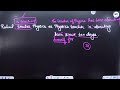
Master English for SSC Exams: Weightage, Strategy & Grammar Tips
This session emphasizes the critical importance of English in SSC and other competitive exams, highlighting its high weightage (135 marks in Mains) compared to Math (90 marks) and Reasoning. The speaker provides a strategic study plan and clarifies common English grammar errors, including the correct usage of 'teacher of,' 'for' vs. 'since,' and reflexive pronouns, using relatable examples to boost exam scores.
Mastering English Punctuation: 13 Essential Rules for Better Writing
Learn 13 key punctuation rules in English to enhance your writing skills. Improve your grammar and become a better writer today!

Puzzles & Seating Arrangement: 251 Rules for Bank Exams (SBI, IBPS, RRB)
Master every type of seating arrangement and puzzle for bank exams (SBI PO, IBPS Clerk, RRB PO). This comprehensive guide covers linear, circular, square, rectangular, floor, and scheduling puzzles with 251 crucial rules for Prelims and Mains.
Understanding Pronouns and Their Usage in Grammar
This video provides an in-depth explanation of pronouns, focusing on words like 'everybody', 'nobody', and 'anything'. It covers their parts of speech, singular and plural forms, and common grammatical errors associated with their usage. The session emphasizes smart study techniques to grasp grammar rules effectively.

The 8 Parts of Speech in English: A Complete Guide for Beginners
This beginner-friendly lesson introduces the eight parts of speech in English: nouns, verbs, pronouns, adjectives, adverbs, prepositions, conjunctions, and interjections. Learn clear definitions and examples for each word category to build a strong foundation for improving your English grammar and communication skills.
Most viewed summaries

A Comprehensive Guide to Using Stable Diffusion Forge UI
Explore the Stable Diffusion Forge UI, customizable settings, models, and more to enhance your image generation experience.

Kolonyalismo at Imperyalismo: Ang Kasaysayan ng Pagsakop sa Pilipinas
Tuklasin ang kasaysayan ng kolonyalismo at imperyalismo sa Pilipinas sa pamamagitan ni Ferdinand Magellan.

Mastering Inpainting with Stable Diffusion: Fix Mistakes and Enhance Your Images
Learn to fix mistakes and enhance images with Stable Diffusion's inpainting features effectively.

Pamamaraan at Patakarang Kolonyal ng mga Espanyol sa Pilipinas
Tuklasin ang mga pamamaraan at patakaran ng mga Espanyol sa Pilipinas, at ang epekto nito sa mga Pilipino.

How to Install and Configure Forge: A New Stable Diffusion Web UI
Learn to install and configure the new Forge web UI for Stable Diffusion, with tips on models and settings.
Found this summary useful?
Take it with you. One click puts it in your own LunaNotes library.
Save to LunaNotes