Introduction to Strictosidine
Strictosidine is a poisonous alkaloid extracted from Stramonox bom and is the source of the popular homeopathic remedy Nux vomica. Its complex molecular skeleton intrigued scientists for over two centuries, leading to synthetic attempts that are costly and impractical for commercial production.
Breakthrough Discovery in Strictosidine Biosynthesis
A 2022 publication in Nature by Sara Conor's group elucidated the complete biosynthetic pathway of strictosidine in plants using chemical logic, transcriptomics, and gene annotation. This resolved the longstanding mystery of how plants naturally synthesize this alkaloid.
Biosynthetic Pathway Overview
- The pathway begins with the indole alkaloid precursor gasiocin derived from tryptophan through the shikimate and terpene routes.
- Key enzymatic steps involve:
- SNV GO (gasiocin oxidase)
- SNV NS1 & NS2 (norfluorin synthases 1 & 2)
- SNV WS (welangich synthase)
- Intermediates include norfluorin, 18-hydroxy norfluorin, welangich aldehyde, diabol, pre-strictosidine, and ultimately strictosidine.
- The last step, converting pre-strictosidine to strictosidine, occurs spontaneously without enzyme catalysis, releasing carbon dioxide and water.
This detailed elucidation connects closely with the broader field of indole alkaloid biosynthesis, as seen in the Comprehensive Overview of Early Biosynthesis of Indole Alkaloids, providing essential context on the foundational steps leading to complex alkaloid formation.
Functional Verification via Heterologous Expression
- The pathway was reconstituted in Nicotiana benthamiana by transient expression of all associated enzymes.
- Because N. benthamiana lacks the precursor gasiocin, external infiltration with gasiocin and malonic acid (disodium malonate) was necessary.
- Addition of an Arabidopsis thaliana acyl-activating enzyme ensured malonyl-CoA availability, enabling the full pathway function.
- Successful production of strictosidine and related alkaloids was confirmed, validating the enzymatic roles.
These metabolic engineering approaches resonate with strategies discussed in Metabolic Engineering of Indole Alkaloid Biosynthesis: Case Studies in Plants and Yeast, highlighting how heterologous expression systems can be harnessed for pathway elucidation and production.
Implications and Future Directions
- Understanding strictosidine biosynthesis allows for bioengineering of safer, pharmacologically useful derivatives.
- This knowledge paves the way for synthetic biology approaches to produce strictosidine scaffolds in heterologous systems efficiently.
Advancements in pathway elucidation and metabolic reprogramming, such as those reviewed in Metabolic Reprogramming in Catharanthus Roseus for Non-Natural Indole Alkaloids, demonstrate potential applications of this insight toward developing novel alkaloid derivatives.
Summary
- The elucidation of the strictosidine biosynthetic pathway demystifies a 200-year-old scientific question.
- The discovery showcases the power of combining transcriptomics, enzyme characterization, and heterologous expression.
- Future lectures will expand on related indole alkaloids and explore other newly discovered pathways like those for cesin.
[Music] [Music] welcome to nptl certification course on
pharmacognosy and metabolic engineering this is lecture 33 so where I will narrate the recent
discovery of stricking biosynthetic pathway and this discovery was reported again in the famous journal Nature last
year that is 2022 so let us go so the concept covered simply I have written stck Nam
biosynthesis deed that means how stricking is biosynthesized in plants so let's go to
the slide number one so our topic of discussion is bio synthesis of
stricking now what is stricking stricking is basically a
poisonous alkaloid obtained from the plant called strios nox
bom I'm sure most of you or almost all of you are aware about a popular homeopathic drug nox
Boma so the KNX Boma the Homeopathy drug is basically obtained from a very very diluted extract either seed or root
extract of stnos noxb plant so because of this [Music]
uh poison poisonous nature of the alkaloid that actually fascinated the scientist or inspired the scientist for
the past 200 years to determine the complex skeleton of this molecule and they
reconstructed the molecule in the lab so that means the synthetic organic chemist
partly made the skeletons in separate event and then
they finally joined and made the synthetic stricking but that is not uh uh
commercially feasible if you want to make stricking because the the organic synthesis reaction are so complex and
expensive and at the same time it was not known that how in the nature plants synthesize stricking so that remained a
mystery until recent now so scientist have solved this using uh chemical logic by
using chemical logic and a
study uh of messenger RNA of
stnos Nas bom eventually uh L
to the uh or help to decifer the
whole pathway of
strict s sorry strict in
biosynthesis operating in plants so this discovery again published in the
famous jordal nature in the year of 2022 uh by Sara Conor's group so the volume
is 67 607 and page number 617 to
622 so the first author was Hong hongal and the group leader was again
Sarai konor from this time he moved from johnis Center to the max plank Institute for chemical ology in Germany so the
paper basically uh the affiliation given to this institute
now so we are going to see what is it okay so let's go to the okay
uh before that I will also tell few
things because stricking is a bioactive molecule it derivatives could have pH pharmacologically useful properties
without being poison so why this is important because once you know the biosynthesis of St
stricking once you know the enzymes and genes of the pathway and once you can synthesize the stricken in the
laboratory then it is possible to make deriv derivat or derivatives of stricking and it and these some of these
derivatives may not be poison but have more pharmaceutical
acceptance so knowing the biosynthetic roote could help the chemist generating the stricking scaffold
and possibly will be making in future such derivatives using the synthetic
biology and what is basically the ultimate rational for doing this project
okay now let me go to the pathway okay now another interesting point I tell before I go to the pathway that once
this paper was published so several news agencies they took interview and one of the interviews the Hong who
actually the senior post doctoral researcher and the first author of this paper what is said that they basically
failed to produce stricking because that was ending uh with the formation of uh
preening so I just write it here pre strict p r e s Str r y c h n i n e so spr pre- stricking is the
penultimate molecule of the pathway and from pre- stricking stricking will be synthesized and what I said that this is
a very toxic molecule okay so this
conversion that means the enzymes responsible for this conversion uh they fail to really
identify the enzymes or they fail to convert preing to stricking finally what they said that
when they left the pricking in the laboratory in one Friday and by mistake or whatever maybe and
when he came back in next Monday and started seeing that before throwing it out that time they found that this PR
stricking got converted into stricking that means the some amount of pre- stricking got converted into
stricking that means the solution containing the pre stricking when they analyze they found that some form uh
some portion of prein got converted into stricking that means from there it was clear to them that basically uh
spontaneous conversion is taking place which may not be
entic so may not be enzyme and eventually by doing several experiments they indeed confirm that this last step
is basically spontaneous in nature so with this now let us go to the next page so the
biosynthesis so how I will tell this first I will tell the basic biosynthesis uh what has been discovered
and then I will tell that how they have confirmed this biosynthesis using nikiana
species so again this is actually the part of this indol alkaloids because the the
intermediate we will start from gasio siine so let us start from there gasio sizin
gasio sizin will be converted to through a unstable intermediate which
is dehy dra okay so don't worry student you don't have to remember this difficult names this is just for your
information and that makes n
fluro curin are a
ren so the steps
so the enzymes are snv stands from strand for stck no
knb go gasio in oxidase so they have used another species so that they have mentioned in the paper that is stto in
species so they put it in this way SP and this they are also go uh they have also confirmed now the second species
they that is not producing stricking but producing another compound okay so this is number
one this this is number two and then finally uh from
this uh by uh two reactions this nor flurin is formed so therefore I put two arrows
here and the enzymes are snv
ns1 and snv
ns2 that means nor fluocin synthes one nor floc in synthes 2 and this in the publication they have marked as
four I'll simply follow their uh process so this in the next step we
will be converted into 18 hydroxy nor
neuro curin so this was marked as five and this in the next
step will be converted into to a compound called we
land gich alide
and the enzyme is is snv
Ws that is we Le gich synthes so this they have marked as number six this now this is one of the major
intermediate from there one pathway emerges leading to the formation of a compound called
diabol this they have given the name uh number
eight okay and the root which
moves towards formation of the formation of uh stricking that makes next product as
restrict pre stricking uh they have marked as number nine and pre stricking in The Next
Step makes stricking
this they have numbered as 10 and as I said this one is pre strien to
strien this is a spontaneous it releases a molecule of carbon
dioxide along with a molecule of water and
this produces stricking along with ISO
stricking so this number is 11
now the enzyme responsible for this reaction that means we and kich alide towards pre stricking that is
snv 0 atile transfer so next uh this trickin will be converted
into uh 10 hydroxy stricking and that in the next step will be
converted into beta
Colin beta Colin and the enzyme responsible for this reaction
is snv 10 H that means 10 hydroxy and this one is
snv omile transference and the next one
converts this to 11
dthy Bruin and that finally converted
into Bruin so Bruin will give the name
15 and Coline will give 13 okay diabol I'll use a different we can use a different
color sorry diabol in so when I put diabol in better I use don't use this
one okay so diabol accumulates in another species not in strict n buum but another
strict species where stricking is not produced instead it produce daolin that means there the pathway moves from whe
and gum aldhy One Step by a acetel transference it makes daolin whereas in case of strios no Muma the pathway moves
in this direction uh towards the formation of sprin and stricking and then subsequently it produces the other
alkaloids now the enzymes for this last steps I must put it that is the last one the
Bruin formation this is also snv othy transference and this one is basically
snv 11 hydroxy
and what is Bruin Bruin is basically the D meox related derivative of
stricken so Bruin is basically the D
myoxy derivative of
stricking and it accumulated in the roots of strios found
in stnos nox bom
Roots so this is in brief the biosynthetic pathway leading to the formation of stricken
Bruin and diabol in the other species so they have have used both the species for this study so basically they have done a
very detailed transcript analysis from both the species and then they uh
did uh indepth uh Gene annotation and
subsequent Kake pathway analysis and whatever analysis required that is beyond the scope of discussion in this
class and from there that then leads to the the discovery of these enzymes now what I am I am straight away writing
that SNB go SNB ns1 but what is important after this that this needs to be demonstrated in an another
heterologous system to confirm its function so and uh just for your information that
uh the gasio is basically it's coming from the indol alol pathway which started
from gpp and cpop hand if I say at that point so gpp is basically the tarpo
route which ultimately makes aanin and tryptophan is coming from the sikim route and that ultimately contributes
towards the formation of strictosidine and then gas ozine is formed and then the reaction proceeds
okay now there are some interesting uh observations which I need to tell you so first of all so let us go
to the next slide so now the validation of the function so what we write
that valid ation of
these genes or rather we should write validation of
the functions of this genes
so for that what they have done they have used as uh as I said the heterologous species that means they
have used uh nikiana nana n i c o t i a n a b e
n t h a m i a n a so that that means here they try
to reconstitute the
stricking bio synthetic
pathway so uh so they achieved what I I should write it they
achieve transient expression
of all enzymes that is starting with s NV
go comma s s NV ns1
snv n o snv
WS this is w please WS then
snv at then
snv 10 h and snv
omt okay that means they have transformed nikiana vamana plant with all the genes
that means the pathway will be operating but now you should ask yourself whether the nikiana benana will
produce the stricking or not what will be the answer yes or no no it will not produce because nikana
Bentham will not get gasos okay gisin is basically the product of the Indo pathway that is not
operating so then what needs to be done what needs to be done that you have to take a
transgenic Leaf expressing Nikos Bena and there you do infiltration
infiltration of gisin is s s o s c h i z i
n and and also you require Malon net source and D sorry simply iite and malonic
acid that was supplied in the form of disodium malonate so when you infiled in a live
plant simply inject it and allow the plants to take it up then after one week you
harvest and check for the check for the
alkaloid contents and what you will find or what they have
found is basically they found the presence of
stricking so I write it here presence of
stening ISO stricken
then Coline and
Bruin so they found this in the so when you find this this but you
see I have kept a I have kept a blank space here actually what happens that when
they transferred all the genes it did not produce the stricking colan bruing products so what happened
basically that the malonic acid what you are supplying so that malonic acid will
joins with a qu there may be and then it forms a malony Quay and melano Quay should be acceptable to the
sv80 that means the sv80 which is the
this step this step so is in order to have the sv8 function you need to have
the uh you need to have melony qu added in it so okay then only it make the pre-
stricking now what happened that snv at when you put the snv at then SNB 10 that means the all
the genes of the pathway uh it is not producing the stricking if stin is not produced it
cannot make beta Coline or rusin so then they found that basically the snv is not getting the accession of
the mile KO so in order to get that what they have done they have transferred here a gene from arabidopsis taliana so
which is a a AE that is added here so at AA is
basically asile activating cytosolic enzyme this is basically the asile activating
cytosolic enzyme that produces melony KO accessible to
cytosolic that uh that
produces melony qu accessible
to cytosolic snv 0
okay so that means uh a a a to be added here in the pathway and then the pathway will function and eventually it makes
the stricking okay so basically some alony transfer is is there and uh this finally
makes the thing so uh and therefore now what we can say the H ously reconstituted pathway I just write it
here one sentence the
[Music] ously re
constituted pathway matches
matches the physiological sorry matches the
physio logically relevant
Sol relevant pathway
in strios KNX
H plant okay so that means they have reconstituted
the pathway and it basically produces the
product now so uh to make this story uh short so what they have done that
initially they are not they have not transferred all the genes together they have done stepwise so they made it in
two combination in one combination they have INF filtered say uh spgo SP ns1 SPN and spws why that also I need to tell
because what I said that that is an the stri no species other species which is producing diabol but not stricking for
that what is required that if you go to the pathway if you go to the pathway suppose the pathway uh is meant for the
formation of uh diabol in the other species of strios then what we need to show here is this that
SPG then SP ns1 so there will be another SP ns1
then there may be SP n o which I have not shown okay and then there will be
SP WS right so if you
take these genes right and and of course this one then what we'll see that it produces the or if you
if you don't take up to this if you take only up to this much then what will happen this
basically leads to the formation of whe and gum alahh that
means expressing SPG spns1 SPN and spws leads to the formation of whe and gam alide so first they have confirmed so in
the another uh another combination what they have done they have taken SPG spns2 so that means uh what you can also
write here by putting a slash here that is sp ns2 so this
one for example I will use another color Okay color is not sufficient
this one so uh the second combination may be this this then
this and this and along with this that leads to
the formation of daolin okay so in order to produce the like
this way they have checked the uh formation of this short pathway which is operating in one stri no species and
also they have checked the formation of Will and galich aldhy which operates in both the species and next what they have
done uh The Next Step they have added all the genes what I have shown in the next slide that all this and eventually
they express all these genes in osiana Bena this leads to the reconstitution of the stricking pathway and still it did
not produce stricking unless you add a a AE asile activating cytosolic enzyme that actually allows the malano qu get
accessible to snv so only that is only one enzyme you have to add from another source uh it
because it is a Nana system it's not the strick noos so whatever you wanted to do plant will not
do okay so they are CL so you have to conquer so that is why they have conquered and eventually they made the
stricking and this stricking what they said this heterologously reconstituted pathway matches the physiologically
relevant pathway in strios KNX Boma so this is basically all about it but I thought that I will draw some structure
but I keep it in for the next class so next class I'll make a brief overview of whatever I have taught in this indor
alkaloids um in all this Starin noid indol Alid along with the uh stricking so this all I put a brief overview with
slides and showing the I'll show you the plants how they look like and and then I'll will show you the schematic diagram
with the enzymes and genes and also I'll show you some hemical localization some uh what people have done as well as the
uh immunochemical localization immunohistological localization of this enzymes all these things will come in
the next class with that I will end the uh Indo alol and once I finish that subsequent class I will talk about
another interesting alkaloid which was also discovered in 2022 the pathway which is called
cesin and once I finish the cesin all alcco will be covered so with this I end this
class thank you
Strictosidine is a poisonous indole alkaloid extracted from the plant Stramonox bom and serves as a precursor for various pharmacologically active compounds. Its complex molecular structure has intrigued scientists for over 200 years, making it a key target in alkaloid biosynthesis research and biotechnological applications.
In 2022, Sara Conor's group elucidated the entire strictosidine biosynthetic pathway by integrating chemical logic with transcriptomic data and gene annotation. They identified crucial enzymes and intermediates involved, resolving a longstanding mystery about how plants naturally synthesize strictosidine.
The key enzymes include SNV GO (gasiocin oxidase), which oxidizes the precursor gasiocin; SNV NS1 and NS2 (norfluorin synthases) that generate norfluorin intermediates; and SNV WS (welangich synthase), producing welangich aldehyde. The final step from pre-strictosidine to strictosidine occurs spontaneously without enzymatic catalysis, releasing CO₂ and water.
Researchers transiently expressed all relevant enzymes in the tobacco plant Nicotiana benthamiana, which lacks the precursor gasiocin. They externally supplied gasiocin and malonic acid and used an Arabidopsis acyl-activating enzyme to ensure malonyl-CoA availability, successfully reconstituting strictosidine biosynthesis and confirming enzyme functions.
Decoding this pathway enables the bioengineering of plants or microbes to produce strictosidine and its safer pharmacological derivatives more efficiently. This foundation facilitates synthetic biology approaches for producing novel indole alkaloids and can lead to the development of new therapeutic agents.
This final step's spontaneous nature means it does not require enzymatic catalysis, simplifying the pathway's biochemical design and possibly reducing energetic costs in engineered systems. It also influences how metabolic engineers design and optimize production platforms for strictosidine.
Strictosidine biosynthesis connects to early steps in indole alkaloid formation starting from tryptophan via the shikimate and terpene routes. Understanding this pathway offers crucial insights into the synthesis of various indole alkaloids, as specialized enzymes and intermediates are often shared or related across these pathways.
Keep this summary
Save it to LunaNotes and it becomes a real note in your library — editable, searchable, and ready to turn into flashcards or a diagram. Free to start.
Save to LunaNotesOr summarise for another video.
This summary and transcript were automatically generated using AI with the Free YouTube transcript summary tool by LunaNotes.
Related summaries
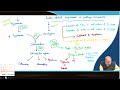
Metabolic Engineering of Indole Alkaloid Biosynthesis: Case Studies in Plants and Yeast
This lecture explores metabolic engineering approaches to enhance early steps of indole alkaloid biosynthesis through gene overexpression and heterologous expression systems such as tobacco, periwinkle, and yeast. Key insights include challenges in pathway bottlenecks, gene expression effects, and the use of hairy root cultures for efficient alkaloid production.
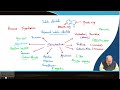
Comprehensive Overview of Early Biosynthesis of Indole Alkaloids
This lecture provides an in-depth exploration of indole alkaloids, covering their basic structures, diverse examples, and the early stages of their biosynthesis. Key biosynthetic pathways in plants such as Catharanthus roseus, Rauvolfia serpentina, and Cinchona species are examined, highlighting important intermediates like strictosidine and the enzymatic processes leading to complex alkaloid formation.
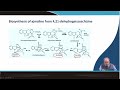
Comprehensive Overview of Indole Alkaloid Biosynthesis and Metabolic Engineering
This lecture provides an in-depth overview of indole alkaloid biosynthesis pathways in Catharanthus roseus, highlighting enzymatic steps, cellular compartmentalization, and regulatory mechanisms including transcription factors and light influence. It further explores metabolic engineering strategies such as non-natural alkaloid production and metabolic reprogramming, alongside advances in bioprocess engineering for industrial-scale alkaloid production.
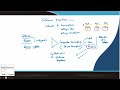
Elucidating the Complete Biosynthetic Pathway of the Alkaloid Cesin
This lecture explores the recent breakthrough in understanding the biosynthesis of cesin, a valuable alkaloid derived from Gloriosa superba, with significant pharmaceutical applications such as gout treatment and plant cytological studies. By integrating transcriptomics, metabolic profiling, and pathway reconstitution in model plants, researchers have identified key enzymes and intermediate compounds paving the way for enhanced natural and biotechnological cesin production.
Unraveling the Missing Enzymes in Vindoline Biosynthesis Pathway
This lecture explores recent breakthroughs in identifying key enzymes—T3 oxidase and T3 reductase—in vindoline biosynthesis within Catharanthus roseus. It also details the elucidation of the biosynthetic steps leading to tabersonine and catharanthine formation, supported by gene silencing and heterologous expression studies that clarify complex metabolic pathways essential for vinblastine production.
Most viewed summaries

A Comprehensive Guide to Using Stable Diffusion Forge UI
Explore the Stable Diffusion Forge UI, customizable settings, models, and more to enhance your image generation experience.

Kolonyalismo at Imperyalismo: Ang Kasaysayan ng Pagsakop sa Pilipinas
Tuklasin ang kasaysayan ng kolonyalismo at imperyalismo sa Pilipinas sa pamamagitan ni Ferdinand Magellan.

Mastering Inpainting with Stable Diffusion: Fix Mistakes and Enhance Your Images
Learn to fix mistakes and enhance images with Stable Diffusion's inpainting features effectively.

Pamamaraan at Patakarang Kolonyal ng mga Espanyol sa Pilipinas
Tuklasin ang mga pamamaraan at patakaran ng mga Espanyol sa Pilipinas, at ang epekto nito sa mga Pilipino.

How to Install and Configure Forge: A New Stable Diffusion Web UI
Learn to install and configure the new Forge web UI for Stable Diffusion, with tips on models and settings.
Found this summary useful?
Take it with you. One click puts it in your own LunaNotes library.
Save to LunaNotes