Introduction to Phenolic Compounds
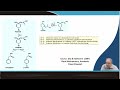
Phenolic compounds are primarily characterized by a phenyl ring bonded to hydroxyl groups, comprising important classes such as phenylpropanoids, benzenoids, coumarins, and tannins. These compounds originate largely from amino acids phenylalanine and tyrosine via the shikimate pathway.
Phenylpropanoids and Their Biosynthesis
- Phenylalanine ammonia lyase (PAL) catalyzes the conversion of phenylalanine to trans-cinnamic acid.
- Tyrosine is converted to p-coumaric acid (also known as 4-hydroxycinnamic acid) via tyrosine ammonia lyase (TAL), prevalent mainly in monocots.
- These C6-C3 phenolic structures undergo various modifications such as hydroxylation, methylation, glycosylation, and chain shortening to form diverse derivatives.
- Acetate skeletal formation from Malonyl-CoA units contributes to the biosynthesis of flavonoids and lignin monomers.
Key Phenolic Derivatives
- Hydroxycinnamic acids (e.g., caffeic acid, ferulic acid, and sinapic acid) arise from p-coumaric acid through enzymatic hydroxylation and methylation.
- Monolignols like coniferyl, sinapyl, and p-coumaryl alcohols serve as lignin building blocks.
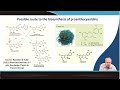
- Flavonoids such as chalcones, flavonones, flavones, isoflavones, anthocyanins, and proanthocyanidins derive from chalcone synthase-mediated condensation of p-coumaroyl-CoA with malonyl-CoA.
- Tannins are polymeric phenolics, including condensed tannins formed by polymerization of flavonoid units and hydrolyzable tannins derived from gallic acid esters.
Benzenoids and Their Formation
- Benzenoids (C6-C1) originate via chain shortening of phenylpropanoids, involving non-β-oxidative and β-oxidative routes.
- Enzymes such as benzaldehyde synthase and ketoacyl thiolase are critical in these conversions.
- Benzoic acid and derivatives including salicylic acid, important for plant defense, can be biosynthesized from benzenoid intermediates.
Coumarins
- Coumarins are lactones derived mainly from cinnamic acid derivatives.
- They function as defense compounds; for example, scopoletin and umbelliferone have roles in plant protection.
- Some coumarins, like linear furanocoumarins, cause skin photosensitivity upon UV exposure.
Metabolic Engineering and Biological Significance
- Understanding these biosynthetic pathways enables metabolic engineering to enhance the production of valuable phenolics.
- Phenolic compounds contribute to plant structural integrity, defense against pathogens, UV protection, pigmentation, and human health due to their antioxidant properties.
- Resveratrol, a stilbenoid derived from p-coumaroyl-CoA, is notable for its antioxidant and cardioprotective effects.
Summary
The lecture covers:
- The shikimate pathway leading to phenolic compound biosynthesis
- Detailed enzymatic transformations producing major classes: phenylpropanoids, benzenoids, coumarins, flavonoids, and tannins
- Biological roles and occurrences of these compounds in plants
- Examples of health-relevant phenolics and their biochemical precursors
Understanding these pathways equips researchers and students with foundational knowledge to explore metabolic engineering applications in pharmacognosy and natural product synthesis.
[Music] [Music] welcome to nptl online certification
course on pharmacognosy and metabolic engineering this is lecture number 49 where I will talk talk about Phile
propanoid benzenoids kumarin and tannins this is basically I'll give you an overview in this
class so these are the concepts which are to be covered and let's let's go to the slide
so as I have mentioned before also that this is basically the Phile ring and the hydroxy group
which constitute the uh phenolic compound phenolic must for fulfill the this criteria but also I mentioned that
it is not always mandatory even the camic acids and then Phile ethanol these are also coming under phenolic because
it's it's originate from Phile alanin okay and some of the function of Phile propers I have mentioned in the
previous class uh so this one uh there is no point of discussing again uh and I ended the class with this
schematic diagram where I said that hydroxamic acid basically the p and these are different P1 P2 P3 P4 P5 say
P6 so many so on so on so that means that uh these are may be different uh transformation which includes hydroxy
methylation glucosylation chain clivage uh so many
okay and okay so this is again an overview which I have uh uh given in the previous
class so now come to here so this is called Phile proponent and phine proponent acetate skeletons so Phile
propon skeletons I have mentioned that which is basically C6 C3 and pine propon acetate
2 3 into C2 and C6 C3 this formed so and the this contributes this one is this acetate skeleton is coming from the uh
this melony atile derivatives and eventually it forms different phenolic
compounds okay like uh the flavonoids where it requires this like uh antoin so there the role of this acetate skeleton
is important and this is again a conifer alcohol which is which is a major constituent of the ligin
components uh so which is also called monol liol and this is a typical example of quatin as I said that this is
basically flavonoid so this is coming here whereas in case of Conifer alcohol which is where there is no involvement
of man manile derivatives so there there is no this orange structure is there so acetate origin is not required there so
now let us make an overview so what I have said that simate pathway contributes to phy alanin or tyosin or
both so the phy alanin are C6 C3 compounds I have shown the structure of phy alanin and then phy alanin by the
action of the enzyme phy alanine ammonia lies it converted into uh trinamic acid so this is phy
alanin ammonia lies which converts phy alanin into trans camic acid whereas the
tyrosin uh tyrosin this I draw in a different side
a different way but it is is all same so tyosin converted into for karic
acid this is called four or hydroxy camic
acid or for karic acid or even also it is called para karic
acid this is Ortho this is meta this is para so the enzyme here is called
T Phile alanin ammonia lies tyosin ammonia lies so which also released a molecule
of ammonia and makes paracolic acid so this T exists mostly in the monocot plants
because monocot plants are basically dominated by karic acids particularly the grasses so they are T exist it is
possible to measure the T from there okay and amino Amino oxy Phile propic acid so this is
basically act as an inhibitor so uh scientists they have studied
the pathway by feeding this so which basically act as an inhibitor of this
pal okay now go back to the yeah structure so this is pal pal makes either camic acid or okay yeah camic
acid and this enamic acid converted into subsequently into other simple phenolics Phile propanoids or
hydroxy camit so which are also C6 C3 compounds okay and uh as I also said that from tyrosin foric Acid which is
another hydroxy can be formed by the action of T but that is mostly confined to
the graming grass families okay next uh these simple uh camic acids will be converted
into the other hydroxycinnamic acids that is camic acid converted into paracom aric acid cafeic acid feric acid
uh all these things so these are all C6 C3 structures I will show you and uh now this C6 C3 structure what will
happen this will contribute towards the formation of lignin as I have mentioned this is the
lignin pathway uh and which is C6 C3 simple C6 C3 is monol liol but when that joins in
multiple numbers which form the polymer that is why this n is given here n so that is why it is called liin whereas
two such molecules form ligant okay now this C6 C3 structure joins with melony
qu either three molecules of melony ko or two molecules of Malon Co and it makes different structures which are
again C6 C3 C6 structure so this is chalone chalone is basically the precursor of antoin and the enzyme is
called chalone synthes so chalone synthes requires what is the substrate of chalon synthes one
is Malon qu three molecules of M koi and one molecule of parakum koi so the par Kumar
Royal qu plus 3 into malony KO makes chalone or we call
Tetra hydroxy chalon we will see this in details later the enzyme is called CHS similarly Malo qu joins with uh
Kumar KO and it makes another structure which is called steel bin so steel bin and uh chalone subsequently converted
into flavonoids uh so which are uh which constitute different classes like antoin
ponon uh uh isoflavones flavon so many things also C6 C3
structure uh joins together and form polymeric structure like subin cutin which basically deposits in the
epidermal cell layer and which uh protects the plant from different abiotic and biotic
stresses and again this C6 C3 C6 structure which I have shown here this contributes to the formation of
condensed tanins so where multiple of these units joins together and form this condens standing structure so you see
here the C6 C3 is the backbone from their different addition or substitution or chain shortening leads to the
formation of different compounds chain shortening is C6 C1 when you talk about C6 C1 then that is the example of chain
shortening like C6 uh C1 uh like benzenoids these are the
chain shorten compounds so uh I have mentioned this again in the again in the previous
class I mentioned this earlier in the previous class what is the chain shortening here yeah this is hydroxy
benzoid here and all other things I have already mentioned so let us now see so for of major phenolic groups from Phile
alanin and the core Phile proponent struct pathway so Phile alanin converted into trans camic acid by the action of
the enzyme pal this is pal and uh that trans camic acid contributes directly towards formation of benzenoid compounds
that is why benzoic acid derivatives is written here and trinamic acid by the action of one hydroxy it forms this uh
four hydroxy camic acid uh which is also called parakum aric acid I have drawn the structure just before so this is a
Hydrox silation added at the fourth position that means this is uh
uh 1 2 3 4 5 6 okay and then uh so this parakum aric acid contributes to the formation of
cafeic acid ferulic acid Aid and other important Phile propanoid structure and this parakum aric acid
also under goes activation this is called activation of hydroxamic acids where uh qu molecule
joints uh qu molecule joins so and by the action of an enzyme called comar Co lias or for hydroxy Co lias so lias mean
addition of qu molecule which requires ATP and mgcl2 uh to perform its function and it
forms the paracom oil qu so pararel KO is a very active molecule because it takes part into different components
such as ligin precursors such as steel bins such as kumarin and of course for the flavonoids
and anthos sinins so paracom qu is a very it's called activated hydroxy camet because a qu molecule is added and then
upon joining with malony qu I have mentioned just in the pre in the previous slide it forms the chalone and
from chalone it forms different flavonoid structures so tell so this is the structure of hydroxycinnamic acid so
like uh this is the trans camic acid which converted into by the action of c4h uh cam 4 hydroxy camate 4 hydroxy
which makes a four position o added so this structure is called four hydroxycinnamic acid or parakum aric
acid or for karic acid all are correct and then we'll also
see ideally from for karic acid if what will happen first a hydroxy will add here
and in so that is the job of the hydroxy and the next job will be that this will be replaced
by methy group so and eventually this structure is this one which is called ferulic acid or you can say four hydroxy
three methoxy camic acid for four hydroxy 3 methoxy camic acid or it is called ferulic
acid uh although the formation of ferulic acid is not straightforward in this way which we'll see later but
theoretically feric acid can be formed from parakum Maric acid by entic steps farther will be Hydrox silation then
there will be methy transference uh so where which requires a methy group donut like Sam and which makes ferulic acid
and feric acid subsequently again undergo Hydrox silation at five position this is four position this is
five position this is three position so and then uh this is for hydroxy and then there will be that will methylated So
methoxy eventually so this is called uh Copic acid s n p i Copic acid or four hydroxy
3 5 dioxy camic acid or four hydroxy 35 dioxy uh camic acid these are the different
names now hydroxy Camile alcohols this we'll discuss again when we'll talk about the monol liol
biosynthesis in next class but briefly paric acid is converted into paracom oil qu
this is activation of hydroxy then what will happen there will be a reductor activity so this enzyme is called forcl
this enzyme is called reductor CCR Camile Co reductors and relates to the formation
of this structure this is Camal deide or karal deide sorry karal deide and then Kumar
alide again there will be the action of CAD alcohol dehydrogen and which eventually form the
Kumar alcohol or parar alcohol also you can say uh and and uh this constitutes one of
the units of the ligin monomer so this is called monol liol similarly uh from ferulic Acid another
monolignol structure orus which is conifer alcohol from Copic acid another monolignol structure oers which is is
called copile alcohol so detail of this I will talk in the subsequent class now kumarin kumarin are also important
molecules so kumarin basically they act as a defense compound and they basically formed uh from the karic acid is the
basic structure uh so uh uh and then it forms uh for example karic acid then karic acid ultimately it forms Ameron
which is seven hydroxy kumarin and then you'll get a compound called sorin which is not good for health because if you
touch in the skin it form blisters and karic acid converted into ferulic acid and subsequently the ferulic acid by the
action of uh feret uh uh six Prime hydroxy uh so at the six Prime hydroxy
is so 1 2 2 3 4 5 6 at this position 65 hydroxy is it eventually forms this
structure scopoletin so this is one example of uh hydroxy komarin uh so here is the structure of selin which is
coming through the Ameron okay so and this is a general skeleton of the
kumarin structure and uh a linear f rumarin which is eight myoxy oralin synthesizes human skin to UV a light uh
so this compound present in this plant uh and cause severe blistering on skin followed by exposure to UV IR radiation
so this is huran kumarin and you see the blisters now come to the condensed tanins okay condensed tanins
basically are formed uh by joining of this uh C6 C3 C6 in multiple numbers okay the first one is called the uh
where n equal to 1 to 10 when when when n equal to 1 to 10 so it it also contains three hydroxy group so this is
basically the structure of the condens standings and the hydroxy group of a hexos are esterified with the GIC acid
and here the bottom one is the hydrolyzable tanins which is basically originate from
the GIC acid and uh yeah so this is uh condensed tannins you find in different
plants uh like hokis Baha these plants you will find tenants so this is again another example of this uh hydrolyzable
tenin uh which is found in the chest knot castal again this is the name of this and
uh one example of this I have put it okay so this is again um gallic acid
uh so so this is basically the gluc galine is the EST form of GIC acid and this finally forms this gallic acid um
this condens tanins now biosynthesis of benzenoids as I mentioned that benzenoids are C6 C1
compound so basically it forms from C6 C3 structure by a chain cage so cleage means that
the it basically Clips out the C2 so there are the Phile alanin which makes trans camic acid as I have
mentioned by this by the action of the pal and then by for cl it makes Camile KO and what happens the trans camic
acid can take part in the formation of benzal deide when you talk about the benzal deide if you see this structure
this is C6 C1 structure this is C1 right okay so uh what happens from stomic Acid it can directly from benzal
deide which is called qu independent non beta oxidative root qu independent qu independent so
that means there is no involvement of qu here and this is a non beta oxidative or non oxida root which how it happens that
there will be the formation of inter one intermediate which is called beta hydroxy Phile propic acid and uh and
there will be maybe the enzyme is called benzal deide synthes this mostly is unstable compounds and eventually it
makes benzal deide and benzal deide contributes to the benzoic acid so this is one root so similar root also exist
for hydroxy uh benzo molecule as as well uh we will discuss sometime later and on so this is one root the root number two
is basically qu dependent bet oxidative root where Camile qu forms beta hydroxy
Phile propano qu and then beta oxop propano qu and then it forms the benzo qu
so so here so here it involves different enzymes for example uh phen beta hydroxy
Phile propano qu so that from Camile Co Camile Co this is forcl there is another enzyme called CNL so
CNL is that basically a specific enzyme which contributes towards the formation of this Benz structure here there is
called Camile Co iess but this is term as CNL uh so normally the 4cl is used for
Activation of hydroxy camit when there is no hydroxy only cinet so there CNL terminology is used uh and it forms the
three hydroxy uh this three Phile propanol qu and then it makes beta oopen propano qu and then finally it makes
benzo qu so Enzo qu when it forms so there is an enzyme called keto asile cooles this one this is called K
A K is a recently discovered enzyme keto asile three keto asile
okay qu thyes t h i o l a thol means basically the uh removal of
the it's a th AC removal of the qu thester and that leads to the formation of the benzo qu and benzo qu
subsequently forms the benzoic acid and uh and uh then and this benzoic acid May
contribute towards the formation of salicylic acid because uh if this is one position this is two so if I hydroxy
added then it becomes salicylic acid so long back one work from rgar University they mention about this IL
raskins group but later it was found that that may be existed but mostly uh the salicylic acid is formed from
chorismic Acid by isochorismate synthes which makes isocoric acid then there will be isocor
pyet lies which basically release the pyic acid and produces the saltic acid and this is the most acceptable uh root
of uh salicylic acid so salicylate is also a benzenoid because this is C6 C6 C1
structure maneline is also C6 C1 structure so so what we see here that the core
Phile propanoid pathway uh which is contributes towards the formation of Kumar KO and malony qu and
by the action of chalone synes it forms chalone and subsequently the pathway contributes towards the flavonol the
pathway also contributes towards the antoin uh the pathway also contributes towards the unusual pigment flowen maybe
I will discuss all these things in due course and flavones and also that that this
chalones can take part in the formation of isop flavons which are basically dominant in the
legumes so this is basically the pathways and Branch points leading to the formation of major flavonoid groups
and related compounds like isoflavones isoflavonoids anthocyanin and then proanthocyanidin that is condens tanins
uh which also form from this way so like this joints together and and also steel bin steel ban we'll see now so steel ban
and chalone so what happens there is an enzyme called steelan
synthes okay which requires again three molecules of Mal qu plus qu and which what will happens it liberates four qu
Harvesters and carbon dioxide leading to the formation of a steel bin structure which is called Resveratrol resol is an
strong antioxidant and it it basically accumulates in the red grips therefore consuming red wine is good because it
contains Resveratrol which gives protection to heart diseases but resveratol is produced grape basical it
is act as a defense compound particularly it gives protection against fungal diseases okay in another complex
structure of this uh steel bin is viniferin which is also found in this so This basically act as an antifungal
compound so later this structure has been synthesized and it is used as fite but originally it is basically found in
on P species uh the same malony KO and karile KO
also contributes towards the formation of chalone by the action of chalone synthes so this is the structure of
tetrah hydroxy chalone as you see this this red one is basically coming from the acetate unit okay acetate malony
unit and whereas this one one is coming from the Kumar unit the black one and shalone is the precursor of
various flavonoids uh like I have mentioned flavonones flavons isoflavones flavonols
anthocyanin and uh this is typically the structure of uh flavonone and flavon 3 alls and flavons maybe I will in one of
the classes I will draw this structure uh to explain the differences between this whatever required I'll not go to
that much complex way but whatever required I will discuss this so isop flavons as I mentioned this is found in
the legumes and genine one such isop flavons and these are all dietary phenolic compounds so this is very
important for health purpose and then uh similarly this malony qu and this paracom KO or mile KO with cinile KO or
M KO with C KO that means man KO joins with cinam KO or it joins with paracom KO or even it joins
with Cil Co and forms different structure like benile acetones
like aril Pyon aril Pyon so one good example is Hyo
sooin is found in the Primitive uh thopi cotum so you you see that it originates
from this pathway and I have mentioned about scotin and when I talk about the evolution of this metabolic pathways
maybe again I will I will discuss that when I talk about the xanthon and so this is Comm under AR
Pyon then similarly styop pyrons are produced uh his is one example and chalon of course steel bins are example
and the example of the steel bins one is the resveratol other is Pino silvin Pino silvin is another example of
Steel bin uh Shalon naringenin R diol so these are all examples so this is basically the
designation of 1x 2x 3x refers to the number of mol equivalent units of Mile qu when whatever number is required for
example uh in formation of styop Pyon require two molecu Mar whereas cinin or aril Pyon require one molecule whereas
tilin and chalone requires three molecules of Alon qu so this is what it is about so and then uh this
eventually uh forms different complex uh flavonoid subclasses uh so this all looks very
Greek so I will not really discuss in details but the example you must uh know a little bit diin is one isoflavonoid
which is uh there in legumes similarly medicarpin which is is a phyto alexin sort of compound so that gives
protection to plant against pathogen attack uh ninenine contributes towards the formation of
antoin uh like uh this is an Aon Aon is also contributing to the pigments like in
Cana Kaa species uh so that that the pigment is basically originates from the Aon so these are the some of the
examples of different flavonoid classes so with this I end this class so I have given you brief overview of the Phile
propanoids benzenoids condensed tannins and and steel bins and little bit of flavonoids here so I hope you
understand and you have enjoyed so see you again in the next class thank you very
much
Phenolic compounds are plant metabolites characterized by a phenyl ring attached to one or more hydroxyl groups. They are primarily biosynthesized via the shikimate pathway from amino acids phenylalanine and tyrosine, involving key enzymes like phenylalanine ammonia lyase (PAL) and tyrosine ammonia lyase (TAL) that convert these amino acids into precursor molecules such as trans-cinnamic acid and p-coumaric acid.
Phenylpropanoids have a C6-C3 structure formed from phenylalanine or tyrosine and undergo various modifications to create diverse derivatives. In contrast, benzenoids are C6-C1 compounds resulting from chain shortening of phenylpropanoids via non-β-oxidative and β-oxidative routes, catalyzed by enzymes like benzaldehyde synthase, leading to compounds such as benzoic acid and salicylic acid.
Flavonoids include chalcones, flavanones, flavones, isoflavones, anthocyanins, and proanthocyanidins, biosynthesized through condensation of p-coumaroyl-CoA with malonyl-CoA catalyzed by chalcone synthase. They play roles in pigmentation, UV protection, plant defense, and contribute to human health due to antioxidant properties.
Tannins are polymeric phenolic compounds functioning as defense molecules in plants. Condensed tannins are polymers of flavonoid units, while hydrolyzable tannins are esters of gallic acid attached to sugar molecules. These structural differences influence their solubility, reactivity, and biological activity.
Coumarins are lactone compounds derived from cinnamic acid derivatives, acting primarily as defense molecules against pathogens. Some coumarins, like scopoletin and umbelliferone, have protective roles in plants, but certain linear furanocoumarins can cause skin photosensitivity in humans upon UV exposure, necessitating caution.
Knowledge of the enzymatic steps and key precursors in phenolic biosynthesis enables researchers to manipulate specific genes and enzymes to increase or modify phenolic compound yield. This approach supports the production of valuable natural products for pharmacological use, improved plant defense, and nutritional enhancement.
Resveratrol, a stilbenoid derived from p-coumaroyl-CoA, is highlighted for its antioxidant and cardioprotective effects. Other phenolics like flavonoids contribute antioxidant properties that protect against oxidative stress, supporting human health through anti-inflammatory and disease-preventive actions.
Keep this summary
Save it to LunaNotes and it becomes a real note in your library — editable, searchable, and ready to turn into flashcards or a diagram. Free to start.
Save to LunaNotesOr summarise for another video.
This summary and transcript were automatically generated using AI with the Free YouTube transcript summary tool by LunaNotes.
Related summaries
Understanding Phenolic Compound Biosynthesis via the Shikimate Pathway
This lecture explores the origin and biosynthesis of phenolic compounds through the shikimate pathway, highlighting the role of aromatic amino acids and key regulatory enzymes like DHS. It provides a detailed overview of metabolic routes leading to diverse phenolic subclasses and the impact of herbicides such as glyphosate.
Comprehensive Overview of Flavonoid Biosynthesis and Metabolic Pathways
This lecture provides an in-depth summary of biosynthetic pathways leading to flavonoids, including flavones, isoflavonoids, proanthocyanidins, and related polyphenols. It explores key enzymes, chemical conversions, and the significance of these compounds in plants such as legumes and tea. Essential metabolic routes and compound formations are clearly explained for academic and research contexts.
Comprehensive Biosynthesis and Metabolic Engineering of Lignans, Rosmarinic and Chlorogenic Acids
This lecture explores the intricate biosynthesis pathways of lignans, including important compounds like phoyotoxins, as well as caffeic acid esters such as rosmarinic and chlorogenic acids. It highlights the pharmacological relevance of these phenolics, details enzymatic steps, and presents metabolic engineering advances enhancing their production in plants and microbial systems.
Comprehensive Overview of Terpene Diversity and Biosynthesis in Plants
This lecture explores the biosynthesis pathways and product diversity of key terpene classes including sesquiterpenes, diterpenes, triterpenes, and polypenes. It highlights their roles in plant defense, fragrance, and medicinal properties, with detailed examples such as chamomile compounds, phytoalexins, and cardiac glycosides.
Comprehensive Overview of Monolignol Biosynthesis and Lignin Formation Pathways
This lecture unpacks the detailed biosynthesis of hydroxycinnamic acids and monolignols, emphasizing the complex metabolic pathways leading to lignin formation in plants. It explores classical and contemporary views, revealing enzymatic steps and structural transformations critical for understanding plant aromatic metabolism and lignification.
Most viewed summaries

A Comprehensive Guide to Using Stable Diffusion Forge UI
Explore the Stable Diffusion Forge UI, customizable settings, models, and more to enhance your image generation experience.

Kolonyalismo at Imperyalismo: Ang Kasaysayan ng Pagsakop sa Pilipinas
Tuklasin ang kasaysayan ng kolonyalismo at imperyalismo sa Pilipinas sa pamamagitan ni Ferdinand Magellan.

Mastering Inpainting with Stable Diffusion: Fix Mistakes and Enhance Your Images
Learn to fix mistakes and enhance images with Stable Diffusion's inpainting features effectively.

Pamamaraan at Patakarang Kolonyal ng mga Espanyol sa Pilipinas
Tuklasin ang mga pamamaraan at patakaran ng mga Espanyol sa Pilipinas, at ang epekto nito sa mga Pilipino.

How to Install and Configure Forge: A New Stable Diffusion Web UI
Learn to install and configure the new Forge web UI for Stable Diffusion, with tips on models and settings.
Found this summary useful?
Take it with you. One click puts it in your own LunaNotes library.
Save to LunaNotes