
Introduction to Flavonoids and Their Importance
Flavonoids are a diverse group of polyphenolic compounds crucial for plant color, defense, and human health benefits. This overview covers flavonoid subclasses including flavones, flavonols, isoflavonoids, proanthocyanidins, and their biosynthetic origins. For a broader context on polyphenols, see Comprehensive Overview of Phenolic Compounds: Phenylpropanoids, Benzenoids, Coumarins, and Tannins.
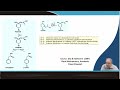
Biosynthetic Pathway of Flavonoids
-
Starting Point: Chalcones Formation
- Formed by enzymatic condensation of three molecules of malonyl-CoA with one molecule of coumaroyl-CoA.
- Chalcones can cyclize to form flavanones such as naringenin and aromadendrin.
-
Key Enzymatic Conversions
- Isomerization: Chalcones convert into flavanones.
- Hydroxylation: Introduces hydroxyl groups producing dihydroflavonols.
- Reduction: Dihydroflavonols are reduced to leucoanthocyanidins (colorless precursors).
- Synthesis of Flavonols: Via flavonol synthase converting dihydroflavonols into compounds like quercetin, kaempferol, and myricetin.
-
Branching into Compound Classes
- Flavanones can convert into flavones, flavonols, or flavan-3-ols.
- Proanthocyanidins (condensed tannins) are polymers formed by flavan-3-ol units such as epicatechin. These compounds relate closely to the topics covered in Comprehensive Biosynthesis and Metabolic Engineering of Lignans, Rosmarinic and Chlorogenic Acids.
- Isoflavonoid biosynthesis predominantly occurs in legumes involving chalcone reductase and isoflavone synthase enzymes.
Detailed Highlights
Flavones and Flavonols
- Flavones (e.g., apigenin) and flavonols accumulate in many plants with roles in pigmentation.
- Dihydroflavonols undergo enzymatic modifications yielding diverse flavonols.
Isoflavonoids
- Special class in legumes, derived from chalcones via isomerization and reduction.
- Important dietary phenolics including daidzein, genistein, and medicarpin.
Proanthocyanidins and Condensed Tannins
- Polymerization of flavan-3-ols forms condensed tannins contributing to plant defense and pigmentation (e.g., maroon color in sorghum).
- Green tea polyphenols such as epicatechin and epigallocatechin gallate arise from these biosynthetic routes.
Aurones (Aons)
- Pigments found in some monocots and flowers like snapdragon.
- Derived from chalcone precursors and contribute to yellow/red flower coloration.
Applications and Analytical Insight
- Identification of specific flavonoids is feasible via HPLC using methanolic extracts and standard compounds.
- Understanding these pathways aids metabolic engineering efforts for enhanced functional compounds in plants, as discussed in Comprehensive Biosynthesis and Metabolic Engineering of Lignans, Rosmarinic and Chlorogenic Acids.
Summary
This lecture elucidates the biochemical routes from chalcone precursors to complex flavonoid structures, emphasizing enzymatic steps and compound diversity across plant species. It sets the foundation for further exploration of anthocyanin biosynthesis and flavonoid metabolic engineering techniques. For extended insight into upstream biosynthetic origins, consider Understanding Phenolic Compound Biosynthesis via the Shikimate Pathway.
[Music] [Music] welcome to nptl online certification
course on pharmacognosy and metabolic engineering uh this is lecture 53 where I will discuss flavonoid flavons
isoflavonoids and proanthocyanins in brief so and in the subsequent class I will bring the issue of several
interesting metabolic engineering applications including the anthos pathway so in this class first I'll make
an overview of different flavonoid root uh then flavon and isoflavonoids then proanthocyanins and aons these are the
things I'm going to cover now so biosynthetic pathway leading to the formation of flavonoids so
here uh I uh this is a brief overview of this so as the chalones so chalone is basically formed by joining
malan KO three molecules of Malon KO with one molecules of kumaro qu or the same joining can leads to the formation
of Steel vein which I have already covered in the previous class and steel veins accumulated into the into grapes
okay so these chel cones okay uh depends on the plant species where uh these chel cones
can uh lead to the formation of isoflavones and isoflavonoids or these chelon can lead
to the formation of antoin or this can take part
in the formation of flavonols so here where it where it
plays important role or in formation of uh say uh ISO flavons and isoflavonoids particularly what we find in case
of legumes so there are chalone synthes and chalone reductors will work together and eventually the pathway moves in this
Direction uh so uh so what is here that first chalone will be converted into ISO flavonones
so and then this is this step is called isomerization isomerization is there in both the cases and then flavone will be
converted into flavon and it is stored as such that is a dehydration or or flavonone can be
reduced to flavon for all which forms flavon foral and flavon for alls under go polymerization and
forms flen flen is a as a typical complex phenolic compounds which accumulates and forms the uh maroon
color and you'll find in the soram infloresence in in in muza flower the the
sped uh yeah so the there you will find this uh so the and so that is flen is a very unique compound uh and
but but important thing is that flavanone under go Hydrox
silation which makes dihydroflavonol and dihydroflavonol can take part in the
formation of flavonols or it will be subsequently
reduced and makes flavon 34 dioles which is called
Lico anthoine Lico antoin are colorless that may undergo reduction and form antoin which eventually forms
anthoine which are the colored components all these flavon 3on dioles will converted into flavon three OLS
which is which are the cin and epic cin components of green tea polyphenols and which eventually joins together and
form the condensed tanins so these are the different Roots which originate from the chalone so either it produce
flavonols or it produce flavons or it produce uh antoin or it produce isoflavonoids
depends on the different plants but uh but normally the flavons flavonols are present uh in in most of the plants but
the content may may very lower amount to get it detected so the first one is the chalone which we have studied and
chalone is formed by the chalone synthes so next one is the Flav so particularly there is an isomar I have shown the
isomerization isomerization here so this is basically the isomar enzyme which converts into
flavon so flavone makes flavon so flavonone makes flavon uh here it is flavon or flavon
can mix isoflavone or flavon can mix flavonol all this I have shown this is can make
flavonols or it can make antoin so flavonones are also very important molecules and uh
through different enzymatic root uh it makes different phenolic compounds now these are all basically derived from C6
C3 so this comes under the flavonoid uh so we can also tell that polyphenols because more than one uh Phile ring is
there so the reactions leading to different flavonoid group first is the chalone which is for
by joining melano KO and Kar KO and makes the product which is called Tetra hydroxy chalone so this under goes
isomerization uh which makes naringenin so the naringenin is this one or sometime it is called naren in
chalone this can convert it into arod dial uh so both arod dial and ningen comes from the
flavones and then subsequently by the Flav oid 3 hydroxy f3h is flavonoid 3 hydroxy which makes this
dihydroflavonol these are the dihydroflavonol which are either dihydro cerol or dihydro cotin or dihydro myin
so these are called dihydroflavonol so the enzyme is flavonoid three hydroxy so that basically as you see here at three
position o is added uh uh and uh then uh then uh what happens this can converted into dihydro questin by F3
Prime H so that means that another another H is added here or if3 prime 5 Prime H what is there one H added here
another H is added here so these structures maybe we'll see in one of in the subsequent class and then this
dihydroflavonols dihydroflavonols can be converted to the flavonols so what are the flavonols
quartin cherol and mtin these are the flavonols the enzyme is called flavonol synthes flavonol synthes so uh so this
is uh uh yeah this is the Flav yeah flavonol compounds and
yeah uh so what is the differences here that between dihydro and the cerol and the cerol is here is one
this double bond and then subsequently this converted into Lico Li anthoine which I have shown here this is uh Lico
anthos so which is by the reduction so reduction means that there the reducted enzyme and that is why it is called dfr
dihydroflavonol redu is so R stands for reduce s for reduce and then it makes Li antoin and then this will form the
anthos purposefully I not discussing the antoin in this class so here my purpose is to tell you the chalone
flavanone then dihydroflavonol then flavonol and lianin so Lu
anodin taking part in the formation of other products also that we will see so this is the LI
anthoine so as I said that plays one important role in the formation of anthocyanidins by anthoine synthes but
as I said this I will discuss in the next class but the point to mention here that this Liu anthoine by the action of
Lio antoin reduct is which makes flavonols which are epin or uh epin plus or minus epin so flavon
three OLS if you go here the flavon three alls so here this is the flavon three OLS which arein or EP or cin so
this is by the action of this reduce reduce and then this subsequently joins together and form Pro anthoine
which has big polymeric molecules and also it comes under the condens tannins okay so condens tannins are basically
formed by joining this flavon thols in multiple numbers and form the condens tannins whereas in the right side what
you see this is basically the green tea green tea green tea is basically a good source of polyphenol which is basically
dominated by epin EP G cin epig Galatin gallet Gallatin gallets so different so gallet
gallet is coming from the GIC acid GIC acid is coming from this simate root and kin is coming from this root and that
joins and it makes different complex polyphenols of green tea so but I'm not going to discuss that only I mention the
names like epic catin epig Galatin epig Galatin gallet Gallatin gallet they different compounds so once you make the
extract methanolic extract and run in hlc and if you have the standards you will able to identify this compounds
without any problem so the GIC acid as I said GIC acid and GIC acid can joins with the
glucose forms gluc galine this slide I have shown in the previous classes and that can also form the complex uh
hydrolyzable tannins anyway so formation of flavanones so
flaves okay now uh let's go back again here the flavanones is basically naringenin
and arod dicto so naringenin and arod dicts these are basically the flavanones so this
naringenin or arod dial can convert uh can catalyze uh can be used as a substrate uh uh for the enzyme called
flavon synthes and it makes either epine or leoline epinine and leoline these are
basically the flavons by the action of flavon synthes and it makes and you see the difference is is pretty similar only
the hydroxy at R1 position makes lolin and the this flavones can be converted into Flav
flavon foral by again a dihydroflavonol reduce if I go back to this one
uh here you see there is a reductors here flavanone by reductors it prints flavon for all
so and flavon foral which may be uh leral or epero but this finally makes the flen pigments as
I have mentioned here and uh this is basically the from flavonones this different either it produces the
flavons or flavon fals okay and now come to the aons so um flower color is dominated by mostly
antoin but also carotin but also by aons particularly in can species in monocot canes family so their aons are prevalent
not only that in some uh uh Snapdragon also the yellow color is also dominated by aons so aons are basically the
derivatives of chalons only as you see this is oron so oron could be either yellow or red in color so oron is
basically formed from tetr hydroxy chalone so tetr hydroxy chalone is the chalone so that by the action of
yes autocine synthes Aon is a group and the specific compound is called orine oroidin so a stander aidin
synthes aidin synthes so it's here and or the other root which operates in the
legum as I said that CHS and CHR will basically work together and makes ISO liquidity genine ISO liquidity
genine so which is also coming under chalone so tetrahydroxy chalone is a chalone which takes part in the
formation mostly for the flower color antoin where another type of chalone is called isol liquidity genine which is
formed in the legumes and that main role is formation of isoflavonoids so this once this isol liquidity genine is
formed that also by the action of oroidin synthes it makes orine so this is the called the aons and what we
see that how the other isop flavons are formed uh okay so this is again uh rision so chalone
synthes uh makes tetrah hydroxy chalone okay which is taking part in the formation of an ninenine and
subsequently to antoin whereas the another type of chalone is called isol liquid regen in which is again a chalone
that plays important role in the formation of uh isoflavonoids so here naringenin is a
flavone whereas another chalon this isomar is which makes two liquid genine which is basically a flavon
flavon okay so chalon then flavon right correct and then uh okay then let's go to the
next one so this is the reaction I have said in the previous class no point of discussing so now
the uh liquidity genine is formed and liquid regening by the subsequent entic steps
like ifs B methy transpares and several eventually it forms the uh compound uh for example if it is ifs that uh
isoflavone synthes then it makes diin or genistin so diin is basically it is an isoflavonoid so this
is a dietary phenolics or through other root it produces genistin this is also an
isoflavonoid and this pathway further moves and forms medicarpin medicarpin are also
isoflavonoids and uh so these are the complex molecules but it is basically uh restricted to the legums so legum in the
legumes these pathways are operating so these are isoflavones and isoflavonoids uh only what you need to
know that this isoflavonoid pathways are operating in legum so there the the flavanone is basically liquid in uh not
the naringenin so with this more or less I have uh covered the biosynthesis of uh
total flavonoid Group which consist of flavonone flavons flavonols isoflavonoids Flav and uh isoflavans and
Orin and oron pigments and also I mentioned about Pro anthoine which plays important role for the formation of
condensed tanins we also mention of flavon 34 diols which makes the formation of FL weapen I also mention
flavon three OLS which makes the form which actually are nothing but the epin epin gallet cins so which are the
components of green tea so this is in brief about the flavonoid group
and I will end the class here in the next class I will specifically talk about the anthos in biosynthetic
pathway with this I end the class here thank you
Flavonoids are a diverse group of polyphenolic compounds that contribute to plant pigmentation, defense mechanisms, and provide health benefits to humans such as antioxidant properties. They include subclasses like flavones, flavonols, isoflavonoids, and proanthocyanidins, each playing specific biological roles in plants and nutrition.
Flavonoid biosynthesis begins with chalcones, formed by enzymatic condensation of malonyl-CoA and coumaroyl-CoA. Chalcones then isomerize into flavanones, which undergo hydroxylation and reduction to produce dihydroflavonols, leucoanthocyanidins, and ultimately diverse flavonoid subclasses like flavonols, flavones, and flavan-3-ols.
Dihydroflavonols are converted into flavonols through the action of flavonol synthase, which introduces specific structural changes to form compounds such as quercetin, kaempferol, and myricetin. This enzymatic step is crucial for diversifying the flavonoid profile in plants.
Isoflavonoid biosynthesis in legumes involves specialized enzymes like chalcone reductase and isoflavone synthase, which modify chalcone precursors uniquely to produce dietary phenolics like daidzein, genistein, and medicarpin. This pathway is specific to legumes and contributes to their distinctive health-promoting compounds.
Proanthocyanidins, also called condensed tannins, form by polymerization of flavan-3-ol units such as epicatechin. They play vital roles in plant defense against herbivores and pathogens and contribute to coloration, for example, the maroon color in sorghum. They are also key compounds in green tea polyphenols.
High-Performance Liquid Chromatography (HPLC) with methanolic extracts and standard flavonoid compounds is commonly used to identify and quantify flavonoids in plants. This method provides precise profiling of flavonoid subclasses essential for research and metabolic engineering.
Comprehending flavonoid biosynthetic pathways enables targeted metabolic engineering to enhance the production of beneficial compounds in plants, improving nutritional value, pigmentation, and stress resistance. Knowledge of enzymatic steps and pathway branching facilitates the design of strategies to optimize flavonoid profiles for agriculture and health applications.
Keep this summary
Save it to LunaNotes and it becomes a real note in your library — editable, searchable, and ready to turn into flashcards or a diagram. Free to start.
Save to LunaNotesOr summarise for another video.
This summary and transcript were automatically generated using AI with the Free YouTube Transcript Summary Tool by LunaNotes.
Related summaries
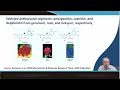
Comprehensive Guide to Anthocyanin Biosynthesis and Metabolic Engineering
Explore the detailed biosynthesis pathway of anthocyanins, understand the structural diversity influencing flower coloration, and discover advanced metabolic engineering techniques for enhanced anthocyanin production in plants. This lecture also explains anthocyanin transport mechanisms within plant cells and highlights recent developments in transcription factor–driven metabolic engineering.
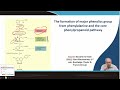
Comprehensive Overview of Phenolic Compounds: Phenylpropanoids, Benzenoids, Coumarins, and Tannins
This lecture provides an in-depth exploration of phenolic compounds derived from the phenylpropanoid pathway, including the biosynthesis and functions of phenylpropanoids, benzenoids, coumarins, flavonoids, and tannins. Key metabolic routes, enzymatic steps, and their biological roles in plants are detailed for enhanced understanding of these essential natural products.
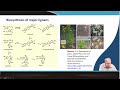
Comprehensive Biosynthesis and Metabolic Engineering of Lignans, Rosmarinic and Chlorogenic Acids
This lecture explores the intricate biosynthesis pathways of lignans, including important compounds like phoyotoxins, as well as caffeic acid esters such as rosmarinic and chlorogenic acids. It highlights the pharmacological relevance of these phenolics, details enzymatic steps, and presents metabolic engineering advances enhancing their production in plants and microbial systems.
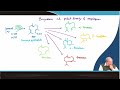
Comprehensive Overview of Terpene Diversity and Biosynthesis in Plants
This lecture explores the biosynthesis pathways and product diversity of key terpene classes including sesquiterpenes, diterpenes, triterpenes, and polypenes. It highlights their roles in plant defense, fragrance, and medicinal properties, with detailed examples such as chamomile compounds, phytoalexins, and cardiac glycosides.
Understanding Phenolic Compound Biosynthesis via the Shikimate Pathway
This lecture explores the origin and biosynthesis of phenolic compounds through the shikimate pathway, highlighting the role of aromatic amino acids and key regulatory enzymes like DHS. It provides a detailed overview of metabolic routes leading to diverse phenolic subclasses and the impact of herbicides such as glyphosate.
Most viewed summaries

A Comprehensive Guide to Using Stable Diffusion Forge UI
Explore the Stable Diffusion Forge UI, customizable settings, models, and more to enhance your image generation experience.

Kolonyalismo at Imperyalismo: Ang Kasaysayan ng Pagsakop sa Pilipinas
Tuklasin ang kasaysayan ng kolonyalismo at imperyalismo sa Pilipinas sa pamamagitan ni Ferdinand Magellan.

Mastering Inpainting with Stable Diffusion: Fix Mistakes and Enhance Your Images
Learn to fix mistakes and enhance images with Stable Diffusion's inpainting features effectively.

Pamamaraan at Patakarang Kolonyal ng mga Espanyol sa Pilipinas
Tuklasin ang mga pamamaraan at patakaran ng mga Espanyol sa Pilipinas, at ang epekto nito sa mga Pilipino.

How to Install and Configure Forge: A New Stable Diffusion Web UI
Learn to install and configure the new Forge web UI for Stable Diffusion, with tips on models and settings.
Found this summary useful?
Take it with you. One click puts it in your own LunaNotes library.
Save to LunaNotes