
Download Subtitles for Learn Real-Life English: Poverty in America
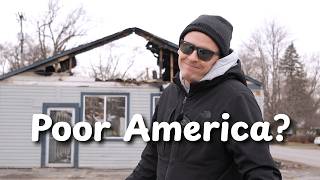
Learn Real-Life English: What Poverty in America Looks Like 🇺🇸 | Comprehensible Input
Pensando Inglés
SRT - Most compatible format for video players (VLC, media players, video editors)
VTT - Web Video Text Tracks for HTML5 video and browsers
TXT - Plain text with timestamps for easy reading and editing
Scroll to view all subtitles
Are you ready to learn some real life
English with comprehensible input? Well,
good, because today we're going to
continue improving our English in a
natural way, and I'm going to show you
guys a side of the United States that
many people around the world never see.
Today, we're talking about poverty.
Let's go. Hey guys, it's your English-
speakaking friend, Kyle. It's cold here
in Indiana. I know I've been saying that
a lot lately, but it's true. And today,
guys, we're going to talk about a topic
that I think many people around the
world don't really know about, and it's
poverty in the United States. Now, what
poverty means is that you're poor. If
you're living in poverty, you don't have
money to enjoy vacations or eat the best
food or live in a nice house. You're
worrying about money all the time. You
don't have any extra money. Sometimes
you have to use credit cards just to pay
for the things you need like food.
That's poverty. And to be honest,
there's a lot of it in the United
States. So, we're going to talk about
all that. Before we get into that, I
want to take a minute to thank all of
our new subscribers. Welcome you all to
Pensando.
This has been such a great journey for
me, guys. I'm so happy to have all of
you here with me. Just want to
appreciate you guys for a minute. So, a
lot of people around the world, they
think everybody here has money. I've
been told that many times. Okay? And
while it is true that there are a lot of
jobs here that pay a lot of money that
maybe there aren't in other places, it
also is super expensive to live here.
So, it doesn't matter if you make $10 an
hour or $50 an hour. If you don't have
any money left over extra after your
bills, you're both broke. Okay? So, I'm
going to share something with you guys.
I'm going to share with you guys the
amount of money that it costs my family
to just to live every month so you can
have an idea of how expensive it is here
in the United States. But stick around
till the end of the video because I'm
also going to give you guys an inside
look at what poverty in the United
States really looks like. because we
live in a city of workingclass people.
People like me who have pretty good
jobs, but very close to my city, right
next to my city, is a place where
there's a lot of people struggling and
living in poverty. And honestly, guys, I
used to live in that place with poverty.
I'll show you a place where I used to
live that my wife doesn't even know
about. So, how much does it cost Kyle's
family to live every month? Let's do
some math. The mortgage for our house,
which is the money that we have to pay
the bank for the loan that we got on the
house, is $2,11
every month. The electricity and gas to
keep our house warm, can cost anywhere
from $150
when it's warm outside to $270,
which is what I just paid because it's
cold and we have to use the heater in
the house uh pretty much all the time.
It cost $100 just for the city to come
and take our garbage. It costs anywhere
from $40 to $60 to have water, running
water in our home. We pay $180
a month just for the insurance on our
cars. We pay $130 a month for our phone
bill. We pay about $50 for a gym
membership that we can all use, a family
gym membership. And if we're really
trying hard not to spend too much on
food, we spend around $500 a month on
groceries. But that is no eating at
restaurants, no buying coffees. That's
just buying groceries and cooking at
home. So we actually went to the grocery
store earlier. I took this picture
because I wanted to show you guys. This
costed $77
and that's food for maybe four days. Now
guys, I remember when I first started
working, you know, this was 15 15 years
ago. I would go when I first started
getting good jobs. I would go to the
grocery store and spend $100. That whole
cart was so full of food, guys.
Groceries, which means food, has gotten
so much more expensive, guys. And it
it's just crazy. And it's so hard to
feed your family good food without
spending so much money. And there's only
three of us right now. There's going to
be four very soon. But imagine people
who have four, five, six, seven people
in their homes. How expensive it is to
buy those groceries. So guys, all those
bills together is $3,279.
Like I said, that is no doing fun
things. That's not going to a movie.
That's not going uh out to eat. And
guess what, guys? I didn't even try to
calculate how much money we spend on
gas. Okay, so another thing you have to
think about, guys, the average family in
the United States has two car payments.
Okay, we have none. Because when my wife
and I, we got married, we worked very
hard to pay off our two vehicles. So, we
do not have payments on our cars. Most
people, guys, are spending anywhere from
$300 to $700 a month on a car payment,
and most families have two of those. So,
you could add another $1,000 on average
for car payments to the average US
household. So, let's say if you're very
smart with your money, you could live a
good lifestyle in the United States for
$4,000 to $5,000 a month. And this is
not fancy, guys. This is a normal good
workingass lifestyle, okay? The wealthy
people in nice nice places in Chicago,
they could spend 20,000 a month. Okay?
But I'm gonna calculate how much that is
in dollars into a couple of currencies
around the world over here so that you
guys can know what that might be like in
a currency that you know about. It's
expensive guys. The lifestyle is
expensive. Now, because of that reason,
it's so expensive. Almost everybody we
know, the husband and the wife, the
mother and the father have to work,
guys. And if they if one of them gets
sick or loses their job, everything is
messed up. Most people have tons of
credit card debt. We don't use our
credit cards for that reason. And guys,
there's so many families in the United
States that are so stressed out. Friends
of mine who work at the same job as I
do. And at my job, we make more than the
average salary in the United States. A
lot more. And those people, their wives
work, too, and they're still worrying
about money. When I was a kid, guys, we
always thought, "Oh, this guy's dad, he
works in the steel industry. That family
has so much money." But now that I grew
up and got the good job around here, I
see people struggling even with those
good jobs. So, we're blessed, guys. I
have a good job. My wife, she's
pregnant. She's not working and we're
living okay. But that's because we
worked hard to pay off our debt. That's
because I've been studying money for
years and I save and plan and think
about these things. But if you do not
invest in your own financial education,
you're going to be living in poverty,
guys. Unless your parents had money and
you don't have to work very hard. But
that's one of the things that people
think, oh, if I go to the US, everything
will be all right. My wife is an
immigrant here and she could tell you
from her immigrant friends. It's not as
easy as everybody thinks it is, guys.
Now, that being said, there are tons of
opportunities here if you're smart
enough to take advantage of them. So,
what do the people do that don't have a
great job that don't know enough about
money? How are the poor people living in
the United States? That's what we're
going to show you in this video. All
right, guys. Now, I'm going to show you
how to know when you're in a poor area
in the US. Well, one way that you can
know is there would be buildings like
this, abandoned buildings. Now, when I
was growing up, guys, this was a grocery
store. Families came here, but now it's
been closed down like this for, I don't
know, almost 10 years. And the way you
know that that means it's a poor area is
because this is a building not being
used for anything. No other business
will buy it because they know the people
here don't have money. the people here
will steal from you and it's not even
worth trying to open up a business.
That's one way. There's abandoned
buildings everywhere. Another way you
can know that you're in a very poor area
is by the kinds of businesses that are
there. So guys, we're still standing
right next to the abandoned grocery
store, but this store is open and
working. And what this is is a liquor
store. They sell beer, wine, whiskey,
things like that. Those are the only
kind of stores that survive in places
like this because that's the kind of
things that poor people spend their
money on. Bad things. So there you can
see the sign. Liquor, beer, wine,
cigarettes. You'll see many of those in
poor neighborhoods. Those are
everywhere. Just on this one street, I
think there's six or seven liquor
stores. And they're making a lot of
money off of people who don't know any
better. Here you guys can see another
completely destroyed business. And guys,
this is not something rare around here.
There's tons of places that are just
destroyed. Nobody cares. Nobody wants to
invest money in this area by making a
new business because they know that
it'll fail because these kind of
communities do not care about their
communities. They throw garbage
everywhere. There's garbage all over the
ground. So for a business person, it
makes no sense to try and come here and
grow something because the people around
it will not take care of it. All right,
guys. And this is another thing that
you'll see in these poor areas. This is
called a strip club. Now, you guys know
this is a family-friendly channel, but
what a strip club is, it's where men go
to watch women dance without clothes.
>> So guys, somebody's walking into the
place right now and he looks like a poor
person. Honestly, uh, it looks like a
criminal. Looks like a loser. My wife's
shaking her head. Yes,
>> I'm scared.
>> She's scared.
>> Um, because the kind of people that come
here, guys, are not good people. And
it's 12:48 in the afternoon and there's
five cars here right now. Now, maybe two
of the cars are girls who are working
here dancing, but there's people coming
to this place and wow, just who would do
that during the day? Wealthy people,
people with families who do what they're
supposed to do. They don't have time to
do these things. This is a poor person
thing and that's why you'll see it in
poor places. Okay, guys. Here, I'm not
getting out because I don't want
somebody to see me recording their home
and feel bad. I would never do that to
somebody. But this is something that I
don't know if they have in many other
parts of the world. This is called a
trailer park. Uh these little things are
called trailers or mobile homes, guys.
You could see that they're in terrible
states, filthy. There's some of them
that have just been completely destroyed
and there's still people living in those
guys. And this is one of the things that
people have to do when they don't have
money, when they can't afford a nice
home. This is something that you can
afford. So guys, it's a stereotype. And
a stereotype means something that people
say about a certain group of people, but
it's usually based on something true.
There's a stereotype here that if you
live in one of these, you're poor,
you're low class. And guys, it's true
that if you live in one of these, you
probably are living in poverty. Doesn't
mean you're low class. There's plenty of
good people that live in these places.
And some of them are much nicer, guys.
And honestly, I lived in one of these
before. I never told my wife that
because I'm embarrassed, guys. When I
had to live there before, I was
embarrassed. I didn't want to bring
anybody to my home. I didn't want to
tell people where I lived because it's
embarrassing. And because of that
stereotype, guys, there's a really
hurtful thing that people say here. They
call people who live in these places
trailer trash. Now, that's super
hurtful, guys. And that's why I didn't
tell anybody where I lived. I never
invited people over. And I lived in one
of these for maybe a year, year and a
half. And I hated it, guys. Hated it so
much. But that's the kind of things you
have to do when you don't have a lot of
money in the US. So honestly guys, and
this is another stereotype, but I'm
telling you guys the truth. This is
where poor white people live in the
United States. Okay? Now, that doesn't
mean that a black person can't buy a
trailer. This is just the kind of things
that poor white people tend to do. Now,
I'm going to show you something else.
Where poor black people usually live in
the United States. And guys, this is not
racist. This is the truth. I know
because I lived in one of these and was
surrounded by poor white people. And one
of my very good friends was a poor black
guy. And I went to visit him and I was
the only white person around. And when I
went there, they looked at me like I was
a unicorn or Bigfoot or something. that
should not be there. So, let's go see
where the poor black people live here.
Okay, guys. And these are what we call
in the US project buildings. Okay,
project buildings are where, like I
said, the poor black people live. And
guys, I'm not saying that to be racist,
but like I said earlier, I had a very
good friend who lived in here, and he
was not a very good person. So, if
you're in any of these buildings, you're
going to smell tons of marijuana. You're
going to see people openly selling
drugs. A lot of people have guns on
them. I've seen people fight in here.
And it's really not a place you want to
be. So, guys, these apartments, you
don't even pay a rent because these are
a government program, okay? The
government gives these to people who are
completely poor. There you see the kind
of people who are here. Um, but the
government lets people live here for
free and that's why you get people here
who don't care about a whole lot. So,
it's a very sad thing, guys. Very sad.
I've been in there. I've seen the way
that people live in there, and it's not
pretty. All right, guys. We're just
going to do a little drive through here
of a city called Gary, Indiana. And Gary
is a very sad case because my parents
grew up here, guys. And Gary was
beautiful. The steel mills started here
and many families moved here and got
good jobs to take care, raise a good
family, you know, with money. They could
have buy these houses. These houses used
to be big and beautiful. But you can see
what has happened over the years.
They've been completely destroyed and
neglected. And now there's houses
everywhere that are just falling apart.
And you'll be able to see them right
here. Just nobody lives here. And the
people who did do live here, look over
on this side, baby. It's just abandoned
homes, people on drugs,
and this is not a safe place. I would
never even park my car here with my wife
because you could see what kind of, you
know, there's not going to be people
walking around in a place like this.
Gary is known to be one of the most
dangerous cities in the United States.
And actually, when I was growing up in
the '9s, it was the murder capital of
the United States. Meaning more people
were murdered or killed here than any
other city in the whole country. All
right, guys. Now, let's wrap this video
up. And to wrap something up means
you're going to bring it to an end. So,
we just got home. I was driving around
showing camera wife Gary, Indiana, which
is now one of the ugliest, most
destroyed cities in the country. And she
couldn't believe all the destroyed
houses. And there's some streets where
you drive down the street and nobody
even lives there. It's all destroyed.
Um, there's dogs, wild dogs running
around. It's not a safe place. So, why
did this city go from the beautiful city
where my parents grew up, where there
were jobs and businesses and
opportunities? How did it go from that
to a dangerous place where you don't
even feel safe driving through it? My
wife even said, "Wow, I feel like uneasy
here, like somebody's going to come and
try and attack you or something." Well,
what happened is decades. And a decade
means 10 years. So decades can be 10,
20, 30, 40 years. Decades of people
using and abusing drugs. Decades of
politicians making bad decisions to
benefit themselves and make money
instead of helping the community that
they are supposed to protect and serve.
Police not protecting the innocent
people from crimes. And guys, when all
these things start to happen, the good
people, the families, the hard workers,
they start to leave. And then when it's
only the bad people left in a city, it
becomes like what you guys just saw. So
that's the reality of Gary, Indiana. And
the thing that surprised my wife is
that's only like 15 minutes away from
where we live. So it goes from normal,
you know, families, people raising their
kids to that in just 15 minutes. And
there's a lot of places like that in the
US. You could be in a beautiful part of
Chicago and drive one way for 5 10
minutes and you're in a neighborhood
that is dangerous and poor. So that's
the reality of poverty in the United
States. Guys, I'm glad that we got to
show you some visuals so you could see.
But the last thing I want to talk about
is some of the government programs that
I mentioned earlier that help some of
the poor people in the United States,
but they also hurt people in certain
ways. And I'll tell you how. So, there's
one program called Section 8 housing,
which is where the government gives you
a certain amount of money every month to
use for housing. And that's like those
apartment buildings that we showed you
earlier. Nobody in there is paying to
live there. That's all government
funded. Okay. So, that sounds nice,
right? If a woman has children and she
can't afford housing, she could get on
section 8, the plan, and get a place to
live. But the problem is you end up in a
place like that. That's not a safe place
to raise your children. Okay? So, that's
the bad part about it. Yeah, it can give
you a place to live, but it's not going
to be anywhere that you want to live and
it's not going to be a safe, clean
place. Another one of the programs that
everybody talks about is food stamps.
Okay? And what food stamps are is when
the government gives you a certain
amount of money every month that you can
only use to buy groceries. And this is a
good thing, I guess, to keep people from
starving. But we have a huge problem in
the US with obesity. Okay. So the
government is giving these poor people
sometimes $6 or $700 a month of food
stamps, more than I spend on food with
no regulations, no education showing
them what they should be eating. And
they've done studies on this guys. Most
of the food stamp money does not go to
vegetables and meat and fruit. Most of
the food stamp money goes to chips,
pops, garbage, cookies. And it's it's
crazy when you think that in the United
States, the average person living in
poverty is obese, guys. For thousands of
years, the poor people, the peasants,
they were skinny because they didn't
have enough food. Now we have people who
are huge and they have no money. It's
crazy, guys. So, at least they're not
starving, but they're not being taught
and they're making these terrible habits
and they're passing them down to their
kids. Guys, we have whole generations,
meaning mother, father, their kids,
their kids' kids that grew up in section
8 housing and on food stamps and they
never knew anything different. They
never were taught better, so they never
tried to improve themselves.
and their kids learn that their kids are
eating garbage food. Their kids never
try and get better and it just keeps
going and that's how the cycle of
poverty continues. So, those are a
couple of the government programs that
people use. It keeps people off the
streets and it keeps them from starving,
but it also keeps them in this
neverending cycle of poverty. And there
are some people who break free of it and
make something of themselves. There's
also a huge part of the population who
receives these uh this government help
who will never try to help themselves to
better themselves to make a better life
for their families because it's too easy
just to take that government money every
month. So guys, that's some of the
things that maybe you did not know about
the poverty situation in the United
States and some things that many people
around the world will never know. I
tried my best to give you guys a view of
the poverty that is around me. Okay?
Now, if you're living in bad
circumstances, guys, don't let that
define you. You can get anywhere you
want in this world. If you can believe
it and see it in your mind and dedicate
yourself to work there every day. And
you know, I'd never said this on the
channel. I never told my wife that I
lived in one of those trailers before
because I was very, very embarrassed
about it. But when I become successful,
I'll be proud knowing that I saw this,
that nobody gave me the opportunities,
that I built this on my own. I broke the
cycle of poverty.
And my children will have a better life
than I had. And they will see things
that I never dreamed of as a kid. So
maybe this video was eyeopening for some
of you guys and eyeopening means it
shows you something that you never
thought of that you didn't know existed.
So I also want to say I know there's a
lot of people watching this and you're
saying well it's worse here it's worse
there. Absolutely guys at least we don't
have a war going on here. You know I'm
not complaining at all in this video. I
just want to show you guys that the
United States is not what Hollywood
would make you think it is, okay? It's
not all like it is in the movies. And uh
you know, if you were thinking of coming
here, maybe this gives you a little bit
more to think about. You have to be
careful where you go. You have to pick a
good place to be. And it's not all
perfect because nothing is perfect in
this world except for my wife. All
right, guys. I appreciate you all.
Thanks for spending your time with me.
Like this video. Give me a comment. And
guys, I'm always trying to grow. Share
it with a friend. If you appreciate the
work I do here, just share this video on
social media. Send it to a friend and we
can continue to grow in a positive way
together. Thanks, guys. See you in the
next video.
Full transcript without timestamps
Are you ready to learn some real life English with comprehensible input? Well, good, because today we're going to continue improving our English in a natural way, and I'm going to show you guys a side of the United States that many people around the world never see. Today, we're talking about poverty. Let's go. Hey guys, it's your English- speakaking friend, Kyle. It's cold here in Indiana. I know I've been saying that a lot lately, but it's true. And today, guys, we're going to talk about a topic that I think many people around the world don't really know about, and it's poverty in the United States. Now, what poverty means is that you're poor. If you're living in poverty, you don't have money to enjoy vacations or eat the best food or live in a nice house. You're worrying about money all the time. You don't have any extra money. Sometimes you have to use credit cards just to pay for the things you need like food. That's poverty. And to be honest, there's a lot of it in the United States. So, we're going to talk about all that. Before we get into that, I want to take a minute to thank all of our new subscribers. Welcome you all to Pensando. This has been such a great journey for me, guys. I'm so happy to have all of you here with me. Just want to appreciate you guys for a minute. So, a lot of people around the world, they think everybody here has money. I've been told that many times. Okay? And while it is true that there are a lot of jobs here that pay a lot of money that maybe there aren't in other places, it also is super expensive to live here. So, it doesn't matter if you make $10 an hour or $50 an hour. If you don't have any money left over extra after your bills, you're both broke. Okay? So, I'm going to share something with you guys. I'm going to share with you guys the amount of money that it costs my family to just to live every month so you can have an idea of how expensive it is here in the United States. But stick around till the end of the video because I'm also going to give you guys an inside look at what poverty in the United States really looks like. because we live in a city of workingclass people. People like me who have pretty good jobs, but very close to my city, right next to my city, is a place where there's a lot of people struggling and living in poverty. And honestly, guys, I used to live in that place with poverty. I'll show you a place where I used to live that my wife doesn't even know about. So, how much does it cost Kyle's family to live every month? Let's do some math. The mortgage for our house, which is the money that we have to pay the bank for the loan that we got on the house, is $2,11 every month. The electricity and gas to keep our house warm, can cost anywhere from $150 when it's warm outside to $270, which is what I just paid because it's cold and we have to use the heater in the house uh pretty much all the time. It cost $100 just for the city to come and take our garbage. It costs anywhere from $40 to $60 to have water, running water in our home. We pay $180 a month just for the insurance on our cars. We pay $130 a month for our phone bill. We pay about $50 for a gym membership that we can all use, a family gym membership. And if we're really trying hard not to spend too much on food, we spend around $500 a month on groceries. But that is no eating at restaurants, no buying coffees. That's just buying groceries and cooking at home. So we actually went to the grocery store earlier. I took this picture because I wanted to show you guys. This costed $77 and that's food for maybe four days. Now guys, I remember when I first started working, you know, this was 15 15 years ago. I would go when I first started getting good jobs. I would go to the grocery store and spend $100. That whole cart was so full of food, guys. Groceries, which means food, has gotten so much more expensive, guys. And it it's just crazy. And it's so hard to feed your family good food without spending so much money. And there's only three of us right now. There's going to be four very soon. But imagine people who have four, five, six, seven people in their homes. How expensive it is to buy those groceries. So guys, all those bills together is $3,279. Like I said, that is no doing fun things. That's not going to a movie. That's not going uh out to eat. And guess what, guys? I didn't even try to calculate how much money we spend on gas. Okay, so another thing you have to think about, guys, the average family in the United States has two car payments. Okay, we have none. Because when my wife and I, we got married, we worked very hard to pay off our two vehicles. So, we do not have payments on our cars. Most people, guys, are spending anywhere from $300 to $700 a month on a car payment, and most families have two of those. So, you could add another $1,000 on average for car payments to the average US household. So, let's say if you're very smart with your money, you could live a good lifestyle in the United States for $4,000 to $5,000 a month. And this is not fancy, guys. This is a normal good workingass lifestyle, okay? The wealthy people in nice nice places in Chicago, they could spend 20,000 a month. Okay? But I'm gonna calculate how much that is in dollars into a couple of currencies around the world over here so that you guys can know what that might be like in a currency that you know about. It's expensive guys. The lifestyle is expensive. Now, because of that reason, it's so expensive. Almost everybody we know, the husband and the wife, the mother and the father have to work, guys. And if they if one of them gets sick or loses their job, everything is messed up. Most people have tons of credit card debt. We don't use our credit cards for that reason. And guys, there's so many families in the United States that are so stressed out. Friends of mine who work at the same job as I do. And at my job, we make more than the average salary in the United States. A lot more. And those people, their wives work, too, and they're still worrying about money. When I was a kid, guys, we always thought, "Oh, this guy's dad, he works in the steel industry. That family has so much money." But now that I grew up and got the good job around here, I see people struggling even with those good jobs. So, we're blessed, guys. I have a good job. My wife, she's pregnant. She's not working and we're living okay. But that's because we worked hard to pay off our debt. That's because I've been studying money for years and I save and plan and think about these things. But if you do not invest in your own financial education, you're going to be living in poverty, guys. Unless your parents had money and you don't have to work very hard. But that's one of the things that people think, oh, if I go to the US, everything will be all right. My wife is an immigrant here and she could tell you from her immigrant friends. It's not as easy as everybody thinks it is, guys. Now, that being said, there are tons of opportunities here if you're smart enough to take advantage of them. So, what do the people do that don't have a great job that don't know enough about money? How are the poor people living in the United States? That's what we're going to show you in this video. All right, guys. Now, I'm going to show you how to know when you're in a poor area in the US. Well, one way that you can know is there would be buildings like this, abandoned buildings. Now, when I was growing up, guys, this was a grocery store. Families came here, but now it's been closed down like this for, I don't know, almost 10 years. And the way you know that that means it's a poor area is because this is a building not being used for anything. No other business will buy it because they know the people here don't have money. the people here will steal from you and it's not even worth trying to open up a business. That's one way. There's abandoned buildings everywhere. Another way you can know that you're in a very poor area is by the kinds of businesses that are there. So guys, we're still standing right next to the abandoned grocery store, but this store is open and working. And what this is is a liquor store. They sell beer, wine, whiskey, things like that. Those are the only kind of stores that survive in places like this because that's the kind of things that poor people spend their money on. Bad things. So there you can see the sign. Liquor, beer, wine, cigarettes. You'll see many of those in poor neighborhoods. Those are everywhere. Just on this one street, I think there's six or seven liquor stores. And they're making a lot of money off of people who don't know any better. Here you guys can see another completely destroyed business. And guys, this is not something rare around here. There's tons of places that are just destroyed. Nobody cares. Nobody wants to invest money in this area by making a new business because they know that it'll fail because these kind of communities do not care about their communities. They throw garbage everywhere. There's garbage all over the ground. So for a business person, it makes no sense to try and come here and grow something because the people around it will not take care of it. All right, guys. And this is another thing that you'll see in these poor areas. This is called a strip club. Now, you guys know this is a family-friendly channel, but what a strip club is, it's where men go to watch women dance without clothes. >> So guys, somebody's walking into the place right now and he looks like a poor person. Honestly, uh, it looks like a criminal. Looks like a loser. My wife's shaking her head. Yes, >> I'm scared. >> She's scared. >> Um, because the kind of people that come here, guys, are not good people. And it's 12:48 in the afternoon and there's five cars here right now. Now, maybe two of the cars are girls who are working here dancing, but there's people coming to this place and wow, just who would do that during the day? Wealthy people, people with families who do what they're supposed to do. They don't have time to do these things. This is a poor person thing and that's why you'll see it in poor places. Okay, guys. Here, I'm not getting out because I don't want somebody to see me recording their home and feel bad. I would never do that to somebody. But this is something that I don't know if they have in many other parts of the world. This is called a trailer park. Uh these little things are called trailers or mobile homes, guys. You could see that they're in terrible states, filthy. There's some of them that have just been completely destroyed and there's still people living in those guys. And this is one of the things that people have to do when they don't have money, when they can't afford a nice home. This is something that you can afford. So guys, it's a stereotype. And a stereotype means something that people say about a certain group of people, but it's usually based on something true. There's a stereotype here that if you live in one of these, you're poor, you're low class. And guys, it's true that if you live in one of these, you probably are living in poverty. Doesn't mean you're low class. There's plenty of good people that live in these places. And some of them are much nicer, guys. And honestly, I lived in one of these before. I never told my wife that because I'm embarrassed, guys. When I had to live there before, I was embarrassed. I didn't want to bring anybody to my home. I didn't want to tell people where I lived because it's embarrassing. And because of that stereotype, guys, there's a really hurtful thing that people say here. They call people who live in these places trailer trash. Now, that's super hurtful, guys. And that's why I didn't tell anybody where I lived. I never invited people over. And I lived in one of these for maybe a year, year and a half. And I hated it, guys. Hated it so much. But that's the kind of things you have to do when you don't have a lot of money in the US. So honestly guys, and this is another stereotype, but I'm telling you guys the truth. This is where poor white people live in the United States. Okay? Now, that doesn't mean that a black person can't buy a trailer. This is just the kind of things that poor white people tend to do. Now, I'm going to show you something else. Where poor black people usually live in the United States. And guys, this is not racist. This is the truth. I know because I lived in one of these and was surrounded by poor white people. And one of my very good friends was a poor black guy. And I went to visit him and I was the only white person around. And when I went there, they looked at me like I was a unicorn or Bigfoot or something. that should not be there. So, let's go see where the poor black people live here. Okay, guys. And these are what we call in the US project buildings. Okay, project buildings are where, like I said, the poor black people live. And guys, I'm not saying that to be racist, but like I said earlier, I had a very good friend who lived in here, and he was not a very good person. So, if you're in any of these buildings, you're going to smell tons of marijuana. You're going to see people openly selling drugs. A lot of people have guns on them. I've seen people fight in here. And it's really not a place you want to be. So, guys, these apartments, you don't even pay a rent because these are a government program, okay? The government gives these to people who are completely poor. There you see the kind of people who are here. Um, but the government lets people live here for free and that's why you get people here who don't care about a whole lot. So, it's a very sad thing, guys. Very sad. I've been in there. I've seen the way that people live in there, and it's not pretty. All right, guys. We're just going to do a little drive through here of a city called Gary, Indiana. And Gary is a very sad case because my parents grew up here, guys. And Gary was beautiful. The steel mills started here and many families moved here and got good jobs to take care, raise a good family, you know, with money. They could have buy these houses. These houses used to be big and beautiful. But you can see what has happened over the years. They've been completely destroyed and neglected. And now there's houses everywhere that are just falling apart. And you'll be able to see them right here. Just nobody lives here. And the people who did do live here, look over on this side, baby. It's just abandoned homes, people on drugs, and this is not a safe place. I would never even park my car here with my wife because you could see what kind of, you know, there's not going to be people walking around in a place like this. Gary is known to be one of the most dangerous cities in the United States. And actually, when I was growing up in the '9s, it was the murder capital of the United States. Meaning more people were murdered or killed here than any other city in the whole country. All right, guys. Now, let's wrap this video up. And to wrap something up means you're going to bring it to an end. So, we just got home. I was driving around showing camera wife Gary, Indiana, which is now one of the ugliest, most destroyed cities in the country. And she couldn't believe all the destroyed houses. And there's some streets where you drive down the street and nobody even lives there. It's all destroyed. Um, there's dogs, wild dogs running around. It's not a safe place. So, why did this city go from the beautiful city where my parents grew up, where there were jobs and businesses and opportunities? How did it go from that to a dangerous place where you don't even feel safe driving through it? My wife even said, "Wow, I feel like uneasy here, like somebody's going to come and try and attack you or something." Well, what happened is decades. And a decade means 10 years. So decades can be 10, 20, 30, 40 years. Decades of people using and abusing drugs. Decades of politicians making bad decisions to benefit themselves and make money instead of helping the community that they are supposed to protect and serve. Police not protecting the innocent people from crimes. And guys, when all these things start to happen, the good people, the families, the hard workers, they start to leave. And then when it's only the bad people left in a city, it becomes like what you guys just saw. So that's the reality of Gary, Indiana. And the thing that surprised my wife is that's only like 15 minutes away from where we live. So it goes from normal, you know, families, people raising their kids to that in just 15 minutes. And there's a lot of places like that in the US. You could be in a beautiful part of Chicago and drive one way for 5 10 minutes and you're in a neighborhood that is dangerous and poor. So that's the reality of poverty in the United States. Guys, I'm glad that we got to show you some visuals so you could see. But the last thing I want to talk about is some of the government programs that I mentioned earlier that help some of the poor people in the United States, but they also hurt people in certain ways. And I'll tell you how. So, there's one program called Section 8 housing, which is where the government gives you a certain amount of money every month to use for housing. And that's like those apartment buildings that we showed you earlier. Nobody in there is paying to live there. That's all government funded. Okay. So, that sounds nice, right? If a woman has children and she can't afford housing, she could get on section 8, the plan, and get a place to live. But the problem is you end up in a place like that. That's not a safe place to raise your children. Okay? So, that's the bad part about it. Yeah, it can give you a place to live, but it's not going to be anywhere that you want to live and it's not going to be a safe, clean place. Another one of the programs that everybody talks about is food stamps. Okay? And what food stamps are is when the government gives you a certain amount of money every month that you can only use to buy groceries. And this is a good thing, I guess, to keep people from starving. But we have a huge problem in the US with obesity. Okay. So the government is giving these poor people sometimes $6 or $700 a month of food stamps, more than I spend on food with no regulations, no education showing them what they should be eating. And they've done studies on this guys. Most of the food stamp money does not go to vegetables and meat and fruit. Most of the food stamp money goes to chips, pops, garbage, cookies. And it's it's crazy when you think that in the United States, the average person living in poverty is obese, guys. For thousands of years, the poor people, the peasants, they were skinny because they didn't have enough food. Now we have people who are huge and they have no money. It's crazy, guys. So, at least they're not starving, but they're not being taught and they're making these terrible habits and they're passing them down to their kids. Guys, we have whole generations, meaning mother, father, their kids, their kids' kids that grew up in section 8 housing and on food stamps and they never knew anything different. They never were taught better, so they never tried to improve themselves. and their kids learn that their kids are eating garbage food. Their kids never try and get better and it just keeps going and that's how the cycle of poverty continues. So, those are a couple of the government programs that people use. It keeps people off the streets and it keeps them from starving, but it also keeps them in this neverending cycle of poverty. And there are some people who break free of it and make something of themselves. There's also a huge part of the population who receives these uh this government help who will never try to help themselves to better themselves to make a better life for their families because it's too easy just to take that government money every month. So guys, that's some of the things that maybe you did not know about the poverty situation in the United States and some things that many people around the world will never know. I tried my best to give you guys a view of the poverty that is around me. Okay? Now, if you're living in bad circumstances, guys, don't let that define you. You can get anywhere you want in this world. If you can believe it and see it in your mind and dedicate yourself to work there every day. And you know, I'd never said this on the channel. I never told my wife that I lived in one of those trailers before because I was very, very embarrassed about it. But when I become successful, I'll be proud knowing that I saw this, that nobody gave me the opportunities, that I built this on my own. I broke the cycle of poverty. And my children will have a better life than I had. And they will see things that I never dreamed of as a kid. So maybe this video was eyeopening for some of you guys and eyeopening means it shows you something that you never thought of that you didn't know existed. So I also want to say I know there's a lot of people watching this and you're saying well it's worse here it's worse there. Absolutely guys at least we don't have a war going on here. You know I'm not complaining at all in this video. I just want to show you guys that the United States is not what Hollywood would make you think it is, okay? It's not all like it is in the movies. And uh you know, if you were thinking of coming here, maybe this gives you a little bit more to think about. You have to be careful where you go. You have to pick a good place to be. And it's not all perfect because nothing is perfect in this world except for my wife. All right, guys. I appreciate you all. Thanks for spending your time with me. Like this video. Give me a comment. And guys, I'm always trying to grow. Share it with a friend. If you appreciate the work I do here, just share this video on social media. Send it to a friend and we can continue to grow in a positive way together. Thanks, guys. See you in the next video.
Keep this transcript
Save it to LunaNotes and it becomes a real note in your library — editable, searchable, and ready to turn into flashcards or a diagram. Free to start.
Save to LunaNotesOr download subtitles for another video.
These subtitles were extracted using the Free YouTube Subtitle Downloader by LunaNotes.
Related videos

Download Subtitles for Learn Real-Life English: Abandoned American Neighborhood
Enhance your English learning by downloading accurate subtitles for this insightful video about an abandoned American neighborhood. Subtitles help improve comprehension, vocabulary, and listening skills through real-life contexts.

Download Subtitles for Learn Speaking English the Easy Way
Enhance your English learning experience by downloading accurate subtitles for the video 'Learn Speaking English the Easy Way.' Subtitles help improve comprehension through clear, accessible text to follow along and practice effectively using comprehensible input and immersion techniques.

Download Subtitles for English Speaking Practice Videos
Enhance your language learning by downloading subtitles for the 'English Speaking Practice: From Awkward to Confident in Real Conversations' video. Subtitles help improve comprehension, pronunciation, and boost your confidence in everyday conversations.

Download Subtitles for Learn Speaking English in a Shop Video
Enhance your English learning experience by downloading subtitles for this shop-themed speaking video. Subtitles provide clear and accessible comprehension to improve your language skills through immersion and comprehensible input.

Download Subtitles for The Easiest Way to Learn English Video
Enhance your English learning by downloading subtitles for 'The Easiest Way to Learn English (Comprehensible Input)'. Accurate subtitles help improve comprehension and vocabulary while watching the video. Access captions anytime to reinforce your language skills effectively.
Most viewed

Untertitel für 'Nicos Weg' Deutsch lernen A1 Film herunterladen
Laden Sie die Untertitel für den gesamten Film 'Nicos Weg' herunter, um Ihr Deutschlernen auf A1 Niveau zu unterstützen. Untertitel helfen Ihnen, Wortschatz und Aussprache besser zu verstehen und verbessern das Hörverständnis effektiv.

ดาวน์โหลดซับไตเติ้ล DMD LAND 3 The Final Land Day 1
ดาวน์โหลดซับไตเติ้ลสำหรับวิดีโอ DMD LAND 3 The Final Land Day 1 เพื่อช่วยให้เข้าใจเนื้อหาได้ง่ายขึ้น และเพิ่มความสะดวกในการติดตามทุกช่วงเวลา เหมาะสำหรับผู้ชมที่ต้องการความชัดเจนและเข้าถึงข้อมูลอย่างครบถ้วน

Subtítulos para TIPOS DE APEGO | 6 DE COPAS Episodio 56
Descarga los subtítulos para el episodio 56 de la tercera temporada de 6 DE COPAS, centrado en los tipos de apego. Mejora tu comprensión y disfruta del contenido en detalle con nuestros subtítulos precisos y accesibles.

Descarga Subtítulos para NARCISISMO | 6 DE COPAS - Episodio 63
Accede fácilmente a los subtítulos del episodio 63 de '6 DE COPAS', centrado en el narcisismo. Descargar estos subtítulos te ayudará a entender mejor el contenido y mejorar la experiencia de visualización.

Download Subtitles for Inside Out 2 Extended Preview 2024
Get accurate and easy-to-follow subtitles for the Inside Out 2 extended preview (2024) featured on Fandango at Home. Enhance your viewing experience and ensure you catch every detail of this exciting preview with our downloadable captions.
Found this transcript useful?
Take it with you. One click puts it in your own LunaNotes library.
Save to LunaNotes