
Cardio vs Weight Training Subtitles for Fat Burning Video
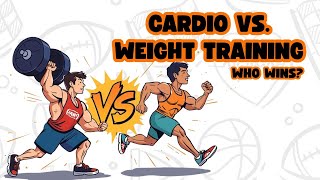
Cardio vs. Weight Training — Which Burns More Fat?
Think Qube
SRT - Most compatible format for video players (VLC, media players, video editors)
VTT - Web Video Text Tracks for HTML5 video and browsers
TXT - Plain text with timestamps for easy reading and editing
Scroll to view all subtitles
Everyone says cardio is the best way to
burn fat, but then someone else swears
that lifting weights is the real secret.
So, who's right? Today, we're diving
deep into the science to finally settle
the battle. Cardio versus weight
training. Which one actually burns more
fat? What is burning fat really? Before
we compare the two, we need to
understand what burning fat actually
means. When we say we're burning fat,
what's really happening is that our
bodies are using stored energy. Fat is
basically energy your body keeps for
later, like a backup battery. When you
eat more than you burn, your body stores
the extra energy as fat. When you eat
less or move more, your body pulls that
energy back out to keep you going. So,
burning fat isn't something that happens
instantly. It's a slow process that
depends on your energy balance. How many
calories you take in versus how many you
burn. Cardio and weight training both
burn calories, but they do it in
different ways. And that's where things
get interesting. Let's start with
cardio. Things like running, cycling,
swimming, or walking. Cardio stands for
cardiovascular exercise, which simply
means it raises your heart rate and
keeps it high for a period of time. When
you do cardio, your body burns calories
mostly from carbohydrates and fats. The
faster or longer you go, the more
calories you burn in total. For example,
running for 30 minutes can burn anywhere
from 250 to 400 calories depending on
your speed and weight. The great thing
about cardio is that it's simple and you
feel the effects right away. You sweat,
you breathe hard, and you can see your
calorie count on the treadmill screen.
Cardio is especially effective for
improving your heart and lung health,
your stamina, and your endurance. If
your goal is to burn calories fast,
cardio gives you quick results while
you're doing it. But here's the catch.
Once you stop, your body also stops
burning those extra calories pretty
quickly. After cardio, your metabolism
goes back to normal fairly soon, within
an hour or two. That means cardio helps
you burn calories during the workout but
not much after.
Now, let's look at weight training.
Lifting weights, using resistance bands,
or doing body weight exercises like
push-ups and squats. When you lift
weights, your goal isn't just to burn
calories. It's to build and strengthen
muscles. And while weight training may
not burn as many calories per minute as
running, it has a special superpower. It
changes your metabolism. Here's how it
works. When you lift weights, you create
tiny tears in your muscle fibers. Your
body has to repair those fibers. And
that repair process uses energy. That
means your body continues burning
calories long after you finished working
out, sometimes for up to 24 to 48 hours.
This is called the afterburn effect or
epoch, excess post exercise oxygen
consumption. In simple words, your body
keeps working even when you're resting
because it's rebuilding muscle. So,
while you may burn fewer calories during
weight training, you can end up burning
more total fat over time thanks to that
extended calorie burn. Plus, as you
build more muscle, your resting
metabolism goes up. Muscle tissue burns
more energy even when you're doing
nothing. So if you have more muscle,
your body burns more calories all day,
every day. Comparing the two, during
versus after. Let's compare them side by
side. Exercise type, calories burned
during, calories burned after, builds
muscle, improves endurance. If your goal
is immediate fat burn, cardio gives
faster results. If your goal is
long-term fat loss and a faster
metabolism, weight training takes the
win. But wait, that doesn't mean you
should quit cardio or skip weights. In
fact, the best results come from
combining both. The power of combining
both. Here's where most people get it
wrong. They think they have to choose
one or the other. But research shows
that when you mix cardio and strength
training, you get the best of both
worlds. Cardio improves your heart
health, your stamina, and helps you burn
calories. Weight training builds muscle,
boosts your metabolism, and keeps fat
off long term. For example, if you do 30
minutes of moderate cardio and then lift
weights for another 30 minutes, you're
burning calories now and setting your
body up to burn more later. One famous
study from Duke University found that
people who did both types of exercise
lost more fat than people who only did
cardio or only lifted weights. So
instead of thinking cardio versus
weights, it's smarter to think cardio
plus weights.
The role of diet. Now here's something
many people forget. No matter how much
cardio or lifting you do, you can't
outrain a bad diet. If you burn 500
calories in the gym, but eat 700 extra
calories after, your body won't lose
fat. It's all about the balance between
calories in and calories out. Exercise
is important, but what you eat matters
even more for fat loss. A simple way to
think about it is exercise helps create
the calorie deficit. Food choices help
you control that deficit. So, if your
goal is to burn fat effectively, pair
your workouts with a balanced diet full
of lean protein, fruits, vegetables, and
whole grains. Common myths about fat
burning. Let's clear up a few popular
myths that confuse a lot of people. Myth
number one, you can burn fat in one
area, spot reduction. Nope. Doing a 100
crunches won't only burn belly fat. Your
body decides where to take fat from, not
you. Myth number two, lifting weights
makes you bulky. Not true. Building big
muscles takes years of intense training
and a special diet. For most people,
lifting weights just makes you leaner
and tighter. Myth number three, you have
to do hours of cardio every day.
Actually, studies show that 30 to 45
minutes of regular exercise four times
to five times a week is enough for most
people to see great results. Myth number
four, sweating means you're burning fat.
Sweating only means your body is cooling
down. It doesn't directly relate to fat
burn. So, which burns more fat, cardio
or weight training? The honest answer is
it depends on your goal. If you want to
burn calories quickly, cardio wins. If
you want to build a stronger body and
burn more calories all day, weight
training wins. But if you want the best
long-term fat loss, the real winner is
doing both combined with a smart diet.
The fat burning combo workout. Now that
we know cardio and weight training both
help burn fat in different ways, the big
question is how do you combine them for
the best results? The answer, you don't
have to spend hours at the gym. A smart
balanced plan can fit into your week
easily. Here's one simple example of a
fat burning combo routine. Day one, full
body weight training, about 45 minutes.
Day two, cardio, running, cycling, or
brisk walking, 30 to 40 minutes. Day
three, rest or light stretching. Day
four, strength training. Again, focus on
different muscle groups. Day five,
highintensity cardio or circuit
training. Weekend, optional activity,
hiking, swimming, or sports. This mix
gives your body time to recover while
still burning calories almost every day.
It's not about doing more, it's about
doing it smartly. Even short sessions
like 20 to 30 minutes a day can add up
when you stay consistent. Remember,
consistency beats intensity when it
comes to fat loss.
The science of metabolism.
Let's talk about metabolism because it's
one of the biggest reasons people argue
about cardio versus weights. Your
metabolism is basically how much energy
your body burns in a day, even when
you're just sitting or sleeping. The
higher your metabolism, the easier it is
to lose fat. A study published in the
Journal of Applied Physiology found that
people who lifted weights regularly had
a higher resting metabolism, meaning
their bodies kept burning calories 24/7.
That's because muscle is metabolically
active. One pound of muscle burns about
six calories per day at rest, while a
pound of fat burns only two calories. It
may not sound like much, but when you
add up your total muscle mass, it makes
a big difference over time. So, the more
muscle you build, the more your body
naturally becomes a fat burning machine.
How hormones affect fat burning. Here's
something people don't often think
about. Your hormones play a huge role in
how you burn fat. When you do cardio,
especially longer sessions, your body
releases cortisol, the stress hormone. A
little bit is fine. It helps your body
use energy, but too much can make fat
loss harder, especially around the belly
area. On the other hand, wheat training
increases hormones like testosterone and
growth hormone, which help preserve and
build muscle. These hormones boost your
metabolism and make your body more
efficient at burning fat. So, if you're
doing only long exhausting cardio
sessions without rest, you might
actually slow down your progress. That's
why a balanced mix of both workouts
keeps your hormones in check and your
fat loss steady. The role of intensity.
Let's talk about intensity, how hard you
work during exercise. It turns out that
how you train matters more than how long
you train. A good example is HIIT or
highintensity interval training. HIIT
mixes short bursts of intense activity
like sprinting or fast jumping with
short rest periods. This type of cardio
burns a lot of calories quickly and it
also triggers the afterburn effect
similar to weight training. Studies show
that a 20inut HIIT workout can burn as
many calories as a full hour of steady
jogging. Plus, it keeps your metabolism
higher for hours afterward. So, if you
don't have time for long workouts, HIIT
plus some resistance training might be
your best fat burning combo.
Let's look at two people who both want
to lose fat. Person A runs for an hour
every day, but never lifts weights.
Person B lifts weights three times a
week and does short cardio sessions in
between. After 2 months, both lose some
fat, but person B looks more toned and
keeps burning calories even on rest
days. Why? Because person B built
muscle, raised metabolism, and kept the
fat off more easily. That's the power of
combining both styles. It's not about
just losing weight. It's about changing
your body composition. When you build
lean muscle and lose fat, the scale
might not move as much, but you'll look
fitter, stronger, and leaner.
Avoiding common mistakes. Here are a few
mistakes people often make when trying
to burn fat. Doing too much cardio. More
isn't always better. Overdoing cardio
can tire you out and make your body hold
on to fat as protection. Skipping weight
training. Many people, especially women,
avoid lifting because they think it'll
make them bulky. But the truth is, it
just makes you lean and toned. Not
eating enough protein. Protein helps you
recover and build muscle. Without it,
you lose muscle instead of fat. Not
resting enough. Rest days are when your
body repairs itself. Skipping them can
lead to burnout and slower results.
Focusing only on the scale. Fat loss
doesn't always mean weight loss. You
might stay the same weight but lose
inches and gain strength.
The mindset that wins. Burning fat isn't
about doing one magic workout. It's
about creating habits that your body can
stick with for the long run. So instead
of asking which one is better, ask
yourself which one can I keep doing.
Some people love the rush of running or
cycling. Others love lifting and feeling
strong. If you enjoy what you're doing,
you'll stay consistent, and that's what
burns fat in the end. Remember, your
body doesn't care what workout you're
doing. It only cares that you move, stay
active, and eat in balance. Let's sum it
up in simple words. Cardio burns
calories fast, but mostly while you're
doing it. Weight training burns fewer
calories at first, but keeps burning
more after you finish. The best results
come from combining both with good
nutrition and enough rest. So, if you
want to burn fat and keep it off, do a
mix of cardio and strength training. Eat
clean, balanced meals. Stay consistent
even on days you don't feel like it.
Because at the end of the day, it's not
the type of workout, it's the habit that
wins. So, now you know the truth. Cardio
and weights aren't enemies, they're
teammates. Use both. Eat smart and your
body will do the rest. And remember,
it's not about perfection. It's about
progress. One step, one rep, and one
healthy choice at a time.
Full transcript without timestamps
Everyone says cardio is the best way to burn fat, but then someone else swears that lifting weights is the real secret. So, who's right? Today, we're diving deep into the science to finally settle the battle. Cardio versus weight training. Which one actually burns more fat? What is burning fat really? Before we compare the two, we need to understand what burning fat actually means. When we say we're burning fat, what's really happening is that our bodies are using stored energy. Fat is basically energy your body keeps for later, like a backup battery. When you eat more than you burn, your body stores the extra energy as fat. When you eat less or move more, your body pulls that energy back out to keep you going. So, burning fat isn't something that happens instantly. It's a slow process that depends on your energy balance. How many calories you take in versus how many you burn. Cardio and weight training both burn calories, but they do it in different ways. And that's where things get interesting. Let's start with cardio. Things like running, cycling, swimming, or walking. Cardio stands for cardiovascular exercise, which simply means it raises your heart rate and keeps it high for a period of time. When you do cardio, your body burns calories mostly from carbohydrates and fats. The faster or longer you go, the more calories you burn in total. For example, running for 30 minutes can burn anywhere from 250 to 400 calories depending on your speed and weight. The great thing about cardio is that it's simple and you feel the effects right away. You sweat, you breathe hard, and you can see your calorie count on the treadmill screen. Cardio is especially effective for improving your heart and lung health, your stamina, and your endurance. If your goal is to burn calories fast, cardio gives you quick results while you're doing it. But here's the catch. Once you stop, your body also stops burning those extra calories pretty quickly. After cardio, your metabolism goes back to normal fairly soon, within an hour or two. That means cardio helps you burn calories during the workout but not much after. Now, let's look at weight training. Lifting weights, using resistance bands, or doing body weight exercises like push-ups and squats. When you lift weights, your goal isn't just to burn calories. It's to build and strengthen muscles. And while weight training may not burn as many calories per minute as running, it has a special superpower. It changes your metabolism. Here's how it works. When you lift weights, you create tiny tears in your muscle fibers. Your body has to repair those fibers. And that repair process uses energy. That means your body continues burning calories long after you finished working out, sometimes for up to 24 to 48 hours. This is called the afterburn effect or epoch, excess post exercise oxygen consumption. In simple words, your body keeps working even when you're resting because it's rebuilding muscle. So, while you may burn fewer calories during weight training, you can end up burning more total fat over time thanks to that extended calorie burn. Plus, as you build more muscle, your resting metabolism goes up. Muscle tissue burns more energy even when you're doing nothing. So if you have more muscle, your body burns more calories all day, every day. Comparing the two, during versus after. Let's compare them side by side. Exercise type, calories burned during, calories burned after, builds muscle, improves endurance. If your goal is immediate fat burn, cardio gives faster results. If your goal is long-term fat loss and a faster metabolism, weight training takes the win. But wait, that doesn't mean you should quit cardio or skip weights. In fact, the best results come from combining both. The power of combining both. Here's where most people get it wrong. They think they have to choose one or the other. But research shows that when you mix cardio and strength training, you get the best of both worlds. Cardio improves your heart health, your stamina, and helps you burn calories. Weight training builds muscle, boosts your metabolism, and keeps fat off long term. For example, if you do 30 minutes of moderate cardio and then lift weights for another 30 minutes, you're burning calories now and setting your body up to burn more later. One famous study from Duke University found that people who did both types of exercise lost more fat than people who only did cardio or only lifted weights. So instead of thinking cardio versus weights, it's smarter to think cardio plus weights. The role of diet. Now here's something many people forget. No matter how much cardio or lifting you do, you can't outrain a bad diet. If you burn 500 calories in the gym, but eat 700 extra calories after, your body won't lose fat. It's all about the balance between calories in and calories out. Exercise is important, but what you eat matters even more for fat loss. A simple way to think about it is exercise helps create the calorie deficit. Food choices help you control that deficit. So, if your goal is to burn fat effectively, pair your workouts with a balanced diet full of lean protein, fruits, vegetables, and whole grains. Common myths about fat burning. Let's clear up a few popular myths that confuse a lot of people. Myth number one, you can burn fat in one area, spot reduction. Nope. Doing a 100 crunches won't only burn belly fat. Your body decides where to take fat from, not you. Myth number two, lifting weights makes you bulky. Not true. Building big muscles takes years of intense training and a special diet. For most people, lifting weights just makes you leaner and tighter. Myth number three, you have to do hours of cardio every day. Actually, studies show that 30 to 45 minutes of regular exercise four times to five times a week is enough for most people to see great results. Myth number four, sweating means you're burning fat. Sweating only means your body is cooling down. It doesn't directly relate to fat burn. So, which burns more fat, cardio or weight training? The honest answer is it depends on your goal. If you want to burn calories quickly, cardio wins. If you want to build a stronger body and burn more calories all day, weight training wins. But if you want the best long-term fat loss, the real winner is doing both combined with a smart diet. The fat burning combo workout. Now that we know cardio and weight training both help burn fat in different ways, the big question is how do you combine them for the best results? The answer, you don't have to spend hours at the gym. A smart balanced plan can fit into your week easily. Here's one simple example of a fat burning combo routine. Day one, full body weight training, about 45 minutes. Day two, cardio, running, cycling, or brisk walking, 30 to 40 minutes. Day three, rest or light stretching. Day four, strength training. Again, focus on different muscle groups. Day five, highintensity cardio or circuit training. Weekend, optional activity, hiking, swimming, or sports. This mix gives your body time to recover while still burning calories almost every day. It's not about doing more, it's about doing it smartly. Even short sessions like 20 to 30 minutes a day can add up when you stay consistent. Remember, consistency beats intensity when it comes to fat loss. The science of metabolism. Let's talk about metabolism because it's one of the biggest reasons people argue about cardio versus weights. Your metabolism is basically how much energy your body burns in a day, even when you're just sitting or sleeping. The higher your metabolism, the easier it is to lose fat. A study published in the Journal of Applied Physiology found that people who lifted weights regularly had a higher resting metabolism, meaning their bodies kept burning calories 24/7. That's because muscle is metabolically active. One pound of muscle burns about six calories per day at rest, while a pound of fat burns only two calories. It may not sound like much, but when you add up your total muscle mass, it makes a big difference over time. So, the more muscle you build, the more your body naturally becomes a fat burning machine. How hormones affect fat burning. Here's something people don't often think about. Your hormones play a huge role in how you burn fat. When you do cardio, especially longer sessions, your body releases cortisol, the stress hormone. A little bit is fine. It helps your body use energy, but too much can make fat loss harder, especially around the belly area. On the other hand, wheat training increases hormones like testosterone and growth hormone, which help preserve and build muscle. These hormones boost your metabolism and make your body more efficient at burning fat. So, if you're doing only long exhausting cardio sessions without rest, you might actually slow down your progress. That's why a balanced mix of both workouts keeps your hormones in check and your fat loss steady. The role of intensity. Let's talk about intensity, how hard you work during exercise. It turns out that how you train matters more than how long you train. A good example is HIIT or highintensity interval training. HIIT mixes short bursts of intense activity like sprinting or fast jumping with short rest periods. This type of cardio burns a lot of calories quickly and it also triggers the afterburn effect similar to weight training. Studies show that a 20inut HIIT workout can burn as many calories as a full hour of steady jogging. Plus, it keeps your metabolism higher for hours afterward. So, if you don't have time for long workouts, HIIT plus some resistance training might be your best fat burning combo. Let's look at two people who both want to lose fat. Person A runs for an hour every day, but never lifts weights. Person B lifts weights three times a week and does short cardio sessions in between. After 2 months, both lose some fat, but person B looks more toned and keeps burning calories even on rest days. Why? Because person B built muscle, raised metabolism, and kept the fat off more easily. That's the power of combining both styles. It's not about just losing weight. It's about changing your body composition. When you build lean muscle and lose fat, the scale might not move as much, but you'll look fitter, stronger, and leaner. Avoiding common mistakes. Here are a few mistakes people often make when trying to burn fat. Doing too much cardio. More isn't always better. Overdoing cardio can tire you out and make your body hold on to fat as protection. Skipping weight training. Many people, especially women, avoid lifting because they think it'll make them bulky. But the truth is, it just makes you lean and toned. Not eating enough protein. Protein helps you recover and build muscle. Without it, you lose muscle instead of fat. Not resting enough. Rest days are when your body repairs itself. Skipping them can lead to burnout and slower results. Focusing only on the scale. Fat loss doesn't always mean weight loss. You might stay the same weight but lose inches and gain strength. The mindset that wins. Burning fat isn't about doing one magic workout. It's about creating habits that your body can stick with for the long run. So instead of asking which one is better, ask yourself which one can I keep doing. Some people love the rush of running or cycling. Others love lifting and feeling strong. If you enjoy what you're doing, you'll stay consistent, and that's what burns fat in the end. Remember, your body doesn't care what workout you're doing. It only cares that you move, stay active, and eat in balance. Let's sum it up in simple words. Cardio burns calories fast, but mostly while you're doing it. Weight training burns fewer calories at first, but keeps burning more after you finish. The best results come from combining both with good nutrition and enough rest. So, if you want to burn fat and keep it off, do a mix of cardio and strength training. Eat clean, balanced meals. Stay consistent even on days you don't feel like it. Because at the end of the day, it's not the type of workout, it's the habit that wins. So, now you know the truth. Cardio and weights aren't enemies, they're teammates. Use both. Eat smart and your body will do the rest. And remember, it's not about perfection. It's about progress. One step, one rep, and one healthy choice at a time.
Keep this transcript
Save it to LunaNotes and it becomes a real note in your library — editable, searchable, and ready to turn into flashcards or a diagram. Free to start.
Save to LunaNotesOr download subtitles for another video.
These subtitles were extracted using the Free YouTube Subtitle Downloader by LunaNotes.
Related videos

Download Subtitles for Seniors Coffee Benefits Video
Enhance your understanding of how adding a special ingredient to coffee can reactivate stem cells, starve cancer cells, and burn fat. Download accurate subtitles to follow along easily and fully grasp the life-changing benefits discussed in this video.

Download Subtitles for Personalized Trading System Video
Get accurate and easy-to-follow subtitles for the full uncut session on building a personalized trading system. Enhance your understanding and improve your trading skills by reading along while watching the video. Subtitles make complex trading concepts accessible and help you learn effectively.

Download Subtitles for Best Way To Improve FAST in Football
Enhance your learning experience by downloading accurate subtitles for the video 'Best Way To Improve FAST in Football (Beginner Guide)'. Subtitles help beginners understand the key techniques clearly and improve their football skills effectively.
Download Subtitles for All Machine Learning Concepts Video
Enhance your understanding by downloading accurate subtitles for the 'All Machine Learning Concepts Explained in 22 Minutes' video. Access clear captions to follow complex topics with ease and improve your learning experience.
Download Subtitles for The Guillotine Choke Masterclass Video
Enhance your learning experience with downloadable subtitles for The Guillotine Choke: A Complete Masterclass. Perfect for following along, improving comprehension, and mastering every technique showcased in this instructional video.
Most viewed

Untertitel für 'Nicos Weg' Deutsch lernen A1 Film herunterladen
Laden Sie die Untertitel für den gesamten Film 'Nicos Weg' herunter, um Ihr Deutschlernen auf A1 Niveau zu unterstützen. Untertitel helfen Ihnen, Wortschatz und Aussprache besser zu verstehen und verbessern das Hörverständnis effektiv.

ดาวน์โหลดซับไตเติ้ล DMD LAND 3 The Final Land Day 1
ดาวน์โหลดซับไตเติ้ลสำหรับวิดีโอ DMD LAND 3 The Final Land Day 1 เพื่อช่วยให้เข้าใจเนื้อหาได้ง่ายขึ้น และเพิ่มความสะดวกในการติดตามทุกช่วงเวลา เหมาะสำหรับผู้ชมที่ต้องการความชัดเจนและเข้าถึงข้อมูลอย่างครบถ้วน

Subtítulos para TIPOS DE APEGO | 6 DE COPAS Episodio 56
Descarga los subtítulos para el episodio 56 de la tercera temporada de 6 DE COPAS, centrado en los tipos de apego. Mejora tu comprensión y disfruta del contenido en detalle con nuestros subtítulos precisos y accesibles.

Descarga Subtítulos para NARCISISMO | 6 DE COPAS - Episodio 63
Accede fácilmente a los subtítulos del episodio 63 de '6 DE COPAS', centrado en el narcisismo. Descargar estos subtítulos te ayudará a entender mejor el contenido y mejorar la experiencia de visualización.

Download Subtitles for Inside Out 2 Extended Preview 2024
Get accurate and easy-to-follow subtitles for the Inside Out 2 extended preview (2024) featured on Fandango at Home. Enhance your viewing experience and ensure you catch every detail of this exciting preview with our downloadable captions.
Found this transcript useful?
Take it with you. One click puts it in your own LunaNotes library.
Save to LunaNotes