شرح هرم الحياة: من الخلية إلى المحيط الحيوي بالتفصيل
مقدمة إلى هرم الحياة البيولوجي
- يبدأ هرم الحياة بأصغر وحدة وهي الخلية، التي تعتبر المكون الأساسي للحياة. م mengenal Sel: Struktur, Fungsi, dan Perbedaan Prokariotik & Eukariotik
- الكائنات أحادية الخلية مثل الباكتيريا والأولانيات تعيش بمفردها.
الأنسجة وأنواعها
- تجمع الخلايا المتشابهة لتكوين نسيج يؤدي وظيفة محددة.
- هناك أربعة أنواع رئيسية من الأنسجة في جسم الإنسان: الضامة، العضلية، العصبية، والظهارية.
- مثال على الأنسجة: نسيج العظم (نسيج ضام) والدم (نسيج سائل).
الأعضاء وأجهزة الجسم
- الأعضاء تتكون من أنسجة مختلفة تعمل معًا لأداء وظيفة محددة.
- النباتات والحيوانات تمتلك أعضاء.
- أجهزة الجسم هي مجموعات من الأعضاء التي تعمل معًا لتحقيق وظيفة واحدة، مثل الجهاز الهضمي. فهم مستويات التنظيم البيولوجي
- مثال على الجهاز الهضمي: الفم، المريء، المعدة، البنكرياس، الكبد، المرارة، الأمعاء الدقيقة والغليظة.
التوازن والتكامل في الكائنات الحية
- تعتمد أجهزة الجسم على بعضها البعض للحفاظ على استقرار الكائن الحي.
- التوازن هو حالة عمل الأجهزة بشكل متناسق لإنتاج كائن حي صحي.
المستويات الأعلى من التنظيم البيولوجي
- الجماعة: مجموعة من نفس النوع تعيش في بيئة واحدة.
- المجتمع الحيوي: مجموعة من الجماعات المختلفة تعيش في بيئة مشتركة. فهم مكونات النظام البيئي: دليل شامل
- النظام البيئي: تفاعل المجتمعات الحيوية مع البيئة الفيزيائية.
- المحيط الحيوي: مجموع جميع الأنظمة البيئية على الأرض، وهو دائرة الحياة الكبيرة.
خاتمة
- هرم الحياة يوضح كيف تبدأ الحياة بخلية واحدة وتتطور إلى نظام بيئي معقد.
- فهم هذه المراحل يساعد في تبسيط المفاهيم البيولوجية المعقدة.
Transcriber: Andrea McDonough Reviewer: Bedirhan Cinar I like to think of life science as one big pyramid. Let's call the pyramid, "biological organization".
Let's work our way from very small and specific concepts to very large and complex topics. So let's start at the tip of the pyramid,
with something so small, it can't be seen by the human eye, a single cell. A cell by itself is the most basic component of life.
A single cell, which is capable of living on its own, is called a unicellular organism, organisms like bacteria or protists.
These organisms are everywhere you look, you just can't see them. But, when cells join together,
with more than one cell like itself to perform a similar function, it's no longer a unicellular organism.
It's then called a tissue. No, not that kind of tissue. There are four types of tissues found in the human body:
connective, muscle, nervous,
and epithelial. Bone tissue is a type of connective tissue and it's not flimsy like a Kleenex at all.
Blood is also an example of the same cells working together to perform the same job, but it's a liquid,
again, not like a Kleenex at all. No matter what the consistency is, a tissue is a group of the same cells,
working together to perform a similar function. Any time there are different tissues working together, we then call it an organ.
That's the next level of the pyramid. Animals aren't the only ones with organs; plants have organs too.
When we find multiple different organs working together to perform the same job, we then call it an organ system.
Take the digestive system, for example. It's made up of a mouth, esophagus,
stomach, pancreas, liver,
gall bladder, small intestine, and large intestine,
also known as your colon. Although each individual organ in this organ system does a very different job,
together, these organs work to achieve the one goal of taking all the nutrients out of the food we eat and getting rid of what we don't need.
An organ system, by definition, can only do one job, like get the nutrients from our food,
send and receive electrical signals, or exchange oxygen for carbon dioxide. Regardless of their individual function,
all organ systems rely on one another to do the vital jobs which they can't do themselves. If one organ system doesn't work,
the others will shut down, too. An organism is a complicated, living thing, which requires the proper functioning
of multiple organ systems to maintain stability. This stability is called homeostasis. When all organ systems are working together
and maintaining homeostasis, then it results in a happy, living organism. Organisms are incredibly diverse
and can be as simple as a bacteria or as complex as you. When a group of the same organisms,
also known as a species, live together in the same environment, we then call it a population.
Often there are several populations all living in one environment. That is what we call a community.
Each time you look out the window, you're seeing a community. When we look at multiple communities,
along with how all of the organisms interact with the physical environment, then we refer to it as an ecosystem.
When you look at all the ecosystems of Earth together, you're looking at the Earth.
The Earth is a big, round circle of life. That's why we call it a biosphere - bio, meaning life
and sphere, meaning circle. And there you go! When you break it down to each level,
a very complex concept and phrase becomes easy to understand. All life starts with a single cell.
When cells join together, they are called a tissue. A group of different tissues are called an organ,
and a group of different organs are an organ system. A group of organ systems working together make up an organism,
and a group of the same organisms are a population. Combining several different populations together give us a community.
And several different communities in a large area is an ecosystem. And every ecosystem together
makes up our biosphere. And that, my friends, is biological organization, the pyramid of life.
هرم الحياة البيولوجي هو نموذج يوضح كيفية تنظيم الحياة من الخلية إلى المحيط الحيوي. يبدأ هذا الهرم بالخلية، التي تعتبر الوحدة الأساسية للحياة، ثم تتجمع الخلايا لتشكل الأنسجة، والتي تتجمع بدورها لتكوين الأعضاء.
هناك أربعة أنواع رئيسية من الأنسجة في جسم الإنسان: الأنسجة الضامة، العضلية، العصبية، والظهارية. كل نوع من هذه الأنسجة يؤدي وظيفة محددة، مثل نسيج العظم الذي يعتبر نسيجًا ضامًا.
الأعضاء تتكون من أنسجة مختلفة تعمل معًا لأداء وظيفة محددة. على سبيل المثال، الجهاز الهضمي يتكون من عدة أعضاء مثل الفم والمعدة والأمعاء، وكلها تعمل معًا لتحقيق عملية الهضم.
التوازن في الكائنات الحية هو حالة تعمل فيها أجهزة الجسم بشكل متناسق للحفاظ على استقرار الكائن الحي. هذا التوازن ضروري لضمان صحة الكائن الحي ووظائفه الحيوية.
المستويات الأعلى من التنظيم البيولوجي تشمل الجماعة، المجتمع الحيوي، النظام البيئي، والمحيط الحيوي. كل مستوى يمثل تفاعلًا معقدًا بين الكائنات الحية وبيئتها، بدءًا من مجموعة من نفس النوع إلى جميع الأنظمة البيئية على الأرض.
لفهم العلاقة بين الكائنات الحية وبيئتها، يمكنك دراسة النظام البيئي الذي تعيش فيه هذه الكائنات. النظام البيئي يتضمن تفاعل المجتمعات الحيوية مع البيئة الفيزيائية، مما يساعد في فهم كيفية تأثير العوامل البيئية على الحياة.
فهم هرم الحياة يساعد في تبسيط المفاهيم البيولوجية المعقدة، مما يسهل على الطلاب والمهتمين بالبيولوجيا فهم كيفية تطور الحياة من خلية واحدة إلى نظام بيئي معقد.
Keep this summary
Save it to LunaNotes and it becomes a real note in your library — editable, searchable, and ready to turn into flashcards or a diagram. Free to start.
Save to LunaNotesOr summarise for another video.
This summary and transcript were automatically generated using AI with the Free YouTube transcript summary tool by LunaNotes.
Related summaries
Understanding Life: A Journey Through Biology and Genetics
This video explores the origins of Earth, the fundamentals of biology, and the intricate processes of genetics. It covers topics such as cellular structures, the role of enzymes, DNA, RNA, and the mechanisms of inheritance, providing a comprehensive overview of life sciences.
شرح شامل لأنواع المتشكلات الكيميائية وتفاعلات الكيمياء العضوية
يغطي الفيديو أنواع المتشكلات البنيوية والفراغية بالإضافة إلى المتشكلات الضوئية وتأثيرها في الكيمياء العضوية. كما يستعرض التفاعلات الأساسية مثل إضافة الكتروفيل والاستبدال النيوكليوفيلي مع أمثلة تفصيلية على تسميات المركبات وتفاعلات الأرينات.
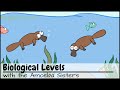
Understanding the Biological Levels of Organization
Explore the essential biological levels of organization from cells to the biosphere.
شرح مبسط لعمل الاتصالات اللاسلكية وموجات الراديو
يقدم الفيديو شرحًا تفصيليًا لكيفية إرسال الرسائل عبر الإنترنت من خلال الهواتف المحمولة واستخدام موجات الراديو، موضحًا دور الهوائيات، الموجات الكهرومغناطيسية، والأبراج الخلوية، إلى جانب الفرق بين الاتصالات اللاسلكية والكابلات الأرضية.
Mengenal Bioproses Sel: Transpor Membran, Osmosis, dan Sintesis Protein
Video ini membahas secara lengkap mekanisme bioproses sel, termasuk jenis-jenis transpor membran seperti difusi, osmosis, eksositosis, dan endositosis. Pelajari juga proses pompa natrium-kalium serta contoh penerapan osmosis dalam kehidupan sehari-hari.
Most viewed summaries

A Comprehensive Guide to Using Stable Diffusion Forge UI
Explore the Stable Diffusion Forge UI, customizable settings, models, and more to enhance your image generation experience.

Kolonyalismo at Imperyalismo: Ang Kasaysayan ng Pagsakop sa Pilipinas
Tuklasin ang kasaysayan ng kolonyalismo at imperyalismo sa Pilipinas sa pamamagitan ni Ferdinand Magellan.

Mastering Inpainting with Stable Diffusion: Fix Mistakes and Enhance Your Images
Learn to fix mistakes and enhance images with Stable Diffusion's inpainting features effectively.

Pamamaraan at Patakarang Kolonyal ng mga Espanyol sa Pilipinas
Tuklasin ang mga pamamaraan at patakaran ng mga Espanyol sa Pilipinas, at ang epekto nito sa mga Pilipino.

How to Install and Configure Forge: A New Stable Diffusion Web UI
Learn to install and configure the new Forge web UI for Stable Diffusion, with tips on models and settings.
Found this summary useful?
Take it with you. One click puts it in your own LunaNotes library.
Save to LunaNotes