Introduction to Vanillin Production Challenges
- Vanilla planifolia grows slowly; genetic modification methods like Agrobacterium-mediated transformation are not yet optimized for this plant. For deeper insights into vanillin biosynthesis in this species, see Comprehensive Insights into Vanillin Biosynthesis and Localization in Vanilla Planifolia.
- Alternative methods are needed for vanillin production beyond traditional plant extraction.
Microbial Ferulic Acid Degradation Pathway
- Ferulic acid, abundant in plant cell walls, serves as a substrate for vanillin biosynthesis.
- Soil-derived microbes can utilize ferulic acid, enabling isolation of strains like Pseudomonas fluorescens capable of degrading ferulic acid.
- Time-course studies reveal vanillin and related compounds as intermediate degradation products.
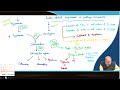
- The pathway involves conversion of ferulic acid to feruloyl-CoA, to furan intermediates, vanillin, vanillic acid, protocatechuic acid, followed by ring cleavage.
Discovery and Function of HCHL Enzyme
- HCHL (4-hydroxycinnamoyl-CoA hydratase/lyase) catalyzes the hydration and cleavage of feruloyl-CoA to vanillin.
- Exhibits substrate specificity, active on feruloyl-CoA, p-coumaroyl-CoA, and related compounds, but not all analogs.
- Represents a novel CoA-dependent, non-beta-oxidative metabolic route.
Metabolic Engineering Using HCHL Gene in Plants
Experimental Systems
- Transgenic hairy root cultures of Datura stramonium using Agrobacterium rhizogenes. For similar approaches enhancing alkaloid biosynthesis, refer to Metabolic Engineering Enhances Alkaloid Production in Catharanthus Roseus Hairy Roots.
- Transgenic tobacco plants developed using disarmed Agrobacterium tumefaciens with binary vector harboring the HCHL gene.
Genetic Constructs and Expression
- Site-directed mutagenesis optimized bacterial HCHL gene for plant expression.
- The gene placed under constitutive 35S promoter.
- Successful DNA integration confirmed by Southern blot; mRNA expression validated by Northern blot.
- Protein production demonstrated via antigen-specific antibody detection.
Enzymatic Activity and Metabolite Analysis
- Enzyme assays with feruloyl-CoA substrate show vanillin production in transformed roots, absent in controls.
- Metabolomic profiling reveals increased levels of hydroxybenzoic acid glucosides, vanillic acid glucosides, and vanillin-related compounds.
- Altered metabolic flux reduces lignin monomer precursors like coniferyl alcohol. For further exploration of lignin pathway engineering, see Metabolic Engineering of Monolignol Pathways: Case Studies in Lignin Manipulation.
Phenotypic and Biochemical Outcomes in Tobacco
- Transgenic flowers show paler coloration due to reduced anthocyanin biosynthesis competition.
- Reduced lignin content observed by fluorescence and chemical staining.
- Indicates altered phenylpropanoid pathway dynamics due to HCHL expression.
Implications and Challenges
- Expression of microbial HCHL gene introduces a novel metabolic route not naturally present in plants.
- Diversion of metabolic flux impacts key plant secondary metabolites including lignin and anthocyanins.
- Plants may counteract accumulation of unusual metabolites by inducing detoxifying enzymes like dehydrogenases and glucosyltransferases.
- Engineering vanillin biosynthesis is feasible but requires overcoming complex plant metabolic regulation.
Conclusion
- HCHL-mediated metabolic engineering provides a promising approach for sustainable vanillin production from ferulic acid.
- This strategy also offers potential to modulate lignin composition, benefiting industrial applications.
- Continued research is necessary to optimize transgene expression and minimize unintended metabolic perturbations.
[Music] [Music] welcome to nptl online certification
course on pharmacognosy and metabolic engineering this is lecture 59 where again under the broad domain
phenolics now I am going to discuss metabolic engineering for vanilline production so in the previous class we
have seen the vanine biosynthesis vanine localization and different views of vanine
synthesis uh argument counterarguments uh so that all really contributed to the knowledge of vanilin
but now if you think of vanilline production so vanilla planifolia plant is a slow growing plant
so even it's a monocord transformation is difficult agrobacterium still not yet uh
been standardized so one has to use the particle gun or gin gun even then uh the growth of the tissue is slow so
therefore to hardness transgenic vanilla planifolia for more vanilline it Still Remains a dream so
therefore uh alternative system should be explored for the production of vanilline so the
concept to be covered now is basically discovery of a microbial degradation pathway of ferulic acid and then I will
introduce hchl enzyme then we'll talk about opportunity of expression of HCL in plants and then we'll see what is
going to happen when HCL Gene is transfer into the plant and what is what happens to the vanilline level so this
is all our topic so uh coming back to my uh discussion that ferulic acid so ferulic acid here will be exposed as an
alternative or as the starting material for vanilin and ferulic acids are basically C6 C3 component so it is a
abundant component present in the cell wall of dcot as well as in the monocot as well so ferulic acid was used
uh by different groups who are working with the microbal transformation and success uh success were
achieved so this is one such work which I'm going to dis tell about the degradation of a ferulic acid
degradation or sorry ferulic acid degradation pathway by a microorganism so I said feric acid are present at
abundantly in the cell wall so therefore ferulic acid can be harnessed from Agro Wass so aggro was particularly the cwall
Wass are a good source of fic acid and such an aggro generally they are dumped into the soil so the soil reached with
Agro West can be checked for isolation of microorganisms uh
that are capable
of utilizing ferulic acid for
their growth so in other word using ferulic
acid enrichment technique taking soil from uh reach in Agro
West uh so one group in United Kingdom they isolated uh
bacterium which is a sorus fluoresence
so 103 is the name of the strain uh particularly the person who isolated his name was Dr Arjun nard so
it's it's name as that so these ponus floresent were capable of utilizing capable
of utilizing ferulic acid
as soul carbon
source that means when you grow this microorganism in a medium you don't have to put in an enrich medium
simply uh minimal medium so that means where you have only the TR Sals
Plus I acid as so carbon
Source okay and and the microorganism can be inoculated and that mean this sud
Florence and it will grow when it is growing that means it has to get all its nutrition from the fic acid so during
the process what will happen this ferulic acid will be utilized isn't it yes it will be utilized and that means
utilization means the f g is structur to be broken down so utilization means f a structure must
be broken down on a Time course basis so that is what is called the feric acid
must undergo degradation so which is called feric acid
degradation so narbad
actually uh check the fuic acid degradation so they have grown the cous fluoresence is
in 103 in the minimal medium and then they did time course analysis that is on hourly basis and how the amount what the
feric okay uh so the feric acid was given at zero time and see with different time points how the feric acid
content is getting reduced and what are the different
products formed as a result of that so someone is interested can uh see this publication I think this is available
free in the net so one can study that so that that describes about this novel pathway so while doing so finally what
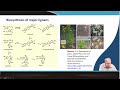
uh they have come across that ferulic acid under goes degradation through this root that is ferulic
acid first converted into fural qu then feral Co will be converted into hmp KO and then it forms vanill
then it vanilic acid and then it forms protocatechuic acid and then what happens there will be
the ring cleage and total used
up so this is the process so on a Time course basis narbad group they have found
vanine velic acid protocatechuic acid PCA and then rink cpage and then again they try to look this is where when this
is happening is it a entic route or non entic roote while doing so they found that it was indeed an enzymatic root So
based on the available literature uh they try to predict several Pathways and then this particular hypothesis they
tested and it worked well and so and accordingly they frame this so what we see here is that first it converted into
fural qu so and and when it is converted into fural qu so there must be an enzyme so we know we have read the plant for C
so which converts feric acid to fumaric acid to Kumar qu so here also the bacteria induced a forcl which converts
fic acid to FAL qu and then there is another enzyme induced by the bacteria which subsequently identified as hchl
which converts FAL qu to vanilin and then there will be U uh vanilline
dehydrogenase which converts vanilin to vanelc acid and then protocatechuic acid and so on so uh Nar birs they
characterize these enzymes so and and then when the particular look into these issues from ferulic acid to vanine they
found that it is not that simple it's likely that involve a qu thester so it's qu so that is why qu is formed that
means FAL qu so uh then they try to see what is happening is it if you remember that when we talked about in one of the
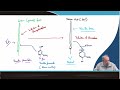
previous classes we talk about the benzoic acid biosynthesis so there one we call non beta oxidative root and
another one is one is qu independent root what we have mentioned in the
previous class about HBS which convert paric acid to parah hydroxy Benz alide which is coind dependent root and
another one is that qu dependent
and beta oxidative root and the third one may be
Co dependent yet non
beta oxidative root now this particular root is basically belongs to third one that
is co dependent but non bet oxidative root this root and what is showing here in this side is
basically the qu dependent beta oxidative root that is showing here and the one in the left side is co dependent
nonb oxidative root so major difference is that the end product is again a qu but here end product is an aldhy but
Co is involved that is it is called so that is why this is called as a novel root and this novel root they have also
isolated this novel enzyme which is hchl so which under goes hydration remember I talked about hydration and cleavage but
that was that paper published much later and this was a 1998 paper so this is first concept they have given so first
hydration then second one is chain cleavage okay so
now uh so what is the message message is this that hchl and and the hchl enzyme
converts fural Co by an intermediate
into vanine and in this process it releases atile
Co and in this process it requires addition of water so this is basically a two-step
process first one is the hydration and the second one is
the chain clivage I think I need not have to show but if you want I can show the
intermediate structure and and this is
okay I think it is clear so the C3 chin is now becoming
C1 so this is the uh HC HL enzyme what is hchl hchl stands for four
hydroxy C Mo
qu hydrates lies it was described like this so much later now these people are
calling van vanine synthes so okay now other question is this this hchl enzyme not only accepts peral KO but
also so the substrate specific cities so what are the
substrate we have written okay only one perile qu so apart from per
qu uh Forum qu was tested file Co was
tested Copo KO was tested and camil KO was also
tested and what happens as a result of this test
so the first one it produces vanilline second one it should produce
four hydroxy balide and the third one it will make it
will produce Proto alide however it did not work with Copo
KO neither C KO so so at least the enzyme worked with
FAL qu Kumar and cfal KO and they have also checked the C values for this okay now all so far what I have discussed
this is all about the micrell pathway now if you remember the Phile propanoid path one thing is now clear to you that
all this file karile or
Capo these are the uh these are
the substrate or intermediates
of Phile propanoid pathway operating
universally in plants so if it is so then this hchl Gene so it it's basically it an
opportunity so hchl Gene offers
opportunity opportunity of hchl Gene to
manipulate plant metabolism
[Music] so this is basically [Music]
metabolic engineering for
vanilline production in Plants
using hchl gene it's a bacterial Gene so two
systems were used number one is basically uh he root system of daturas stramonium
so he root culture so we call them now as Co transformed or
transform y root culture and second one they have used
tobacco plant so in both the cases agrobacteria mediat transformation
was used so in the first one a rogenes was used so recombinant exacum rogenes
uh harboring the HL Gene was used and second cases the combinant agrobacterium tumans was
used Harding the HL PLM so that was typically the binary
Vector approach was used so in case of agrobacterium isogenous so where the while type uh RNA will be there along
with that the binary Vector containing hchl was introduced in case of tobacco so there are disarmed agrobacterium
tupaan containing only the V was used and the HL binary Vector was introduced there and uh so both strategies for
different purpose for Co transformation we need to have the heot phenotype but for the tobacco we do not
want the uh the uh Crown G and therewi the disarm strain
was used so first I will describe the uh work what happens in the hay root so the construct basically they have uh uh
slightly modified the construct because it is originally a bacterial Gene so they have done certain side directed
mutagenesis so that it it it makes the starting point uh as the plantbased so it's a changes in the KAC sequence so
that it it when it started the translation the it's the first amino acid should comes methon in there so
that minor changes were made and then it was put under control of a 35s promotor which is constitutive and not Terminator
and then it was put under b19 so and then it was transformed both the toaca LI tissue and tobacco Li tissue so
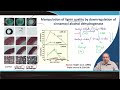
now now this is basically the hay root culture of luras stramonium
So Co transform this is the co transformed
oh containing the hchl and this is simply transform that is control only only
the wild type agrobacterium rogenes was used so if you notice one thing uh you will see here that the coloration so the
here is slightly reddish in color as compared to this one and uh this is basically the southern block so what is
showing here that there is no band here also in one line it's almost F and that was also reflected in the northern so
these are the co transform lines whereas the control line no band was there so this actually
uh proves that yeah so the indeed code transformed hay roots are created and so and and they are showing Northern
signals that means the hchl gene are expressed so in those days Northern was used rather than the uh PCR and Northern
is a much more uh foolproof technique because Northern signal confirms that your plants are transformed just simply
artificial you may get lot of problem with agrobacterium sometimes but northern will not show that so that is
why Northern but nowadays Northern people are not doing even we are also not doing in the life so uh next next
what is this that okay the gene is Express it produce the protein uh it produce
yeah the protein now whether whether it produce the protein or not so that means whether hchl protein was there or not so
the antibody was earlier antibody was raised against the purified hchl poal antibod so that was used and basically
what is showing here these are the hchl protein which is single band which was detected in the transform
lines so you see here that H6 h10 h11 whereas C5 or H4 uh uh C6 h8 it was not there that was also reflected in there
so that means the protein was successfully produced that was proven next is the protein means the en whether
it is catalytically active or not that has to be checked so so FAL qu was synthesized and the root extract was
taken uh from the combinant from Co transform route as well as the control route so
when control route was taken control har root with fural coincubation it did not produce veline whereas when Co transform
rout was used you see this is the substrate Falco and velin formation is detectable that means the the the enzyme
the transgenic enzyme is functional and then in order to be confirm that indeed the enzyme is working well so this is is
some sort of uh checking enzyme activity time course checking so this has also been done so
this is the initial uh so at 0o minute that that Turkish blue color you see the peak
height is more so this is the substrate now with time it is this is going down you see the blue you see the red
you see the uh yeah purple and accordingly you see the peak height initially no product
but now product formation enhanced with time that means there is a linearity so that means the enzyme
activity uh is pretty stable so that has been proven so next is that it it is important to see what happened to the
metabolite whether vanine is produced or not so what is expected that hchl will produce vanilline so when the hlc
analysis was made so two major paks were detected one is this uh these two first one is four
hydroxy benzoic acid GL glucoside and second one is F four hydroxy benzoic acid glucose Ester and this was
subsequently confirmed by uh obtaining standards from different groups who who synthesize
these things uh and apart from this uh so apart from this van pic acid
glucoside was also detected along with some uh
van v n i l l y l vanil alcohol okay along with some vanil alcohol so that's all detected in the co transform Roots
but it is almost nil in the sorry is almost nil in the uh control line you see you cannot see anything
as compared to this so that means that is a tremendous changes in the
metabolism of the co transform Roots upon expression of HL Gene and what again I'm showing here here is basically
the cell wall material isolated from the co transform so the H 10 is the co transform line and this is the control
you see color differences there the co transform are red in color and which is reflected that for hydroxy benic acid
content is also more here compared to this is control and other interesting point what
has been found the ligin monol liol the AC this was basically acylated Conifer alcohol that in the transform line it is
the peak height is this much whereas in the control line it is more that means what happens that upon HL expression the
pathway towards Li monol Lal formation got reduced and as a result of that when analysis were done with monolignol the
content was less so what is basically happening let us see very quickly in in a line diagram
[Music] so uh
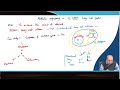
okay so uh for Kumar Royal KO I start from here and then maybe
uh KO is there so for Kumar KO normal the pathway moves towards the formation of uh H liin right so this is
four uh Hydrox for uh karal and then this makes towards the formation of
uh con file
alcohol now foric acid is also forar Alco is also very important molecule because it
also produces flavonoids
including antoin right now what we have seen the HL has multi subate specificity so the enzyme
here the natural enzyme here is the plant enzyme so far first one is that CCR and then C A this is
CHS right and if the new pathway if the hchl is working then what will happen it
basically uh competes with
CCR and CHS and then it makes what it makes it makes four
hydroxy Benzel deide but no four hydroxy benzal deide was detected what has been
detected is this uh
four hydroxy benoic acid for
hydroxy benile alcohol not only that the next step it forms four Hy hydroxy benzoic
acid glucoside four hydroxy benile
alcohol glucoside right similarly for ferulic
acid so it also competes
with CCR and HL is here so ideally it should make
vanilline but no vanilline was detected instead what has been detected is basically
the vanelc acid glucoside so this vanilic acid glucoside must have formed from
velic acid and uh then it forms this so then what is happening here is that as a
result of this actually vanilline is perhaps produced but then vanilline immediately the vanilin de
hydrogenous so I I rather write simply DH not any specific uh plant
induced a lot of dehydrogenases are available and then it produces the bandic acid and then there will be
induction of glucos Sile transfer is these are all
non-specific and then it makes this one similar thing happens here GT means glucos ale transference and
then there may be this this be de hydrogenous
row g e n and then this may be an oxidase present here okay so
okay so what we see then we see finally these products the question is that whether HL
has job done his job yes HL has done it job otherwise in the control you have not seen this but it it produces huge
amount of for hydroxy benzal deide so plant found them as a strange compound immediately it induces dehydrogen it
converted into acid which is relatively safer and then that is also produced in huge amount so it produces it induces
glucos ale transference a glucose molecule is added with the for hydroxy menic acid and so finally what you see
here basically the products which are produced as a result of this are for
hydroxy benzoic acid glucoside
or for hydroxy Bic acid glucos Ester or vanic acid glucoside so this is basically the product formed as a result
of hchl because dehydrogen and glucos Ale transfer is is functional so that means okay and now let us see what
happens in the tobacco the tobacco some interesting thing happens so the tobacco plants they have grown for two
generations it produces flower and what they found that the flower color was paler in the transgenic as compared to
control now pal flower color means basically there is a competition for the pathway of antoin so why because the
anthos pathway Works in this direction now if the hchl is very strong so it is pulling up all the substrate towards its
activity or the uh the km values is lower in case of hchl than CHS so that actually allows more Kumar qu to get
access towards the hchl than CHS so whatever may be so if the pathway moves in this direction then
obviously there will be there will be uh
reduction in this pathway and as a result of that antoin content are less now the ligin
content also they found significant changes so this these bottom three are basically the
control these These are the control and upper one is all the hchl expressed
transgenic you see first then unusual coloration was developed as you seen in case of
harot also slightly redish so that that develops this not only that if if the if you see the gym Vel the fenol gym
usually Flores under UV light and they have used perhaps a specific UV light is where it is showing green so if you see
the control the fluoresence is much stronger than that of the transgenic that means what the content of the ligin
is reduced as also I have shown in this slide that the AC Conifer acidil Conifer or ciferal alcohol content is reduced so
because these ultimately form the Lin structure so if it is reduced then obviously it makes impact and similarly
the fol staining also reduced in case of transgenic than the control so these all basically speaks in of hchl expression
but these are more of pleotropic effects but the opportunity is this that this HC HCL can also be used to reduce the
ligdin content also to manipulate the quality of the ligdin content which has not yet been exploded so this is about
the metabolic engineering of veline so in principle it is possible but there are lot of hardles so plants are Mar
more cleverer than us so whatever we wanted to do plant may not always agree to that that is why they they induce a
certain Pathways and make and try to keep themselves safe uh from this unusual metabolites
accumulation so that is the message so there's a long way to go and with this and this is basically in a
nutshell what what happened as a result of that so this is hchl as a result of that basically there is a diversion of
pathway and this is a new pathway not not existed in Plants this pathway non existed in plants and as a result of
when there is a diversion obviously the existing pathways are getting affected as we have
seen with this I end this class thank you
Vanilla planifolia, the primary natural source of vanillin, grows slowly and has challenging genetics, making traditional extraction inefficient and limited. Metabolic engineering enables alternative production routes, such as introducing microbial enzymes into faster-growing plants, allowing sustainable and scalable vanillin synthesis beyond slow vanilla cultivation.
The HCHL gene encodes 4-hydroxycinnamoyl-CoA hydratase/lyase, an enzyme that converts feruloyl-CoA, abundant in plant cell walls, directly into vanillin. Introducing this gene into plants creates a novel metabolic pathway that bypasses natural limitations, enabling plants to produce vanillin from existing phenylpropanoid intermediates.
The HCHL gene, optimized by site-directed mutagenesis for plant expression, is inserted into plants using Agrobacterium-mediated transformation methods—hairy root cultures or transgenic tobacco plants—with the gene controlled by a constitutive 35S promoter. Successful integration and expression are confirmed by molecular techniques such as Southern and Northern blotting, along with protein detection via specific antibodies.
Plants expressing HCHL show increased levels of vanillin and vanillic acid derivatives, alongside a reduction in lignin precursors like coniferyl alcohol and changes in anthocyanin pigmentation (paler flowers). This demonstrates a metabolic flux shift diverting phenylpropanoid pathway intermediates towards vanillin biosynthesis, impacting lignin and pigment production.
Introducing the microbial HCHL gene creates a new metabolic pathway that can disrupt native phenylpropanoid metabolism, leading plants to activate detoxifying enzymes such as dehydrogenases and glucosyltransferases to manage unusual metabolite accumulation. Balancing effective vanillin synthesis with minimal negative effects on plant growth and metabolism requires careful optimization of gene expression and host responses.
HCHL-based metabolic engineering enables sustainable vanillin production in plants faster than traditional methods, reducing dependence on vanilla crop cultivation. Additionally, the altered lignin composition in engineered plants can improve biomass processing for industries like biofuels and paper production, offering dual benefits in flavor compound supply and lignin utilization.
Enzyme assays with feruloyl-CoA substrates demonstrate vanillin formation exclusively in transformed plants. Metabolomic analyses detect increased vanillin-related compounds and glucosides, while phenotypic changes such as paler flower color and reduced lignin content corroborate metabolic flux alterations caused by HCHL expression.
Keep this summary
Save it to LunaNotes and it becomes a real note in your library — editable, searchable, and ready to turn into flashcards or a diagram. Free to start.
Save to LunaNotesOr summarise for another video.
This summary and transcript were automatically generated using AI with the Free YouTube transcript summary tool by LunaNotes.
Related summaries
Comprehensive Insights into Vanillin Biosynthesis and Localization in Vanilla Planifolia
Explore the detailed biosynthetic pathways of vanillin in Vanilla planifolia, including classical and contemporary perspectives. Understand vanillin's natural sources, enzymatic processes, and histological localization to appreciate its significance and potential for metabolic engineering.
Metabolic Engineering of Monolignol Pathways: Case Studies in Lignin Manipulation
Explore detailed case studies on the metabolic engineering of lignin biosynthesis pathways focusing on monolignol manipulation. Learn how downregulation and antisense expression of key enzymes like CAD, 4CL, and HCT impact lignin content, wood quality, cellulose accumulation, and forage digestibility, presenting innovative strategies for industrial applications in pulp, paper, and livestock feed sectors.
Comprehensive Biosynthesis and Metabolic Engineering of Lignans, Rosmarinic and Chlorogenic Acids
This lecture explores the intricate biosynthesis pathways of lignans, including important compounds like phoyotoxins, as well as caffeic acid esters such as rosmarinic and chlorogenic acids. It highlights the pharmacological relevance of these phenolics, details enzymatic steps, and presents metabolic engineering advances enhancing their production in plants and microbial systems.
Metabolic Engineering Enhances Alkaloid Production in Catharanthus Roseus Hairy Roots
This summary explores five key case studies on metabolic engineering in Catharanthus roseus hairy root cultures aimed at boosting valuable indole alkaloid production. Techniques include transcription factor overexpression and multi-gene constructs under specific promoters, demonstrating significant increases in alkaloid contents such as ajmalicine, catharanthine, and vindoline intermediates.
Metabolic Engineering of Indole Alkaloid Biosynthesis: Case Studies in Plants and Yeast
This lecture explores metabolic engineering approaches to enhance early steps of indole alkaloid biosynthesis through gene overexpression and heterologous expression systems such as tobacco, periwinkle, and yeast. Key insights include challenges in pathway bottlenecks, gene expression effects, and the use of hairy root cultures for efficient alkaloid production.
Most viewed summaries

A Comprehensive Guide to Using Stable Diffusion Forge UI
Explore the Stable Diffusion Forge UI, customizable settings, models, and more to enhance your image generation experience.

Kolonyalismo at Imperyalismo: Ang Kasaysayan ng Pagsakop sa Pilipinas
Tuklasin ang kasaysayan ng kolonyalismo at imperyalismo sa Pilipinas sa pamamagitan ni Ferdinand Magellan.

Mastering Inpainting with Stable Diffusion: Fix Mistakes and Enhance Your Images
Learn to fix mistakes and enhance images with Stable Diffusion's inpainting features effectively.

Pamamaraan at Patakarang Kolonyal ng mga Espanyol sa Pilipinas
Tuklasin ang mga pamamaraan at patakaran ng mga Espanyol sa Pilipinas, at ang epekto nito sa mga Pilipino.

How to Install and Configure Forge: A New Stable Diffusion Web UI
Learn to install and configure the new Forge web UI for Stable Diffusion, with tips on models and settings.
Found this summary useful?
Take it with you. One click puts it in your own LunaNotes library.
Save to LunaNotes