Introduction to Metabolic Engineering of Lignin
Lignin is a complex phenolic polymer critical to plant structure and quality, especially in hardwood used for pulp and paper. This summary distills several pioneering case studies that manipulate monolignol pathways through genetic engineering techniques to optimize lignin content and composition, impacting industrial and agricultural applications. For a Comprehensive Overview of Monolignol Biosynthesis and Lignin Formation Pathways, refer to our detailed guide.
Key Case Studies
1. Downregulation of Cinnamyl Alcohol Dehydrogenase (CAD)
- Enzyme Function: CAD converts coniferaldehyde and sinapaldehyde to their respective alcohols, key monolignols for G and S lignin units.
- Method: Antisense suppression of CAD in tobacco plants.
- Findings:
- Reduced CAD activity led to lowered lignin content and altered lignin quality.
- Resulted in significant changes in wood coloration and lignified tissue staining.
- Demonstrated that lignin quality could be genetically manipulated, potentially to create novel wood colors.
2. Repression of 4-Coumarate:CoA Ligase (4CL) in Aspen
- Enzyme Role: 4CL catalyzes an early step converting hydroxycinnamic acids into CoA esters, precursor molecules for all monolignol branches.
- Approach: Antisense expression of PT4CL gene in Populus tremuloides (aspen).
- Outcomes:
- Marked reduction (~50%) in lignin content.
- Increased cellulose accumulation by approximately 30%, enhancing pulp quality.
- Transgenic trees showed improved growth relative to controls.
- Reduced need for harsh delignification chemicals, making the process more environmentally friendly.
3. Combined Genetic Modifications (4CL Antisense + CAD5H Overexpression)
- Objective: Simultaneously reduce lignin content and alter S/G lignin ratio for easier pulp processing.
- Techniques:
- Antisense suppression of 4CL.
- Overexpression of Cinnamate 5-Hydroxylase (CAD5H).
- Results:
- 52% reduction in lignin content.
- 64% increase in S/G ratio (more syringyl units, which facilitate delignification).
- 30% increase in cellulose content.
- Accelerated secondary cell wall maturation observed.
4. Downregulation of Hydroxycinnamoyl-CoA Shikimate/Quinate Hydroxycinnamoyl Transferase (HCT) in Alfalfa (Medicago sativa)
- Pathway Role: HCT mediates conversion towards syringyl and guaiacyl monolignols.
- Method: Antisense suppression of HCT in alfalfa, a forage crop.
- Findings:
- Significant suppression of total lignin content.
- Altered lignin composition with enhanced accumulation of p-hydroxyphenyl (H) lignin units.
- Improved forage digestibility due to reduced S and G units, benefiting livestock nutrition.
- Potential to mitigate lignin-related feed intake diseases in grazing animals.
Practical Implications
- Wood and Paper Industry: Genetic engineering to reduce lignin and modify S/G ratio improves pulping efficiency and reduces chemical use.
- Forage Crop Production: Modifying lignin content and composition enhances digestibility and animal health.
- Environmental Impact: Lower lignin content reduces need for harmful delignification chemicals, promoting sustainable practices.
Conclusion
Manipulating monolignol biosynthetic pathways through targeted genetic interventions offers powerful strategies for optimizing plant biomass for industrial and agricultural uses. These case studies underscore the importance of enzyme targets such as CAD, 4CL, CAD5H, and HCT in tailoring lignin content, composition, and overall plant growth and quality. Continued research promises advancement in developing transgenic plants with improved utility and environmental sustainability.
[Music] [Music] welcome to nptl online certification
course on pharmacognosy and metabolic engineering this is now lecture 5 one where I will talk about few interesting
case studies on manipulating the metabolic pathway of ligin so that is why metabolic engineering of monolignol
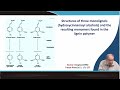
Pathways so in the previous class I have uh discussed in detail about the classical and contemporary views of
monolignol biosynthesis I have mentioned the role of different enzymes which basically
uh makes uh this monolignol formation possible also I have discussed about the possibility of new uh ligin components
which come which may come from Keo M as well as five hydroxy and so I hope it is clear to you
so now with this I go to the case studies so an outline of monal biosynthesis I am not discussing here at
the end I'll again bring the slide so let us specifically go to the uh specific case studies so this one is
basically manipulation of ligin quality by down regulation of cinile alcohol dehydrogen so so you see that camil
alcohol dehydrogen is where CAD will function so CAD is basically
converts the uh Conifer alide
or copile alide into Conifer
alcohol and or copile alcohol
so this is the enzyme which is called C A which is called Camile alide de
hydrogenous uh so this is a generic name so that makes both the
reaction uh so c a d and I have recently mentioned that now there is an Evidence of
acdd and uh if the ligin is dominated by this this eventually makes the guile g u a i a c y l and this makes the
serile component so it's a g and this is the S so S is to G ratio is important for
the liin quality and also for the delignification issues okay so what they have done here
that they have down regulated the the plant model plant was used tobacco and they have down regulated the gene by
using this anti sense expression of this CAD so so manipulation of ligin quality by
down regulation of Camile alcohol dehydrogenase so what is going to happen that when the cad activity is blocked or
suppressed then uh this leads to less accumulation of piperal alcohol or copile alcohol as
appropriate or or it is also possible uh because if you think about the new views so new views what I have said although
uh we will explain this from the new views although the paper published in 1998 that time it was not clear at all
so what we know that from Conifer aldhy copile alide is formed right so it is possible
that uh by uh by blocking CAD here the pathway May
flow in this direction okay leading to the formation
of more of sying liin it is possible okay so uh what is going to
happen that although the ligin content will be reduced that is the most important point
because you are blocking the cad but it will affect the liin quality that is why this terminology was used and what has
happened that these two are the two antisense line so antisense line 50 is more stronger so more suppression was
work and if you see this is basically the control okay and if you if you compare this with
this what you see here uh clear changes in the coloration of the lignified portion okay so this was further studied
with different staining and what has been found here that uh this looks more intense as compared to other and also
here so and when they check for the cad activity you see in the anti sens line the cad activity is minimum when they
when they compared with the control so that means indeed CAD suppression occurred and as a result of that there
there happened to be or it have there happened changes in the liin quality which is reflected from the
cross-section viewed on the microscope with different staining so uh and in this paper what they said basically this
is the way the liin quality can be manipulated and particularly you can think ahead about the wood quality so
the wood coloration wood coloration this this discovery can really make contribution to the wood
coloration or novel wood colors can also be uh created by transferring this Gene in an appropriate PP paper producing
plant such as Aspen or the next one which I'm am going to
discuss this is another very interesting paper which published in nature biotechnology in
1999 so the title says that repression of ligin biosynthesis promotes cellulose
accumulation and growth in transgenic trees so what they have done as as as I have shown you that very briefly
I'll tell you the pathway so uh camic acid makes parakum aric acid and paric acid
converted into paroil qu and then paracom oil qu either it
makes par uh
karile alide or it
may mix C qu and eventually that contributes to
uh G residue s residue and this is H
residue okay the enzyme here is 4 CL uh so what they have done they here
they made antisense separation of this foral so the plant was used is uh the Target and plant or Gene source is same
the popular or no Aspen Aspen is the English name which is called populus tremuloides this is a plant
which is used for making Pulp and Paper so they
created transgenic Aspen
with anti sense expression
of PT for PT stands for prop terides so so what they thought this may
be the best step to block the pathway okay now one thing I mentioned that the interconnections between the
pathway that is metah Hydrox ilation converting Cil Conifer converting Kumar to Cil so this was discovered in 2004 56
onwards but this paper was published in 1999 even then the uh these scientists from Michigan State University led by
Vincent Shang who was the leader in discovering this Pathways so they thought such
a nice possibility that blocking Force at the beginning will make impact into the end product now
question which came to our mind that there are multiple
fors now in fact the foral what they have chosen that is specific for paracom KO so this foral is actually
for hydroxy uh syo qu lias but specific for paric acid so that it accepts paric acid
as a substrate and make parar Co not the fural heric acid as a substrate or synoptic
acid as a substrate that you must remember so this is the beauty and then what we see that what has happened as a
result of these what has happened the outcome significant reduction
in ligin contents let's see so this is the
pathway so this is the foral here this for they have blocked using anti sense PT
forel so when this is blocked then what will happen the flow and I have mentioned uh by now it is it is clear to
you that this pathway as such is not contributing towards
monals okay I have mentioned that so what is going to happen that here basically the flow when you block
here will be reduced and if it is reduced then definitely the one flow which goes to h that will be also
reduced the flow which goes to G that will also
reduced and the flow which goes to s that will also reduce so as a result of that what they have found
repression of liin biosynthesis but interesting point is
that this promotes cellular cellulose accumulation and the growth of the transgenic trees so I'll show you uh
some of their results so here this is the control plant so where no normal force is
functioning no expression so these three these four are different uh transgenic Aspen expressing
uh antisense for what you see here the growth you see is much more in all the transgenic Aspen with antisense
expression that is surprising but that is what happened so it did not really affect the
growth but it reduced the liin content but compensated with cellulose accumulation and that is why that is
reflected in the growth now as I said the rep of ligin biosynthesis that is beautifully shown here in this left side
so what they have done basically fluoresence microscope of the cross-sections of a nodal portion of the
transgenic and the control line so this is basically the control and this is basically the anti
sense Express transgenic line so they have used agrobacterium tence mediated transformation but I am
not uh discussing that because that is not within the perview of this course and I have mentioned about how
Transformations are being done so we are interested only to see the consequence of genetic manipulation so
here you see in the control with this uh ultraviolet excitation at 365 nanometer this shows autof fluoresence so autof
fluoresence is the characteristics of the phenolic compounds so the autof fluoresence you see
here xylm but here the autof Florence level is
low why it is so because it suppress the LI formation this is very clear and next
point is that it it promotes cellulous accumulation so you see that this is how what this is a diagram I put it
here where ligin or cellul actually they form the complex in the cell wall okay so what happens that when
cellular and hemic cellular are also there uh so when uh ligins are suppressed that somehow compensated by
cellulose enhancement how it is happened they are unable to explain but it happened and as a result of that whether
it is good or bad it is indeed good because more cellulose accumulation as a result of
compensatory mechanism it is good because that makes the
plant Aspen transgenic Aspen plant more suitable
for PP and Pier making why you know the pap quality is dominated or determined by
the cellulose quality if the cellulose content is more the paper quality will be more and also another important point
is that in order to make the pulp and paper one need to delignify so delignify means the wood has to be treated with uh
heart's corrosive chemicals which are not environmentally friendly like costic soda and so so that will delignify the
wood so now once the ligin content is less so the treatment delignification treatment will also be reduced so that
will be environmental friendly and second point is that it is producing more cellulose so actually it is
basically a gift gift of the scientific Venture so which can be indeed used for making palpant paper and that is why
this paper published in nature biotechnology so nature biotechnology Journal outstanding papers with with uh
with uh possibility of practical utility such papers are published and this is indeed outstanding although it's pretty
old but in in a class even in my uh theoretic in my classes uh where I do the board work I always bring this paper
instead of uh discussing some of the latest papers uh because it is not the year of Discovery important or the
latest paper it is important the scientific content so this is what it is so and uh the other aspect what is this
this the same group this is the group basically LED at Michigan State University by Vincent Chang so their
group also published another paper in 2003 in proceedings of National Academy of Science pns where they have done
three things number one uh
pt4 anti sense
suppression number two uh number two is this CD 5H over expression and number three
simultaneous expression of
both PT foral anti sense plus
PT c a l d5h sense
so pt4 CL if you again use a strong promoter the level of Lin reduction will be more so that led to the formation of
desired results that is a significant significant
reduction L contents and ptld 5 expression what happens that that
basically leads to this one this leads to
more accumulation of actually this is a online class had
it been a uh offline class then I could have asked the same questions to the student and student seeing the board
they can guess and give the answer but here you whatever I tell you have to listen so more accumulation
of s units isn't it because this contributes to the serile unit and this contributes
to the gunit units now when you make over expression
so that means the pathway oh sorry I I have made a wrong marking so it's it's not this one it
should be the this one so uh that means the pathway moves this
direction and eventually makes more s so more s has some Advantage because that will be easier to
delignify if the S component is more than the G so that is the intention so that has been achieved and the third one
what they have done so there the the block this uh uh
for so and
and then they overexpress this one and as a result what is going to happen I will try to tell
you so the result is this that plants expressing both trans gen resulted in 52% less
ligin and 64% higher SG ratio s is first so the S is
dominated and 30% more cellulose it's a very ideal situation so that is what happened and HG ratio increased also
accelerated cell maturation in stem secondary xylm pointing to a role of sying liin Mo
in coordinating secondary wall biosynthesis so what happens when this happen that is more SG ratio that
actually leads to accelerated maturation that is wall thickening and lignification and that happened because
of this C5 AB regulation and what you see here this is basically the control and this is basically the
transgenic so here uh what they said that this leading to accelerated maturity
here then compared to this one and also what you see see that this is basically the
control control the uh uh the Lin content was more but in the transform lines where this for was suppressed you
see that the uh the liin the the the foral activity is getting
suppressed and not only that the liin content which is represented here the contents sorry the digin contents are
also getting suppressed and liin is to SG ratio SG ratio is also getting is getting
enhanced and the top one the middle one is basically the enzyme activities enzyme activity for when it is
suppression then the activity of forcl is less as denoted by the red bars and the activity of
the CL 5 H enhanced as a result of op expression so what has happened that this basically makes accelerated
maturation with more of s component that is useful for the industrial uh exploitation of these
plants for making Pulp and Paper with less effort for making uh delignification and with a
more s component and that is also more of cellulose accumulation so that is all good so this is the paper which
published in uh PNA so here they have used three different ways either singly or both
together so the last one now I will discuss that is a case study where down regulation of uh hydroxy Camile coate
hydroxy Camile transfer this is what is the HCT so the
HCT uh down regulation and that affect lfic
development and forage quality so HCT what it does it basically converts Kumar oil KO to CFO Kumar O
simate So Kar KO to Kar sikim okay let me uh use in that way
and Kumar converted into cilat and then is converted
into CFO qu so what is clear here so down regulation of
HCT uh in the transgenic alpha alpha FX this so what they have done is basically they
have used the antisense antisense suppression or antisense expression
of HCT and what will happen if that is reduced
then this flow this flow will be affected so this flow if this flow is
affected that means uh commod koi will accumulate okay but uh the flow from this towards this will be less
and eventually the other L path will be less so then what is going to happen one thing is that if you make antien seption
of HCT it is very important because that will leads to what okay spaces less I put it here that
will leads to less uh G
residue even less s residue because you are controlling at this point HCT because
HCT is the point where uh which forms Karo simate from Kar qu Kar simate converted into C Sate by c3h that again
converted into C qu then cile Co converted into feral Co then feral Co subsequently utilized
for pushing the pathway towards either Conifer alcohol or uh V Conifer alide to Conifer alide
five hydroxy to eventually the copile alcohol so all root goes through this and if all rot goes to this and if you
make changes here then obviously this will be affected so the ligin content is
significantly suppressed that is the outcome but one more thing you have to
understand that you are allowing in this way to accumulate more of paracom quay so paracom qu level will enhanced so if
paracom coil level will enhance there may be a possibility that that the pathway
may move uh that is which contributes for the formation of what which contributes
for the formation of Kumar alide and eventually
par karile alcohol so once is accumulated so it is possible
that this pathway flow moves in this direction and this direction eventually what will happen that paracom alcohol
will accumulate more and that will contributes towards the formation of H Lin in
higher amount whereas this will be lower amount
so the plant which was used uh which is uh uh legume
trifolium so that plant okay so alpha alpha yeah alpha alpha
trium is the scientific name uh so the alphaalpha plant is basically it is a dcot it is supposed to
produce more of S and G but now because of antisense suppression it suppressed the total Lin content but the
composition got changed so it is now accumulating more of H liin so when more of H lignine is
accumulated whether it is good or bad that is the question we need to understand because 4 quality so this is
used as a forage crop forage crop means cattle feed so normally cattles and ships they prefer to eat grass but they
less prefer to eat duts okay whereas the alpha alpha is used as a forage crop now what happen that if the problem is this
that uh for if the forage crop contains more of S and G residue that is the the leifi
portion that actually eventually helps that eventually makes difficulty by the this grazing animals to digest as a
result of that they are facing indigestibility leading to a disease called blood disease and that eventually
kills the animal itself because of more ligning content in their feed so that is why there is an effort
to make less lignified uh forage crops so that the cattles or grazing animals can safely
eat this now this is something very interesting here what happened in case of this alpha alpha now the G and S
component are reduced because you are blocking at H C but that in turn leads to more Kumar KO accumulation and that
Kumar qu channelized towards this H Lin pathway so where you you know you have this uh CCR and Cad and eventually it
makes paracom alcohol and it makes more amount of paracom alcohol and that is now channelized towards the AG liin So
eventually the transgenic alphaalpha accumulating H ligin in higher amount that is actually very good and people
have checked the scientist they checked that in digestibility they found a positive results so it is basically
promoted as a very appropriate forage crops with less signification through this transgenic
approach and this paper published in phytochemistry uh in the year of 2007 again I must say there are more latest
papers but I prefer to discuss this because it scientific implication is much much higher than only the
technological papers and this is finally the uh the picture so CK stands for the control these are all control and these
are the trans genenic although what happen that the the plants appear to be suppressed it is not like the Aspen
Aspen what happens that the transic plants are more healthy but here no they are with
less healthy less suppressed but the good point is that whatever they are the uh the the presence of
this uh Sile units which is dominated which is shown here by this purple red coloration you see that that is now
getting changed so that means it is not accumulating thein so this is basically
the transgenic and this is the control so the relative levels of a are
strongly reduced although G units are reduced by similar however more striking
compositional changes more striking composion increase in the H unit and I said the implication of that so with
this and this is basically the the content of the ligin acety bromide digestion these are the control
and these are the s antisense transgenic lines it is suppressed and and uh and monar yield
also they have shown as you see here that in the transgenic line the yield of
H is more than that of the control
black one it is more whereas the others are suppressed both both G and S are suppressed are
suppressed but H is enhanced so it's a wonderful scientific achievement and that is why I have covered and with this
with three three or four different case studies I have given you some flavor of metabolic engineering of the ligin
pathway so with this I end the class so basically before I end just to tell you that this HCT was once was targeted C4 H
was targeted and the results are really outstanding and these are the different units so this is basically the
biosynthetic pathway what we have also studied that the complexity but complexity uh gives new tools for man
population with this I end this class thank you
CAD converts coniferaldehyde and sinapaldehyde into their respective monolignol alcohols, which are precursors for guaiacyl (G) and syringyl (S) lignin units. Downregulating CAD via antisense suppression in tobacco reduces lignin content and alters lignin quality, leading to noticeable changes in wood coloration and tissue staining. This genetic manipulation can create novel wood properties and potentially improve industrial processing.
4CL catalyzes an early step in converting hydroxycinnamic acids into CoA esters, precursors for all monolignols. Antisense suppression of the PT4CL gene in aspen reduces lignin content by about 50% and increases cellulose accumulation by approximately 30%. This not only enhances pulp quality but also improves tree growth and reduces reliance on harsh chemicals during delignification, making the process more eco-friendly.
Combining 4CL suppression with CAD5H overexpression leads to a synergistic effect: a 52% reduction in lignin content, a 64% increase in the syringyl/guaiacyl (S/G) lignin ratio facilitating easier pulping, and a 30% increase in cellulose content. Additionally, this dual modification accelerates secondary cell wall maturation, improving biomass quality for industrial applications.
HCT is involved in the biosynthesis of syringyl and guaiacyl monolignols. Its antisense suppression in alfalfa significantly reduces total lignin content and alters lignin composition by increasing p-hydroxyphenyl (H) units. This change improves forage digestibility, benefiting livestock nutrition and potentially reducing lignin-related feed intake diseases.
Genetic engineering targeting enzymes like CAD, 4CL, and CAD5H allows reduction of lignin content and modification of the S/G lignin ratio, which enhances pulping efficiency. These modifications reduce the need for harsh delignification chemicals, lowering production costs and environmental impact while improving pulp quality and processing speed.
Lowering lignin content minimizes the requirement for harsh chemicals in pulping and biomass processing, which decreases environmental pollution and chemical waste. Additionally, genetically modified plants with optimized lignin improve biomass conversion efficiency, contributing to more sustainable industrial and agricultural practices.
By targeting specific enzymes in the monolignol biosynthetic pathway, these studies show that plants can be genetically engineered to tailor lignin content and composition, enhancing wood color, pulp quality, cellulose yield, and forage digestibility. This advances the development of crops and trees optimized for industrial uses like paper production and improved animal feed, while supporting sustainable environmental goals.
Keep this summary
Save it to LunaNotes and it becomes a real note in your library — editable, searchable, and ready to turn into flashcards or a diagram. Free to start.
Save to LunaNotesOr summarise for another video.
This summary and transcript were automatically generated using AI with the Free YouTube transcript summary tool by LunaNotes.
Related summaries
Comprehensive Overview of Monolignol Biosynthesis and Lignin Formation Pathways
This lecture unpacks the detailed biosynthesis of hydroxycinnamic acids and monolignols, emphasizing the complex metabolic pathways leading to lignin formation in plants. It explores classical and contemporary views, revealing enzymatic steps and structural transformations critical for understanding plant aromatic metabolism and lignification.
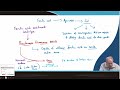
Metabolic Engineering of Vanillin Production Using HCHL Gene in Plants
This lecture explores the metabolic engineering of vanillin production by harnessing the microbial degradation pathway of ferulic acid. It highlights the discovery of the HCHL enzyme, its expression in plant systems like Datura stramonium and tobacco, and the resulting biochemical and phenotypic changes that offer insights into novel metabolic routes and lignin content manipulation.
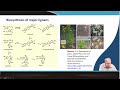
Comprehensive Biosynthesis and Metabolic Engineering of Lignans, Rosmarinic and Chlorogenic Acids
This lecture explores the intricate biosynthesis pathways of lignans, including important compounds like phoyotoxins, as well as caffeic acid esters such as rosmarinic and chlorogenic acids. It highlights the pharmacological relevance of these phenolics, details enzymatic steps, and presents metabolic engineering advances enhancing their production in plants and microbial systems.
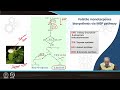
Monoterpenoids in Floral Scents and Metabolic Engineering Insights
Explore the dominance of monoterpenoids in floral volatiles, techniques for their analysis, and a detailed case study on linalool synthase gene expression in Arabidopsis. Understand enzyme roles, storage mechanisms, temperature effects, and challenges in metabolic engineering for floral scent production.
Metabolic Engineering Enhances Alkaloid Production in Catharanthus Roseus Hairy Roots
This summary explores five key case studies on metabolic engineering in Catharanthus roseus hairy root cultures aimed at boosting valuable indole alkaloid production. Techniques include transcription factor overexpression and multi-gene constructs under specific promoters, demonstrating significant increases in alkaloid contents such as ajmalicine, catharanthine, and vindoline intermediates.
Most viewed summaries

A Comprehensive Guide to Using Stable Diffusion Forge UI
Explore the Stable Diffusion Forge UI, customizable settings, models, and more to enhance your image generation experience.

Kolonyalismo at Imperyalismo: Ang Kasaysayan ng Pagsakop sa Pilipinas
Tuklasin ang kasaysayan ng kolonyalismo at imperyalismo sa Pilipinas sa pamamagitan ni Ferdinand Magellan.

Mastering Inpainting with Stable Diffusion: Fix Mistakes and Enhance Your Images
Learn to fix mistakes and enhance images with Stable Diffusion's inpainting features effectively.

Pamamaraan at Patakarang Kolonyal ng mga Espanyol sa Pilipinas
Tuklasin ang mga pamamaraan at patakaran ng mga Espanyol sa Pilipinas, at ang epekto nito sa mga Pilipino.

How to Install and Configure Forge: A New Stable Diffusion Web UI
Learn to install and configure the new Forge web UI for Stable Diffusion, with tips on models and settings.
Found this summary useful?
Take it with you. One click puts it in your own LunaNotes library.
Save to LunaNotes