
Introduction to the Mankayan District Mineral Deposits
- Location: Western flank of the Cordillera mountain range, Northern Luzon, Philippines
- Significant for multiple mineral deposits including world-class epithermal gold and copper prospects
- Overview of tectonic setting: subduction zones on both east and west flanks, Philippine Fault Zone influencing mineralization pathways
Geology and Alteration Patterns
- Basement rocks: Late Cretaceous to Eocene meta-volcanics overlain by Neogene volcanic-plastic sequences
- Multiple intrusive bodies identified by drilling beneath mineralized zones
- Extensive quartz-alunite-pyrite alteration zones proximal to gold-rich veins
- Unconformities and fault intersections act as key ore fluid conduits
Mineralization Characteristics
Lepanto Main Epithermal Gold Deposit
- Three mineralization stages ranging from high sulfidation phases to latest gold-telluride stage
- Key minerals: energetic, luzonite, chalcopyrite, pyrite, and native gold complexes
- Fluid boiling and cooling interpreted as primary mechanisms for gold precipitation
- Mineralization age estimates around 1.45 million years ago
Victoria Veins
- Intermediate sulfidation veins with carbonate and sulfate mineral stages
- Metal content comparatively depleted relative to Lepanto deposit
- Mineralogy includes rhodochrosite and gypsum reflecting near-neutral pH alteration
Newly Discovered Quartz-Pyrite-Gold (QPG) Veins
- Recently delineated extensive quartz-pyrite veins associated with gold mineralization
- Exhibit complex multi-stage paragenesis with transition from near-neutral to acidic alteration
- Multiple fluid sources identified, involving both magmatic and meteoric components
- Significant variation in temperature and sulfur oxidation states across stages
Fluid Inclusion and Isotopic Studies
- Microthermometry reveals fluid temperatures ranging 200–380°C with evidence for boiling fluids, key in metal deposition
- Salinity and gas compositions analyzed via advanced mass spectrometry indicating magmatic and meteoric fluid mixing
- Stable isotope data (oxygen, hydrogen, sulfur) trace fluid origin, fluid-rock interaction, and thermal evolution
- Sulfur isotope fractionation correlates with temperature changes, supporting hypogene origin
Geological Controls and Exploration Implications
- Structural controls (unconformities, fault zones) critically influence ore distribution and fluid flow pathways
- Multiple, temporally distinct mineralizing events contribute to complex deposit evolution
- Recognition of multiple mineralizing systems (epithermal vs. porphyry-related) essential for exploration targeting
- Ongoing research into overprinting events aims to optimize resource estimation and extraction strategies
Academic and Research Opportunities
- Akita University, Japan, offers graduate scholarships in economic geology and related fields facilitating international research exchange
- Facilities include advanced geochemical and mineralogical instrumentation supporting multi-disciplinary research
Summary
- Mankayan district exemplifies a multi-staged hydrothermal system with diverse mineralization styles
- Integrated geological, geochemical, and isotopic data provide comprehensive understanding vital for exploration and mining
- Fluid boiling, temperature fluctuations, and fluid source heterogeneity are pivotal in gold deposition
- Continuous exploration and study uncover new mineralized zones despite century-long mining history
This lecture provides essential insights into Philippine mineral deposits and advanced analytical techniques, benefiting geoscience students, researchers, and industry professionals seeking to understand and explore complex hydrothermal ore systems. For further reading on related environmental considerations, see The Impacts of Mining: Understanding Resource Extraction and Its Environmental Effects. To gain a broader perspective on mineral and energy resources, consult the Comprehensive Guide on Minerals and Energy Resources for Students. For insights into market implications relevant to metallic minerals such as gold, explore the Comprehensive Analysis of Silver Market Dynamics and Emerging Supply-Demand Trends.
so um hello good morning to everyone welcome to the second lecture of the geoscience lecture series conducted by
the karaka state university department of geology in
partnership with csu association of mining engineering students this lecture series will cover different fields
related to geology focusing on its application to mining structural engineering for
environment and geo-informatics be related to geology application to mining specifically those related to the
different mineral deposits in the philippines we have invited resource speakers from all over the world to
share their knowledge and expertise regarding these topics i hope that you would continue on showing your support
in this and future activities of the department i also wish you would learn a lot from it and apply the learnings in
your respective professions thank you and we greatly appreciate your interest in this event once again
okay thank you very much uh thank you very much riva our very hard working chairperson and i
believe our speaker for today is already here so maybe i can
start with the introduction of our guest speaker so this speaker is a very good friend of
mine we have gone through trials and tribulations together when it comes to
our masters and even our phd dissertations and so to give a brief background on on
her academic and professional experiences so um
she obtained her bachelor's of science in chemistry in 2010 um as laude from university of the philippines
dilemma and uh she went uh straight to obtain her masters of science in geology
in 2015 at up national institute of geological sciences with with her research um
specializing uh with geophysical studies in particular her thesis title is potential field characteristics of
masbati island philippines and then
in 2016 she joined the graduate school of international
resource sciences in akita university and obtained her doctor of science degree in 2019 at akita university
with her research focusing mainly on economic geology geochemistry and mineralogy her dissertation title is
geochemical and temporal constraints on the genesis of multiple hydrothermal mineralization in the mankind district
philippines currently she is serving as an assistant professor
at the faculty of international research sciences at akita university japan and
has several experiences as a technical staff research assistant and such
and recently she was awarded the best article award in 2020 uh for the uh the for her
research geology article entitled geochemistry and fluid inclusions analysis of vein quartz in the multiple
hydrothermal systems of bangkaya mineral district as well as research encouragement award of the society of
resource geology with that uh students and participants of the second geosciences lecture series
i warmly introduce you to my good friend of mine dr perlin manalo balmater i believe she is
going to talk from akita university in japan hello can you hear me yes yes okay thank
you for having me here and thank you for that generous introduction i am
honored to be part of this initiative and reach
many students in the in the philippines so yeah let me start my
my talk this is gonna be a little lengthy so for today i'm gonna so um anytime
that my audio is uh not clear just please let me know okay because yeah
um with regard to questions how do you want it do you um if they have questions um
during your presentations do you want them to be addressed or you want to collate them at the end
i'm free you can ask anytime you want i don't mind for the participants just um
type them on the chat box and i'll be i'll be the one getting the attention of our speaker okay
okay so for today i'm going to talk about um the different uh mineralization in the
mankind district so mankind district is in northern luzon it is um one of it is my study area during my phd
and i'm still continuing studying it so there are many deposits in the area i'm
going to uh i'm going to cover
not uh just few of the deposits so i only studied a certain deposit but i'm going
to share with you some reviews based on the different published articles
there okay so today
i'm going to talk about some introduction and then most of the most of the
time will be the post they will be devoted for the geology and mineralogy of the deposit and then we'll go to some
characterization of the fluid that affected the rocks okay
so so just for an introduction so we all know that philippines is part of the
pacific ring of fire and you can see here uh the red dots are the different epithermal and periphery copper uh
deposits [Laughter] really
okay do you have it now yes mom there
really okay so this is the title slide i'm going to talk about the characteristics of the multiple
mineralization in the mankind district and then this is the outline this first uh introduction
and then the deposit geology most of the time will be spent here and some or fluid characteristics
okay okay so
i'm showing you here the map of the uh the
pacific ring of fire the philippines is the western pacific and you can see the red dots here are the
periphery copper and epithermal gold deposits the stars are the considered world-class deposit because of
according to the to lesnika in 1983 we consider world-class deposit gold deposit if the it has greater than 200
tons of code so there are different um criteria for calling uh deposit world class so different authors
have different descriptions but for now and we'll we use this okay so the
philippines here this is the map of the philippines northern luzon so the tectonic settings you must be
familiar with as the oppositely dipping subduction zones to the west and to the east so
within beneath the manila trench uh the south china sea basin is being consumed along an eastward dipping subduction
zone so to the to the east lies the east luzon trough
and the philippine trench system and so th the
the philippine sea plate is uh being consumed along the philippine trench
so because of the oblique uh convergence uh there is the philippine fault zone traversing the
whole lens of the archipelago so you can see here the
red lines of the philippine fold zone so mankind this drink this is what we're going now
is the marked here by the star so it's in
located to the western flank of the luzon cordillera so the the north-south trending
mountain range here so let's zoom in to the geology
so uh mankind district has one of the most reviewed geology and uh
here in the philippines so uh work as early as the 1990s um
have already constrained what rocks are in here so the the oldest basement rocks are the late
cretaceous to esc in le pantha meta volcanics and then it's overlaid by several neogene volcanic plastic
sequences we call the balili and the pawawan volcanic plastics exposed here in the right hand corner of the map
so and then the oldest um magma evidence of magmatism is the amidomyosin bagon intrusive
this is in full contact with the metavolcanic basement and then applies seen to pleistocene
uh magmatism has been recorded uh by the imbanguilla dayside and battle day site so these days sites occur as pyroclastic
deposits and perfury the acetic domes so there are different mineralization in
the area as a whole suite of mineralization
looking here the as you can see here the blue outlines polygons those are the periphery copper
called prospects and deposits so the biggest largest of which is the world class far southeast deposit here
so to the south you can see the teresa and victoria carbonate base metal gold silver veins veins and then
to the north lies the energized gold ore bodies here this is the largest one of which is the lepanto main
energy gold or body and recently uh they have the the le panto mining company
delineated another set of veins which these are newly delineated veins located to the east and south of the
lepanto main energetic body which is the quartz pyrite gold veins the that's what they termed the newly
discovered veins so this qpg veins as we call it this is the main topic of my uh
study and yeah so most of the
data and slides that i'm going to show you today
will deal with the qpg veins okay so uh
at the surface there are different alteration patterns and you can see uh associated with the
different deposits so the most extensive uh alteration zone is the quartz alumni
pyrite zone here and then along also this
unconformity between the basement and the diacetic rocks you can see the decayed kaolinite pyrite
and above the victoria teresa veins you can see
e-lights mactite and pirate okay so this is the original view of the
of the geology alteration and mineralization okay so in cross section this is how uh
it looks like so the section runs from a to a a prime and a double prime here
okay so the basement rocks the metal volcanics is unconformably overlaid by the embankment cyperclastics the lepanto
main energized ore body of course cutting through the lepanto metal
volcanics and then it uh spreads along the unconformity so most of the deposit is along the
unconformity especially when the levant fault intersects the unconformity so that's
where the energized code uh mostly deposited so the there are qpg veins the yellow
veins here that are uh only hosted by the le panto meta
volcanics what some some other qpg veins cuts through the younger embankment dayside
pyroclastic so um here is the far south east for free uh system and these are the
uh intermediate sulfidation veins of the victoria and teresa shown here in red so that's a schematic relationship of
the deposit so a recent drilling they delineated
several concealed intrusive bodies in the subsurface it's concealed so they only
discovered it in by drilling okay so uh this is just to highlight the alteration
in the area so this is the mineral the lepantomy energetic gold ore body and the most extensive
uh quartz alumni pyrite alteration zone okay so we'll review first what no what was known for the uh
for this area so along this dashed line this is the cross section in
the previous studies we most cross sections
depicts the far southeast or body and the lepanto energized cold surrounded mostly by
silicic alteration and quartz alumni pyrite alteration in this section you can this is the
dotted section here from northeast to southwest you can see uh
the this is the main energy
or body this section illustrates the mushroom nature of the alteration so most of the
deposits are along the folds and then it spreads when it when the fault intersects the
unconformity between the embankment day site volcanic so
the unconformity and the faults are play a big role in that in the deposition of the main energy or gold or body
so the ore is hosted in procedural quartz and uh advanced uh argelic alteration zone so residual quartz means
uh the rocks suffered
very acidic leeching so only quartz which is very resistant was left and while the advanced algalic
alteration zones uh are composed mainly of the minerals that are stable in acidic
conditions the alumni quartz decayed kaolinite so from the geology we know that it is
uh the conditions are acidic in nature so this is the example of this is a
photo of the spanish tunnels outcrop in the mankind district and yes you know this is the
type locality of the mineral luzonite so this
brownish grayish mineral you can see here in filling the
fractures these are delusionite in the as they occur in the outcrop
okay so what are the minerals in the lepanto main energetic code or body so according to the previous source there
are three main mineralization stages the energized flusonite pyrite so you can see this is early
too late in terms of time and the they saw that energetic and luzonite
precipitated first followed by the tendon type chalcopyrite sphalerite and then the latest stage is
the gold telluride stage so most of the gold is occurring as the telerites like calaverite the mineral
calaverite and peptide hosted in digenite so this is a copper sulfide mineral
so from the mineral mineral assemblage uh we know that uh because there is alumni kaolinite the
kite diaspora and pyrophelite so these are uh stable in low ph condition
and energite and lusionite i are characteristic uh high sulfidation state but as you go
from energized lusunite to 10 these are
the base metal rich minerals so and then the third stage is
hope gold hosted in digenite digenite is another high sulfidation state mineral so we can see that across the stages
there is first the decreasing of sulfur fugacity to increasing again so there's
fluctuation across the stages but mostly uh everything mostly in the
high sulfidation state so according to mankind and campbell he analyzed
fluid inclusions in energy so they uh he concluded that the precipitation of the main energy gold or body is due to
the cooling of hydrothermal fluid so when because gold is transported
uh with uh sulfide complexes especially in high sulfidation state conditions the cooling or decreasing of
temperature makes the complexes unstable so they precipitate the minerals so
based on the potassium argon dates of alanite airbus
concluded that the mineralization age of the lepantomine and the red gold or body is around 1.45 million years
so yeah okay so now we'll go to the victoria veins so
in contrast to the lepanto mean ender guide code or body so these are the victoria veins here
this one okay so veins are narrower and metal content is depleted in the meta volcanic
basement than in the younger day site so uh most of the victoria veins gold are found in the
the the acetic rocks but the veins are also cutting through the metal volcanic basement
so um the the previous authors
um have have described we described that the veins uh has pinch and swell
patterns so sometimes it becomes narrow and sometimes it becomes uh broad again
okay so that's the occurrence of the victoria vein so the alteration pattern uh in the victoria veins they said that
um the alteration halo is not as extensive as the
as the lepanto main energize code or body so very narrow alteration around the
veins themselves okay so you will see here that uh there the
victoria epithermal quartz veins are very has different mineralogy than the
main energized gold or body so the first stage mineralization stage is characterized by early quartz
with interbanded with sulfides and then second stage is the
characteristic carbonate stage mainly rhodochrosite so rhodochrosite is among its carbonate
and then you can and then after that is this late sulfate
stage with anhydrite and gypsum mineral so you can see gold versus gold so here gold our electron precipitated
mainly on the carbonate stage but also starting from the late uh early stage to the sulfate stage but mostly it's
it's related to the carbonate so from this mineralogy uh you can see energize the
characteristic high sulfidation minerals energize and lusunite are absent in the paragenesis paragenesis
so they have different sulfidation state and the characteristic acidic minerals aluminide pyrophyllite
instead of those minerals victoria has elite and kaolinite and chlorite and also carbonates so these are
characteristic and near-neutral ph minerals so since gold is
was precipitated with carbonate so
it suggests that it's caused by boiling fluids and argon
argon age according to sakakibara and heading twist at all 2001 ranged from 1.31 to 1.16 ma
so not not far from the lepanto main energy or bodies
so this is the mineralization stage and conditions of mineralization for the victoria deposit
so now we will go to the newly discovered um deposit the quartz pyrite gold veins you can see
here in yellow so there are different um there are several veins they tagged it by the
number from north to south 807 826 etc
so when you compare it uh with elevation regarding elevation
this is the the pantomime ender guide gold or body the qpg in the northwest are deeper than the main energies or
body so the minerals are very are also different slightly
different so we we
documented different stages from early to late so the first stage is
characterized by abundant asphalerite choco pyrite with few magnetite and pyrite and then the
alteration in lung minerals are quartz chloride and elite so characteristic
near neutral ph assemblage and then in stage two the second stage we begin
to see carbonates along in veins and associated with
chloride chlorite alteration so you can see this is the stage two vein
cutting uh the previously altered chloride chloride altered rock
and then the main or minerals are pyrite chalcopyrite and we also found gold field diet
so here is the beginning of telluride mineralization
so uh the uh when we go to stage 3a you can see a switch in the mineralogy
we can see so we know that it took uh it's after the carbonate mineralization since
uh we saw a class this is a stage two class it has carbonate um elite alteration here inside and then
it's surrounded by um by a muscovite alteration here
so we we saw that uh it tran from from minor muscle divide to
stage three a it become uh coarse grain muscular so you can see here of course uh muscovite grains and
also in this stage we can see boronite chalcopyrite tendon type and hesside so this is uh because uh born night is
present already we know that this is a high sulfidation assemblage
okay and then later
so there are muscovite grains and then we saw some veins they are cutting the muscovite uh grains
and these veins are mostly quartz and alumni so we can see the transition from uh slightly acidic to more acidic
because we saw aloe knight and parts now so this is the stage 3b veins and then we also saw a pervasive
alteration of pyrophyllite so pyrophyllite indicates acidic and very high
temperature so alanite also occur along the quartz vein so this is a quartz vein you can
see the uh growth pattern and then it occurs along the halo
on the side of the vein and then this is you can see the it also occur as bug fills along the altered host rock so
most of the whole structure are highly silicified so in terms of oral minerals we saw
pyrite um with covalent inclusion so we know uh this is hypersolicidation assemblage
and then uh the stage four now these are big energized uh
veins so this uh you can see energy and lusunite here precipitating in this stage
very abundant not so much in the earlier stages but and now
abundant energy and luzonite and mostly associated with quartz so
the few pyrite are included inside the luzonite grain this is luzonite with inclusions of 10 anti-tetrahedrite and
pyrite and then some chalcopyrite also occur along the
rim of energize so you can see here
uh also include included in the energetic crystal so the last stage
almost no quartz and the previous stages have abundant quartz at the last stage there are
mostly sulfide veins and veins cutting through the stage four quartz
so mostly pyrite abundant pie right here with inclusions of lysonite and energy yeah so
that is northwest now we go to the qpg veins to the south so this is how the cross-section looks like
so this is the in in the acetic acidic rocks overlying the metabolic basement
so uh if you will remember northwest is just hosted by the lepanto meta
volcanics it doesn't cut through the acetic rocks but carmen in florence we saw the veins are cutting through the
acetic rocks the younger the acidic rocks so and the alteration assemblage is quite the
same it shows quartz the kite and alumni surrounding the veins so the
in florence we can see these are pyrite-rich qpg veins these are energite rich
qpg veins the red ones the more pyrite rich veins are surrounded by a broad quartz aldenite alteration zone
while you can see in the energi zone this is um just surrounded by
a little bit narrower uh alteration zone and then it grades immediately to uh chlorite alteration
so that's the distinct characteristic between the thyroid and energy rich veins
so in terms of paragenesis we saw that the incarnate florence both of them has
evidence of a periphery type mineralization so in the models we know that the periphery
occurs deeper and then the epithermal of course occurs are shallower so but in the carmen and florence we saw
at the same level the there are evidence of periphery type quartz uh stock works and then later
it's cut by uh qpg vein so this qpg veins contain the gold actually here
in the white very wide veins from 30 that
occurs uh until 30 meters wide
so this is a fluorine sample here you can see buggy quartz
evidence of acid leaching in epithermal environment but it surrounds a periphery type quartz vein so
we we we thought that the there is a perfect
type mineralization in the early stages and then later it is over printed by the epithermal
uh mineralization okay so the next stage is the high sulfidation stage characteristic
characterized by abundant energy and lusunite mineralization with some choco pyrite and pyrite so there is a
pervasive aluminite and pyrophyllite alteration in the rocks and then
and the late qpg veins uh this is the character is the coarse grain quartz and very coarse grained pyrite so you can
see here the grains of pyrite with some anhydride in the in the interstices so these white minerals are
anhydride so and then these rocks the host rocks they contain
porphyry type stock works but the whole thing has been uh the rest of the rocks are
are were altered by alumni and dki so yeah so evidence of acid acidic
alteration and then when you zoom in to the cubic pie right so you can see these grains when you zoom in
you can see the zoning in the pyrite grain those when you those are actually cover
light inclusions there so we can see this primary cover light so uh it suggests a high sulfidation state
okay so they have different uh different characteristics so we tried
looking at the age if to see if they were precipitated at one uh just one time or
or they were product of multiple events so i we took aloo knight from the northwest and other knight from carmen
so alanite from northwest gave an age of 2.2 million years argon organ age of 2.2 million years while carmen gave an age
of 1.6 1.62 million years so the alanite is carmen in carmen is much younger
than the alumni in northwest so this is consistent with the
cross-section that we saw earlier since northwest it's mainly in the
hosted by the le panto meta volcanic basement the credaceous to eu in rocks well carmen is hosted by the
younger apply flies to scene they sign so if you will see the we did the compilation of the age of
magmatism and mineralization in the mankind district so the bands solid bands here
are the ages of magmatism so according to arribas potassium organ dating
so the embankila day site is around the first phase is around 3 m a and then the second phase of the
embankment decide is around 2ma and then the youngest the battery side here the green one
so the patterns shows that relative error of measurement so this is the range
of the magmatism when you consider the error or standard deviation of age determination
here so the oldest uh periphery that we know is the bowaki
here at around 5.8 million years and then comparing the qpg veins with the rest of
the with the uh with the other edges so northwest lies here it occurred
before the peak of the in bangila day site uh
second phase magmatism carmen occurred after the embankment site second phase
magmatisa so consistent with the geology that we observed that northwest is just
uh is just hosted by the meta volcanic basement carmen is hosted by the imbangi lady site so we can see here that the
mangila dayside uh already uh formed before the carmen was uh deposited or altered
okay so the youngest is the far southeast and the largest of all the deposit is
is here okay so after that that's the geolo geologic
constraint so now let's go to the or fluids and conditions so we're going to i'm going to show you the results of
our fluid inclusion micro thermometry analysis and gas analysis and then the stable
isotopes and what it can tell us about the fluids conditions
okay so these are fluid inclusions in quartz
this the host mineral is quartz and i'm going to show you so if you remember there are four five four stages
five stages in northwest but the fifth stage doesn't have quartz so we just analyzed one to four
okay so i'm showing here photo micrographs these
are fluid inclusions as viewed under the microscope and then there is
we can identify when this fluid inclusion homogenized so you can see the fluid inclusion have
are cavities they are filled with liquid aqueous liquid and then there is a vapor bubble so l
here is for liquid v is for the vapor bubble okay so
uh we call this set of fluid inclusion as fluid inclusion assemblages and
and we evaluate if they are if they are good fluid inclusion assemblages if the homogenization
temperature are closed close to each other the individual temperatures are close to
each other so we can see here that um the
range is about plus minus 20 degrees celsius and so you can see the range
here of the homogenization temperature here the x and then salinity is calculated
from the ice melting temperature of the when you freeze the fluid inclusion
because this is aqueous fluid inclusion ice will form and then we heat it up again to measure the
melting temperature of the ice that was formed so remember your colligative properties
in chemistry that when you put uh dissolve put solute in a solvent it's uh freezing there there's a colligative
property called the freezing point depression so we can calculate the
salinity from that property okay so the homogenization temperature for stage
one uh range from around 200 to 300 320 degree celsius
and using this um graph you can see here
so if you will see there are more maybe more plots here than here because
sometimes we just observe the homogenization temperature the ice melting temperature is
difficult to observe in some fluid inclusions so the salinity in the salinity versus
homogenization temperature cannot be plotted so we just record the here in the homogenization temperature and the
frequency of it its occurrence okay so and there are also minute
inclusions of polyphase uh hyper saline fluid inclusion so you can see this is liquid there's a
small vapor there and then there are transparent solid faces here three so we cannot uh identify by just looking
at it there are other methods to identify the inclusions the yeah the inclusions
but uh we can say here that uh it is uh probably formed from a very
salient fluid because one of this fluid one of these transparent phases is halite so when there is halite in your
inclusions it shows that there is a very high salinity okay so
next is uh we go to stage two now this is what uh fluid inclusions in stage two looks like uh there are vapor-rich uh
fluid inclusion and liquid-rich fluid inclusion so and then we can see
the range of the temperature uh from 240 to 380 degrees celsius and
if you plot the salinity versus the homogenization temperature there is a steep slope
of uh you can see a steep slope in the plot so this is in this indicates that co2
uh loss could have probably occurred here and
variable vapor variable size of vapor bubble indicates uh also
the the fluid was boiling so there is coexistence of liquid and
vapor so in that case when we uh use the histogram
of the homogenization temperature we always get the minimum temperature to
represent the trapping temperature of the of the fluid inclusion
okay so it's possible that since co2 is being the gas from the fluid when the crystal was
was forming it captured some of the co2 gas co2 vapor that's being the gas from the fluid so we also
calculate it and and see how it affects the calculated uh nacl
uh in the inclusion so with this not much it's just less than weight one wave percent and acl
so it doesn't affect much our measurements okay
so next we go to stage three so this is the most uh
most uh abundant samples and because the gold uh is more abundant in stage three so i
categorized it to three a and three b three a is just the a lower temperature because
it it has um muscovite transitioning to alanite stage
3b has a pyrophyllite which indicates a higher
temperature so when we looked at the fluid inclusions
so this is uh stage 3b so indeed it is a higher temperature than the rest of the of the fluid inclusions so it's
consistent with the mineralogy so as you can see here uh it
it uh from stage one to stage two to stage three it looks like the fluid the temperature
cools down and it's more apparent when you go to stage 4 so you can see here
liquid vape uh phase fluid inclusion with liquid and vapor variable vapor content
so which indicates uh boiling of the fluids and most of the fluid inclusions are in
200 to 240 degrees celsius the lowest of all the stages but you can see a trail here
and so this is uh evidence also of the boiling fluids because when the gases are trapped within the fluid
inclusion the observed homogenization temperature will increase
so with this we know that fluid boiling likely occurred
okay now we moved on to the carmen so for carmen and florence our approach was uh a little different because we
observed here the over printing there is a periphery type vein and cut by epithermal type vein so we
characterized we first observed the fluid inclusions in epithermal type
veins so you can see the in energize there is a very rich vape vapor inclusion while in carbon qpg we
we can see liquid rich fluid inclusion so the homogenization temperature are
within two to five degrees of each other so it's fairly reliable reliable so the energetic bearing veins are
were precipitated at higher temperature from 290 to 330 degrees celsius unlike the energized veins in northwest
they were formed 220 degrees celsius a bit lower temperature well the qpg veins are the ones formed at a lower
temperature around 220 degrees celsius so you can see from now there are different
mineral mineralizing conditions in this deposit so you can see the epithermal type veins
in florence uh we characterized it if they occur as quartz in aspects of
cement or within the energy vein so you can see
here on fluid inclusion assemblage with variable vapor um percentage in at room temperature so as
you can see the higher vapor the bigger vapor bubble it contains the higher the observed homogenization
temperature so the it is very likely that when this fluid
inclusion was trapped so some of the vapor that is being the gas out of the system has been also
trapped within the fluid so that's why it has a big vapor so
for our purposes we always see we always get the minimum temperature to represent the homogenization temperature so here
is our representative homogenization temperature
okay so as i've mentioned earlier there is an earlier periphery type veining that was
observed in carmen and florence when we looked at the when we look at the fluid inclusion so
they contained uh polyphase fluid inclusion
sometimes with hematite and halide inside so they are abundant you can see in the
background there are more fluid inclusions like this so it confirmed um
our inference that these veins were formed at a higher temperature and higher
pressure so uh when we plot the homogenization temperature versus the salinity
it uh the our results plot around 700 bars so the pressure when this was formed at 700 bars
so the interesting thing here is now it of course at the same level of the
epithermal mineralization so it means it means that there was periphery type mineralization and then somehow it was
brought up to epithermal condition and then the epithermal mineralization occurred
so yeah our current study is now how how these over printing um affects how big the gold grade should be
but yeah but that's uh ongoing study right now so we also can see the gases trapped
in fluid inclusions so not just um the temperature and the salinity we can actually analyze uh analyze
what gases are within those micro uh microscopic fluid inclusion for this uh we did this
we have a collaborator in new mexico the he he did the analysis of
the gases in fluid inclusion so what he do is get the quartz and then crush it
so when you crush when you crush the quartz the fluid inclusions break and then it liberates
the gases within within the fluid inclusion and then those gases were collected by um
by a with a pressure valve and then it's analyzed by a mass spectrometer so that's the
the theory or the instrumentation for that
so for fluids there are three main
uh components so you can see nitrogen argon and helium
okay so first argon argon is present in the atmospheric in the atmosphere so it is an
atmospheric gas so when your fluid
is meteoric means it's exposed on that to the atmosphere it tends to have high
argon so that's why the air and air saturated water plots near the argon and member
okay nitrogen nitrogen comes from subducted
sediments so if your fluids have a high nitrogen nitrogen content
so it's likely that the fluids were solved from magma that was produced in a subduction environment so
you can see the brown dots here these are philippine geothermal waters and they have a
nitrogen con a high nitrogen content um plotting near the pragmatic andesite um
n member here so yeah that's why
it has a large uh relatively large nitrogen content the because it the fluids were exhaust
from uh magmas coming from the subducting slum
and then the third one is helium so when the fluids equilibrated with the deep crustal rocks continental rocks
so it the helium tends to increases helium content within the fluid increases also
they analyzed um fluids coming from mid-oceanic ridge basalts
and along the rift rift environments and they also
found that it is um has a high helium content so this is empirically uh determined
so when it plots near helium your fluids must have either
circulated deeply in the crust or uh exhale from a basaltic mill yeah so that's how we read this diagram
and so we can see here the different epithermal type veins in northwest and
carmen and florence so for northwest the stage 2 quartz carbonate are plots
along the line connecting the helium and air saturated water so
we we think that this could either be
the mineralization involves fluids that were derived from basaltic magma or it can also be um
crustal because of the evolved evolution of water within the deeper apart of the crust
so energetic mineralization involves fluid derived from antisedic magma so you can see energetic mineralization
stage four here the red ones and the um and the green ones here so you can
see both energite mineralization both in northwest and florence involve a high component from endocytic magma
while qpg mineralization in carmen so the pyrite rich qpg veins flood between the air and air saturated water so
mostly these are from meteoric water so you can see this different mineralization performed from different
sources of fluids so now we look at the sorry this is porphyry type veins quartz
so from carmen and florence and for comparison the far south east
so the most of the the far south east quartz from the serie
side chloride clay alteration involves mainly meteoric water as you can see between the air and air saturated water
while the remnant uh perfect type quartz in carbon and florence have high n2 over ar ratio indicating uh it involves
magmatic component okay from the same data set we can also look at the carbon dioxide and nitrogen
so from blamey 2012 he indicated that when there is a
negative slope of carbon dioxide over nitrogen versus the total volatile content
it means that the fluids are boiling so these are because um carbon dioxide
escapes more quickly than the nitrogen so that's why it gets
the negative slope so this is for confirmation of the the
trends that we that we observed in the micro thermometry so this is independent uh
confirmation so we know if it's really boiling or non-boiling fluids that are is that is responsible for our
mineralization so from this data we can see that boiling is a significant mechanism for
both qpg and energetic mineralization yeah but the carbon but as you can see carbonate bearing veins here has high
carbon dioxide within the fluid so it's consistent also with the mineralogy but it doesn't um the trend
is uh not it's just a scatter so we cannot say it's boiling or
not so now we looked at the oxygen and hydrogen isotopes so
the oxygen hydrogen isotopes were analyzed from d kites so you can analyze any
a mineral with oxygen and hydrogen in its um formula to see uh where
where to see its um or origin or proximity to what type of fluid so this is meteoric water here
and the box here shows the volcanic vapors and felsic magma and
the fields show the previous data of ariebus 1998 about the lepanto main energized
ore body so we can see here that the stage 4 fluids
here the energy bearing fluids in northwest have higher magmatic component because it has a
higher delta 180 and it's closer to the signature of
felsic magma of and volcanic big parts so you can see this is magmatic field this is meteoric
line so and then the place of your
the plots shows how much mixing could uh if the pla the plot will show you uh
the degree of mixing somehow to some extent uh between the magmatic contribution and
the meteoric contribution okay so we can see that the energite bridge fluids have a higher magmatic component than the
pirate ridge fluid this is consistent with the gas analysis because we
know that the the energy has have high end to a our ratio so the fluids that formed in the
northwest uh are heavier in delta 180 than the fluids that form the candidates
from the left domain energy or body so these are all the kites analyzed so when we compare it to the
main energy or body we can see that the isotopes are heavier for the northwest deposit
and then for carmen and florence also the approach was different because we
we chose d kites one is from the vein one
comes from the alteration of the rum so the heavier isotopes have where the were the sample that came
from the rocks while the lighter relatively lighter d kites are the minerals that we
separated from the veins so we know that the water rock interaction
a effect on the isotopic signature of the of the
minerals so that was the uh rationale for uh analyzing the florence and carmendi kites
okay so we also looked at the sulfur isotopes of the sulfides
so we can see here this is stage one to stage five of northwest qpg we analyze different minerals
we just um just a very quick uh
description stage 1 has the highest highest delta 34s heavy isotope and then it goes
uh down up to stage five so this decrease in the
delta 34s of sulfides parallel the decrease of temperature recorded by the microthermometry of
fluid equations in quartz so earlier i described that the the quartz the fluid inclusions in
quartz show uh decrease in general decrease in temperature and so that sulfur isotopes also
reflects that trend so and then this is uh alumni so these are all sulfites and then this is the
alumni that i analyzed the delta 34s of adenite and
this just concludes that the alumni here was formed by supergene hypogene origin so hypogene means it was
formed from magmatic waters and it's not a product of weathering because alanite can also be a product of
weathering but in that case if it's formed not by magmatic origin the delta 34s of alanite would be near the
sulphides but in our case it's hypogene because it has a high positive delta 34s so sulfur isotope is useful
because it if you have pairs of the sulfide and sulfate you can calculate the temperature at which it
forms so it's an independent geothermometry so
these are sulfide along pairs and these are the calculated temperature using fractionation factors
and you can see it the alumni pyrite pairs were formed from
200 to 300 degrees celsius which is similar to the homogenization temperature of fluid
inclusion so we're just compiling piling up evidence about the temperature of formation from different methods
and then if you plot the delta 34 s of sulfide and sulfate and draw a line it will
it will converge to a single point that single point represents the bulk delta 34 s so because
if you're given a fluid it has a bulk delta 34 from
that fluid sulfide and sulfate will precipitate so the
heavy isotopes will partition between the sulfide and the sulfate like they will share
the delta 34 s the
heavy isotope budget so conversely if you plot it and and
look for the converging point you will find the bulk from where it started so the bulk uh delta 34s of the fluid
for northwest qpg is around plus six uh del uh per meal
it's a little bit higher than the lepanto main energized ore body uh measured at plus two per ml
okay so you can see that the looking at the slope of the plot the sulfate has a steeper slope
than the sulfide so if the sulfate varies more so you can see that the
reduced species um buffers or it's the dominant sulfur specie in the fluid so if
if if the slope of the sulfide is more gentle it
means h2s is the dominant sulfur species in the fluid okay so the same thing for carbon and
fluorine for carmen carmen has a little uh almost the same as the
northwest qpg and the alanite uh alanite temperatures are within 220 degrees celsius
okay consistent with the homogenization temperature of fluid inclusion
so now from these all of these things from mineralogy from the fluid inclusion and the sulfur isotope
we can estimate and we can picture out how did the
the north west florence and carmen evolve through time so we know from stage in northwest
from stage one intermediate sulfidation we just we we increase a bit of sulfidation to
uh to stage two and then when the kovalight bearing
pyrite in stage three b and goes back to the energite uh varying bearing uh mineralization to stage four
while the carmen deposits show from uh a high to very high
uh sulfuridation state at the consistent with a cooling temperature so you can remember that the middle is
energized luzonite stage and then plate qpg contains the tiny cobilite inclusion so that's why
we went from high to very high okay and then well for my examples uh we can we saw that the mineralization in
florence evolved at a relatively uh constant solicitation state so this illustrates
a different evolution patterns for each
each deposit so we can also see say something about the oxidation state so this is the
oxygen fugacity and then the temperature so we calculated it using the
uh oxy from hydrogen and water fugacity measured from the gas analysis
of fluid inclusion so periphery has a higher
oxygen fugacity and then going down to the epithermal mineralization so you can see
here that the the the data our data for the far south is is consistent with previous
data from email 2000 the evolution of farsoft is
is colored here in blue arrow yeah so we can see here that the dominance of
h2s in the fluid indicated by the um oxygen fugacity supports the trends in the sulfur isotope analysis so i
mentioned that h2s was the dominant so for species and you can see the the
plots of the carmen and northwest stages here is within the h2s dominant field
so yeah that's how we read this diagram
so our highlights and these are the uh what in summary so we know for uh for fluid source
energy rich veins have more magmatic fluid component while pyrite rich veins have more meteoric water component so
the isotopic characteristics indicate influence of earlier periphery type mineralization
temperature it shows that the qpg veins in northwest carmen and florence generally develop in
progressively cooling environment and ph and redox
gold occurrence is closely related to acidic alteration and qpg veins were formed from fluids with a dominant h2s
species and then the deposition mechanism most are fluid boiling plays a significant
role in the qpg formation okay so that's the summary of my technical side i'm just going to briefly
show you um about akita university so if you're wondering akita is in the northwest
of japan it's um it's one of the suburban um areas
so this is the campus this is the main gate and we have lots of snow during winter
and so there are four faculties within our uh
within the university i belong to the faculty of international resource sciences
that is um mostly about the study of earth resources
so different geology petroleum in the faculty we also have resource policy resource economics
materials mineral processing and
mining engineering so anything both social sciences and um hard sciences on the
about resources okay so there are within the faculty of international resource science we have
the resource policy and management uh earth resource engineering and environmental science and earth resource
science so i belong to this department so there is also an international center for research and education on mineral
and energy resources we call the ecrumer which hosts different exchange programs short stay programs for
uh undergraduate and graduate students who would like to get a glimpse of what
us what we are studying so these are some instruments in the in our faculty
so i'd like just to briefly introduce you about some scholarships if you are interested in
in uh pursuing graduate studies so we have
this akita university fellowship funding project this is related to the
sustainable development goals so this is really the full title of the project but we we nicknamed it the
fellowship project more information are all available in this
url so if you're interested you can visit this url so just briefly so this fellowship is
for doctoral students uh who would like to to
pursue studies of petroleum engineering mineral processing economic geology rock engineering and so
on and then there would be eight students per year to their slots for eight
students per year and so the applicants must be under 30 years
old and the type end is 150 000 for living costs and some 300 000 for research uh expenses so
all all all of this information are in the up in the urls and you can also email me
if you're more interested or you have any other questions okay thank you so that's it
for me any questions thank you very much uh berlin um yeah
it was a very uh impactful informa very very informative um
talk about the mankind district and i think some students are also interested on this akita university fellowship
program we can now entertain questions from the participants
maybe we can start with by uh just to give you background i um in my class in mineral deposits i assigned
um some philippine deposits in my students so there are two groups assigned to blepanto or the cayenne
district so the panther groups
okay a question from lariorato
are there any hindrances that might stop the transition of forming valuable minerals particularly gold if so what
happens to the deposit if the transition is disturbed before proceeding anna
okay hindrances so there are many factors that can affect gold deposition so first
is you should have the necessary metal budget in the fluid so there
should be a gold in the fluid because even if there is the physical condition
that can precipitate gold but if you do not have gold in the fluid you won't have a deposit so
that's what's important you have to have a metal budget in the fluid and then the second
one is there it should be concentrated in in a specific or small area because uh
if you have mental budget but your fluid is scattered and deposited precipitated along a big area
it cannot be econo it may not be economically valuable so
it should be within a specific area that you can mine easily or and you can discover it
yeah so yeah so there are um so you need the you need the space to deposit your your
fluid and if there is not enough not uh
not enough space for the for the fluid or your gold your metal budget is not so high then
you will not form a deposit okay so next uh she has a question on what is the relationship of fluid
inclusion to the deposition of minerals particularly good is it directly
proportional okay so we
analyze fluid inclusions to see at what temperature we are in the system so
because gold is so we're talking about hydrothermal fluids here so the gold the metals are dissolved in the
fluids and then it's transported circulating around the rocks
so what we need to form a deposit is to precipitate that gold from the fluid it should not remain in the fluid so
uh we usually the there are different factors how we precipitate um
minerals so one is cooling because um at high temperature metal complexes are stable so
when it's when your metal is complex it will remain in the fluid so we have to cool down the system so
to precipitate your your minerals or uh
you there are gases within the fluids so if if if you boil out those gases you remove
the for example uh gold is complex as a hydrogen sulfide so if you boil out h2s
or and then the but the bisulfite complex will break
down and then you will have your precipitation so that's why
we want to see if in this particular rock is there evidence of cooling is there evidence of boiling so we know
uh is it possible that the deposition occurred here yeah that's why we study the fluid inclusion
thank you dr manalo so i believe choco fell has a question how uh
how does epithermal and perfect uh systems are associated especially in far southeast and japan where the
association was first conclusively proven yeah so periphery deposits are
in silito's model it's a very famous model so the poor free copper deposit are and
on a deeper area and then the epithermal are shallower
within two kilometers of the crust so um
we need to yeah so that's the association just uh the epithermal are in the shallow above
usually above the periphery system so because for the epithermal the epithermal fluids
they should have some heat source and
some the hydrothermal fluids bring also some metals from the magmatic component so we need the metal
budget and the heat source from the magmatism beneath while uh periphery type uh
deposit are closely related to the magma that that's being formed underneath so
whatever fluid is exhausting from the magma it can rise up to the shallower shallower
areas and deposit the epithermal while also some fluid is remaining in the near the magma
and depositing the uh perforate type mineralization thank you dr manala um uh before we go
to the next question uh uh we just had a midterm examination on the
general methodology and or controls and um let's just say that the answers of my students uh
has room have room for improvement so i'm based from the um the presentation of dr manalo i hope my students uh
maybe i'm thinking right now that maybe i just repeat the question and have my students
because each each group has a specified deposit and i asked them explain the or controls
uh within your deposit so um i believe um dr manalo for in particular for mankind
discussed the unconformities the faults the different veins and so
um i hope the discussion or the answers from my students will be at that level of course her discussion is at that
advanced level but for mineral deposits i hope to be improved so we also talked about the methodology so i hope you my
students can take uh something from here uh with regard to understanding your specific deposits and
most especially those groups who are tasked to discuss or yeah uh to report on mankind district
okay now let's go to the next question from cinema university uh uh dujuan agustin guevara
good morning dr manalo i'm still early in the bs geology program so i can't get comprehend on the data presented what i
would like to ask is with all the data and discoveries what does this mean for the mankind district its environment
opportunities opportunities and its future exploration manager for its future maybe the exploration and
those who are giving money for exploring should be asked but okay so mankind
pantomime is being mined for over a century it has a very long
uh very long history of producing gold and it's still producing right now so
it's a very big deposit and so that the qpg veins that was uh
that i discussed it was uh the extent of it was delineated only
in 2015 i think their drilling was in 2015. so these are new deposits and so
if you will think about it a 100 year long mining and you're still discovering things
right now so that that's a big thing you know and so from our study
we see that um the deposits are different age they have their own mineralizing conditions
so they are independent systems so it's important that we look at them uh how are they independent and how are
they interconnected so we know like how do we predict where can we find something else
yeah uh actually uh yeah it was a nice diagram when you can compare the perfidy uh system
the energy mineralization carbonate mineralization and the qpg actually uh one student direct message me about that
like how are they related so i guess you answered it briefly like they are
independent systems but maybe you can explain uh are uh uh how independent are they so
do they do uh do they do not have influence uh in terms of the mineralization or uh
yeah maybe you can expound on that or yeah okay so uh
they have their own self in in terms of temperature of course
maybe mostly temperature is the most uh independent of factor of of across all the deposits because
but the fluid composition and the rock composition of course when there is an older mineralization that
the that's already changed in the factor so if you change the composition in the older mineralization and you put in
another hydrothermal fluid so that older mineralization must have an effect on the
rock composition which also effect affect the alteration
patterns we are seeing now that everything evolved through different times
so yeah so that's that that's one of the important thing it's uh actually uh uh
uh uh study area now uh we are still currently
conducting uh research on that and how this overprinting system affect the gold or metal budget in the system okay um
before i go to the questions again um you mentioned that the qpg was recently discovered
um what was the impetus of this what's this um do they have an inkling about this or this is just serendipitous
back in 1991 garcia and bongolan already described some pyrite late pyrite rich veins
occurring deeper than the main energy or body but i i think the exploration throughout the
years focused more more on the victoria teresa intermediate centrifugation and the elephant domain energy and just this
now uh the exploration manager uh decided then that let's revisit the garcia
yeah they saw it okay um so just to contextualize what dr manalo said that le panto is not only
one of the oldest i think i believe it is the oldest mine in the philippines back to the
colonial history of the philippines um so as you can see from her presentation as she as she
already mentioned this has already been this is a century old history of
exploration and being mine and we are still mining and we are still exploring so that is
uh of course we know that some mining mining uh mining programs have a shelf life but le
panto is proving that it has still something in its battery okay now we can go to the next question
um from my student element good morning dr manalo what could be the basic criteria
for selecting and collecting samples used for fluid inclusions idaho we have already discussed this but
anyway the permanent received okay so fluid naked eye
no it's difficult to see if it will contain fluid inclusions but of course any
any crystal uh that formed from a fluid uh
likely trap fluid inclusion the only the only
limiting factor is if you can observe it under the microscope because some fluid inclusions are very minute
even uh even magnification of 100 times or 50 times it's difficult to observe so
your goal is to find some flu some crystals some quartz or any other mineral crystal that
uh trapped fluid inclusions that are big enough to be analyzed
so uh what's the basic criteria
this um my experience i usually
look if the quartz is could be transparent at a 100 micron
one millimeter thick plate because some quartz are cloudy some quartz are smoky and
if that's the case it's difficult to look it and look at it under the
microscope but some quartz some smoky quartz are smoky because they have inclusions in it
so yeah you have to not not just selecting the
the samples also the preparation you have to uh
find the optimum thickness for the fluid inclusions to be visible not if you make it too thin
your big fluid inclusions will break if you make it too thick your fluid includes you cannot see through the
crystals so you need a compromise and yeah it takes experience let me see
oh yeah uh okay um i believe um dr manalo has uh her previous lecture on this matter with
the philippine association of geology students so i guess for those students who would like to have a deeper
understanding on fluid inclusions and geothermometry um i think it's still in with
bugs facebook website facebook site so uh please go to that site okay let's go to another question um
from my students emilia a suit for isotope geochemistry also compatible with low sulfidation deposits
so for isotope yeah you can you can analyze sulfur isotope in any sulfide minerals
so if you have low sulfidation deposit yeah we analyze um
our cenopy right periodite all those sulfides you can you can use
yes okay uh next one um from another from a student
um good morning dr manalo coming from the mining engineering
engineering program amongst the mineralization in mankind deposits which of them do you think is economically
viable to mine considering its geology concentration and or other modifying factors related to
geology i think i all of them are kind of economically viable i think but maybe she would like to know which is the best
uh well it depends on your mineral processing
capabilities also so because most of the energy deposits energized has arsenic in
it so yeah it's um it's it's more on the mineral processing side
when how you will decide which one to mine so the victoria teresa veins are
mostly electro or native gold in carbonates so it's
relatively easy compared to the copper gold ores
but of course with technology you can mine them yeah but
it's an economic point of view when metallurgists found a way to
mine them much easier and much cheaper okay um from yusef
what factors control the frequency and size of fluid inclusions in perfectly epithermal system
so the the formation of fluid inclusions depends on the defects in the crystals so
if you have a perfect crystal you don't have fluid inclusions but perfect crystals are very rare
so you always have fluid inclusions and no there it's
there is no systematic control on the frequency and size but
if you have a fluid-rich environment so
it's more likely that you will trap more inclusion rather than instead of like if you have
a rock buffered environment where very low fluid compared to rock so that's a little bit hard to see fluid
inclusions okay uh a direct message from me um what are the parameters you are looking for
using fluid inclusion or in the result of fluid inclusion to tell if the deposit has a high concentration of gold
we when analyzing fluid inclusion we first look at the petrography
so paragenesis is important and we select the fluid inclusions select the samples
from those that have a gold bearing uh gold bearing assemblage
so for instance uh
the stage 3 a and b in northwest deposit or the gold bearing
vein so that's where i took many samples of quartz for fluid inclusions and see how the fluid evolved within the quartz
but also i took some samples of parts from stage one to stage four just to see how
the original or more uh regional evolution of the fluid so [Music]
you can with the other methods like laser ablation you
can target the fluid inclusion and see how much gold is contained in the fluid
but um that's that's a little more advanced uh technique so
the basic one is you look at your petrography and see if there is gold occurring within your with your quartz
then you analyze that fluid that quartz for fluid inclusion okay uh another question from me um
this was asking more on the different stages but i'll try to restructure the question so um basically the question is
uh you have different stages how do you define oh this is will be a different stage from another stage
so mineralization stage is anything that has evidence of physical or chemical changes so that's how
literature defined stages so if there is a change in
mineral assemblage so it means there was a
physical chemical change in the system so uh and then
we determine how does it occur so does it occur through veins and then did it cross cut any other vein or do you have
a class of that vein surrounded for example in my stage two there is a carbonate
outer class surrounded by muscovite and then alunite alteration so we know that's a class so it came
earlier it was it was uh chipped off from uh from uh rock so it shipped off from uh
earlier rock and and surrounded by uh new new fluids so that's how we
decide okay uh another question from that chat uh good morning dr manal i'm simply
curious based on your on previous observations or research what is the most essential approach for determining
uh temperatures and pressures of our farming processes include inclusion in mankind deposits
[Music] as you might have seen from the presentation i use different
methods just to determine one factor okay so i use so in inclusions then so for isotope
geothermometry because um these are one piece of evidence so you
have to uh make it stronger and apply another piece
of evidence and then see if they coincide with each other if they don't then there should be a reason why
so we in this methods there are always assumptions
because it happened millions of years ago and there are many things that
might have might have disturbed or might have erased the signature the original
signatures so that's why we need um we need uh different methods
to uh make it stronger to measure one parameter so there there's no
there's no most or the best yeah i think
of course you you would do research based on funding availability of of equipment so i but as long as you can
do different methods so you have tried to do it thank you
most of my questions were already asked so before i proceed some of the uh questions i have um we have different
participants so we have questions from silverman university from usf so if there are students
from those universities who has uh who have some um questions and then in particular uh yeah so some of my
students who talk about uh who has a reporting on the fluid inclusion maybe you can ask and those students with uh
nearby deposit of the mankind at the santo tomas please ask if you have i think some of my students ask them
and we have i think some students from up uh either bachelor masters please ask don't
be shy may ask my question is um you mentioned correct me if i'm wrong um that the
quartz alumni pyrite zone are mostly constrained within the unconformity
is there a particular reason or it's just the way it is god let it be like that
um well because um so the courts
so we have to understand that these alteration patterns
were uh were delineated
based on sampling that is targeting the lepantomine energized gold our body so these were
old alteration maps and and so most of the
the ones the alumni pyrite zone are are
proximal to the energetic gold ore body so actually it's likely that
the acid leaching of that formed the alumni pyrite zone and the silicic alteration
prepared the rock for the fluid that carried the energetic gold mineralization
and that's why where you will find the energize gold
mineralization you also found uh along its fringes the aloe night uh alumni uh alteration because um so the
pathways of the fluids are essentially the same so the fault intersecting the unconformity so that's where the fluid
flow and because of permeability factors that's why that's why it's there
okay thank you um my question another question i'll
check let me check if they are okay um my question is this is just a simple thing that i noticed you
mentioned that you have uh there is a peach a figure about uh an energetic vein on stage four so can you explain
the occurrence of that is that the whole vein or uh yeah uh
the occurrence of that in our gateway i was just curious about it yeah uh let me share
okay can you see my screen yep so
in this underground uh tunnel you can see this black thing here yeah that's all energized vein and this surrounded
by quartz so it's a big wide quartz vein with energy
at the center so at a smaller scale you can see here this is quartz also
and then these are energized veins within the within the quartz
yeah so it can occur as vainlets or small in feelings it can also occur as massive energetic like this
okay thank you very much um uh do we have more questions uh if not i think it's already 11 11 so
uh we're quite an or a bit over time but uh if no more questions i think we can
proceed with the next uh pro uh program so i'll share this
are you seeing this now so um i would like to present this certificate
of appreciation um from the karaga state university college of engineering and geosciences
department of geology to uh we are in grateful acknowledgement of very invaluable service rendered as a
guest lecturer during the lecture series at the department of geology thereby contributing immeasurably to the
achievement of the events objectives given this 11th day of november signed by our department chairperson and
our college bean so again thank you very much dr manalo we will be sending this
certificate uh with you now
sorry thank you very much for having me here uh with my hope you learn
yeah yeah yeah um stop sharing um uh so wait some one chat
yeah okay um uh for the closing remarks because i think uh are there permission persons
that here so i'll be doing the closing remarks so thank you again dr manalo and the different participants from
different universities of course my students from karaga state university siliman university
de leman and um i think some nurses there are also negros oriental state university and
ucep so i thank you again and uh like i like
riva our department chairperson said earlier uh we have different upcoming lecture series so please do um
watch out for that unfortunately for the upcoming lecture series it's mostly uh for mining
engineers so this will be a talk on the harlem type deposit and the perfectly copper deposits this will be on november
13th however for the subsequent lectures on november 18 december 2 and december 13th this will be open to all so for
november 18 we will have dr tomi rivei who will be discussing about the sedimentary excellative deposits in
indonesia december 2 will be focused on lateral deposits dr tupas will talk about pallavan mindoro and then dr
yunezu will talk about uh rare elements in later rights in particular i think he will be talking about surigao
and uh december 13th will be focused on mindanao deposits uh we will have miss barbie barbie villa plaza we'll be
talking about eastern in the now good deposits and dr gabo rasha of eupiniks will be
talking about zamboanga the hydrothermal deposits so i hope you stay tuned for those different lecture
series focused on mineral deposits next you will also have some lecture series but we will try to
mix it up with other fields or other disciplines in geology not just solely for um or deposits with that i thank you
again uh dr manalo and that everyone and you can leave the meeting if you you do not have any more questions thank you
further thank you very much [Music]
you
Mineralization in the Mankayan District is primarily controlled by structural features such as unconformities and major fault intersections that act as fluid conduits. Additionally, the tectonic setting with subduction zones and the Philippine Fault Zone significantly influences mineralizing pathways, enabling multi-stage hydrothermal systems to develop.
The Lepanto deposit exhibits three mineralization stages starting with high sulfidation phases followed by intermediate stages and ending with a gold-telluride stage. These stages reflect evolving hydrothermal conditions where fluid boiling and cooling drive gold precipitation, producing key minerals like enargite, luzonite, chalcopyrite, pyrite, and native gold complexes.
Fluid inclusion microthermometry reveals temperatures between 200–380°C and evidence of boiling fluids critical for metal deposition. Isotopic analyses of oxygen, hydrogen, and sulfur help trace fluid sources and fluid-rock interactions while sulfur isotope fractionation supports a hypogene origin, providing insights into the thermal evolution and metal precipitation processes essential for exploration.
The newly identified QPG veins show complex multi-stage mineralization with fluid sources varying from magmatic to meteoric, and alteration shifting from near-neutral to acidic conditions. Recognizing these veins expands exploration targets by highlighting multiple fluid sources and variable temperature conditions, encouraging detailed structural and geochemical surveys to capture these diverse mineralized zones.
Mankayan hosts overlapping mineral systems, including epithermal and porphyry-related deposits that formed during different times. Understanding this complexity is crucial because it affects ore distribution, resource estimation, and extraction strategies, enabling geologists to tailor exploration techniques and optimize mining operations for multiple deposit types within the district.
Akita University in Japan offers graduate scholarships focused on economic geology, allowing international researchers to study Mankayan's mineralization. Their facilities include advanced geochemical and mineralogical instruments supporting multi-disciplinary research, making it an excellent opportunity for students and researchers interested in hydrothermal ore systems and mineral exploration.
By integrating geological, geochemical, and isotopic data, mining operations can better understand the controls on gold deposition such as fluid boiling and fluid source heterogeneity. This knowledge improves resource estimation, helps identify new mineralized zones despite extensive historical mining, and guides more efficient extraction strategies, ultimately enhancing mine productivity and sustainability.
Keep this summary
Save it to LunaNotes and it becomes a real note in your library — editable, searchable, and ready to turn into flashcards or a diagram. Free to start.
Save to LunaNotesOr summarise for another video.
This summary and transcript were automatically generated using AI with the Free YouTube Transcript Summary Tool by LunaNotes.
Related summaries
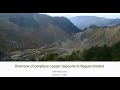
Exploration and Characteristics of Porphyry Copper Deposits in the Baguio District
Dr. Avery Elvinis, an exploration geologist with extensive experience in the Baguio district, presents an in-depth overview of porphyry copper deposits focusing on the Santo Thomas 2 cluster. He discusses geological settings, mineralization processes, structural controls, and lab techniques used in exploration, providing valuable insights for geologists and mining professionals.
The Impacts of Mining: Understanding Resource Extraction and Its Environmental Effects
Explore the significant ecological and economic impacts of mining in this comprehensive AP Environmental Science overview.

Deep Sea Mining: Balancing Resource Demand and Ocean Conservation
Explore the groundbreaking deep sea mining expedition in the Pacific Ocean, examining the potential of harvesting valuable minerals versus the environmental risks to fragile marine ecosystems. Discover the challenges, technologies, and conservation efforts shaping the future of ocean resource management.
Comprehensive Guide on Minerals and Energy Resources for Students
Explore the critical aspects of minerals and energy resources, their definitions, classifications, and importance in this complete guide.

Comprehensive Overview of Land Titles in the Philippines: Key Concepts and Updates
In this informative video, Attorney Al Jumrani provides an essential update on land titles in the Philippines, covering significant changes and concepts related to property ownership, co-ownership, and the latest legislation affecting land registration. This lecture is particularly beneficial for law students and those preparing for the bar exam.
Most viewed summaries

A Comprehensive Guide to Using Stable Diffusion Forge UI
Explore the Stable Diffusion Forge UI, customizable settings, models, and more to enhance your image generation experience.

Kolonyalismo at Imperyalismo: Ang Kasaysayan ng Pagsakop sa Pilipinas
Tuklasin ang kasaysayan ng kolonyalismo at imperyalismo sa Pilipinas sa pamamagitan ni Ferdinand Magellan.

Mastering Inpainting with Stable Diffusion: Fix Mistakes and Enhance Your Images
Learn to fix mistakes and enhance images with Stable Diffusion's inpainting features effectively.

Pamamaraan at Patakarang Kolonyal ng mga Espanyol sa Pilipinas
Tuklasin ang mga pamamaraan at patakaran ng mga Espanyol sa Pilipinas, at ang epekto nito sa mga Pilipino.

How to Install and Configure Forge: A New Stable Diffusion Web UI
Learn to install and configure the new Forge web UI for Stable Diffusion, with tips on models and settings.
Found this summary useful?
Take it with you. One click puts it in your own LunaNotes library.
Save to LunaNotes