
Download Subtitles for Common Cold Causes and Symptoms Video
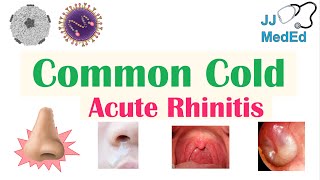
Common Cold (Acute Rhinitis) | Causes (ex. Coronaviruses), Risk Factors, Transmission, Symptoms
JJ Medicine
SRT - Most compatible format for video players (VLC, media players, video editors)
VTT - Web Video Text Tracks for HTML5 video and browsers
TXT - Plain text with timestamps for easy reading and editing
Scroll to view all subtitles
hey everyone in this lesson we are going
to discuss everything you need to know
about the common cold including what
causes it risk factors for getting the
common cold and we're also going to talk
about these signs and symptoms of the
cold how to distinguish it from the flu
and we're gonna talk about treatments
and preventative measures so the common
cold is also known as acute rhinitis
acute rhinitis so what is acute rhinitis
rhinitis if we break the word down the
prefix Rhine means nose you can think of
rhino or rhinoceros rhyme means nose and
itis means inflammation so it's acute
inflammation of the nose essentially
that's what common cold is but
specifically it is a viral infection of
the upper respiratory tract so upper
respiratory tract is the respiratory
tract above the larynx it is the most
common acute illness in the developed
world of the most common and as we're
all aware there's a seasonal variance
with highest number of cases in the
winter months and it's very typical that
an adult will get two to four common
colds per year whereas a child can get
even more six to eight per year now
there are many causative organisms that
can cause the common cold they're all
viruses because this is a viral
infection so there are more than 200
viruses that can cause the cold the
number one category of viruses that
cause the common cold are the
rhinoviruses and there are over 100
serotypes of rhinoviruses so that's very
easy to remember
Rhino viruses are the same prefix Rhino
means nose so rhinoviruses so very easy
to remember and they are so common of a
cause of the common cold that they are
approximately almost 1/3 to 1/2 of cases
so 30 to 50 percent of all cases of the
common cold are caused by rhinoviruses
in the second category of viruses that
cause the common cold are the corona
viruses the corona viruses are the
second most common category of causes so
we've heard about corona viruses
like the virus that causes Cova 19 but
we're not going to talk about that here
we're talking about the four common
corona viruses in the population that
can commonly cause the common cold the
four here are H CoV our human
coronavirus 2 2 9 3 H Co V and L 63
h co v OC 43 and h co v HK u 1 so these
corona viruses can occur on a seasonal
basis and they can cause approximately
10 to 15% of all cases of the common
cold the third most common category of
causes of the common cold are the
influenza viruses so the influenza
viruses usually cause about 5 to 15% of
cases so smaller portion para influenza
viruses can also cause the common cold a
roughly about 5 percent of cases the
respiratory syncytial virus over RSV can
cause again about 5 percent of cases now
there are other viruses that can cause
the common cold as well they're very
rare and less likely to happen but they
can cause an acute rhinitis and these
include adeno viruses enter viruses like
the Coxsackie virus usually if we have a
summer cold weekend we've heard of a
summer cold before it's usually
coxsackievirus or an enterovirus that is
causing the summer cold and there's also
meta pneumo virus that can cause a
common cold as well and very very
unlikely so how is a common cold
transmitted so the transmission of the
common cold occurs person-to-person that
makes sense we all know that usually
occurs from droplets or secretions from
the infected individual usually
secretions or droplets from the
respiratory or upper respiratory tract
so in think of mucus or runny nose that
is essentially shedding the virus so
virus can be in the nasal secretions and
then the virus can shed and it's shed
the most on the second day of the
illness so that's the peak shedding of
the virus and the viruses shed from
respiratory secretions not from the
saliva so
there have been studies looking at this
they've checked us alive of individuals
usually 90% of the time the virus is not
in the saliva but it can be in some
instances so don't want to say it's not
always from the saliva or not always
shed in the saliva but majority of the
time it is not so person person is one
way there's also airborne and close
contact as ways that this can be
transmitted as well the virus can be
aerosolized and go out in the air in
large and small droplets and it can get
on to hands so we can transmit the virus
through hand contact and then we can
transmit it through fomites so fomites
are indirect objects like tables and
desks and chairs so an individual who
touches their runny nose and touches a
table can leave the virus on the table
and that virus can last there for hours
it's estimated that the viruses can
survive on surfaces for two to four
hours so what are some of the
influencing or risk factors the first
one is sick contacts the most important
risk factor if we don't have sick
contacts were less likely to become
infected not always though because you
can get it from fomites or indirect
objects a big one here a big category of
sick contacts are daycare children again
children are estimated to have about six
to eight common colds in a year so
they're more likely to become infected
with the common cold so they're more
likely to have it and if you're exposed
to daycare children more often you're
more likely to get the coal yourself
smoking is the second risk factor if you
smoke you're more likely to catch the
cold
the third is psychological stress we've
all felt this before if there's times in
our life where we're very stressed and
there's a lot of stress we might be able
to get through that stressful period but
then after we get sick and psychological
stress can cause it some mild
immunosuppression and can increase our
risk of getting the common cold
the fourth risk factor is fatigue
decreased sleep it is tied together with
the psychological stress if you're
fatigued you're not rested you become
more susceptible to getting the common
cold the fifth is decreased physical
activity so if you have decreased
physical activity you're more likely to
get the common cold and the sixth
influencing or risk factor is having a
history of upper respiratory tract
diseases or respiratory allergies so
this plays into more the severity of the
symptoms of the common cold if you have
a history of these issues you're more
likely to have a more severe and more
long-lasting presentation of the common
cold and the seventh is malnutrition
again all tied together with
psychological stress and fatigue and a
decreased Constitution or decreased
immune system function what are some of
the clinical features of the common cold
so before we get into clinical features
the incubation period of the common cold
is anywhere from one to five days so it
can occur quite rapidly the main
clinical features are nasal congestion
so you're you have a stuffy nose and you
have rhinorrhea a runny nose so those
are the two biggest clinical features
you're gonna see with a common cold and
the rhinorrhea is bilateral so both
nostrils and it's gonna be clear sputum
it might be slightly Mew copula and
maybe a little bit of a white opaque
tinge to it but it's mostly clear it's
going to be copious in amounts you can
also see sneezing with this and you may
see a coffee it's not necessarily going
to happen but you may see a cough a lot
of times it's due to post nasal drip
you're gonna have a lot of mucus
secretions running down the back of your
throat causing irritation and cough and
we can also see the lymph adenopathy
swollen tender lymph nodes in the neck
some other signs and symptoms of the
common cold include pharyngitis so a
sore throat conjunctivitis so
information of the conjunctiva in the
eyes and you may may have low-grade
fever headache mileages fatigue unlikely
if you have these symptoms is more
likely to be a flu or influenza
but some viruses that cause a common
cold can cause some of these other
symptoms as well and a lot of times it's
the adeno viruses so oftentimes a way to
distinguish between the common cold and
the flu or influenza is that influence
you're gonna have a fever with myalgias
and a cough common cold you're gonna
have nasal congestion runny nose
sneezing and those are the main
distinguishing factors some symptoms do
over will happen sometimes in influence
you might have some nasal congestion and
in common cold you might have a little
bit of call from the post nasal drip but
a lot of times as I mentioned before the
common cold is your nose and nasal
congestion rhinorrhea and in influenza
or the flu you're going to have fever
cough and myalgias or muscle aches and
pains so now that we know the signs and
symptoms of the common cold what are
some of the complications of getting the
common cold some of the complications
are usually due to a secondary bacterial
infection so the common cold is due to a
viral infection and then it can suppress
our immune system it can cause us to be
more susceptible to becoming secondarily
infected with a bacteria so some of the
major complications are the most common
complications include acute otitis media
so acute otitis media is essentially an
inflammation of the middle ear so here
in these images you can see the eardrum
or the tympanic membrane that is bulging
and you can see in this image here you
can actually see pus or fluid in behind
the eardrum that is causing it to bulge
out so when we look inside the ear with
an otoscope we can see the tympanic
membrane or the eardrum bulging out and
that is a sign of acute otitis media
another complication is sinusitis so
sinusitis is itis is inflammation and
sinus is our sinuses so it's an
inflammation of the sinuses so can be
the frontal or maxillary sinuses or your
ethmoid or sphenoid sinuses can
inflamed and this can cause issues as
well you can also see bronchitis as a
complication so inflation of the
bronchioles and our lungs can also get
pneumonia
so the mone is not part of the common
cold but it can be a complication of a
common cold so you can get a secondary
bacterial infection or a secondary
pneumonia in individuals with asthma or
COPD which is chronic obstructive
pulmonary disease they are more at risk
because being infected with a virus or a
bacterial infection can lead to an
exacerbation of these underlying
conditions so they can get an
exacerbation of asthma or COPD so they
have worsening wheezing and worsening
shortness of breath these are the
complications that we can see with a
common cold with the common cold
symptoms usually are worst for the first
1 to 3 days then they subside after
about one week so it takes about 7 to 10
days for the common cold to eventually
subside and even after it subsides we
can see a post infectious cough which
can occur for weeks again it could be
due to a post nasal drip we can have a
prolonged post nasal drip after having
the common cold and that post nasal drip
can continue to drip in the back of your
throat you can often feel it and it can
drip into your lower Airways causing a
cough so sometimes you feel like you
have to clear your throat or you feel a
little irritation you feel like you have
to cough that can last for weeks so how
do we make the diagnosis and how do we
treat the common cold diagnosis of the
common cold is a clinical diagnosis we
see a stuffy nose we see a runny nose
with clear nasal discharge this is very
very common it's a common cool treatment
is supportive this is a viral infection
a lot of times it is self limited it
only lasts for seven to ten days you
want to look for some of those other
complications like the cutit itis media
and pneumonia other complications that
you can treat with antibiotics a lot of
times they are due to a secondary
bacterial infection but oftentimes this
is a supportive treatment for the common
cold you just want to
treat their symptoms that they are
having so again it's symptom control
fluids rest in warm salt water gargling
you could use decongestants to help with
any congestion issues that you have and
for those individuals who have a lot of
post nasal drip causing a lot of coffee
and a lot of issues at night with cough
you can use cough suppressants in for
any other aches or pains you can use
acetaminophen or Tylenol how can we try
to prevent getting the common cold in
the first place so prevention is all
about the risk factors we talked about
earlier we want to make sure we wash our
hands we want to avoid touching our face
with our hands we want to try to be as
clean as possible we want to try to
sterilize any fomites in the environment
that may be carrying the virus stress
relief so we talked about psychological
stress can increase your risk for
getting the common cold so you want to
have stress relief you want to quit
smoking smoking increases your risk of
getting the common cold and you want to
eat healthy and stay active and try to
get proper sleep so again wash your
hands with soap and water for at least
20 seconds you can use hand sanitizer
avoid touching your face because a lot
of times the fires can get in through
your mucous membranes
you want to be as clean as possible try
to sterilize any objects that it might
have been contaminated with a virus
stress relief quit smoking eat healthy
stay active and proper sleep so if you
want to learn more about other
infectious diseases please check out my
infectious disease playlist and if you
haven't already please consider liking
subscribing and clicking the
notification file help support the
channel and say up-to-date on future
lessons and as always continue to live
laugh and learn and I hope to see you
next time
Full transcript without timestamps
hey everyone in this lesson we are going to discuss everything you need to know about the common cold including what causes it risk factors for getting the common cold and we're also going to talk about these signs and symptoms of the cold how to distinguish it from the flu and we're gonna talk about treatments and preventative measures so the common cold is also known as acute rhinitis acute rhinitis so what is acute rhinitis rhinitis if we break the word down the prefix Rhine means nose you can think of rhino or rhinoceros rhyme means nose and itis means inflammation so it's acute inflammation of the nose essentially that's what common cold is but specifically it is a viral infection of the upper respiratory tract so upper respiratory tract is the respiratory tract above the larynx it is the most common acute illness in the developed world of the most common and as we're all aware there's a seasonal variance with highest number of cases in the winter months and it's very typical that an adult will get two to four common colds per year whereas a child can get even more six to eight per year now there are many causative organisms that can cause the common cold they're all viruses because this is a viral infection so there are more than 200 viruses that can cause the cold the number one category of viruses that cause the common cold are the rhinoviruses and there are over 100 serotypes of rhinoviruses so that's very easy to remember Rhino viruses are the same prefix Rhino means nose so rhinoviruses so very easy to remember and they are so common of a cause of the common cold that they are approximately almost 1/3 to 1/2 of cases so 30 to 50 percent of all cases of the common cold are caused by rhinoviruses in the second category of viruses that cause the common cold are the corona viruses the corona viruses are the second most common category of causes so we've heard about corona viruses like the virus that causes Cova 19 but we're not going to talk about that here we're talking about the four common corona viruses in the population that can commonly cause the common cold the four here are H CoV our human coronavirus 2 2 9 3 H Co V and L 63 h co v OC 43 and h co v HK u 1 so these corona viruses can occur on a seasonal basis and they can cause approximately 10 to 15% of all cases of the common cold the third most common category of causes of the common cold are the influenza viruses so the influenza viruses usually cause about 5 to 15% of cases so smaller portion para influenza viruses can also cause the common cold a roughly about 5 percent of cases the respiratory syncytial virus over RSV can cause again about 5 percent of cases now there are other viruses that can cause the common cold as well they're very rare and less likely to happen but they can cause an acute rhinitis and these include adeno viruses enter viruses like the Coxsackie virus usually if we have a summer cold weekend we've heard of a summer cold before it's usually coxsackievirus or an enterovirus that is causing the summer cold and there's also meta pneumo virus that can cause a common cold as well and very very unlikely so how is a common cold transmitted so the transmission of the common cold occurs person-to-person that makes sense we all know that usually occurs from droplets or secretions from the infected individual usually secretions or droplets from the respiratory or upper respiratory tract so in think of mucus or runny nose that is essentially shedding the virus so virus can be in the nasal secretions and then the virus can shed and it's shed the most on the second day of the illness so that's the peak shedding of the virus and the viruses shed from respiratory secretions not from the saliva so there have been studies looking at this they've checked us alive of individuals usually 90% of the time the virus is not in the saliva but it can be in some instances so don't want to say it's not always from the saliva or not always shed in the saliva but majority of the time it is not so person person is one way there's also airborne and close contact as ways that this can be transmitted as well the virus can be aerosolized and go out in the air in large and small droplets and it can get on to hands so we can transmit the virus through hand contact and then we can transmit it through fomites so fomites are indirect objects like tables and desks and chairs so an individual who touches their runny nose and touches a table can leave the virus on the table and that virus can last there for hours it's estimated that the viruses can survive on surfaces for two to four hours so what are some of the influencing or risk factors the first one is sick contacts the most important risk factor if we don't have sick contacts were less likely to become infected not always though because you can get it from fomites or indirect objects a big one here a big category of sick contacts are daycare children again children are estimated to have about six to eight common colds in a year so they're more likely to become infected with the common cold so they're more likely to have it and if you're exposed to daycare children more often you're more likely to get the coal yourself smoking is the second risk factor if you smoke you're more likely to catch the cold the third is psychological stress we've all felt this before if there's times in our life where we're very stressed and there's a lot of stress we might be able to get through that stressful period but then after we get sick and psychological stress can cause it some mild immunosuppression and can increase our risk of getting the common cold the fourth risk factor is fatigue decreased sleep it is tied together with the psychological stress if you're fatigued you're not rested you become more susceptible to getting the common cold the fifth is decreased physical activity so if you have decreased physical activity you're more likely to get the common cold and the sixth influencing or risk factor is having a history of upper respiratory tract diseases or respiratory allergies so this plays into more the severity of the symptoms of the common cold if you have a history of these issues you're more likely to have a more severe and more long-lasting presentation of the common cold and the seventh is malnutrition again all tied together with psychological stress and fatigue and a decreased Constitution or decreased immune system function what are some of the clinical features of the common cold so before we get into clinical features the incubation period of the common cold is anywhere from one to five days so it can occur quite rapidly the main clinical features are nasal congestion so you're you have a stuffy nose and you have rhinorrhea a runny nose so those are the two biggest clinical features you're gonna see with a common cold and the rhinorrhea is bilateral so both nostrils and it's gonna be clear sputum it might be slightly Mew copula and maybe a little bit of a white opaque tinge to it but it's mostly clear it's going to be copious in amounts you can also see sneezing with this and you may see a coffee it's not necessarily going to happen but you may see a cough a lot of times it's due to post nasal drip you're gonna have a lot of mucus secretions running down the back of your throat causing irritation and cough and we can also see the lymph adenopathy swollen tender lymph nodes in the neck some other signs and symptoms of the common cold include pharyngitis so a sore throat conjunctivitis so information of the conjunctiva in the eyes and you may may have low-grade fever headache mileages fatigue unlikely if you have these symptoms is more likely to be a flu or influenza but some viruses that cause a common cold can cause some of these other symptoms as well and a lot of times it's the adeno viruses so oftentimes a way to distinguish between the common cold and the flu or influenza is that influence you're gonna have a fever with myalgias and a cough common cold you're gonna have nasal congestion runny nose sneezing and those are the main distinguishing factors some symptoms do over will happen sometimes in influence you might have some nasal congestion and in common cold you might have a little bit of call from the post nasal drip but a lot of times as I mentioned before the common cold is your nose and nasal congestion rhinorrhea and in influenza or the flu you're going to have fever cough and myalgias or muscle aches and pains so now that we know the signs and symptoms of the common cold what are some of the complications of getting the common cold some of the complications are usually due to a secondary bacterial infection so the common cold is due to a viral infection and then it can suppress our immune system it can cause us to be more susceptible to becoming secondarily infected with a bacteria so some of the major complications are the most common complications include acute otitis media so acute otitis media is essentially an inflammation of the middle ear so here in these images you can see the eardrum or the tympanic membrane that is bulging and you can see in this image here you can actually see pus or fluid in behind the eardrum that is causing it to bulge out so when we look inside the ear with an otoscope we can see the tympanic membrane or the eardrum bulging out and that is a sign of acute otitis media another complication is sinusitis so sinusitis is itis is inflammation and sinus is our sinuses so it's an inflammation of the sinuses so can be the frontal or maxillary sinuses or your ethmoid or sphenoid sinuses can inflamed and this can cause issues as well you can also see bronchitis as a complication so inflation of the bronchioles and our lungs can also get pneumonia so the mone is not part of the common cold but it can be a complication of a common cold so you can get a secondary bacterial infection or a secondary pneumonia in individuals with asthma or COPD which is chronic obstructive pulmonary disease they are more at risk because being infected with a virus or a bacterial infection can lead to an exacerbation of these underlying conditions so they can get an exacerbation of asthma or COPD so they have worsening wheezing and worsening shortness of breath these are the complications that we can see with a common cold with the common cold symptoms usually are worst for the first 1 to 3 days then they subside after about one week so it takes about 7 to 10 days for the common cold to eventually subside and even after it subsides we can see a post infectious cough which can occur for weeks again it could be due to a post nasal drip we can have a prolonged post nasal drip after having the common cold and that post nasal drip can continue to drip in the back of your throat you can often feel it and it can drip into your lower Airways causing a cough so sometimes you feel like you have to clear your throat or you feel a little irritation you feel like you have to cough that can last for weeks so how do we make the diagnosis and how do we treat the common cold diagnosis of the common cold is a clinical diagnosis we see a stuffy nose we see a runny nose with clear nasal discharge this is very very common it's a common cool treatment is supportive this is a viral infection a lot of times it is self limited it only lasts for seven to ten days you want to look for some of those other complications like the cutit itis media and pneumonia other complications that you can treat with antibiotics a lot of times they are due to a secondary bacterial infection but oftentimes this is a supportive treatment for the common cold you just want to treat their symptoms that they are having so again it's symptom control fluids rest in warm salt water gargling you could use decongestants to help with any congestion issues that you have and for those individuals who have a lot of post nasal drip causing a lot of coffee and a lot of issues at night with cough you can use cough suppressants in for any other aches or pains you can use acetaminophen or Tylenol how can we try to prevent getting the common cold in the first place so prevention is all about the risk factors we talked about earlier we want to make sure we wash our hands we want to avoid touching our face with our hands we want to try to be as clean as possible we want to try to sterilize any fomites in the environment that may be carrying the virus stress relief so we talked about psychological stress can increase your risk for getting the common cold so you want to have stress relief you want to quit smoking smoking increases your risk of getting the common cold and you want to eat healthy and stay active and try to get proper sleep so again wash your hands with soap and water for at least 20 seconds you can use hand sanitizer avoid touching your face because a lot of times the fires can get in through your mucous membranes you want to be as clean as possible try to sterilize any objects that it might have been contaminated with a virus stress relief quit smoking eat healthy stay active and proper sleep so if you want to learn more about other infectious diseases please check out my infectious disease playlist and if you haven't already please consider liking subscribing and clicking the notification file help support the channel and say up-to-date on future lessons and as always continue to live laugh and learn and I hope to see you next time
Keep this transcript
Save it to LunaNotes and it becomes a real note in your library — editable, searchable, and ready to turn into flashcards or a diagram. Free to start.
Save to LunaNotesOr download subtitles for another video.
These subtitles were extracted using the Free YouTube Subtitle Downloader by LunaNotes.
Related videos

Download Subtitles for SMCCC2 Video and Enhance Understanding
Download accurate subtitles for the SMCCC2 video to improve comprehension and accessibility. Enjoy clear captions that help you follow along easily and grasp key content effortlessly.

Download Accurate Subtitles and Captions for Your Videos
Easily download high-quality subtitles to enhance your video viewing experience. Subtitles improve comprehension, accessibility, and engagement for diverse audiences. Get captions quickly for better understanding and enjoyment of any video content.

Download Subtitles for Your Favorite Videos Easily
Enhance your video watching experience by downloading accurate subtitles and captions. Enjoy better understanding, accessibility, and language support for all your favorite videos.

Download Subtitles and Captions for Any Video Easily
Enhance your viewing experience by downloading accurate subtitles and captions for any video. Improve comprehension, accessibility, and enjoy content in multiple languages effortlessly with our easy-to-use subtitle downloader.

Download Captions for Expecting Young Video Easily
Download accurate and easy-to-read subtitles for the 'Expecting Young' video to enhance your viewing experience. Captions help improve understanding, accessibility, and support language learners. Get your subtitles now for seamless video enjoyment.
Most viewed

Untertitel für 'Nicos Weg' Deutsch lernen A1 Film herunterladen
Laden Sie die Untertitel für den gesamten Film 'Nicos Weg' herunter, um Ihr Deutschlernen auf A1 Niveau zu unterstützen. Untertitel helfen Ihnen, Wortschatz und Aussprache besser zu verstehen und verbessern das Hörverständnis effektiv.

ดาวน์โหลดซับไตเติ้ล DMD LAND 3 The Final Land Day 1
ดาวน์โหลดซับไตเติ้ลสำหรับวิดีโอ DMD LAND 3 The Final Land Day 1 เพื่อช่วยให้เข้าใจเนื้อหาได้ง่ายขึ้น และเพิ่มความสะดวกในการติดตามทุกช่วงเวลา เหมาะสำหรับผู้ชมที่ต้องการความชัดเจนและเข้าถึงข้อมูลอย่างครบถ้วน

Subtítulos para TIPOS DE APEGO | 6 DE COPAS Episodio 56
Descarga los subtítulos para el episodio 56 de la tercera temporada de 6 DE COPAS, centrado en los tipos de apego. Mejora tu comprensión y disfruta del contenido en detalle con nuestros subtítulos precisos y accesibles.

Descarga Subtítulos para NARCISISMO | 6 DE COPAS - Episodio 63
Accede fácilmente a los subtítulos del episodio 63 de '6 DE COPAS', centrado en el narcisismo. Descargar estos subtítulos te ayudará a entender mejor el contenido y mejorar la experiencia de visualización.

Download Subtitles for Inside Out 2 Extended Preview 2024
Get accurate and easy-to-follow subtitles for the Inside Out 2 extended preview (2024) featured on Fandango at Home. Enhance your viewing experience and ensure you catch every detail of this exciting preview with our downloadable captions.
Found this transcript useful?
Take it with you. One click puts it in your own LunaNotes library.
Save to LunaNotes