Introduction to Defense Mechanisms
Defense mechanisms are unconscious psychological strategies used to protect oneself from anxiety, distress, or uncomfortable realities. They help individuals cope with emotional pain by distorting or denying reality to varying degrees. To gain a broader perspective on how these mechanisms fit within general psychological concepts, see Understanding Psychology: Key Concepts and Common Misconceptions Explained.
Major Types of Defense Mechanisms
1. Denial
- Refusing to accept reality because it is too painful.
- Example: A heavy smoker denying the health risks of smoking.
2. Repression
- Subconscious blocking of distressing thoughts or memories.
- Example: A person with no conscious memory of a childhood trauma.
3. Projection
- Attributing one's own unacceptable feelings to others.
- Example: A jealous individual accusing their partner of jealousy.
4. Displacement
- Redirecting emotions from the true source to a safer target.
- Example: Snapping at family after a stressful day at work.
5. Reaction Formation
- Behaving opposite to true feelings to avoid anxiety.
- Example: Excessive friendliness toward a disliked coworker.
6. Regression
- Reverting to childlike behaviors under stress.
- Example: A college student clinging to parents during academic pressure.
7. Rationalization
- Creating logical excuses to justify unacceptable behaviors or feelings.
- Example: Justifying theft by claiming need.
8. Sublimation
- Channeling unacceptable impulses into socially acceptable activities.
- Example: Playing intense sports to manage aggression.
9. Identification (Injection)
- Internalizing others' beliefs or traits for comfort.
- Example: A child adopting a parent's critical voice unconsciously.
10. Splitting
- Viewing people or situations as all good or all bad with no middle ground.
- Example: Seeing a boss as either perfect or a tyrant.
11. Compensation
- Overemphasizing strengths in one area to offset weaknesses in another.
- Example: Focusing on academic success to counter feelings of insecurity.
12. Undoing
- Trying to negate a negative action with good deeds.
- Example: Apologizing profusely after an angry outburst.
13. Intellectualization
- Using excessive abstract thinking to avoid emotional distress.
- Example: Focusing only on funeral logistics after a loved one dies.
14. Suppression
- Conscious pushing of uncomfortable thoughts aside temporarily.
- Example: Ignoring personal conflicts to focus on an exam.
15. Dissociation
- Mentally detaching from painful experiences or emotions.
- Example: Feeling detached from oneself during trauma.
16. Conversion
- Expressing psychological distress through physical symptoms.
- Example: Sudden paralysis without medical cause after stress.
17. Avoidance
- Deliberately avoiding distressing thoughts, places, or people.
- Example: Ignoring bills to avoid financial stress.
18. Acting Out
- Expressing emotions through actions rather than words.
- Example: Throwing a tantrum due to inability to communicate feelings.
19. Isolation of Affect
- Disconnecting emotions from events or memories.
- Example: Describing a traumatic event without showing emotion.
Understanding how people employ such mechanisms often relates to their emotional resilience and ways to reframe cognitive responses, which is further explained in Mastering Emotional Resilience: The Art of Cognitive Reframing.
Conclusion
Understanding these defense mechanisms enhances awareness of how people cope with internal conflicts and psychological stress. Recognizing these can aid in personal growth and foster empathy in interpersonal relationships.
If this overview has provided value, consider subscribing for more insightful explanations of psychological concepts and their real-world applications.
denial denial is when a person refuses to accept the reality about something because it's too uncomfortable or
painful to acknowledge they ignore what's really happening around them and come up with their own madeup reasons to
avoid facing the truth a heavy smoker may deny the evidence that smoking is harmful to their health or imagine
someone drowning in debt because they spend too much money on fancy clothes instead of admitting they have a problem
they keep buying more expensive clothes saying things like I deserve to treat myself or I'll figure out the money
stuff later repression repression involves subconsciously pushing distressing thoughts memories impulses
or feelings into the unconscious mind making them inaccessible to conscious awareness a person who experienced a
traumatic event in childhood might have no conscious memory of the event because their mind has buried it deep down even
though they were conscious and aware during the event they may have vague feelings of unease or anxiety without
understanding why projection projection occurs when a person attributes their own unacceptable thoughts feelings or
impulses to someone else usually without realizing it someone who struggles with jealousy might accuse their partner of
being jealous and controlling when in reality it's their own feelings of jealousy that they're projecting onto
their partner they might say you're always so suspicious of me why can't you trust me or a cheating spouse might
accuse their partner of being unfaithful displacement displacement is when someone takes out their feelings on
someone or something else rather than dealing with the actual source of those feelings after a tough day at work
someone might come home and snap at their family members or pets over minor things because they're feeling stressed
and frustrated from work but can't express those feelings there reaction formation this defense mechanism
manifests when someone behaves in a way that's opposite to how they truly feel because expressing their true feelings
would be too anxiety-provoking or unacceptable someone who Harbors strong feelings of dislike towards a coworker
might go out of their way to be over friendly and complimentary towards that coworker masking their true feelings
with exaggerated friendliness regression regression is reverting to a more childlike or immature way of behaving in
response to stress or anxiety this serves as a way of protecting yourself from confronting the actual situation a
college student facing overwhelming academic pressure might start clinging to their parents for comfort and support
in a way they haven't done since childhood in a younger child a stressful event may cause it to regress to bed
wedding even though they have already outgrown this Behavior rationalization rationalization involves coming up with
seemingly logical explanations facts or justifications for behaviors thoughts or feelings that are actually driven by
unconscious motives or desires after a breakup someone might rationalize their ex partner's Behavior by saying they
were never right for me anyway to avoid confronting their own feelings of rejection and sadness or someone who
steals something feels justified in doing so because they needed it more than the the person from whom they stole
sublimation sublimation is when someone redirects their unacceptable impulses or emotions into socially acceptable
activities or Outlets instead of acting out their aggression by getting into fights someone might channel that energy
into playing intense sports like boxing or rugby injection injection also known as identification or internalization is
when someone takes on the beliefs or qualities of another person because they feel anxious and unsure about themselves
or to deal with emotional difficulty a child might internalize their parents critical voice and constantly criticize
themselves even when the parent isn't present and without conscious realization of this process splitting
splitting involves viewing people situations or things as either all good or all bad with no middle ground or
Nuance someone might see their boss as either a perfect Flawless leader or a completely incompetent Tyrant without
acknowledging any complexity or gray areas it's like painting everything with just two colors no Shades in between
this often happens in borderline personality disorder compensation compensation involves overemphasizing or
focusing on strengths or abilities in one area to make up for perceived deficiencies or failures in another
someone who feels insecure about their physical appearance might become overly focused on their academic achievements
or Career Success to compensate for their perceived shortcomings another example is a student who receives poor
grades and devotes more time and effort to extracurricular icular activities undoing undoing is attempting to reverse
or negate an unacceptable thought feeling or action through symbolic gestures or rituals after snapping at a
friend in Anger someone might apologize profusely and go out of their way to do something nice for them as a way to undo
the harm they caused undoing is like trying to make up for something bad you did by doing something good afterward it
sounds like the defense mechanism reaction formation but there's a difference reaction formation is tending
to feel the opposite of how you really feel while undoing involves actions to undo a negative action or feeling
intellectualization intellectualization involves focusing excessively on abstract thinking overanalyzing or
rationalization to avoid confronting or experiencing the emotions associated with a painful situation this mechanism
kicks in to block out conflicting or disturbing feelings and thoughts so instead of acknowledging their feelings
of grief after a loved one's death someone might Focus solely on organizing funeral arrangements and discussing
logistical details suppression suppression is consciously pushing unwanted thoughts feelings or memories
out of conscious awareness as opposed to repression which is a subconscious process it's like putting a lid on your
feelings for now so you can deal with them later when you're ready it's considered a form of motivated
forgetting during a stressful exam someone might consciously push aside distracting thoughts about a recent
argument with a friend so they can focus on studying dissociation dissociation involves mentally separating oneself
from thoughts feelings memories or even identity as a way to escape or avoid overwhelming or traumatic experiences
it's like mentally checking out for a while to avoid feeling upset during a traumatic event someone might feel like
they're watching the scene unfold from outside their body as if it's happening to someone else dissociation is
considered neurotic but fairly common in adults conversion conversion also called somatization involves expressing
psychological distress through physical symptoms or ailments often with no identifiable medical cause an example is
experiencing sudden paralysis or blindness in response to extreme stress or trauma despite no apparent physical
injury or medical explanation this defense mechanism is often seen in conversion disorder which is also
referred to as functional neurological symptom disorder avoidance avoidance or withdrawal is when someone deliberately
avoids thinking about discussing or confronting a situation thought feeling or memory that causes discomfort or
distress it also entails avoiding persons events and places ignoring phone calls from a creditor or avoiding
opening bills to avoid facing the reality of mounting debt and financial troubles is one example this defense
mechanism can also be observed in post-traumatic stress disorder where individuals may avoid the location of a
traumatic accident or refrain from driving altogether acting out acting out is when individuals Express their
unconscious emotions wishes or impulses through their actions rather than consciously verbalizing them it is also
when people do things without realizing why they're doing them it's like their emotions are driving their actions but
they don't understand why for example someone might act out their anger by yelling or breaking things instead of
talking about what's bothering them temper tantrums of toddlers can also be understood as episodes of acting out
since they haven't developed the means to communicate their feelings yet isolation of affect isolation of affect
is when someone disconnects their emotion from their thoughts or experiences it's like talking about
something sad or scary without feeling any sadness or fear for example if someone talks about a traumatic event
like their house burning down and describes it very detailed and graphical without showing any emotion it might be
because they've isolated their feelings from the memory it's like they're describing it as if it happened to
someone else this can happen in conditions like obsessive compulsive disorder or in people who've been
through very traumatic events and there you have them the major defense mechanism explained hit that like button
down there if you got any value out of this video and consider subscribing to the channel so you don't miss out on any
future videos see you in the next one
Psychological defense mechanisms are unconscious strategies that people use to protect themselves from anxiety, distress, or unpleasant realities. They help individuals cope with emotional pain by distorting or denying reality to varying degrees, allowing temporary relief from uncomfortable feelings or thoughts.
Denial involves refusing to accept a painful reality. You might notice a person dismissing facts or avoiding acknowledgment of a serious issue, such as a smoker denying the health risks associated with smoking. Recognizing denial often means observing a disconnect between reality and their expressed beliefs or statements.
Repression is an unconscious process where distressing thoughts or memories are blocked from conscious awareness without intentional effort. For example, someone might not remember a traumatic childhood event. Suppression, by contrast, is a conscious choice to temporarily push uncomfortable thoughts aside, like ignoring conflicts to focus on an exam.
Displacement redirects emotions from a threatening source to a safer target; for example, snapping at family members after a stressful day at work. While it allows release of pent-up emotions, it can damage important relationships and does not address the actual source of stress, so it's important to recognize and manage this pattern.
Yes, some defense mechanisms like sublimation can be positive. Sublimation channels unacceptable impulses into socially acceptable activities—for instance, managing aggressive impulses by playing intense sports. This not only protects the individual from distress but also contributes to constructive behavior and personal growth.
Understanding defense mechanisms increases self-awareness and empathy. Recognizing how oneself and others unconsciously cope with psychological stress can improve emotional resilience and communication, facilitating healthier interpersonal relationships and promoting personal development.
Managing unhealthy defense mechanisms involves increasing awareness of these patterns, often through reflection or therapy. Techniques such as cognitive reframing—changing how you interpret stressful situations—can help replace maladaptive mechanisms with healthier coping strategies, improving emotional well-being and resilience over time.
Keep this summary
Save it to LunaNotes and it becomes a real note in your library — editable, searchable, and ready to turn into flashcards or a diagram. Free to start.
Save to LunaNotesOr summarise for another video.


32K+ people have turned 65K+ videos into notes
“Very useful tool. I'm using it for the last couple weeks and I'm loving it so far. Makes learning on YouTube a great experience.”
 Bhai Chrome Web Store review
This summary and transcript were automatically generated using AI with the Free YouTube transcript summary tool by LunaNotes.
Related summaries
Understanding Psychological Defense Mechanisms: From Denial to Altruism
Explore the four main categories of psychological defense mechanisms—primitive, immature, neurotic, and mature—and learn how these unconscious strategies protect us from stress and emotional conflict. Discover practical ways to recognize and shift toward healthier defenses like humor, sublimation, and altruism for improved mental well-being.
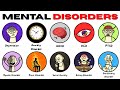
Understanding Major Mental Health Disorders: Symptoms and Realities
This comprehensive summary explores key mental health disorders including depression, anxiety, ADHD, OCD, PTSD, bipolar disorder, panic disorder, social anxiety, eating disorders, borderline personality disorder, schizophrenia, and dissociative identity disorder. It highlights their symptoms, effects on daily life, and the emotional and neurological challenges faced by individuals.

Mastering Emotional Resilience: Techniques for Lasting Change
This video explores the science of emotions and offers practical techniques for emotional regulation, cognitive reframing, and building resilience. Learn how to manage your emotions effectively and transform challenges into opportunities for growth.
5 Everyday Behaviors That Signal Your Brain Needs Help
Discover five common but alarming behaviors that may indicate your brain is struggling with anxiety, OCD, depression, or impulse control issues. Learn to recognize these signs not as personality flaws but as urgent signals for support and understanding.
Mastering Emotional Resilience: The Art of Cognitive Reframing
This video explores the concept of cognitive reframing under pressure, teaching viewers how to transform pain into power and develop emotional resilience. It outlines a three-phase approach to mental conditioning, emphasizing the importance of maintaining humanity while building strength.
Most viewed summaries

A Comprehensive Guide to Using Stable Diffusion Forge UI
Explore the Stable Diffusion Forge UI, customizable settings, models, and more to enhance your image generation experience.

Kolonyalismo at Imperyalismo: Ang Kasaysayan ng Pagsakop sa Pilipinas
Tuklasin ang kasaysayan ng kolonyalismo at imperyalismo sa Pilipinas sa pamamagitan ni Ferdinand Magellan.

Mastering Inpainting with Stable Diffusion: Fix Mistakes and Enhance Your Images
Learn to fix mistakes and enhance images with Stable Diffusion's inpainting features effectively.

Pamamaraan at Patakarang Kolonyal ng mga Espanyol sa Pilipinas
Tuklasin ang mga pamamaraan at patakaran ng mga Espanyol sa Pilipinas, at ang epekto nito sa mga Pilipino.

How to Install and Configure Forge: A New Stable Diffusion Web UI
Learn to install and configure the new Forge web UI for Stable Diffusion, with tips on models and settings.
Found this summary useful?
Take it with you. One click puts it in your own LunaNotes library.
Save to LunaNotes