TORCH Infections: A Comprehensive Guide for Medical Professionals
Overview
TORCH is an acronym representing the most common congenital infections that can cross the placenta and affect the fetus. This presentation systematically reviews each infection's presentation, fetal effects, diagnosis, and management. For a foundational understanding of how these pathogens reach the fetus, review our Comprehensive Guide to Human Blastocyst Implantation Process.
T - Toxoplasmosis (Toxoplasma gondii)
Key Characteristics:
- Intracellular parasite found in undercooked meat and cat feces
- Classic triad: chorioretinitis, hydrocephalus, and intracranial calcifications
- Diffuse (scattered) intracranial calcifications (distinct from CMV's periventricular pattern)
Maternal Presentation:
- Usually asymptomatic; infection or reactivation during pregnancy
Fetal/Neonatal Effects:
- Anemia, seizures, jaundice
- Hepatosplenomegaly, thrombocytopenia
- Microcephaly, intellectual disability
- Sensorineural hearing loss
Diagnosis & Treatment:
- Screen for IgG/IgM antibodies or PCR
- If maternal diagnosis <18 weeks: spiramycin
- For confirmed fetal/newborn infection: pyrimethamine + sulfadiazine + folic acid for 12 months
- Follow-up: neuro, auditory, ophthalmic exams
T - Treponema pallidum (Syphilis)
Key Characteristics:
- Spirochete bacteria; sexually transmitted
- Fully treatable and preventable congenital infection
Maternal Presentation (Stages):
- Primary: painless chancre
- Secondary: rash (palms and soles)
- Tertiary: granulomas affecting bones and joints
Fetal/Neonatal Effects:
- Snuffles (rhinitis with highly infectious discharge)
- Hutchinson teeth (notched incisors)
- Skeletal: saber shins, saddle nose, dactylitis
- Neurologic: meningitis, cranial nerve deafness
- Ocular: chorioretinitis, glaucoma
Diagnosis & Treatment:
- Screen all pregnant women at first visit and at delivery
- Treat mother with benzathine penicillin (only effective treatment)
- Test infant with VDRL, RPR, or FTA-abs
O - Other: Parvovirus B19 (Fifth Disease)
Key Characteristics:
- Single-stranded DNA virus; transmitted via respiratory droplets
- Hydrops fetalis is the hallmark fetal complication
- High vertical transmission risk (~35%)
Maternal Presentation:
- Slapped cheek facial rash + macular rash (trunk to extremities)
- Fever ~1 week before rash
Fetal/Neonatal Effects:
- Severe anemia → non-immune hydrops fetalis (heart failure)
- Thrombocytopenia, myocarditis
- Maternal mirror syndrome
- Spontaneous resolution or fetal demise
Diagnosis & Treatment:
- Test for IgM antibodies (detectable 7-10 days post-infection)
- PCR for higher sensitivity
- Monitor with weekly ultrasounds for 12-20 weeks
- In utero transfusions for severe anemia/hydrops
O - Other: Varicella-Zoster (Chickenpox)
Key Characteristics:
- Herpes virus; remains dormant in dorsal root ganglion (→ shingles)
- Highest transmission risk: first two trimesters OR near delivery (→ neonatal varicella with 30% mortality)
Maternal Presentation:
- Pruritic blistering rash in various stages
- May present as shingles during pregnancy
Fetal/Neonatal Effects (Congenital Varicella Syndrome):
- Limb underdevelopment (toes/fingers)
- Skin scarring (cicatricial lesions)
- Neurologic: microcephaly, encephalitis, Horner syndrome
- Ocular: cataracts, chorioretinitis
- Anal/bladder malformations
Diagnosis & Treatment:
- Tzanck smear, DFA, or IgM/IgG testing
- PCR of amniotic fluid
- Treat with varicella immunoglobulin + antivirals
- Do NOT give live chickenpox vaccine during pregnancy
R - Rubella (German Measles)
Key Characteristics:
- Single-stranded RNA virus; transmitted via aerosol
- Progressive necrotizing vasculitis in fetus
- Highest risk: first trimester and at term
Maternal Presentation:
- Mild flu-like illness + rash (face → extremities, fades in 3 days)
- Swollen lymph nodes
Fetal/Neonatal Effects (Congenital Rubella Syndrome):
- PDA (patent ductus arteriosus) , most tested cardiac defect
- Pulmonary artery stenosis, coarctation of aorta
- Deafness, cataracts, microphthalmia
- Blueberry muffin rash (not specific)
- Late manifestations: hypertension, diabetes
Diagnosis & Treatment:
- Test women of childbearing age for immunity
- If non-immune: vaccinate postpartum (avoid pregnancy for 28 days)
- Test infant with culture, IgG, or PCR
- No defined treatment; focus on prevention
C - Cytomegalovirus (CMV)
Key Characteristics:
- Herpes virus; lifelong infection
- Major non-genetic cause of sensorineural hearing loss and neurodevelopmental delay
Maternal Presentation:
- Nonspecific viral symptoms; often asymptomatic
- Transmitted via sexual contact, breast milk, oropharyngeal secretions, blood
Fetal/Neonatal Effects:
- Periventricular intracranial calcifications (key distinction from toxoplasmosis)
- Hepatosplenomegaly, jaundice, thrombocytopenia
- Petechiae, microcephaly, seizures
- Chorioretinitis, IUGR (placental insufficiency)
Diagnosis & Treatment:
- Maternal: IgG/IgM antibodies (IgM lasts up to 8 months)
- Infant: viral culture from saliva/urine within 2 weeks of birth
- Fetal: head ultrasound monitoring
- Treatment: ganciclovir or valganciclovir for symptomatic infants
- Long-term: hearing, developmental, ophthalmologic follow-up
H - HIV
Key Characteristics:
- Retrovirus causing CD4 cell depletion
- Transmission: in utero, intrapartum, or via breastfeeding
Maternal Presentation:
- Variable; may be asymptomatic
- Risk factors: viral load, CD4 count, disease stage, breastfeeding
Fetal/Neonatal Effects:
- Usually no signs at birth
- Untreated: recurrent infections, chronic diarrhea
- Early ART reduces mortality and improves development
Diagnosis & Treatment:
- Screen mother early, at third trimester, and delivery
- Test infant with PCR/RNA testing at: birth, 2 weeks, 4-6 weeks, 4 months
- Treat with combined antiretroviral therapy
H - Herpes Simplex Virus (HSV)
Key Characteristics:
- HSV-1 (oral) and HSV-2 (genital); lifelong infection
- Peripartum acquisition is most common (ascending infection or exposure during delivery)
Maternal Presentation:
- Genital lesions; may be asymptomatic
- Screen for HSV history during pregnancy
Fetal/Neonatal Effects:
- Classic triad (in <1/3 of cases): skin vesicles, eye damage, CNS manifestations
- SEM (skin, eye, mucocutaneous) , most common, low mortality
- Disseminated (with liver involvement) , high mortality
Diagnosis & Treatment:
- Suppressive therapy at 36 weeks for recurrent HSV
- C-section if active lesions at labor
- Treat newborn with IV acyclovir
- Monitor for neurological changes
H - Hepatitis B (HBV)
Key Characteristics:
- Double-stranded DNA virus; causes cytotoxic T-cell-mediated liver injury
- Transmission most often at delivery
Maternal Presentation:
- Active infection (HBeAg-positive) in later pregnancy
Fetal/Neonatal Effects:
- High risk of acute and chronic hepatitis B
Diagnosis & Treatment:
- Screen all mothers with HBsAg (surface antigen)
- If positive: give newborn hepatitis B immunoglobulin + vaccine within 12 hours
- Complete vaccine series by 6 months
- Test newborn for HBsAg at 1-2 months
H - Hepatitis C (HCV)
Key Characteristics:
- Single-stranded RNA virus; leading cause of chronic liver disease worldwide
- Transmission via pre/perinatal exposure to infected mononuclear cells
Maternal Presentation:
- Often asymptomatic; increased risk with HIV co-infection
Fetal/Neonatal Effects:
- Infants usually asymptomatic but may develop chronic HCV
Diagnosis & Treatment:
- Test infant with RNA PCR at 1-2 months
- Test anti-HCV IgG after 18 months
- No proven transmission prevention or infant treatment
- Avoid invasive instrumentation or prolonged ROM during labor
Key Distinctions for Board Exams
| Infection | Unique Finding | |-----------|----------------| | Toxoplasmosis | Diffuse intracranial calcifications (from tissue necrosis) | | Syphilis | Snuffles, Hutchinson teeth, saber shins | | Rubella | PDA, pulmonary artery stenosis, cataracts + microphthalmia | | CMV | Periventricular calcifications, hearing loss | | HSV | Vesicular rash (key clue) | | Parvovirus B19 | Hydrops fetalis |
This structured approach helps differentiate infections that share overlapping presentations (e.g., chorioretinitis, hepatosplenomegaly, thrombocytopenia) by focusing on each infection's pathognomonic features. For more on the placental pathophysiology underlying vertical transmission, see our Understanding Placenta Development and Hormonal Functions.
[Music] hello everyone my name is Pooja upolo Patti and this is a presentation on
torch infections the goals and objectives of this presentation are to describe the various infectious
organisms that can cross the placenta and infect the fetus to outline the maternal presentation of the illness to
review the effects on the fetus and the resulting neonate and to briefly review treatment and prevention of torch
infections torch is an acronym that stands for the variety of most commonly seen and tested congenital infections
the first infection T is going to be Toxoplasma gondii I it's an intracellular parasite tissue
sis or oocysts are the main form and can be found in undercooked meat and cat feces or contaminated food or soil this
is a commonly tested board's question the image below are tacky so it's the tacky sites can replicate rapidly in
infected cells causing necrosis necrosis will eventually lead to tissue calcification congenital infection
through trans plus central transmission can happen after infection during pregnancy or reactivation of dormant
toxoplasmosis in pregnancy Toxoplasma can affect a fetus in a variety of ways usually they are
asymptomatic ever the classic triad that you see with congenital toxoplasmosis is Koryo retinitis hydrocephalus and
intracranial calcifications the images on your right show hydrocephalus increased fluid buildup and the spaces
in the brain and Coria retinas inflammation of the choroid and retina intracranial calcifications would also
be seen on this scan as bright white spots most commonly the symptoms of congenital toxoplasmosis are anemia
seizures jaundice splenomegaly and hepatomegaly which is enlargement of the spleen and liver thrombocytopenia a drop
in platelets and motor and cerebellar dysfunction microcephaly which is a small head an intellectual disability as
well as sensory neural hearing loss are also commonly seen you want to test the mother for
toxoplasmosis and also the child you can screen for the IgG or IgM antibodies as well as look for the parasite using PSR
PCR excuse me if the mother is diagnosed before 18 weeks you can treat the mother with spear Meissen if there is a
confirmed transmission to the fetus or the newborn infant regardless of symptoms at birth you would want to
treat the newborn with pyrimethamine and sulfadiazine as well as folic acid for 12 months folic acid is very important
for development and growth you'll want to repeat testing after therapy is given and monitor with neuro auditory and
ophthalmic exams as these are very common manifestations of congenital toxoplasmosis the image on the right is
a schematic of the life cycle of the Toxoplasma gondii eye and how it is transmitted the next T is Treponema
pallidum also commonly known as syphilis syphilis is a sexually transmitted infection caused by the spirochete
Treponema pallidum which leads to the disease usually it will present in the mother in a variety of stages the first
stage is usually a painless Shanker then there will be a rash that is often seen on the palms and soles in the second
stage the third stage is much later and will appear as granulomas affecting bones and joints syphilis is one of the
few fully treatable infections in this list so congenital infection is truly preventable the highest risk of
transmission to the child is seen with poor antenatal care high titers during pregnancy early stage of syphilis during
pregnancy and early stage of pregnancy as well as late treatment of the infection meaning it was caught too
close to delivery you can see in this chart below that there are a variety of symptoms from congenital syphilis it can
affect the reticulo-endothelial system mucocutaneous skeletal neurologic and ocular it can cause a
and thrombocytopenia like many of the other torch infections it can also cause a rash how are this rash is very
particular as it's on the palms and soles rhinitis in the newborn also known as snuffles is very commonly seen and
can be seen in the picture on the right snuffles contain high loads of the bacteria Treponema pallidum and are
therefore infectious and contagious skeletal manifestations of congenital syphilis are also very common symmetric
long bone lesions can be seen something called saber shins is a buzzword for syphilis you can also see other bone
abnormalities such as a saddle nose and dactyl itis neurological manifestations can include meningitis cranial nerve
deafness and there are also ocular manifestations Coria retinas and glaucoma the second
image on your right represents hutchinson teeth which are very characteristic of syphilis the
spirochetes can cross the placenta and cause congestion restricting blood flow to the fetus the infection causes an
inflammatory response that does not affect organ development but it can affect organ function that's why you
will not see organ development issues in congenital syphilis to test and treat you'll want to screen all pregnant women
at the first prenatal visit and repeat at the time of delivery you'll want to treat the mother with I am benzathine
penicillin and if they are allergic you must sensitize them this is the only medication that will work and it is
imperative that they are treated before delivery if there is a concern for congenital syphilis you'll want to test
the infant with VDRL RPR ER or fta abs tests the next organism is parvovirus b19 also known as v disease this comes
under the O category or other in torch infections parvovirus is a single-stranded DNA that's
transmitted via respiratory droplets or blood those with parvovirus infection can present with a distinct slapped
cheek facial rash and a macular rash that starts on the trunk and spreads outwards
there is usually a fever one week prior to this rash Aki a tional exposure either in a healthcare
setting or even in daycare setting can increase the risk of seroconversion which means that the person who's
infected can form antibodies the vertical transmission risk is relatively high around 35% this usually happens one
to three weeks after maternal infection and it is via transplant old transmission parvo virus attacks
erythroid progenitor cells and causes both direct toxic cell injury and the induction of apoptosis this often leads
to anemia and myocarditis if the fetus is affected the infection may spontaneously resolve however common
sequelae of fetal parvo virus are severe anemia non-immune hydrops fetalis caused by heart failure thrombocytopenia
maternal mirror syndrome maninjau encephalitis or fetal demise the picture on the right shows hydrops fetalis it is
a type of heart failure where fluid builds up in the fetus as you can see from the ascites or increased fluid in
the abdomen and skin edema to test and treat for parvo virus you will want to test for IgM antibodies and the mother
which are detectable seven to ten days after infection and peak around two weeks pcr is a more sensitive test
amniotic fluid can also be tested for fetal infection if there is a concern of fetal transmission you will want to
monitor with ultrasounds for 12 to 20 weeks after the possible exposure fetal treatment is to manage the anemia and
fetal hydrops with in utero fetal transfusions persistent congenital infection with parvovirus b19 can lead
to red cell aplasia and most of the care for these infants is supportive only the next infectious organism is
varicella-zoster also known as chickenpox varicella is a herpes virus and is often characterized
by a paretic blistering rash that is often seen in different stages of blistering after the primary infection
with a rash the virus remains dormant in the dorsal root ganglion which is why it can cause
sensory symptoms lead in life shingles is a later manifestation of chickenpox and can
present during pregnancy or any other form of immune suppression or stress chickenpox can be transmitted through
reactivation or active infection you will want to diagnose varicella by the appearance of a rash as ink smear from a
blister direct fluorescent antibody or through looking at IgM and IgG congenital varicella syndrome often
comprises a variety of symptoms you will see underdeveloped toes or fingers anal and bladder malformations encephalitis
microcephaly and aplasia mycroft Almia cataracts and Koryo retinitis spinal cord damage Horner syndrome to catriel
skin lesions hyperpigmentation and motor and sensory deficits encephalitis would be an inflammation in the brain microbe
thalya is when eyes are smaller than normal and Horner syndrome which is often seen when the classic triad of
meiosis a constricted people ptosis a drooping of the eyelid and sweating of one side of the face the skin findings
with congenital or varicella often appear like scars the image on your right is what the under development of
the limbs it can look like in condemned Allah varicella syndrome the likelihood of transmission to the fetus is higher
if the mother is infected in the first two trimesters another time where there is a high likelihood of transmission to
the fetus is when the mother is infected close to delivery this will instead be called neonatal varicella this also
carries a 30% mortality the antibodies as well as an active infection can be transferred through the placenta
maternal infection is associated with preterm delivery but not fetal demise if you are concerned about congenital
varicella ultrasounds are often done to look for intrauterine growth restriction microcephaly when tricky low megali
which is enlargement of the ventricles and the presence of echogenic foci in the fetal liver
as well as circular scarring and deformities of the limbs as we mentioned earlier pcr of the amniotic fluid can be
done to test for varicella-zoster DNA if the newborn is born with congenital varicella syndrome you can treat with
antiviral therapy as well as varicella immunoglobulins you will also want to treat pregnant women with
immunoglobulins if there is a high concern of transmission however you would not want to give the chickenpox
vaccine to a pregnant women the next organism is rubella also known as German measles this is now the are portion of
Torch rubella is a single-stranded positive-sense RNA virus that is transmitted through aerosolized
particles it presents with a mild flu-like illness with a rash that starts on the face and spreads towards the
hands and feet and fades in about three days the rash is less erythematosus and measles and it's often accompanied by
swollen lymph nodes there are two points where there's a highest risk of congenital infection the first is in the
first trimester of pregnancy and again a term rubella causes progressive necrotizing vasculitis and a focal
inflam inflammatory response congenital rubella syndrome presents with an infant that is often small for its age
deafness cataracts again microfauna which is common with other infections corneal opacity and glaucoma
there are many cardiac defects most notably PDA pulmonary artery stenosis & korek tation of the aorta PDA is patent
ductus arteriosus blueberry muffin rash is also seen in rubella however this is not specific for rubella as other torch
infections may also cause this rash hepatosplenomegaly is also seen later manifestations of congenital rubella
syndrome can also be hypertension and diabetes in the young child to test and treat for a rubella women of
childbearing age should be tested to see if they are immune to rubella from previous vaccinations if not they should
have window of bee-lieve MMR vaccine if a pregnant woman is found to be non-immune she
should be vaccinated after the pregnancy and avoid pregnancy for 28 days after the vaccination again because it is a
live vaccine infants with congenital rubella syndrome should be tested with a culture testing for IgG or with PCR if
any of these tests are positive consider the infant contagious with rubella until 1 year of age unless 2 cultures one
month apart are negative after 3 months of age there is no defined treatment for rubella the next disease is
cytomegalovirus also known as CMV Sammy is a type of herpes virus it is slow growing will give a lifelong infection
and often presents acutely with nonspecific viral symptoms it can be transmitted sexually through breast milk
through close contact with oropharyngeal secretions or through blood transfusions young children that have CMV often shed
the virus when they have high titers so women that are pregnant that are exposed to young children should be we aware of
their risk the risk of symptomatic in general CMV is highest when pregnant women acquire a primary infection during
pregnancy CMV is one of the major non-genetic causes of sensory hearing loss and neuro developmental delay CMV
for most people is a very mild illness however in periods of immune suppression or pregnancy it can have devastating
consequences congenital zme presents with hepatosplenomegaly jaundice conjugated hyperbilirubinemia
thrombocytopenia the t GI which is a rash with pinpoint red or purplish spots microcephaly seizures hypotonia and also
intracranial calcifications what separates this from Toxoplasma is that these calcifications are often
periventricular versus spread out in the brain CMV can also present with querier retinitis
intraventricular hemorrhages and periventricular leukomalacia neural stem cells are very susceptible to this virus
which also causes newer information which you can see with the neurological sequelae placental insufficiency can
also develop due to local infection with CMV in the placenta this can lead to intrauterine growth restriction to
diagnose the mother you will want to test our GT or IDM antibodies to CMV IgM can last up to eight months which
can be confusing depending on when you test to diagnose CMV in an infant you can isolate the virus from saliva or
urine specimens within two weeks of birth for viral culture you all want to do this within two weeks because you
cannot be sure if it was a maternal to child transmission to monitor for congenital CMV during pregnancy head
ultrasounds of a fetus can be done at regular intervals maternal infection is not diagnostic of fetal infection and
even the mother with low titers can still have a child with congenital CMV ganciclovir and val gancyclovir are the
two antivirals that are currently used for the treatment of symptomatic CMV infected infants infants diagnosed with
congenital CMV should continue to have close followup with developmental hearing and ophthalmologic assessments
the next organism HIV starts the last letter of rec room HIV is a retrovirus that affects dendritic cells lymphoid
tissue and causes cd4 cell depletion HIV can progress to AIDS HIV is spread through blood semen pre seminal fluids
rectal fluids vaginal fluids and breast milk maternal viral load cd4 count the stage of the disease
breastfeeding an active infection all affect the risk of transmission the table on your right has a nice setup of
the timing of transmission the rate of transmission the mechanism and how to prevent transmission the three main
modes of transmission are in utero intrapartum or through breastfeeding to test and
treat virtue in general HIV you'll want to test the mother early in pregnancy again in the third trimester and at the
time of delivery you'll also want to test postpartum as she may choose to breastfeed there are usually no clinical
signs of HIV infection at birth you will want to test HIV exposed infants within 48 hours of birth at two weeks at four
to six weeks and at four months with PCR or qualitative RNA testing early combined and try retroviral therapy for
infected infants reduces mortality and increases attainment of normal developmental milestones and gross motor
skills if untreated the infant often presents with the infant often presents with recurrent infections and chronic
diarrhea the next organism is herpes simplex herpes simplex virus has two types HSV one is more commonly seen to
cause infections around the mouth so this is your common cold sore and the HSV 2 most commonly causes general
infections similar pathophysiology is seen in HSV as the other herpes viruses mothers should be screened during
prenatal visits and a history of HSV should be documented as herpes is a lifelong infection and cannot be cured
neonatal herpes simplex infection is most often acquired in the peripartum period from maternal viremia so an
active infection an ace ending transp lentil infection which is from the outside in through the placenta or
retrograde spread through intact or ruptured amniotic membranes intrauterine transmission of HSV is rare about less
than one third of infants with congenital HSV exhibit the characteristic triad which is skin
vesicles eye damage and central nervous system manifestations the central nervous system manifestations have the
highest morbidity the SEM manifestation or skin eye and mucocutaneous is the most commonly seen
and does not have high mortality however SEM herpes can progress disseminated herpes which can also affect the liver
and this does have a high mortality infants can also present with placental invites hydrops fetalis or even in utero
demise a picture of the skin lesions of a newborn with HSV is seen on the right to test and treat for herpes simplex you
can test the mother if there are active lesions or you can test for titers during pregnancy with someone with
recurrent genital herpes so they continued to have lesions you will want to provide the mother with suppressive
therapy at 36 weeks if there are active lesions at Labor a c-section should be used as a delivery method to decrease
the risk of transmission infants are often asymptomatic at birth if a newborn has vesicular lesions evaluate for HSV
with PCR HSV can cause meningitis and encephalitis so watch for any neuro changes in the infant as well as any
skin changes newborns can be treated with IV acyclovir which is the antiviral of choice for herpes simplex hepatitis B
is the next age hepatitis B virus is double-stranded circular DNA that's enveloped it causes cellular injury from
host immune response which is cytotoxic to hepatocytes via cytotoxic T cell activation transmission is most often at
the time of delivery with mothers with an active infection usually later in pregnancy we need to talk about it so
different components of hepatitis B virus for our purposes you just need to know that there are antigens in the
envelope the core and on the surface so the maternal envelope antigen which can be seen an active infection is small
enough to pass through the placenta for someone who is vaccinated they will only have seen the surface antigen in the
vaccine so they will not have antibodies to the envelope perinatal infection has high chance of develop
both acute and chronic hepatitis B in infants you will want to screen all mothers for hepatitis B using the H B
surface antigen and again at delivery again this is the antigen not the antibody if the antigen for the surface
protein is positive newborns should receive prophylactic hepatitis B immunoglobulin at delivery
as well as the hepatitis B vaccine within 12 hours and completion of the series by 6 months with follow-up
testing this is only prophylactic we do not have a conformation of hepatitis B transmission to confirm you will want to
test newborns for hepatitis B antigen within one to two months the next virus is hepatitis C I'm try to see is a
single-stranded RNA that infects hepatocyte s' but it may not be directly toxic hepatitis C is the number one
cause of chronic liver disease in the world transmission occurs through pre or perinatal exposure to peripheral
mononuclear cells infected with hepatitis C in pregnancy in general it can be transmitted through blood other
factors that increase the risk of maternal to child transmission are HLA types female gender of the fetus and an
HIV co-infection and the mother the method of delivery and choosing to breastfeed are not associated with
maternal to child transmission as some of the other diseases have both infants are asymptomatic but may develop chronic
hepatitis C there is no proven transmission prevention method however if it is known that the mother has
hepatitis C invasive instrumentation or prolonged rupture of membranes during labor should be avoided if you're
concerned about transmission to a newborn you should test with RNA PCR after one to two months of life anti HCV
IgG should be tested after 18 months of age and if positive you should repeat testing after 12 months the infant may
have cleared the infection their own interferon base therapy ribavirin new antivirals for hepatitis C
an IVIG are all commonly used to treat adults with hepatitis C however these are not indicated in infants we have now
covered all of the organisms that in torch infections the last slide has a nice table with takeaways of the most
common findings in each infection as you can see many of these infections have similar sequelae the way that you'll
remember them are by the specific unique sequelae that usually occurs with that infection for example toxoplasmosis is
the only disease in this chart that presents with diffuse intracranial calcifications and again toxoplasmosis
causes local calcifications due to tissue necrosis so this would make sense Treponema pallidum can present with a
rash it can also have cornea retinas and glaucoma which is different you will also see the infant with snuffles or
Hutchinson teeth can be mentioned in a question stem rubella the most common sequelae that you will see on Tess as a
payton ductus arteriosus as well as pulmonary artery stenosis and myocarditis you'll also see cataracts
and microphthalmia as indicative of rubella infection the blueberry muffin rash is not specific to rubella so you
should not rely on that for the diagnosis CMV can cause deafness as well as rubella but I can also present with
calcifications in the brain to separate this from toxoplasmosis you have to remember that these calcifications are
periventricular meaning you'll see small white spots studying the borders of the ventricles for HSV which is herpes
simplex you will often see a vesicular rash on the newborn and if not you can see myocarditis and ophthalmic
manifestations such as cataracts and Koryo retinitis finally for parvovirus b19 hydrops fetalis
is the buzzword that is often associated you will want to look for Colonel risk factors as well as maternal
infection as well as the congenital syndrome which can have subcutaneous edema myocarditis and ophthalmologic
abnormalities thank you for listening to this lecture about torch infections and I hope you feel more comfortable in
identifying a variety of diseases that can be transferred from mother to child [Music]
you [Music]
TORCH infections are a group of congenital infections that can cross the placenta and harm the fetus, causing severe outcomes like birth defects, neurodevelopmental delays, and hearing loss. The term 'TORCH' stands for Toxoplasmosis, Other (including Parvovirus B19 and Varicella-Zoster), Rubella, Cytomegalovirus (CMV), and Herpes/HIV/Hepatitis. Early detection and management are crucial to reduce fetal and neonatal risks.
Toxoplasmosis typically presents with diffuse (scattered) intracranial calcifications, caused by tissue necrosis. In contrast, CMV shows periventricular intracranial calcifications, which are concentrated around the ventricles. This distinction is a key board exam point and helps differentiate these two infections that share overlapping symptoms like chorioretinitis and hepatosplenomegaly.
If maternal toxoplasmosis is diagnosed before 18 weeks, the recommended treatment is spiramycin to prevent vertical transmission. For confirmed fetal or newborn infection, the regimen switches to pyrimethamine + sulfadiazine + folic acid for 12 months. Long-term follow-up includes neuro, auditory, and ophthalmic exams to monitor for effects like hearing loss or intellectual disability.
Congenital syphilis presents with distinctive signs: snuffles (rhinitis with a highly infectious discharge) and Hutchinson teeth (notched, peg-shaped incisors). Other key findings include saber shins, saddle nose, and sensorineural deafness. This infection is fully preventable and treatable with benzathine penicillin, with maternal screening recommended at the first prenatal visit and delivery.
Parvovirus B19 can cause severe fetal anemia by targeting erythroid progenitor cells, leading to non-immune hydrops fetalis (heart failure and fluid overload). Management involves weekly ultrasound monitoring for 12-20 weeks post-maternal infection. For severe anemia or hydrops, in utero red blood cell transfusions can be life-saving, with many cases resolving spontaneously or leading to fetal demise if untreated.
The key intervention is performing a Cesarean section if active herpes lesions are present during labor to prevent neonatal transmission. Additionally, the mother should receive suppressive therapy with antivirals starting at 36 weeks gestation. The newborn should be treated with IV acyclovir and monitored for neurological changes, especially if the infection is disseminated or involves the CNS.
To prevent hepatitis B transmission, which occurs most often at delivery, the newborn must receive hepatitis B immunoglobulin (HBIG) and the hepatitis B vaccine within 12 hours of birth. The vaccine series is completed by 6 months of age. All pregnant women are screened with HBsAg, and infants born to positive mothers are tested for HBsAg at 1-2 months to ensure effective prevention.
Keep this summary
Save it to LunaNotes and it becomes a real note in your library — editable, searchable, and ready to turn into flashcards or a diagram. Free to start.
Save to LunaNotesOr summarise for another video.
This summary and transcript were automatically generated using AI with the Free YouTube transcript summary tool by LunaNotes.
Related summaries

Intrapartum Nursing: Labor Stages, EFM Interpretation, and OB Emergencies
This comprehensive lecture summary covers essential intrapartum nursing concepts including true vs. false labor assessment, the four stages of labor with their phases, fetal heart rate monitoring interpretation (baseline, variability, accelerations/ decelerations), and critical obstetric emergencies like cord prolapse, shoulder dystocia, and amniotic fluid embolism. A must-review for nursing exams and clinical practice.

Nursing 351 OB Terminology: Gravida, Para, Trimester & Abbreviations
This lecture provides an essential overview of key obstetrics terminology for nursing students. Learn to distinguish between gravida and para, understand trimester divisions, and master common OB abbreviations like SVD, ROM, and AGA to build a strong foundation for clinical practice.

Intrapartum Complications: Cord Prolapse, Shoulder Dystocia & Emergencies
This video provides a critical overview of intrapartum complications requiring immediate intervention, including cord prolapse, shoulder dystocia, non-reassuring fetal status, postpartum hemorrhage, amniotic fluid embolism, uterine rupture, and placental abruption. Learn how to assess risks, identify signs, and implement prompt interventions to optimize outcomes for both mother and baby.
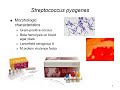
Streptococcus Pyogenes & Group B Strep: Infections, Complications & Diagnosis
This video provides a comprehensive overview of streptococcal infections, focusing on *Streptococcus pyogenes* (Group A Strep) and *Streptococcus agalactiae* (Group B Strep). It covers disease mechanisms, key virulence factors like M protein, extracellular products, and the importance of early diagnosis to prevent serious complications such as rheumatic fever, scarlet fever, and neonatal sepsis.

Syphilis Explained: Causes, Stages, and Diagnostic Tests
This video covers the key aspects of syphilis, including its bacterial cause (Treponema pallidum), transmission, and progression through primary, secondary, and tertiary stages. It also details diagnostic methods like VDRL, RPR, and FTA-ABS, and mentions historical figures believed to have died from the disease.
Most viewed summaries

A Comprehensive Guide to Using Stable Diffusion Forge UI
Explore the Stable Diffusion Forge UI, customizable settings, models, and more to enhance your image generation experience.

Kolonyalismo at Imperyalismo: Ang Kasaysayan ng Pagsakop sa Pilipinas
Tuklasin ang kasaysayan ng kolonyalismo at imperyalismo sa Pilipinas sa pamamagitan ni Ferdinand Magellan.

Mastering Inpainting with Stable Diffusion: Fix Mistakes and Enhance Your Images
Learn to fix mistakes and enhance images with Stable Diffusion's inpainting features effectively.

Pamamaraan at Patakarang Kolonyal ng mga Espanyol sa Pilipinas
Tuklasin ang mga pamamaraan at patakaran ng mga Espanyol sa Pilipinas, at ang epekto nito sa mga Pilipino.

How to Install and Configure Forge: A New Stable Diffusion Web UI
Learn to install and configure the new Forge web UI for Stable Diffusion, with tips on models and settings.
Found this summary useful?
Take it with you. One click puts it in your own LunaNotes library.
Save to LunaNotes