Introduction to Benzenoid Volatiles
Benzenoids are a class of aromatic compounds derived from the phenylpropanoid pathway, specifically involving C6-C1 metabolites responsible for floral scents. This lecture delves into their biosynthetic origin, enzymatic conversions, and emission dynamics.
Biosynthetic Pathways and Enzyme Characterization
- Phenylpropanoid to Benzenoid Conversion: Begins with trans-cinnamic acid converting to p-coumaric acid, leading to multiple enzymatic steps generating compounds like eugenol and methyleugenol. For a broader understanding of related compounds, see Comprehensive Overview of Phenolic Compounds: Phenylpropanoids, Benzenoids, Coumarins, and Tannins.
- Key Enzymes Identified:
- Iso eugenol methyle transferase involved in methylation reactions.
- Benzyl alcohol acetyltransferase (BEAT) converting benzyl alcohol to benzyl acetate.
- Benzoic acid methyltransferase (BMT) and salicylic acid methyltransferase (SAMT) synthesizing methyl esters of benzoids.
- Advanced Molecular Insights: RNA interference studies reveal regulatory roles of enzymes like BZL and alternative pathways for benzoic acid formation.
Regulatory Networks and Metabolic Flux
- Phenylalanine biosynthesis primarily proceeds via the arogenate pathway, with evidence suggesting alternate metabolic routes contributing to precursor pools.
- Transcription factors such as odorant correlate with volatile emission levels, influencing gene expression in benzenoid biosynthesis.
Volatile Emission Patterns in Model Plants
- Clarkia and Petunia: Serve as model species to study temporal enzyme activity profiles linked to volatile output.
- Jasminum sambac (Jasmine): Exhibits complex emission patterns with major volatiles like benzyl acetate. Volatile storage involves glycosylation in vacuoles and enzymatic deglycosylation enabling dynamic emission rhythms, notably nocturnal release aligned with pollinator activity.
Physiological and Cellular Mechanisms
- Enzyme activities such as PAL and BEAT peak at distinct floral stages, coordinating volatile production.
- Storage of volatiles as glucosides and their controlled release via transporters play crucial roles in scent emission.
Summary of Key Findings
- Biosynthesis of simple aromatic compounds like benzoic acid involves intricate multi-step enzymatic routes with chain shortening and methylation.
- Volatile emission is a tightly regulated physiological process linked to floral development, with species-specific volatile profiles.
- Understanding these pathways aids in metabolic engineering for enhanced floral scents in horticulture and perfumery. Readers interested in the broader context of metabolic pathways contributing to floral scent may also find valuable insights in Monoterpenoids in Floral Scents and Metabolic Engineering Insights.
This synthesized knowledge provides a foundational understanding of plant benzenoid volatiles, bridging biochemistry, physiology, and applied sciences in plant metabolic engineering.
[Music] [Music] welcome to nptl online certification
course on pharmacognosy and metabolic engineering this is lecture number 57 where under at the broad domain of
phenolic I will now discuss about the biosynthesis of volatile meno uh in the previous class we talked
about volatile phenolics so here mostly Focus will be on the benzenoids that is C6 C1 metabolites so the concepts to be
covered the origin of benzenoids from Phile propanoid volatile benzenoids that is floral Cent the plant species claria
and ponia these was used as a model plant and what has been discovered uh with this plant I will try to present
then after that I will talk about the benzenoid network in plants and then once we discuss all these things then I
will discuss little bit of the work what uh my La is doing on the benzenoid volatiles with a very popular and Indian
floral fragrant flower which is jasam Sak or belly or Bella uh okay and then we'll also talk about
the emission mechanism of this benzenoid volatile emission particularly in terms of physiology so hope you will find it
interesting as well so again the point is that the simple phenolic C6 C3
okay uh so this is so benzenoid means it will become C6
C1 so that will be our point of discussion so
uh uh this is basically one paper uh which published okay there is a mistake here I
must correct it so uh this is a paper published in uh plant physiology not in uh plant cell
environment I think this is volume numbers are fine only the name
of the journal anyway uh now I have corrected it so what we see here is basically the uh trans camic acid
starting point of the uh Phile propanoid pathway and which makes parakum aric acid by cinate 4 hydroxy
which should be here and then uh minded this is the year of 2000 so I have picked up intentionally this paper so
where uh it was proposed that from parakum aric Acid Eugen is formed by multiple step reaction at that point of
time it was not clear uh so how it is formed but now we know that basically
the fural KO basically the fural KO contributes towards the formation of monolignol pathway leading to Conifer
alcohol and that makes ugal whereas parakum alcohol also contributes to chavicol so the point is this at that
point time Point uh the eugenol to methy eugenol that is called ISO ugol methy transference that has been
characterized and bit as I said that is the first enzyme discovered later the BH name was given but B was discovered in
this context with the plant species called claria
brii on agressive family which produces a big flower which emit both benzenoid and tarpo volatiles so when they
analyzed the benzenoid volatiles they found that that was dominated by benile acetate along with that methy eugenol
methy salicylate methy benzoate so these are the components which are dominated in the uh sand bucket of claria
breary flower so once they have identified this compound by gcms analysis they try to
work out how this is formed and accordingly what was clear at this was the methy so there must be a methylation
reaction similar like like methy isol was detected which must have produced from ISO ugol so isol methy transfer
will be there similarly eugenol will convert to methy eugenol by a similar enzyme and benile acetate in the context
from benile acetate the beat is a trolan Noel enzyme was discovered which converts benzy alcohol to benzy acetate
and we know that in this conversion it requires atile qu similarly methy salicylate was also discovered as a one
of the volatile components so in this context salicylic acid methy transparence or um or it is later named
as bsmt benile salic methy transparence has been
characterized and methy benzo was also found so the benzoic acid methy transference was also
subsequently characterized so I mean here that BTT bat iemt all these enzymes and subsequently genes were
characterized from claria flowers and now what we will see here is this that
the salicylic acid carboxy mile transfer is uh which I saidt the name is like this so this what
you see that the the one is the D one uh that is the petal time post enthesis d one that means the when the flower B
opens fully Bloom so and minus one is the one day before minus 2 is 2 days before so what you see see that uh
the maximum activity was found just one day before particularly for the smt activity
and then once it opens the activity declines okay and then it further declines uh where but in case of bit it
is a different Trend so the flower opens at one that is one day time post anthesis and it
continuously enhances its activity leading to the formation of benile acetate so that means that as long as
the flow Alles for 3 4 days it continuously emit benile acetate and there is maybe a relationship between
benile acetate and pollinator attraction that is another aspect and for but in case of uh isal methy transfer as you
see the maximum activity was found here at day one so that means this enzyme the physiology of this enzyme
activity differs from enzyme to enzyme and that means how the compos the the composition differs with time at at
certain point of time it may be more just at the time of opening it may be more of uh your um methy eugenol or
isomethyl eugenol and then that level moral maintained but what happens but the
smt which was maximum just before the day of opening with time it releases down so there are physiological
significance but that is not our point of discussion next what we see this one uh Discovery uh in
2006 where where they have characterized uh just a year before they characterized bpb or BBT I have
mentioned in the previous class that this requires benzo Co
and and uh benile alcohol which joins this again a BHD family enzyme which is
bpb and it makes benzil benzo similarly benzo qu can also joins with
Phile ethanol that is also an alcohol and makes Phile ethy benzoate so uh in 2005 this enzyme was
characterized at the molecular level and what we see in 2006 what they have done they try
to block this activity uh using RNA approach okay and
they want to see what what is going to happen as a result of this blockage and what has been found that when um
elimination of benile benzo formation decrease the endogenous pull up benzoic acid and methy benzoid
so elimination of benzil benzoid means that the benzo benzoid content is getting down why because bpb is blocked
when bpb is blocked then what will happen it it decrease the enous pool of benzoic acid and methy benzo so that is
interesting uh that these two contents are also getting decreased okay so hardli are what has
been thought that benzoic acid is formed through this
Pathway benide to benzoic acid Benz deide is formed from camic Acid okay and then benzoic acid is formed it converted
into methy benzoid but now with blocking of bpb what has been found both ba and methy benzoid has decreased so that
means yeah there must be an alternative root uh for the formation of benoic acid
that means there must be and let me erase this that must be and alternative root for the formation
of benzoic acid from benile benzo so which is yet to be
characterized so this confirms that contribution of benzo benzo towards benzoic acid formation that is entirely
a new hypothesis which is coming out from this work and that is why so next point is this look we what I have said
even in the previous one that uh all is started with phy alanin although filine alanin I have not shown here it is not
shown here but you can add here pH and put uh arrow and put the
enzyme P so phy alanin and and we know how phy alanin is formed phy alanin is formed
from simate arogenate pathway okay now simate arogenate pathway so
philein here is your uh here is your phy alanin and here is the tyosin it comes from arogenate
uh and arogenate is basically coming from prenate and preate is coming from Kismet okay so this is basically a paper
which published in 2010 by the same group where what they have done so they characterize a
arogenate dehydrates so arogenate dehydrates is here
ADT so they block ADT and by blocking this RNA suppression reveals Phile alanin is synthesized by
the arogenate pathway uh okay so let me read the statement that adt1 option in ponia Petal significantly reduce the ADT
activity which is clear and levels of Phile alanin of course phy Alin level will be reduced and the downstream Phile
propon benzenoid volatiles that means the benzenoid volatiles also will be reduced
and but unexpectedly arogenate levels were unaltered while simate and uh tryptophan
uh level were decreased so tryptophan level decreased cic acid level decreased but arogenate level
remain unaltered which is difficult to explain but feeding with simate led to the
formation of prenate and Phile pyrovate accumulation that means when simic acid feeding was
done so that leads to formation of both the things both both Phile pyate as well as prenate and
that leads to partial recovery of Phile alanin which suggests that this may be this may be another alternative root
of phy alanin formation although the main roote of finy alanin formation is this root that is
from simate corate prenate arogenate phine but there may be another
root involving from prefet to Phile pyit can contribute to the uh phy alanin and another important point is this the
regulation lies Upstream of phy alanin that means the volatile emission in ponia is basically regulation lies
Upstream of finin that is also very interesting so it's far ahead of this so another uh we see another interesting
work here in that published in nature chemical biology in the next year where they have characterized prefet aminot
transfer so prefet aminot transfer is basically a it was not characterized before and
that was basically upon this characterization what scientists claim that they have now completely understand
the pathway of py formation from the uh dhp starting with the dhp synthes so prenate aminot transference directs the
carbon flux from prenate towards arogenate and the which is predominated in the phy
Anin biosynthesis so that is interesting and what they have done they try to block these activities and as a result
of this they found that it substantially uh reduce the uh benzenoid volatiles levels in the p
flower so we started talking about benzenoids benile benzoid there are two benzen ring but it's is it's all started
with C6 C1 so this is benzy benzonate and this is Phile ethy benzo so you can also write PB it's
fine so uh and the bpb enzyme is basically either joining penile ethanol with benzy KO or it
joins enil KO with benile alcohol and it's making benile benzoid okay so this is
well characterized and and also bsmt is well characterized uh and benzal deide benzal
deide to benzoic acid which is simply a aldhy de hydrogenous which has also been characterized okay and uh camet to
Camile qu uh which is also uh characterized uh or Kumar sorry
this is karic acid karic acid to Kumar KO which is by a for enzyme which is well characterized and uh this pathway
eventually leads to isol or ugol that we have seen in the previous class so that's fine but the point here um the
networking says that from this karic acid to the benzal deide formation that means karic acid is C6 C3 this is
C6 C3 to when it comes to benzal deide benzal deide which is C6 C1 all this c61 so this is a chain shortening so there
may be three different ways these things can happen Okay one is called non beta oxidative root uh or non oxidative root
where there is no involvement of as such the qu Harvester okay so where straight away
karic acid can form benzal deide by through the formation of one unstable intermediate which is three hydroxide
three Phile propionic acid this one intermediate and it makes benzal deide and benzal deide subsequently converted
to benzoic acid benzoic acid subsequently converted into methy benzo and what we have learned in the previous
slide that benzy benzo also contributes to benile Alco benzoic acid but this has not yet been fully characterized now the
other point is that one is this is non oxidative and now the other one is the core beta oxidative pathway so here a
scientist put lot of effort and finally they made this pathway confirmed so first enzyme what they have
characterized which is called CNL which converts this camic acid this is camic acid
two okay I made I made a slight mistake so this is basically camil KO this is not Kumar because Camile KO St forms to
benzal deide not kumaro so kumaro will form the four hydroxy benzal deide so this is camil so this is camil qu this
is camic acid this is camil KO so Camile qu will enter into the paroxysm and then there is an enzyme called CNL which is
similar to 4cl which is Cam qu lias which converts cam acid to cam qu and then this camil qu
subsequently uh forms through a beta oxidative pathway benzo qu so that is three hydroxy three Phile propano qu and
then then 3 o means three oo3 Phile propano KO and then it makes uh benzo KO and what has been
found with time that this is very unstable compound so camil qu can form to three oxy three
Camile three oxy three Phile propanal CO as a single step and in the next slide we will see what is the enzyme but at
that point of time when they have published this paper in 2012 so they have characterized this K
which is ketoy so ketoy is basically doing the uh reaction which converts three Oxo three Phile propano KO into
benzo KO so this has been characterized in this work so and this is what happens let us look inside the peroxisome so
camic acid enters through some Transporters which is not clear then core beta oxidative pathway is is
operating which makes benzo qu so the C6 C3 now becomes C6 C1 okay then from benzo KO it makes benzoic acid T stands
for theris so the KO will be broken down so benzoic acid is formed this benzoic acid may come out into the cytool and
converted into benzo Co so here is a bzl this is benile coil I guess or or there maybe a
qu Li is exist here which straight away convert benile qu to benzoic acid to benzo qu without the involvement any
transporter so this is the possible root of benzoic acid trafficking the only point is this the benzoic acid is a very
simple molecule okay so this is benzoic acid but you see that its formation is so
comp FX okay uh here in the past okay in 2009 so the
ketoy has been characterized as I have mentioned which converts three Oxo three Phile propano Co which is a C6 C3
compound into benzo KO which is C6 C1 so here the chain shortening occurs so this is C3 chain is now becoming C1 chin so
this this was well characterized and that was published in uh pns in 2009 okay so next one
is uh bpb we have discussed we will not discuss now come to more or less this one so
where uh they mention here is that they confirm the presence of a cam Co lies which converts camic acid into Camile Co
but this Camile KO lias is basically stays inside the parm okay
and but also it is there is a possibility that a non oxidative root is also functioning as the camic acid
converted into B non o bya non oxidative root to benzal deide which I have mentioned and this benzal to benzoic
acid then methy benzoid is all formed so here basically they are confirming the CNL or the cinam KO lies plays an
important role leading to the formation of benzo KO and all for Cals are very important
Co liases are very important so basically they play with that and see that how blocking foral really affect
the pathway and then finally why uh uh this is in plant cell environment published in 2014 now this is the clear
picture so what we see here is camic acid is in the cytool that moves inside uh and then CNL enzyme is there which
converts the camic acid into camil qu and then there is a CHD so this is a Camile KO hydrates dehydrogen so which
converts Camile KO into to three oo Phile propano qu so in between there is an intermediate I say three hydroxy 3
Phile propano W but that is an intermediate so this basically enzyme catalyzes uh uh uh this two reactions
but for the Simplicity cile qu if you incubate cile qu with this enzyme you will straight away find three3 PP qu and
this uh this subsequently by a ketoy make benzil KO so here is the chain shortening occurs this is the chain
shortening enzyme here and then this benzil KO will move out and utilize for formation of Phile ethy benzo or benzy
benzo as the case or it may also uh leaving the KO out can form the benzoic acid and benzoic acid can subsequently
utilize for methy benzo uh and so on similarly the camic acid can convert it into parakum aric acid and parakum aric
acid to this ultimately it forms uh Conifer alcohol or it and uh through multiple
root so which is the monol liol root so that we are not discussing here but then cfat I have discussed in the last class
Conifer alcohol atile transfer is and then which makes Conifer acetate this is conifer acetate and then there eugenol
synthes will make eugenol isol synthes will make isol and then a subsequent methy transference will'll make either
methy ugal or methy isome methy ugal as the case may be so this is in in brief the latest update of the
benzoic acid biosynthesis again as I said the benzoic acid is a very small molecule very small molecule but this
benzoic acid formation requires such a complex route like you remember the monal pathway so when we introduced the
metah hydroxy so formation of Cafe from Kumar simply it requires at three position o but it
is not that easy it involves joining with either Kumar or uh joining with either quinet
or uh simate and then there will be cleage uh and then uh then it then there will be Hydrox silation it forms the
subsequent Capo MO and then subsequent conversion so that means apparently the structure looks very simple so
chemically possible to make this to this but in the biological system it's uh pretty complicated so with this I now
move into uh the work what we have done in past years regarding the uh s volatiles emitted by jasminum species so
jasminum species like I mentioned belly or Bella then there is another called ji or Jui so the Bell is jasminium sambuk
and the Jui is the jasminium oriculum so this is a holistic schematic diagram what what
is showing here that uh the volatile s volatile consist of both tarps and benzenoids so in this class we are
focusing on the benzenoids because tarpo aspect I have covered in previous classes so what is showing here that
multiple cellular organis play important role in the synthesis and storage of the volatiles so it's stored sometimes at
glycosylated volatiles that means it's it under it joins with the glucose molecule and as and when required there
will be deglycosylation which is by the glycosidase enzymes and as a result of that this will be emitted and
the emited volatiles will subsequently released okay so this is a general so now I see that the when you work with
jasam sok so jasam sok actually um it it it it remains alive for more than 24 hours so we we saw how the flower
changes starting from the bar to the full opening until sence how it changes uh how it openings the petals and each
petals have multiple holes two or three layers of petals and how uh
the changes occur throughout the floral lifespan is basically showing here and then what we have seen here look the
benile acetate now you aware about benile acetate is found in uh claria bori so from there the be8 has been
characterized and the also uh in petunia so now here also in jasam sambuk we also detected a huge amount of benile acetate
and basically then we detected in the flower how the benile acetate uh content changes with time and this shaded
portion are is the night time because it's a white flower it emit benzenoids so benzenoids are usually emitted at
night time which attracts The Moth so all all these things that maximum emission occurs in the night time and
that is dominated by the menzy acetate then methy benzo then methy Sil this is the typical flower of jasminum
sambuk so now not all benile acetate is emitted so or even benile if benile acetate is
emitted but benile alcohol it prefer to stay as internal pool so it is not emitting but it is staying there so we
also measured that what is the content of this internal pool of volatile compounds throughout the floral lifespan
so uh it's like this so a a substantial amount of benile acetate also accumulates as internal pool later it is
emitted out so so this benile acetate May store as uh unconjugated volatile and later it emitted or it may undergo
glycosilation also okay so this is another simplified photographs of jum some
flower stage wise so S1 S2 S3 S4 S5 S6 so that is that uh stage one is at 2 p.m. day 1 uh when the body is still
growing and then H2 is basically uh the 8:00 p.m. and then H3 is basically uh 2: a.m. at the midnight
when is about to open and then S4 stage at 4:00 a.m. 8:00 a.m. in the morning when it is opening and then S5 is this
fully opened and then A6 that is now it's it it is ready to undergo cence so at
these six different stages uh we studied so this is one more thing that the as I said benile alcohol
it it it it undergo glycosilation so a glucose m is added and then it store in the floral tissue particularly in the
vac and then upon requirement the glycosilation occur by enzymatic reaction leading to the emission of pre
endogenous volatiles and uh at that for at that six stages that means the stages are here S5 and S
okay so the the Phile alanin ammonia lies because that is the pal enzyme which is
the starting point for this benzenoids so where it remains maximum it remains maximum uh just at the time of opening
of the flower at S3 stage okay and whereas the the beat activity beat activity uh detectable beat activity is
there although maximum beat activity occurred at the S4 stage that means at this stage maximum beit
activity or maximum pal activity is here okay pal activity first is required because pal will come first it makes
camic acid and then later the bit will make the subsequent uh benile acetate so that that makes sense so more P activity
is the earlier stage and be beat activity will be the later stage and this is basically the glucosides
activity that is more or less constant throughout the uh stages of flal lifespan now this is interesting you see
that uh I will only show the pal so this is Knight so pal activity reaches its maximum here uh at uh 12:00 midnight or
so and then it it's continuously it's coming down again in the next day evening it's slightly reaching up so
that is important because pal activity and Then followed by the other reaction leading to the formation of the Phile
propanoid pathway and this is the beat activity beat activity but it it it it reaches maximum uh much later than that
of the P activity uh and then benzoic acid methy transference
which converts benzoic acid to methy Beno that has also been measured throughout the floral lifespan and here
you see the maximum activity during the night time is the night time whereas salicylic acid me trans transport is
maximum activity occur in the daytime and uh that is uh but during the B condition so I I have shown that
salicylic acid methy transfer is more during the B time so if you see in in case of the
previous slide if I remember correctly here also maximum salicylic acid methy transfer is
occurred at minus one that is before the opening a similar thing also we observed in our case as
well this is the time petal opening it and this is before so and this is basically a nutshell about the major
volatile compounds emitted by the jasminum sambok flower and also we have uh characterized partially that a
transcription Factor like odorant odorant plays important role so odorant expression basically correlates with the
expression of benzenoids so we have partially characterize the autodent transcription factor and finally based
on the different uh study like volatile emission enzyme activity like gene
expression then a holistic mechanism was presented here what happens in the cell so that that
the vol compounds are synthesized in the cell they stored in the vacle later they release the the free volatiles internal
pool okay and then they released as the emited volatile so there is a role of Transporters because we also
characterize a few transported genes uh we have studied the expression based on the transcriptomic information available
so and uh so this is basically shell what happens in the jasminium sok flow leading to the emission of volatile s
volatile which dominated by benzenoids but also it's it it also constitutes uh tarpo component as well
dominated by linalol so this is in general the outline of mechanism governing s volatile synthesis storage
and emission in jasminum samb uh so don't get daunted it looks pretty heavy but this is just to give you an idea
about how reaction happens so and that leads to sent so the scent means what you is what you get it in
your all Factory Nar through nose so it's not a single component so it may be starting from 20 to 60 70 components
that all constitute that specific scent so that is the message so with this I end this class thank
you
Benzenoid volatiles are aromatic compounds derived from the phenylpropanoid pathway, specifically involving C6-C1 metabolites that contribute to floral scents. They are biosynthesized starting from phenylalanine, which is converted through enzymatic steps including the transformation of trans-cinnamic acid to p-coumaric acid, leading to compounds like eugenol and methyleugenol.
Critical enzymes include iso eugenol methyle transferase responsible for methylation reactions, benzyl alcohol acetyltransferase (BEAT) which converts benzyl alcohol to benzyl acetate, benzoic acid methyltransferase (BMT), and salicylic acid methyltransferase (SAMT) that synthesize methyl esters of benzenoids. RNA interference studies have also highlighted enzymes such as BZL that regulate benzoic acid formation through alternative pathways.
Volatile emission is tightly regulated through temporal peaks in enzyme activities like PAL and BEAT at different floral stages. Regulatory transcription factors such as odorant impact gene expression involved in benzenoid biosynthesis, facilitating dynamic emission patterns. Additionally, volatiles are often stored as glycosylated compounds in vacuoles and released via enzymatic deglycosylation aligned with developmental cues and pollinator activity.
Plants store benzenoid volatiles as glucosides within vacuoles, which serves as a reservoir. Controlled emission occurs when these glycosides are enzymatically deglycosylated, releasing the volatile molecules. Specific transporters then facilitate their movement out of the cell, enabling precise regulation of scent release, often synchronized with pollinator behavior, such as nocturnal emission in jasmine.
These species serve as model plants because they exhibit distinct and well-characterized volatile emission profiles linked to floral development. For example, Clarkia and Petunia enable study of temporal enzyme activity patterns correlated with scent output, while Jasminum sambac demonstrates complex storage and emission rhythms of volatiles like benzyl acetate, providing insights into enzymatic regulation and ecological interactions.
By elucidating the multi-step enzymatic pathways and regulatory networks controlling benzenoid volatile production and emission, researchers can apply metabolic engineering to enhance desirable floral scents in ornamental plants. This knowledge enables tailored modification of scent profiles to improve pollinator attraction or commercial fragrance qualities, advancing both horticultural breeding and perfumery applications.
Keep this summary
Save it to LunaNotes and it becomes a real note in your library — editable, searchable, and ready to turn into flashcards or a diagram. Free to start.
Save to LunaNotesOr summarise for another video.
This summary and transcript were automatically generated using AI with the Free YouTube transcript summary tool by LunaNotes.
Related summaries
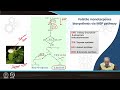
Monoterpenoids in Floral Scents and Metabolic Engineering Insights
Explore the dominance of monoterpenoids in floral volatiles, techniques for their analysis, and a detailed case study on linalool synthase gene expression in Arabidopsis. Understand enzyme roles, storage mechanisms, temperature effects, and challenges in metabolic engineering for floral scent production.
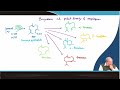
Comprehensive Overview of Terpene Diversity and Biosynthesis in Plants
This lecture explores the biosynthesis pathways and product diversity of key terpene classes including sesquiterpenes, diterpenes, triterpenes, and polypenes. It highlights their roles in plant defense, fragrance, and medicinal properties, with detailed examples such as chamomile compounds, phytoalexins, and cardiac glycosides.
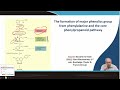
Comprehensive Overview of Phenolic Compounds: Phenylpropanoids, Benzenoids, Coumarins, and Tannins
This lecture provides an in-depth exploration of phenolic compounds derived from the phenylpropanoid pathway, including the biosynthesis and functions of phenylpropanoids, benzenoids, coumarins, flavonoids, and tannins. Key metabolic routes, enzymatic steps, and their biological roles in plants are detailed for enhanced understanding of these essential natural products.
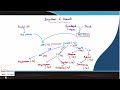
Comprehensive Overview of Terpenoid Biosynthesis via MVA and MEP Pathways
This lecture provides an in-depth exploration of terpenoid biosynthesis, focusing on the mevalonate (MVA) and methylerythritol phosphate (MEP) pathways. It covers the origin of key five-carbon precursors, the diversity of terpenoid structures, and the cellular compartmentalization and regulation of these pathways, highlighting their biological significance and applications such as essential oil production and antimalarial targets.
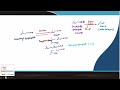
Understanding the Diversity and Biosynthesis of Monoterpenoids in Plants
This lecture explores the classification, biosynthetic pathways, and structural diversity of monoterpenoids, key isoprenoid compounds synthesized in plant plastids. It details enzymatic reactions from basic isoprene units to various monoterpenoid structures, highlighting their roles in plant protection and ecological interactions.
Most viewed summaries

A Comprehensive Guide to Using Stable Diffusion Forge UI
Explore the Stable Diffusion Forge UI, customizable settings, models, and more to enhance your image generation experience.

Kolonyalismo at Imperyalismo: Ang Kasaysayan ng Pagsakop sa Pilipinas
Tuklasin ang kasaysayan ng kolonyalismo at imperyalismo sa Pilipinas sa pamamagitan ni Ferdinand Magellan.

Mastering Inpainting with Stable Diffusion: Fix Mistakes and Enhance Your Images
Learn to fix mistakes and enhance images with Stable Diffusion's inpainting features effectively.

Pamamaraan at Patakarang Kolonyal ng mga Espanyol sa Pilipinas
Tuklasin ang mga pamamaraan at patakaran ng mga Espanyol sa Pilipinas, at ang epekto nito sa mga Pilipino.

How to Install and Configure Forge: A New Stable Diffusion Web UI
Learn to install and configure the new Forge web UI for Stable Diffusion, with tips on models and settings.
Found this summary useful?
Take it with you. One click puts it in your own LunaNotes library.
Save to LunaNotes