Antepartum Assessment 5: Key Normal vs Abnormal by Gestational Age
This lecture provides a comprehensive review of the antepartum assessment using the same five categories as the intrapartum assessment, but with a critical twist: the interpretation of normal vs. abnormal findings is highly dependent on gestational age (especially before vs. after 20 weeks). Vital signs are monitored to track trends and identify underlying chronic or pregnancy-induced issues. Pain, contractions, leaking, bleeding, and fetal movement each have distinct expected presentations and red flags based on the trimester. Understanding the foundational Nursing 351 OB Terminology: Gravida, Para, Trimester & Abbreviations is essential before diving into these assessments.
Key Takeaways
- 20-week cutoff is central: findings before 20 weeks often relate to chronic conditions or early pregnancy complications; after 20 weeks, they are often pregnancy-induced.
- Never assume any complaint is 'normal' without considering gestational age, and always evaluate thoroughly.
- Preterm labor, PROM, placental abnormalities, and decreased fetal movement are high-risk conditions that require immediate evaluation. For a deeper dive into labor mechanics, refer to Stages of Labor, Cervical Change & True vs False Labor Explained.
1. Vital Signs
- Normal ranges remain the same as intrapartum (e.g., BP, fever >100.4°F).
- Fluctuations from baseline are expected due to physiological changes (e.g., second trimester dip in BP) but should stay within normal limits.
- Trend monitoring helps link abnormal findings to:
- Before 20 weeks → chronic issues (pre-existing or newly diagnosed)
- After 20 weeks → pregnancy-induced issues (e.g., preeclampsia) that typically resolve postpartum.
2. Pain
- Always assess location, quality, severity (0–10 scale).
- Gestational age determines significance:
- Low back pain at 34 weeks → expected due to lordosis and weight. Comfort measures appropriate.
- Low back pain at 10 weeks → concerning for uterine cramping, threatened abortion, or other pathology.
3. Contractions
- First trimester: cramping is never normal – assess for miscarriage or ectopic.
- Second/third trimester: differentiate Braxton Hicks from true preterm labor. The Intrapartum Nursing: Labor Stages, EFM Interpretation, and OB Emergencies guide provides further detail on distinguishing these contraction patterns.
- Braxton Hicks: irregular, non‐painful, subside with position change/hydration.
- True contractions: painful, rhythmic, increasing frequency/strength, persist despite rest. Rule out preterm labor.
4. Leaking of Fluid (Rupture of Membranes)
- Never assumed normal unless at term (≥37 weeks) with expected labor onset.
- Preterm (before 37 weeks): suspect PPROM (preterm premature rupture of membranes).
- Pre‐viability (<23 weeks): limited lung development; risk of respiratory failure even if pregnancy continues.
- Always evaluate for infection risk (prolonged ROM → chorioamnionitis).
- Document: color, time of onset, duration.
5. Vaginal Bleeding
- Never normal at any gestation – always requires evaluation.
- Before 20 weeks common causes:
- Implantation bleeding (very early)
- Spontaneous abortion / threatened abortion
- Subchorionic hemorrhage
- Ectopic pregnancy (emergency)
- Molar pregnancy
- After 20 weeks common causes (the “three Ps”):
- Placenta previa
- Placental abruption
- Vasa previa
For a comprehensive look at these high-risk placental complications, see Intrapartum Complications: Cord Prolapse, Shoulder Dystocia & Emergencies.
6. Fetal Movement
- Before 20 weeks: lack of movement is not concerning – fetus is small and uterus low.
- First movement (quickening) typically felt 16–20 weeks as flutter.
- After 20 weeks: expected to feel daily movement; patients should know their baseline.
- Anterior placenta may reduce perceived movement – educate patient.
- Decreased/lack of movement is a red flag → instruct patient to:
- Drink cold water
- Lie on left side
- Perform kick counts (e.g., 4 movements in 1 hour, or 10 in 2 hours)
- If still low, come in for NST (nonstress test) and possibly BPP (biophysical profile).
For more on the EFM and NST interpretation used in such evaluations, refer to Intrapartum Assessment & EFM Interpretation: Focused Nursing Guide.
Overview and key differentiators of normal vs. abnormal antepartum findings per gestational age. }
So, welcome to our anapartum assessment 5 mini lecture. Um, if that looks familiar, it should. We had an
intrapartum assessment 5 and those are the same categories we're going to be talking about for anopartum. Uh, the
difference being that our normal or abnormal interpretation of these categories is slightly different based
on the gestation of the pregnancy. So, we're going to talk about how that looks different in the anopartum period.
So, we still have our vital signs that we're going to do on all of our assessments. And we still have our same
five categories, our pain, contractions, leaking, bleeding, and fetal movement. Uh, so same categories as intraartum,
but again, what we deem as normal or abnormal varies slightly depending on gestation. So, if we look at our vital
signs assessment, all of our normal ranges for vital signs are the same as they were for the intraartum period. Um,
so same range for blood pressure, any temperature over 100.4 or is still a fever, etc. Um, but we know that our
vital signs might fluctuate from the patient's baseline throughout the pregnancy. However, those those
fluctuations are going to be still within those normal ranges. So, let's say a patient's um baseline blood
pressure in the first trimester is 120s over 70s. Uh, and in the second trimester, we see a dip, which is kind
of common, a slightly lower blood pressure in the second trimester due to anatomical changes. um that their
baseline or their new blood pressure is now 110s over 60s and then it goes back up closer to that 120s over 70s or maybe
slightly elevated or slightly below that for the third trimester. We see those fluctuations and and we note that they
occur. Uh but all of those findings are still going to be within the normal ranges. It's just a change from
baseline, not a change in what we deem normal or abnormal. Um, one of the main reasons we monitor vital signs
throughout the pregnancy is that we can watch trends or if we see abnormal findings, uh, we can tie those to
underlying complications or problems. Uh, the general rule is any abnormal findings prior to 20 weeks of pregnancy,
so in the first half of pregnancy, are typically related to chronic issues that either we knew were there or that the
patient just had not been diagnosed with. Um, and we are catching it during pregnancy. um mostly because we see
pregnant patients so much more frequently than a normal adult seeks medical care. And then any abnormal
finding after 20 weeks gestation or in the second half of pregnancy are typically related to pregnancy induced
issues or complications. Um and the difference in those being that after pregnancy chronic issues are typically
still an issue and pregnancy induced issues usually eventually go away. Um, and you notice I'm not saying always or
never because we don't like absolutes and there's exceptions to every rule. Um, but for the most part, those those
statements are true. So, pain throughout the pregnancy, uh, again, never assume it to just be
normal. Um, but we still anytime we ask a patient if they're in pain and they report that they're in pain, we want to
know where the pain is, what kind of pain, what that description is. Um, a scale of 0 to 10. A lot of the um pain
and or discomforts throughout pregnancy have to do with the anatomical changes that occur within the body as the
pregnancy progresses. So one of the things that becomes really important during pregnancy is if a patient has a
pain ID identifying what stage they're at in that pregnancy, what gestational age, what trimester, and whether that
pain can be explained by one of those anatomical changes or not. Um, not to say that we ever just blow it off as
like not significant or even if we know it is caused by an anatomical change that we don't still address it and try
to make the patient more comfortable. Um, but for example, a low back ache at 34 weeks gestation. The lordosis of the
spine, the extra weight in the abdomen that is pulling on the spine and causing that extra curvature can absolutely
cause low back discomfort. We know that. Um, however, the same low back pain at 10 weeks gestation could indicate
uterine cramping or a threatened abortion or that something is um underliningly wrong. So, that's just an
example of how the same complaint could be viewed as normal or abnormal based on the gestation of pregnancy.
Contractions. So, um in the first trimester, cramping is never to be assumed normal. um there are not great
enough changes anatomically to cause what we would cause or call that un that discomfort kind of feeling due to those
changes in the pelvis or the abdomen. Um in the second and third trimesters it's really important to differentiate
between Braxton Hicks those practice contractions and actual uterine contractions. Um we always want to make
sure especially in the later half of the second um trimester and the third trimester that if the patient is having
any type of contractions that if they are painful, if they are rhythmic, they're coming closer together um or
they're persistent that we rule out that they are not experiencing preterm labor because preterm birth is a true risk
that carries a lot of potential uh detrimental uh complications and consequences. So we always want to rule
out that that is not the case if they are complaining of contractions that again are painful, rhythmic, closer
together, becoming stronger, don't go away when they lay down, drink some water, take a rest, etc.
Leaking of fluid during the anopartum period. We do not just consider this normal pretty much ever um unless the
patient is fullterm and we are expecting rupture of membranes has occurred and then we're anticipating labor um in the
near future. uh if we have leaking of fluid earlier in the anopartum period anytime it's preterm uh we don't assume
it is normal we absolutely want the patient to be evaluated we can have what we call prime premature prolonged
rupture of membranes so meaning that that rupture membrane occurs prior to the 37 weeks sometimes way way earlier
than that um and if it happens previability so viability date is generally accepted to be around 23 weeks
gestation meaning that um once a pregnancy reach reaches that gestation, we have interventions and medical care
that we can attempt to provide to keep baby alive on the outside of mom after birth. Um, prior to that there is uh
developmentally not enough body systems functioning adequately for us to keep a
baby alive is generally kind of how that's explained. Um but we know that PROM or that premature prolonged rupture
uh previability even if we can maintain the pregnancy to a viability point often leads to respiratory failure um because
of the lack of development of the lung tissue resulting from the lack of amniotic fluid.
Um so once we make it to term or close enough to term if we've had rupture of membranes uh we absolutely still want
the patient to be evaluated. we need to identify whether they're in labor or whether they need to be in labor. Um and
as we talked about in inpartum, the longer a patient has rupture of membranes occur, the increased risk for
infection that they have. So um never to be assumed normal, always needs evaluated. We still want to know what
color. We still want to know how long, what time it occurred, and how long it's been since. Um and then what we do about
that based on their gestation, we will talk more about in class. Vaginal bleeding also never to be assumed normal
during the pregnancy um regardless of gestation. But we know that we have different causes of vaginal bleeding
based on gestation. So we're going back to that 20 week mark that I said was kind of important um when we looked at
whether vital sign changes were pregnancy induced or chronic. Um so the 20we mark is also significant for
vaginal bleeding because we know that vaginal bleeding prior to 20 weeks is usually caused by um the following
causes like implantation bleeding that's usually really early on uh close to conception. Spontaneous abortion or
threatened abortion uh subcorionic hemorrhage which is a um little pool of blood that accumulates underneath the
placenta as it's developing and can cause some external bleeding and then a lot of times gets reabsorbed by the body
and doesn't become like a long-term issue. um ectopic pregnancy which is a medical emergency situation and then a
molar pregnancy um and we'll talk further about that in class that's a little more complicated. Um so those are
the things we tend to think of if a patient experiences vaginal bleeding in the first half of pregnancy. If we have
vaginal bleeding in the second half of pregnancy we usually um tie it to one of three causes. It's a placenta privia um
where the placenta is covering the cervical ass a placental abruption where you have that placenta placenta detach
prematurely from the uterine wall or a vasa prabia. So those two things we've we've hit on a little bit in intraartum
um and we will talk more about those three in class but those are the three most likely culprits of vaginal bleeding
in the second half of pregnancy. fetal movement um which we is our last category um still important uh still a
red flag at certain points if they don't report it uh but our 20we mark becomes significant once again so prior to 20
weeks if a patient doesn't feel um any fetal movement yet they don't report that they feel anything subjectively uh
we're not generally concerned um throughout that portion of the pregnancy the fetus is very small the uterus is
still very low in the pelvis um and as it grows they typically are able to feel things more um but prior prior to 20
weeks if a patient hasn't been experiencing fetal movement, we do not we do not get concerned yet. Um, usually
between 16 to 20 weeks is when patients do start to report fetal movement and um, a lot of times uh, they report it as
like a flutter kind of feeling. Uh, and that's called quickening. That's the first or earliest felt and reported
fetal movement um, that patients will will describe or report feeling. Um, after 20 weeks, so again the 20we cut
off being significant. After 20 weeks, we expect patients to report some level of fetal movement and then they learn
what that baseline or normal amount is for their fetus, for their body, what they feel. Um, and then we tell them to
pay attention to what that normal amount is and then they can identify if there are changes from that. uh special noted
that if a patient has an anterior anterior placenta meaning the placenta is in the front of their uterus, a lot
of times that can um increase or or not sorry increase influence how much a patient can feel fetal movement um
because that it's almost like a cushion between the baby and the uterus and the abdominal wall to where we feel a lot
more or a lot of that movement as the patient. Um so if they have an anterior placenta it is not uncommon that they
report um less fetal movement less noticing fetal movement overall because of that being there and that's an
important education point for um patients who have been diagnosed with an anterior placa. Um again our warning
signs in that second half of pregnancy follow just what they did in the intpartum. If we have decreased fetal
movement or lack of fetal movement that would be concerning. Um during the anopartum period we teach patients kick
counts. Um, so if they feel like baby isn't moving like normal, we tell them to drink a glass of water, lay down on
their side, and really just pay attention to baby. Um, four, I think it's four counts in an hour or 10 in 2
hours is what's considered um, reassuring. Um, but we tell them to pay attention to how often baby moves.
Sometimes that's a pretty good indicator of like, hey, you know what? Nope, I was right. Baby isn't moving as much as
possible or as much as normal and we need to go in to be evaluated. Um, sometimes because women get busy and are
working or taking care of other children or doing other activities, um, sometimes they'll feel like maybe they haven't
felt baby move as much, but if they then once they lay down and really pay attention and monitor how many movements
they feel, sometimes it's like, oh, okay, yeah, baby's moving enough. We're good. Um, if we have that decrease or
lack of fetal movement, we typically want patients to come in to be evaluated. Usually that looks like in an
ST, which is a a method of putting them on the electronic fetal monitor for a period of
time and looking at what we see um to identify whether we're reassured or not of baby status uh based on their
findings. And then um that may or may not be a part of what we call a BPP, a biohysical profile, which is an
ultrasound that looks at five different categories, one of those being the baby's NST. Um or a general ultrasound
um to monitor baby's movement, to monitor baby's size, to uh measure amniotic fluid, etc. Um so fetal
movement is still just just as important. We just know that prior to 20 weeks, we don't expect um a whole lot of
patients to report a lot of fetal movement. And then after 20 weeks, we really do. we have those normal uh
baseline interpretations. So that is the um anopartum assessment five. So same categories just what we
look at is uh normal and abnormal being slightly different based on gestational age. And we'll talk further through all
of those pieces in class when we get into our antiparton content.
The 20-week cutoff is central because findings before 20 weeks often relate to chronic conditions or early pregnancy complications (e.g., threatened abortion, ectopic pregnancy, or pre-existing hypertension). After 20 weeks, abnormal findings are usually pregnancy-induced (e.g., preeclampsia, placental abruption, or preterm labor) and often resolve postpartum. This distinction guides the clinician's differential diagnosis and management approach.
Low back pain at 34 weeks is typically expected due to pregnancy-related lordosis and weight gain, so comfort measures are appropriate. However, low back pain at 10 weeks is concerning because it may indicate uterine cramping, threatened abortion, or other pathology. Always assess the location, quality, and severity, and never dismiss any complaint without considering the gestational age.
Braxton Hicks contractions are irregular, non-painful, and subside with position change or hydration. In contrast, true preterm labor contractions are painful, rhythmic, increase in frequency and strength, and persist despite rest. Any painful, regular contractions before 37 weeks require immediate evaluation to rule out preterm labor.
PPROM stands for Preterm Premature Rupture of Membranes, referring to leaking of fluid before 37 weeks. It is an emergency because it increases the risk of infection (chorioamnionitis) and, if occurring before 23 weeks (pre-viability), the fetus has limited lung development and may suffer respiratory failure. Always evaluate for color, time of onset, and duration of fluid leakage.
Vaginal bleeding is never normal at any gestational age and always requires evaluation. Before 20 weeks, common causes include miscarriage, ectopic pregnancy, or subchorionic hemorrhage. After 20 weeks, the three main causes (the 'three Ps') are placenta previa (painless bleeding), placental abruption (painful bleeding), and vasa previa. Immediate evaluation is critical to differentiate these emergencies.
Before 20 weeks, lack of movement is not concerning because the fetus is small and the uterus is low. After 20 weeks, daily movement should be felt; the patient should know her baseline. For decreased movement, instruct her to: 1) drink cold water, 2) lie on the left side, 3) perform kick counts (e.g., 4 movements in 1 hour or 10 in 2 hours). If movement remains low, she should come in for a nonstress test (NST) and possibly a biophysical profile (BPP).
An anterior placenta can cushion fetal movements, making them feel weaker or less frequent. This is a normal variant but can mask decreased movement. If a patient with an anterior placenta reports reduced movement, still perform kick counts and follow the same protocol—do not assume it is due to placenta location alone. A thorough evaluation with NST or BPP is warranted if kick counts are abnormal.
Keep this summary
Save it to LunaNotes and it becomes a real note in your library — editable, searchable, and ready to turn into flashcards or a diagram. Free to start.
Save to LunaNotesOr summarise for another video.
This summary and transcript were automatically generated using AI with the Free YouTube Transcript Summary Tool by LunaNotes.
Related summaries

Intrapartum Assessment & EFM Interpretation: Focused Nursing Guide
This mini-lecture covers the five essential focused assessments for intrapartum patients: pain, contractions, leaking of fluid, vaginal bleeding, and fetal movement. Learn how to subjectively and objectively evaluate each component, including a practical palpation trick to gauge contraction intensity, and understand the critical importance of fetal movement as an indicator of fetal oxygenation.

Intrapartum Nursing: Labor Stages, EFM Interpretation, and OB Emergencies
This comprehensive lecture summary covers essential intrapartum nursing concepts including true vs. false labor assessment, the four stages of labor with their phases, fetal heart rate monitoring interpretation (baseline, variability, accelerations/ decelerations), and critical obstetric emergencies like cord prolapse, shoulder dystocia, and amniotic fluid embolism. A must-review for nursing exams and clinical practice.

Nursing 351 OB Terminology: Gravida, Para, Trimester & Abbreviations
This lecture provides an essential overview of key obstetrics terminology for nursing students. Learn to distinguish between gravida and para, understand trimester divisions, and master common OB abbreviations like SVD, ROM, and AGA to build a strong foundation for clinical practice.

Intrapartum Complications: Cord Prolapse, Shoulder Dystocia & Emergencies
This video provides a critical overview of intrapartum complications requiring immediate intervention, including cord prolapse, shoulder dystocia, non-reassuring fetal status, postpartum hemorrhage, amniotic fluid embolism, uterine rupture, and placental abruption. Learn how to assess risks, identify signs, and implement prompt interventions to optimize outcomes for both mother and baby.
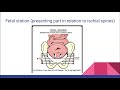
Stages of Labor, Cervical Change & True vs False Labor Explained
Understand how to differentiate true labor from false labor and learn the four stages of labor. This comprehensive guide covers key assessments like dilation, effacement, and station, plus signs of approaching labor for nursing students and healthcare professionals.
Most viewed summaries

A Comprehensive Guide to Using Stable Diffusion Forge UI
Explore the Stable Diffusion Forge UI, customizable settings, models, and more to enhance your image generation experience.

Kolonyalismo at Imperyalismo: Ang Kasaysayan ng Pagsakop sa Pilipinas
Tuklasin ang kasaysayan ng kolonyalismo at imperyalismo sa Pilipinas sa pamamagitan ni Ferdinand Magellan.

Mastering Inpainting with Stable Diffusion: Fix Mistakes and Enhance Your Images
Learn to fix mistakes and enhance images with Stable Diffusion's inpainting features effectively.

Pamamaraan at Patakarang Kolonyal ng mga Espanyol sa Pilipinas
Tuklasin ang mga pamamaraan at patakaran ng mga Espanyol sa Pilipinas, at ang epekto nito sa mga Pilipino.

How to Install and Configure Forge: A New Stable Diffusion Web UI
Learn to install and configure the new Forge web UI for Stable Diffusion, with tips on models and settings.
Found this summary useful?
Take it with you. One click puts it in your own LunaNotes library.
Save to LunaNotes