Introduction to Angiosperm Reproduction
Angiosperms, or flowering plants, reproduce through complex structures and processes involving male and female gametophytes. This overview covers the anatomy of flowers, pollen and egg development, pollination, fertilization, seed, and fruit formation. For an in-depth understanding, see Understanding Plant Morphology and Anatomy: A Comprehensive Guide.
Flower Structure
- Sepals: Protect the flower bud before it blooms.
- Petals: Often colorful and fragrant to attract pollinators.
- Stamen (Male): Composed of anther (where pollen is produced) and filament.
- Carpel/Pistil (Female): Consists of stigma (pollen-receiving surface), style (tube), and ovary (contains ovules).
- The typical ‘perfect flower’ contains both male and female structures.
For a comprehensive overview of flower parts and function, refer to Morphology of Flowering Plants: A Comprehensive Overview.
Pollen Development (Male Gametophyte Formation)
- Inside the anther, diploid microspore mother cells undergo meiosis to produce haploid microspores.
- Each microspore develops into a pollen grain (male gametophyte) containing:
- Tube Cell: Forms pollen tube during fertilization.
- Generative Cell: Divides to produce two sperm cells.
Egg Development (Female Gametophyte Formation)
- In the ovary, diploid megaspore mother cells undergo meiosis producing four megaspores; only one survives.
- The surviving megaspore undergoes three mitotic divisions, producing an eight-nucleate structure organized into seven cells:
- One egg cell (female gamete).
- Two polar nuclei (forming the central cell for endosperm development).
- Five other cells called synergids and antipodals (generally degenerate).
Pollination
- Transfer of pollen from anther to stigma.
- Can be mediated by wind, water, or biotic vectors (pollinators such as insects and animals).
- Petals, nectar, and flower fragrance have evolved to attract such pollinators, promoting effective pollen transfer.
Fertilization
- After pollination, the pollen tube grows through the style to deliver two sperm cells to the ovule.
- Double Fertilization:
- One sperm fertilizes the egg, forming a diploid zygote.
- The other fuses with the central cell's two polar nuclei, producing a triploid endosperm (nutritive tissue).
- This process is unique to angiosperms, differentiating them from gymnosperms. For deeper insight into the reproductive cells involved, see Understanding Spermatogenesis: The Process of Sperm Production.
Seed Development
- The zygote develops into an embryo within the ovule.
- The triploid endosperm nourishes the developing embryo.
- The ovule matures into a seed consisting of the embryo, endosperm, and a protective seed coat.
Fruit Development and Function
- The ovary develops into the fruit after fertilization.
- Fruits can be fleshy (e.g., berries) or dry (e.g., nuts, pods).
- The primary function of fruit is to aid in seed dispersal through:
- Attraction and consumption by animals (seeds pass through digestive systems unharmed).
- Attachment to animal fur or feathers.
- Dispersal by wind or water.
Evolutionary Significance
- Petals, nectar, and fragrance co-evolved with pollinators to enhance reproduction.
- Fruit traits evolved to maximize seed dispersal efficiency, promoting species survival and expansion into diverse environments.
For broader context on seed plant groups, including differences between gymnosperms and angiosperms, consult Memahami Tumbuhan Spermatophyta: Gymnospermae dan Angiospermae.
Understanding these detailed processes highlights the sophisticated reproductive strategies of angiosperms, contributing to their ecological success and diversity. For further questions, feel free to engage in the comments.
welcome back to our series on plant diversity and evolution this is part two in our section on reproduction of seed
plants we'll look at the angiosperms the flowering plants in this video we'll look at the parts of the flower pollen
development egg development pollination fertilization seed development and finally fruit development so let's get
to it we'll start with parts of the flower when we look at the flower we see down here we have the seil
these were covering the flower when it was just a bud protecting it the growing bud we have the petals we'll talk about
the function of petals later we have the anther and the filament which together make the stam now this is the male
structure of a flower it's where pollen's produced in the middle we have this vase likee
structure and at top of which is called the stigma the long thin neck is called the style and the bottom the swollen
part is the ovary together these three parts make up the carpal and this is the female part of the flower now what I've
drawn here is What's generically called the perfect flower it has both male and female parts some flowers might only
have the female structures and other flowers only the male structures but uh to simplify I've just kind of done a
generic flower here we'll look at the male side first with pollen development in the
staman if we look inside the anther we see diploid cells remember when you're looking at a flowering plant you're
seeing the sporify generation or the diploid generation these cells inside the anther are called microspore mother
cells they're not spores they're the Mother cell to spores specifically the microspores so to become a haid Spore we
have to undergo meosis and inside the anther then we build
microspores now if we recall our alternation generation life cycles which is the basis of all plant life cycles
spores will become the gamify generation so these spores will grow by mitosis to form pollen grains remembering that the
pollen grain is the male gapy in flowering plants in seed plants so if we blow one of these up and look closer
here's the male gimit toy or the pollen inside the pollen there are two distinct cells the tube cell and the generative
cell the tube cell will make a tube through the style to the ovary to a INF fertilization we'll look at that shortly
and the generative cell will generate the sperm cells so this is the gapy this is not the male gamt pollen is not tree
uh sperm it is the gight but it will be transferred from one uh plant to the other so here's a look at the whole
process of pollen development inside the anther the microspore Mother cell undergoing meosis to make the HAPO
microspores the microspores developing into the pollen grain all that happening in the staman now
let's get back to our flower now let's look at what's happening on the female side of things inside the
carpal if we zoom in if we could look inside the ovary we would see many structures sometimes more than one
sometimes just one these structures are egg producing structures they're called ovules so inside the ovary there are
ovules now for Simplicity sake I'm just going to draw what happens in one OV so in an U inside the ovary again
there's a diploid cell this is the sporify generation this is the megaspore Mother cell it's going to give rise to
the megaspore so this diploid cell undergoes meosis forming Hao megaspores now most of the time all the
megaspores except for one disintegrate so only one megaspore survives so there's our one megaspore
the Spore will become the gight so it'll divide and it goes through three rounds of mitotic division so three nuclear
divisions so our one nuclei becomes two and the two become four and the four become eight and then something very
interesting happens these eight nuclei are divided into their own cell through cyto canis but we only have seven cells
formed pause the video and think about what that means draw what it might look like like we have eight nuclei but only
seven cells how about something like this this is what it looks like this is the female
Gita fight now when we look in here let's see what we see we have this cell which I've
drawn in a different color to make it easy to see but that's the egg one of these haid nuclei will be the egg we
have this special cell that has two haid nuclei in it and it's the endos sperm Mother cell it will give rise to the in
the sperm it's an N plus n cell and then these other five cells these other five haid cells we call them snid which is
one of my favorite words they're unimportant cells they're going to disintegrate these two included but I
want to draw my arrows all over the place but the snid so we have this structure inside the ovil so here's the
whole side of the female uh reproductive structures of egg development so the megas
a Mother cell becomes a megaspore one of them survives and divides to make this structure inside the OVU prepared for uh
the sperm so we have pollen made in the anther and the eggs are ready inside the
ovule so what do we need next we need pollination we have to get the pollen from a uh an anther to a stigma
well how can that happen well wind a lot of pollen is wind born and even water water can move pollen but what do we
think about when we think about flowers and angiosperms the thing that's unique and different between angiosperms and
gymnosperms is the use of yeah biotic vectors which is a fancy way of saying pollinators living things that move
pollen from one now it's time to answer a question what is the evolutionary significance of petals nectar the
fragrance of flowers pause the video and answer the question to attract pollinators now
think about how important pollinators are to angiosperms in fact there's been a co-evolution of flowers and uh animals
to uh ensure or Aid this process of um the plant providing some nutritional value to the animals and the animals in
turn moving the pollen from one flower to another to Aid in reproduction okay so here comes the
pollen lands on the stigma pollination once we have this we're ready for the next step
fertilization and we're going to zoom in again to the uh caral and here I put the pollen grain on top of it we can see the
tube cell and the generative cell and we're ready for the process of fertilization we have our egg but we
don't have our sperm we have pollen so this is what happens the tube cell is going to create
a tube down through the style to the ovary then the generative cell is going to generate two sperm that travel down
the tube when they get here they're going to have a double fertilization
event one of the sperm is going to fuse with the egg to make the zygote The second sperm is going to fuse with the
endosperm Mother cell to make a tripid cell that's going to be beginning of our endosperm our nutritive
tissue since there are two Fusion events we call this double fertilization this is different between the gymnosperms and
angiosperms the gymnosperms we don't have this the nutritive ti tisue the endosperm is haid but in angiosperm
because of this unique uh n plus n cell the Nutri tissue is triploid and it's fertilized by one of the sperms so we
have double fertilization and what about all these snurds what happens to them well they
just go away so now inside our Avil we have the zygote and the growing endosperm and they're going to start to
grow and divide so now let's look at embryo and Seed development the zygote in the U starts dividing by
mitosis and the embryo has lobes of meristematic tissue called codin so we'll let the embryo start to
grow the nutritive tissue around it the endosperm is triploid by the time the embryo matures
the ovule becomes detached from the wall of the ovary its ingt start to thicken forming
the outer seed coat so the ovil is becoming the seed the embryo the endosperm the Nutri of
tissue surrounding it and the seed coat constitute the seed so the OVU is inside the ovary and the OVU becomes the seed
now these are angiosperms in the uh video where we introduced seed plants we defined what
anges sperm meant it means covered seed so here's a seed and it's covered by something but in that video what did we
say seeds were covered by write it down yes fruit so now we have to have
fruit development let's put this back into the flower and see how the fruit
develops well the ovary of the flower is going to start to swell and the Petals of the flower start to break down and
start to Fall Away the uh ovary continues to grow the ovary becomes the fruit ovules are inside of ovaries seeds
are inside of fruit and if the ovil becomes a seed the ovary becomes the fruit Sometimes some of the other parts
of the flower are incorporated into the fruit but there we have it the um the fruit is the mature ovary now
some fruits are fleshy and some are dry like acorns and pea pods but we have this
question what's the function of fruit pause the video and write down what you think the answer
is now a lot of students will say that the function of fruit is to protect the seed but hold on think about fruit
what's protective of a seed if the fruit encourages you to eat it think about
that and also think about other types of fruit anything with a seed inside of it is a fruit so pea pods the Pod itself is
the fruit and the peas are the seeds peanuts the peanut this is a a fruit by definition and inside are seeds and we
have seeds like all the nuts are B are are fruit um they're not the seed the seed is
inside there and think about fruits like this these little sand spur that get on your shoelaces when you walk down by the
beach or these which if you were an animal would catch into your fur and pull off this is a fruit this is a fruit
and what about this each of these little dandelion things that fly off caught by the wind this is a fruit inside of that
little pod right there is a seed so what's the function of fruit to Aid in seed
dispersal to be caught by the wind or to float in the water or to even be eaten by an animal go through the digestive
tract uh protected against the harsh enzymes and acids of the inest digestive system to be deposited somewhere else in
its own little pile of fertilizer it's the aid and seed dispersal which helps the plant survive
so the seeds uh um we talked about in the in the anent seed plant video having advantage of allowing us to move into a
broader range of environment but flowers and fruits have uh evolved to Aid in reproduction of plants and to spread the
seeds so that brings us to the end of our video on the antisperm reproduction if you have any questions leave them for
me in the comments section below the video and I hope you learn something
A typical flower contains sepals (which protect the bud), colorful petals (that attract pollinators), stamens (male parts producing pollen), and carpels or pistils (female parts containing stigma, style, and ovary). These structures work together to facilitate pollination and fertilization.
Pollen develops inside the anther where diploid microspore mother cells undergo meiosis to produce haploid microspores. Each microspore then grows into a pollen grain containing a tube cell—which will form the pollen tube during fertilization—and a generative cell that divides to produce two sperm cells.
Double fertilization is a process where one sperm cell fertilizes the egg to form a diploid zygote, and the other fuses with two polar nuclei in the central cell to create a triploid endosperm, which nourishes the embryo. This dual fertilization event is unique to angiosperms and differentiates them from gymnosperms.
Flowers attract pollinators through colorful petals, nectar production, and enticing fragrances. These features have evolved specifically to lure insects and animals, which then carry pollen from one flower to another, ensuring successful pollination.
Following fertilization, the zygote develops into an embryo within the ovule, while the triploid endosperm provides nutrition. The ovule matures into a seed, consisting of the embryo, endosperm, and a protective seed coat, ready for dispersal and germination.
After fertilization, the ovary transforms into a fruit that can be fleshy like berries or dry like pods. Fruits facilitate seed dispersal by attracting animals to eat them (allowing seeds to pass through digestive tracts unharmed), by attaching to animal fur or feathers, or by being carried by wind or water, thus spreading the seeds to new locations.
Angiosperm reproductive features like petals, nectar, fragrance, and specialized fruit have co-evolved with pollinators and dispersal agents to maximize fertilization success and seed spread. These adaptations enhance reproductive efficiency, promote species survival, and enable flowering plants to thrive in diverse environments.
Keep this summary
Save it to LunaNotes and it becomes a real note in your library — editable, searchable, and ready to turn into flashcards or a diagram. Free to start.
Save to LunaNotesOr summarise for another video.
This summary and transcript were automatically generated using AI with the Free YouTube transcript summary tool by LunaNotes.
Related summaries
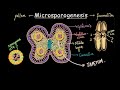
Understanding Microsporogenesis: Pollen Formation Inside Anther
This video explains how pollen, the male gamete in plants, is produced inside the anther through a process called microsporogenesis. It details the structure of the anther, the role of its layers, and how diploid microspore mother cells undergo meiosis to form haploid pollen grains, with emphasis on the significance of pollen sac count and cell arrangements.
Morphology of Flowering Plants: A Comprehensive Overview
This video provides an engaging and detailed exploration of the chapter on Morphology of Flowering Plants, covering essential concepts such as the structure and functions of roots, stems, leaves, and flowers. The content is designed to simplify complex biological concepts, making it accessible for students preparing for exams.
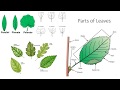
Understanding Plant Morphology and Anatomy: A Comprehensive Guide
Explore plant morphology and anatomy, including structures, life cycles, and functions, to better understand and classify plants.

Understanding the Male Reproductive System: A Comprehensive Overview
Explore the male reproductive system with a detailed breakdown of anatomy and functions.
Key Differences Between Monocots and Dicots: Structure and Growth
Discover the fundamental distinctions between monocot and dicot angiosperms, including their leaf patterns, root systems, vascular arrangements, and flower structures. Learn how to identify each type with clear examples and practical tips.
Most viewed summaries

A Comprehensive Guide to Using Stable Diffusion Forge UI
Explore the Stable Diffusion Forge UI, customizable settings, models, and more to enhance your image generation experience.

Kolonyalismo at Imperyalismo: Ang Kasaysayan ng Pagsakop sa Pilipinas
Tuklasin ang kasaysayan ng kolonyalismo at imperyalismo sa Pilipinas sa pamamagitan ni Ferdinand Magellan.

Mastering Inpainting with Stable Diffusion: Fix Mistakes and Enhance Your Images
Learn to fix mistakes and enhance images with Stable Diffusion's inpainting features effectively.

Pamamaraan at Patakarang Kolonyal ng mga Espanyol sa Pilipinas
Tuklasin ang mga pamamaraan at patakaran ng mga Espanyol sa Pilipinas, at ang epekto nito sa mga Pilipino.

How to Install and Configure Forge: A New Stable Diffusion Web UI
Learn to install and configure the new Forge web UI for Stable Diffusion, with tips on models and settings.
Found this summary useful?
Take it with you. One click puts it in your own LunaNotes library.
Save to LunaNotes