Introduction to Anthocyanin Metabolic Engineering in Flowers
This lecture reviews the engineering of anthocyanin biosynthesis to modify flower colors, emphasizing commercial and horticultural value, notably the challenge of producing blue hues in ornamentals like roses and petunias.
Fundamentals of Anthocyanin Biosynthesis and Genetic Targets
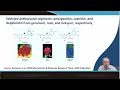
- Anthocyanins have a C6-C3-C6 structure, with biosynthesis modulated by enzymes such as CHS (chalcone synthase), CHR (chalcone reductase), DFR (dihydroflavonol reductase), F3'H, and F3'5'H.
- Upregulation or suppression of these genes alters anthocyanin accumulation, influencing flower color intensity and hue.
For a broader understanding of the pathways and engineering strategies, refer to the Comprehensive Guide to Anthocyanin Biosynthesis and Metabolic Engineering.
Strategies for Flower Color Modification
Petunia (Ponia) Color Engineering
- Introducing maize DFR gene increased brick red/orange-red coloration.
- Antisense suppression of CHS or flavonol synthase in petunia altered anthocyanin levels, sometimes producing pure white flowers due to pathway blockage.
- Overexpression of transcription factors enhanced overall anthocyanin accumulation.
Redirection of Flavonoid Biosynthesis to Produce Yellow Flowers
- Expression of Medicago sativa CHR, alongside CHS, led to production of 6'-deoxychalcone, an unnatural compound in petunia.
- This redirection caused yellow pigment accumulation, a novel phenotype unattainable by traditional breeding.
Transgenic Modifications in Petunia Variants
- Antisense CHS expression suppressed pigmentation to white.
- Introduction of rose DFR gene conferred red coloration.
- Suppressing F3'5'H shifted biosynthesis towards orange-red hues.
- Overexpressing petunia F3'5'H in different genetic backgrounds created varied coloration patterns due to pigment mixing.
Achievements in Engineering Blue and Violet Flowers
- Functional F3'5'H genes isolated from petunia and eggplant allowed creation of delphinidin derivatives important for blue shades.
- Transgenic violet cineraria expressing ponia F3'5'H and DFR genes developed new violet coloration.
- Challenges remain in controlling vacuolar pH, essential for pigment stability and blue coloration.
This work shares concepts with other studies on floral scent and monoterpenoid biosynthesis; insights can be found in Monoterpenoids in Floral Scents and Metabolic Engineering Insights.
Metabolic Engineering of Blue-Hued Roses
- Native roses lack functional F3'5'H, limiting delphinidin production, critical for blue color.
- Strategies included:
- Introducing F3'5'H from violet and DFR from iris.
- RNAi-mediated silencing of endogenous rose DFR to reduce competition.
- Screening rose cultivars rich in flavonol co-pigments (myricetin) and suitable vacuolar pH.
- These approaches yielded novel blue-pink roses with up to 98% delphinidin content, regarded as the bluest roses developed genetically.
Industrial and Research Perspectives
- Companies have commercialized genetically engineered violet cineraria and are progressing toward market-ready blue roses.
- Patent and confidentiality considerations delay widespread publication of recent advances.
- Control of vacuolar pH and further stabilization mechanisms are critical ongoing research areas.
For related examples of metabolic engineering enhancing production of valuable plant secondary metabolites, see Metabolic Engineering Enhances Alkaloid Production in Catharanthus Roseus Hairy Roots and Metabolic Engineering of Menthol Biosynthesis for Enhanced Essential Oil Yield.
Conclusion
Metabolic engineering of anthocyanin pathways successfully generates novel flower colors beyond traditional breeding limits, with promising progress toward stable blue ornamental flowers. Integrating gene expression modulation, pathway redirection, and biochemical environment optimization offers powerful tools for horticultural innovation.
[Music] [Music] welcome to nptl online certification
course on pharmacognosy and metabolic engineering this is lecture 55 uh so where I will discuss metabolic
engineering of Anin Pathways in flowers so in lecture 54 I have discussed in details about the anthos in biosynthesis
the chemistry structural diversity how simple chemical transformation hydroxylation and methylation can
convert one Antoine into another their stability and how they are transported into the vac and as a very exciting
metabolic engineering application with expression of transcription factors in leaf leading to produce huge amount of
anthocyanins in tobacco cell cultures so now here we will talk about the metabolic engineering attempts made with
the flower so this has tremendous industrial application because uh ornamental plants there is a very huge
market and uh as you see that there are multiple colored flowers are coming but even with the traditional breeding
everything cannot be achievable particularly the blue coloration is a challenge like if you can make blue rose
blue cordination so there is a huge market so unfortunately the achievements was not that much but still there are a
lot of hopes there so scientist has cracked the major bottle neck and I think years to come we'll be able to see
blue flowers blue rose flowers so now go to the next slide so the concepts to be covered bios synthesis of anthis I have
already discussed manipulation of anthos pathway that is our concept that is our theme of discussion in this class so I
will talk mostly about that yolow flower by redirecting flavonoid biosynthesis so here uh and then making
blue flowers and then attempts to make rose with blue hues so again this scheme now I have
mentioned this scheme several times so I can avoid so antoin C6 C3 C6 structures so and this scheme also I have discussed
in the previous class in pretty details so only thing to mention here that these
are the target genes uh which need to be either uppr regulated or down regulated leading to
the formation of enhanced or suppressed antoin accumulation so C CHR is a new one so
CHR will come in due course I'll talk about CHR so if you remember CHR I have mentioned particularly in the context of
isoflavonoid pathway where CHS and CHR work together and which which produces ultimately the
isoflavonoids okay now modification of anthos in amount so one uh uh Target was set to make basically the
brick red or orange red uh pelargonium so transgenic oh no sorry
ponia so ponia colors brick red or orange red ponia colors are rare So scientist what they have attempted
basically they have attempted to uh hire a maze dihydro uh dfr dihydro flavonol
reductors so a mage dfr to be transferred into the ponia and to see whether it makes any effect on uh
coloration so uh like uh that is one uh or also the F3 Prime H F3 Prime 5 Prime H can also be targeted so what we see as
it is expression of CHS and chalone synthes in ponia many purple plants resulted in few plants with pale color
or pure white color so this is anti- sense so when means that when you block the chalone synthes that is the first
step so that means you are blocking the entire pathway so coloration will be theoretically suppressed and in in in
practice also it happens and uh but uh Sometimes some transcription Factor genes like me R genin when they are
transferred in tobacco that making more intensely colored p ments because that transcription Factor has some role in
upregulating the Anin pathway similarly antisense suppression of flavonol synthes gen in ponia also resulted in
higher anthos in content so that aspect maybe will come later so here is basically the modification of flower
color in ponia by expressing dfr and dfr is from the mze and as a result of that what we see
that the color of this turn different uh okay so transgenic cultiv Express the mze dfr Gen which is showing
here and B1 is the red fling ponia cultiv that accumulates sidin type of antoin so uh uh so this is basically the
dfr and dfr basically part it converts I hydrol to this uh eventually to the the ponin glucoside and if it accumulates it
makes this color so okay and uh so uh this is and this is reported long
back in Trends in biotechnology and this is another one where
the the bottom four are as a result of transgenic application whereas a to d the a b c d these are basically
non-transgenic maybe it's it's created out of the mutation but whereas this is all these are also ponia so modification
of ponia color by genetic engineering so this was also reported long back in the famous jard PL cell so here basically in
case of e if you see now we can see one by one this
one so here what happens the uh antisense CHS when I I mentioned this just now that antisense CHS blocks the
entire pathway almost so no coloration leads to White now second one is basically the
transformed Rose dfr Gene and as Rose dfr Gene basically Rose is basically sinine so the dfr converts what the D
dihydro quatin to lianin and subsequently to cadin and as a result of that is it is developing the red
coloration okay and the third one is basically they have transfer a gene which suppress both
F3 Prime 5 Prime H and and if and flavonol synthes activity so as a result of that what happened
that dihydro cerol will mostly accumulate and that dihydro temperal may
leads to the formation of honin and as a result of that you will get this orange red color okay and the fourth one is
basically transformed with a sense ponia F3 Prim 5 Prime H so when ponia F3 Prime 5 Prime H is transferred then what will
happen that uh that leads the pathway flow more towards the delphinine but uh if the
background is with if if the if the plant transgenic plant the the explant used is already containing another Gene
of say uh which led to the formation of redish color then with the blue color what will happen these two will mix up
and as a result of that there will be different coloration so if you see this these three these have three different
coloration the strategies are different one antisense one OV expression one another Gene so as a result of that if
you if want play with this pathway jeans it is possible to make the changes in the flower coloration so uh this one I
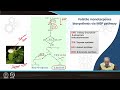
skip it now come to very important and interesting thing like normally what is happening malony qu joins with three
molecules of uh three molecules of malony qu joins
with one molecule of paracom qu and that converted into tetrahydroxy chalone and the enzyme is chalon synthes
CHS however as I said in case of this isoflavonoid pathway so there uh CHS
work with Chi but there Chi is not there but instead ch R is there so in other word uh in this
case a pathway will move in this direction where
where CHR and CH s will work and leading to the
formation of uh six Prime desoxy alone this is is not very clear here but this is six Prime desoxy chalone now what
happens that six Prime desoxy chalone is not the natural chalone that accumulates in the flower okay but it is possible
how if you take a medicago Satia which is basically a legume I mentioned try to find the relationship
what I said the legume produces isoflavonoids and isop flavons and there the CHS work with CHR
so that is why scientists they have hired the CHR from medicago SATA okay so and that they express in
ponia so what happens in this case the uh so the pathway now will moves in a New Direction and eventually uh the the
CHS work CHS will make this uh tetr hydroxy chalone that tetr hydroxy chalone cannot really converted into
naringenin instead what I said the pathway will move in this direction okay and then what will happen
that this leads to accumulation of six Prime desoxy chalone and this is possible if you express the genes under
the control of a strong promoter there will be more CHS as compared to Chi so therefore the whatever this tetr hydroxy
chalon will be produced that will be channelized towards uh six desoxy chalone because of the new
enzyme which you have introduced and uh and the beauty is this this is a new compound and it is unnatural so the
petunia cells cannot metabolize it further so it started accumulating once it started accumulating what it will
what you will see you will see the accumulation of yellow coloration so accumulation of yellow
coloration okay so this is what is called redirection of flavonoid bi biosynthesis so flavonoid biosynthesis
normally moves in this direction now you are blocking that and allowing this to move
in this direction so that is how it is called redirection now let us see the result as a result of that so they have
used two type of ponia one is colored one is white so white is Asic Asic not Asic means colored so Asic is uh the one
you see this is C left is the control this is control okay and uh and then they have
expressed the genes and as a result of you see the changes in the coloration so this is
control so if you and this is the test transgenic this is the transgenic so what you see that you compare to this
and this the yellow coloration is noticed here here yellow coloration is quite intense and here actually three
developmental stage the left uh one is control uh so this is this are control and these are the
transgenic so the product uh so the yellow coloration it is possible to produce in a Asic background that is the
white ponia if you take uh and then the if the gene is transferred and expressed properly then uh this white ponia will
will will produce upon gen expression will produce the yellow coloration but if you take
the cyanic background then what will happen that already it has a color now uh when you have done the paint brush
work means with with with paint and brush in a paper so when you a color is red is there so you add a yellow what
will happen the original color will become diluted so similarly that is what is noticed here and so the color the
original intense color will get diluted as a result of that you'll get different pattern of coloration here and only
thing is that I will uh mention here the uh when it is redirection that means more
of chalone is produced isn't it so what you see here the chalone percentage in this line is
51.7 chalone percentage is this line is 62.5 okay uh so that means more chalone is basically producing more more chalone
is accumulating when more chalone is accumulating so it's producing yellow dis oxy shalone so that is basically
mixing up with the other antoin and as a result of that if the pH is favorable as a result of that it makes different
pattern of coloration and some of these colorations are indeed novel which cannot be achieved by traditional
breeding so other example is this metabolic engineering to modify flower color one is
the uh ponia they have used another variety purple variety and they use antien
separtion of chalone synthes and as a result what you see depend this is the control which produces this color when
you supress depends on the level of expression you see that coloration changes and eventually
it produces white flower in different lines depends of the expression levels how many copies of
genes inserted all these will influence how strength is your promoter and the second one is this that here basically
they have uh transer ponia are rose dfr and as a result of that what will happen uh the novel flower color in the
left side this is the transgenic and this is the uh no this is transgenic sorry this is
the control so the novel coloration was developed as a result of that the rose
when the rose dfr was expressed in ponia okay so this is Noel and third one is this that here
the and uh this is the control it normally produces this bluish color this is
Toria which produces bluish color and uh this is a sumar wave a particular variety and what they have done
basically they basically made the sense suppression of CHS or dfr as a result of that you see that which is more more
bluish purplish color now it it changes it coloration so some portion is white some portion
is blueish so that means a novel coloration pattern develop as a result of sense separation of CHS and dfr genes
so and this was report Ed uh in some of these were unpublished those days when this review was published from there I
have taken so this is fine but ultimately what I said at the beginning of the course is that beginning of this
lecture is that eventually we aim to make blue flation blue color so if you can make novel blue color particularly
in this cation or in this torania or in Rose you will have a very good Market Horticultural market so but in order to
produce blue flour that it has to meet several conditions one is the synthesis of three prime 5 Prime hydroxate antoin
that is required that means delphinine so three prime 5 Prime H activity must be there and also there is a need for
present of flavonol copigments so flavonol copigments are required for example that delphinidin
also you also require the myin to be present there so when myin to be present so that is basically the flavonol
copigments so that will work and in with the delphinidin and makes the stability of the coloration and another important
point is that I have mentioned the high vacular pH if you remember previous one of the previous slides I have shown that
blue coloration means between four and five so that is important now flower petals are they are actually meant uh to
have lower pH in order to make the stable anthos so making a higher pH is also a challenge and and then also if 3
Prime 5 Prime H activity asile transfer activity as also necessary for producing the blue color
now what what has been achieved is this that this is the requirements
and this is the achievements and the bottlenecks achievements this the genes encoding F3 Prime 5 Prime H has been
isolated from petunia eggplant and many others and a transgenic Violet cination was successfully developed by florigan
limited and Sant limited both are this one is Australian another one is Japan based companies so where they have
introduced a ponia F3 Prim 5 Prime H and dfr gen into a dfr def deficient white cination so white cination is where is
the dfr deficient that means dfr genes are not working there so that is why the if dfr is not working then you know what
is happen dihydro kemperol will accumulate so D only D if dihydro kerol accumulates it if it cannot move towards
ponine or towards uh delphinine or towards sin in what will happen the color of the flower will be white
because it stops there so they have taken a dfr deficient white cination and there they have introduced F3 Prime P
Prime H and and then as a result of that they perhaps they have also hadir uh another dfr from other source and as a
result of that they see changes in the coloration now now apart from this these are the some achievements but still some
bottlenecks are still there that is the control of the vacular pH so vacular pH only few genes have been cloned so which
really uh maintains the proper vacular pH so that you get the stability of the coloration and uh so this is what is
that the mou coloration develop by introducing a hf1 and dfr gen in white flower cination
variety Mund dust and which I said that why and and and that accumulated dihydro cerol so when
dfr was used so there here dihydro cerol accumulates and what happens that this one normally dihydro if accumulates it
makes uh white color but here particularly when they have hired a dfr from different sources this basically
leads to the formation of a novel color in this uh coordination okay and next is this this
is the uh transgenic Violet Violet cination produced delphinidin type of pigments and this is because they have
transferred F3 Prime 5 Prime H and the there are two the left one is the P one so this one is the paler one which is
called Moon dust and this one is the darker one which is the Moon Shadow and this is the moon dust
and with further advancement it was possible to make some blue hues in this cardition as well as in Rose which was
not possible by traditional breeding so next attempts were made by this hun and uh Floren group they work together and
they really aim to make uh blue colored Rose so blue colored Rose as you see from the knowledge what
we have gained that in order to have blue color rose the delphinidin must be accumulated so
if delphinidin to be accumulated then f3.5 should be work and along with that the
mtin myin is flavonol pigment so myosin accumulation is also required okay and uh apart from other so native Rose only
accumulate ponin and sinin based antoin that is uh so what is
this so either ponin or sinin based anthos sinin okay and delphinidin based Anin
basically there is a deficiency normal rows of F3 Prime 5 Prime H that is if it is there at all it is nonfunctional so
it is important that the F3 Prime 5 Prime H to be hired from a heterologous source so that and if it is expressed so
that dihydro cotin is a common one so the normally dihydro cotin for cine it moves
in this direction or this but then with this the pathway should be able to move in this
direction and as a result of that if the rose petal generates delphinidin and again there are lot of
factors only delphinidin will not help along with that mtin should be produced in higher amount along with that the
stability pH uh checked then only so therefore Gene is available so therefore in order to
have a Target Rose cultiv where the gene to be transferred it is important to do a thorough screening to find out a rose
cultiv uh where uh a rose cultiv accumulates more flavonol as Co pigments like my
resetting so with screening it is possible with screening of the flowers of hundreds of cultivar it is possible
to pick up couple of 3 four five uh Rose cultivar where which are reach in Martin flavonol so that is also another Target
and next Target is that to check the vacular pH petal pH to check where uh the pH is in highest sight so with the
thoros screening the the scientist of from these industries are able to find out at least 10 uh Rose cultiv which
actually speaks in favor of their work that means uh where myin content is more along with that the vular pH was in the
higher side so that was important and now what they have done so now they have made different constructs so one
construct is overe expression construct where F3 Prime 5 Prime H they have hired from Viola Viola the name itself
it's that it produces violet color so when there a violet color then F3 Prime 5 Prime H is there so that they have
hired there and they have hired another asile transfer uh from Tania so this construct they called PSB
130 and uh when this construct was expressed in rows what they found they found changes in coloration so the left
is host right is transformant host means you can we can write control host okay host and this is
transformance so you see changes in the coloration so when F uh 3 Prime 5 Prime H is expressed the
deep red color the deep red color is now getting dilute towards more pinkish here also it is
getting in this color okay here is slightly different we to explain here it's more towards
bluish okay uh and here also it is quite clear but not everything cannot be explained so this is what they have
published this they have published everything in this particular uh paper so we'll come to that so this is one so
they got some success with this so next what they have done they also attempted to make
uh only with a viola and see but that result was not that interesting next what they have done they have used Iris
dfr and Viola F3 Prim Pi Prime h two gen together so that gives a better uh one than the previous but uh what happens
next what they thought that the main culprit was the rose dfr so what happens even if you put the dfr
and so what I said here that what you are hiring
uh you hiring a dfr you're hiring a dfr n 3 Prime 5 Prime H but what happens uh okay you
adding a dfr this one sorry sorry uh I will erase this one not what will happen that
this particular this particular dfr is already there in the row so when you are
hiring F3 Prim 5 Prime H and dfr from two different plant putting there but this dfr which basically convert dihydro
cotin which is the major intermediate from there only it converts di hydromine if this dfr is strong the red one which
I am showing here if this is have a more stronger expression so what will happen it will try to pull the substrate more
towards sinin even if you put extra copies of F3 Prim 5 Prime H and dfr from different sources with expression the
endogenous dfr will not allow it to function so the strategy what they have learned from this this this that the
third strategy what they have done is that they have used a RNA I approach to block the rose dfr so the rose dfr to be
blocked using RNA that is why I have shown in this way this is basically a hairpin construct and I think hapin
construct I have mentioned when I talked about the uh this uh this Morphin alkaloids so in
that or that that time because now because of shortage of time again I will not discuss that uh so you can always
revise from there so now so the the number one let us see first one is that they had hired Idis dfr that is good
they have hired uh Viola F3 Prime is good and the third strategy is basically they they
they block the rose deer Now situation will be favorable so that means the if I say
favorable then this will not work anymore uh so if this will not work anymore cyanidin formation will be will
be significantly reduced instead the hydr settin will be move towards the hydromine because you have hir
a viola what you have yeah you have Viola F3 Prime H and you have also hired a Idis dfr and as a result of that the
the pathway will move in this direction and eventually it produces delphinine and this as I said this is
already producing in higher amounts so this plays an important role in uh stabilizing the
coloration okay so this is the best construct with this best constructs what they have achieved so
the they have achieved a coloration like this and where the 98% was
delphinidin so the flower color is evidently Bluer Than That of the host and the commercial varieties of this
Violet uh and this is regarded as the bluest of current Rose varieties so you see this
color and some of the transgenic rowes derived from this also exhibited P color containing decreased amount of anthos
so so what happened this was the target uh and that now produces this so this was the cultiv
which is producing this sort of coloration one thing you see this coloration is not the this is
slightly P red this is slightly P red they have purposefully chosen such one so that uh the red will not interfere
and that they have blocked the dfr rose dfr they have add the Irish dfr and add the viola F3 Prim 5 Prime H so that
leads to formation of this coloration and they claimed in this paper that this was The Bluest so far achieved and this
is really an outstanding work and this was published in plant and phys cell physiology so after that uh I have not
come across with further work maybe because it's a industrial work so there is a confidentiality to be maintained
and patent issues and other thing once those were sorted out and definitely they will publish so maybe we have to
wait for few more years when we'll may see a deep blue coloration row available in the market with this I end this class
and this is all about metabolic engineering of uh anthos pathway and you see lot of positive results with this
and the Beautiful science behind and this that also I have explained with this I end this class thank you
Key genetic targets include enzymes like chalcone synthase (CHS), chalcone reductase (CHR), dihydroflavonol reductase (DFR), flavonoid 3'-hydroxylase (F3'H), and flavonoid 3',5'-hydroxylase (F3'5'H). Modulating expression of these genes can alter anthocyanin accumulation, directly influencing flower color intensity and hue.
Blue pigmentation was achieved by introducing functional F3'5'H genes from species like violet or eggplant along with specific DFR genes to produce delphinidin anthocyanins, which are precursors to blue hues. Additionally, RNAi silencing of endogenous competing genes and screening for favorable vacuolar pH and co-pigments have been critical steps to stabilize and enhance blue color expression.
Creating yellow flowers involved expressing Medicago sativa chalcone reductase (CHR) alongside CHS in petunia, which redirected flavonoid biosynthesis to produce 6'-deoxychalcone, an unnatural yellow pigment in petunia. This redirection enabled yellow coloration not achievable by traditional breeding.
Vacuolar pH influences the chemical state and stability of anthocyanin pigments; a more alkaline vacuole favors blue coloration by stabilizing delphinidin derivatives. Precise control of vacuolar pH is essential for maintaining blue hues, as acidic conditions can shift pigment color toward red or purple, so engineering efforts also focus on optimizing cellular pH environments.
Genetically engineered violet cineraria with novel violet coloration has been commercialized, and progress towards market-ready blue roses containing up to 98% delphinidin has been made. However, due to patents and confidentiality, details are limited, but these achievements demonstrate practical horticultural and commercial impacts of anthocyanin pathway engineering.
Suppressing CHS via antisense technology can block anthocyanin biosynthesis, producing pure white flowers by halting pigment formation. Overexpressing F3'5'H shifts flavonoid biosynthesis towards delphinidin production, resulting in blue/violet shades. The combination and expression level of these genes create diverse flower color outcomes through modulation of pigment type and quantity.
Challenges include achieving stable blue coloration through proper control of vacuolar pH, fully integrating introduced pathways with native metabolism, and overcoming biological complexity such as competing endogenous enzymes. Additionally, patent restrictions and regulatory hurdles limit rapid dissemination and commercial adoption of some engineered cultivars.
Keep this summary
Save it to LunaNotes and it becomes a real note in your library — editable, searchable, and ready to turn into flashcards or a diagram. Free to start.
Save to LunaNotesOr summarise for another video.
This summary and transcript were automatically generated using AI with the Free YouTube transcript summary tool by LunaNotes.
Related summaries
Comprehensive Guide to Anthocyanin Biosynthesis and Metabolic Engineering
Explore the detailed biosynthesis pathway of anthocyanins, understand the structural diversity influencing flower coloration, and discover advanced metabolic engineering techniques for enhanced anthocyanin production in plants. This lecture also explains anthocyanin transport mechanisms within plant cells and highlights recent developments in transcription factor–driven metabolic engineering.

Metabolic Engineering Enhances Alkaloid Production in Catharanthus Roseus Hairy Roots
This summary explores five key case studies on metabolic engineering in Catharanthus roseus hairy root cultures aimed at boosting valuable indole alkaloid production. Techniques include transcription factor overexpression and multi-gene constructs under specific promoters, demonstrating significant increases in alkaloid contents such as ajmalicine, catharanthine, and vindoline intermediates.
Monoterpenoids in Floral Scents and Metabolic Engineering Insights
Explore the dominance of monoterpenoids in floral volatiles, techniques for their analysis, and a detailed case study on linalool synthase gene expression in Arabidopsis. Understand enzyme roles, storage mechanisms, temperature effects, and challenges in metabolic engineering for floral scent production.

Metabolic Engineering of Menthol Biosynthesis for Enhanced Essential Oil Yield
This lecture explores metabolic engineering strategies to optimize menthol biosynthesis in peppermint, focusing on gene overexpression and antisense suppression techniques to manipulate key enzymes. It summarizes experimental outcomes, challenges, and future directions to improve essential oil yield and composition using transgenic approaches and environmental factors.

Metabolic Engineering of Vanillin Production Using HCHL Gene in Plants
This lecture explores the metabolic engineering of vanillin production by harnessing the microbial degradation pathway of ferulic acid. It highlights the discovery of the HCHL enzyme, its expression in plant systems like Datura stramonium and tobacco, and the resulting biochemical and phenotypic changes that offer insights into novel metabolic routes and lignin content manipulation.
Most viewed summaries

A Comprehensive Guide to Using Stable Diffusion Forge UI
Explore the Stable Diffusion Forge UI, customizable settings, models, and more to enhance your image generation experience.

Kolonyalismo at Imperyalismo: Ang Kasaysayan ng Pagsakop sa Pilipinas
Tuklasin ang kasaysayan ng kolonyalismo at imperyalismo sa Pilipinas sa pamamagitan ni Ferdinand Magellan.

Mastering Inpainting with Stable Diffusion: Fix Mistakes and Enhance Your Images
Learn to fix mistakes and enhance images with Stable Diffusion's inpainting features effectively.

Pamamaraan at Patakarang Kolonyal ng mga Espanyol sa Pilipinas
Tuklasin ang mga pamamaraan at patakaran ng mga Espanyol sa Pilipinas, at ang epekto nito sa mga Pilipino.

How to Install and Configure Forge: A New Stable Diffusion Web UI
Learn to install and configure the new Forge web UI for Stable Diffusion, with tips on models and settings.
Found this summary useful?
Take it with you. One click puts it in your own LunaNotes library.
Save to LunaNotes