Inside the $65 Trillion 'Missing Money' Scare: BIS Report, Libor Transition & Hidden Market Risks
The $65 Trillion Headline: Fact or Fiction?
The Bank for International Settlements (BIS) issued a report flagging a staggering $65 trillion in “missing” FX swap debt, sparking widespread alarm. However, market insiders largely dismiss the figure as dramatic and misleading. The number highlights the immense size of the FX swaps market, but experts argue it does not represent actual lost money or an imminent crisis. This phenomenon is part of broader Global Economic Forces: Debt, Technology, and Geopolitical Risks Explained that are reshaping our understanding of financial stability.
The Real Issue: How Risk Has Shifted Under the Radar
While the headline number may be overblown, the discussion reveals two critical, underlying concerns that regulators must confront:
1. The Libor Transition Created a New Market Dynamic
The global shift from Libor to risk-free rates (like SOFR in the U.S.) was intended to make markets safer. However, this transition has had two major, unintended consequences:
- Risk Shift, Not Risk Removal: Risk-based lending rates have been replaced with rates secured by collateral (e.g., repo transactions). This has essentially "fixed" risk out of the derivatives market, but experts believe nobody fully understands where that risk has gone. This uncertainty is a key theme in Understanding the Looming Recession: Why Only the Paranoid Survive in Today's Market.
- Dented Derivatives Trading: The BIS report itself acknowledges that the Libor transition has “dented” trading in certain derivatives like forward rate agreements. As a result, risk has moved into a less transparent, harder-to-monitor shadow banking system.
2. The Shadow Banking System Has Absorbed the Risk
The term “shadow banking” is often misunderstood. As one panelist notes, if you define it as “anything not a U.S. commercial bank,” then even money market funds are technically part of this system. The key worry is that:
- No Real Oversight: Regulators struggle to aggregate or monitor derivative contracts and swaps tied to this debt. They cannot easily determine whether the underlying debt is “good or bad.”
- Imbalance in Risk Markets: The panel concludes that the BIS, as the “central bank’s bank,” needs to assess how decades of quantitative easing have fundamentally changed development markets and shifted imbalances. For a deeper look at how monetary policy has reshaped the global landscape, see Understanding the Global Economy: Insights from Leading Economists.
When Does This Become a Real Threat?
To the question of what would trigger a domino effect from this theory into a practical crisis, the panelists admit they don’t know, and they doubt anyone truly does. The looming danger is a slow-burn imbalance in risk markets, rather than an immediate collapse. The BIS is called upon to take a hard look at the long-term repercussions of monetary stimulus to understand the new, hidden fault lines in the global financial system. This topic connects to the ongoing debate about The Collapse of Fiat Currency and the Case for Gold Backing as a potential hedge against systemic fragility, and the potential role of Crypto's Future: Interledger, XRP, and The Race for 'All The Money' in creating alternative financial infrastructure.
Alex 65 trillion dollars it sounds really scary but how scared should we be you know I think it's really misleading
I think when you put the word 65 trillion and missing in a headline you know it's bound to get a lot of
attention um you know but we talked to sources all day and people in the markets who know
more than me certainly and they're like this is nothing you know the FX swaps Market is really big but I think if
you're the bank for international settlements you're the central Bankers Bank there are a lot of questions in
these reports and in this review that they issued today primarily you know what I look at and been thinking about
all day is okay bis like you're saying there's money missing well let's look at how decades-long Central Bank
intervention monetary stimulus quantitative easing whatever you call it yeah what kind of impact that has had on
the world in the markets and how they've changed I think the other thing that you need to think about if your Regulators
around the world is what role has the Libor transition played in this yeah because I think that's something a lot
of yeah the transition the transition though that will never end apparently I know it
is I'm looking for that Sunset to come here so we can stop talking about it I am
though in all seriousness though I mean it's easy to sort of say okay this isn't really missing that maybe bis is being a
little dramatic but there is a broader issue here about a bank or at least an organization that is supposed to sort of
monitor Financial stability and there's concerns that a lot of this money it isn't just like we're not just talking
about debt we're talking about the derivatives contracts and it swaps and other things tied to them can't be
easily aggregated can't be easily monitored so they have no idea whether this debt is good or bad well exactly
and I think the other issue with this and this is why I point out the Libor transition is the Libor transition has
moved all these Global all these all these countries have moved to a what's called a risk-free rate so it's it's
backed by like secured collateral so like in the US for instance sofa is backed by the repo Market transactions
and those are considered to be a lot safer than what was underlying Libor if anything at all so when you move you've
essentially fixed your wrist yeah and so a lot of that risk has shifted out of these markets and I don't think they
quite understand the impact that the the Libor transition is having you know from a global standpoint I think you need to
put the risk of shifted out of the market right yeah but isn't that their concern is that there's now this Shadow
Market I put that in quotation marks that they basically don't have any real pervy well in the shadow base
always existed I mean if you think about it shuttle banking systems psychologists
but money market funds are technically a shadow bug component of the Shadow banking system I mean the definition
like according to zolten poser is you know anything that's not a U.S Commercial Bank so therefore money
market funds are technically a shadow Bank um you know so all this risk has been
shifted to these other areas and so that's what I think they need to figure out the other thing is that the
derivatives market and they acknowledge this in the Libor section in this review is that derivatives the library
transition actually dented they say dented derivatives trading so forward rate agreements you know things that are
are tied that you you would do between currencies have actually fallen off because of that shift in Risk they don't
need to do that anymore and these are the things that everyone's going to need to assess that it's like okay great we
got to the end of Libor but I don't think anybody truly understands the way in which the the market risk has shifted
here by essentially fixing rates where we don't have those credits sensitive rates anymore and I I think this is what
we're going to be studying for years to come that it's not just the end of Library this is going to have effects
that are going to be felt and we're going to learn well Alex I want to quickly go back to that big scary number
like you said there's a lot of asterisks there's a lot of nuances here around 65 trillion dollars but when does this if
we game plan this out if we step into hypothetical land what would actually cause the domino effect where this turns
from a scary headline into actually something scary that's a great question and I'm I'm not even sure and I honestly
I don't think people quite understand I think ultimately we're looking at imbalances in the in the risks markets
you know we're looking really at balance sheets and this is where I call upon the bis that they really need to be looking
at this seeing as they're the central banks you know bank that that they need to understand that quantitative easing
has had so many repercussions and has shifted the risks in these markets and that's only something that they can
truly understand if they're willing to assess you know from you know how how the development markets have changed
Panelists in the video acknowledge uncertainty, noting that no one truly knows the trigger for a domino effect. The danger is seen as a slow-burn imbalance in risk markets rather than an immediate collapse. The BIS is urged to examine how decades of quantitative easing have shifted hidden fault lines in the global financial system.
The Bank for International Settlements (BIS) reported approximately $65 trillion in 'missing' FX swap debt, which initially caused alarm. However, market experts largely dismiss this figure as misleading, arguing that it highlights the immense size of the FX swaps market rather than representing actual lost money or an imminent crisis.
The shift from Libor to risk-free rates like SOFR was intended to increase safety. But it inadvertently shifted risk from derivatives markets into less transparent areas, such as the shadow banking system, since risk-based lending rates were replaced with collateral-secured rates. The BIS report notes this has 'dented' trading in forward rate agreements, moving risk to harder-to-monitor areas.
Shadow banking refers to non-bank financial entities like money market funds, which are outside the scope of traditional U.S. commercial bank oversight. Regulators struggle to aggregate and monitor derivative contracts and swaps tied to this debt, making it difficult to assess whether the underlying debt is 'good or bad,' potentially masking systemic vulnerabilities.
The report ties into larger themes like global debt, technological shifts, and geopolitical risks reshaping financial stability. It highlights the need for ongoing analysis of how monetary stimulus has transformed development markets and created new, hidden imbalances, connecting to debates on fiat currency collapse and alternative financial systems like crypto.
As the 'central bank's bank,' the BIS must take a hard look at the long-term repercussions of monetary stimulus and quantitative easing. Its role is to assess how these policies have changed development markets and risk distribution, aiming to understand the new, hidden fault lines in the global financial system to prevent future crises.
Investors are increasingly exploring hedges like gold backing against fiat currency collapse, as discussed in related analyses. Additionally, alternative financial infrastructure, such as crypto systems like Interledger and XRP, is proposed as a potential way to create more transparent and resilient payment networks, reducing reliance on opaque shadow banking.
Keep this summary
Save it to LunaNotes and it becomes a real note in your library — editable, searchable, and ready to turn into flashcards or a diagram. Free to start.
Save to LunaNotesOr summarise for another video.
This summary and transcript were automatically generated using AI with the Free YouTube transcript summary tool by LunaNotes.
Related summaries
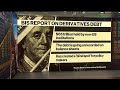
Decoding the $65 Trillion Missing Market Risk: BIS Report Analysis
Are you concerned about the 'missing' $65 trillion in the FX swaps market? This summary breaks down the BIS report's claims, explaining why experts see it as misleading. We explore the hidden risks of the LIBOR transition and decades of quantitative easing, revealing what truly matters for market stability.
Global Economic Forces: Debt, Technology, and Geopolitical Risks Explained
Explore the five forces shaping the global economy, including debt dynamics, political conflicts, technological advances like AI, and geopolitical tensions such as those involving the Strait of Hormuz and China. Gain insights into debt sustainability, market bubbles, and how these factors influence financial markets and policy decisions.

Understanding the Looming Recession: Why Only the Paranoid Survive in Today's Market
Explore the signs pointing towards an impending recession and the crucial economic indicators to watch.
Understanding the Global Economy: Insights from Leading Economists
Explore the current state and future of the global economy through expert insights on China, America, Europe, and Africa.

Understanding the Collapse of Silvergate and Silicon Valley Banks: Implications for Crypto and the Economy
In this episode, we explore the recent collapses of Silvergate Bank and Silicon Valley Bank, discussing their implications for the crypto market and the broader economy. We compare these events to the 2008 financial crisis and highlight the importance of liquidity management in banking.
Most viewed summaries

A Comprehensive Guide to Using Stable Diffusion Forge UI
Explore the Stable Diffusion Forge UI, customizable settings, models, and more to enhance your image generation experience.

Kolonyalismo at Imperyalismo: Ang Kasaysayan ng Pagsakop sa Pilipinas
Tuklasin ang kasaysayan ng kolonyalismo at imperyalismo sa Pilipinas sa pamamagitan ni Ferdinand Magellan.

Mastering Inpainting with Stable Diffusion: Fix Mistakes and Enhance Your Images
Learn to fix mistakes and enhance images with Stable Diffusion's inpainting features effectively.

Pamamaraan at Patakarang Kolonyal ng mga Espanyol sa Pilipinas
Tuklasin ang mga pamamaraan at patakaran ng mga Espanyol sa Pilipinas, at ang epekto nito sa mga Pilipino.

How to Install and Configure Forge: A New Stable Diffusion Web UI
Learn to install and configure the new Forge web UI for Stable Diffusion, with tips on models and settings.
Found this summary useful?
Take it with you. One click puts it in your own LunaNotes library.
Save to LunaNotes