What is Autism Spectrum Disorder (ASD)?
Autism Spectrum Disorder (ASD) describes a range of neurodivergent traits affecting how individuals perceive and interact with the world. It is not a disease but a variation in brain architecture, affecting approximately 1 to 2 out of every 100 teenagers, with boys diagnosed four times more often.
Spectrum Range
- Mild end (formerly Asperger's): Highly intelligent with intense focus on specific interests.
- Middle: Average intelligence with some learning difficulties.
- Severe end: Significant learning disabilities requiring higher support.
Key Characteristics of Autism
- Refined senses: Heightened sensitivity to stimuli like touch, sound, and texture.
- Desire for logic and patterns: Strong need to impose order for understanding the environment.
- Repetitive behaviors: Engaging in specific routines and patterns to manage complexity.
- Social differences: Avoidance of eye contact, difficulty interpreting emotions, and preference for asocial interactions.
Timo’s Story: A Window into Neurodivergence
Timo, diagnosed with mild ASD, illustrates common autistic experiences:
Sensory Experience
- His brain amplifies sensory inputs, making noisy environments overwhelming.
- Sensitivity to textures influences eating habits and tactile experiences like walking barefoot.
Cognitive Processing
- Unlike neurotypical peers who generalize, Timo categorizes each object uniquely, leading to detailed but complex perceptions.
- He thrives on routines and becomes distressed when expected patterns break.
Social Interaction
- Finds social situations overwhelming due to emotional complexity and sensory overload.
- Trained over four years in therapy to recognize facial expressions but remains naturally disinterested in socializing beyond close friends.
Therapy vs. Acceptance
Since autism reflects a different way of experiencing the world rather than a disease, therapy aims to support rather than 'cure'. The central discussion revolves around:
- Should therapy be used to help autistic children adapt?
- Should society focus more on accepting neurodiversity?
For insights on broader neurodiversity and support, see Az Autizmus és Neurodiverzitás Mélyreható Bemutatása és Támogatása.
Conclusion
Understanding autism requires appreciating neurological diversity and balancing support with acceptance. Embracing neurodivergent minds like Timo’s enriches our collective perspective and challenges stereotypical views.
For more perspectives on autism, including a 3D experience of an autistic girl's surprise birthday, visit sproutsschools.com or check the video description for additional resources.
[music] When we examine a hundred random teenagers, we would find that while they
all look different, their minds work in very similar ways. One or two, however, have minds that are atypical in a
particular way. They could be diagnosed with autism. This happens to boys four times as much, perhaps because
diagnosing them is easier. Children [music] and adults who are considered autistic experience the world
differently because they were born with various degrees of neuroatypical traits. Most autistic children have more refined
senses and share [music] a deep desire to bring logic into their surroundings. Some seek repetitive behaviors that
follow specific patterns. And many appear to be asocial and avoid eye contact. Autism is not a disease and
therefore cannot be cured. Since all our brains are different and there is an endless range of nuances in
their architecture, autism is defined as a spectrum. On one side of the spectrum is high functioning autism, also known
as asperious syndrome. These children are highly intelligent and have extreme abilities and interest in specific
areas. In the middle are those with average intelligence and some problems learning new things in school. On the
far end of the spectrum [music] are children with severe learning disabilities who may require support in
their daily lives. Teemo, a young boy, can help us understand how living with a
neurodeivergent mind can be. His mom noticed early on that her boy would avoid eye contact and that he would
often become upset if she hugged him. He never returned smiles and engaging him in play with friends often ended in a
tantrum. His mother suspected something to be wrong when Teemo still wasn't speaking
more than two or three words at a time. Even after turning 4 years old, she sought help and [music] Teemo was
diagnosed with autism spectrum disorder, or ASD for short. [music] Teemo has an atypical perception. When
reading books or watching movies, Teemo's brain picks up and organizes the information differently, while his
neurotypical peers categorize things and form schemas. For example, they identify everything with four legs that barks as
a dog. For Teemo, [music] each type of dog is unique and categorized in Teemo's mind individually.
His attention to detail and inability to generalize makes Teemo more objective in his perception of the world and less
prone to a framing bias. However, it also makes all sorts of new experiences incredibly complex, which is why he
loves to follow a rigid daily routine to limit his sensory input. Teemo is highly sensitive. His brain
amplifies whatever input it perceives. He hears everything and has a heightened sense of touch. However, this superpower
makes situations where many people speak simultaneously very challenging. Teemo hears everyone but understands nothing.
The sensitivity to touch makes eating an intense experience. If a texture or flavor is too much to handle, Teemo
won't eat it. Also, walking barefoot on wet grass or playing in dirt overwhelms his brain.
He has a fascination with logic. Teemo naturally looks for patterns that bring logic into this world. Sometimes he also
tries to bring order into his own behavior and ways of moving his body. When structured [music] patterns are
broken, he gets upset. It freaks him out when someone counts to eight but doesn't continue to 10. Doctors call it an
obsessive compulsive disorder or OCD. Teemo experiences social disconnection. He has trouble connecting with others
because social settings overwhelm his sensitivity and desire for order. Because human emotions are incredibly
complex and don't follow a set predictable pattern. Teemo often finds himself misreading situations and
upsetting people around him. As a consequence, he avoids people and rarely makes eye contact, which doesn't matter
that much to him since most of the things other people talk about are illogical, irrelevant, and boring.
Anyway, for 4 years, his mother had him treated by a therapist who would show him images
of faces to help him learn to identify feelings. This meant he got better at identifying facial expressions and
corresponding emotions. However, personally, he is still not very interested in reading faces or
establishing new social contacts. He has two friends who share the same interests [music] and couldn't wish for more.
Since Teemo's autism is not an illness we can treat, but rather a different way of him experiencing the world, the
question remains whether we should try to change him through therapy or [music] accept him for who he is.
So, what do you think? Should we treat children with autism with therapy or celebrate them for who they are? Or
perhaps do both? Maybe it's not their atypical minds, but our stereotypical way of looking at them that needs
correction. To get [music] a three-dimensional glimpse of how an autistic girl
experiences her own surprise birthday party or to download this video without background music, check the descriptions
below or visit sproutschools.com. [music] To help us stay independent and support
our work, you can join our patrons and contribute. Just visit patreon.com/sprouts.
Even $1 can make a difference.
Autism Spectrum Disorder (ASD) is a range of neurodivergent traits that influence how individuals perceive and interact with the world. It is not a disease but a variation in brain architecture, resulting in differences in sensory processing, social interaction, and cognitive patterns. ASD affects approximately 1 to 2 out of every 100 teenagers, with varying degrees from mild to severe support needs.
People with autism often experience heightened sensory sensitivities, meaning their senses such as touch, sound, and texture are amplified. For example, noisy environments can feel overwhelming, and certain textures may influence preferences like food choices or clothing. These sensitivities require accommodations to create comfortable environments.
Individuals with autism may have difficulty interpreting emotions, tend to avoid eye contact, and may prefer limited social interactions or close friends over large groups. These social differences stem from challenges in processing complex emotional cues and sensory overload during social situations.
Therapy for autistic individuals focuses on support rather than cure, aiming to help them adapt to various social and sensory challenges. For instance, therapy might include training to recognize facial expressions or develop coping strategies for different environments. The goal is to enhance quality of life while respecting neurodiversity.
Embracing neurodiversity means recognizing and valuing neurological differences like autism as natural variations instead of disorders to be fixed. It calls for societal acceptance, accommodations, and appreciation of diverse perspectives, moving beyond stereotypes to foster inclusive environments where neurodivergent individuals can thrive.
The autism spectrum ranges from mild to severe. On the mild end (previously called Asperger's), individuals often have high intelligence with intense focus on specific interests. The middle range may involve average intelligence with some learning difficulties, while the severe end includes significant learning disabilities requiring additional support. Each person’s abilities and needs vary widely.
Real-life stories like Timo's provide insight into the sensory, cognitive, and social experiences of individuals with autism, illustrating the diversity within the spectrum. Understanding these personal narratives helps debunk myths, encourages empathy, and highlights the importance of balancing support with acceptance for neurodivergent minds.
Keep this summary
Save it to LunaNotes and it becomes a real note in your library — editable, searchable, and ready to turn into flashcards or a diagram. Free to start.
Save to LunaNotesOr summarise for another video.
This summary and transcript were automatically generated using AI with the Free YouTube transcript summary tool by LunaNotes.
Related summaries
Understanding ADHD: Lisa's Journey and Strategies for Success
Explore the multifaceted nature of ADHD through Lisa's personal story, highlighting the challenges and strengths of neurodivergence. Learn about symptoms, diagnosis, treatment options, and the importance of adapting lifestyles to harness unique abilities.

The Dark Side of ADHD: Understanding the Struggles and Finding Hope
Explore the challenges and hidden strengths of living with ADHD—discover how to thrive despite the struggles.
Understanding ADHD: Diagnosis, Treatment, and Relationship Insights
Explore expert insights on ADHD's impact on brain function, relationships, and daily life. Learn practical strategies for diagnosis, treatment options including supplements and neurofeedback, and advice for managing ADHD in partnerships and families.
Understanding ADHD: Challenges, Treatments, and Real-Life Experiences
This comprehensive summary explores Attention Deficit Hyperactivity Disorder (ADHD) through real-life stories of children and adults, highlighting symptoms, behavioral challenges, treatment options like Ritalin, and the importance of personalized support strategies. Gain insights into how ADHD affects focus, impulsivity, and social interactions, along with considerations for families and educators.
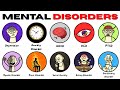
Understanding Major Mental Health Disorders: Symptoms and Realities
This comprehensive summary explores key mental health disorders including depression, anxiety, ADHD, OCD, PTSD, bipolar disorder, panic disorder, social anxiety, eating disorders, borderline personality disorder, schizophrenia, and dissociative identity disorder. It highlights their symptoms, effects on daily life, and the emotional and neurological challenges faced by individuals.
Most viewed summaries

A Comprehensive Guide to Using Stable Diffusion Forge UI
Explore the Stable Diffusion Forge UI, customizable settings, models, and more to enhance your image generation experience.

Kolonyalismo at Imperyalismo: Ang Kasaysayan ng Pagsakop sa Pilipinas
Tuklasin ang kasaysayan ng kolonyalismo at imperyalismo sa Pilipinas sa pamamagitan ni Ferdinand Magellan.

Mastering Inpainting with Stable Diffusion: Fix Mistakes and Enhance Your Images
Learn to fix mistakes and enhance images with Stable Diffusion's inpainting features effectively.

Pamamaraan at Patakarang Kolonyal ng mga Espanyol sa Pilipinas
Tuklasin ang mga pamamaraan at patakaran ng mga Espanyol sa Pilipinas, at ang epekto nito sa mga Pilipino.

How to Install and Configure Forge: A New Stable Diffusion Web UI
Learn to install and configure the new Forge web UI for Stable Diffusion, with tips on models and settings.
Found this summary useful?
Take it with you. One click puts it in your own LunaNotes library.
Save to LunaNotes