
Understanding Employment Changes in Economic Sectors
Employment distribution across economic sectors evolves over time due to various interrelated factors. This overview highlights major causes behind shifts in workforce numbers within the primary, secondary, tertiary, and quaternary sectors, focusing on examples primarily from the UK.
Impact of Raw Materials Depletion and Location Changes
- During the Industrial Revolution, heavy industries clustered around coal and iron ore deposits, for example, South Wales, Birmingham, and Sheffield, requiring large labor forces in mining (primary sector).
- As raw materials deplete or become costly to extract, mining employment declines, causing reductions in manufacturing jobs reliant on those materials.
- Technological advancements allow manufacturing facilities to operate away from raw material sites, relocating industry based on other favorable location factors. This is explained further in How Location Factors Influence Economic Activity Across Industries.
- International pipelines, like the Langeled pipeline from Norway to the UK, enable importing resources, further reducing domestic primary sector employment.
Effects of Globalization and the Global Shift
- Global interconnectedness enables manufacturing to migrate from developed countries (UK, Germany) to emerging economies (China, Brazil, South Korea, Mexico) where labor and raw material costs are lower.
- This global shift alters employment patterns significantly, increasing jobs in some emerging nations while decreasing them in traditional industrial centers.
- Countries specialize in economic activities aligning with their comparative advantages, e.g., Jamaica focusing on tourism, South Korea on car manufacturing.
Technological Advancements Reshaping Sectors
- Improvements in transport (airplanes, container ships) drastically reduce travel and shipping times, facilitating international trade and relocating economic activity.
- Telecommunications technology (internet, satellites, mobile networks) enables rapid data exchange, supporting outsourcing and remote work, altering employment geographically.
- Mechanization in agriculture, such as tractors and combine harvesters, reduces manual labor needs, shifting workers toward industrial or service sectors.
- Containerization streamlines shipping but reduces labor demand for manual goods handling.
- New technologies also create jobs, particularly in IT and service industries, exemplified by broadband providers, software engineers, and online retail services.
Demographic Changes Influencing Employment Demand
- An aging population increases demand for elderly care services and specialist industries, illustrated by care homes and targeted travel companies like Saga Holidays.
- Greater female workforce participation and dual-income families increase need for childcare services, such as nurseries and nannies, reshaping service sector employment.
Government Role in Job Creation and Sector Growth
- Governments influence employment through policies and targeted investments in sectors deemed vital for economic development.
- The UK government’s investment in carbon capture technology and agricultural tech (agritech) within the quaternary sector aims to boost employment through research and development.
Conclusion
Shifts in employment across economic sectors are driven by a complex combination of natural resource availability, globalization, technology, demographic trends, and public policy decisions. Understanding these factors provides insight into regional and global economic transformations and workforce evolution. For a detailed theoretical framework on employment sector changes, see Understanding the Clark-Fisher Model: Employment Sector Changes Explained.
in today's video i'm going to be looking at the reasons for changes in the number of people employed in different economic
sectors this is for the igcse geography specification and i've highlighted in the economic
active and energy section where that is relevant so
one of the most important things to understand is that the number of people employed in an economic sector can
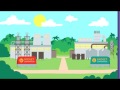
change over time here i've shown a reduction in the amount of people working in a primary industry this can
be due to location factors that change which we looked at in the last video but also can be due to a whole whole host of
other factors which i'm going to discuss in this video first thing we'll look at is a change in
raw materials so in the uk in the industrial revolution we saw heavy industry
grow up around the big coal fields and iron ore deposits that
were found naturally in the uk so places like south wales birmingham manchester liverpool sheffield newcastle upon tyne
and the northeast all were very close to those um deposits and therefore became big manufacturing centres
what was needed was a lot of labor in the primary sector in things like mining to extract the resources which were then
sent into the manufacturing sector to be processed into goods what happens over time though is those
raw materials get depleted and when they run out will become very expensive to extract then less people are needed in
those sectors so we see a decline in the amount of people that are working in mining and as a knock-on effect we see
less people working in manufacturing because there are less available raw materials at a cheap price
so this is where an example where raw materials can change and therefore that changes the amount of people working in
a sector like the primary sector we also see changes in terms of location of manufacturing due to technological
changes so here we've got a massive gas pipeline being installed in the uk and we've also
seen the kind of advance and kind of electricity grids which means that i don't have to be right next to the
resources to be able to set up a industry anymore i can be anywhere in the uk
and that means i have lots more freedom and to put my industry wherever wherever the location factors are more suitable
which therefore changes the amount of people that are employed in those sectors in different parts of
the country so we see a kind of regional changes potentially happening over time another also factor is the fact is we
can also now ship resources from other countries so even less people are needed in primary in places like the uk because
we can just get the resources from the board the langled pipeline is a pipeline from
norway to uk that transports gas which means we just get it from norway without having to extract it ourself
i'm now going to look at globalization so globalization is something that's happened since that industrial
revolution period where the economies of the world are becoming increasingly interconnected
this means that there are maybe some other places in the world where it's cheaper to manufacture
the goods that we would traditionally have made here could have labor costs to cheaper lots of raw materials
transport improvements places like brazil south korea china mexico all examples of those places therefore all
the goods that we used to make in places like germany and western europe and the uk
those those manufacturing jobs have moved from developed countries to emerging countries we call this the
global shift in manufacturing so this is an example where a process like globalization has shifted the number of
people employed in a sector in developing developed countries but also it's changed the numbers of people
working in emerging countries where there's been a big growth globalization also allows countries to
focus on their economic strength so they can specialize so here on the left jamaica focuses very much on tourism
because it's got beautiful beaches and a wonderful climate south korea one of the things it focuses on
is on car manufacturing because it's got lots of good raw materials and a very good semi-skilled workforce so
therefore globalization is one of those things that has therefore impacted the number of people employed in each sector
in those kind of places now i'm going to talk about new technology one of the most significant
things that's changed in the last 100 years is that there's been rapid advances in transport technology and
therefore this alters where economic activity is located so if i was going to uk to
australia in the 1800s it would have taken me months by some sort of sail or steamboat
now because technology's improved and we have airplanes i can travel to australia in less than 24 hours
so this technology has meant that the world is much better connected and seems much closer it's what we call a global
village even though the distances haven't actually changed it seems much closer
on the back of this it's not just being transport technology but telecommunications has improved we have
satellites mobiles the internet that means i can send data and information rapidly to the other side of the world
in in seconds this is really important because it basically means that those kind of
technology improvements mean that i can relocate certain economic activity to other bits of the globe maybe where the
location factor is more favorable and this therefore impacts employment levels in sectors in those places so you
might have places where employment levels go up and where in one sector in another part of the world that means
they go down technology also can affect specific sectors
so agriculture can be very affected by new technology here's an example of mechanization this
is where things like tractors and combine harvesters replace that kind of manual work as we saw in that last
picture and all of those manual workers are therefore released from agriculture and can move into other sectors
and for example the secondary sector or the tertiary sector this doesn't just happen in agriculture
we also have containerization this is the idea that we are now shipping goods in these big containers we put them on
trucks or trains transport them around in a country and then we use a crane to put them onto a big container ship so we
can export them internationally this will obviously is a technological advancement
all these containers are the same shape so it can be easily transported and that means that will
impact employment in things like shipping this is traditionally how it had been done
so now i've got these big container ships and i've got big cranes to move them across i don't need as many dog
workers these are what we call stevedores who would have to have shifted the
products by either hand or by car and so therefore i'm seeing a reduction in in this sector
and shipping and moving the actual goods onto it onto a ship uh because of technological advancements
technological advancements can also lead to new opportunities for employment so i talked about the growth of computers
and the internet and as they've come in in the last 30 40 years they have a whole new range
of services which provide jobs um and i've given some examples here broadbrand providers its technicians
software engineers online services for shopping especially these are all things that have come off the back of
new technology being put in place so they've created new jobs and therefore more people move into that sector all of
these being service based jobs the last kind of two areas to discuss is demographic change so we see that the
structure of the population the age of population can change and this can create new
opportunities in terms of employment so in the uk we have an aging population but also we all have more women working
in economic activity than we did 50 years ago one example of how this has changed
because we've got an aging population we need more services to support the elderly so an example would be care
homes and there's a whole range of care homes up and down the country that support the elderly but also
you get specialist services so here's an example of saga holidays they are a booking company for elderly people to go
on holidays specifically for them and therefore that is a service that has only come about because there's been
more and more older people who want to go on holiday we also would say the fact that more uk
families than ever both parents work and because of that they need to have more child care services nannies nurseries
crashes so that has only come about as a social change as more women have been joining the
workforce and more both parents are working um in full-time employment
the last thing is to talk about government so governments also have a key role in and how many people are
employed in each sector they can implement policies but more importantly they can invest money into areas which
they think are important for growth and when they invest into a certain sector that can provide new jobs a good example
in the uk is the fact that they're investing in carbon capture technology this is in the quaternary sector it
needs a lot of research and development to actually work they're doing this to try and reduce carbon emissions
also another sector which is a lot of research and development is agritech so technology for agriculture so because
the government is investing a lot of money in this in the quaternary sector we're going to
see increased employment but that's only because the government has made a specific goal to do that in the uk
Employment shifts from the primary sector often result from raw material depletion and increased extraction costs, which reduce jobs in mining and farming. Additionally, technological advancements and international resource pipelines enable industries to source materials externally, decreasing domestic primary sector employment while boosting secondary or tertiary sectors.
Globalization facilitates the relocation of manufacturing and production from developed countries to emerging economies where labor and raw materials are cheaper. This global shift leads to job growth in countries like China and South Korea, while traditional industrial centers like the UK and Germany experience job declines, as nations specialize according to their comparative advantages.
Technological improvements in transportation and telecommunications reduce trade and communication barriers, enabling outsourcing and remote work that alter geographic employment patterns. Mechanization decreases manual labor needs in agriculture and shipping, prompting workforce shifts toward industrial and service sectors. Simultaneously, new technologies create jobs in IT and service industries, such as software development and online retail.
An aging population increases demand for healthcare and elderly care services, creating jobs in those industries, like care homes and specialized travel companies. Additionally, rising female workforce participation and more dual-income families heighten demand for childcare services, thus expanding employment opportunities in nurseries, daycare, and related services within the tertiary sector.
Governments influence employment by investing strategically in emerging or vital sectors to stimulate economic growth and job creation. For example, the UK government promotes employment in the quaternary sector through funding research and development in carbon capture and agricultural technologies, fostering new jobs in innovation-driven industries.
Industries relocate away from raw material sites due to advances that reduce dependence on local resources, such as improved transport and availability of imported materials via pipelines. This relocation can reduce local primary sector jobs but may maintain or increase employment in manufacturing hubs located near other favorable resources or markets, changing regional employment landscapes.
By analyzing factors like resource availability, globalization, technology, demographics, and policy, stakeholders can anticipate which sectors will grow or decline. This insight aids in workforce planning, education, and economic strategy development, ensuring that workers acquire relevant skills aligned with evolving industry demands and regional economic transformations.
Keep this summary
Save it to LunaNotes and it becomes a real note in your library — editable, searchable, and ready to turn into flashcards or a diagram. Free to start.
Save to LunaNotesOr summarise for another video.
This summary and transcript were automatically generated using AI with the Free YouTube Transcript Summary Tool by LunaNotes.
Related summaries

Understanding the Clark-Fisher Model: Employment Sector Changes Explained
Explore how employment shifts across primary, secondary, tertiary, and quaternary sectors as countries develop, based on the Clark-Fisher model. This summary details sector trends from pre-industrial to post-industrial stages, highlighting mechanization, industrialization, and service growth with real-world examples.

How Location Factors Influence Economic Activity Across Industries
This video explores how different location factors determine where economic activities such as farming, heavy industry, retail, and research and development are situated. It also examines how these factors evolve over time, particularly the shift towards the rural-urban fringe and the process of decentralization.

Evolution of UK Economic Policy: From Keynesianism to Monetarism
Explore the key shifts in British economic policy during the 20th century, focusing on the post-war Keynesian consensus and the later rise of monetarism under Margaret Thatcher. Understand how these theories shaped government roles, unemployment, and economic stability in the UK.

Key Factors Influencing Consumption and Aggregate Demand Explained
Discover the main reasons why household consumption changes independently of price levels and how this impacts aggregate demand. Learn about the roles of disposable income, interest rates, consumer confidence, asset prices, and household debt in shaping spending behavior and economic activity.
Understanding Scarcity and Opportunity Cost in Economics
Explore scarcity, opportunity cost, and economic growth using the production possibilities frontier (PPF) concepts.
Most viewed summaries

A Comprehensive Guide to Using Stable Diffusion Forge UI
Explore the Stable Diffusion Forge UI, customizable settings, models, and more to enhance your image generation experience.

Kolonyalismo at Imperyalismo: Ang Kasaysayan ng Pagsakop sa Pilipinas
Tuklasin ang kasaysayan ng kolonyalismo at imperyalismo sa Pilipinas sa pamamagitan ni Ferdinand Magellan.

Mastering Inpainting with Stable Diffusion: Fix Mistakes and Enhance Your Images
Learn to fix mistakes and enhance images with Stable Diffusion's inpainting features effectively.

Pamamaraan at Patakarang Kolonyal ng mga Espanyol sa Pilipinas
Tuklasin ang mga pamamaraan at patakaran ng mga Espanyol sa Pilipinas, at ang epekto nito sa mga Pilipino.

How to Install and Configure Forge: A New Stable Diffusion Web UI
Learn to install and configure the new Forge web UI for Stable Diffusion, with tips on models and settings.
Found this summary useful?
Take it with you. One click puts it in your own LunaNotes library.
Save to LunaNotes