Fact Check: Training to Maximize Heart Rate Variability Claims
Mixed Credibility
9 verified, 3 misleading, 0 false, 2 unverifiable out of 14 claims analyzed
This video offers a personalized training framework aiming to substantially increase heart rate variability (HRV) through a mix of traditional and unconventional exercise strategies, recovery practices, and biohacking tools. Claims about HRV basics, sleep, diet timing, and breath work largely align with scientific consensus. However, key assertions, such as the superiority of prolonged high-zone training (zone 3 to 5) over proven polarized training models and extraordinary HRV gains, are based primarily on anecdotal evidence and contradict established exercise physiology. While innovative recovery techniques like vagus nerve stimulation and cold exposure have some preliminary support, many consumer devices lack strong clinical validation. Overall, the video blends reliable information with personal experience and experimental practices, resulting in a moderate credibility level. Viewers should critically evaluate novel claims and consult scientific literature or professionals before adopting extreme protocols.
Claims analysis
The 220 minus age formula for maximum heart rate is inaccurate; a one-mile time trial with sustained effort is a better test because heart rate peaks after 4-5 minutes.
Research shows that the classic 220-age formula is a rough estimate with significant individual variation. Heart rate often peaks after sustained moderate to high-intensity effort rather than instant maximal sprint, supporting using a one-mile time trial as a more accurate method.
Spending 80% of aerobic training in lower zones (zone 1 and 2) and the rest in zone 5 (high intensity) is the scientifically recommended approach to boost HRV.
The polarized 80/20 training model is widely accepted and promoted in endurance training literature and by experts like Andrew Huberman. It supports cardiovascular benefits and HRV improvements predominantly through moderate aerobic work with selected high-intensity sessions.
Performing long endurance sessions in zone 3 to 5 for 1.5 to 3 hours, including zone 3 'no man’s land', can break HRV plateaus despite short-term drops in recovery and sleep quality.
Prolonged training in zone 3 (moderate to high intensity) can lead to overtraining and increased stress signals, which generally reduces HRV. The claim that this approach breaks plateaus in HRV contradicts much exercise physiology literature that warns zone 3 is less efficient and more fatiguing. Personal anecdotes are insufficient to generalize this as an effective method.
Training using this method increased personal HRV from ~50 milliseconds to 197 milliseconds in less than 1.5 years, which is a very large increase.
Individual HRV values vary widely based on measurement method and device. An increase to 197 ms is unusually high and uncommon in general populations. Such specific personal data cannot be externally verified without access to raw data and measurement details.
One to two easy runs in zone 1 to 2, one long endurance session at zone 3 to 5, HIIT once per week, with recovery days, leads to better HRV gains and fewer plateaus than traditional 80/20 training.
There is no peer-reviewed evidence supporting this precise training distribution as superior for HRV improvements over established polarized training. The approach is based on anecdotal experience and small informal tests, lacking controlled studies.
Eating a whole food diet and finishing meals early in the day improves insulin sensitivity and positively impacts HRV.
Scientific studies support that insulin sensitivity follows circadian rhythms, generally higher earlier in the day, and that diet quality affects HRV favorably. Time-restricted feeding and whole food consumption are consistent with improving metabolic health and potentially HRV.
Sleeping at the same time each night, with at least 6.5 hours sleep, is essential for recovery and HRV improvement.
Regular sleep timing and adequate duration support circadian rhythm alignment and autonomic nervous system balance, improving HRV and recovery outcomes.
Sleeping in a cold environment (~13°C) significantly increases HRV compared to warmer ambient temperatures.
While cooler sleeping environments can improve sleep quality in some cases, the specific claim about 13°C causing significant HRV increases is based on anecdotal experience. Scientific literature generally recommends 15-19°C for sleep, and HRV responses to temperature are variable; strong generalized claims lack clinical trial support.
Wim Hof breathing lowers inflammation and improves cold tolerance and hypoxia response.
Research including controlled trials has demonstrated Wim Hof breathing can reduce inflammatory markers and enhance tolerance to cold and hypoxic conditions through autonomic and immune modulation.
Consumer vagus nerve stimulators have limited scientific validation, with some products showing no effect and others modest calming effects.
Though vagus nerve stimulation has scientific support in clinical contexts, many consumer devices lack rigorous evidence. Some studies show small benefits from transcutaneous stimulation but quality varies and product-specific validation is rare.
Yoga and posture practices improve HRV by increasing parasympathetic activity, as supported by studies showing increased HRV after yoga breath and posture programs.
Multiple studies support that yoga and breathing exercises enhance parasympathetic tone, leading to improved HRV metrics over weeks-months of practice.
Sauna and cold exposure do not significantly raise baseline HRV but provide short-term recovery benefits and energy improvements.
While acute sauna and cold exposure affect heart rate and autonomic function transiently, there's limited evidence they cause lasting baseline HRV increases. Subjective recovery and energy benefits are common but individual.
Transcranial direct current stimulation (tDCS) can increase neuroplasticity and possibly parasympathetic activity, potentially benefiting HRV and cognition.
tDCS shows promise in enhancing neuroplasticity and cognitive tasks in some studies, but effects on parasympathetic activity and HRV remain preliminary and inconsistent, with no definitive clinical guidelines yet.
Hyperbaric oxygen therapy (HBOT) can reduce inflammation and improve various health parameters, but expensive setups may limit accessibility.
HBOT is evidence-based for wound healing and some neurological conditions, reducing inflammation markers. High-cost systems are typical; lower-cost units' efficacy remains under investigation.
In this video, I'm going to explain how to train to purely increase your heart rate variability. And I'm going to lay
out a step-by-step training plan that got my heart rate variability to go from the 50s to 197 in less than 1.5 years.
Some of the methods we'll get into are contrarian to the current science. So, this will be a very interesting video.
Now, this video isn't about how to increase your health span. It isn't about how to increase your lifespan.
It's purely to increase your heart rate variability so you become more resilient to stress and have more energy during
the day. Step one is to first identify your maximum heart rate. Most people just use the 220 minus your age formula,
but the truth is that's not very accurate. For example, if you're 30 years old, the formula will say your
maximum heart rate is 190 beats per minute. But in reality, you might hit above 200 or maybe just 180. That
difference might look small on paper, but it completely shifts your training zones. This part is very important
because when we program this training block, we'll have to look into how many minutes we spend per each zone. The
accuracy of how long we spend per each zone really impacts our HRV. And that's why this part of getting accurate
maximum heart rate is crucial. So, the best way to test your maximum heart rate is with a onemile time trial. Here's how
you're going to do it. You're going to start by sprinting the first 400 meters as hard as you can. Then you're going to
start and hang on and push the rest of the mile as fast as you can. And the reason we use this test instead of a
short sprint is because heart rate doesn't actually peak right away. Research and real world testing both
show that your heart rate tends to climb steadily and usually peaks around the 4 to 5 minute mark. So if you're using
Whoop is simple. You just plug in your maximum heart rate and it will automatically calculate all your
training zones for you. But if you're on a tracker that doesn't do that, don't worry. You can still calibrate your
zones manually using the following formula. And only when your zones are accurately said, the next step is
designing your program for maximizing HRV. However, what the latest research says is optimal looks very different
from the training that actually took my HRV to 200. The most optimal cardio routine for boosting HRV, at least
according to the science we have right now, is spending about 80% of your aerobic training in lower zones like
zone 1 and two and do hit training in zone 5 to build the peak. This is the model you'll often hear guys like Andrew
Huberman or Peter Aia talk about. Is >> saying I'm going to spend about 80% of my aerobic training time in zone 2.
>> But here's where my experience doesn't quite line up. When I trained strictly in zone 2 and occasional zone 5, my
heart rate variability improved when I was starting out, but eventually I hit a plateau. I was at a plateau for more
than 2 months before breaking out. And the only way I was able to break out of that plateau was to go against the
grain. And instead of avoiding the so-called no man's land of zone 3 training, I leaned into it with a long
endurance day of 1.5 to 3 hours spent in zone 3 to zone 5. Now, according to most of the literature, this isn't supposed
to be optimal, and in the short term, it looks like the science is right. The very next day, my recovery score tanks,
my HRV crashes, my sleep is wrecked, and stress is skyhigh. But after two full days of recovery, my HRV rebounds and
hits new peaks. And that's how I was able to break through and reach 197. [music] And it's not just me. I've had
subscribers and friends test the same approach and they've consistently found the exact same pattern. When I was
following what the latest science was telling me to do, which is the 8020 rule, [music] I was working out five to
six times per week. But with a new approach, I've only been running three to four times a week, and I was still
able to see HRV gains without any plateaus. [music] So, here's the simple setup. You'll try and schedule one to
two easy runs in zone 1 to two and one long endurance session in zone 3 to 5 lasting 1.5 to 3 hours. Now, how you
schedule these sessions matters just as much as what you do. So, here's how you can structure your workout. On day one,
we'll start by doing a long endurance session. Here, you'll be in zone 3 to 5 for 1.5 to 3 hours. Day two is your easy
run. You'll go for zone 1 to two for 50 minutes. Even if your body feels wrecked, going easy here actually helps
the heart adapt by increasing stroke volume. Just make sure you don't drift past zone two. If you have to walk,
walk. The key is staying in that zone. Day three and four will focus on recovery. This is when the HRV rebound
happens, and it's often where you'll see the new PRs. You can still do some strength training, maybe some breath
work on these days since it doesn't have a huge impact on overall strength. Now, on day five is when we're going to do
our highintensity interval training. You can do something like a Norwegian 4x4 or a 800 meter repeat. Our goal here is to
stay in zone 4 to 5 for about 3 to 4 minutes. Take 4 minutes to recover and repeat the process. Day six is another
zone 1 to two run for 50 to 60 minutes. Try and program it to run a little longer than the easy run you did in day
two. Now, on day seven, we'll have a recovery day. You can also do some weights or do some breath work. Now, it
is true that we've adopted zone 2 and hit training for both of our workouts, but contrary to the classic AD20 model,
we're not treating them as the main focus. Instead, we use them as supplementary tools that support the
long endurance session, which is where most of the real gain is going to happen. Zone 2 training will give you
the capacity to handle longer runs without constantly breaking down your joints or running into nagging pain. Hit
training builds the speed you need to sustain [music] pace when the effort really gets tough during your endurance
run. So, why do you hit a plateau when you follow the 80/20 rule? The problem with HIT training is that the workout is
so intense that if you do the workout properly, you can probably only last for 20 minutes for a workout, which means
you just don't spend enough time in zone 4 to 5. And as for zone 2, while it's safe and consistent, it doesn't push the
hard enough on its own where at a certain point you eventually hit a plateau. That's why the 2 to three hour
endurance session at zone 3 to 5 becomes the bottleneck for improving your heart rate variability. By spending abnormal
amounts of stress at once in the higher zones, this forces your body to recover from an abnormally large amount of
stress. And that's really what HRV is about, measuring how resilient you are to stress. And from my experience and my
subscribers experience, this has been the most effective way to push HRV higher. Now, here's the warning. You
don't want to do these abnormally hard workouts every single day. Once a week is enough. The rest of the week should
be focused on recovery so you can actually see the rebound and HRV instead of digging yourself into a deeper hole.
That's why a lot of marathon trainers end up with lower heart rate variability despite having a low resting heart rate
signaling of efficient heart. It's [music] because they push through the stress and keep training without
properly recovering. Maximizing HRV is always a balance between filling the cup with water, which is your recovery, and
actually increasing the size of that cup, which is your maximum [music] potential for your HRV. Exercise is
what's going to grow that cup bigger, but recovery is what's going to fill the cup in. Now, that said, I want to be
very clear. Everyone's starting point is going to be different, and this is where the nuance comes in. If you're a
beginner, following the 8020 rule might not be the worst idea. It makes sense to start with more zone one to two runs,
maybe three to four times per week, and keep the endurance session short. A good starting point for endurance run is
about 1.5 times your easy run in zone 3 to 5. As your fitness improves, you can begin to pull back some of the zone 2
volume, and you can push it to two times longer than your easy run sessions. And once you're more advanced, you can go up
to three times more than your easy runs. The key point is to increase that endurance session gradually because if
you ramp up that long run too quickly, you're more likely to get injured. Now, if you want me to walk you through
exactly how to apply this to your own training safely and effectively, I'm opening 10 spots [music] for you guys.
My promise is simple. I'll double your HRV in 3 months or we work for free until you actually do. While I want to
work with all of you guys, I'll only be able to work with 10 of you because I'll be your personal coach guiding you step
by step through the exact protocols I use to go from 50 millisecond in HRV [music] to 197. We'll have weekly
one-on-one calls to troubleshoot any issues, and you'll even get my personal cell phone number for unlimited text in
between. Anyways, through this method of constantly increasing my endurance session and lowering zone 2 volume, the
limitation I ran into this approach wasn't the plateau in heart rate variability. I never really found a
ceiling for that. The limitation was actually enduring [music] the physical pain and the mental grind of essentially
running a marathon every week. These days, I'm not chasing max HRV anymore. Instead, I cap my long runs at around 15
to 20 [music] mi and just focus on maintaining an average about 150 milliseconds of HRV. Okay, so once
you've designed your program, how do you actually know it's optimal? The answer is simple. If you can predict your heart
rate variability the next day, you're on the right track. For example, one night I was so confident I was going to hit a
new PR on my HRV that I actually posted it on my story saying I would. And the next morning I woke up with 176 HRV.
exactly like I predicted and you'll know how to do that very very soon. The day after our endurance training, we
actually want stress to stay high throughout the day. When we sleep, we want that stress curve to look choppy as
well. And ideally, HRV will be really low the next morning. Like if your baseline HRV is 120 millisecond and you
get 75 milliseconds the next day, that is really, really good. This is the most important sign that you've trained
correctly. [music] On day two, after the easy run, we want to see stress trending down. Throughout the day, when you
sleep, it shouldn't be perfect, yet stress curve should still be a little choppy. If the curve is too flat, you
can increase your endurance session or your easy runs a week after. On day three and four, we want to see a
completely flat stress curve. This is the rebound phase where HRV peaks. Stress should rise in the morning from
things like breath work and sunlight, then settle into that flat recovery pattern for the rest of the day. On day
five, you'll most likely hit a green recovery. And same with the day after the hit training. The thing with HIT
training is it doesn't cause you to exert that much strain because the workout in and of itself is very short.
So, you'll probably end up with a green recovery. On day six, it's back to an easy run. If your recovery score is
high, you might want to stretch your run out longer. If it's slow, cut it shorter. If you're around 70% recovery
score, stick with the plan. And day seven is going to be our recovery day. So, we want our stress to stay low
throughout the day so we'll be able to push the day after to do our endurance training. Now, in order to increase our
heart rate variability, we need to follow these four rules on recovery. And if we don't follow these four rules, no
matter how hard you train, I'm sorry to tell you, my friend, but you're not going to see any results. So, rule one
is always eat a whole food diet and finish your meals early during the day. Studies show insulin sensitivity is
higher earlier in the day and declines at night because of our circadian clock, meaning you're going to have a harder
time absorbing nutrients in the evening compared to the morning. And food has a huge impact [music] on HRV. Rule two is
you need to sleep at the same time every single night [music] and get at least 6.5 hours of sleep. The training plan,
especially our endurance training, requires a lot of stress in our body. So, we don't want to miss our window for
deep sleep. And sleep is a huge factor on recovering our body faster. [music] Rule three is sleeping in a cold
environment. This is a recent discovery I made, but my HRV significantly goes [music] down if you sleep in high
temperatures. This is why I set my mattress to 13° every single [music] night. And let me tell you, this
temperature is not comfortable to sleep in. I shiver myself into bed and shiver my way out. Yet, my data says it's good
for me. So that's [music] why I stick with this setting. Rule four is exercise in the morning. There's actually a
physiological reason behind this. Studies have shown high cortisol in the morning gets you to be more alert and
helps you stay energized during the day. But not just that, but it actually increases the amount of melatonin you
produce at night when you're sleeping. As we age, these fluctuations will flatten out. And training in sync with
these rhythms will definitely help your health, but also increase your HRV and recovery process. So, by following these
basic four rules, you'll get 90% of the benefits once it comes to recovery. That said, there are still a handful of micro
optimizations we can layer on top of it. I'll go through five protocols I do occasionally and two protocols I'm
currently testing out at the moment. The first one is breath work. Now, HRV is closely tied to how we breathe. Every
time you inhale, [snorts] your heart rate goes up slightly. And every time you exhale,
it goes down. This back and forth is called respiratory sinus arhythmia and is actually one of the main things HRV
is measuring. That's why how we breathe matters a lot. So, there are three types of breath work I currently use. The
first is Wimhof breathing, which I'll do either in the morning or right after a long run. This style of breath work is
sympathetic. In other word, it revs your system up. Heart rate spikes, adrenaline rises, and you feel alert and energized.
Research shows that Wimhof breathing lowers inflammation and improves your tolerance to cold and hypoxia. Wimhof
breathing is so powerful that Wimhof himself and a couple of his students when injected with E.coli were able to
fight it off with just their breathing technique. So, this is a tool I use quite often. The second is nasal
breathing. I've been testing this nasal strip recently. It uses a small magnetic repelling system that literally opens up
the nasal airway. At night time, I also apply mouse tape which actually helps me eliminate snoring during the sleep and
also reduces my resting heart rate. Nasal breathing filters the air better, keeps nitric oxide levels high and
improve oxygen delivery. The third breath work is yoga nidra at night. This is more parasympathetic, meaning the
goal is to direct your attention towards deep relaxation and allow the nervous system to downshift before bed. In my
experience, this has been a simple but effective way to improve sleep quality and end the day in a much more calmer
state. Now, while breathing is a huge factor in heart rate variability, the reason why I still categorized in the
micro optimization group is because it hasn't significantly improved my heart rate variability. And this video is how
to purely train for heart rate variability. That said, breath work, specifically Wimhof breathing, has
physically lowered my respiratory rate, the number of breaths you take per minute. And I did have a couple
occasions where I experienced psychedelic effects when I took Wimhof breathing to the extreme. Okay, so the
second recovery tool is going to be the vagus nerve stimulator. The Vegas nerve is the main highway of your
parasympathetic nervous system. It connects your brain to your heart to your lung and guts and one of its role
is to help slow the heart rate down and increase heart rate variability. And there's actually human data to support
that. For example, transcutaneous oricurricular vagus nerve stimulation has actually shown to improve heart rate
variability. That said, there are also a lot of shade around these products because there are scammy products out
there that market themselves as Vegas nerve stimulator without much real evidence behind [music] them. One scammy
product I tested was Sensei. It uses vibration on the chest to [music] supposedly stimulate the vagus nerve.
But honestly, this product was no different than putting your phone on vibration mode and putting it on top of
your chest. And Sensei did not do anything whatsoever once it comes to lowering stress. However, with Pulto, I
actually did feel a bit calmer. The effect wasn't huge, but it was actually noticeable compared to my baseline. Now,
the downside was when you use Balsetto, you have to apply a conductive gel before each session. And by the end,
when you're relaxed, you have to wipe it off, which isn't exactly convenient. And on top of that, the device has a fairly
bright light to it, which isn't ideal if you're using it at night since it can interfere with your sleep. And
unfortunately, there are no published peer-reviewed clinical trials validating Pettto. Posetto's website does show
research on transcutaneous Vegas nerve stimulation in general, but not on their own device specifically, and that's
really the issue here. The technology itself is very interesting, but the evidence behind these consumer
stimulators just isn't strong enough quite yet. That said, I do see a lot of potential in this space, which is why
I'm going to keep testing more devices in the future and report my data. Now, a third micro optimization we can do to
improve HRV is yoga and working on posture. I'm going to be honest, this is probably the most uncomfortable micro
optimization for me to talk about because I've struggled with consistency here. But every time I actually do it, I
notice an immediate benefit on my nasal breathing. And there's a lot of science backing this up. Studies on yoga
intervention have shown improvements in HRV. For example, one 6 months yoga breathing and posture program shifted
cardiac automatic balance toward greater parasympathetic activity and led to an increase in heart rate variability.
Anything that lowers heart rate is great for recovery. So that is why I'm putting yoga and posture on the list. I don't
think having perfect posture or extreme range of motion is a key driver for boosting HRV. But on the flip side, if
your posture is poor or your body is stiff, it can definitely bring your HRV down. Okay, so SAO and cold exposure
also made the list, but more as a supportive tool than primary drivers of HRV. With sauna, the heat stress raises
your heart rate to something similar to light cardio. And then when you cool down afterwards, HRV usually rebounds
higher. That's why I'll recommend evening sauna sessions. And as for cold exposure is the total opposite. You get
into a very low heart rate [music] parasympathetic mode while you're doing the cold plunge. But once you get out
and your body stabilizes, you get into a sympathetic state where your heart rate rebounds back up with higher stress. Um,
this is naturally good for more energy. So, I would recommend doing these in the morning. It's a very minor difference. I
wouldn't say either sauna or cold plunge will significantly raise your baseline HRV, but they do make me feel more
recovered in the short term, and it feels good. So, I consider them useful microoptimization tools. Now, there are
two devices I'm testing at the moment that are a bit more experimental. Transcranial direct stimulation and
hyperbaric oxygen therapy. With transraanial direct current stimulation, it works by applying a very low
electrical current to the scalp to change how excitable neurons are. The idea is that by shifting brain activity
in certain regions, you can make the brain more neuroplastic. Basically, more adaptable and better at learning.
There's research suggesting that TDCS can improve working memory and cognitive performance. And some studies even show
links to greater parasympathetic activity, which could potentially help HRV. Right now, I'm working directly
with experts on this and running a 30-day brain scan to see if I can actually make my brain more neuroplastic
and improve my working memory. And I'll also be tracking heart rate variability the whole time to see if there's any
carryover benefits [music] to recovery. I'll be posting a video on it very soon. Okay, so with the second experiment,
hyperbaric osteotherapy, you've probably heard of Brian Johnson's $200,000 agebot setup, which he had incredible results
like lowering inflammation to zero, fixing his gut, increasing collagen production, and so much more. But in an
upcoming video, I'm testing whether a $1,000 Hbot can give me the same results. I'll be running all the same
tests Brian [music] does to compare if we get the same incredible effects. I personally think the big problem with
health therapy right now is axis. Clinics can charge around up to $400 per session with HBOT. And not a lot of
people want to spend $200,000 on HBOT. This is where I feel like if a smaller, [music] more affordable unit can
replicate even part of those results, that would be a huge breakthrough in accessibility. And that's why I'm making
this video. Anyways, I think by calming the brain and improving oxygen delivery, both of these tools have real potential
to support higher HRV. But we'll see soon if that actually holds up in practice. Increase in heart rate
variability not only translates to better health and resilience and stress, but it also helps you be more successful
at what you do. During the phase when I triple my HRV, I also tripled my monthly income on my business, hitting a 40k
monthly revenue for the very first time. My friend at the time, who was following the exact same protocol as me, also got
his channel from 2,000 subscribers to 180K subs in just 3 months when we were actually seeing HRV gains. High heart
rate variability helps you make better decisions because it helps you be in a calmer [music] state. And if you're
entrepreneur or in a highly demanding career who's feeling like you're not performing your best, I want to invite
you to apply for my heart rate variability transformation program. Again, my promise is I'll double your
heart rate variability in three months. And if I don't, I'll coach you for free until you do. But I have to inform you,
this program is strictly limited to just 10 people [music] with whom I will work very closely with. I'll be your personal
guide, helping you systematically double your heart rate variability from its current baseline. Using the exact
protocols I've refined over the [music] years of testing, I've gone through being the unhealthiest man to being
healthy. And so because of that experience, I have an easier grasp of where you are in health and how far
someone can push based on their current health stats. Here's just a glimpse of what you can expect. Personalized
protocol design that fits your chaotic schedule, not generic advice. Weekly data reviews and pattern decoding so you
understand exactly what's moving the needle. Ongoing protocol adjustments based on your HRV response to drive
continuous progress. A follow don't think execution system that eliminates decision fatigue. strategic stress
recovery optimization to build elite resilience, progressive training periodization to systematically improve
your cardiovascular capacity. And last, a transition to self-sufficiency so your transformation becomes permanent and
access to an elite community of high performers for ongoing [music] accountability and support. But I can't
share all the details here. If you want to learn more about how this program can transform on how you feel and perform,
head to the link in the description to apply now. I'll be closing applications as soon as we hit 10. So, don't wait.
I'll see you on the inside.
A credibility score of 65 indicates moderate reliability. While many claims align with scientific consensus, some key points rely on anecdotal evidence or contradict established research. Users should approach the content with caution and verify critical information independently.
The fact-check process involved comparing video claims to current scientific literature on HRV, sleep, diet, and exercise physiology. Claims supported by peer-reviewed studies were deemed credible, while those based mostly on personal experience or preliminary evidence received skepticism.
The claim that prolonged training in high heart rate zones is superior contradicts well-established polarized training models supported by extensive research. Since this assertion is mainly anecdotal, it lacks robust scientific support and should be treated cautiously.
Some recovery techniques like vagus nerve stimulation and cold exposure have emerging scientific support; however, many consumer devices lack strong clinical validation. Users should be mindful that these approaches are experimental and consult professionals before use.
Viewers should cross-check claims against reputable scientific sources, consider expert opinions, and be skeptical of extraordinary statements that lack evidence. Consulting healthcare or exercise professionals can help determine the safety and efficacy of suggested protocols.
Keep this fact check
Save it to LunaNotes and it becomes a real note in your library — editable, searchable, and ready to turn into flashcards or a diagram. Free to start.
Save to LunaNotesOr fact check for another video.
This fact check was automatically generated using AI with the Free YouTube video fact checker by LunaNotes. Sources are AI-generated and should be independently verified.
Related fact checks
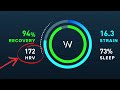
Fact Check: Improving Heart Rate Variability with Diet, Exercise, and Lifestyle
This fact check analyzes claims about boosting heart rate variability (HRV) through diet timing, nutrition, exercise types, sleep hygiene, and stress management. While many recommendations are supported by scientific studies, some personal anecdotes lack strong evidence or require more nuance. Overall, the video provides generally credible health advice with minor overstated claims.

Fact Check: Gym Attendance and Bench Press Statistics in Motivational Video
A fact-check of a motivational fitness video reveals that while the core message about social media distorting gym norms is sound, several specific statistics are inconsistent, overstated, or understated. Attendance figures conflict with common industry data, and bench press numbers for trained athletes are lower than typical standards.

Height Growth Fact Check: Nutrition, Exercise, and Sleep Truths
This fact check analyzes claims about human height determination, focusing on genetics, nutrition, exercise, and sleep. While many claims align with scientific evidence, some statements are oversimplified or lack nuance. We provide a detailed verification of each assertion with supporting sources.

Fact Check: Is the 'Confusion Compass' the Best Learning Strategy?
This analysis examines claims from a learning coach video about the 'Confusion Compass' technique. While the core advice is sound and aligns with established cognitive science, some claims about outperforming 99% of people and universal effectiveness are unverifiable. Overall, the video presents a credible, evidence-informed learning method with minor overstatements.

Fact Check: Neuroscientist's Claims on Phone Presence, Multitasking, & Brain Hacks
This fact-check analyzes claims from a cognitive neuroscientist about the impact of visible phones on intelligence, the impossibility of multitasking, and the benefits of boredom for creativity. While some claims are supported by established cognitive science, others are misleadingly absolute, lack specific citations, or simplify complex research findings.
Most viewed fact checks

Fact Check: April 2026 Regulus-Sphinx Alignment and Biblical Prophecy
This fact-check examines the claim that the star Regulus will align with the Sphinx's gaze at Easter 2026, signalling a significant spiritual or prophetic event as proposed by Chris Bledso. We evaluate the astronomical accuracy of the claimed alignment, the biblical connections, and warnings about deception in prophecy.

Fact Check: April 2026 Rapture Predictions and Related Claims
This video makes multiple prophetic and biblical claims prophesying an imminent rapture event around April 4th to 5th, 2026, linking various visions, interpretations, and speculative timelines. Our fact-check finds that these claims are unsupported by credible evidence or mainstream religious scholarship and involve unverifiable personal revelations and misinterpretations of historical and biblical texts.

Fact Check: Prophetic Claims and the Essene Calendar Explained
This video presents claims about the prophetic significance of the Essene calendar, its connection to biblical prophecy, and recent historical events. While some historical facts about the Dead Sea Scrolls and Jewish history are accurate, the prophetic interpretations and calendar correlations remain speculative and unverified by mainstream scholarship.

Fact Check: Claims About Noah's Ark Discovery on Turkey's Highest Peak
This fact-check examines the sensational claims of an alleged Noah's Ark discovery on a Turkish mountain peak, analyzing the archaeological, scientific, and biblical assertions made. Our investigation finds no credible evidence supporting the extraordinary details presented, many of which contradict established science and historical knowledge.

Fact Check: Zoink's Record Breaks and Impossible Levels in Geometry Dash
This fact check analyzes the claims about Geometry Dash player Zoink's achievements, including his record completions of notoriously difficult levels such as Booambama, Exasperation, and Silent Circles. While most accomplishments verify with community data and documented runs, some details on attempts and timelines require cautious interpretation.
Found this fact check useful?
Take it with you. One click puts it in your own LunaNotes library.
Save to LunaNotes